
When our forefathers sat around the fire in their caves telling stories about the famous mastodon hunts of yesteryear, they found it easy to do, because their listeners always wanted to know the answer to the eternal question “What happened next?” When the veterans of the Trojan War enthralled their grandchildren, and the Vikings told their sagas of long-ago raids, they knew they had their audiences riveted because they could tell them the next stage of the story. Nobody ever asked them to tell the tale thematically or in modules or in a postmodernist format; they just wanted to know what happened next.
Narrative is the friend of the historian; chronology, his greatest ally. It is innate to the human condition to want to know the outcome. It is what impels the reader to turn the page. It is the reason that historians don’t get writer’s block; we know what happened next. A novelist might have 40 outcomes to any situation; we have only the one. (I have also found alimony and a mortgage a trusty cure to writer’s block and heartily recommend it.)
The chronological approach also has the great advantage over other ways of writing history in that it is true (something the postmodernists ignore, since they despise the concept of truth in history per se). Napoleon did not wake up one day and say, “I shall now explore the issue of the relationship between church and state.” Rather, his approach developed over time. Themes must of course be drawn out in history books at their proper place in the narrative, but to make them the center of a book and slip actual events in later is to wreck what makes readers want to turn the page.
To try to immerse oneself in the mindset of the long-dead is easily the hardest part of the historian’s craft, and the most treacherous. The further one goes back in history, the harder it is. Reach back much earlier than the Western Enlightenment and one must be good at theology, because educated people spent what is to us an inordinate amount of time thinking about God and how He should best be worshiped. Go back much further than the Renaissance, and people spent a good deal of their time simply being scared. Recall the very earliest moments of COVID-19 a year ago, when we didn’t know how lethal it was but a lot of people were starting to die. That was what it was like living in the Dark Ages all the time, only with a good deal less information.
Trying to impose our mindset — let alone our values — upon the past is self-evidently ludicrous, however often it is tried and however well intentioned. There is no such thing, for example, as “the right side of history.” We might want people in the past to be more like us, but they resolutely refuse to be, and we must respect their right to be different.
A pitfall that historians must guard against, and that I fear fewer and fewer do, is what I call “out of the darkness loomed” history, in which historians encourage readers’ imaginations to go further than the evidence supports. They merely make up stuff in order to create atmosphere. “Out of the darkness of the autumn evening loomed the coach as it drew up beside the inn, disgorging its tired passengers” — that kind of history. In a novel it’s fine; historical fiction is a different genre. But it is totally unacceptable in a history book unless the author can prove with contemporaneous documents that it was indeed dark at the moment the coach drew up, and that it didn’t draw up in the inner courtyard. If you start making things up as a historian, why should your reader believe you about anything else? This is not a dry-as-dust plea for endless endnotes, simply a plea for a historian’s oath never to invent something for readability’s sake.
Acknowledged speculation is obviously acceptable, and there are dozens of subtle ways that a historian can give a nod to the reader that an account has gone through lots of iterations over the years and has probably acquired the barnacles that tend to adhere to well-sailed stories. “It was alleged that,” “wags used to joke that,” “a probably apocryphal story states” are all ways of hinting that the coming anecdote should be treated skeptically but was too good or funny to leave out.
Any book with too great a reliance on the words “perhaps,” “maybe,” “possibly,” or — the worst — “probably” is usually one to approach with caution. When the great Oxford historian Martin Gilbert saw the word “probably” in a history essay, he would circle it in red and write in the margin “Probably not?”
Similarly, never, ever use the word “inevitable,” because nothing is inevitable in history. (Except, as my Cambridge professor Norman Stone used to say, for German military counter-attack.) Marxists and other determinists will disagree, but unless you are one of them, beware the word as profoundly philosophically unsound.
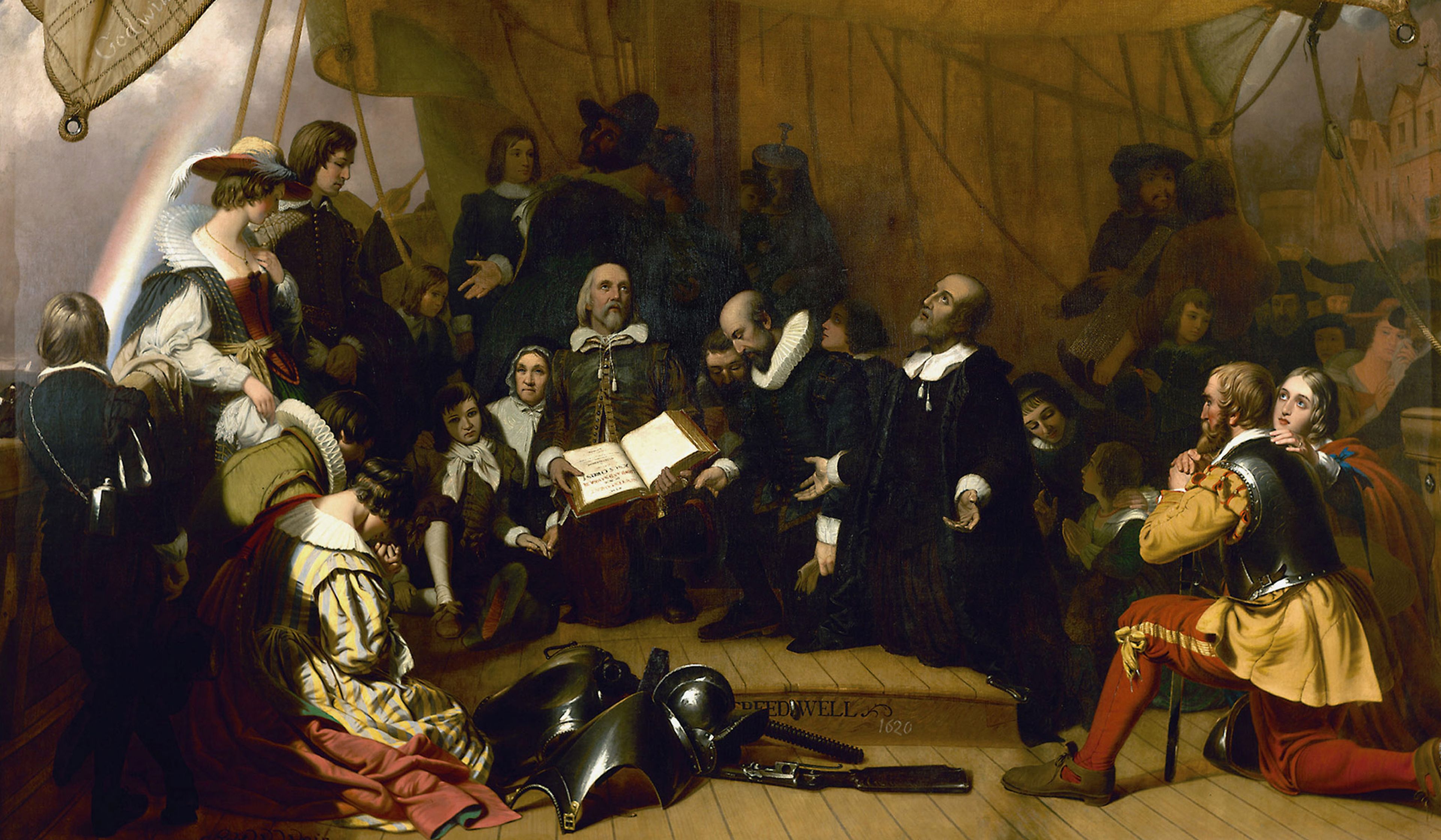
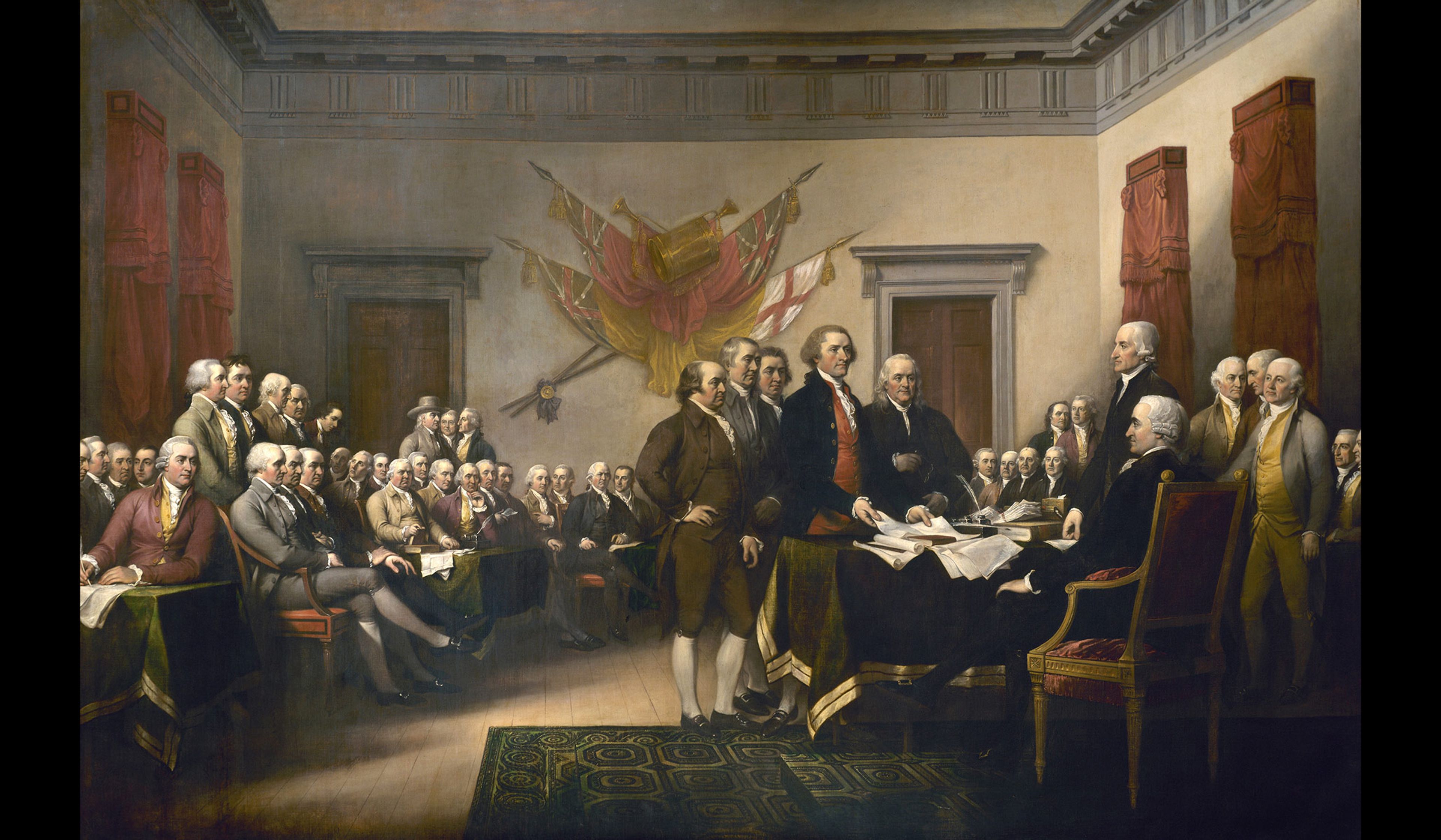
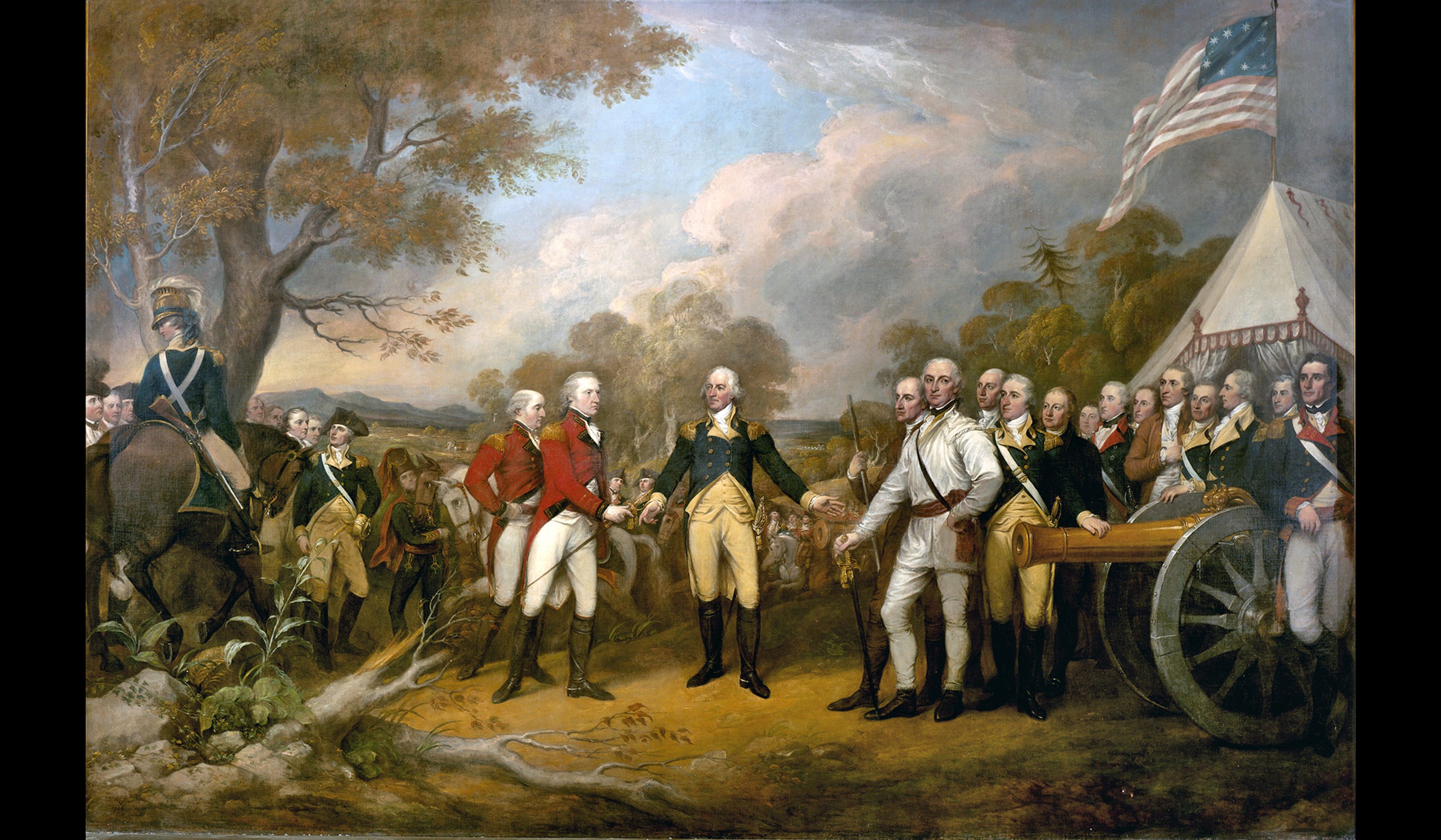
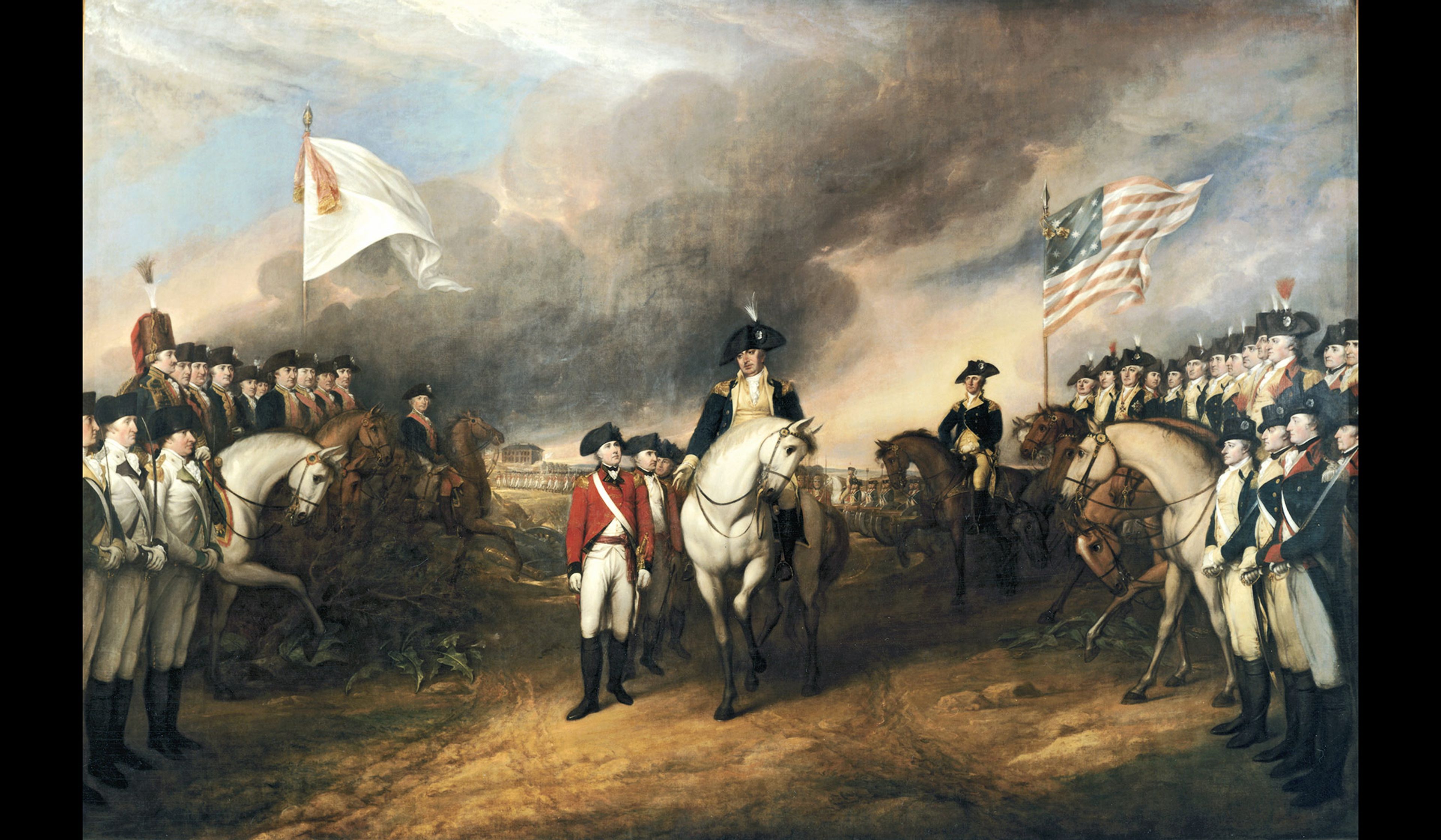
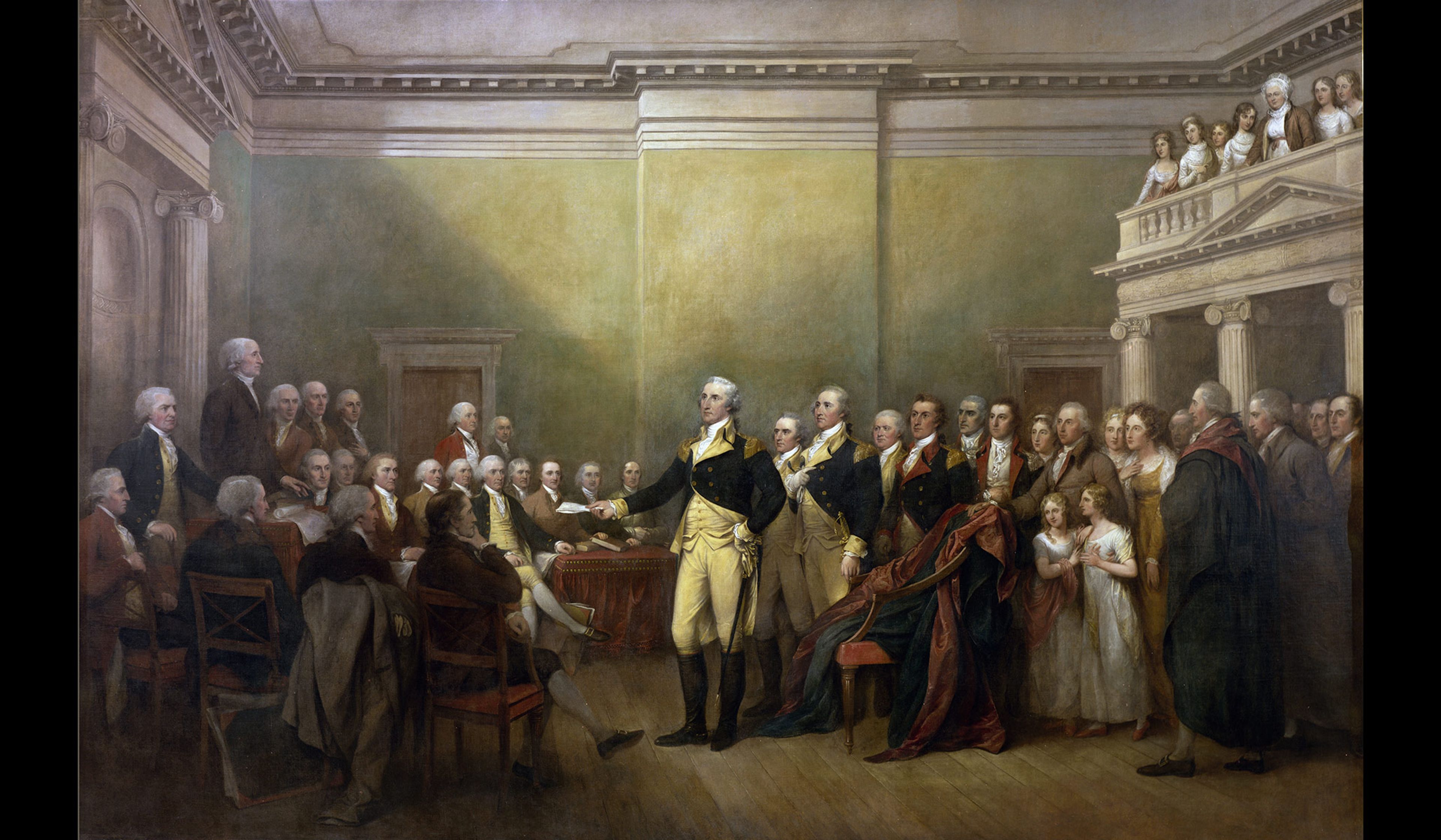
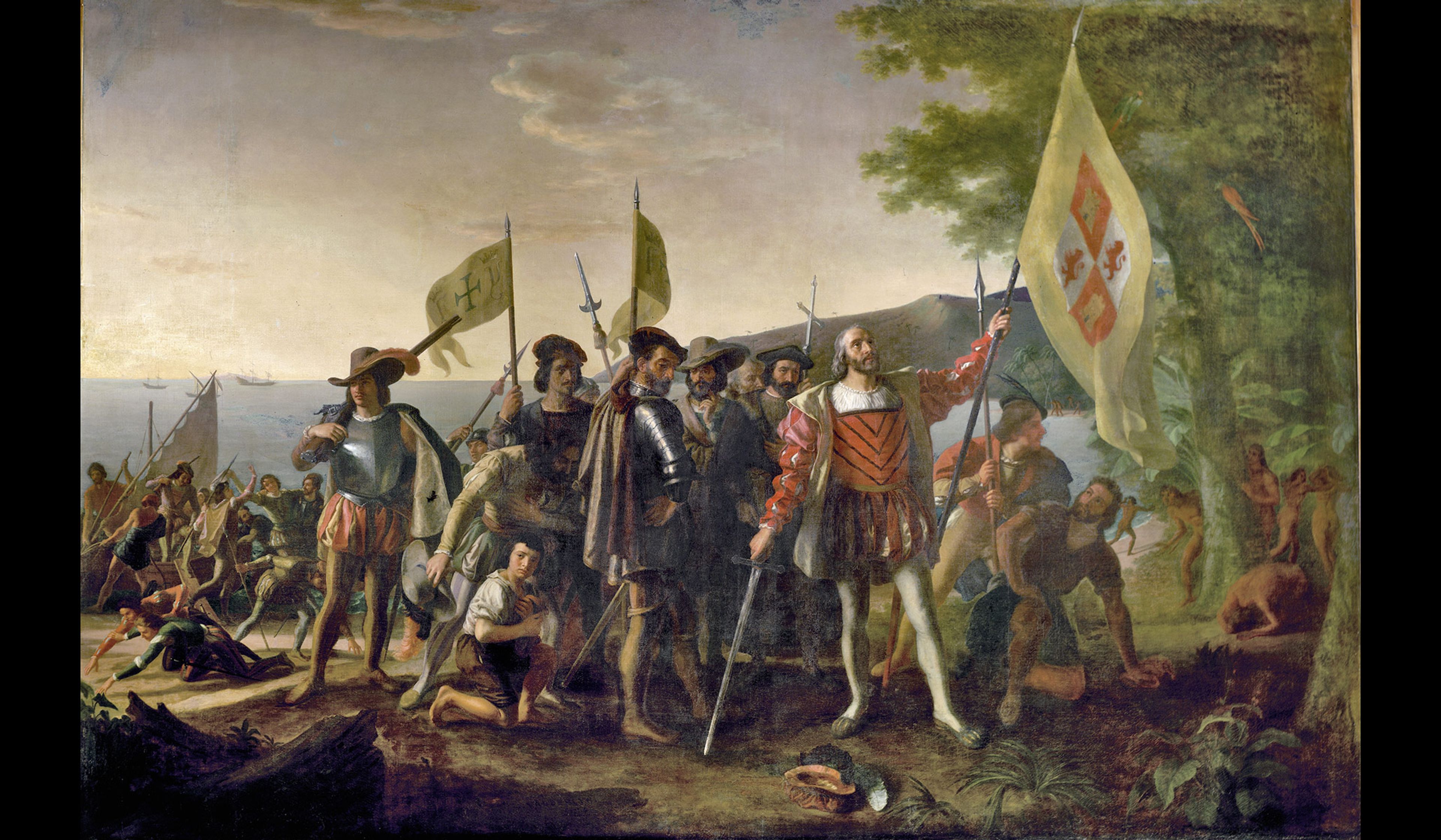
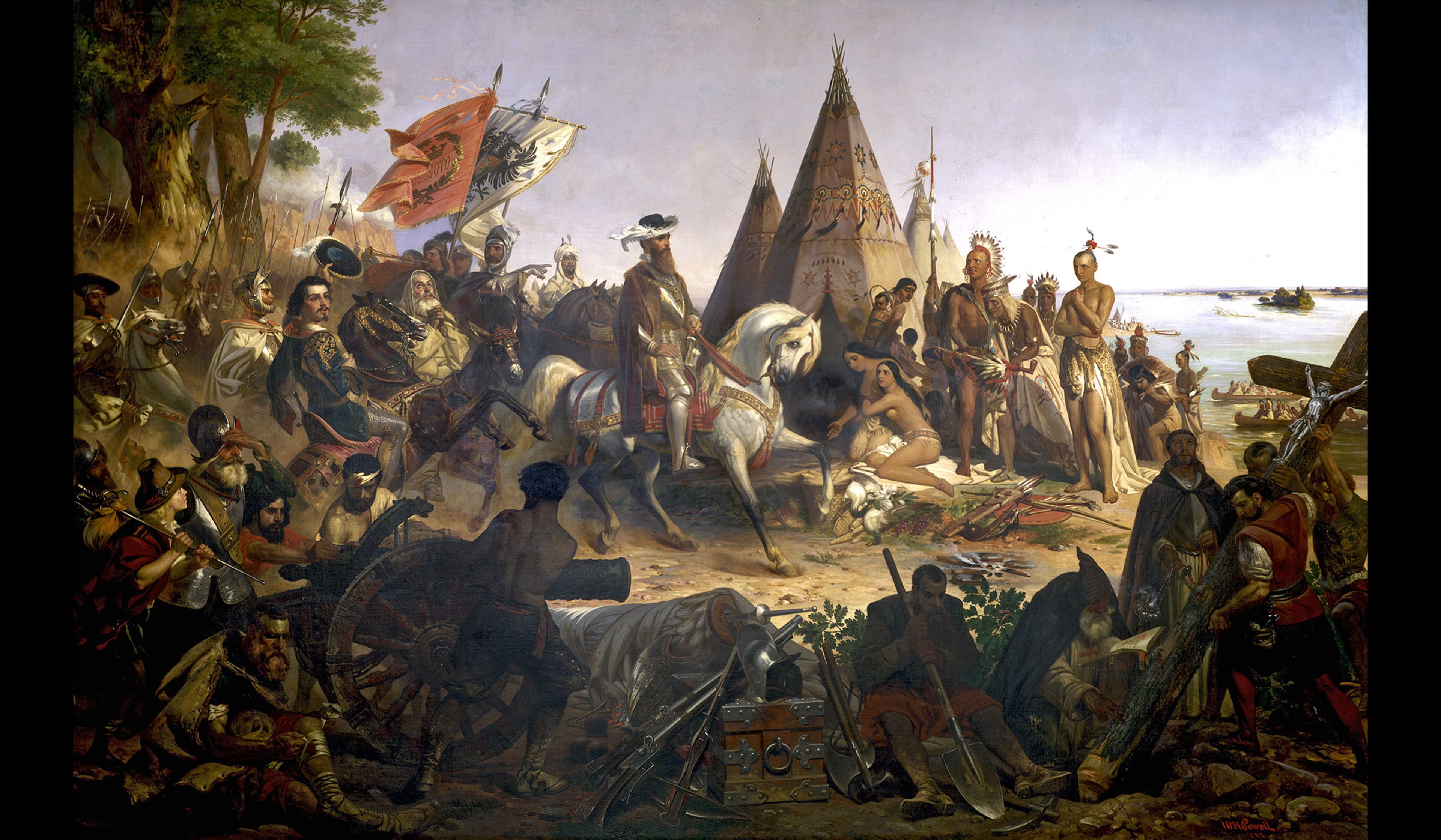
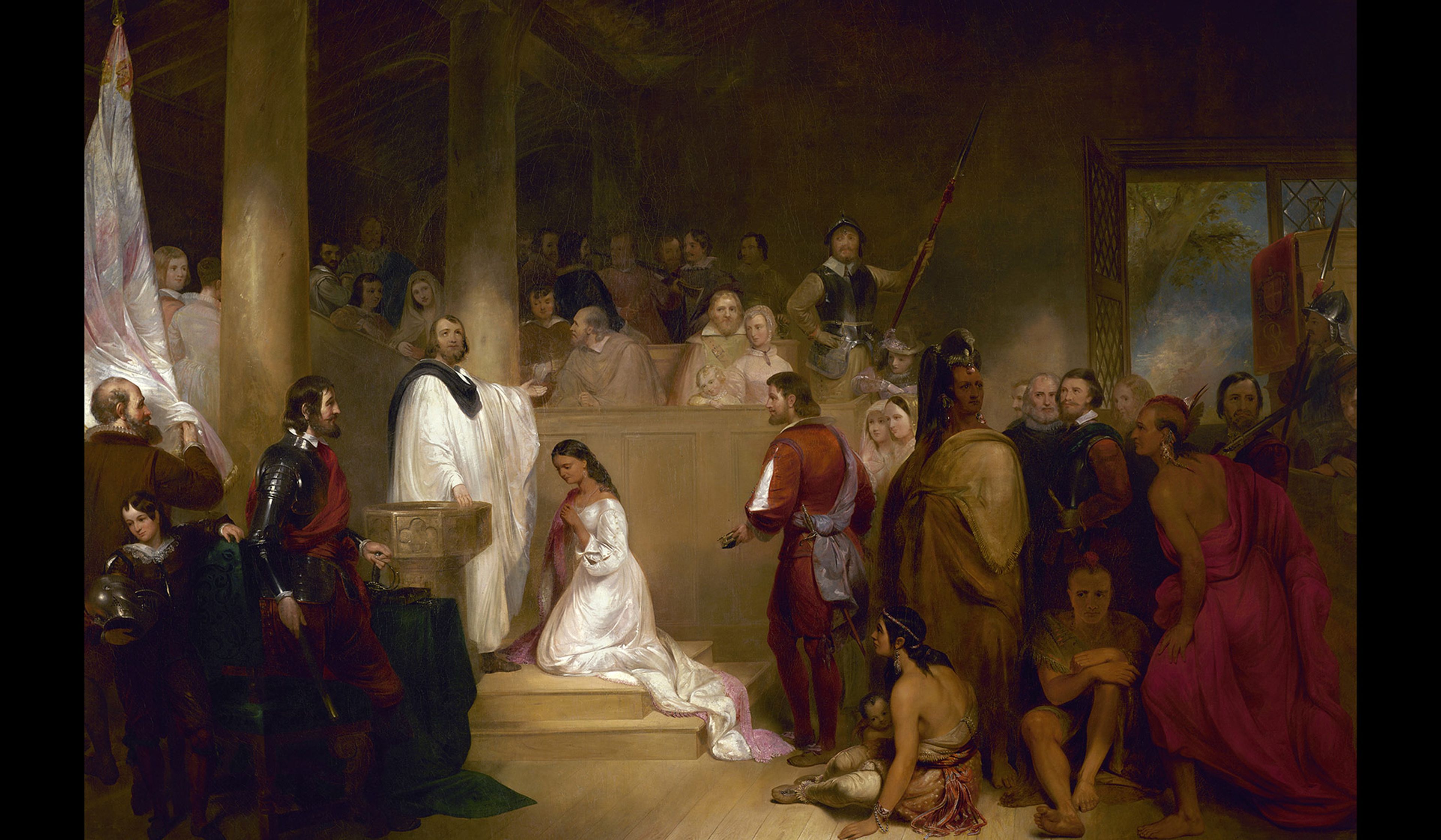
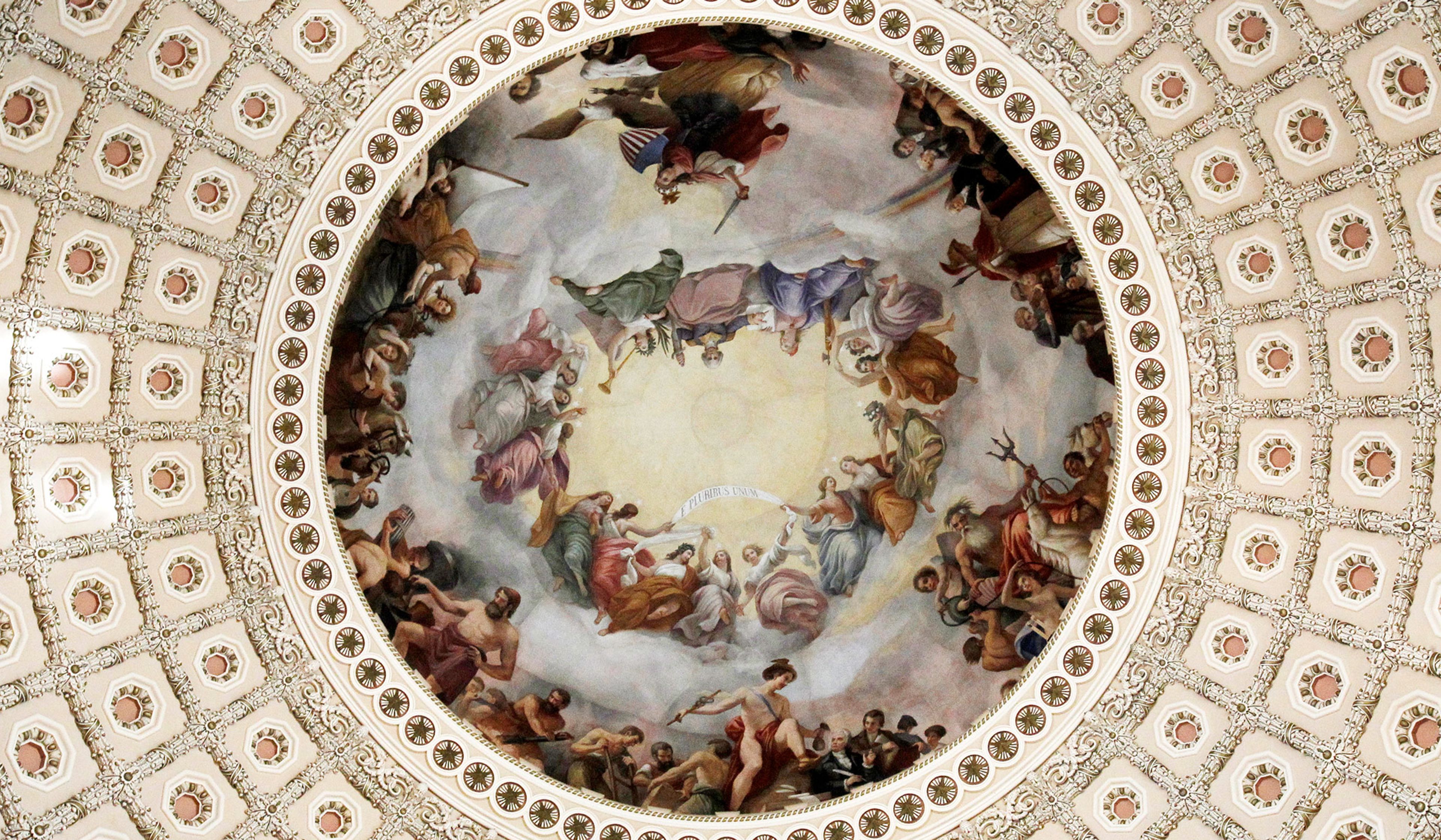
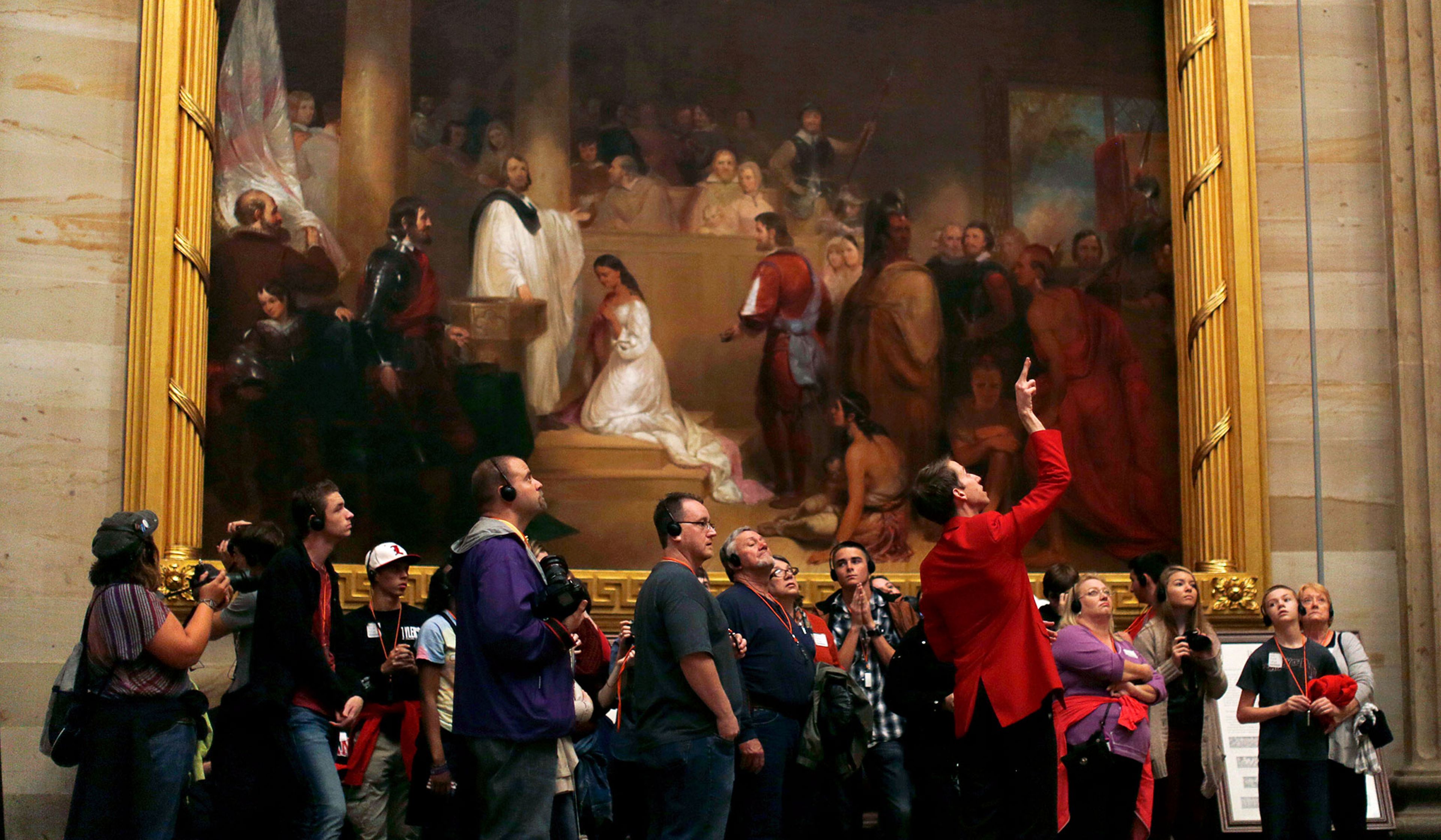
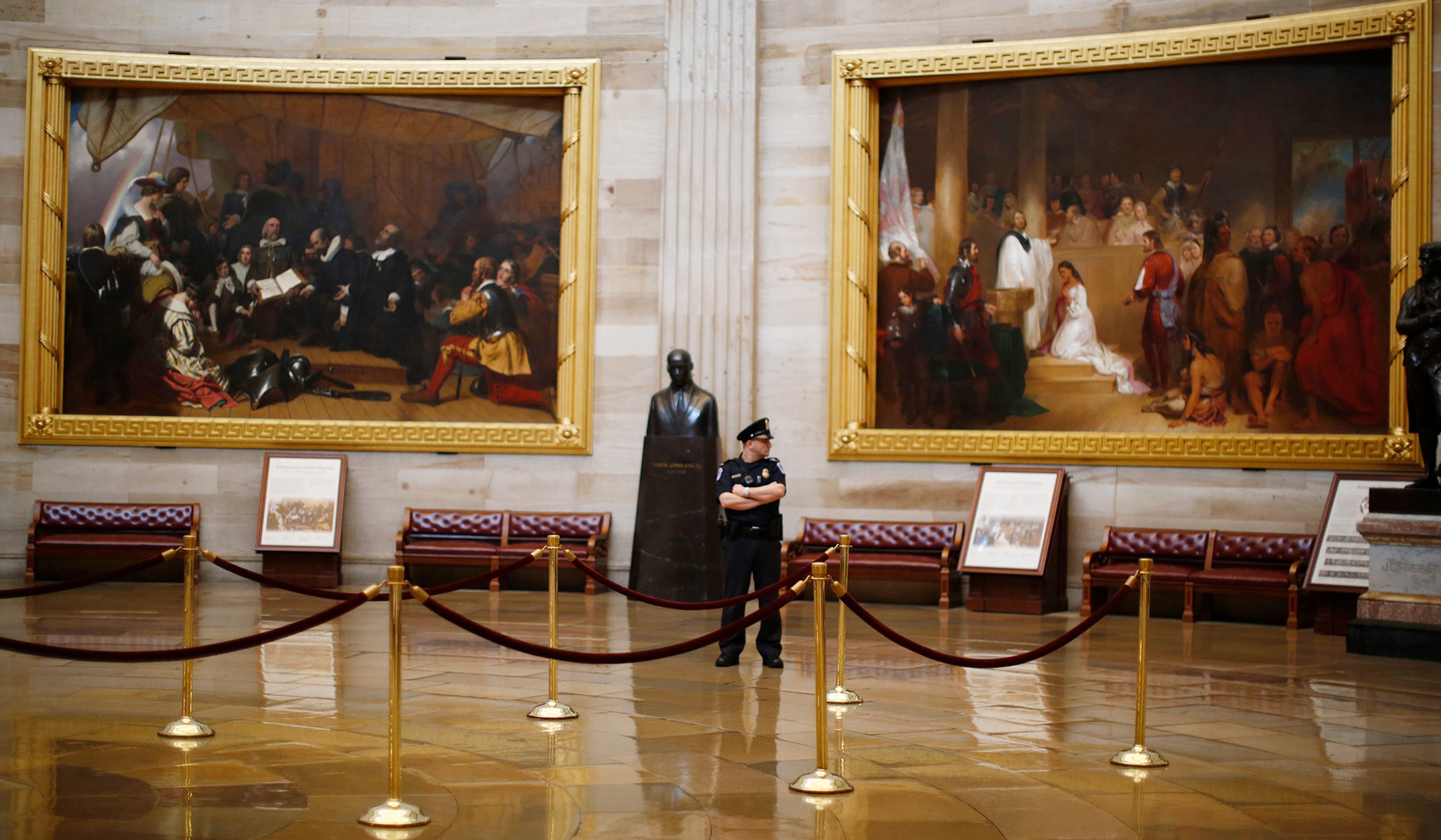
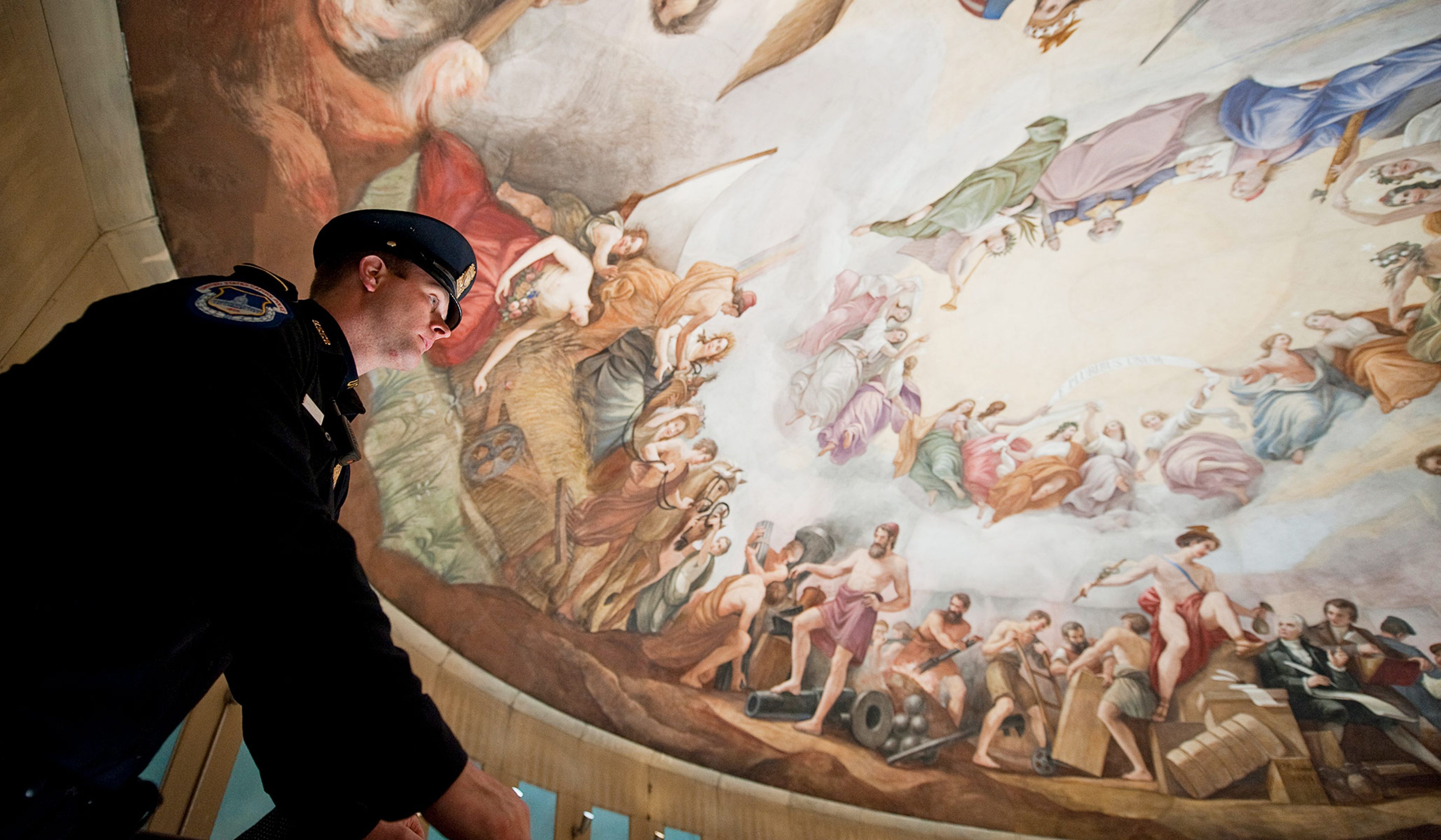
Embarkation of the Pilgrims by Robert W. Weir, 1843
Architect of the Capitol
Historians should appreciate that irony can be beautiful but is also dangerous. It doesn’t have a special font, but it should have one, as there are always readers who will take everything literally. Just as you pat yourself on the back for making an English High Ironic gag of which Gibbon himself would be proud, you are walking towards a manhole whose cover has been left off. That is not to say you shouldn’t joke with your readers — history books would be insupportable without the occasional gag. But prepare for people not to get them.
Percy Shelley claimed that poets were the unacknowledged legislators of the world, but of course it is in fact historians who are, so we are under a solemn obligation — again, seen far too much in the breach — not to impose onto our work our political opinions on modern-day matters. The perils of the Bush Derangement Syndrome, the Trump Derangement Syndrome, and, in my country, the Brexit Derangement Syndrome, in which serious works of scholarship are self-mutilated by entirely extraneous rants about present-day politics, have become well known. History books should be written for the ages, not to scratch an itch.
It is unprofessional for historians to view the multifarious and complex motivations of millions of people over hundreds of years through a single prism, as for example the 1619 Project does in its attempt to view all American history solely through the monstrous story of slavery. Similarly, although more and more people believe in conspiracy theories, they do not make good history. If there is a choice between a conspiracy and a mess, the truth is usually the mess. Or a messed-up conspiracy.
Wokery fortunately does not pose much danger to popular history-writing, although within the academy it is clearly on an unstoppable rampage. The simple reason for its lack of inroads into general history is that its products are completely unreadable. History needs to work as a subsection of literature if it is to sell in the short term and survive in the long, and the woke lexicon precludes that. All its jargon and invented words — “intersectionality,” “poststructuralist gender theory,” “toxic patriarchal masculinity,” “critical race theory,” “cishet sexuality,” and so on — are automatic turnoffs for the general reader. Instead, they want to be told the only thing that any true historian would want to tell them anyhow: what happened next.












Comments