
Jeffrey Blehar is a National Review staff writer living in Chicago. He is also the co-host of National Review’s Political Beats podcast, which explores the great music of the modern era with guests from the political world happy to find something non-political to talk about.
Political Beats
Scot Bertram and Jeff Blehar ask guests from the world of politics about their musical passions.
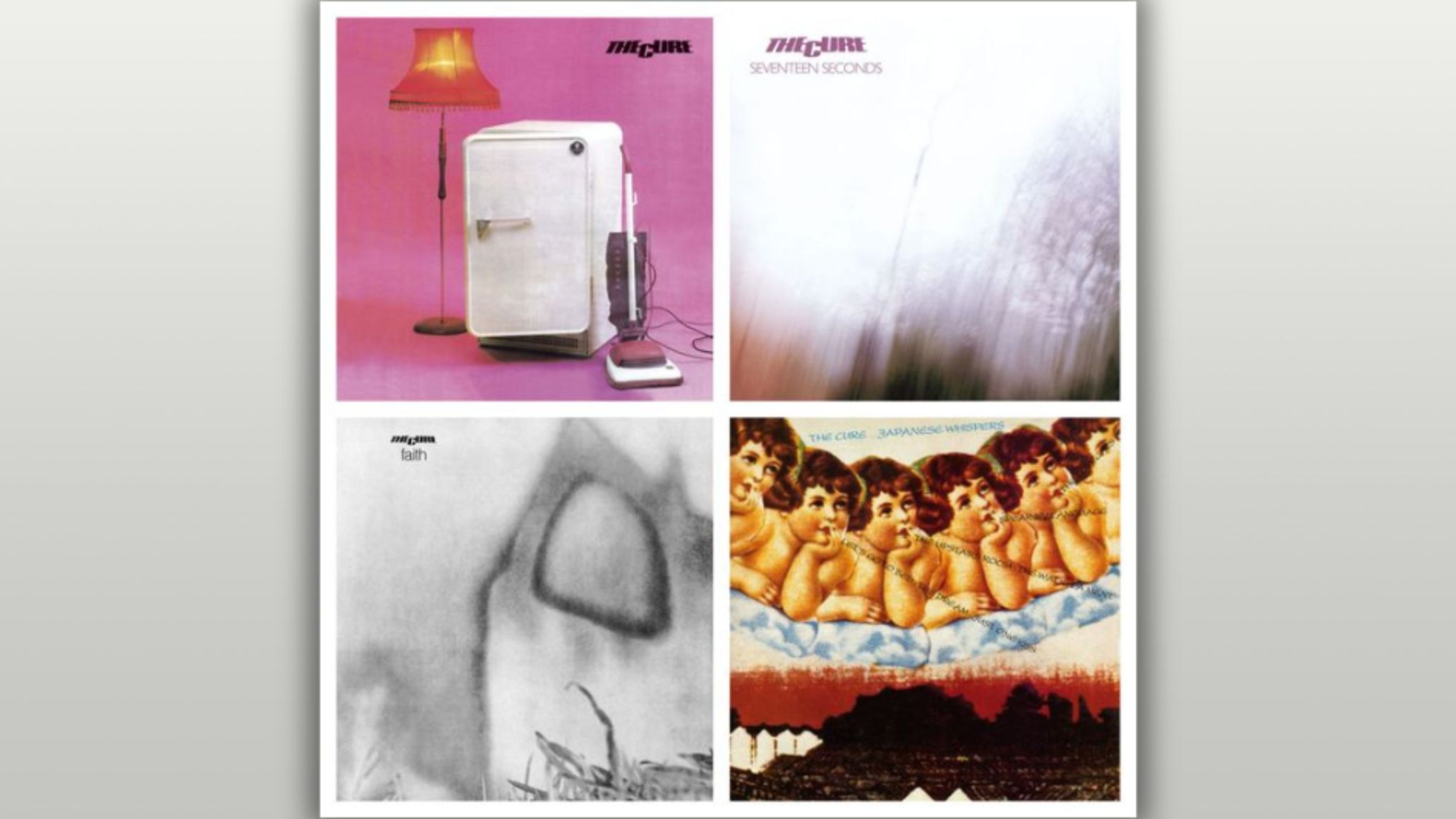
The Cure, Pt. I
Scot and Jeff discuss the first part of The Cure’s career (1978-1984) with Derek Wilczynski.
Scot and Jeff discuss the first part of The Cure’s career (1978-1984) with Derek Wilczynski.
Introducing the Band:
Your hosts Scot Bertram (@ScotBertram) and Jeff Blehar (@EsotericCD) are joined by guest Derek Wilczynski. Derek is a Michigan attorney with a trial practice, as well as treasurer for the Macomb County Republican Party.
Derek’s Musical Pick: The Cure
It’s time to paint your fingernails black and adopt your bleakest attitude as we dive into the first part of the story of post-punk’s longest-running and most influential band, The Cure. The Cure were never the loudest or most aggressively weird group of the British late ‘70s and early ‘80s – and they certainly weren’t the most musically adept. (Their original drummer was nicknamed “Lol,” almost as if they knew.) But they were always there, off in their own corner, sometimes held together as a musical proposition by little more than spit, chewing gum, and the songwriting talent and sheer force of will of Robert Smith, their lead singer and songwriter.
In their early post-punk years, The Cure – before they hit enduring stardom in America in the mid-1980s with the sheaf of poppy, upbeat gems they’re now synonymous with – were a magnificently surly, forbidding beast, a barebones sound created by three (occasionally four) musical primitives using their technical limitations to create the minimalist bluntness we forever associate with “goth” as a subgenre. But Smith was never a style poseur – he was an incredibly gifted songwriter and lyricist, mining this particular dark ore into the depths of the underground with albums like Seventeen Seconds, Faith, and the legendary (and, in our opinion, overwrought!) Pornography.
Then, he turned into a pop writer! For a band as famous and long-lasting as Robert Smith’s, is it strange to realize that The Cure were essentially two (and maybe three) separate groups, at least conceptually. Here we address the first group and embark upon a glorious, long day’s journey into night. Dawn is just around the corner by 1984.

Charles C. W. Cooke is a senior editor at National Review and the host of The Charles C. W. Cooke Podcast.
Comments
On “The Cure, Pt. I”