George Miller, the director of Three Thousand Years of Longing, an extremely unexpected motion picture in which Tilda Swinton romances a genie, has certainly earned the right to direct any movie he wants. He’s responsible, after all, for two of the most indelible cinematic heroes of the last 40 years, Max Rockatansky and Babe the pig — one post-apocalyptic and the other pastoral, one an expert at racing cars through the Aussie Outback and the other at directing sheep into a paddock.
Miller’s last Mad Max installment, Fury Road, appeared 30 years after its predecessors, replaced Mel Gibson with a laconic Tom Hardy, and required its director to organize a vast action spectacle at the age of 70; the result was the greatest action movie of the last decade, a spectacular practical-effects rebuke to an entire era of glossy unreal CGI.
So if now Miller wants to make a movie, lifted from an A. S. Byatt short story, about a chilly British academic finding love with a luxuriously handsome djinn played by Idris Elba, who am I to judge? But I will tell you that Three Thousand Years of Longing is one of the stranger movies of this year — strange in its storytelling and strange in its very existence, a tapestry stitched together with materials that I didn’t expect to see in use in current-era entertainment.
The plot begins where all great stories start, at an academic conference. Held in Istanbul, it brings together “narratologists,” professional students of storytelling, who do the kind of cross-cultural analysis that explains what the Avengers have in common with the gods of Asgard, the latest Netflix miniseries with the tales of Scheherazade. Swinton’s professor, Alithea Binnie, is a childless Brit of a certain age who claims to be entirely comfortable and happy as an academic demystifier of ancient myth and legend. But we have immediate reasons to be doubtful of her confidence, because we see the weird Arabian Nights refugees that she sees — a gnome-like creature plucking at her in the baggage claim, a glowing giant seated in the lecture hall — and writes off as flights of overactive imagination.
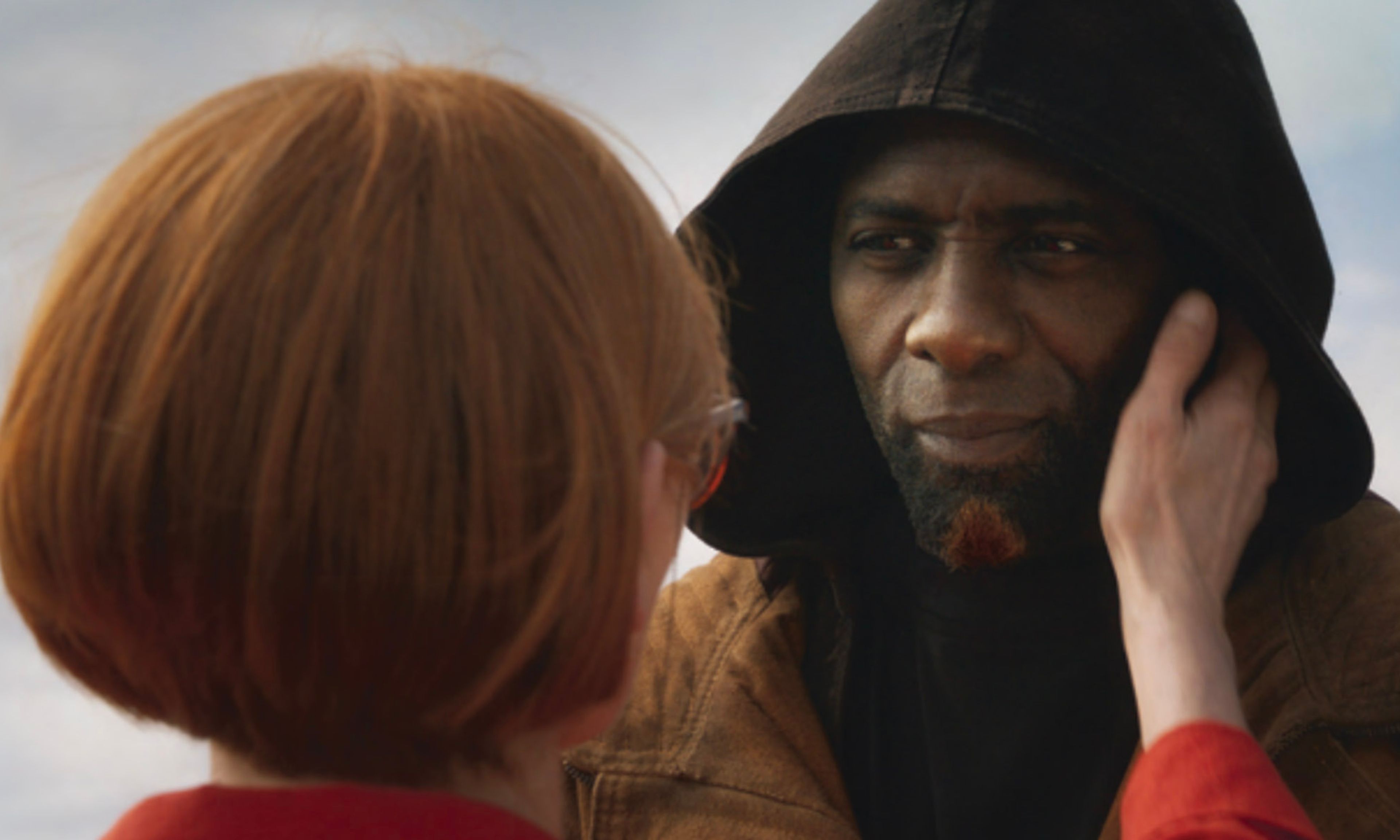
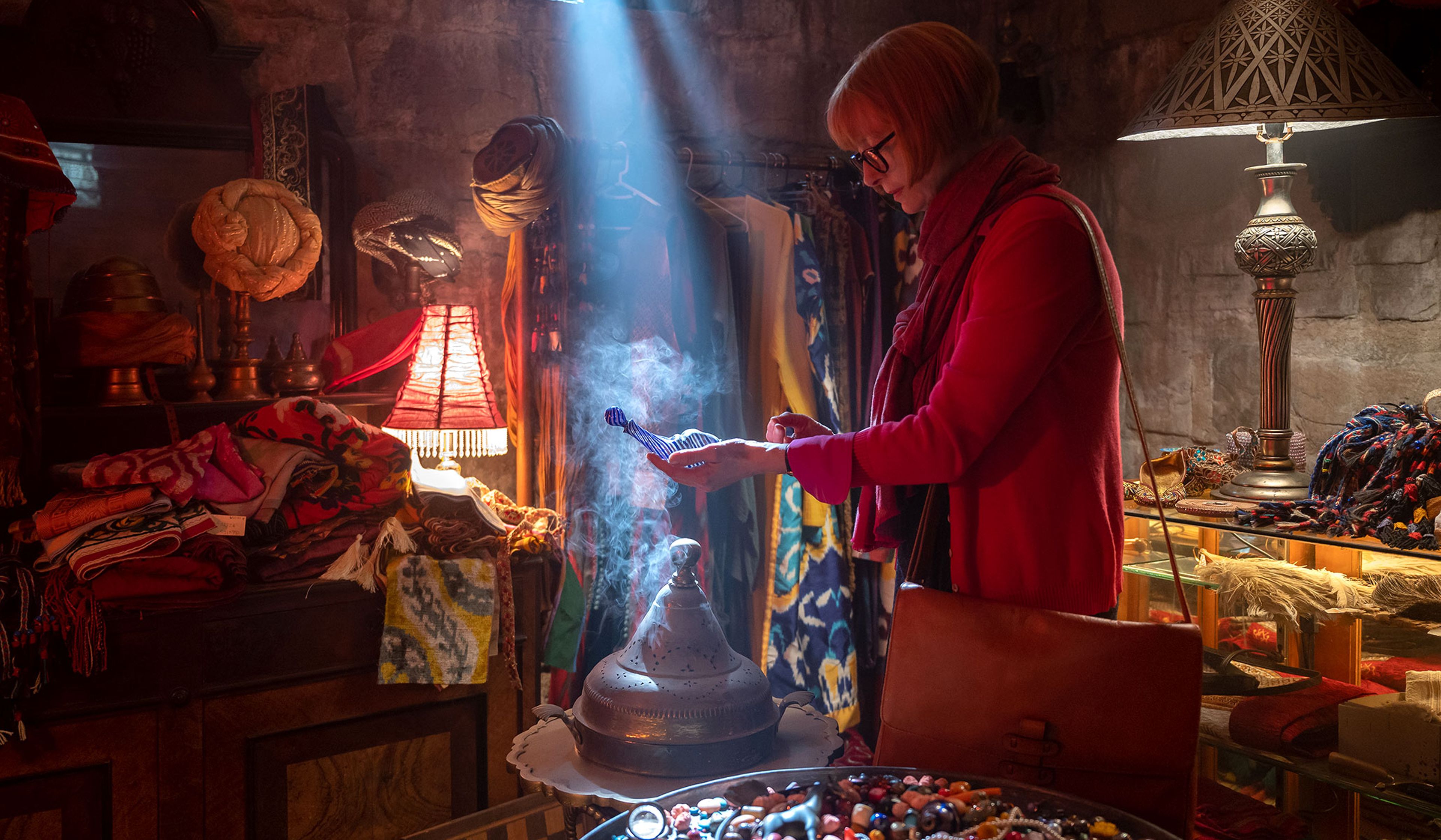
What can’t be written off is the being who appears when she acquires a lovely antique blue bottle at a curio shop and tries to clean it in her hotel sink: His body fills her suite at first, eventually shrinking to NBA-center size and taking the form of Elba with elf ears, which is apparently how a genie looks, notwithstanding what fans of Robin Williams might believe.
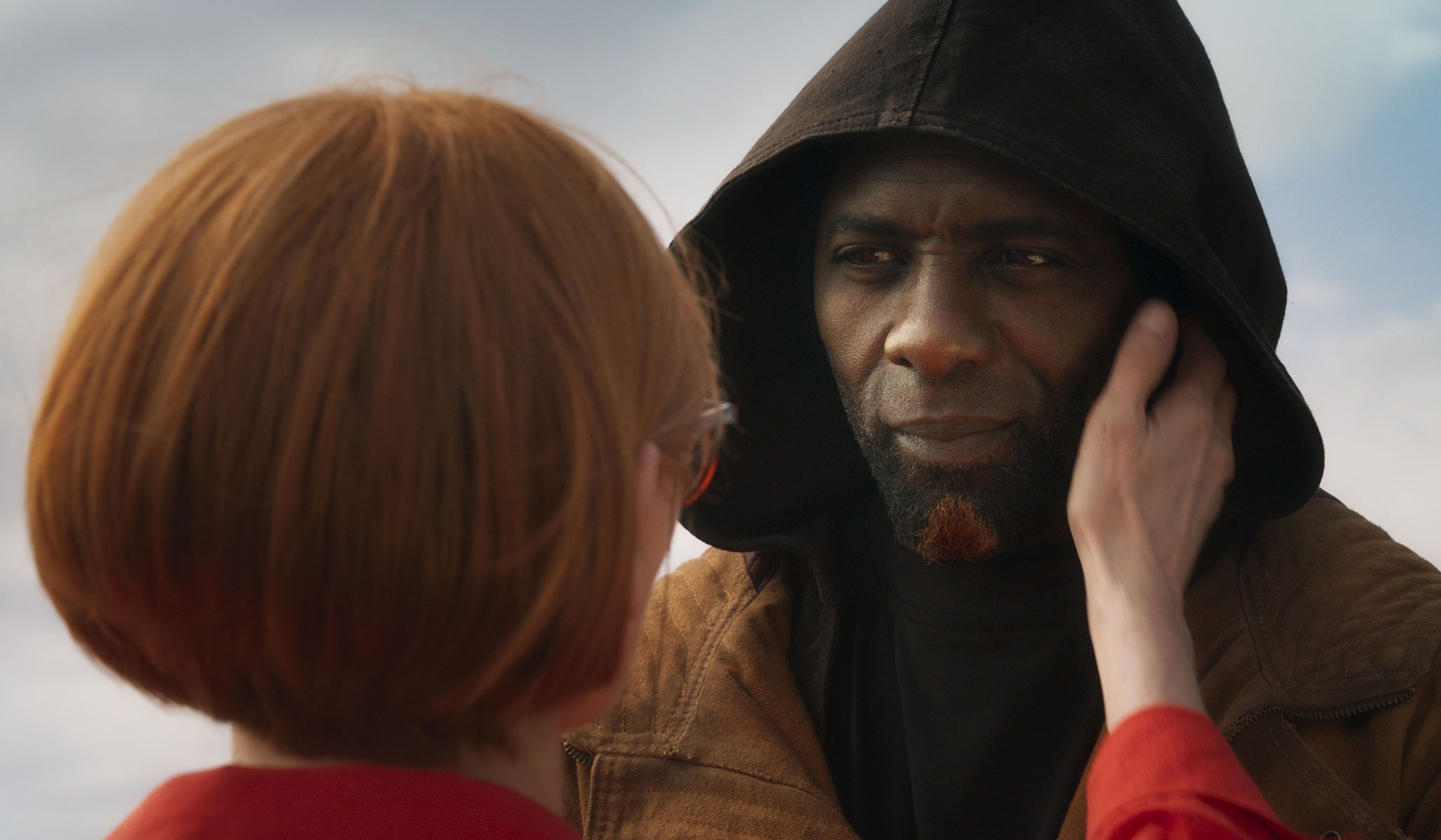
Elba’s character, who goes just by “Djinn,” offers Binnie the requisite three wishes, but as a canny student of storytelling she knows that actually wishing for worldly things almost never ends well for the wisher. And besides, she insists, she has everything she needs! This leads naturally to an exchange of backstories — hers, a miscarriage and a divorce and a retreat into the ivory tower; his, a series of wild misadventures going back to the days of Solomon and Sheba, in which various iterations of the “longing” in the title kept re-imprisoning him in various receptacles.
For a while it seems like the djinn’s flashbacks will be the whole movie, which is not exactly a critique. His memories are a ravishing series of Arabian and Ottoman vignettes, a love letter to Middle Eastern art and architecture and mythology and also a mixture of magic, exoticism, sensuality, and excess (wait for the harem of the morbidly obese) that would inspire even Edward Said’s fiercest critics to acknowledge, “Yep, that’s orientalism.” And when the movie finally pivots back to its A-plot, and the extremely chilly, extremely Northern European Professor Binnie begins to warm, as it were, to her magical black wish-granter, you half expect Said himself to pop up and start offering a running commentary on the West’s sexual fantasies about the non-Western world.
My cultural critic’s question, through all of this, was how exactly Miller was getting away with it, in the age of wokeness and a “that’s problematic” default. One answer is suggested when the academic takes the djinn back to London with her and gets greeted by an anti-immigrant rant from her old-biddy neighbors. Maybe it’s okay to be an orientalist if your fantasy about the mysterious East or sumptuous South doubles as a way to stick it to the Brexiteers? Though then the djinn has trouble adapting to urban-technological civilization, so the pro-immigration reading has its limits too . . .
Anyway: The movie exists, it’s definitely orientalist, it made me want to visit Istanbul, it doesn’t really have a plot beyond its flashbacks, it toys with big ideas and drops them, it mostly wastes Swinton, I wouldn’t watch the whole thing again, I’m not sorry I saw it, and I wish George Miller artistic freedom unto his ninth decade and beyond.
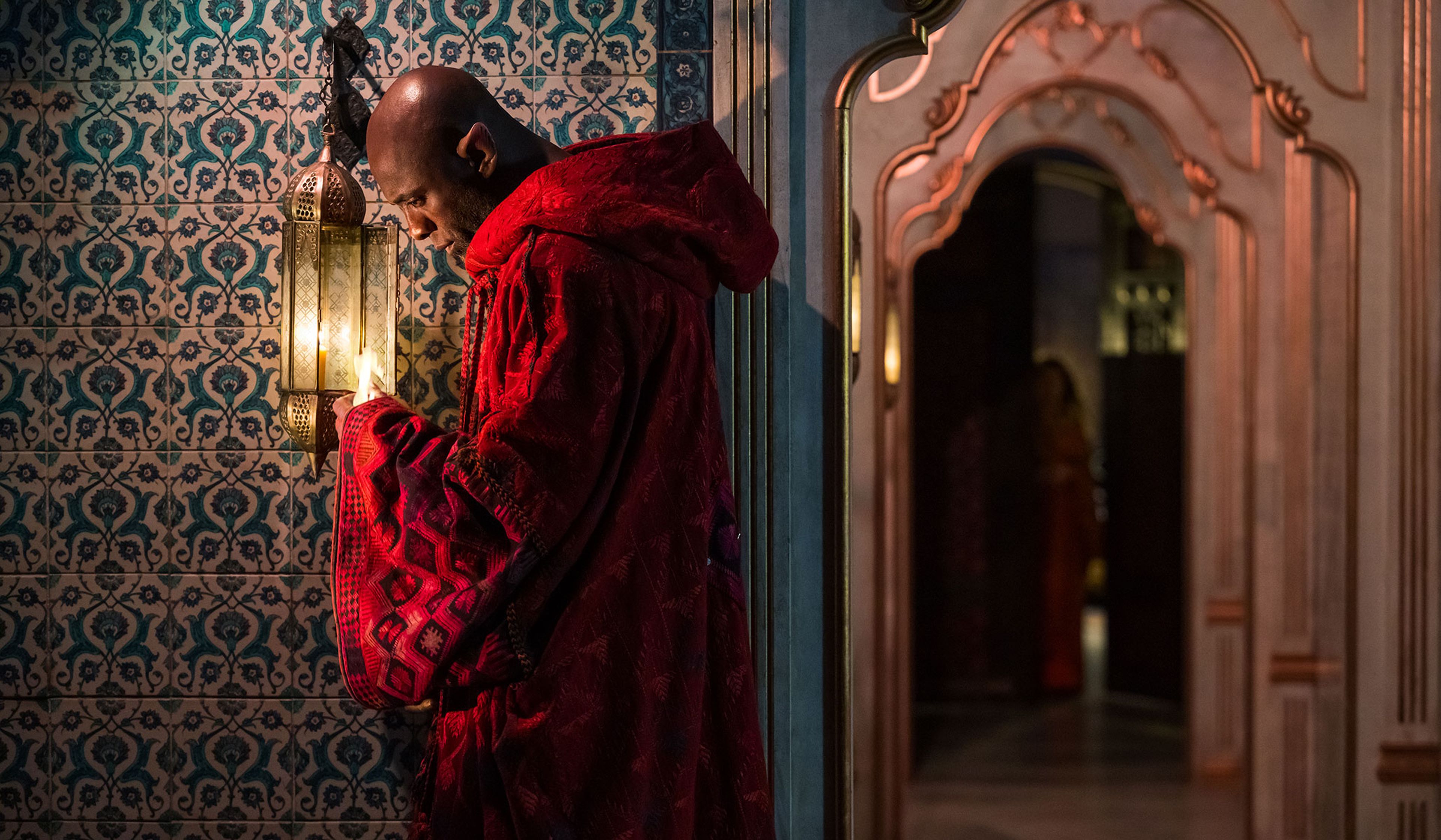
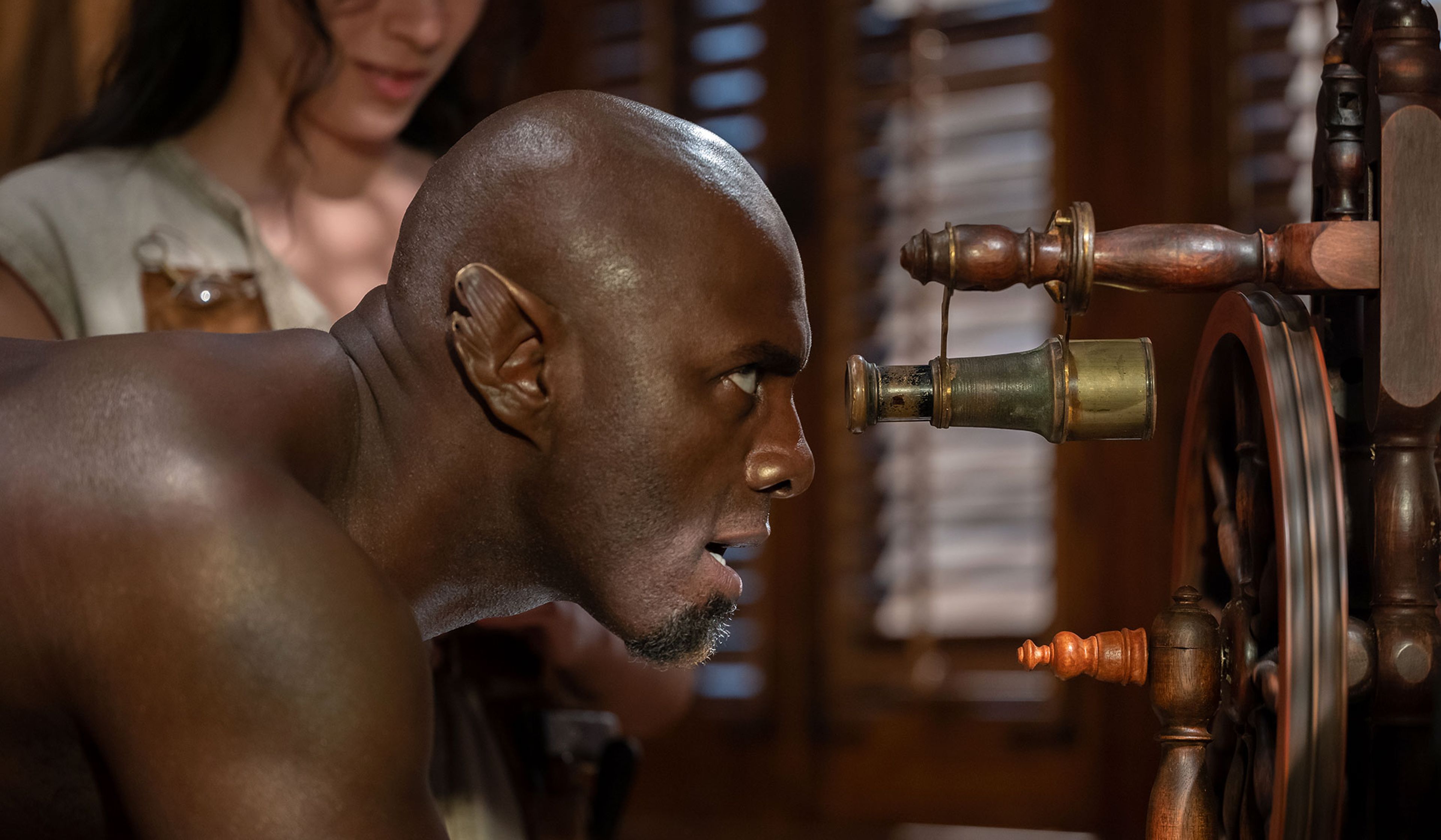


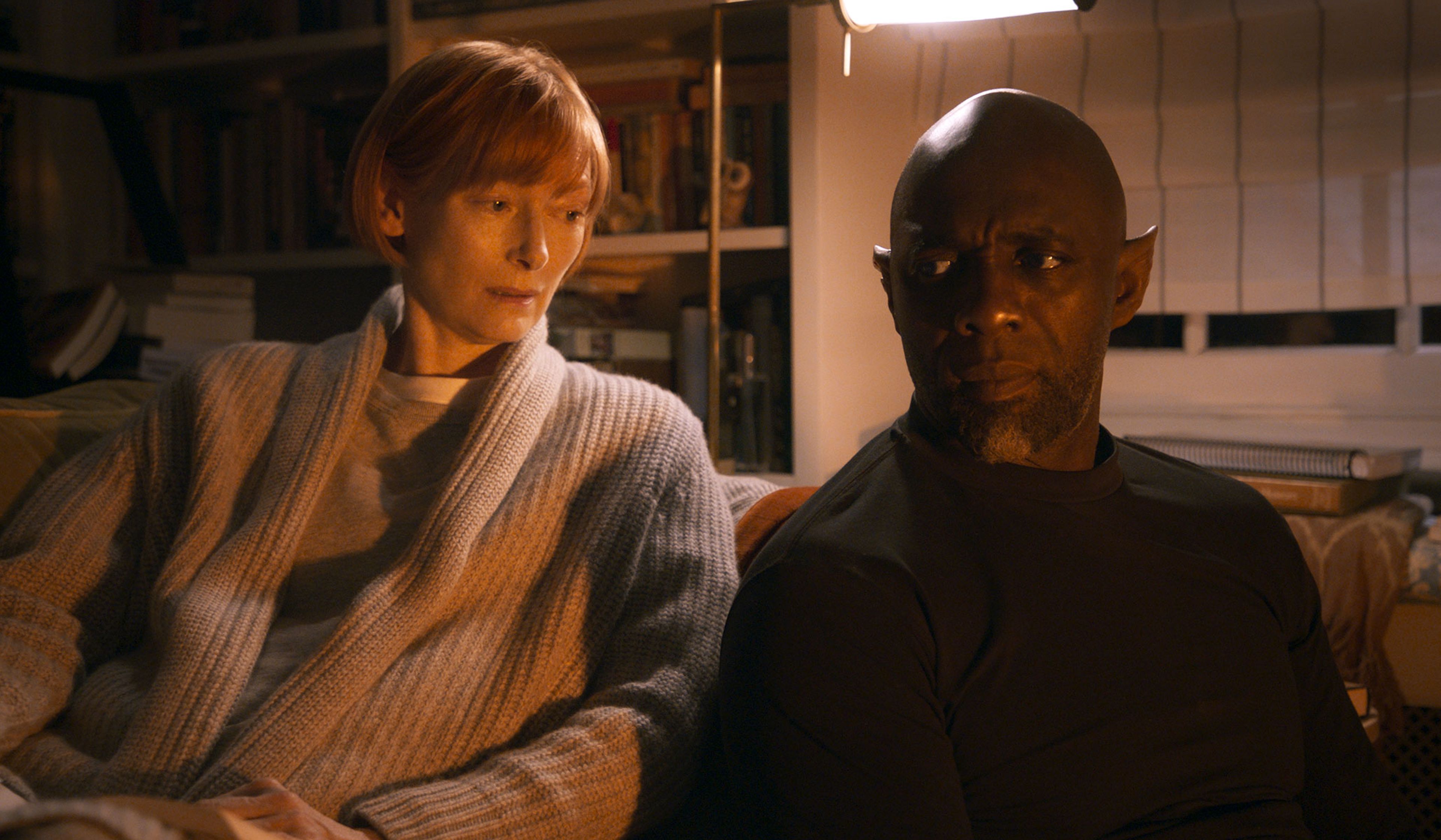

Idis Elba in Three Thousand Years of Longing.
Elise Lockwood/Metro-Goldwyn-Mayer Pictures Inc.












Comments