An epigram by any other name . . . isn’t an epigram. Without the wit inherent in an epigram, a sententious formulation becomes a mere adage, aphorism, apothegm, gnome, maxim, or saw. Unlike those, an epigram has a flash of pleasing humor in it. Samuel Taylor Coleridge defined the epigram as “a dwarfish whole, / Its body brevity, and wit its soul.” Oscar Levant defined it as “a wisecrack that played Carnegie Hall.” (It must be practiced.) Some unknown wag (not H. L. Mencken, as is sometimes thought) called it “a platitude with vine-leaves in its hair.”
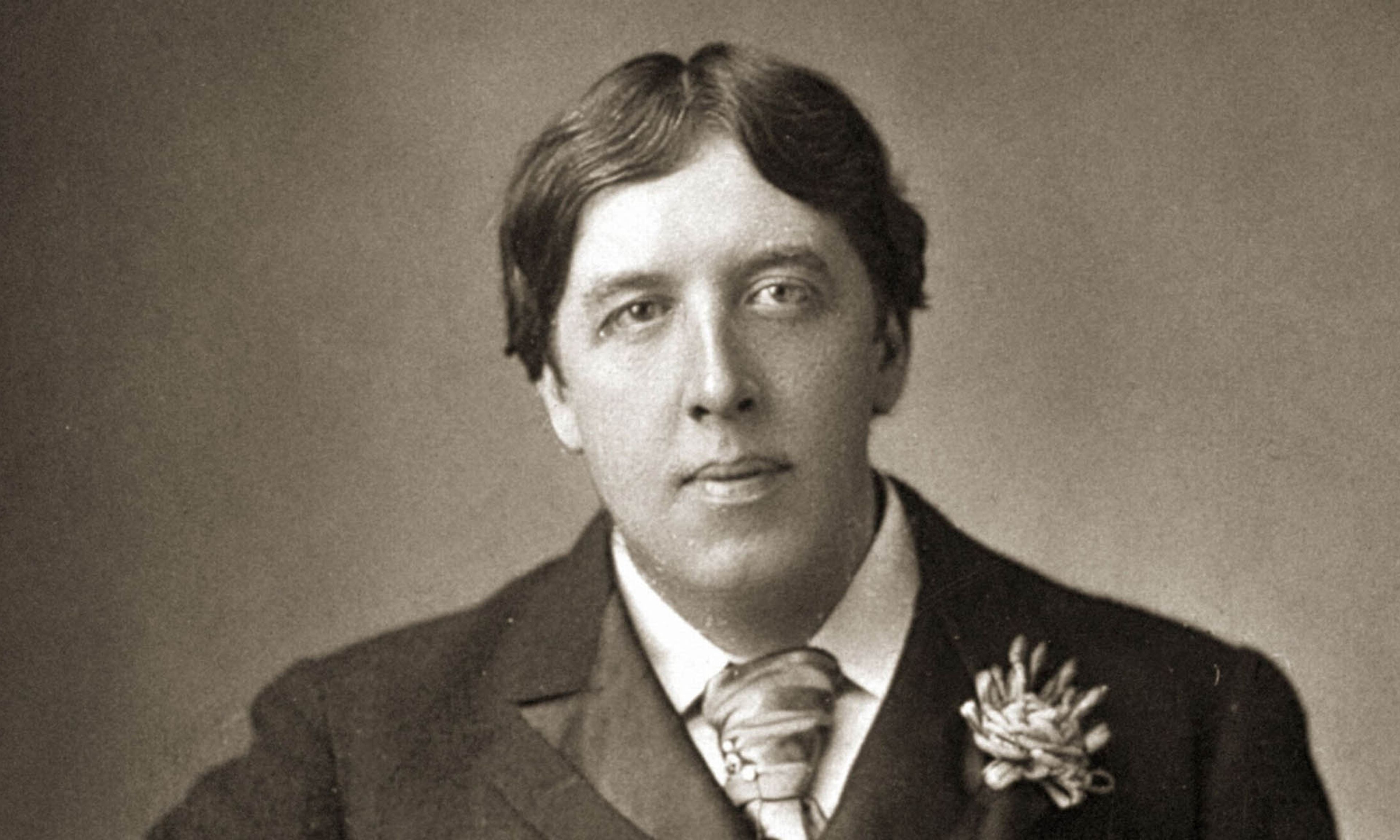
Among the ancients, Martial and Sappho were the greatest practitioners; among the moderns, none can rival Oscar Wilde, the Irish poet and playwright. Whether in conversation, letters, plays, poems, or essays, Wilde had a gift for the piquant observation cleverly expressed. Seemingly off the cuff, Wilde as a conversationalist framed these enduring thoughts (as recorded by listeners):










Comments