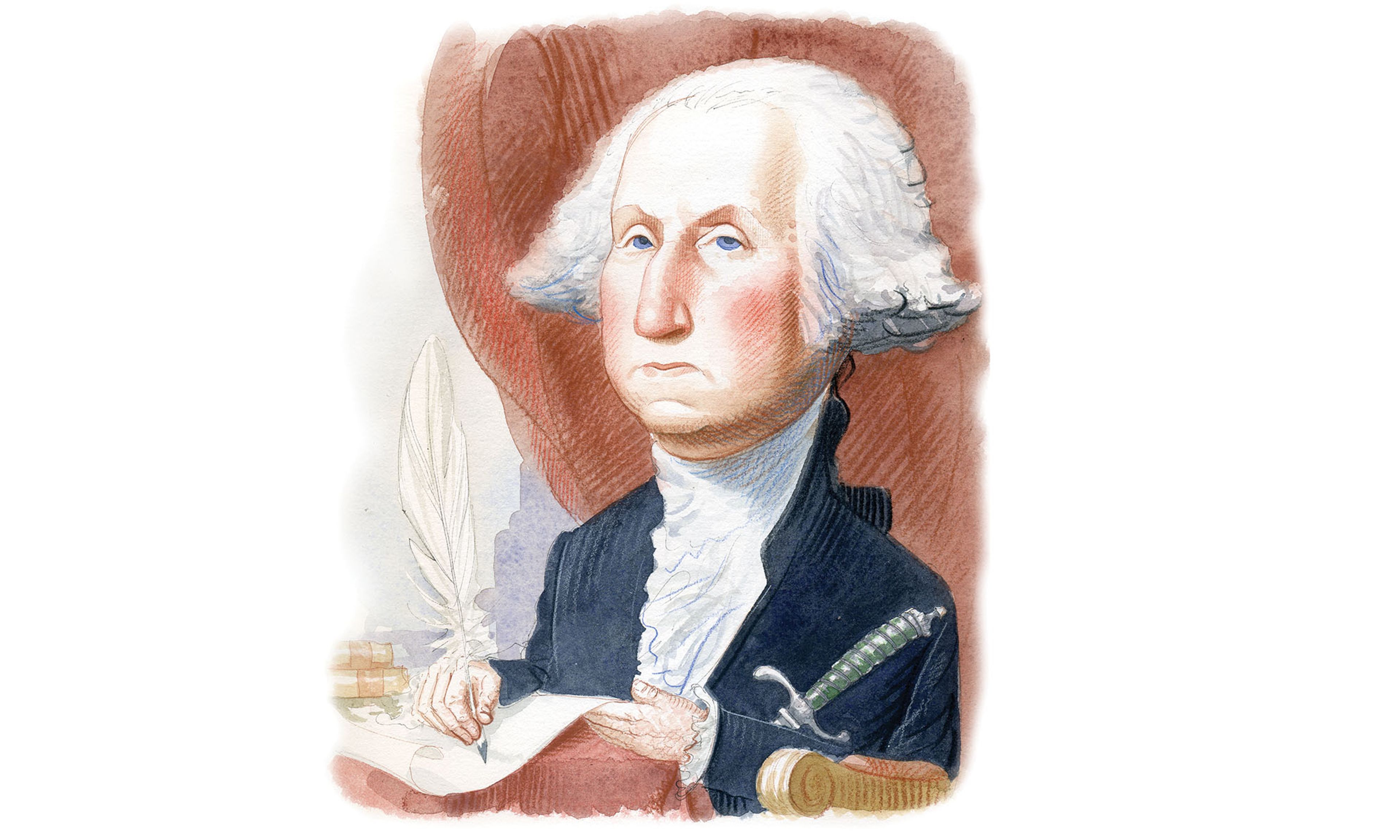
George Washington, father of his country, which was the first to say that men were born free and thus ought to be equal, was also the owner of slaves. So were three of the next four men to succeed him in office, who were also Virginians, and who had even fewer reservations about this than he. Back in the day, this was noted by many, Samuel Johnson among them, who wondered in London just how it happened that “the loudest yelps for liberty” from the other side of the ocean had come from the drivers of slaves. Among the Founders, there would be two extremes, from Alexander Hamilton, the “Bastard Brat of a drunken Scotch Pedler,” as John Adams once called him, who came to the country at age 17 a convinced abolitionist and stayed so forever, to Thomas Jefferson, who talked a good game by declaring loudly in print that “all men are created equal,” and endowed by their Creator with inalienable rights, but whose conduct in keeping some people in chains seems to say otherwise.
Of the three, Washington alone changed his perspective, starting his life by accepting the status quo as it was in his own home state of Virginia, and ending it by going so far in advance of most public opinion that he wanted to see slavery outlawed. He seems to have given the matter itself, or the human bondage with which he lived, no thought at all through his late twenties. Though he inherited ten slaves from his father when he was eleven and bought eight more for himself later on, he hardly seems to have been around them, or his home, for that matter, at first absent for long stretches of time on surveying trips for his friends the Fairfaxes (at that time the colony’s most powerful people), and later on military missions for the local militia, during which he began and then fought in the French and Indian War.
That war and his derring-do in it would bring him the cachet and the fame that allowed him to woo and to win an extremely rich woman — Martha Dandridge Custis, heir to her husband’s very large fortune — whom he married in January 1759. She brought with her when she came to Mount Vernon some 80-plus slaves from the estate of her late husband, more than four times the amount Washington had owned or commanded before. No comments of Washington’s survive from this period about race, or slaves, so it seems fair to assume he took the system for granted, as the way things were and would go on forever, as most people do the world they grew up in. But that would change with the oncoming war.
It was not what Washington said or did about slaves during the eight years of the Revolution that marked the extent of what happened in it, that marked the tremendous extent of the change. In the meantime, he had led an army with 5,000 black soldiers, traveled and lived in the parts of the country that had very few slaves and no large plantations, had as his younger aides and associates Alexander Hamilton, John Laurens, and the Marquis de Lafayette, who were fierce abolitionists, and had eight long years to think of the sheer incoherence in fighting a war on the premise that all men deserved freedom, while some people at home were in chains.
Whatever the cause — and perhaps all were the reason — when Washington was back home for good (as he thought) at Mount Vernon, he started to write things such as these: “There is not a man living who wishes more sincerely than I do to see a plan adopted for this Abolition,” he wrote in a letter in 1784. “It is much against my inclination . . . to hurt the feelings of these unhappy people by a separation of families,” he wrote two years later. “Were it not . . . that I am principled against selling negroes, as you would do cattle in the market, I would not, in twelve months from this date, be possessed of one as a slave,” went one other letter. And another insisted, “I never mean, unless some particular circumstance should compel me to it, to possess another slave by purchase; it being among my first wishes to see some plan adopted by which slavery in this country may be abolished by slow, sure, & imperceptible degrees.” In the will he wrote in the year that he died, he stipulated that if his wife survived him, he would free on her death all the slaves he owned outright, while those from the Custis estate, whom he did not control, would revert to those owners. After he died, Martha became so concerned that the slaves would kill her in order to gain their own freedom that her attorneys set them all free.
Why was Washington the only slave owner among all of the others who set his slaves free?
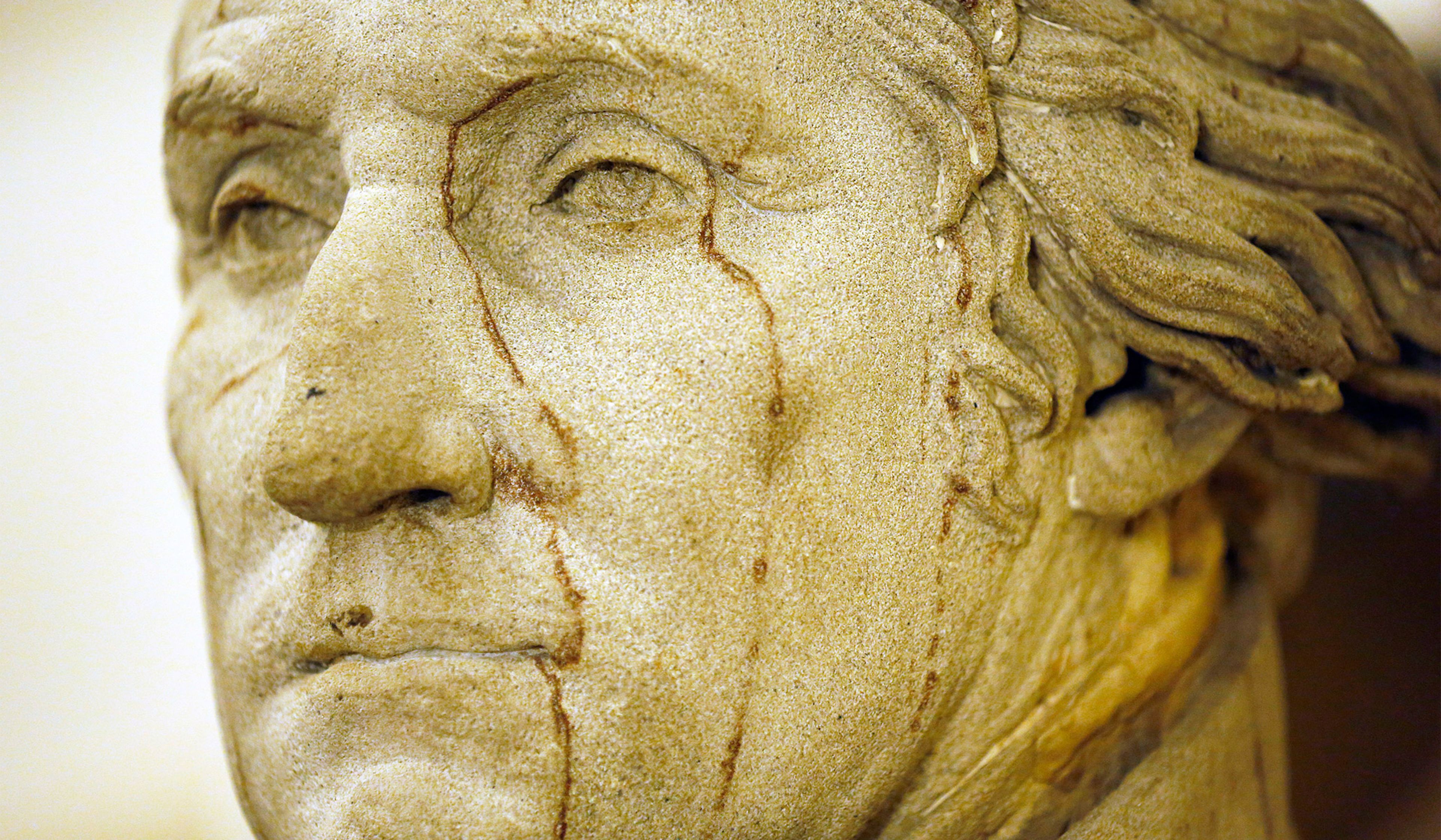
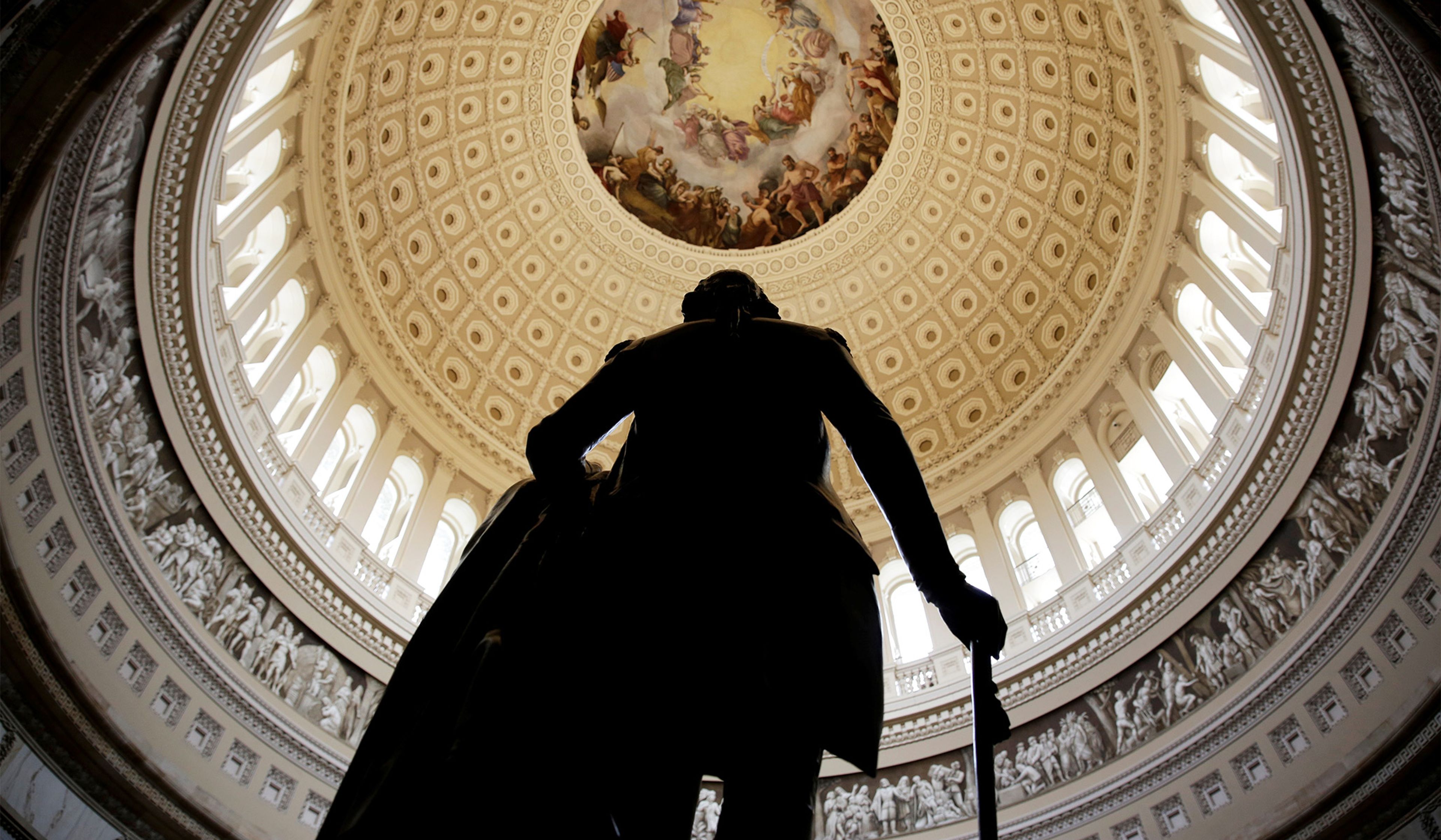
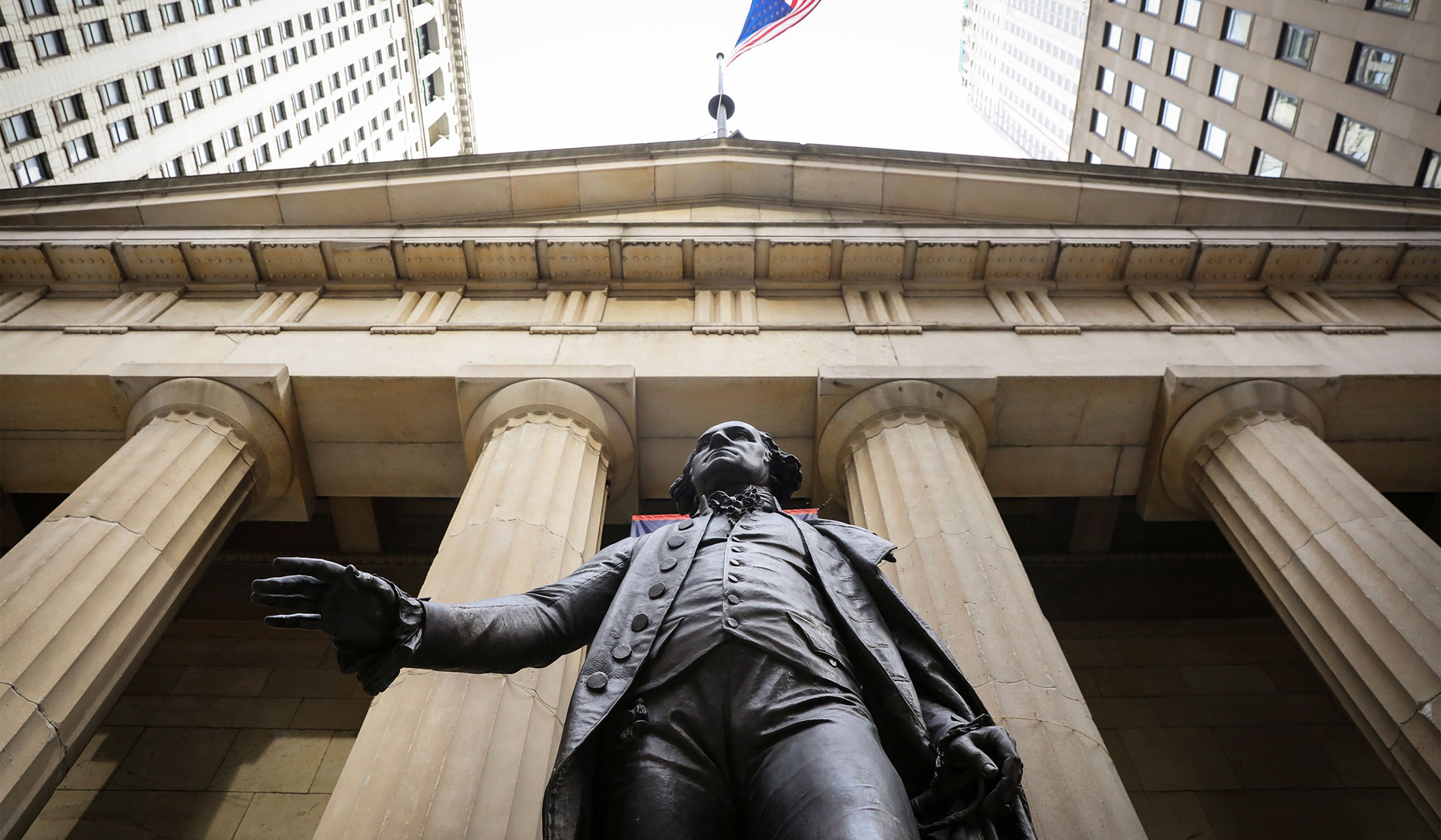

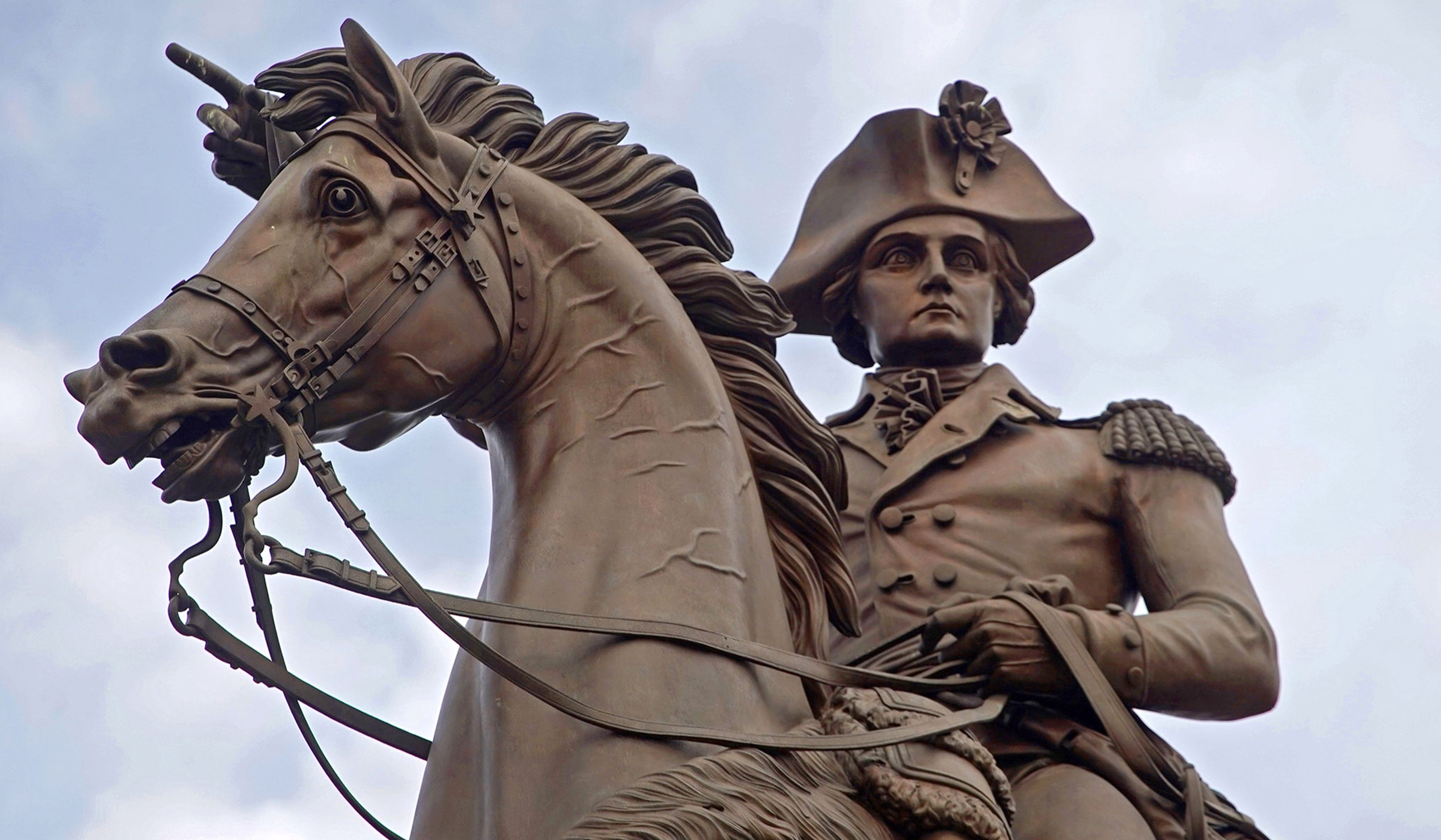
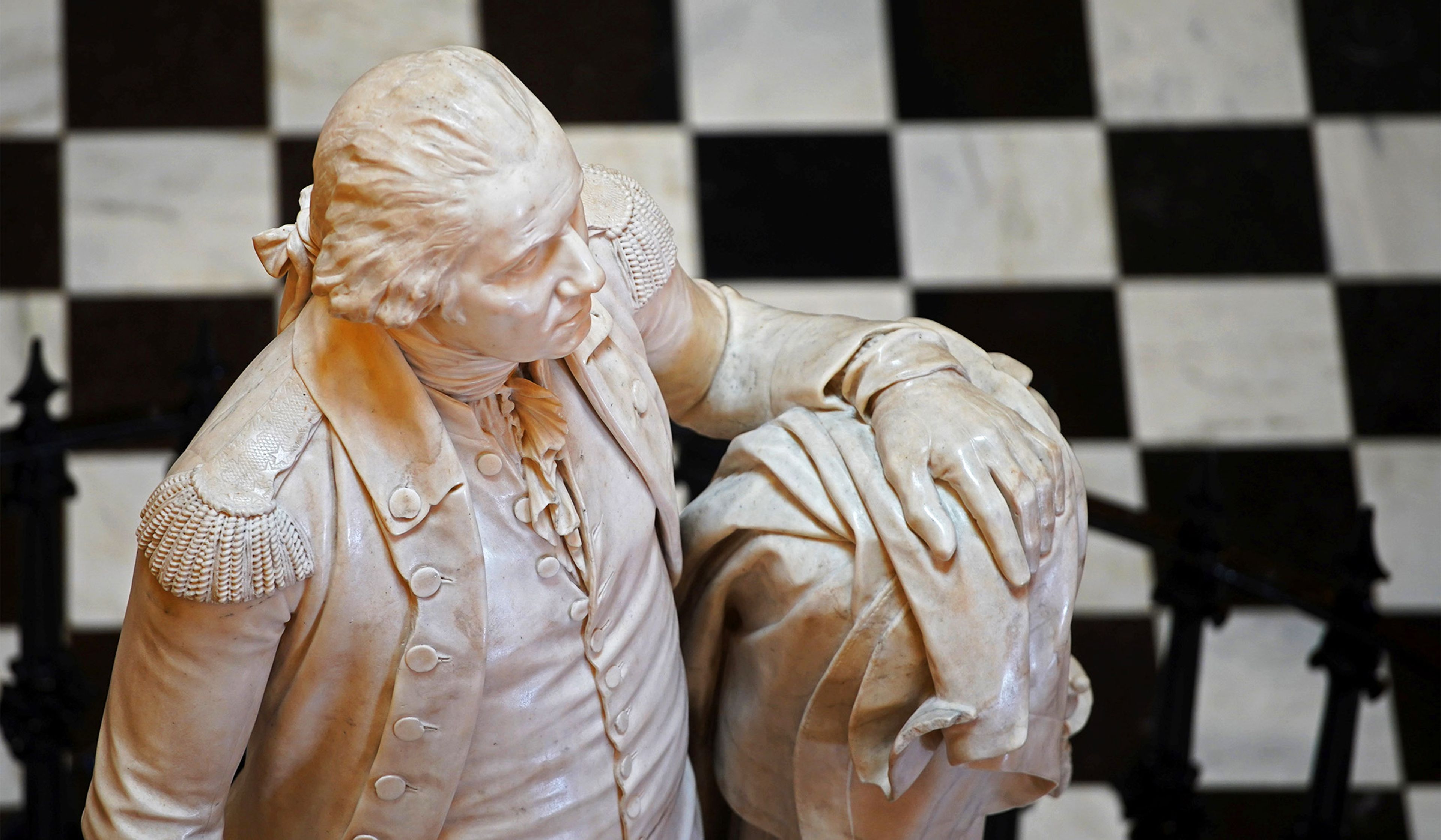
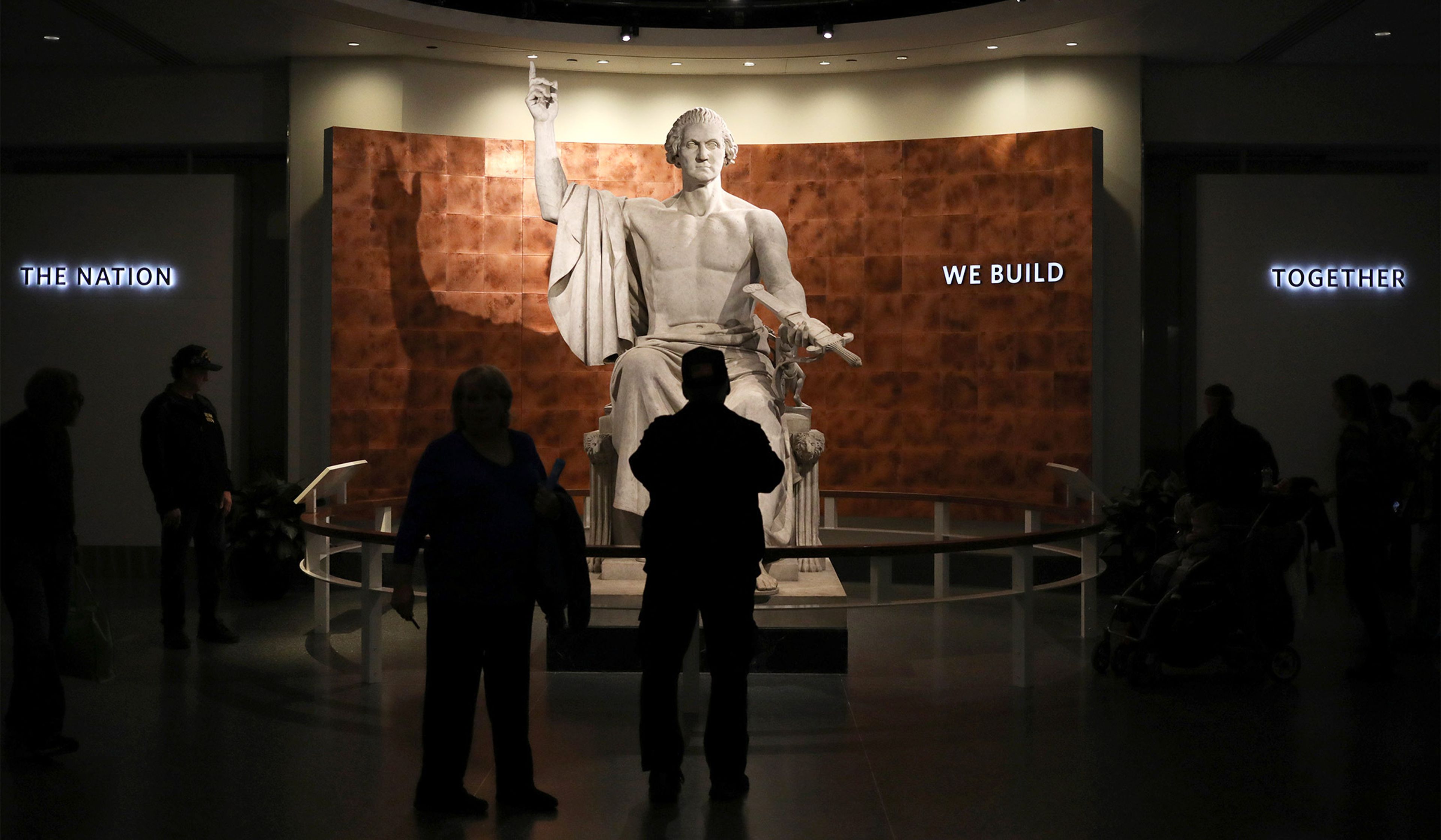
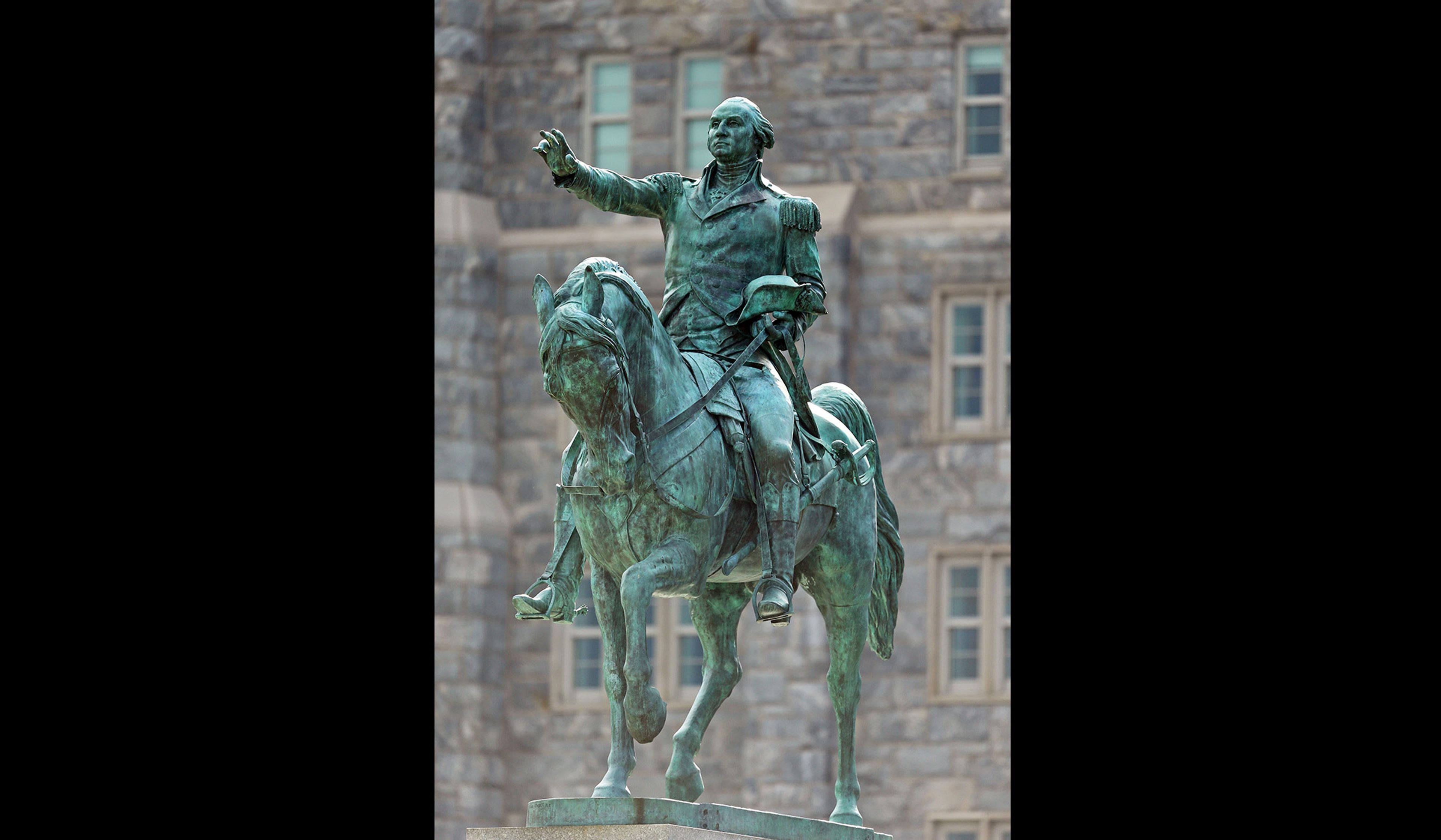
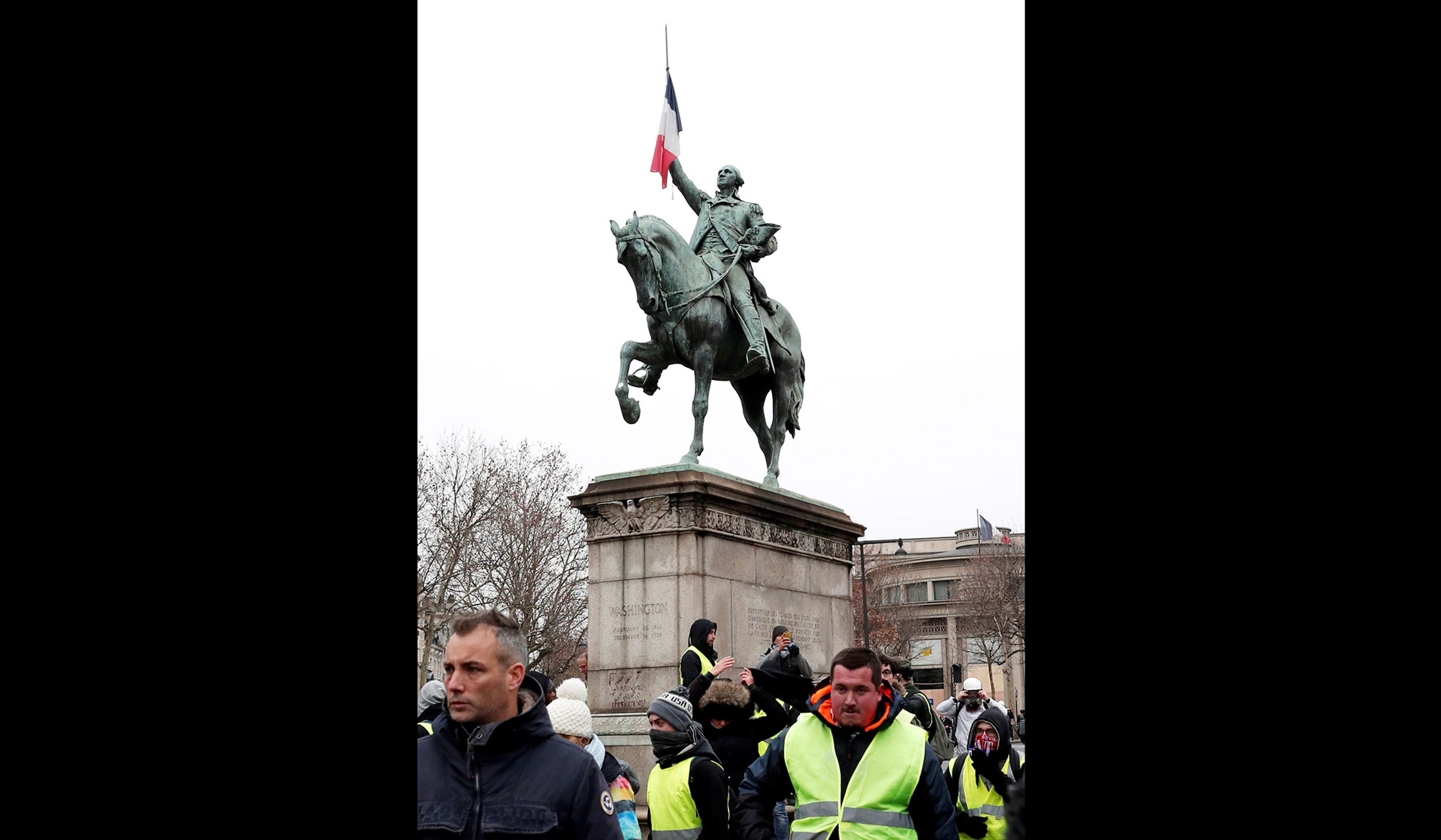
Statue of George Washington in the U.S. Capitol building in Washington, D.C., October 1, 2013.
Jim Bourg/Reuters
One answer was that he had a more evolved social conscience, but the other was that he belonged to a wholly unique mercantile order: They were inheritors and agrarian planters; he was a self-made man, and an entrepreneur. Jefferson was born into great wealth and raised in a feudal and class-ridden system; Washington was born the third son of a middle-rank planter who rose by his own efforts and made his own wealth. He understood the free-enterprise system: Men discovered their talent and sold their own service, for whatever their talents would bring. He demanded hard work of himself, and all men black and white who worked for him, but soon realized blacks would never work to capacity unless they could realize a gain. Under slavery, they could never improve their own status or standard of living, so why should they work for another man’s gain?
“Despite all of Washington’s talents as an entrepreneur, enslaved men, women, and children had by their labor played a vital role in creating his wealth,” says Edward G. Engel in his book First Entrepreneur. Though
time had taught him to view their continued labor as a grave moral injustice, it was his conception of a moral economy . . . that led him to decide that slavery as a system was not only bound to fail, but would, so long as it existed, hinder the growth of national prosperity. . . . By undermining the basic principles of industry, such labor morally degraded not just the slaves but those who owned them. . . . It was for this reason above all that Washington came to believe that he had to free them — albeit, true to the principle of interest, in a way that did the least harm either to the enslaved or to his estate.
Washington, though a fourth-generation Virginian, was in his essence a Northerner, one who believed in the egalitarian, freewheeling, immigrant-friendly culture of the Northeast, and of the Midwest, as it would develop, and leave the South — which would not revive until the late 20th century when segregation was beaten — behind. He was the world’s first and only Northern Virginian, which is why we revere him today.











Comments