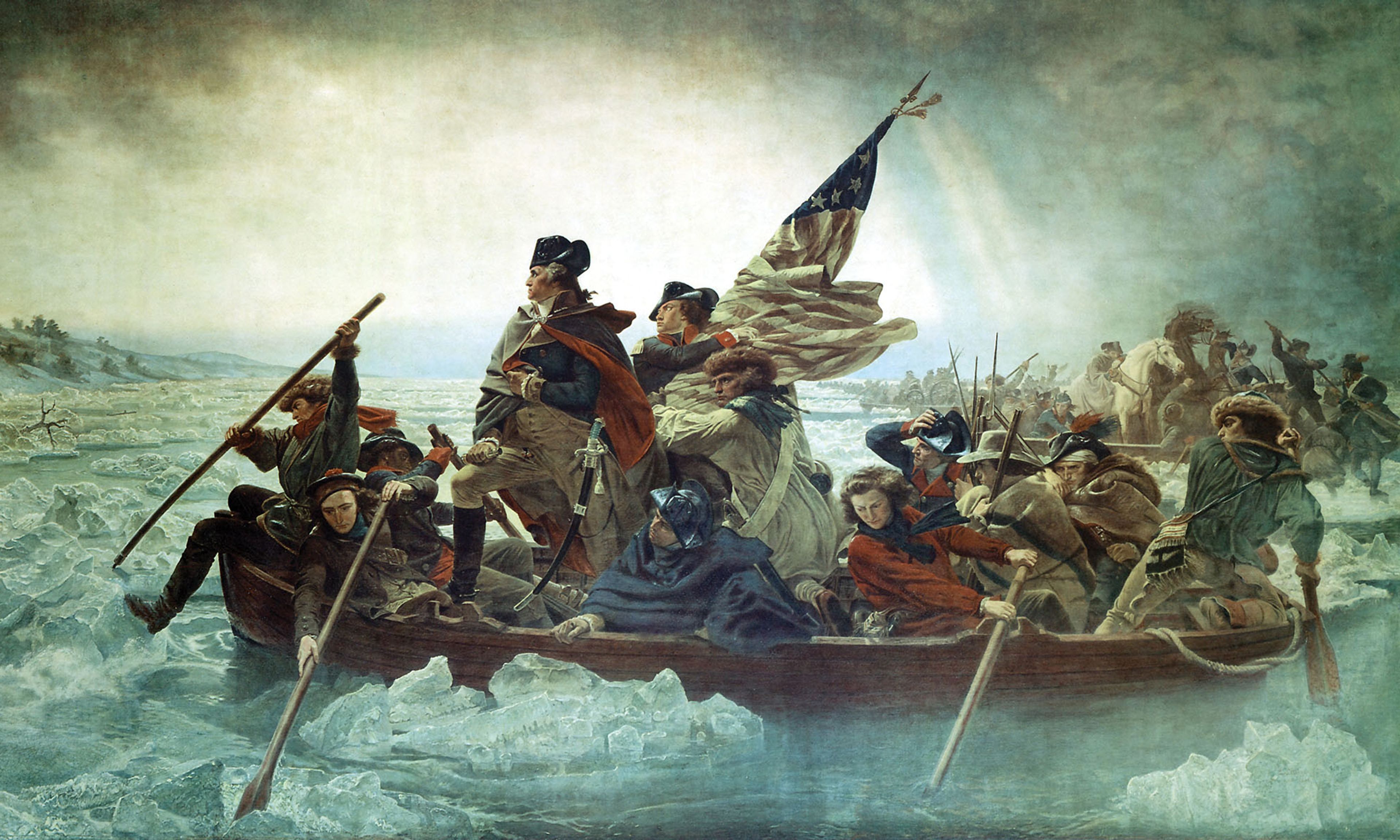
The startling growth of liberal democracy and free markets over the past century sometimes obscures the extent to which America, in its first century of existence, from 1776 to 1876, stood nearly alone in the world. The first American century was when the United States was, most truly, an exceptional nation.
America at its founding was republican, in the sense of having no king; democratic, in the sense of grounding all political power ultimately in the consent of the people; liberal, in the sense of protecting the individual, natural-law rights of the people; and constitutional, in the sense that political powers and rights were set down in a written instrument binding on the state. None of these were entirely new ideas in 1776 or 1787, but all of them had failed more often than not in the past. Trying them meant explaining why they would work this time, a question very much in doubt — then, and for a century thereafter. What was true in George Washington’s time was still largely true in Abraham Lincoln’s: Nobody had ever tried republicanism, democracy, liberalism, and constitutionalism at the same time.











Comments