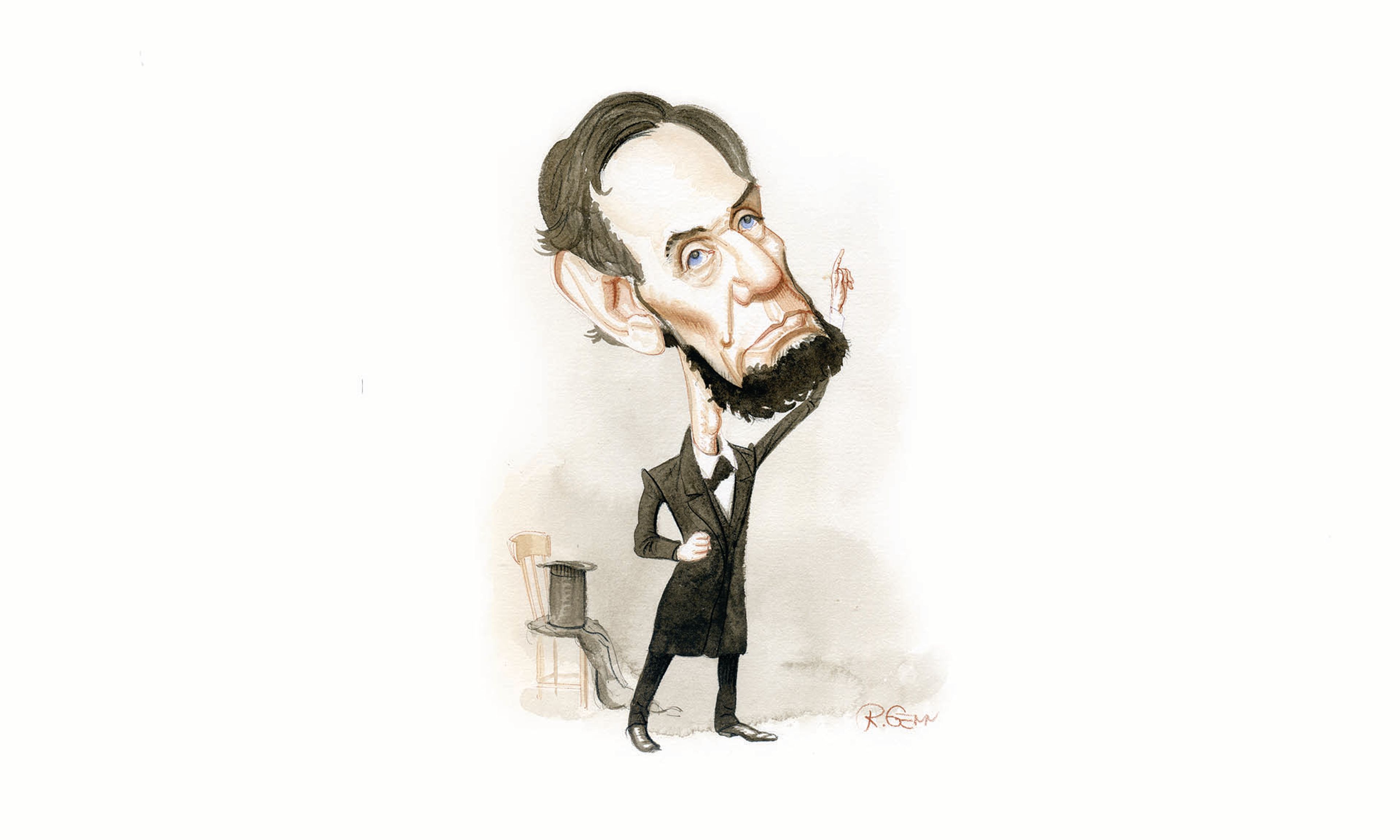
‘The moment I was president,” sighed Abraham Lincoln in the spring of 1864, people “seemed to think . . . I had the power to abolish slavery.” He didn’t. And despite the demands, the pressure, and even the bullying of abolitionists, politicians, and journalists, he was correct. American slavery, as it existed before 1861 and the outbreak of the Civil War, was a creation of state statutes. In an era that knew nothing about an “incorporation doctrine” requiring the conformity of state law with the federal Constitution, a jurisprudential firewall separated the authority of the federal government (and of Lincoln, as its executive) from the states. In strict constitutional terms, then, Abraham Lincoln’s hands were tied on the subject of slavery. “Before I could have any power whatever,” he explained, “I had to take an oath to support the Constitution of the United States and execute the laws as I found them.”
That did not mean that Lincoln was indifferent to the hideous wrong of enslaving other human beings. “The slavery question often bothered me as far back as 1836 to 40,” he remembered. “I was troubled and grieved over it.” And in 1837, as a newly minted Illinois state legislator, he had sponsored a resolution condemning slavery as “founded on both injustice and bad policy.” But even then, he acknowledged that the firewall between federal and state authority gave the federal government “no power, under the constitution, to interfere with the institution of slavery in the different States.”
True as it was that Lincoln hated especially “to see the poor creatures hunted down and caught and carried back to their stripes and unrequited toil,” and described himself as “one who abhors the oppression of negroes,” his only political option in the 1850s was to “oppose the extension of slavery” into the western territories of the old Louisiana Purchase. Even as president, Lincoln candidly declared, “I am naturally anti-slavery,” and he believed that “if slavery is not wrong, nothing is wrong.” But he had “never understood that the Presidency conferred upon me an unrestricted right to . . . practically indulge my primary abstract judgment on the moral question of slavery.”
The Civil War altered that landscape for him. The Confederate insurgency called on Lincoln to exercise his constitutional designation as “Commander in Chief of the Army and Navy of the United States, and of the Militia of the several States, when called into the actual Service of the United States,” and equipped him with the mandate to do whatever was militarily necessary to suppress that insurgency. Those “war powers,” he believed, included emancipating the Confederacy’s slaves, arming them, and turning them into a weapon to win the war.
But the Constitution nowhere spelled out exactly what Lincoln’s “war powers” were, and so it required a risky shimmy onto the constitutional limb on January 1, 1863, to issue an Emancipation Proclamation “warranted by the Constitution, upon military necessity.” Even Lincoln was not entirely convinced that the Proclamation would survive post-war litigation, which is why in January 1865 he twisted so many arms in Congress to ensure the adoption of the 13th Amendment, constitutionally abolishing slavery. “I cannot recall my proclamations,” he insisted, but “whether they are binding or not will be a question for the courts.”
Once the Proclamation was issued, though, Lincoln countenanced no turning back. Even before issuing the Proclamation, he promised that “the slave of every rebel master who seeks protection of the flag shall have it and be free,” and that “no slave who becomes for a time free within the American lines will ever be re-enslaved. Rather than have it so, I’d give up and abdicate.” Once he signed it, he was adamant. He “should be damned in time & in eternity,” he wrote, if he should abandon the freed slaves. In his last presidential report to Congress, he warned that any movement to revoke the Proclamation would be met with his resignation from the presidency: “If the people should, by whatever mode or means, make it an Executive duty to re-enslave such persons, another, and not I, must be their instrument to perform it.”
Lincoln described the 13th Amendment as “a King’s cure for all the evils,” since it put emancipation beyond any reach of judicial recall. “It winds the whole thing up.” And yet, not the whole thing. As early as September 1864, Lincoln dispatched a staffer, William Stoddard, to assist in implementing reconstruction in Union-occupied Arkansas, and urged him to “do all you can, in any and every way you can, to get the ballot into the hands of the freedmen.” And in his last speech, on April 11, 1865, he proposed phasing in an extension of “the elective franchise . . . to the colored man” in Louisiana. This infuriated one of his audience, who swore that for this outrage against white supremacy, “I will put him through.” Which is, three nights later, what happened. The infuriated hearer was John Wilkes Booth.
Six weeks after Lincoln’s murder, the black abolitionist Frederick Douglass took the stage at a memorial meeting in New York City’s Cooper Institute (where, five years before, Lincoln had delivered the speech that almost certainly made him president) and described Lincoln as “emphatically the black man’s president.” At the outset of Lincoln’s presidency, Douglass had been sharply critical of Lincoln’s slow, prudential pace toward emancipation. But after meeting Lincoln for the first time in 1863, Douglass was impressed by Lincoln’s freedom from racial cant and bias. “He was the first great man that I talked with in the United States freely, who in no single instance reminded me of the difference between himself and myself, of the difference of color,” Douglass wrote years later, “and I . . . account partially for his kindness to me because of the similarity with which I had fought my way up, we both starting at the lowest round of the ladder.” Lincoln, declared William Howard Day during a fund-raising event for the Emancipation Memorial being created by the sculptor Thomas Ball, was “the dearest friend, the kindest man” that “as president” the freed slaves “ever knew.”
And that, for most of the following century, was the prevailing African-American view of Lincoln. Booker T. Washington, who came the closest of any African American to being a national spokesman for American blacks in the Jim Crow era, lauded Lincoln in 1891 as “that great man, the ‘first American.’” In his autobiography, Washington claimed: “I think I do not go too far when I say that I have read nearly every book and magazine article that has been written about Abraham Lincoln. In literature he has been my patron saint.” William Lilly, Lincoln’s first African-American biographer, was certain when he wrote Set My People Free: A Negro’s Life of Lincoln in 1932 that “the figure of the president who emancipated the blacks has become more vivid and dynamic.”
Lilly, however, was wrong. Emancipation was not followed seamlessly by a color-blind integration of black and white in a single republican society, and the disappointment showed especially when Douglass was invited to speak at the dedication of Ball’s Emancipation Memorial in Washington in 1876. “We are at best only his step-children,” Douglass said, “children by adoption, children by force of circumstances and necessity.” Still, it was not until the 1950s that the erosion of African-American approbation of Lincoln became noticeable. By then, a black middle class was making its first serious inroads into Jim Crow segregation, using its new economic leverage to force the old Confederacy, and then the rest of the country, out of its contentment with second-class black citizenship. And it did so at the behest of black leaders — Martin Luther King Jr., John Lewis, Ralph Abernathy, Bayard Rustin — who saw themselves as self-acting, not as patrons of friendly whites, and who resented the rotted cream of condescension offered by white liberals almost as much as they did the unshirted bigotry of the Ku Klux Klan and the White Citizens’ Councils.
That assertion of independence impacted African-American views of Lincoln much as any coming of age loosens trust, makes dependence look suspect, and encourages the dismissing of nobility that falls short of perfection. As Julius Lester wrote in 1968, “one of the bigger lies that America has given the world is that Lincoln freed the slaves, and that blacks should be grateful from can to can’t because Mr. Lincoln was so generous.”
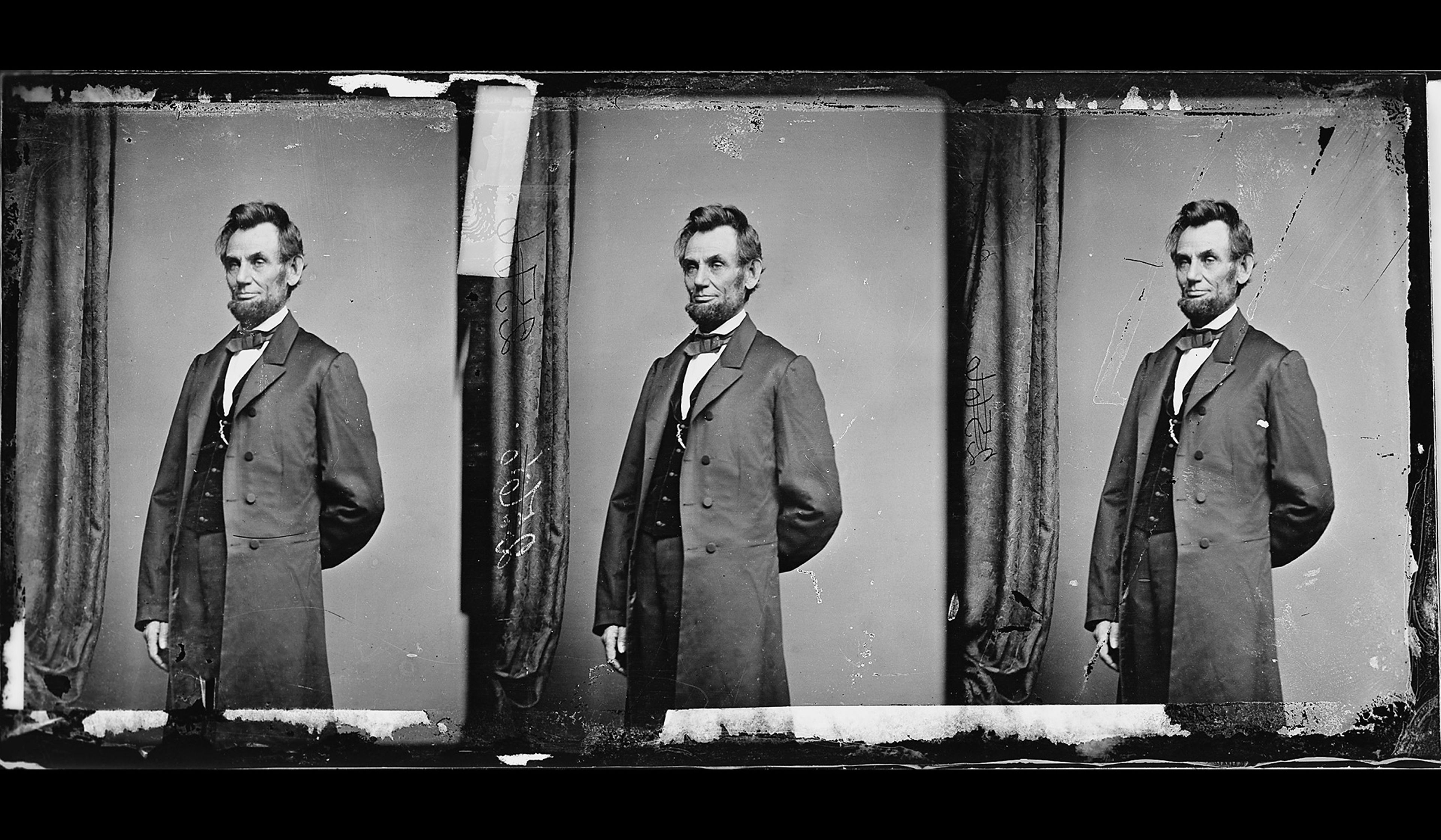
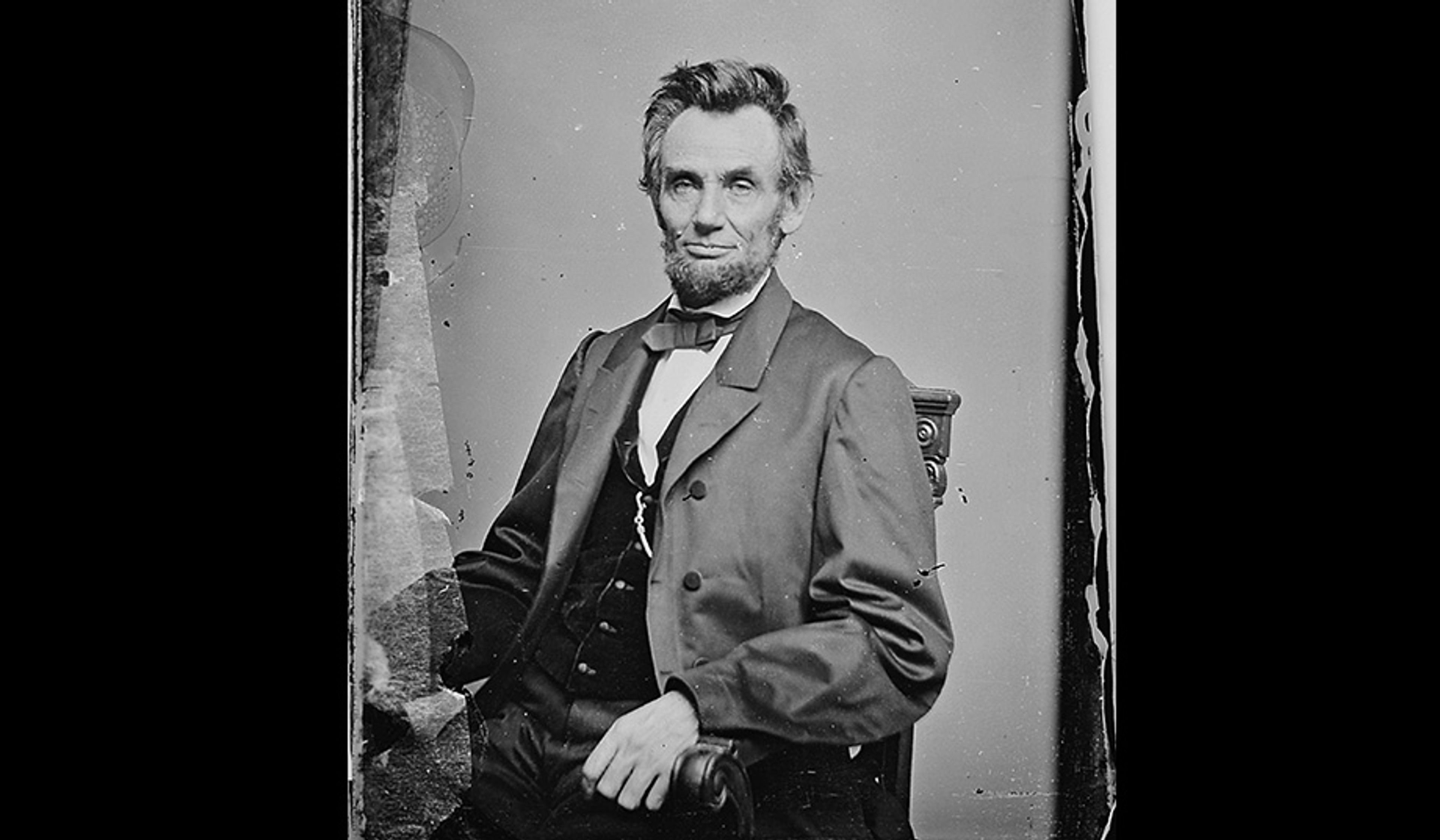
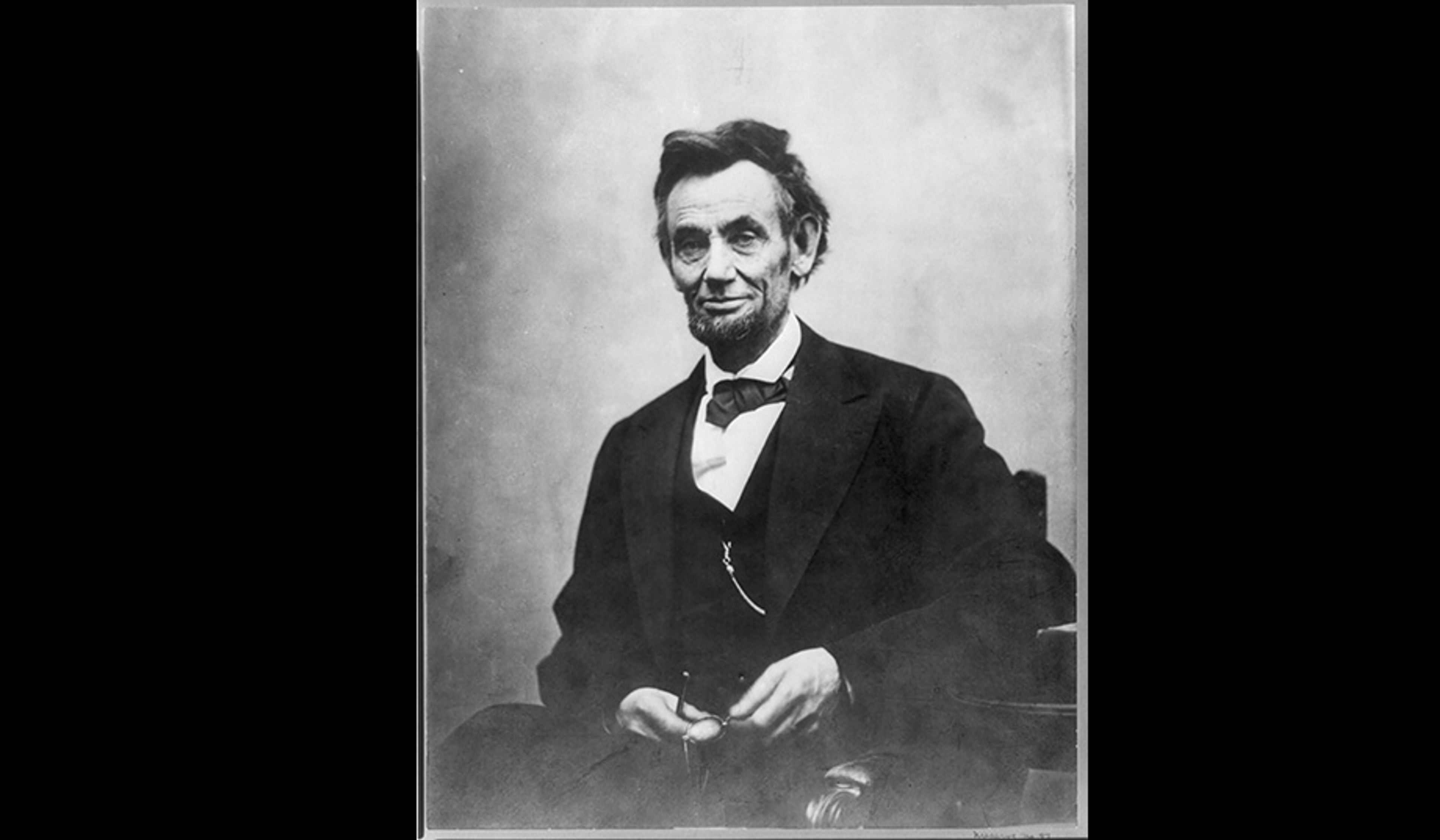
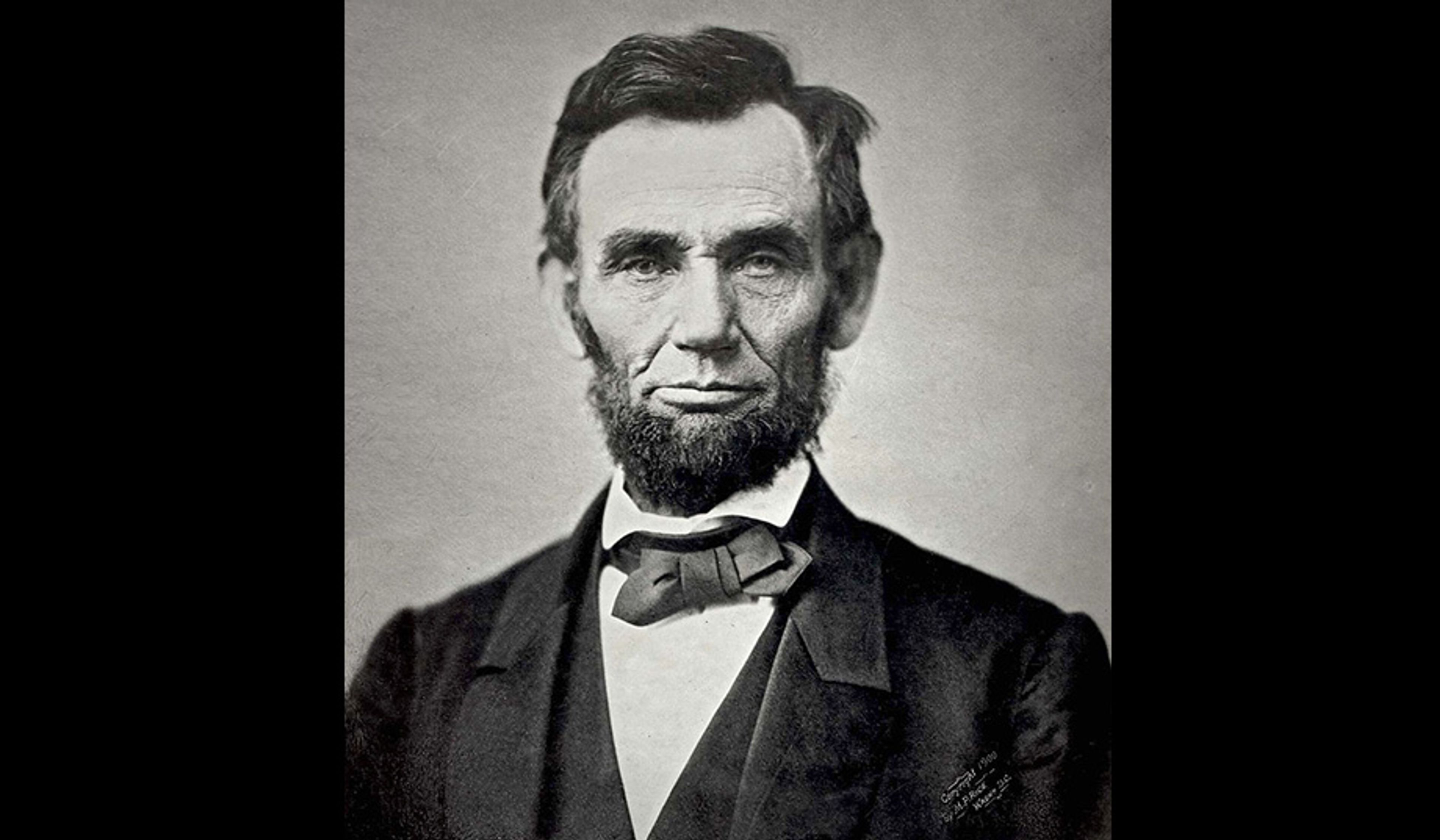
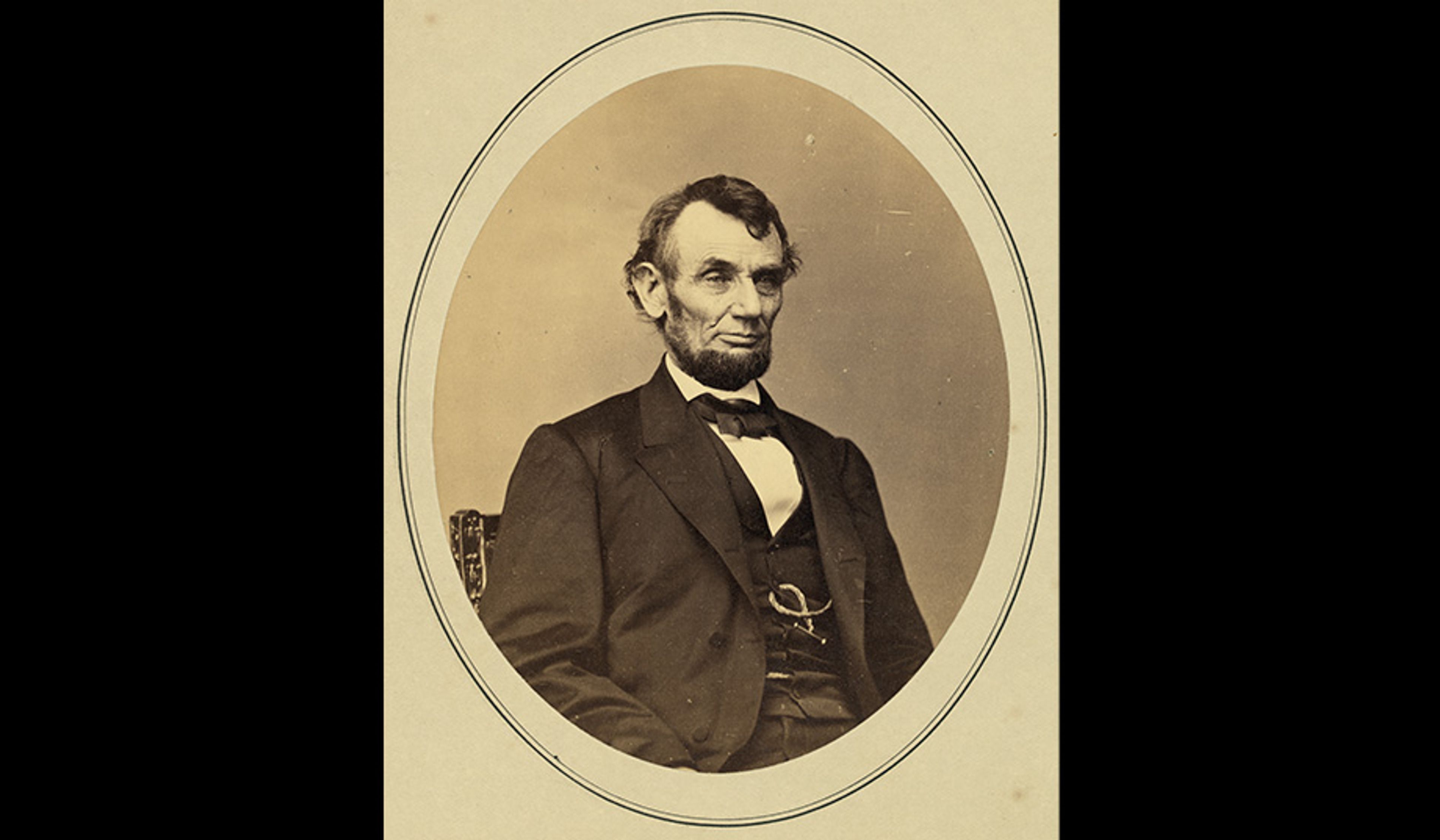
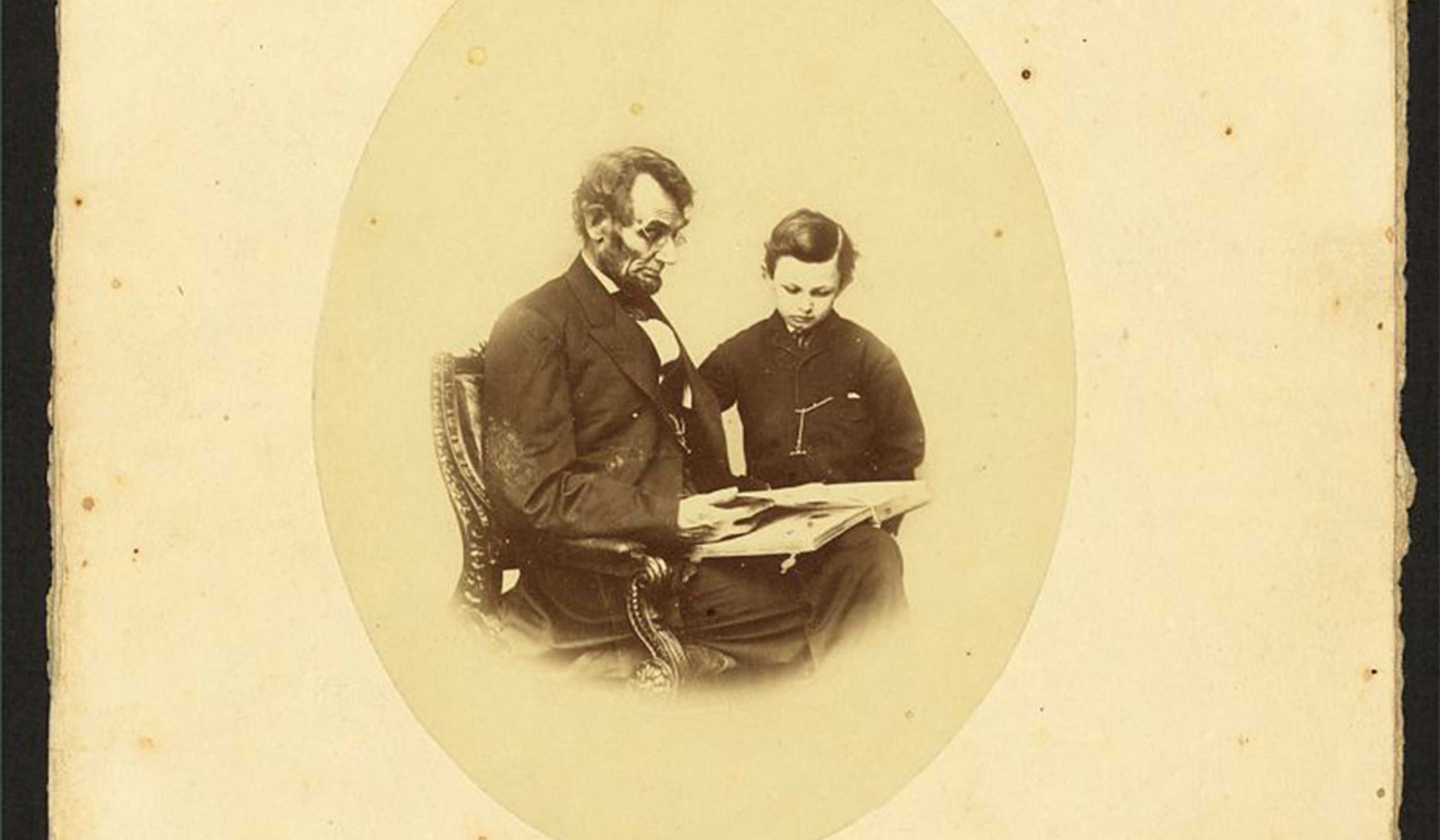
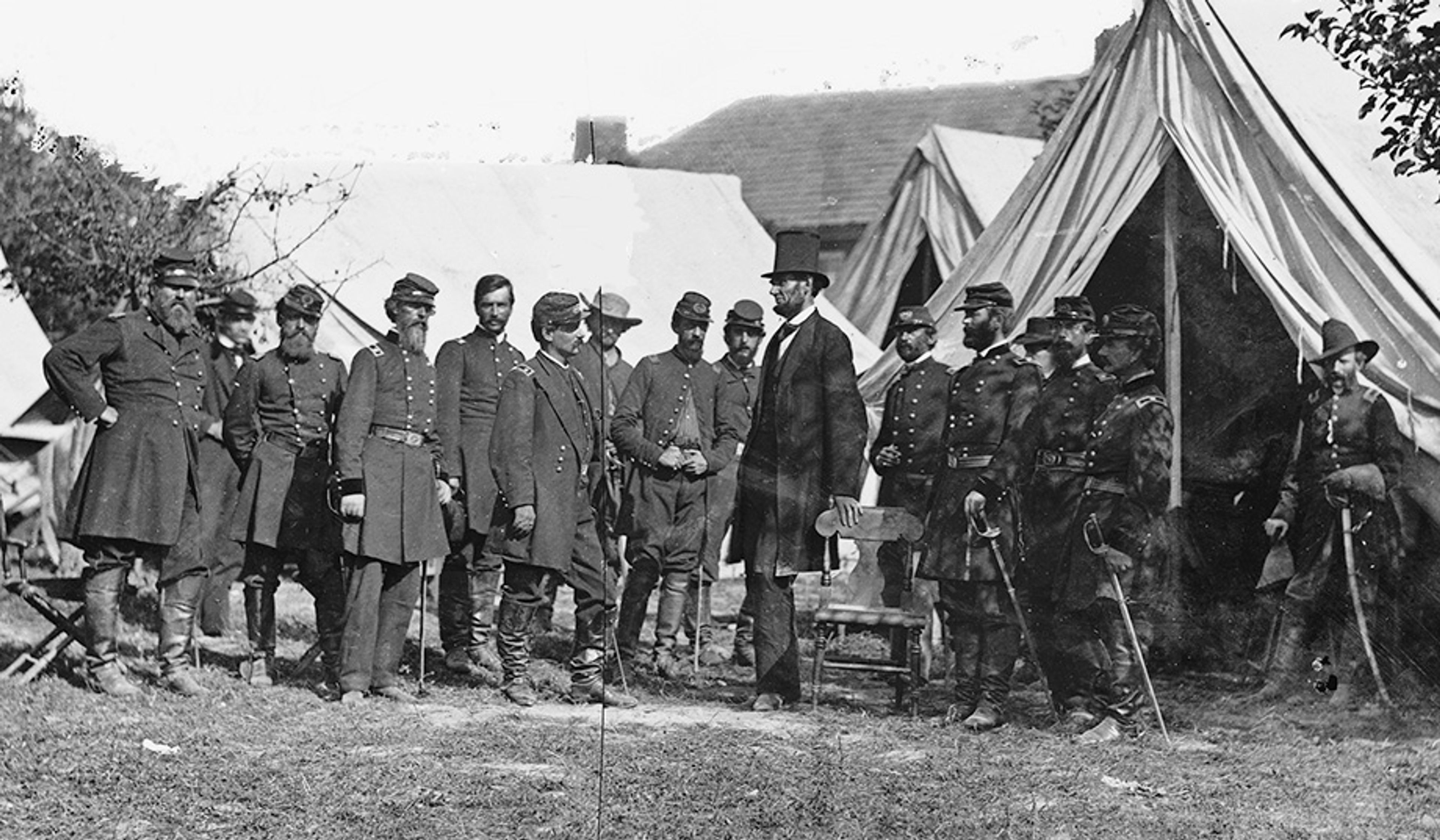
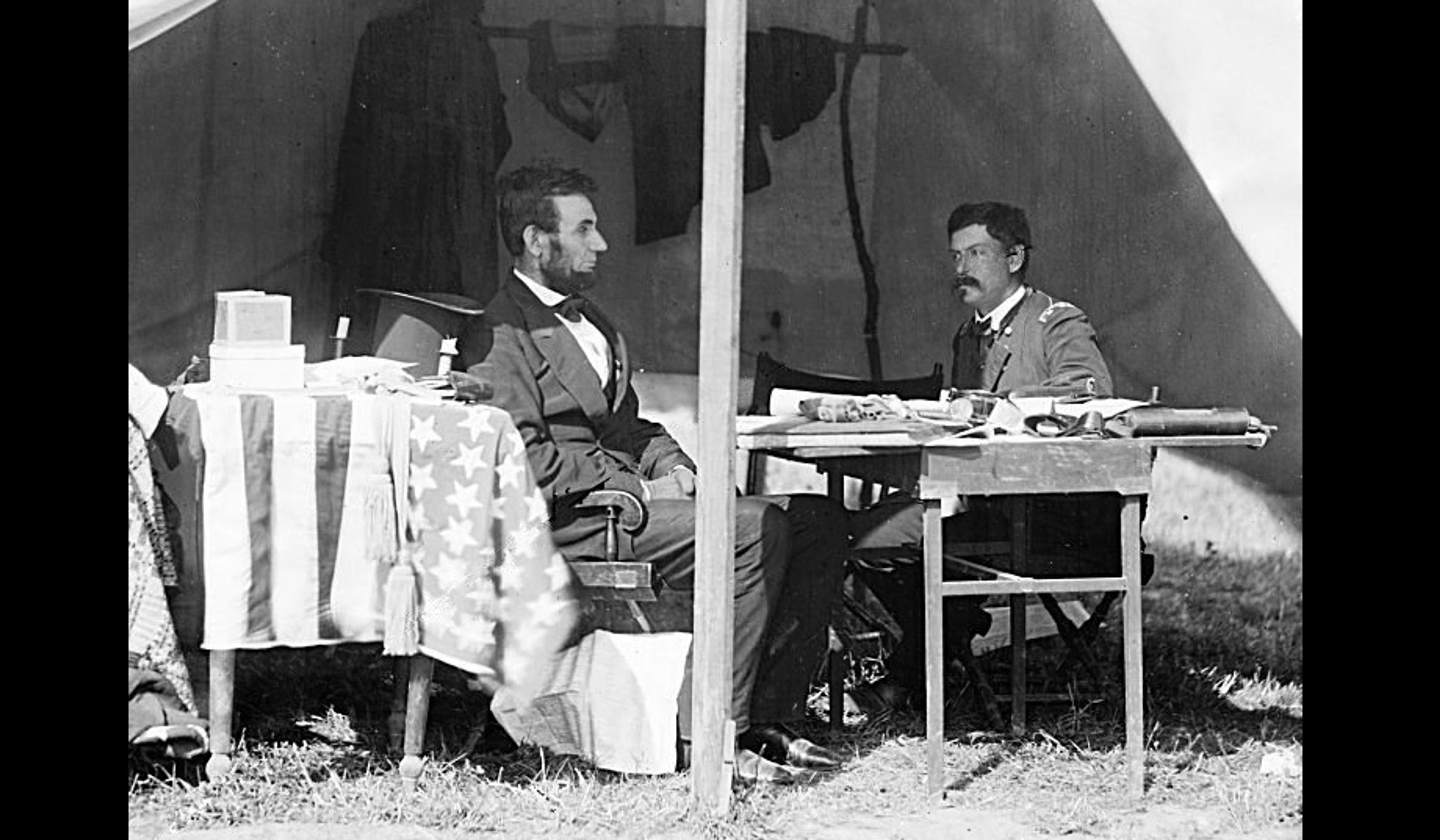
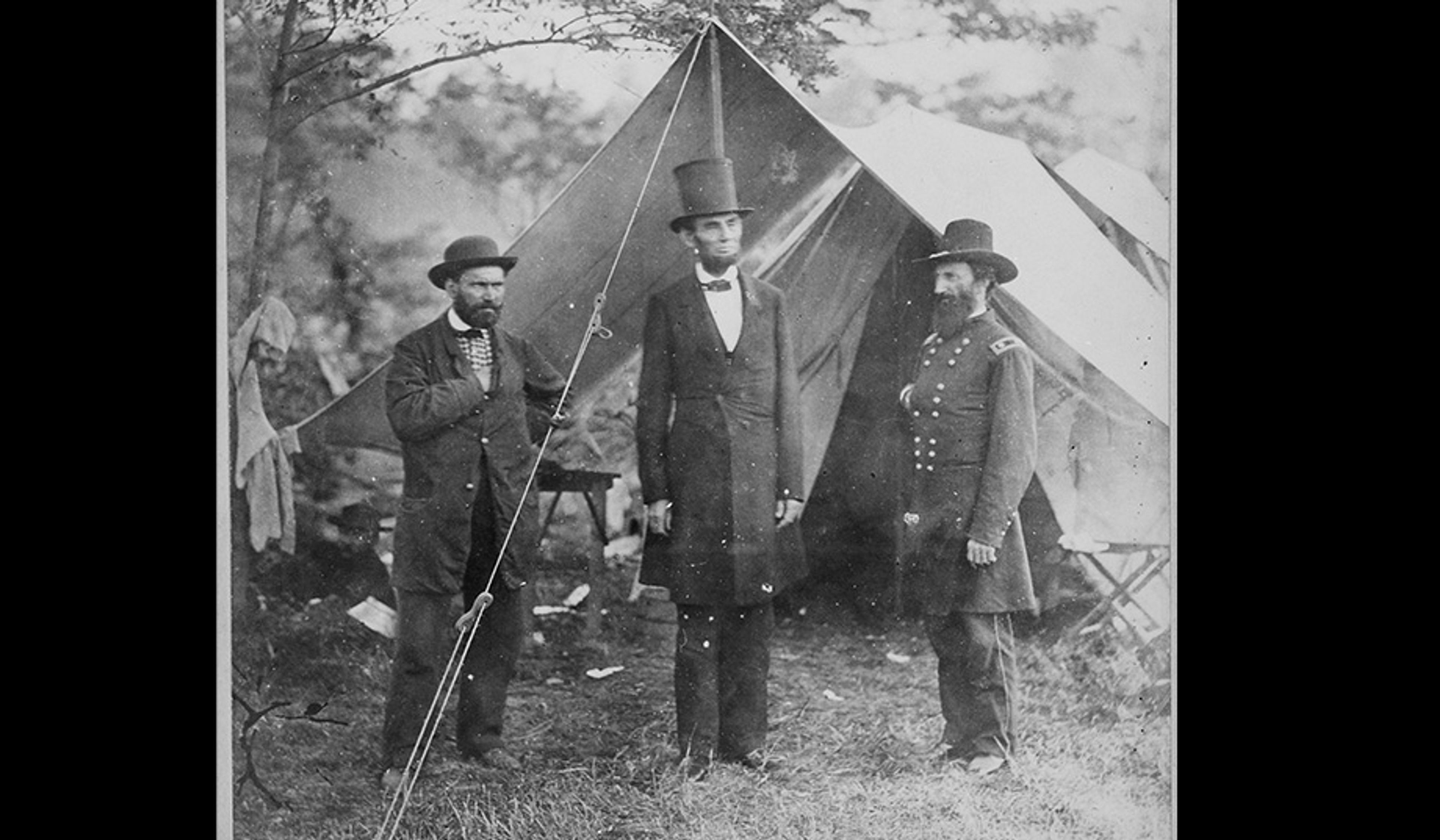
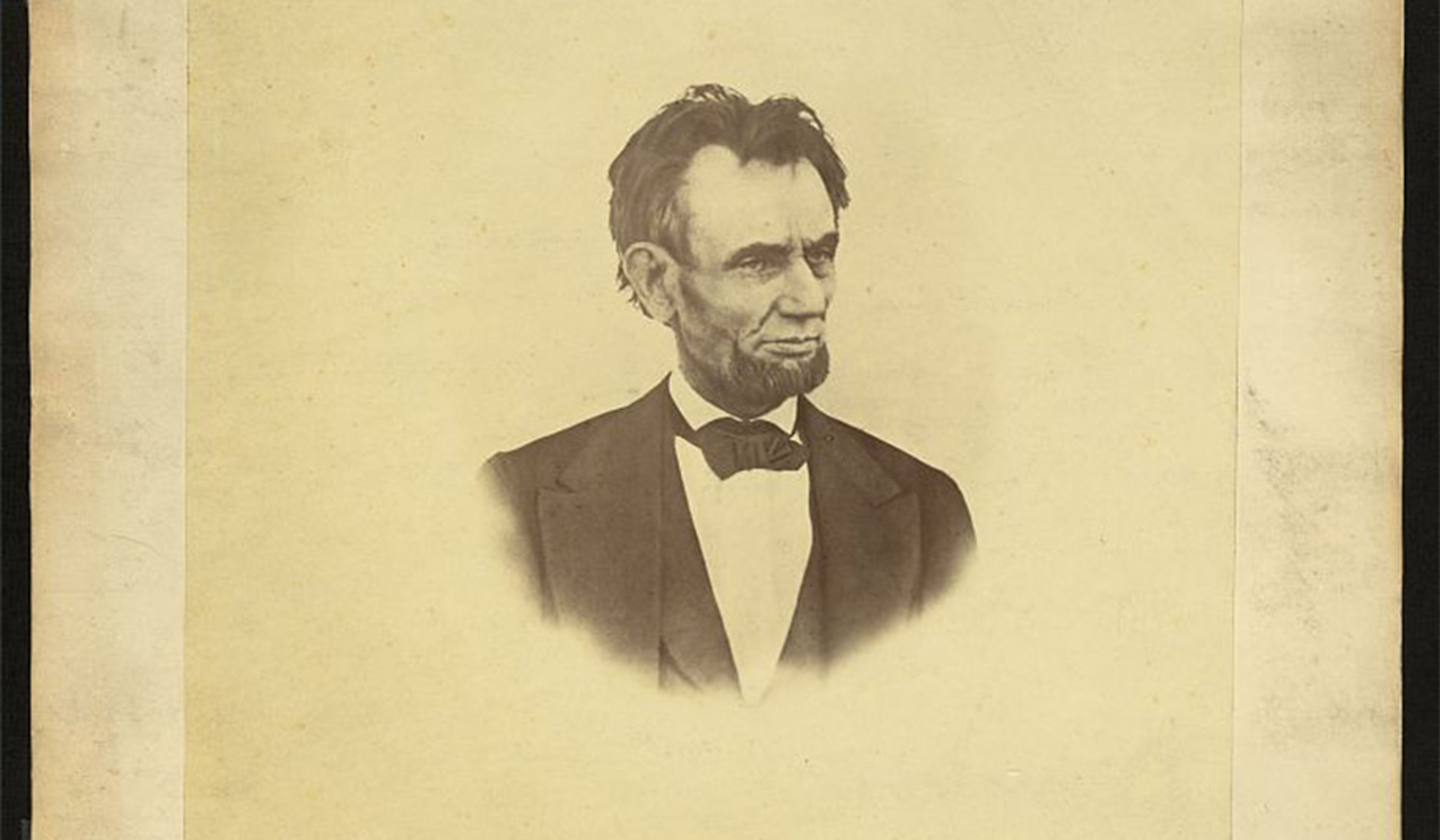
A series of standing portraits of President Lincoln taken by Mathew Brady, c. 1863.
This disenchantment with Lincoln took two forms. One, promoted by Lerone Bennett Jr. (in Forced into Glory: Abraham Lincoln’s White Dream), was to underscore a number of embarrassingly unenlightened comments Lincoln had made in the 1850s on race and thus prove that Lincoln “believed until his death that the Negro was the Other, the inferior, the subhuman, who had to be . . . subordinated, enslaved, quarantined to protect the sexual, social, political, and economic interests of Whites.” The other, introduced by Vincent Harding and Barbara Fields, is the “self-emancipation thesis” — that slaves took advantage of the tumult of the Civil War to run away in such numbers as to mount “a full-blown inner civil war . . . within the South” and force Lincoln’s hand in issuing the Proclamation.
These disenchantments flourish more through their polemical force than because of any serious historical evidence. It was actually a surprise to many Northerners that the slaves did not use the Civil War as an opportunity for insurrection (and why should they, given the risks such insurrection ran?). A moment’s reflection will remind nearly anyone that slave runaways had no voting rights, and thus no way to influence Lincoln’s decision on emancipation. And while it is easy to cherry-pick Lincolnian comments that lack modern sensitivities on race, it is also more than a little unusual to find in a mid-19th-century white man so little trace of racist demagoguery.
A century and a half ago, Thomas Ball’s Emancipation Memorial showed how a white man could open a door to the future for a black man and both rise the taller for it together. Even Frederick Douglass, for all his disappointments, could say at the memorial’s dedication that Lincoln “is doubly dear to us, and his memory will be precious forever.” Today the voices not of unreconstructed bigotry but of contemptuous historical ignorance demand the toppling of the Emancipation Memorial and decry Lincoln as the model racist. If we have lost the mutuality that Lincoln represents, the capacity to rise as citizens together, then we have almost certainly lost Lincoln. And if we have lost Lincoln, we may very well have lost ourselves, black and white, together.










Comments