Tenet, the first movie I’ve seen in a theater since the pandemic reached our shores, has been sold as a movie you can see only in theaters: It needs the biggest screens (IMAX if you can get it), the biggest speakers, the full-immersion cinematic bath. But peculiarly, it’s also a movie that can’t be understood in theaters, even with the most intense concentration. Indeed, it’s almost aggressively contemptuous of the audience’s desire to comprehend the action, delivering impossible-to-follow set pieces at a relentless pace and burying expository dialogue under flagrant blasts of sound.
For its famous director, Christopher Nolan, the burying of dialogue is not a new technique; this is a man who literally muzzled Tom Hardy in The Dark Knight Rises, so that his every utterance sounded like pebbles in a gearshift. But the tactic seems more deliberate and pervasive in his latest movie, and even more than in its puzzle-box predecessors, the mechanics of Tenet’s plot and action seem designed to baffle and confuse. Every Nolan movie is made for multiple viewings, but this is the first one to bifurcate the experience it offers. In the theaters, you just have to sit back and let it happen to you, without even trying to understand. Then at home you turn on the subtitles, slo-mo the fight scenes, and after seven or so viewings you might finally comprehend its genius.
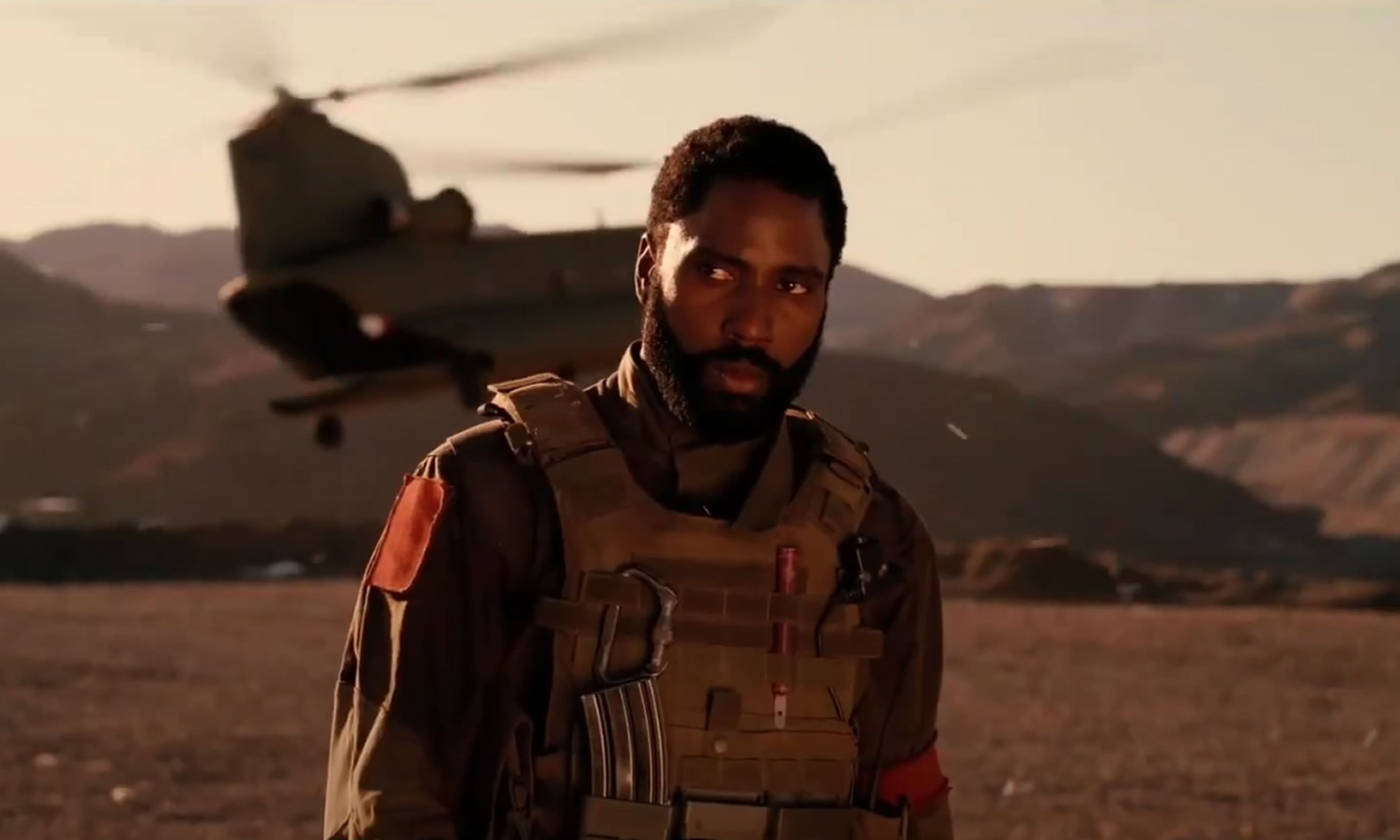
The plot of this strange cinematic exercise begins with our Protagonist (played by John David “Son of Denzel” Washington, capitalized because that’s literally the only name the character gets), a secret-agent man of 007-level quality, getting captured after a mission-gone-awry involving a Ukrainian opera house and — well, I’m still not quite sure what else. He’s tortured, he holds out, he manages to take his cyanide pill — except, surprise, he doesn’t die, because the torture was just a test to see if he’s ready to ascend to the next level of his trade, and get initiated into the palindromic program that gives the movie its title.
Tenet’s purpose is simple enough, and typical of blockbusters like this: Stop the destruction of the known world at the hands of a Russian arms merchant (Kenneth Branagh). And if you just describe it tersely, the Russian’s superweapon sounds typical, too, if a bit Marvel-ish: He’s gained the power of “inversion,” the ability to move things — objects, weapons, ultimately himself — backward through the stream of time.
Ah, a time-travel movie, you say! Well, yes but also no, because when I say backward through time I mean that literally: Instead of hopping in a DeLorean and jumping out in 1990, the time travelers of Tenet literally flow backward, their bullets leaping back into their guns instead of out, their movements playing like a movie on rewind. And they interact with the normal timestream as they move, so that the Protagonist can get in fist fights and engage in car chases with people experiencing the exact same chronology but in reverse.
This sounds interesting to watch, and it is interesting to watch — up to a point. But once you get over the coolness of bullet holes showing up before the guns are fired, it’s really, really hard to parse what’s going on in a forward-backward fight. The Protagonist is told to act intuitively when he interacts with backward-moving objects, because his body can sense what he’s supposed to do with them to keep them moving on their backward pace. But there’s no comparable visual intuition that can carry you through the action sequences that Nolan has invented here. I’m sure that if you watched each fight frame by frame you could make sense of it, but at normal speed on the big screen, not a chance.
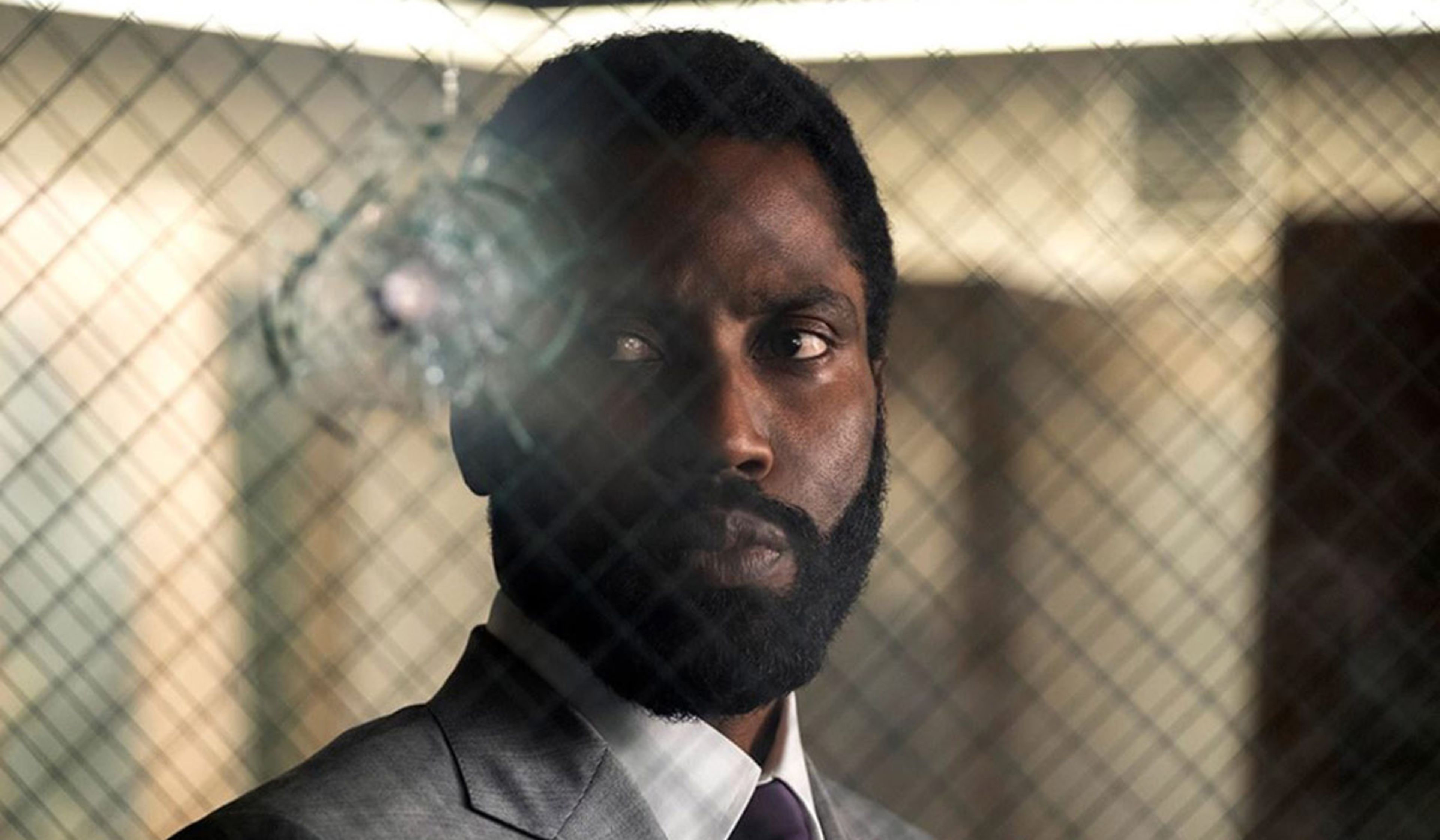
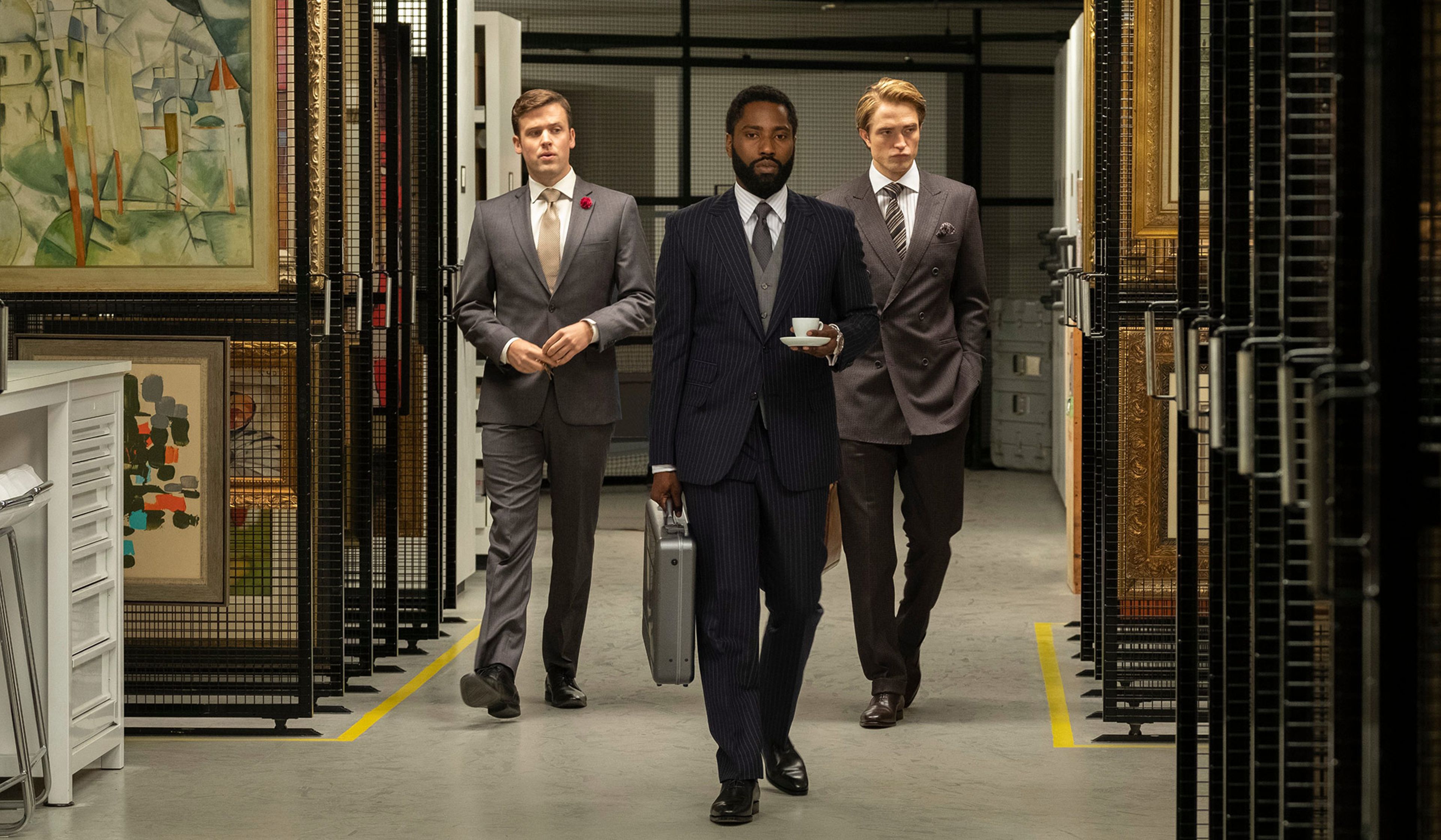
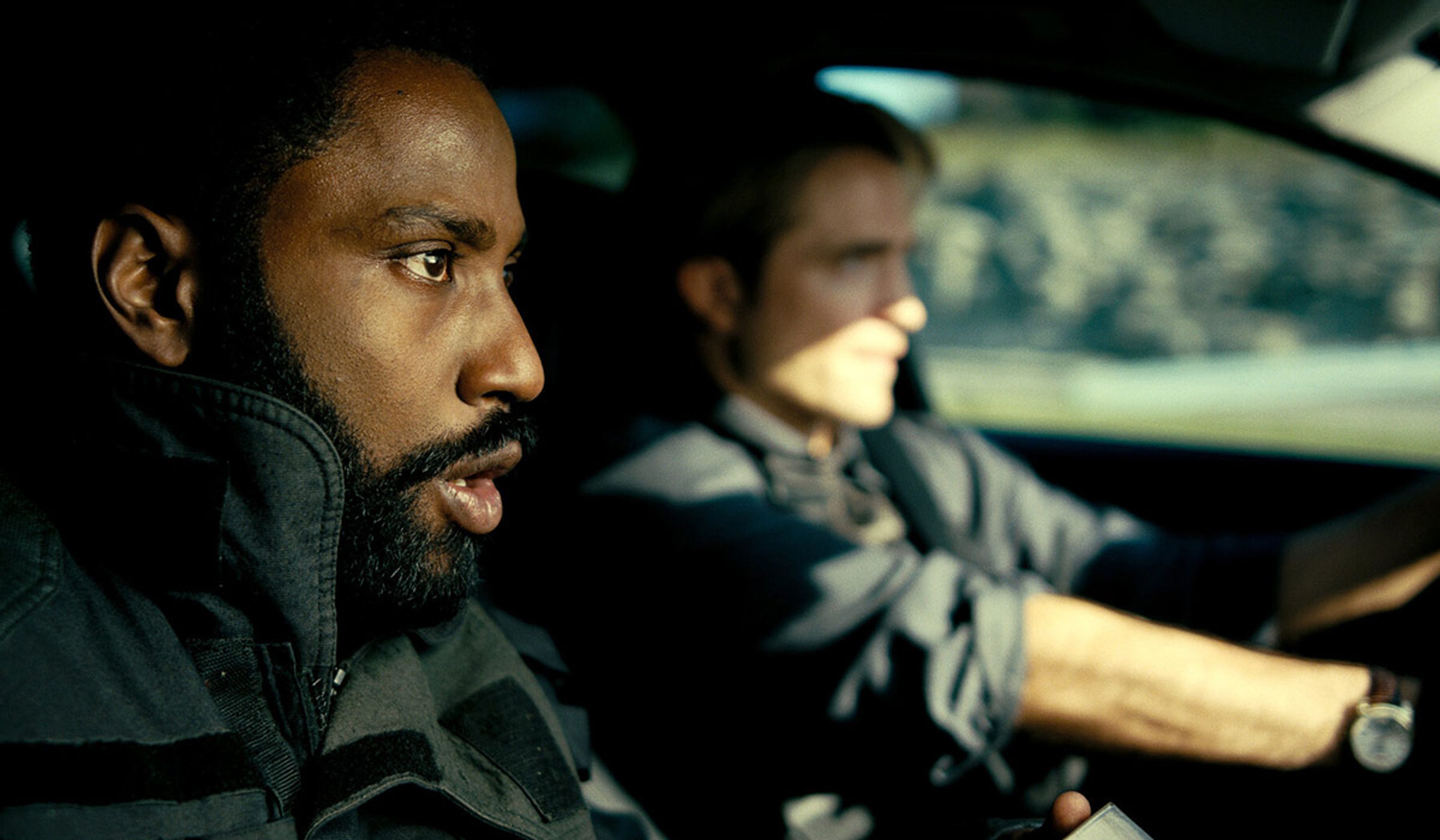
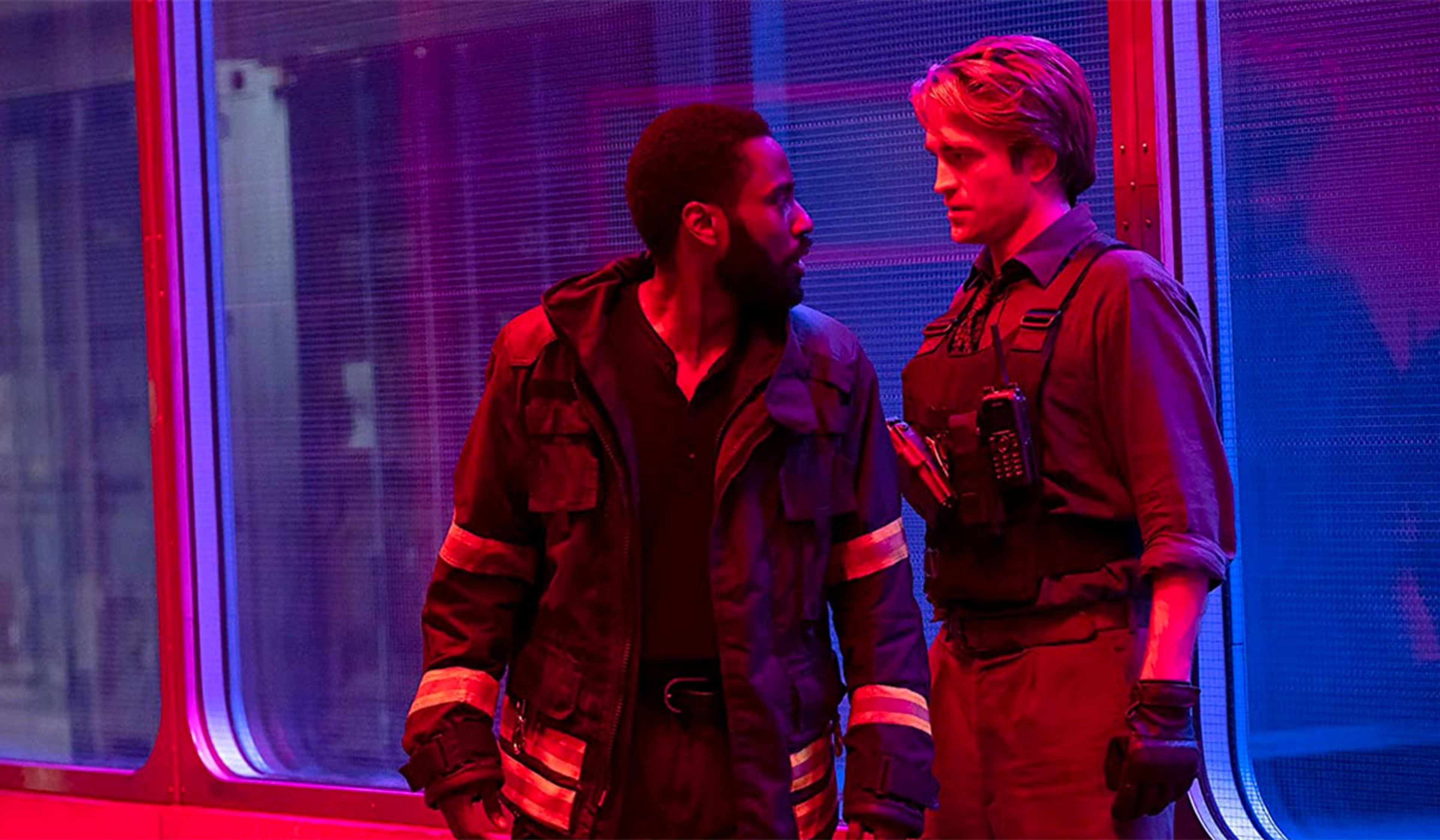
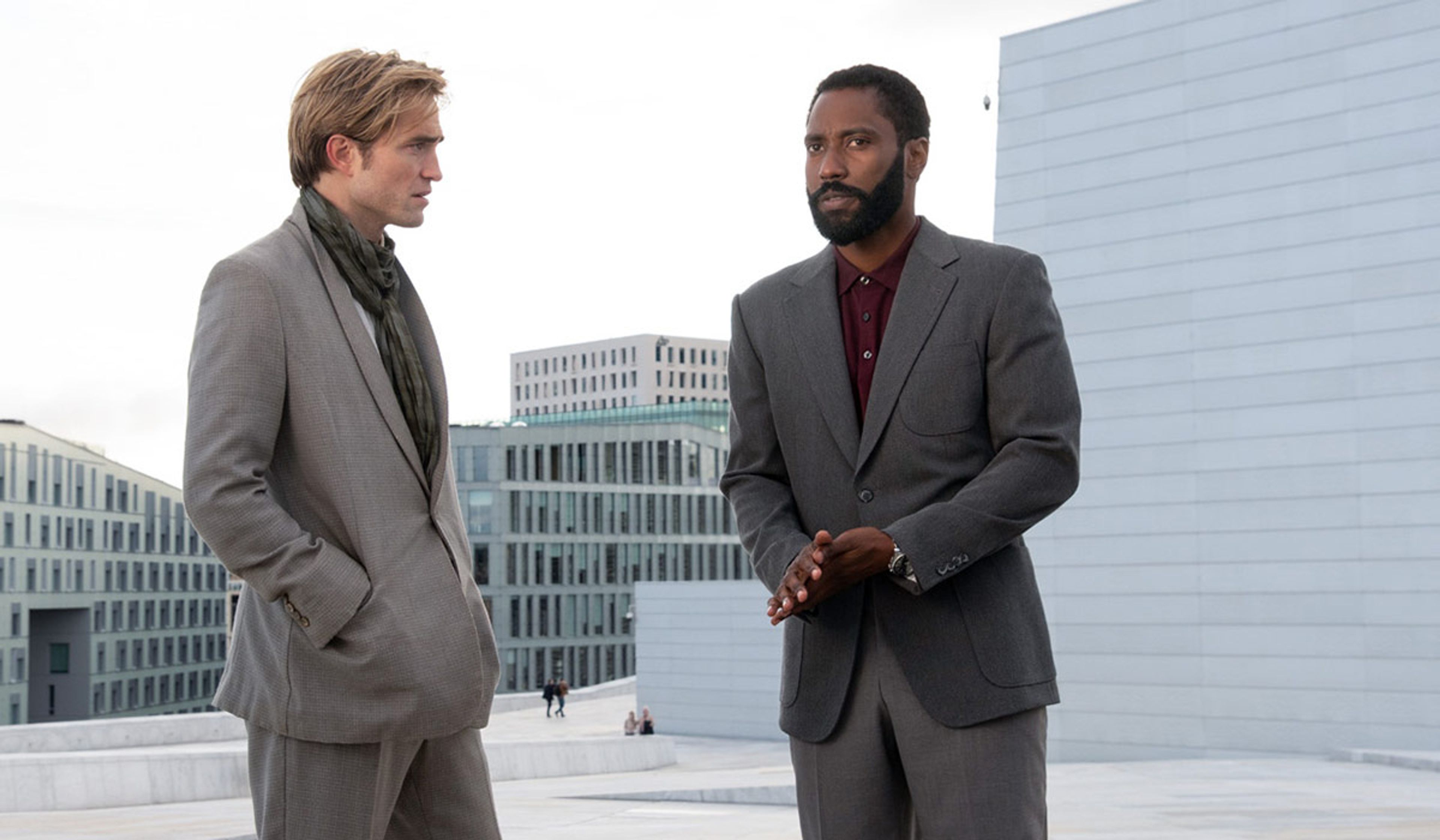




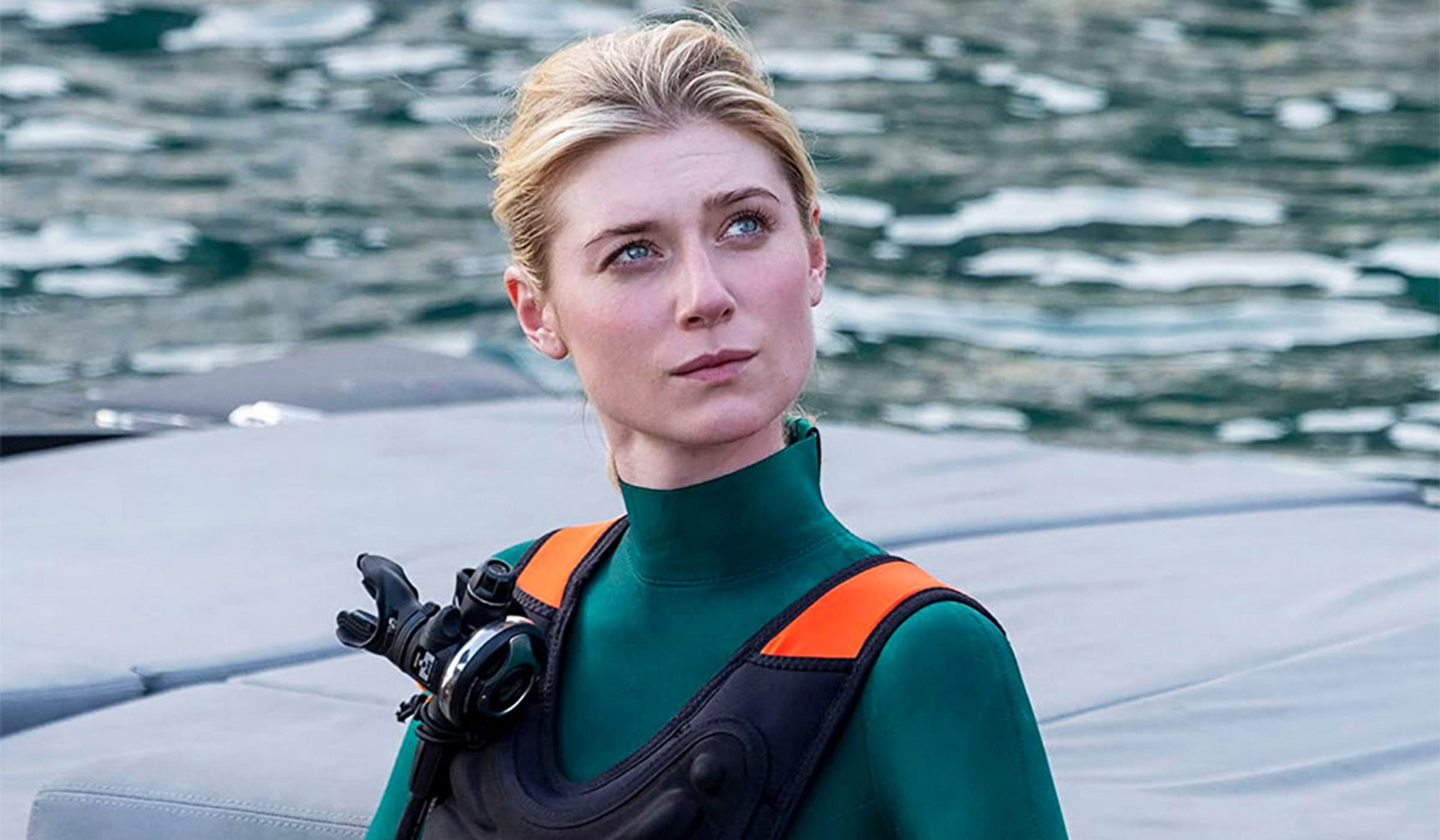
John David Washington in Tenet.
Warner Bros. Pictures
A lot of critics seem to have enjoyed Tenet by just downplaying this incomprehensibility and treating it as a James Bond movie with a larger heaping of intellectual pretension. And indeed there are plenty of enjoyable Bondian accoutrements — from the yachts and planes and Mediterranean scenery to the British sidekick that the Protagonist picks up (a terrific Robert Pattinson) to the feelings he develops for the Russian bad guy’s lovely, unhappy wife (Elizabeth Debicki).
But I don’t think it’s really true to Tenet to portray the movie as a Bond for highbrows. For one thing, beneath all the inversion hooh-ha the movie’s save-the-world plot is arguably more ridiculous than anything Roger Moore’s 007 ever faced: The schemes in Moonraker were gritty cinéma vérité compared with what Branagh’s character is cooking up. For another, the deliberate incomprehensibility of so much of Tenet’s action needs to be treated as what it is — a gonzo, avant-garde experiment, not just a normal B+/A– action movie.
“A good version of Tenet wouldn’t require repeat viewings just to get the story straight,” wrote John Podhoretz for the Free Beacon, in one of the movie’s few outright pans. “Which is why Tenet is the bad version of Tenet.” I didn’t share his hatred; I was more fascinated by the movie’s impenetrability than furious with it. But Tenet should definitely evoke some kind of blast of strong feeling, Podhoretzian or otherwise — because the blockbuster that’s supposed to bring us all back to theaters turns out to be one of the weirdest movies of the year.












Comments