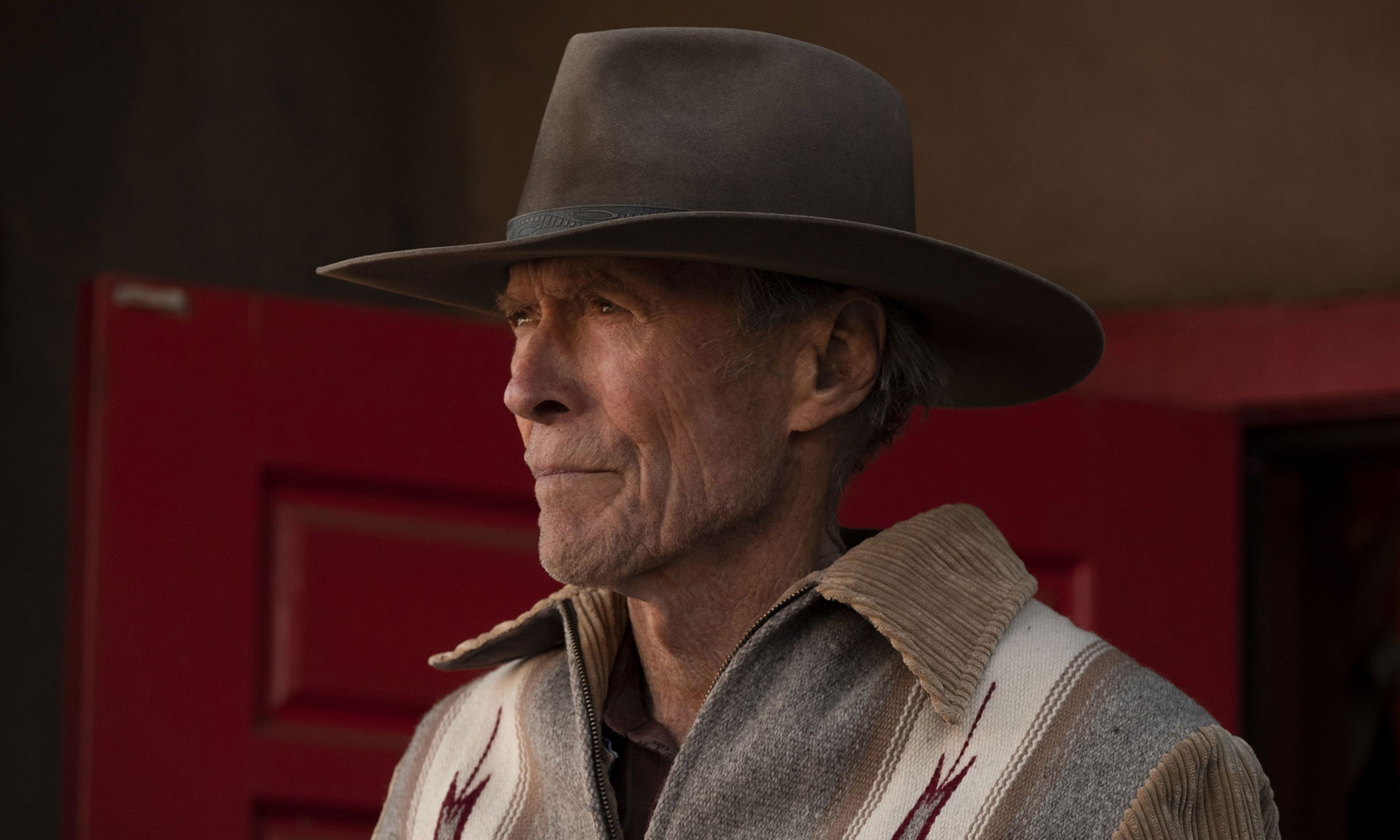
The existence of Cry Macho, a shaggy-dog-story movie about a retired cowboy trying to shepherd a Mexican teenager across the border to his American father, makes no sense except in the context of one of the most famous careers in American movies. Taken on its own the film is like a tumbleweed — dry and thin and slight, kicked around by the lightest of breezes. The script is either crudely expository or painfully inert, the star is 30 years too old for the part, there are a few nice shots but mostly the visuals are just scenes of dust and semidesert that will make you inclined to scrap any plans you had for a Mexican vacation. Cry Macho is streaming on HBO Max, and that’s arguably the best way to play it — as an easygoing kind of background noise while you’re reading or chatting, like a meaningless late-August baseball game that you half-watch on TV.
The reason it exists, though, is that it’s directed by and stars Clint Eastwood, who is 91 years old and quite possibly the only auteur to direct a movie at that age, let alone play the leading part. And his presence in the film, playing Mike Milo, a former rodeo star who retired after breaking his back in a fall, makes certain otherwise inscrutable aspects of the story suddenly make sense.
If you wonder, for instance, why a wealthy Anglo rancher (Dwight Yoakam) would ask this creaking specimen to take on a difficult job of extracting his teenage son (Eduardo Minett) from the cockfighting underground of Mexico and the influence of his lustful, wealthy mother (Fernanda Urrejola), well, the answer is simple: Because he’s played by Clint Eastwood.
Likewise, why does the mother throw herself at the creaking Milo for no particular reason, and why does he attract similar (if more decorous) attention from a kindly widow (Natalia Traven) in a small town where he camps out with the boy, even though the two women appear to be a combined 75 years younger than the object of their affections? Because he’s played by Clint Eastwood.
Or again, why does a local tough back off and cry for help after taking just one punch from this old geezer? Because once upon a time in America, that old geezer said, Do you feel lucky, punk?
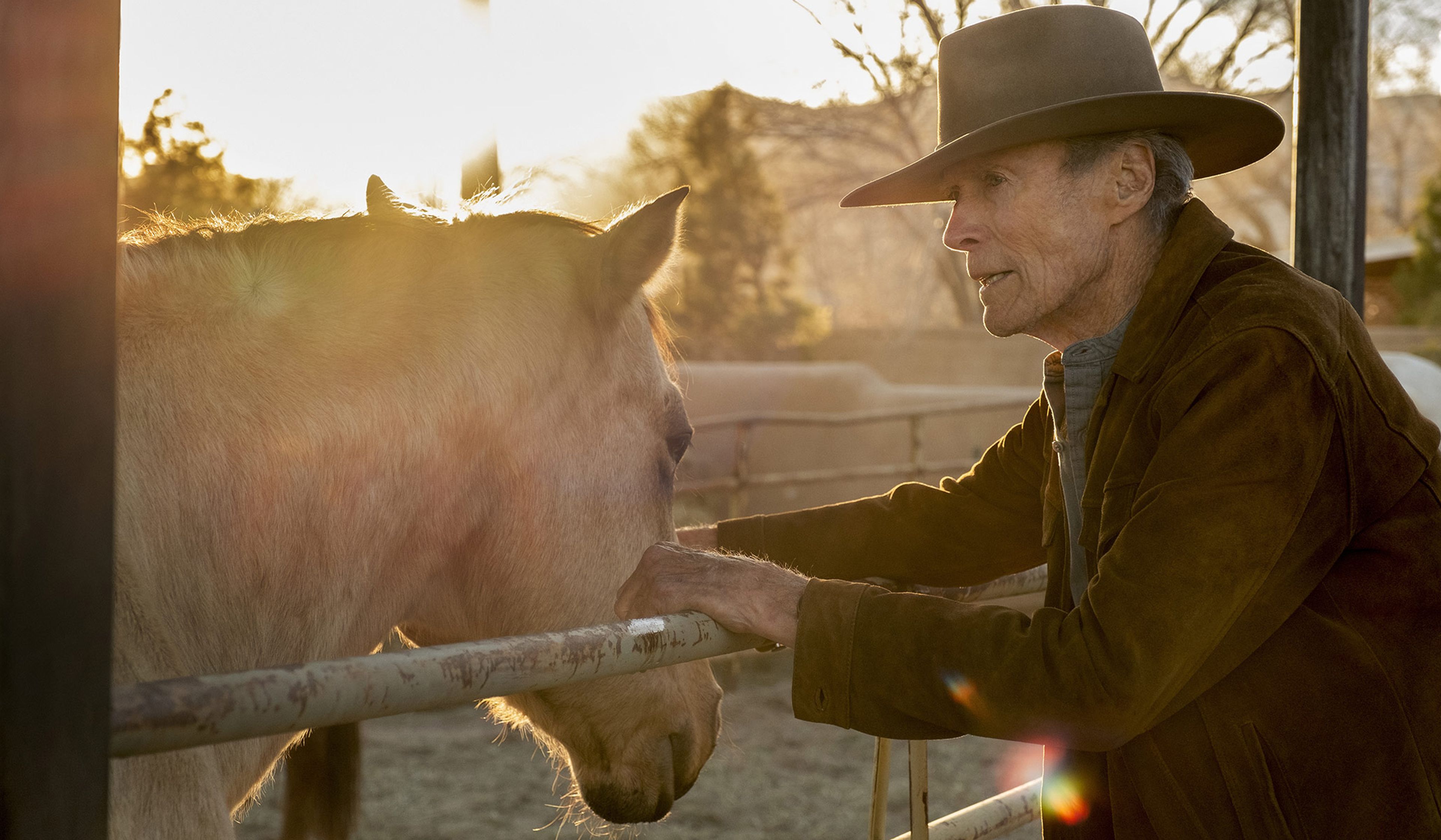
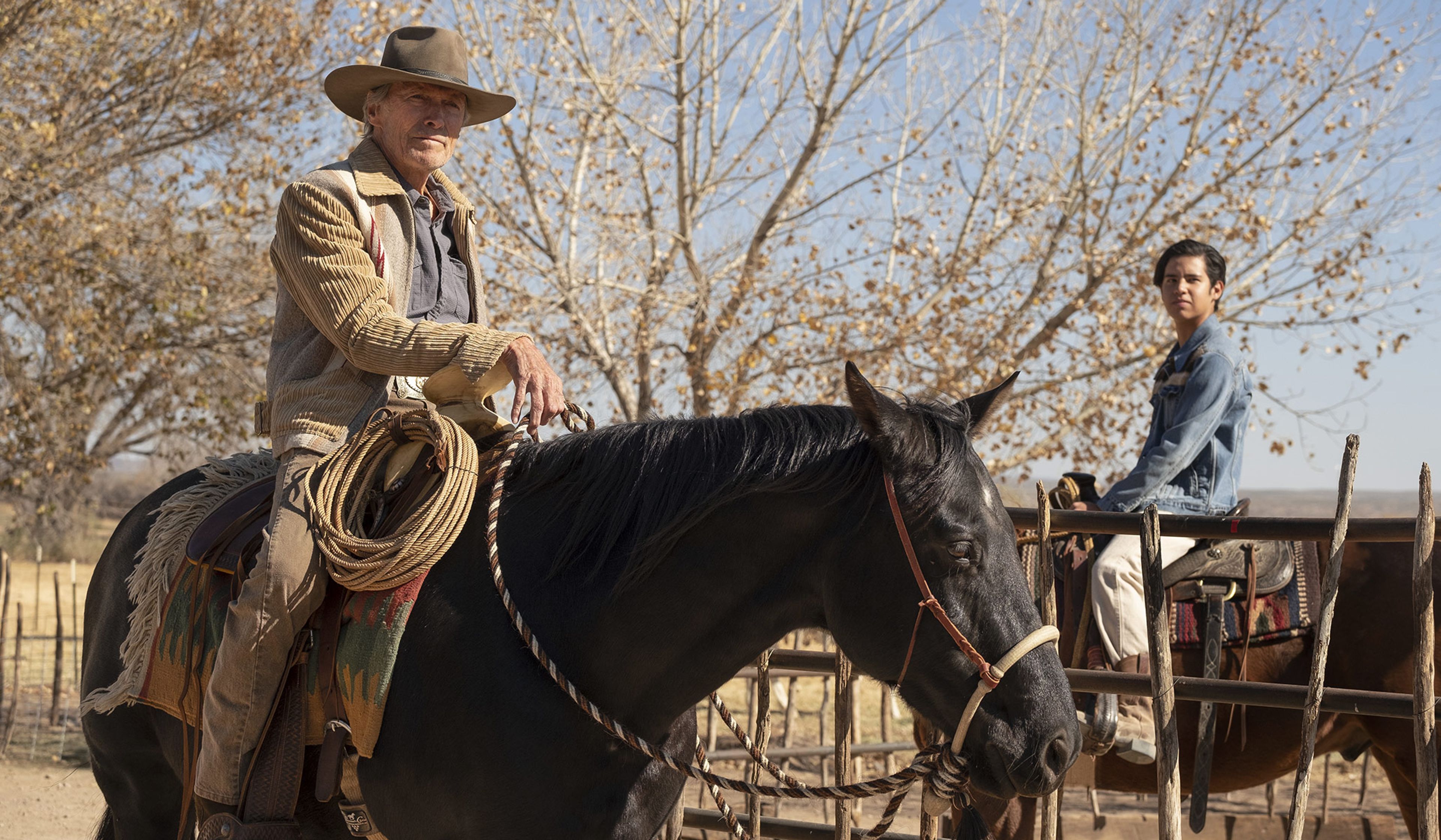
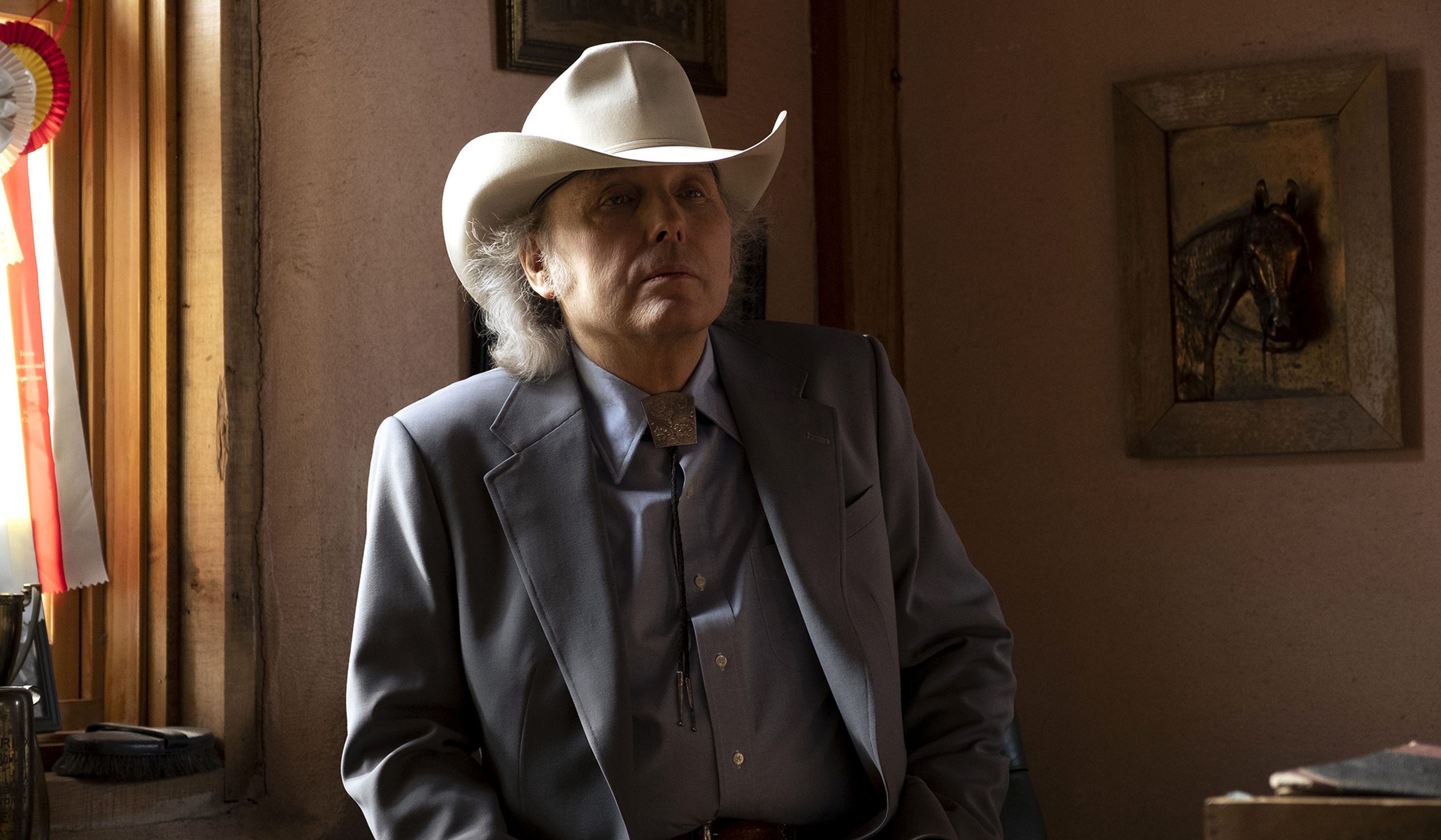
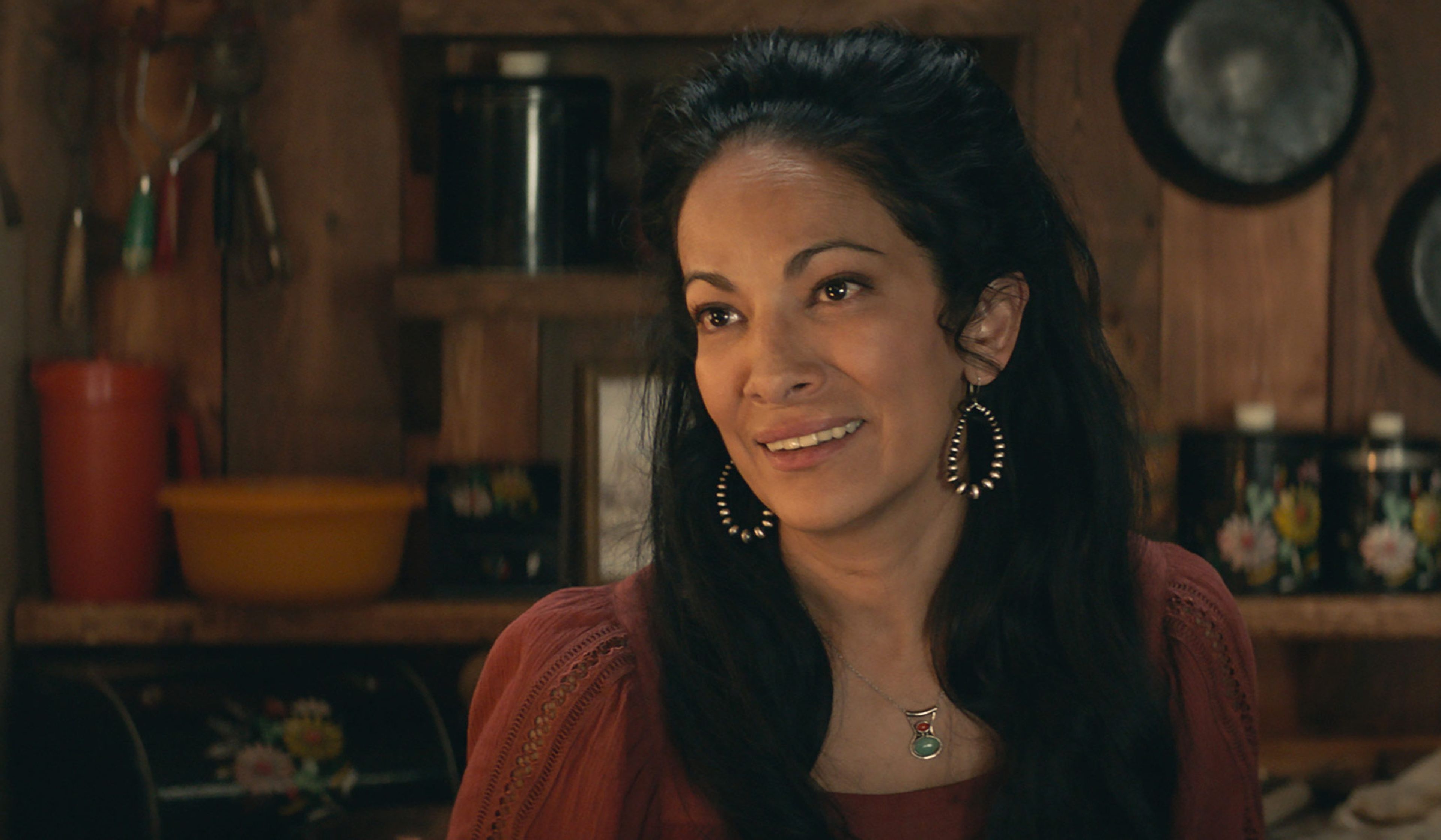
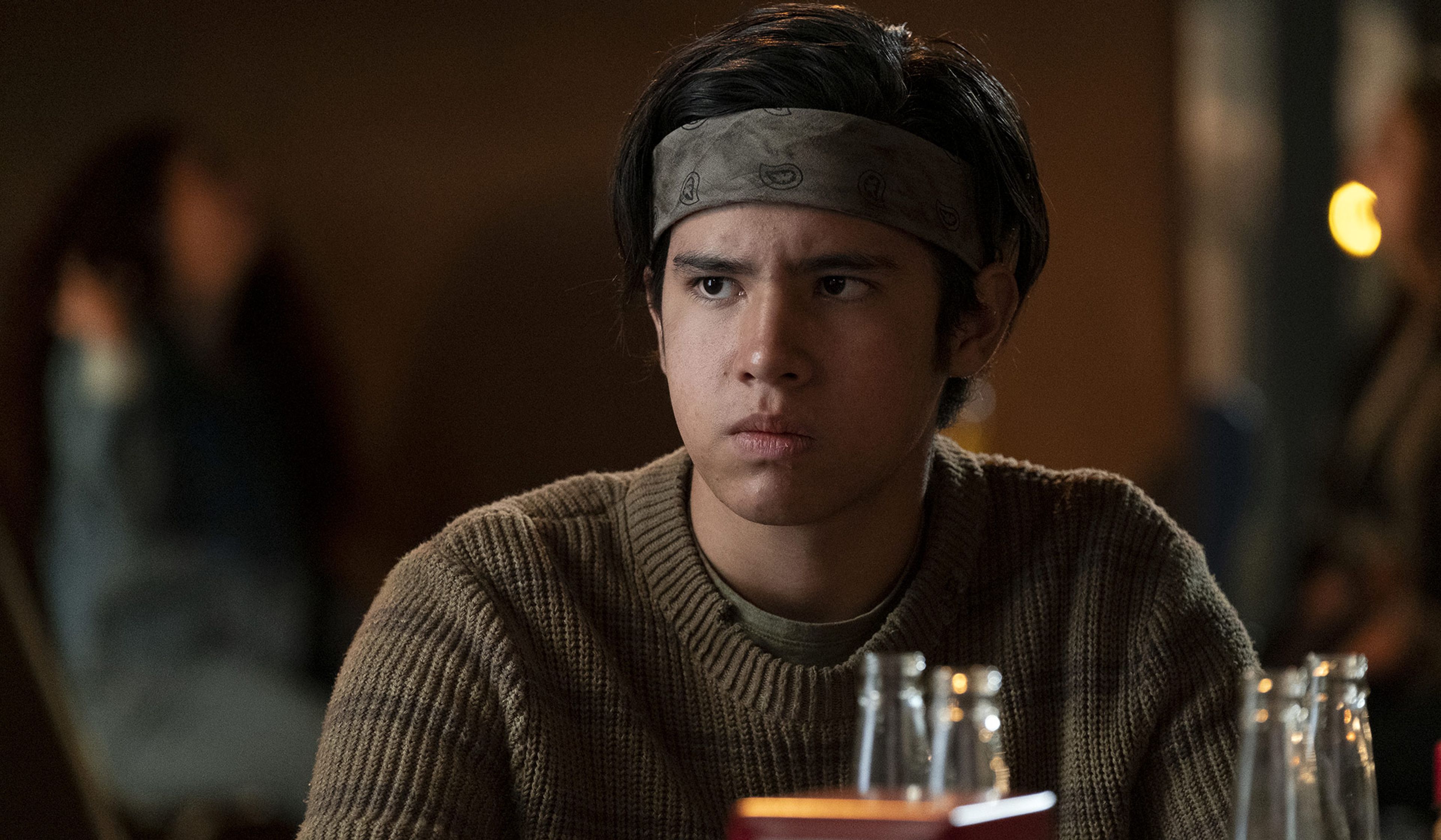
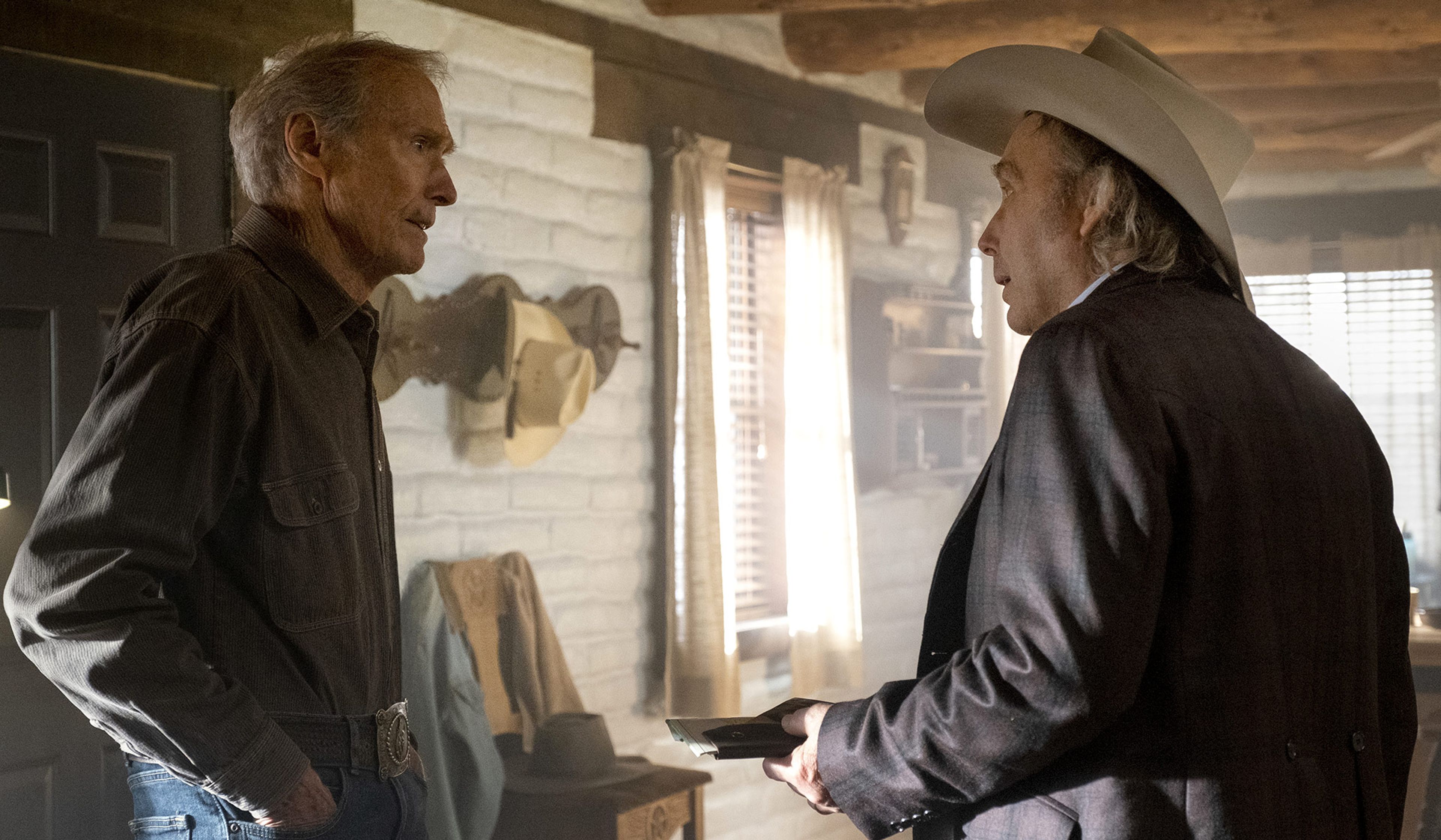
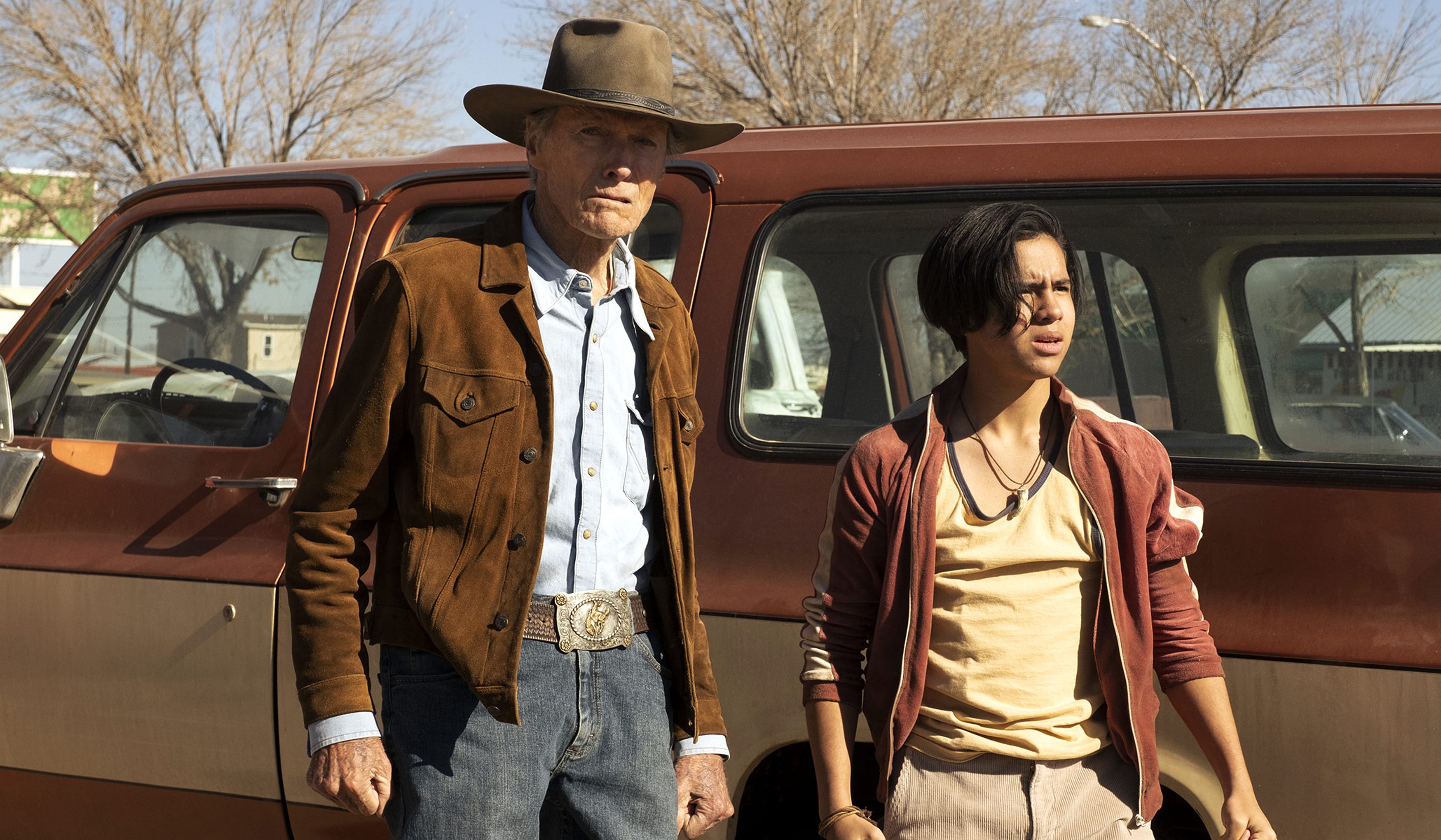
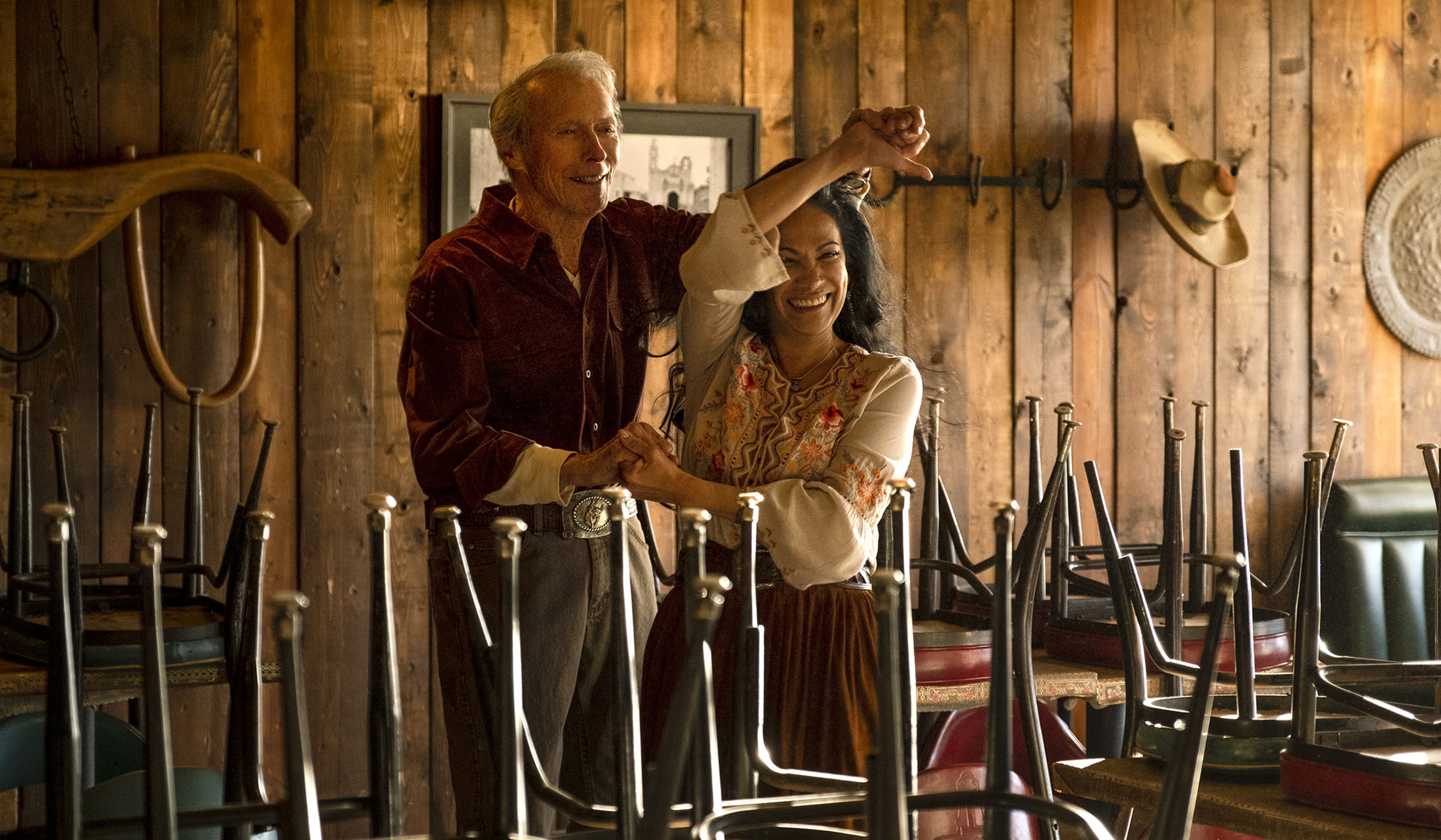
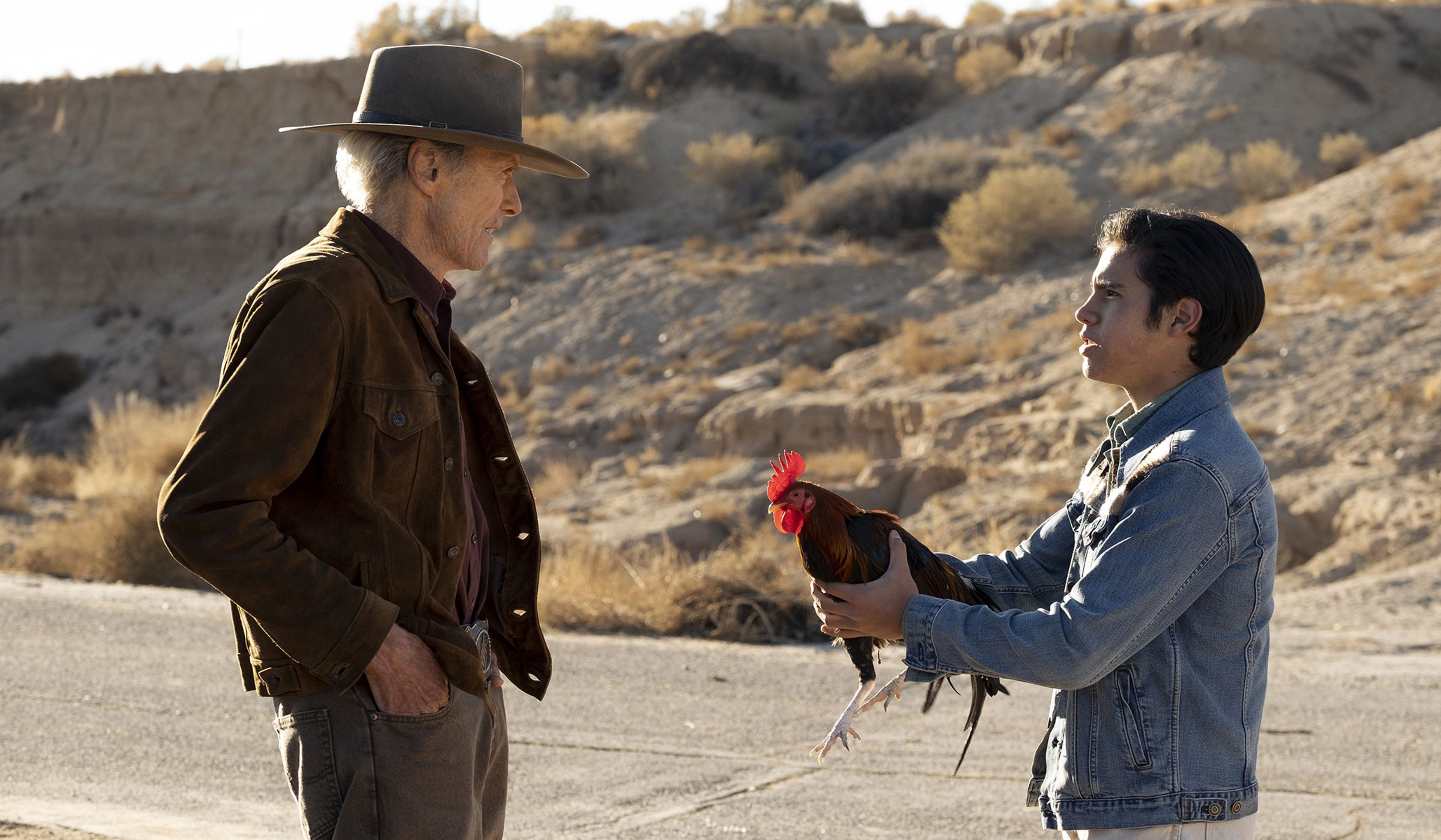
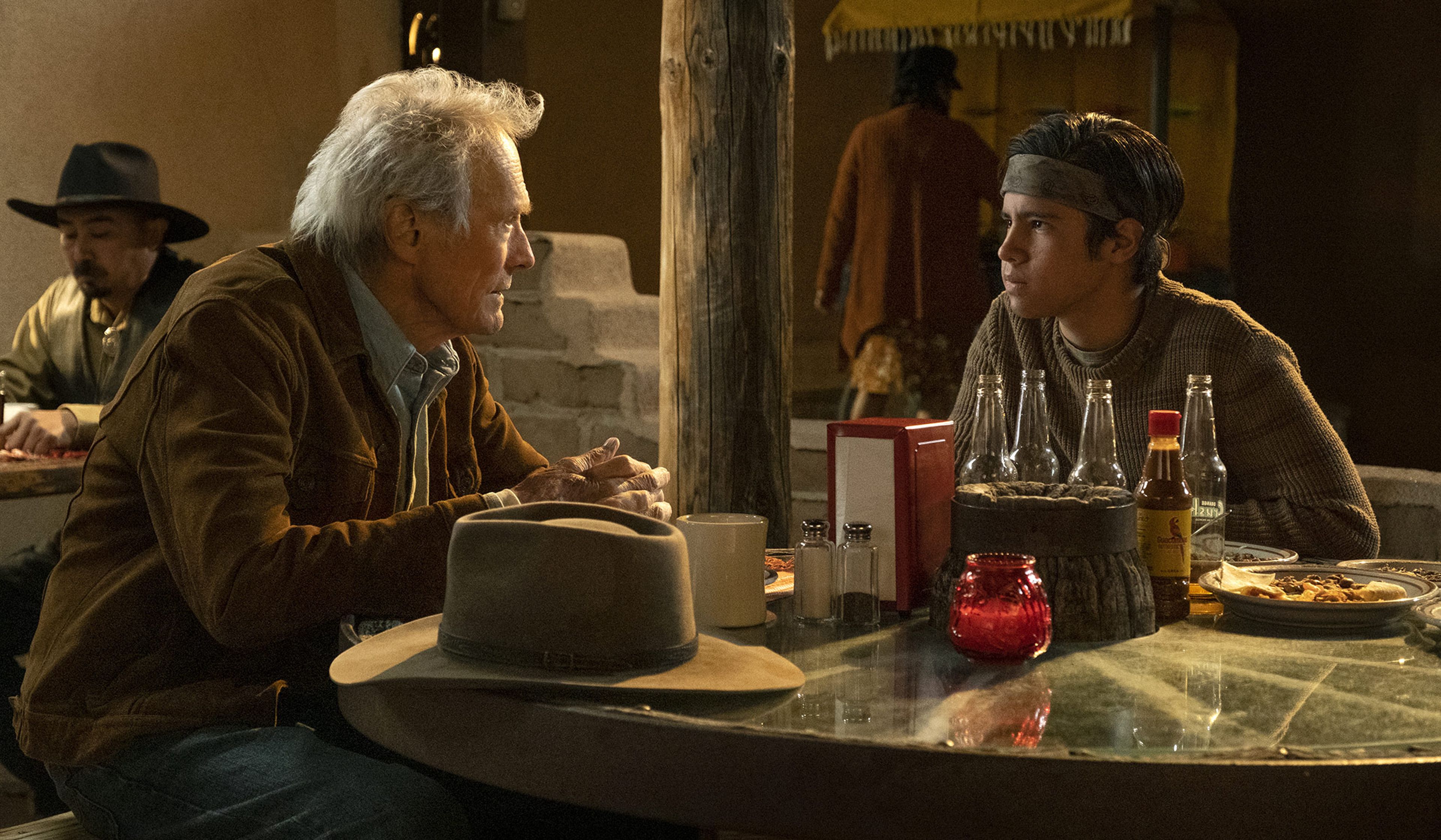
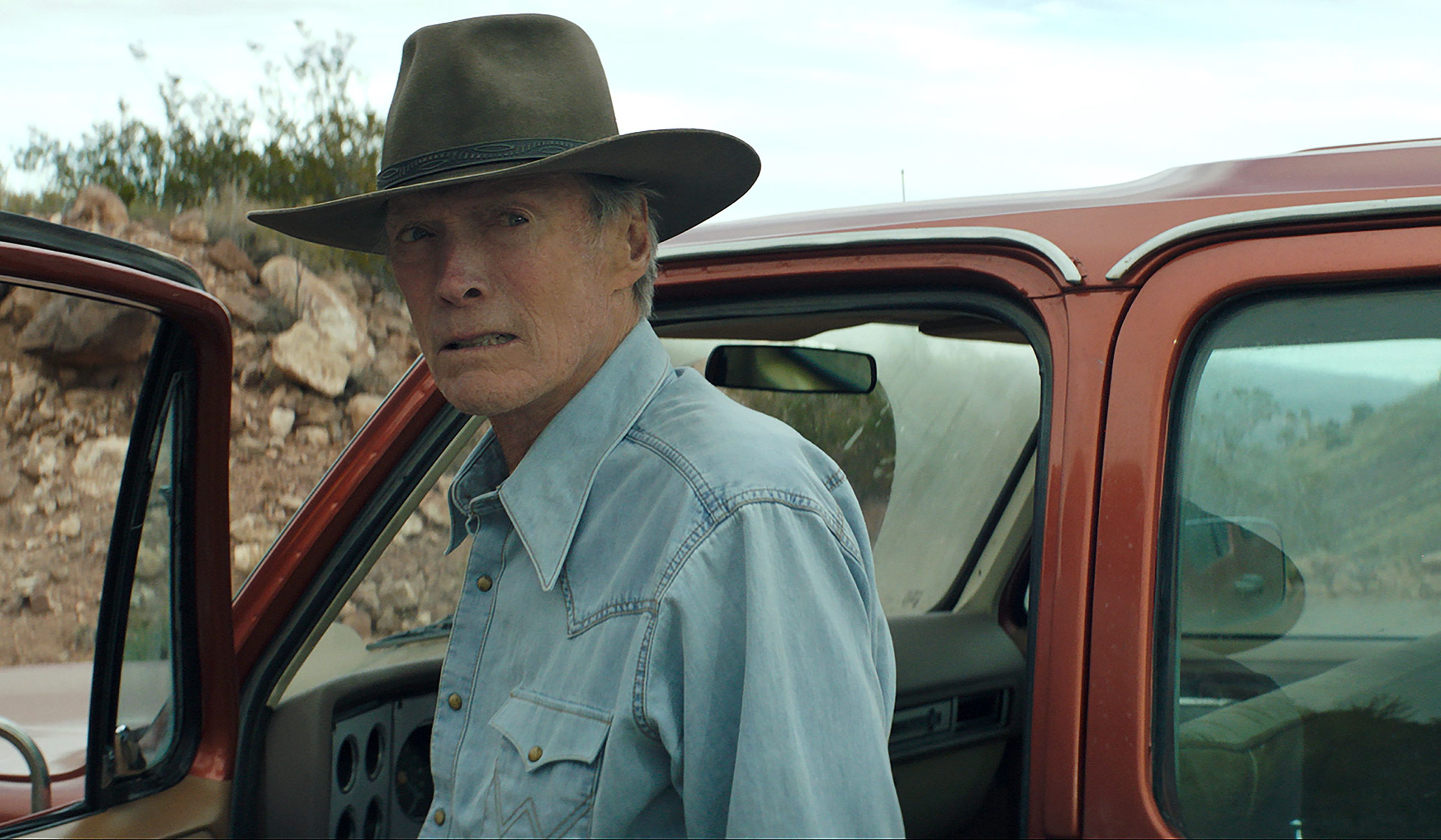
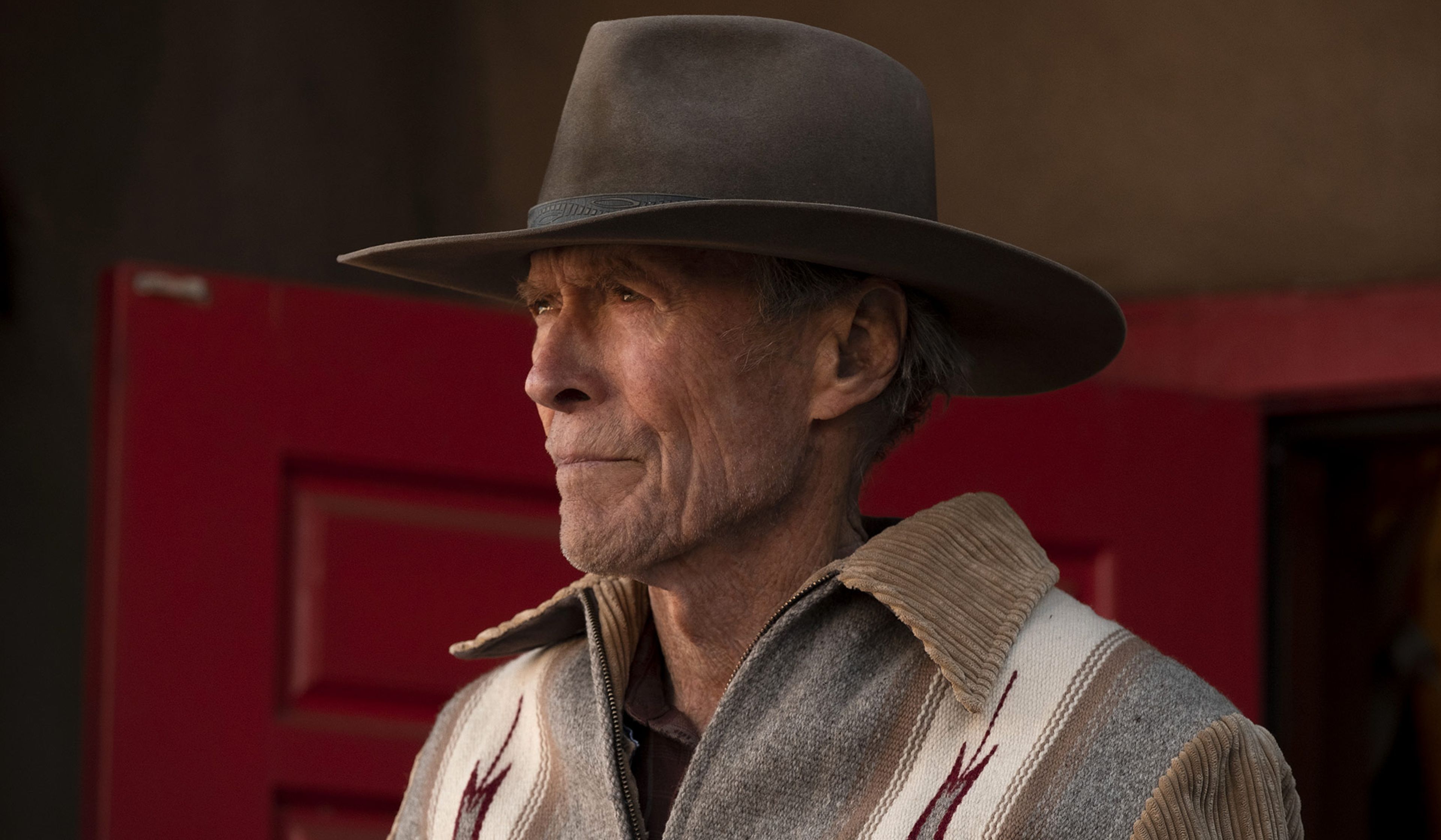
Clint Eastwood in Cry Macho.
Claire Folger/Warner Bros. Pictures
All this can’t help lending the movie a certain peculiar interest independent of its plot and script. Eastwood has been trading on an I’m-too-old-for-this vibe in his movies since at least Unforgiven, almost 30 years ago, but now we’ve reached a point where he is so palpably and ridiculously too old for this that just watching him go through the Eastwood motions inspires a mix of dread and fascination: Is he going to fall over getting out of that car or going through that door? If he throws a punch, will he break his wrist? How can anyone possibly invite him to get up on a horse — even if the stunt double is obviously the one riding?
That queasy fascination, plus the assumption that this really might be the last time we see Eastwood play a part like this one, is enough to make Cry Macho slightly more interesting than the sum of its narrative parts. But if Eastwood’s presiding presence resolves part of the mystery of its existence, it still doesn’t explain why the former Man with No Name chose this particular script and story for his likely swan song. He’s always been workmanlike and unfussy as a director, sometimes to a fault, but he’s usually favored rich material, scripts with an obvious hook or lurking twist — and Cry Macho has neither.
Even more mysteriously, the script, based on a novel of the same name published in 1975, has been kicking around Hollywood for years, with a remarkable list of now-faded stars attached at one point or another, from Roy Scheider to Burt Lancaster to Arnold Schwarzenegger. When I heard that prehistory, plus the plot summary, I assumed that Cry Macho was a writerly movie, like something adapted from Charles Portis. But neither the plot nor the dialogue suggests anything that would have appealed to famous actors and producers across two generations; at best, the occasional ruminations on aging and machismo (“Macho,” for what it’s worth, is the name of the boy’s rooster) seem like something that you’d find scribbled in the margins of a self-help book.
Still, I’m not the one making movies in my nineties, so who am I to judge? In the end the best explanation for why this movie exists, and why it’s apparently the valedictory we’re getting for a remarkable 60-year career, is the same as the explanation for all the implausibilities it contains: Because that’s what Clint Eastwood wanted, and he’s Clint Eastwood and you’re not.












Comments