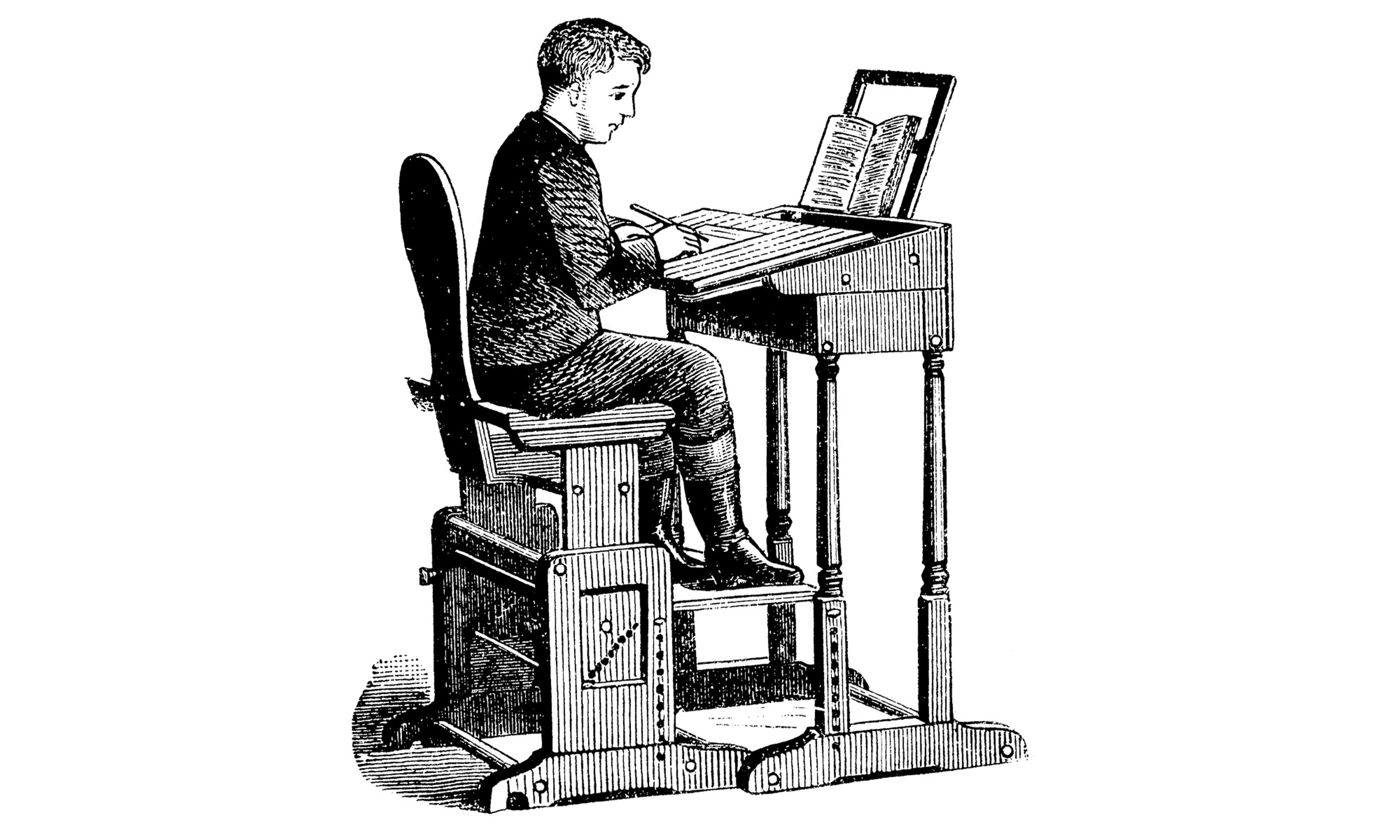
In a bygone day, Harvard University Press issued a book about how children once learned to write and why they learned that way. If you’ve read many letters of yesteryear, you might wonder why ordinary people wrote more eloquently than they do today. It’s worth pondering.
My description just above is rather vague about time and place — and purposely so. I propose to “interview” this book before revealing more about it. Let’s just say for now that it’s a candid, straightforward book about compositional pedagogy. It sheds light on what English courses might be. The questions are mine; the answers are almost verbatim from the old text, with gentle edits for flow, etc.
Q: Why is studying one’s own language important?
A: The mother tongue is at once a “subject” and a part of every other educational activity. Helping schoolchildren and college students to write well is a problem that is intricately related to our entire educational scheme.
Q: You’re proud of your curriculum, aren’t you?
A: Our children have for a long time borne the reputation of being good writers; and any reasonably thorough inquiry into the matter will convince one that the reputation is well merited. They write with great grammatical correctness, sharp accuracy of thought, sure and intelligent freedom, and great regard for good form and finish.
Q: You focus a great deal on vocabulary, don’t you? How do you teach it?
A: The teaching falls readily into three parts: (1) enlarging, (2) sharpening, and (3) quickening. Pupils must learn words, though never apart from things; they must be able to seize words’ signification and the exact shades of meaning; and they must become accustomed to finding the words quickly when in need. Hence the value of exercises devoted especially to the study of vocabulary.
Q: Don’t the students consider this dull?
A: Vocabulary exercises are exceedingly interesting. The words chosen for a given day are close enough to the pupil’s life to be stimulating, the recitation calls for much activity on the pupil’s part, and the period is never long enough to become wearisome.
Q: You actually have your students take dictation, don’t you?

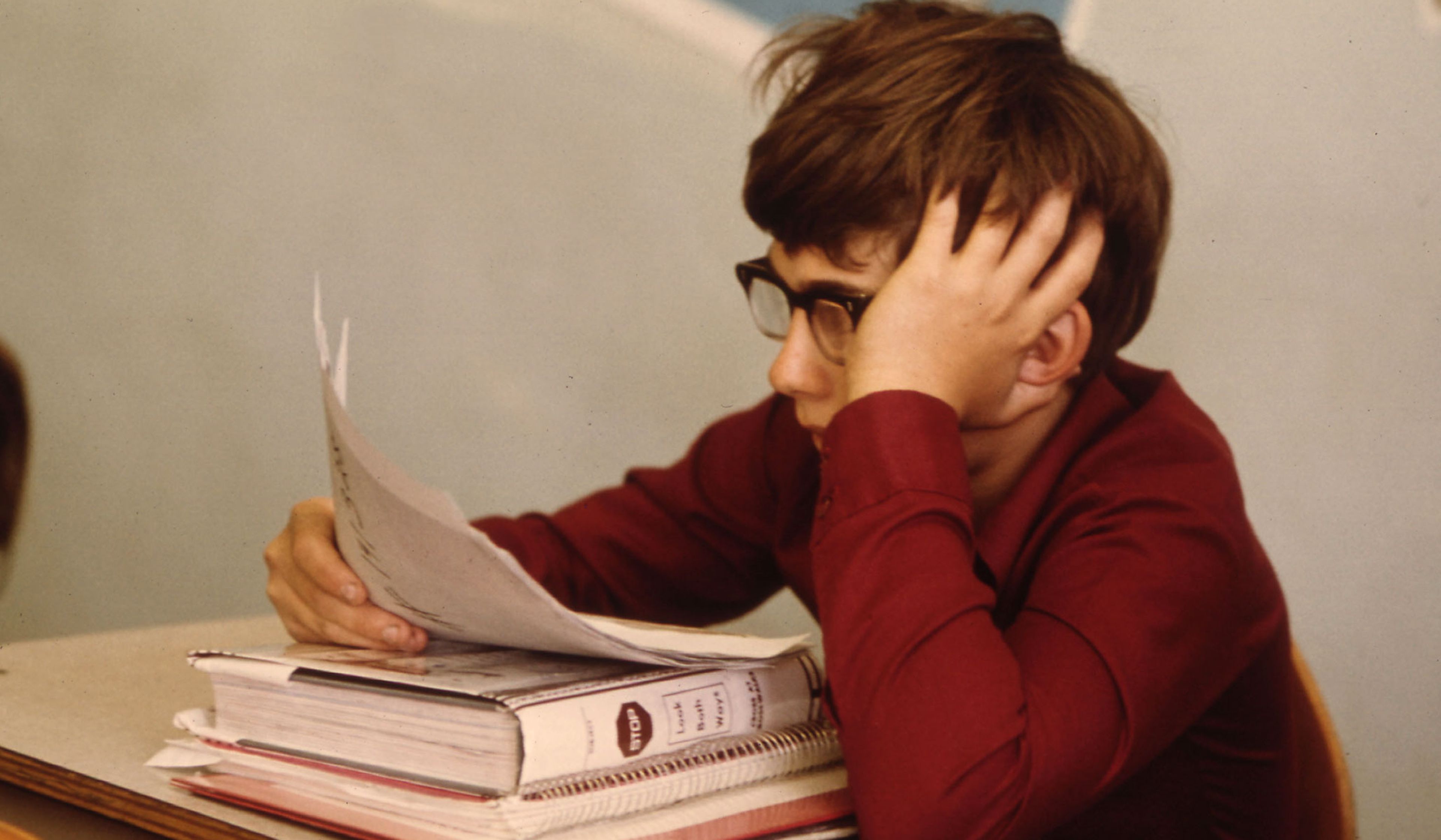
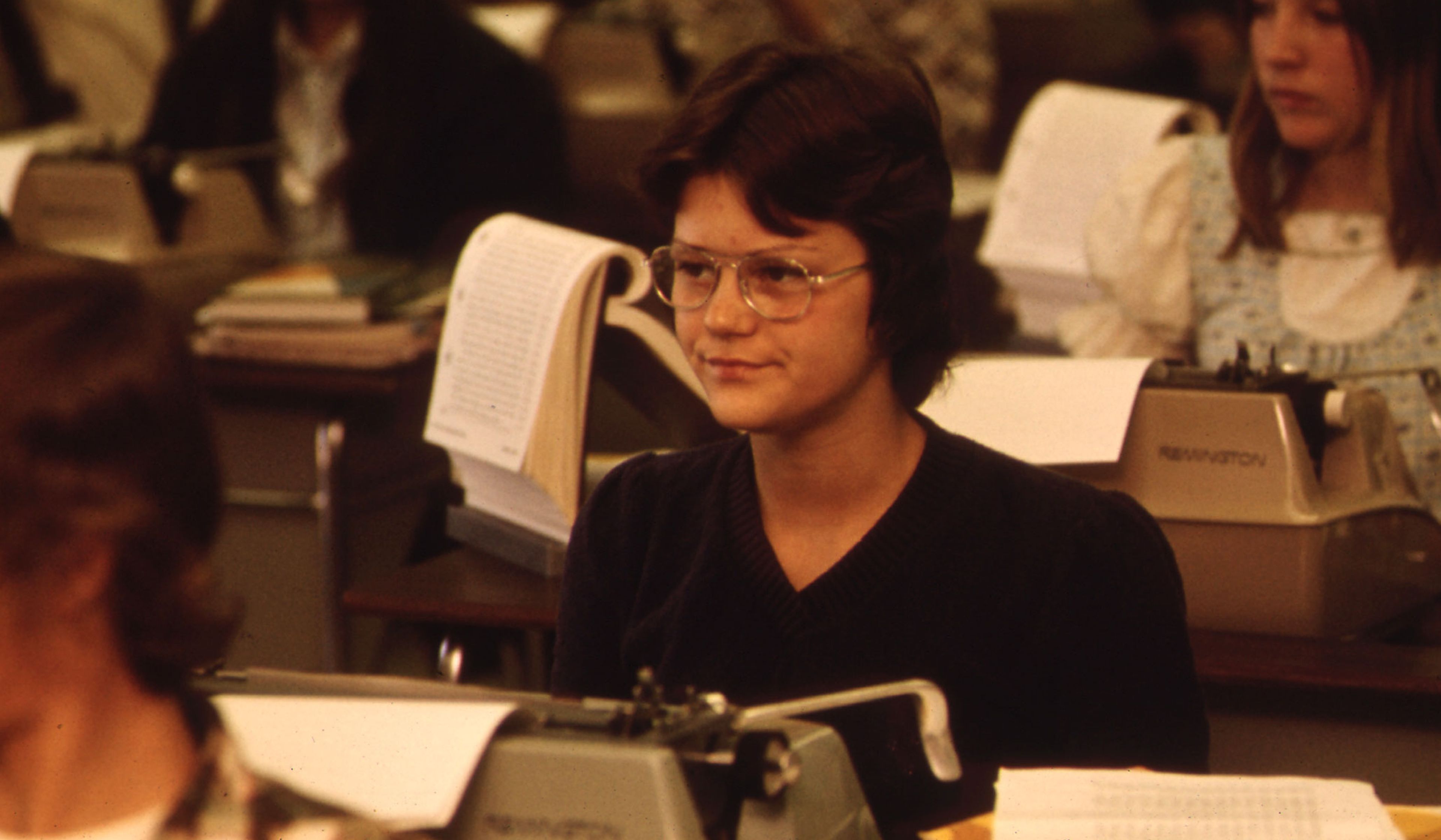
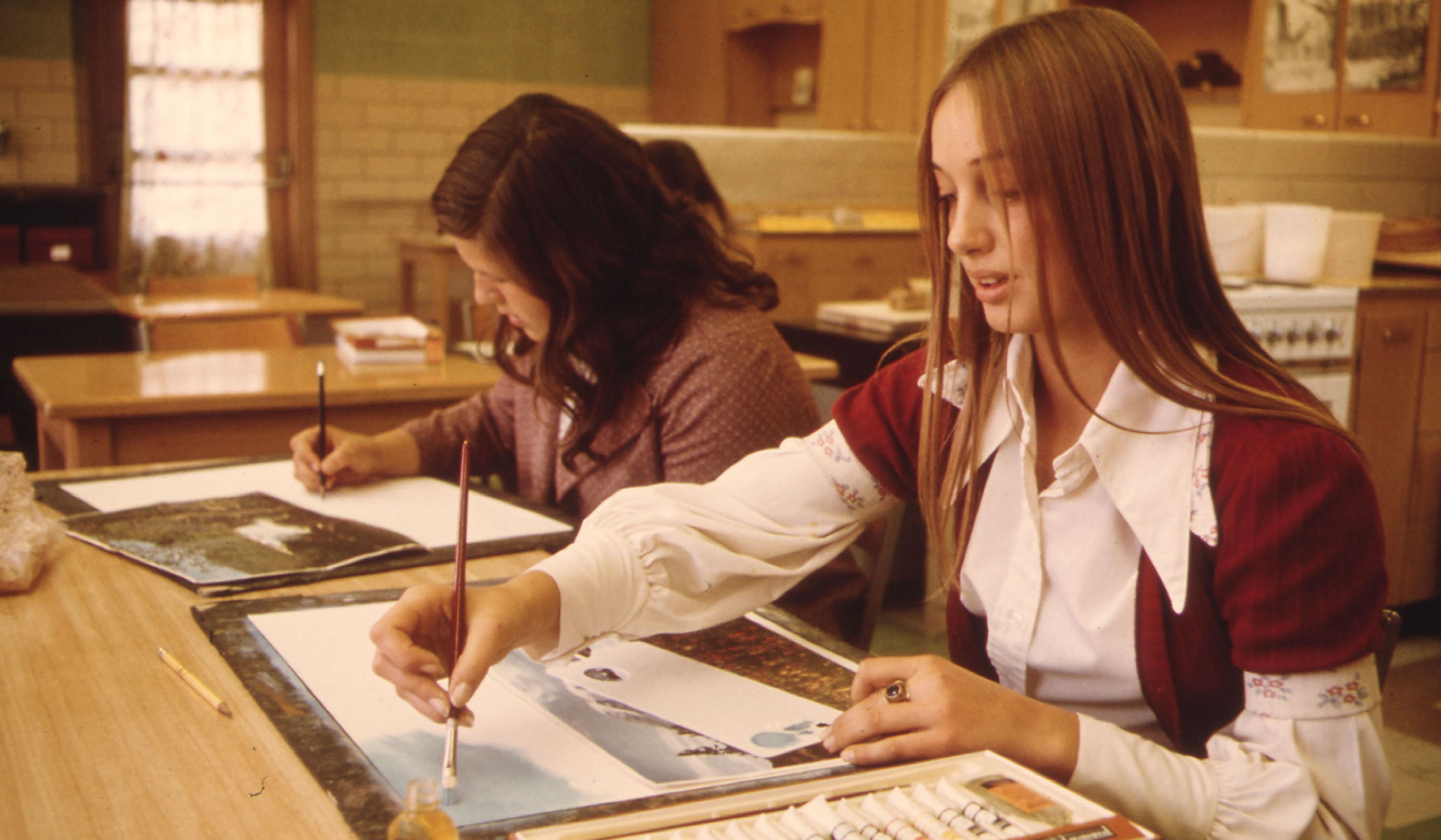
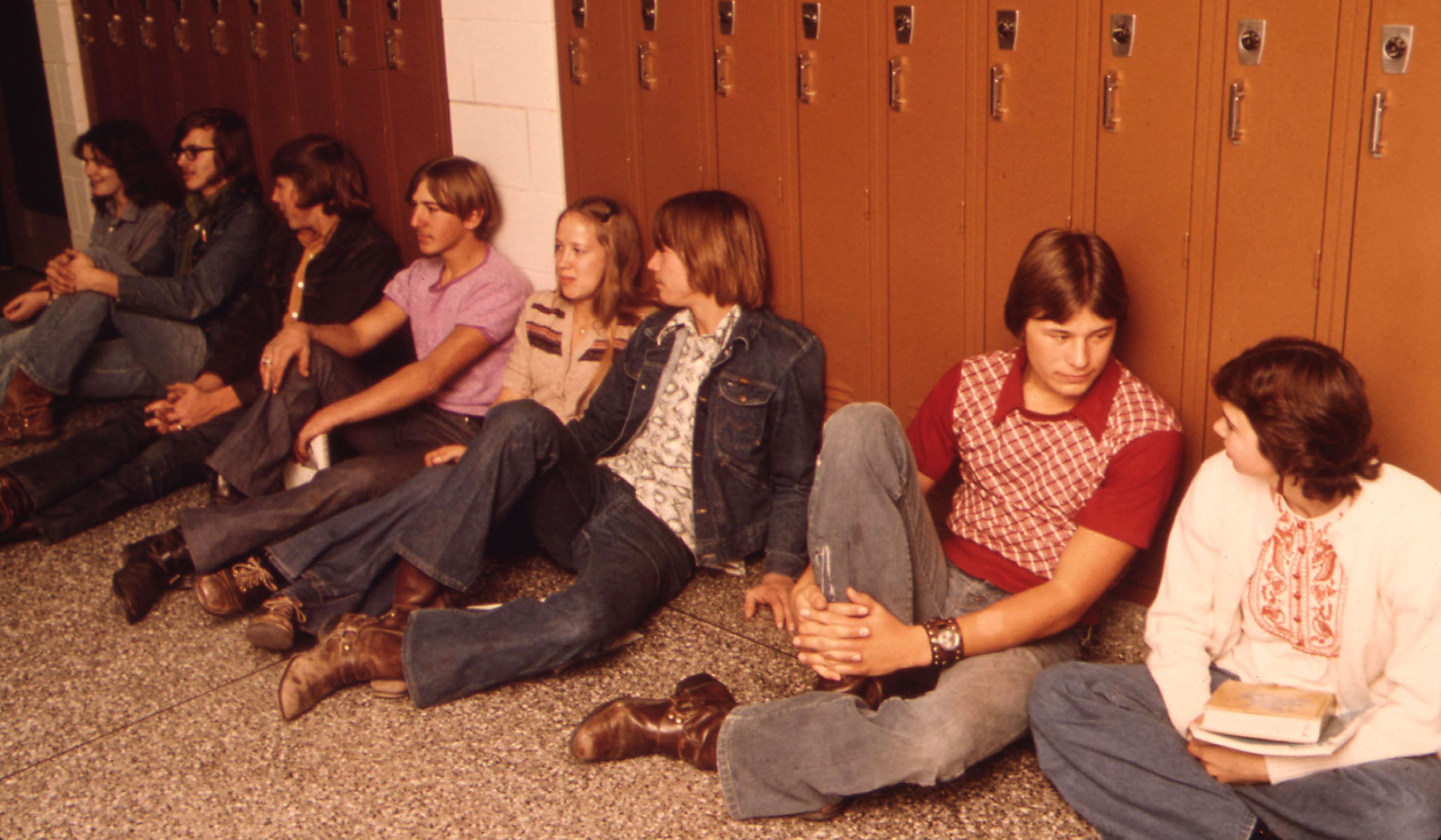
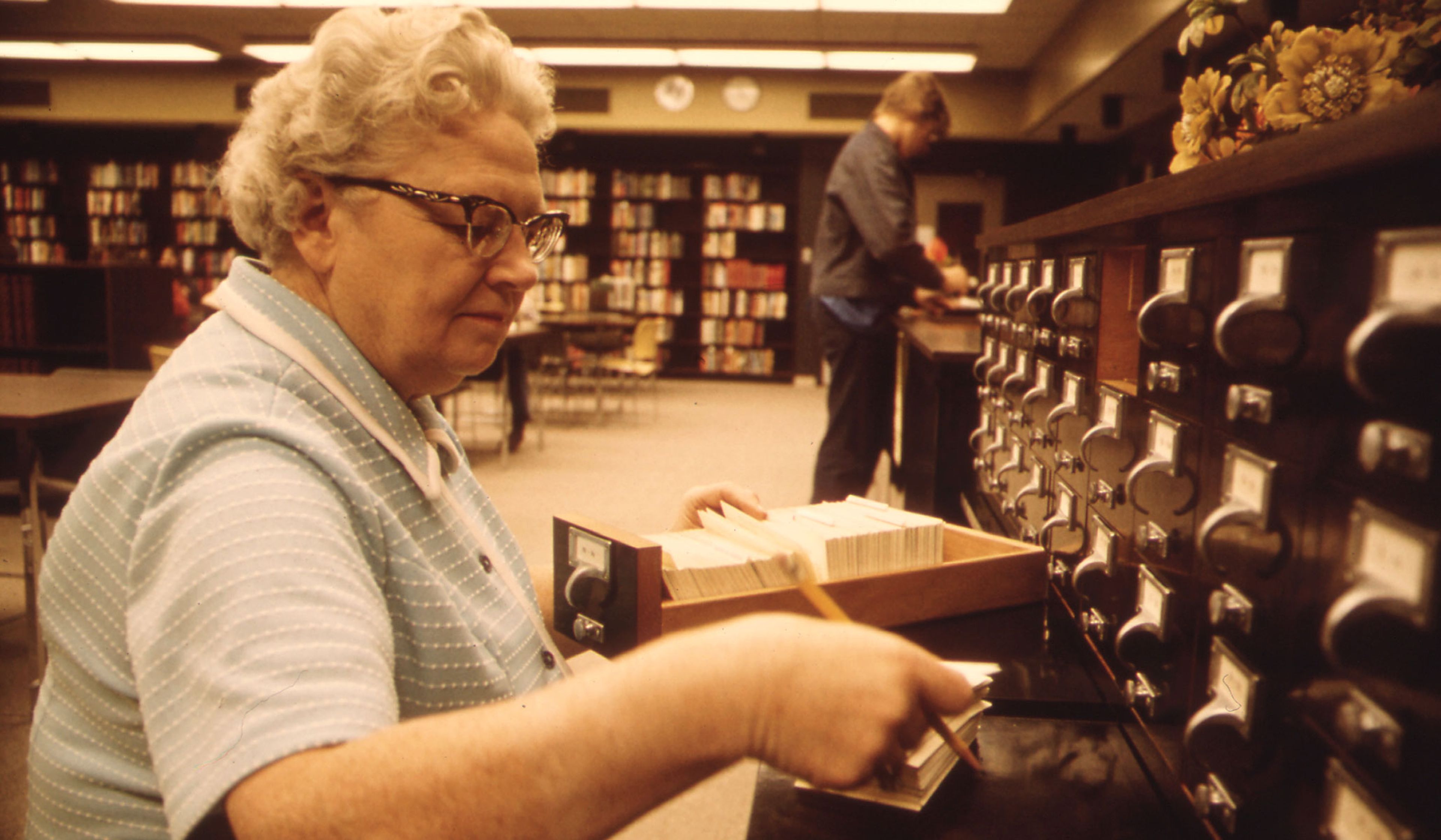
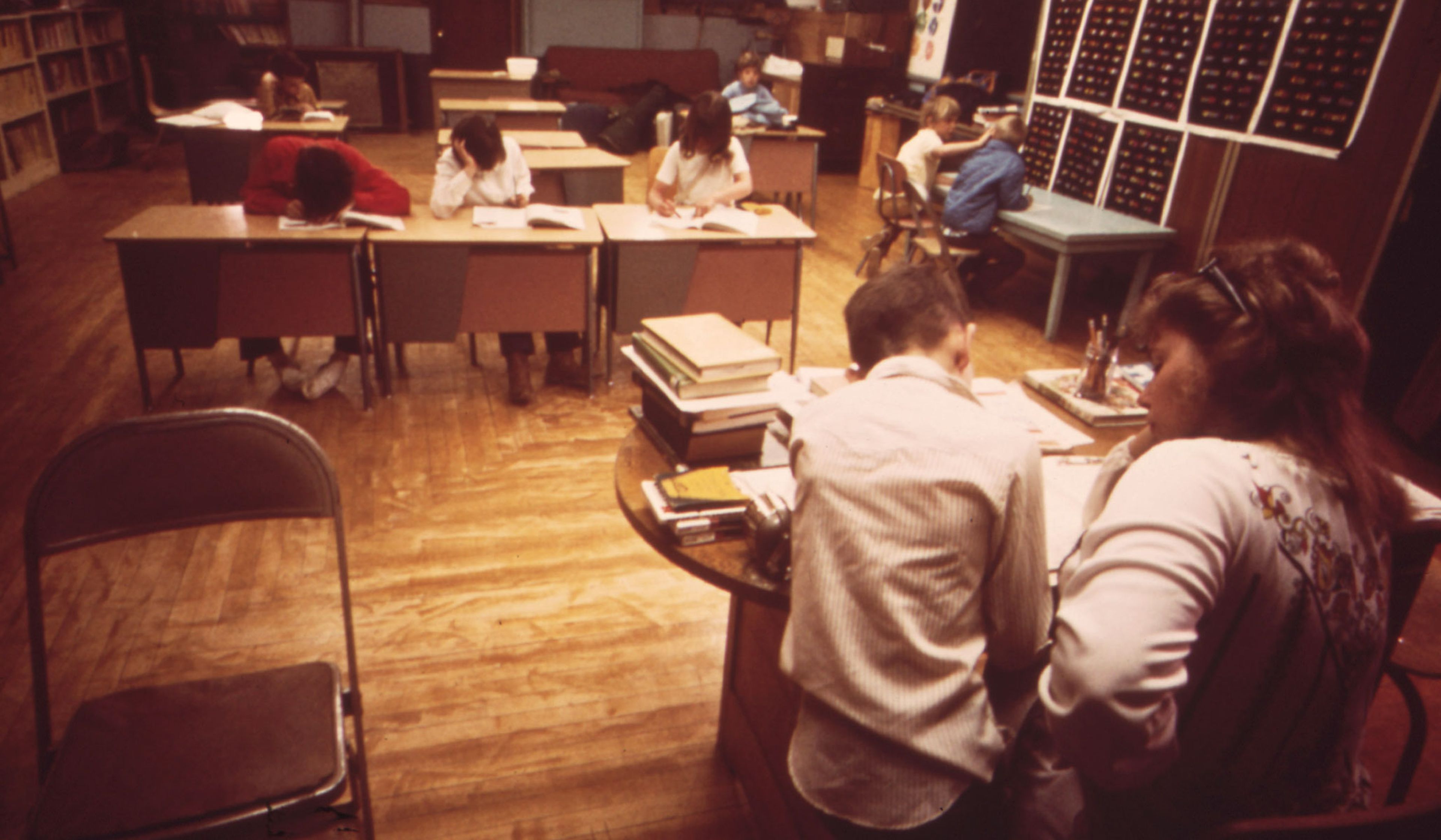
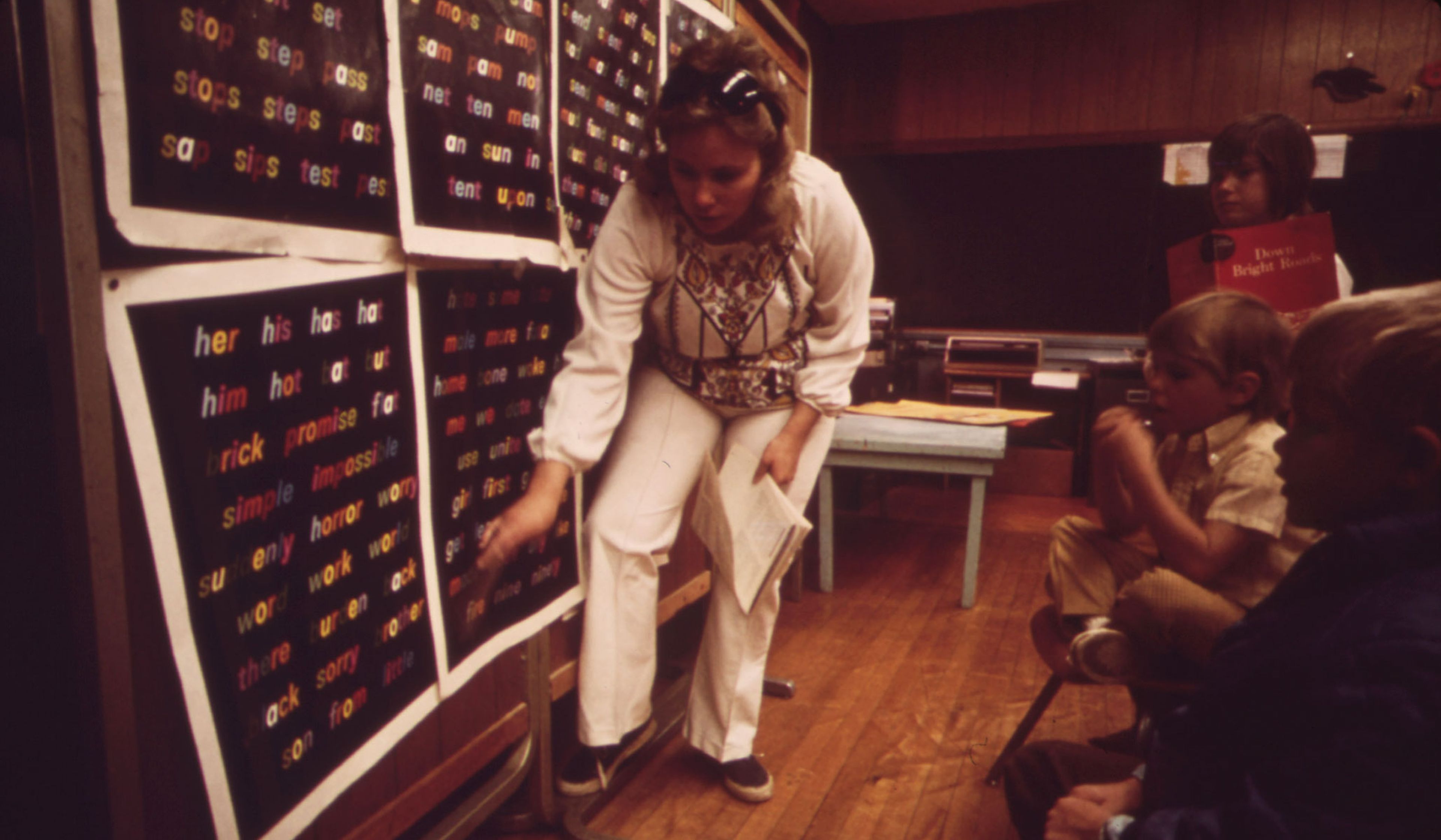
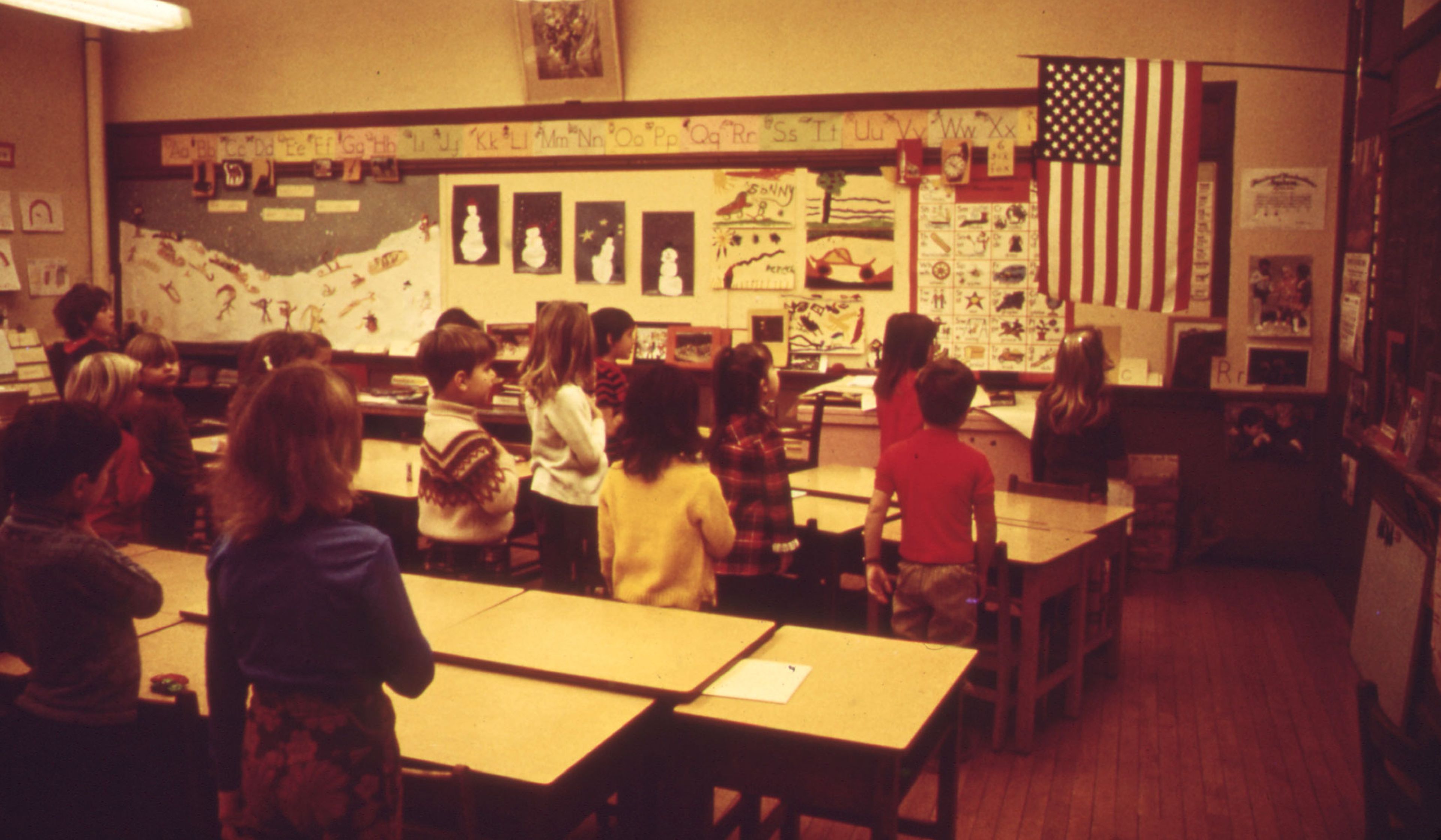
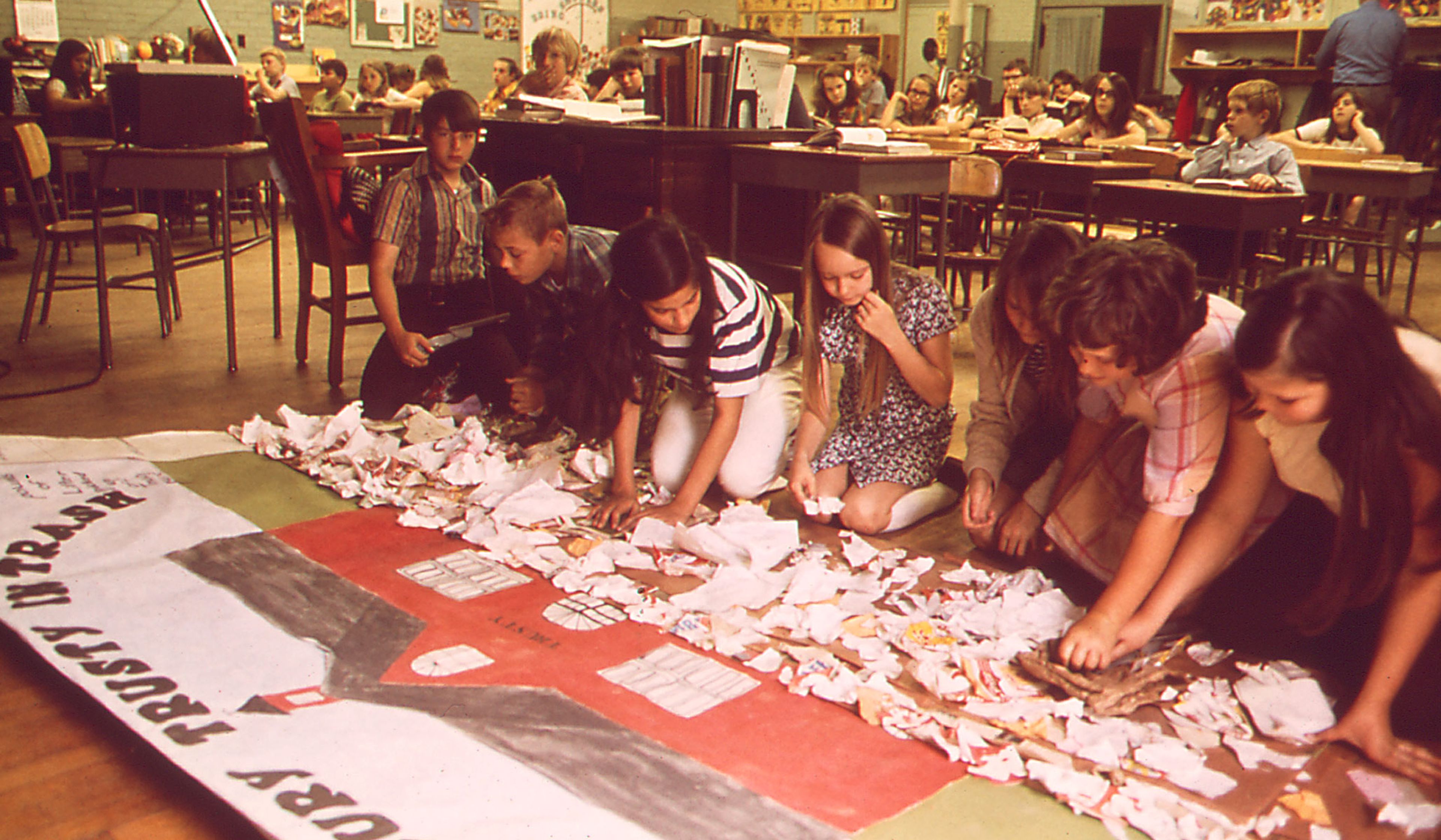
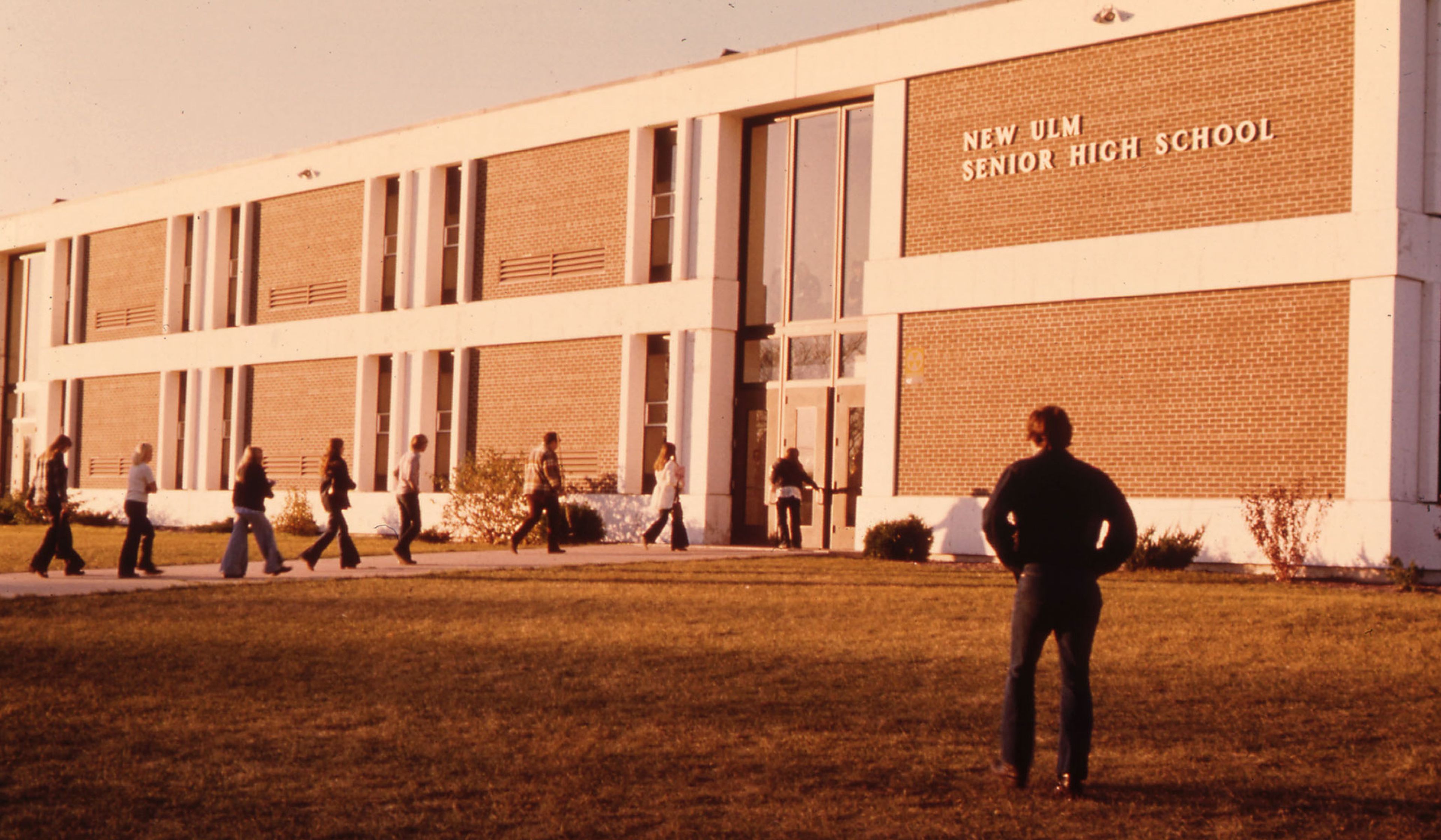
Teacher and students at Cathedral Senior High School in New Ulm, Minn., 1975.
David Stroble/DOCUMERICA/National Archives
A: We have emphasized it and developed it until it is now a very important and thoroughly established part of the educational procedure. It is based on the conviction that a child can acquire skill before developing the power of profound or sustained thought. Children have much practice, then, in writing the thoughts of others while they are yet too young to write their own.
Q: But what do students get out of taking dictation?
A: It gives pupils much practice in the handling of the sentence; it directs their attention to grammatical constructions; it helps them learn to spell, to punctuate, and to capitalize; it enlarges their vocabulary and gives them practice in the use of words already known to them; and it fills their minds with good standards of speech. Greatest of all, it prevents pupils from separating spoken language and writing.
Q: Your curriculum emphasizes grammar, doesn’t it?
A: The chief purpose in teaching grammar is to help children gain a better working acquaintance with the language they speak and write. The value of grammatical exercises as training, as a means of developing the power to discriminate, to judge, is not to be disregarded or underestimated; but the chief aim is a mastery of the tools of everyday expression. Although it is not believed by anyone that a knowledge of grammatical principles will inevitably lead one to speak or write correctly, it is generally maintained that this knowledge, if acquired under favorable conditions, is of some definite value as a part of the pupil’s equipment for effective expression.
Q: You like to start quite young, don’t you?
A: Pupils must study the elements of grammar while young, and they must master a few things so thoroughly that these cease to be mere knowledge and become habit and feeling. Instruction, therefore, begins early. Children of six or seven are mastering the simpler tenses of be and have, and by the time they are eight or nine, they are able to discuss the function of the different parts of speech and to talk in grammatical terms about the simpler forms of the sentence.
Q: Why begin so young?
A: When grammar is postponed until children are in the seventh or eighth grade, or possibly in high school, they have come to look upon studies as so many courses to take. Grammar may therefore readily seem to be some new subject, as foreign to their everyday lives as solid geometry or ancient history. And when grammar is for this reason dull and dry, nothing, it seems, could be duller and drier. The teacher, as well as the pupil, looks upon it as “formal grammar” or “technical grammar,” and they unite in wishing it had never found its way into the school course.
* * *
What is this Harvard book? It’s a 1915 text by Rollo Walter Brown titled “How the French Boy Learns to Write: A Study in Teaching of the Mother Tongue.” Revolutionary, you might say.












Comments