The claim of disillusioned right-wing dissidents, that conservatism exists just to preserve the last round of liberal innovation, is sometimes applied unfairly, but you can feel its potency in the way that any cultural production from before the age of wokeness now feels a bit right-wing. This reality extends even to many of the debased sitcoms, prurient soap operas, and randy teenage farces that conservative moralists might have boycotted once upon a time; no sooner are such things coded as “problematic” by the Left than some conservatives feel inclined to claim them or at least spring to their defense.
This tendency can be obviously unhealthy, a reflection of the right-wing desperation to have some pop culture of our own; there is not, and never will be, a conservative case for Friends. But it can also be an opportunity for closer analysis and deeper understanding. To reread the Harry Potter novels, whose creator now stands anathematized for wrongthink, is to encounter not a secretly reactionary saga but a neoliberal fantasy, in which a society of meritocrats gets to have all the pleasures of antiquarianism (boarding schools! cool house crests! magic!) while triumphing over evil aristocratic racists. And then to contemplate J. K. Rowling’s subsequent arc is to contemplate neoliberalism’s inherent tensions and ultimate demise.
There is a similar opportunity for contemplation now with the works of Judy Blume, after the moment last month when it appeared that Blume might join Rowling among the ranks of the no longer progressive, thanks to an interview in which she seemed to express mild support for the Potter author.
Hasty clarifications and apologies followed, enabling the release of Are You There God? It’s Me, Margaret, the new adaptation of Blume’s most famous tweenage novel, to proceed without too much culture-war ado. But the movie itself is an encapsulation of how the cultural landscape has shifted: A story about early adolescence that was once controversial on the right, attacked by conservatives of the Phyllis Schlafly school for its frankness about puberty and its doubts about organized religion, now feels at least moderately reactionary.
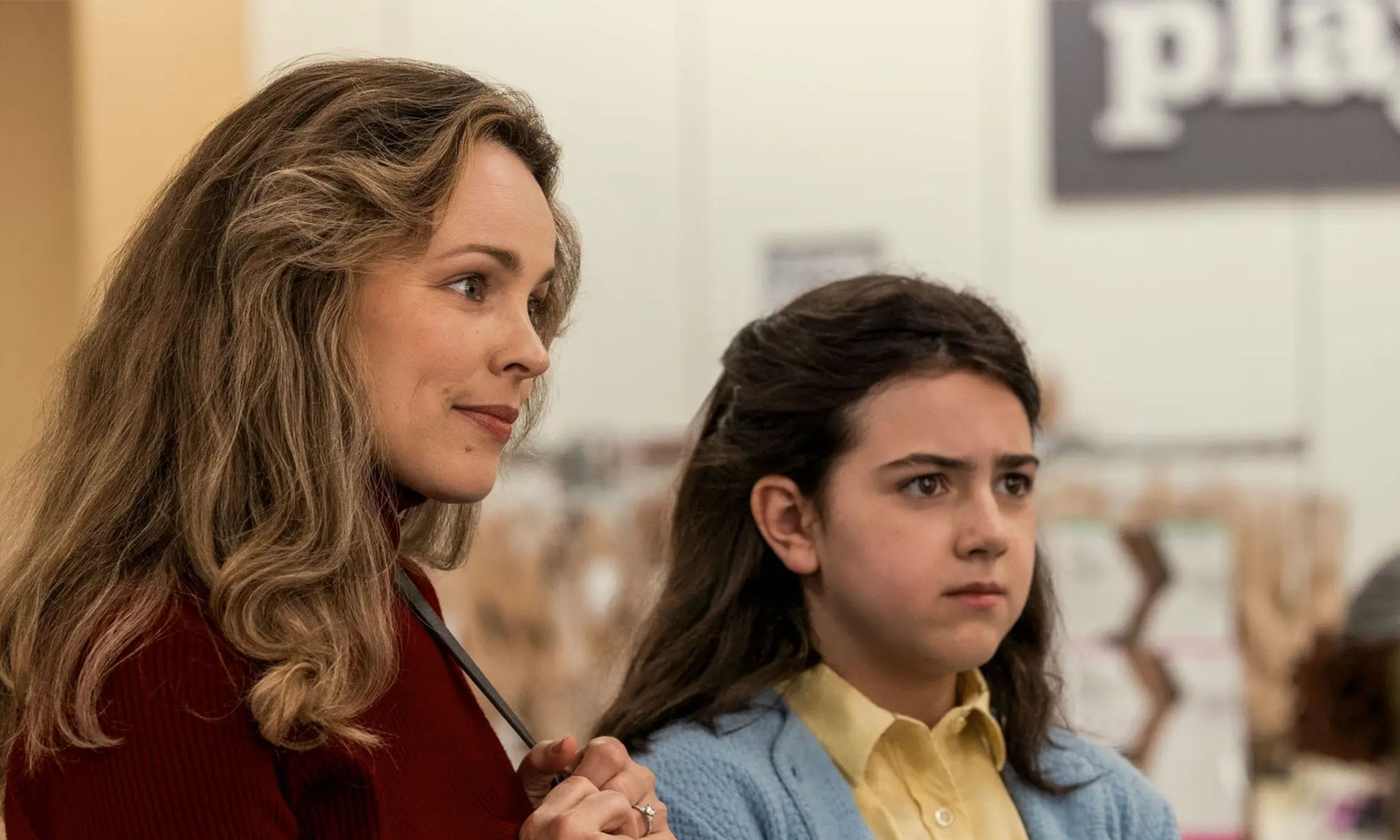
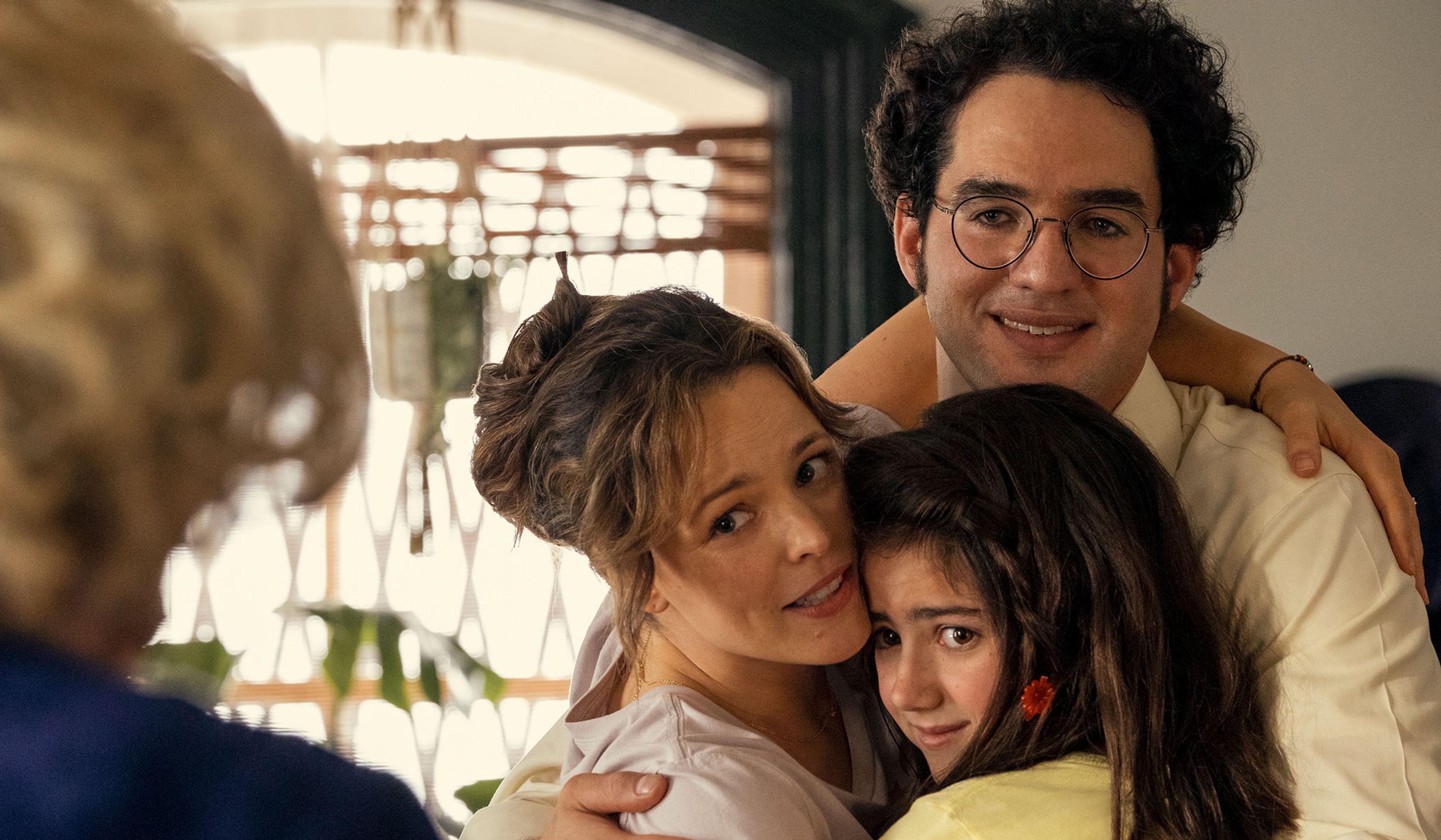
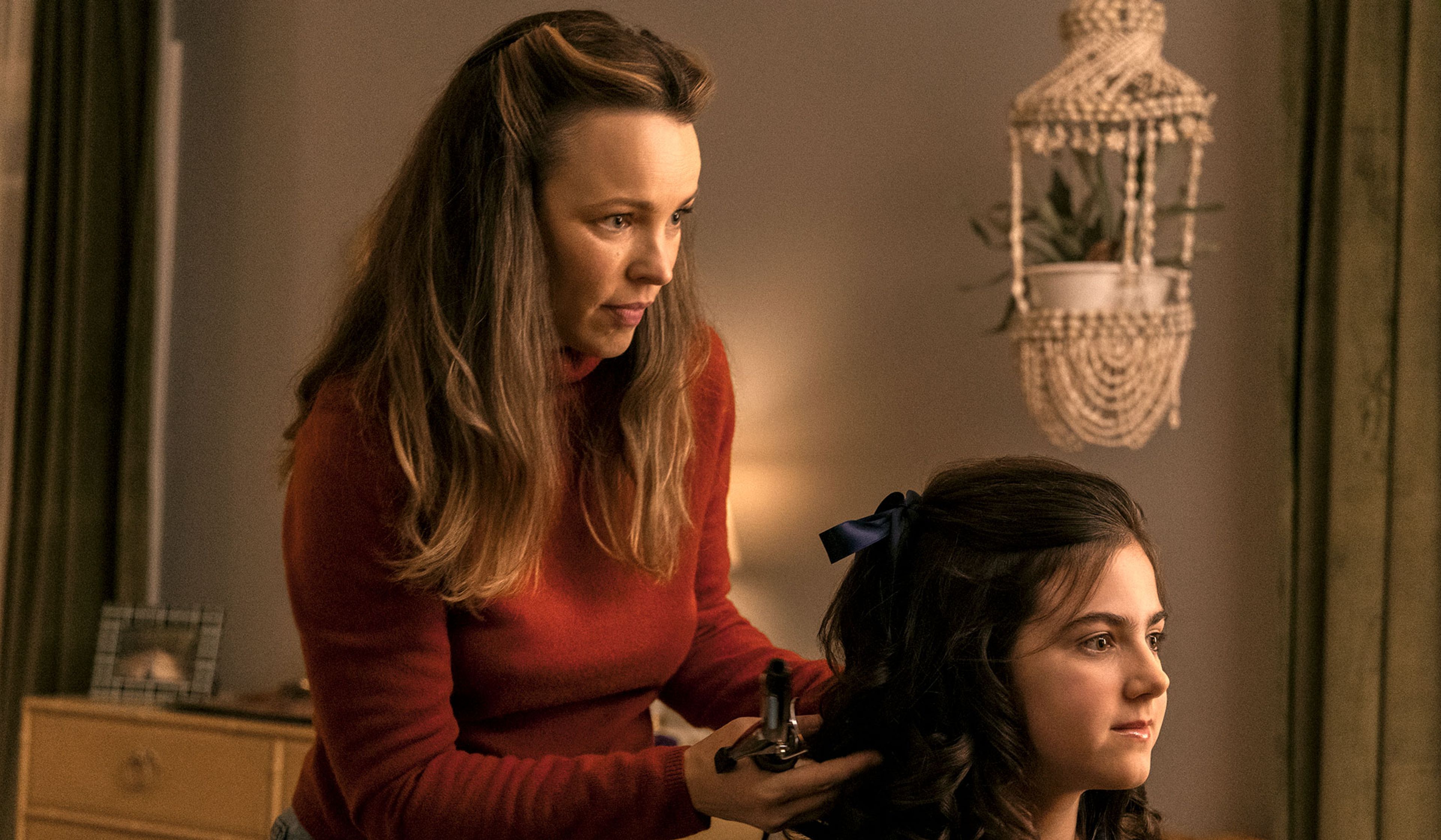
Margaret, played by Abby Ryder Fortson, is a 1970s only child of a cradle-Christian mother (Rachel McAdams) and a Jewish dad (Benny Safdie) whose parents wrench her out of New York City and cast her into the wilds of Jersey. Her first of many addresses to the Almighty concludes, “Please don’t let New Jersey be too horrible,” and the prayer is answered: The suburbs have their challenges, but she quickly acquires a gang of friends, led by the precocious Nancy Wheeler (Elle Graham), who are all on the edge of puberty, mildly prurient, fascinated and weirded out by boys, and intensely concerned about who’s going to get her period first.
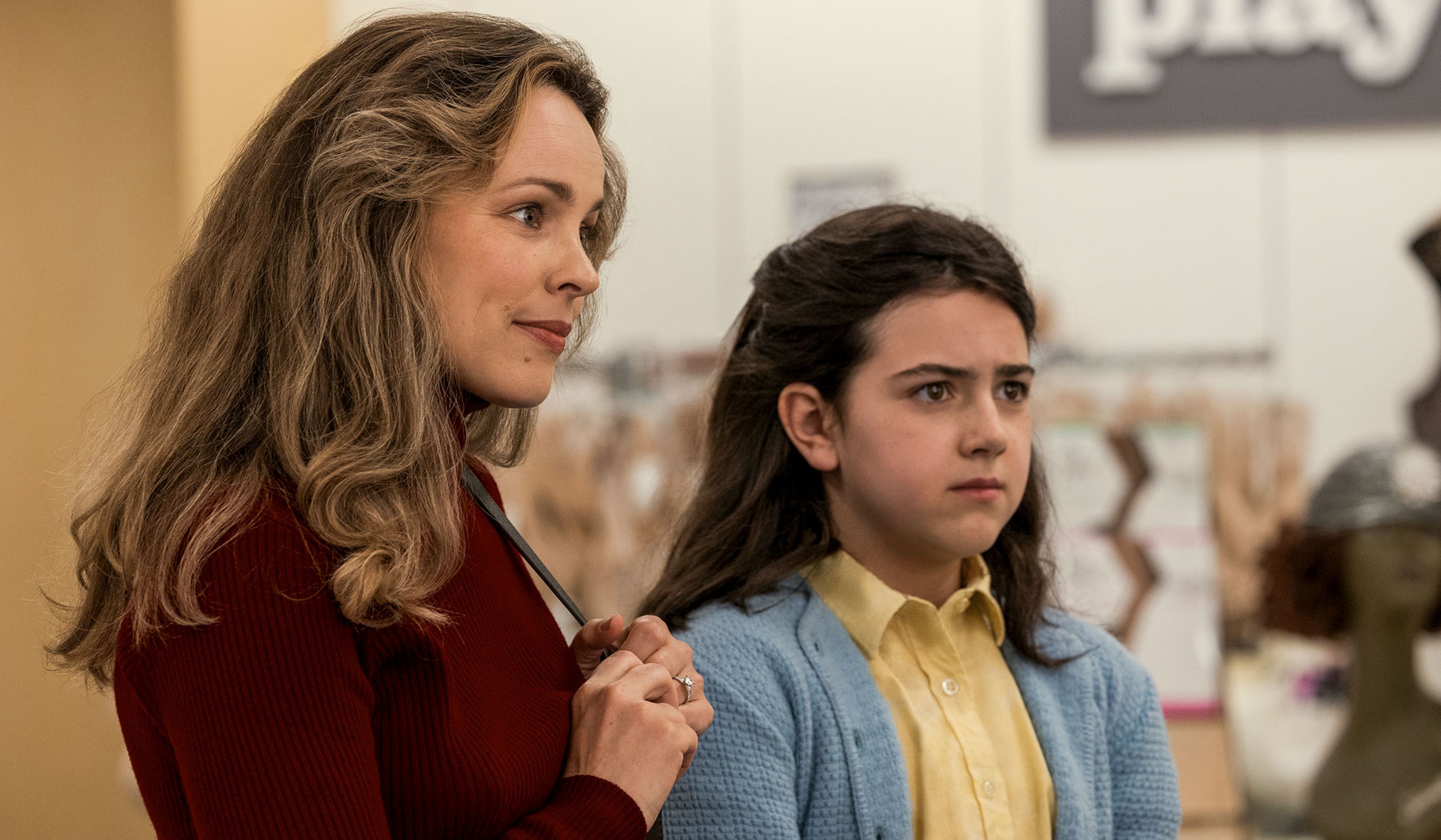
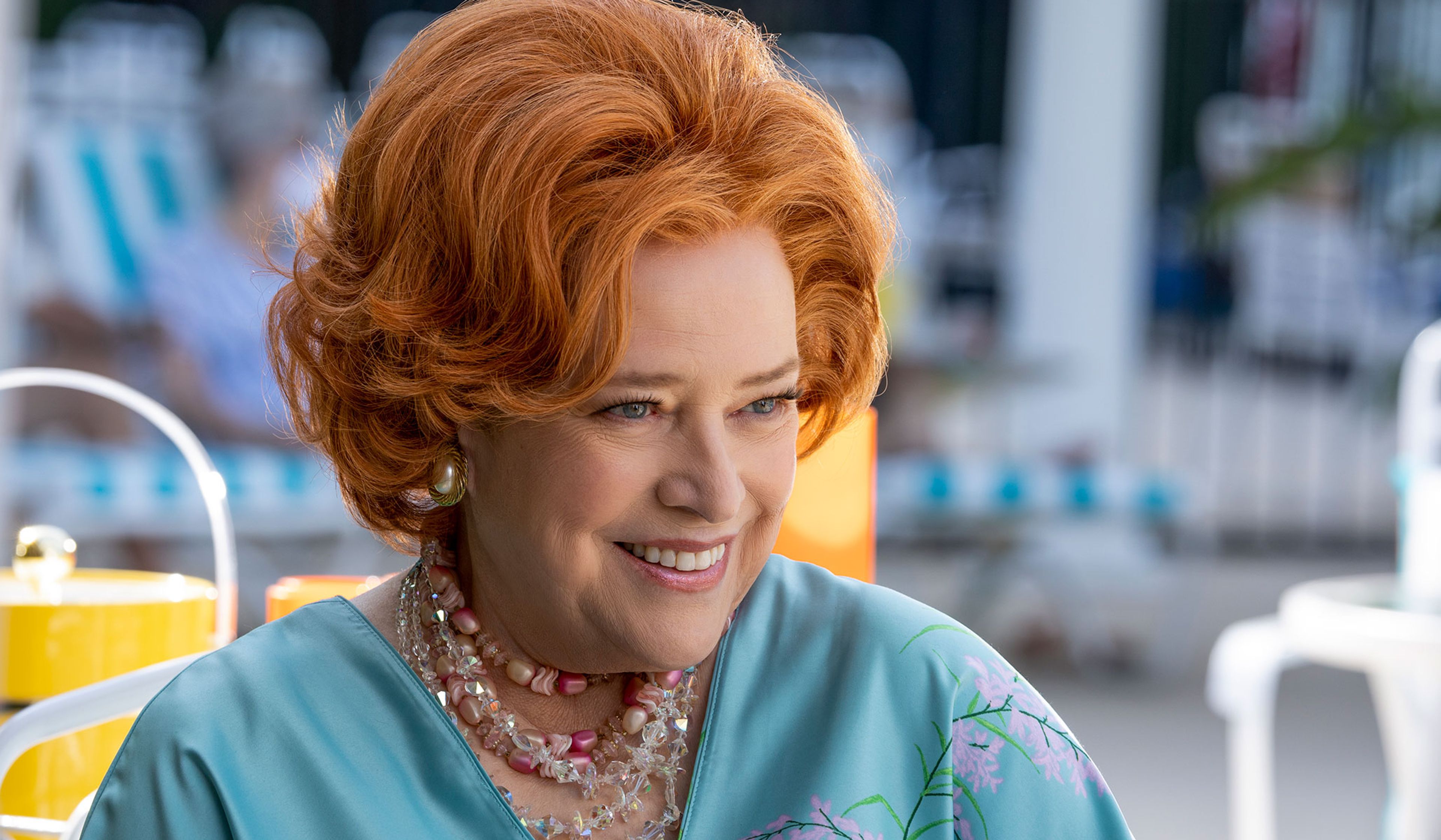
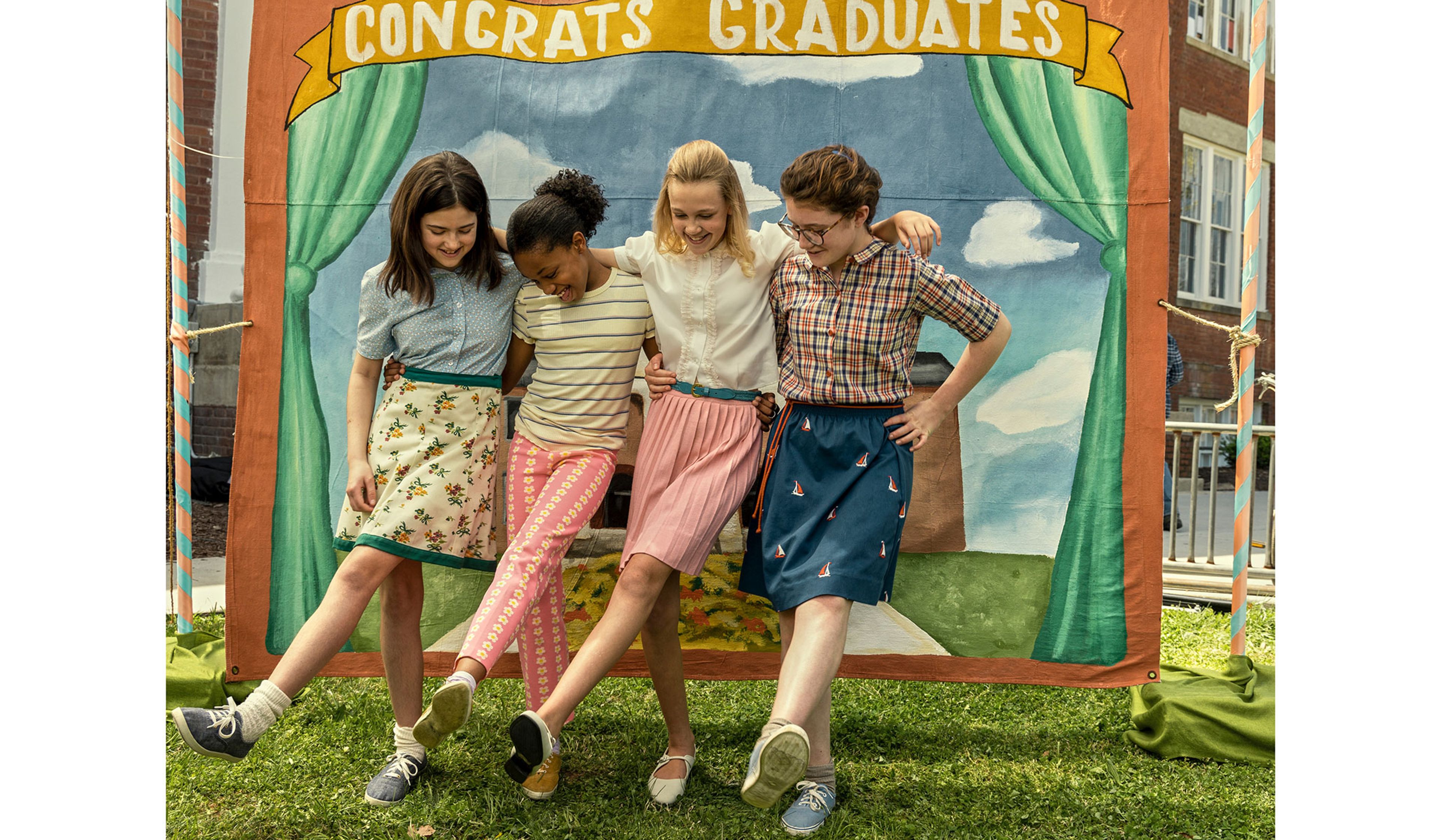
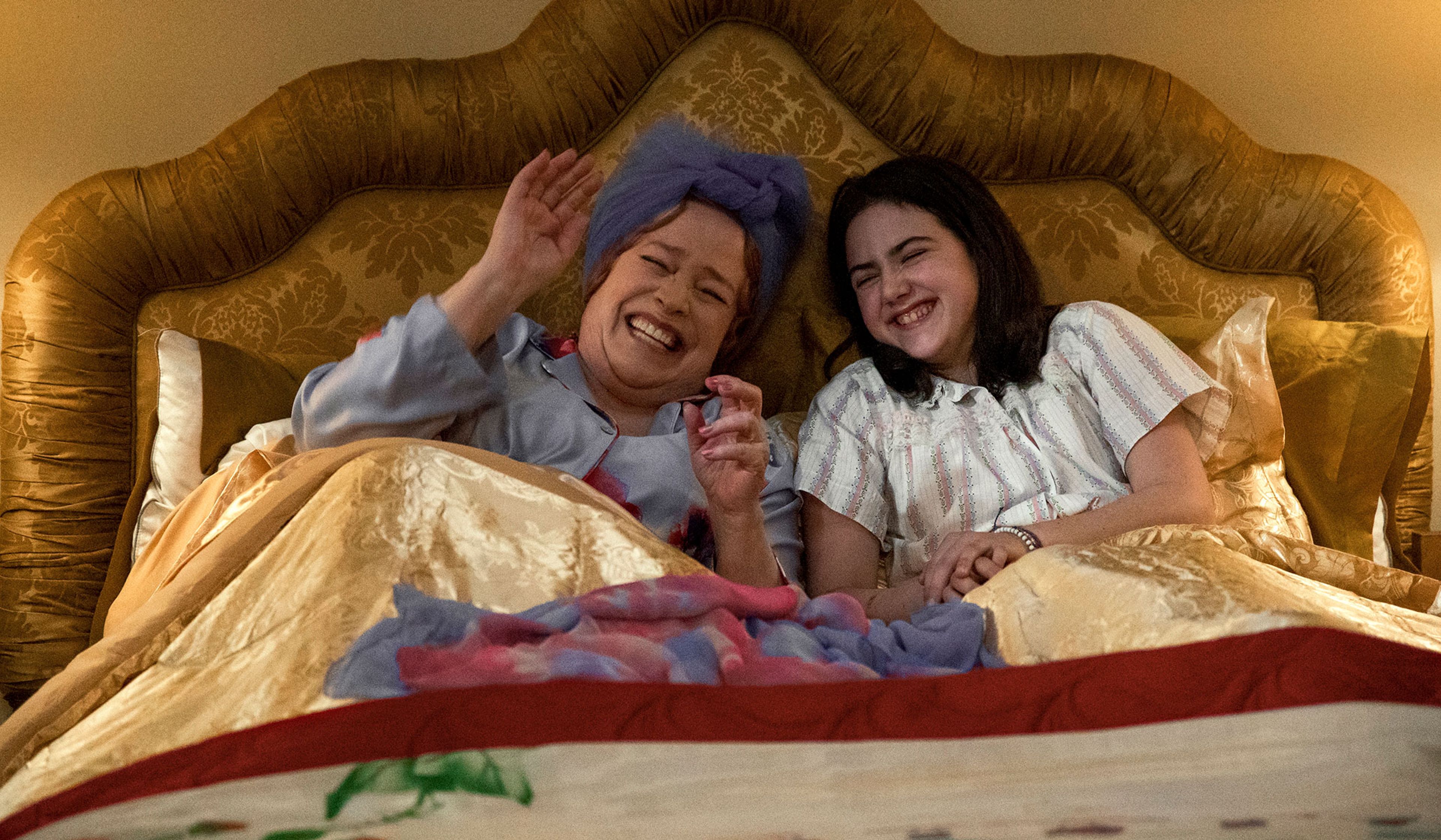
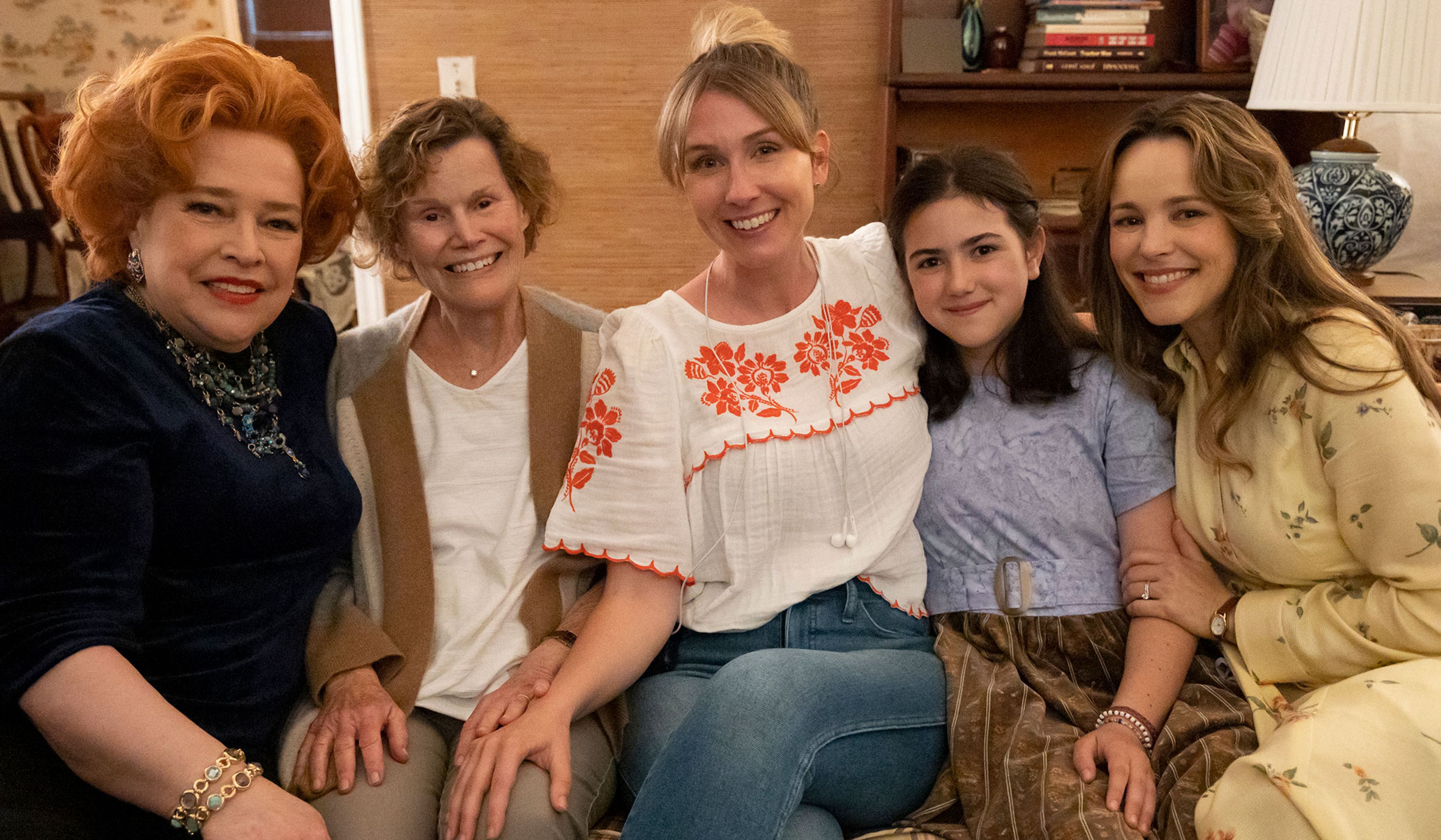
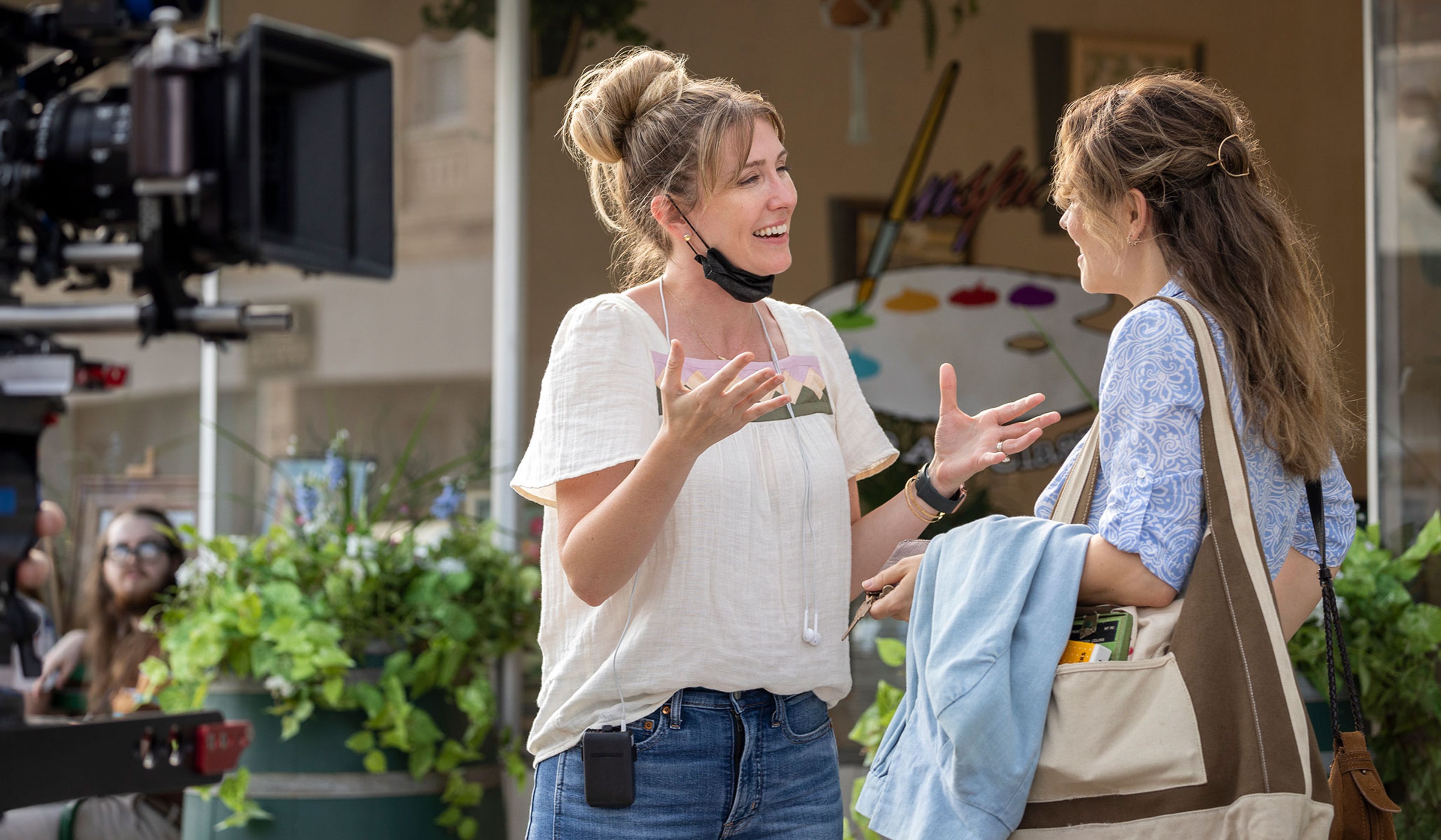
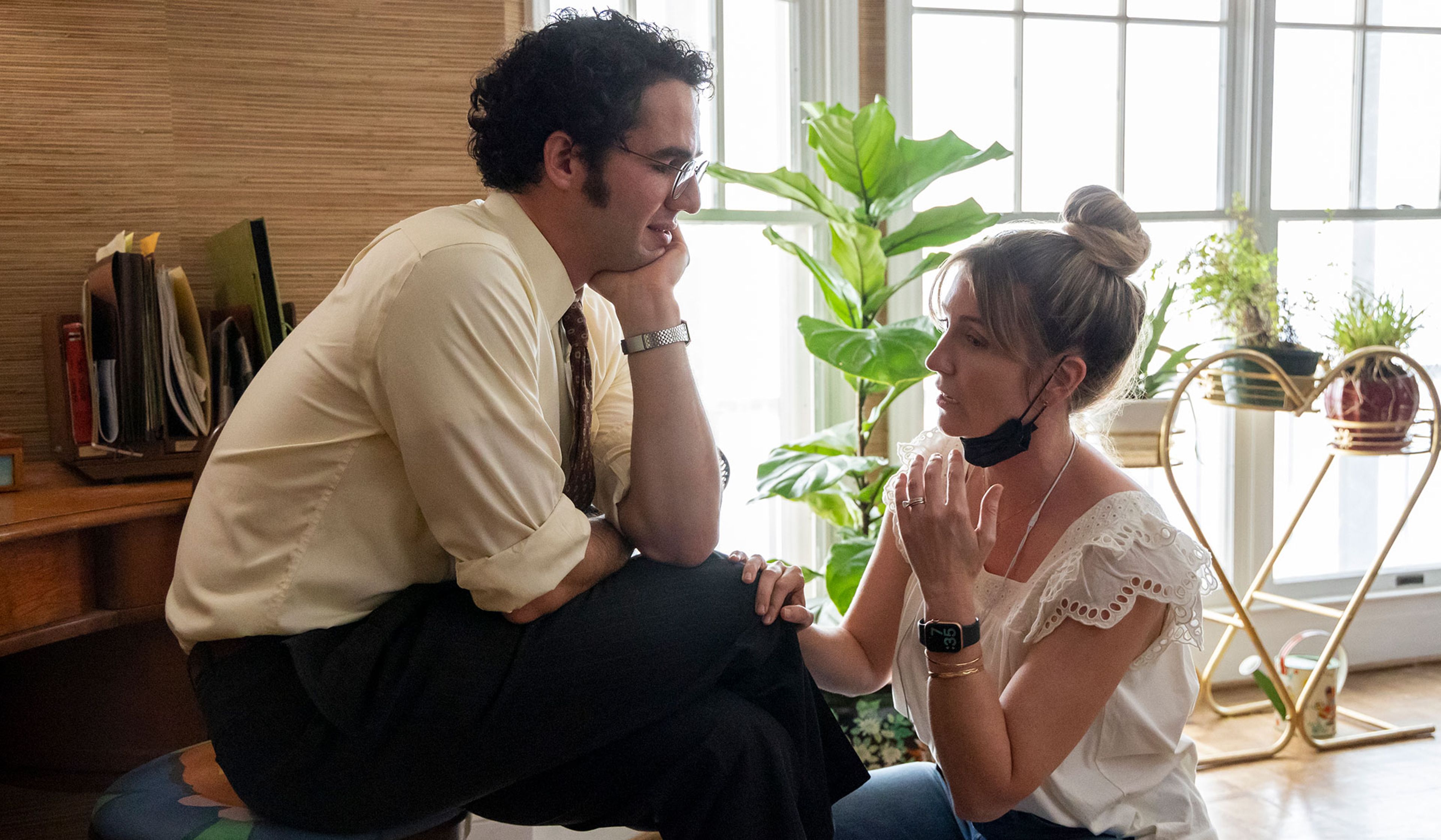

Rachel McAdams (as Barbara Simon) and Abby Ryder Fortson (Margaret Simon) in Are You There God? It’s Me, Margaret
Dana Hawley/Lionsgate
The gang is religiously diverse, which also lets the protagonist go church-hopping, part of a religious quest necessitated by her parents’ mixed marriage and her own spiritual anxiety. The marriage alienated Margaret’s mother from her own Protestant-seeming parents, and now she’s raising her daughter with the vague promise that Margaret can choose her own religion as an adult, but without any instruction from her parents. Her Jewish grandmother (Kathy Bates) wants to bring her into the fold, and the gentile grandparents eventually make an appearance and lay their own claim, but Margaret herself, caught between the zeal of the older generation and the indifference of her parents, is unable to imagine settling on a single faith; she has belief but no adult authority in which to put her trust.
The movie as a movie feels both intimate and slight, lacking the kind of incident that you expect from cinema, faithful to the book but not especially creative in its own right. As a cultural document, though, it can’t help being fascinating, because what stands out today are the elements that contrast with contemporary progressive mores, not the ones that once contrasted with cultural conservatism.
Not the frankness of the puberty discussions, in other words, but their relative innocence and deep heteronormativity; there is none of the contemporary gnosticism about the gap between identity and biology. Not the skepticism about organized religion but the gentle respect for its institutions, and the obvious emptiness of the parents’ idea that a child could simply choose a faith for herself without any kind of guidance.
Seeing the story this way doesn’t make a conservative case for Judy Blume, whatever that might be. Rather it makes a case for understanding the complexity of cultural history — the way that some of Blume’s conservative critics were being unrealistic or overly sentimental about protecting children from adult realities, but also the way that many 1970s-liberal presumptions about tolerance and diversity leading straightforwardly to comfort in one’s body and with one’s place in the universe have been undermined by liberalism’s own trajectory since.
The point of such illumination is not to simply claim a piece of art or culture for your ideological predisposition. It’s to learn something interesting from art’s changing valence, so that your ideology can better operate within the contours of reality itself.












Comments