In the lost city we lived like aristos. Not robber barons or barons, but gentry — the people who supplied the narrative voice or narrative focus in the great age of realistic fiction, from the waning of the picaresque to maybe just past the Second World War. “I” never fixed the plumbing or emptied bed pans, did the dishes or cooked a meal. He or she never rewired a light; sometimes, romantically, he might stoke a fire in a fireplace, but he never chopped and stacked the wood. There were occasional adventure stories and explorer’s tales, but “I” overwhelmingly came supported by a cloud of hardworking attendants. Most of these were silent and invisible. Now and then one stepped forth to become a character, whose marginality was indicated by speaking in dialect, regional or class-based; “I” never dropped initial h’s or terminal g’s. “I” could hold a job, could sometimes get into real financial difficulties. But a multitude of daily tasks was beyond his, and the reader’s, notice.
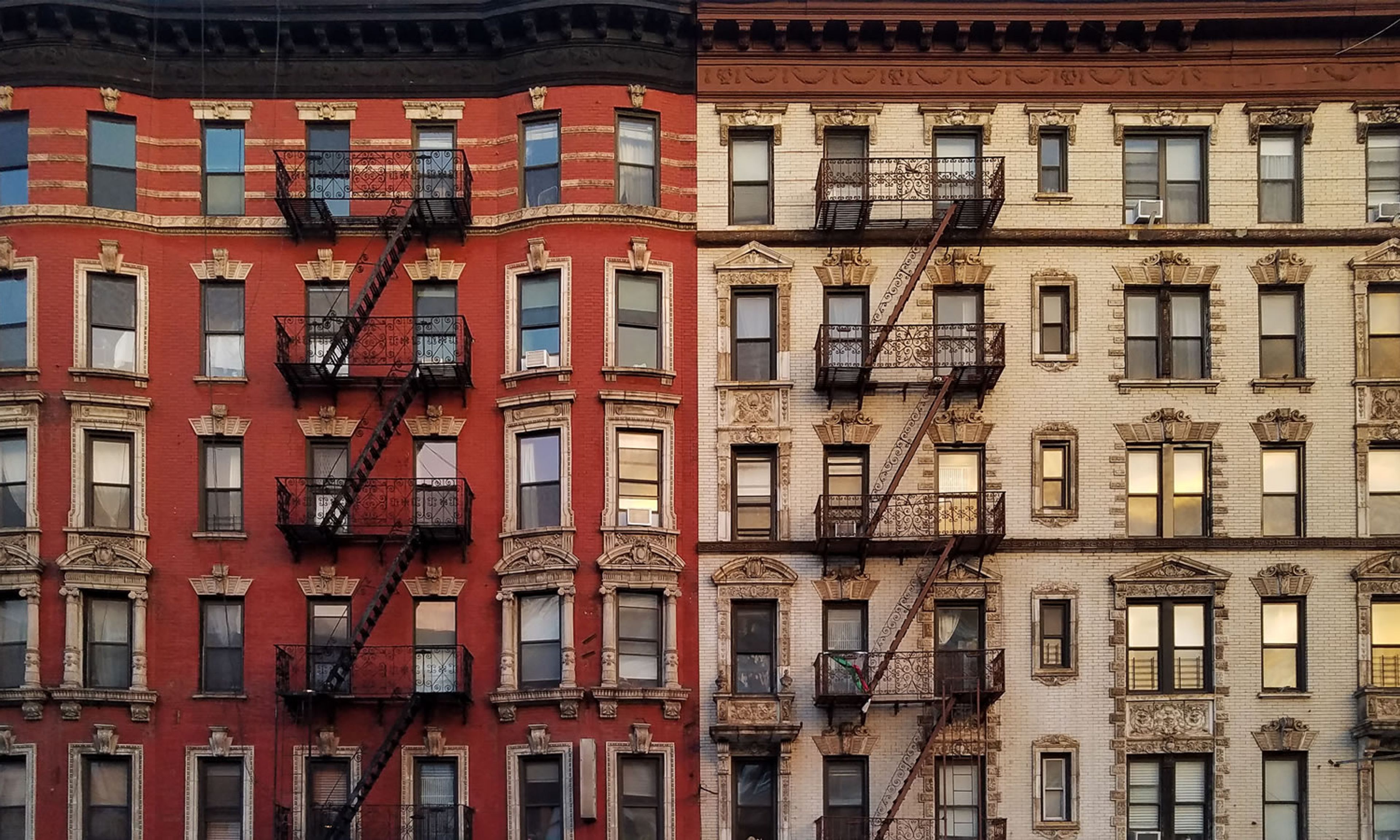
So it was for us, and everybody we knew well in the lost city. We lived stacked on top of one another — a function of modern urban density — but our collective residences formed an estate. Men in uniform stood at the door, receiving visitors and deliveries. Men and women in different uniforms brought the mail. Men and women in still other uniforms rode up and down the streets, occasionally stopping, lights flashing, to help some passed-out druggie or apprehend some more serious criminal. Our rooms were cleaned and our laundry done by women, black or Hispanic, who came periodically to perform those tasks. We never rode to the hounds or called for our trap, so we kept no huntsmen or grooms. But when we needed to exercise our limbs we walked to a nearby gym to meet a trainer. When we got hungry and did not feel like cooking, we went out to a restaurant or (more rarely) ordered in from one.
Special customs grew around several of these relationships, like vines on a tree trunk. Every year’s end the apartment building sent a holiday card listing the names of the doormen and porters, as a guide to holiday bonuses. I am a journalist, my wife a shrink — professional listeners both. At favorite restaurants — and what good is a restaurant that is not a favorite? — we came to know the servers and owners, and learned of their travails and triumphs: One waitress asked me anxiously about the Mayan prophecy; an owner, a Frenchman, kvelled that Catherine Deneuve, Marianne herself, had dropped in for a meal. If something went wrong in our apartment, after a few simple efforts — checking the fuse box, plunging the toilet — we could call for help, which always arrived by service elevator.
Life in rural Elba by contrast approximates the (supposed) American ideal. Our garden has to be called a garnish. If we depended on it for sustenance, we would be dead. But at its peak it supplies many a salad and vegetable course. My wife has been ordering seeds. Soon enough will begin the suiting up, the knees and hands in the dirt. Right now I am harvesting snow, swept off the deck roof and the gutters. There is no doorman to do it, so I must myself. I cut only some of my firewood, collect more of my kindling. But every night I carry it in from the woodpile to grill dinner in the fireplace. The nearest decent cup of coffee is 20 minutes away. The nearest good restaurant is nowhere.
Of course we get helped all the time. The other day neither the electric razor, the electric toothbrushes, nor the space heater in the bathroom worked. We hit the reset knob on the ground fault circuit breaker. No luck. That meant a call to the plumbers for a referral to an electrician. The man whose name they gave managed to come the next morning, from the edge of the county. I got a little biography, a little gossip. He once lived up the road, went to the local high school; now he keeps a hobby farm. House prices going crazy, what with COVID. He was brisk and efficient. Bill: $402.87. Same with computer problems. Same with structural repairs. Same with the car (one crumpled license plate, one replaced hood, a few rust spots, but still rolling after 16 years). So the larger support functions are outsourced. But a load of daily maintenance falls upon us. The little house on the foothills.
I resent the loss of status, however imaginary status was. Egalitarianism can be both dull and trying. It can also be lonely. Here we are, on our own two feet on our own soil, acres of it. So where is everybody? There is Doug — one of the lucky draws in the lottery of life, who lives just over the hill. I know no writers who do better with words what he does with wood. But in winter he keeps to himself, like a bear. There is a lovely couple up the street, refugees from the hipster borough; they think of us as grandparents. There are a few other friends, but we are now approaching the radius of half an hour away.
The city was thick (corrupted! say the sans-culottes) with ranks and privileges. But among the privileges was the thickness of people. The colleagues I saw every other Monday, not in a fishbowl Zoom call but in the flesh. The friends I could meet for a drink, or at a club. My trainer has taken up painting, he sends me jpegs of his latest canvases; I like keeping in touch, but it is not the same! not the same! Chats with the doormen (where else would I meet a Montenegrin?). And the strangers: walking dogs, waiting in line, holding down park benches, yakking.
A novel, said the novelist, is a mirror carried along a road. But it only works if the road is full of people.












Comments