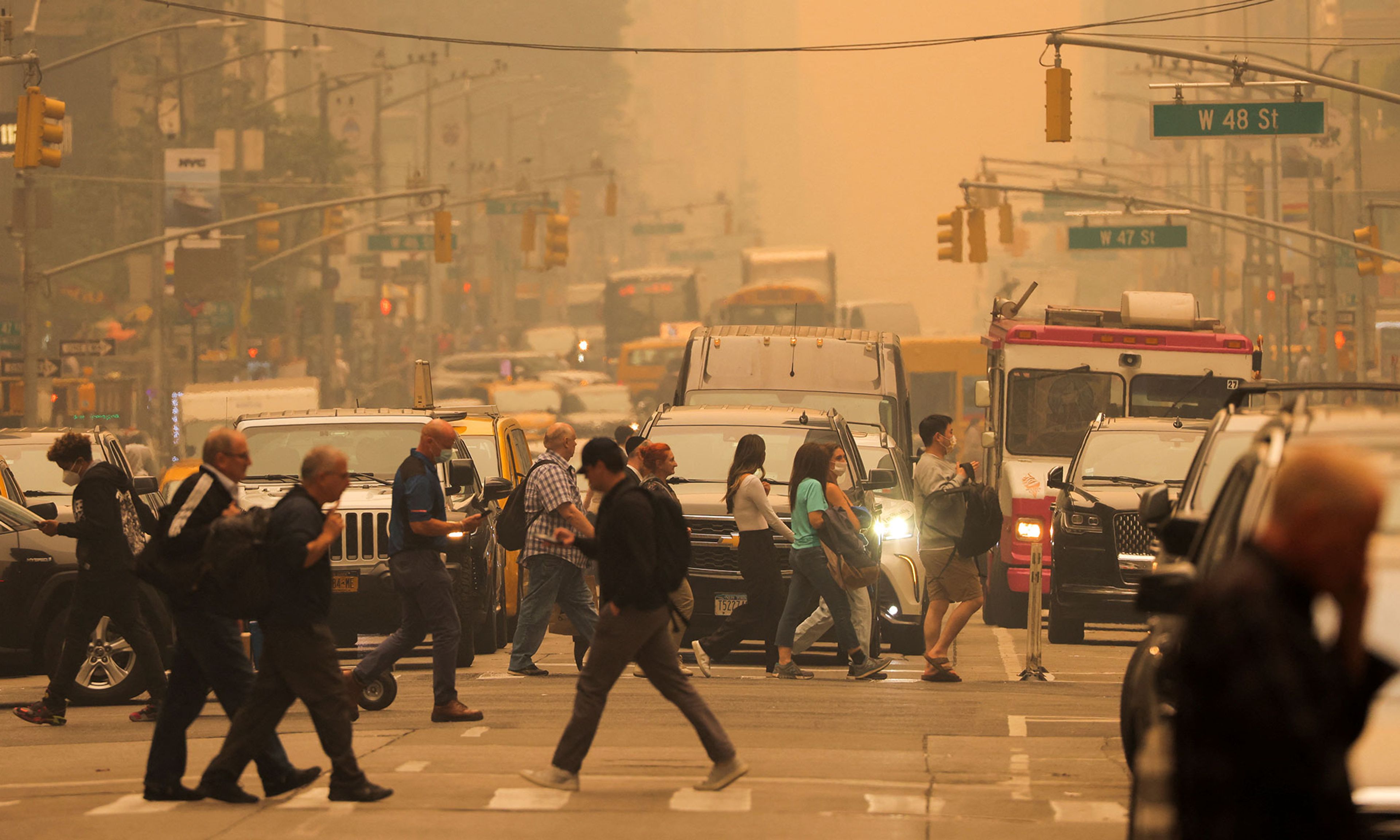
You typically saw skies of such a color only on late summer evenings, when the heat had been blistering, the air still, and the city active even under the oppression of the weather. The sun descending at the western ends of the streets would darken, becoming possible to look at, turning orange, then red, then scab brown, sliding finally into the river like an old penny. The daytime visitation of those colors was all the more surprising because the weeks before had been so gloriously blue. Too blue: lawns, gardens, farms needed rain. Forests too, where wildfires in the north bred the smoke that came south, like an immense, ill-mannered tourist, blocking the view for everyone else.
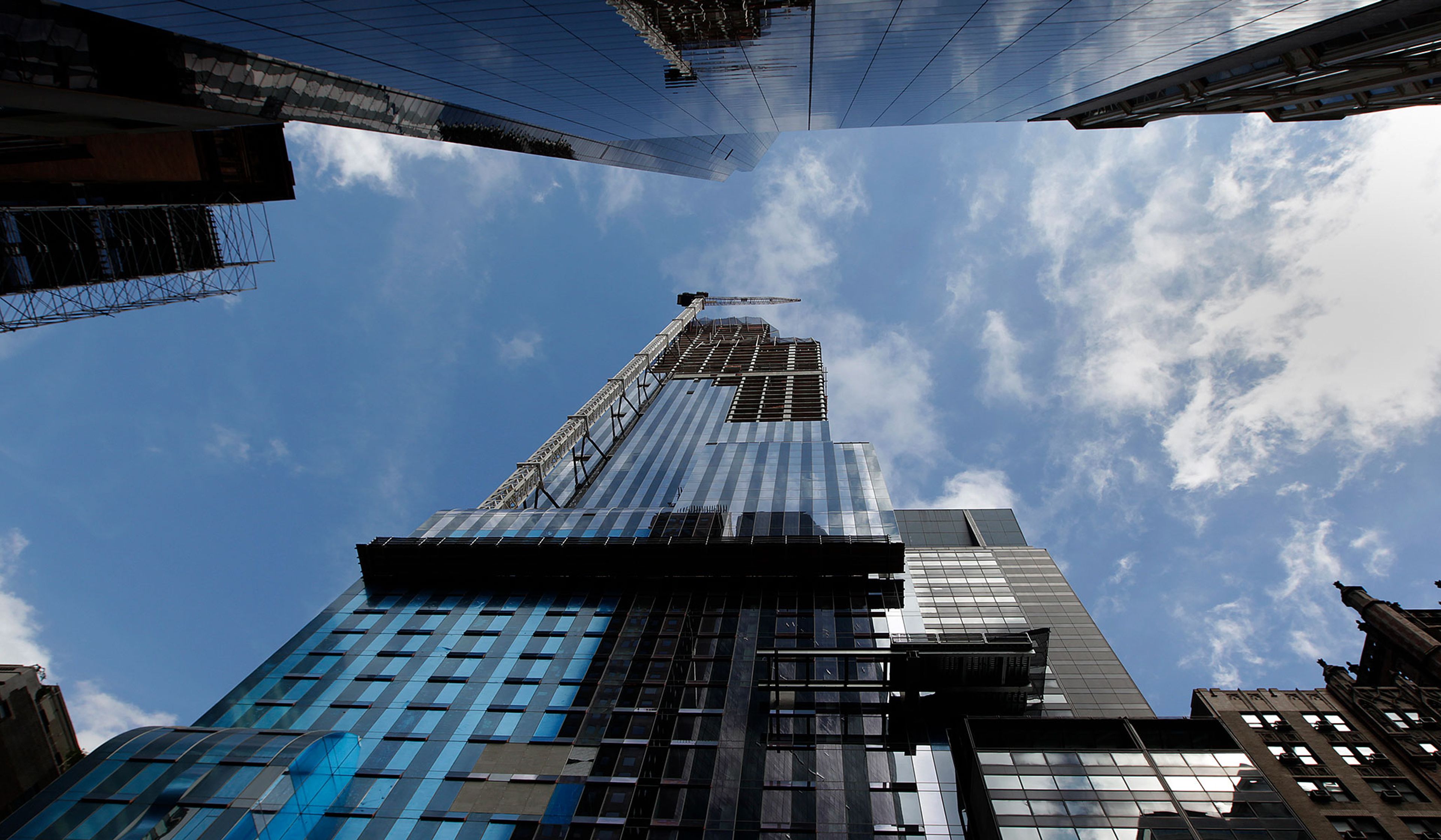
The morning of the worst day was not so bad: overcast, but sunny behind the scrim. By noon though the cover had thickened. Although I belong to one of the at-risk populations (old), I had a lunch date in midtown. The view up the avenue was dusk-like. The cabbie remarked on it. We kept the windows rolled up. Slowed in traffic, I walked the final block to my destination. I was in the heart of man and his works — the spaceship skyscraper and the opera-house railroad terminal behind me, the legacy university clubs around me, the repository of hard copy, guarded by lions, on my left. Modern-day men and women, bless them, went about their business as if all was normal, walking, riding delivery scooters, toting into a construction site a steel girder. But above us the elements had spread a blanket of orange. My shadow on the sidewalk beside me was ever so slight. Up between the buildings the hub of the solar system had shrunk to a stage spot behind a color gel. I retreated into the artists’ club where I joined my friend with a silversmith.
Once I returned home, my wife and I turned on the apartment’s air conditioners. (Why? Does the building have scrubbers to cleanse its own atmosphere?) At least it kept the campfire smell outside.
We forget how bad cities used to be. When Holmes and Watson stretch out before their cozy fire it is not heart of oak that is blazing on the grate at their feet but coal from the scuttle. That is why, when they look out their window, they are frequently unable to see across Baker Street. In 1952, only ten months into the reign of the late queen, 4,000 nonfictional persons died of London smog. Cities in poor countries today are still vast outdoor cigarette-smoking machines (saves on the coolie’s purchase price I suppose). For one day my city’s air quality was rated worst in the world. The usual champs then reclaimed their titles.
We forget the power of nature to be even deadlier. When the island of Krakatoa blew up in 1883, there were technicolor sunsets worldwide. When Mount Tambora erupted in 1815, the explosions were heard hundreds of miles away. Thomas Raffles, occupying Java at the time, noted that the sounds were “attributed to distant cannon; so much so, that a detachment of troops was marched from Jogjakarta, in the belief that a neighboring post was being attacked.” The ensuing cloud was so vast that the following June there was snow in Albany, N.Y., a foot of it in Quebec. Further south at Monticello, former president Jefferson called 1816 “the most extraordinary year of drought and cold ever known in America. . . . The crop of corn through the Atlantic states will probably be less than one-third of an ordinary one, that of tobacco still less, and of mean quality.”
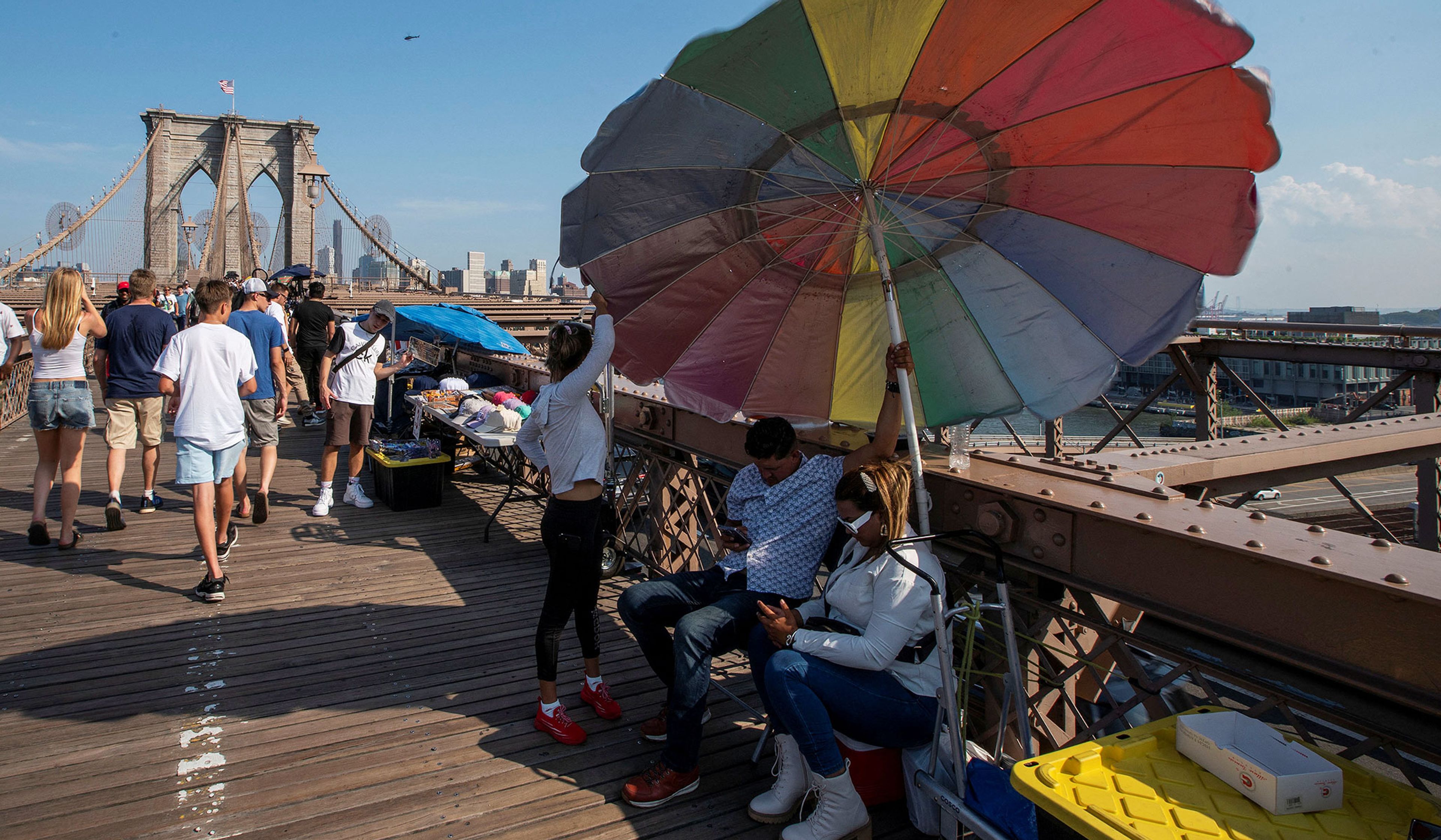
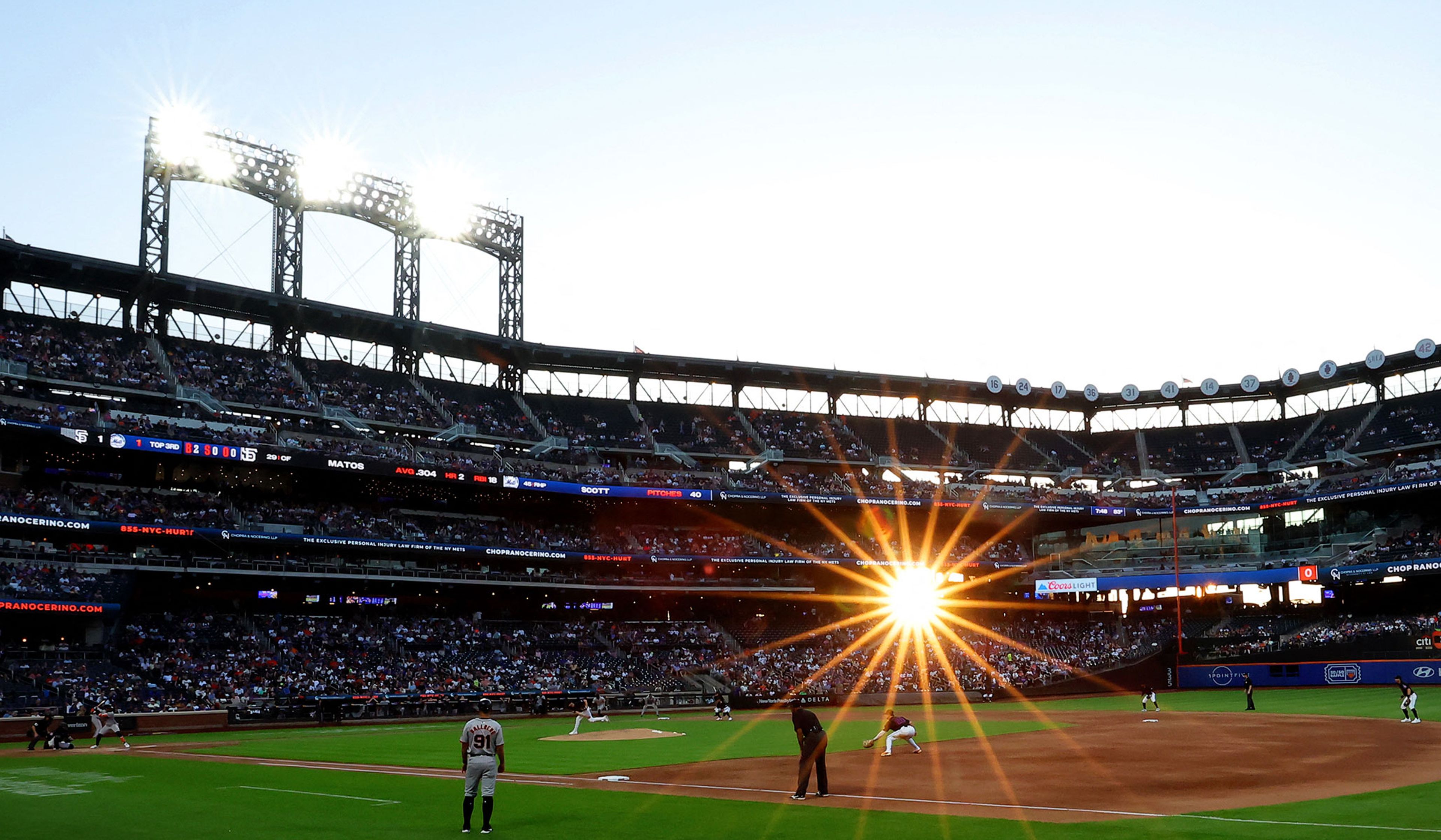
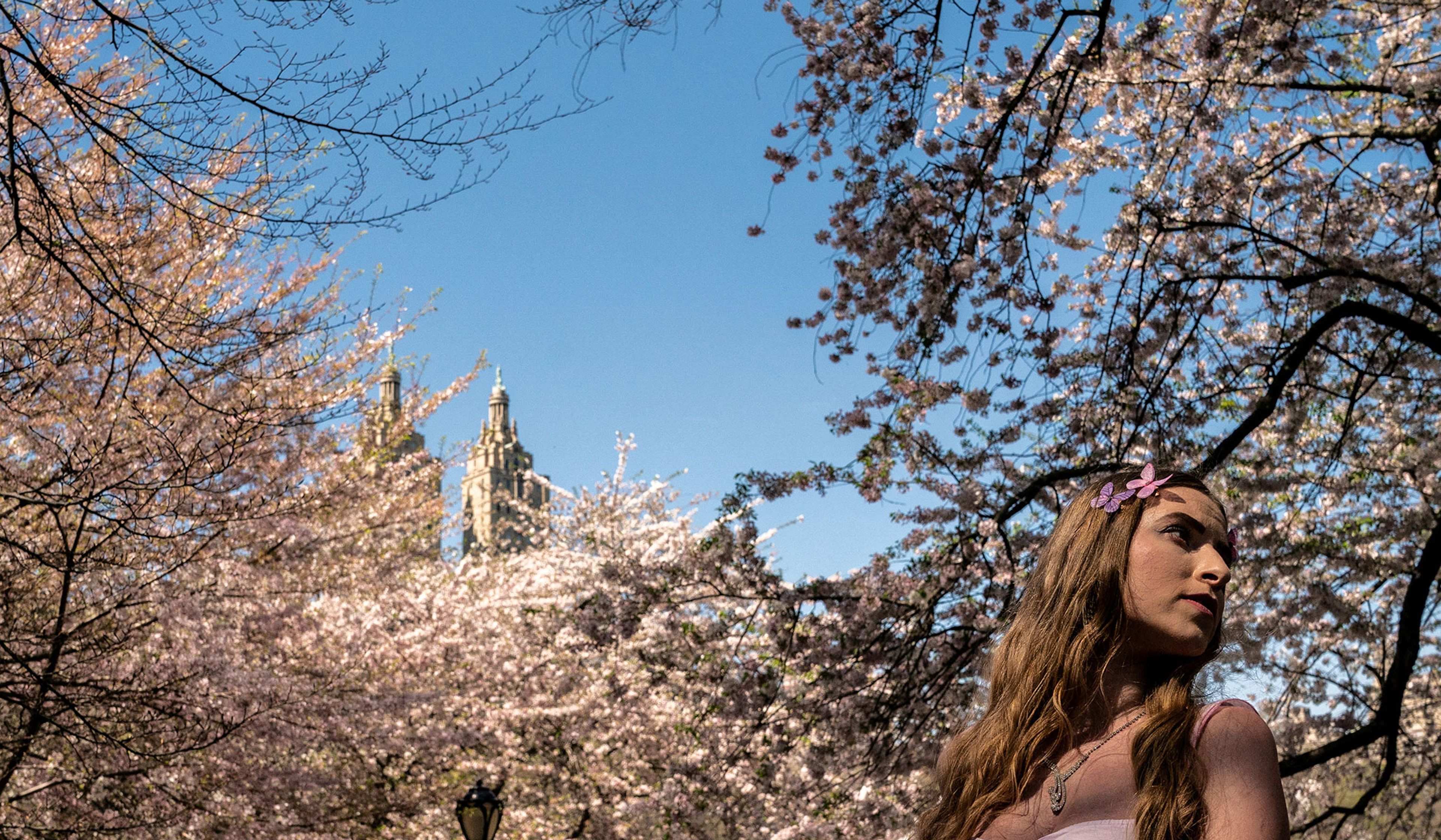
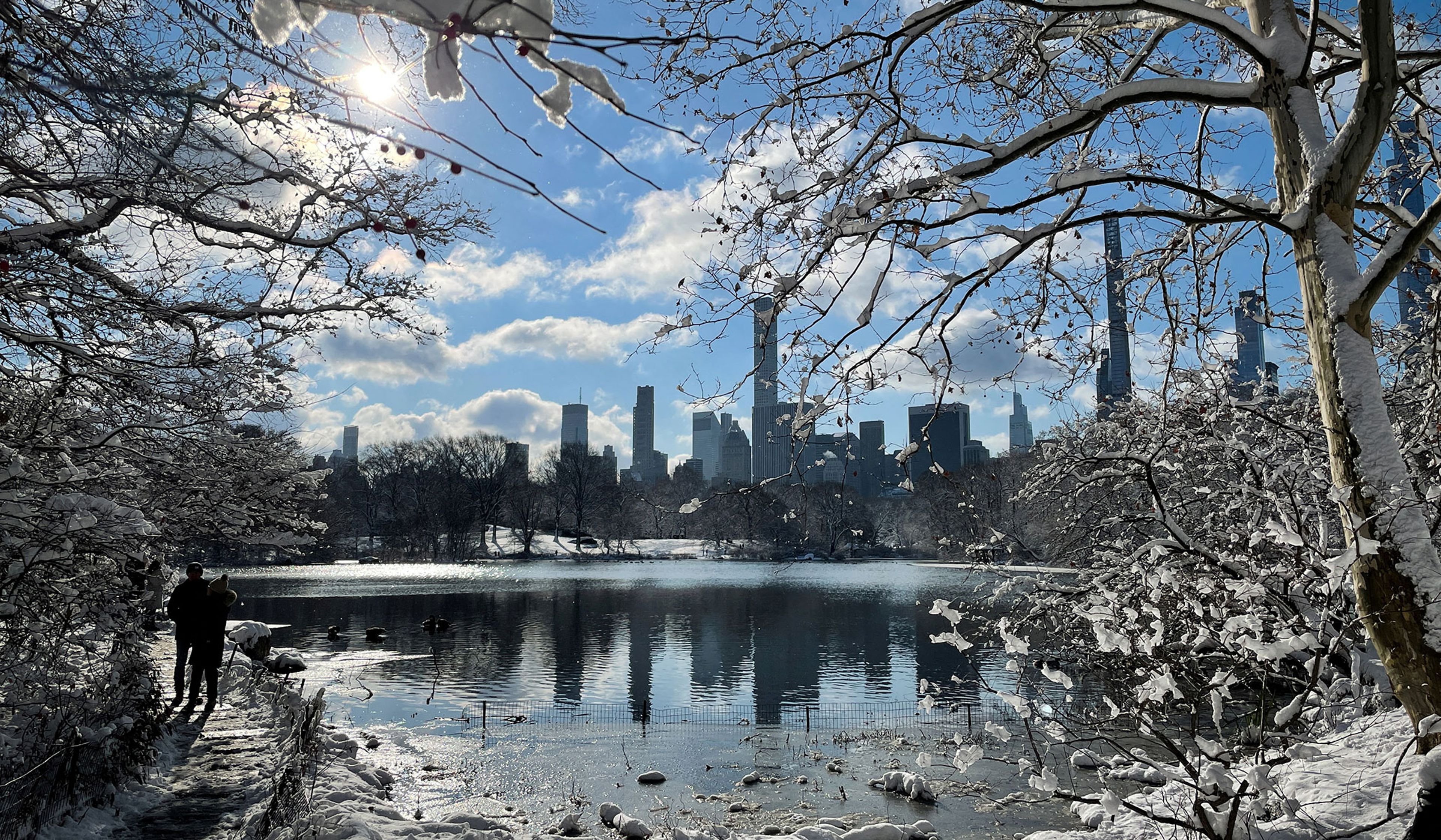
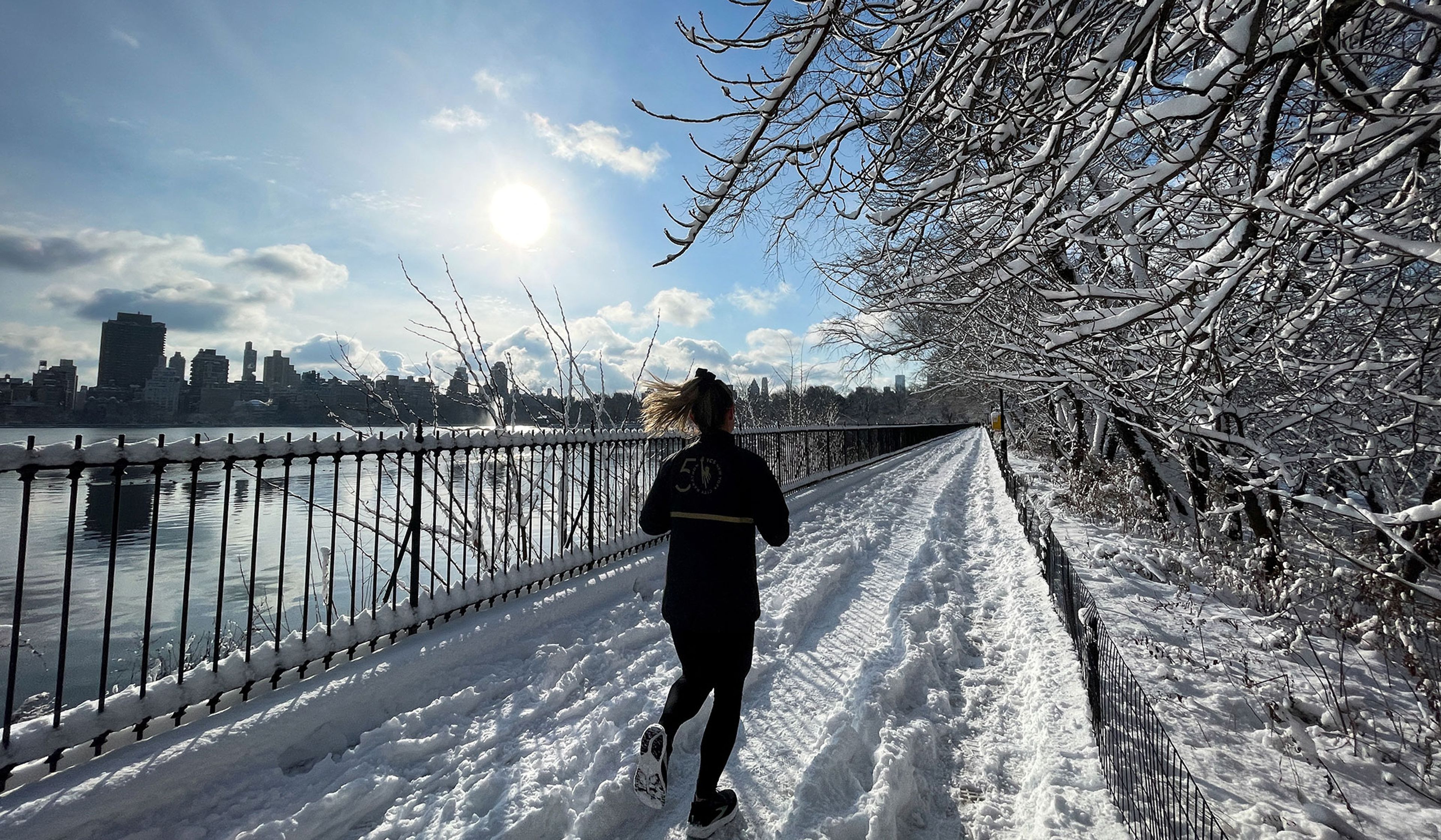
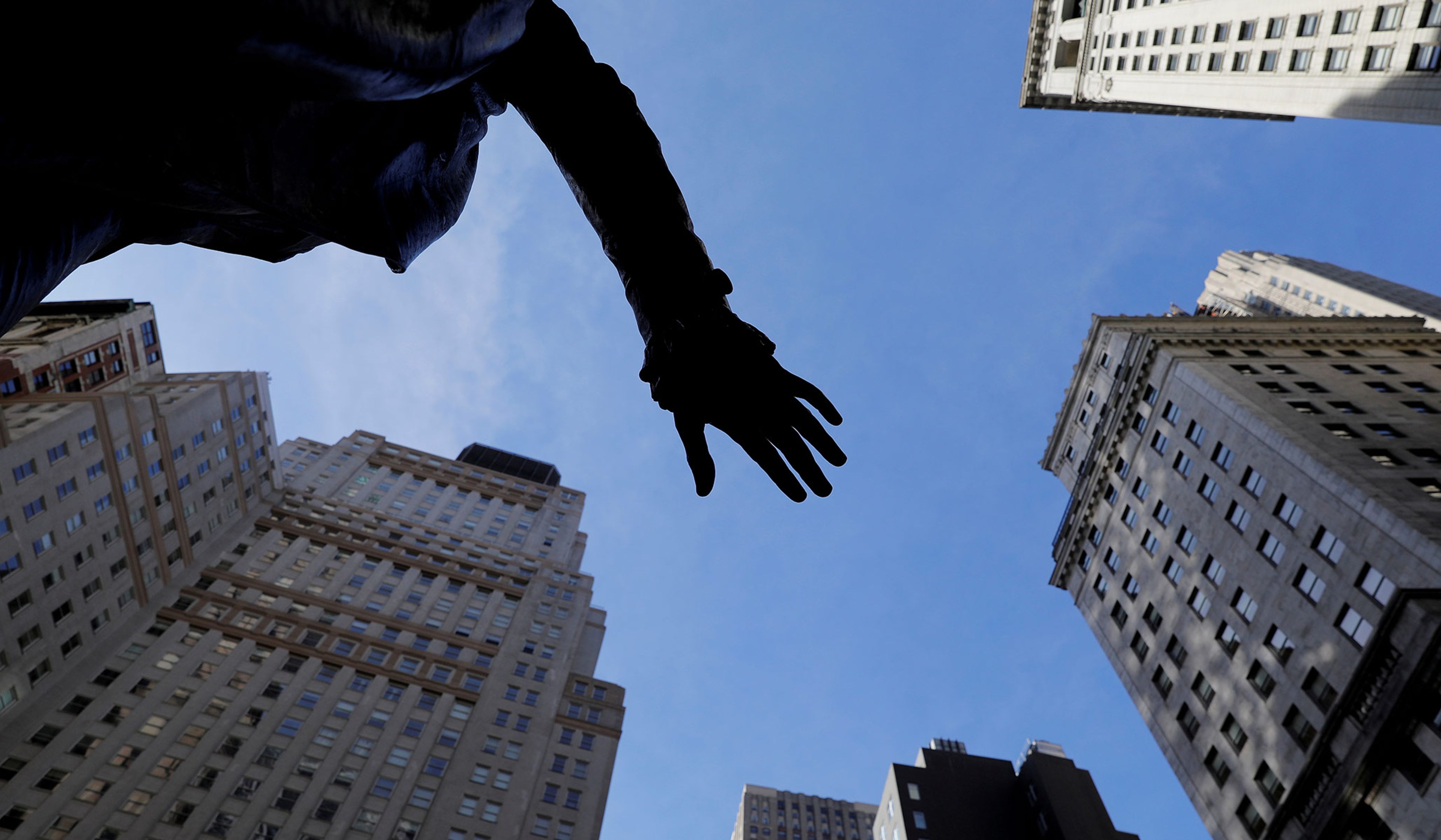
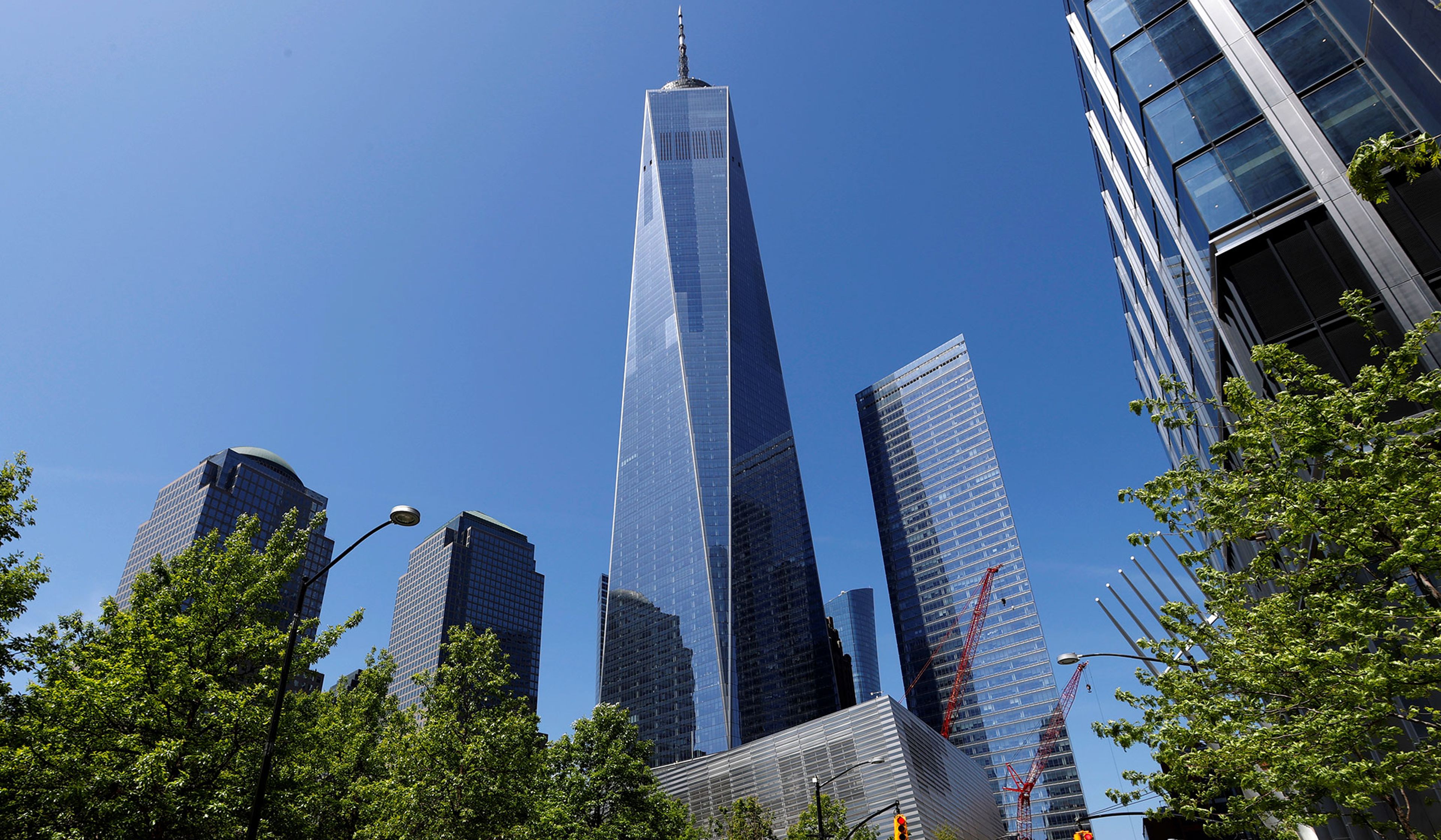
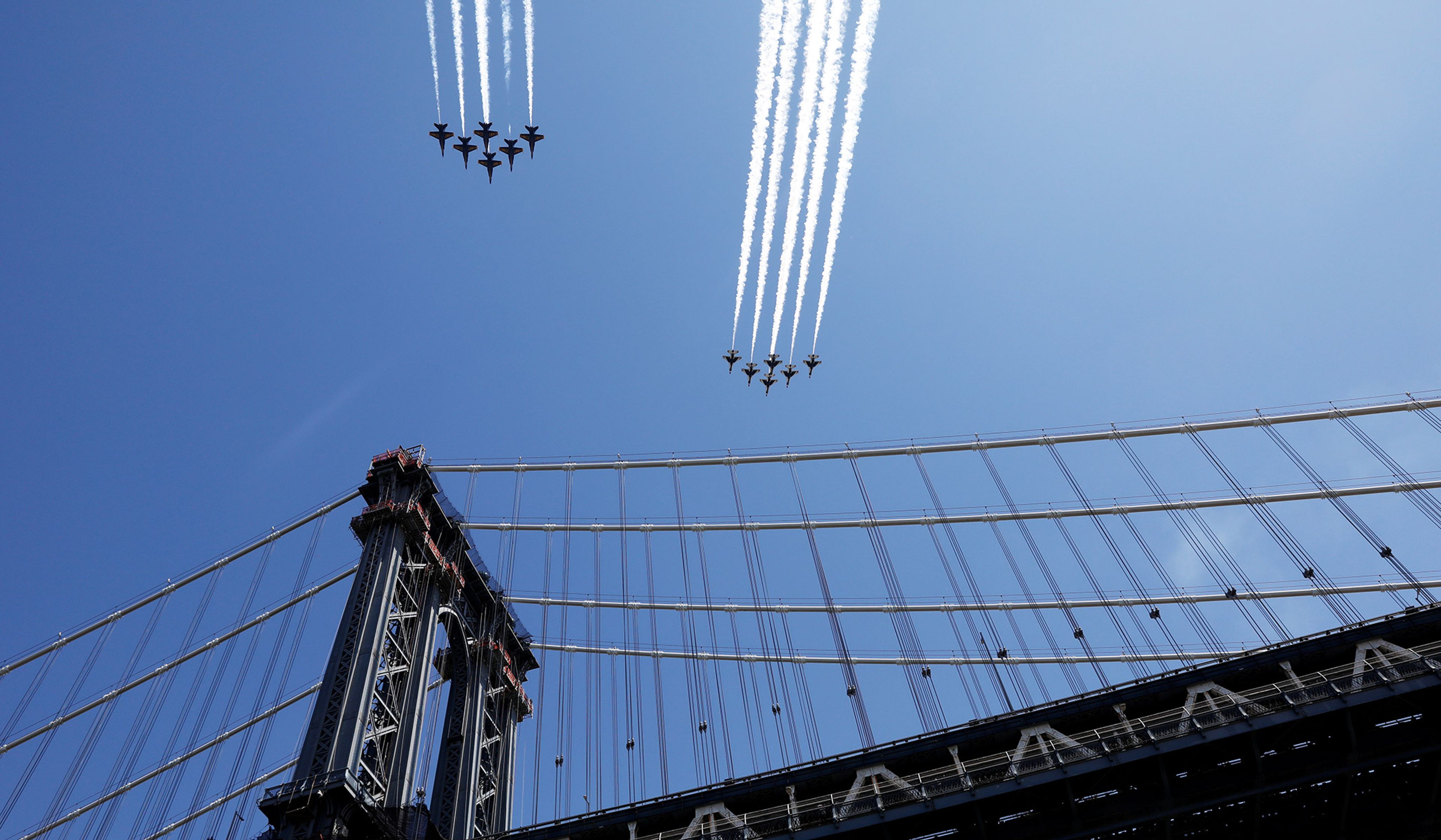
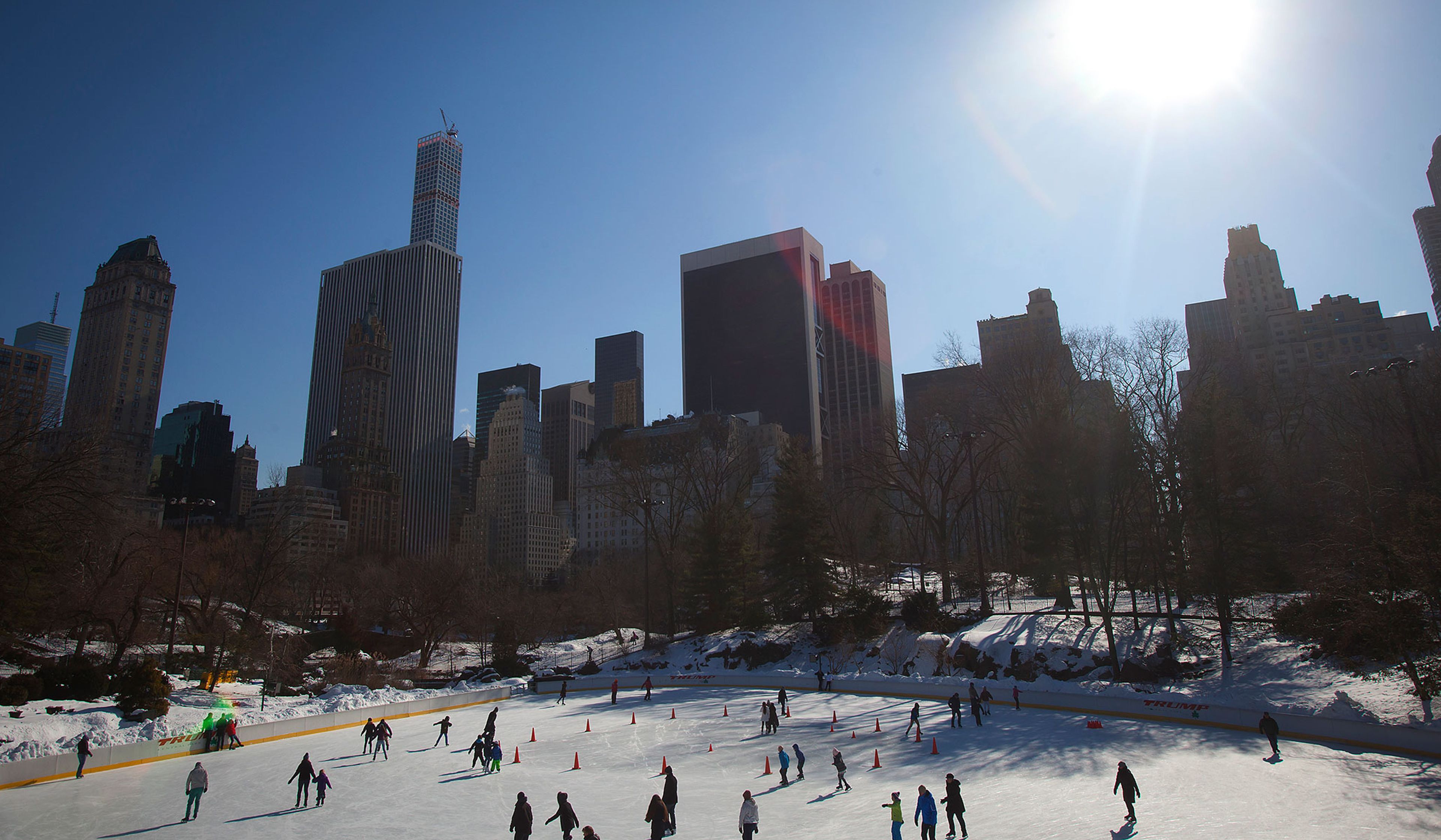
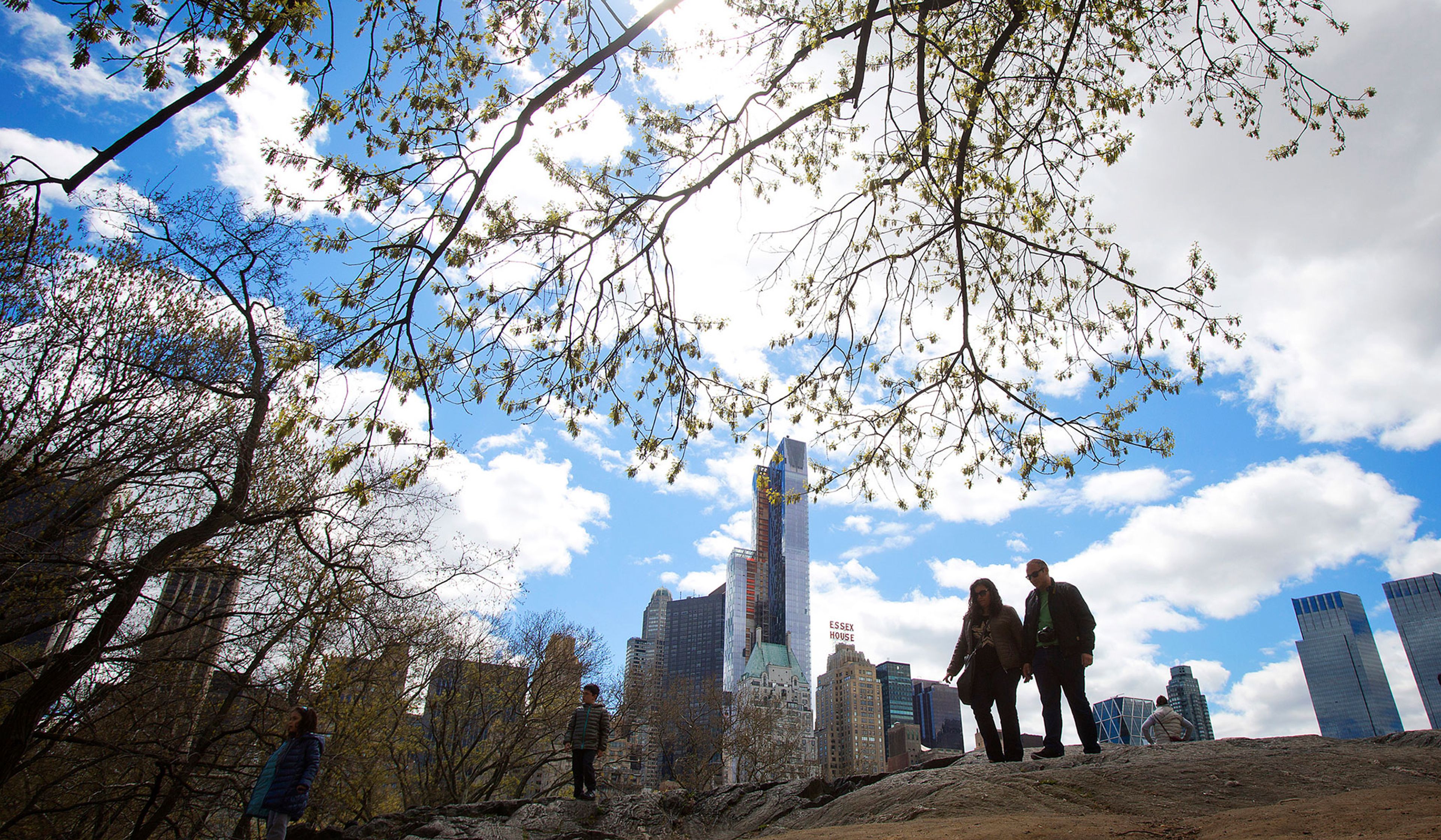
People cover themself from the sun at the Brooklyn Bridge during hot weather in New York City, July 13, 2023.
Eduardo Munoz/Reuters
Man’s depredations on the planet fill us with anger and guilt: What have we done to Eden? Winger polemicists blame our anxiety on eco-Marxists, green on the outside, red on the inside, bidding for control of the means of production. At a deeper level, however, we seek psychological comfort food. Our malign handiwork reassures us, because it is a sign, however perverse, that someone is still in charge. Feckless and evil people have done damage, good ones could arrest it.
But when nature, turning over in bed, slays its ten thousands, we are uncomforted. Eruptions? Hope you stocked the larder. Earthquakes and tsunamis? Live elsewhere. Sunspots? Forget about it. Maybe humanity unassisted can induce a rising of the seas or, alternatively, an ice age. But these things also happened when we were scrabbly little rodents, and may happen again.
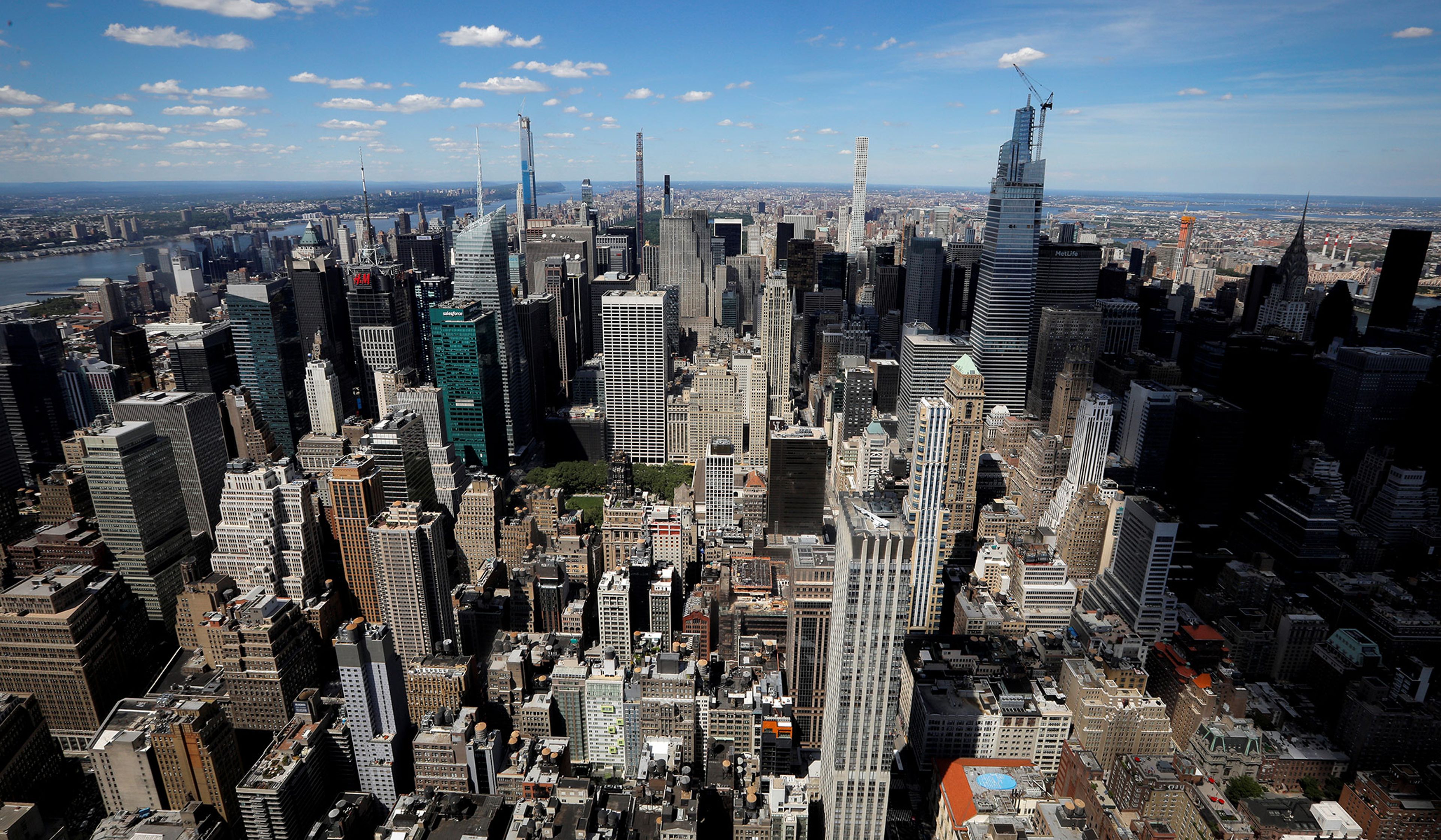
During the orange-out we sought the escape of the postmillennial professional, a bus to the country. It was a day after the nadir, and as we rode north the cloud cover broke up into regular clouds with even, here and there, rifts in them. A day of off-and-on rain did its work. It is the month of white: daisies, rambling roses, mountain laurel once the pink buds open. Someone had an idea decades ago to plant catalpa trees as a civic project. They line the roads now, huge and briefly dressed up, like grandparents at a child’s birthday party. In a week their blossoms will litter the ground like one of Tambora’s snowfalls. By the time we bussed back, the city had a skyline again.
Jack Kerouac (Book of Haikus) said that clouds hide the blue void. Paul Bowles (The Sheltering Sky) said the blue hides a void emptier, and unbearable. R. Crumb in a throwaway final panel drew the ordinary man’s comment: Two bros at a bar, sucking beers. The one in the billed cap says, “Yeah, hell, life’s an existential deal, ain’t it?” The one in the cowboy hat answers in the affirmative, with a scatology.











Comments