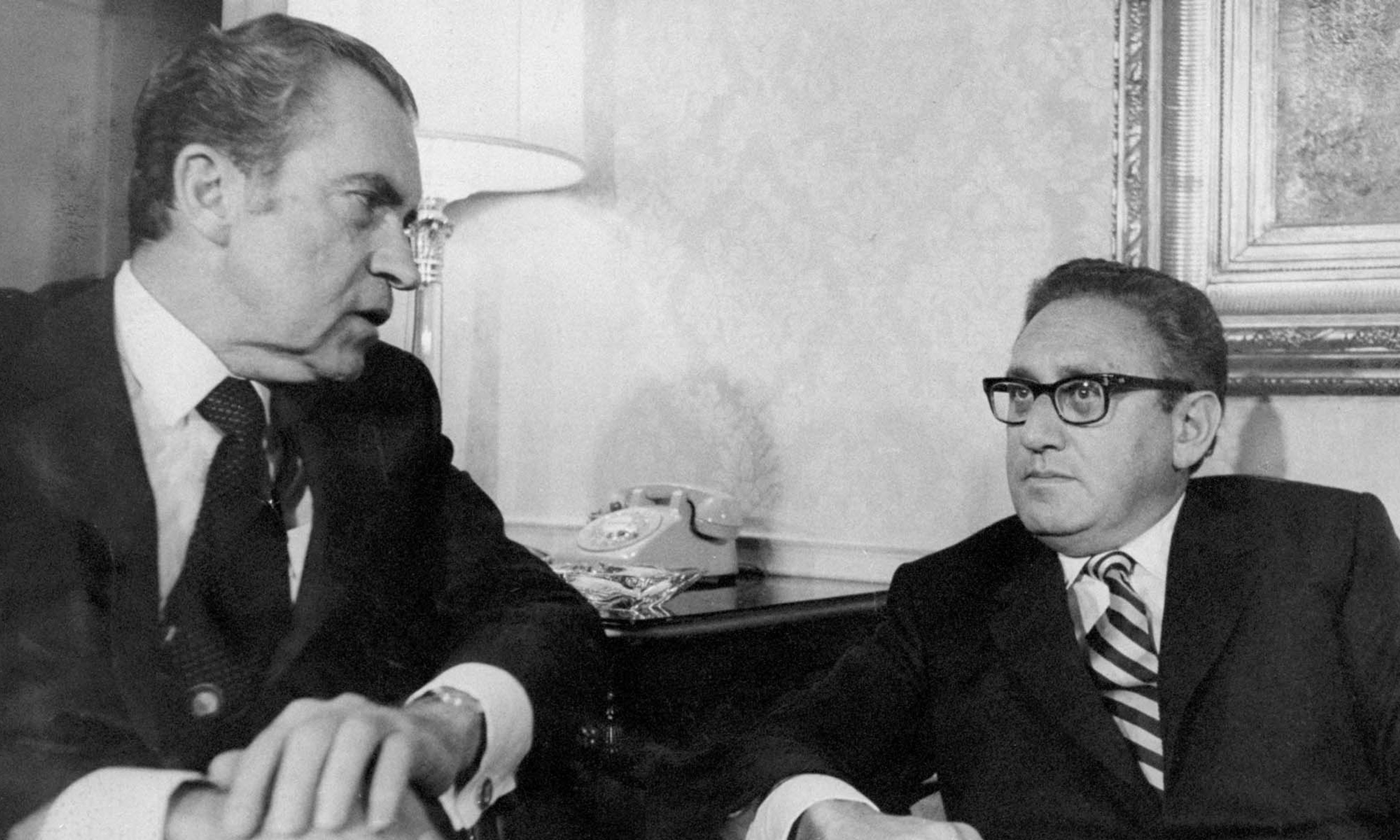
‘I call it the ‘Madman Theory, ’ Bob.”
It was 1968, and former vice president Richard Nixon was strolling a foggy California beach with campaign aide H. R. Haldeman.
“I’m the one man in this country who can do it, Bob.”
Within a year, Nixon would be sworn in as the nation’s 37th president, Haldeman as White House chief of staff — and the two men would have a chance to put the theory to the test.
As Haldeman explained it in his best-selling memoir The Ends of Power (1978), the two decades Nixon had spent leading the anti-communist movement in the United States meant the Soviet Union, and its allies in North Vietnam, would regard it as credible if, as commander in chief, Nixon threatened to use nuclear weapons to extract diplomatic concessions in winding down the Vietnam War.
“They’ll believe any threat of force that Nixon makes because it’s Nixon,” Haldeman quoted his boss as saying. “I want the North Vietnamese to believe I’ve reached the point where I might do anything to stop the war. We’ll just slip the word to them that, ‘for God’s sake, you know Nixon is obsessed about communism. We can’t restrain him when he’s angry — and he has his hand on the nuclear button.’” Nixon predicted that after receipt of such a message, North Vietnamese leader Ho Chi Minh would “be in Paris in two days begging for peace.”
Nixon’s faith in the Madman Theory originated in his tenure as vice president under Dwight D. Eisenhower. As the former supreme Allied commander in World War II, President Eisenhower had possessed the requisite military credentials to scare the leadership of China and its proxy state, North Korea, into finalizing a truce agreement in the Korean War. Capitulation, according to Nixon, came within weeks, after Eisenhower conveyed a secret threat to Beijing to introduce nuclear weapons into the conflict.
The White House taping system, installed two years into Nixon’s first term, ultimately recorded the president applying the Madman Theory. On April 19, 1972, as White House national-security adviser Henry Kissinger prepared to board a red-eye flight to Moscow — on which he was to be joined by Anatoly Dobrynin, the longtime Soviet ambassador to the United States — President Nixon repeated his earlier admonition to Haldeman: “I’m the only person who can do it.”
He continued: “Now, Henry, we must not miss this chance.” The chance the president had in mind was the opportunity, ahead of a U.S.–Soviet summit, to convince America’s adversaries of the president’s core instability — or madness.
Nixon: I’m going to destroy the goddamn country, believe me — I mean destroy it, if necessary. And let me say, even the nuclear weapon, if necessary. It isn’t necessary. But, you know, what I mean is: That shows you the extent to which I’m willing to go. By a nuclear weapon, I mean that we will bomb the living bejeezus out of North Vietnam and then, if anybody interferes, we will threaten the nuclear weapon. . . . We are not going to let this country be defeated by this little sh**-a** country.
Kissinger: We shall not —
Nixon: It’s not going to happen.
Kissinger: — we’ll never have these guys more scared than now.
“The more reckless we appear, [the better],” the national-security adviser told Nixon that afternoon. “After all, Mr. President, what we’re trying to convince them of is that we are ready to go all the way.”
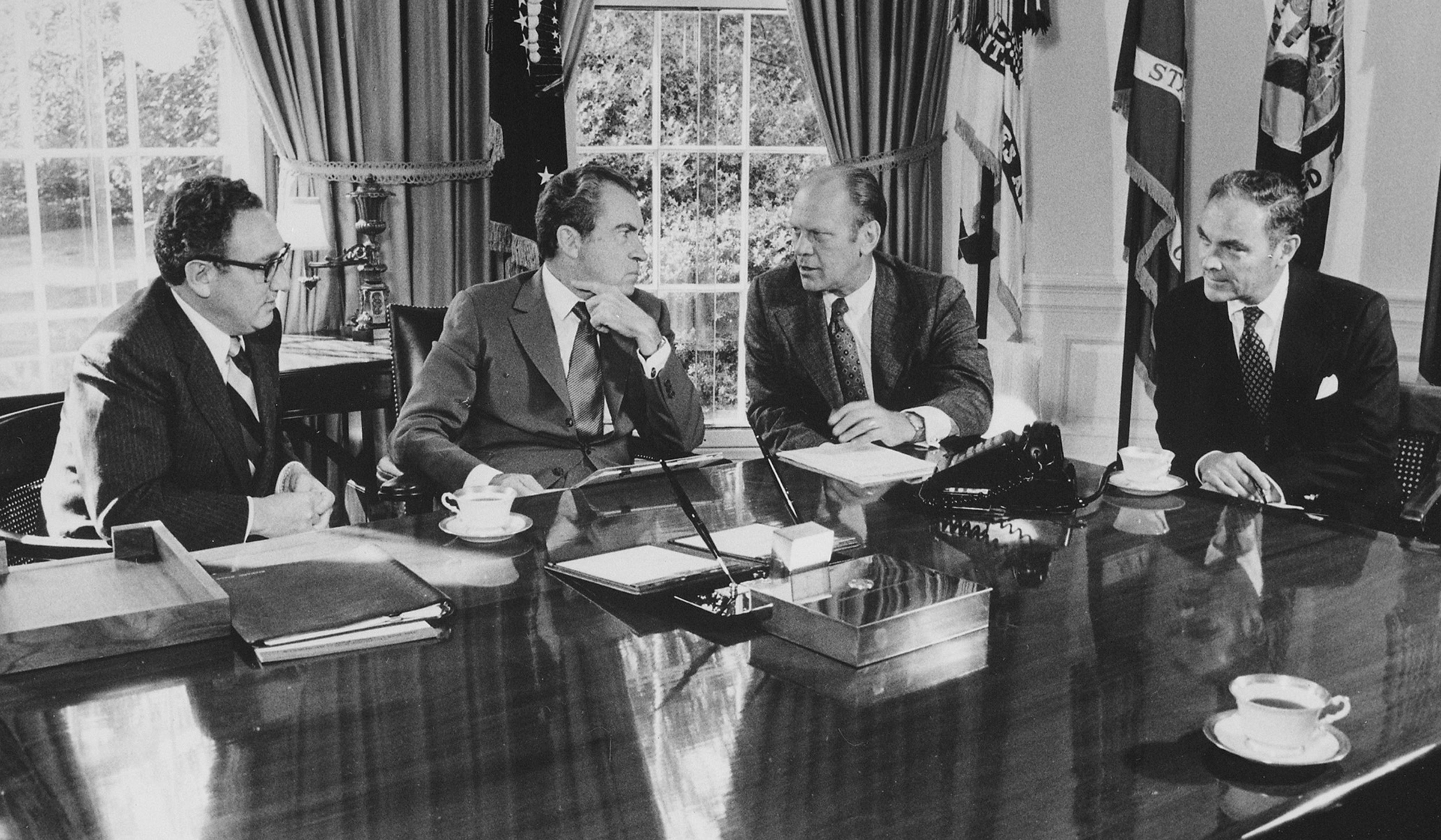
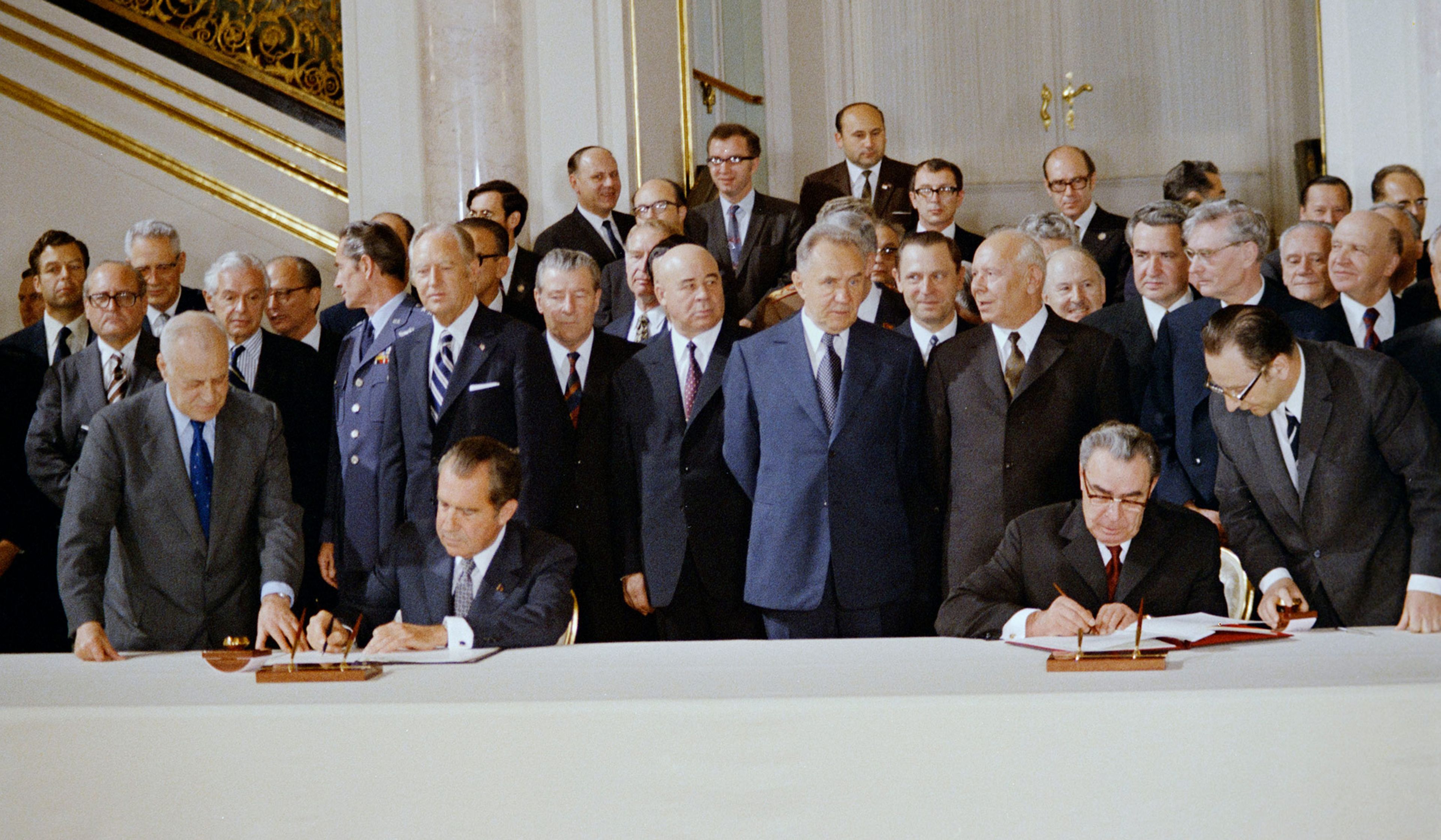
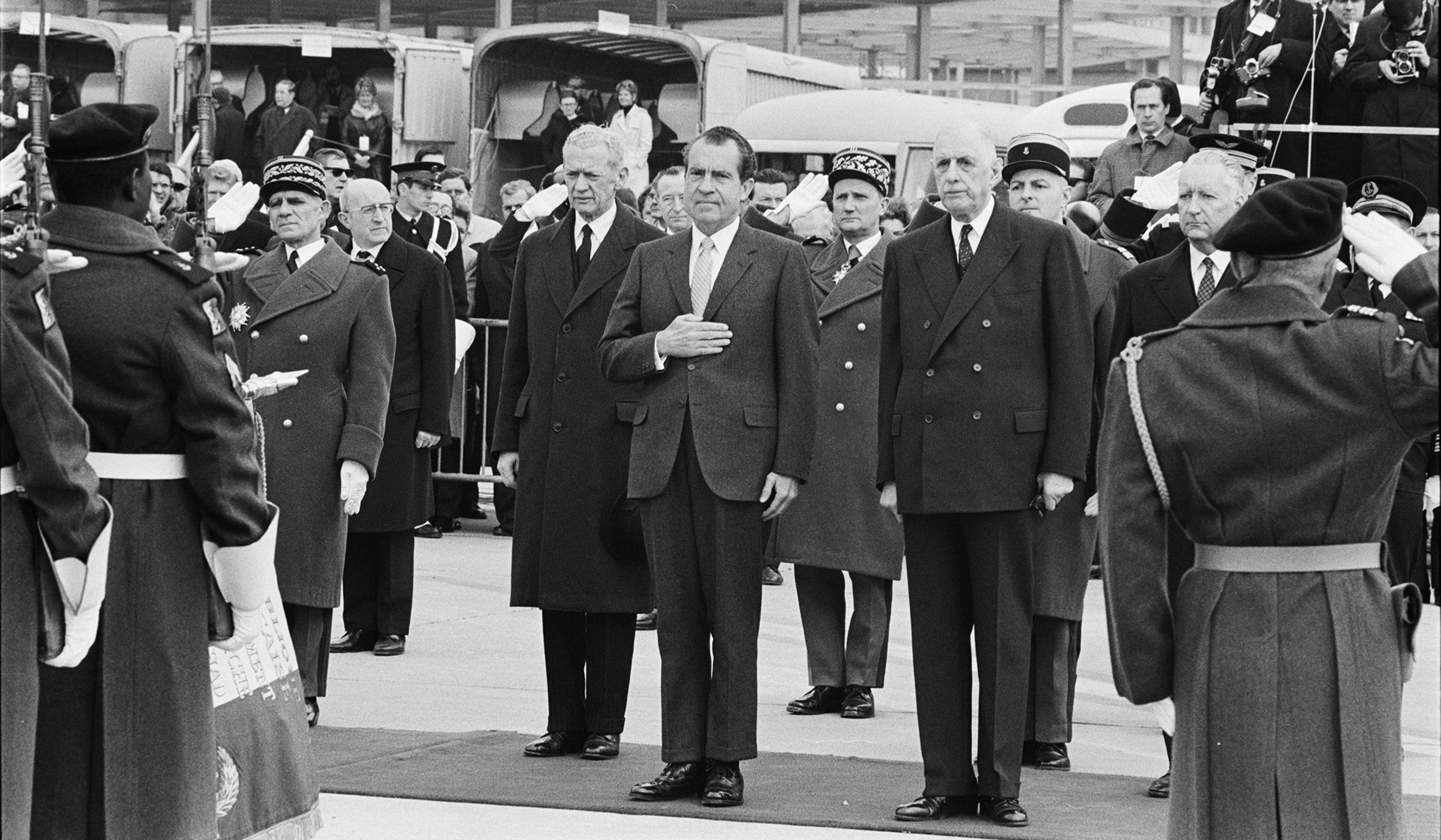
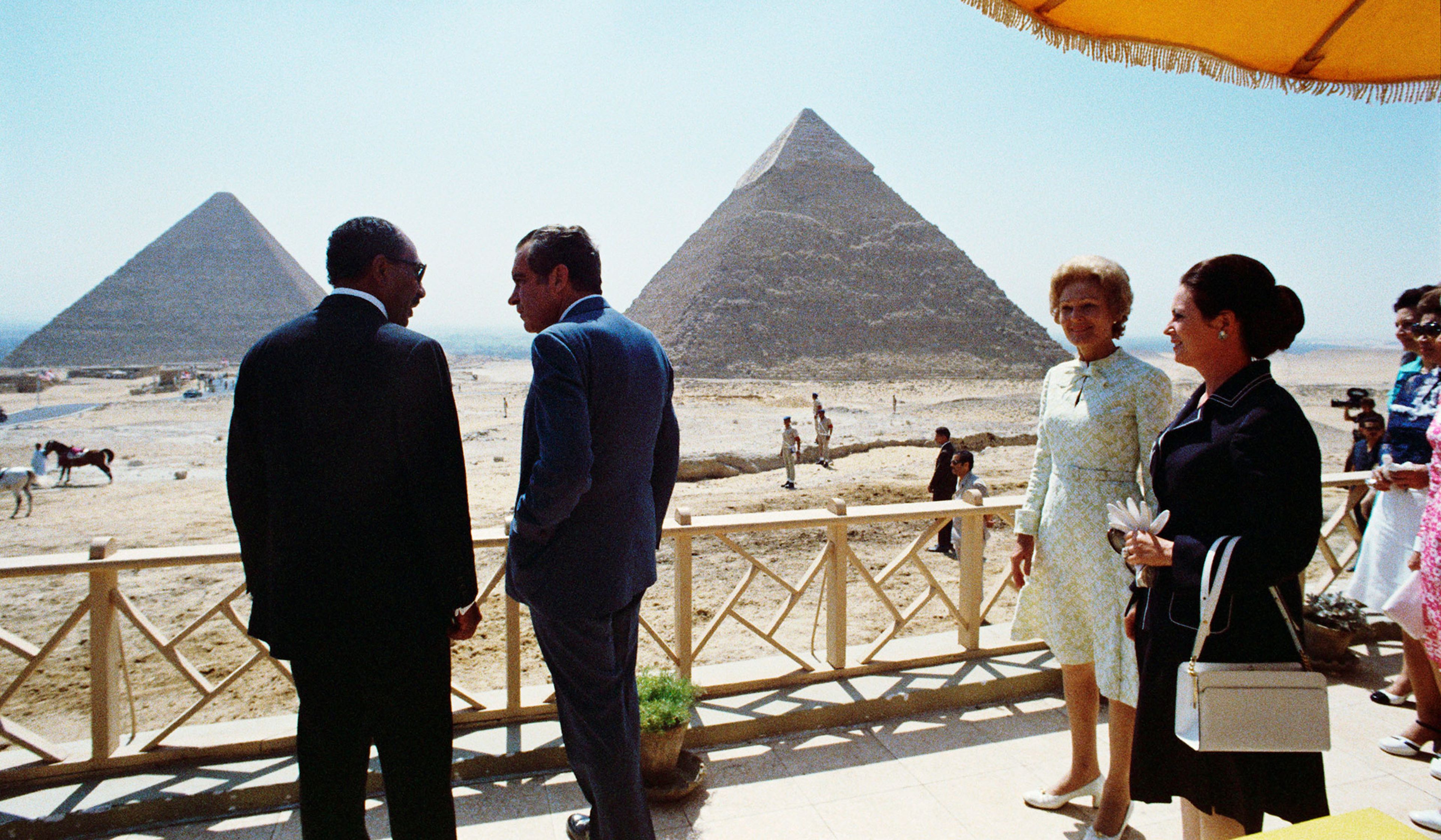
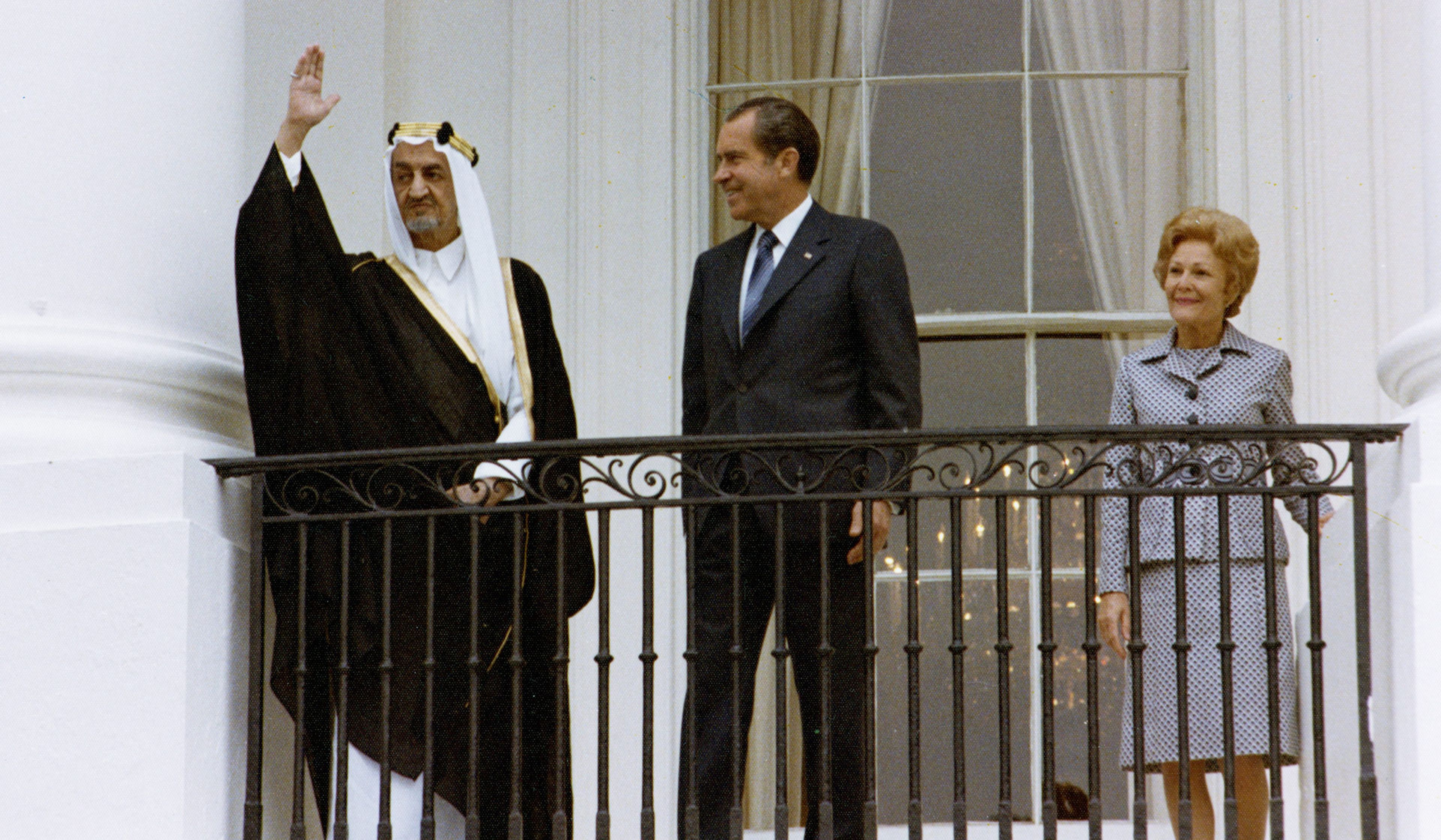
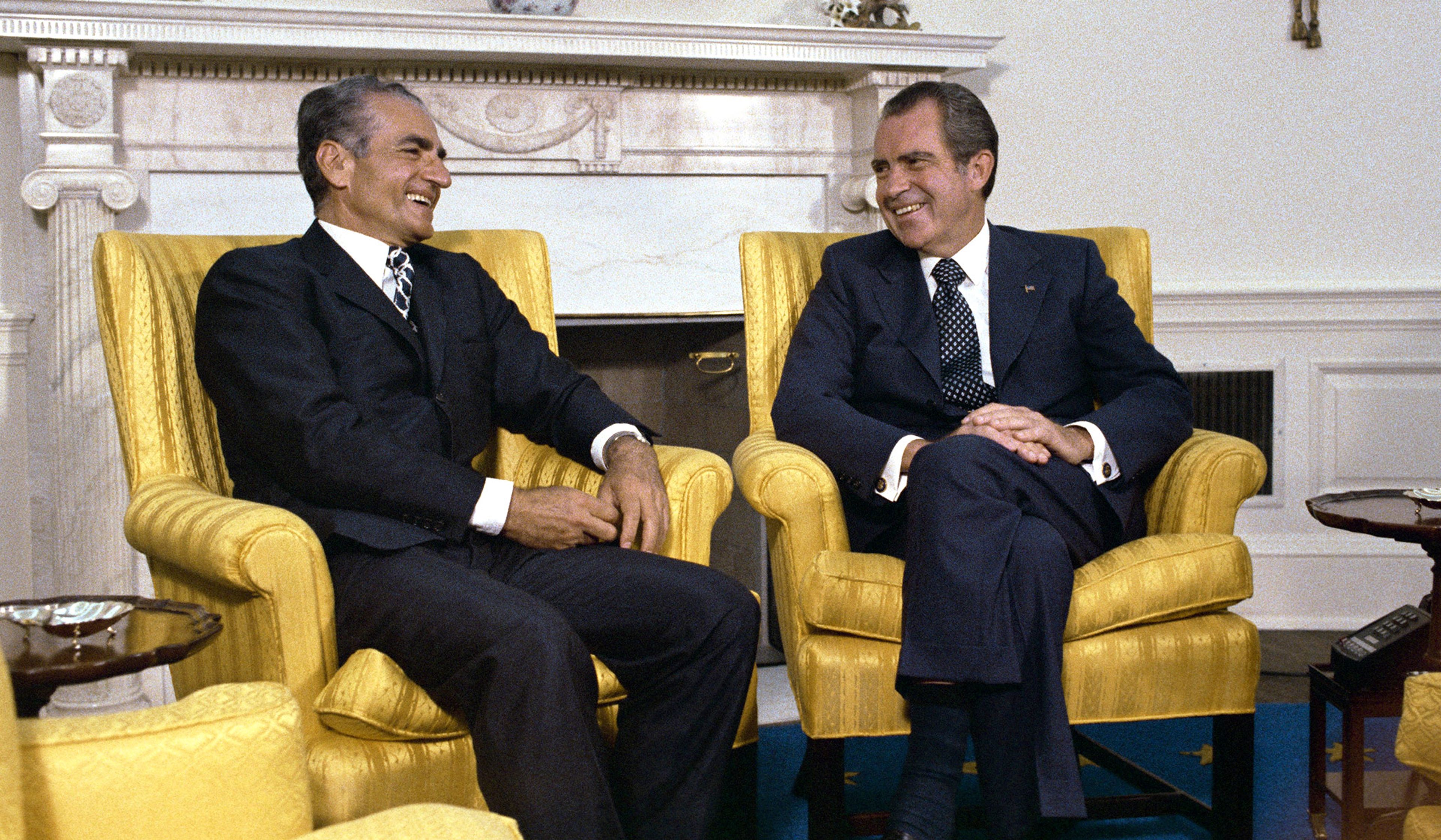
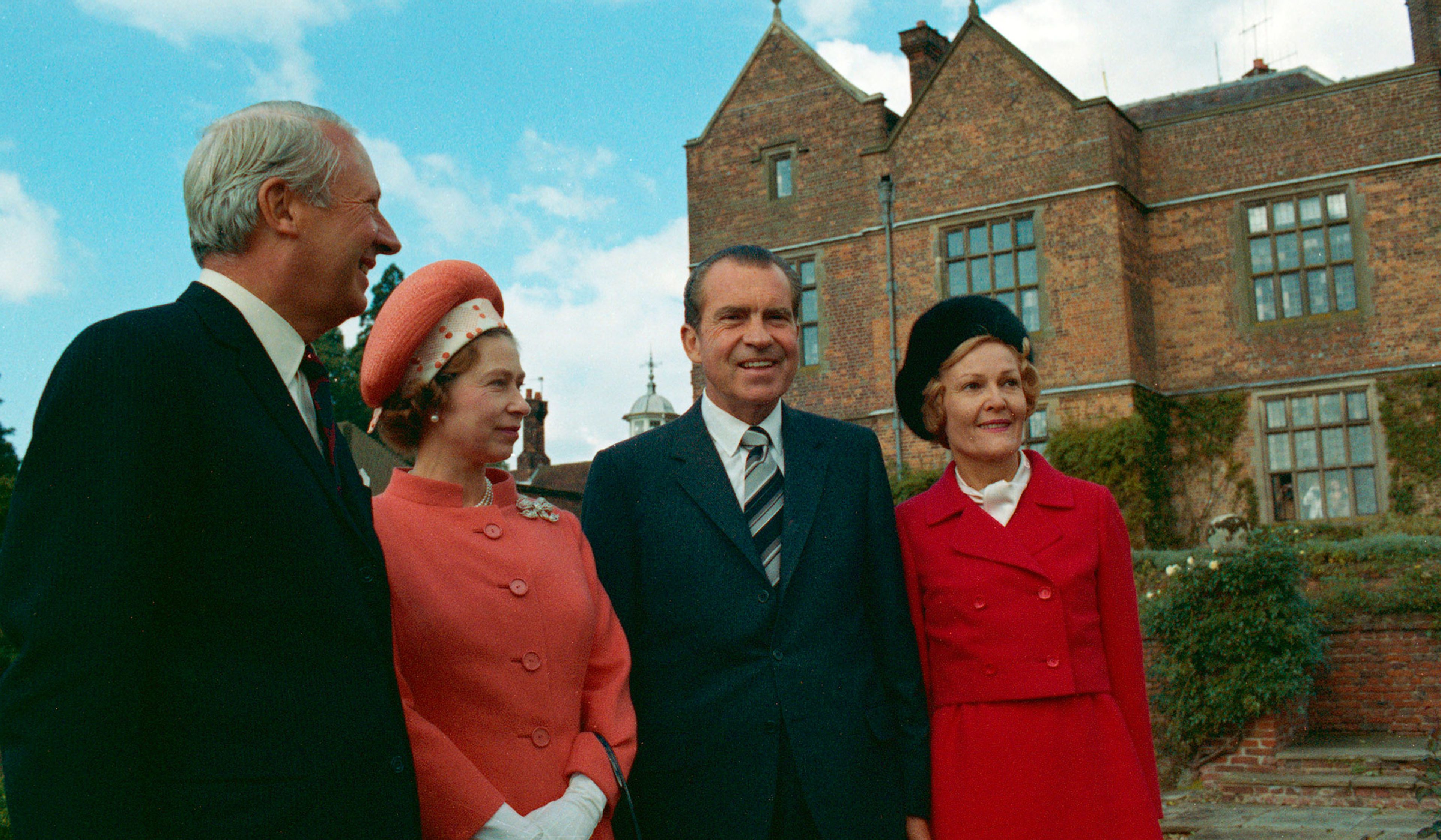
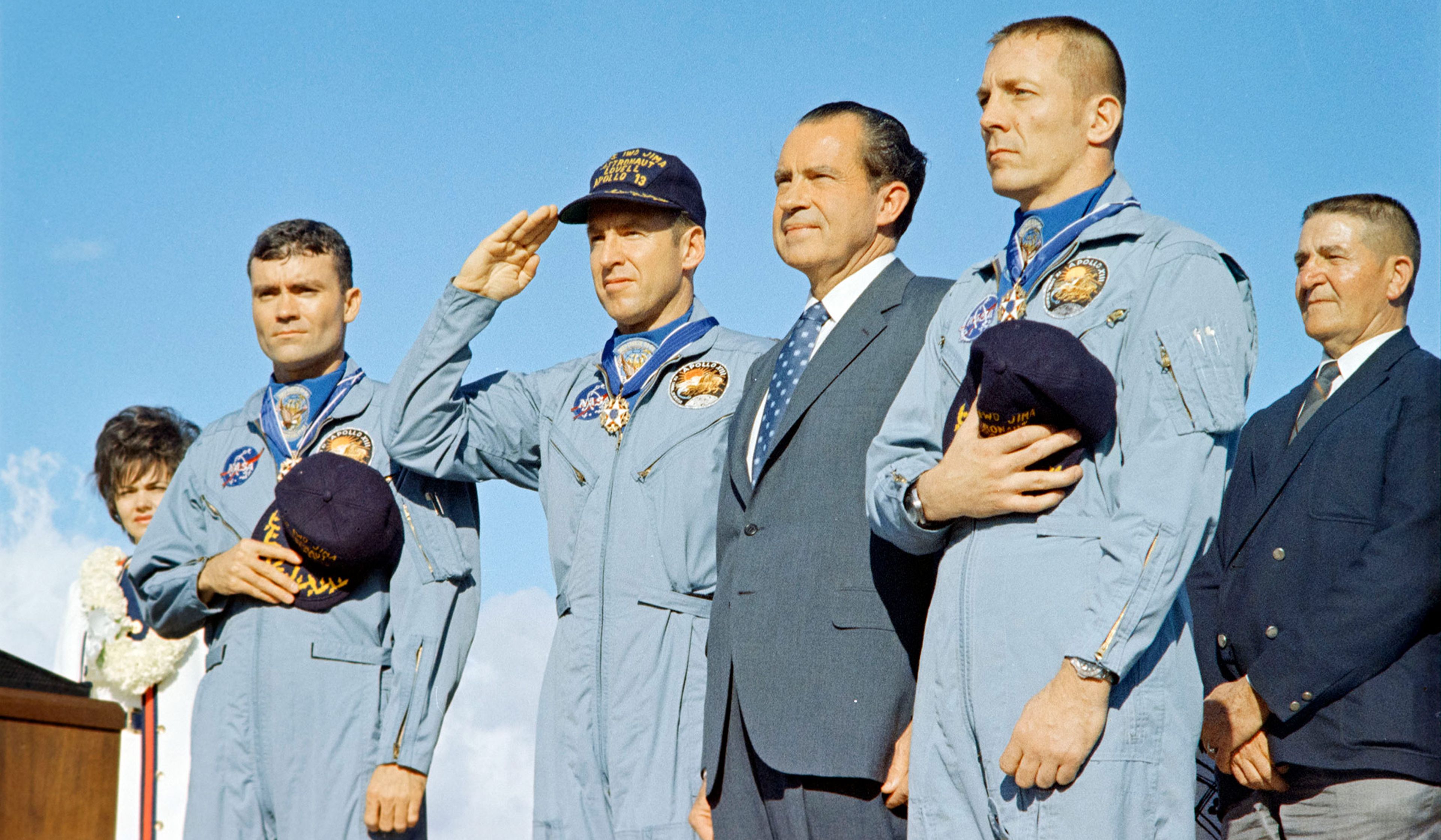
From left: Secretary of State Henry Kissinger, President Richard Nixon, Vice President-Designate Congressman Gerald Ford, and Chief of Staff Alexander Haig, Jr., in the Oval Office, October 13, 1973.
National Archives
As it happened, months would pass — along with a series of massive military campaigns, from the mining of Haiphong Harbor in May to the “Christmas bombing” of that December — before the North Vietnamese returned to the negotiating table, as the White House had sought.
* * *
There is some evidence President Trump conceived of his own approach to international relations in similar terms. Exchanging threats with North Korea in August 2017, Mr. Trump told reporters at his golf club in Bedminster, N.J., that if Pyongyang persisted, “they will be met with fire and fury like the world has never seen.” The threat of nuclear retaliation was unstated — and unmistakable.
Responding to provocations from Tehran, two years later, President Trump vowed in a tweet: “Any attack by Iran on anything American will be met with great and overwhelming force.” Lest anyone underestimate the severity of U.S. intentions, Mr. Trump added: “In some areas overwhelming will mean obliteration. No more John Kerry & Obama!”
Following Russia’s invasion of Ukraine, former president Trump argued the offensive would never have taken place if he had still been in power. He has also suggested that, if returned to the Oval Office, he could extract within 24 hours an agreement from Russian president Vladimir Putin to end the war.
“There are things you can say, . . . which I won’t reveal now, which will guarantee that this war will end immediately,” the 45th president told an interviewer earlier this year — an intimation that only he possessed the credibility, in the issuance of threats, that could convince Putin of the wisdom of withdrawal.
* * *
Is there any validity to the Madman Theory? Can it be used to canny effect in U.S. foreign policy by the commander in chief? Two leading experts in the history of warfare and strategic leadership say: No.
“It can be useful before you get into a crisis and it can be very perilous when you are in a crisis,” said retired Army general David Petraeus, the former commander of U.S. forces in Iraq and Afghanistan and director of the Central Intelligence Agency under President Obama.
The general spoke alongside Andrew Roberts, the renowned British historian, as they promoted their new book, Conflict: The Evolution of Warfare from 1945 to Ukraine. The venue was a panel event on October 21 at the Mohegan Pennsylvania, in Wilkes-Barre, sponsored by the Bold Gold Broadcast and Media Foundation and moderated by this writer. I had raised the relevant passage in Haldeman’s memoir — and cited Presidents Nixon and Trump as adherents of the Madman Theory — precisely because, in addition to charting evolutions in warfare since World War II, Conflict sets forth the authors’ ideas on the key characteristics of successful wartime leaders.
“An adversary may be more cautious about getting into a crisis with you if the adversary thinks you might take an action that is irrational,” Petraeus conceded. “The problem is that . . . when you’re actually in a crisis, if you actually think the other side is crazy, you’re going to take the first shot. . . . So I generally think it is probably unwise” to adopt the Madman approach, “because you can inadvertently end up in a crisis — and if you do, you want the other side to think that you are rational, open to communications, and can de-escalate.”
* * *
Roberts, the preeminent biographer of Sir Winston Churchill and a member of the House of Lords, noted that he and Petraeus had enjoyed lunch with Henry Kissinger earlier that week. Among the topics they had explored with the former secretary of state was the current Israeli–Hamas war, and how it resembled, and differed from, the Yom Kippur War, in which the leadership of Nixon and Kissinger had proved crucial to Israel’s victory.
Kissinger recalled for his lunch companions his direct negotiations, in shuttle diplomacy conducted in the fraught weeks of October 1973, with the major leaders of the Mideast at that time: Israeli prime minister Golda Meir, Egyptian president Anwar el-Sadat, Jordan’s King Hussein, and Hafez al-Assad in Syria, all “rational and logical actors,” as Roberts put it.
As a result, Kissinger “knew that there was a sort of logical and rational way through,” Roberts said. “It was fiendishly difficult to get there, but nonetheless, he understood that that was the case. With Hamas today, that is not the case. You essentially have an enemy that will not negotiate in good faith, that you know will, as soon as it sees it is strong enough, carry out the same kind of bestial and sadistic attack as took place on the seventh of October.”
“You have in Hamas and of course in Kim Jong-un,” Roberts continued, “people who are genuinely madmen. And so you don’t want to add to the number of madmen, and certainly not have one in the White House,” or someone “who is widely considered to be one, whether he’s acting or not.”











Comments