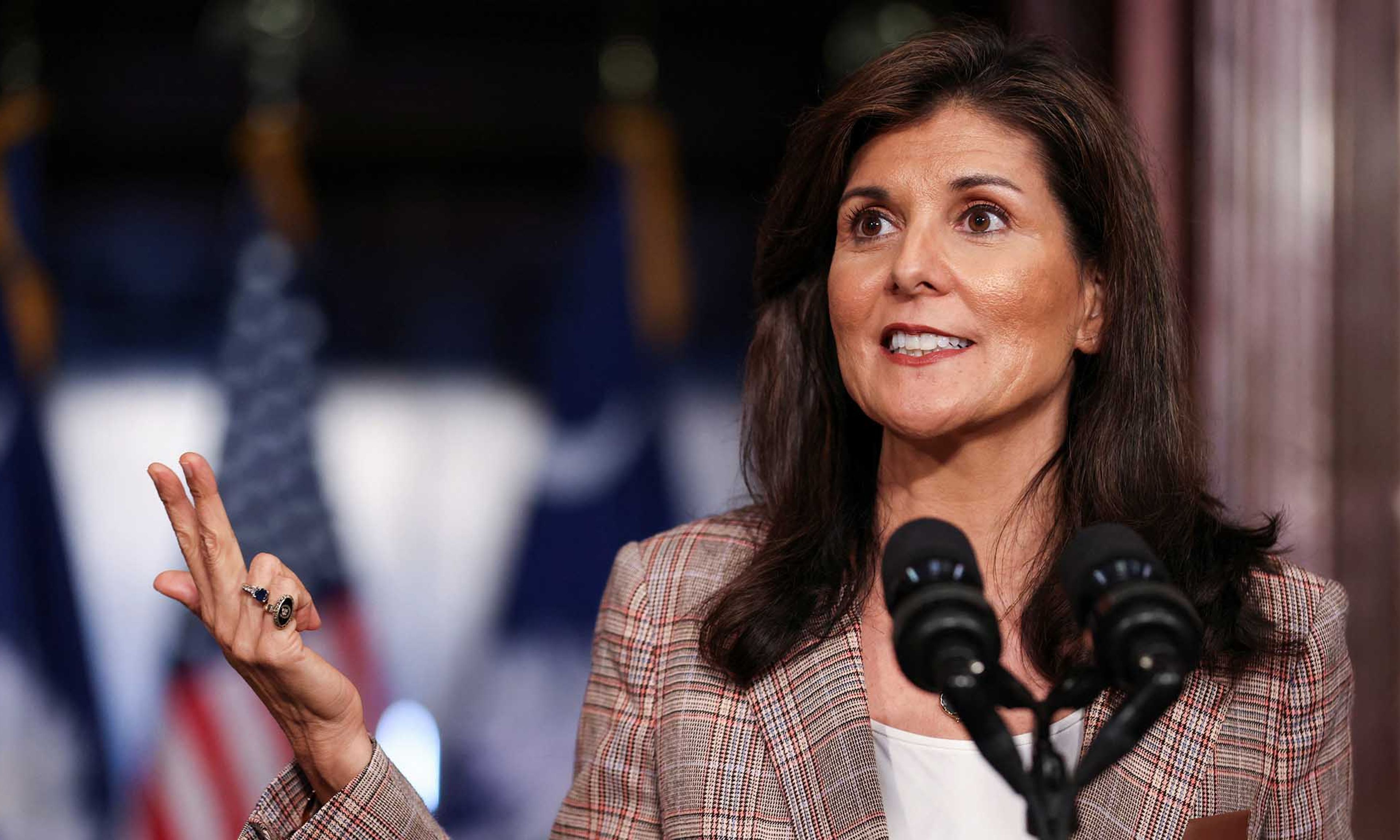
Is threatening someone with your high heels a feminist act? Not if, like Nikki Haley, you’re the only woman in a field of Republican presidential contenders. Then, it’s simply a nod to one of your campaign themes. In the video announcing her candidacy, Haley offered this as her closing line: “You should know this about me: I don’t put up with bullies, and when you kick back, it hurts them more if you’re wearing heels.” When Vivek Ramaswamy called her “Dick Cheney in three-inch heels” during the third Republican-primary debate, Haley, who is currently polling well above Ramaswamy, gave him a withering look and followed up with, “They’re five-inch heels and I don’t wear them unless you can run in them.” “The second thing I would say,” she added, “is I wear heels and they’re not for a fashion statement: They’re for ammunition.”
We’ve come a long way from the “lipstick feminism” of the 1990s, when a new generation of self-described feminists embraced a traditionally feminine appearance — fashion, makeup, and, yes, high heels — as an empowering choice rather than as a concession to the patriarchy that an earlier generation of feminists had decried or, in the case of lingerie, symbolically burned.
But Haley’s stiletto feminism has also been unnerving to a mainstream political press that likes to serve up the same stale tropes about women candidates — for example, that they face insurmountable misogyny, unfair stereotyping, and an impossible climb to the top of any ticket. Her use of some feminist messaging and symbolism, combined with her admiration for conservative role models, has them flummoxed. Haley is at ease noting her achievements as South Carolina’s first female governor while in the next breath invoking Margaret Thatcher’s observation that “if you want something said, ask a man; if you want something done, ask a woman.”
No wonder that, in contrast to the response to Hillary Clinton’s and Kamala Harris’s Democratic campaigns for the presidency, there have been few big think pieces parsing what Haley’s heels mean for the future of feminism or what her influence as a Gen X woman is on budding feminists. Recall the many flattering stories in the weeks leading up to the 2016 election about Hillary Clinton’s “pantsuit nation” of Facebook fans, or the many gushing profiles of Kamala Harris (behold her insouciant sneakers-and-pearls fashion choices!) after Biden picked her as his running mate for 2020.
There has long been a double standard when it comes to female political candidates. Democratic women are presumed feminist until proven otherwise and thus granted more positive coverage by a press corps that shares their politics; the opposite is true of Republican women, from whom journalists often expect either an embrace or an outright rejection of the label.
Haley poses a challenge because of the difficulty many political journalists have in categorizing her beliefs. Like many Gen X women, she doesn’t fit neatly into any of the familiar types. She’s clearly not a Ms. magazine–reading, second-wave, Gloria Steinem feminist, nor a Phyllis Schlafly–style anti-feminist. She invokes some of the tropes of the early-2000s, lean-in corporate feminism of Carly Fiorina and Sheryl Sandberg, but not entirely. Most notably, she doesn’t relentlessly play the gender card, as Hillary did, but she also doesn’t avoid talking about her experiences as a woman. She regularly reminds voters that she is a mother and a military spouse (sometimes adding that she’s also an accountant). She has spoken about her experiences of sexism and racism but without making them the core of her campaign.
The middle-aged feminist Left dislikes her politics, of course, but it also dislikes her unwillingness to play the “oh, the misogyny!” game. In these ladies’ minds, Hillary lost not because she failed to win over swing-state voters; she lost because she is a woman. Kamala Harris’s approval ratings aren’t low because she’s ineffective in her role as vice president or because she regularly serves up empty redundancies (“So, during Women’s History Month, we celebrate and we honor the women who made history throughout history, who saw what could be unburdened by what had been”). It’s because she’s a woman of color. Haley doesn’t walk that path.
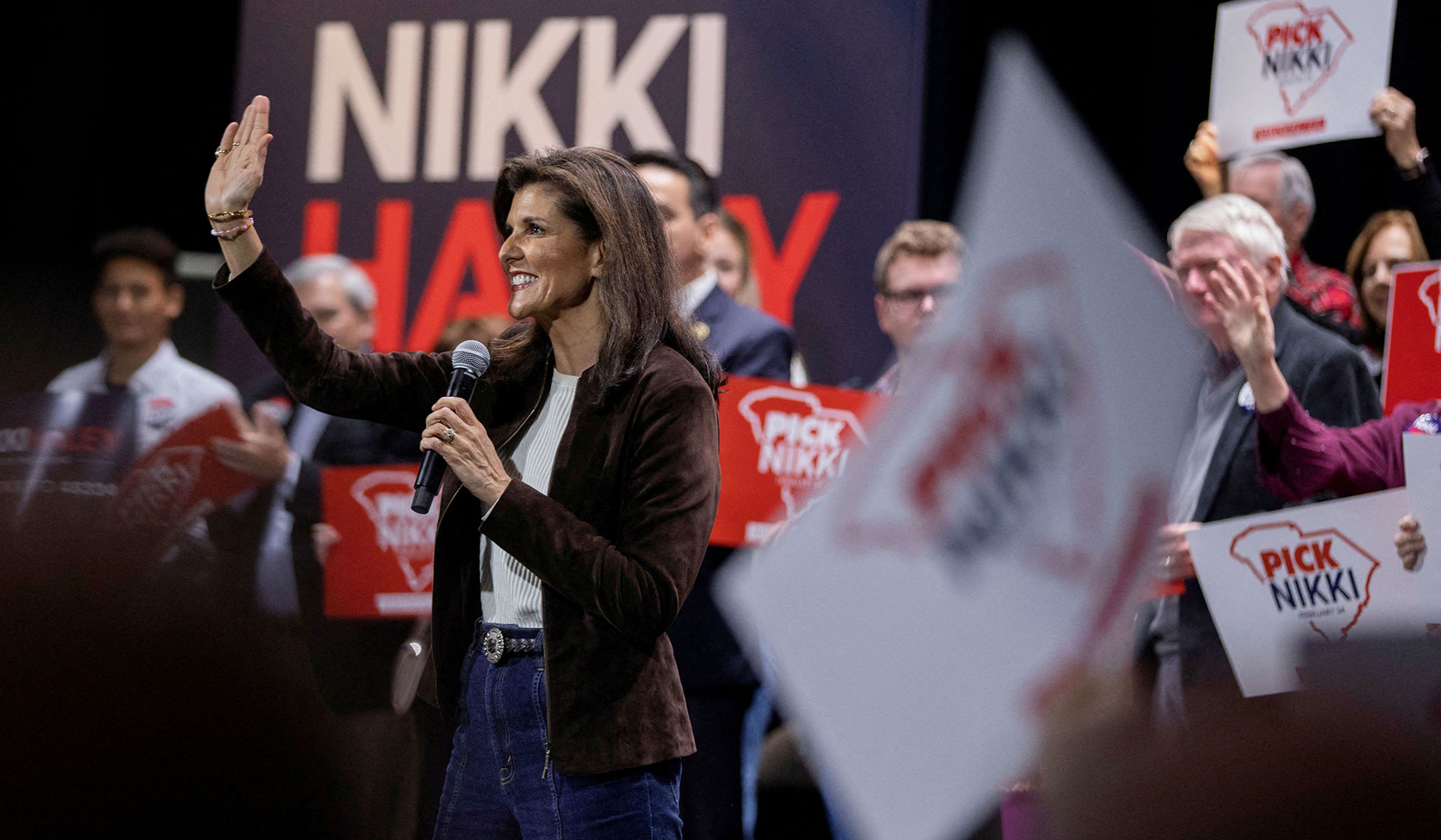
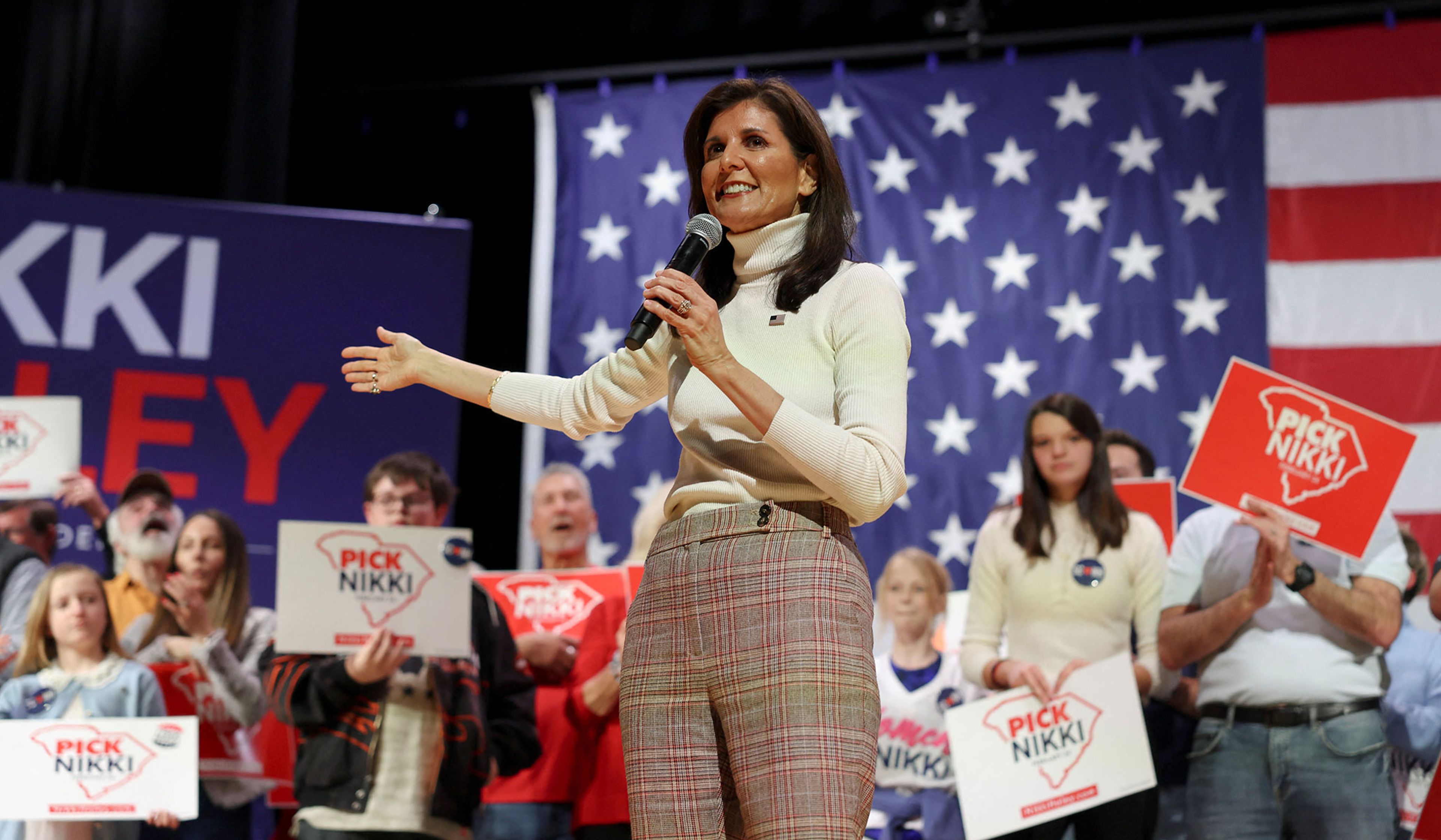
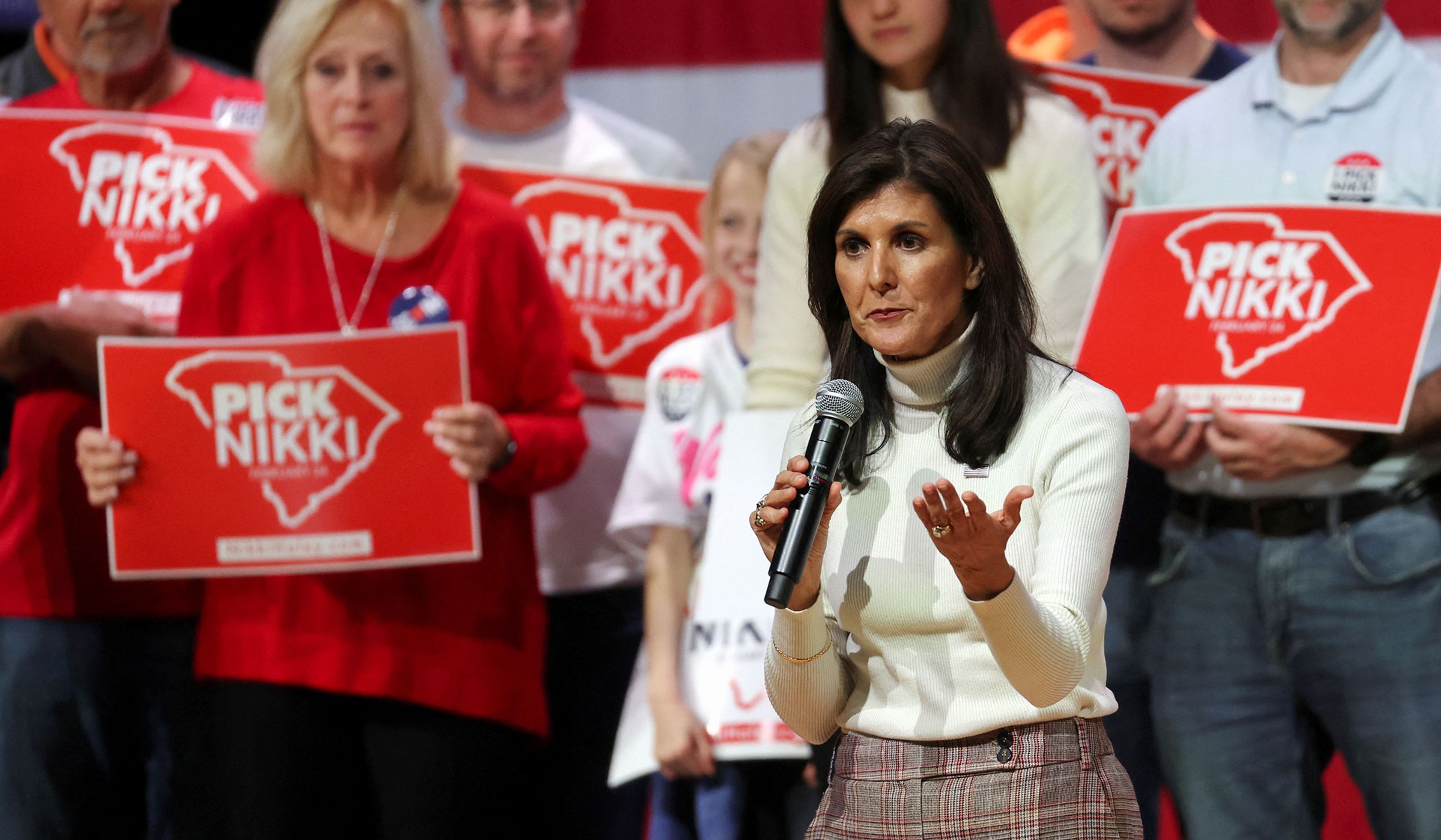
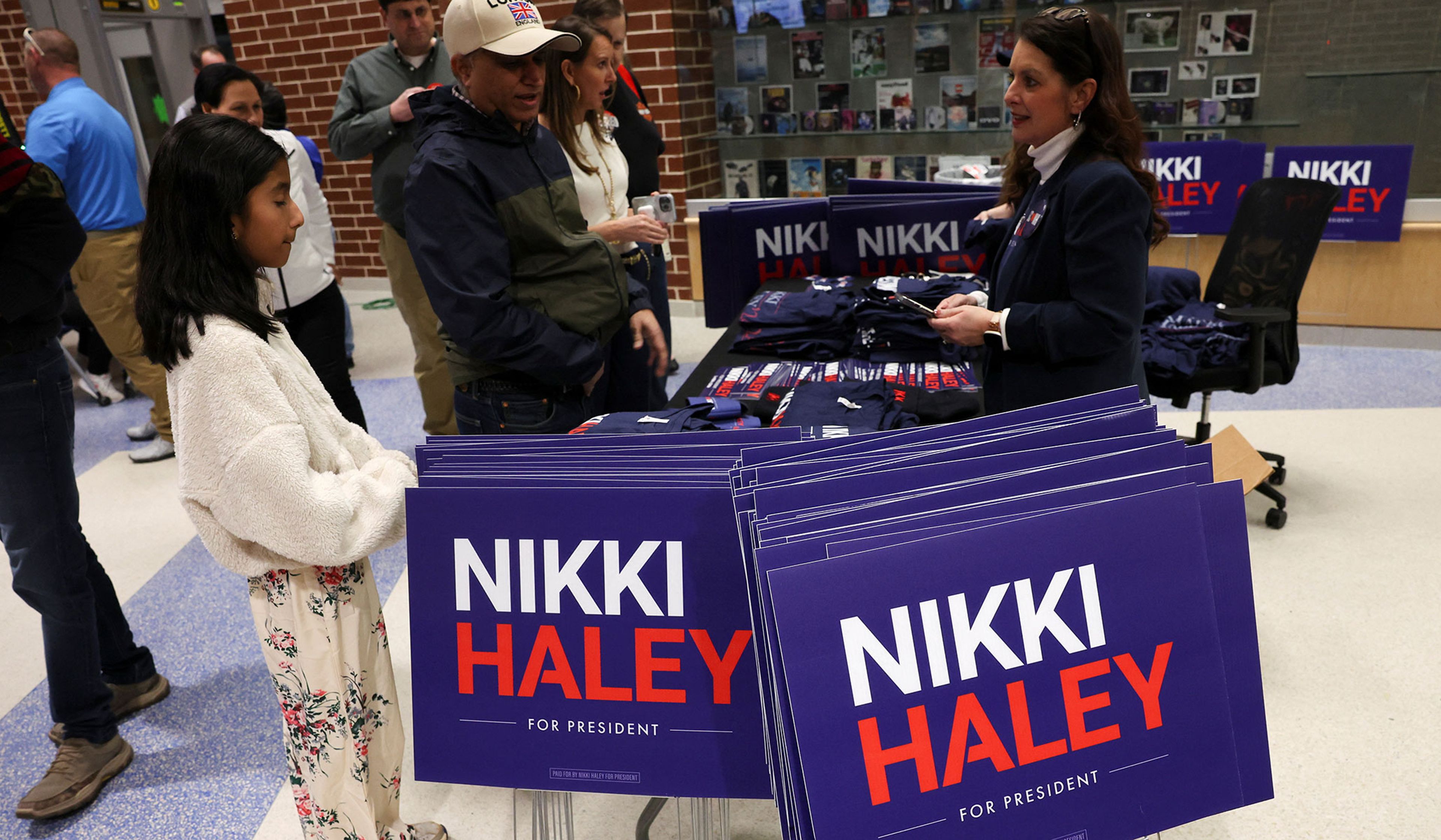
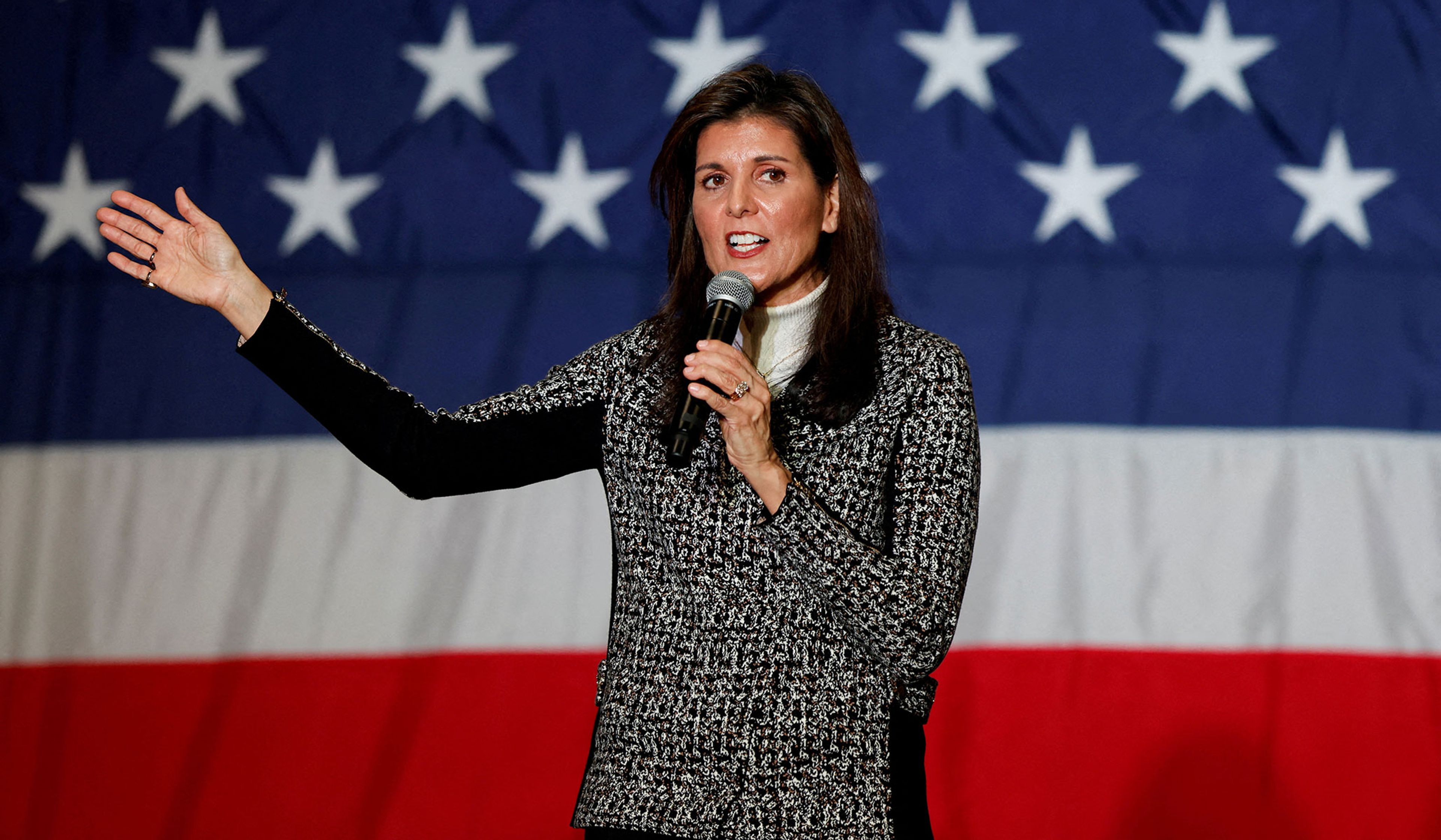
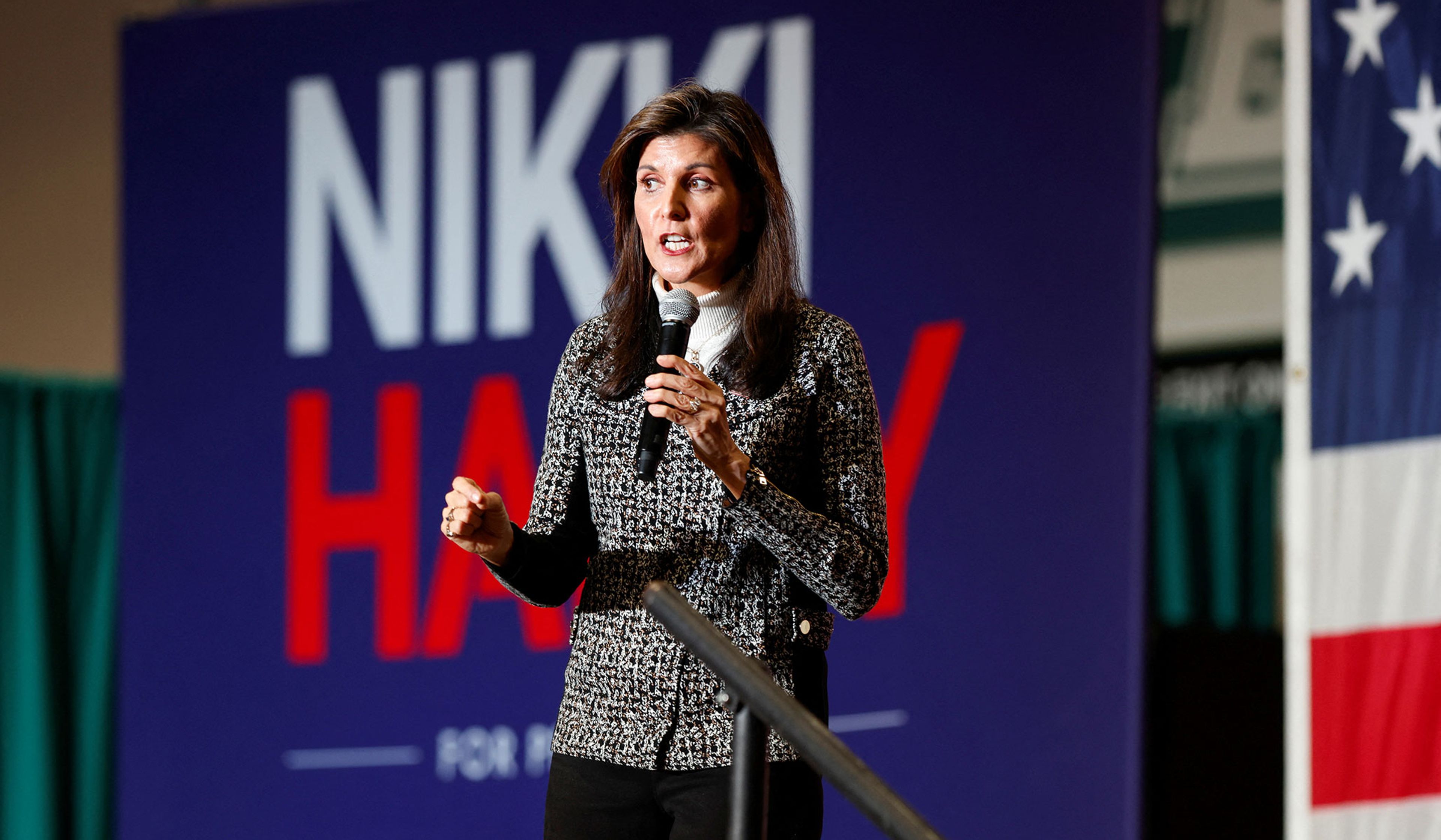
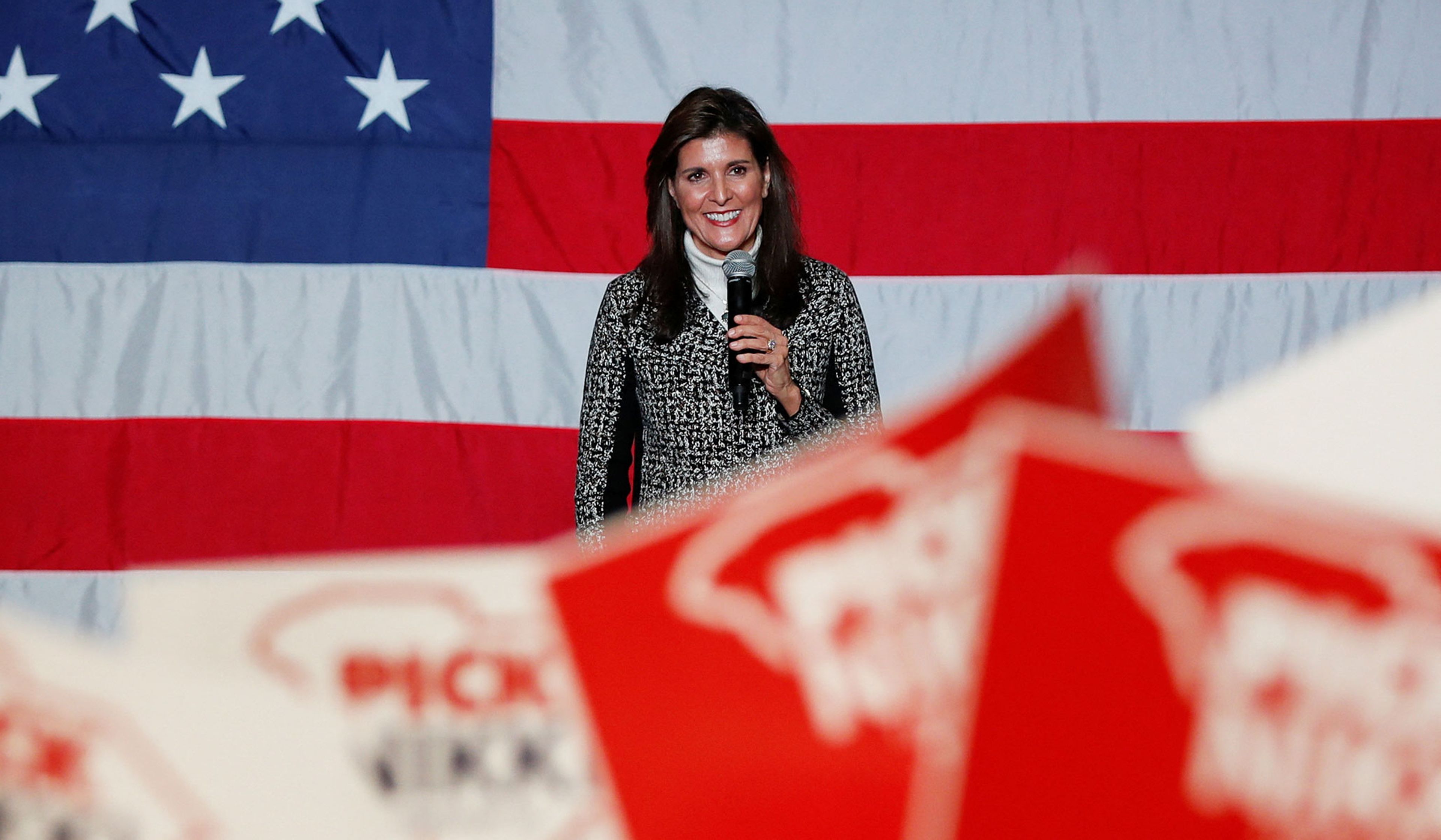
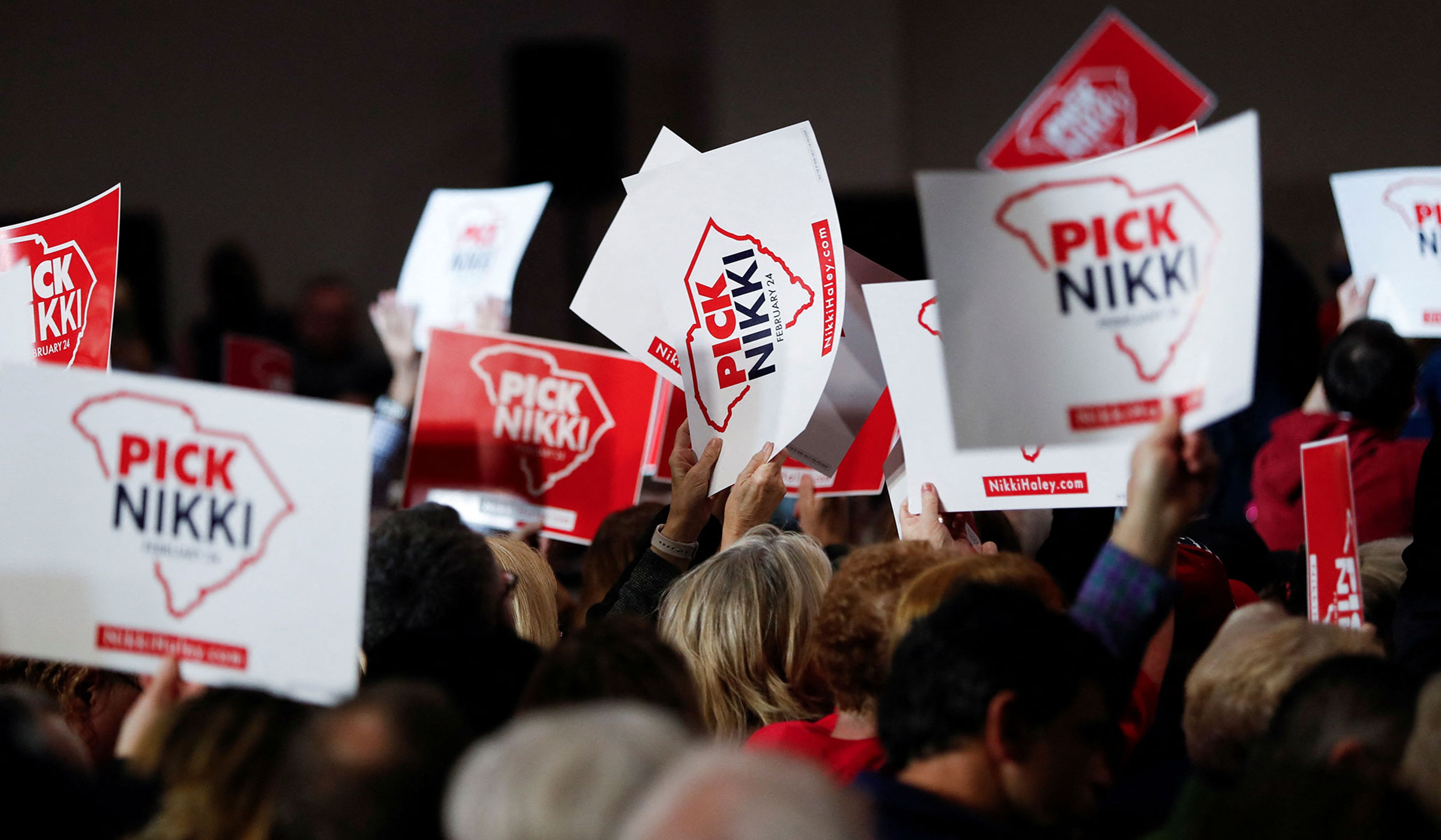
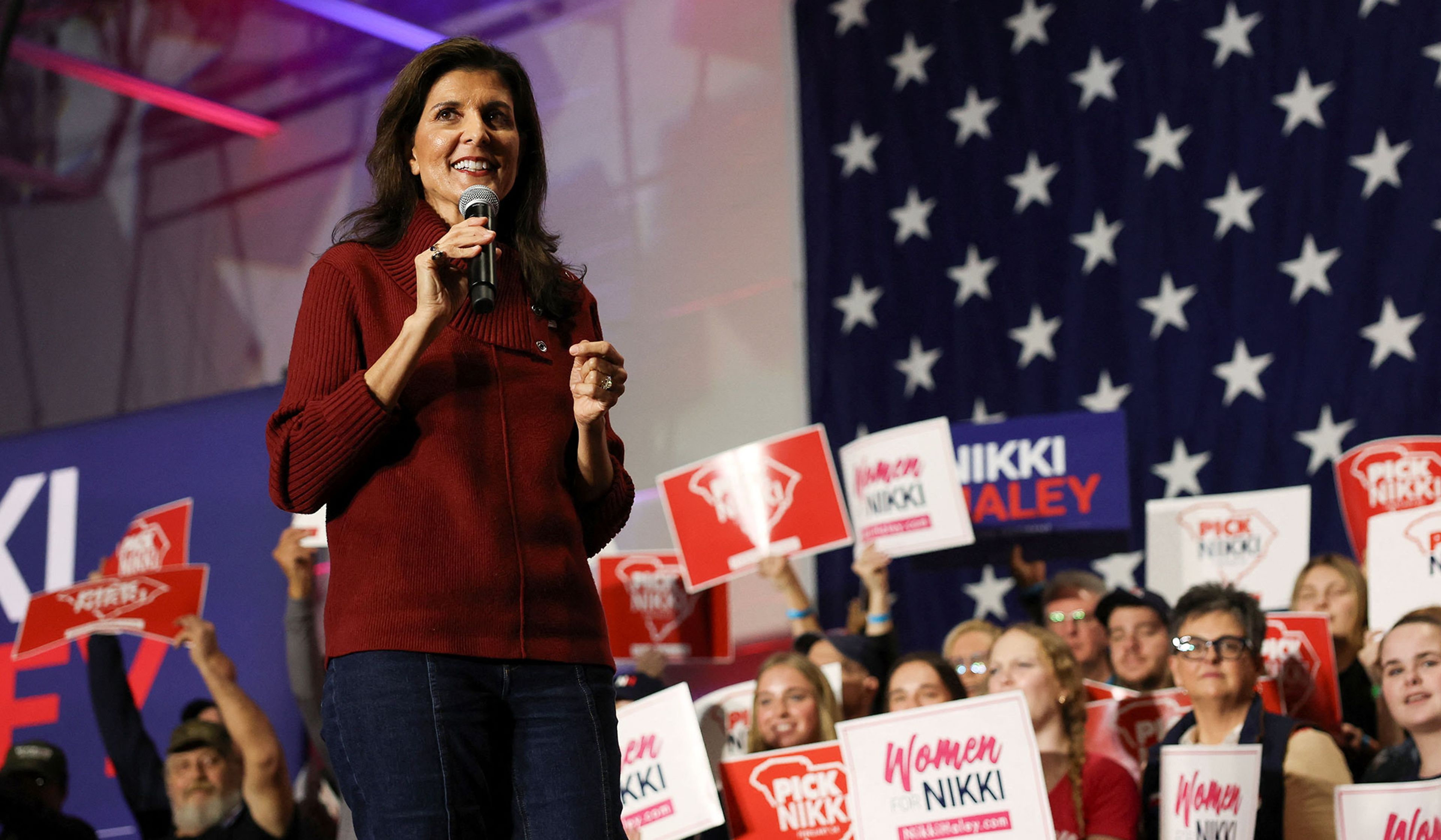
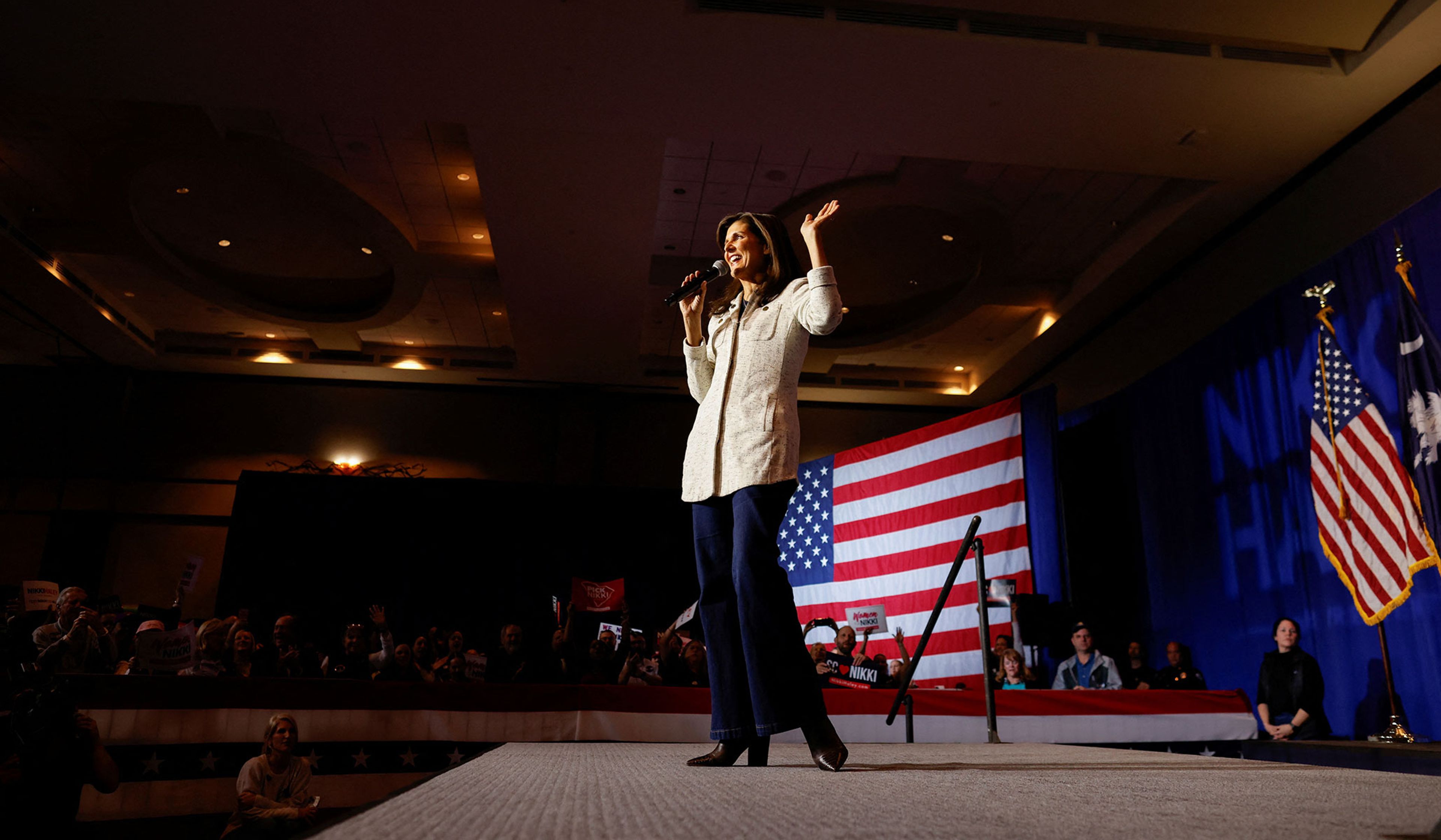
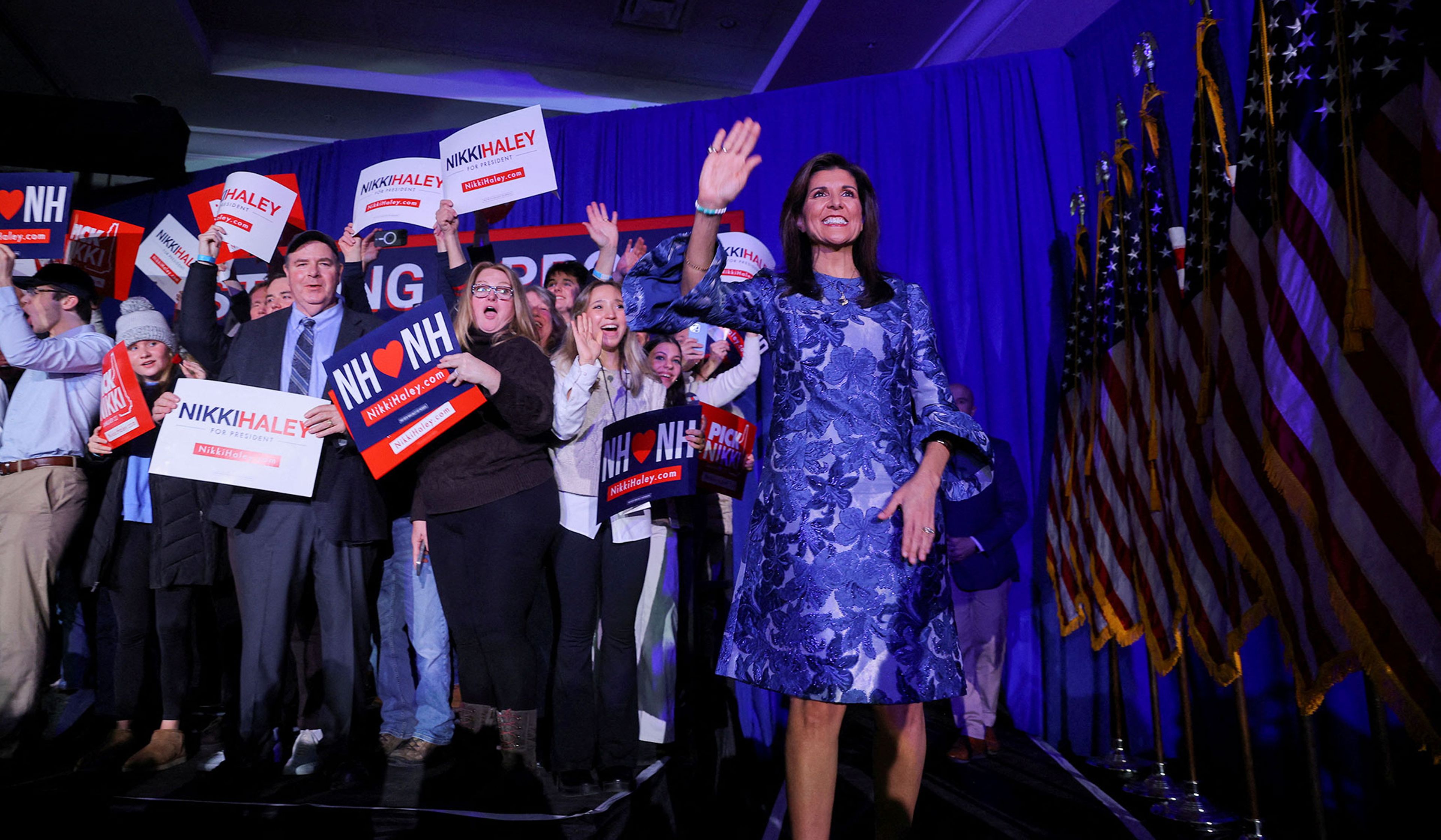
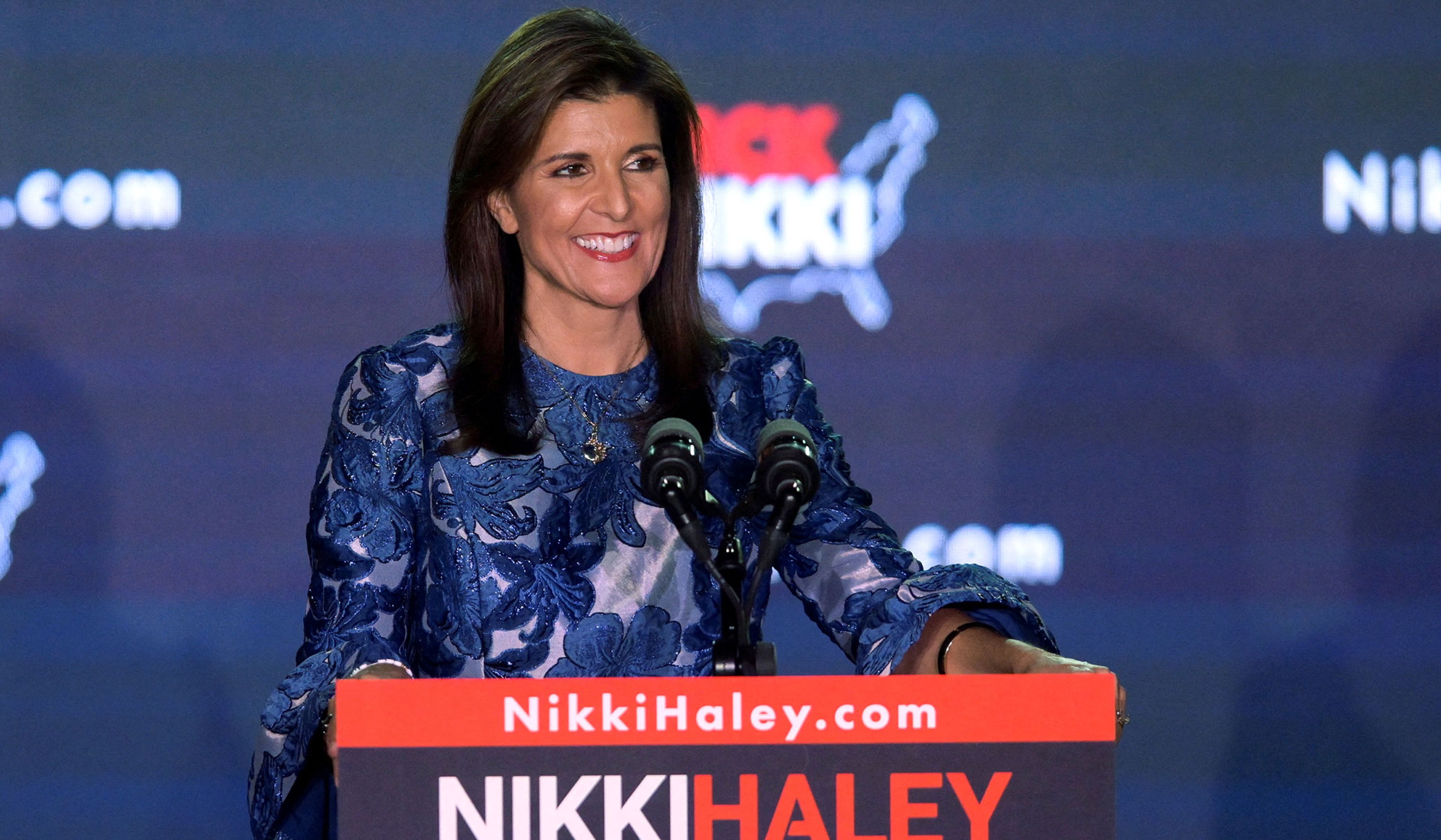
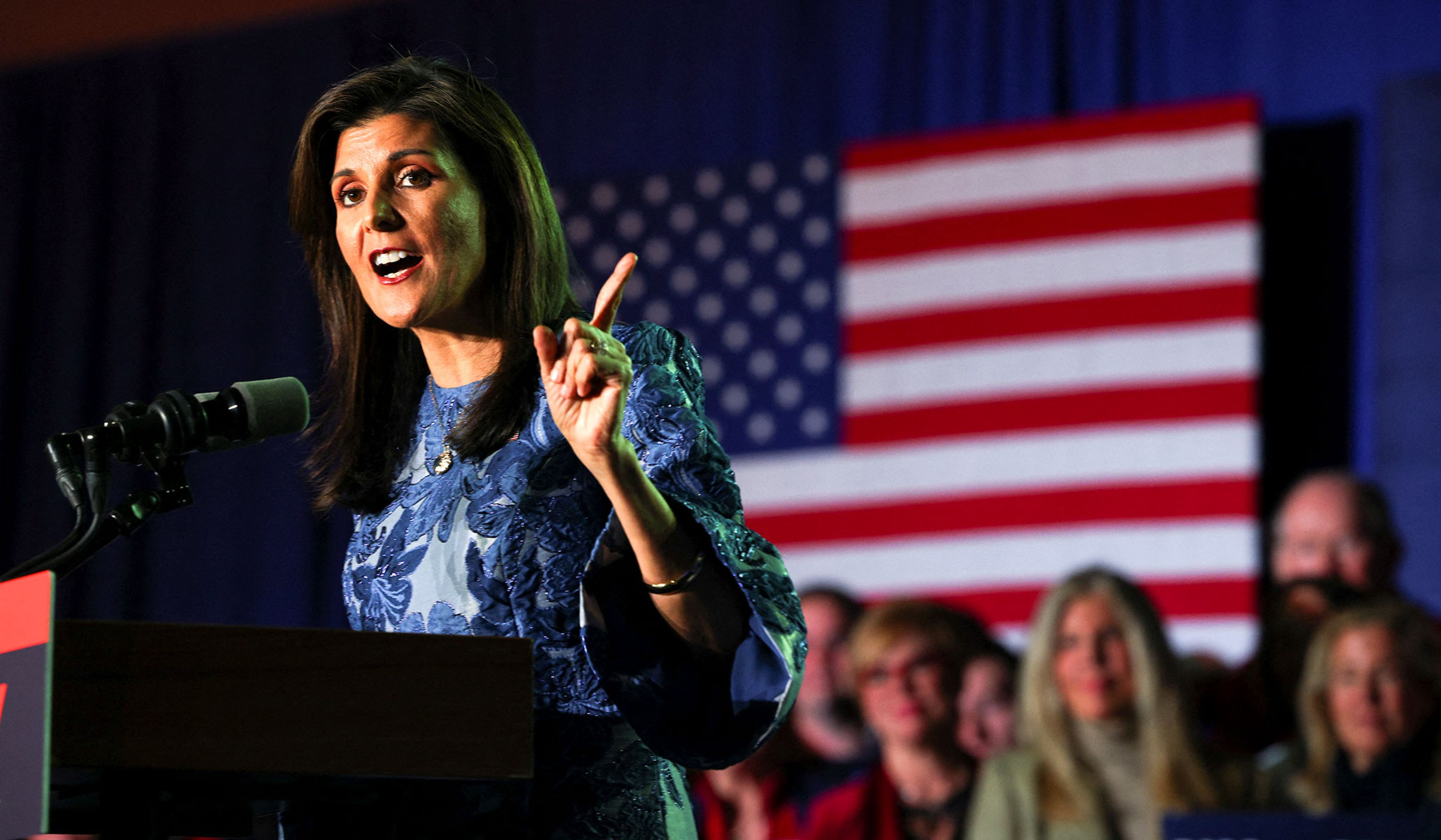
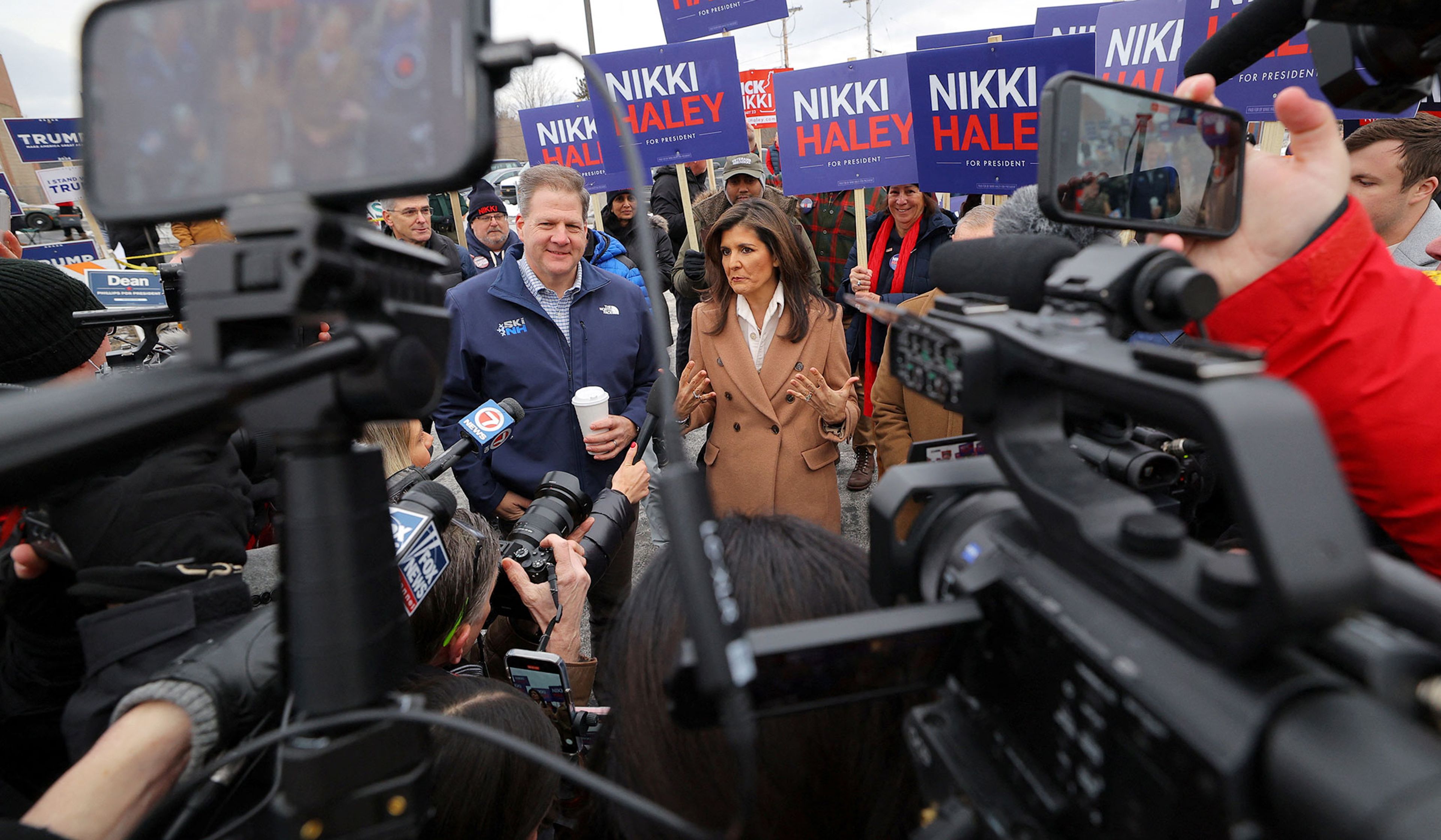
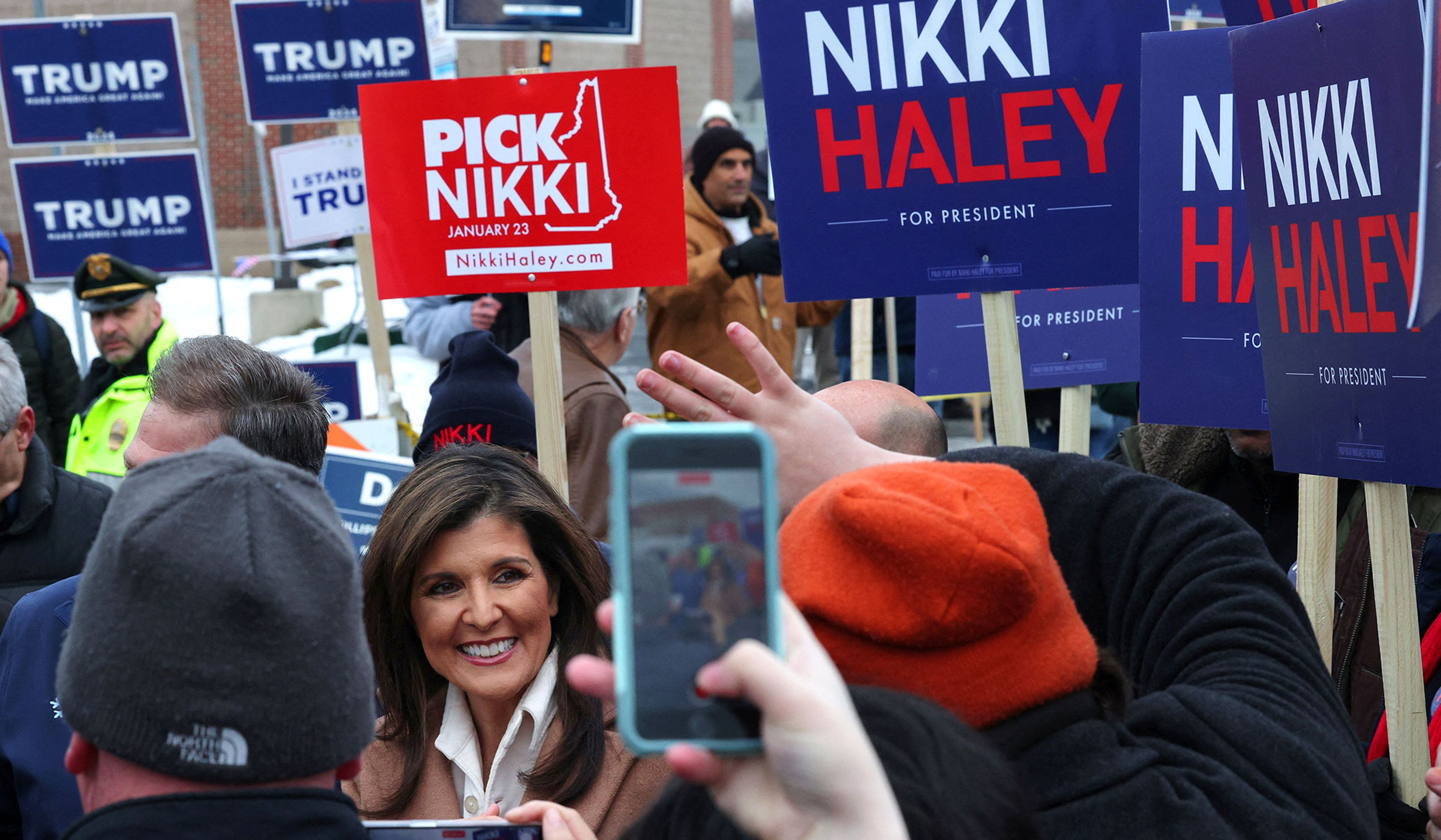
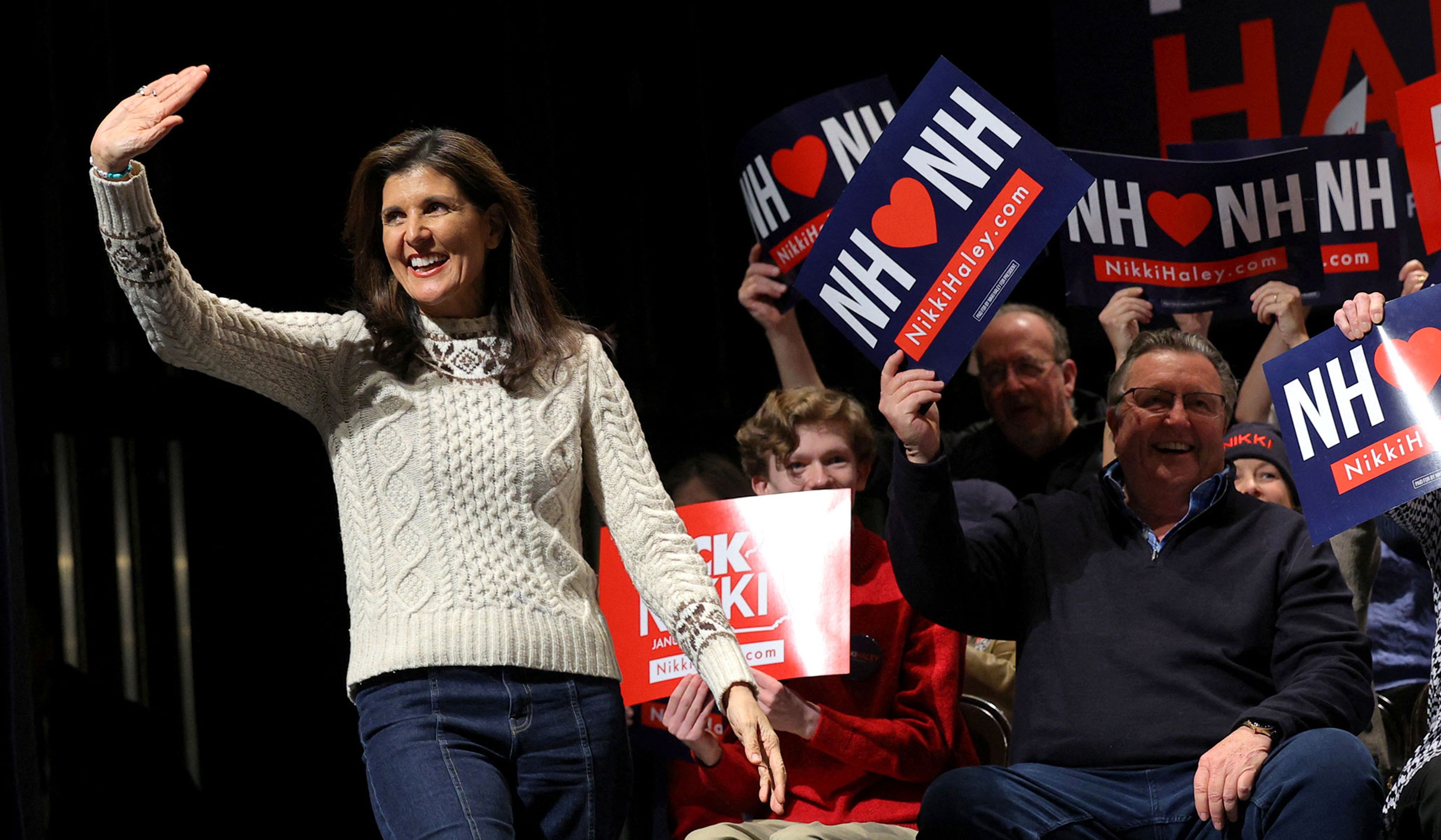
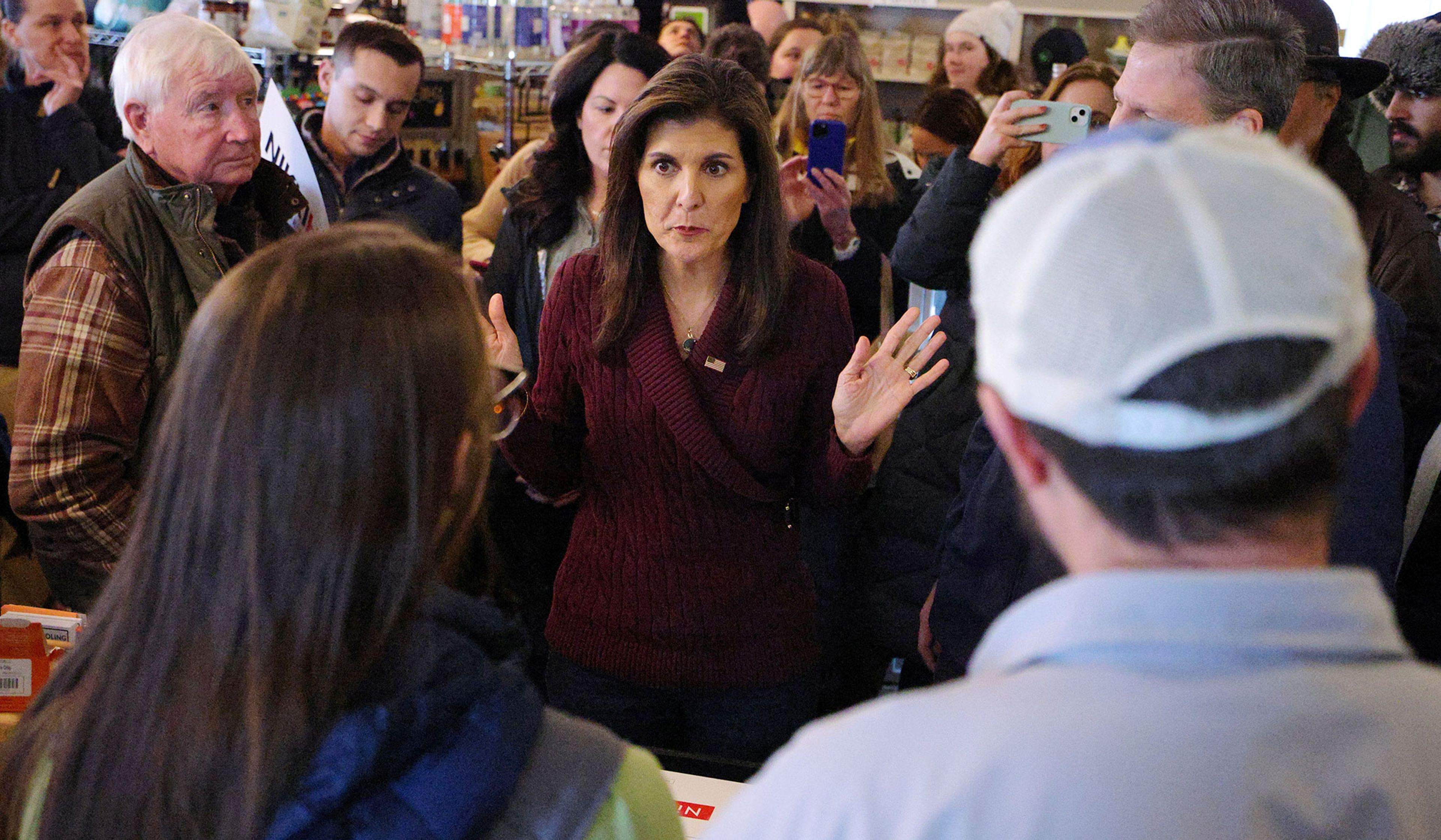
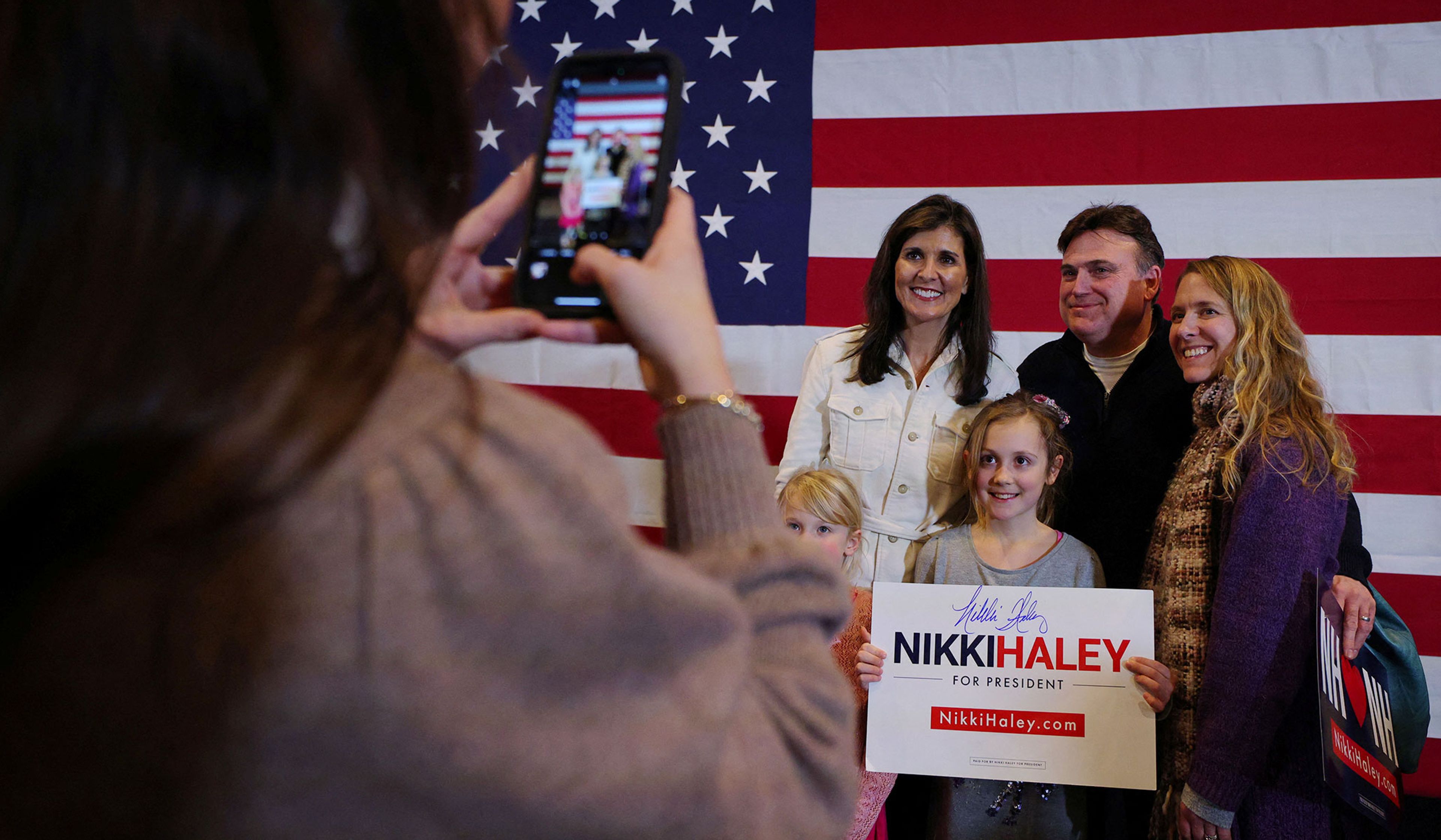
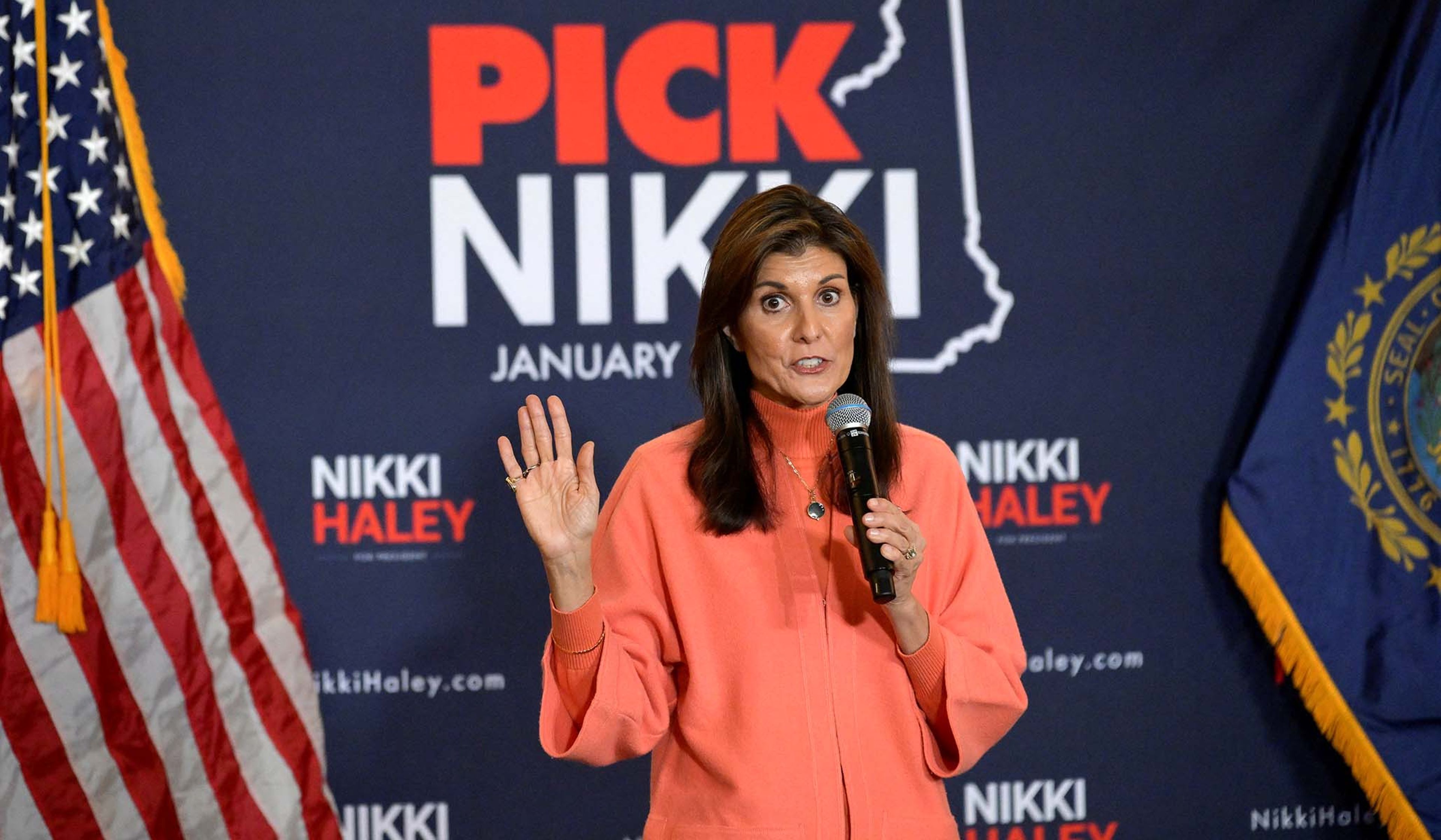
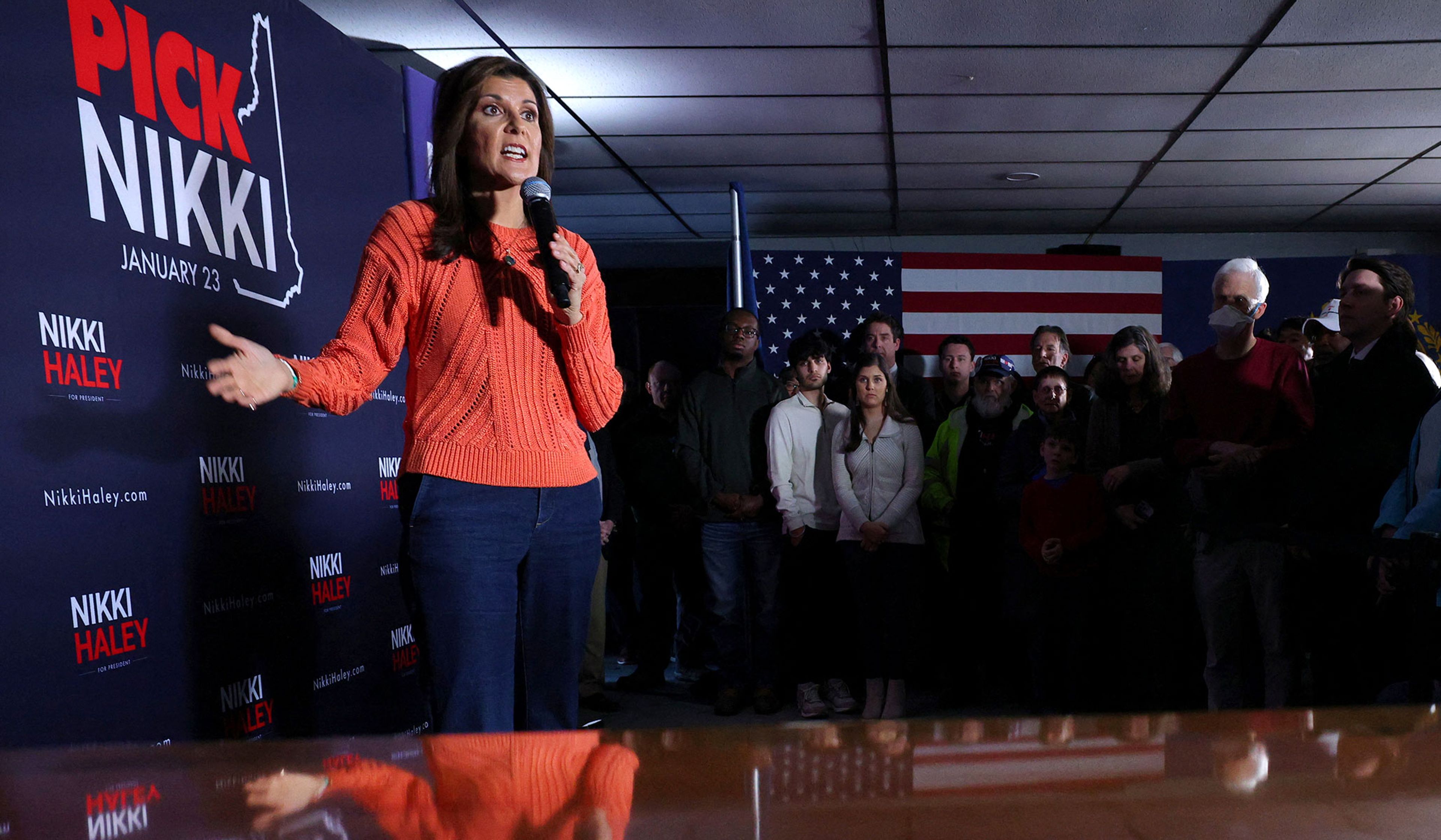
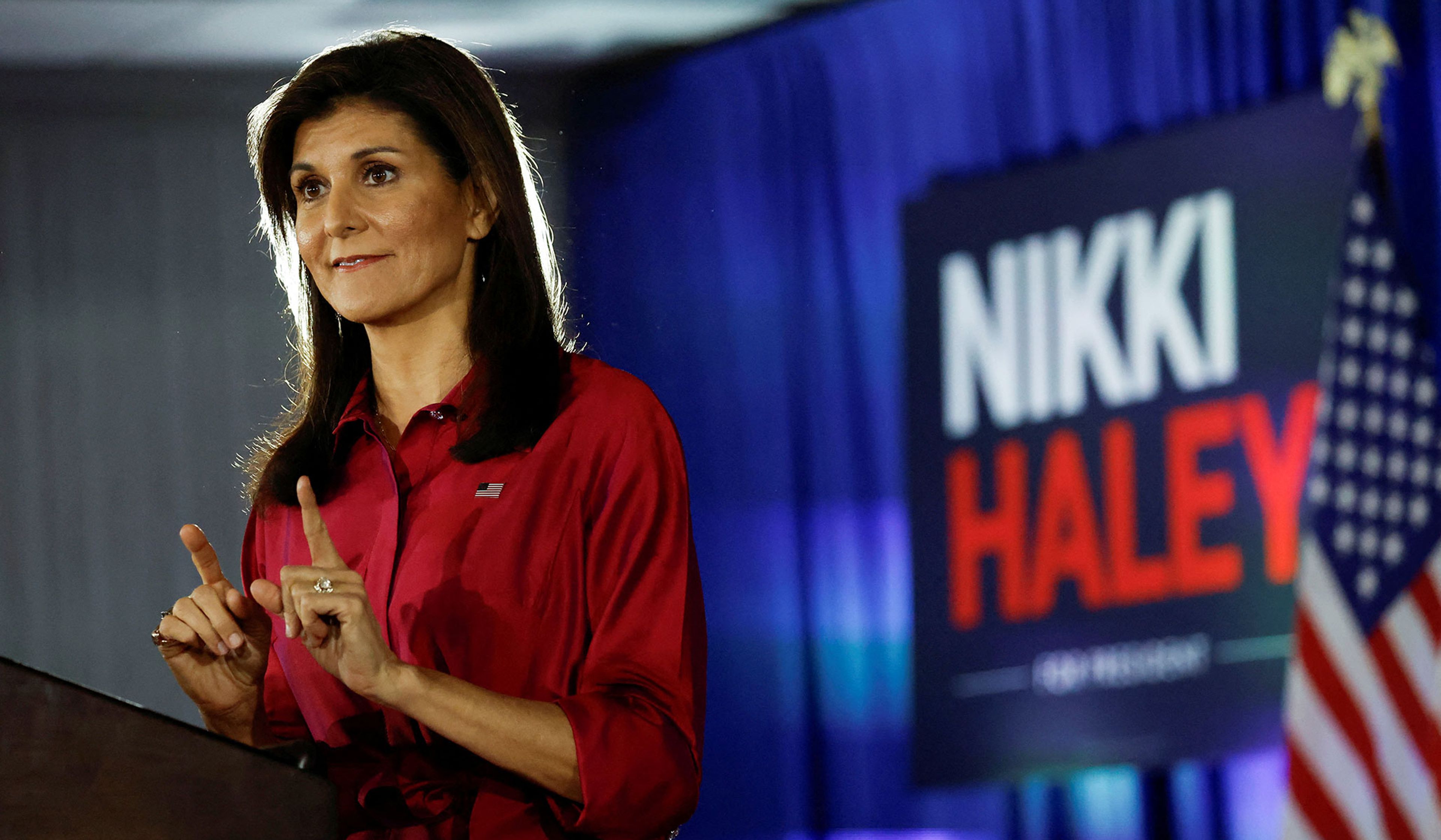
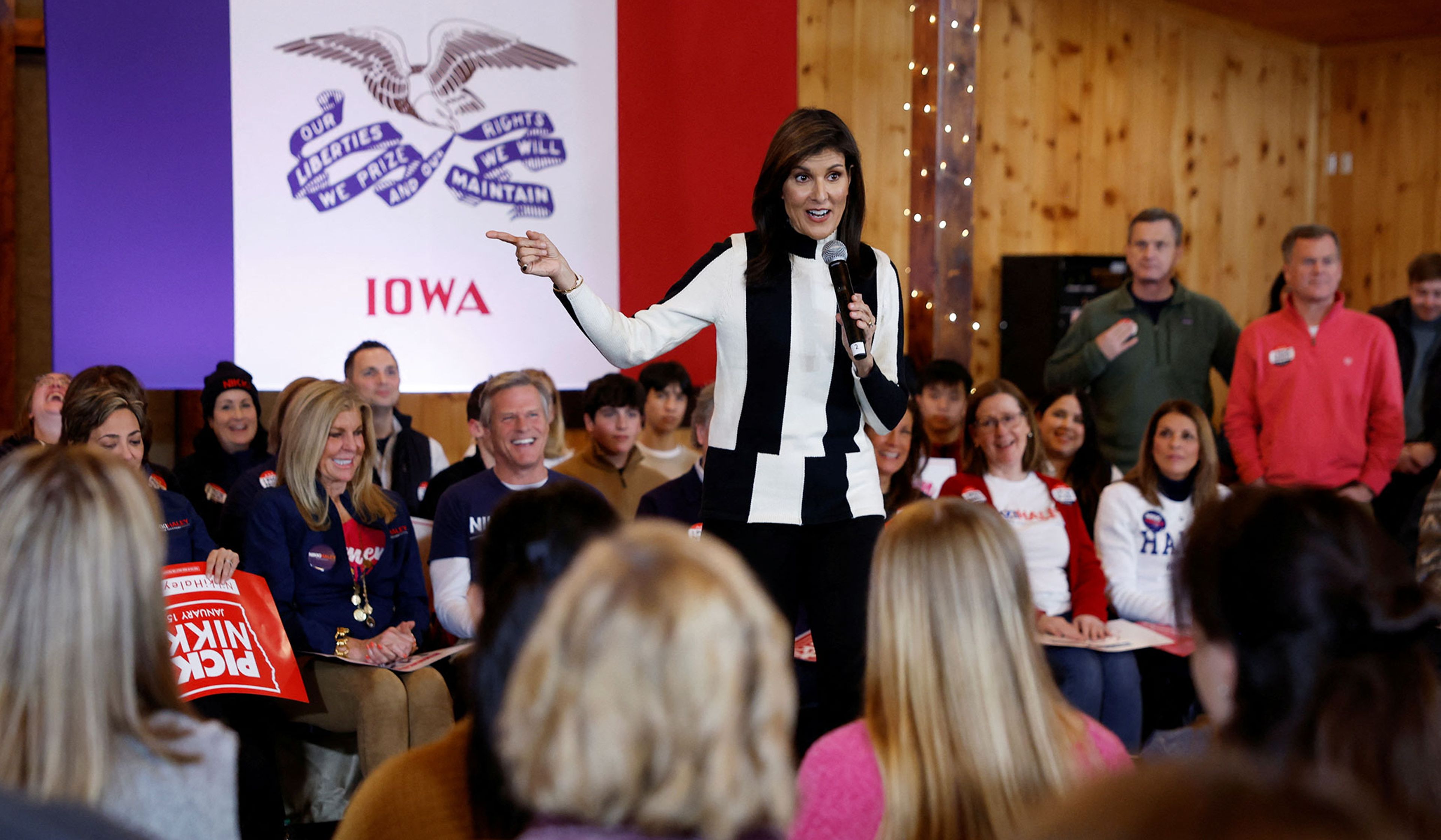
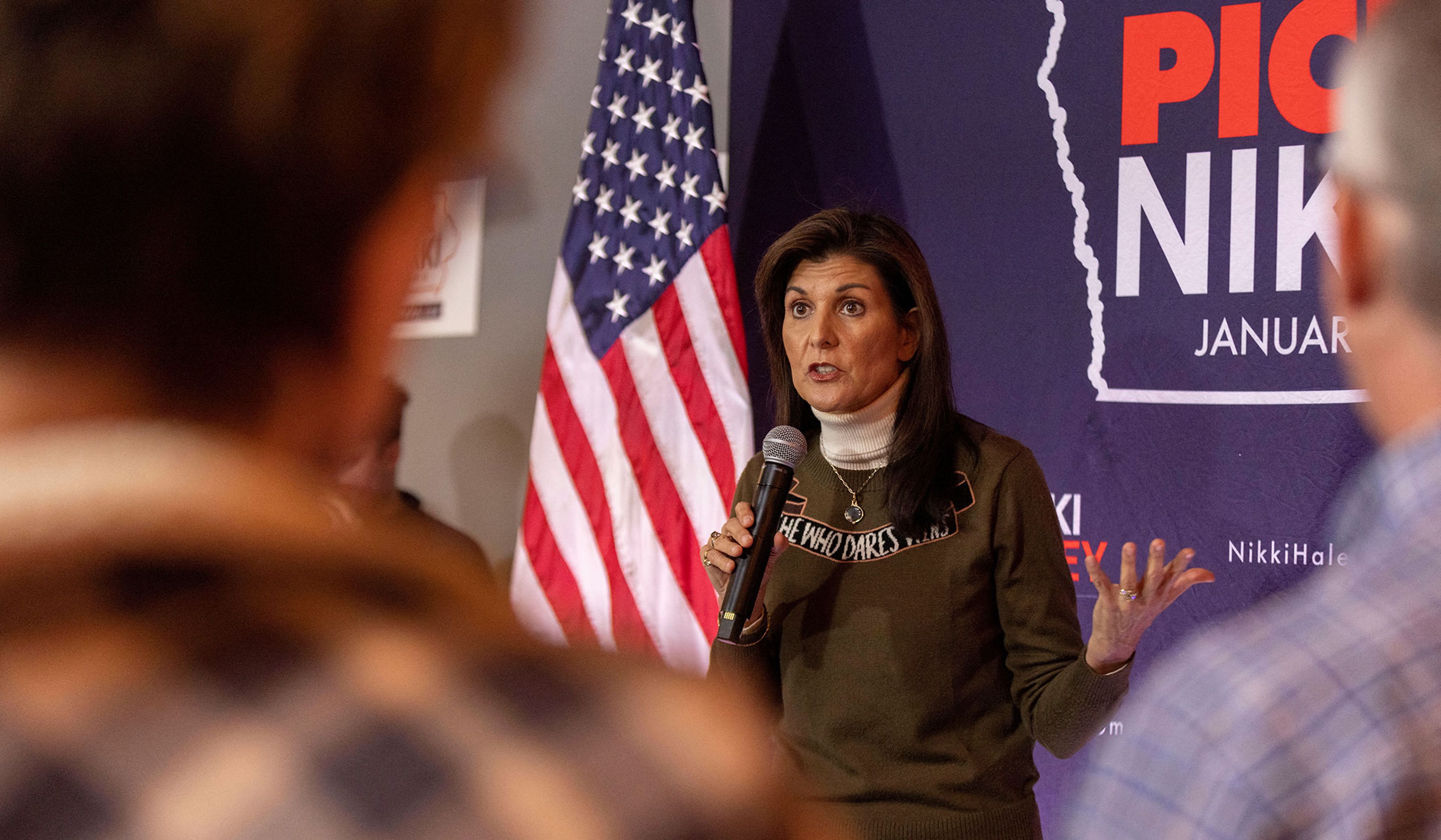
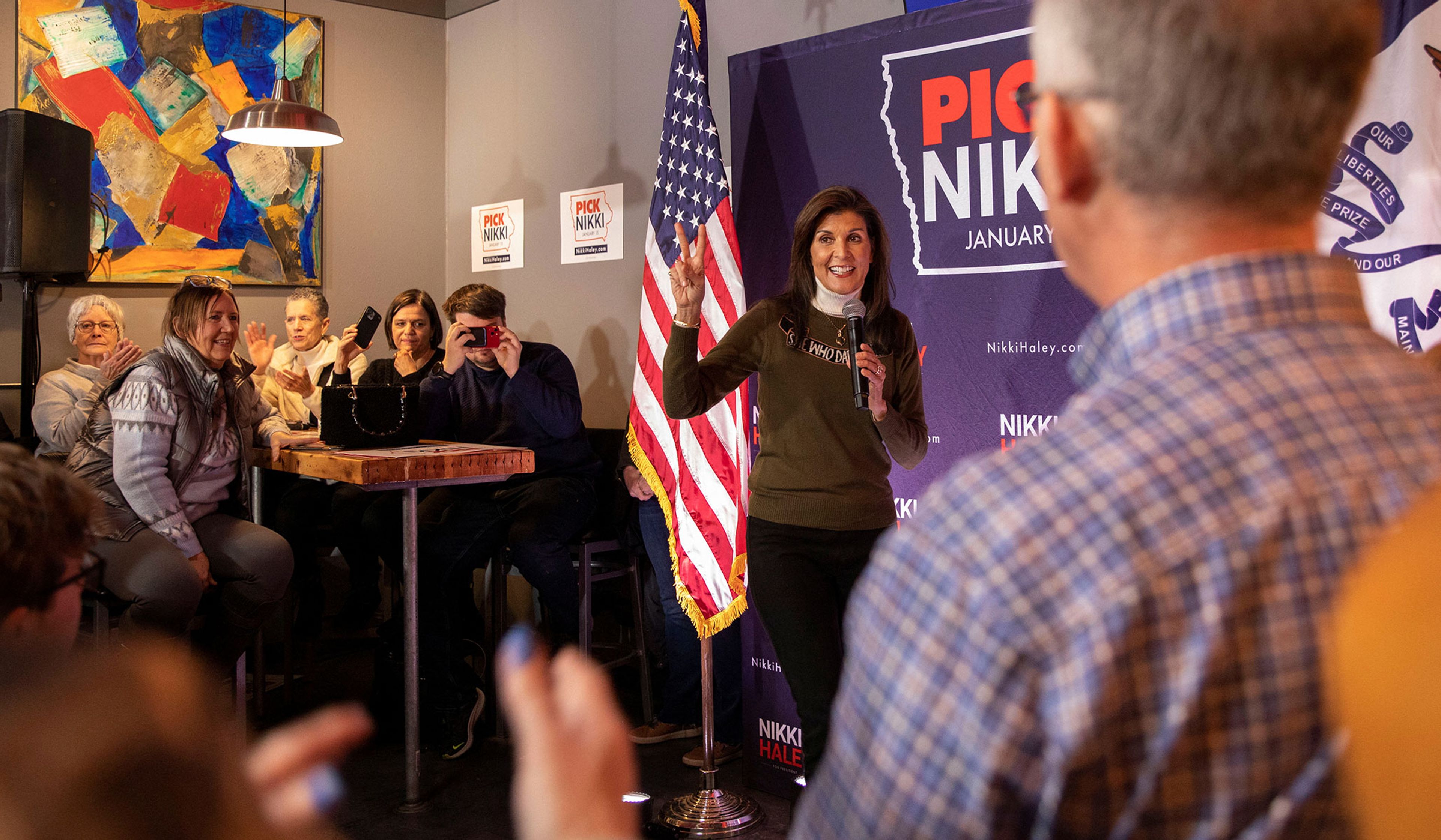
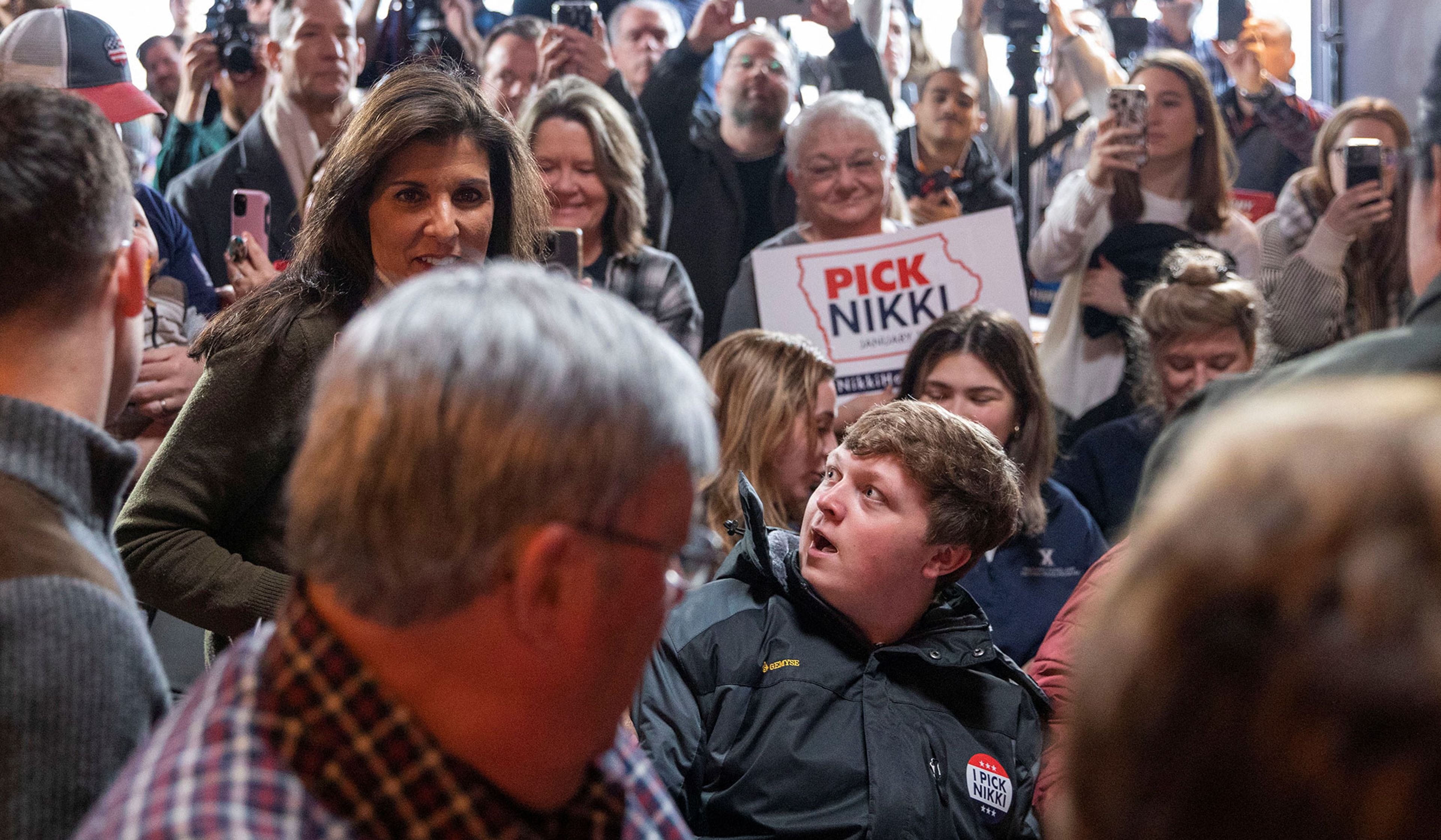
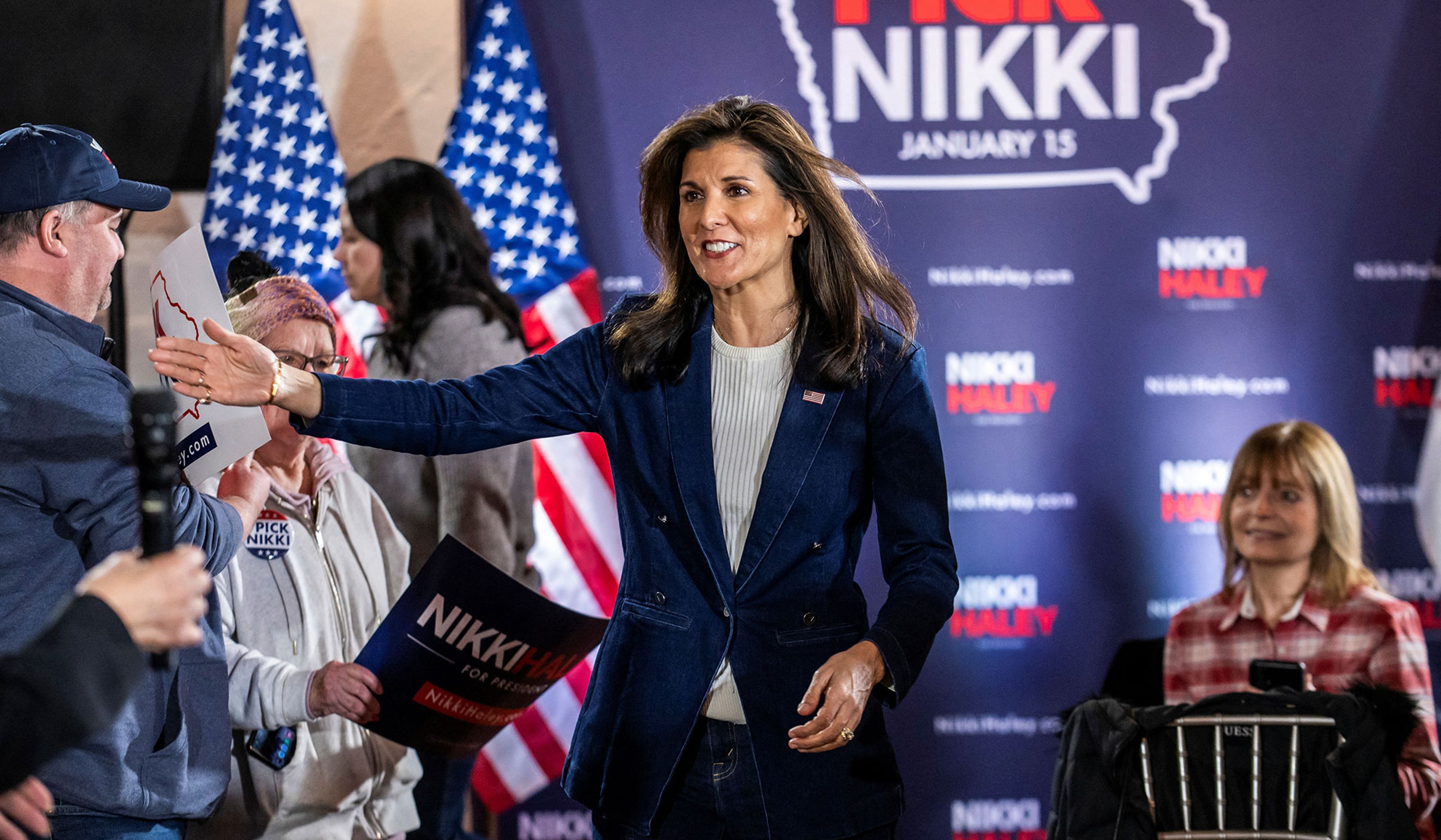
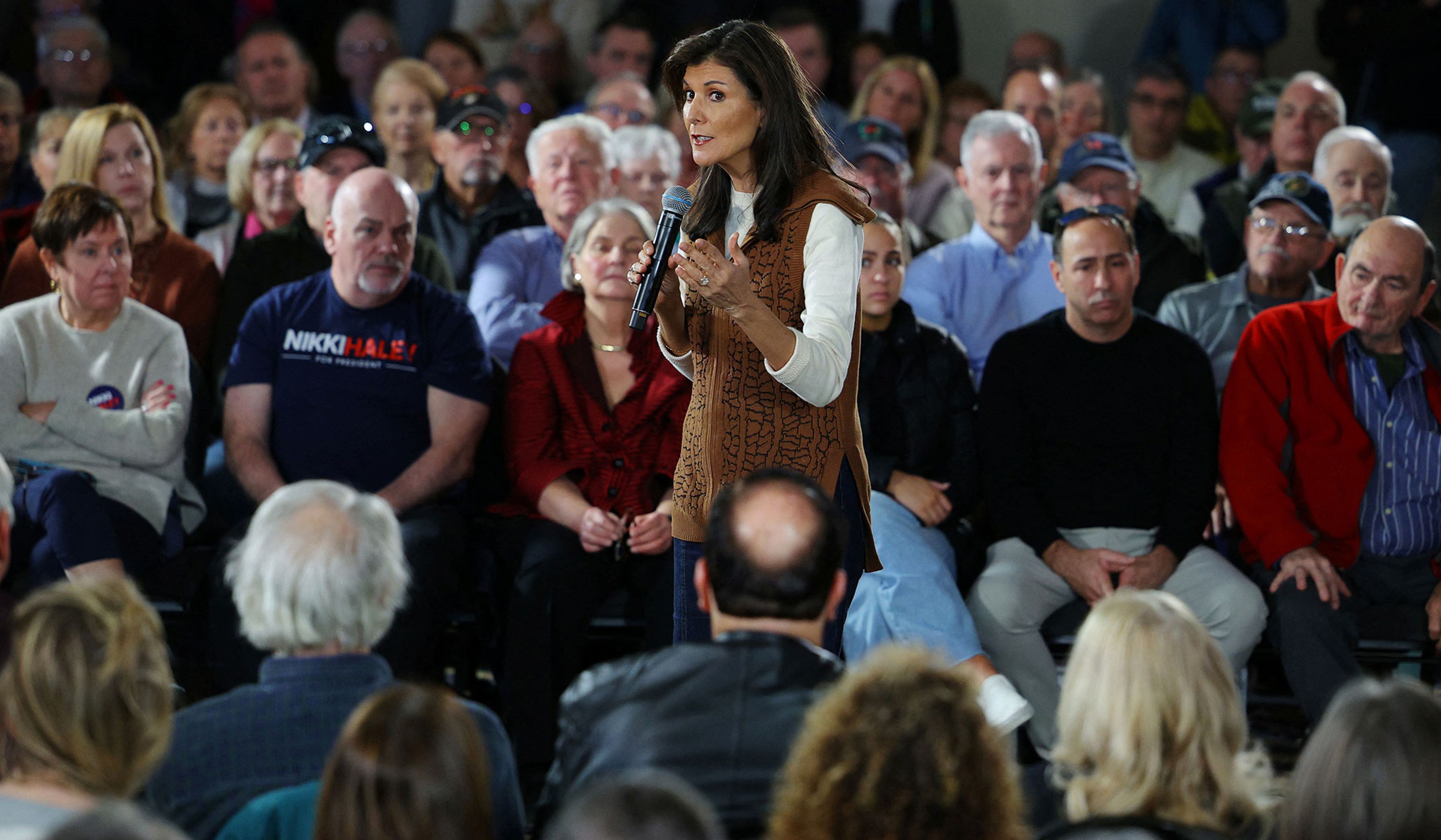
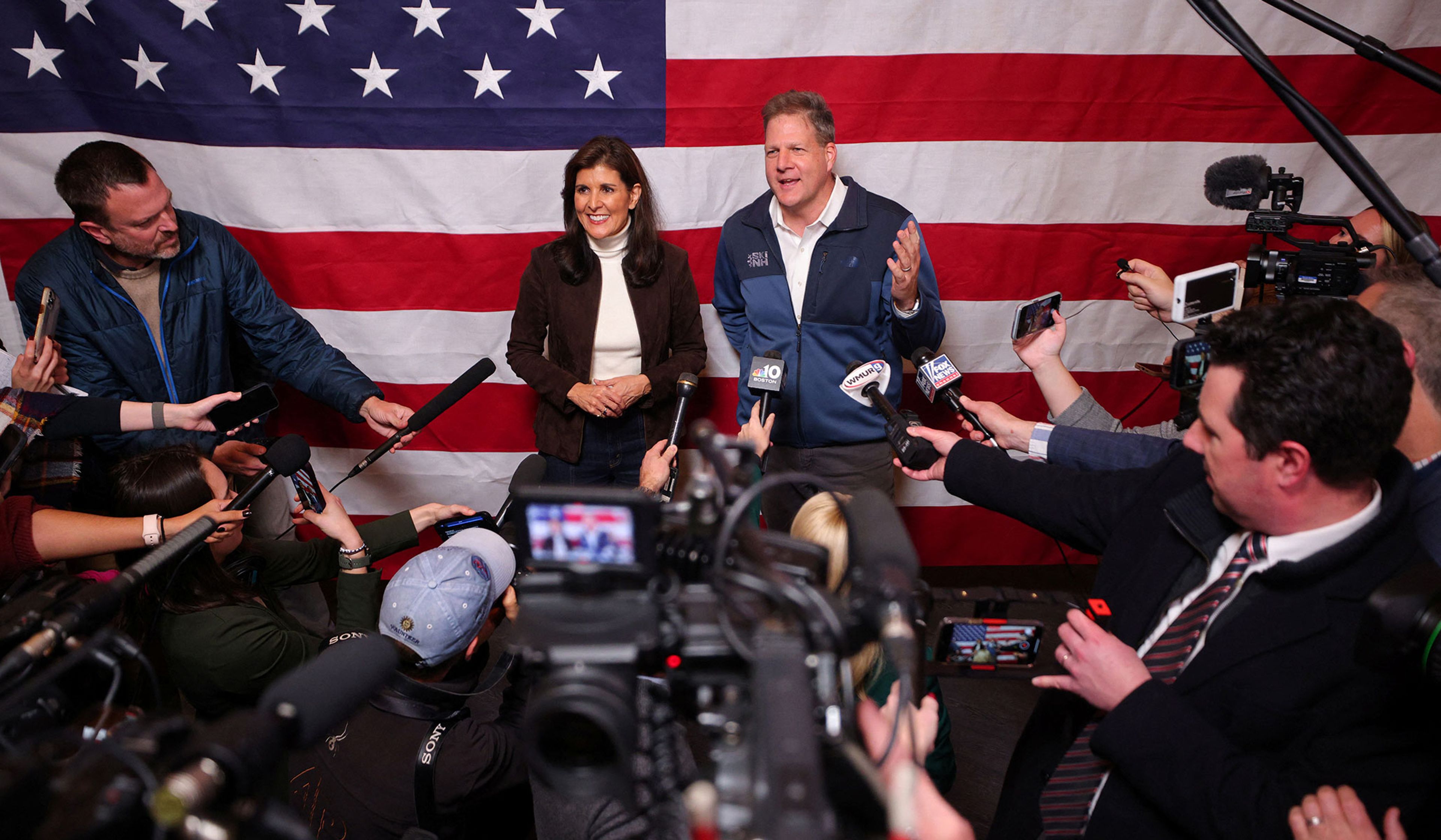
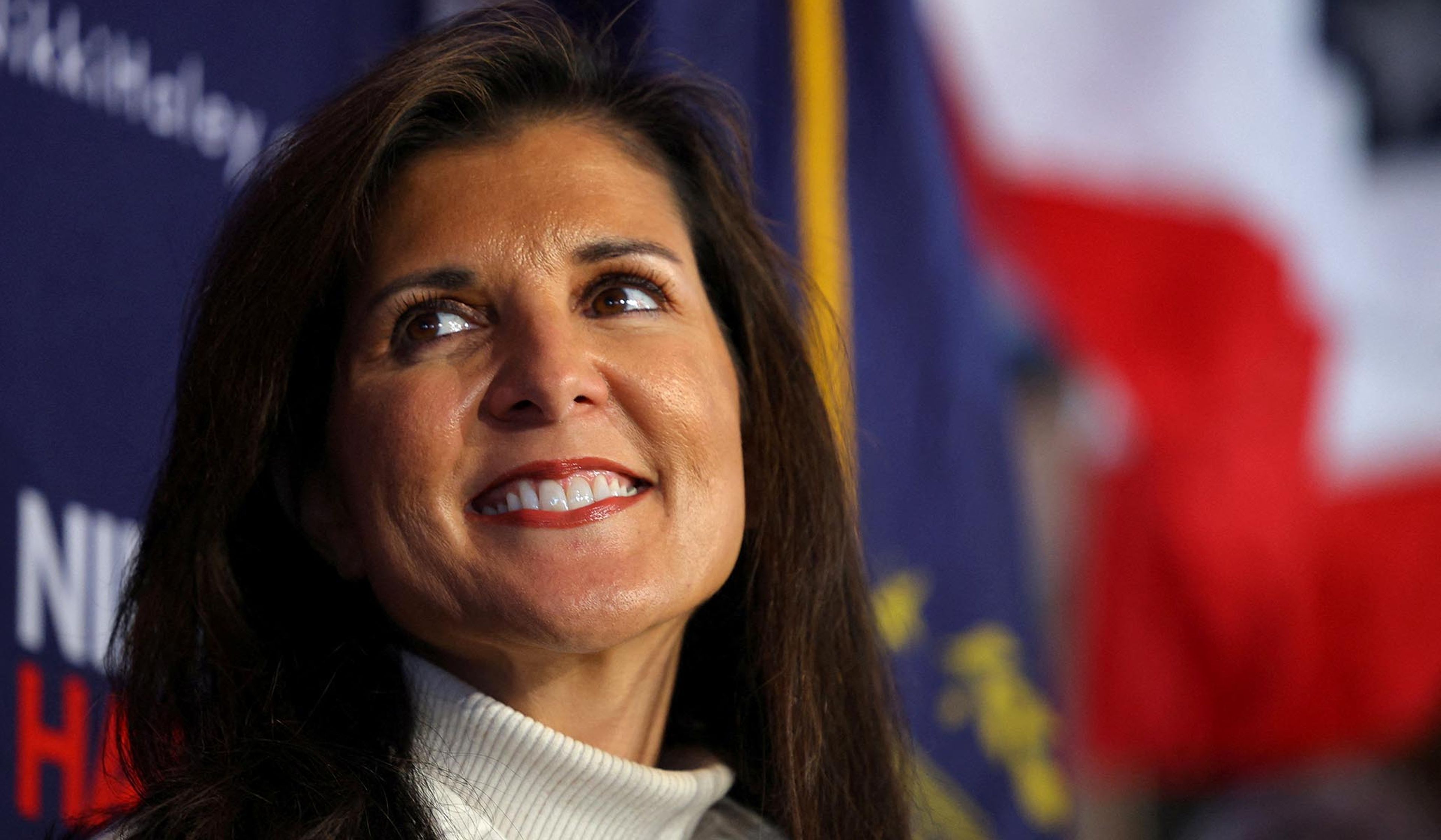
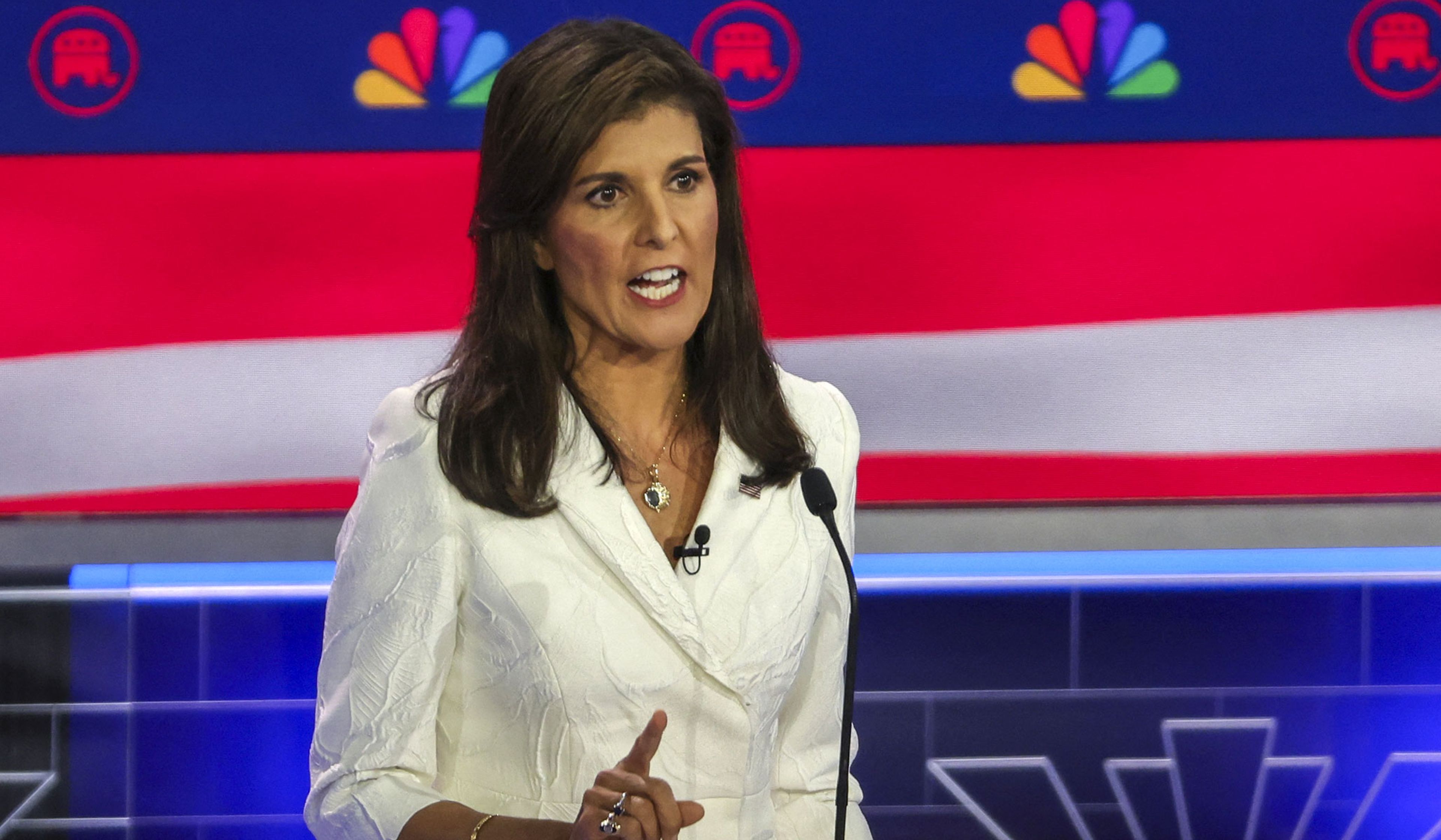
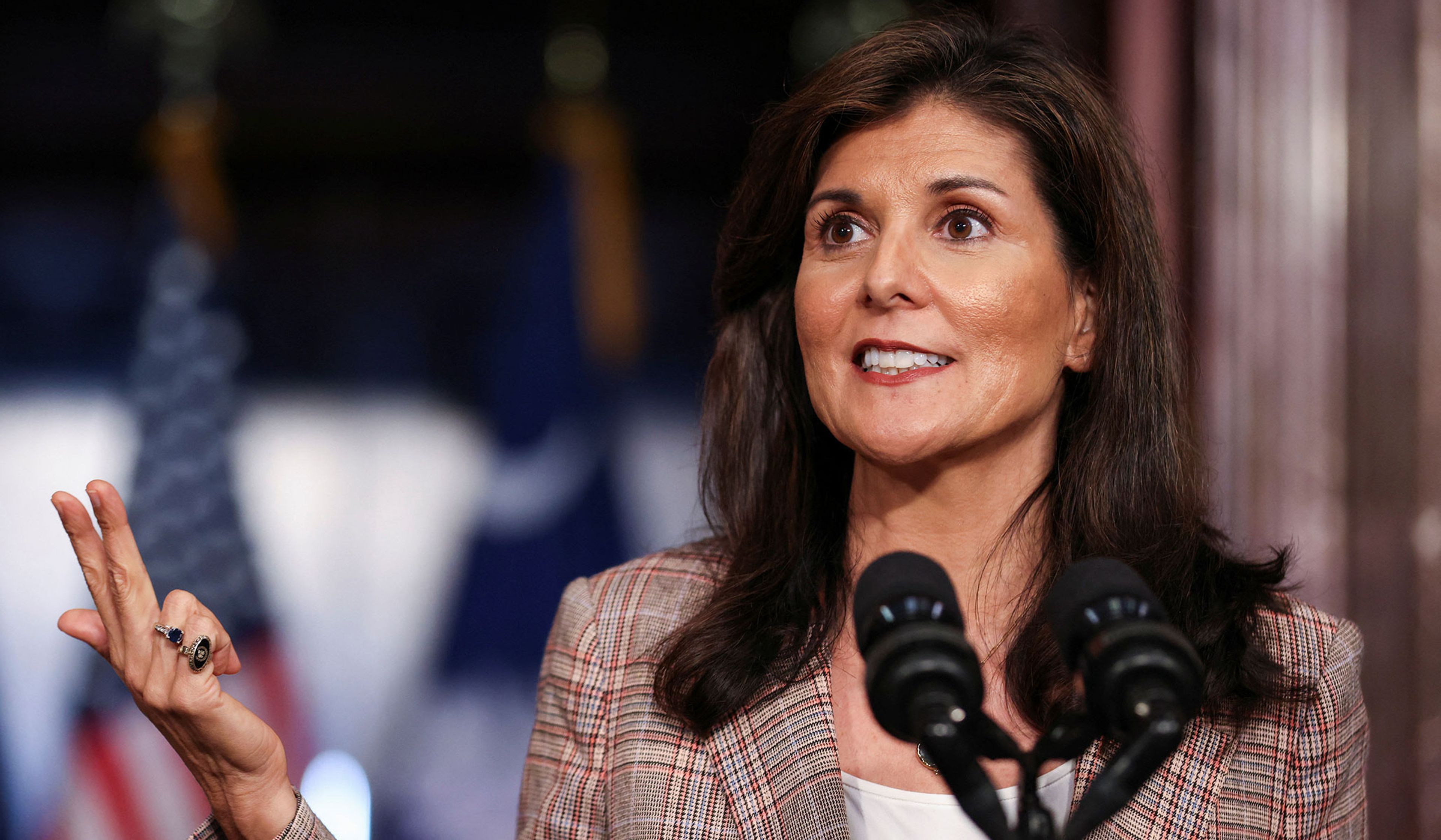
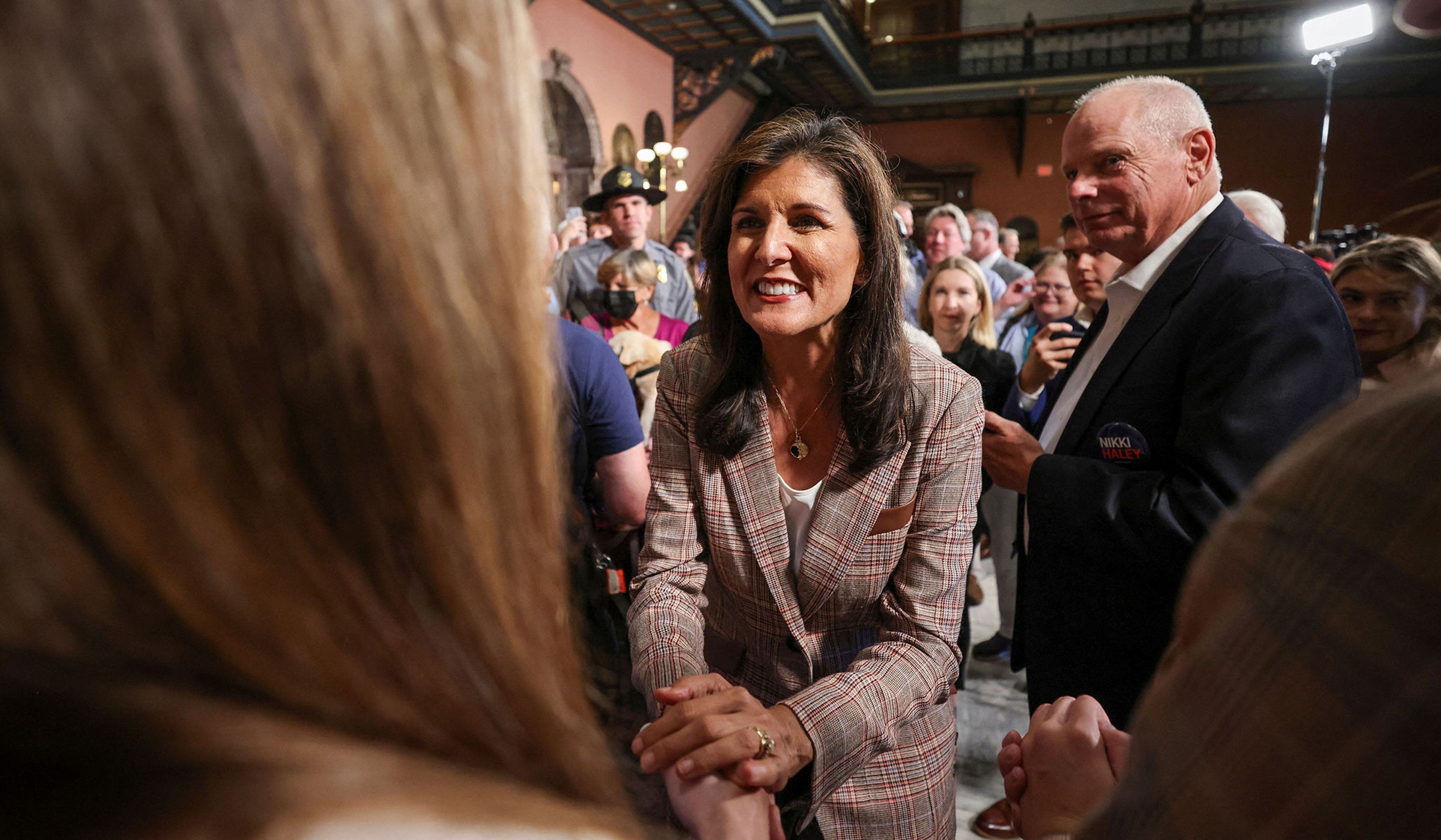
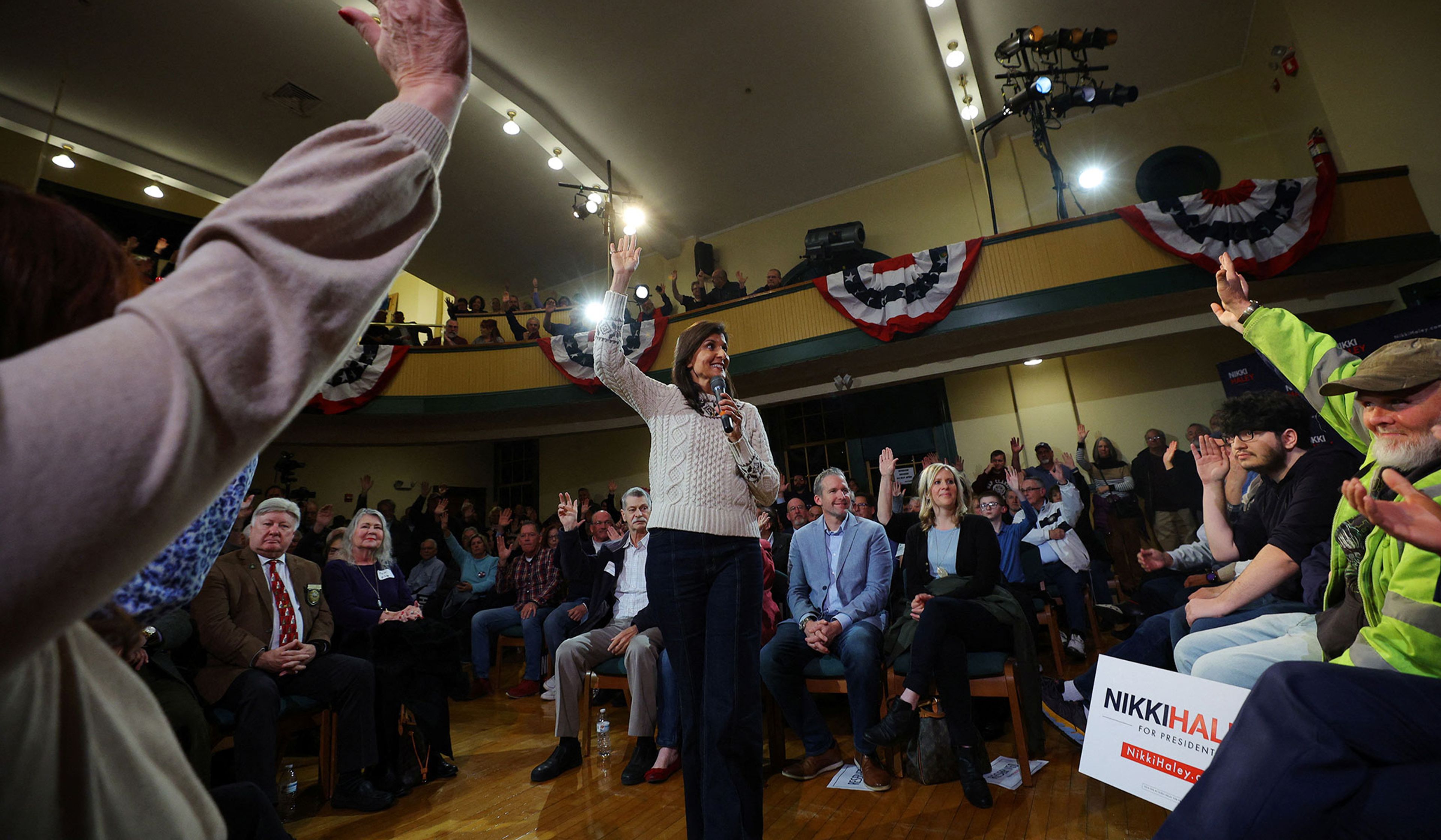
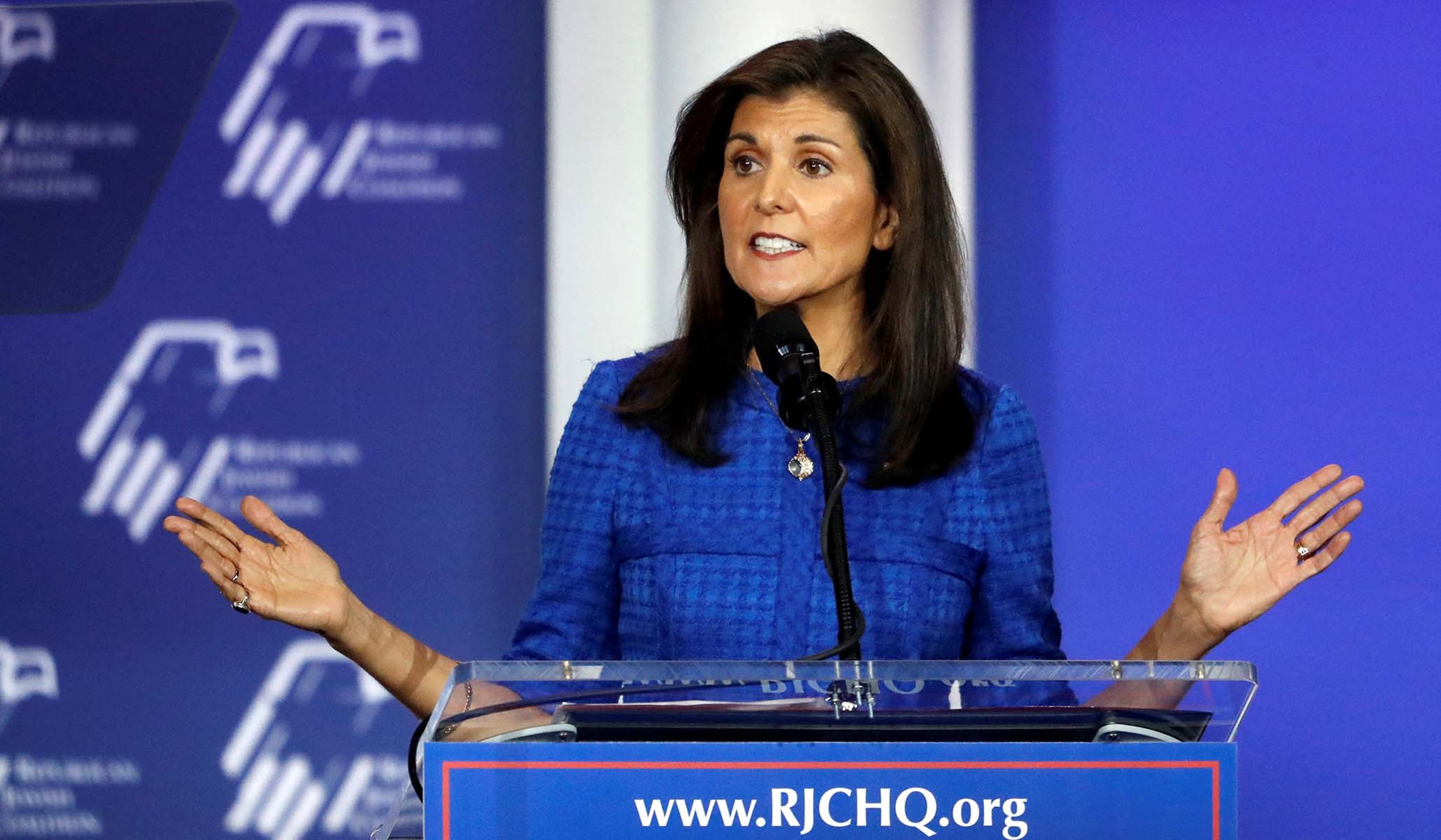
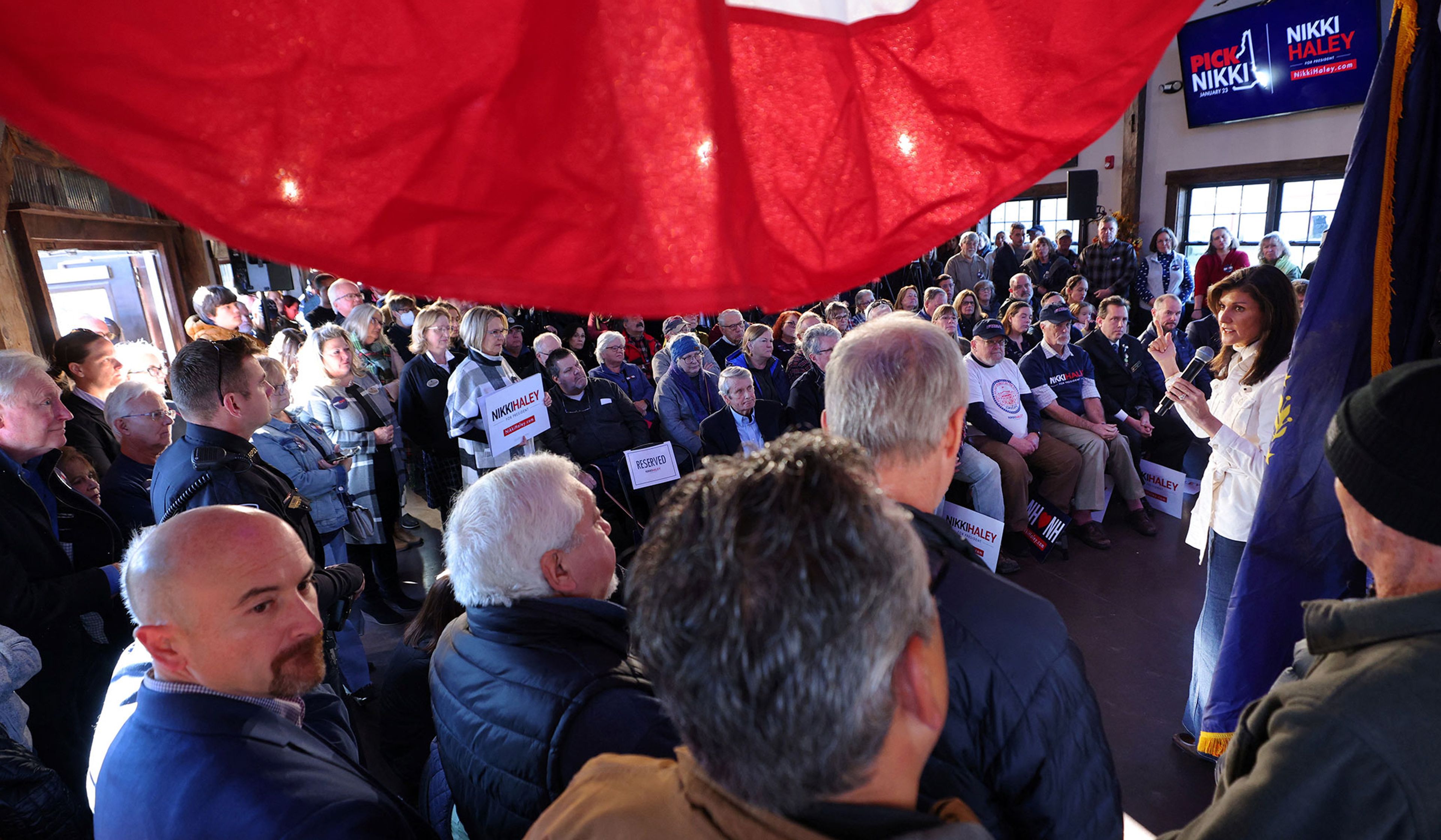
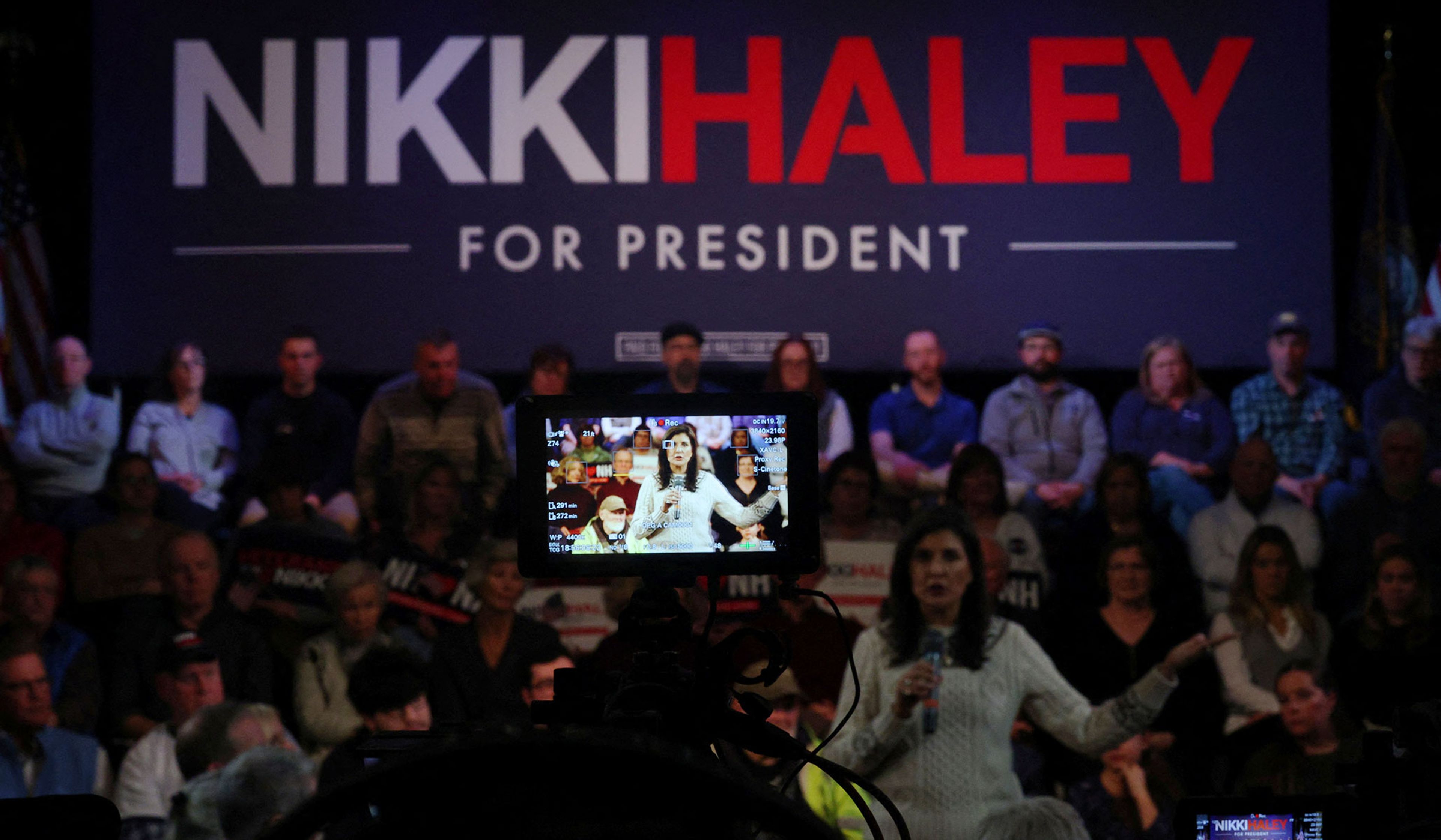
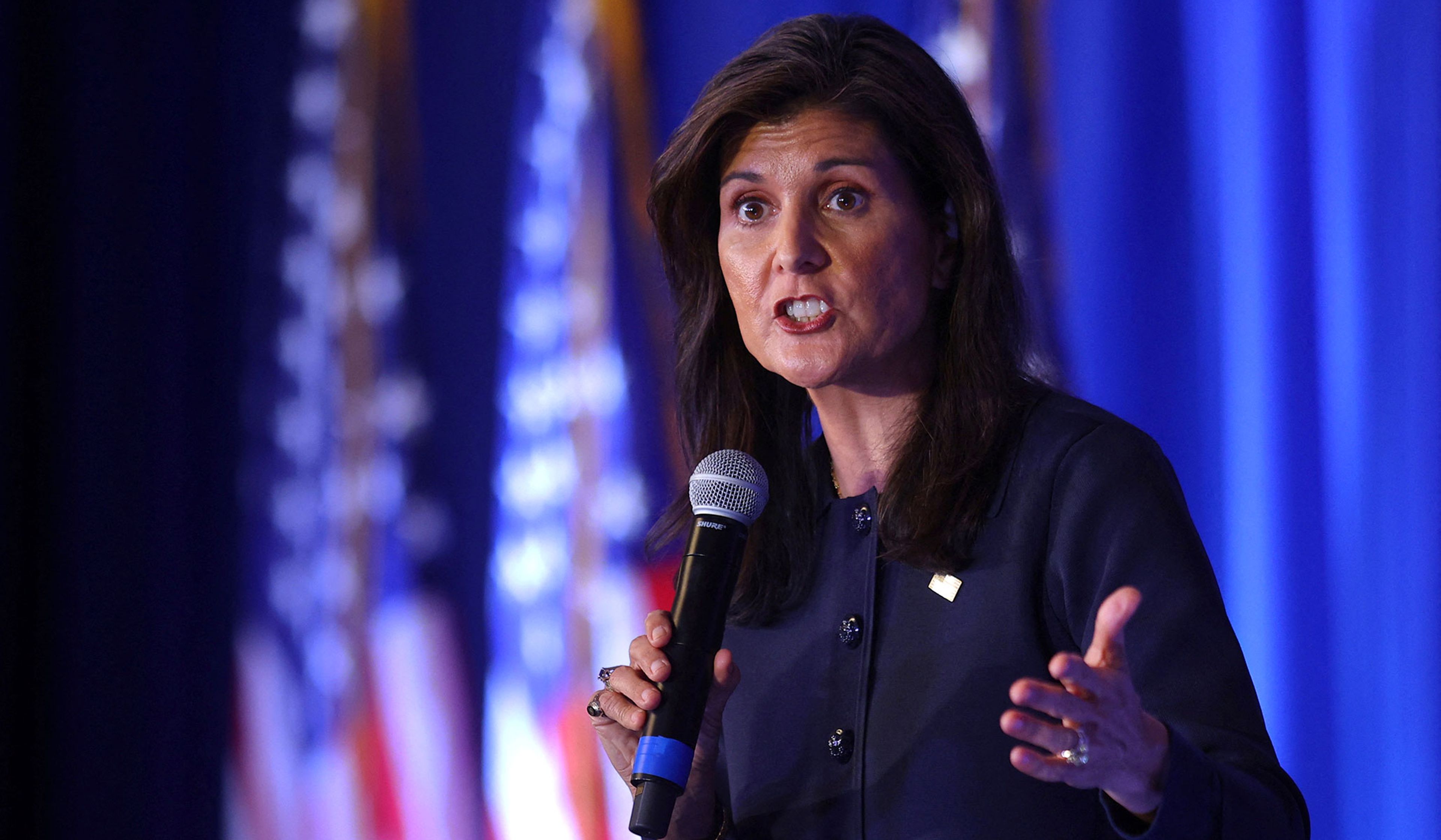
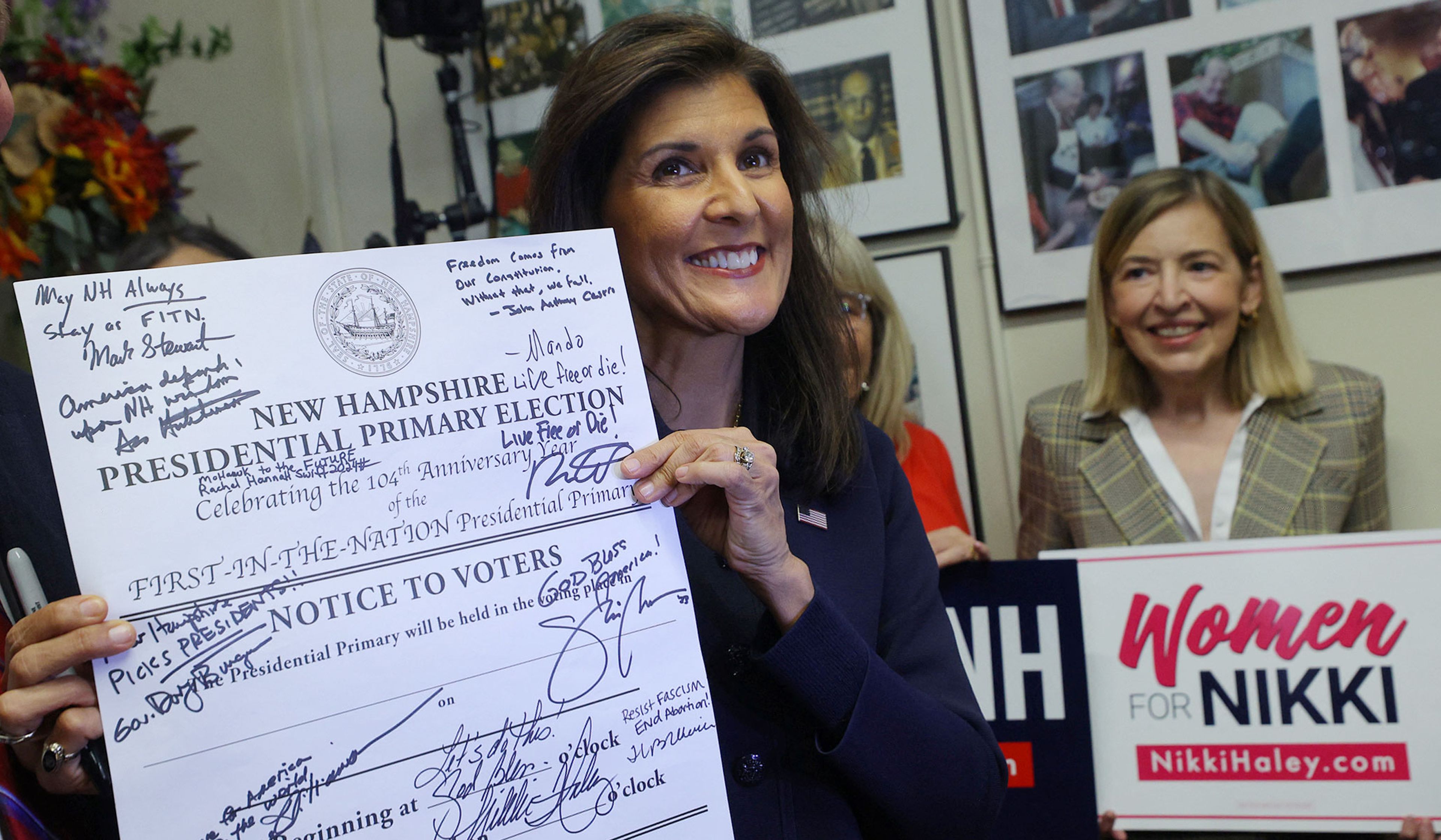
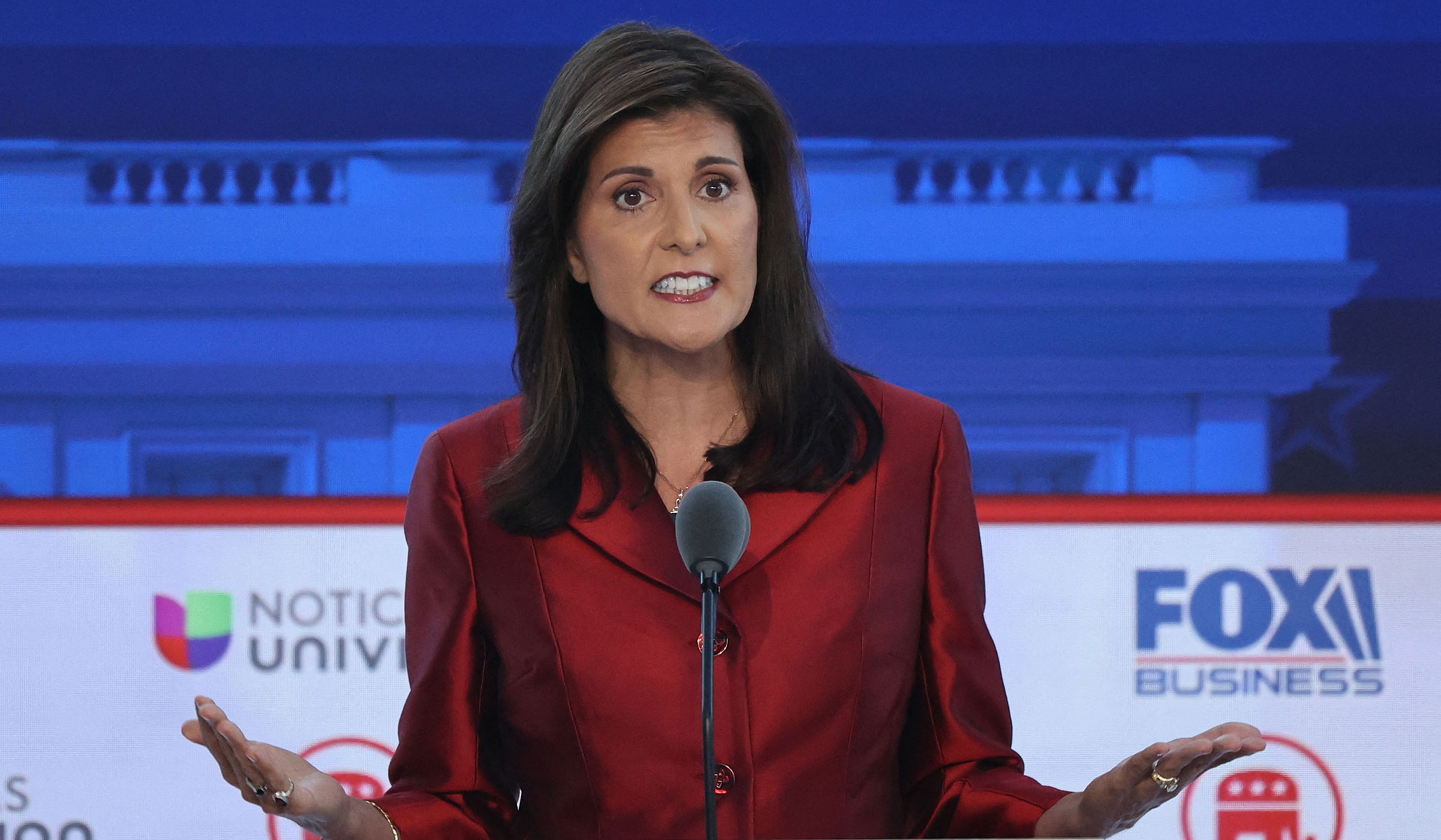
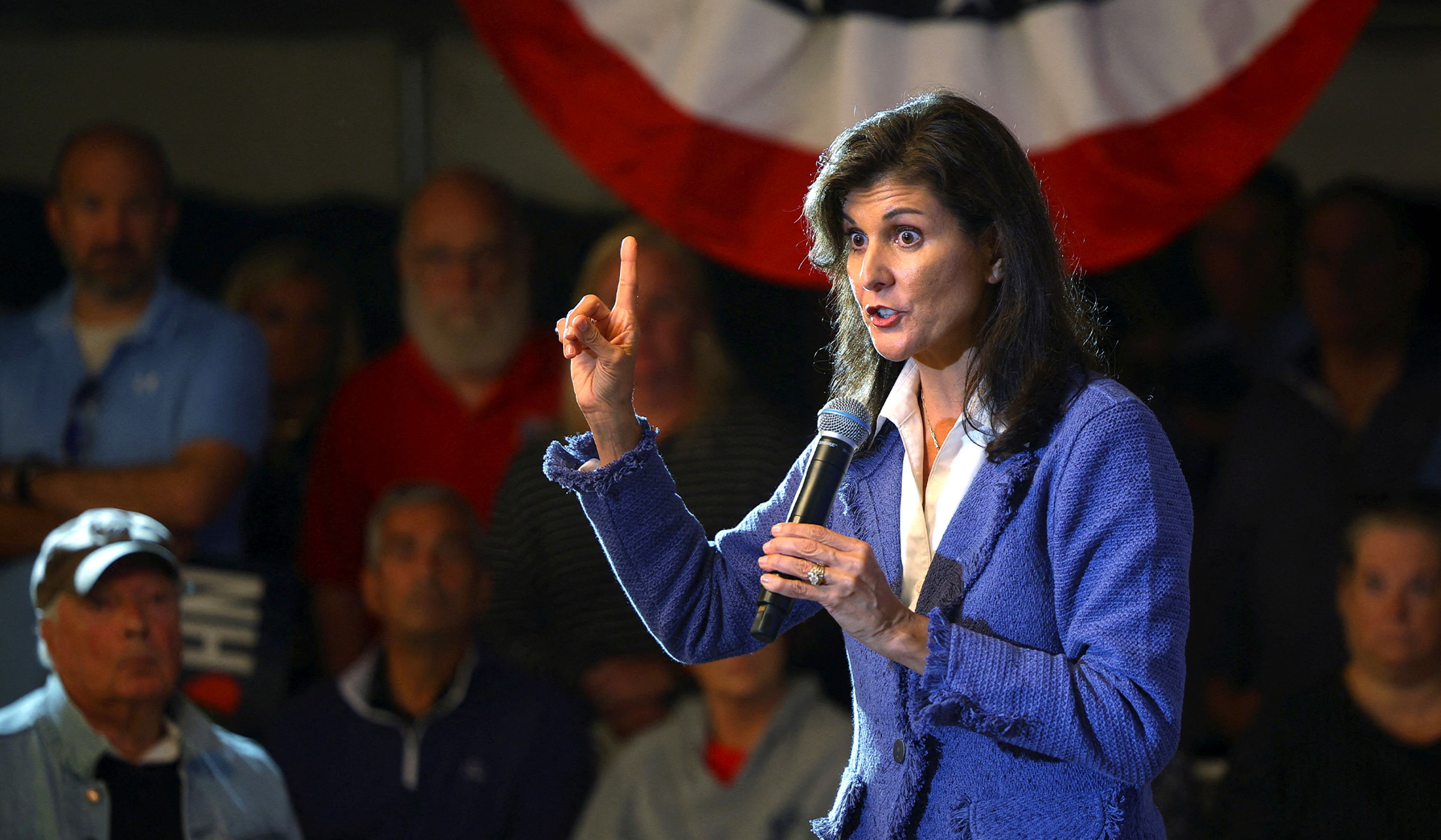
Nikki Haley speaks during a campaign visit ahead of the Republican presidential primary election at the Etherredge Center in Aiken, S.C., February 5, 2024.
Alyssa Pointer/Reuters
As a result, the New York Times has featured headlines such as “Nikki Haley Walks Treacherous Road for GOP Women.” Politico put the headline “Nikki Haley’s Woman Problem” over an article about the “maximal sexism in Republican politics” and ran a piece that greeted the announcement of her campaign with the observation that she “enters the fray, knowing Trump’s history mocking women.” At the Intercept, Judith Levine wrestled with exactly what Haley’s candidacy means for women and kept running up against her own partisan misogyny. The best compliment she managed was to call Haley a “21st-century Republican Hillary Clinton,” and she ended by declaring Haley a “wolf in women’s clothing.”
Haley doesn’t fit neatly into the categories often invoked by and for women on the right, either. Sarah Palin’s endorsement helped Haley win the South Carolina governor’s race in 2011, but their style of politics is different. Born in 1964, Palin represents the youngest of the Baby Boomers, and her public mien is like that of the cousin from out of town who gets drunk at your party, accidentally sets something on fire in the basement, and says, “Sorry, not sorry.” Haley is more like the younger sister in the family who puts the fire out. If she’s a Tea Party type, as she claimed to be while running for governor, hers is a weaker tea than the one many women on the right, such as Representatives Marjorie Taylor Greene and Lauren Boebert, are brewing.
Haley has chosen instead to cast herself as a fighter who happens to be a woman, someone thick-skinned yet self-aware. Many Gen Xers no doubt cheered (and probably also winced a little) when she used “Eye of the Tiger,” the combative song by Survivor, as the entrance music for her candidacy announcement. Her combination of toughness and humor has worked well on the campaign trail. When CNN anchor Don Lemon said that Haley, who is 51, “isn’t in her prime,” she did not play the victim but made a joke at Lemon’s expense and called out his sexism directly. A few weeks later, when he was fired by CNN, she gave campaign donors Koozies with the line “Past My Prime?” printed on them.
Her recent rise in the polls, owing to a series of strong debate performances, has highlighted these strengths. The delicious efficiency with which she has repeatedly dispatched Ramaswamy’s childish rants (during the second GOP-primary debate, for example, she said to him, “Every time I hear you, I feel a little dumber”), like a stern preschool teacher sending a difficult toddler to the naughty corner, has endeared her to many women of a certain age. But so have her tough talk about America’s enemies and her willingness to criticize other GOP contenders for their failure to say clearly what they would do about China, Russia, and Iran.
Haley’s remarks on her own experience as a woman in business and politics contain bits of various strains of feminist thought, but in her most recent book she criticized what she described as the hypocrisy of the modern feminist movement. Being a feminist shouldn’t mean playing the victim, she wrote in If You Want Something Done: Leadership Lessons from Bold Women. It’s about “working hard and proving you deserve to be in the room”; “women fought for so long to have the freedom to make their own decisions” and should resist being “boxed in by a woke mob.”
And therein lies a challenge for conservative women candidates such as Haley: That “woke mob” is dominated by young women. As my colleagues at the American Enterprise Institute’s Survey Center on American Life have documented, as of 2021, 44 percent of young women identify as liberal, compared with only 25 percent of young men, a discrepancy that will likely be reflected in future voting patterns. Women also dominate college campuses, as well as social-media platforms where left-leaning views are embraced and promoted (55 percent of all TikTok users are young women). No wonder that many of the despicable people tearing down posters of Israeli and American citizens abducted by Hamas on October 7 are young women, many of whom seem immune to shame for their noxious behavior. To judge by that behavior, self-identified progressive Gen Z women view the world through the simplistic lens of oppressor and oppressed and believe the pursuit of social justice excuses a great many unjust tactics — such as bullying, censorship, and performative protests that often descend into threats and outright violence.
Haley is a grown-up with decades of leadership experience; they are emboldened baby Bolsheviks whose understanding of feminism can be summarized in a meme. It remains to be seen whether the tough but nuanced version of female leadership that Haley is selling will find any buyers among this younger generation. But even if Haley fails in her endeavor to take out Donald Trump and claim the Republican nomination, she will have offered a new and more promising model of Republican political leadership — high heels and all.











Comments