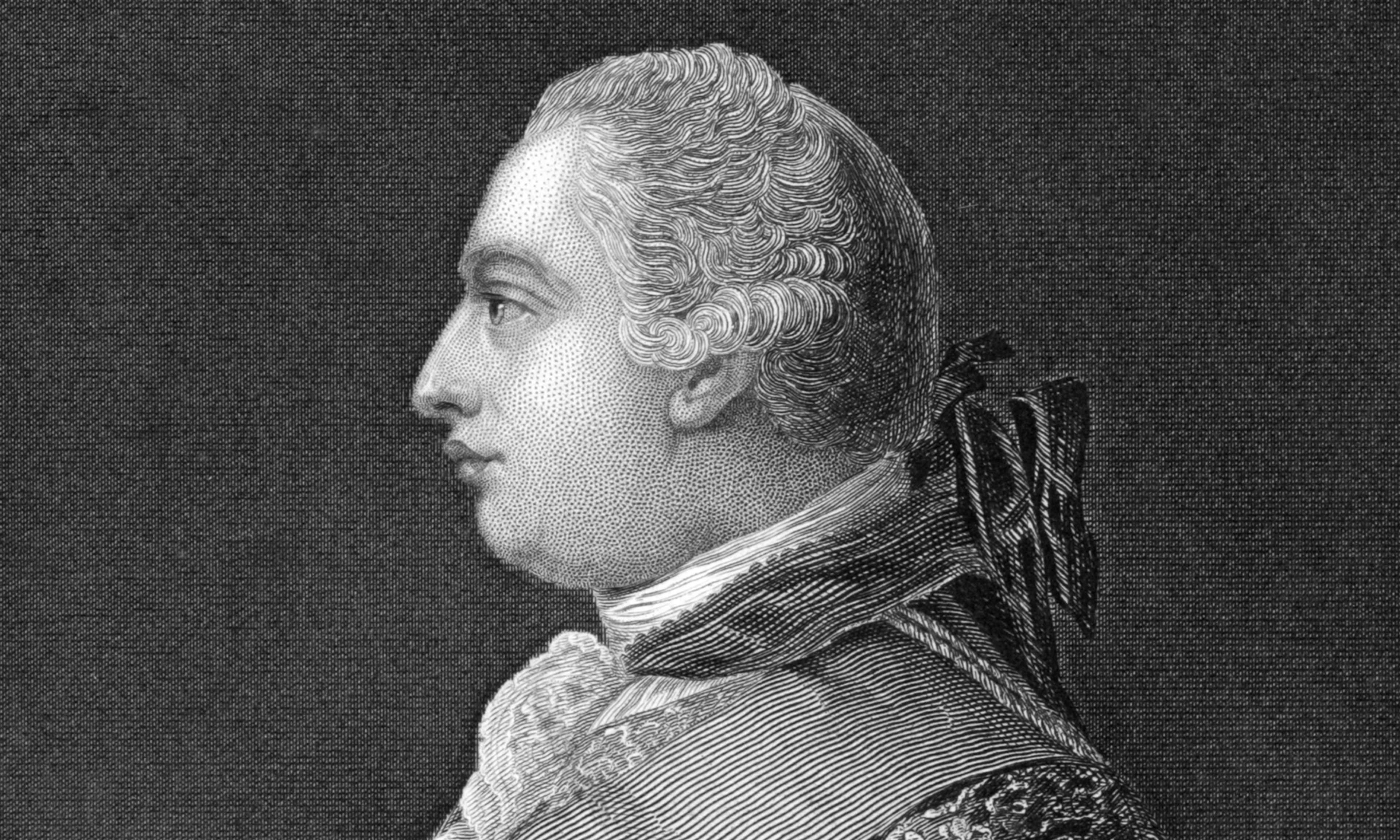
The Declaration of Independence is an odd document. Or, as Andrew Roberts more pointedly puts it in his important new biography of George III, the Declaration “is simultaneously grotesquely hypocritical, illogical, mendacious and sublime.” The first paragraph took the then-unusual step of declaring the 13 British North American colonies’ independence. The second paragraph perorated on the divinely endowed “unalienable Rights” of all peoples. The rest enumerated the British king’s abuses. Most non-Americans prized the first paragraph — the Declaration quickly became the model for others around the world who wished to declare their own independence. Most Americans have valorized the Declaration’s second paragraph. “I have often inquired of myself, what great principle or idea it was that kept this [nation] so long together,” Abraham Lincoln observed. “It was not the mere matter of the separation of the colonies from the motherland; but that sentiment in the Declaration of Independence which gave liberty, not alone to the people of this country, but, I hope, to the world, for all future time.”
But what about the rest of the Declaration, much the largest chunk and the one that actually justified independence? Most either ignore it or accept as writ the long list of “facts . . . submitted to a candid world,” which its authors thought demonstrated that “the history of the present King of Great Britain is a history of repeated injustices and usurpations, all having in direct object the establishment of an absolute Tyranny over these States.” The charges against George III ranged from sending “hither swarms of officers to harass our people, and eat out their substance,” to having “plundered our seas, ravaged our coasts, burnt our towns, and destroyed the lives of our people.” The Declaration meant to establish incontrovertibly that George III was a “tyrant . . . unfit to be the ruler of a free people” and that his tyranny justified American independence. Andrew Roberts will have none of it. Only two of the 28 charges against the king had any merit, he insists, and the king was no tyrant.
Roberts is British, a Tory, and a very fine historian, one favorably disposed to the United States but not hung up on elite American preoccupations. In defending George III, Roberts pushes back against more than two centuries of Whig obloquy. From the time George ascended the throne in 1760, Whigs resented him for rehabilitating the Tories, who had spent 46 years in the political wilderness. Ever since, a Whig historiographical tradition that included Winston Churchill has cast George as “a heartless, absolute sovereign.”
Like most of Roberts’s previous books, The Last American King is a doorstop, at once exhaustively researched and written in accessible, non-jargony prose. Meticulous and forensic, it sometimes reads like a defense counsel’s case for his client. Roberts grounds his freshest insights on the 200,000-plus pages’ worth of Hanoverian manuscripts from the Windsor archives, which Elizabeth II recently authorized to be digitized and published. It is not perhaps always self-evident why the case needs to be made, given that there has also been a long Tory historiographical tradition that has not aspersed George III. Roberts’s defense of George III, though, is the fullest, the clearest, and likely to be the most definitive. It also offers a tantalizing vision of what might have been had the British North American colonists not declared their independence.
Roberts is at his most convincing in showing that George was a not-unenlightened king. George III was England’s third Hanoverian monarch. The family had come to the English throne in 1714 not because they had any solid blood claim to rule England but because they were Protestants who would uphold the Glorious Revolution’s settlement in church and state. The Hanoverian kings and their heirs mostly hated one another, and this was no less true of George III, save that he loathed his grandfather, George II, rather than his father, Frederick, who died in 1751. It is not hard to see why George might have detested his grandfather, who intentionally slow-rolled Frederick’s burial and had his disemboweled, unsewn, unembalmed body placed beneath young George’s apartments. What loving son would not have seethed at being “subjected to the stench of his father’s rotting corpse thanks to his grandfather’s neglect”? George III took from Frederick a lasting disdain for political factionalism and an admiration for the principles of Bolingbroke’s The Idea of a Patriot King. As his boyhood essays showed, he also valued constitutionalism, preferred a “blue water” international policy, and strongly opposed the institution of slavery. These were just some of the ideological commitments of what Roberts characterizes as “a civilized, good-natured, Christian and enlightened monarch who worked entirely through the Cabinet and Parliament, and was subject to moral and ethical restraints as well as a desire to be a good Patriot King to all his subjects.” His enlightenment, though, did not extend to emancipating Catholics from civil disabilities, a reform he implacably opposed.
If Roberts persuasively illustrates George III’s enlightened qualities, he is perhaps less convincing in demonstrating that George III was a different kind of political animal or even that it would have mattered for Britain had he been cut from different cloth. In politics he was always ultimately a follower, not a leader. Given the revolutionary settlement after 1689, which ratified Parliament’s sovereignty, it would have been hard for it to have been otherwise. Eighteenth-century British politics was dominated by the jostling for ministerial power in which the monarch’s preference could be dispositive but was rarely determinative. “The torrent is too strong to be resisted: Your Majesty is well apprized that, in this country, the prince on the Throne, cannot, with prudence, oppose the deliberate resolution of the House of Commons,” Lord North, George’s favorite prime minister, counseled him in 1782. “Your Majesty having persevered, as long as possible, in what you thought right, can lose no honour if you yield at length.” Such had been the case at least since 1714.
Two crises defined George’s long reign: the deteriorating American situation and the French Revolution. Roberts spends well over half of the book charting the crack-up of Britain’s North American empire. While it is abundantly clear that the American colonists unfairly charged George III with tyranny, it is equally clear that Britain’s North American policy depended on the vicissitudes of parliamentary politics, not on George’s own strategic vision or policy preferences. At every stage of the American crisis, he followed what most MPs wanted. That he was for fighting to keep the American colonies within the empire was predictable. What else would he have been expected to do? And certainly it is admirable that he did not want “to fight the kind of scorched-earth campaign that every other contemporary despotic power would have fought” to keep the American colonies. But had Parliament itself wanted to fight such a war, could he have stopped it? Almost certainly not. Nonetheless, when the Americans won the war, George was gracious when welcoming the new ambassador, John Adams: “I was the last to consent to the separation; but the separation having been made, and having become inevitable, I have always said, and I say now, that I would be the first to meet the friendship of the United States as an independent power.”
Towards the French revolutionaries, he was less emollient. Probably his greatest contribution to the effort to defeat them was to back the ministry of William Pitt the Younger, who became prime minister when only 24 years old. Pitt did not live to see the French revolutionary wars’ end. George, for his part, lapsed into permanent madness in 1810, a madness likely the result of manic depression, not porphyria. When he died in 1820, the nation mourned his passing, with over 30,000 people paying him their respects. “Patriot King was what his father had urged him to be,” Roberts concludes, “and what all his life he had considered himself to be, glorying in the name of Briton.”
George III’s passing may have been lamented, but, unlike Napoleon or Churchill, subjects of earlier Roberts biographies, he had not shaped his age. During his 60-year reign, though, Britain had transformed from a second-tier European power into what Sellar and Yeatman jokingly dubbed “top Nation.” While he does not belabor the point, Andrew Roberts reckons that it would have done the world good had the 18th-century British empire remained intact. As he puts it, “a world in which the American Revolution never took place could have been one in which a united British-American global empire would have been far too powerful for Kaiser Wilhelm II to threaten war in 1914, so no Bolshevik Revolution, no Adolf Hitler, no Cold War.” Moreover, the mid-19th-century bloodshed in North America might have been averted, since “British and Canadian Liberals joining with Northern abolitionists might have voted to abolish slavery in the 1830s or 1840s, sparing the United States its Civil War.” Even France might have benefited, as it would have been spared occupation in two 20th-century world wars. George III’s life had a tragic ending, as an educated, decent, enlightened king slipped into a state in which he routinely referred to himself as “the late King.” On Andrew Roberts’s telling, the fate of Britain’s North American empire also had a tragic ending, one whose consequences were unintended but nonetheless disastrous.
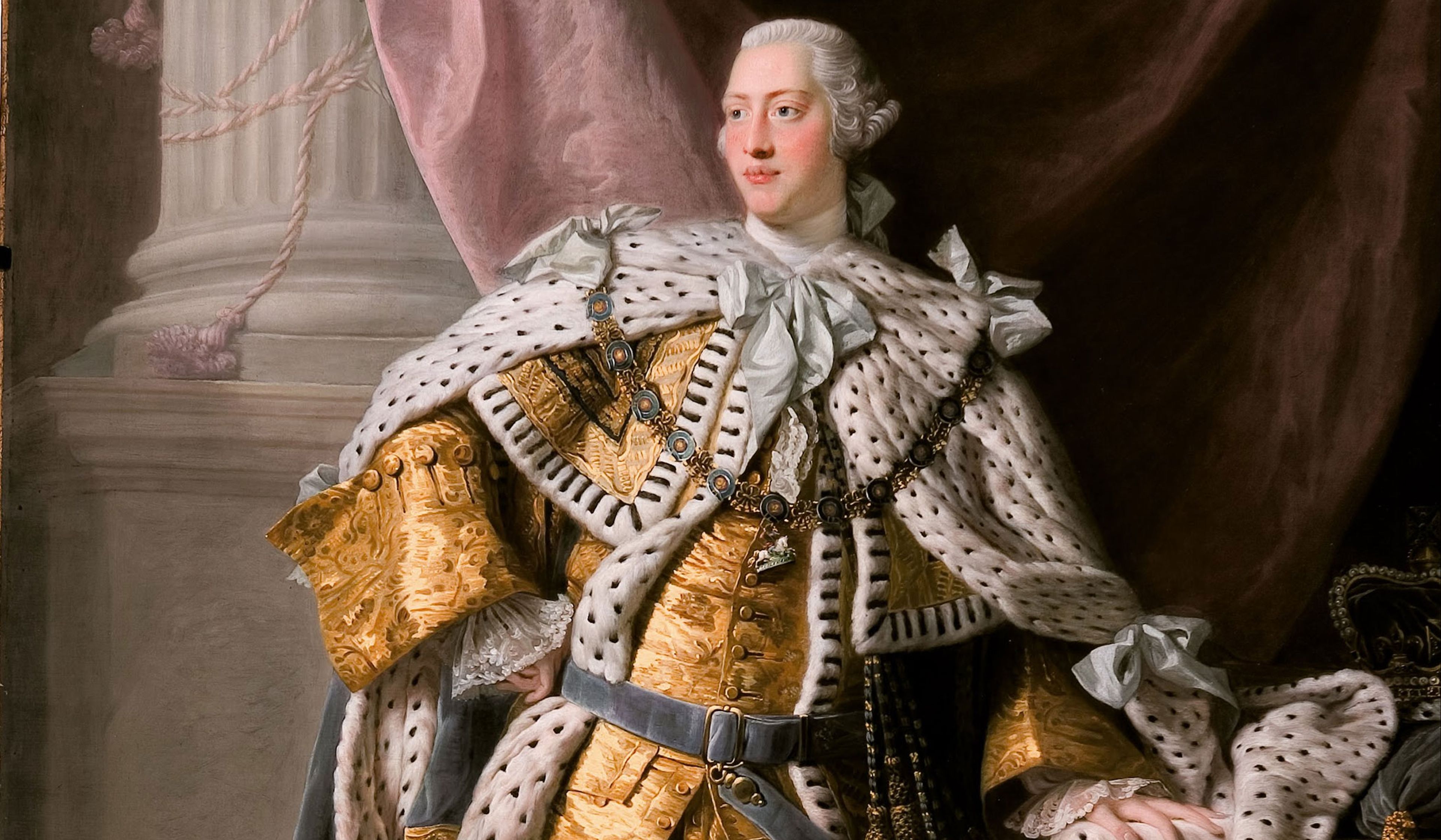
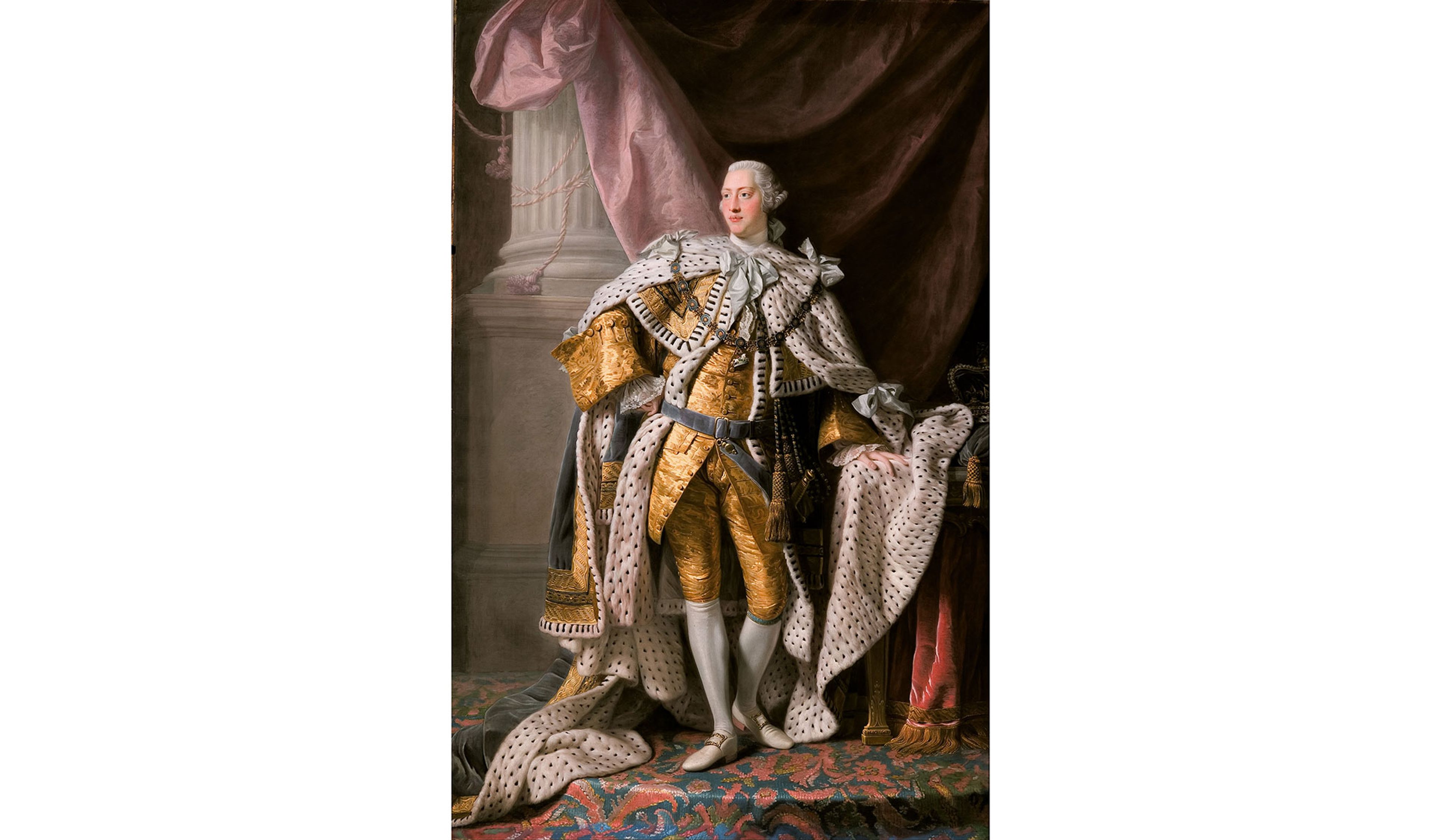
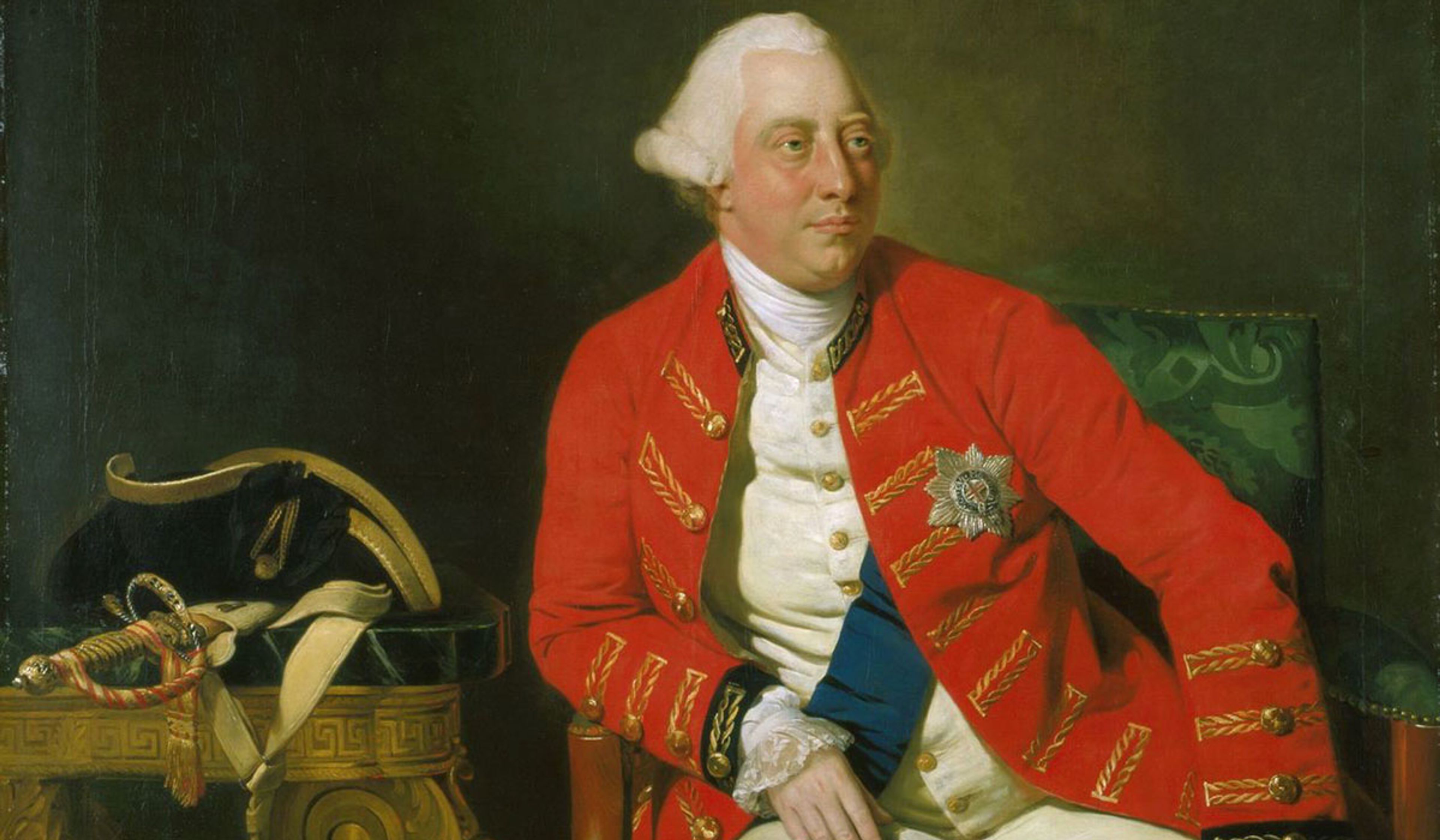
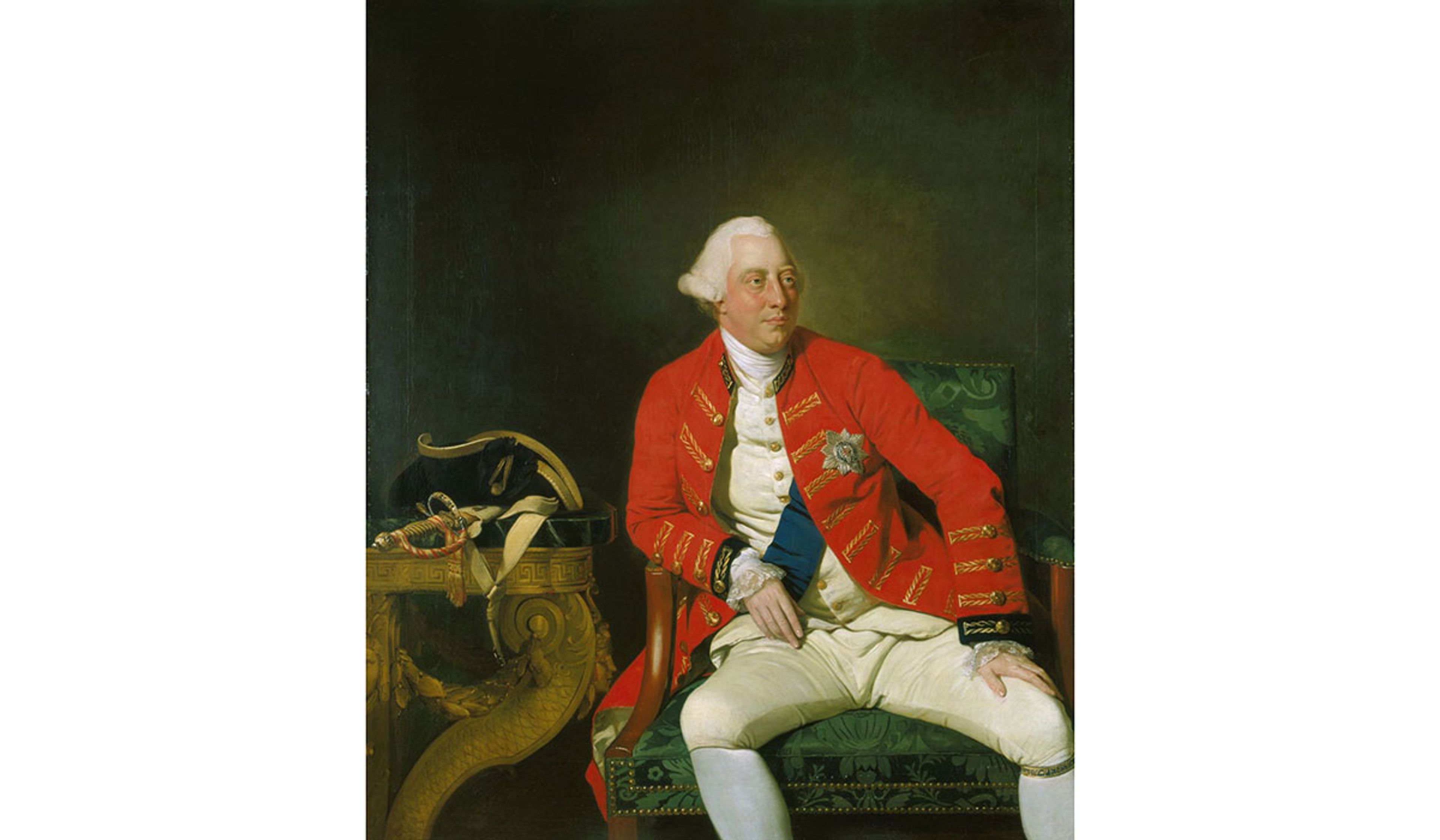
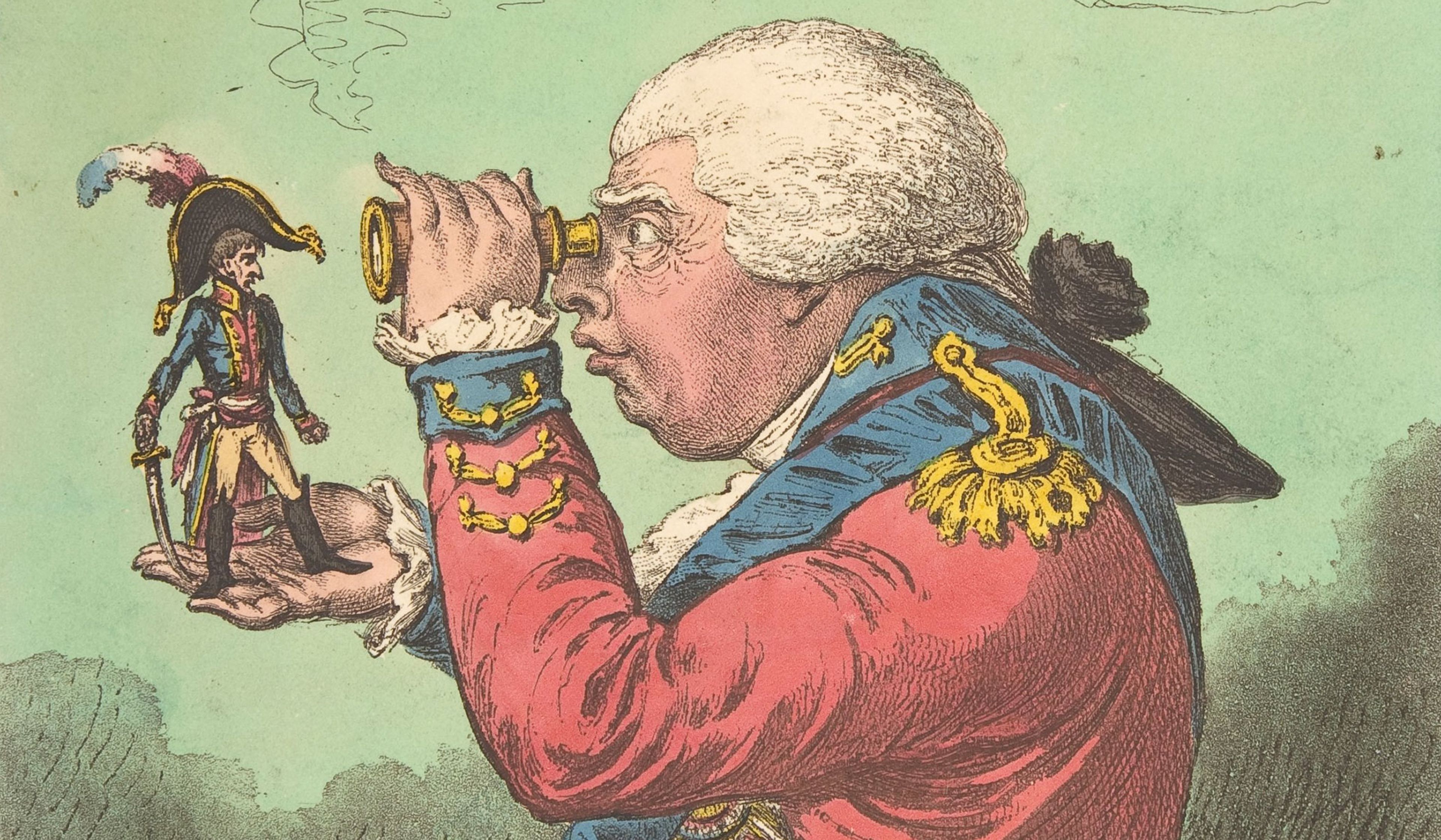
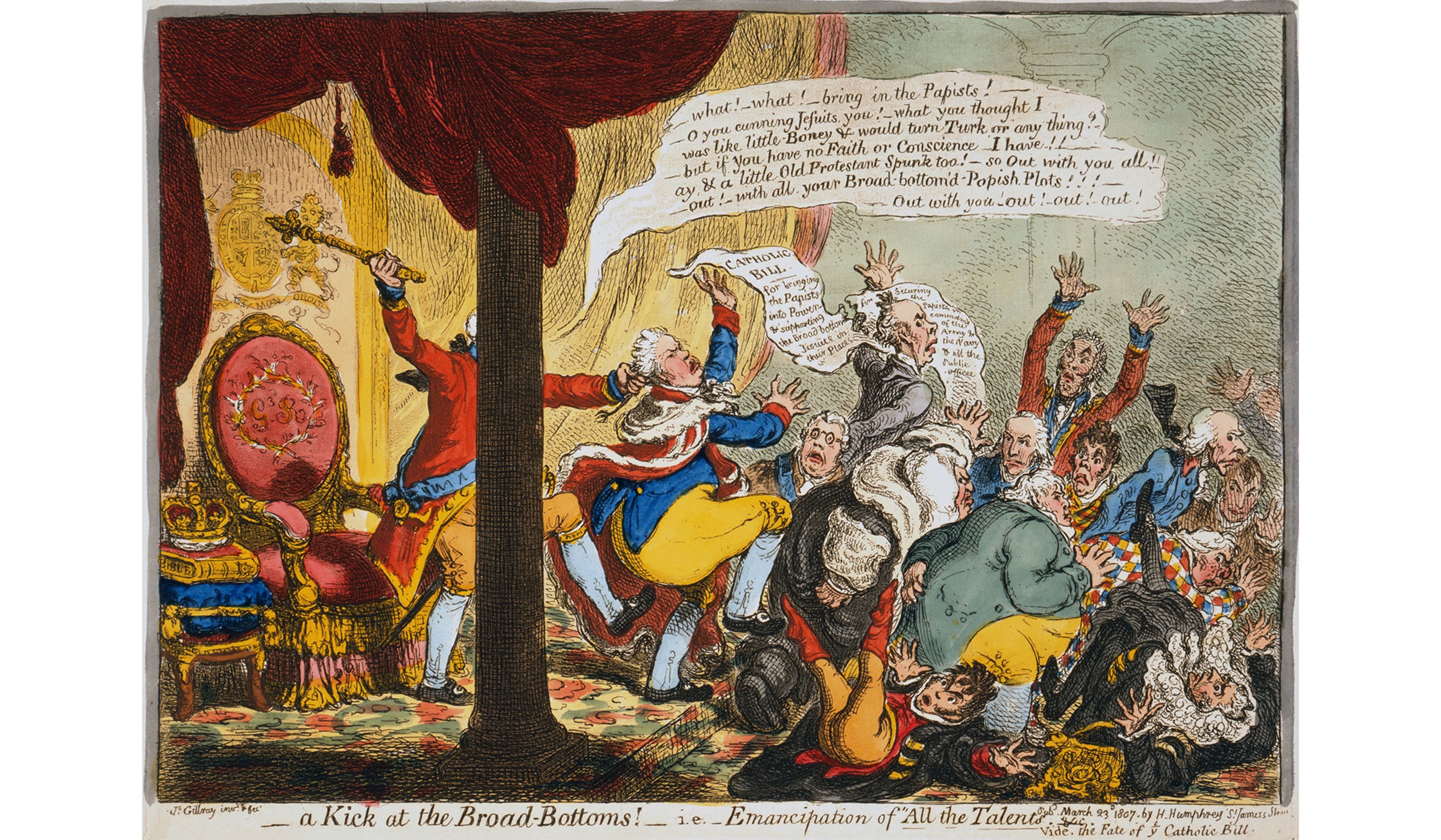
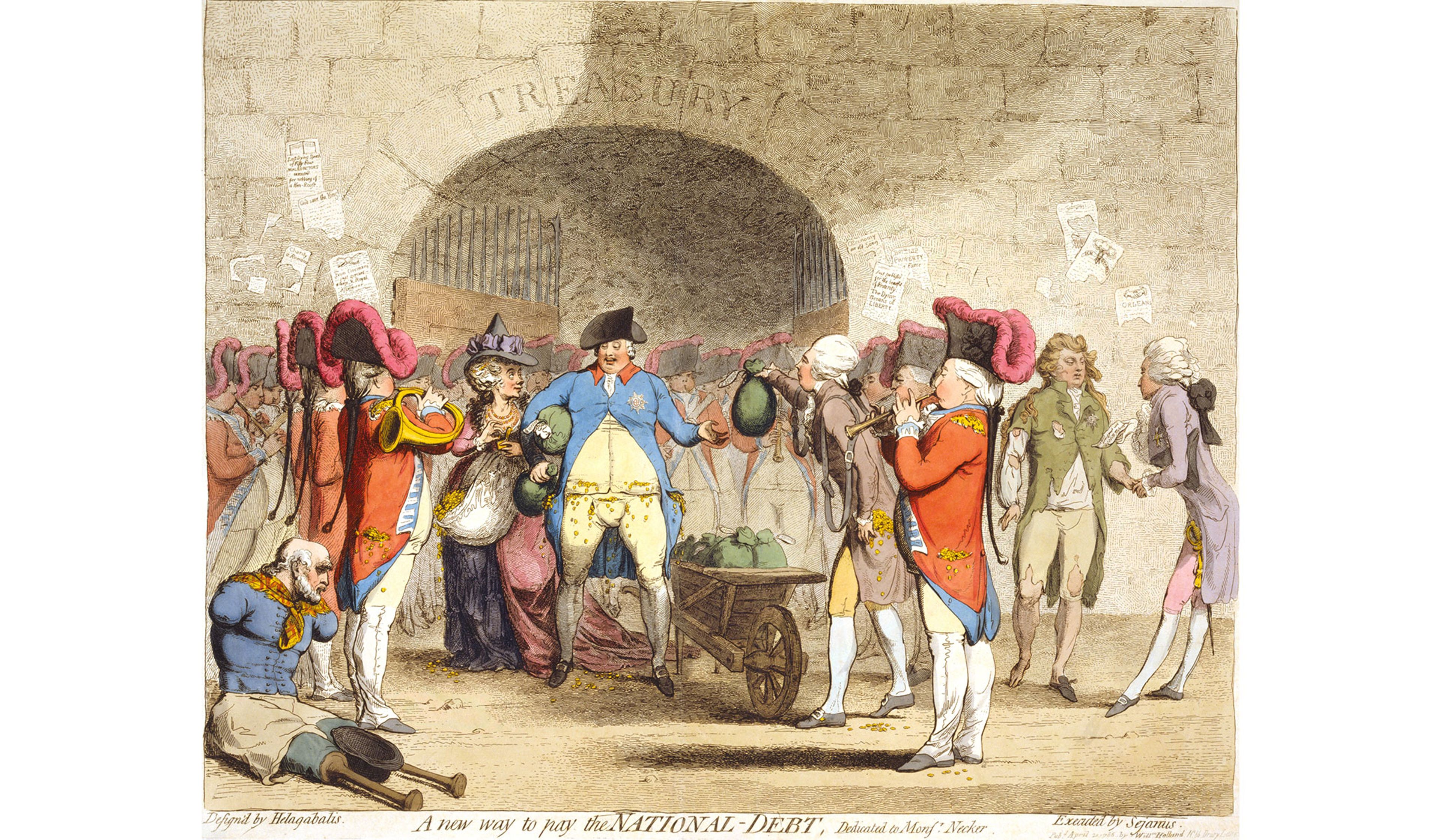
Detail of King George III in Coronation Robes by Allan Ramsay, c. 1765.
Art Gallery of South Australia/Public Domain/Wikimedia












Comments