
The Iraq War was a great, historic error.
Stating this bluntly is not a mere matter of antiquarian interest or settling scores. It is important because, sadly, many in our foreign-policy and political elite have not internalized this realization and, more to the point, what it entails. In fact, to the contrary: Many continue to believe that the maximalist, almost millenarian, foreign-policy vision that the Iraq War represented is the right one for America.
This is wrong. And while its consequences in Iraq were a disaster, pursuing such a policy today in the face of a risen superpower, China, and a violently aggressive Russia could very well result in genuine national catastrophe, dwarfing in costs the tragedy of the Iraq War. We are now in a much more dangerous world; to navigate it successfully, we simply must see things rightly.
So what is the right way to look at the Iraq War? It is hardly contested these days that the costs of the conflict outweighed whatever benefits it produced for Americans. That point can be regarded as settled.
But many, while admitting that the war was not net-beneficial, defend it as a worthy idea that was ill fated, poorly managed, or salvageable with greater exertions. What remains at issue is whether the war was an error in its conception and, more profoundly, whether the foreign-policy views it instantiated are sound.
On this point, it is vital to be clear: Iraq was not merely an ill-starred but advisable or noble adventure. The war was an error in and of itself, and the foreign-policy approach that led to it is wrong for America. To be equally clear: Iraq was not a matter of deceit; President Bush and his team genuinely believed they were doing the best thing for the nation. But, as in the famous aphorism, the decision was worse than a crime: It was a blunder.
The fundamental flaw in the strategy underlying the Iraq War decision was not its goals. The defect was that the strategy the war reflected did not offer a realistic way to attain those goals at a reasonable cost. Much to the contrary, this strategy failed to attain many of the aims it sought and resulted in costs far out of proportion to the gains it did make.
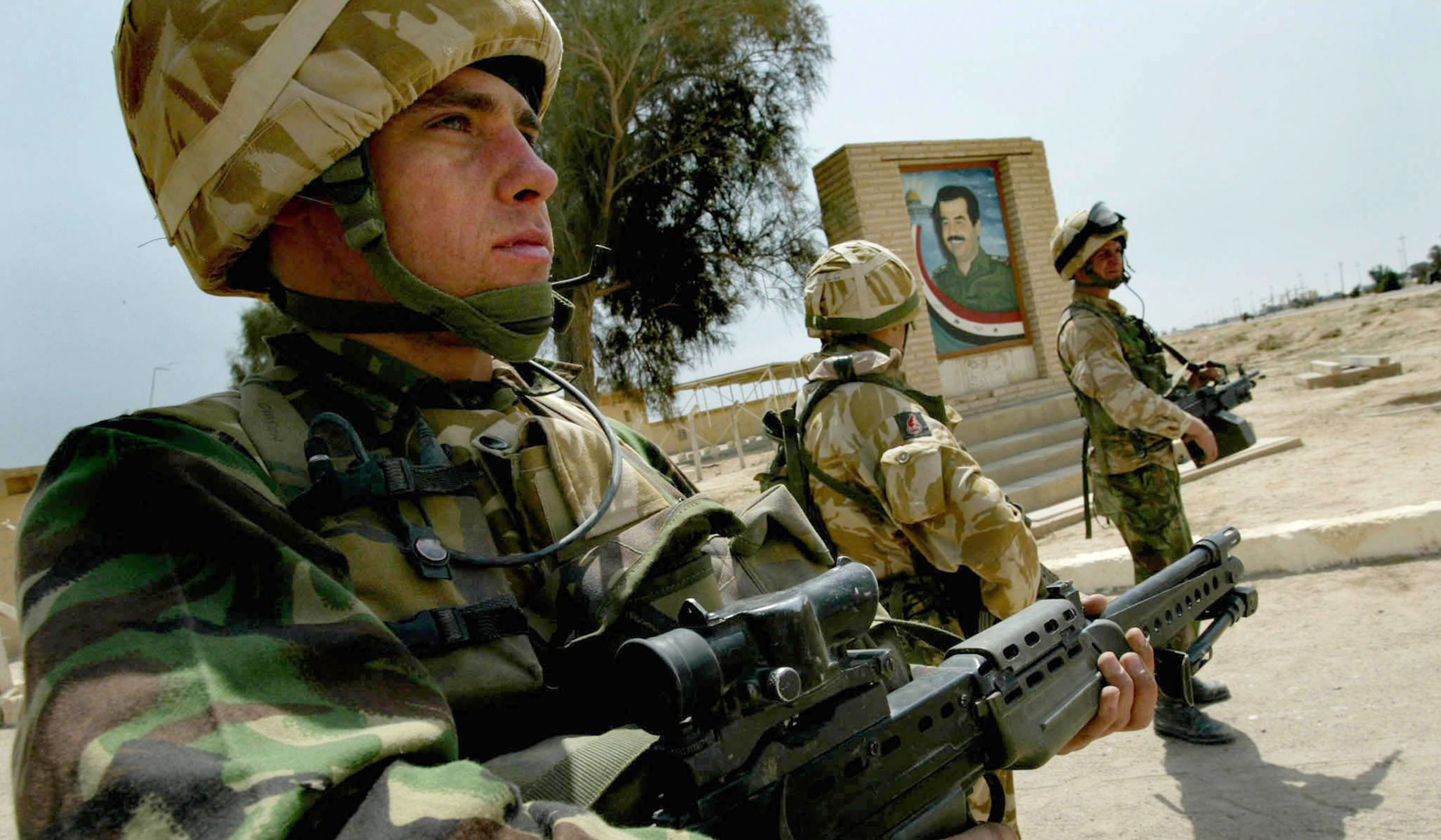
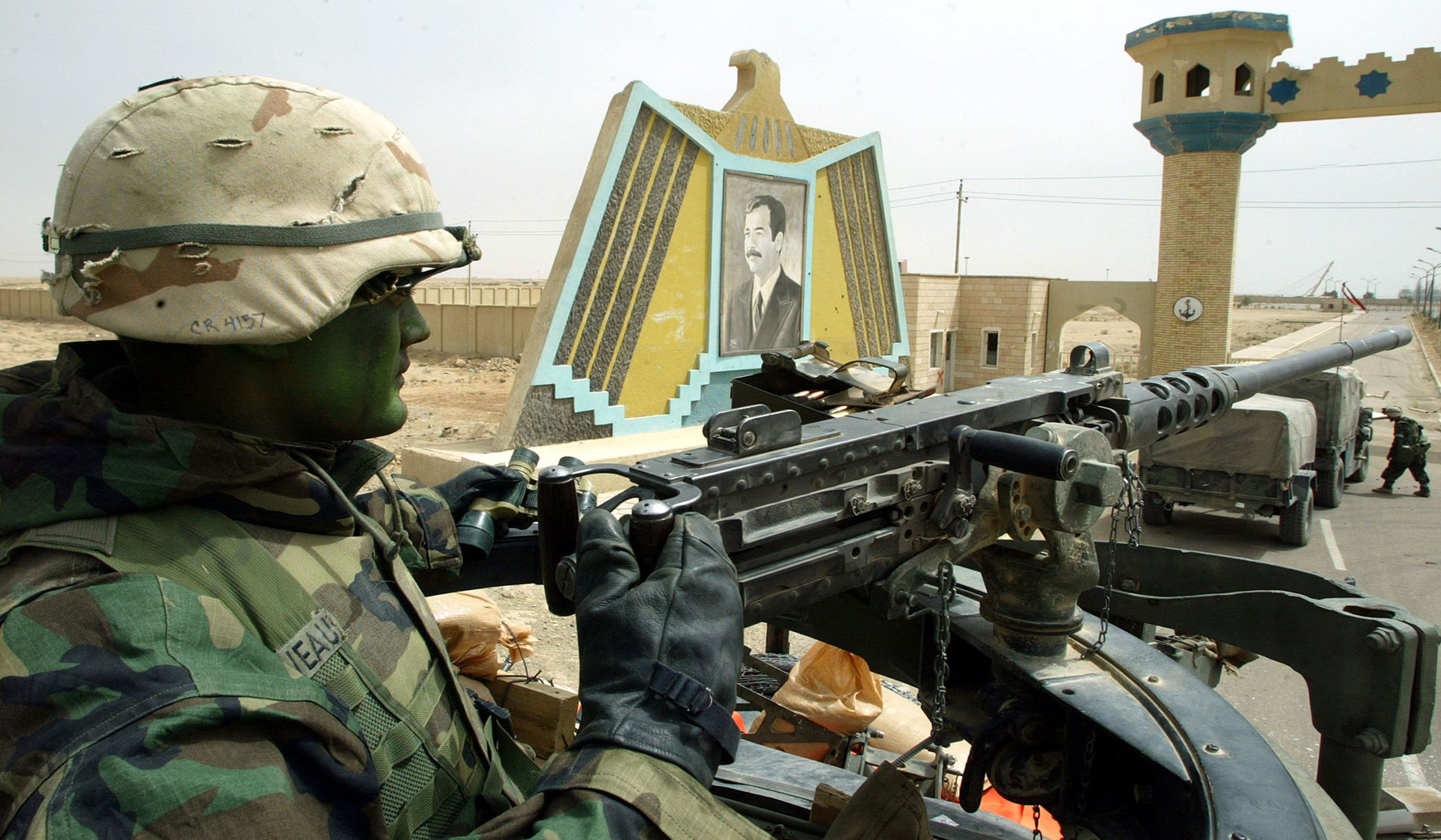
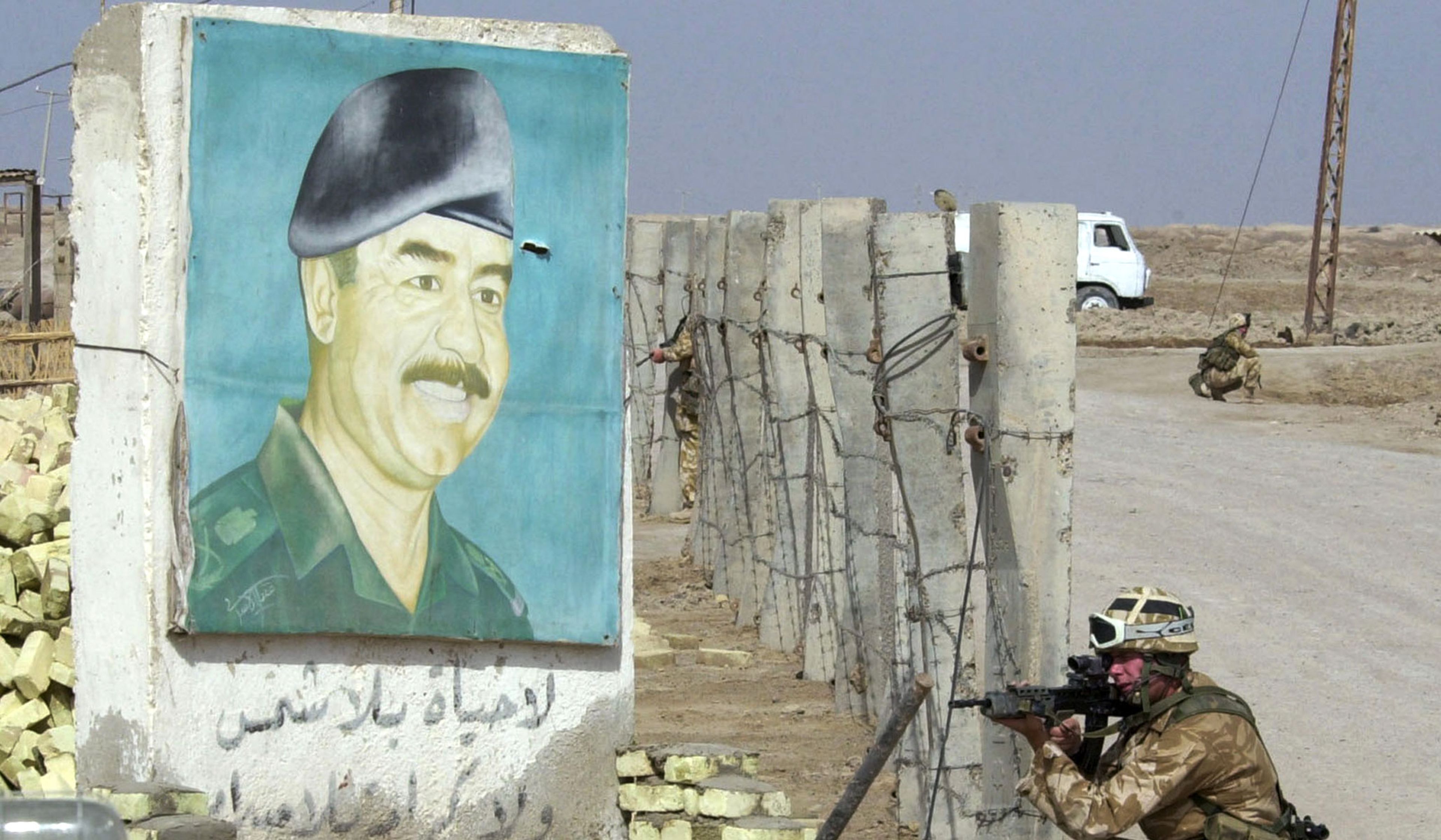
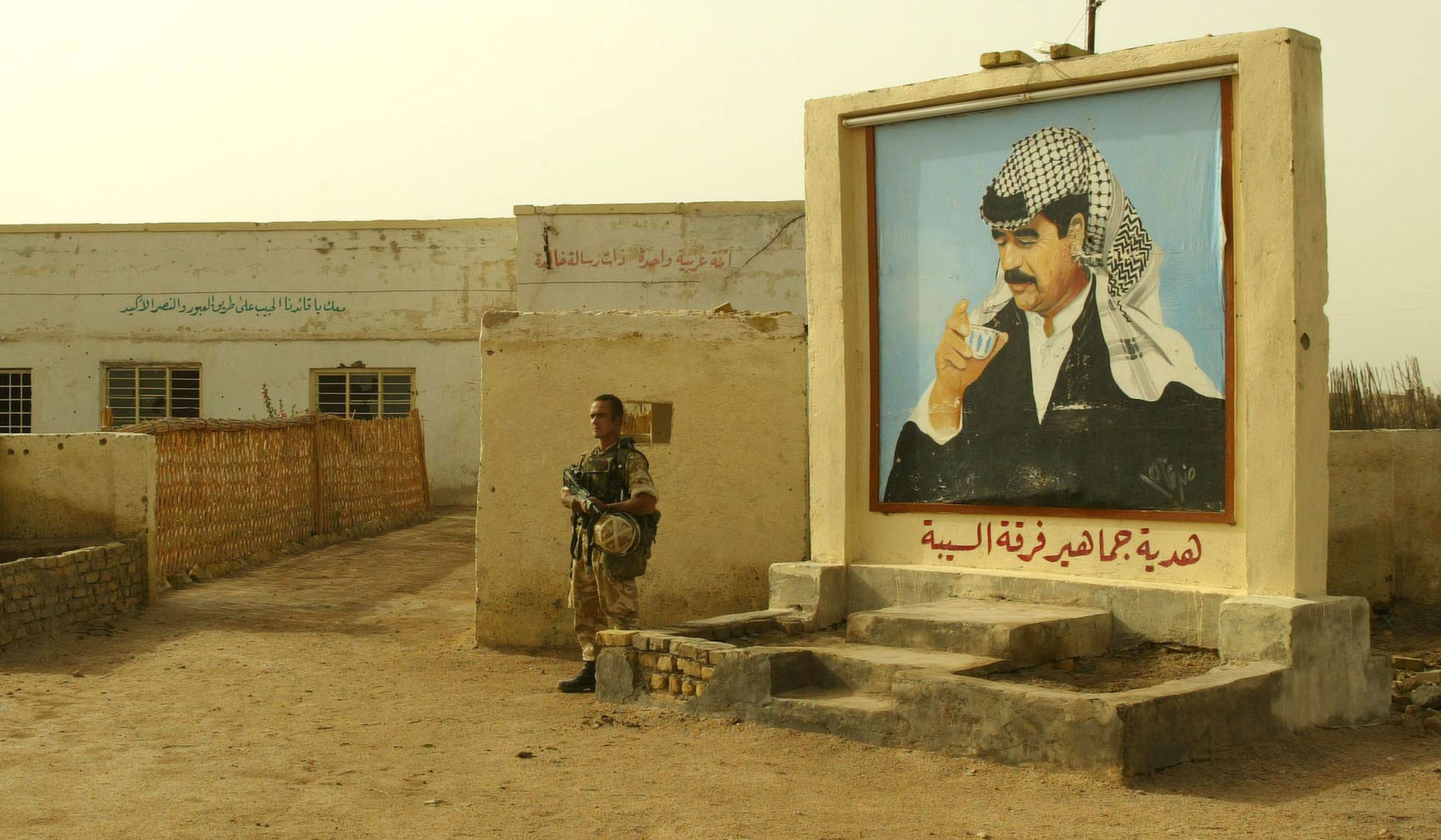
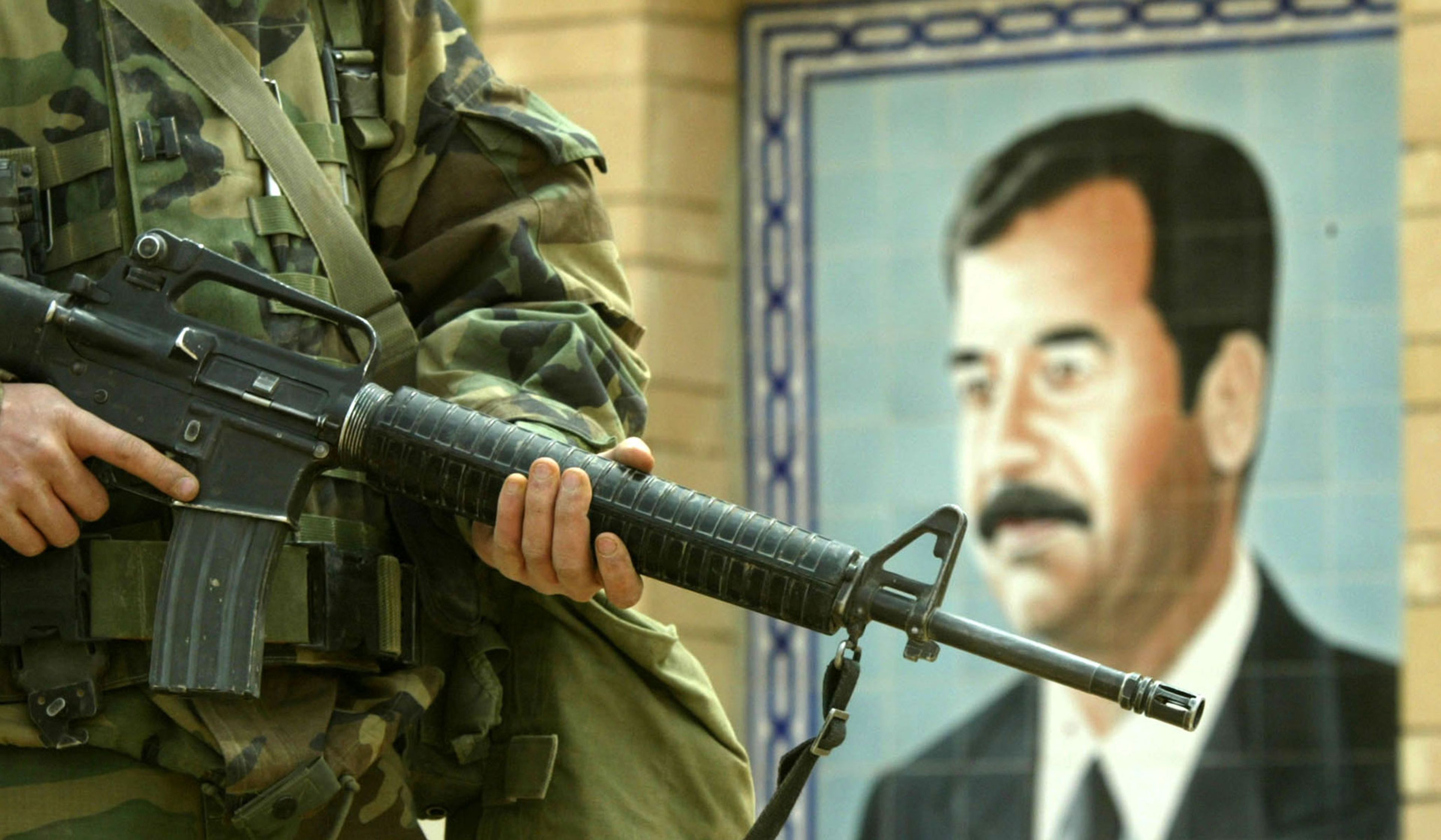
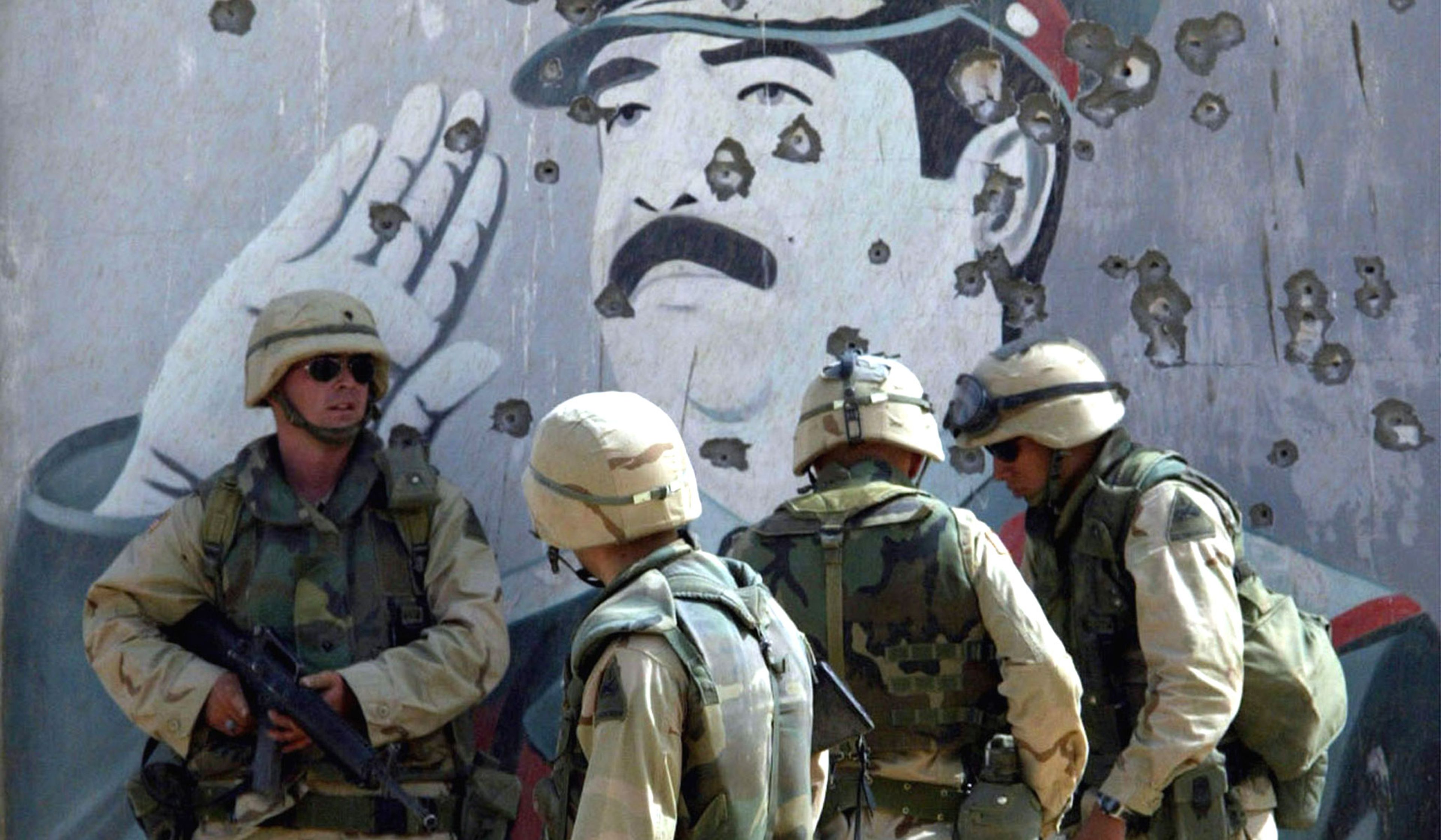
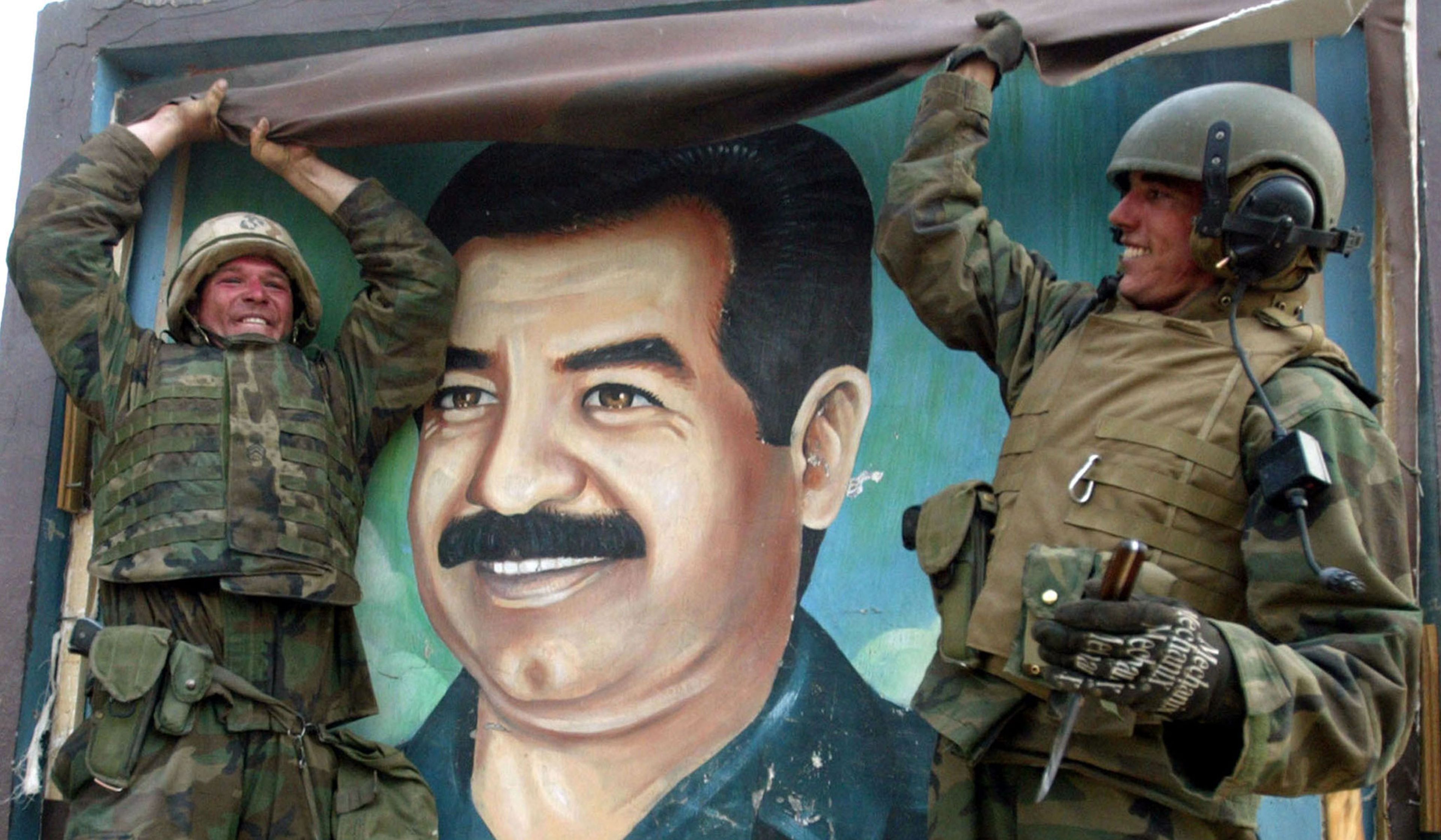
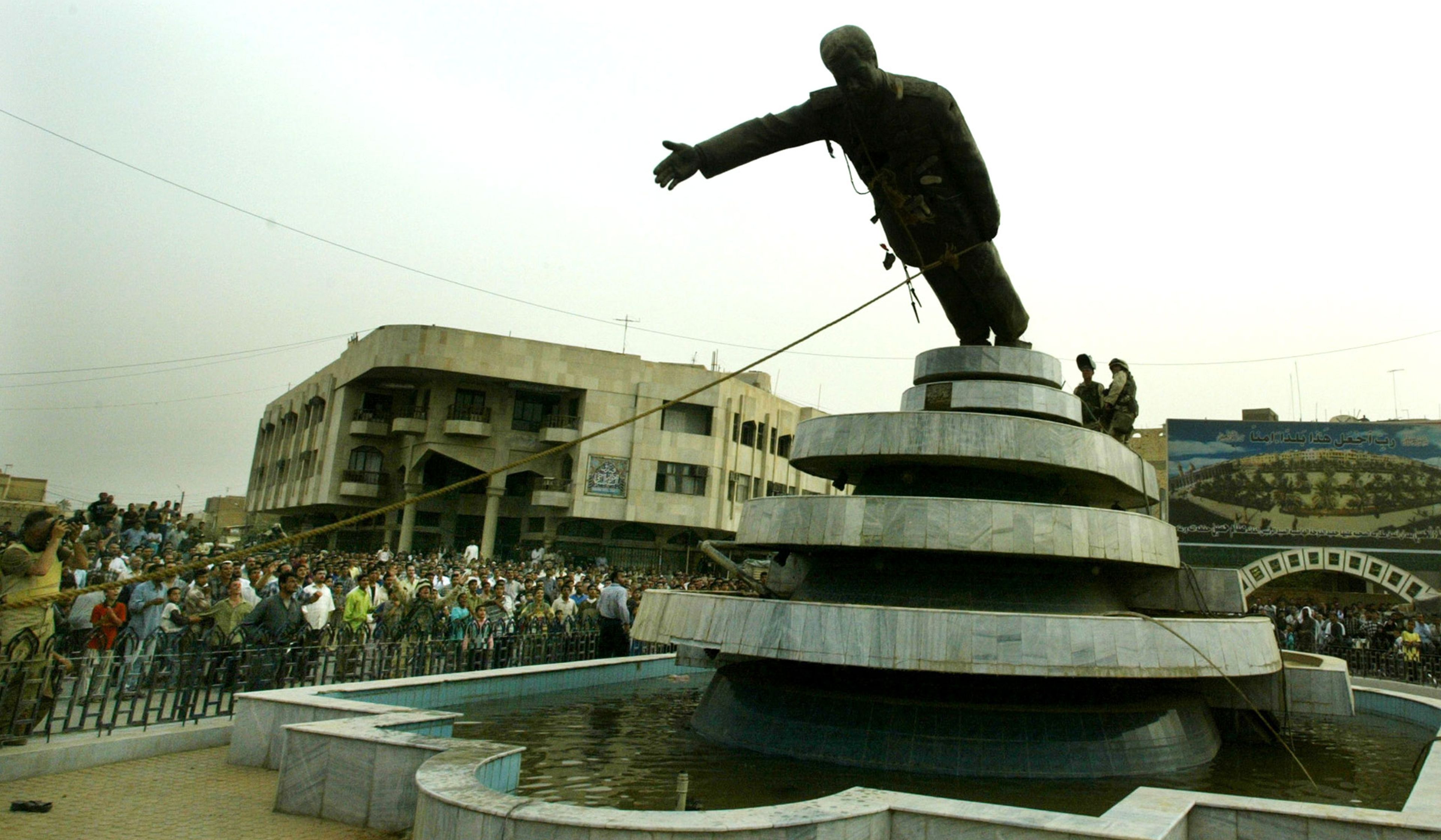
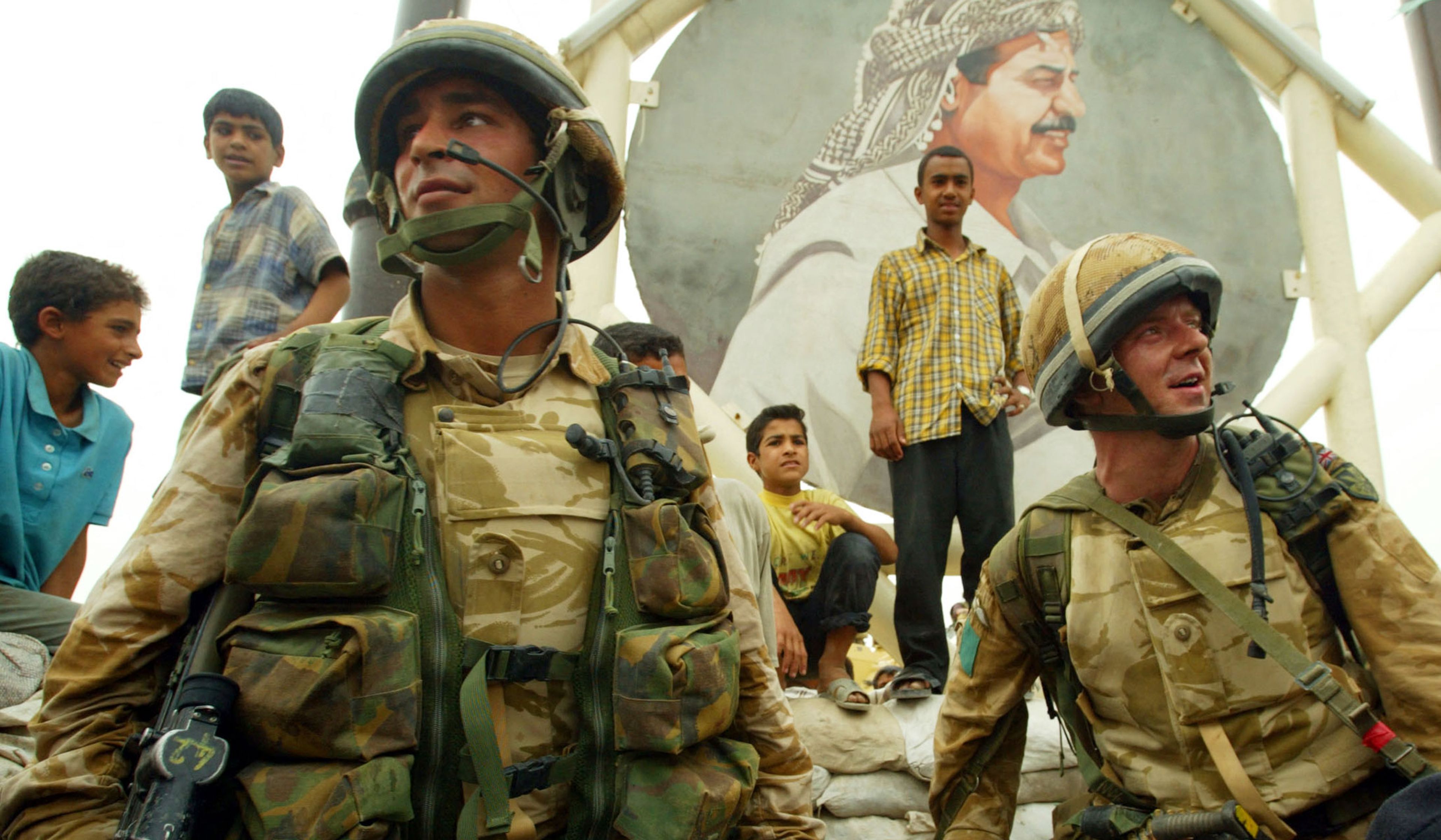
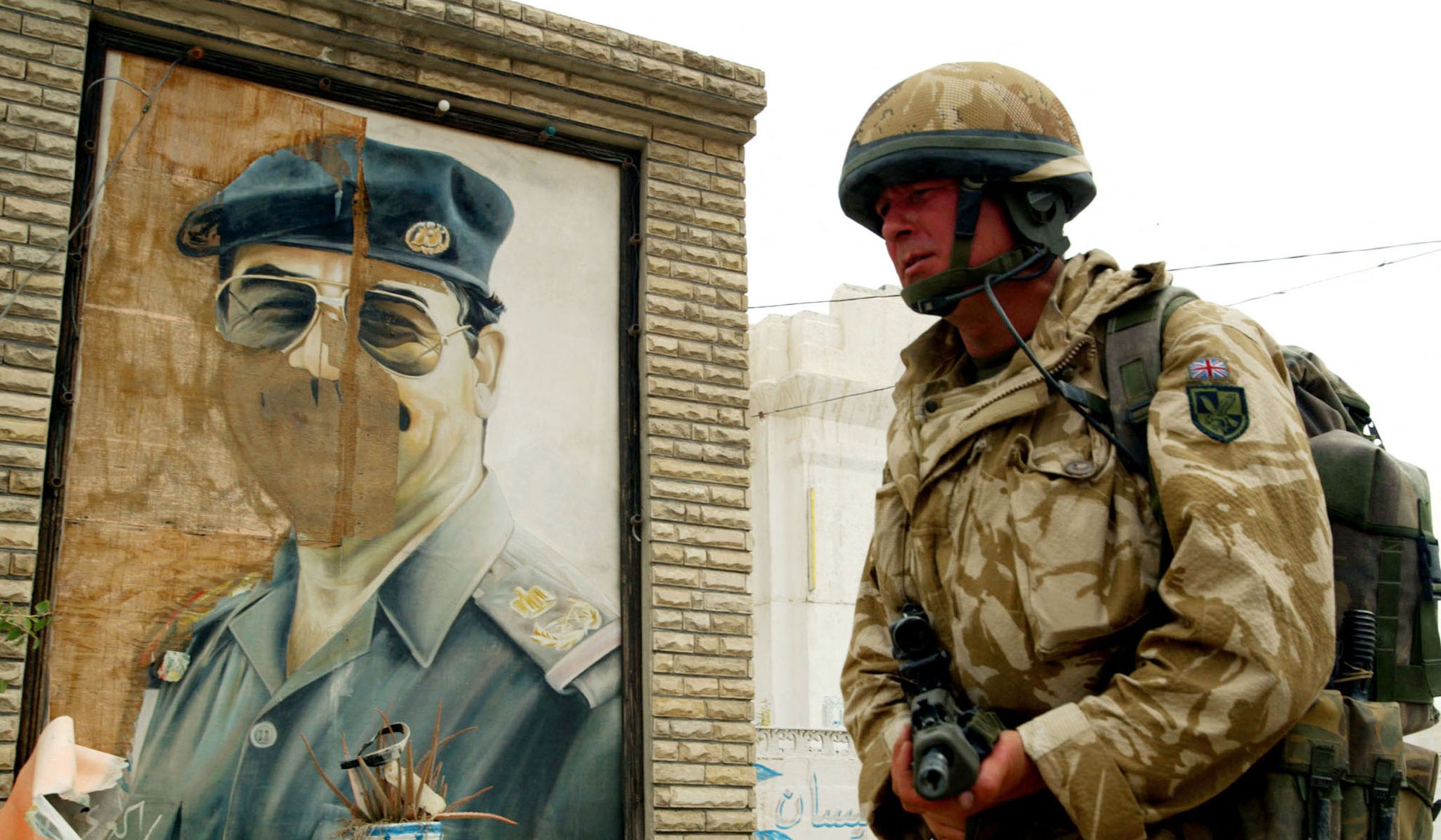
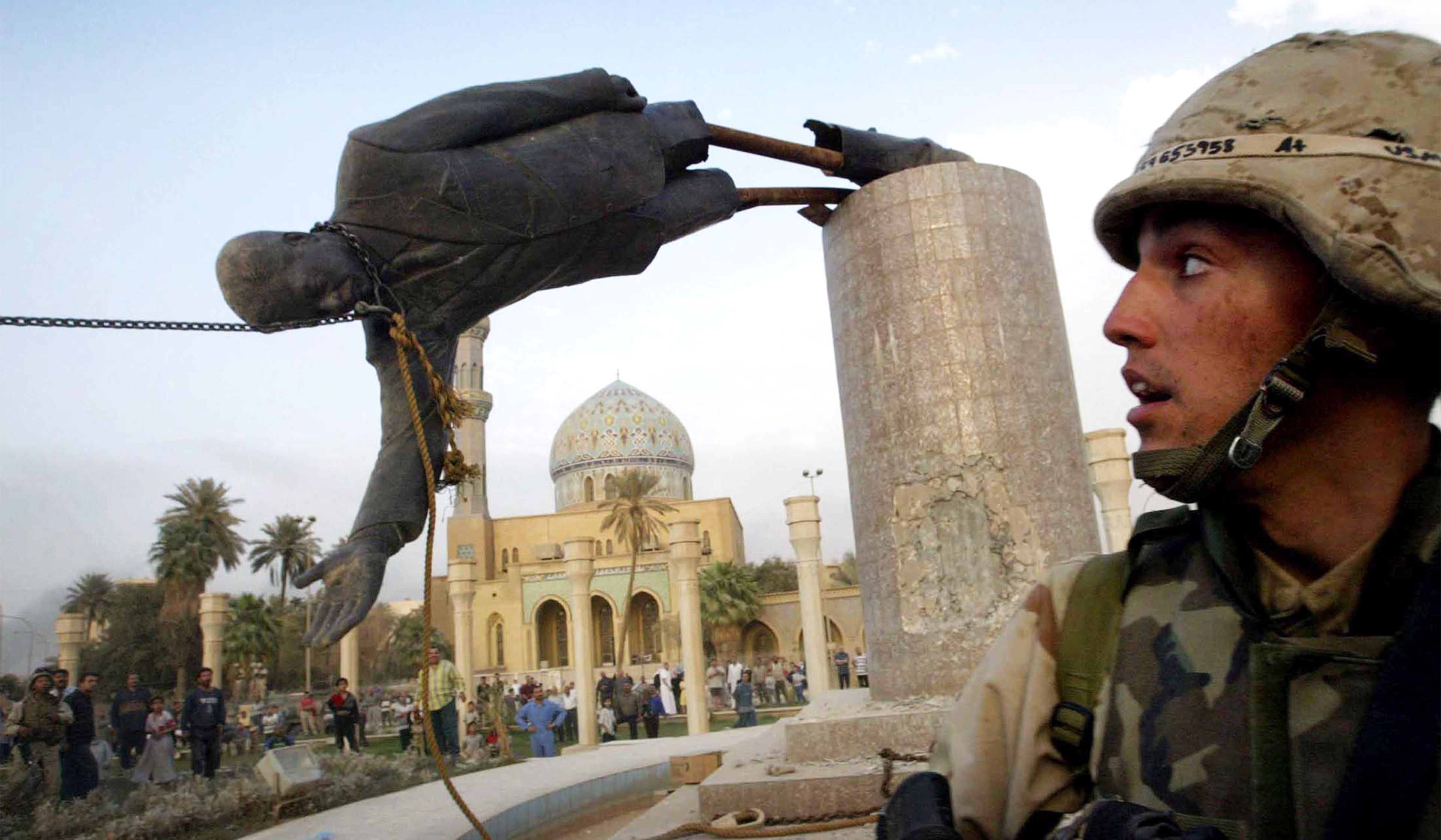
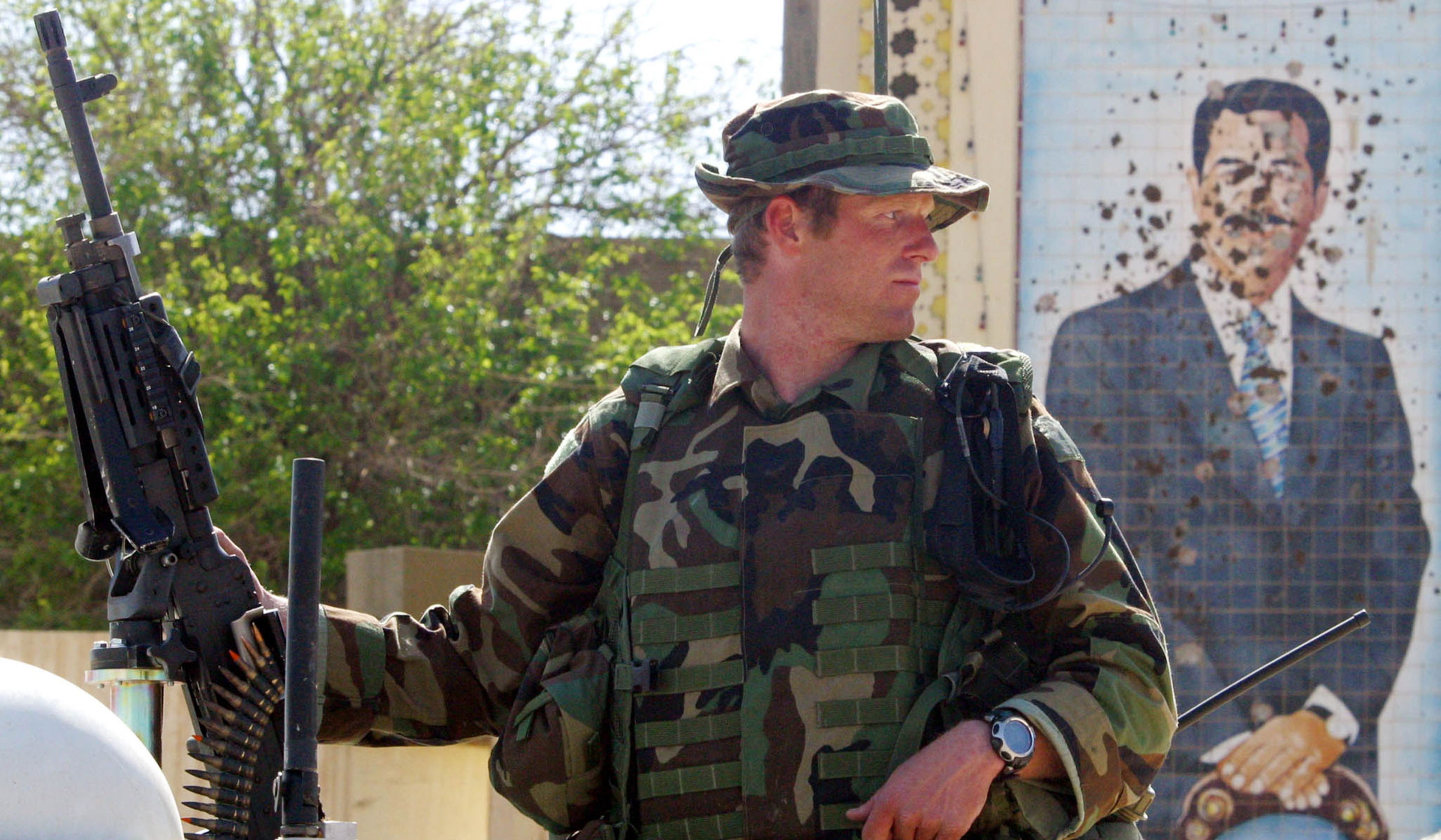
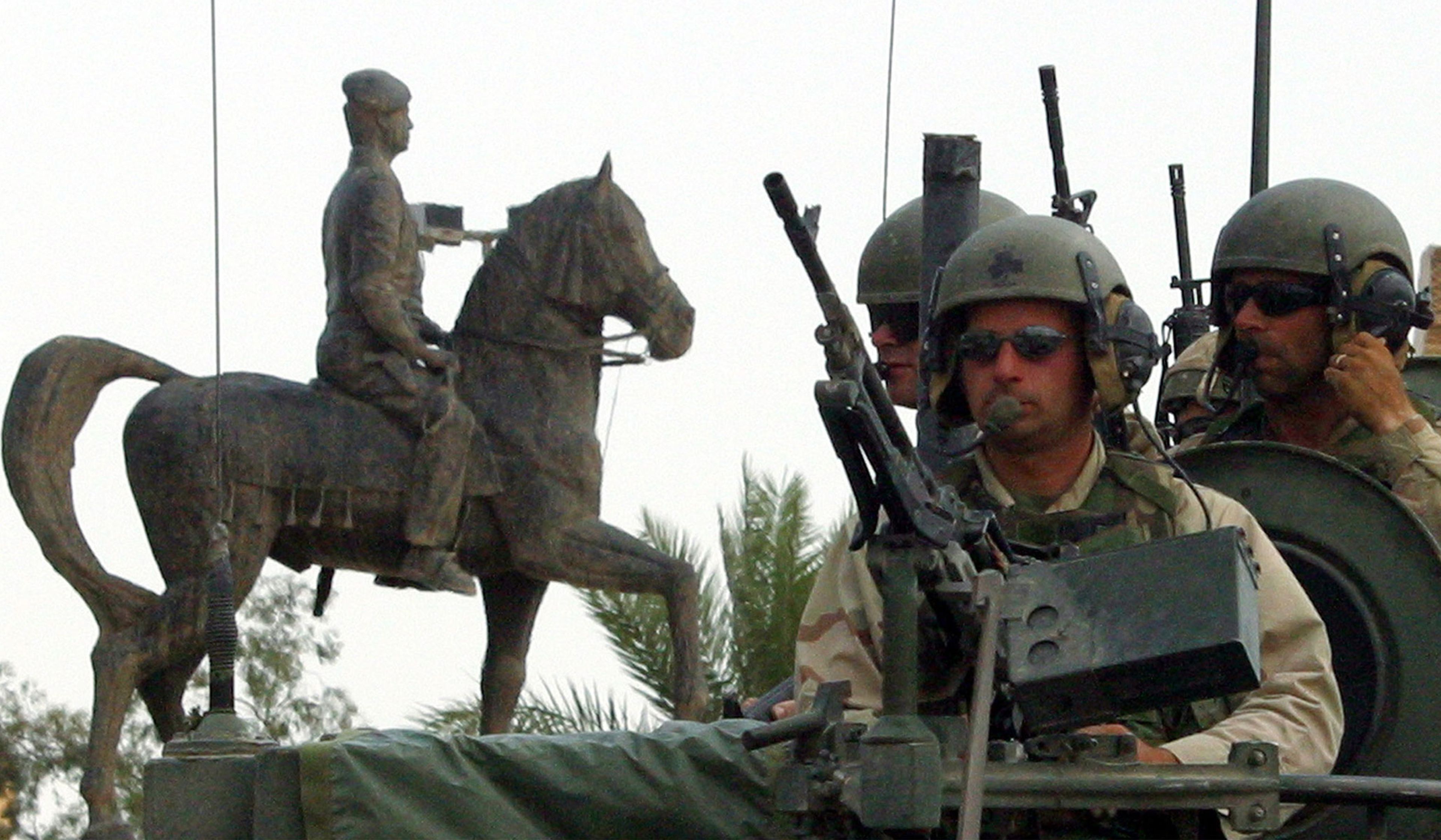
Soldiers of the British Seventh Armored Brigade patrol the road leading to the southern city of Basra, Iraq, March 23, 2003.
Jerry Lampen/Reuters
To be sure, the goods the strategy pursued were desirable. Few Americans objected then or would today to an Iraq without weapons of mass destruction (WMD), or to a stable Middle East, the suppression of the terrorist threat, or the removal of a terrible tyrant. But their desirability was not the actual issue. The question was whether pursuing those goals by invading Iraq would result in their attainment at an acceptable cost. As we now know, it did not.
More important for today: That those costs would outweigh the benefits should reasonably have been anticipated at the time. Indeed, many did predict this result. Thus the failure to anticipate this broad outcome was not merely a contingent error — rather, it was an error deriving from the misguided approach to foreign policy that birthed the decision. The Iraq experience should therefore provide compelling evidence to Americans of the fundamental ill-suitedness of the foreign-policy approach the war reflected.
The essential logic of this approach was that the dramatic, decisive demonstration of American power would — if not outright solve — then materially contribute to addressing the threats posed by WMD proliferation, terrorism, and instability in the Middle East. The theory of the case for war was that the elimination of Saddam Hussein’s government in Iraq would lead to a halt in countries’ pursuit of WMD throughout the region and beyond, suppress the terrorist threat against Americans, and lead to a much more stable Middle East. Critical to this logic was the proposition that America could favorably resolve the conflict and contain its consequences at a manageable cost and level of effort.
As we now know, other than directly eliminating the Iraqi WMD program — which turned out to be far more modest than assessed — and unseating Saddam Hussein’s government, the invasion did not achieve any of these objectives. In fact, it worsened many of them. Iran responded to the invasion by accelerating its nuclear program, which has consumed American foreign-policy attention for 20 years. And Iran now stands closer than ever to a nuclear-weapons capability. At the same time, many elements of the U.S. intelligence community have assessed that the invasion exacerbated rather than diminished the terrorist threat to Americans. And the Middle East, in part as a result of the invasion, descended into turmoil with the collapse of Syria and the rise of ISIS.
Moreover, the costs of the invasion proved to be enormous, contrary to the predictions of leading war advocates who derided those who warned that stabilization would be difficult and expensive. The war ultimately cost trillions of dollars and thousands of American lives. More indirectly but critically, it consumed Americans’ political resolve, leaving them justly tired of “forever wars.” It also ate up the attention of the U.S. defense establishment, as the Pentagon prioritized the “wars we are in,” in Robert Gates’s phrasing, over potential future conflicts.
These factors significantly contributed to the dramatic deterioration of the military balance against China. It is critical to underline that the United States did not need to end up in the dire straits we are now in vis-à-vis Taiwan and China. America has a huge economy and a staggeringly large defense budget. But we now find ourselves in the sorry state of worrying about our ability to defend Taiwan in large part because our consuming focus on Iraq and the Middle East led us to neglect our defenses in Asia. Indeed, by Beijing’s own judgment, Washington’s concentration on the Middle East was a vital element of China’s “period of strategic opportunity,” when it took advantage of American focus on that region to steal a march on us.
The foreign-policy vision the Iraq War reflected failed the fundamental task of any good strategy for Americans — reasonably correlating the foreseeable costs and benefits to achieve plausibly attainable goals. This vision’s manifestation in the Iraq War helped lead us to the hazardous impasse we are now in, and future historians will surely be occupied with the question of how we could have so squandered the enormous advantages our country enjoyed in 2000. But the fact is that in 2003 we could survive embarking on such a misguided foreign policy. Today, though, when the stakes are so much graver than they were in 2003, we simply cannot afford to make such an error. Let us therefore not make it again.












Comments