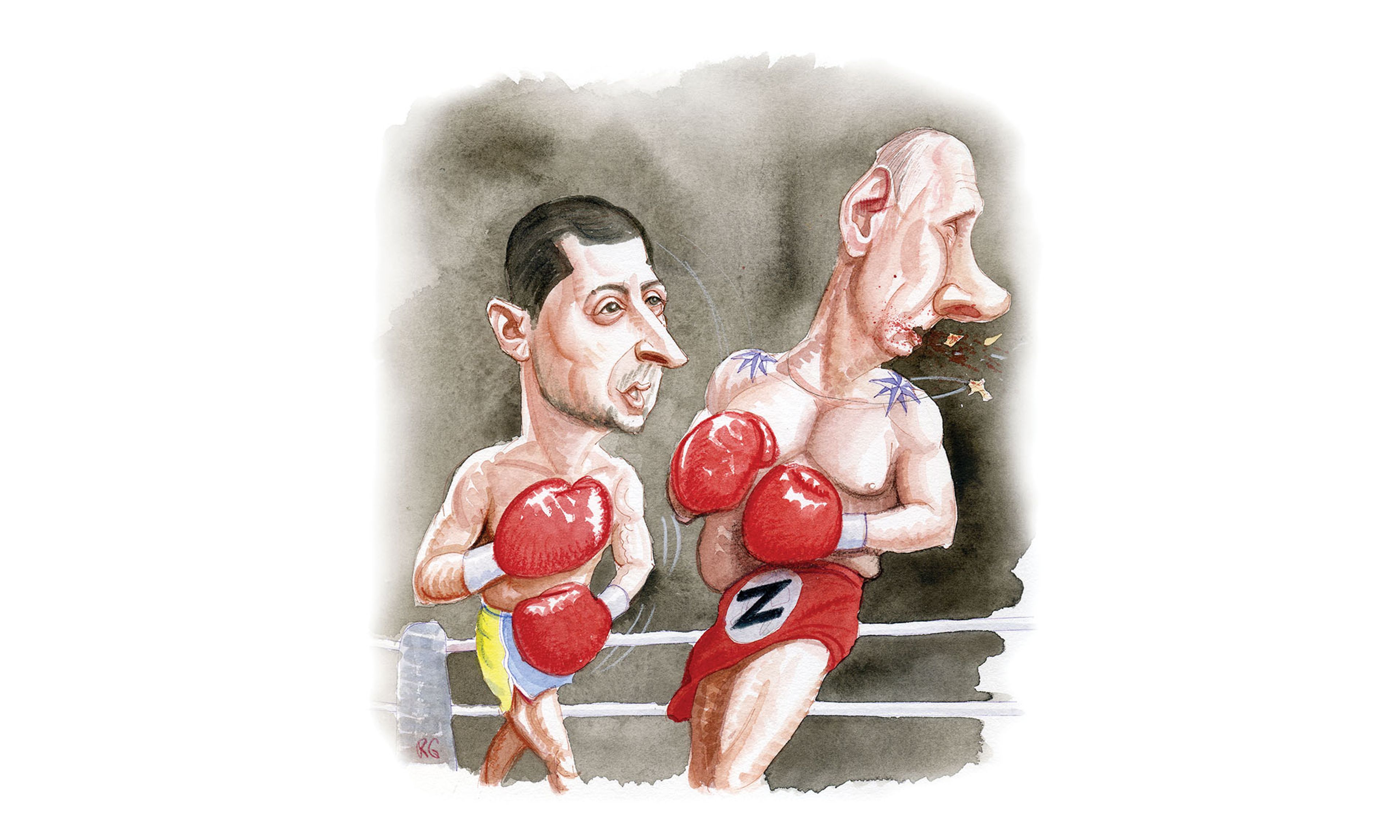
• So that’s why they call it a punch line.
• To no one’s great surprise, President Biden has proposed a ridiculous budget, one that would add $1.3 trillion to the national debt — in just one year — in the best-case scenario. But the best-case scenario is unlikely to come to pass. The actual deficit would very likely be much larger than the Biden budget supposes, because much of the new revenue would come from a proposed new tax, the so-called billionaires’ tax, that will probably never be enacted. The Biden budget also supposes that jacking up the corporate income tax — by a third — will have little or no effect on business activity or tax planning, which is improbable. Raising taxes to cover unnecessary and wasteful new spending is not a great policy idea on its own, but raising those taxes in a way that does a fair bit of economic damage while failing even to cover the cost of the new spending is worse. On top of all that, the Biden budget pretends that the trillions of dollars in Build Back Better spending — currently stalled in the Senate but still part of Biden’s stated agenda — simply does not exist, though there is a footnote referring obliquely to it and insisting that the spending would be “revenue neutral,” which is, of course, a lie. This is an unserious budget from an unserious administration.
• That “billionaires’ tax,” actually levied on those with wealth above $100 million (the top 0.01 percent of households) is supposed to make the ultra-rich “pay their fair share.” “Fair” is elastic, but as a mathematical matter, it is true that the highest earners (the top 1 percent) pay a share of the federal income tax that is grossly disproportionate to their share of the income: They take home 20 percent of the total income, but they pay 40 percent of all federal income taxes. Rather than raising taxes on real incomes, Biden proposes to raise taxes on imaginary incomes, treating unrealized investment profits as though they were income for tax purposes. Stock prices and business valuations go down as well as up — $1 in on-paper profit today could be $5 in real-world losses tomorrow. The idea is almost certainly unconstitutional and likely to be rejected by Congress on those grounds as well as on the grounds that it would do substantial economic harm while raising very little new tax revenue. U.S. taxes on the investment income of affluent people are not especially low by world standards (some European countries, such as Switzerland and Belgium, get by with no capital-gains tax at all). Maybe it is the spending side of the budget rather than the revenue side that is the problem.
• And the budget cuts defense spending if inflation is taken into account. Although the $813 billion Biden seeks is notably larger than last year’s proposal, the consumer price index was up 8 percent over the last twelve months. Administration officials conveyed that the budget request this year is intended to boost U.S. competitiveness against China and to shore up America’s allies in Europe against Russian aggression. But if the White House were serious about meeting those challenges, it would have proposed a 5 percent spending hike over inflation. Fortunately, the legislative branch will have its say, and it will probably overrule the president and enact a larger defense bill, as it did on a bipartisan basis last year.
• Perhaps curious to discover whether he can drive his disastrous approval ratings even lower, President Biden is reported to be considering ending the Trump-era executive order that allows the federal government to swiftly expel illegal immigrants at the border, without implementing any replacement rules that would help to stem the tide. In a March letter to Biden, Arizona senators Mark Kelly and Kyrsten Sinema expressed “great concern.” Expect the volume of complaints from border-state Democrats to rise through November.
• Donald Trump rescinded his endorsement of Mo Brooks to represent Alabama in the U.S. Senate, supposedly because Brooks went “woke” by saying we should move on from the 2020 election. But Brooks said that in August. His real sin is that he has been languishing in the polls. Trump says he may endorse another candidate, which will help him save face with people who haven’t been paying attention. Next door in Georgia, meanwhile, the Trump-backed former senator David Perdue is flopping in his attempt to unseat the incumbent Republican, Brian Kemp. Kemp is a successful conservative whose only fault in Trump’s eyes was not pretending the former president won his state in 2020. Perdue is getting desperate, going along with “lock him up” chants directed at Kemp and then claiming not to have understood them. Republican voters in both states appreciate Trump’s record in office. But the more destructive his political leadership, the less they are following it.
• Former Missouri governor Eric Greitens, who resigned from office in disgrace and under the threat of impeachment in 2018, is facing new allegations of wrongdoing as he seeks the GOP nomination for U.S. Senate in 2022. Greitens’s ex-wife Sheena recently alleged in court, as part of her child-custody case, that her ex-husband committed acts of domestic violence against her and their children “such as cuffing our then three-year-old son across the face at dinner in front of me and yanking him around by his hair.” Both of Missouri’s sitting Republican senators have spoken out in response to the allegations. “If you hit a woman or a child, you belong in handcuffs, not the United States Senate. It’s time for Eric Greitens to leave this race,” Senator Josh Hawley said. Eric Greitens denies the allegations, but his ex-wife is not the first woman to accuse him of heinous behavior. In 2018, he admitted to having had an affair with his hairstylist but denied the woman’s allegations of sexual abuse and blackmail. A grand jury indicted Greitens over the hairstylist’s allegation that Greitens had taken a nude photo of her without her consent while she was tied up and blindfolded, but the charge was ultimately dropped. Greitens may well be the only Republican in the race who could lose a general election in Missouri in 2022. In the August primary, the top priority of Missouri Republicans should be to rally behind a GOP candidate who has not disgraced himself.
• Vice presidents are rarely celebrated for their oratorical style, or for anything else. But there are exceptions. Alben Barkley, Truman’s VP, was folksy enough to have his own television show. Spiro Agnew used William Safire’s words (“nattering nabobs of negativism”) to gain a reputation as a firebrand. And Mike Pence did a convincing imitation of a weary husband patiently waiting for his tipsy wife to stop talking. Then there’s Kamala Harris. At a conference in Louisiana about high-speed Internet, she delivered a rambling dissertation on time — specifically, its passage: “The governor and I, we were all doing a tour of the library here and talking about the significance of the passage of time, right, the significance of the passage of time. So, when you think about it, there is great significance to the passage of time in terms of what we need to do to lay these wires, what we need to do to create these jobs. And there is such great significance to the passage of time when we think about a day in the life of our children.” Can’t argue with that, and we have it on good authority that she also believes children are the future.
• Reluctant to offend progressives during the Senate hearings on her Supreme Court nomination, Judge Ketanji Brown Jackson played dumb about the definition of the word “woman.” “I can’t,” she said, when asked by Senator Marsha Blackburn (R., Tenn.) whether she could provide a definition. “I’m not a biologist.” Is Joe Biden a biologist? After all, he picked Jackson in part because she is a woman. A similarly curious appeal to expertise was documented by NR’s Madeleine Kearns at the NCAA women’s-swimming championships in Atlanta, where she witnessed an argument between a trans-rights activist and a women’s-rights activist, capturing it on video. “Are you a biologist?” the trans activist asks the woman. “Don’t be ridiculous,” the woman answers. “I’m not a vet, but I know what a dog is.”
• The championships had been rendered farcical after organizers allowed a young man, Lia Thomas, to dominate the women’s competition. Thomas finished first in the 500-yard freestyle, fifth in the 200-yard freestyle, and eighth in the 100-yard freestyle, and thus reached the podium (an honor bestowed on the top eight) in every event the swimmer participated in. The inclusion of just one male can lower the ranking of dozens of women. Virginia Tech swimmer Reka Gyorgy wrote an open letter to the NCAA, complaining that her “final spot was taken away from me because of the NCAA’s decision to let someone who is not a biological female compete.” Parents of female swimmers are also aware of the injustice. “A male body cannot become a female body,” a large group of parents across five Ivy League schools wrote in an open letter published in the New York Post. “A woman is not a disadvantaged man,” they wrote, referring to Thomas’s testosterone suppressants. And they’re right. The NCAA’s failure to ensure fairness for female athletes is a national disgrace.
• To fight inflation, the Federal Reserve raised interest rates for the first time in three years. More step-by-step rate increases are expected. But the Fed is moving too slowly. It should have started raising rates earlier, it should be doing it in larger increments, it should be shrinking its balance sheet, and it should be clearer about its goals. Forceful action would, to be sure, raise the risk of recession. At the moment, though, continued high inflation is the greater danger. Fed policy-makers are projecting that inflation will decline gradually over the next three years — yet remain above its 2 percent annual target into 2024. Since the Fed has recently declared it wants to hit 2 percent on average, and 2021 was well above it, it ought to be aiming for below 2 percent. What the Fed is telling us is that, on its own terms, it is planning to fail.
• The Securities and Exchange Commission has proposed new rules requiring publicly traded companies to disclose climate-related risks and greenhouse-gas emissions. The SEC claims that this policy would be in the interest of simply providing investors with information, but it clearly has more to do with political posturing. The proposal was voted on only after a Republican member of the commission departed. The remaining Republican, Hester Peirce, wrote a lengthy statement explaining her opposition titled “We are Not the Securities and Environment Commission — At Least Not Yet.” The SEC should stop playing politics with financial regulation, and progressives should learn that financial regulators are not genies who grant green-policy wishes.
• Utah’s Republican governor, Spencer Cox, vetoed legislation that would have prohibited males from competing against women in school sports, a decision that was swiftly overridden by the legislature. Cox had aligned with Utah lawmakers proposing “a commission of political appointees” who “would create and evaluate transgender student-athletes’ physical characteristics” in order to determine fairness on a case-by-case basis. But no committee is needed to conclude that female sports should be reserved for women. Sadly, Cox is not the only GOP governor to let down female athletes. Indiana’s governor, Eric Holcomb, also a Republican, vetoed a similar bill, claiming that it would overburden schools with litigation — something that has not happened in other states that have adopted the policy. Republican voters, the public at large, and common sense are all aligned on this issue; now we just need to get Republican politicians in sync.
• Banking giant Citigroup has announced that it will cover travel costs for employees who go out of their home state to obtain an abortion. In a public filing, Citigroup said the move is in “response to changes in reproductive healthcare laws in certain states” and that it will “facilitate access to adequate resources.” The company is certainly integrating itself seamlessly into Democratic politics, right down to the avoidance of the word “abortion.”
• Our sanctions regime uses the dollar’s global preeminence as a weapon against Russia. It was thus unsurprising that the Russian natural gas to be supplied to China courtesy of a recent pipeline deal will be priced in euros, not dollars. More unexpected has been Russia’s new demand, aimed squarely at its European customers, that “unfriendly” countries pay for its gas in rubles rather than the euros or dollars required by contract. This is an attempt to push up the value of the battered ruble, but it is also part of a longer-term effort to dilute the international role of the dollar. Moreover, going along would almost inevitably involve dealing with sanctioned Russian banks. “Unfriendly” countries dependent on Russian gas will face some hard choices, but the decision on whether to increase Western oil and gas production has become even easier.
• Vladimir Putin thinks Russia is a victim of cancel culture. “Today, they are trying to cancel a whole 1,000-year-old country, our people,” he said, as his armed forces shelled, bombed, and besieged Ukrainian civilians. “I’m talking about the increasing discrimination of everything related to Russia, about this trend which is unfolding in a number of Western states,” he continued. J. K. Rowling, whom Putin cited as a fellow victim of intolerance, wrote on Twitter: “Critiques of Western cancel culture are possibly not best made by those currently slaughtering civilians for the crime of resistance, or who jail and poison their critics.” Cancel the slaughter first.
• Alexei Navalny, the Russian opposition leader, was already serving a sentence of two and a half years. Now the authorities have hit him with another sentence: nine years. In 2020, they almost killed him, in one of their poison attacks. After recovering in Germany, Navalny returned to Russia — where they promptly arrested him. They banned his organization, the Anti-Corruption Foundation. And now the new sentence, “the latest in a series of attempts to silence Navalny and other opposition figures and independent voices,” as the U.S. State Department said. Putin is very popular in Russia, many claim. But he seems awfully afraid of this political prisoner, Alexei Navalny.
• On March 25, the solemnity of the Annunciation, Pope Francis consecrated Russia and Ukraine to the Immaculate Heart of Mary. Catholic bishops, priests, religious, and laypeople around the world joined him in prayer as he performed the brief ceremony in Rome. It was in response both to Russia’s war on Ukraine and to an instruction that Mary is said to have given Lúcia dos Santos and her two cousins in Fátima, Portugal, in 1917, on the eve of the Bolshevik Revolution. While the institutional church has found the Marian apparitions and messages at Fátima to be “worthy of belief,” popes have shied away from performing the consecration according to the plan conveyed by Lúcia. Francis is the first to do so in public while referring to Russia explicitly and being joined by the world’s bishops. Some traditionalists question whether all the bishops participated; others say that the inclusion of Ukraine in the prayer was an add-on and adulteration. To many Russian Orthodox Christians, the consecration was chauvinistic; to ecumenical-minded Catholics, imprudent. To heaven, one can hope, it was benevolent and sincere.
• We’ve long known of China’s repression at home. Increasingly, we’re learning of its repression abroad. Three recently unsealed complaints from the Department of Justice reveal the extent of the PRC’s efforts to silence dissidents in the United States. Federal prosecutors in March charged five defendants for stalking, harassing, and spying on Chinese nationals living in the States, all done on behalf of the PRC’s secret police. Consider one such case. Prosecutors found that a man named “Qiming Lin” had hired a private investigator to disrupt the campaign of a Brooklyn resident running for the U.S. Congress. The candidate, not named in the complaint, matches the description of Yan Xiong: a student leader in the Tiananmen Square protests of 1989 who later fled China, served in the U.S. military, and became a U.S. citizen. According to the complaint, Lin told the investigator: “Right now we don’t want him to be elected. . . . Whatever price is fine. As long as you can do it.” He later suggested that the investigator use physical force, saying, “Beat him until he can’t run for election.” The other cases are just as troubling and include the harassment of a California-based artist and the father of an Olympic figure skater. When it comes to Chinese repression, we should follow a firm policy of containment.
• For more than two years now, it has been fashionable to say that China responded better to the Covid-19 pandemic than the U.S. did. Beijing’s heavy-handed tactics supposedly stopped the virus in its tracks. And while the official statistics from the Chinese state are dubious, for two years, China could somewhat plausibly argue that its philosophy of “Covid zero” had worked. But the super-contagious Omicron variant slipped through the defenses of Chinese entry ports, tore through Hong Kong, and has spread to many regions. China is shutting down Shanghai again, after locking down the cities of Xian, Changchun, Yucheng, and Shenzhen for long stretches. Meanwhile, Covid as an unusually dangerous epidemic appears to be mostly in the rearview mirror for Americans. The U.S. response to Covid-19 featured plenty of missteps, but it provided the opportunity for all to be vaccinated (with a vaccine that works well, unlike China’s) while disrupting daily life far less than in China, and it is allowing the pandemic to come to an earlier conclusion. Sweeping lockdowns can delay a population’s run-in with a highly contagious virus, but they cannot prevent it.
• If Americans give any thought at all to the Solomon Islands, it is most likely to the Second World War, and, most famously, Guadalcanal. But history never stops, and it is China that is now expanding its reach in the Pacific. Following a too-familiar path, the Solomons switched diplomatic recognition from Taiwan to the People’s Republic in 2019. Infrastructure deals ensued, and these seem soon to be followed by the installation of logistical support facilities (or more) for the Chinese navy. Also on the agenda: a provision that China could provide military or police support, at the islands’ request, of course, to help maintain “social order.”
• Last August, White House press secretary Jen Psaki argued from the briefing-room lectern that the Taliban forces that were then sweeping across Afghanistan needed to “make an assessment about what they want their role to be in the international community.” Seven months later, having assessed their role, the Taliban have chosen the one they have favored for a long while: barbaric pariah. Thanks to a series of orders from the Ministry for the Promotion of Virtue and Prevention of Vice, women in the country have been taken back to the bad old days. Among other restrictions, Afghan girls and women have been banned from receiving secondary and higher education, prohibited from flying without a male chaperone, forbidden to make road trips exceeding 45 miles, and allocated special female-only days on which they may use public parks. In response to this, the U.S. State Department expressed its regret that the “Taliban are not living up to the essential commitments they made to the Afghan people and the international community.” Once more, with feeling?
• The United Kingdom’s House of Lords rejected a proposed amendment to a health-care bill that would have required the government to submit a plan for assisted suicide for mentally competent adults with terminal illness. “The devil is in the detail,” said Baroness Grey-Thompson, adding that she is disabled. The 90-word measure included no definition of “terminal illness” or “mental competence.” Other members who opposed the amendment did so on procedural grounds. “Whatever else assisted dying and assisted suicide is, it does not contribute to improving anyone’s health,” Baroness Fox of Buckley argued. “Using our position as unelected legislators to add an amendment to an inappropriate Bill seems to be completely wrong on a matter of such huge importance.” The House of Lords defeated the measure, 179–145, in March, marking the twelfth time since 1997 that Parliament has rejected assisted suicide. Some but not all members who voted against the amendment cited the sanctity of human life. Addressing those who in good faith make practical arguments for assisted suicide, pro-life advocates must continue to stress the importance of palliative care but also to persist in explaining and upholding the principle at the heart of their cause.
• The New York Times has decided that America has a “free speech problem.” As the social philosopher John McClane once said, “Welcome to the party, pal.” In an editorial, the Times laments: “This social silencing, this depluralizing of America, has been evident for years, but dealing with it stirs yet more fear. It feels like a third rail, dangerous. For a strong nation and open society, that is dangerous.” This is a welcome message, one that very much needs to be heard by the people at the New York Times, which notoriously dumped its opinion editor for publishing a column by Senator Tom Cotton (R., Ark.), who argued that force should be used to quell riots. It was not the staff of the Bryn Mawr student newspaper but the staff of the New York Times that drove out the heterodox Bari Weiss with a campaign of unrelenting hostility. Predictably, the Times’ day-late-dollar-short acknowledgment of the problem was met with howls of denial: “America has a New York Times–doesn’t–get–the–First Amendment problem” was the headline in the Philadelphia Inquirer, and the usual left-wing culture warriors either denied that cancel culture exists or celebrated it as a positive good. What the world really needs isn’t the New York Times’ po-faced editorial — what the world needs is the New York Times setting a good example by standing behind controversial writers against the mob. We do hope that the New York Times will act on its own advice one of these days.
• Yale Law School had planned to host a bipartisan Federalist Society panel on the importance of civil liberties — in particular, of free speech — but, before the two guests could begin their conversation, all hell broke loose in the audience. As Professor Kate Stith began to introduce the conservative on the panel, Kristen Waggoner of the Alliance Defending Freedom, the crowd got to its feet, waved signs supporting transgender rights, and began shouting and screaming, with one student threatening, “I’ll literally fight you, bitch.” So complete was the interruption that Waggoner, the mob’s target, eventually had to be escorted from the room by police. Pointing to the episode, D.C. Circuit senior judge Laurence H. Silberman wrote a letter to his peers on the bench in which he argued that, because “all federal judges are presumably committed to free speech,” incumbent members of the judiciary “should carefully consider whether any such student so identified should be disqualified for potential clerkships.” The law school belatedly acknowledged that this conduct trampled on free speech — which may be a sign that Silberman knew his audience.
• The Oscars made news when Will Smith, a Best Actor nominee for his role in King Richard, did some improv with award-presenter Chris Rock. The comedian made a joke about Smith’s wife, Jada Pinkett Smith, who struggles with disease-induced hair loss (Rock said he looked forward to her reprising Demi Moore’s Nineties turn as a shaved-headed Navy SEAL). Smith strode onstage, slapped Rock hard in the face, and then returned to his seat, whence he shouted, twice, “Keep my wife’s name out your f***ing mouth.” Accepting an Oscar later, Smith spoke about how he must be a bearer of love. Some thought the whole thing was staged (unlikely — the acting looked rawer, therefore realer, than is typical for Hollywood). Others took Smith’s slap as a welcome return of chivalry. We see it as a sign of the movies’ decline into one floundering form of entertainment among many. At a ceremony that ever fewer people watch, a presenter purveyed tepid insult comedy, and an actor unmoored by a script could not contain himself and then spouted maudlin self-analysis. Actors have been unstable types forever (playing other people for a living is odd work), but movie stars were once expected to feign elegance.
• Ann Richards, former governor of Texas, used to say of George H. W. Bush that he “was born on third base and thought he hit a triple.” Change third base to second and you’ll have what’s wrong with Major League Baseball’s “ghost runner” rule, under which extra innings begin with a man on second base, having done absolutely nothing to get there. The rule was introduced in 2020 and in mid March of this year seemed about to be dropped, but in the final negotiations between players and management, it was retained. This continues a dismaying trend under which sports switch to a watered-down version of the rules in overtime. Basketball aside, every major sport does this (and so does soccer). We can live with the DH, which will now be used in both leagues; these days pitchers are too expensive and fragile to hit and run bases. But putting a runner on second for free is just plain wrong — un-American, even. At least you can count on basketball not to replace overtime with a free-throw contest . . . we hope . . .
• M. Katherine Shear, a psychiatry professor at Columbia, has studied grief for nearly three decades. She finds that treatments for post-traumatic stress disorder can be adapted to help the grieving. Drawing in part on her research, the American Psychiatric Association has added “prolonged grief disorder” to the Diagnostic and Statistical Manual of Mental Disorders. An adult still shaken by the death of a friend, spouse, or family member after twelve months is a candidate for the diagnosis; for children, the expiration date of bereavement is six months. While methods to help people function after profound loss should be encouraged, so should care to respect their persistent mindfulness of the dead. A symptom of the new condition, according to the APA, is “feeling as though part of oneself has died” with the departed loved one. Maybe it has. “It just seems like you’re pathologizing love,” said Holly Prigerson, a psychiatrist who pushed for the inclusion of prolonged-grief disorder in the DSM but acknowledges its critics. Our instinct to keep our memory of the dead alive is noble. Keep it alive.
• One of Andy Warhol’s original silkscreen portraits of Marilyn Monroe is about to be sold. For Warhol, everything surrounding an artwork became a component of the art, including viewers’ reactions, critics’ analyses, publicity stunts, and, most of all, money. This had the advantage of leaving most of the labor involved to the public, giving the creator more time for interviews. The Marilyn portrait’s impending sale made the expected splash in the media, all of which repeated the estimated price of $200 million — just another chapter in Warhol’s, Marilyn’s, and the picture’s story. Three decades after he died, Warhol is still making his kind of art.
• Madeleine K. Albright lived a classic American life. She was born abroad — in Prague, on May 15, 1937. Her father, Josef Korbel, was a diplomat. The family fled the Nazis to London, where the young Czech girl, along with everyone else, endured the Blitz. Later in life, Albright learned that 26 of her relatives had been murdered in the Holocaust, including three of her grandparents. After the war, the Korbel family returned to Prague — only to flee again, when the Communists took power. This time, they went to America. Josef Korbel taught at the University of Denver. One of his students was Condoleezza Rice. His daughter Madeleine received her doctorate at Columbia University, where one of her teachers was Zbigniew Brzezinski. When Bill Clinton was elected president, he made Albright ambassador to the United Nations. In his second term, he made her secretary of state — the first woman to serve in that office. National Review had its disagreements with Albright, as we had our disagreements with President Clinton. But she recognized the importance of America in the world, and she had a deep-seated understanding of the conflict between freedom and tyranny, a conflict that will not end until the world does. Secretary Albright has died at 84. R.I.P.
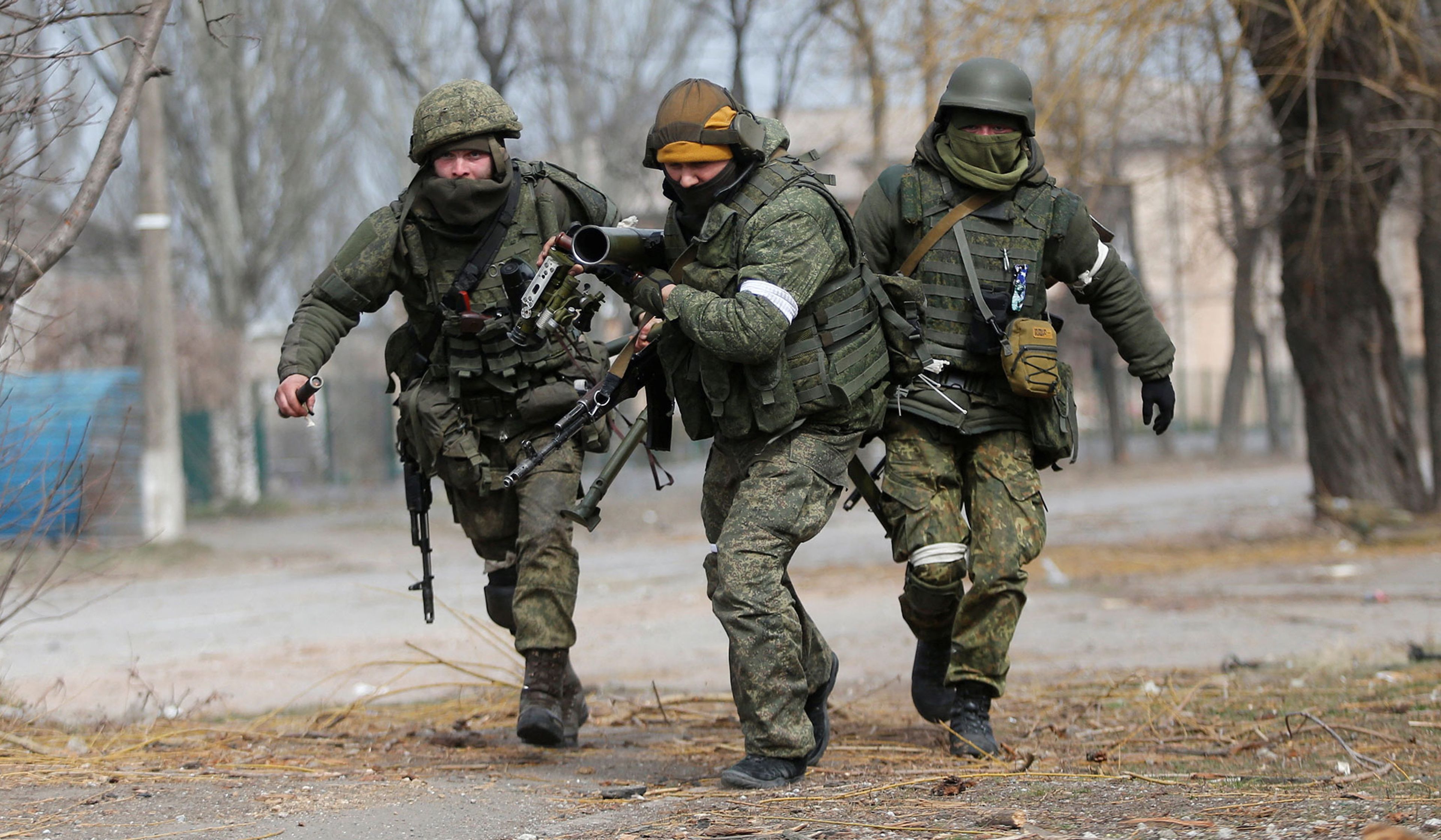



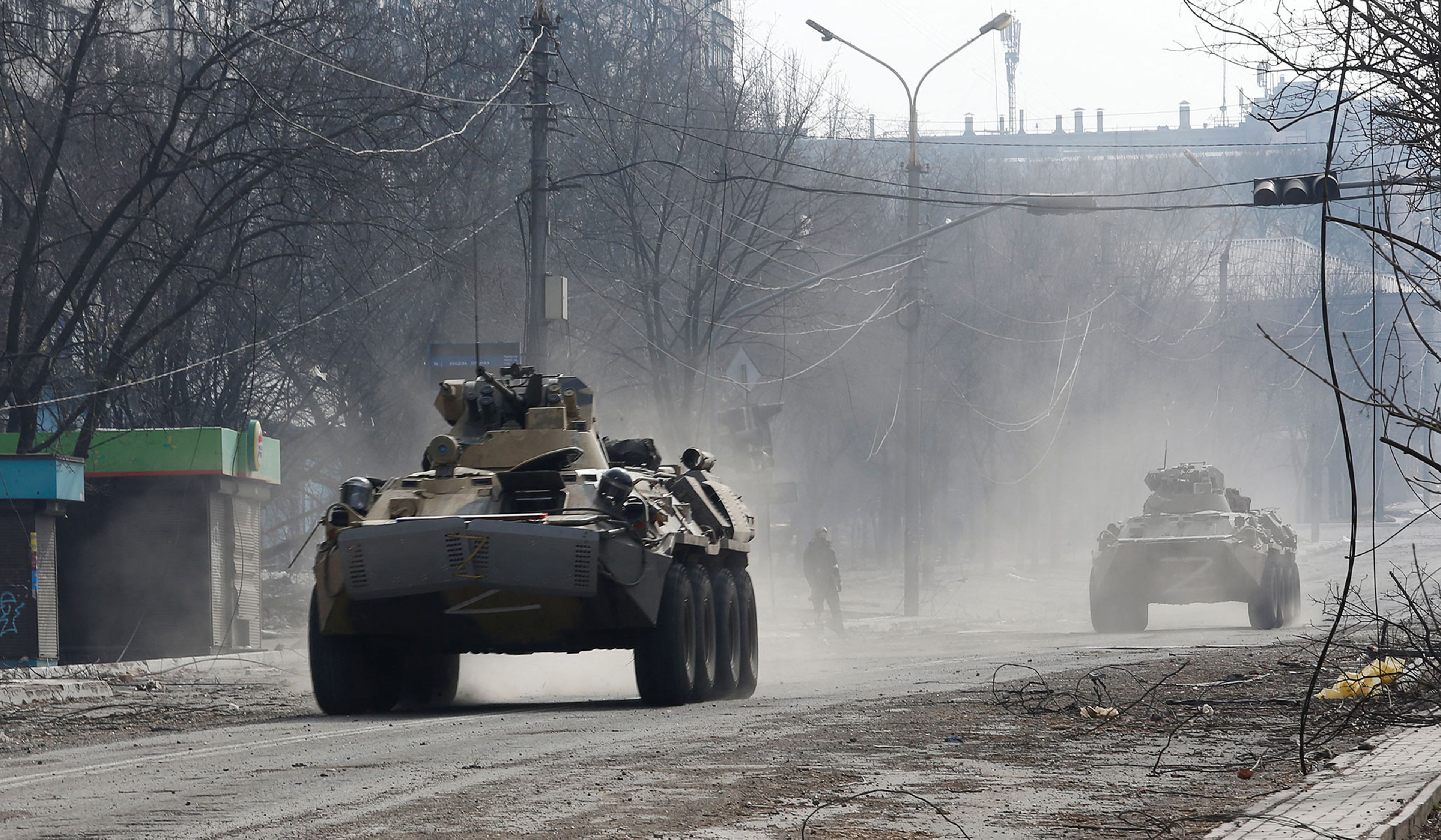
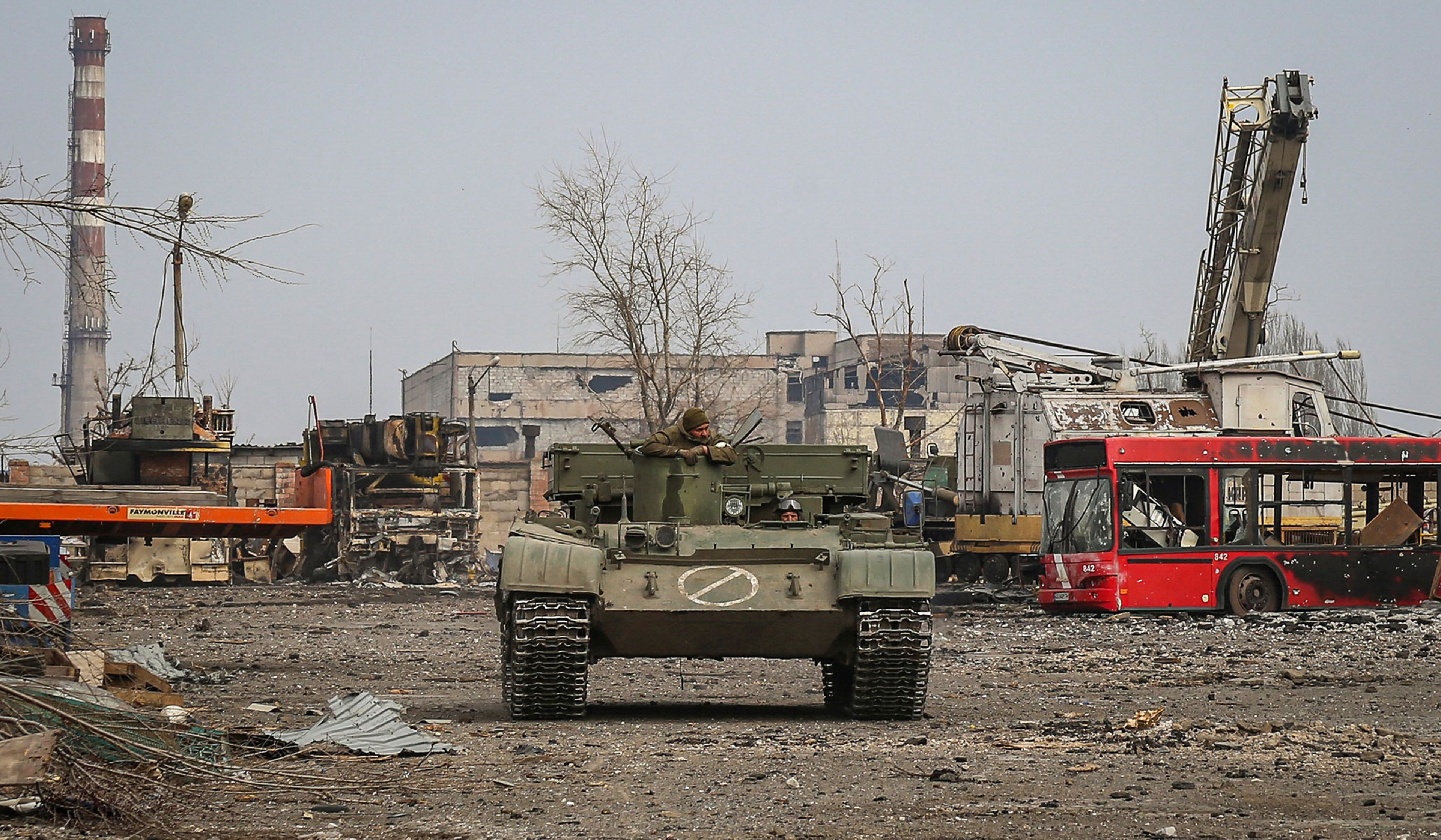
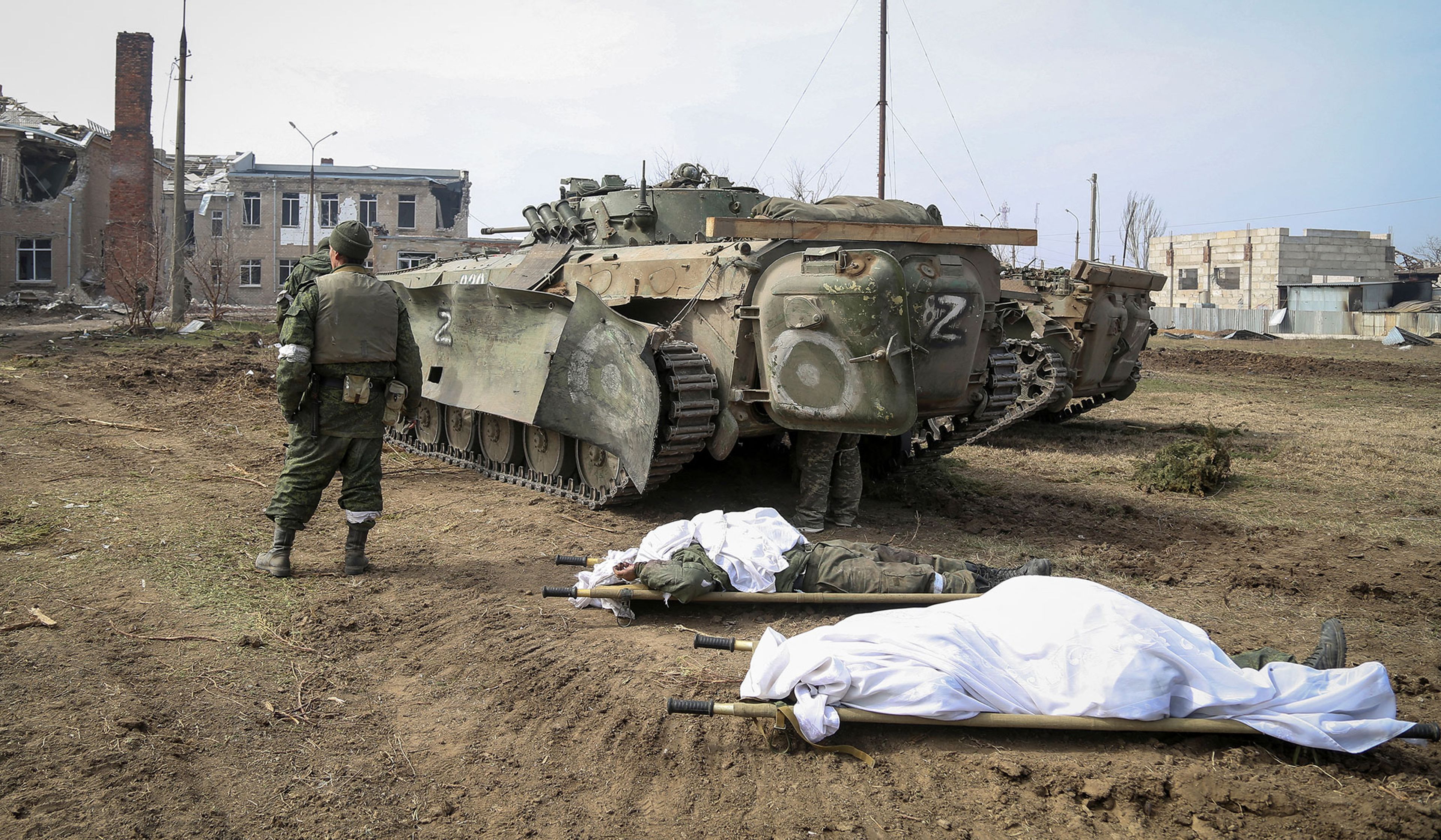
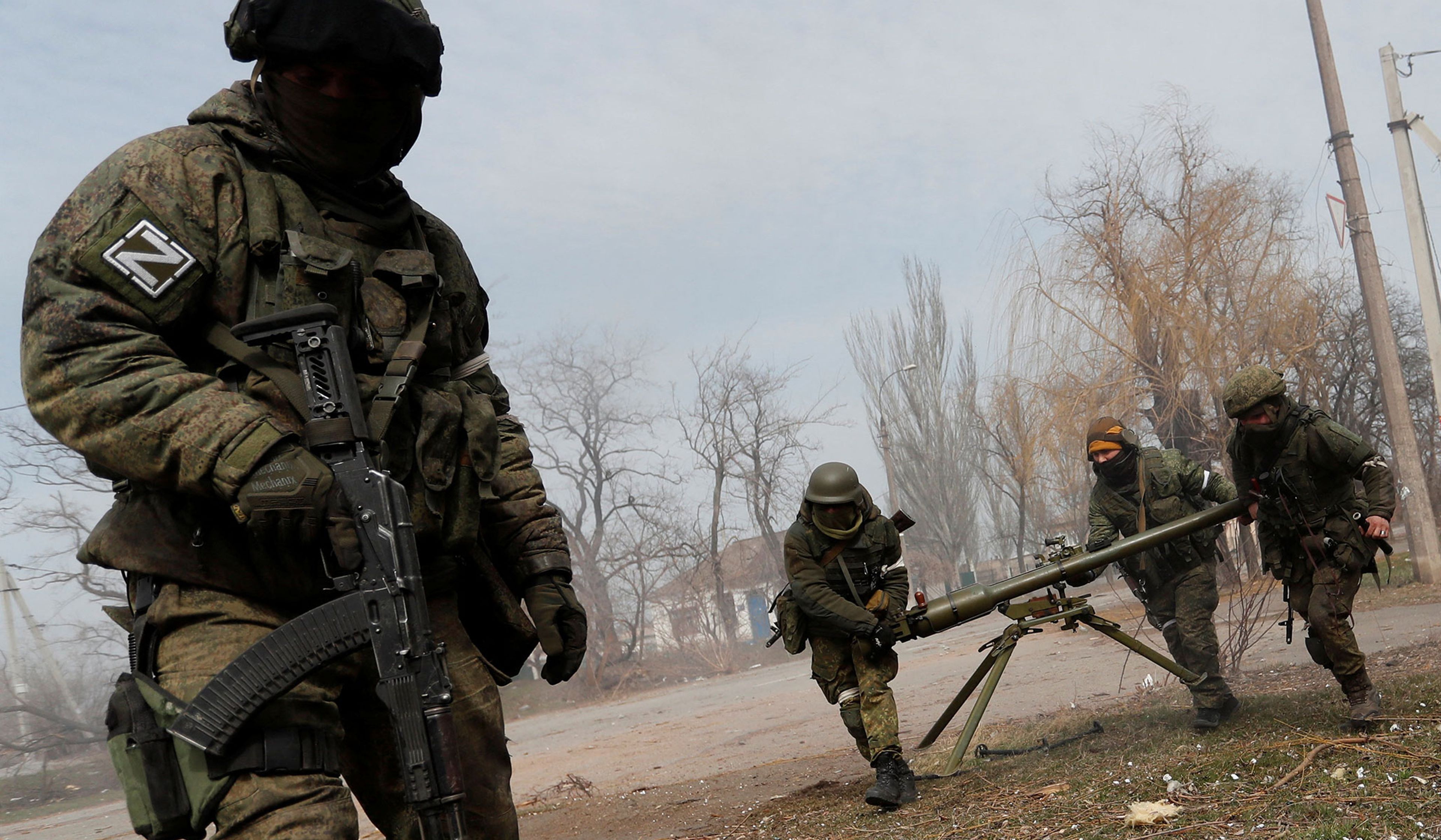
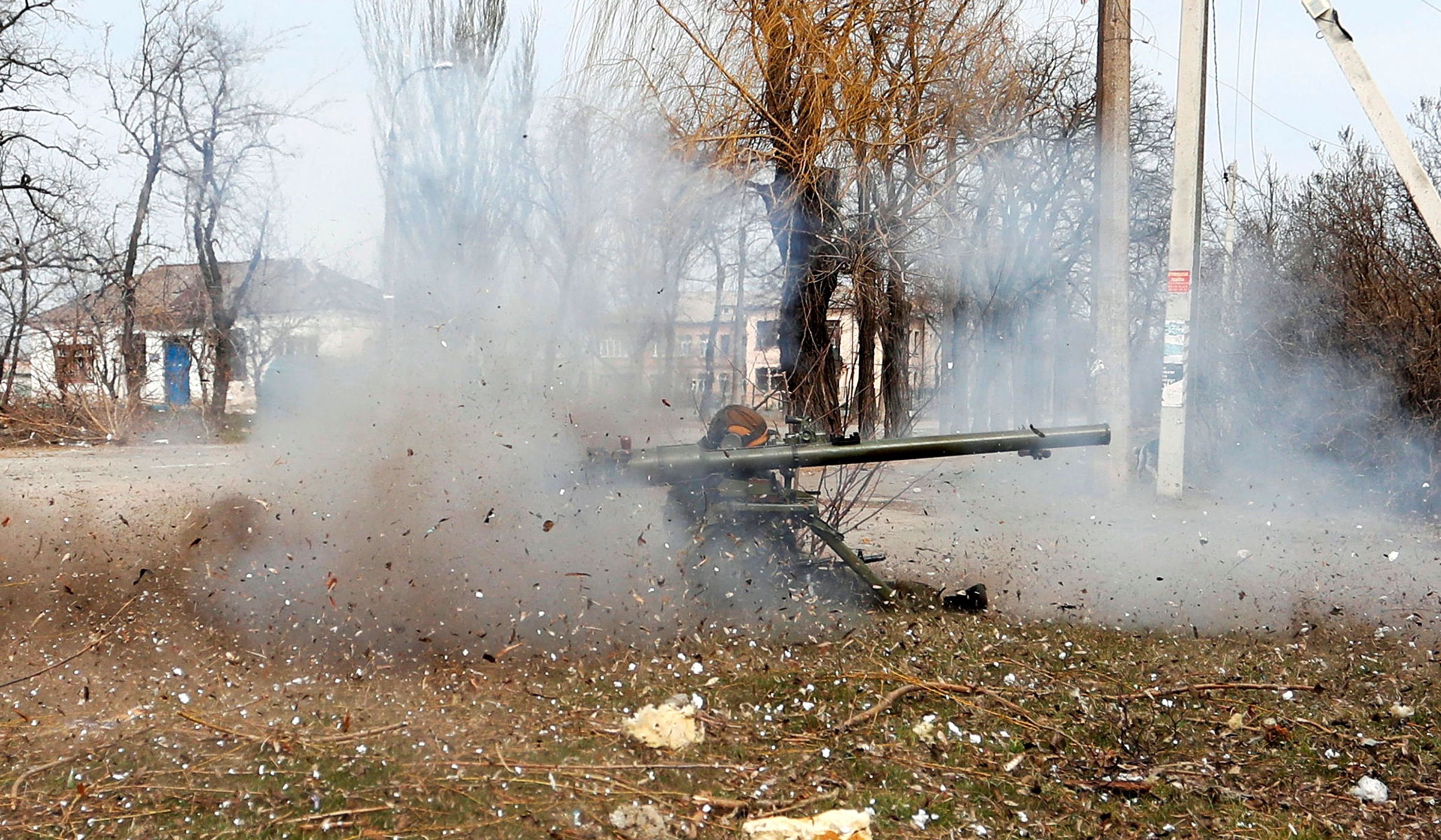
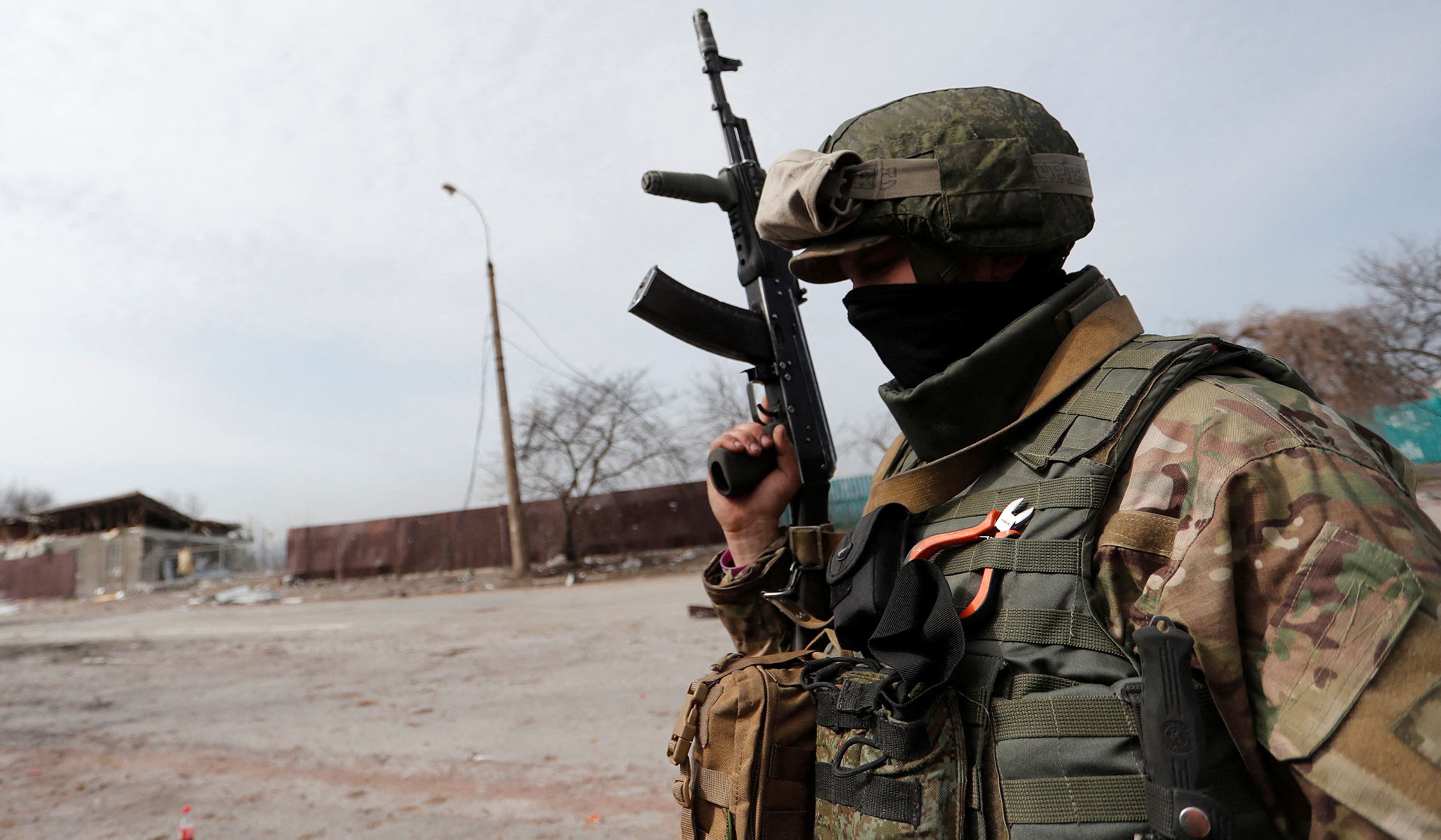
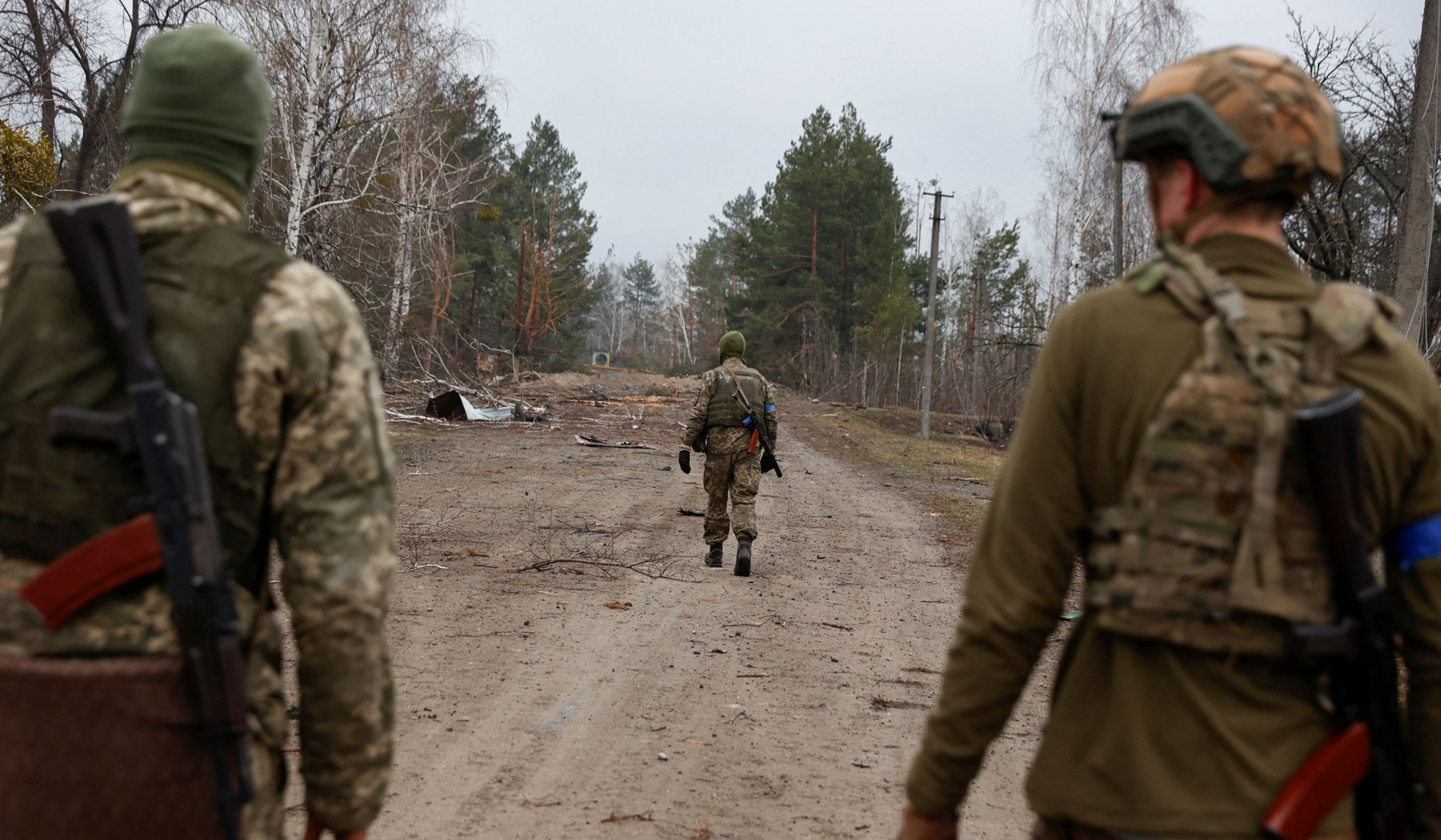
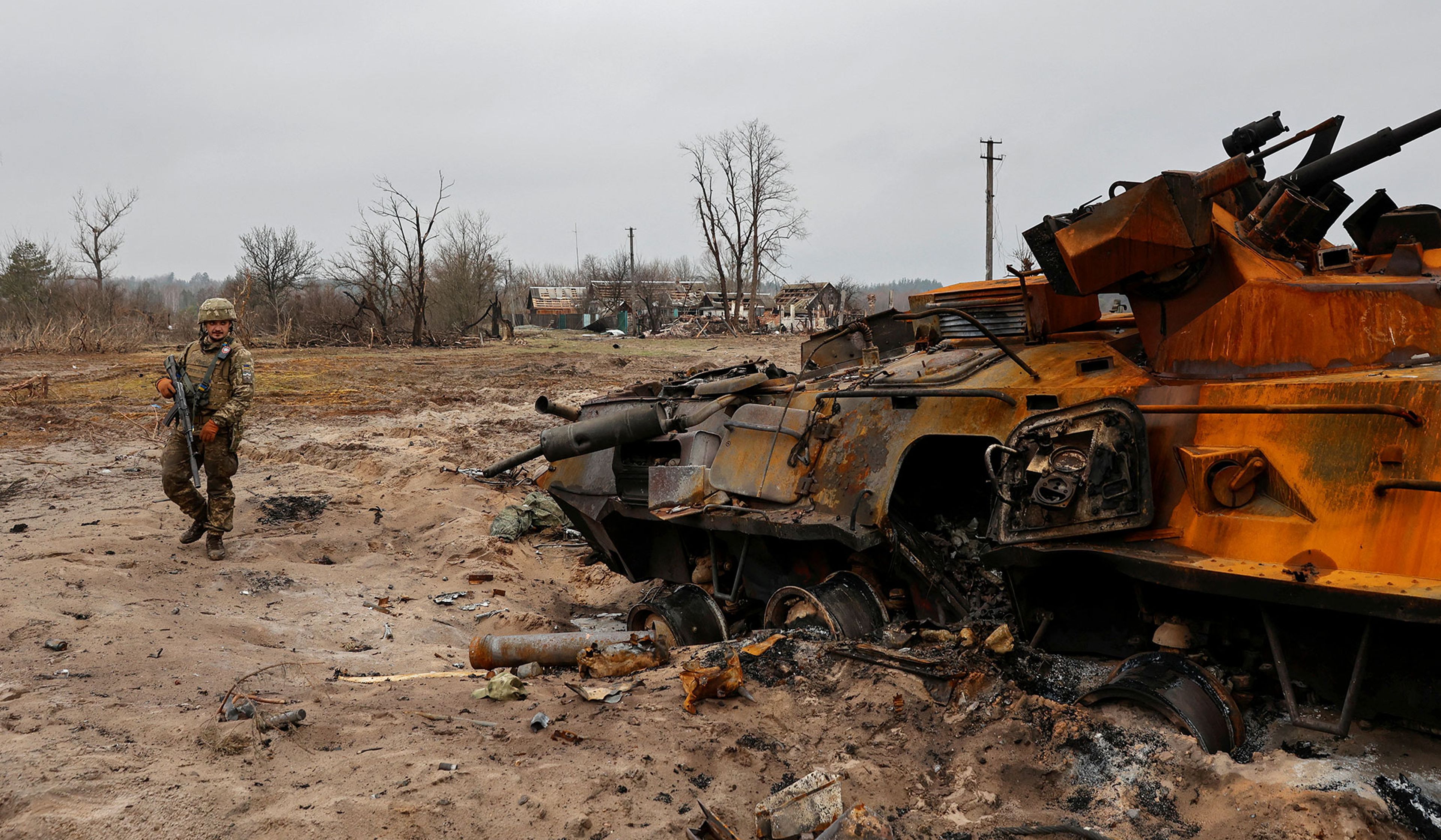
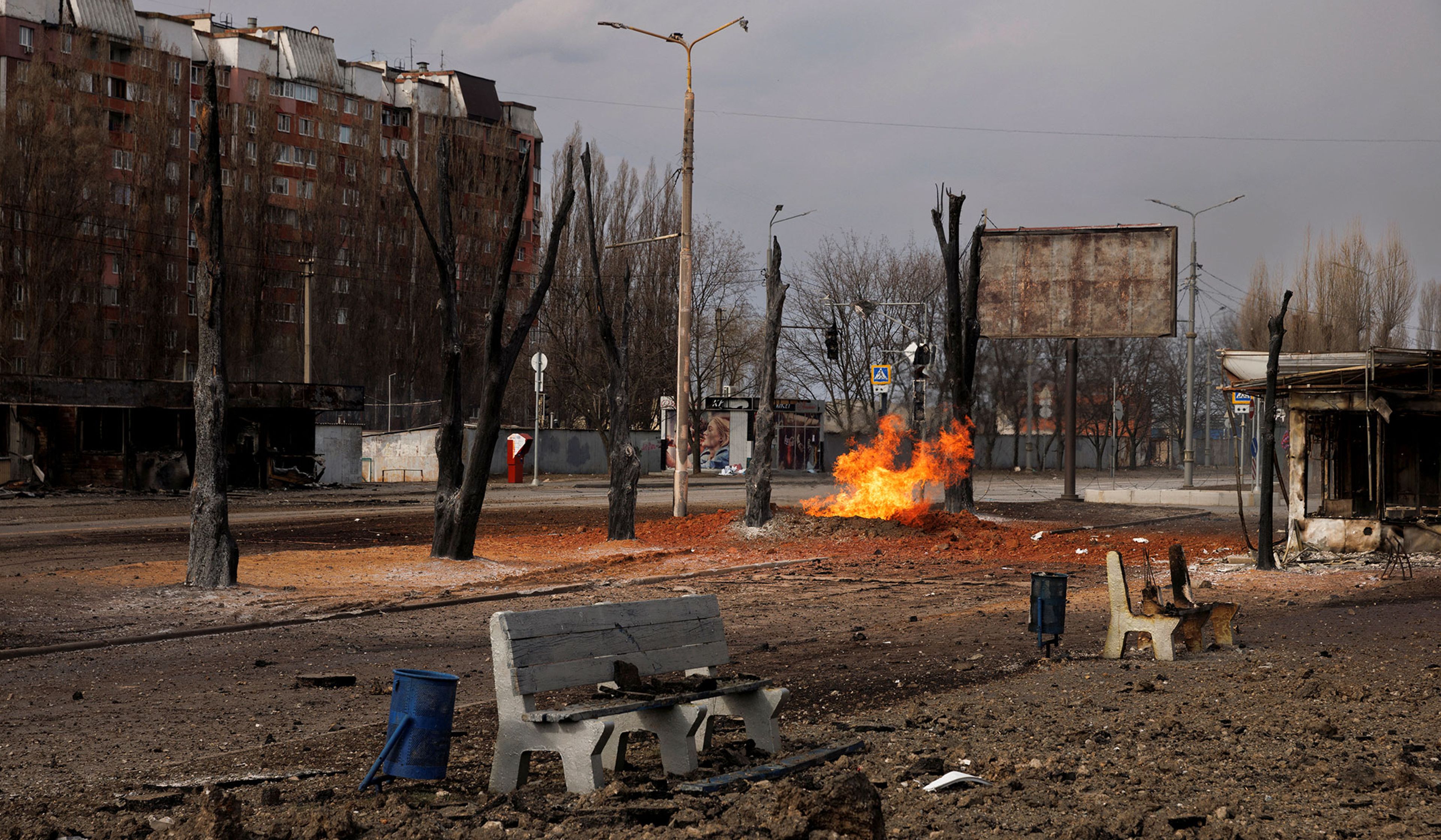
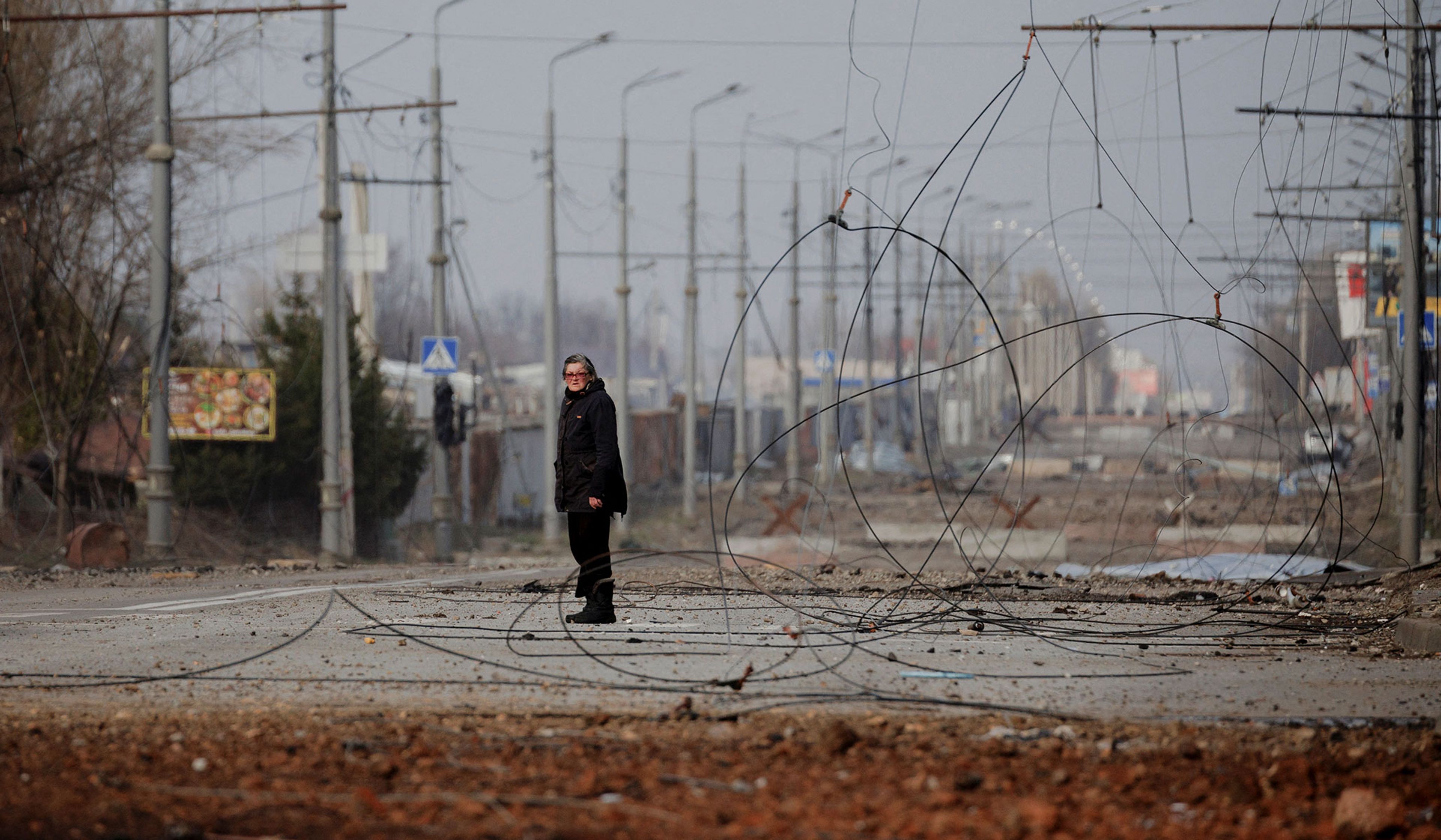
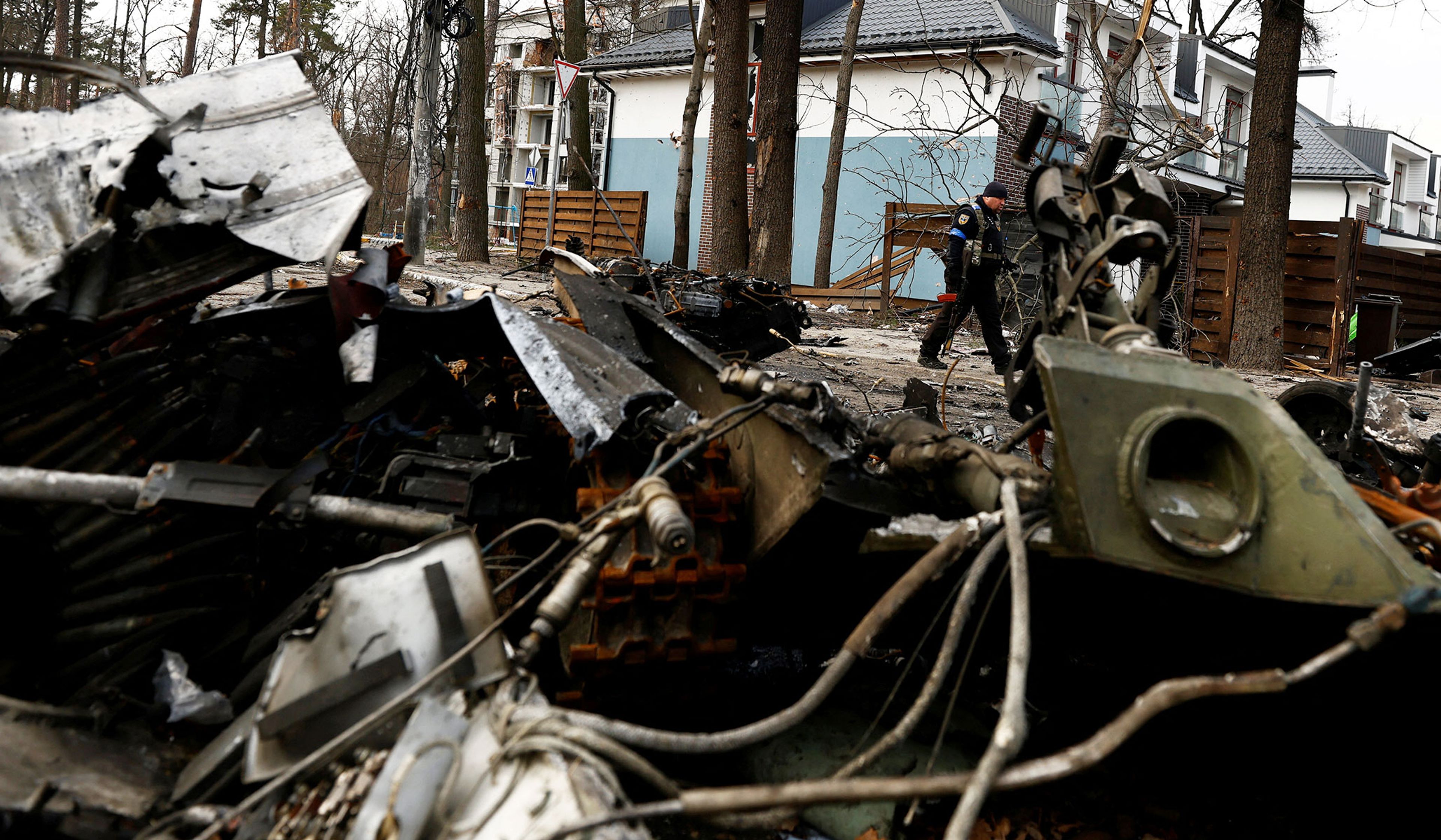
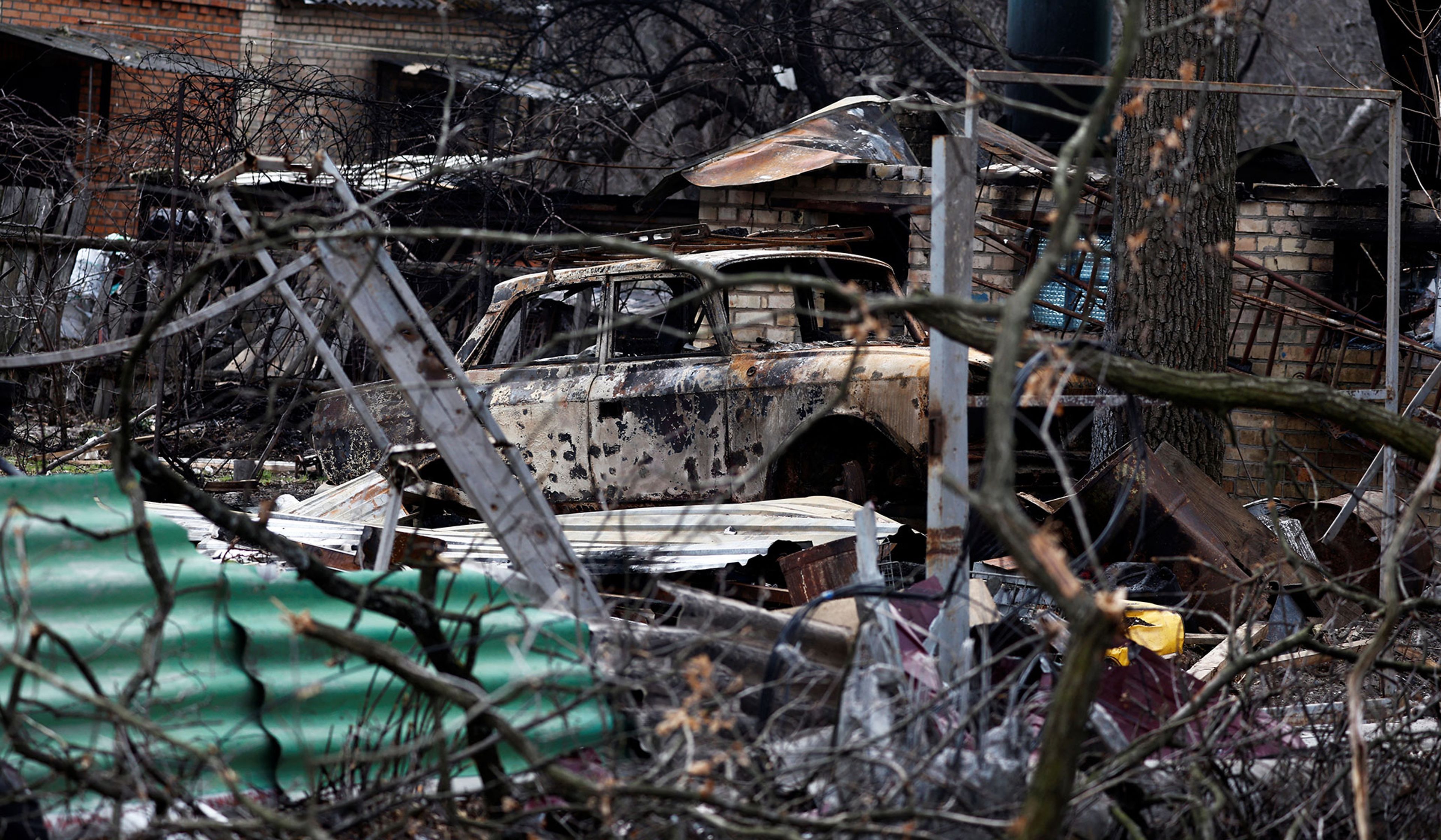
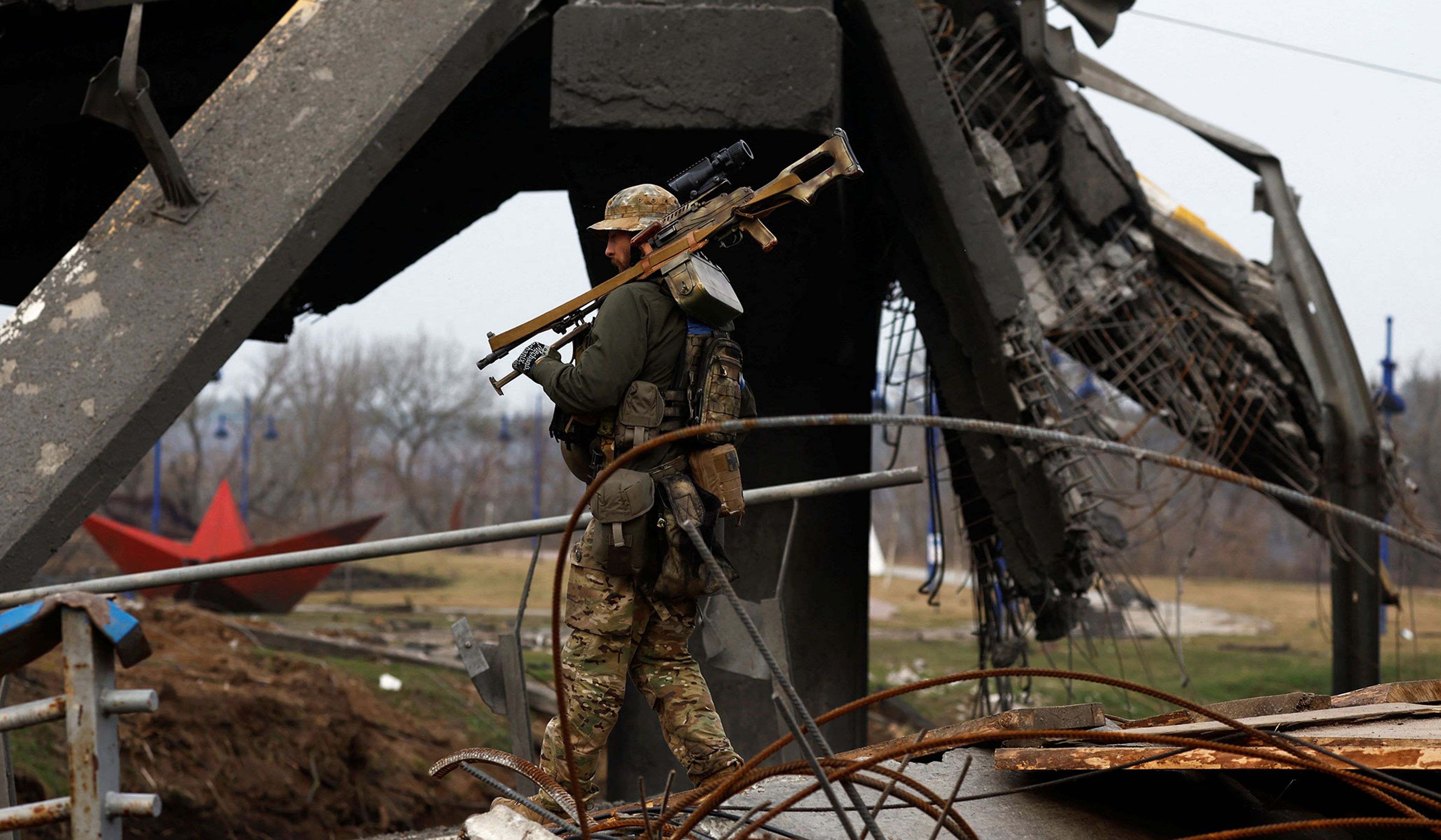
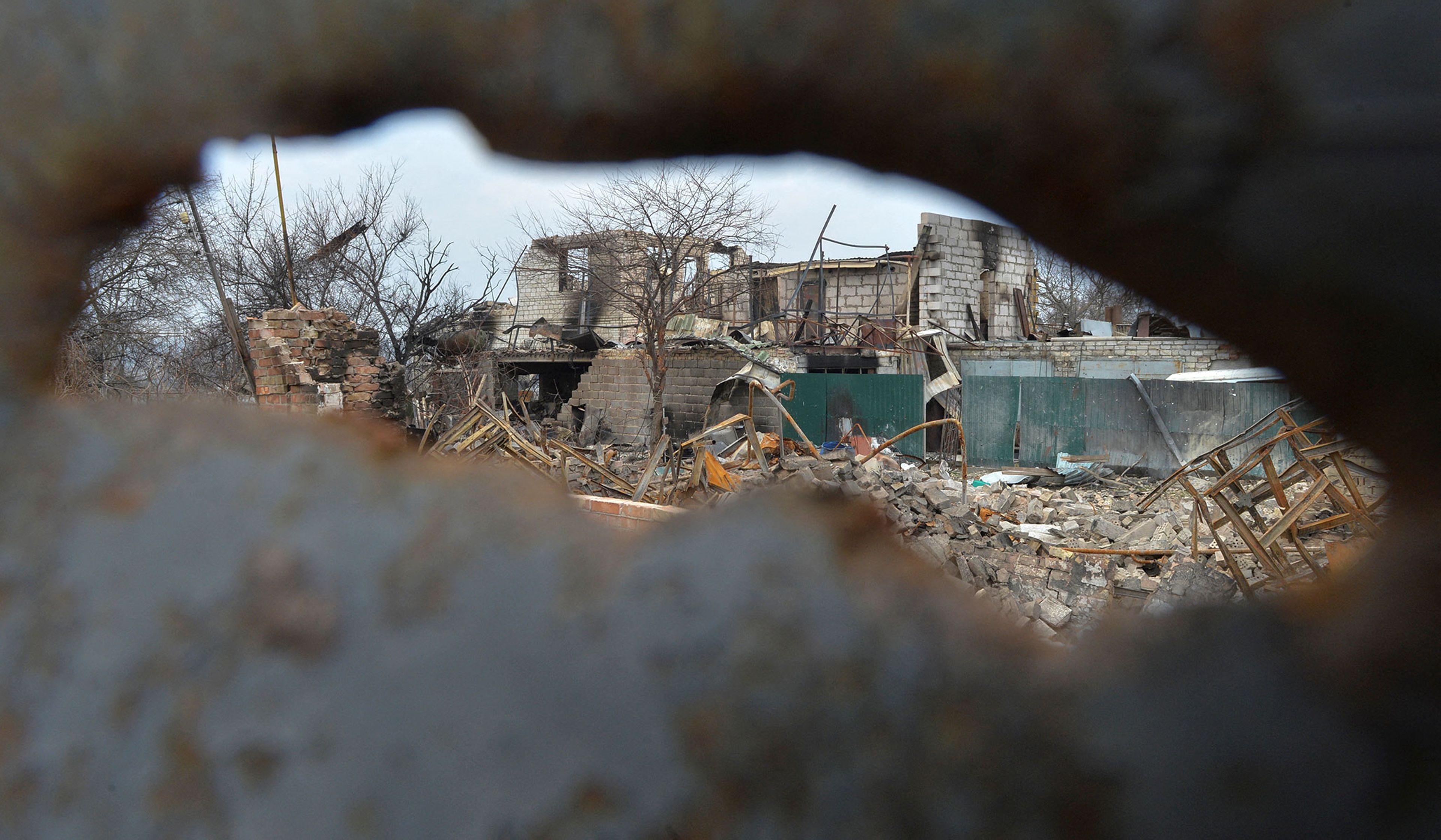
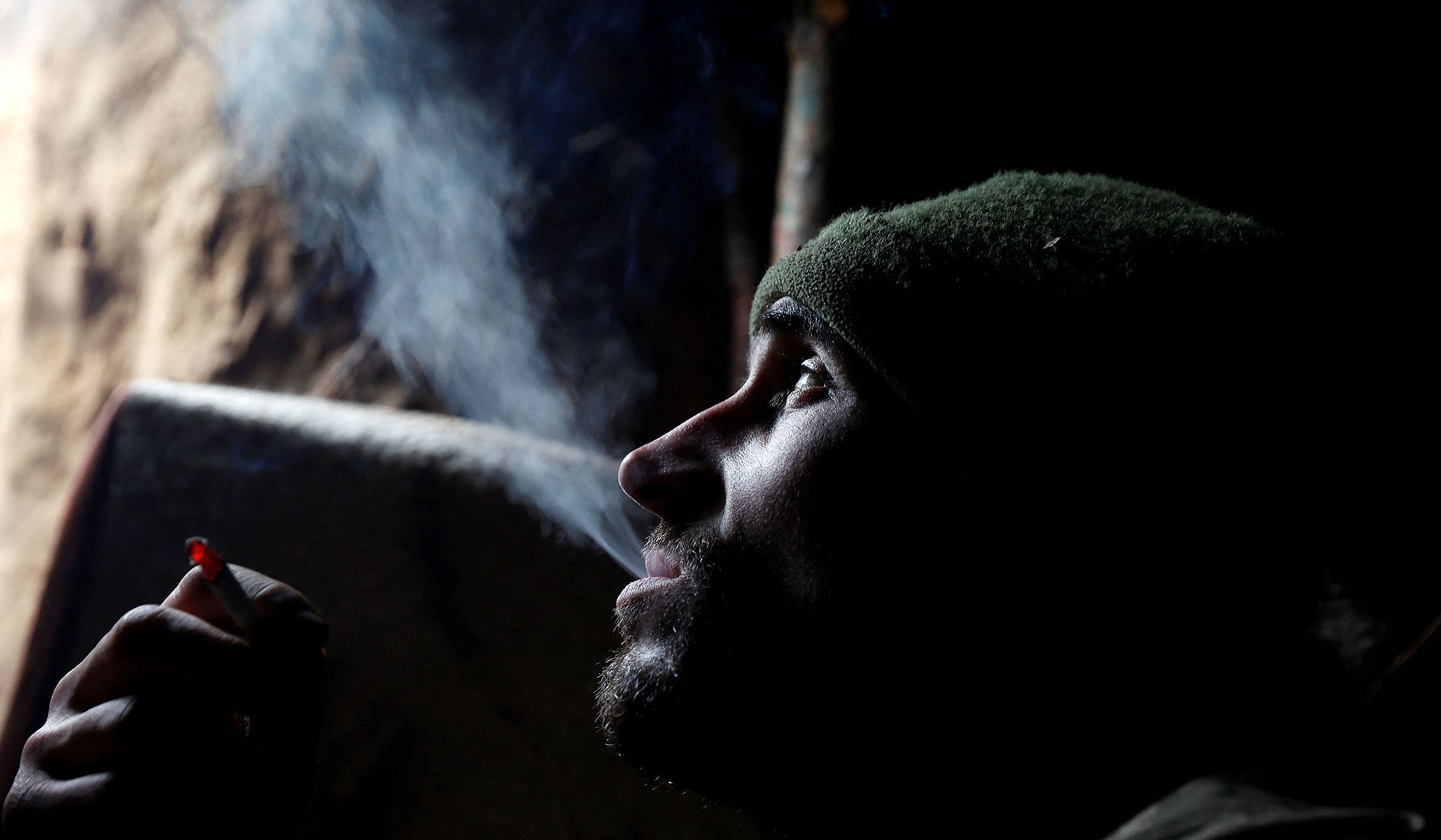
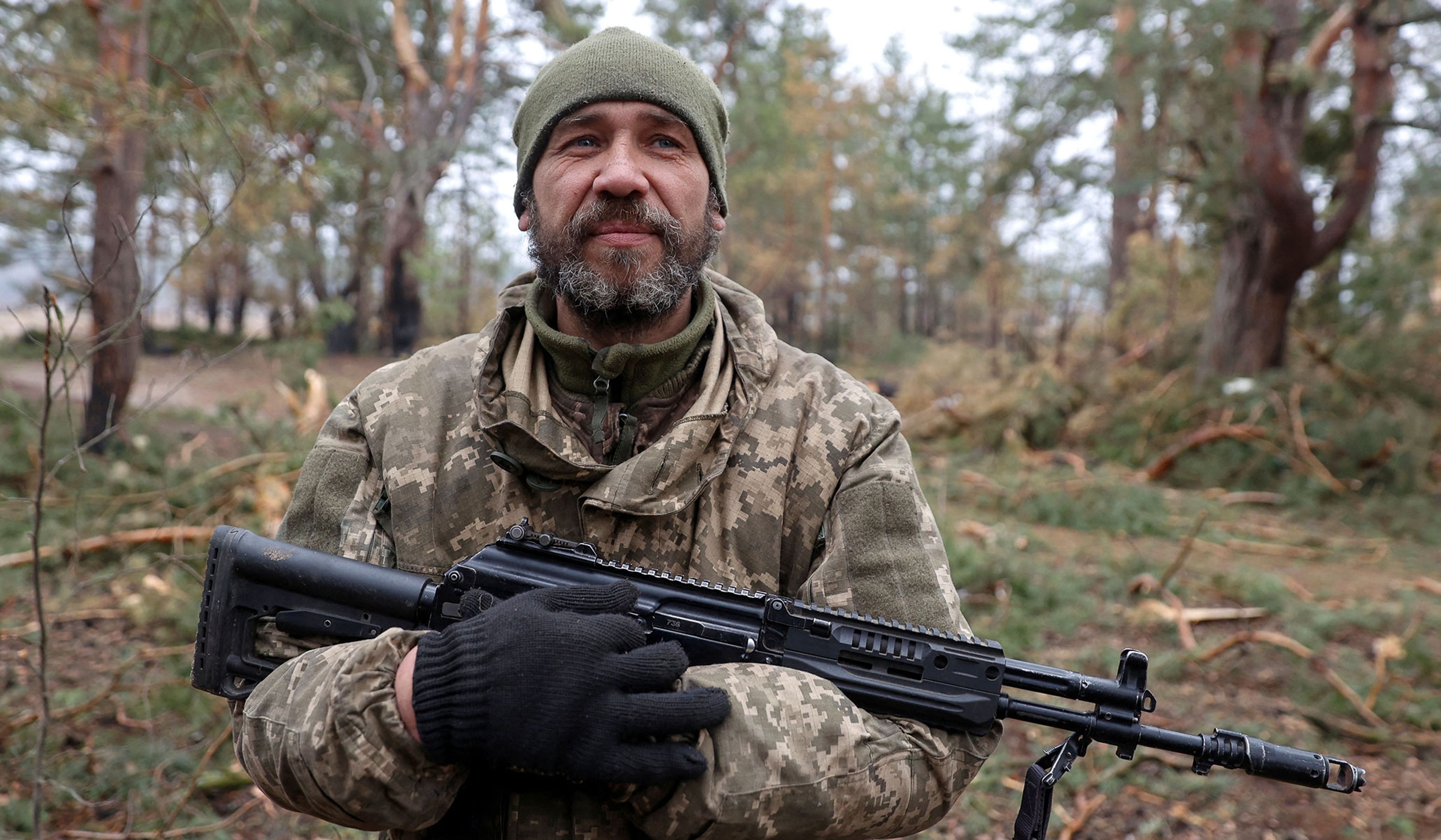
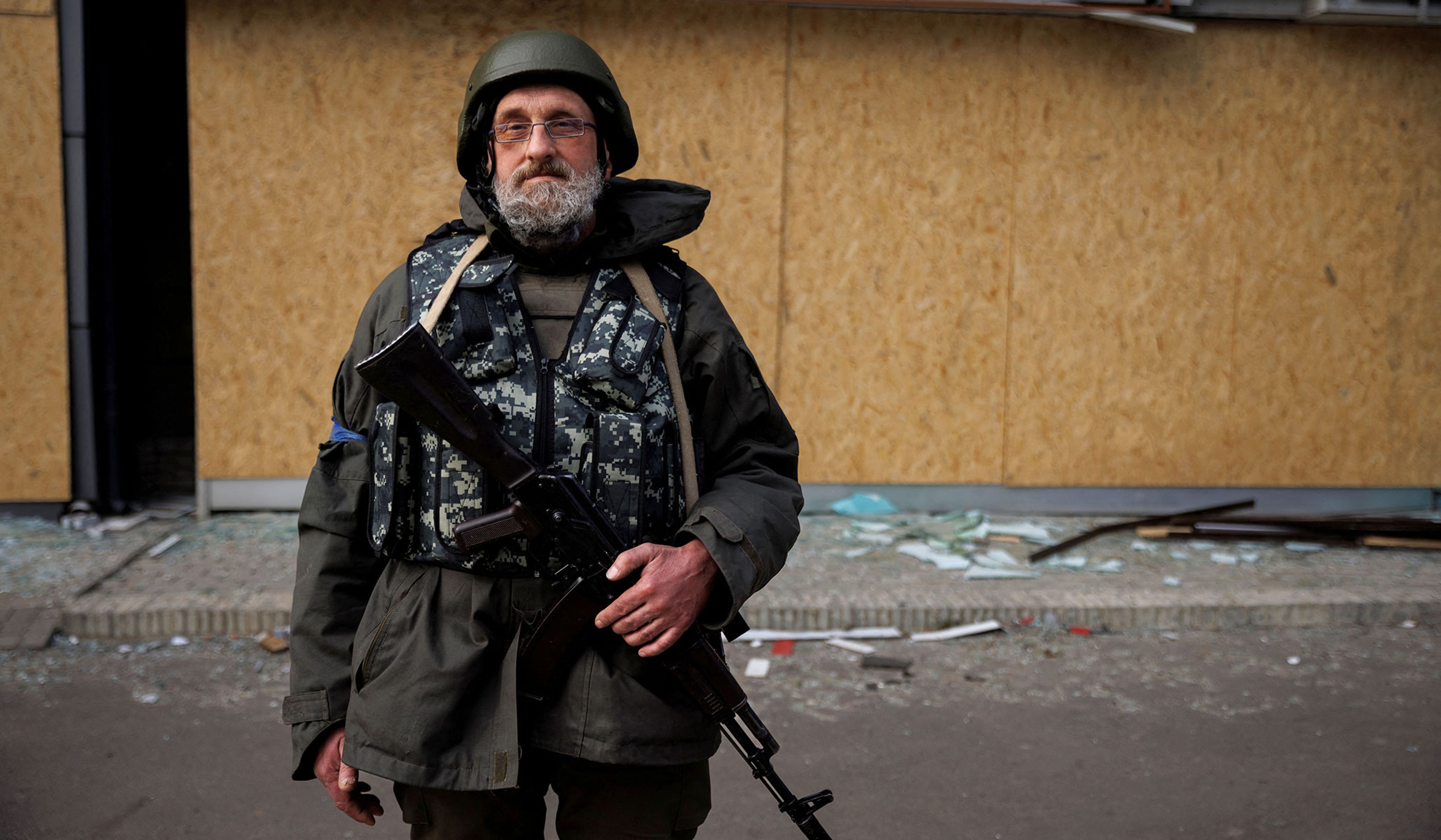
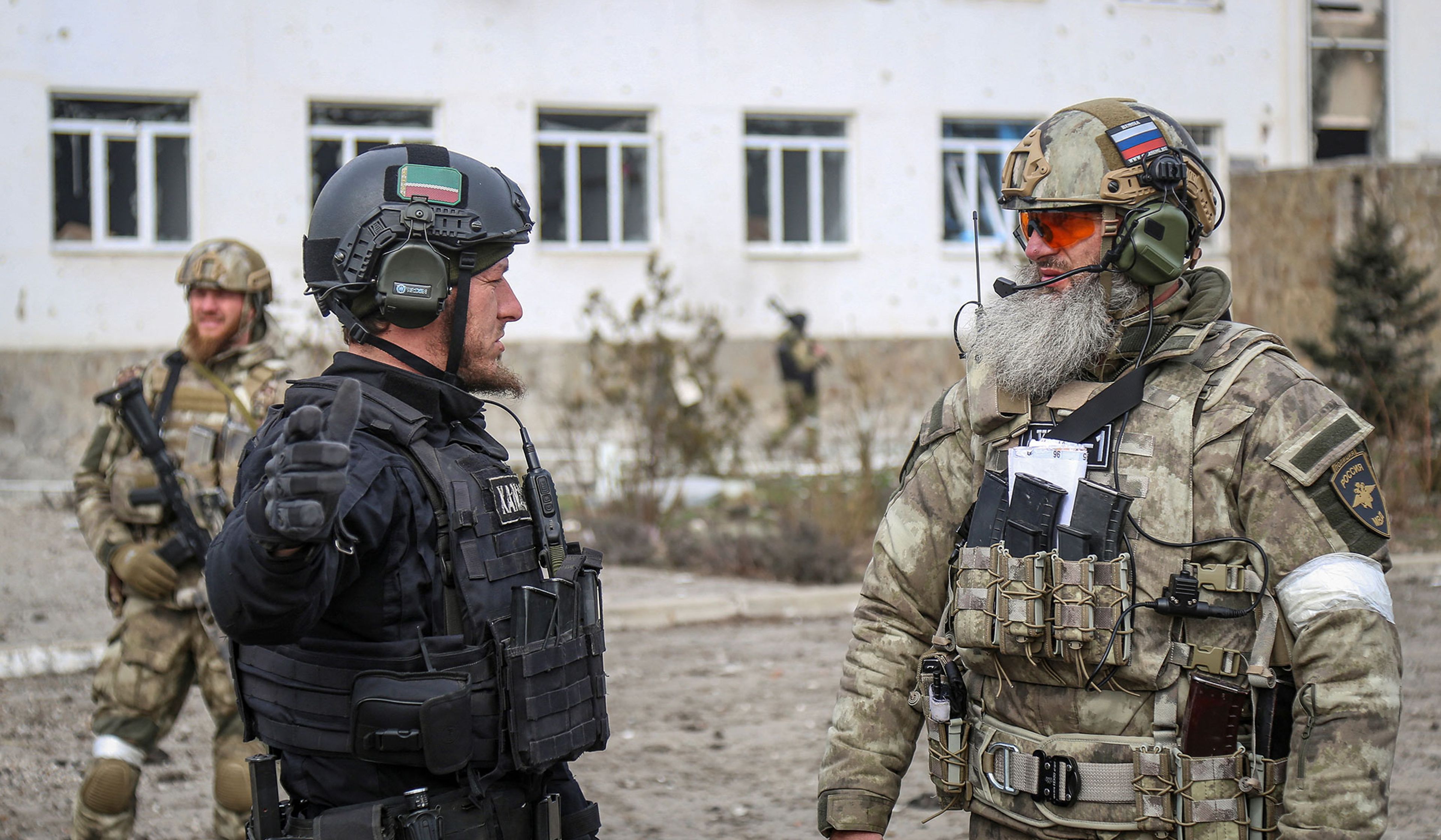

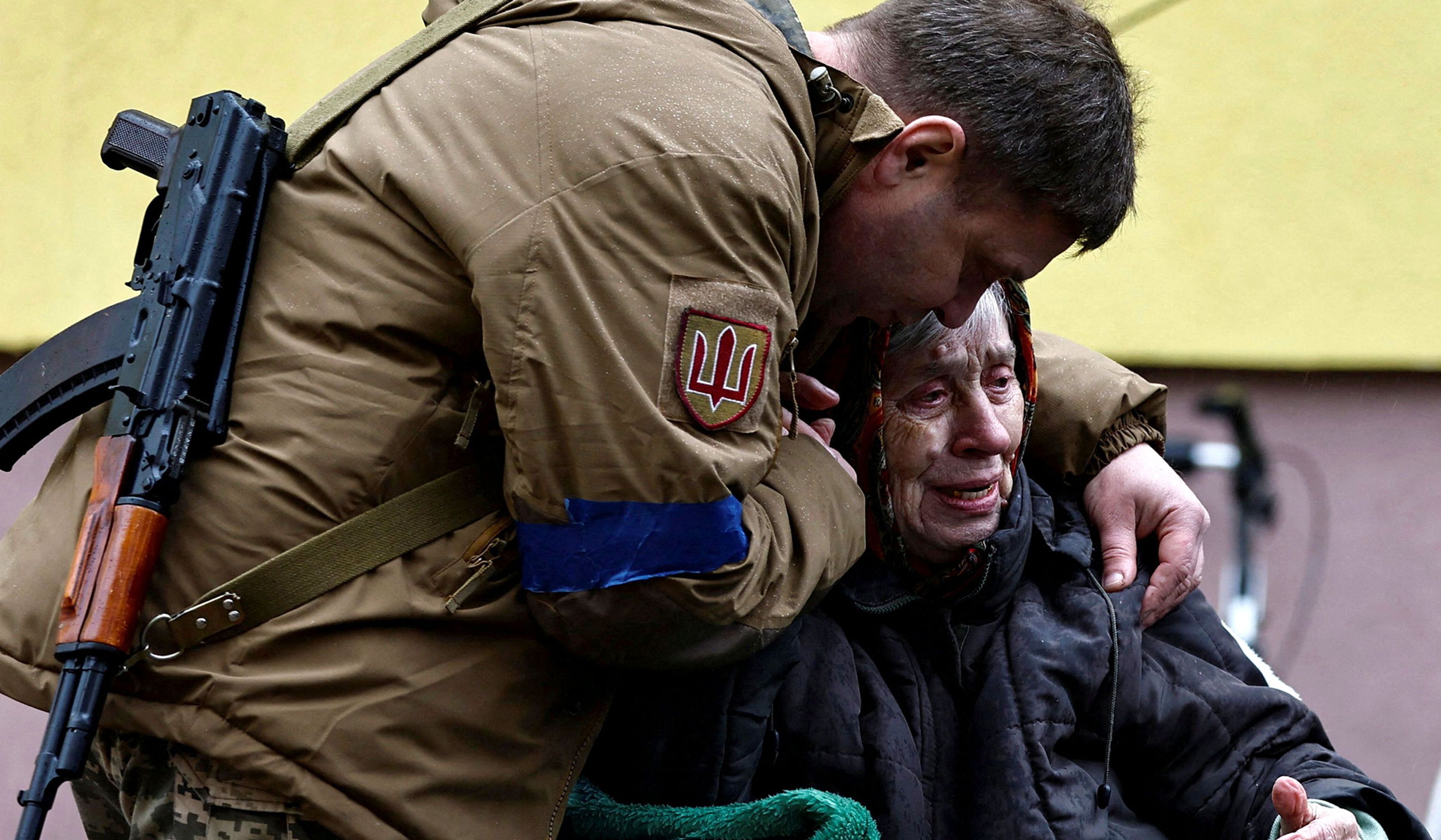
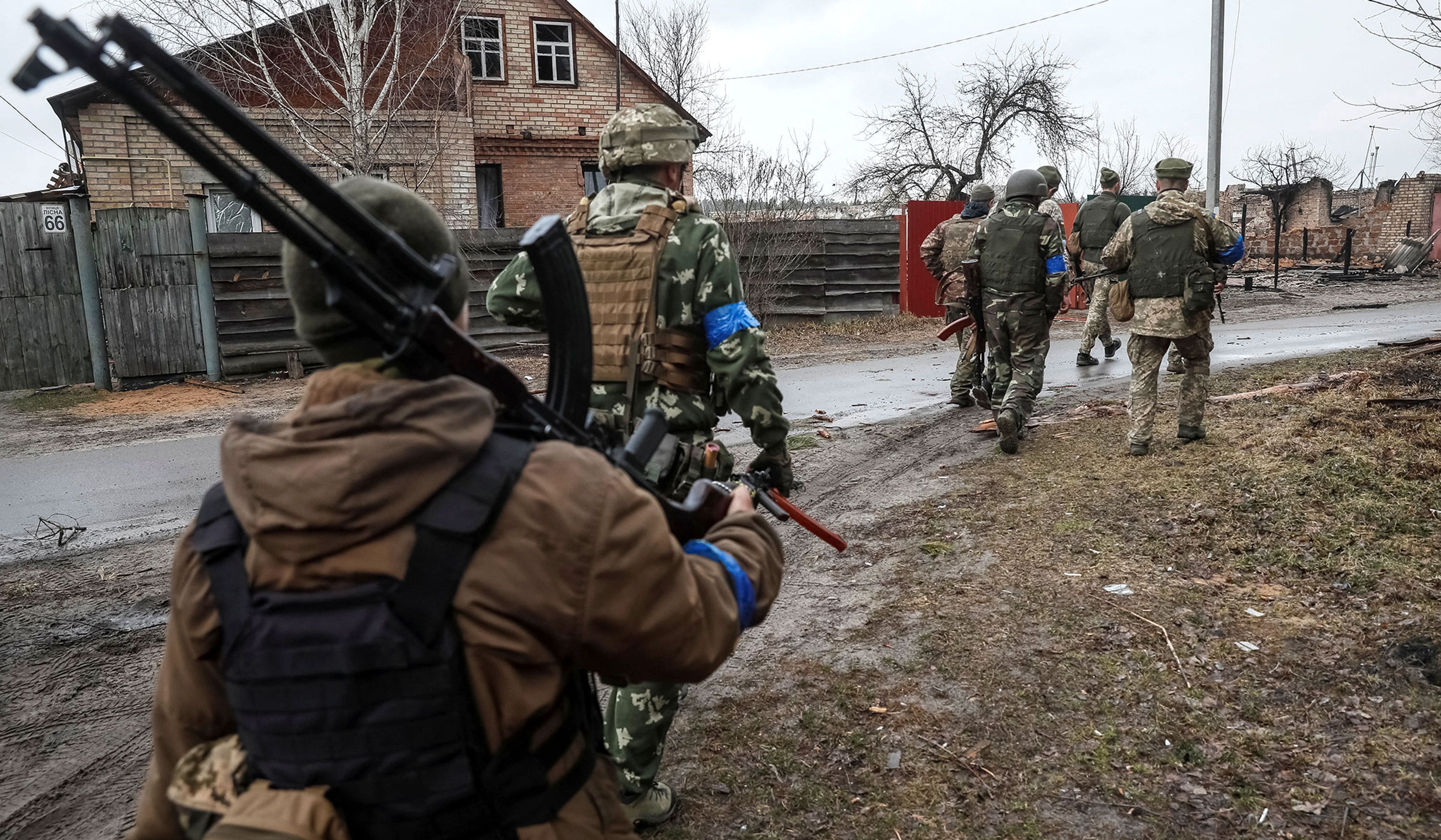
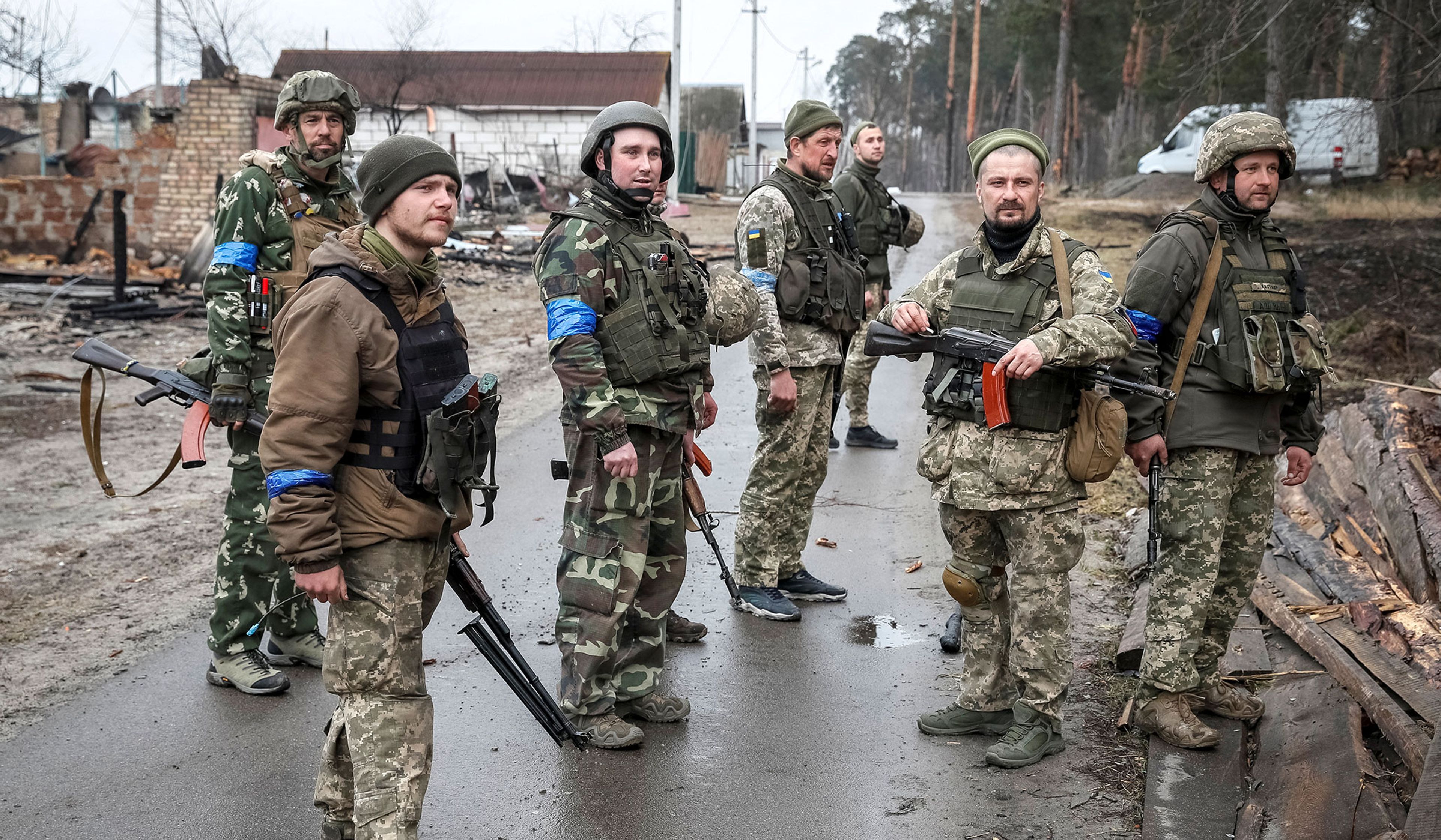
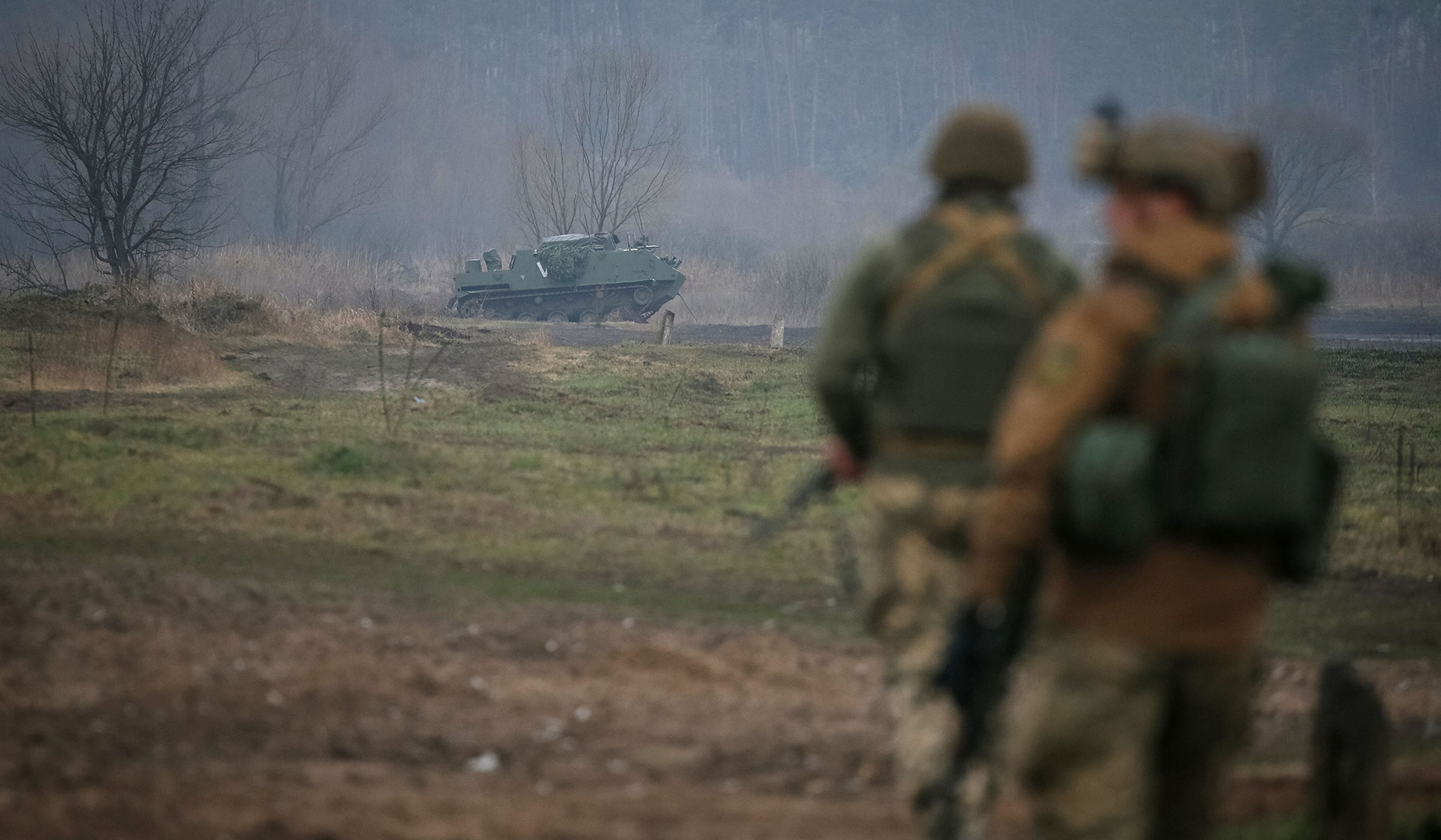

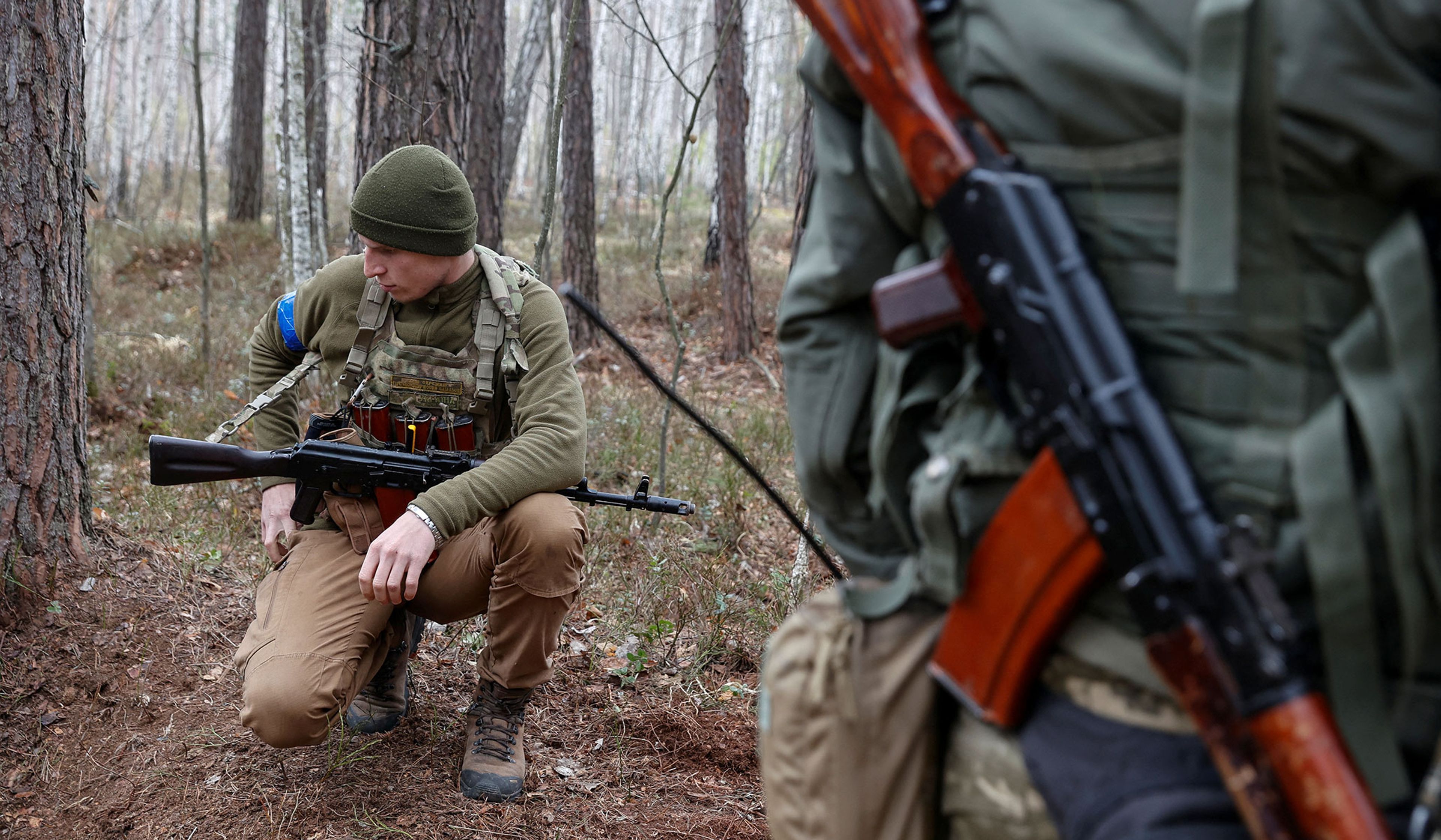
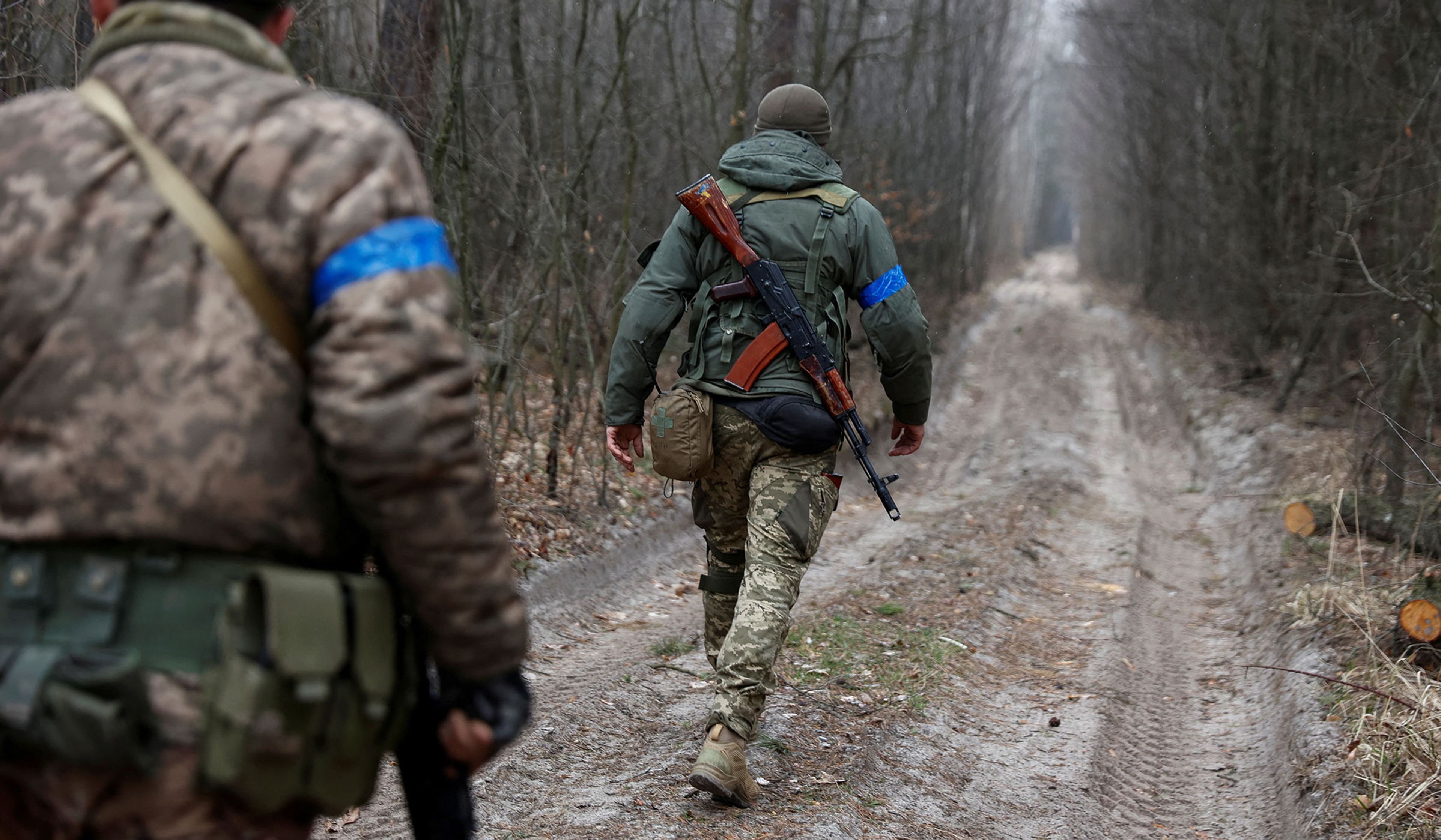
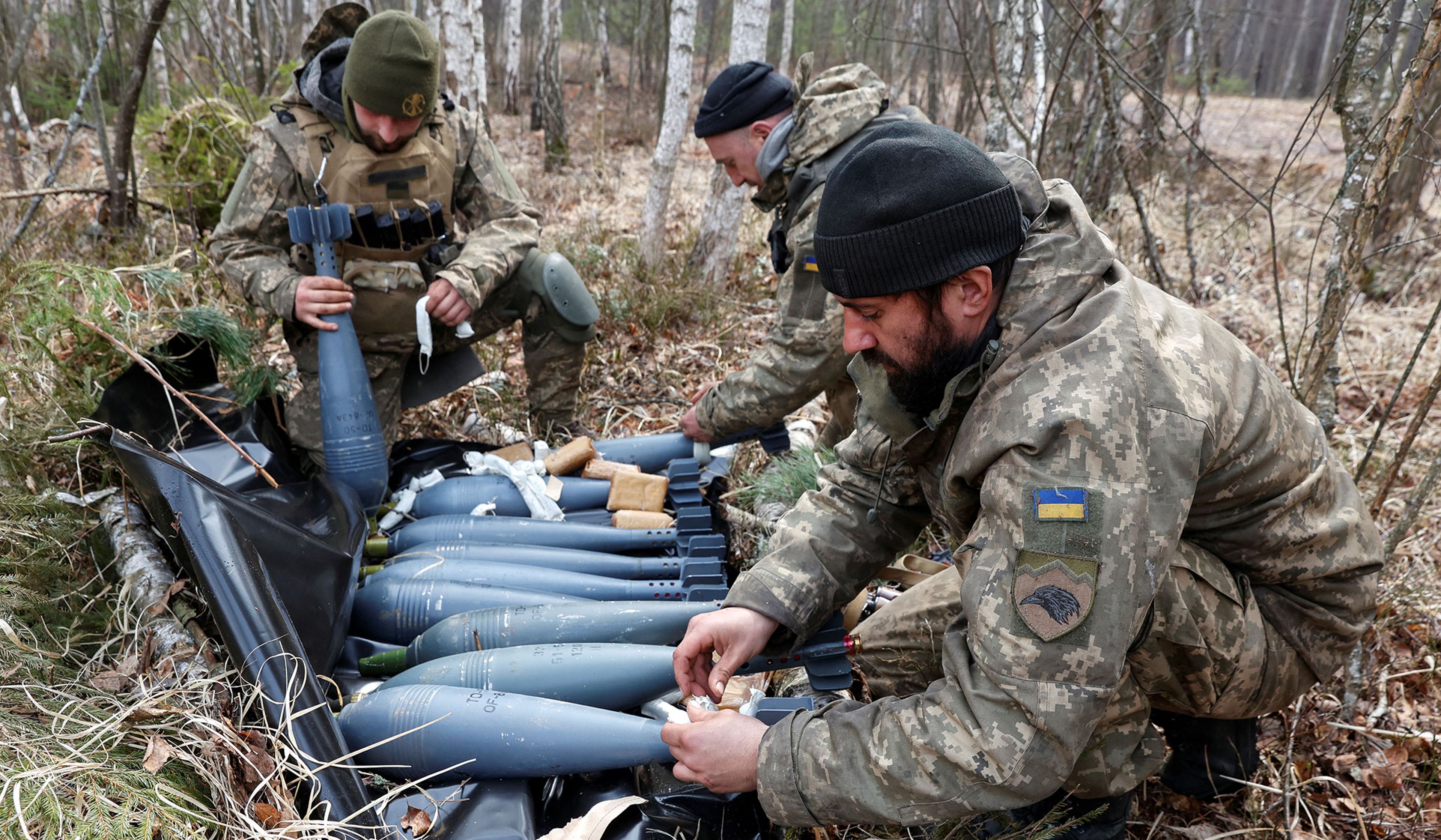
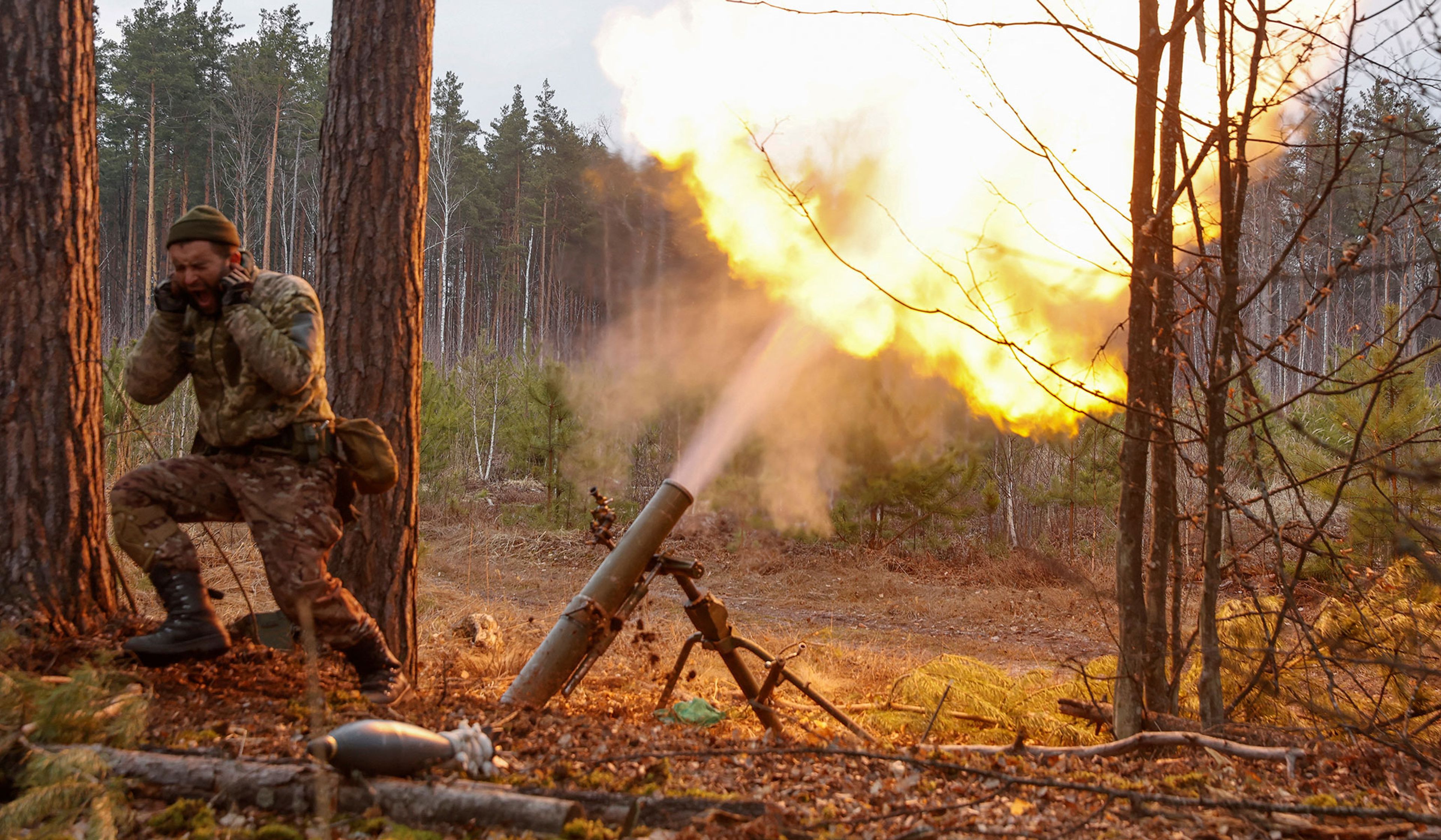
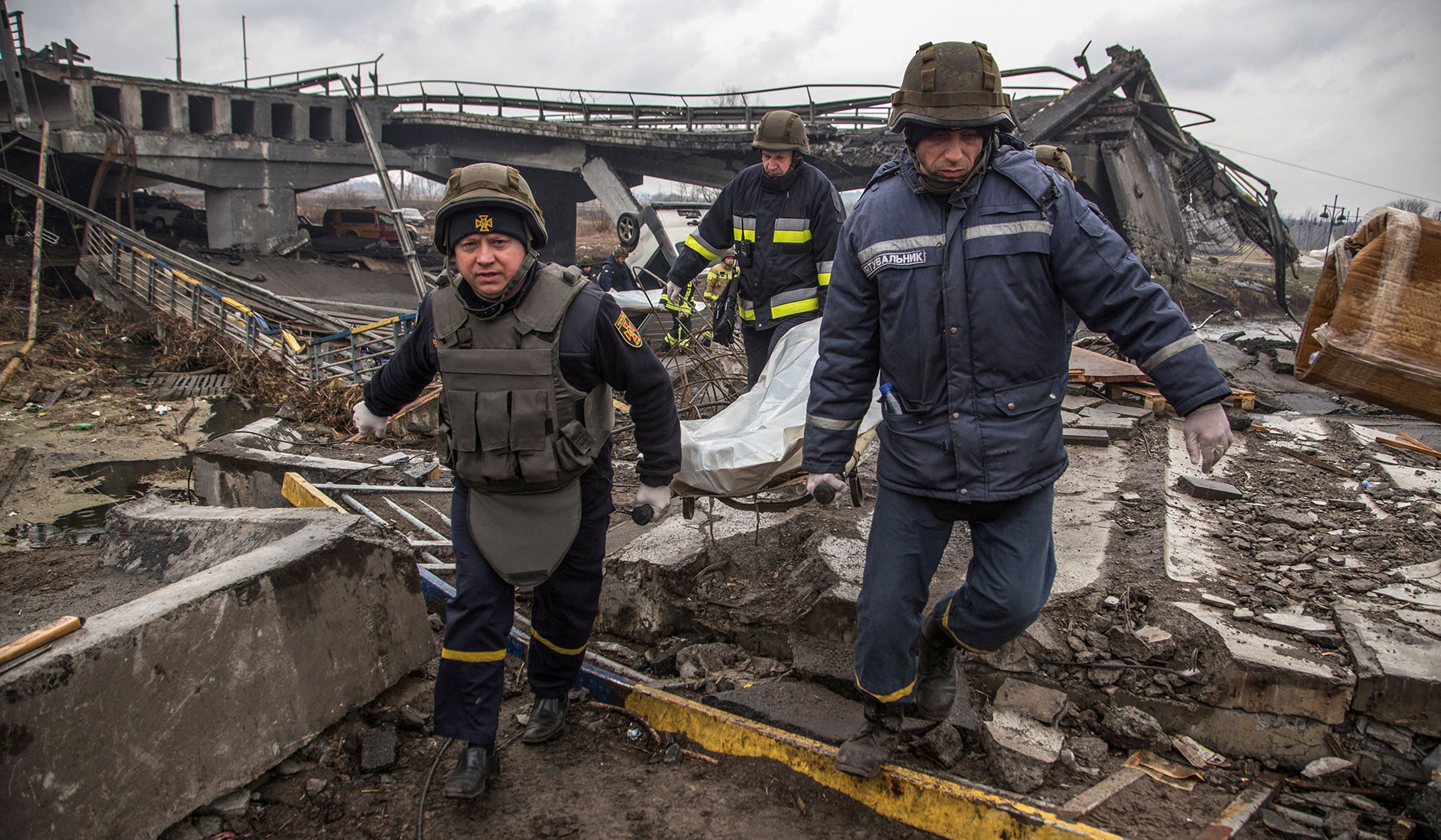
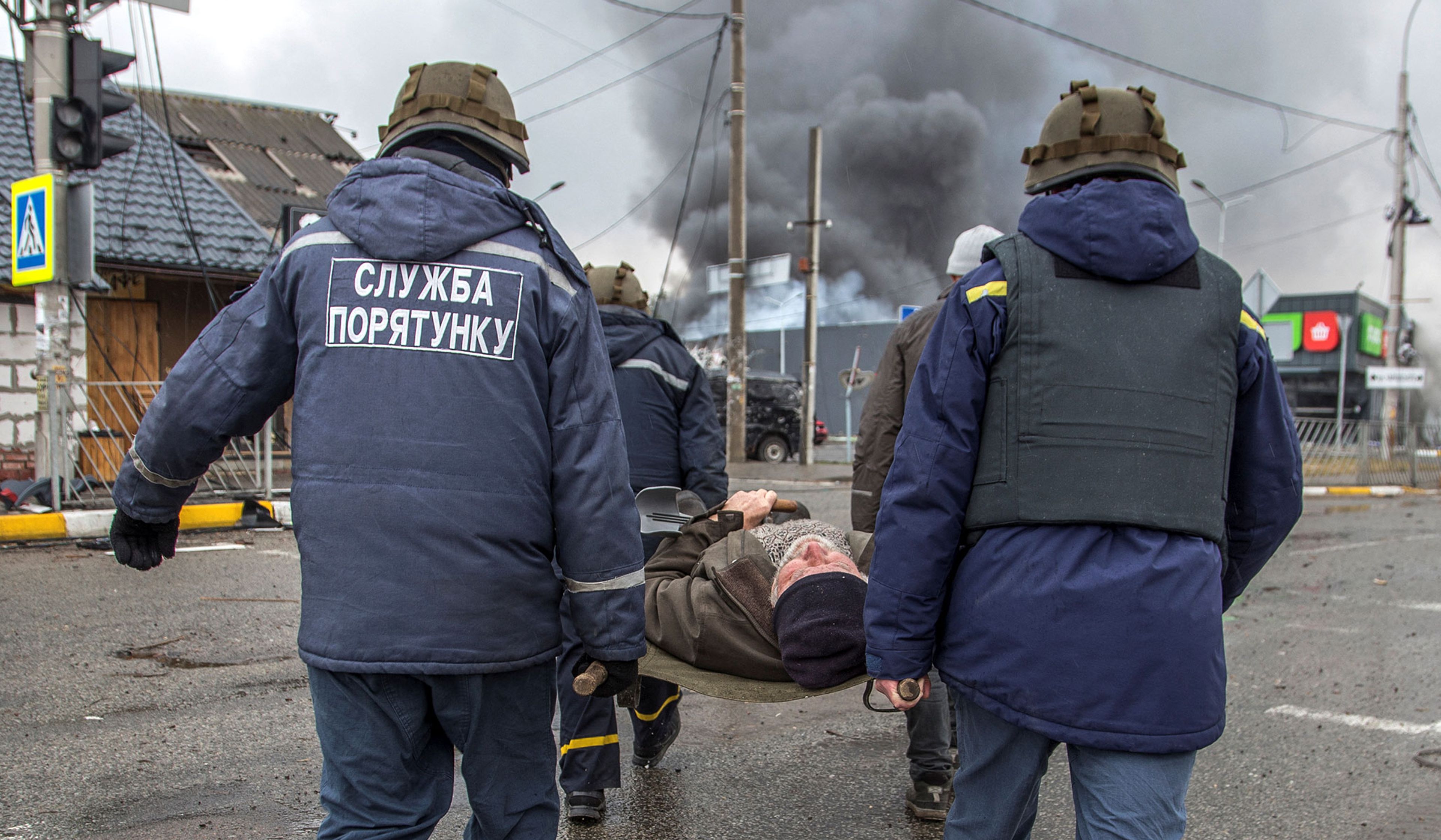

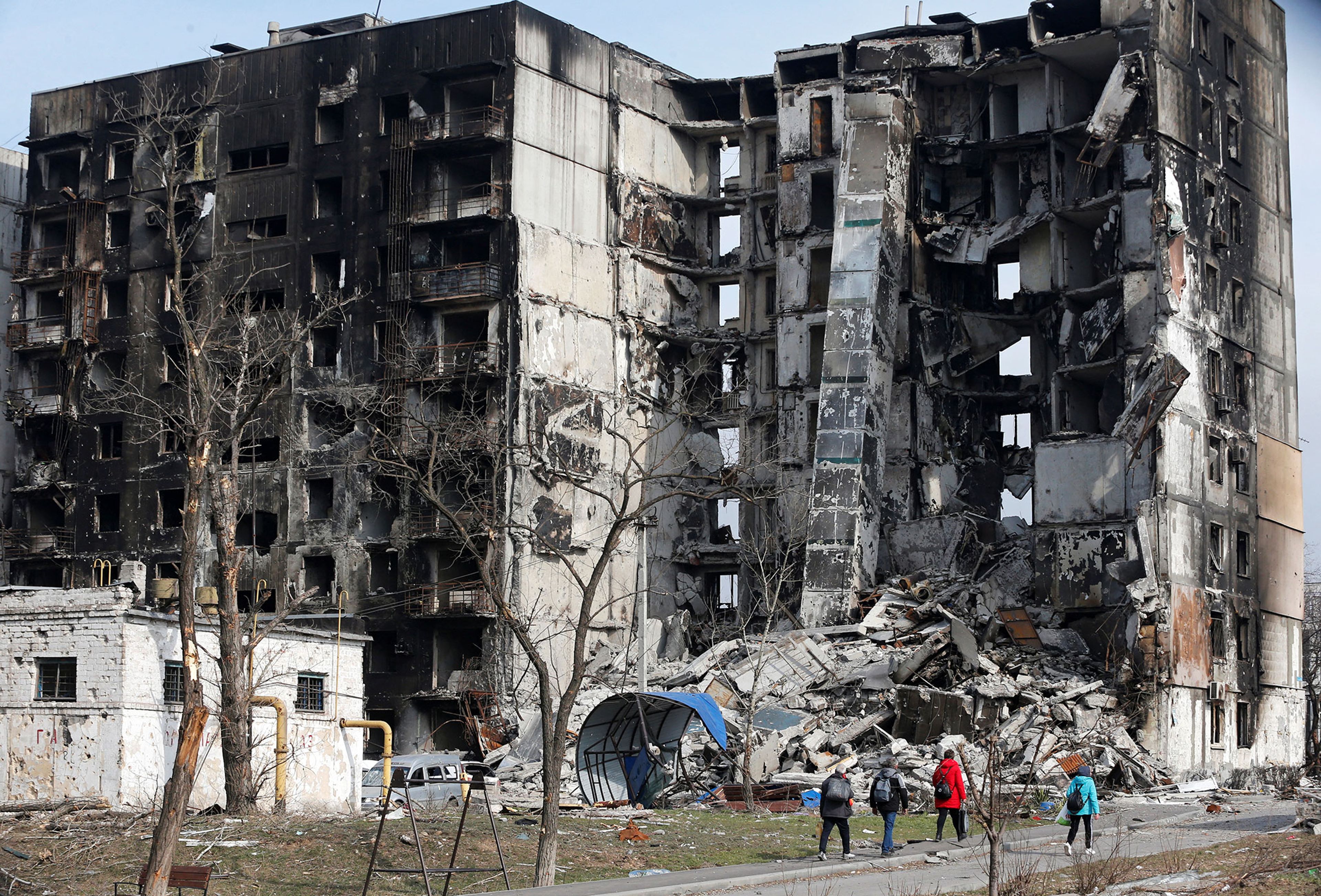

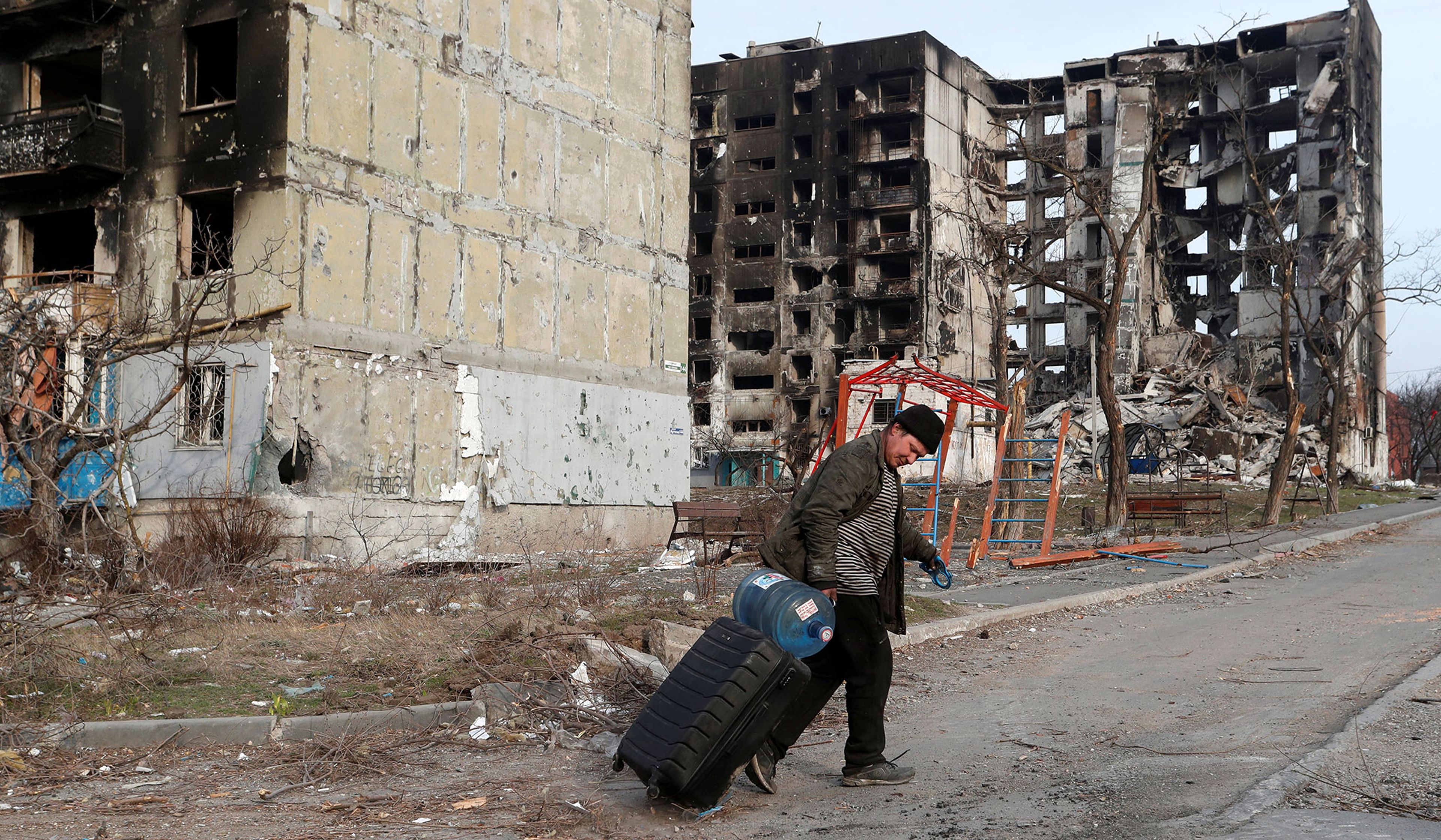
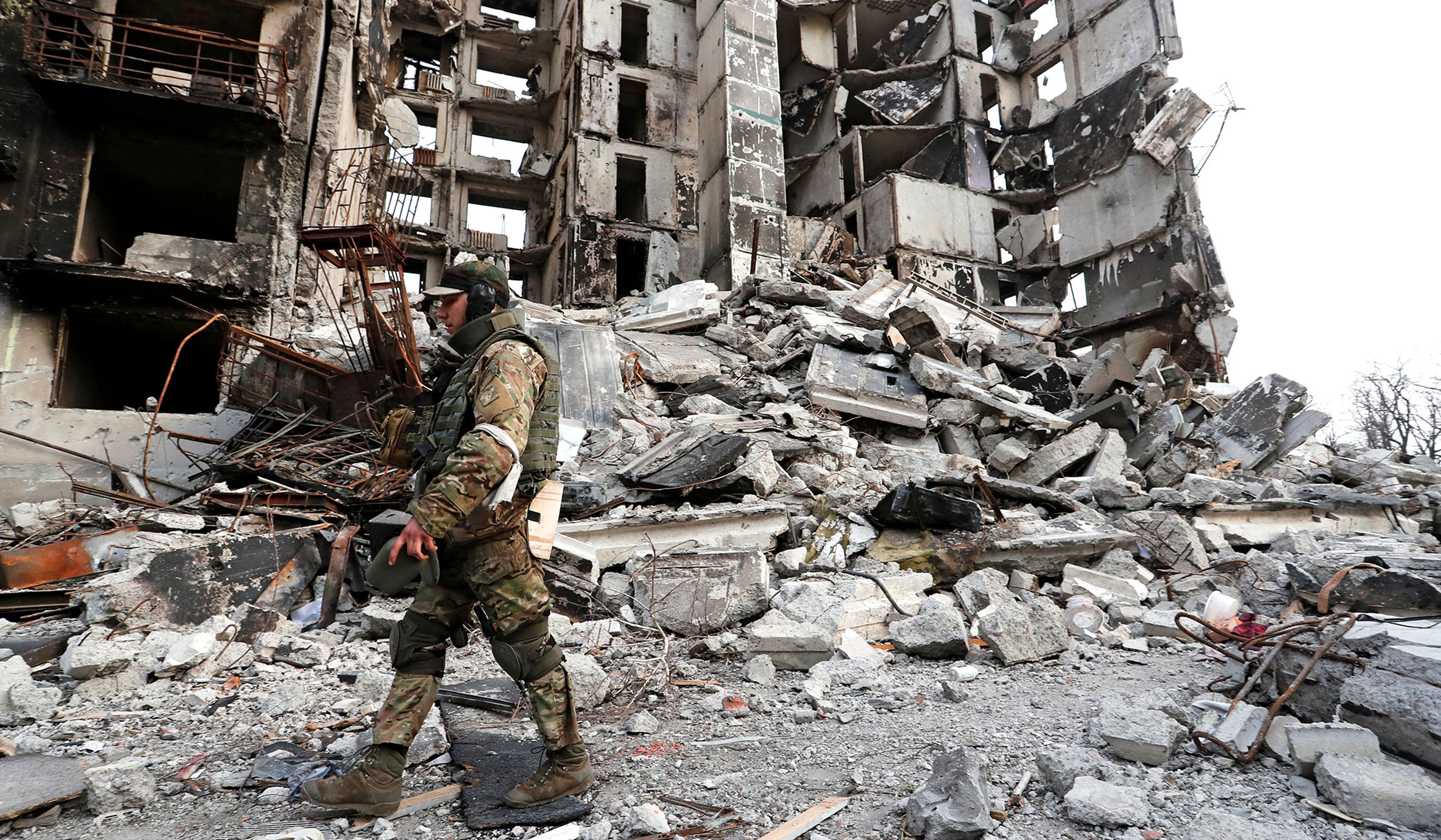



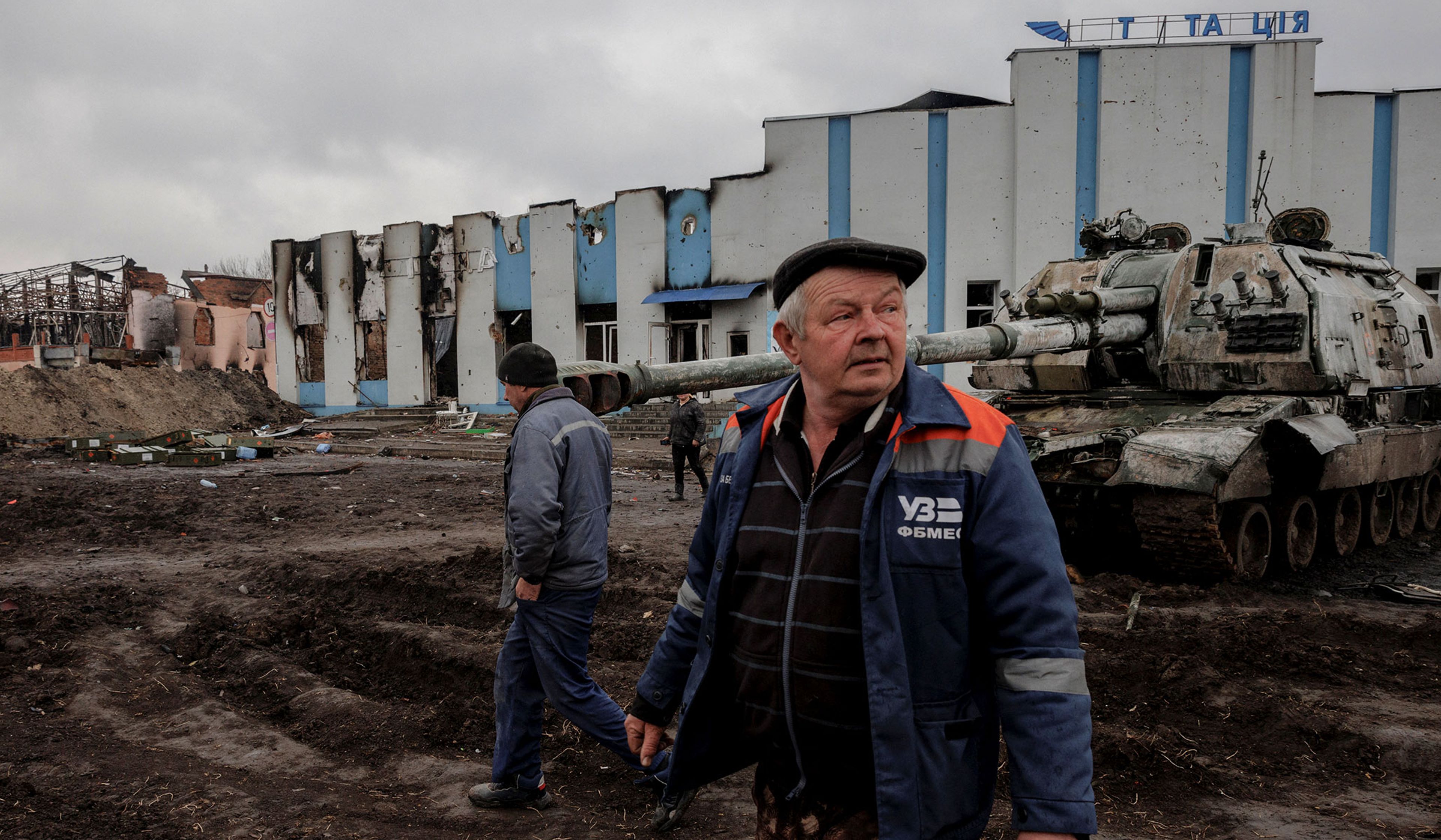
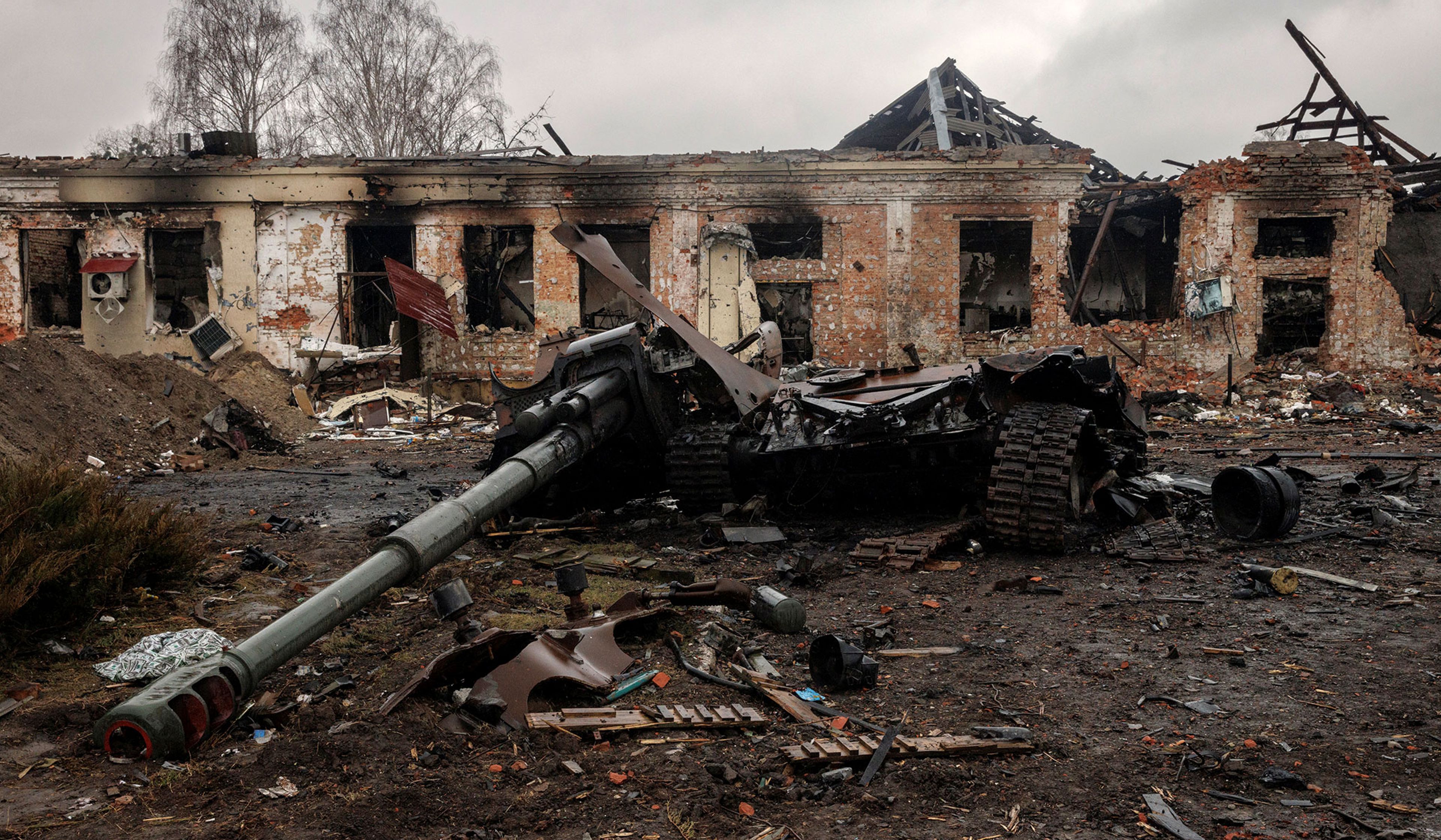

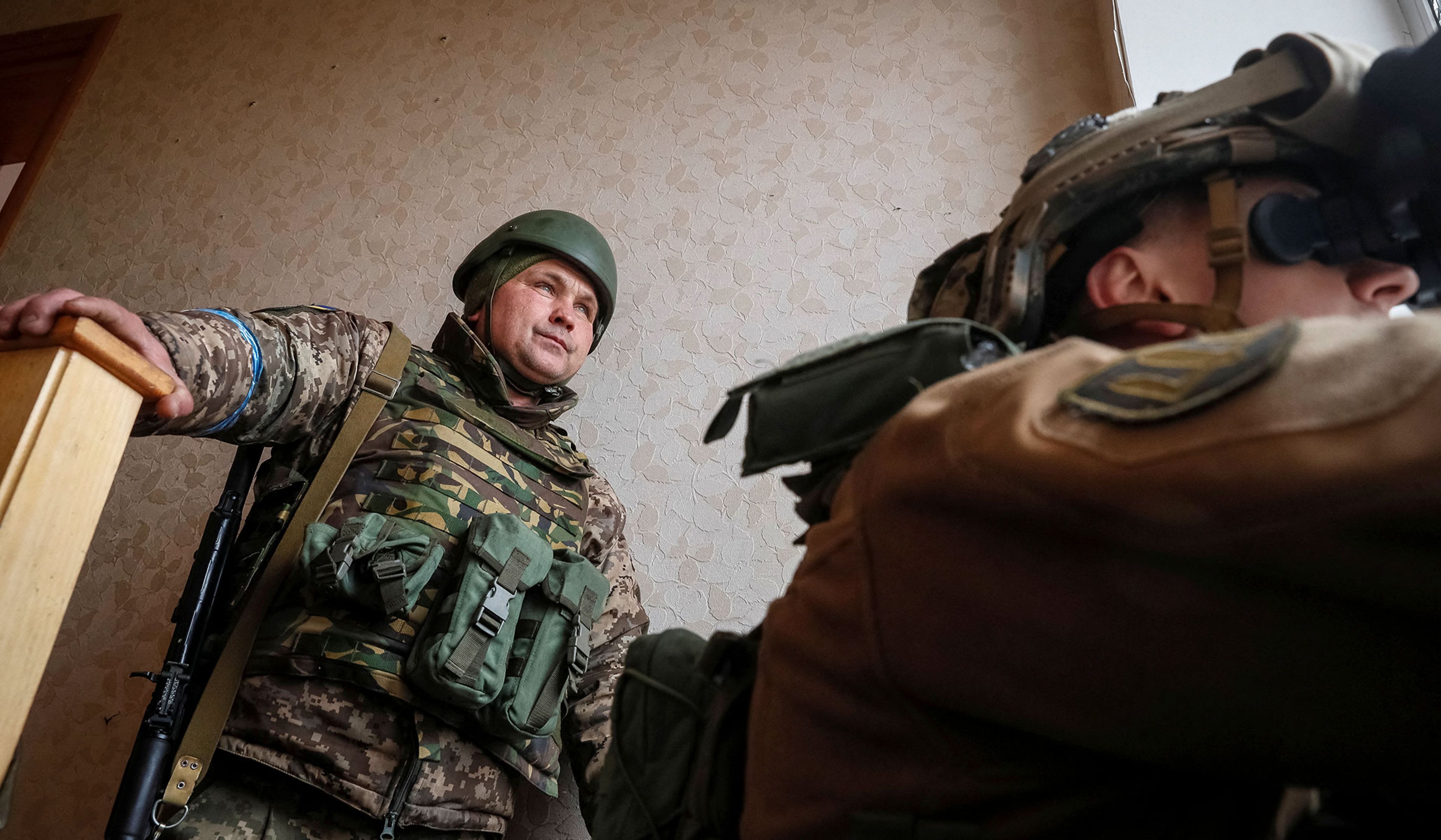
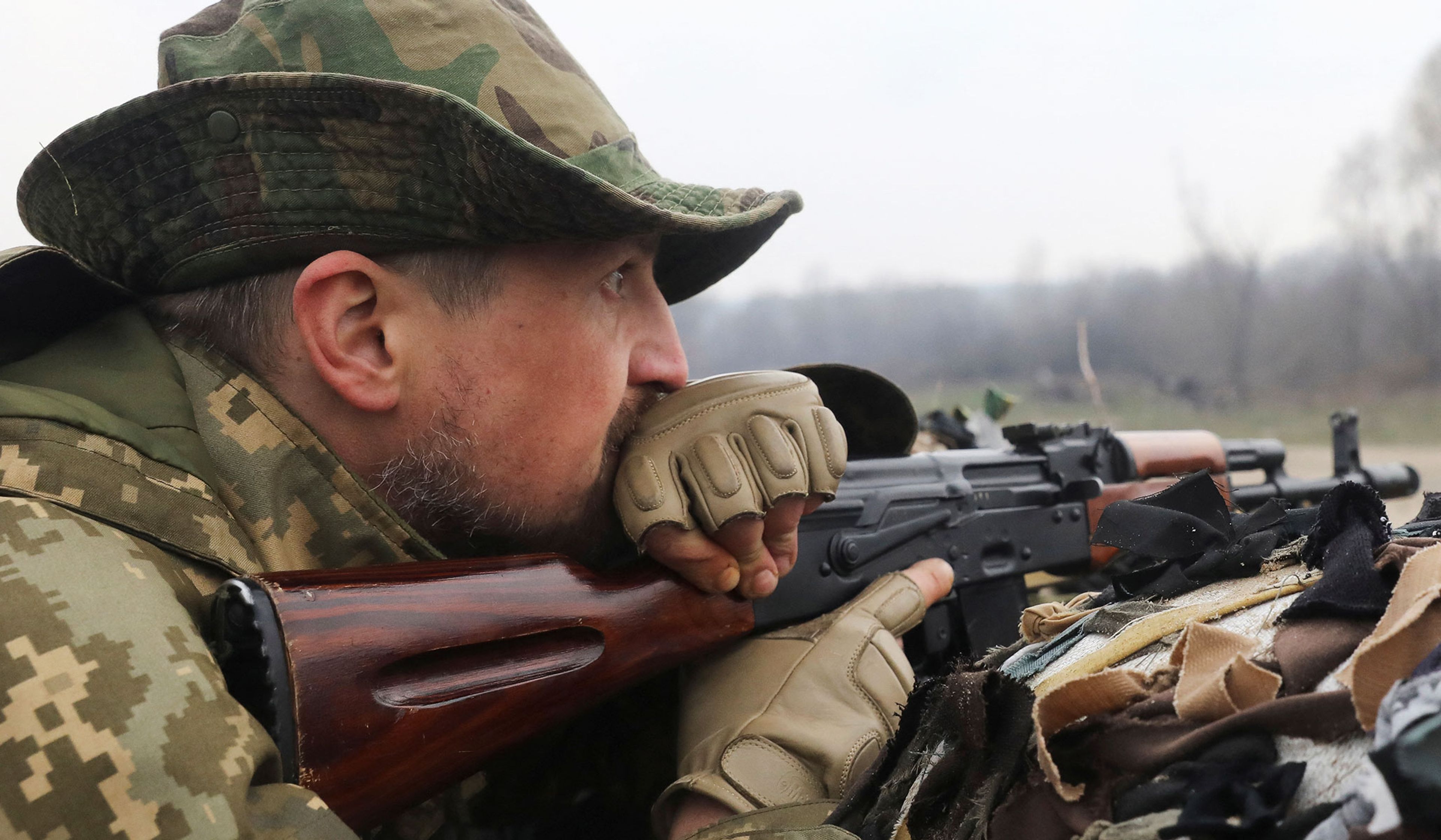



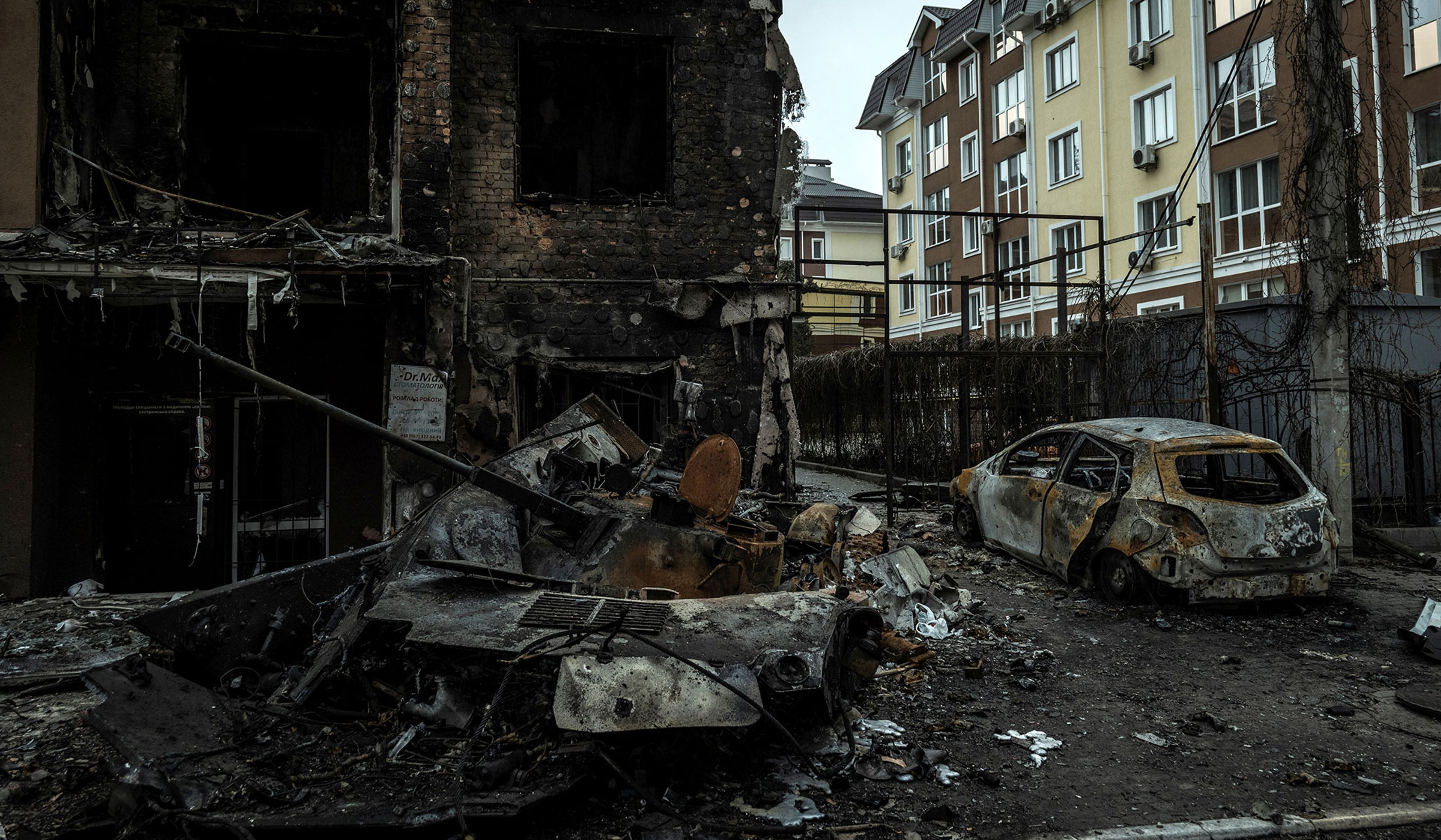
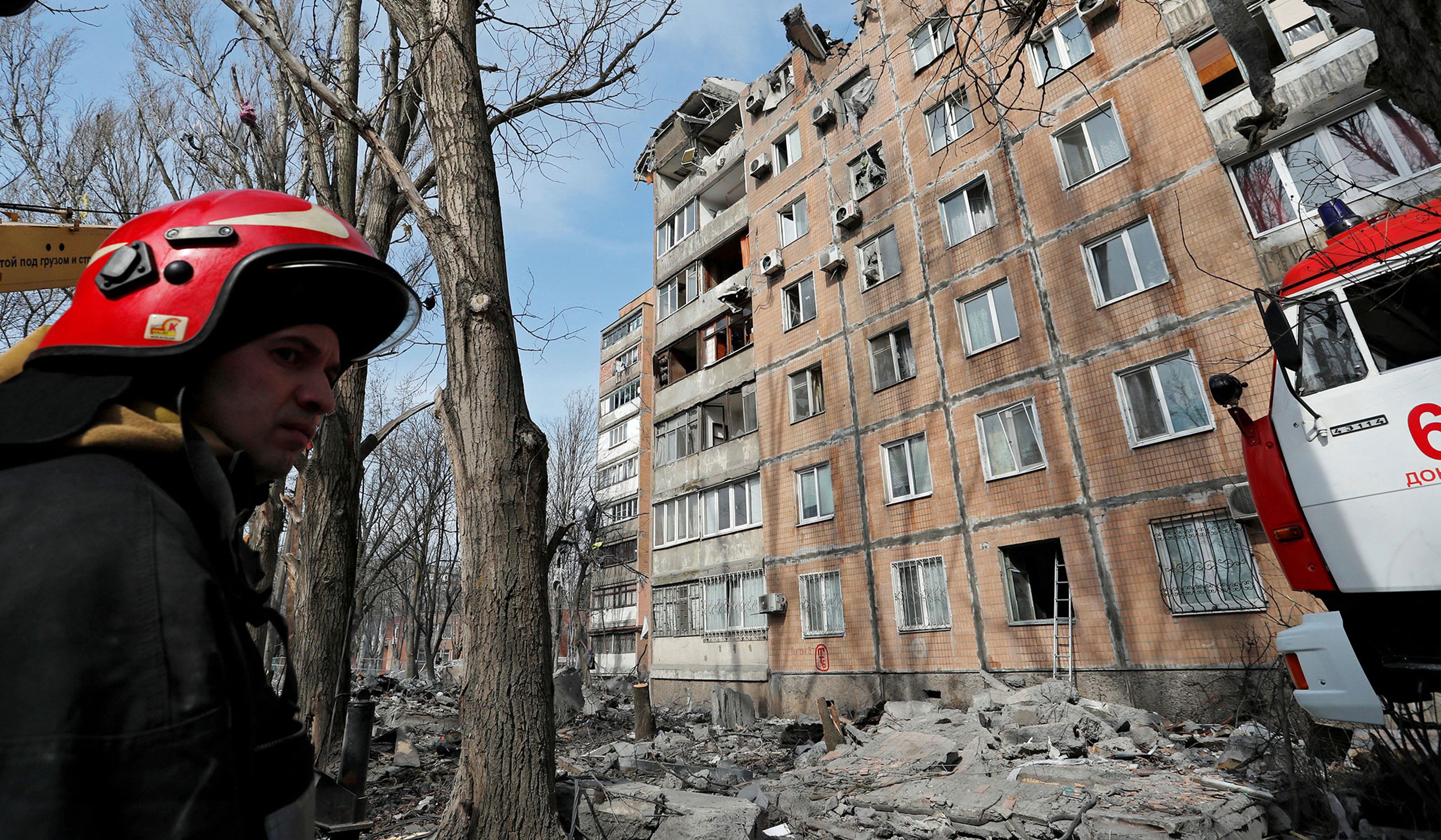
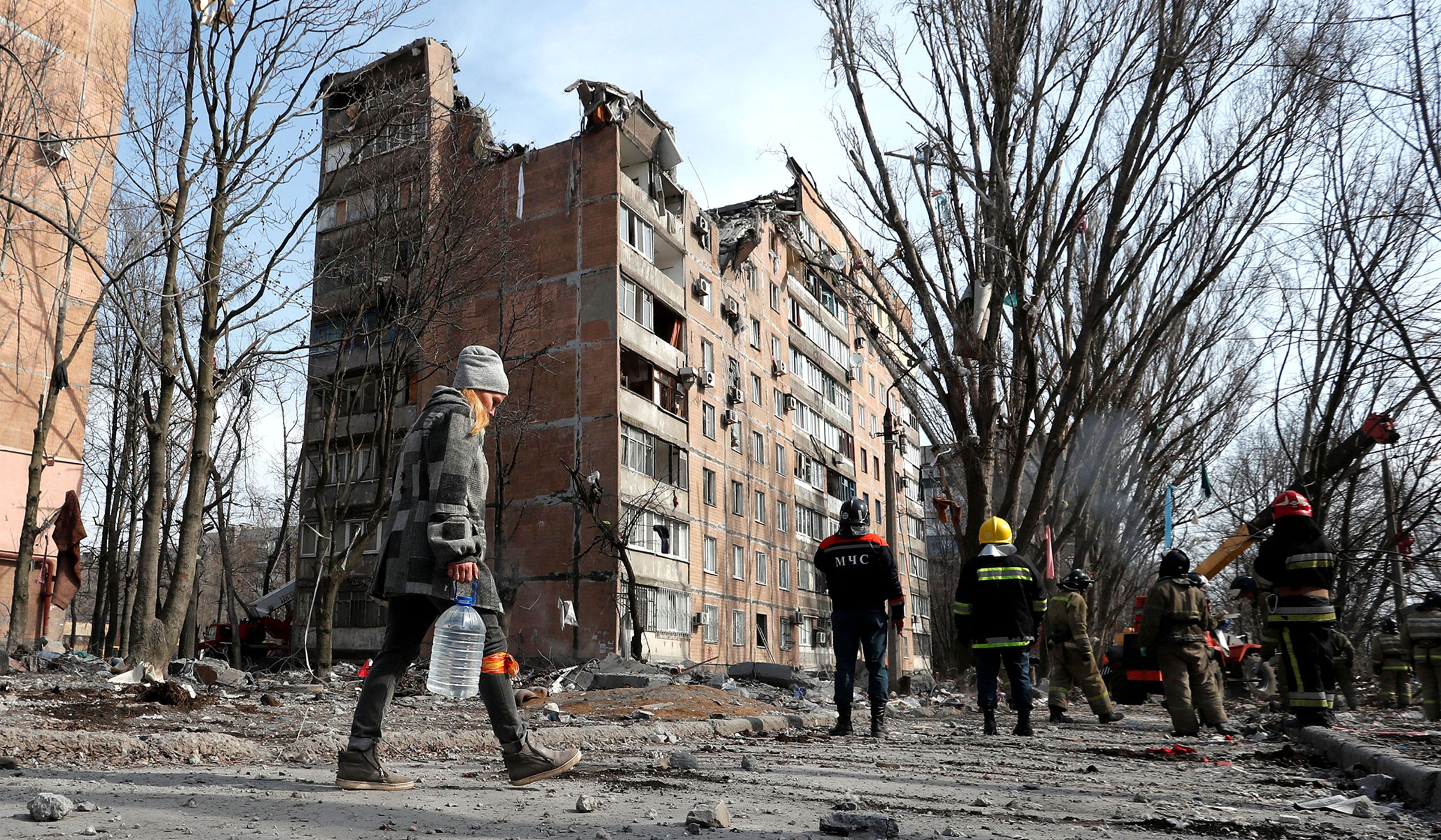
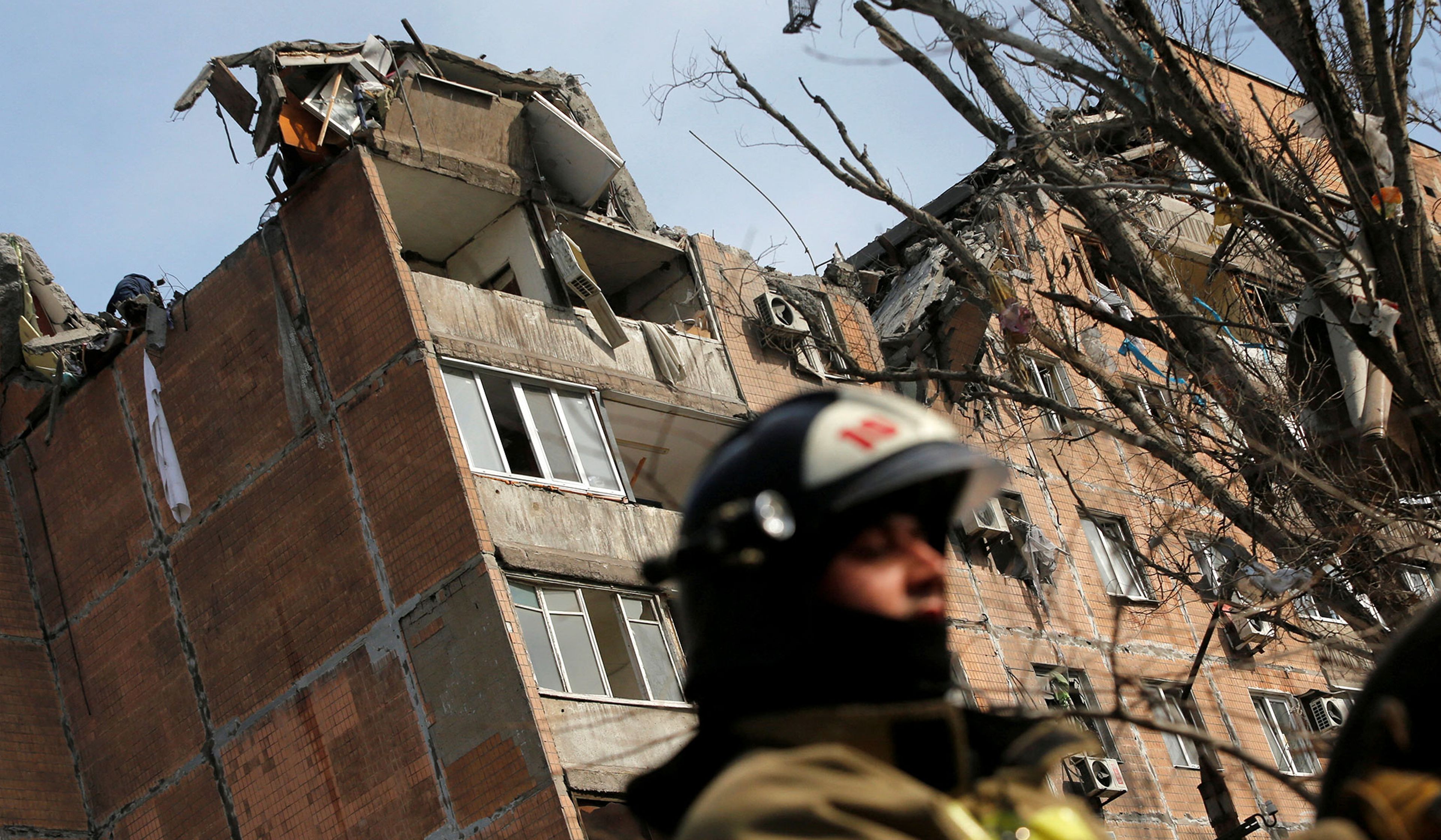

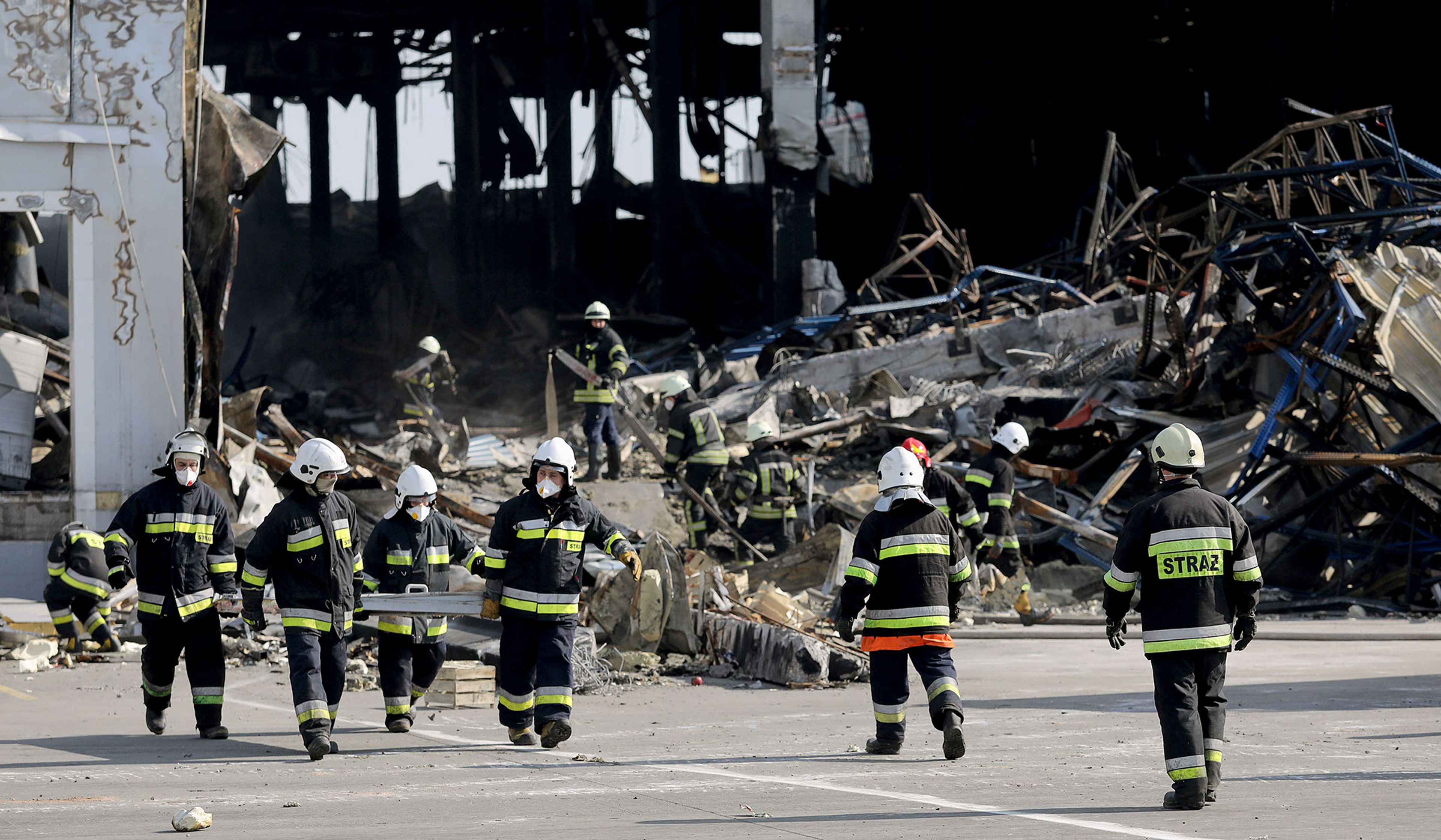
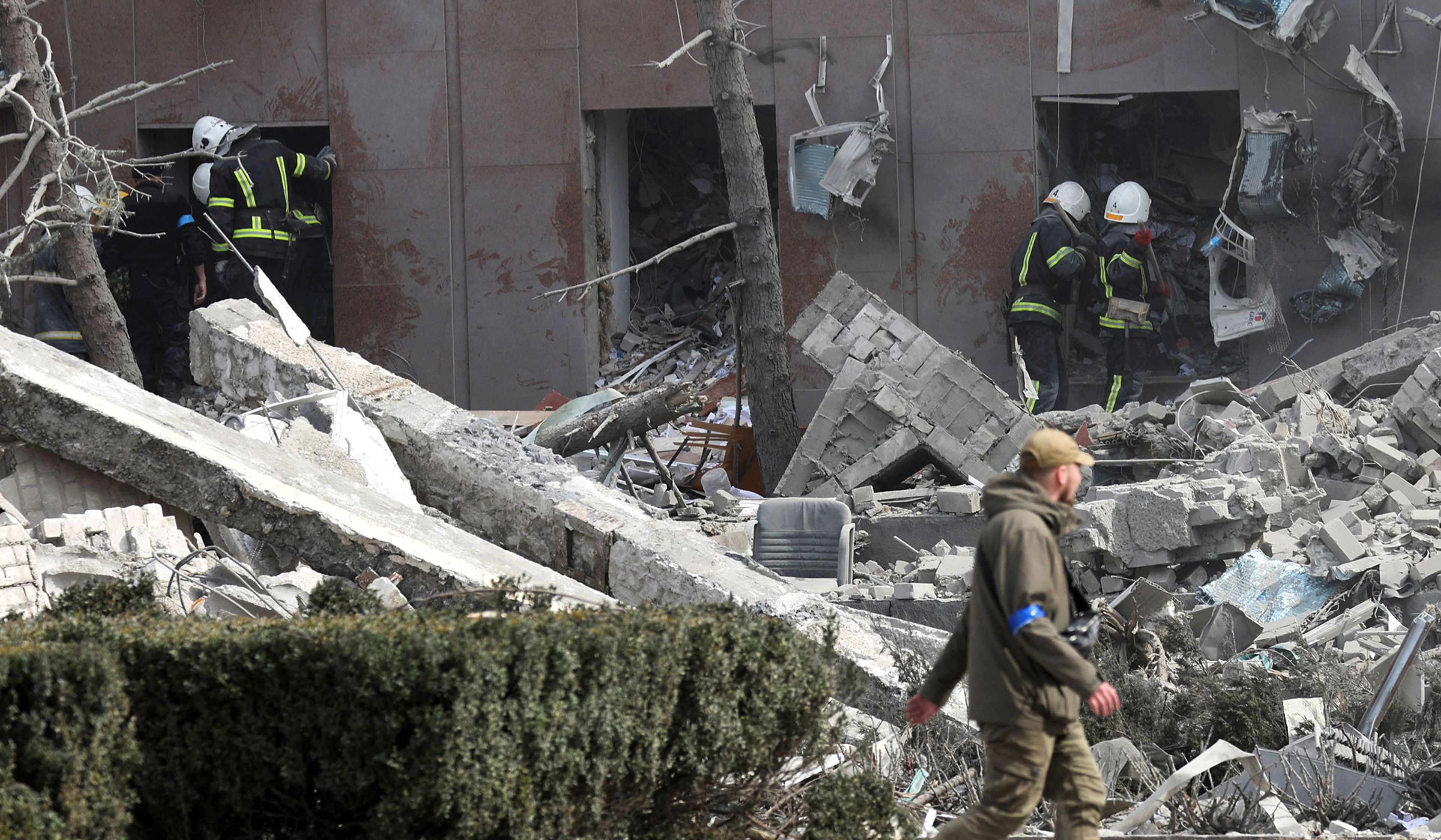
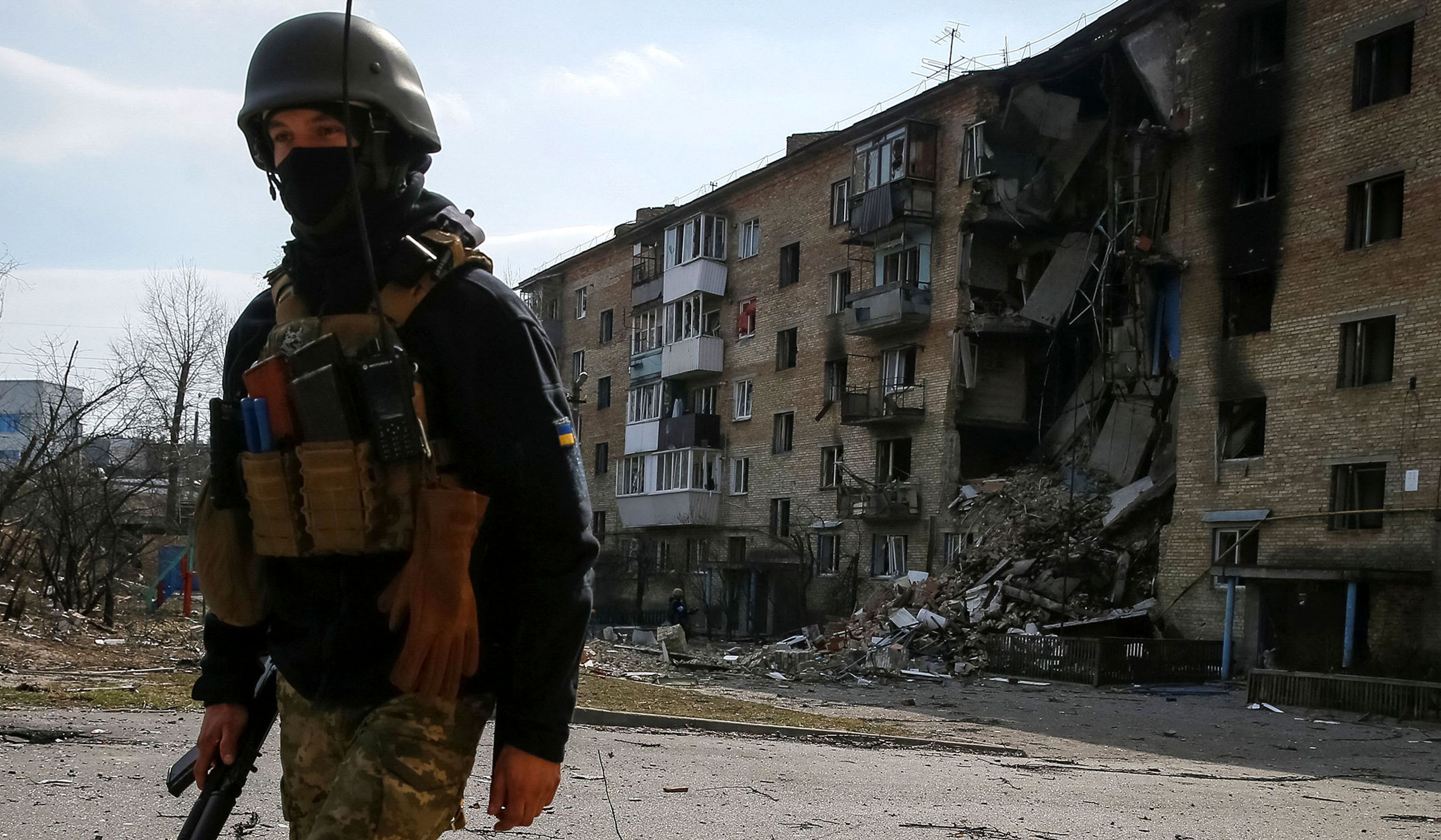
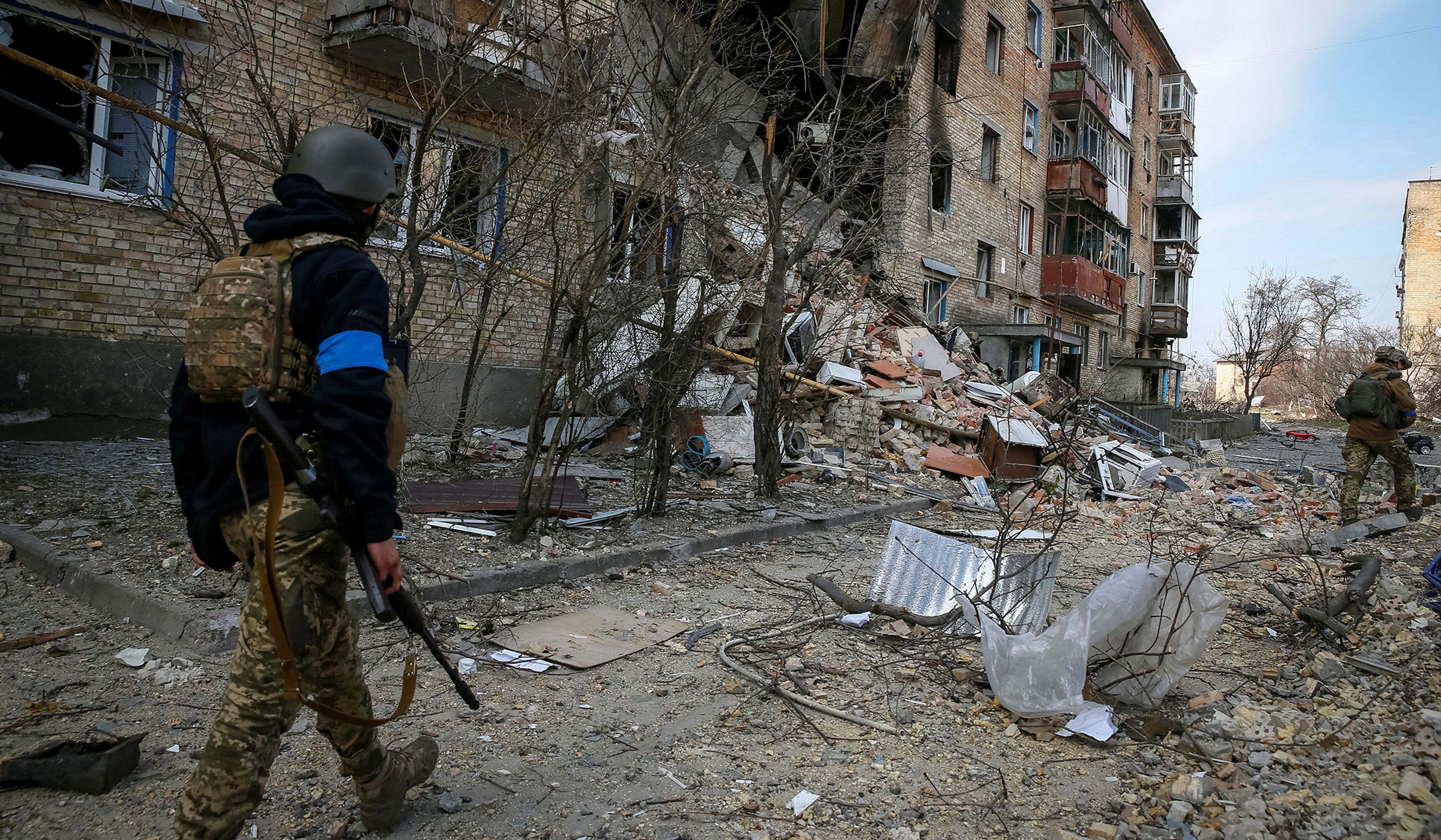
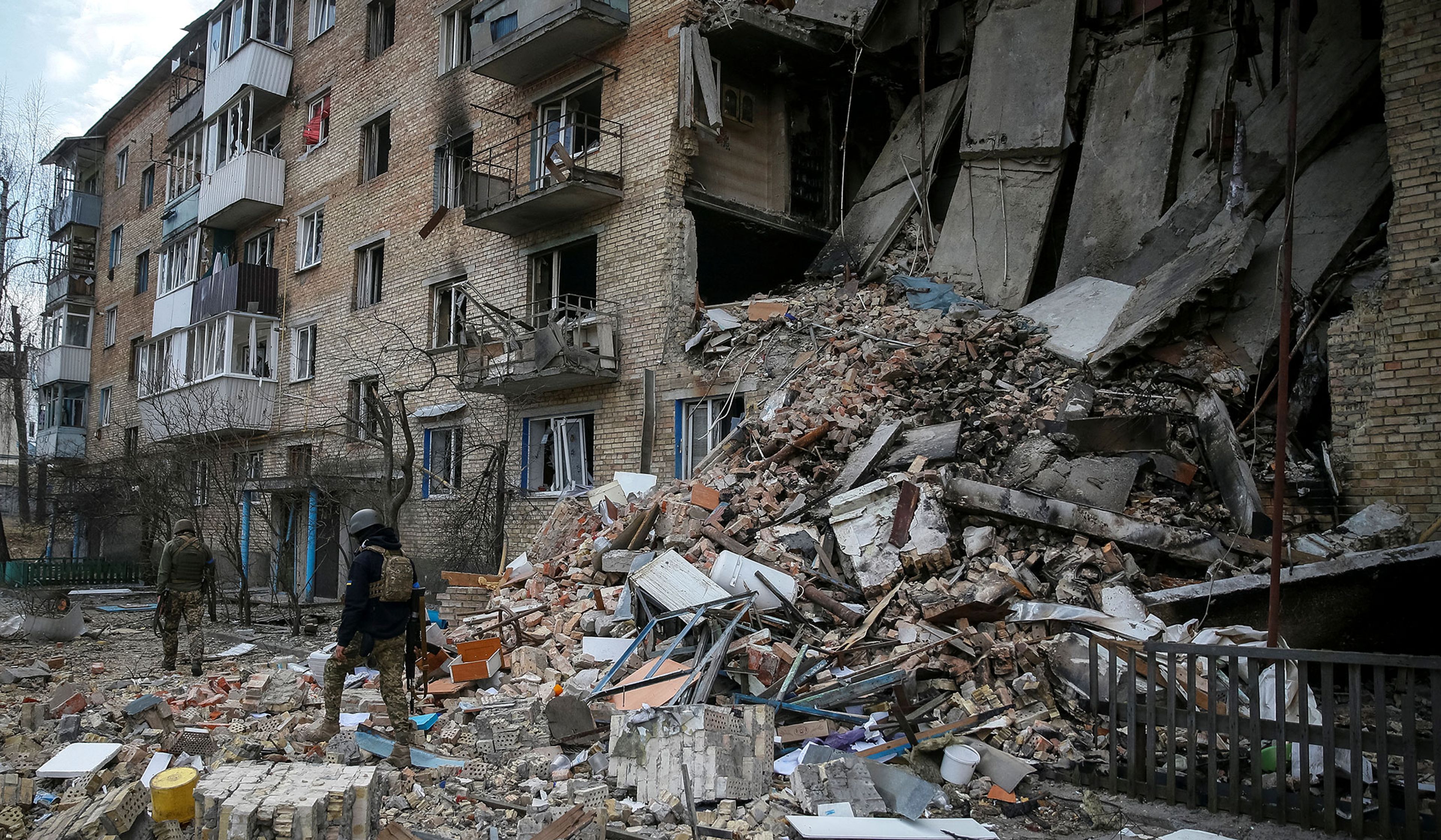
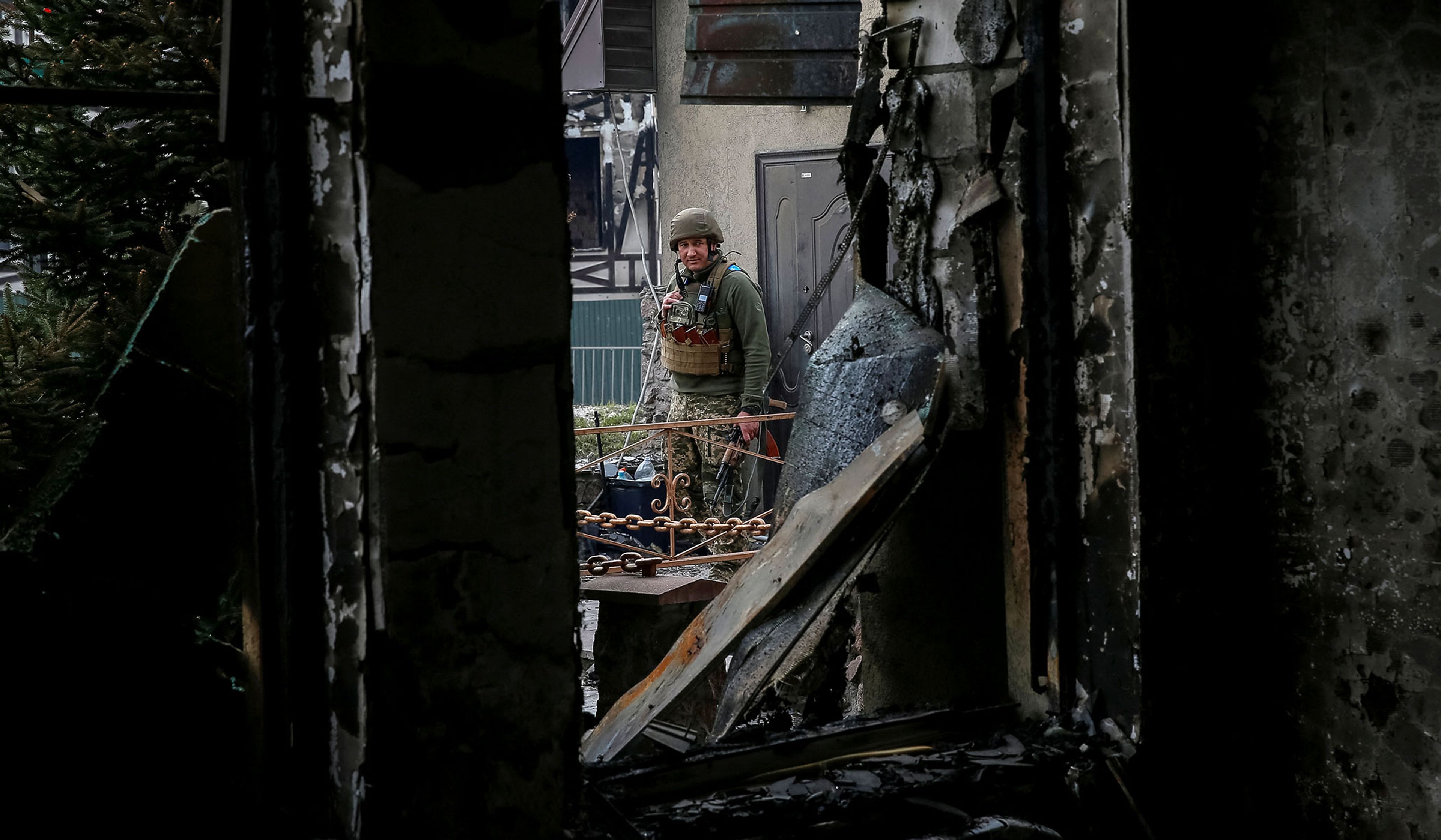
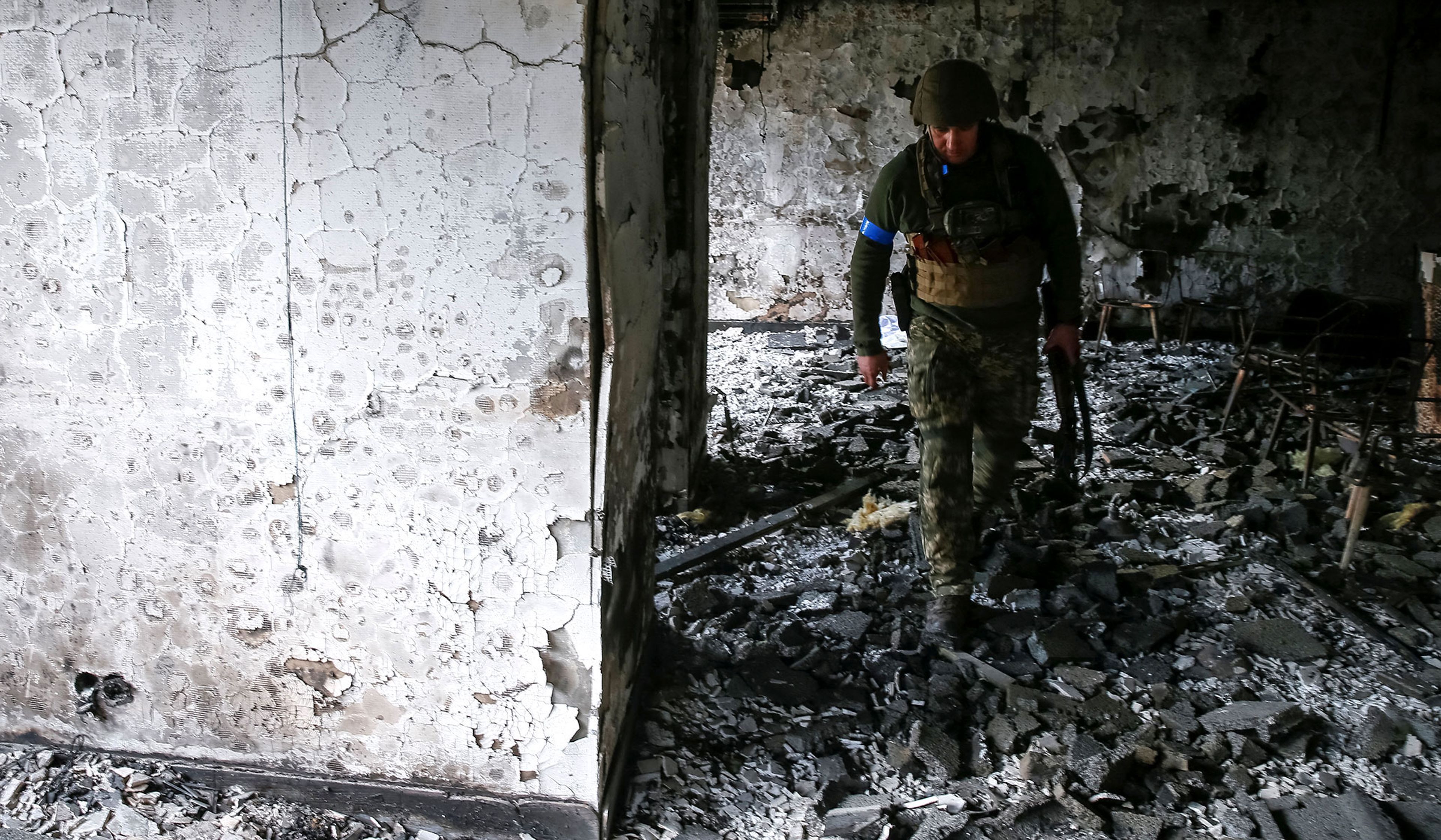
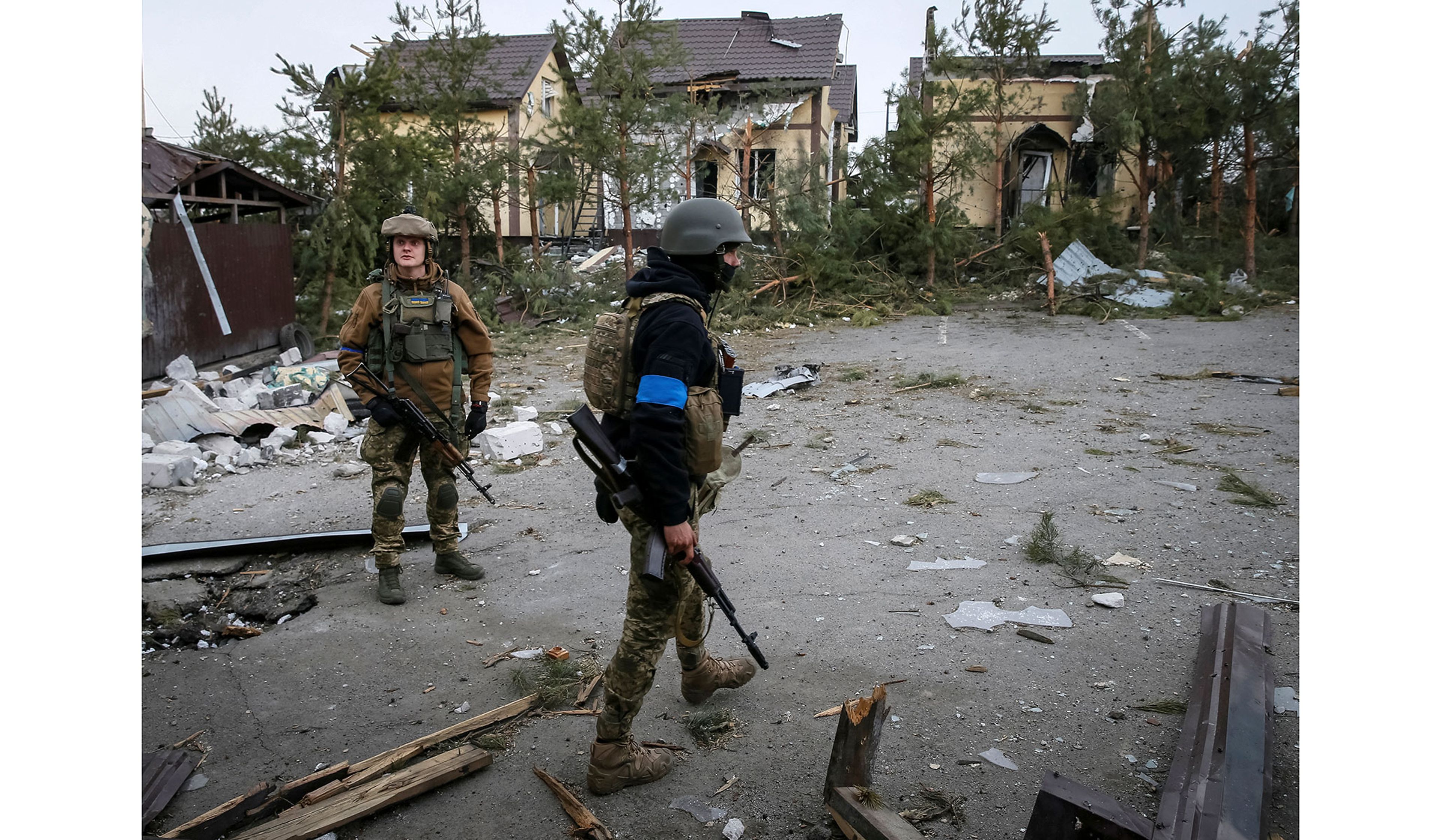








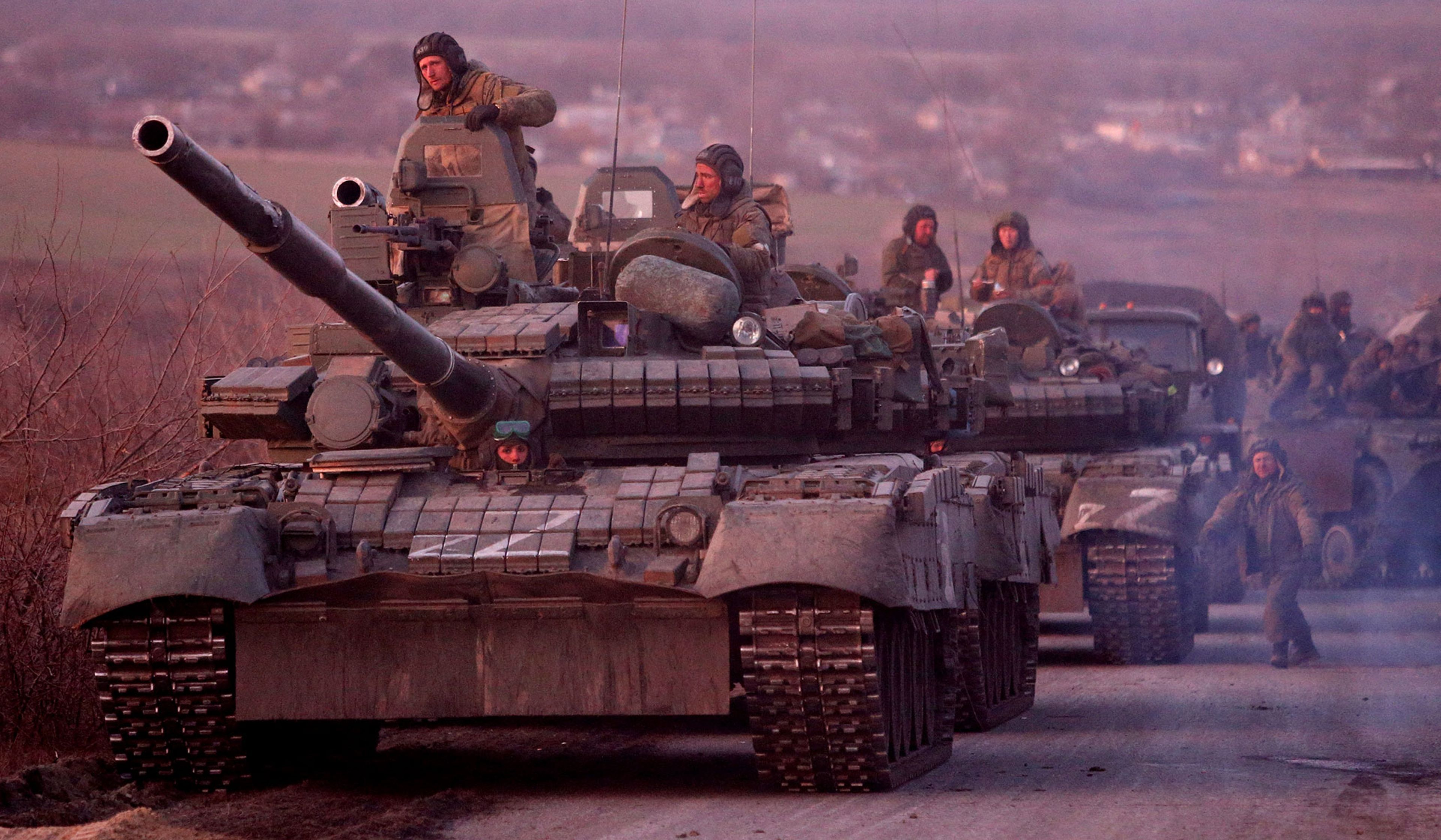

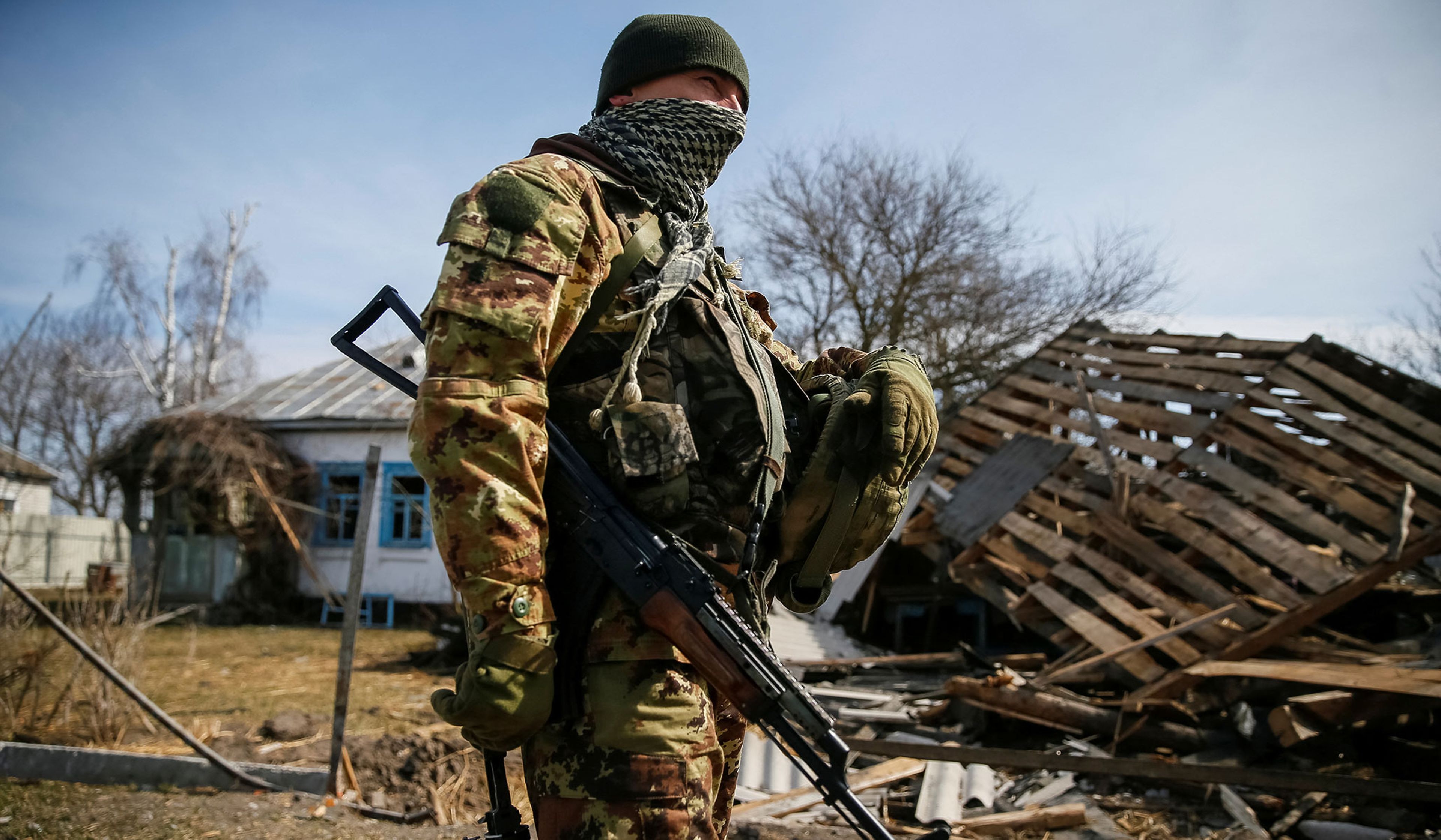
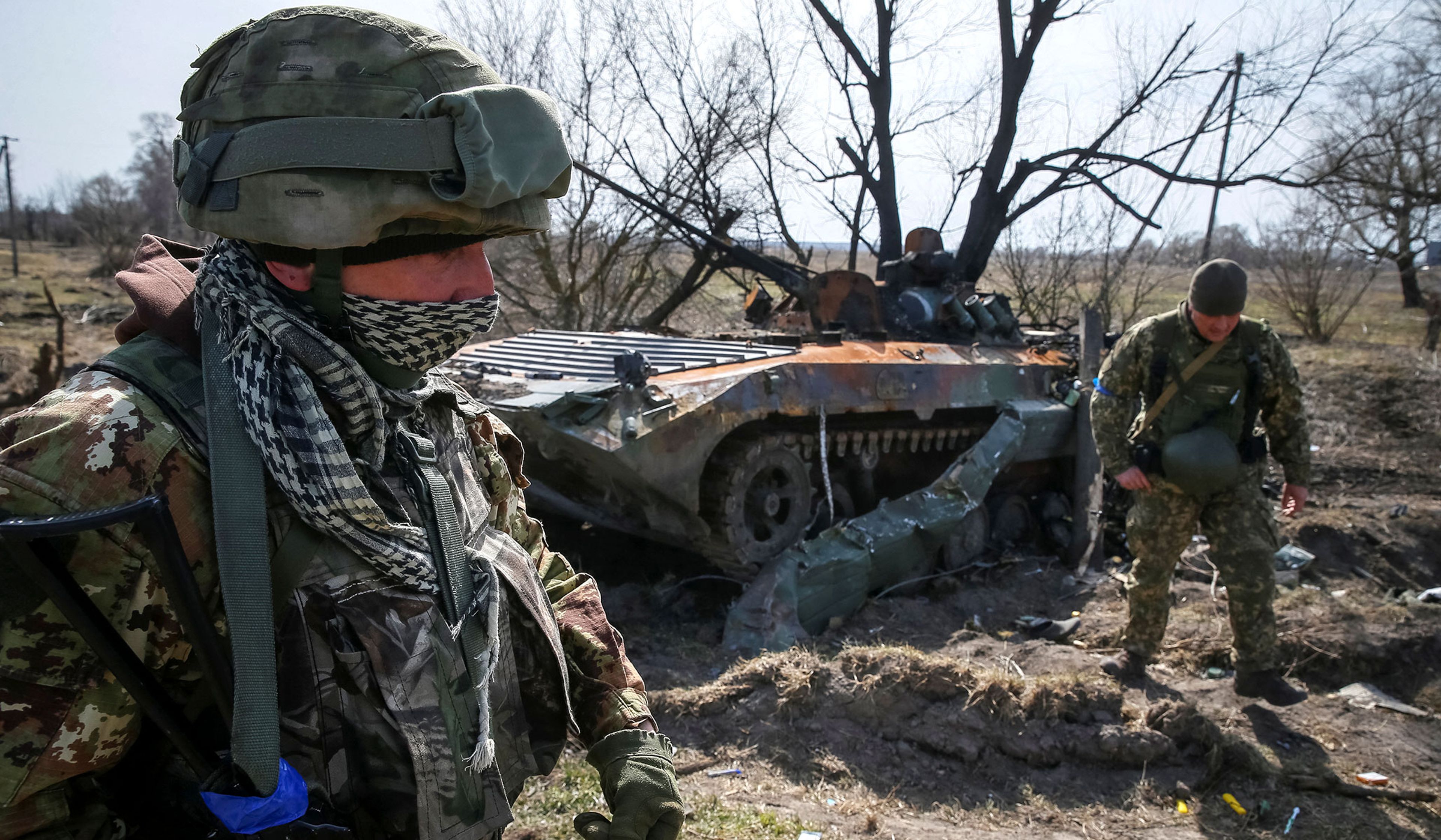
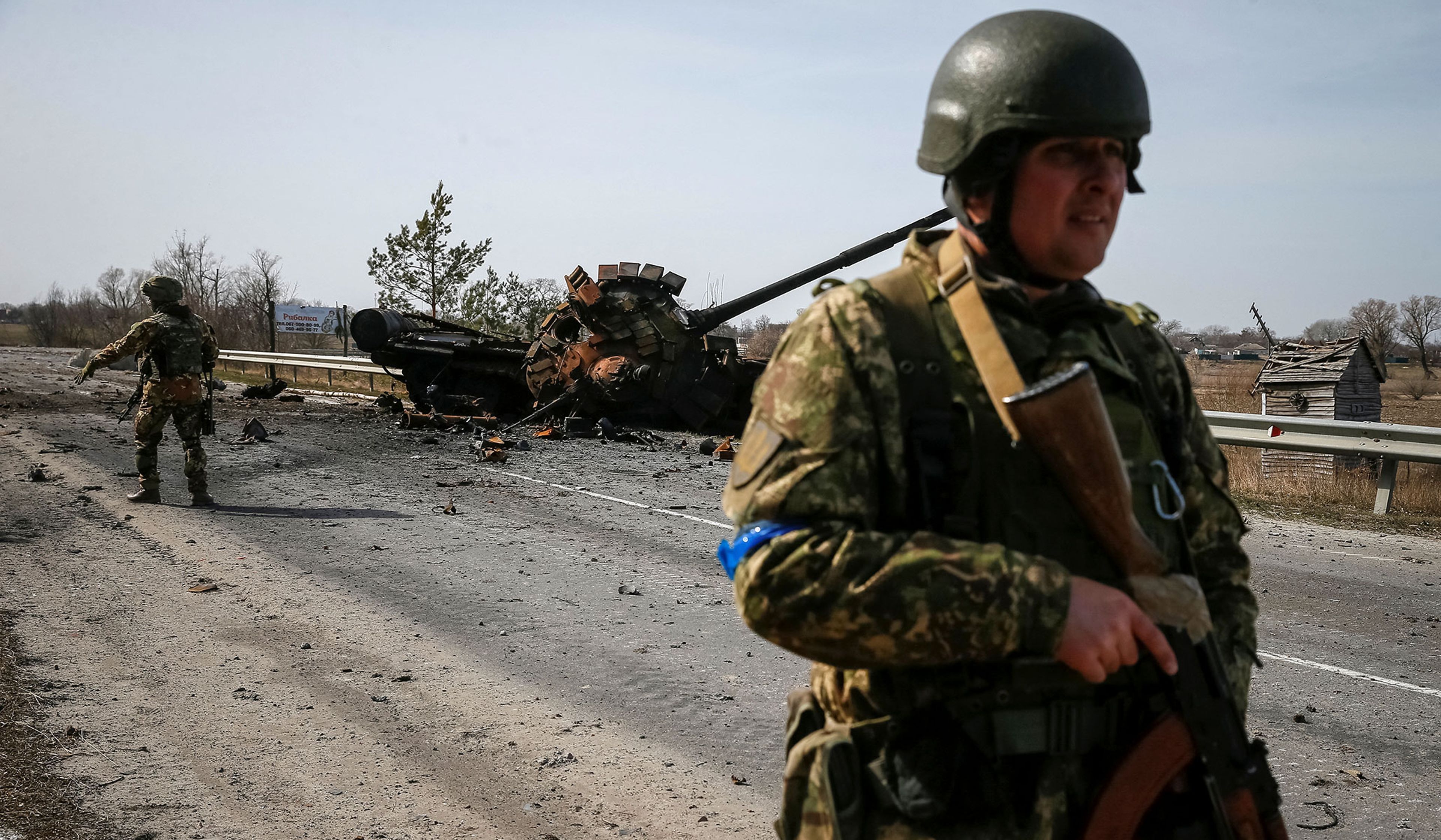



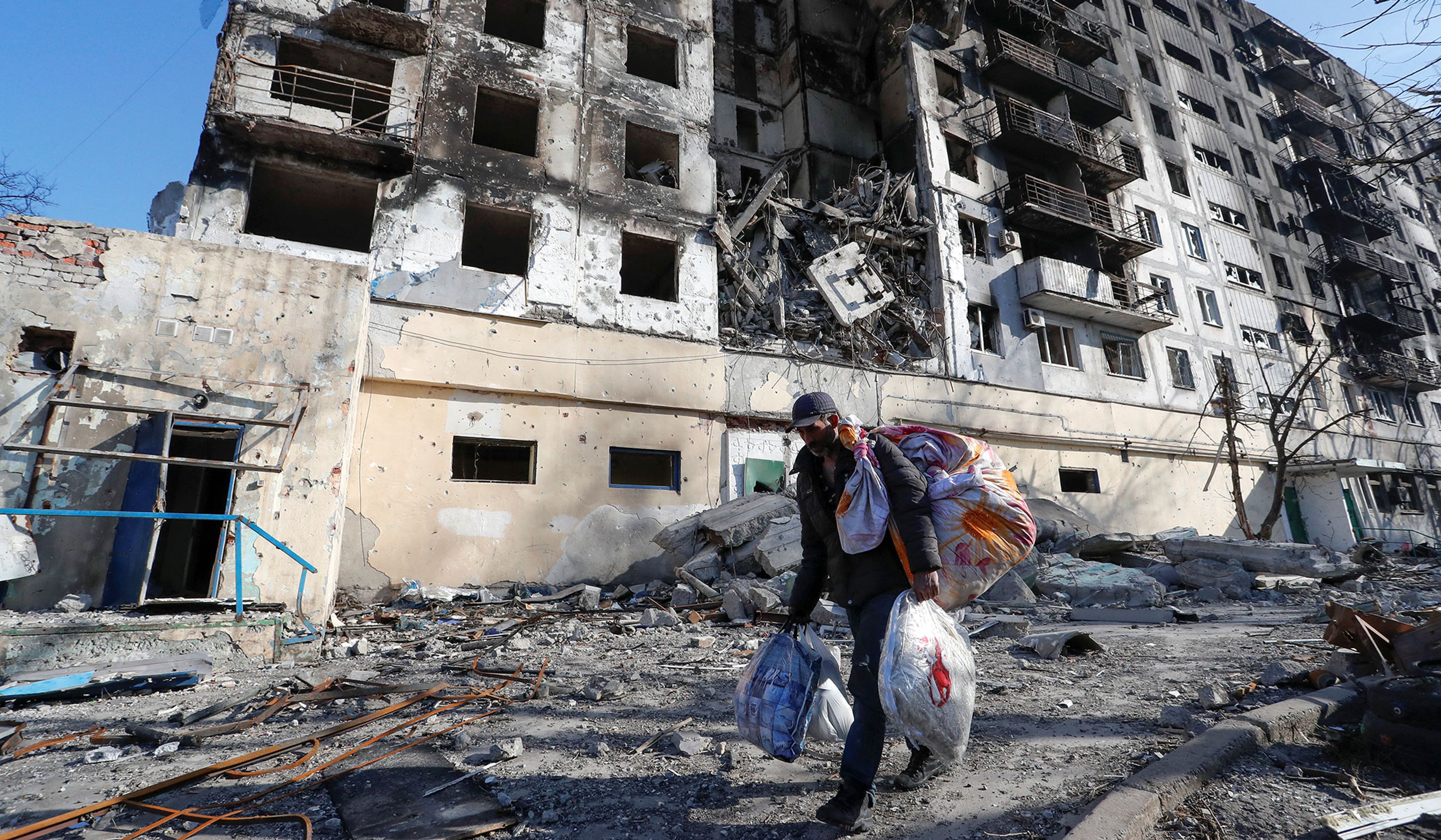
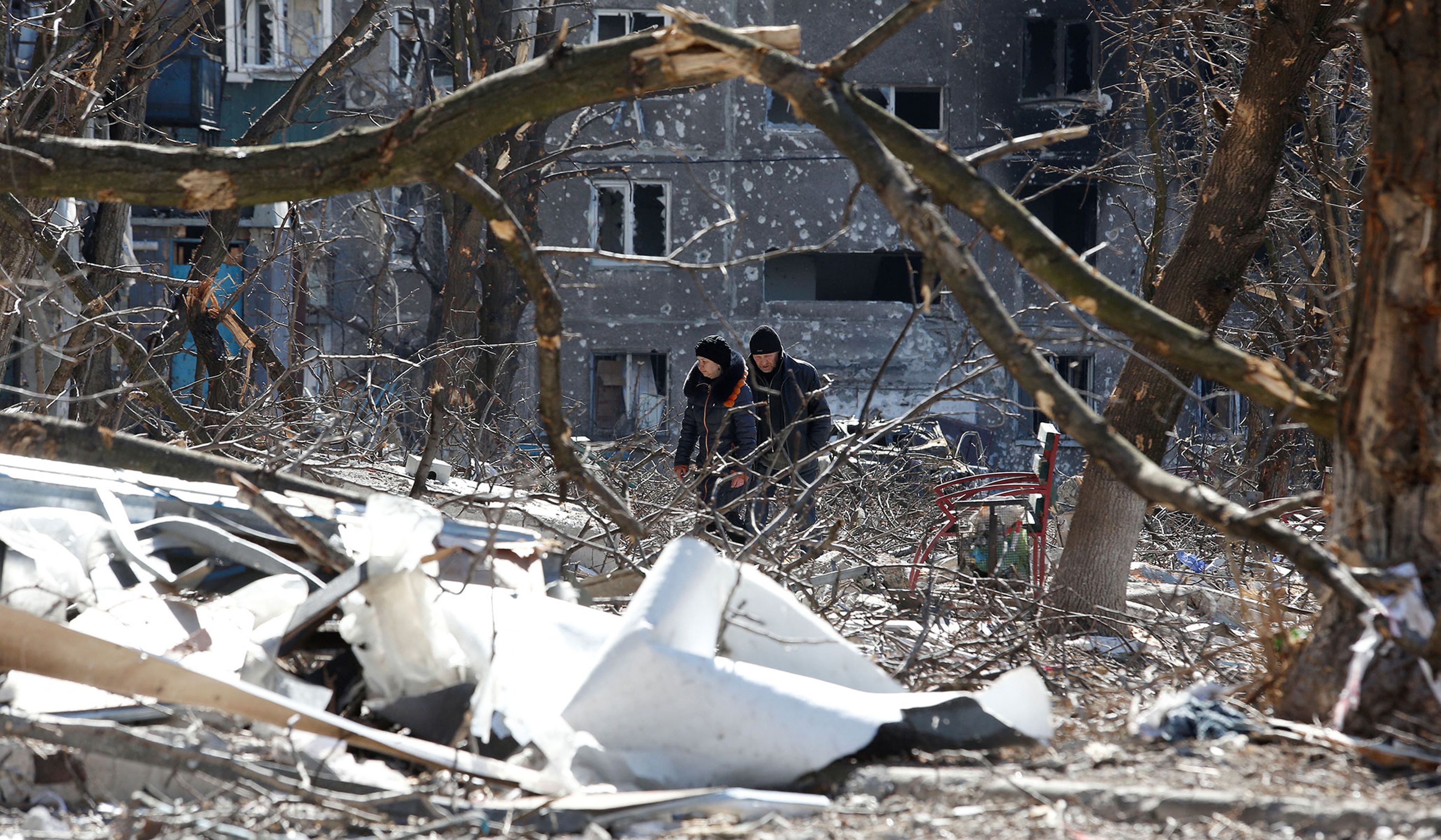
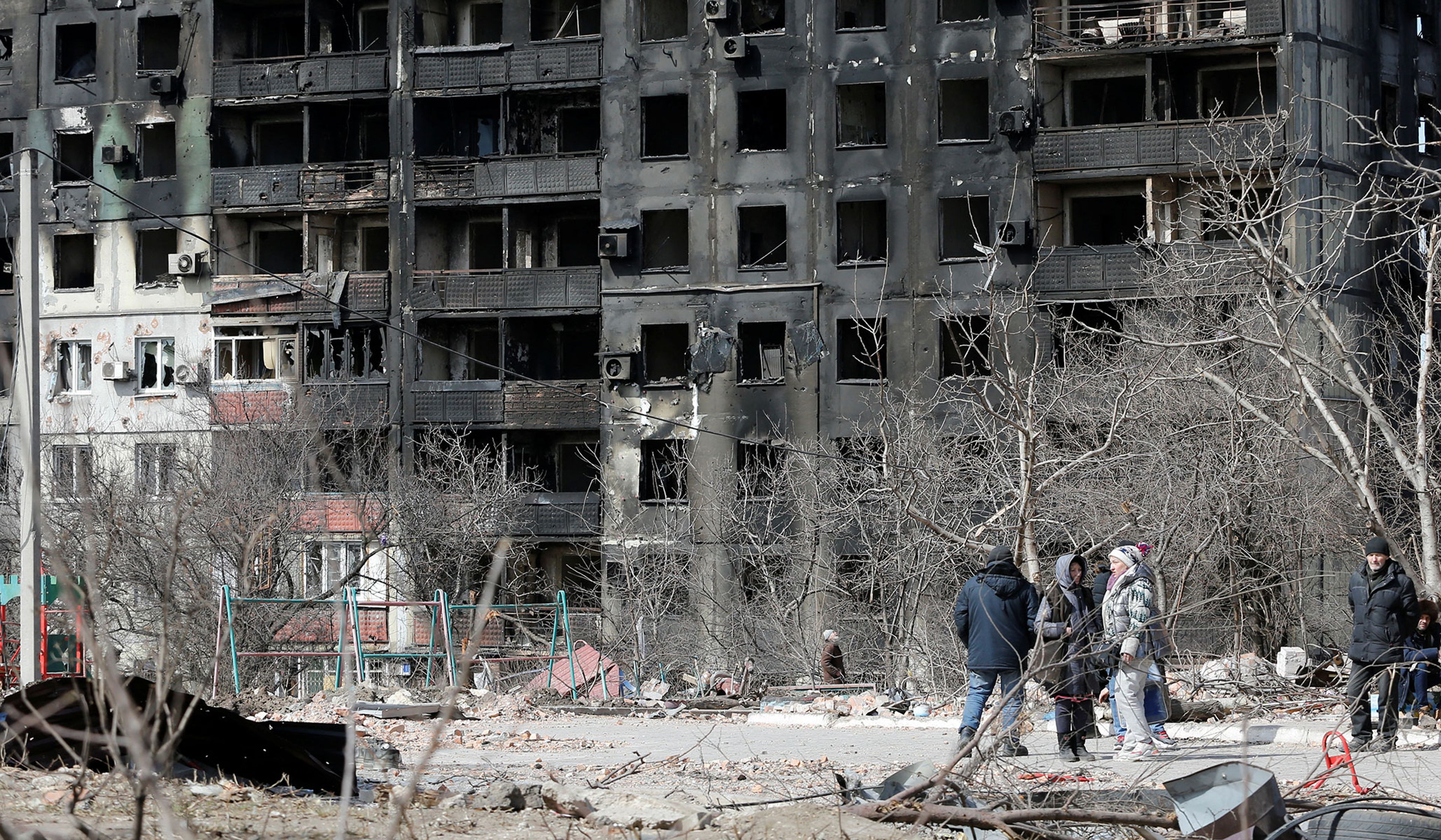
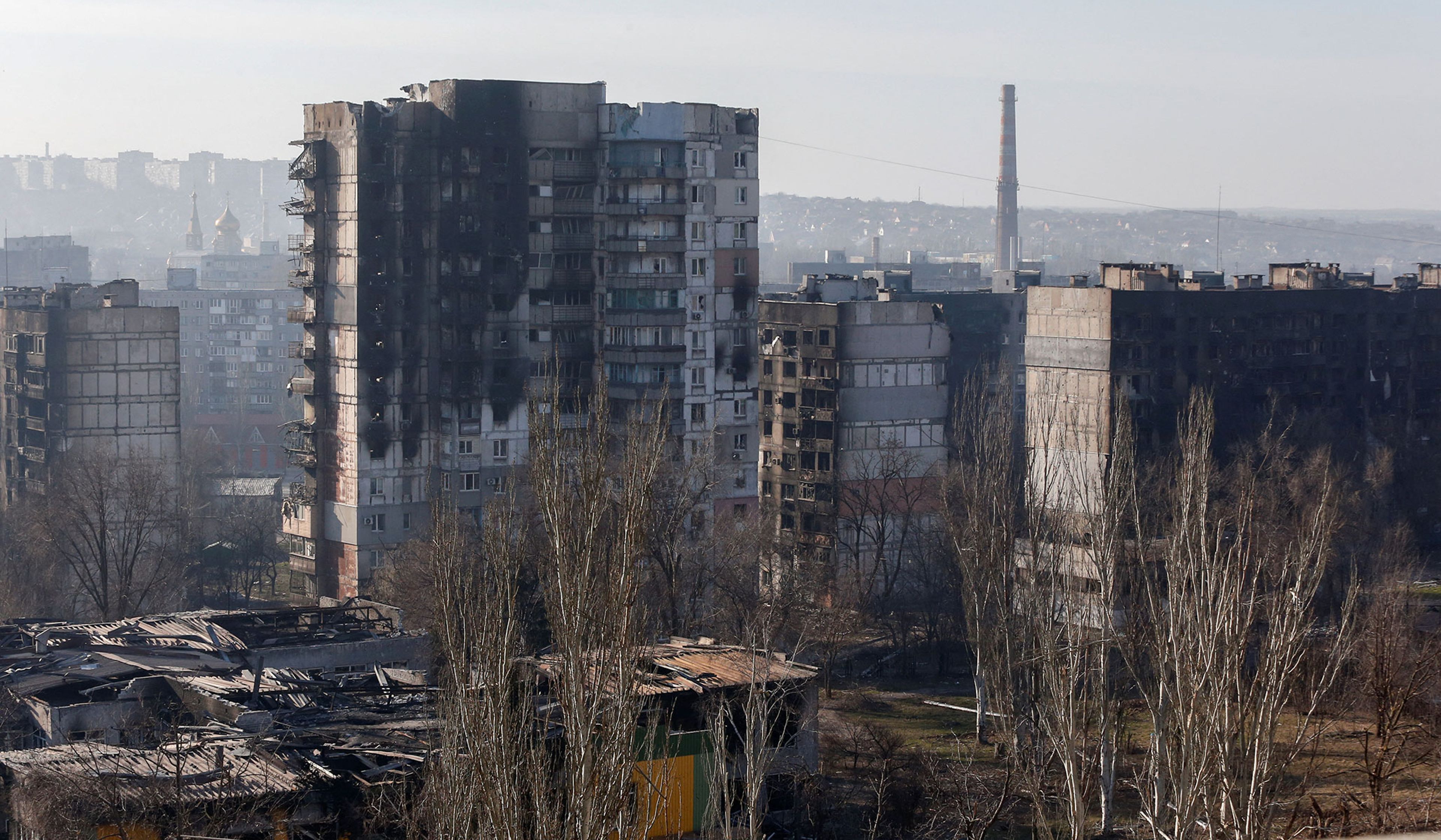


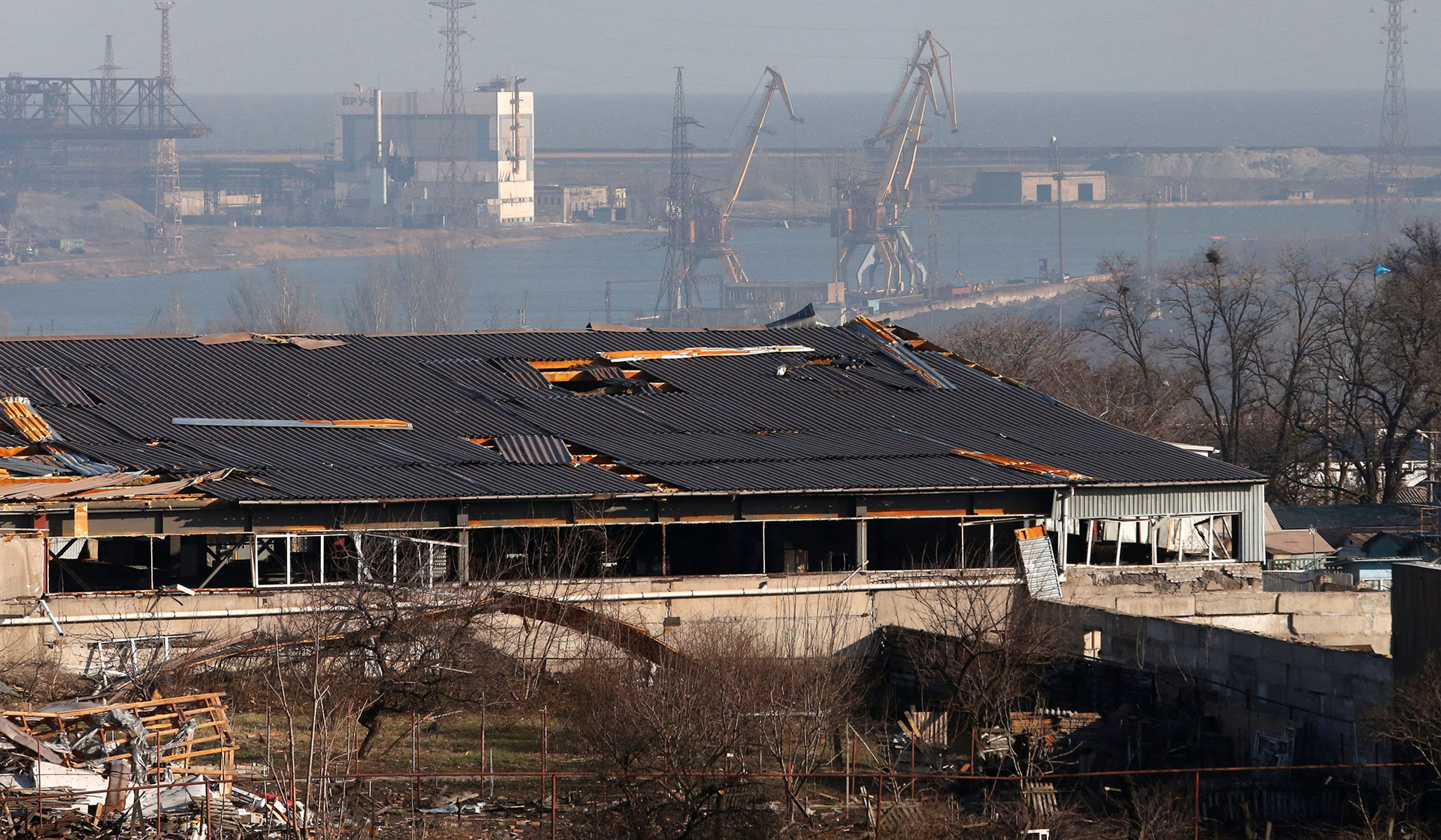
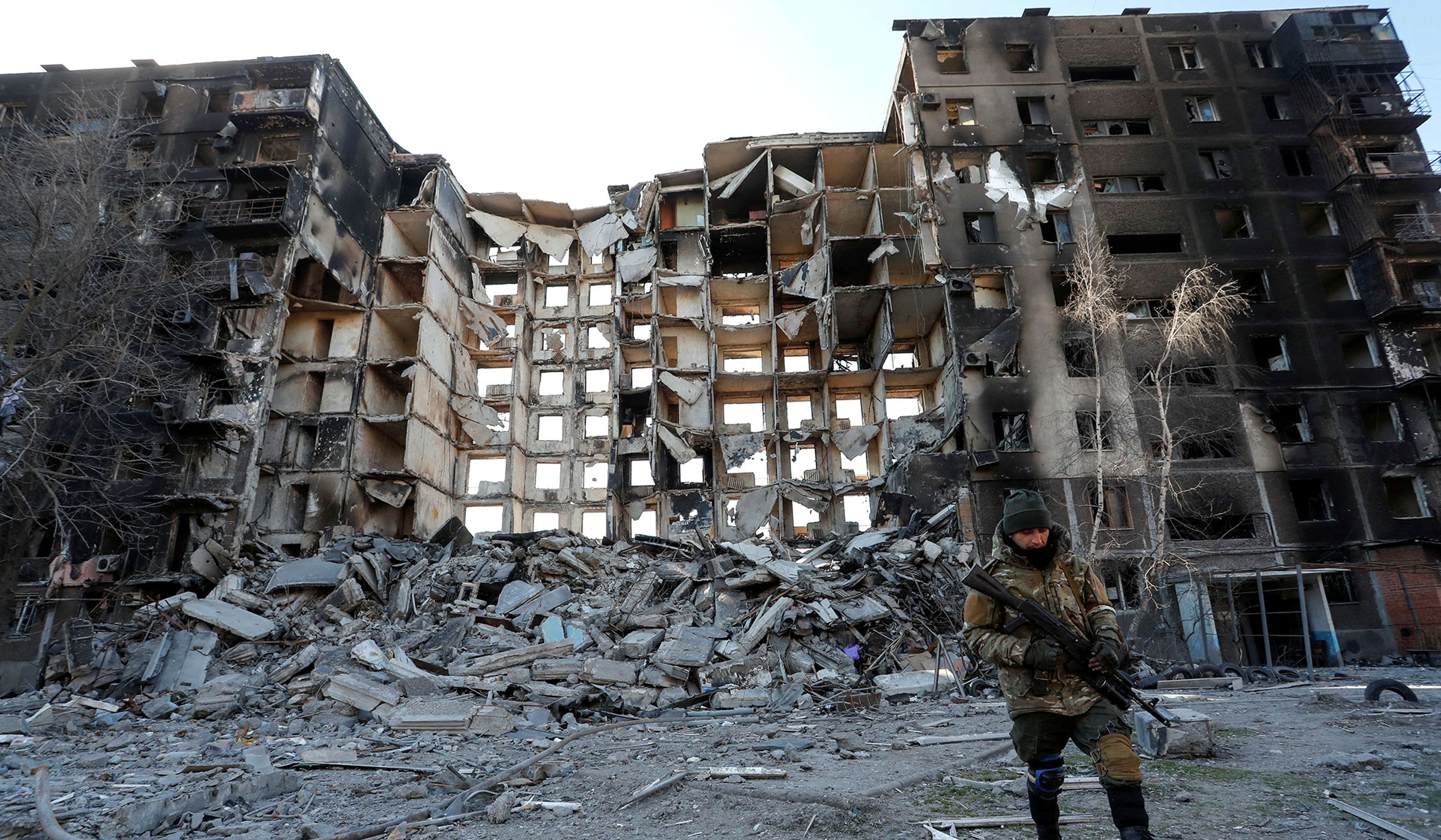
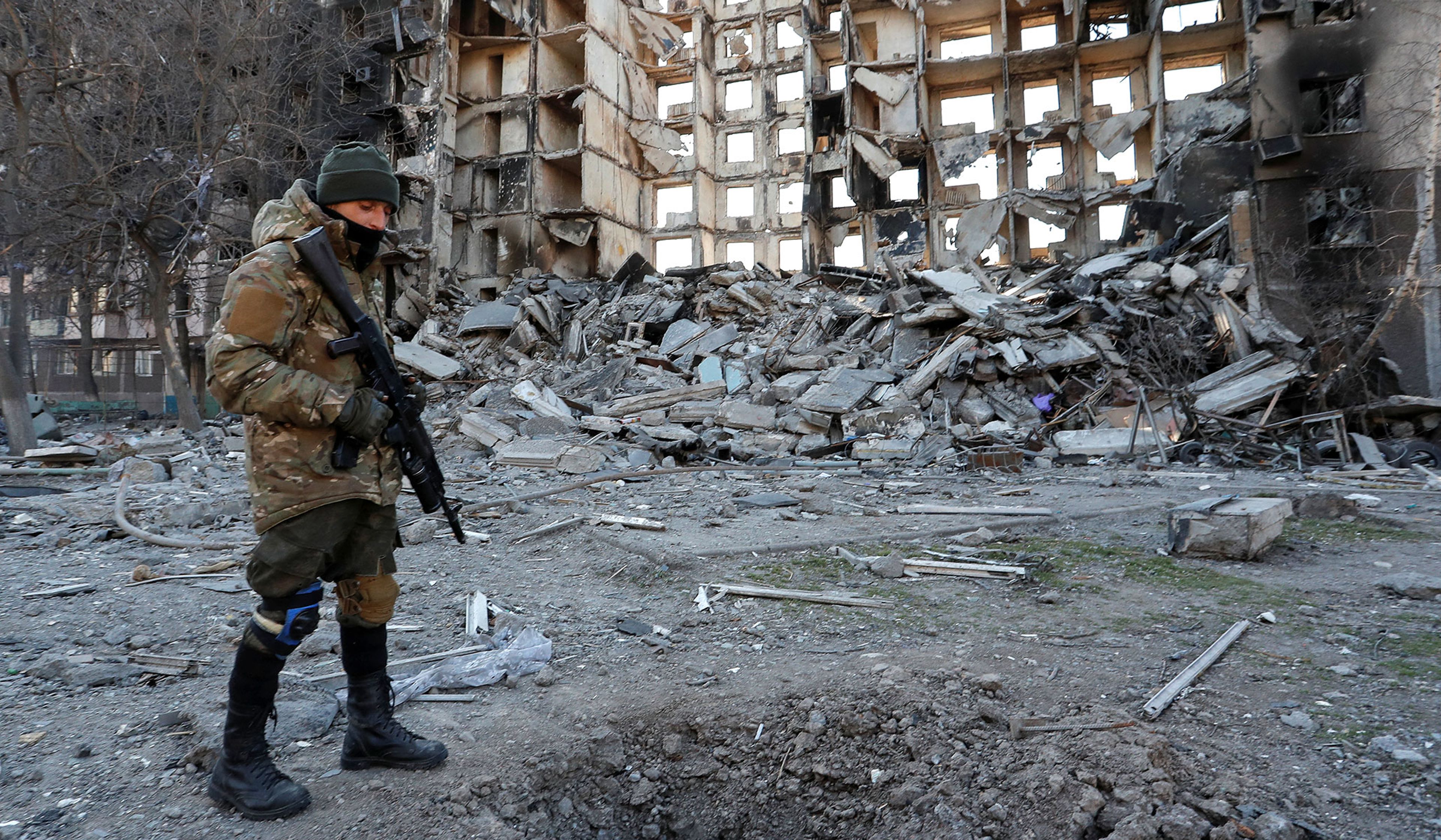

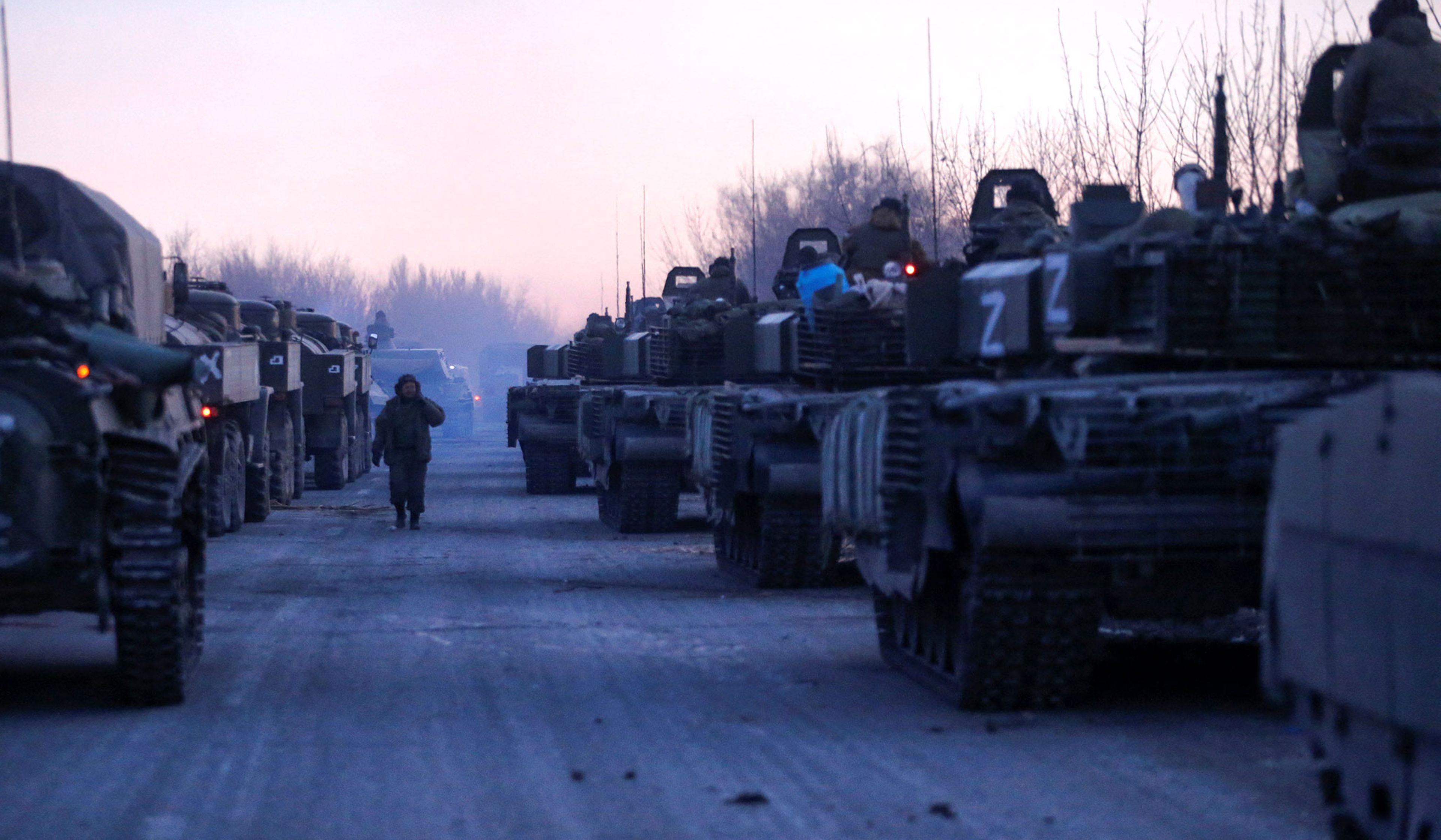






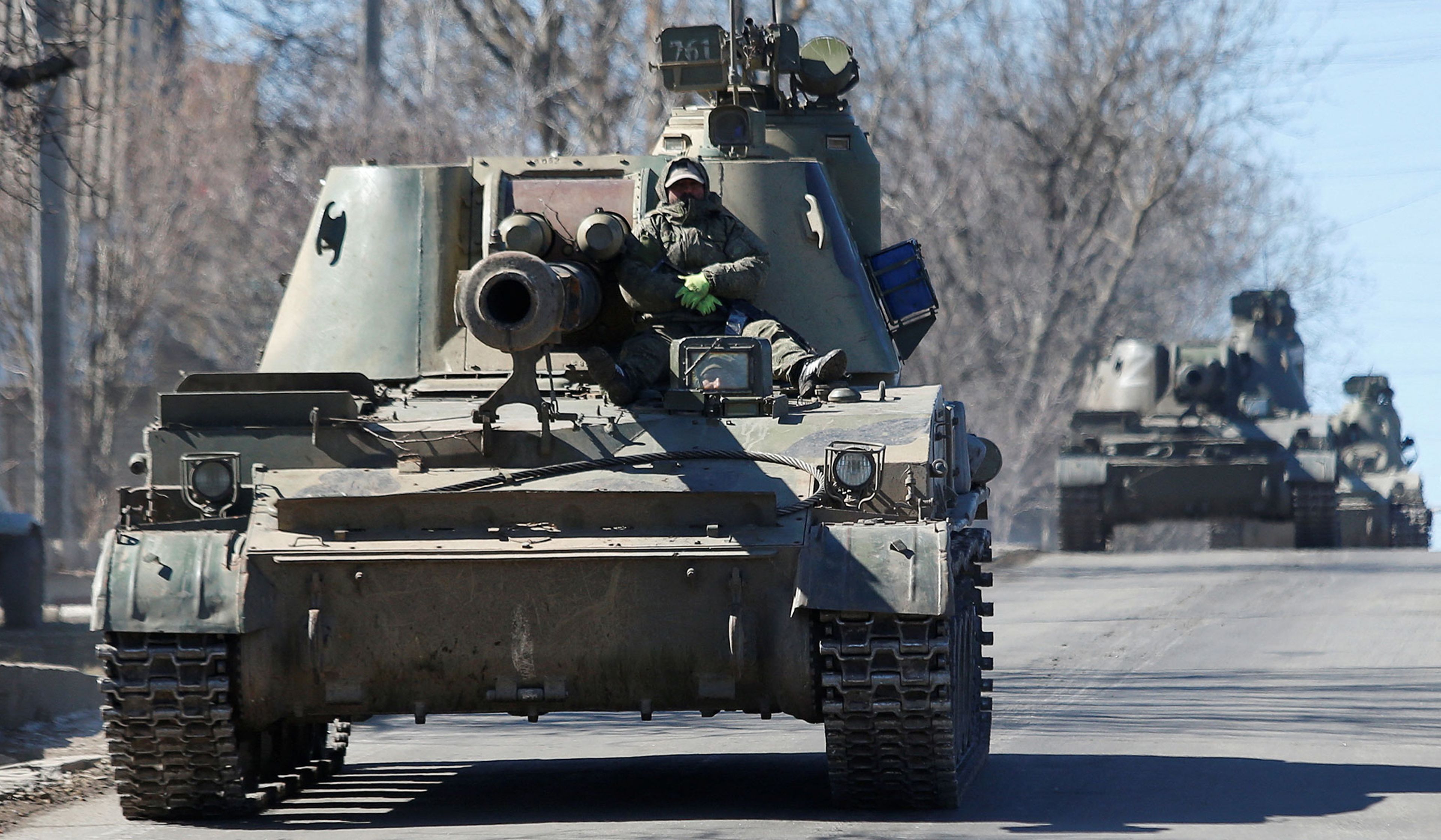




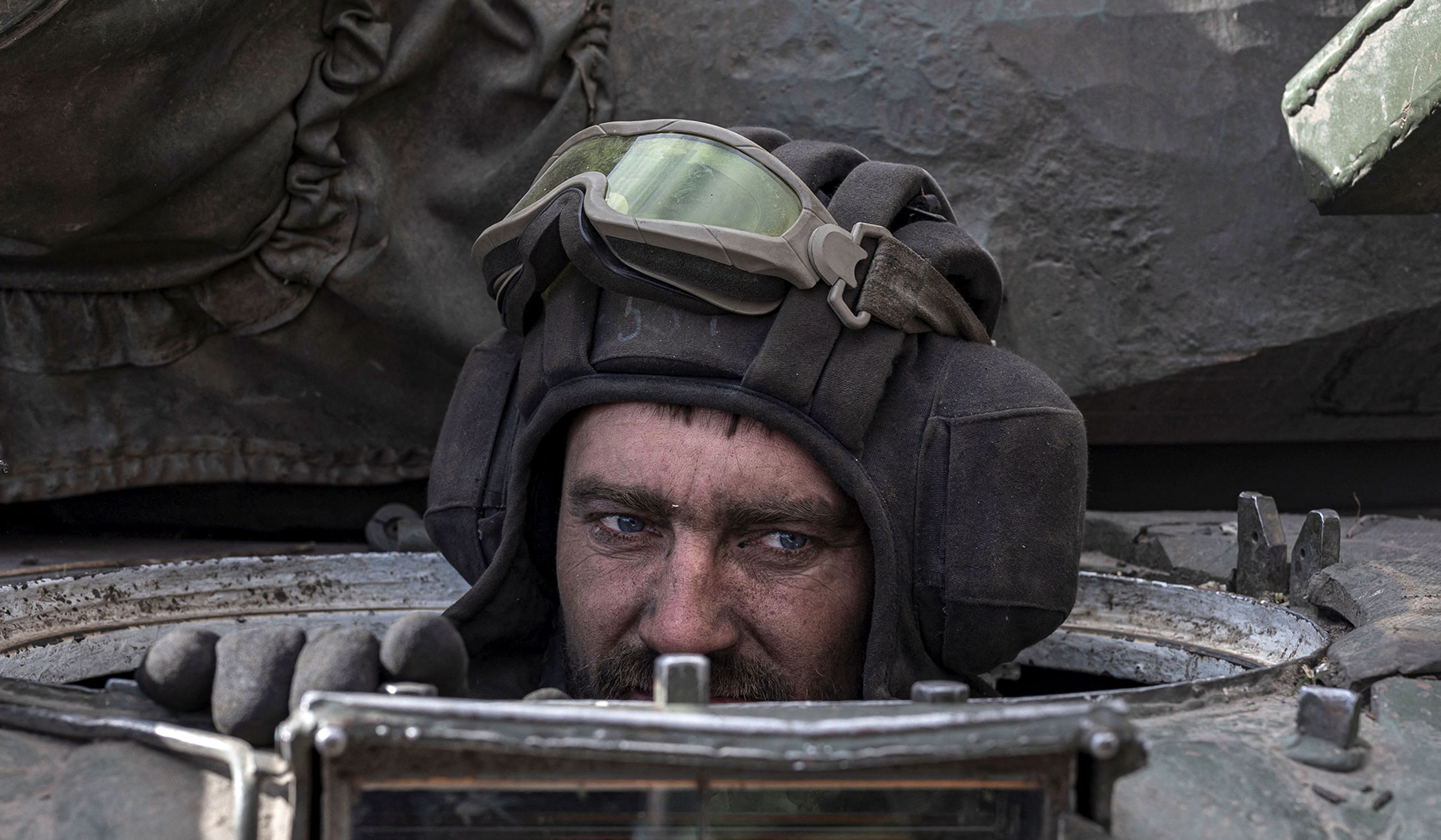
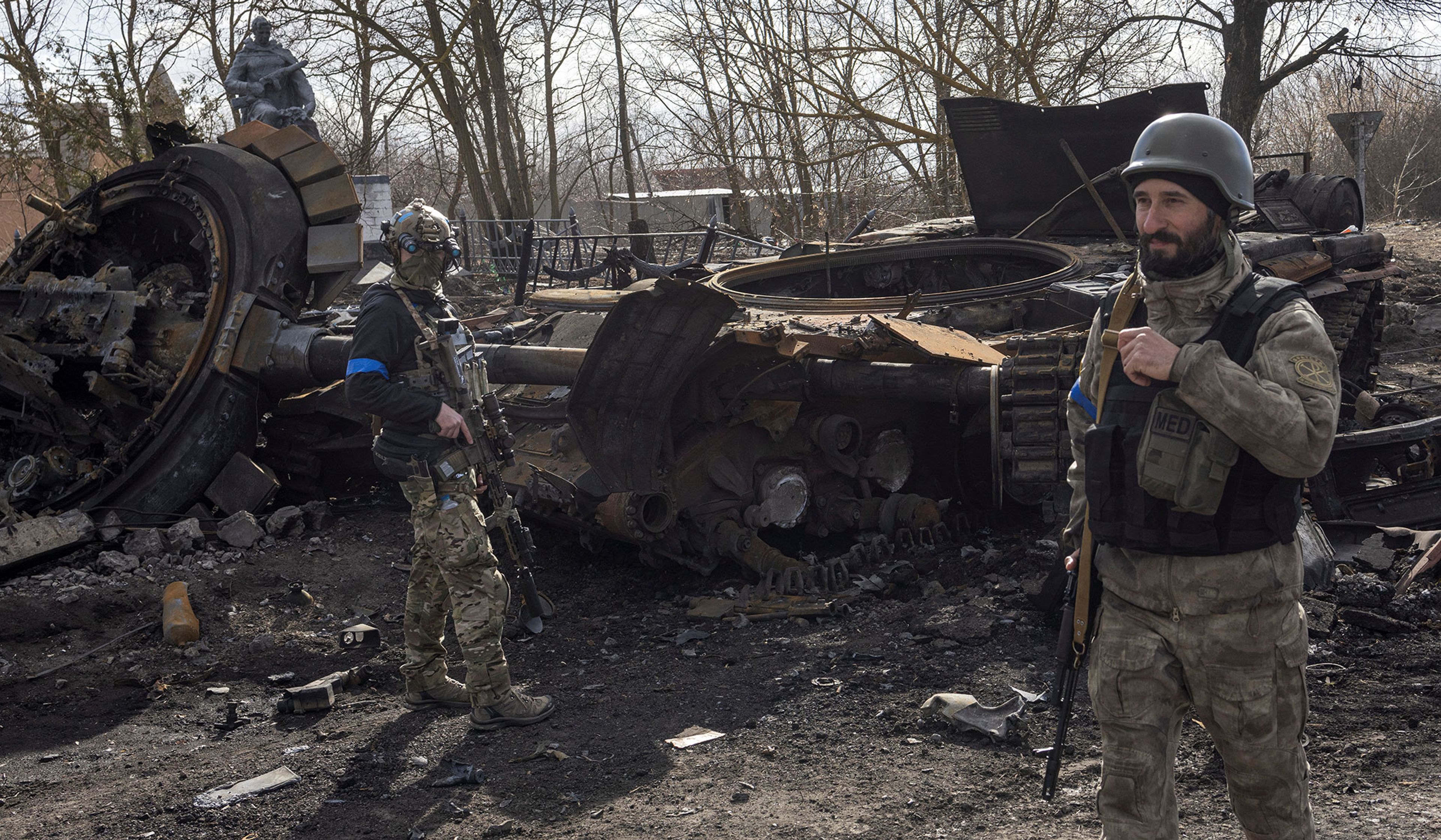

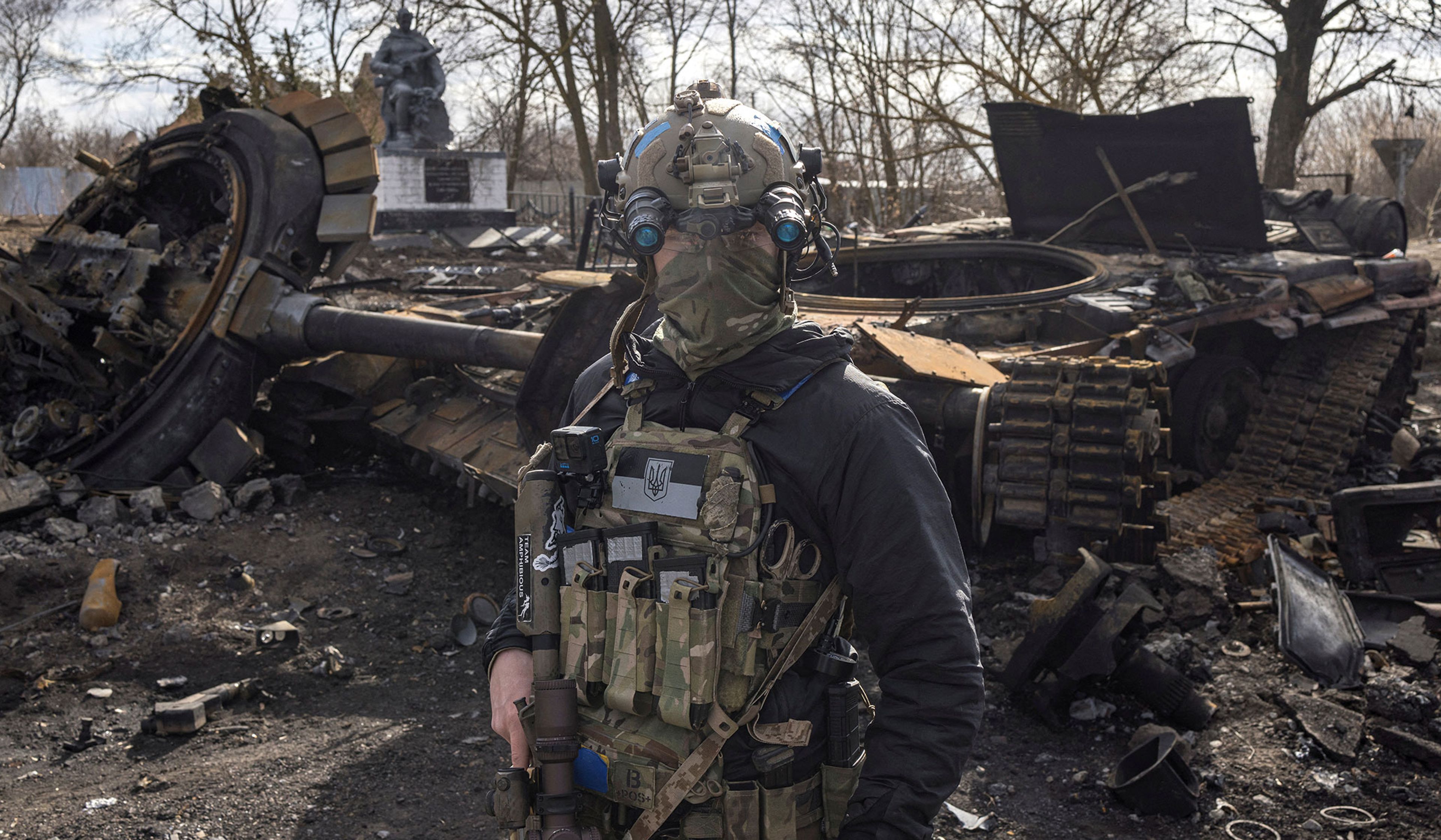




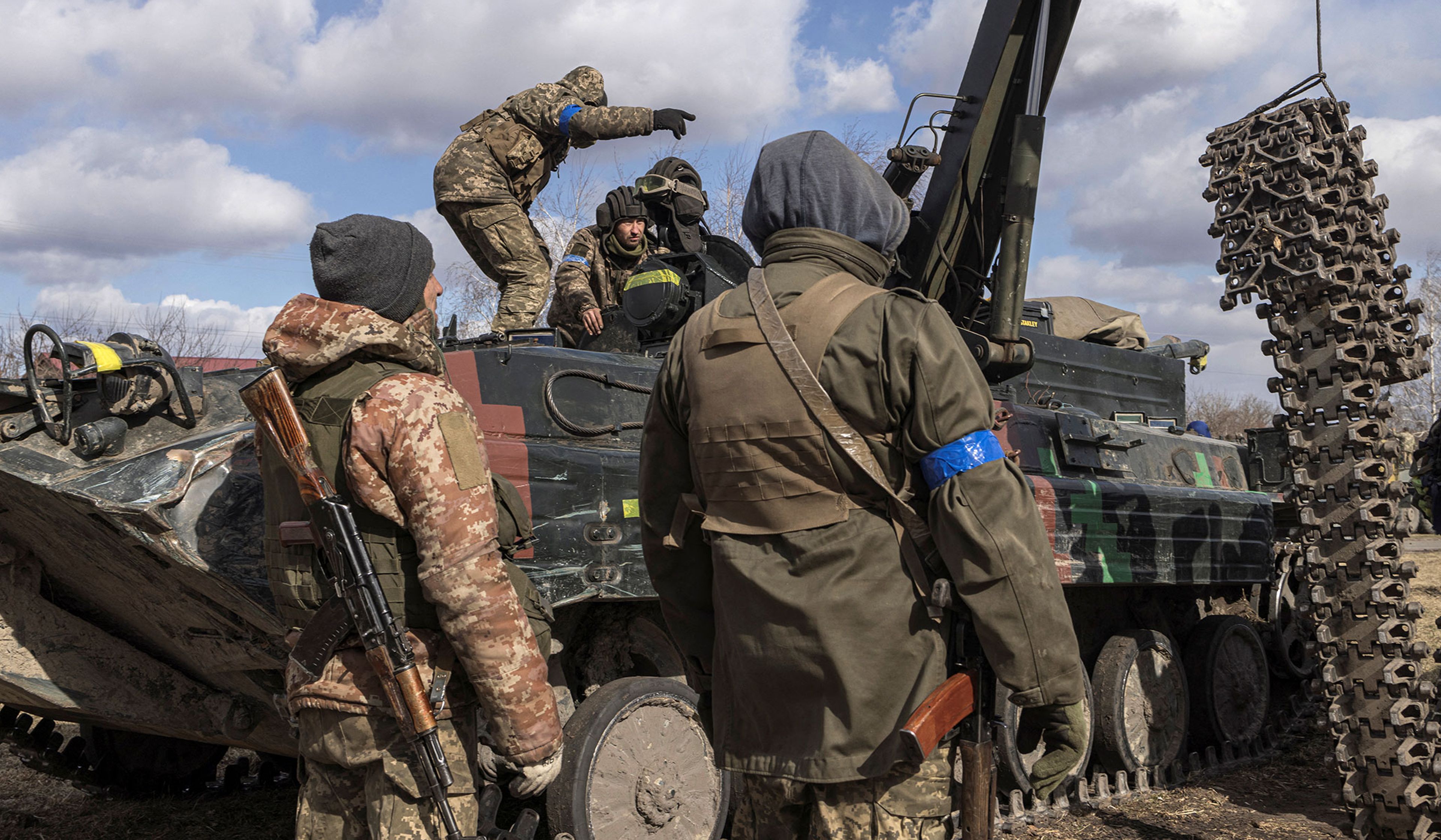





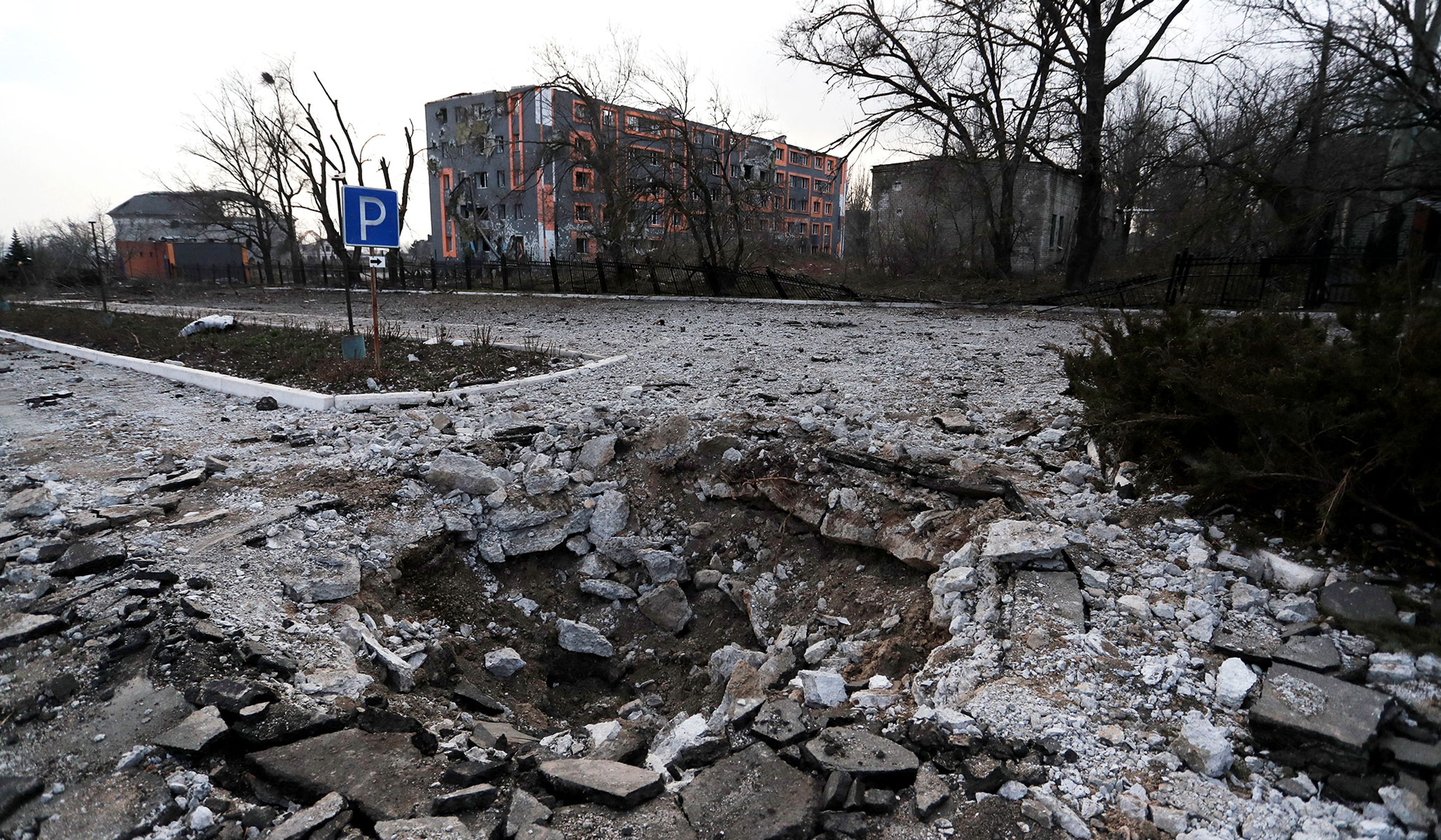

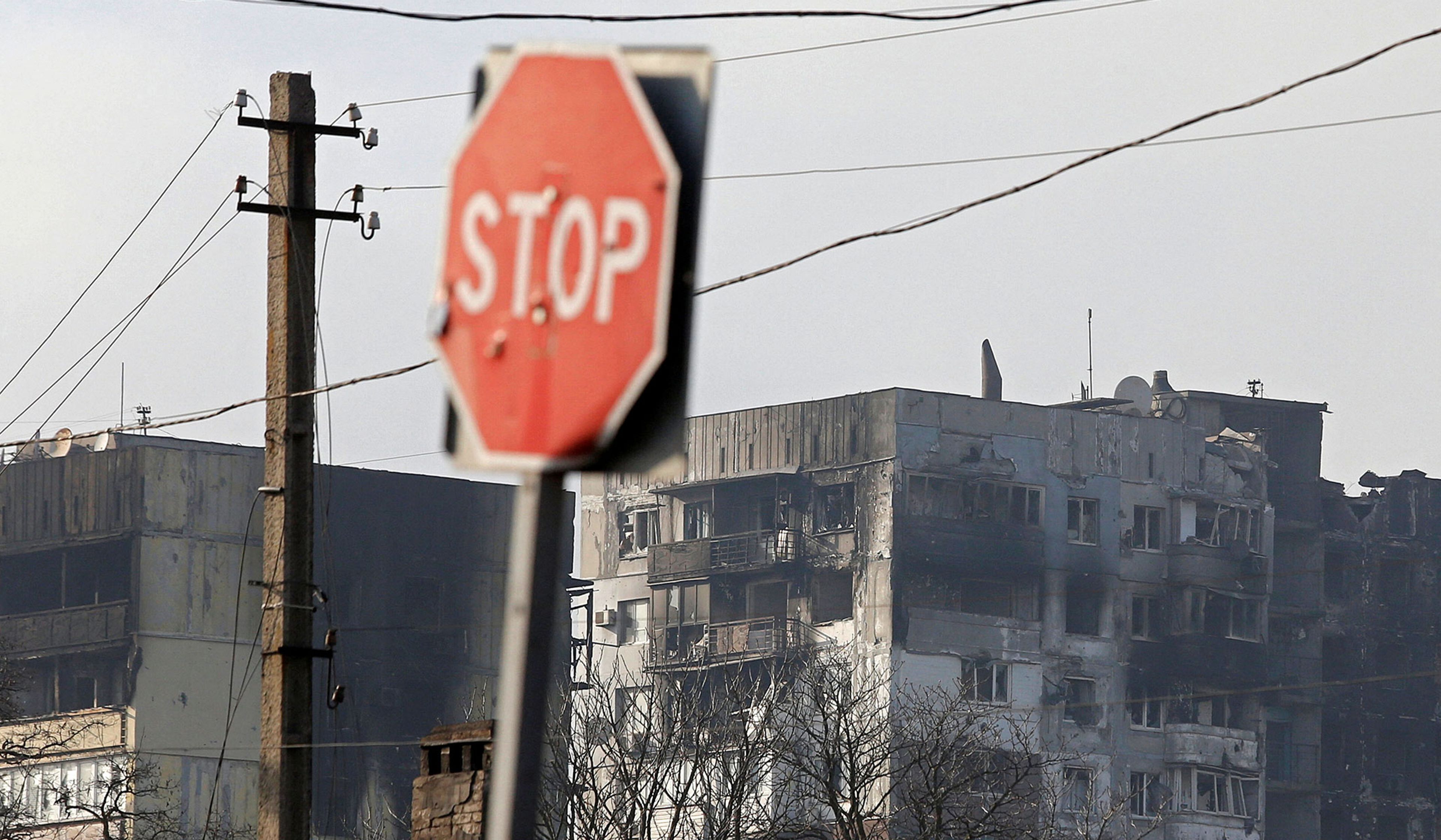
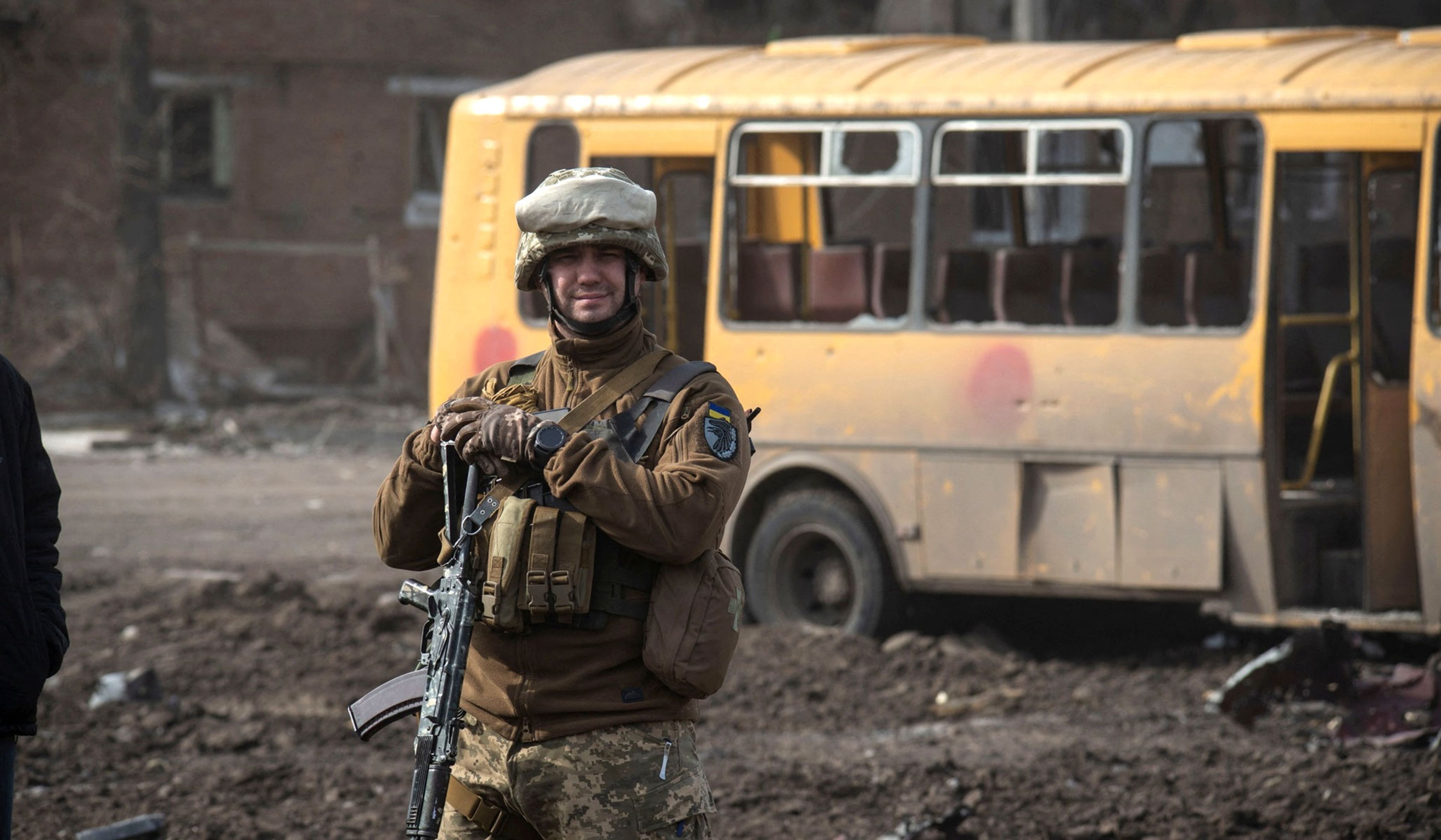















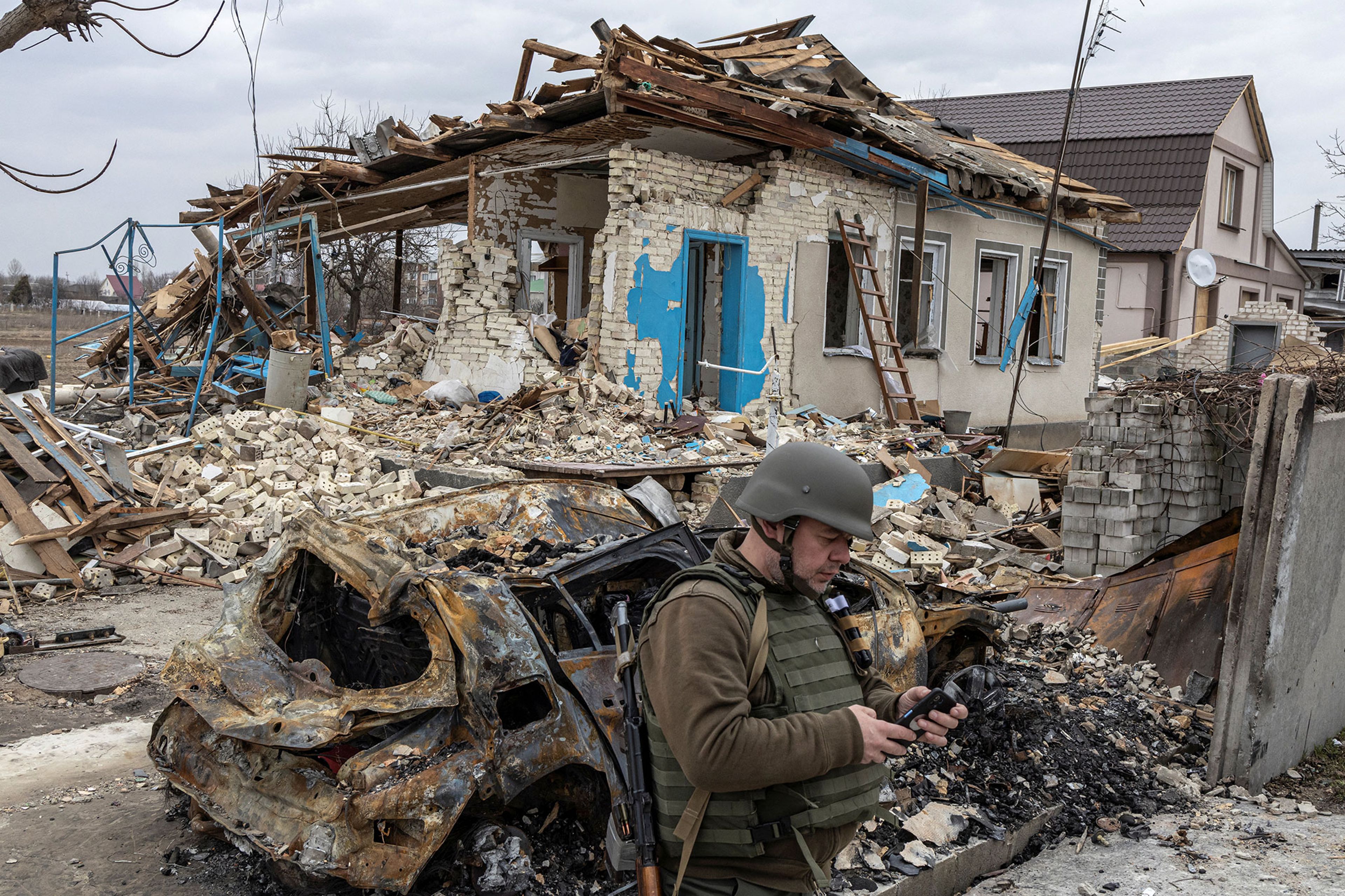
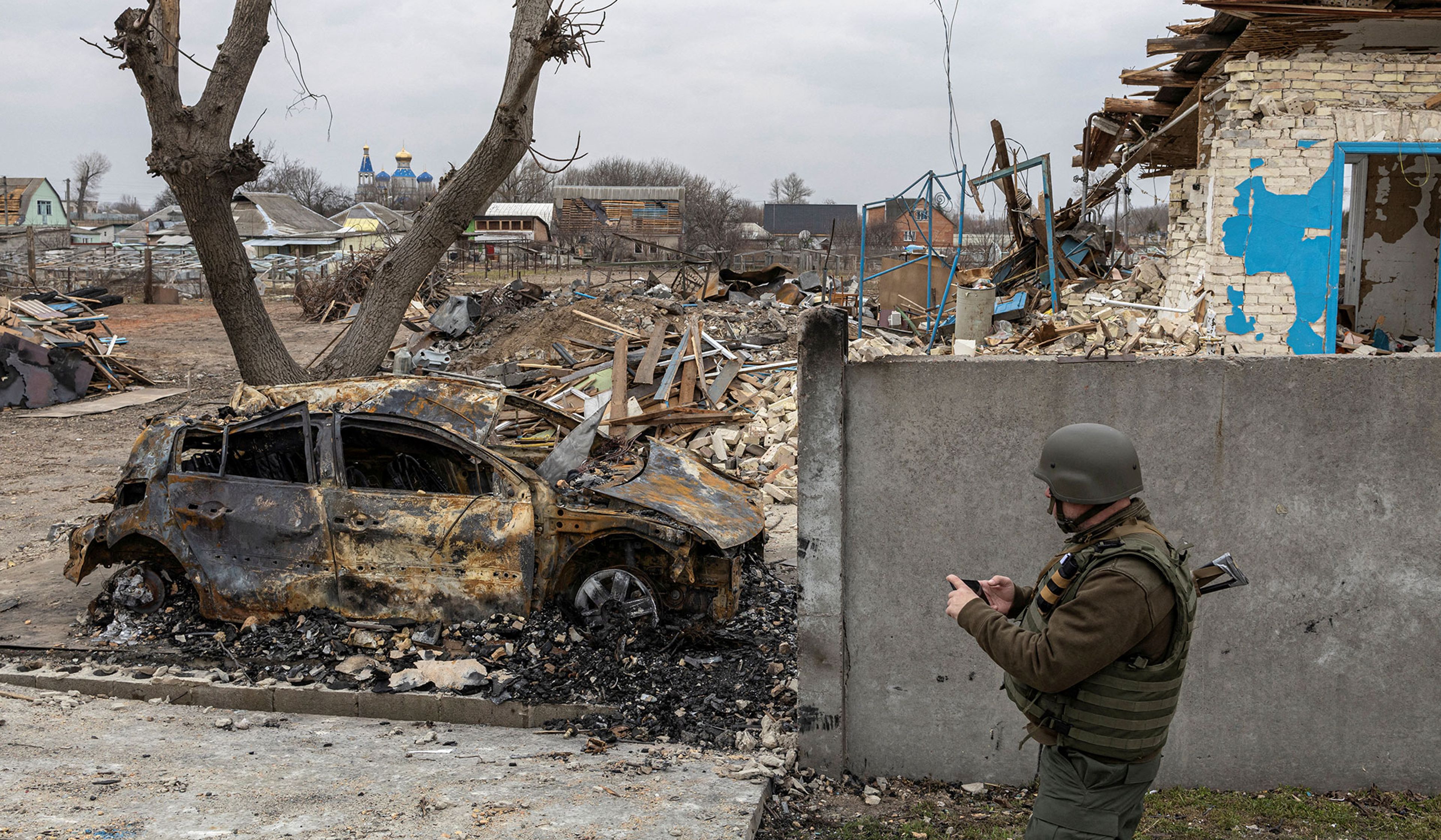
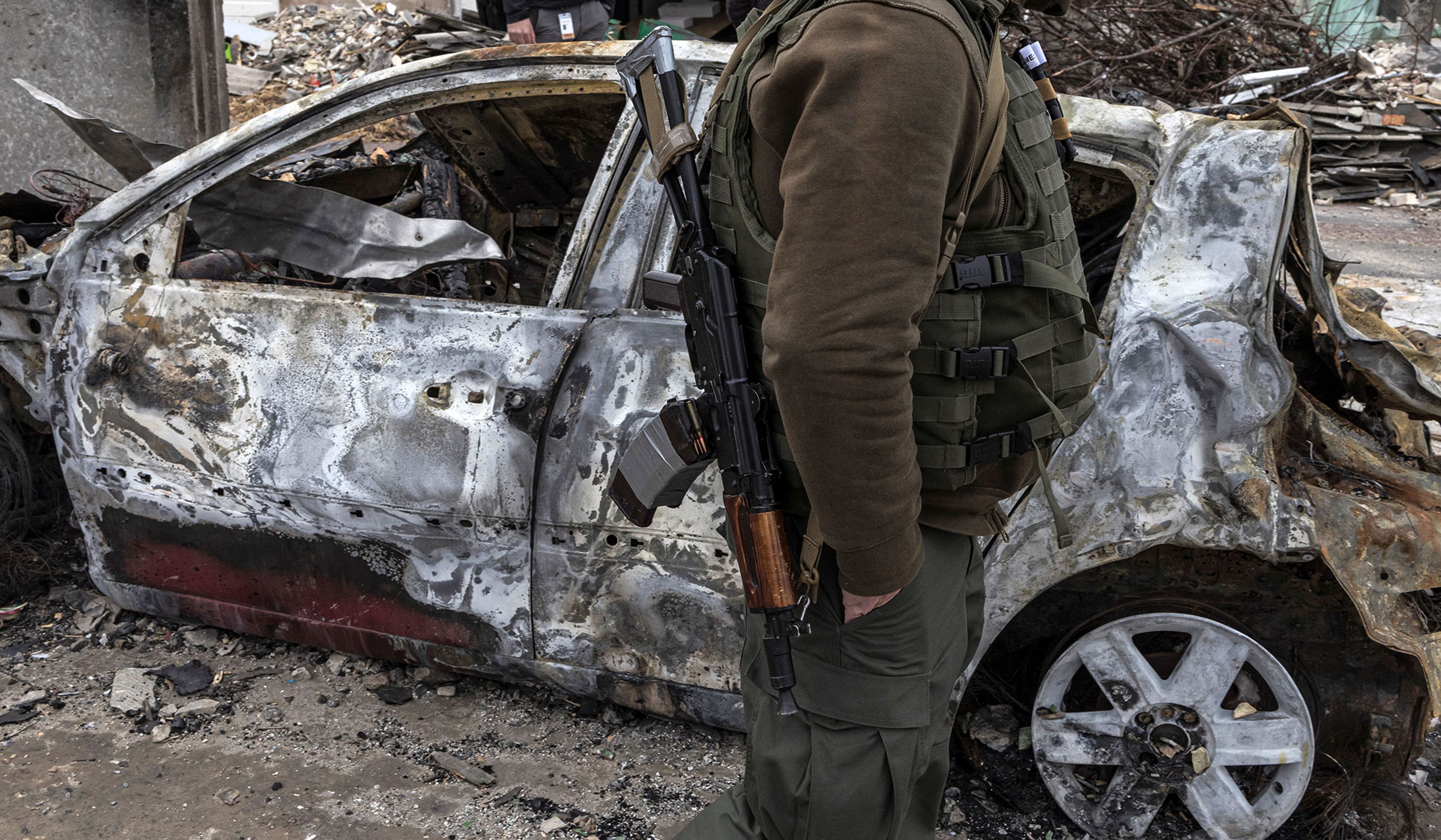








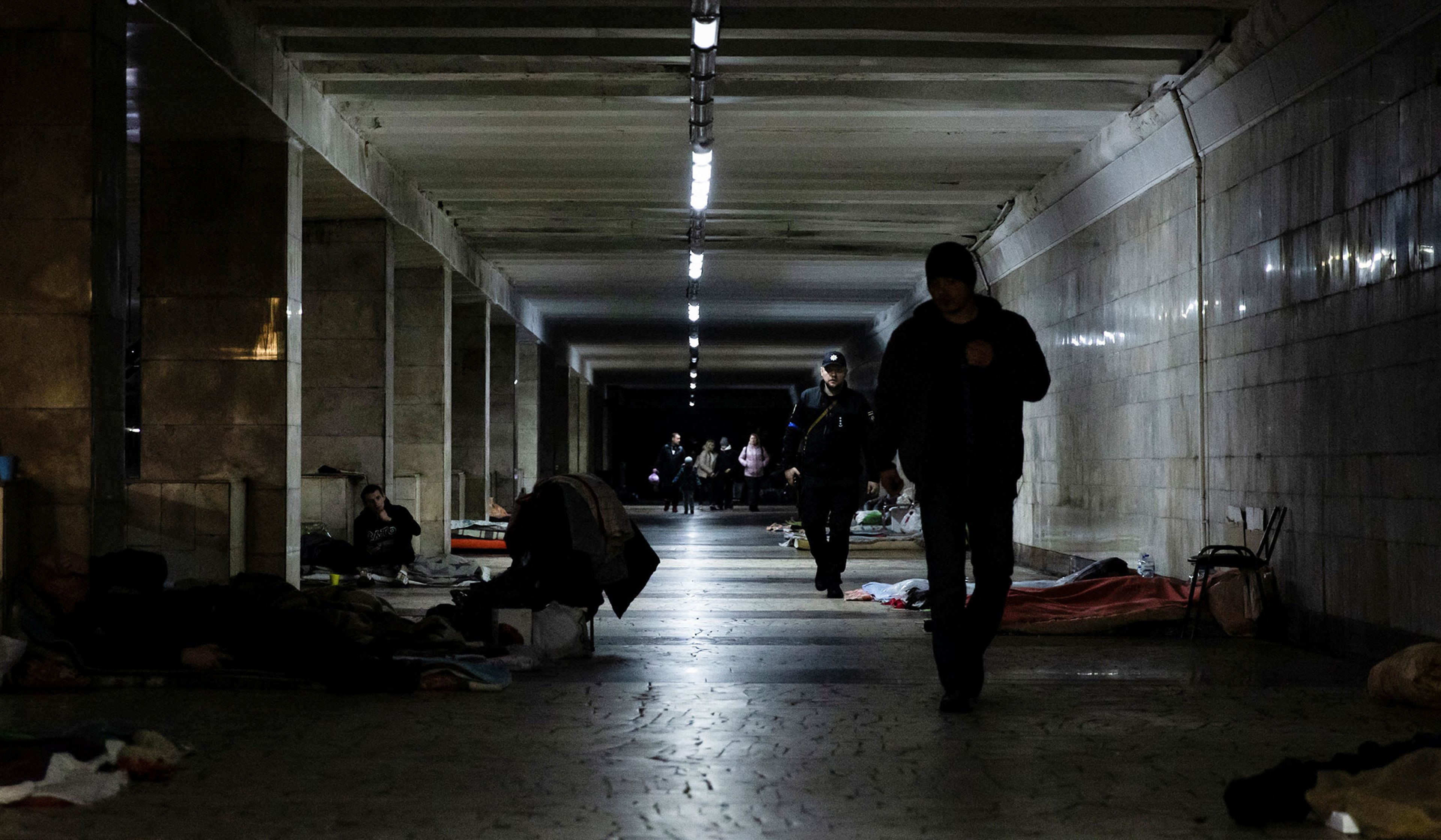

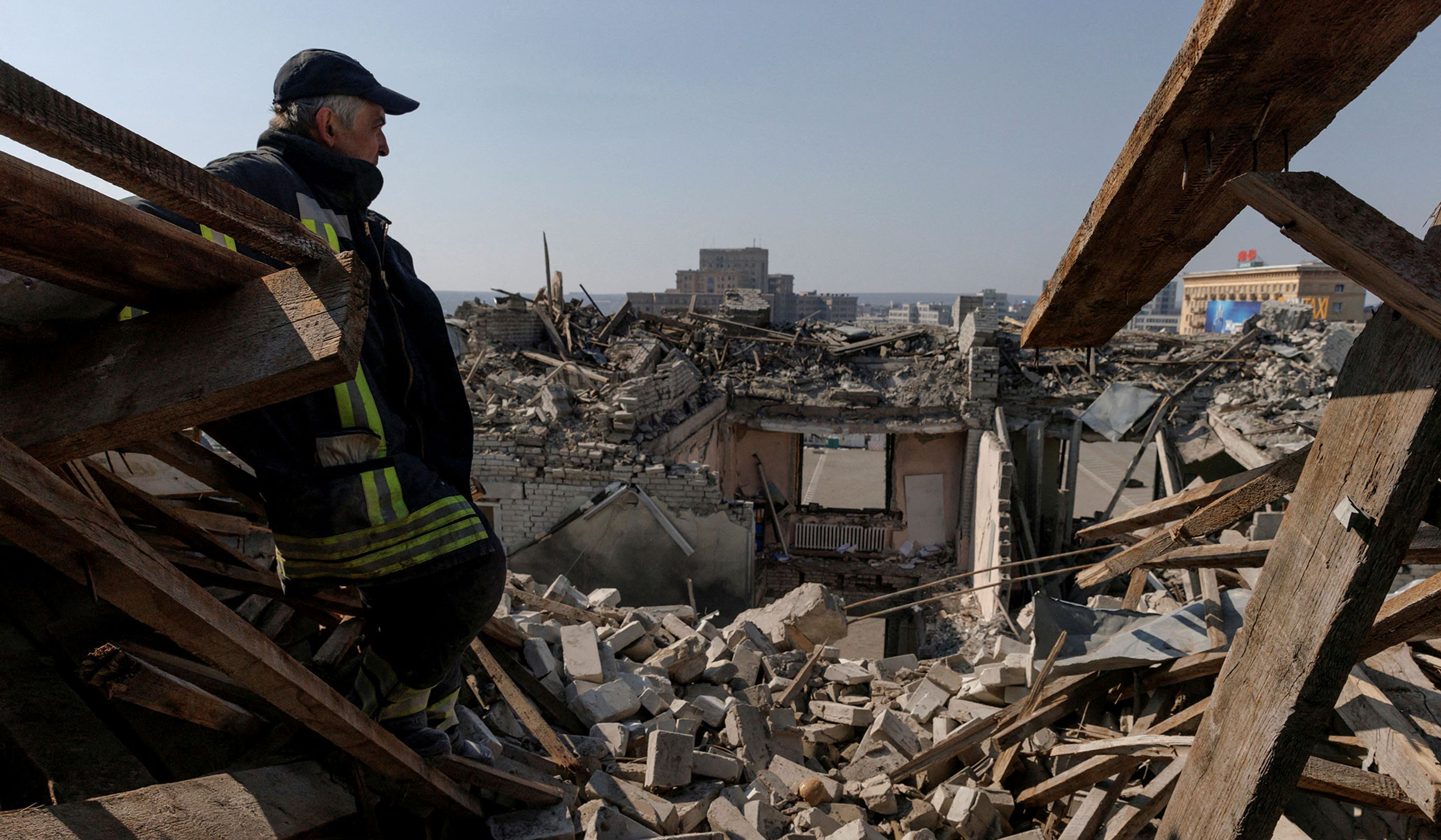

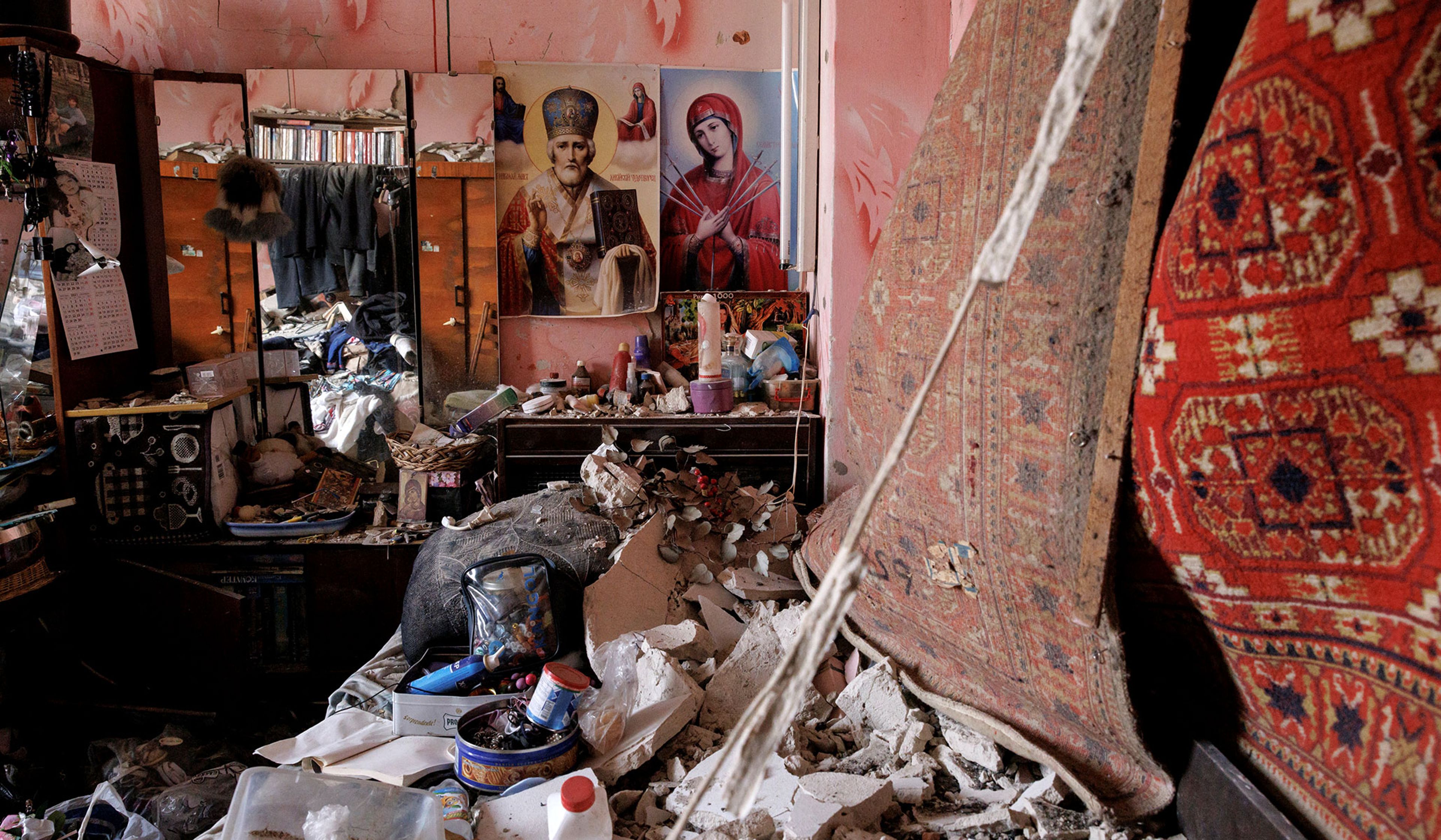


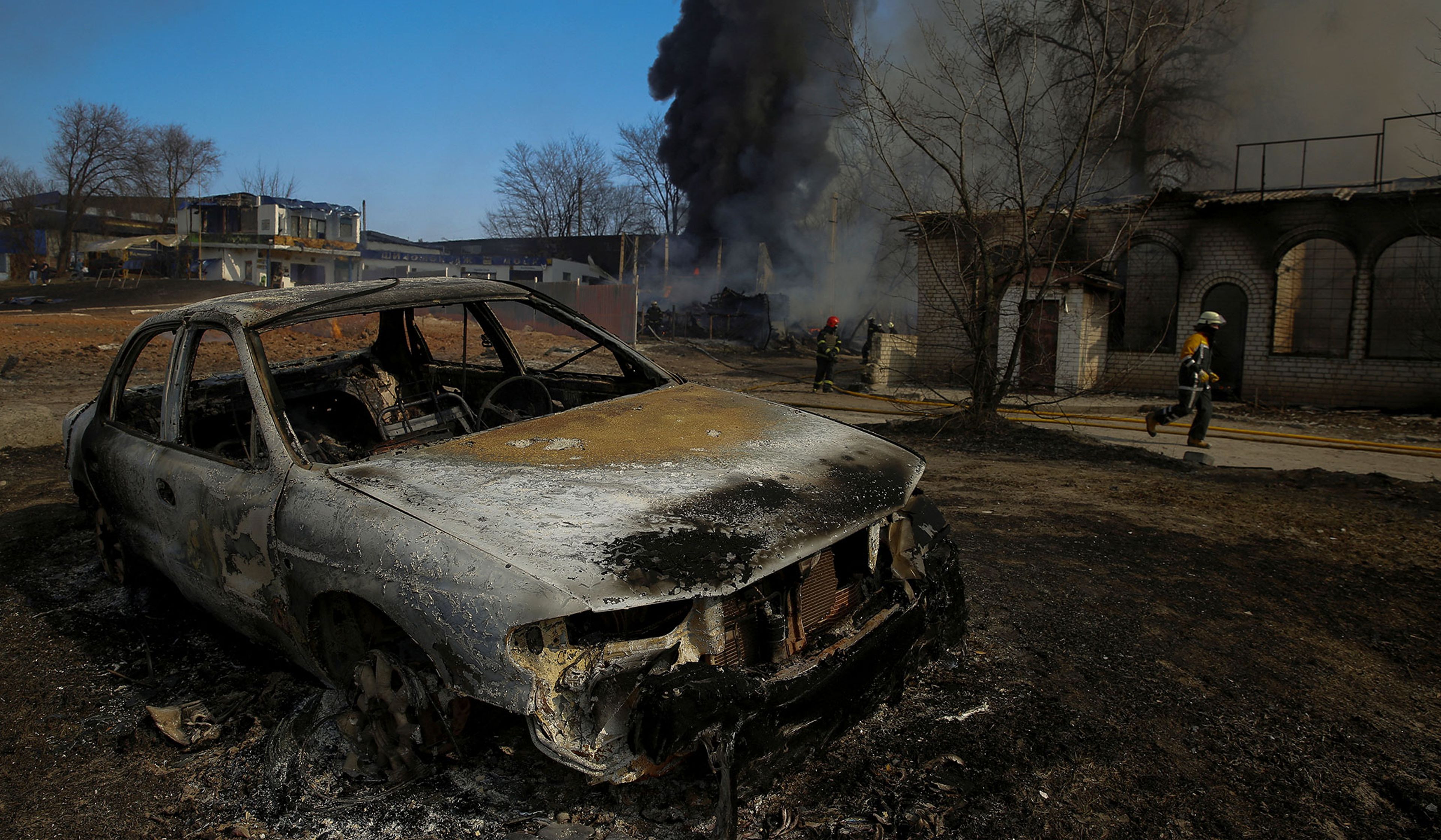

Pro-Russian troops carry an anti-tank grenade launcher during fighting in the besieged southern port city of Mariupol, Ukraine, March 31, 2022.
Alexander Ermochenko/Reuters
A Bloody Stalemate
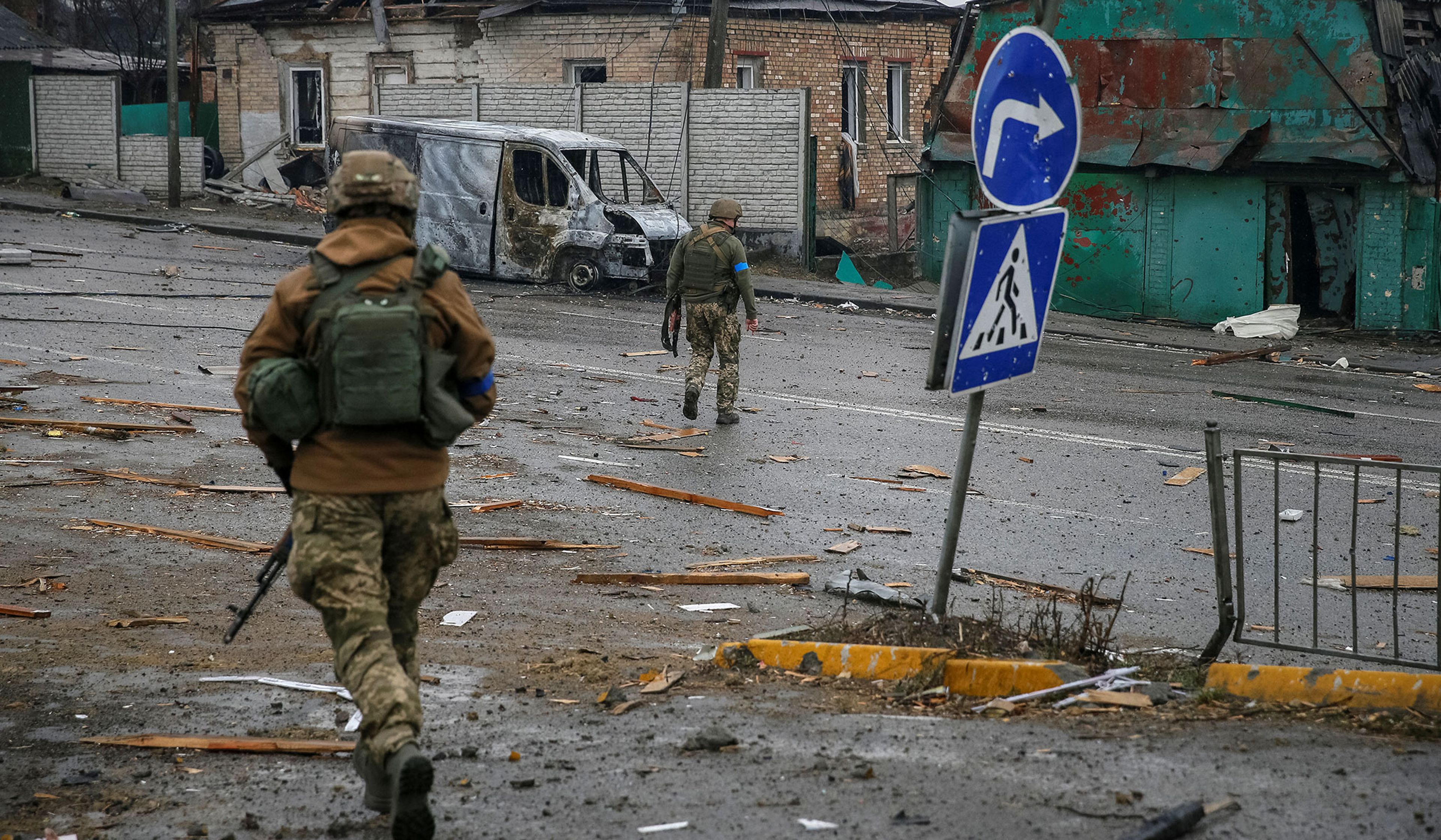
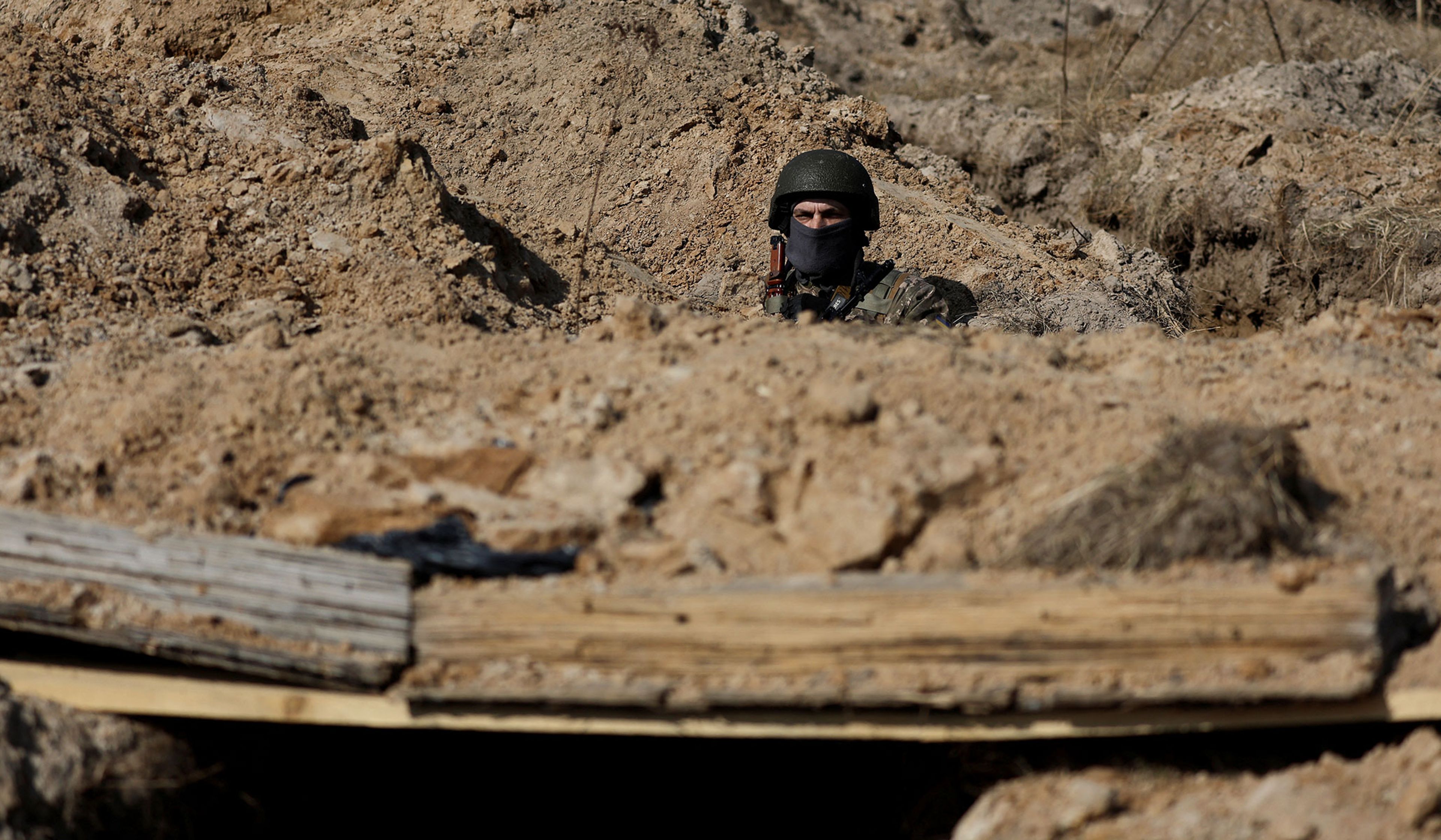
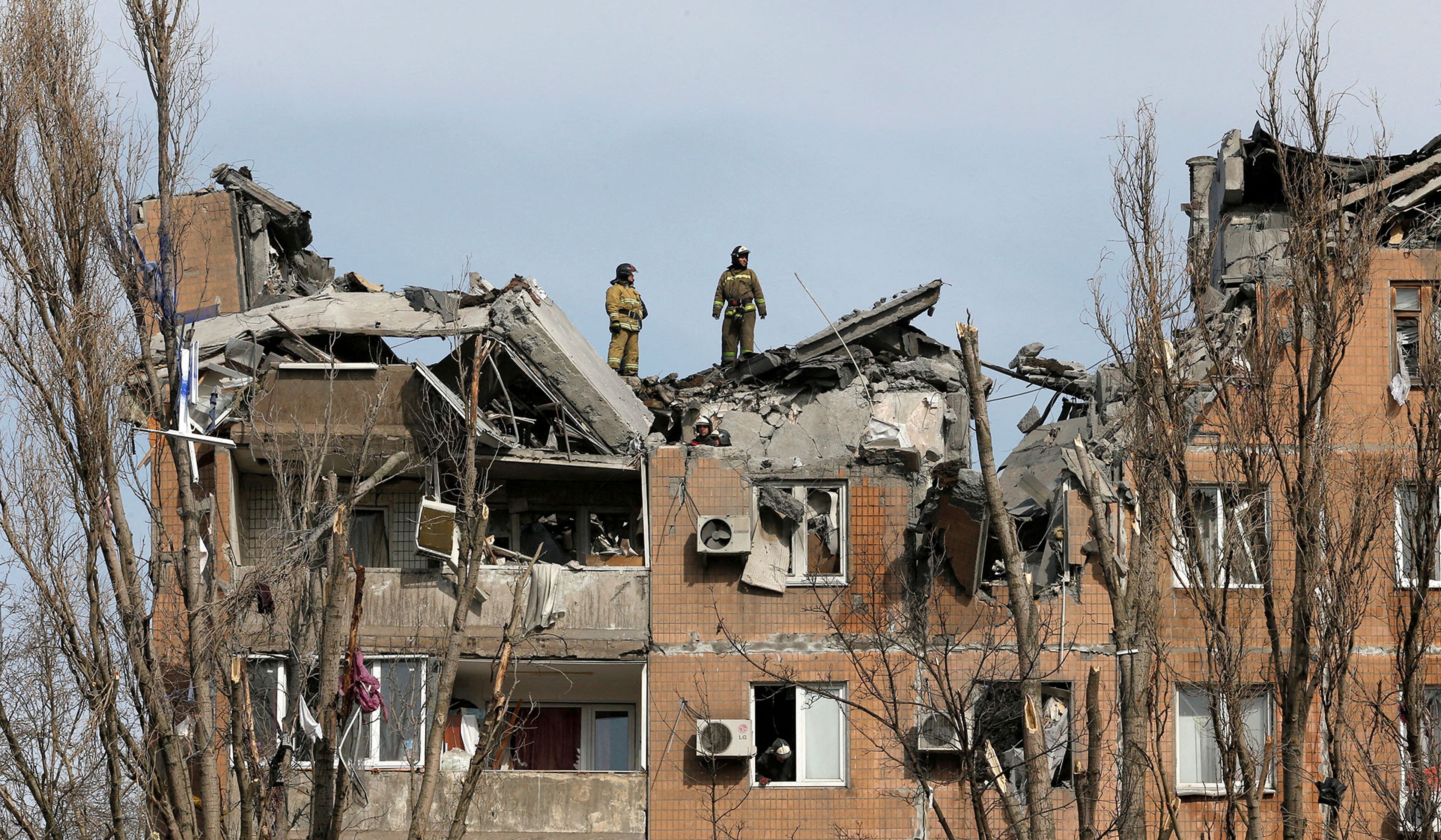
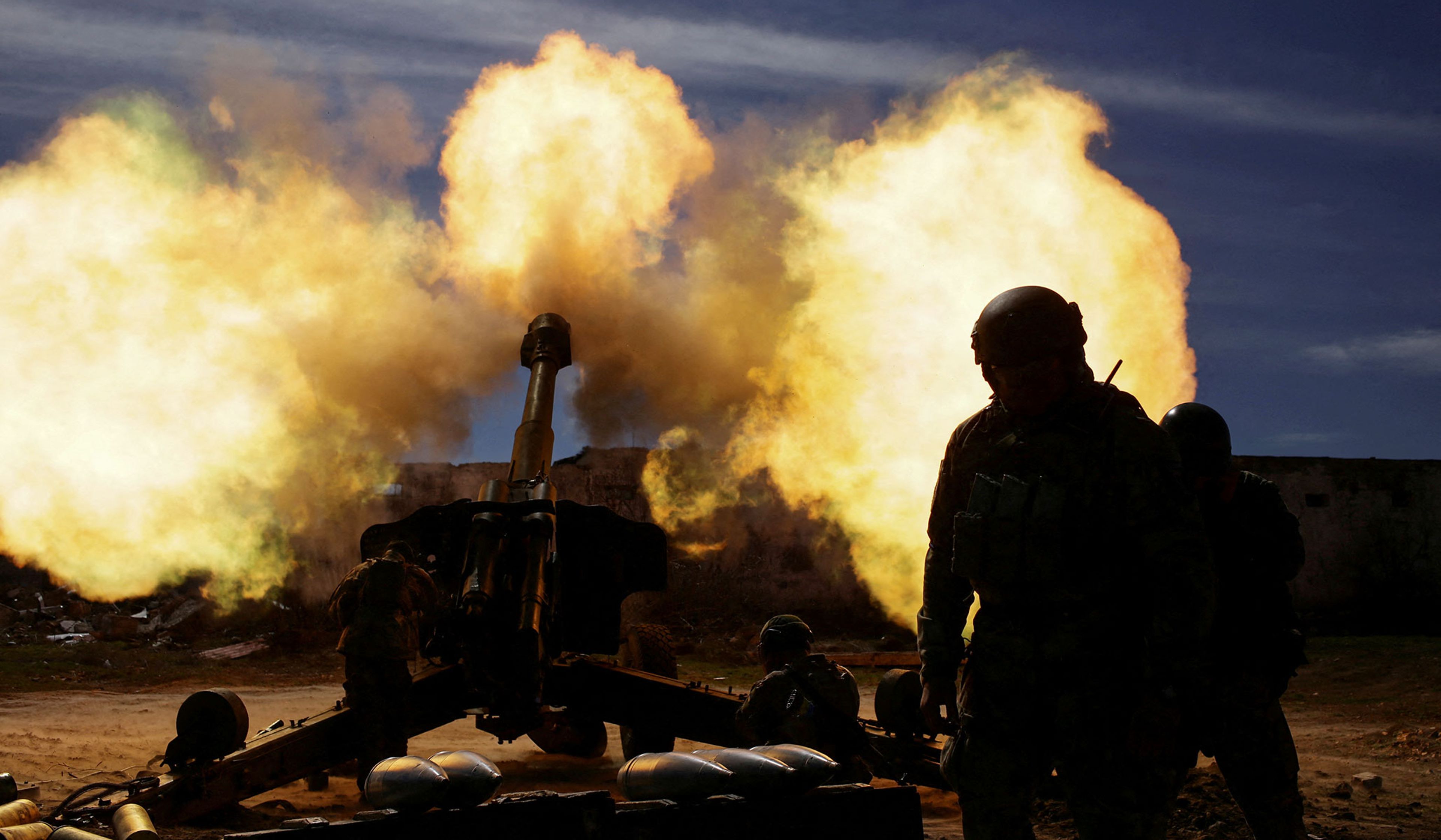
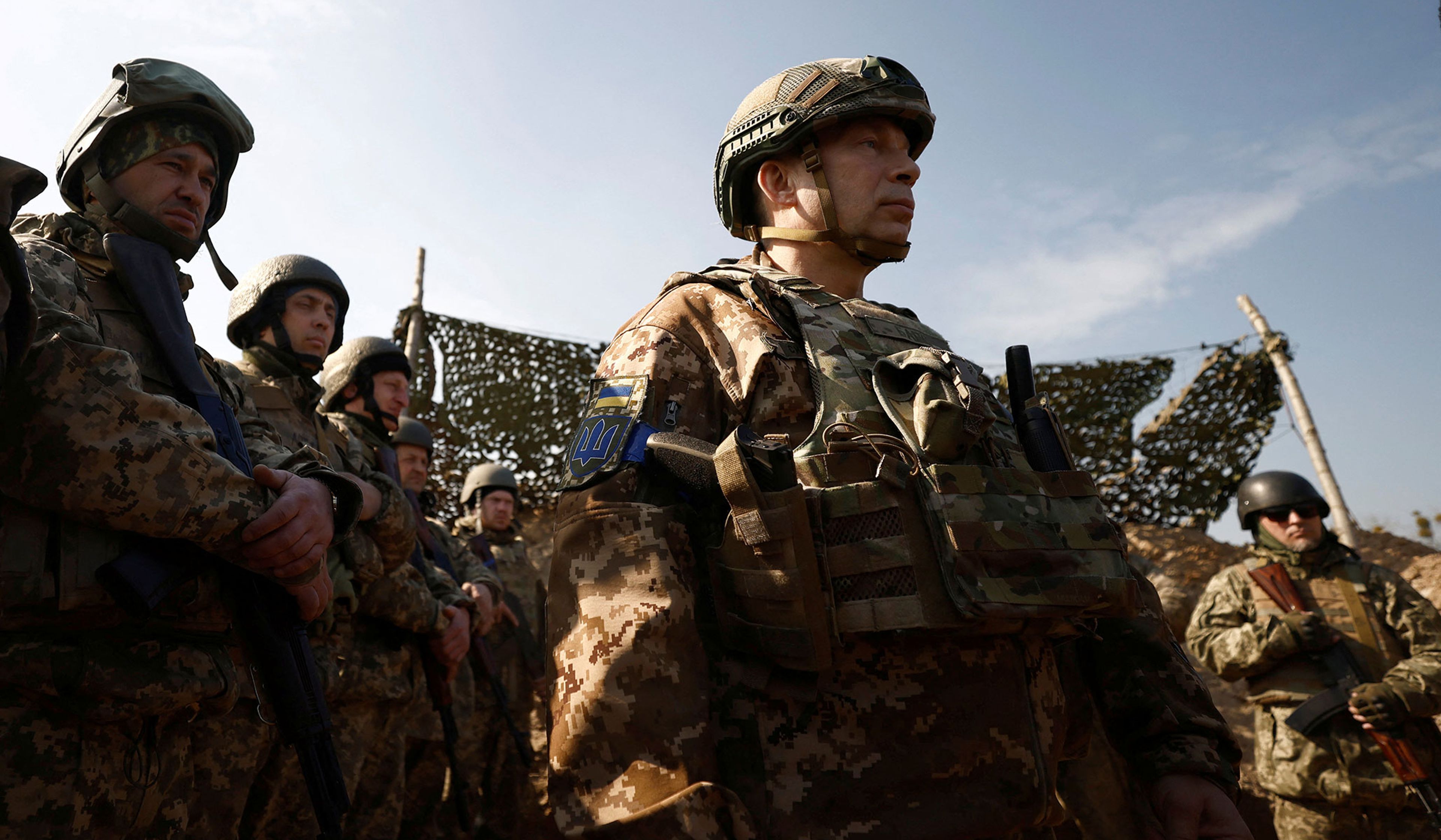
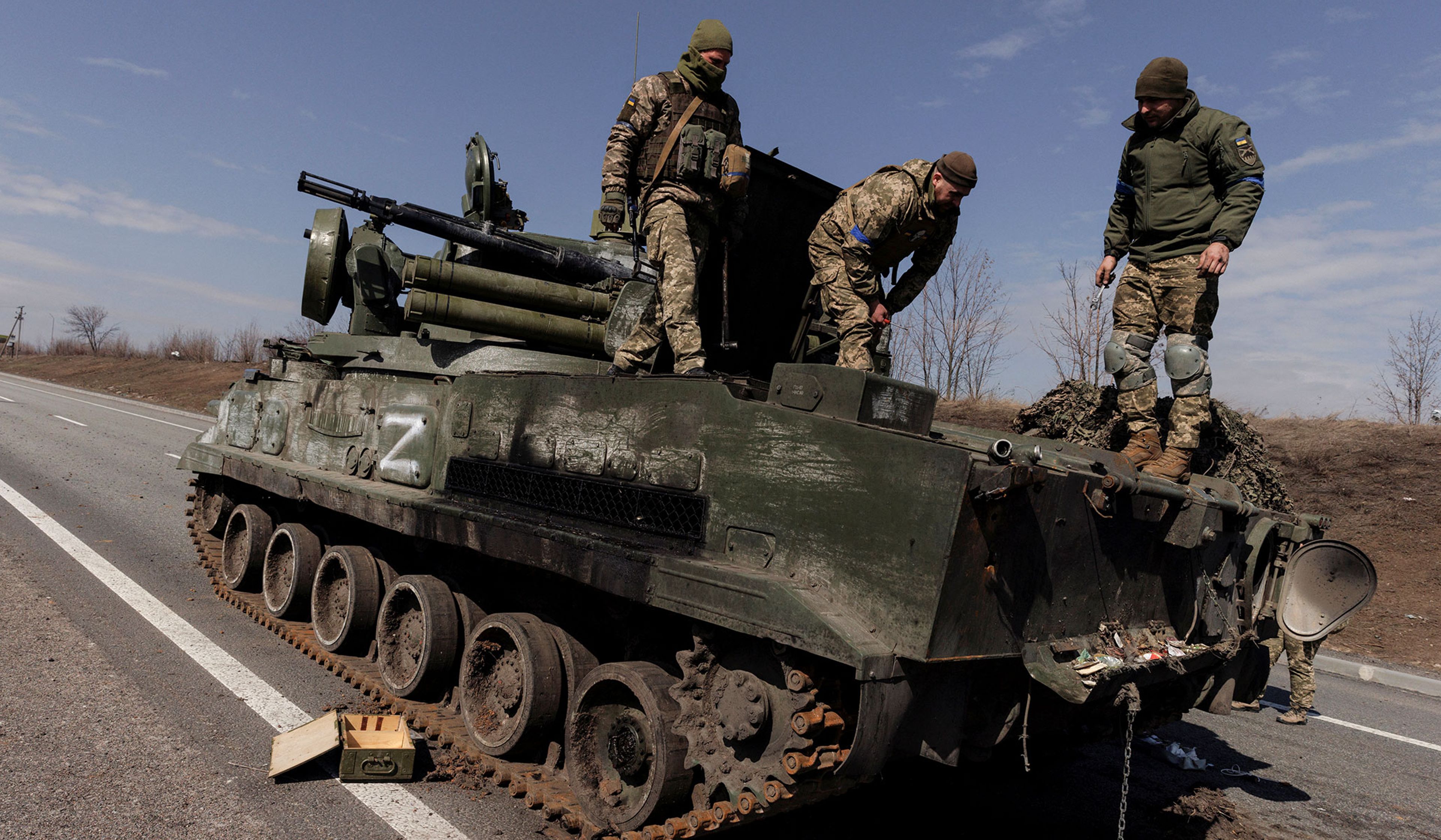
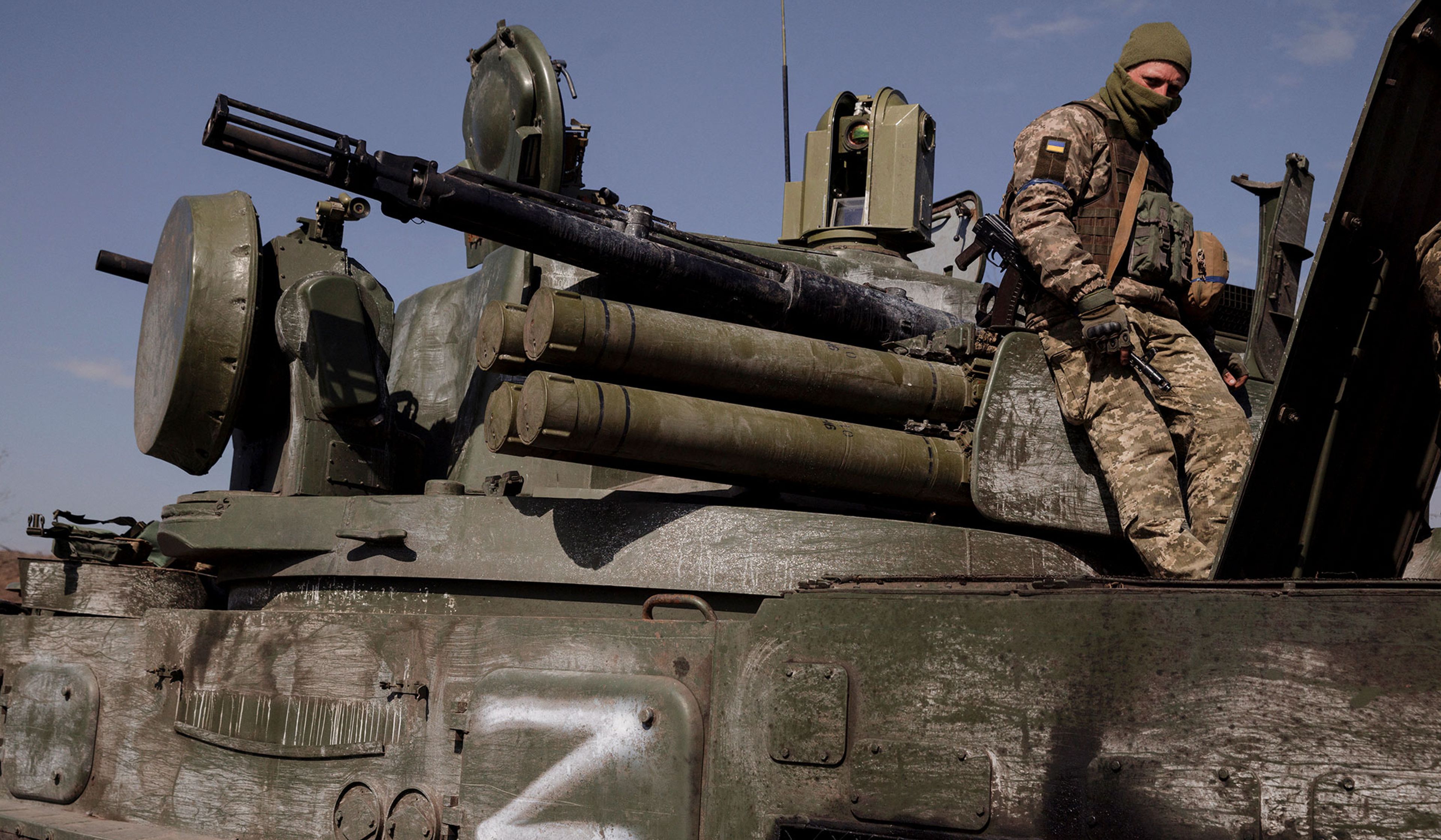
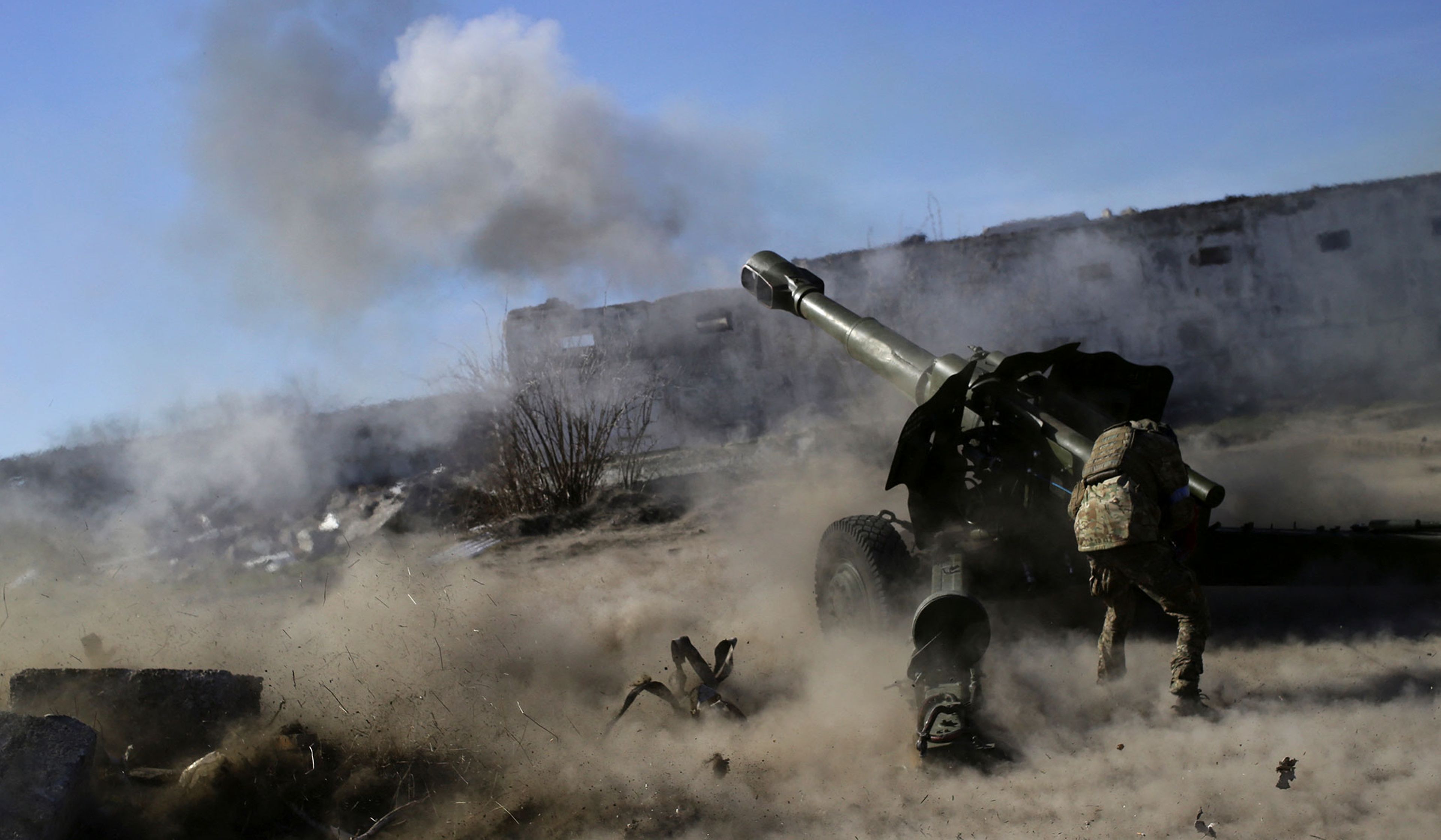
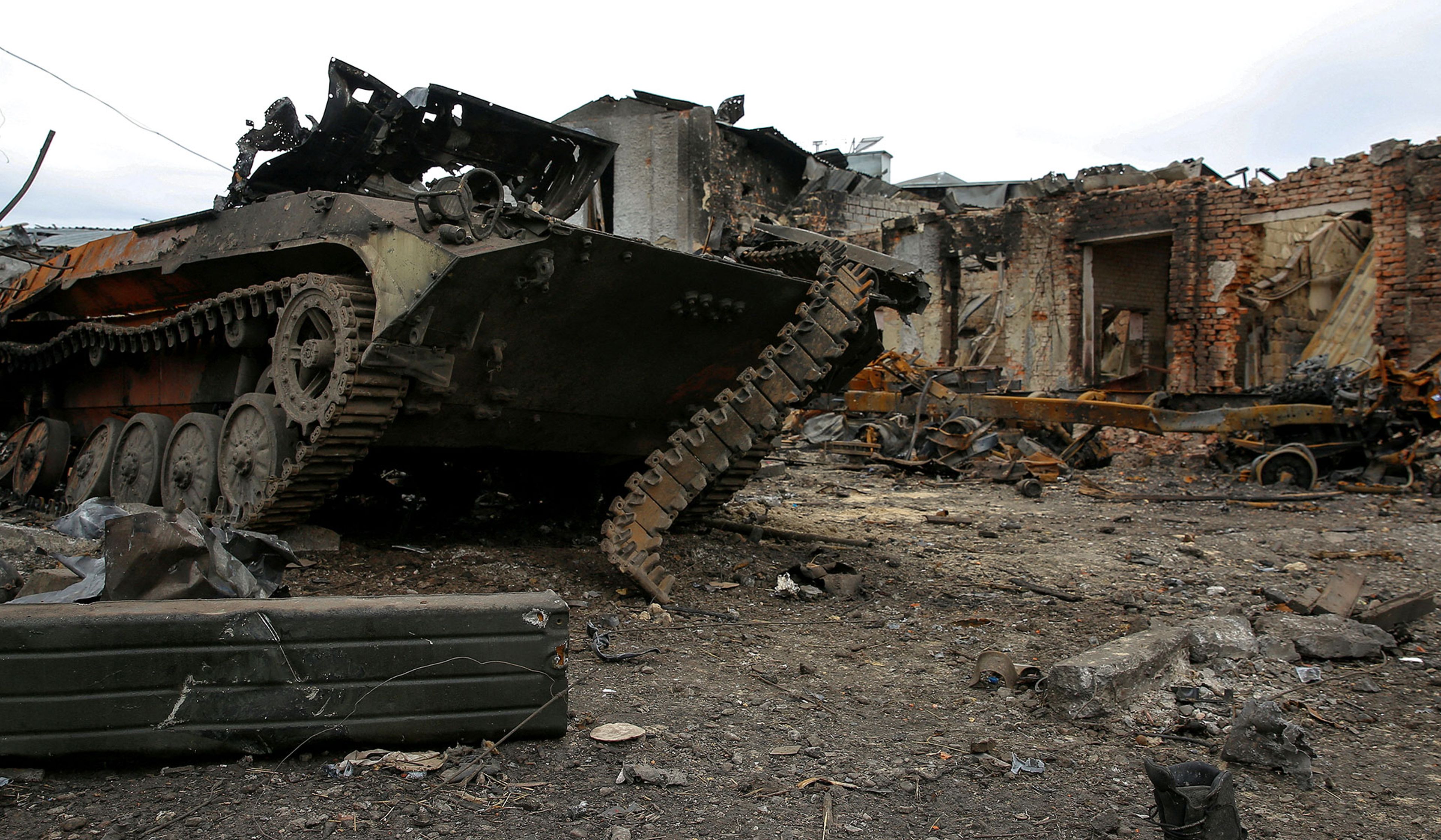
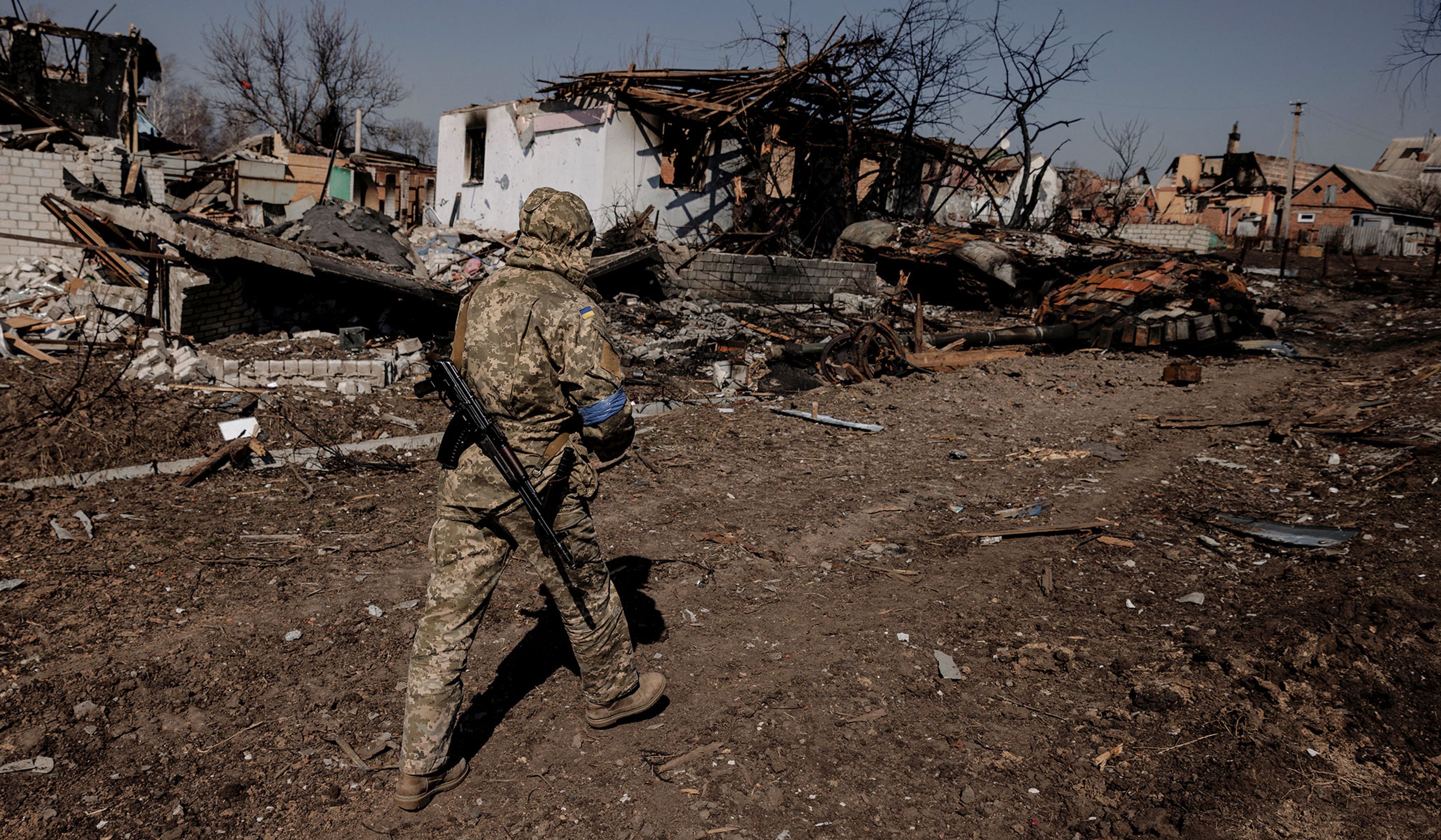
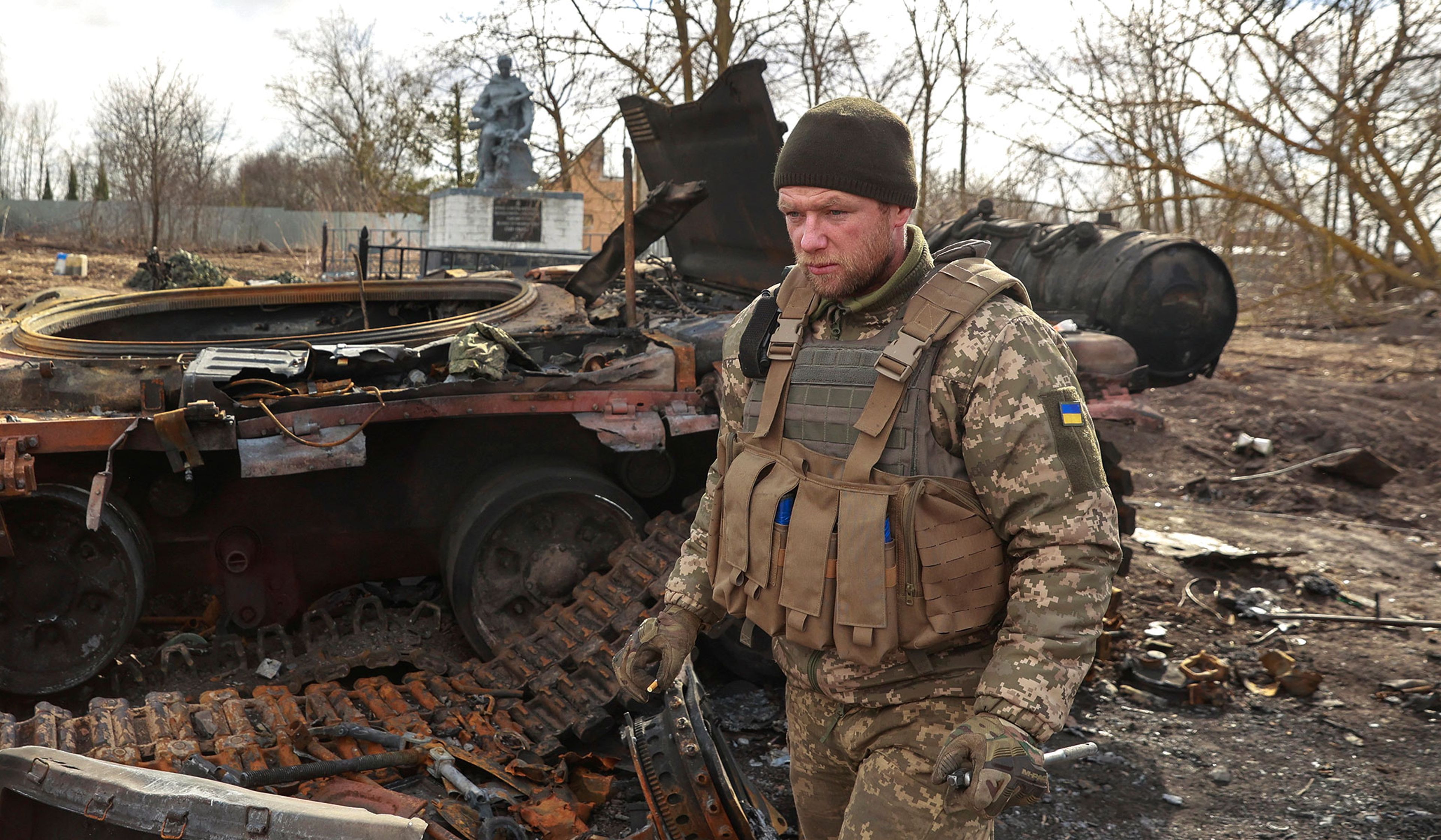
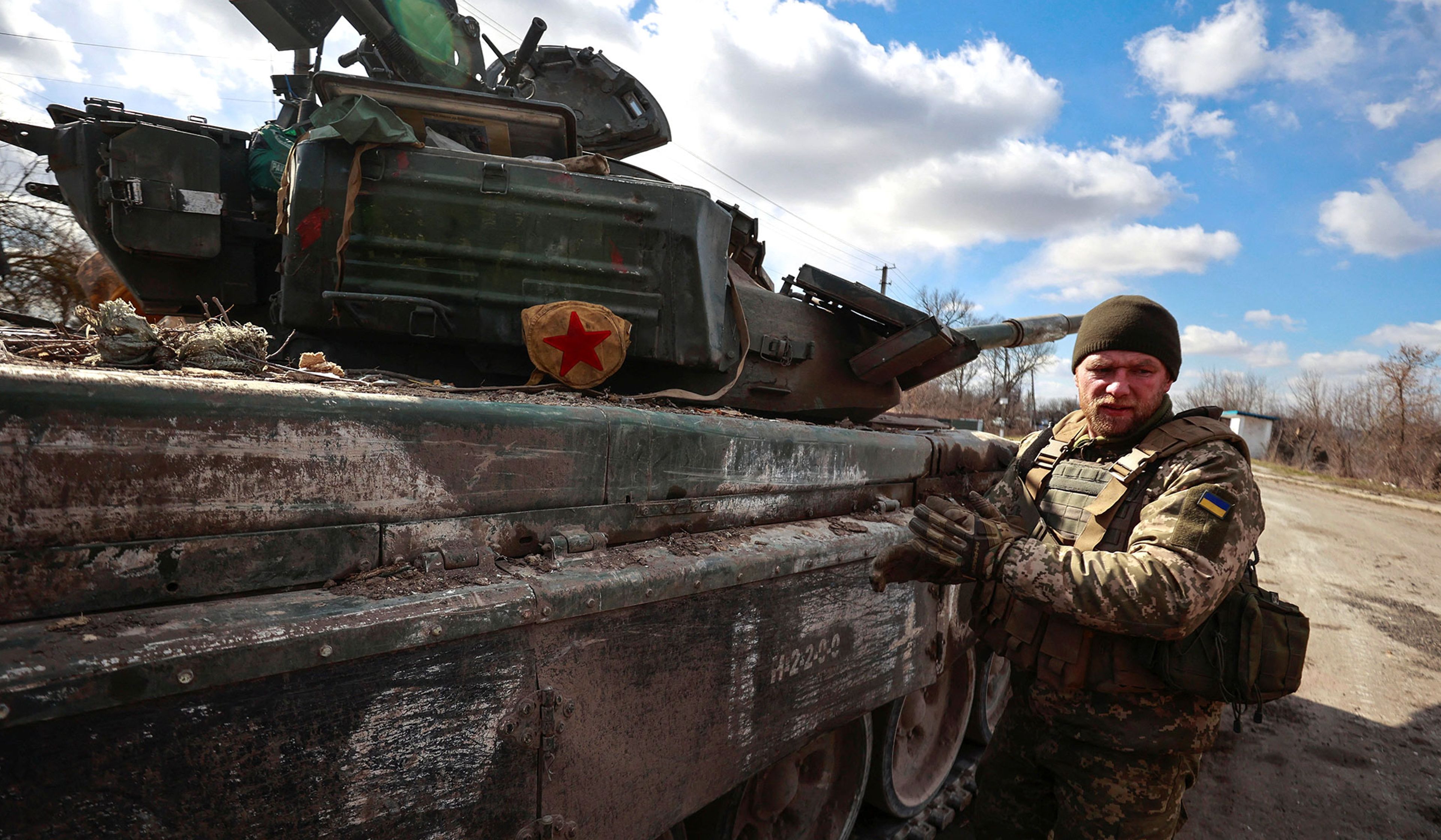
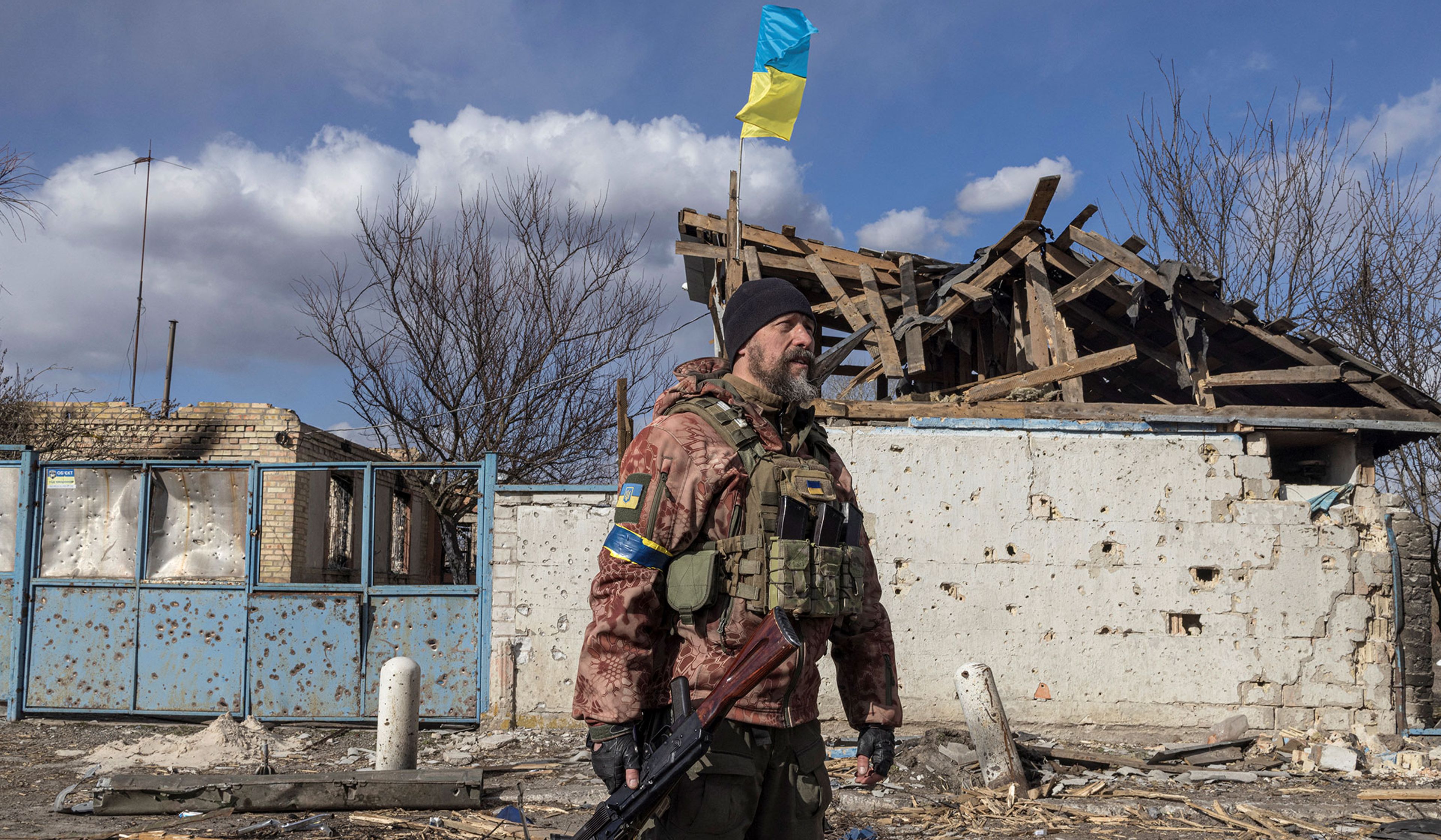
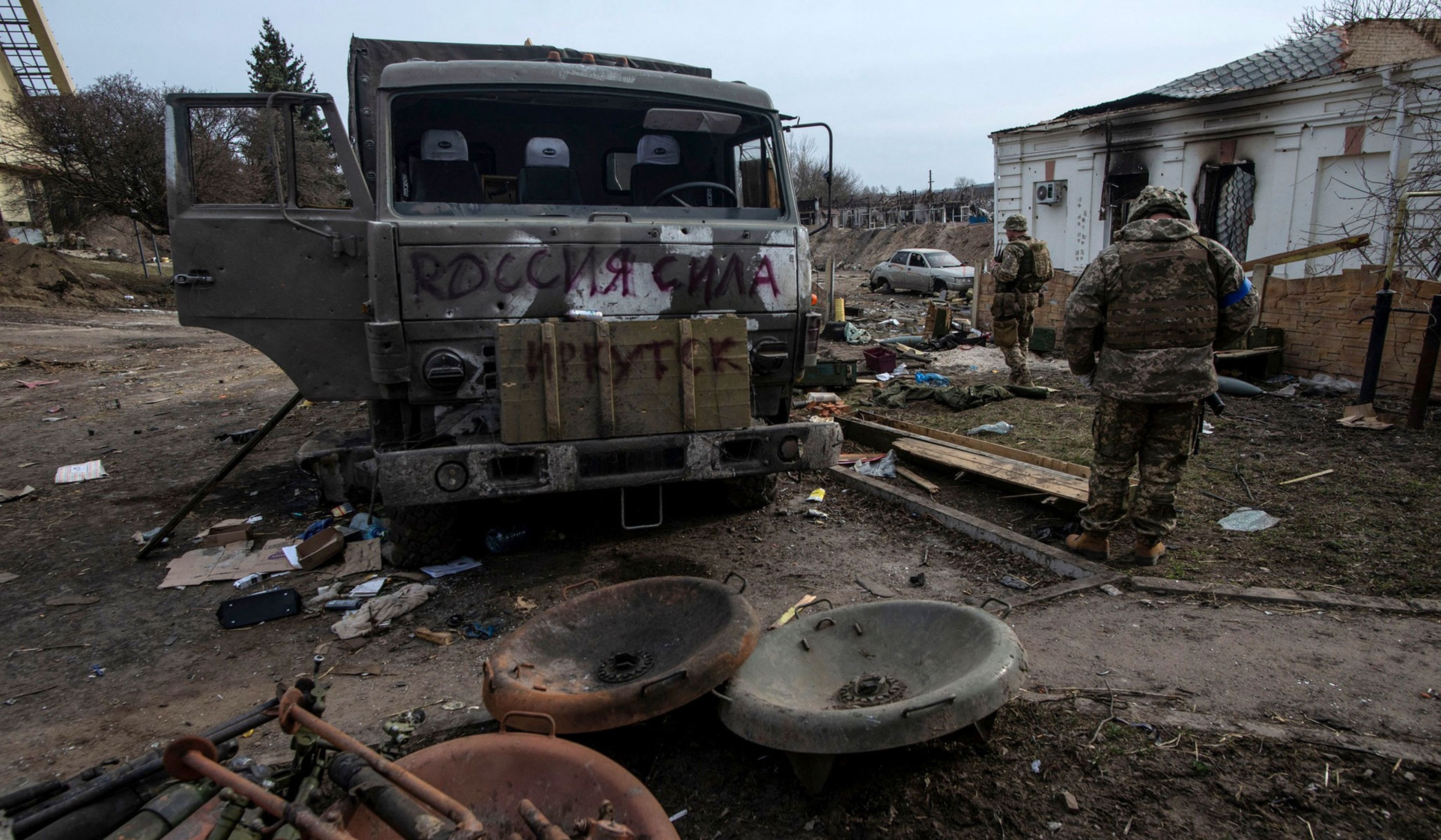
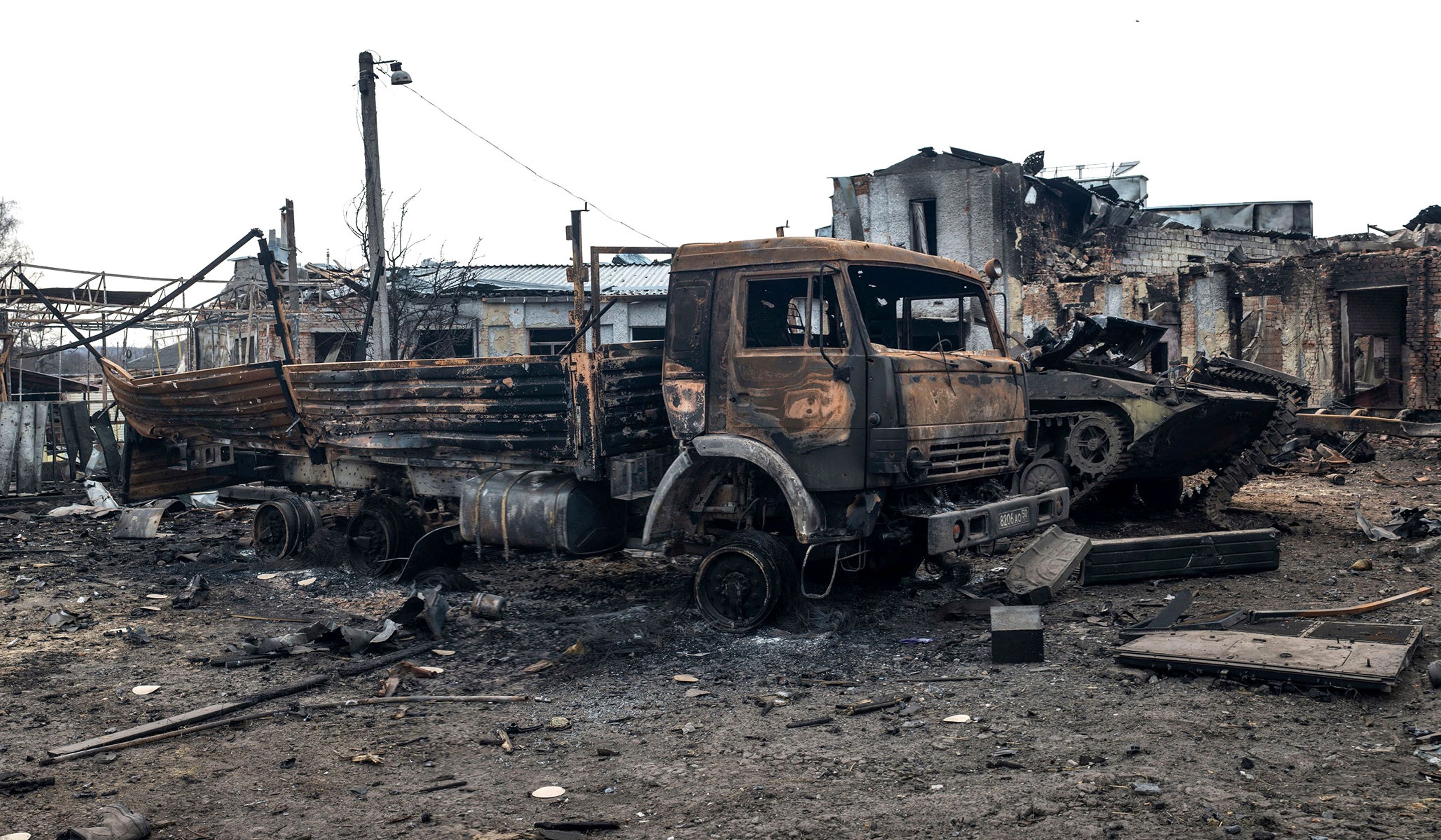
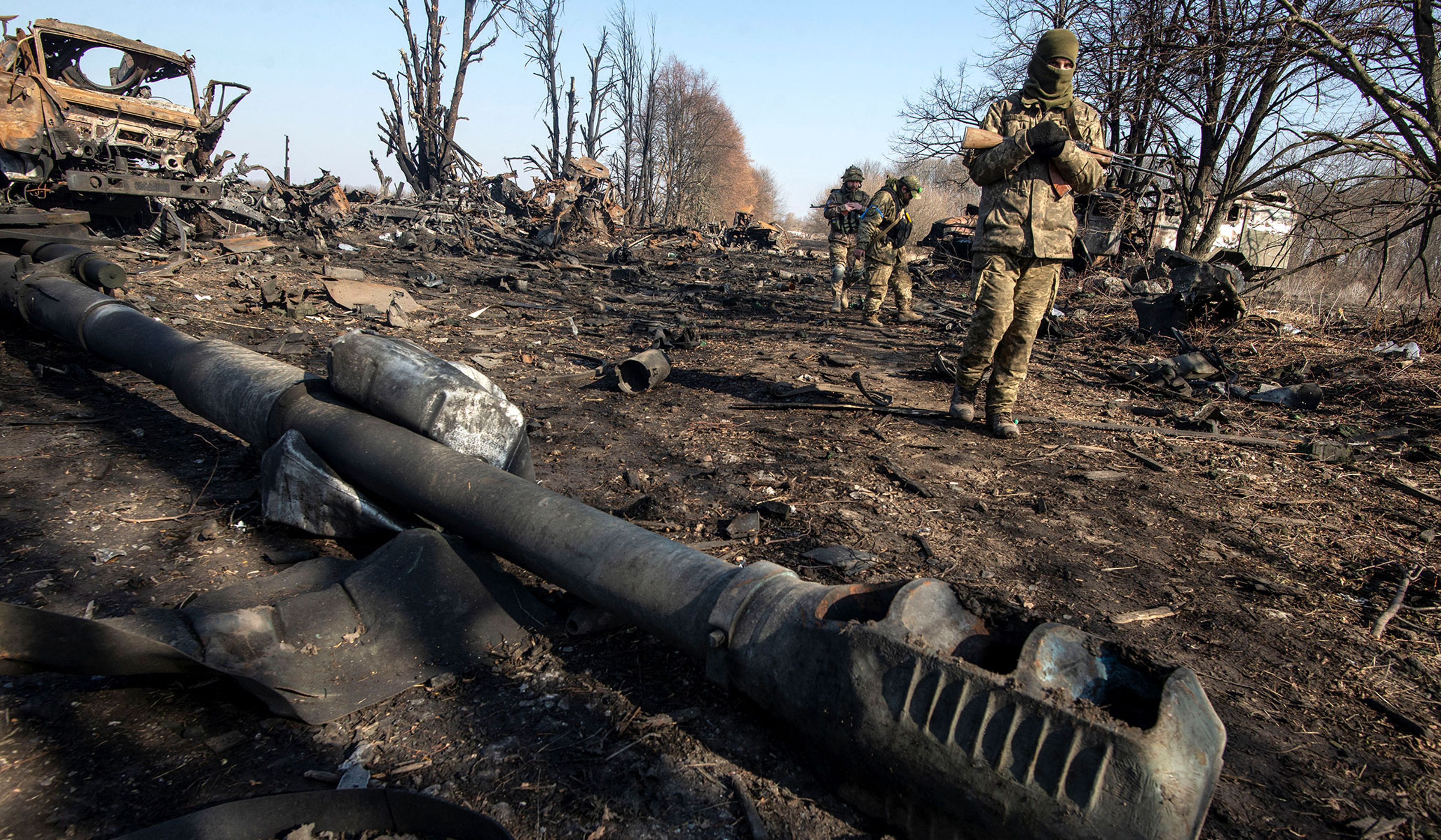
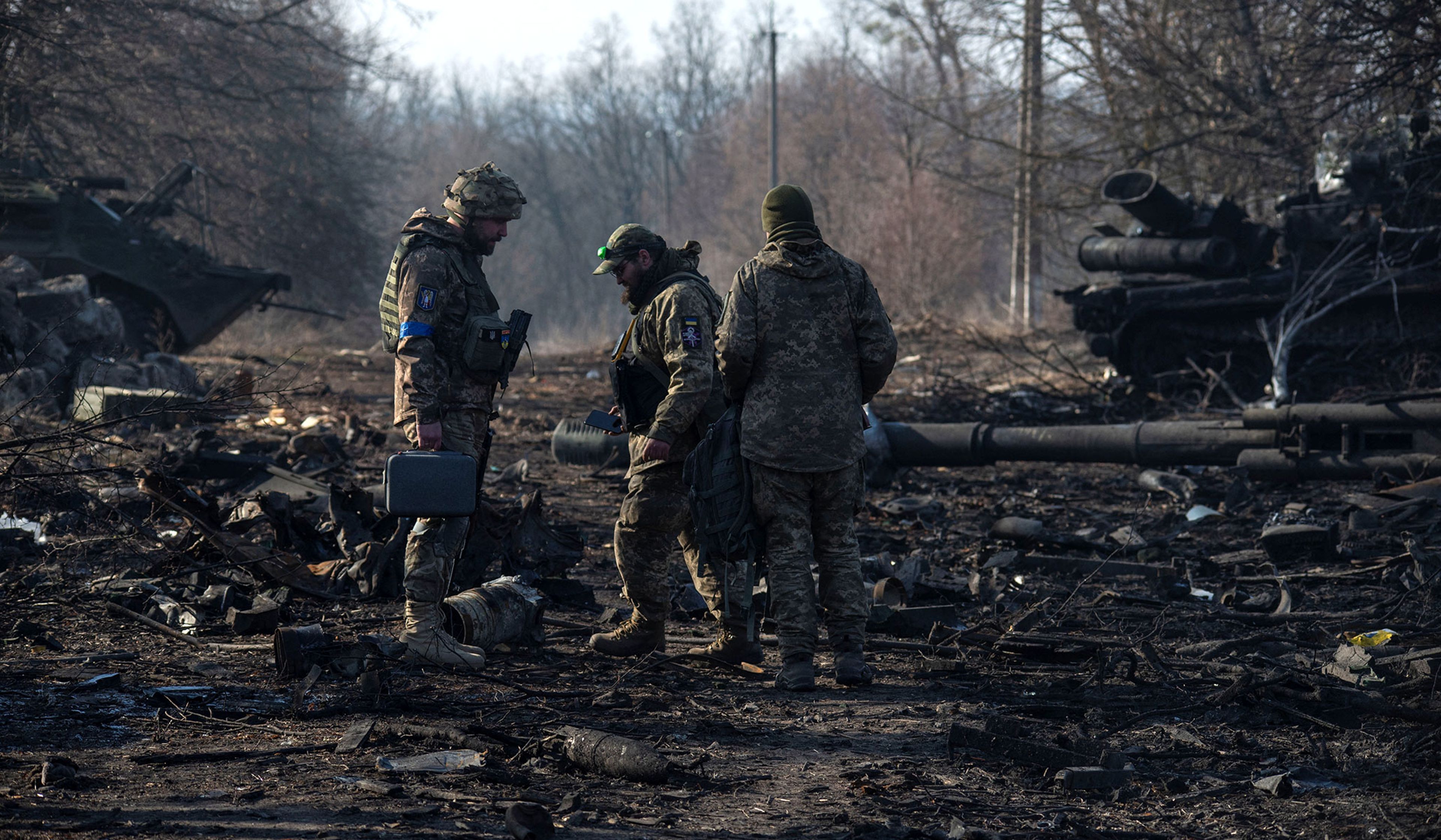
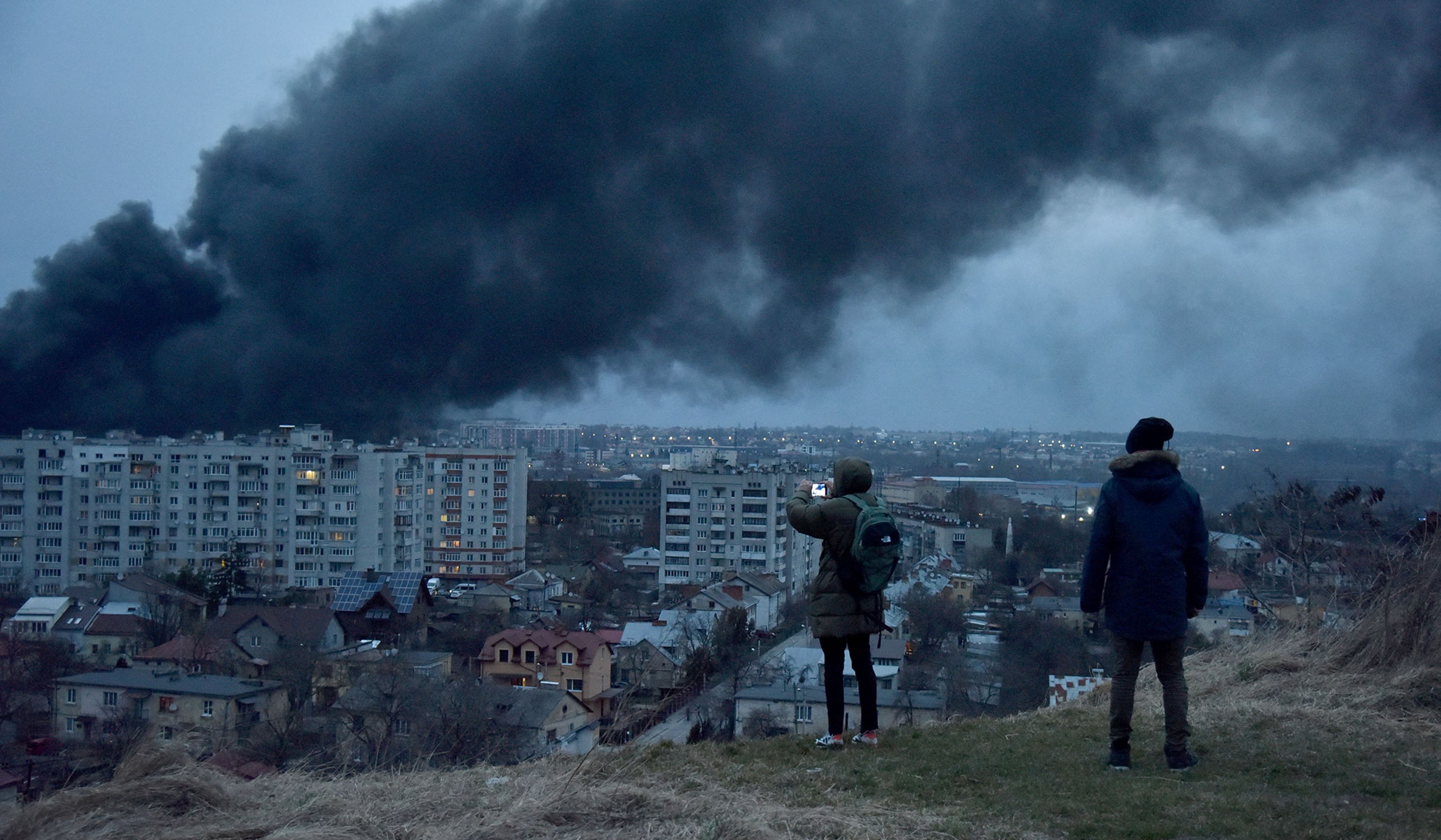
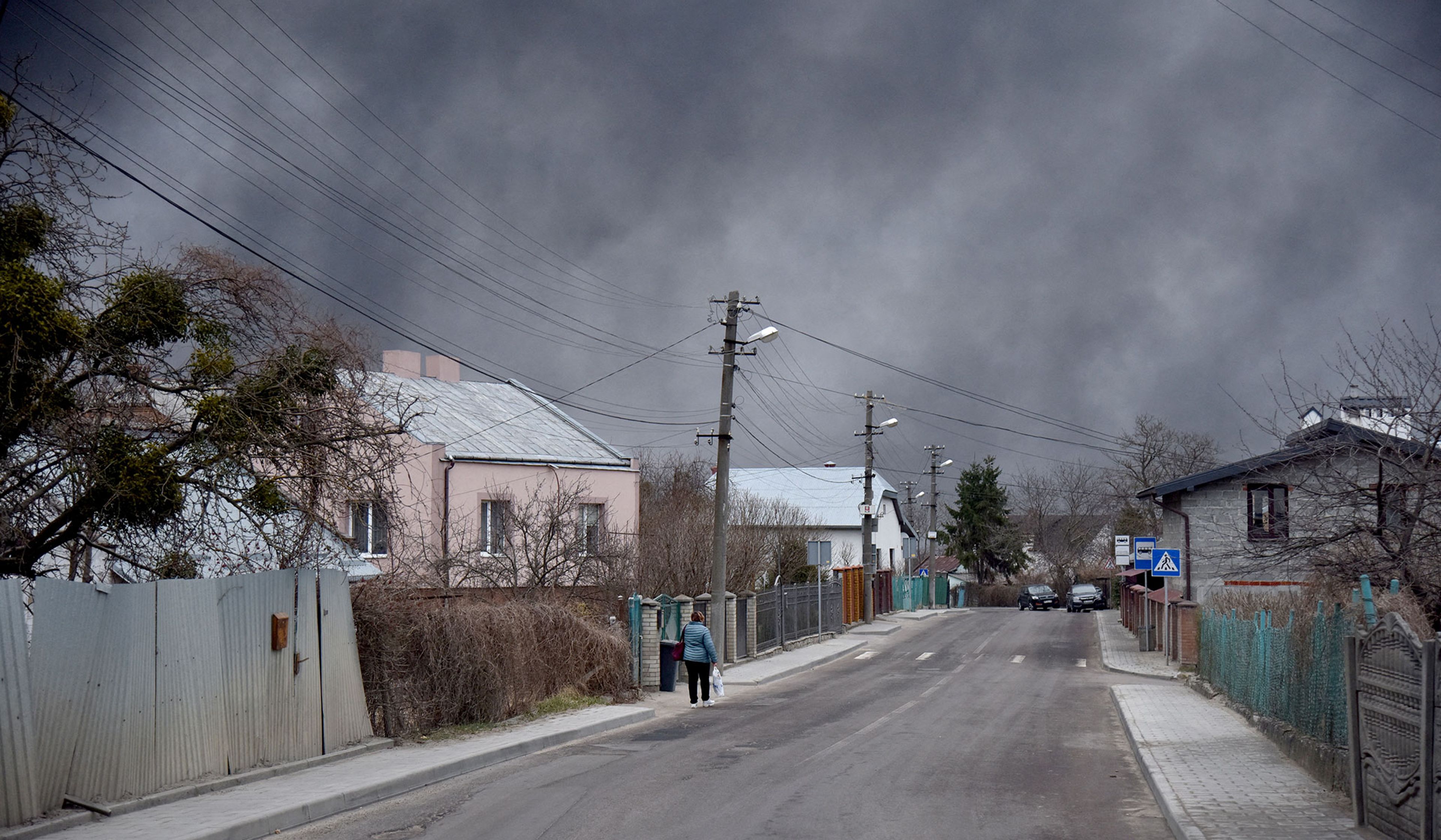
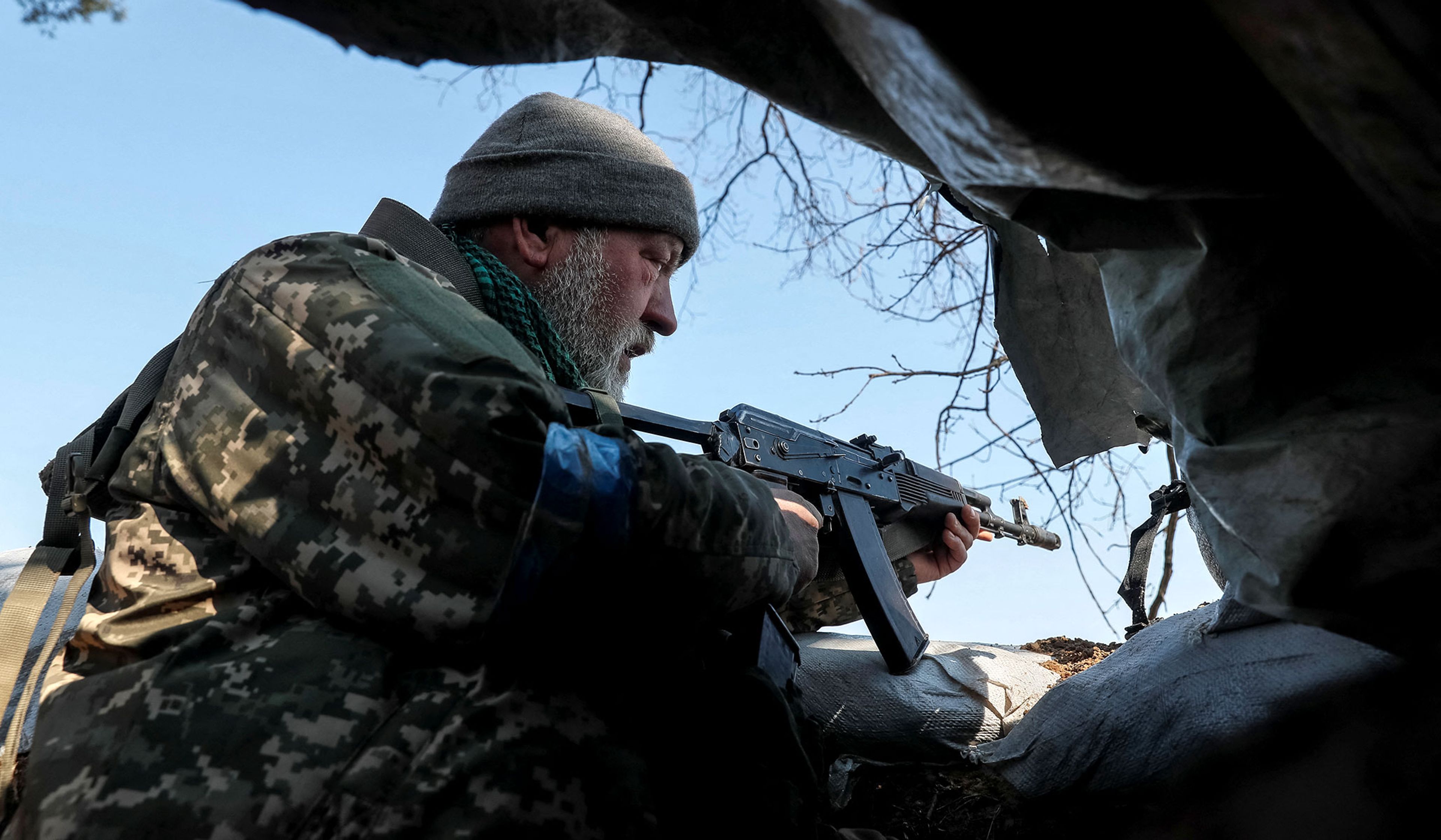
Anyone who feels as though the war in Ukraine is grinding on should remember that it actually began in 2014, when Putin seized Crimea and created two puppet states, Donetsk and Luhansk, in the Donbas region. Ukraine’s struggle against these aggressions, which were as blatant as Saddam Hussein’s attack on Kuwait in 1990, provided useful training for its fight against Putin’s ramped-up invasion now.
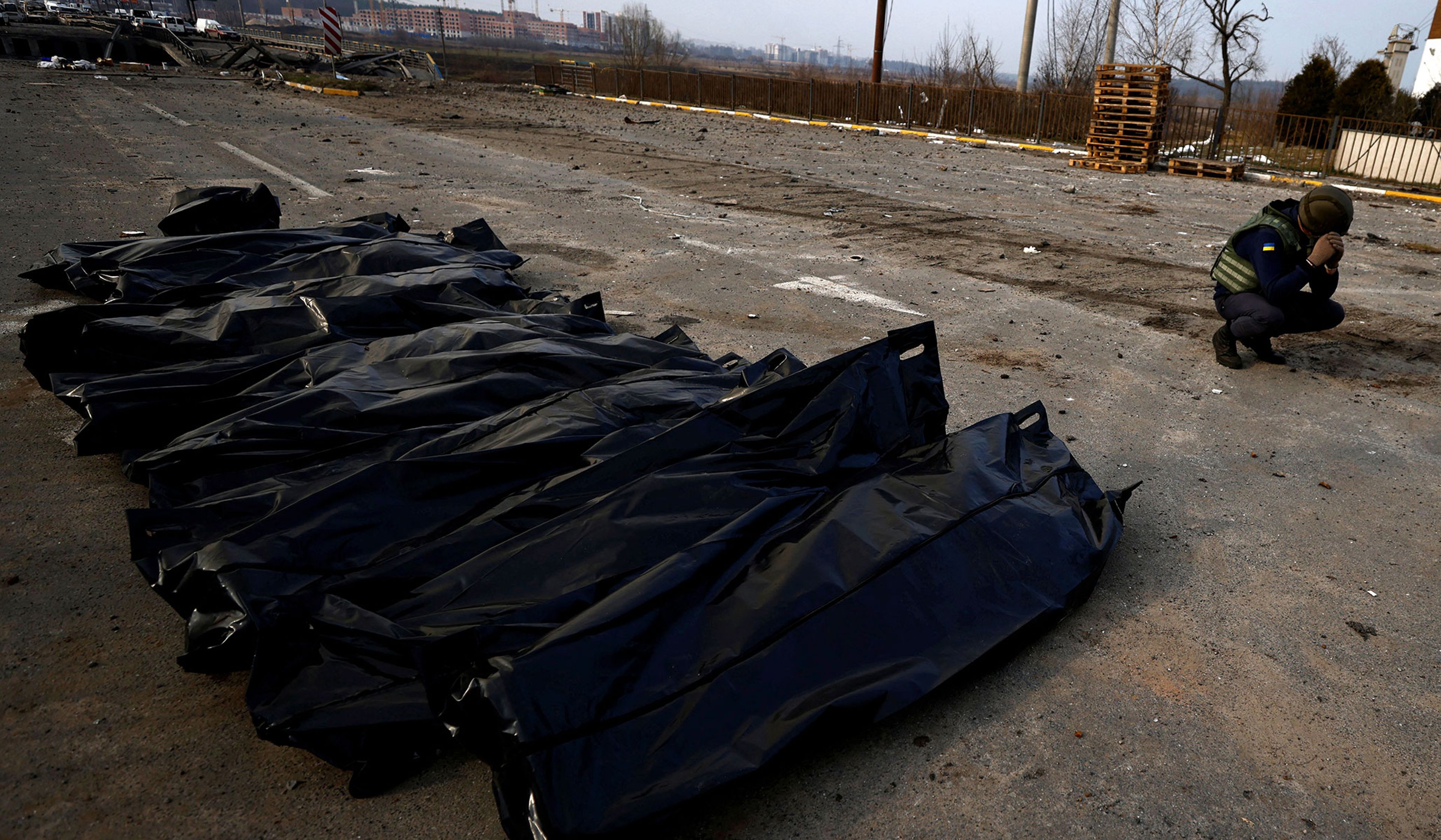
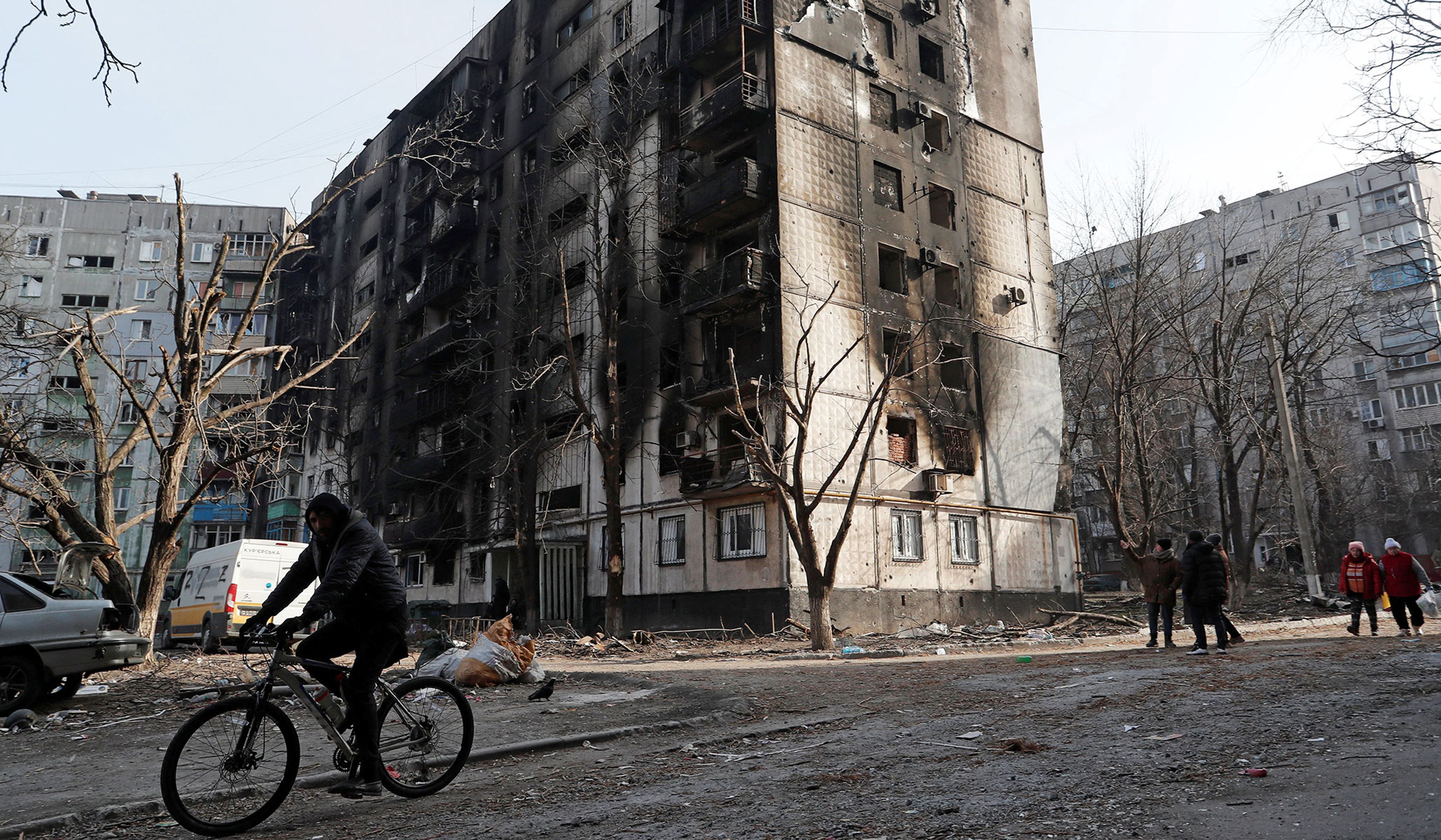
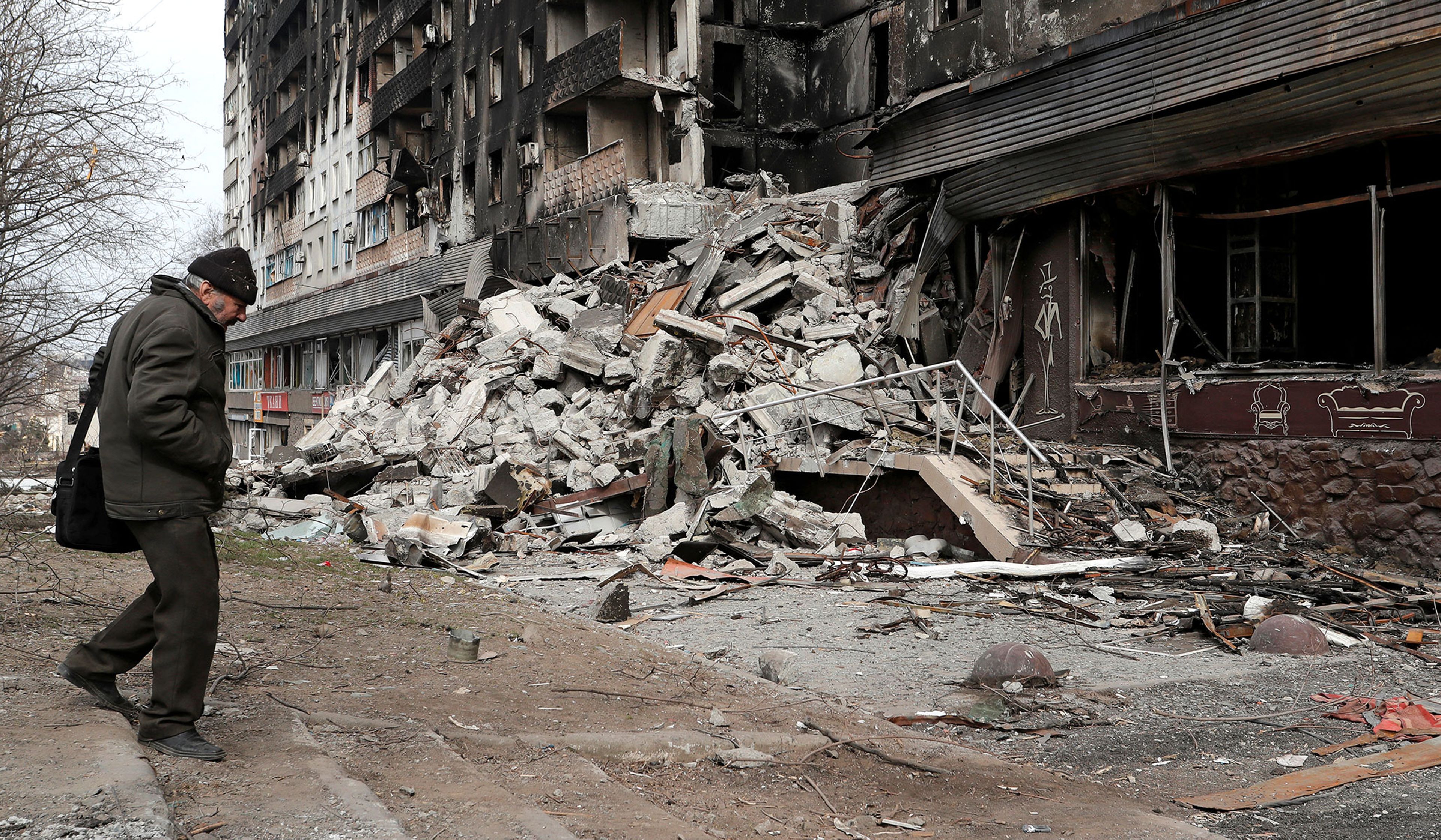
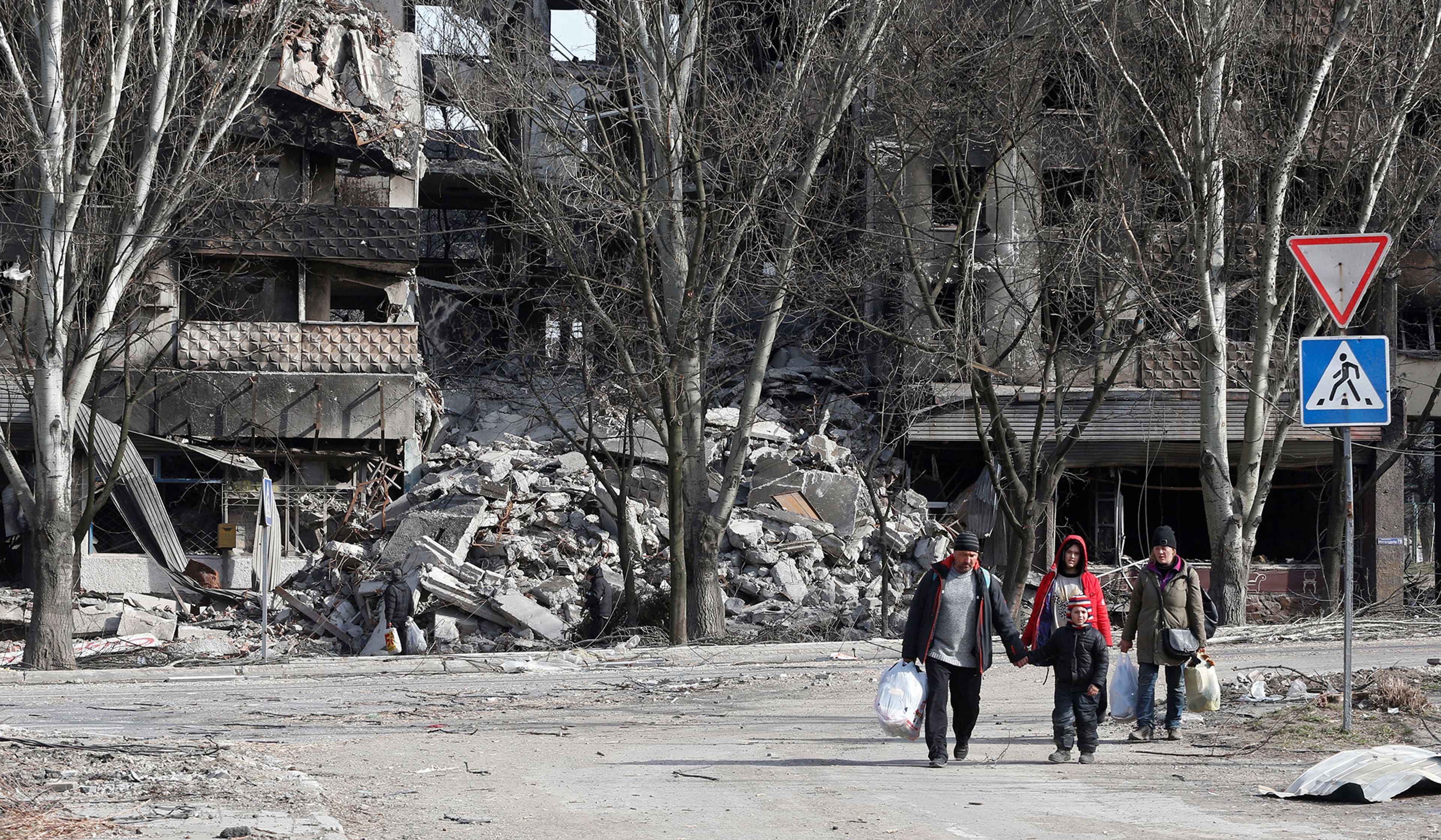
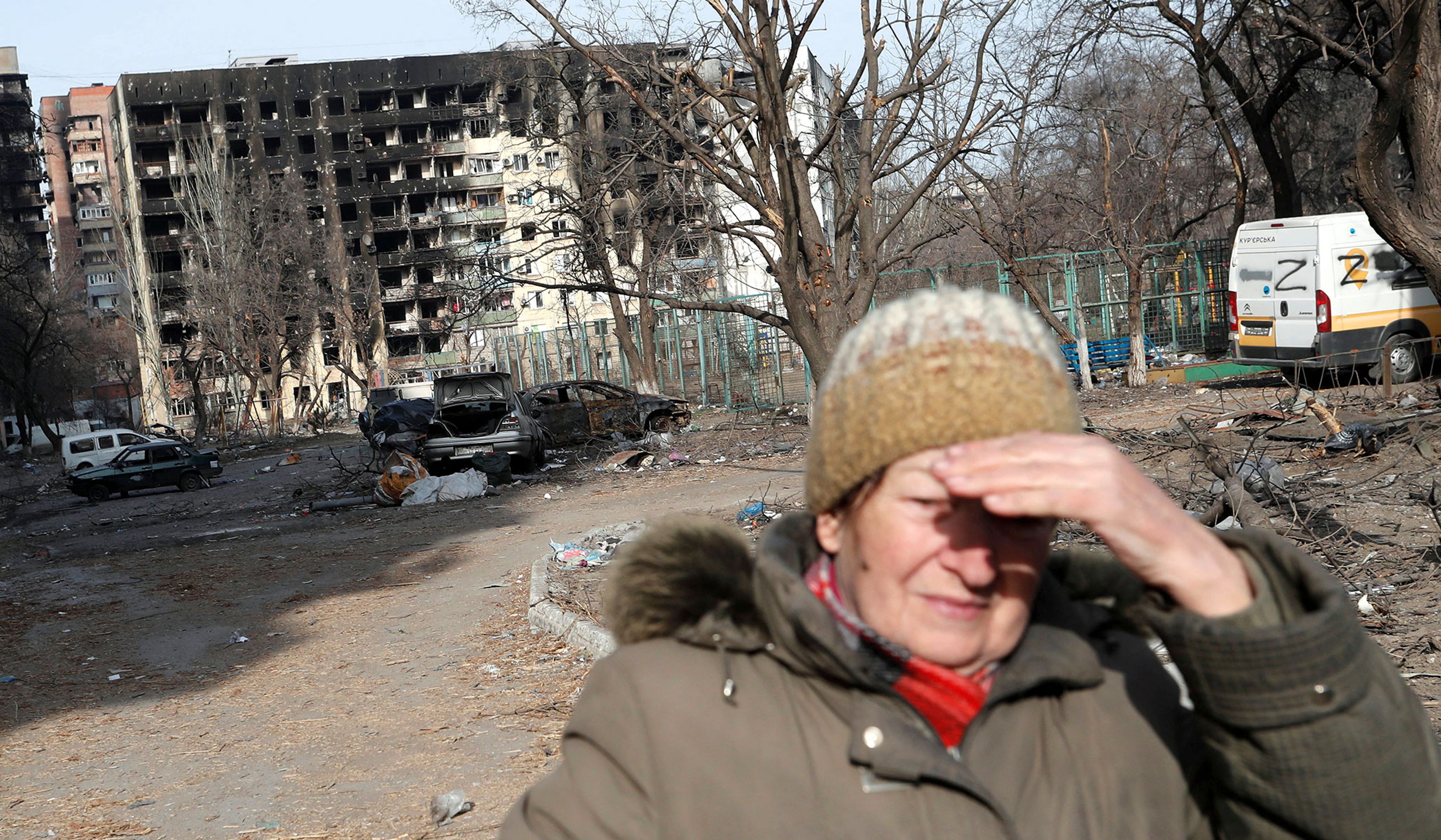
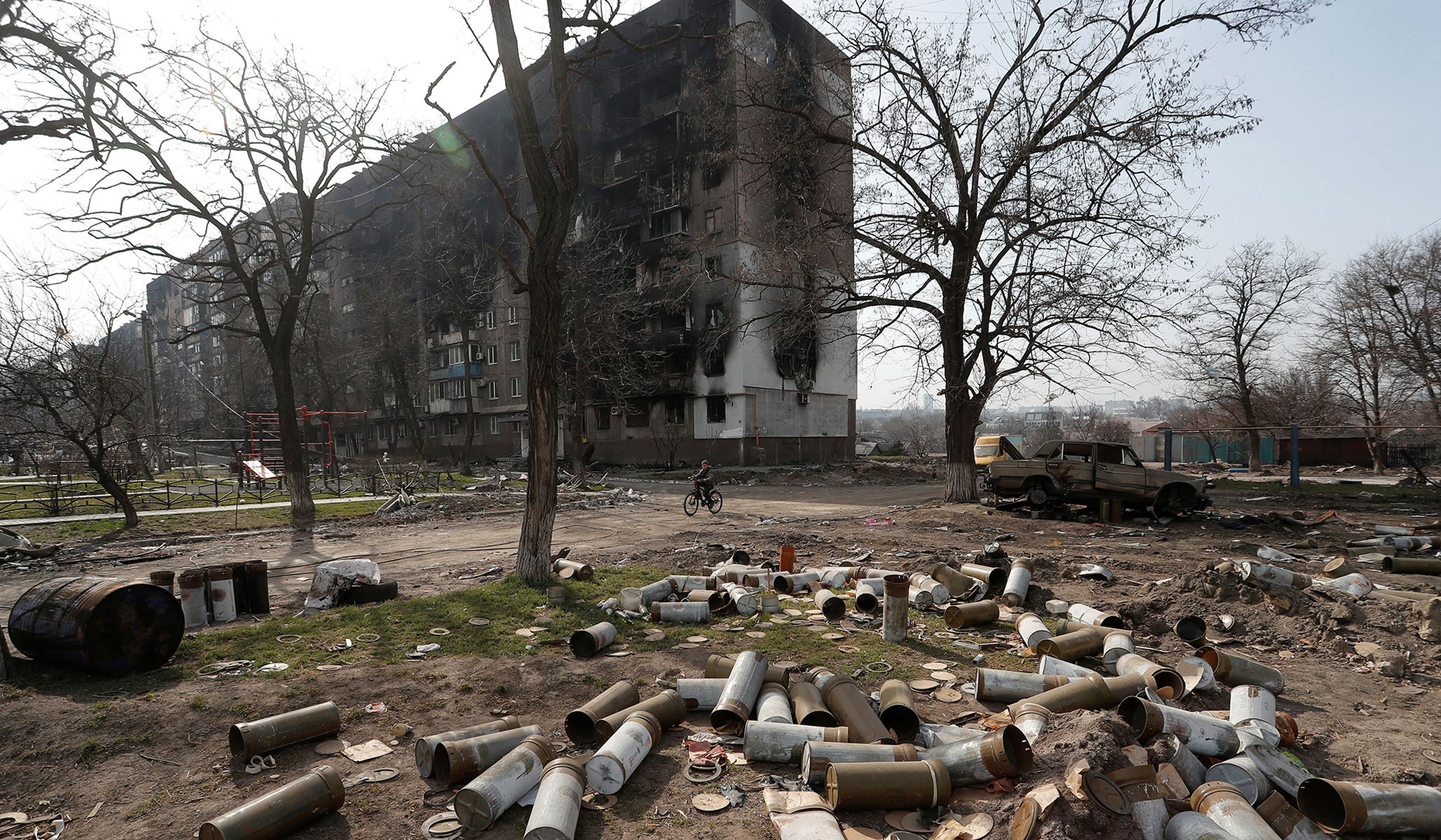
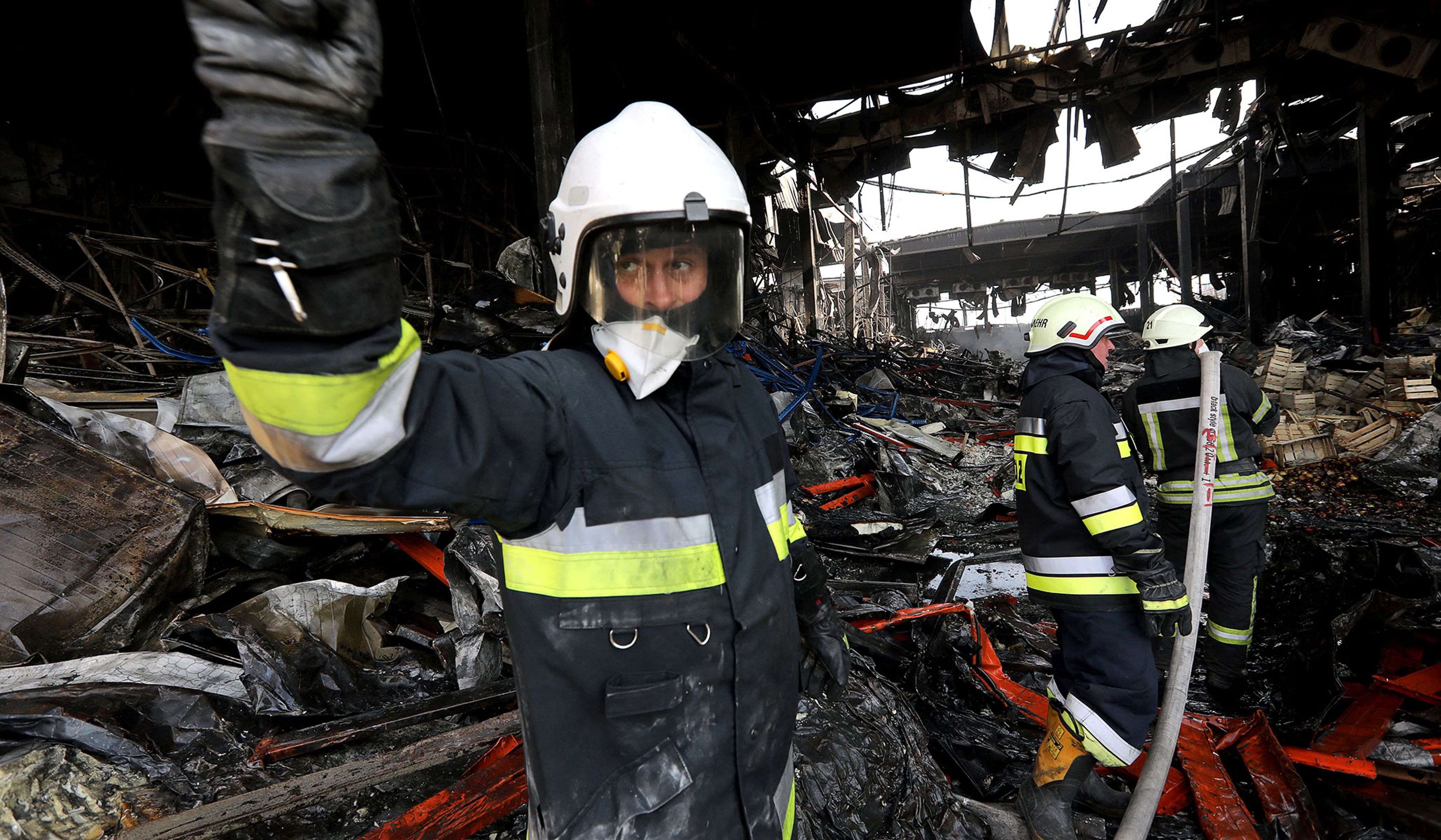
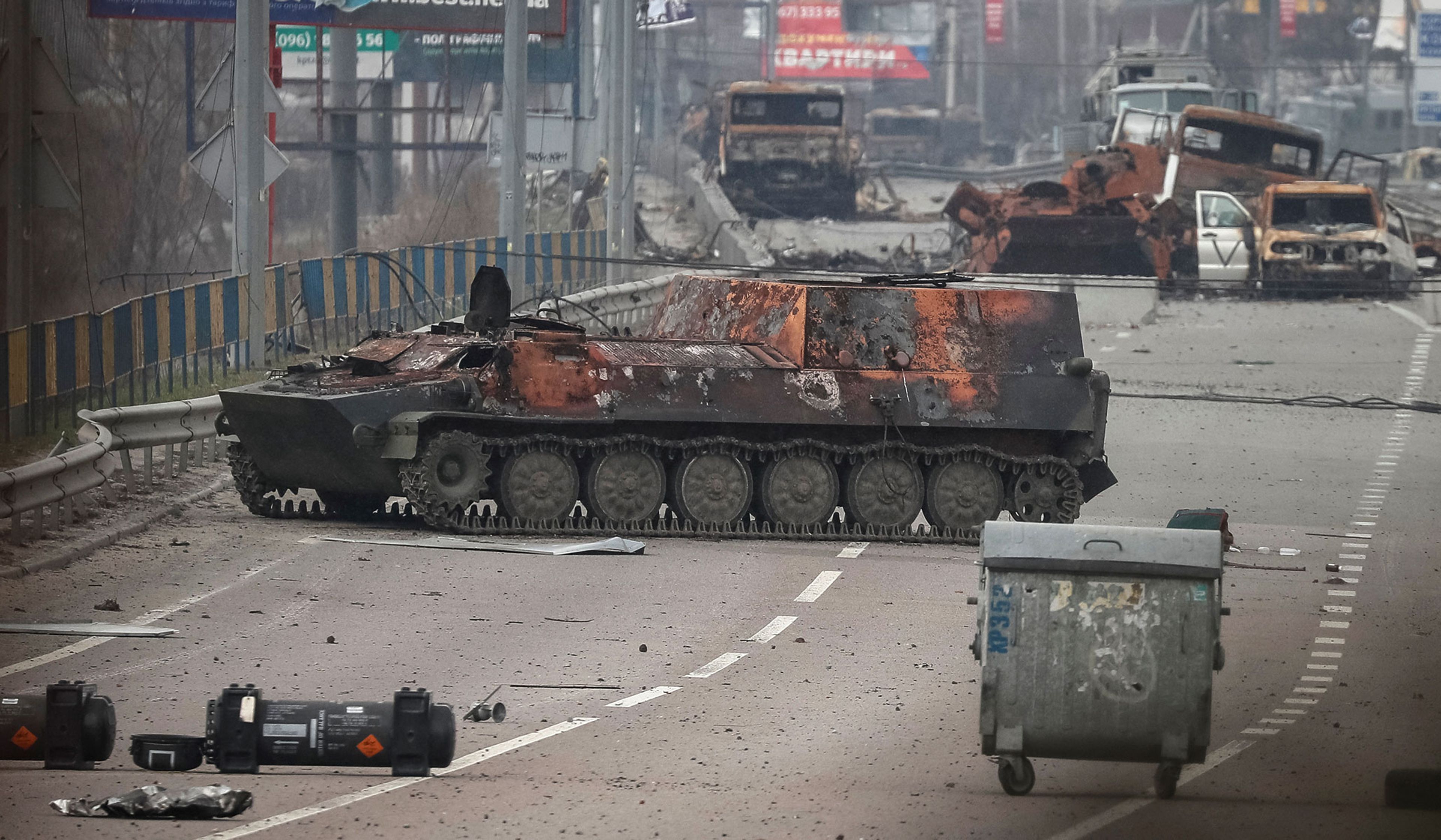
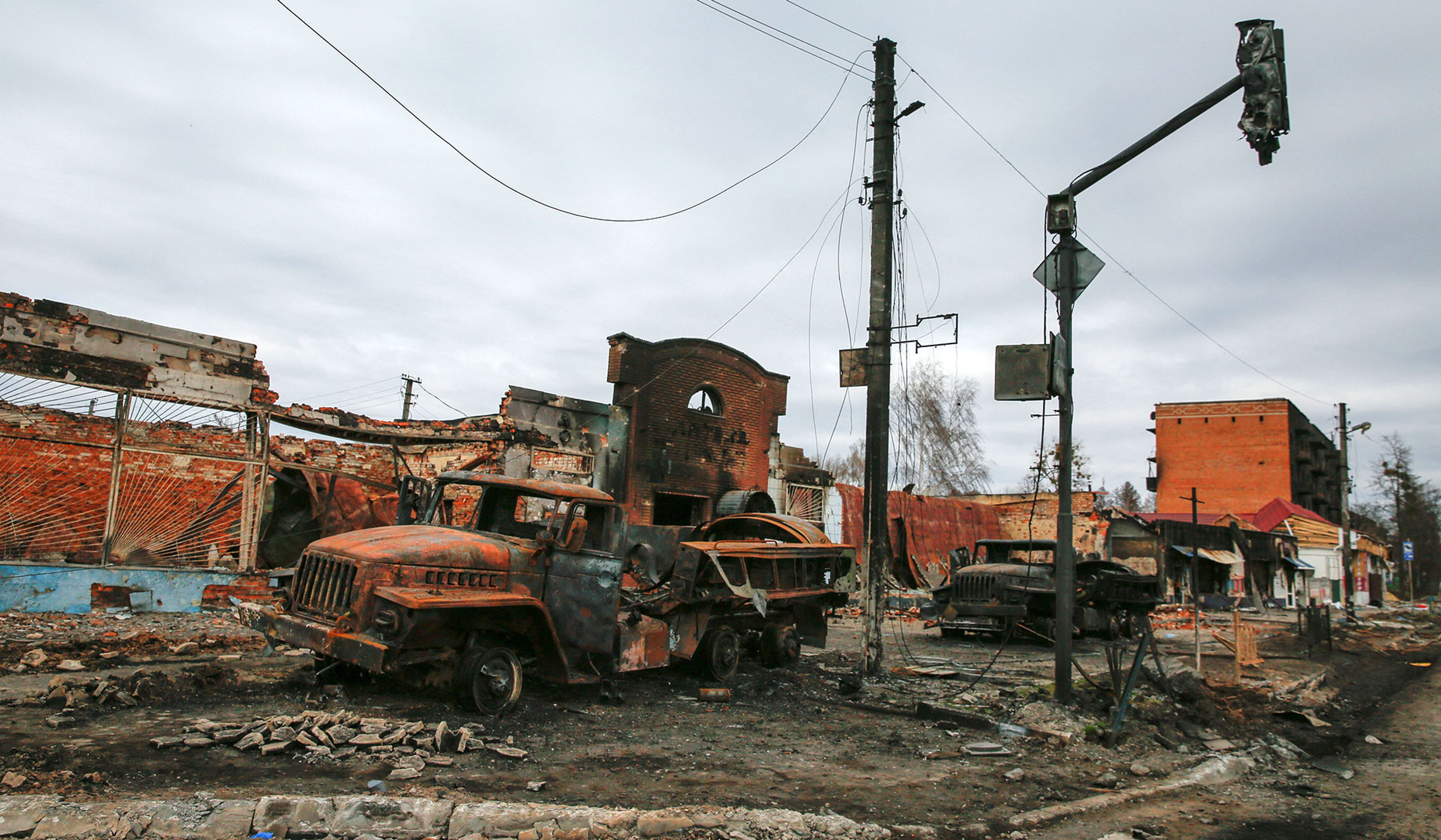
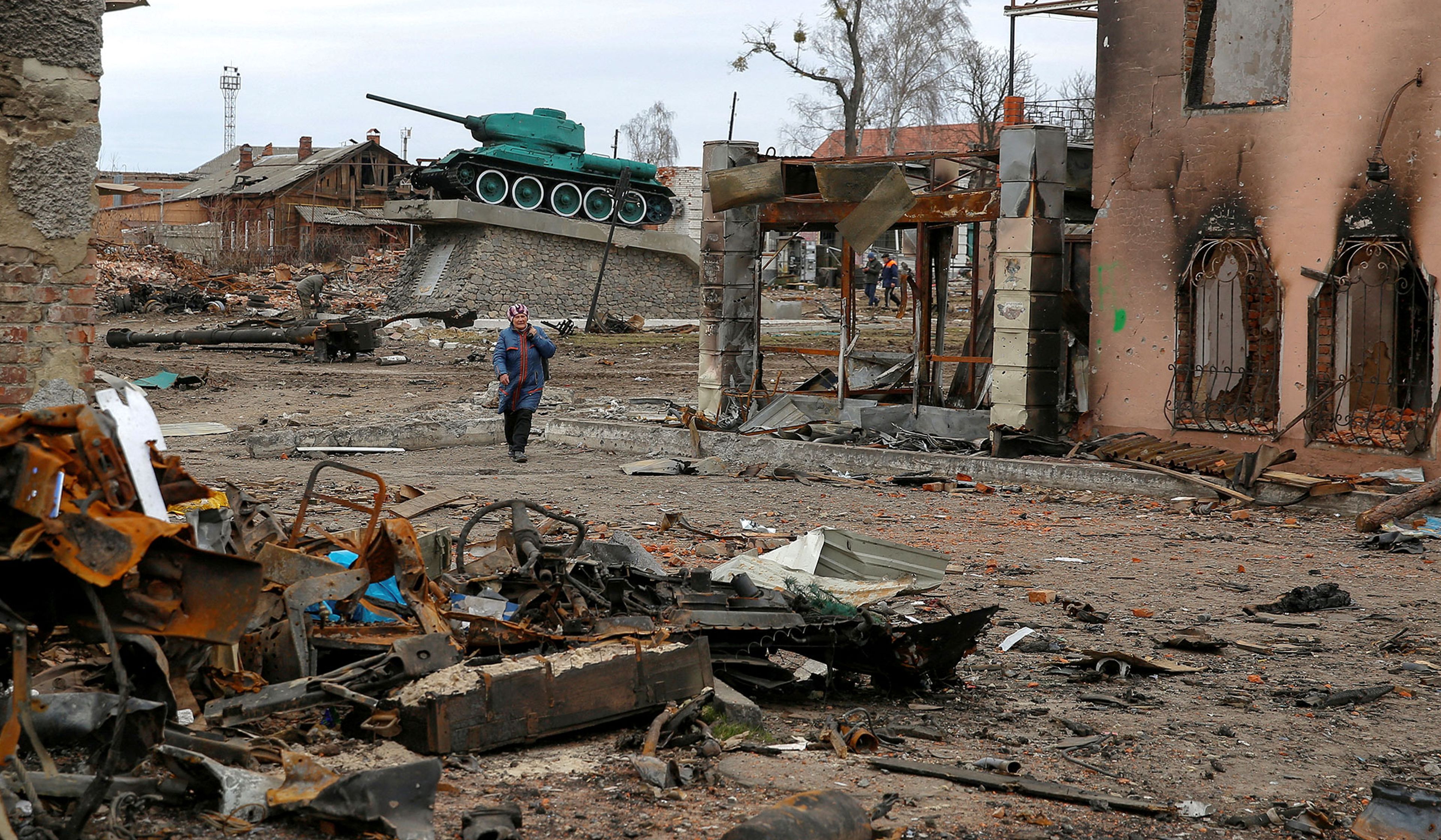
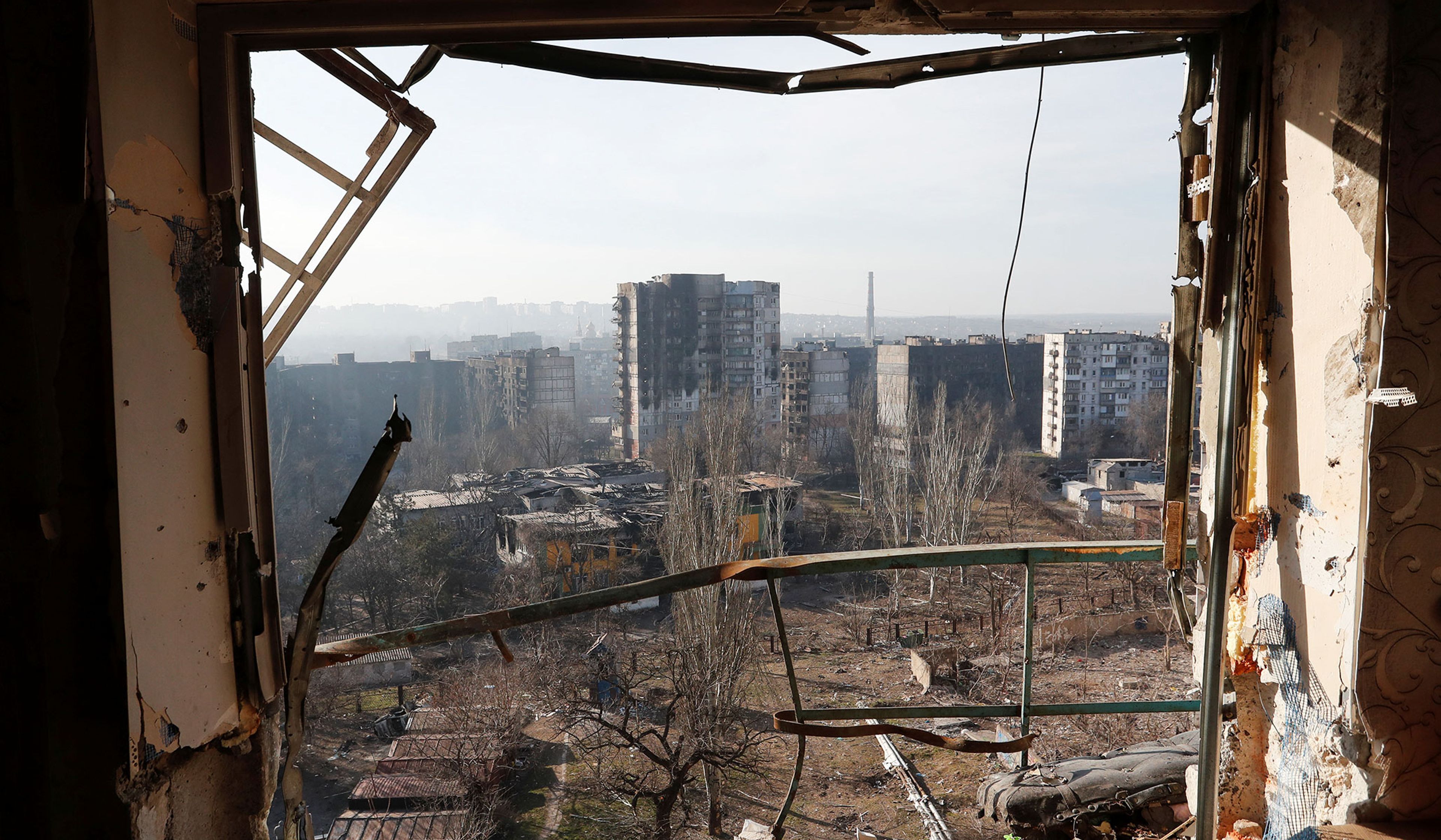
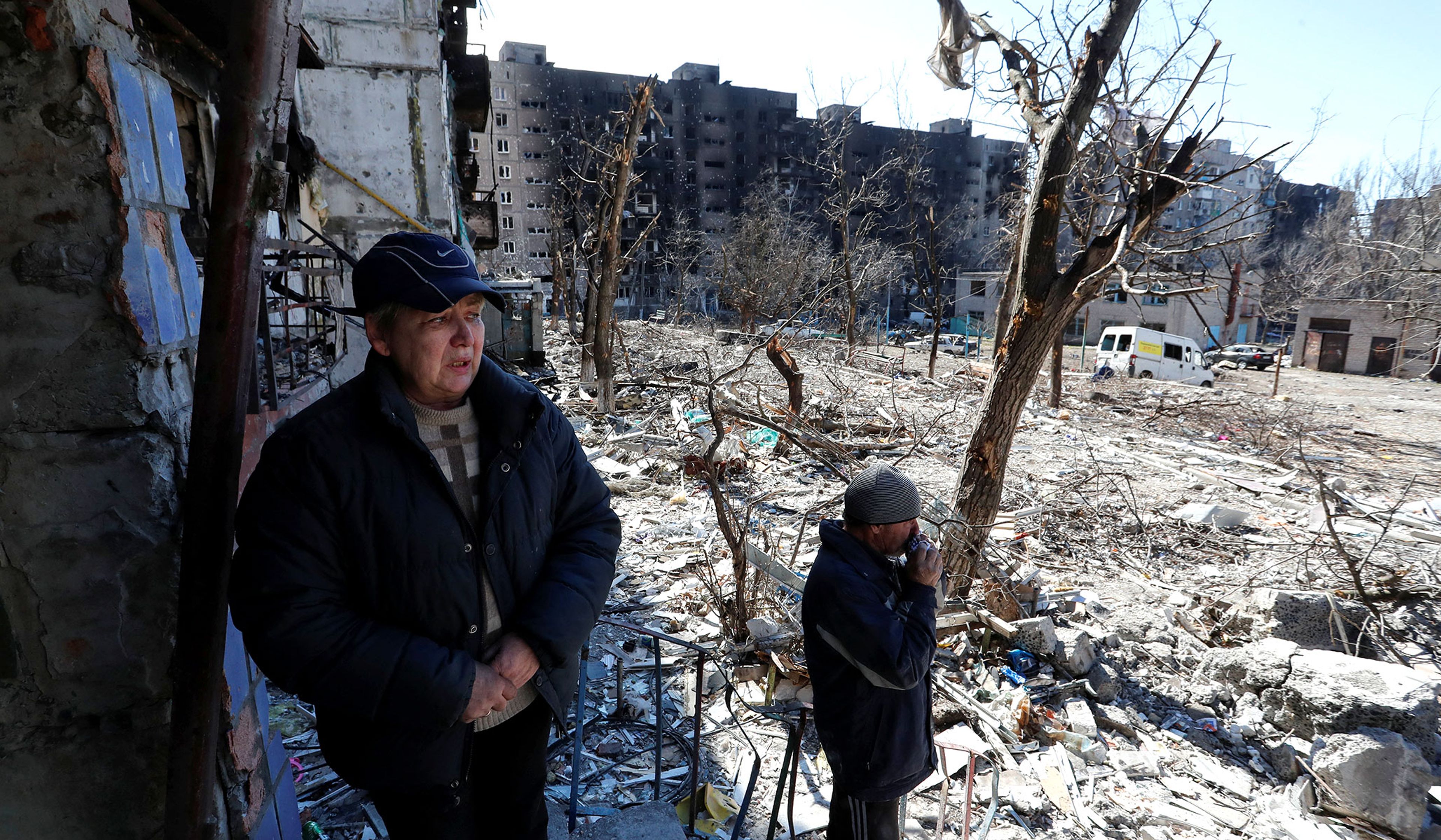
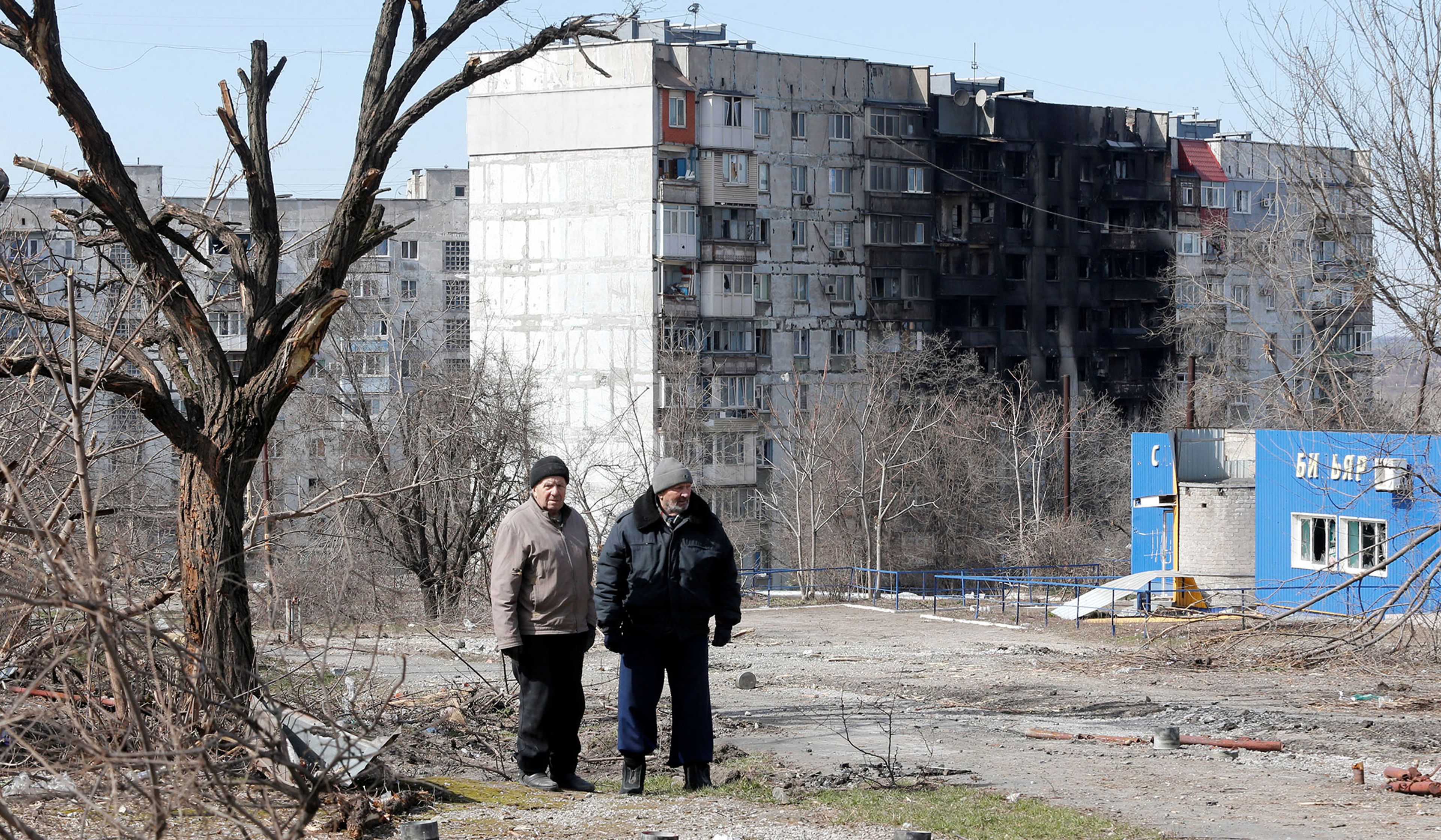
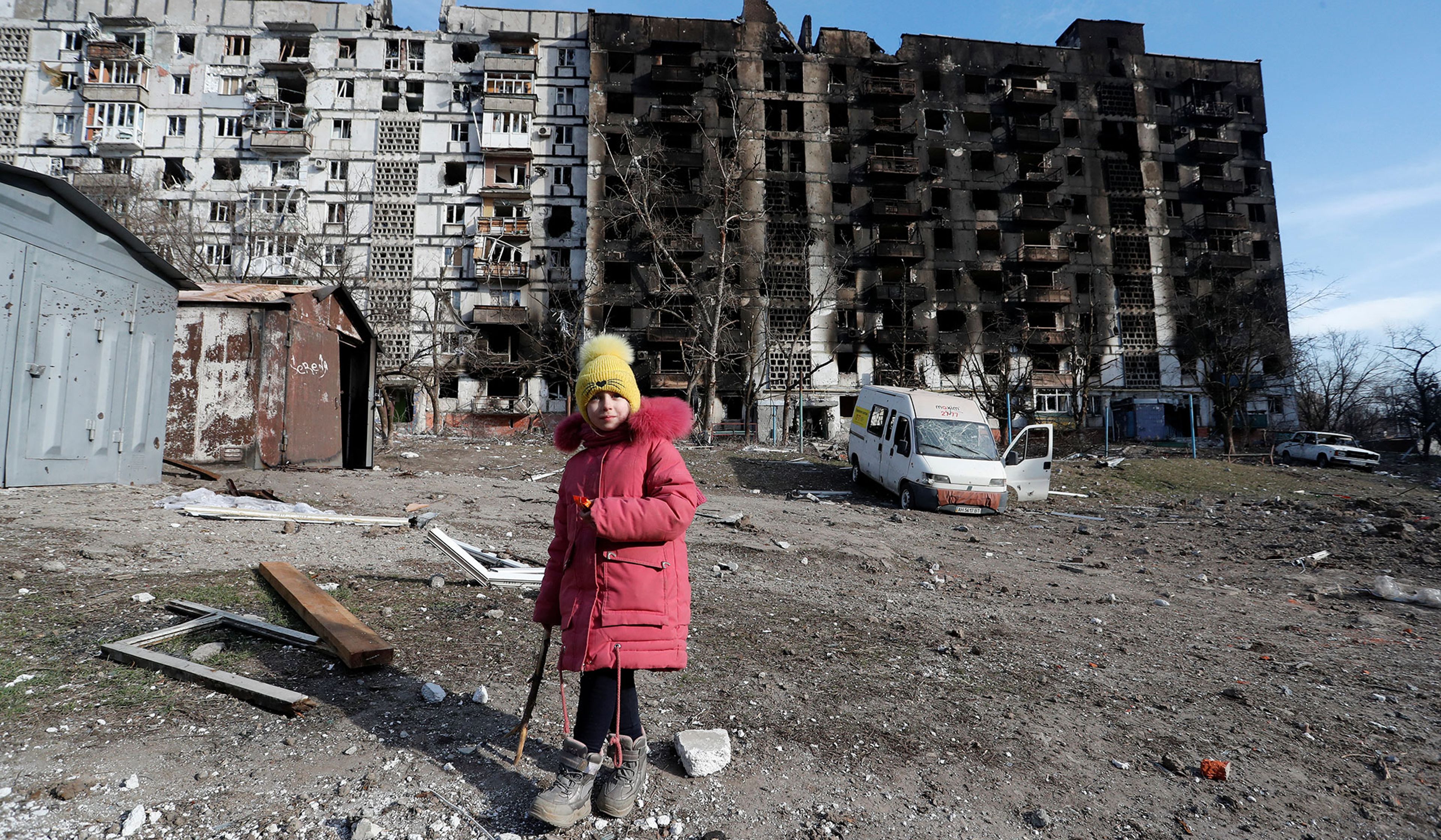
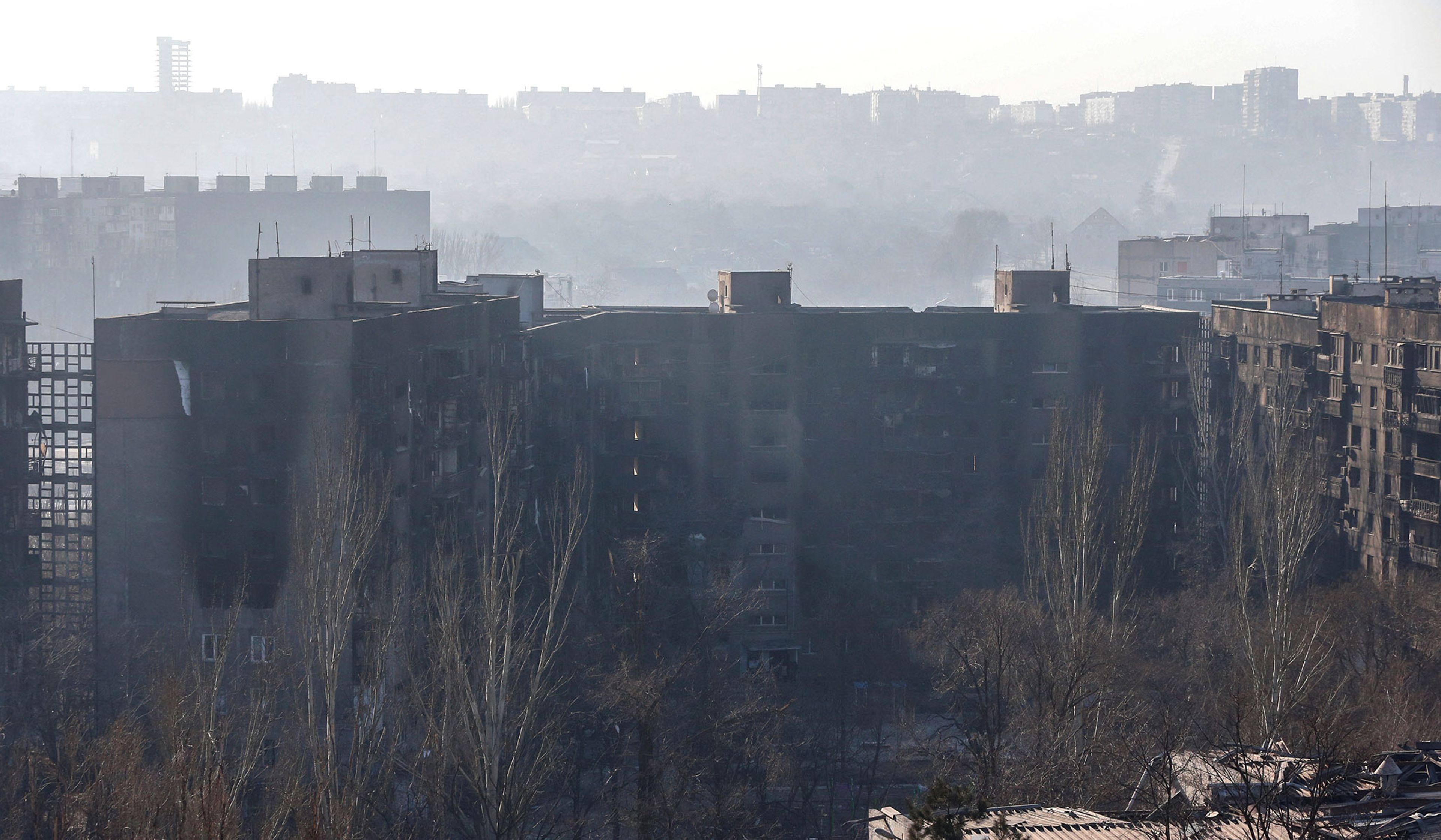
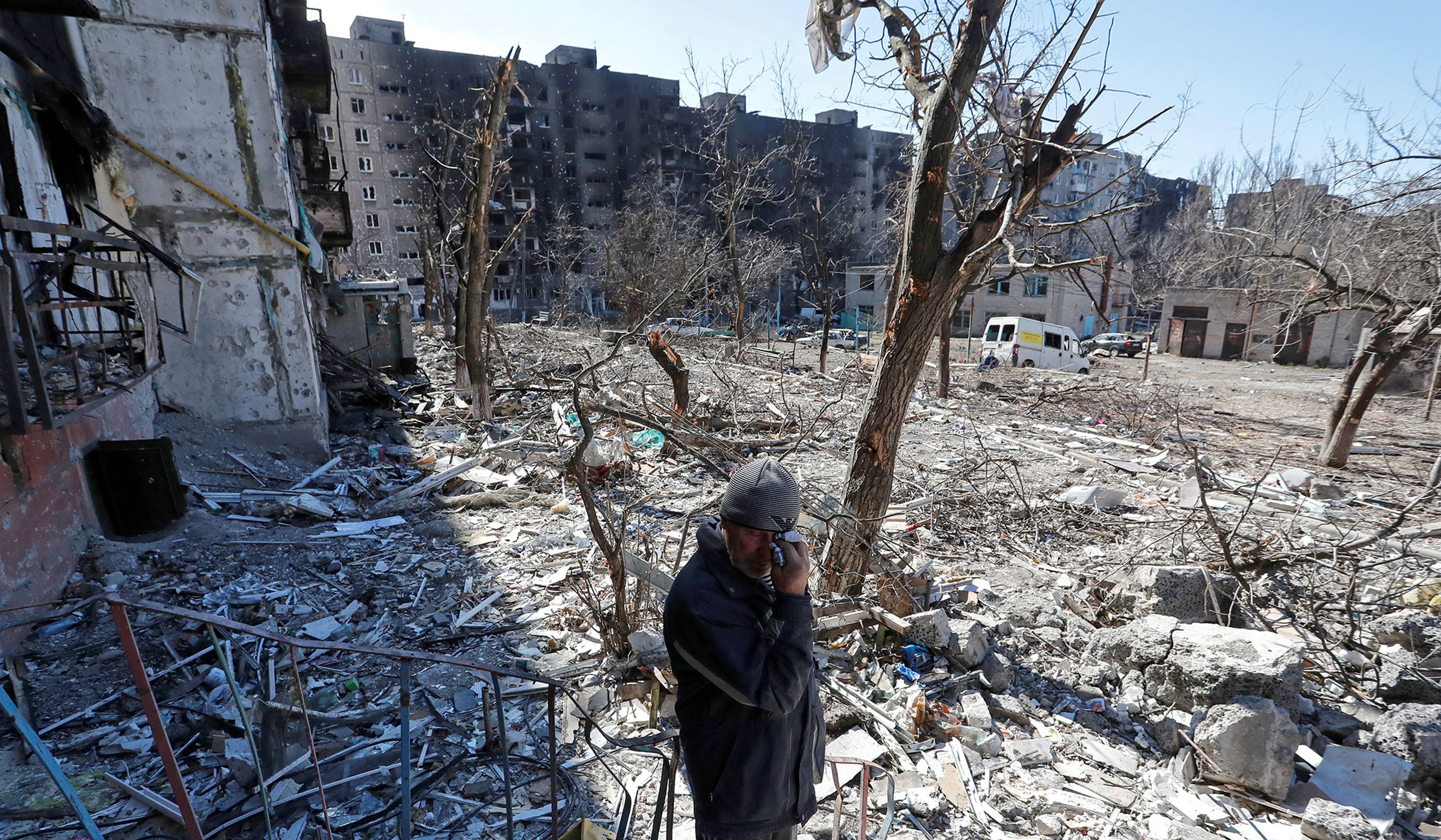
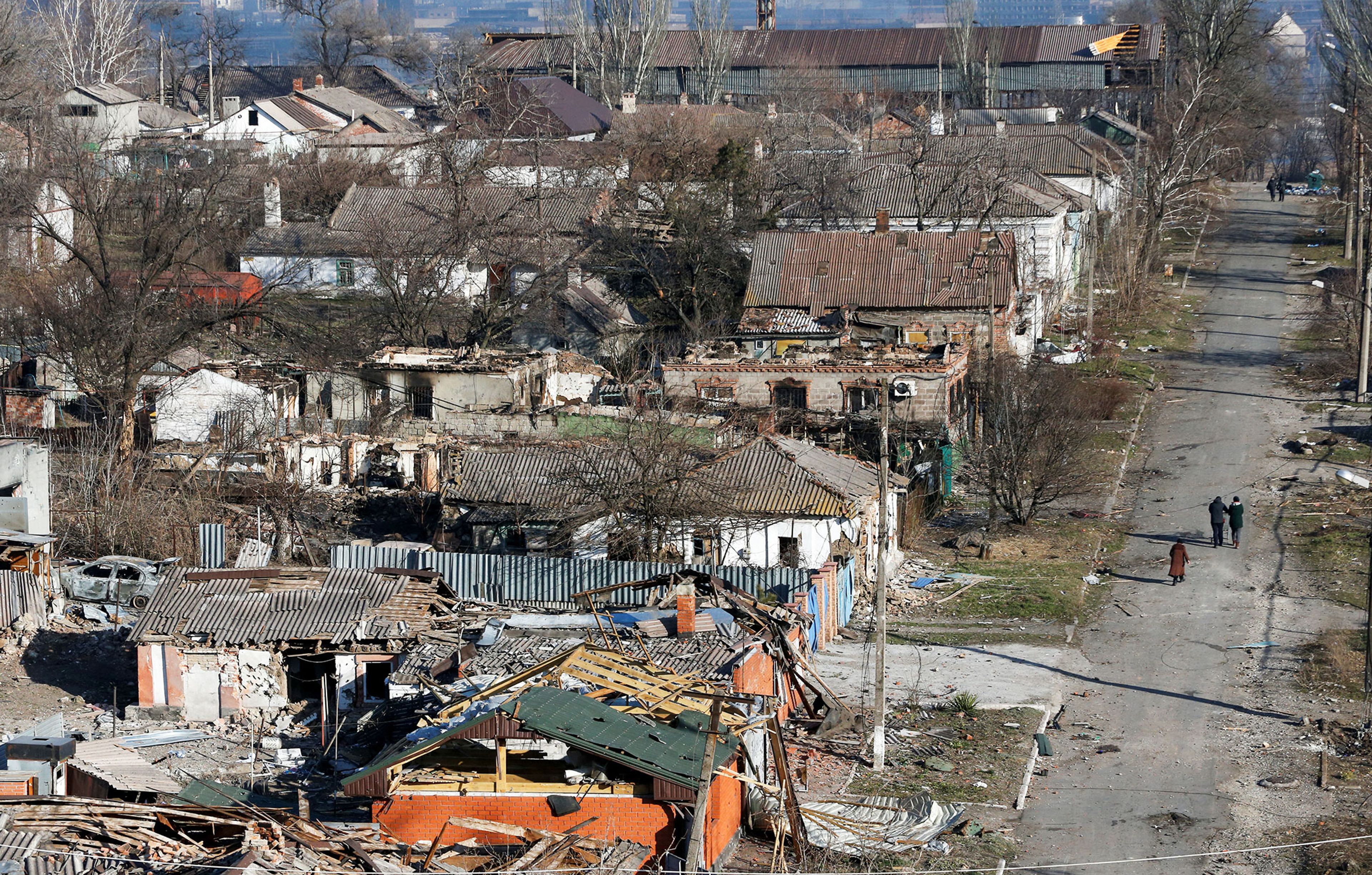
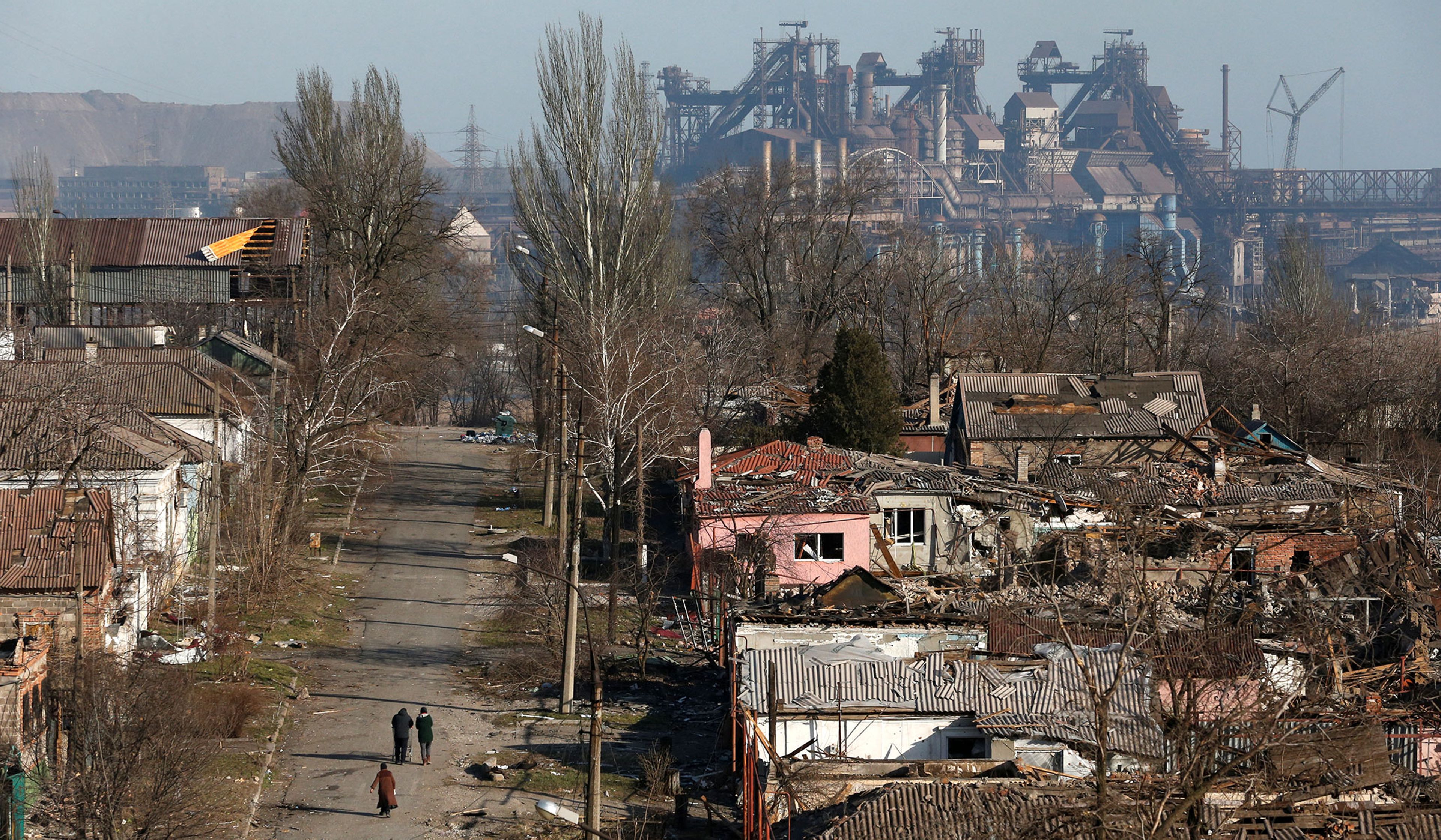
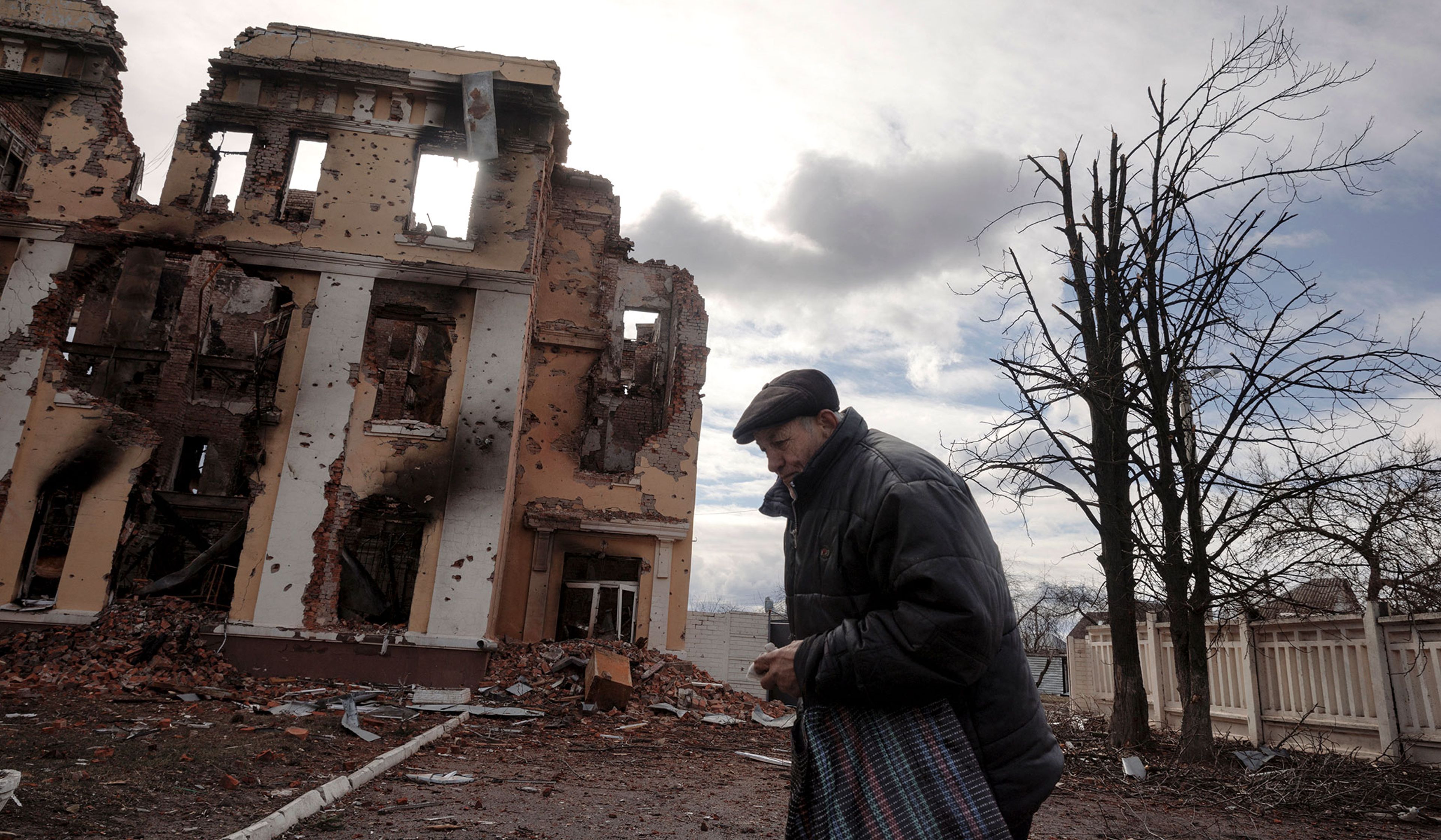
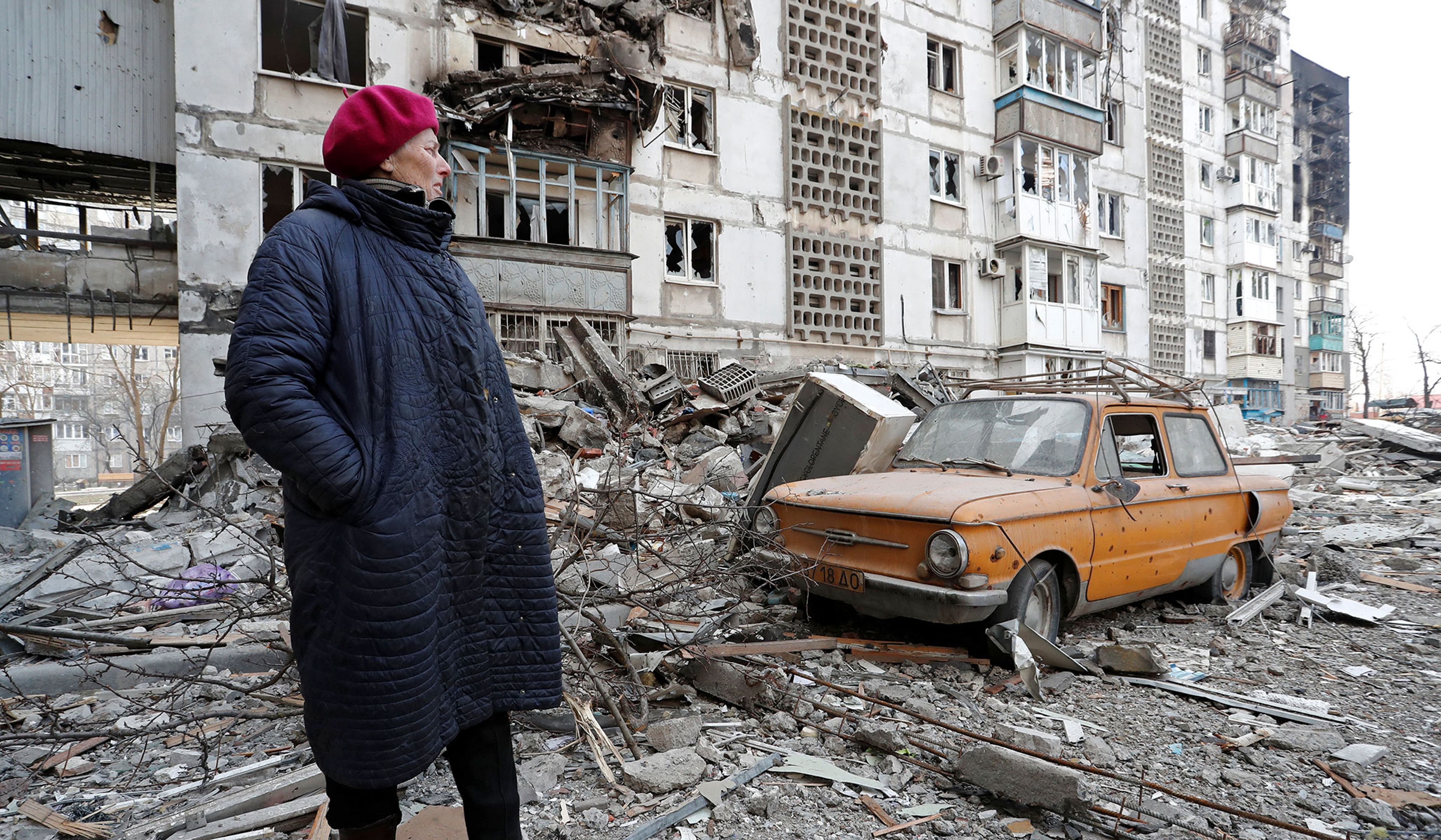
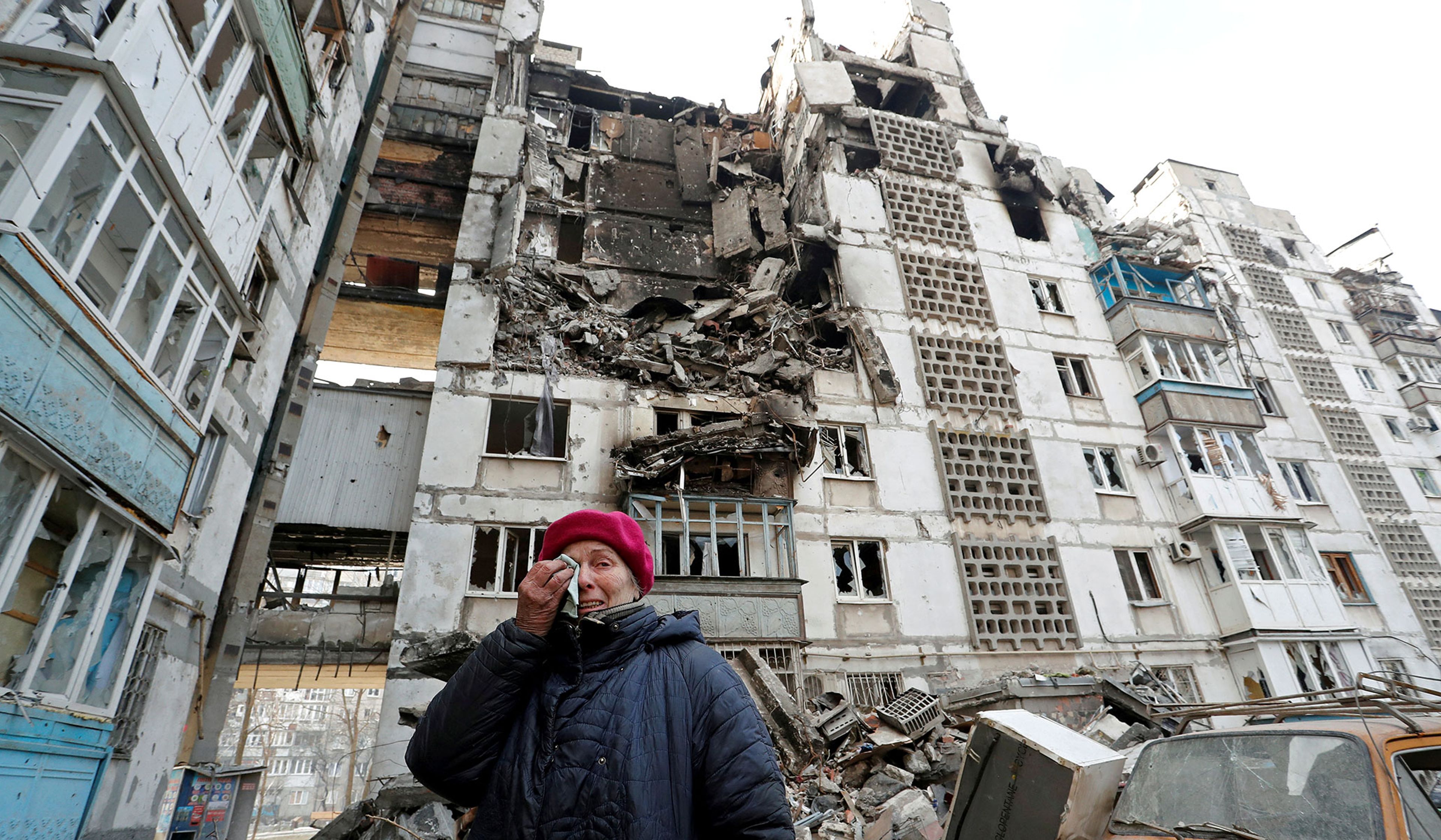
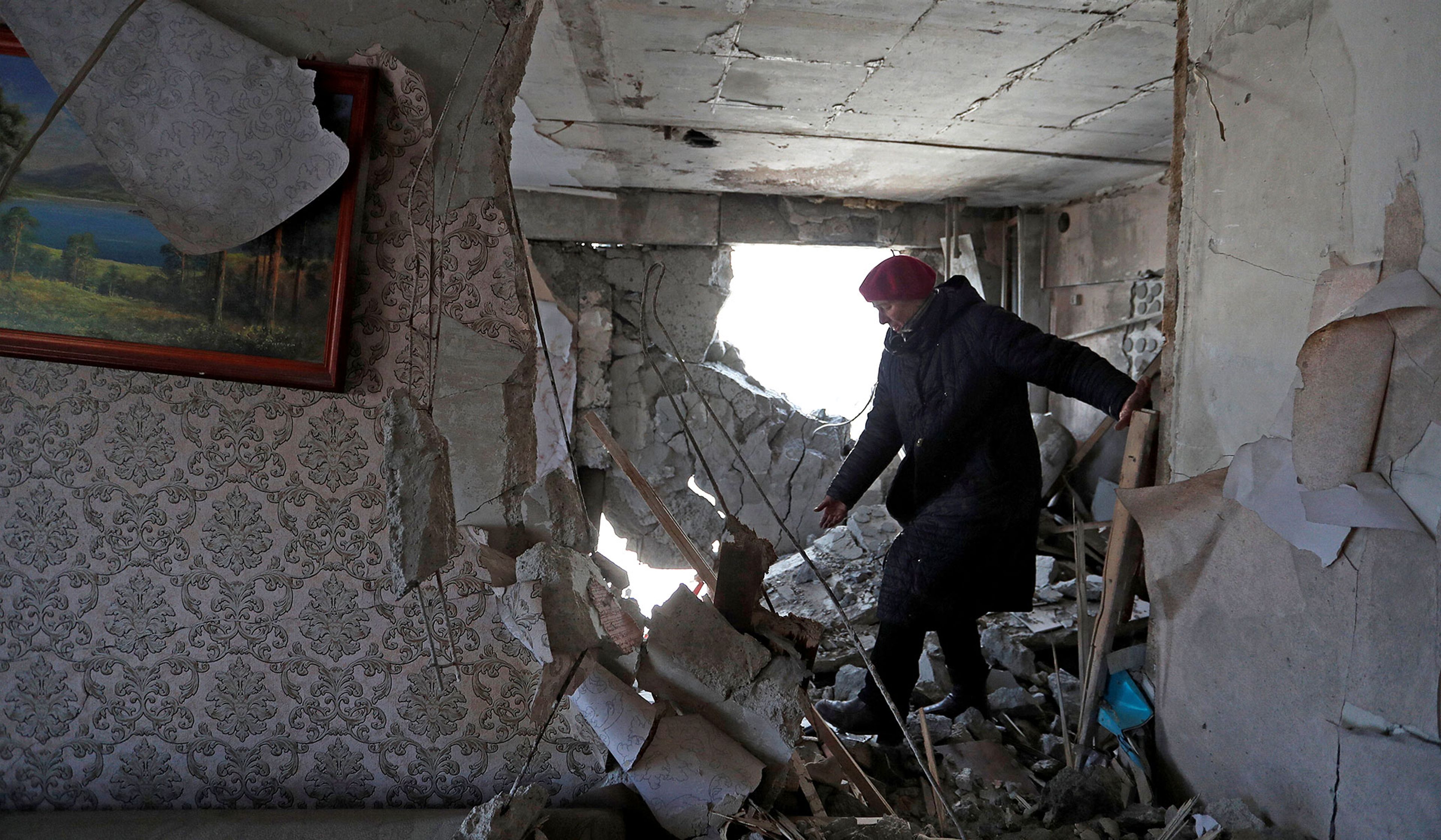
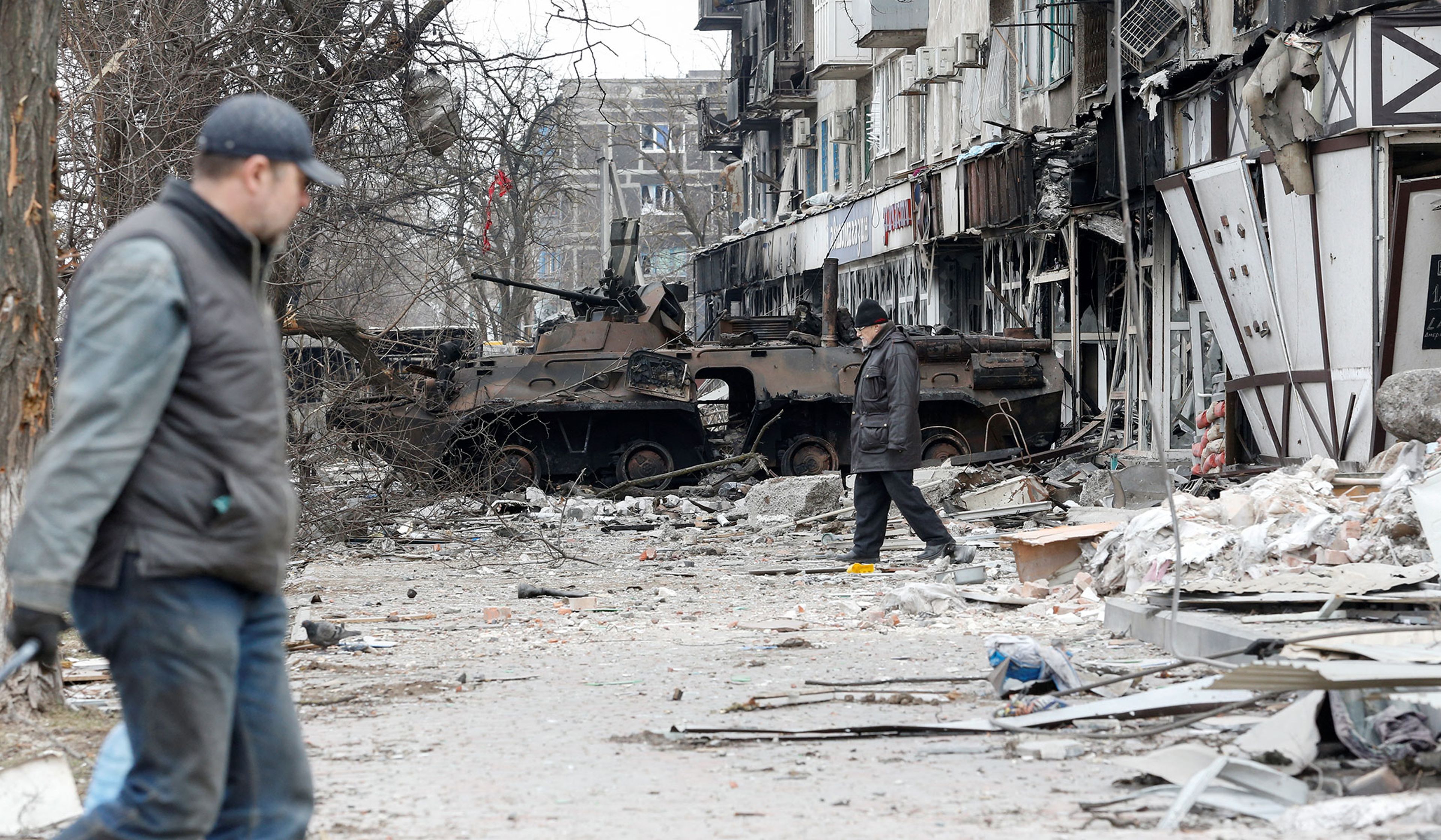
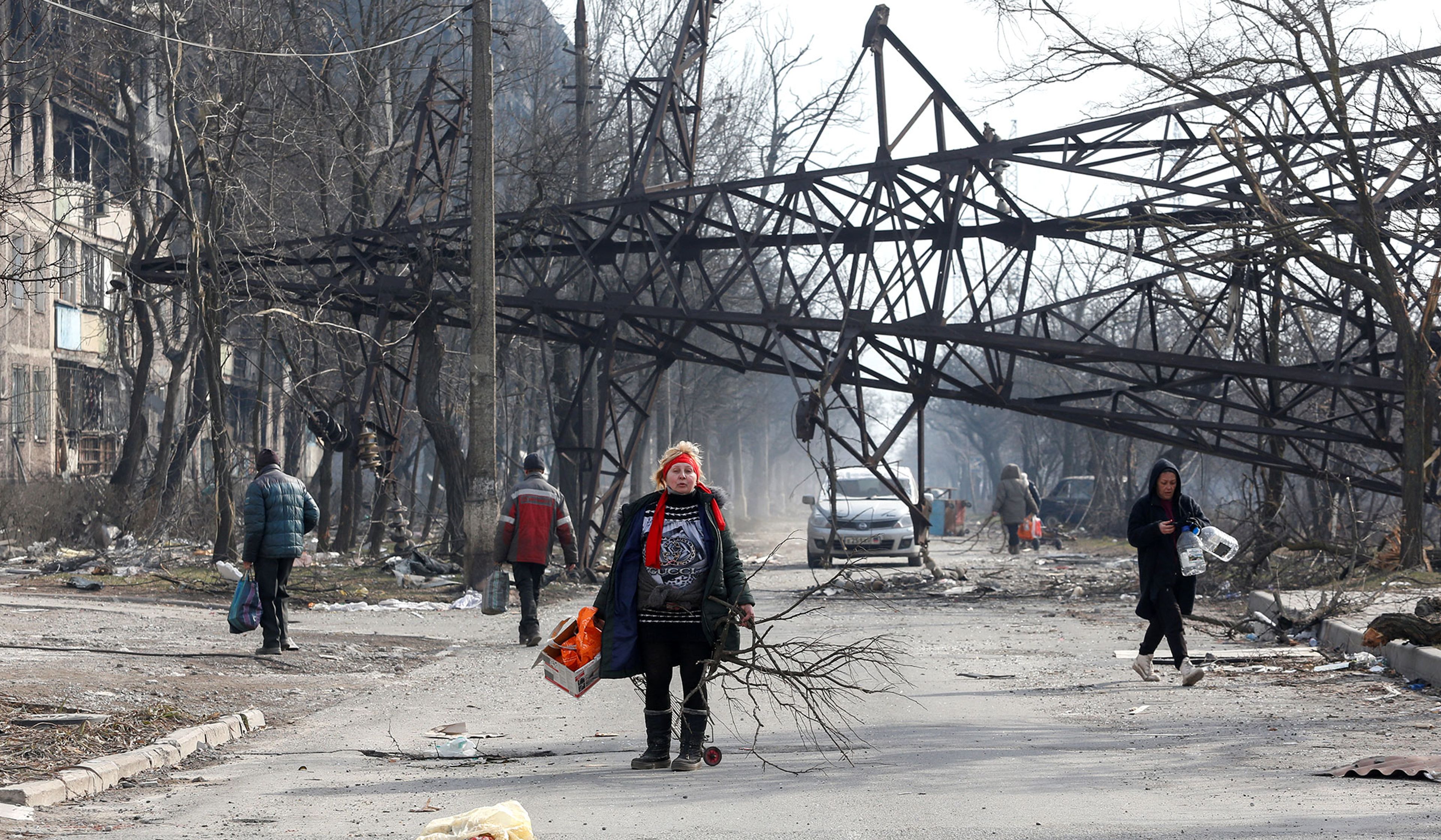
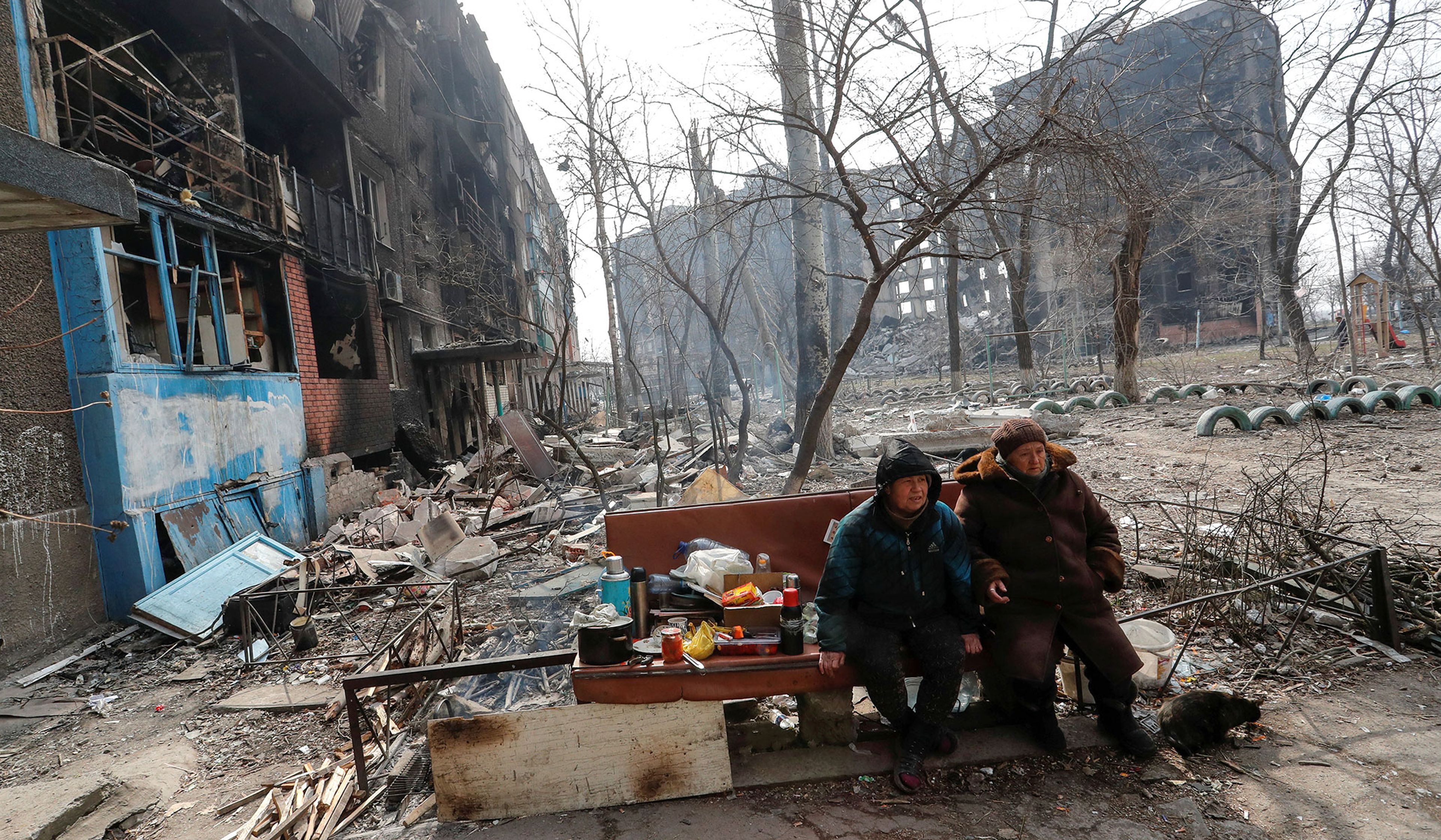
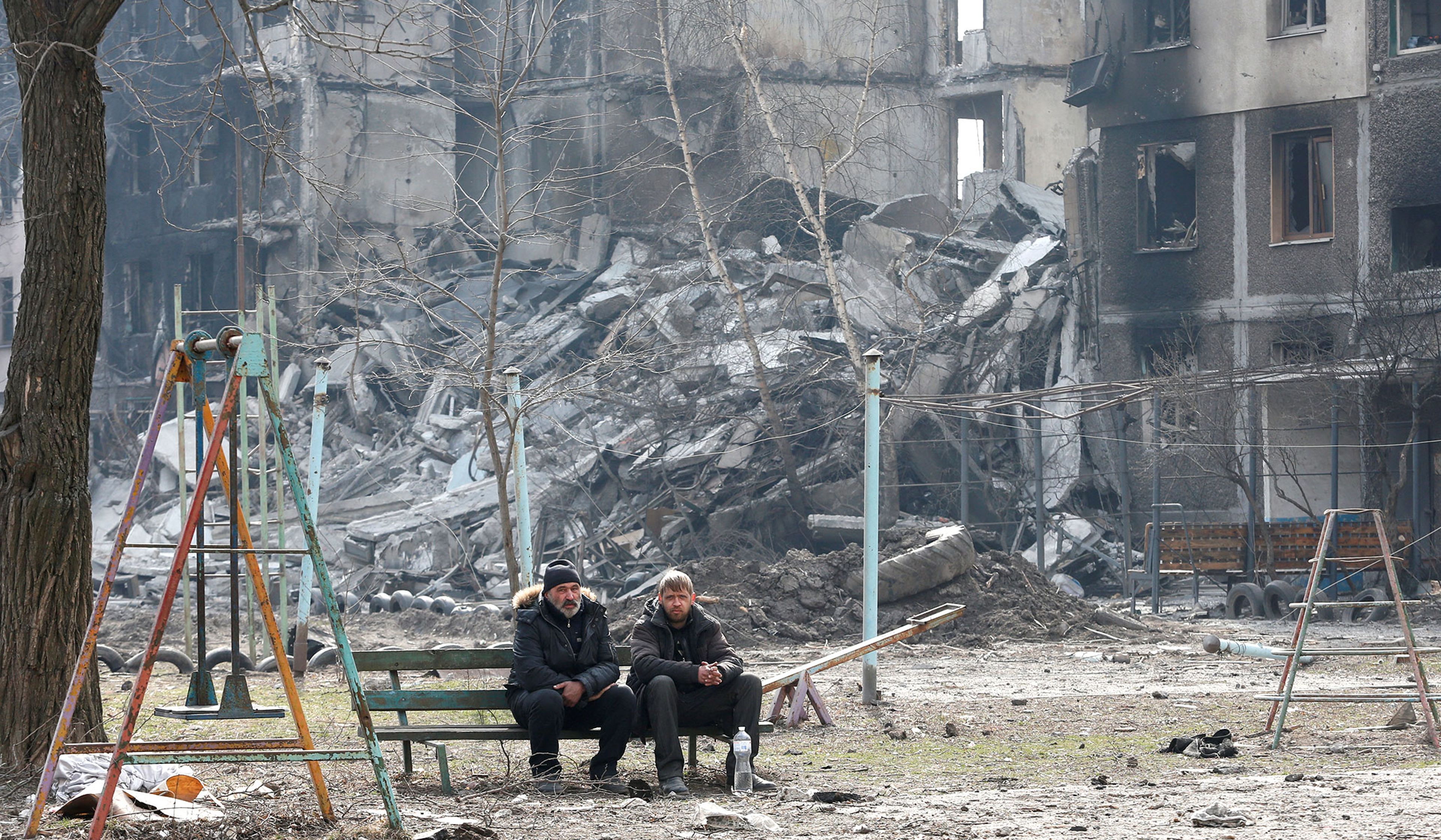
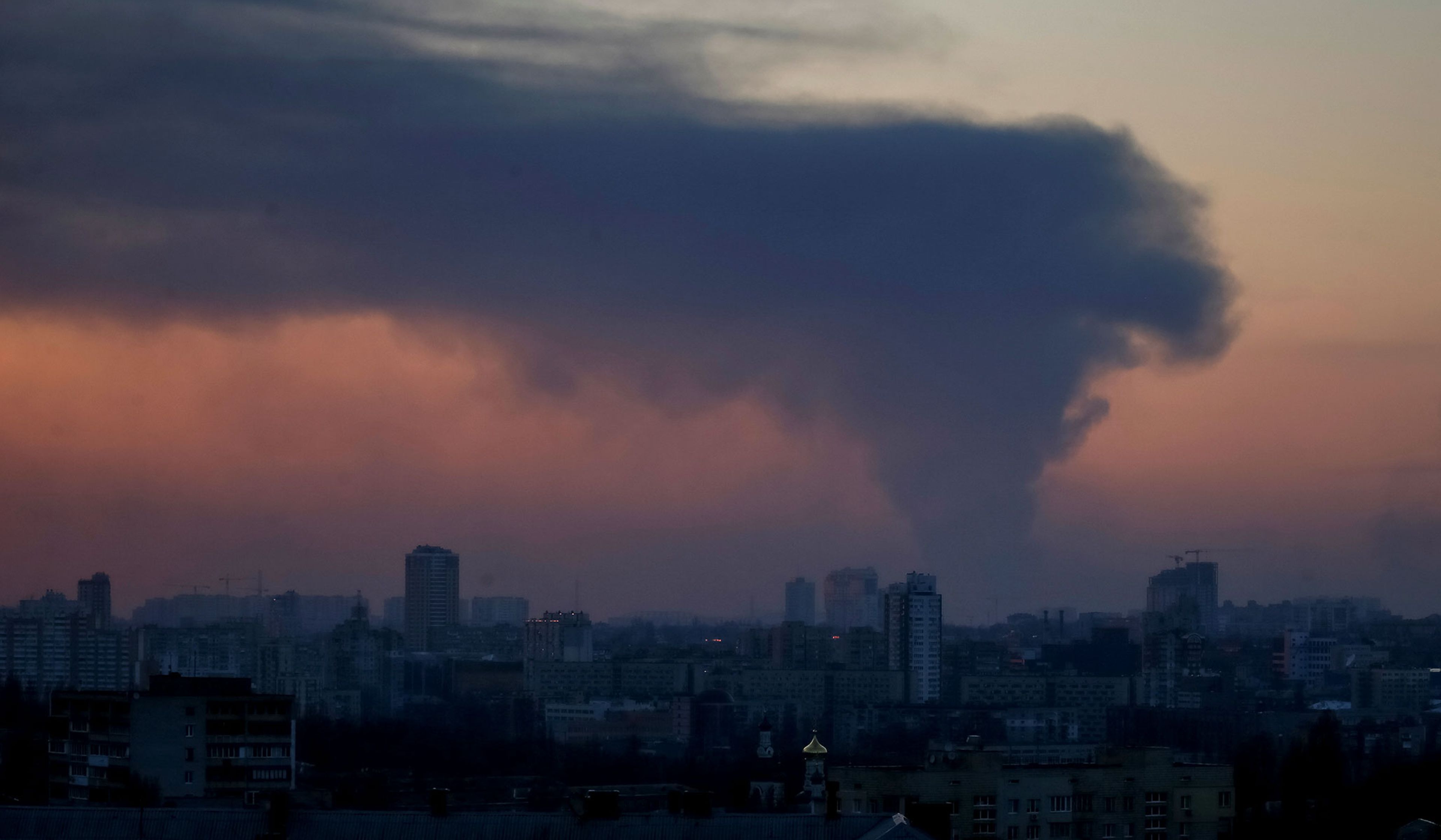
Russia’s first strike at Kyiv has stalled so thoroughly that the Ukrainians have made a modest counterattack, retaking the suburb of Irpin. Russia appears for now to have shifted its efforts to the south, annihilating the port city of Mariupol and slaughtering its civilians. Note well: Although life in Putin’s Russia has been better than it was during most of the post-Stalin Soviet Union, his inhumanity in Ukraine far exceeds anything that Khrushchev or Brezhnev visited on Hungary, Czechoslovakia, or Poland in 1956, 1968, or 1981.
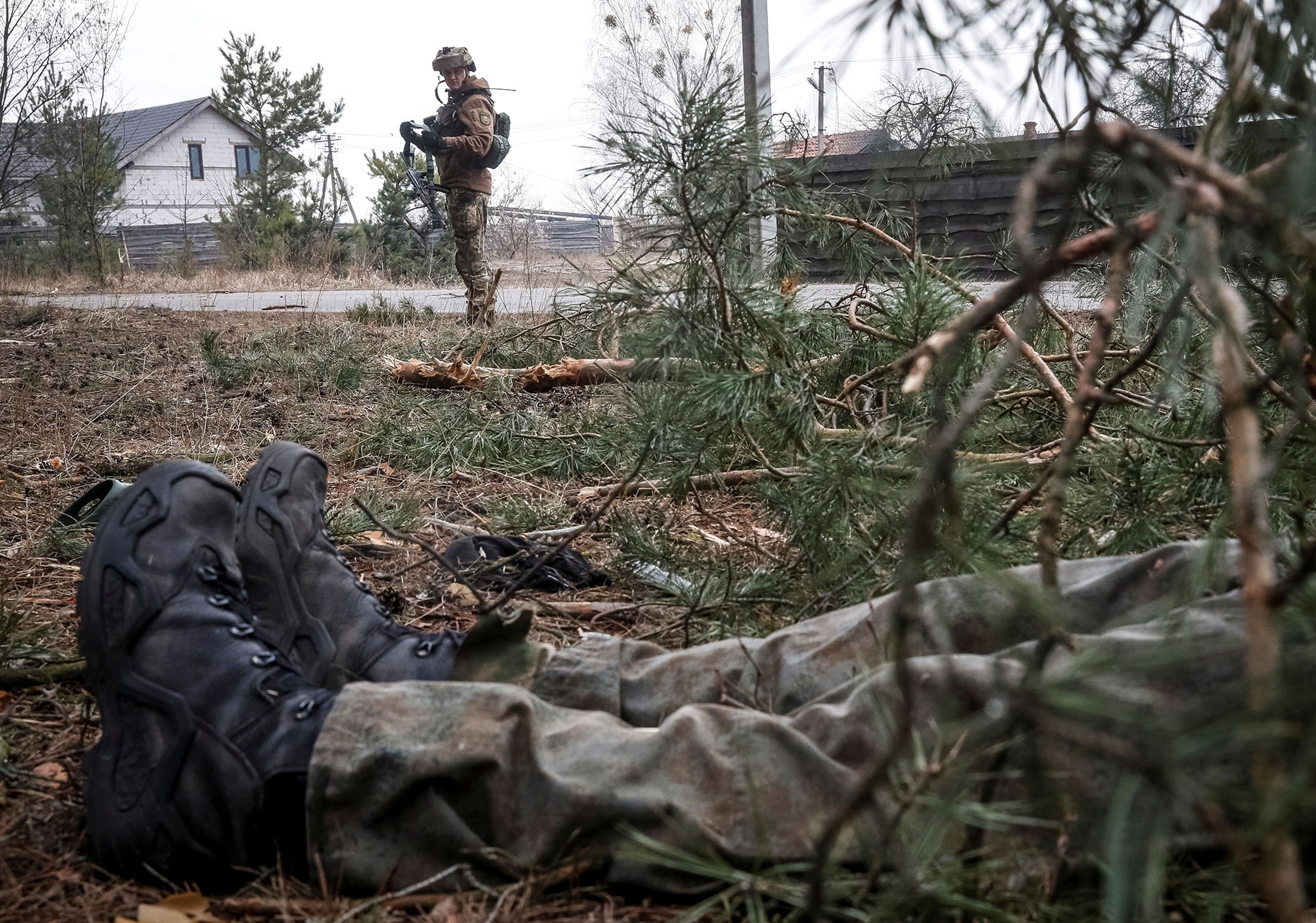
Symbolic of Putin’s viciousness has been the carnage of senior Russian officers. So far seven generals and one admiral have been killed in action — a testament in part to good Ukrainian intelligence, but also to Putin’s insistence that his commanders retrieve their own poor performance at the front. The grunts are paying, too: The Russian tabloid Komsomolskaya Pravda reported nearly 10,000 deaths (the piece was pulled almost immediately). The real figure may be higher. Some sources (though not independently corroborated) recounted that one Russian colonel paid the price when his troops, enraged by their losses, ran him over with one of their own tanks.
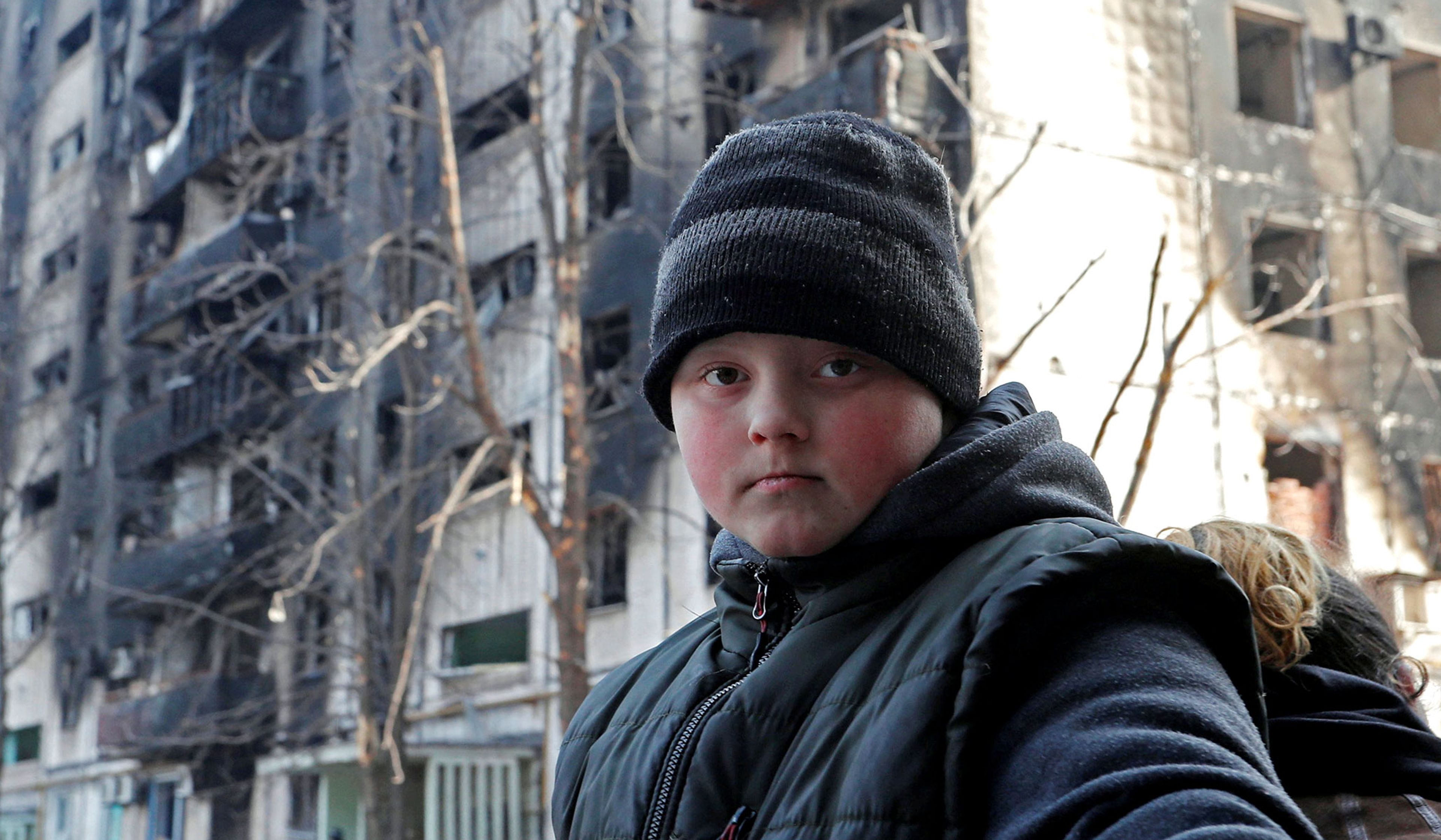
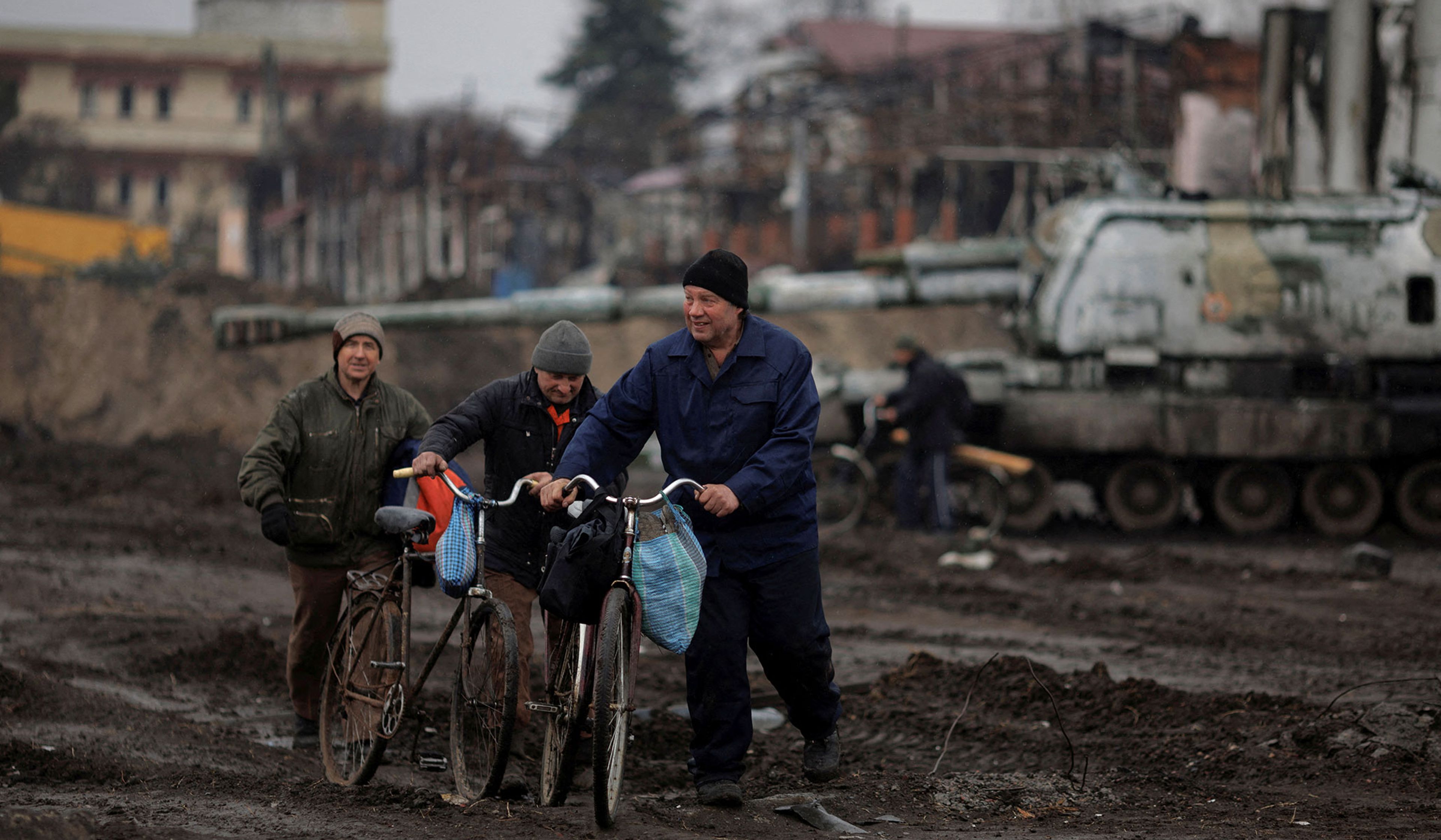
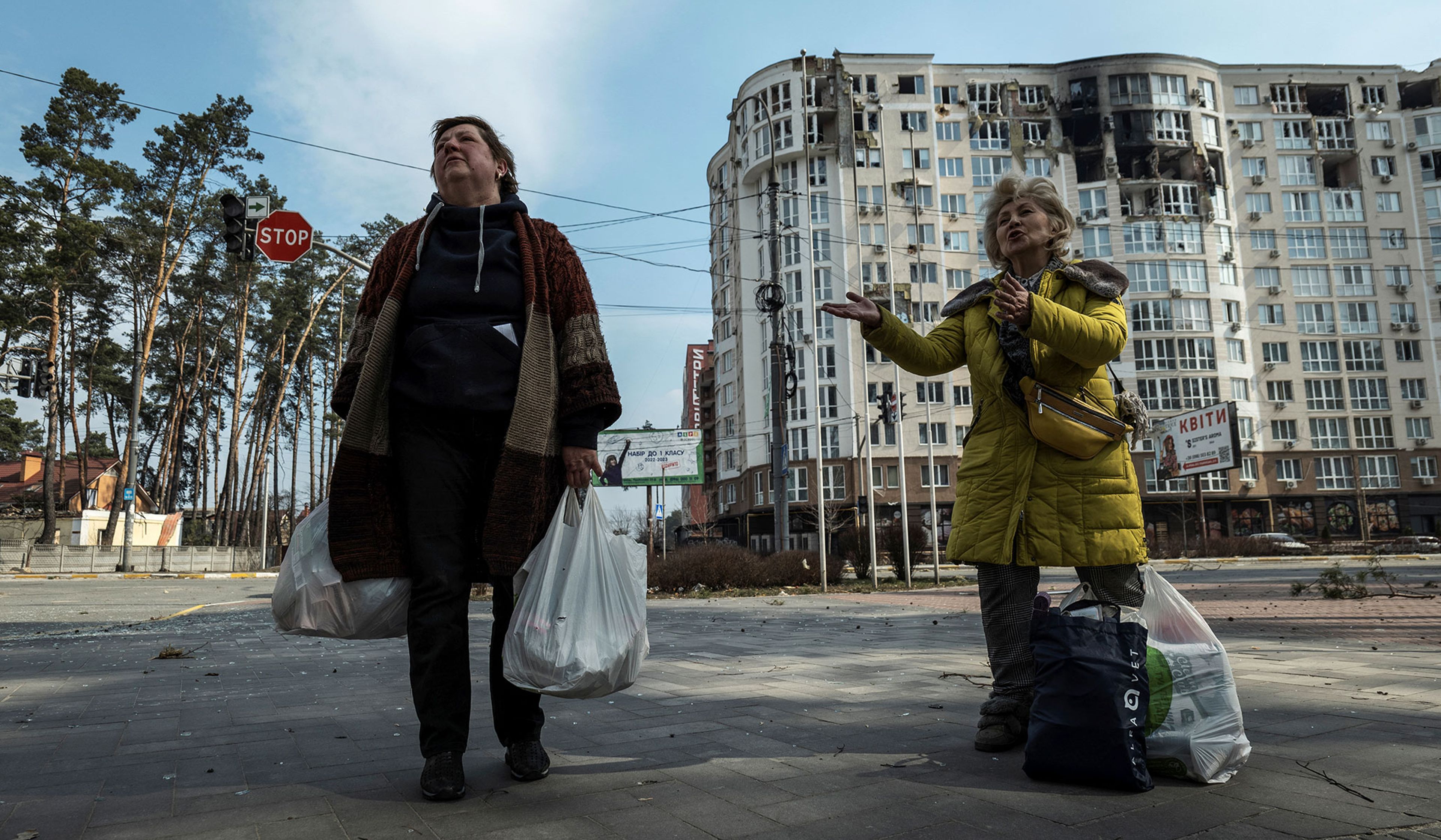
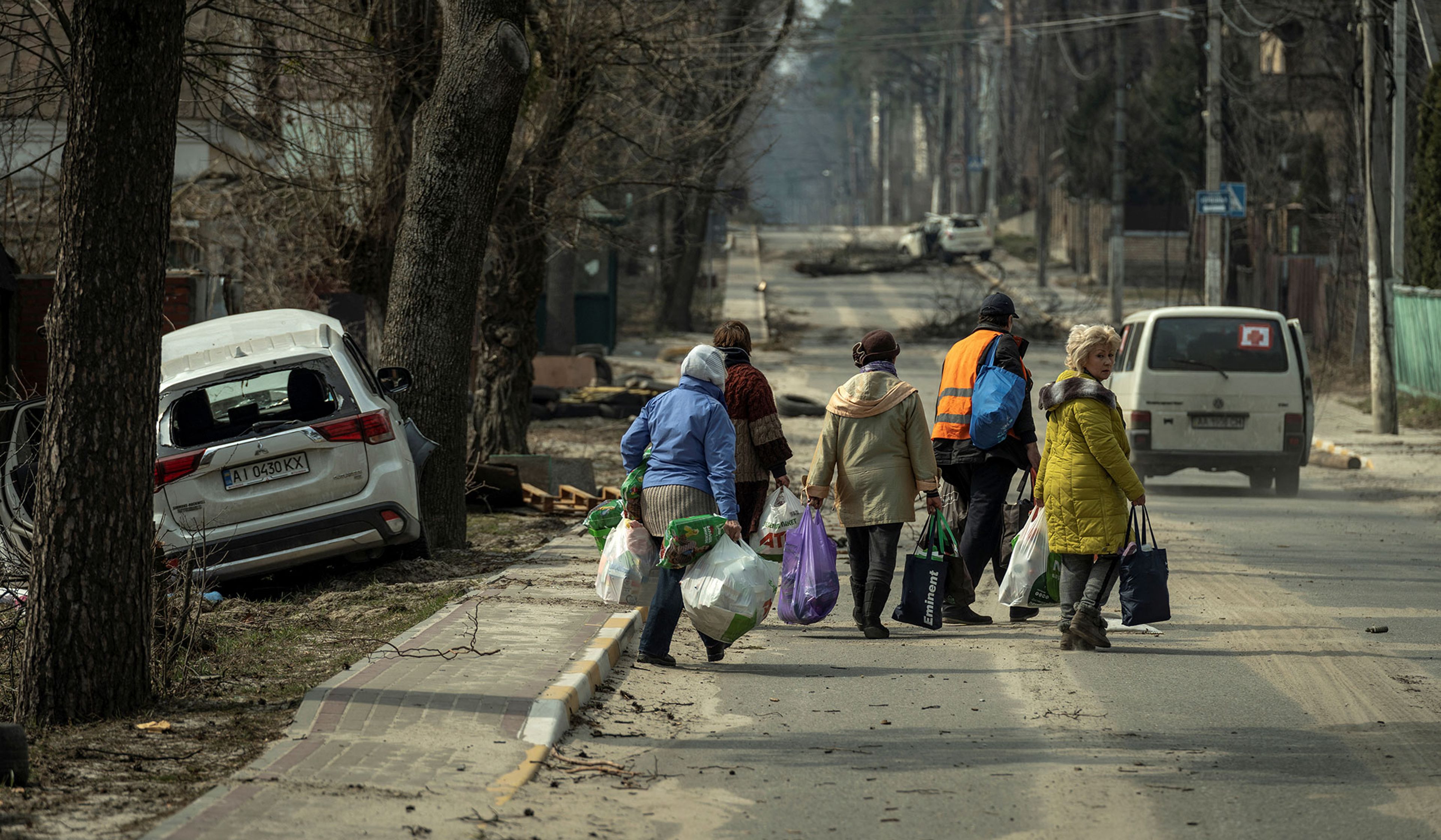
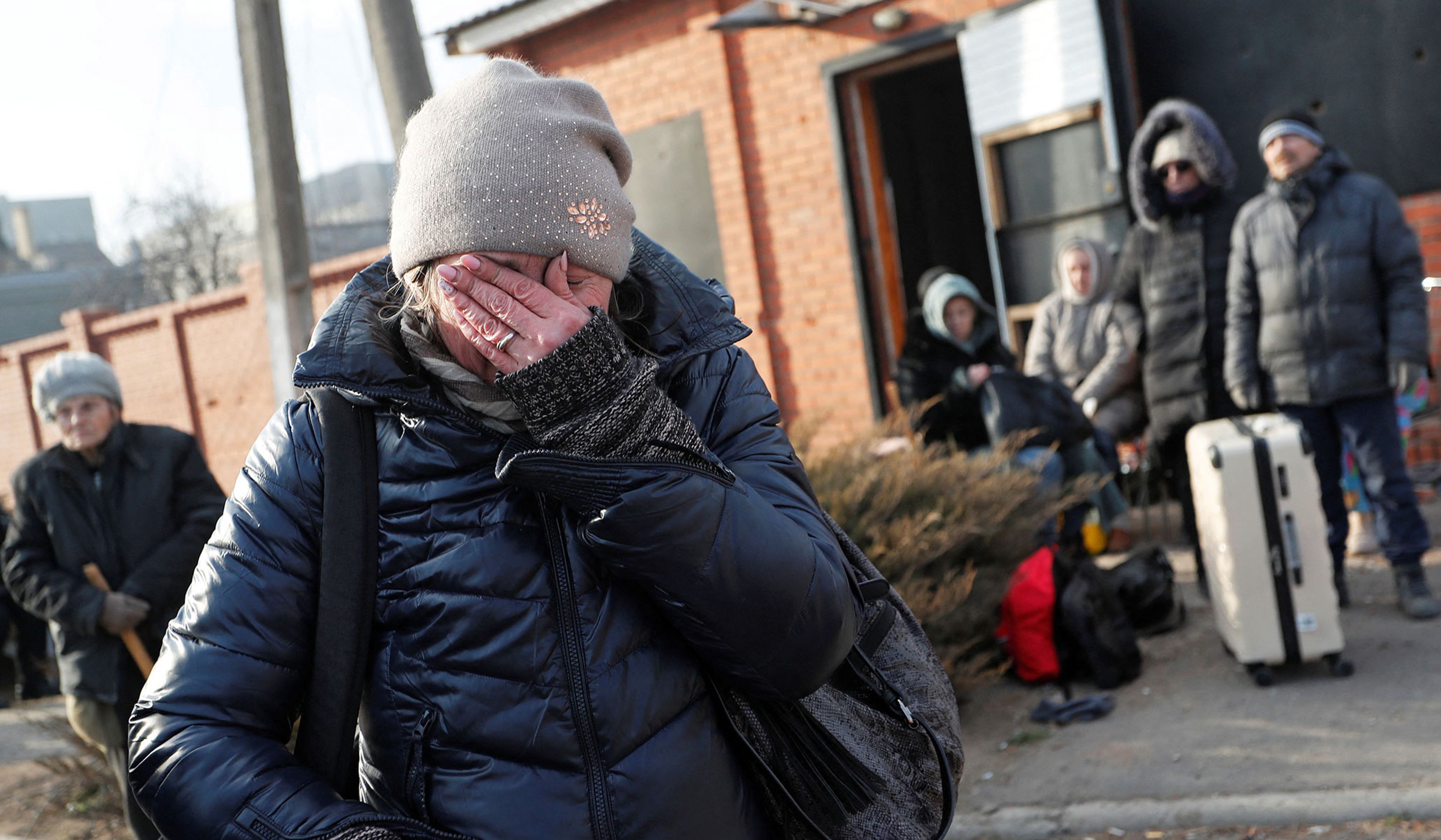
The losses of invaders are as nothing next to the sufferings of ordinary Ukrainians, destroyed in their homes or starved to death; forced, if spared, to trek hundreds of miles to exile with only a few handheld bags per family. The number of Ukrainian refugees as of this writing is 3.7 million. As a percentage of population, that is the equivalent of everyone in New England fleeing the United States — and taking Pennsylvania with them.
President Volodymyr Zelensky continues to address foreign legislatures and conclaves via Zoom. His challenge during a meeting of the EU to Viktor Orbán, Hungary’s Russophile prime minister, to stop buying Russian gas was especially pointed. His antagonist, Vladimir Putin, has been speaking too, marrying the language of ultra-nationalism with the slang of Leningrad petty crooks he learned as a child: Russia, he said, would “spit” out “scum and traitors . . . like flies.”
The most important speech of the last fortnight was President Biden’s in Warsaw. He laid the responsibility for the war on Putin, the man who started it. He called out the most outrageous lies of Russian propaganda, e.g., that Ukraine needs to be denazified. Strange Nazis, who allow themselves to be led by a Jew who has other Jews in his government. He cast the resistance of Ukraine — a country that, for all its corruption and cronyism, is still relatively free and striving toward greater freedom and stronger rule of law — in a worldwide struggle against resurgent autocracy.
Biden upstaged his prepared remarks with an ad lib about Putin: “For God’s sake, this man cannot remain in power.” This was a mismatch of means and ends: We, who balk at sending old MiGs to Ukraine, have no plans for regime change in Moscow. It was also an own goal in the propaganda wars and will allow Putin to claim we are meddling in Russia’s domestic politics. Yet it was also a gaffe as defined by Michael Kinsley: a moment when a politician utters an obvious truth he is not supposed to say. Putin’s ego and his self-woven information cocoon, both features of despotism, make him an ongoing threat to his neighbors and ultimately to his own people.
Would a cornered Putin use nuclear weapons? Or chemical weapons, as his Syrian clients have? (He may already have poisoned Ukrainian negotiators.) Biden’s ambiguous response here was useful: “We will respond if he uses it,” Biden said, meaning a weapon of mass destruction. “The nature of the response depends on the nature of the use.” Let Putin do the worrying.
Biden’s best words were borrowed from John Paul II’s invocation of the Gospel in pre-liberation Poland: “Be not afraid.” Be prudent, be certain, be slow. But be not afraid.












Comments