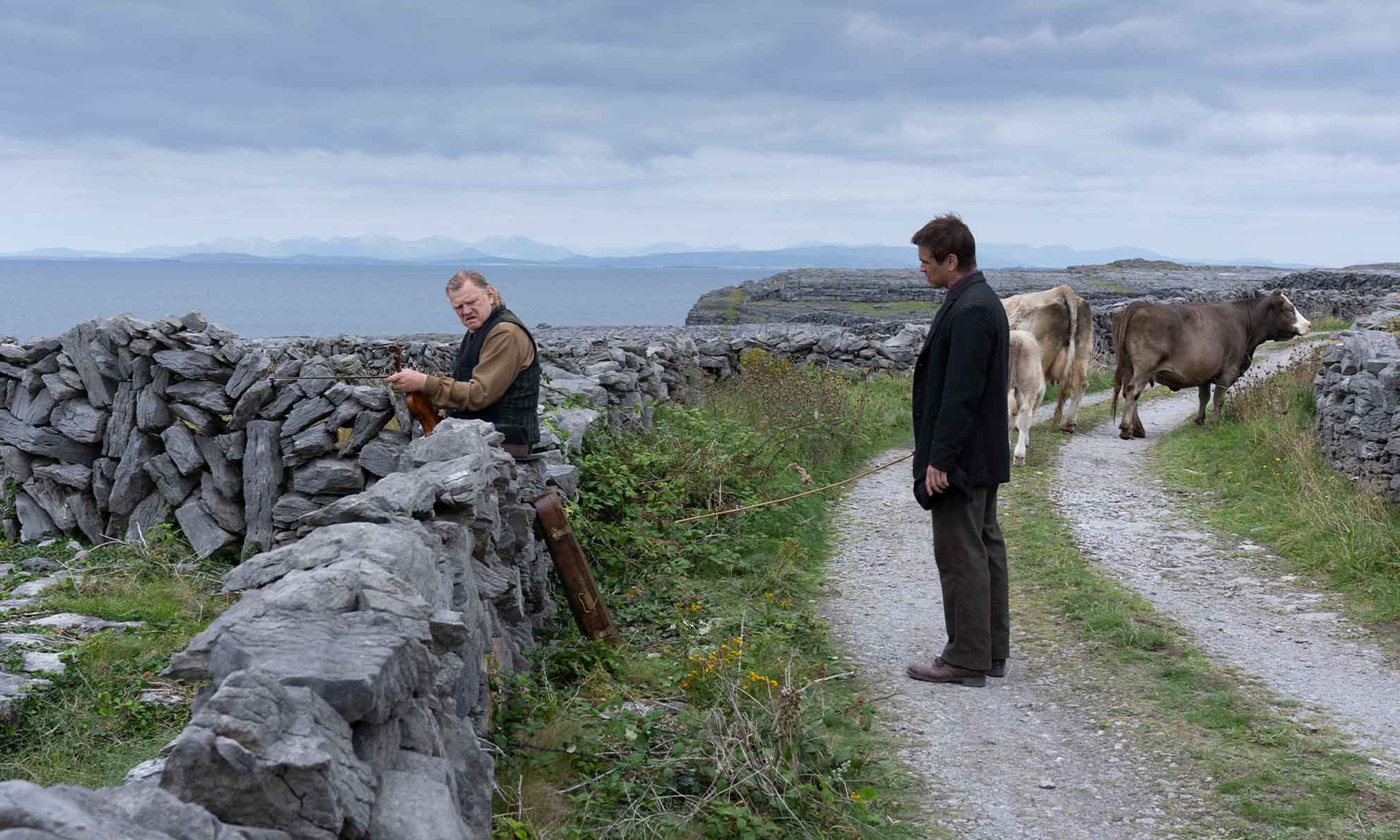
The Banshees of Inisherin, a bleak Irish tragicomedy from the mind of the playwright-turned-filmmaker Martin McDonagh, is basically a literalization of the long-running internet joke about how “men will literally do X instead of going to therapy” — with “X,” depending on the meme or tweet, being anything from “learn everything about ancient Rome” to “commit elaborate murders based on the Seven Deadly Sins” to “found the Timurid Empire and be heralded as one of history’s greatest military commanders and tacticians.”
Here the man in question is Colm Doherty (Brendan Gleeson), a fiddle-playing bachelor living in a small town on a small island off the Irish coast in 1923. There’s a civil war happening across the water — the villagers see the boom and crackle of the Free State government fighting the IRA — but on Inisherin it’s all small-town claustrophobia and chatty disappointment, Irish charm as the sheen atop a deep well of depression.
“How’s the despair?” the priest asks Colm in the confessional, and the answer turns out to be that it’s bad enough to generate some truly wild behavior: Colm is a man who will stop speaking to his best friend, promise to cut off his own fingers one by one if that same friend doesn’t stop pestering him, and then literally start self-mutilating instead of going to therapy.
The best friend is Pádraic Súilleabháin, played by Colin Farrell in one of the best performances of his generally impressive post-heartthrob career. Pádraic is dimmer and kinder than Colm and more content with Inisherin than most everyone else on the island, or so it seems — he lives with his spinster sister Siobhán (Kerry Condon) and a cute little donkey who’s always slipping into their shared living quarters, and he’s entirely comfortable in his general routine, which includes picking up Colm to head down to the pub for a pint and then talking his ear off about the tedious details of small-farm life.
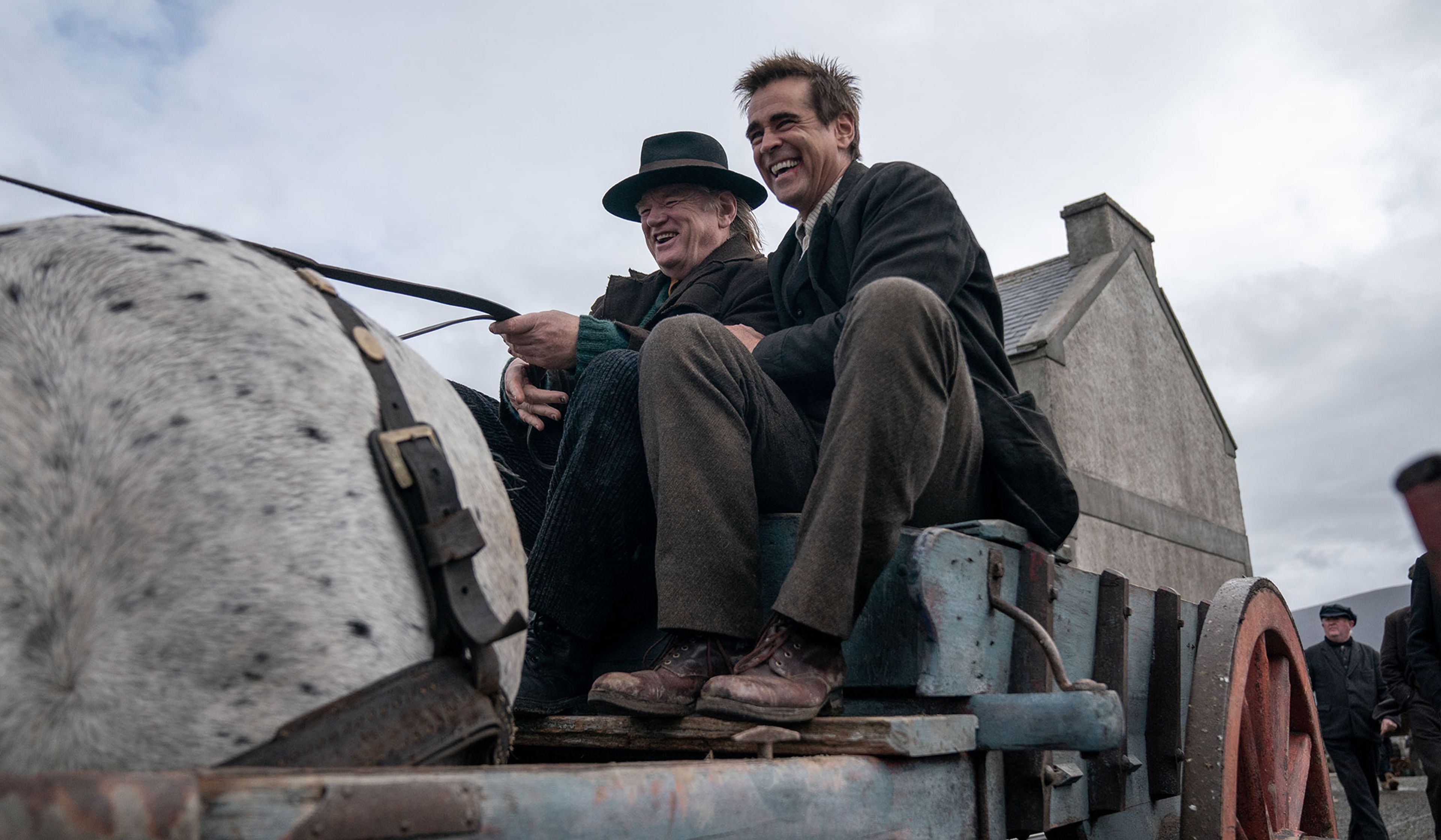
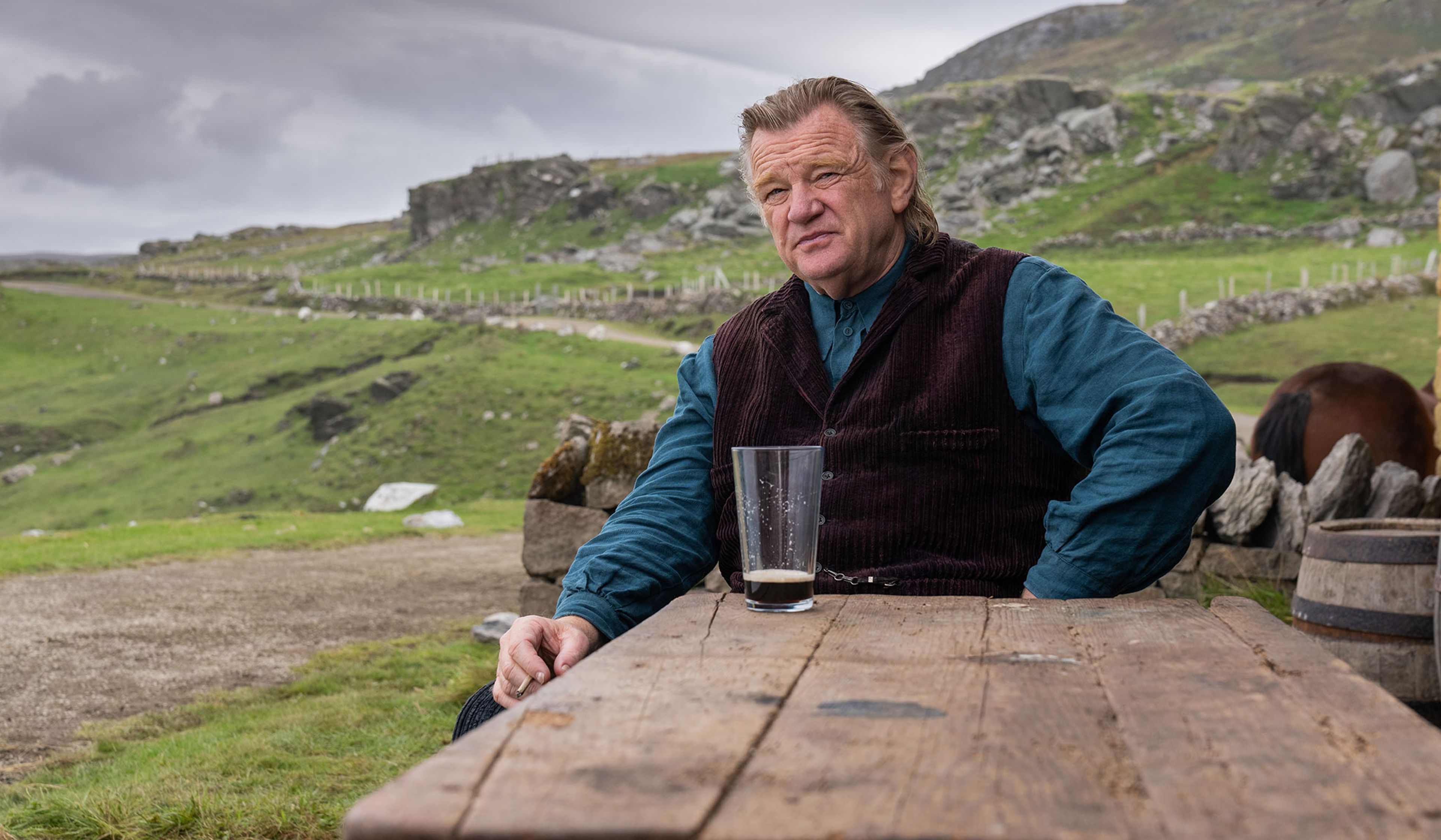
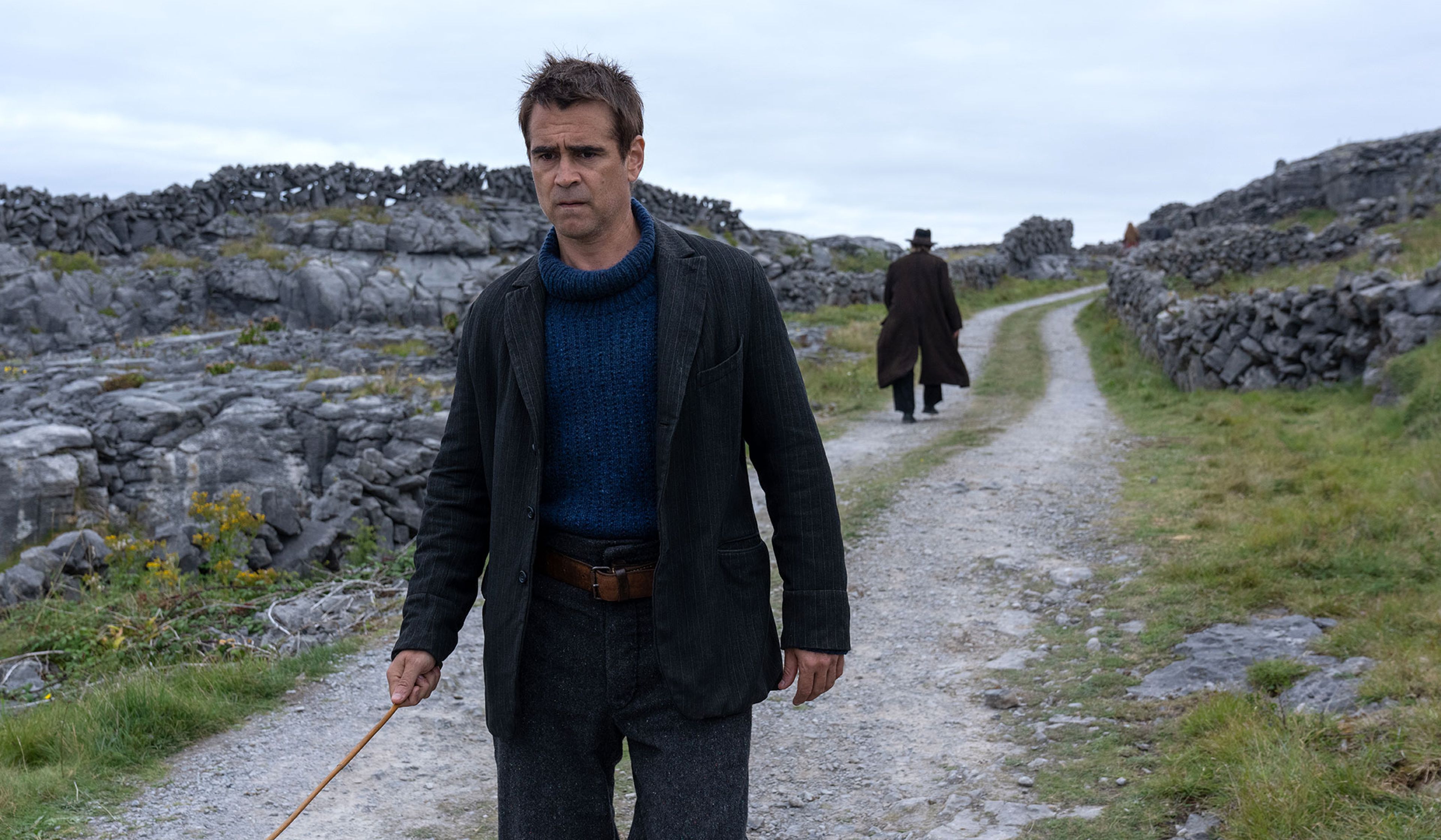
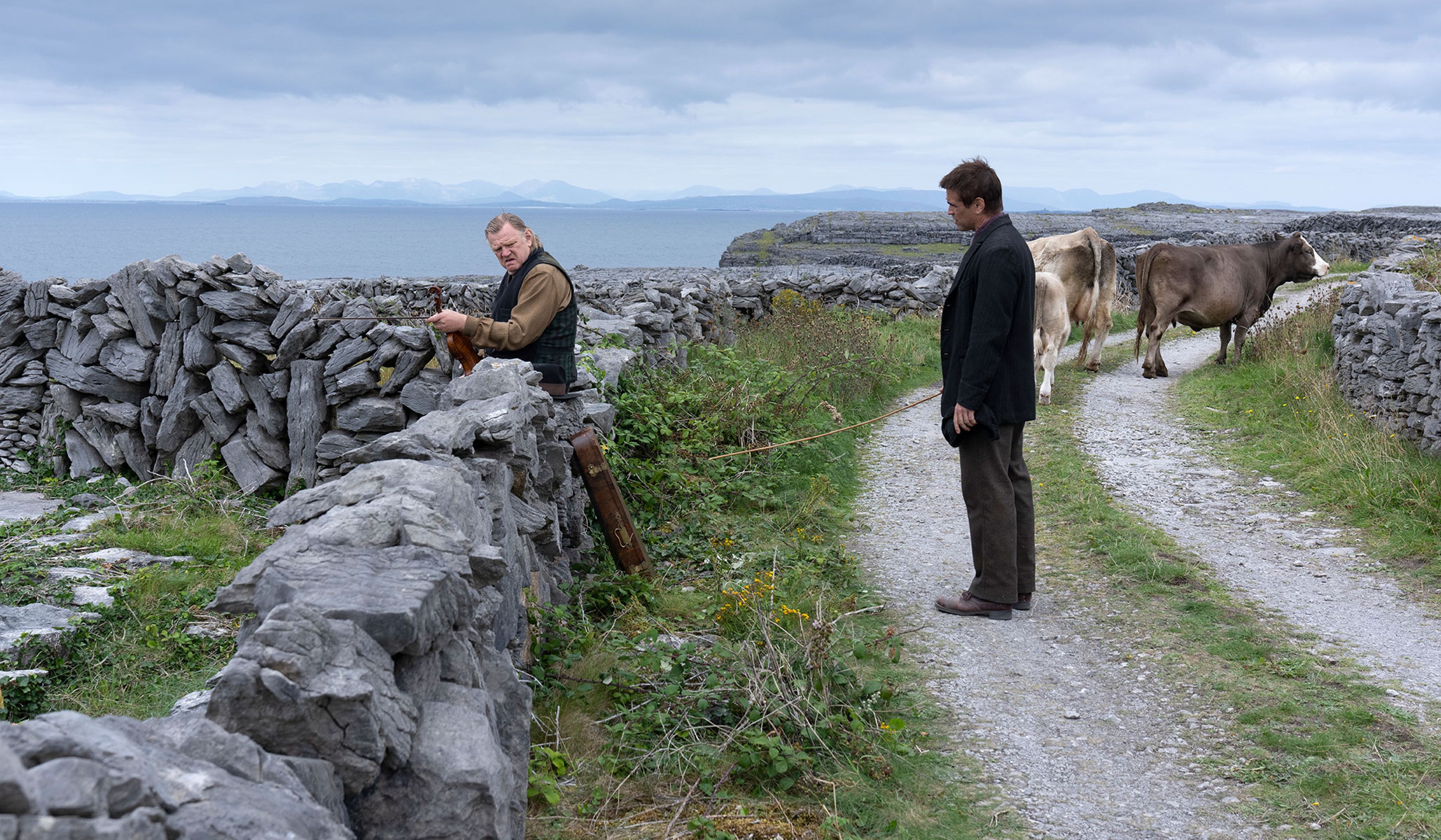
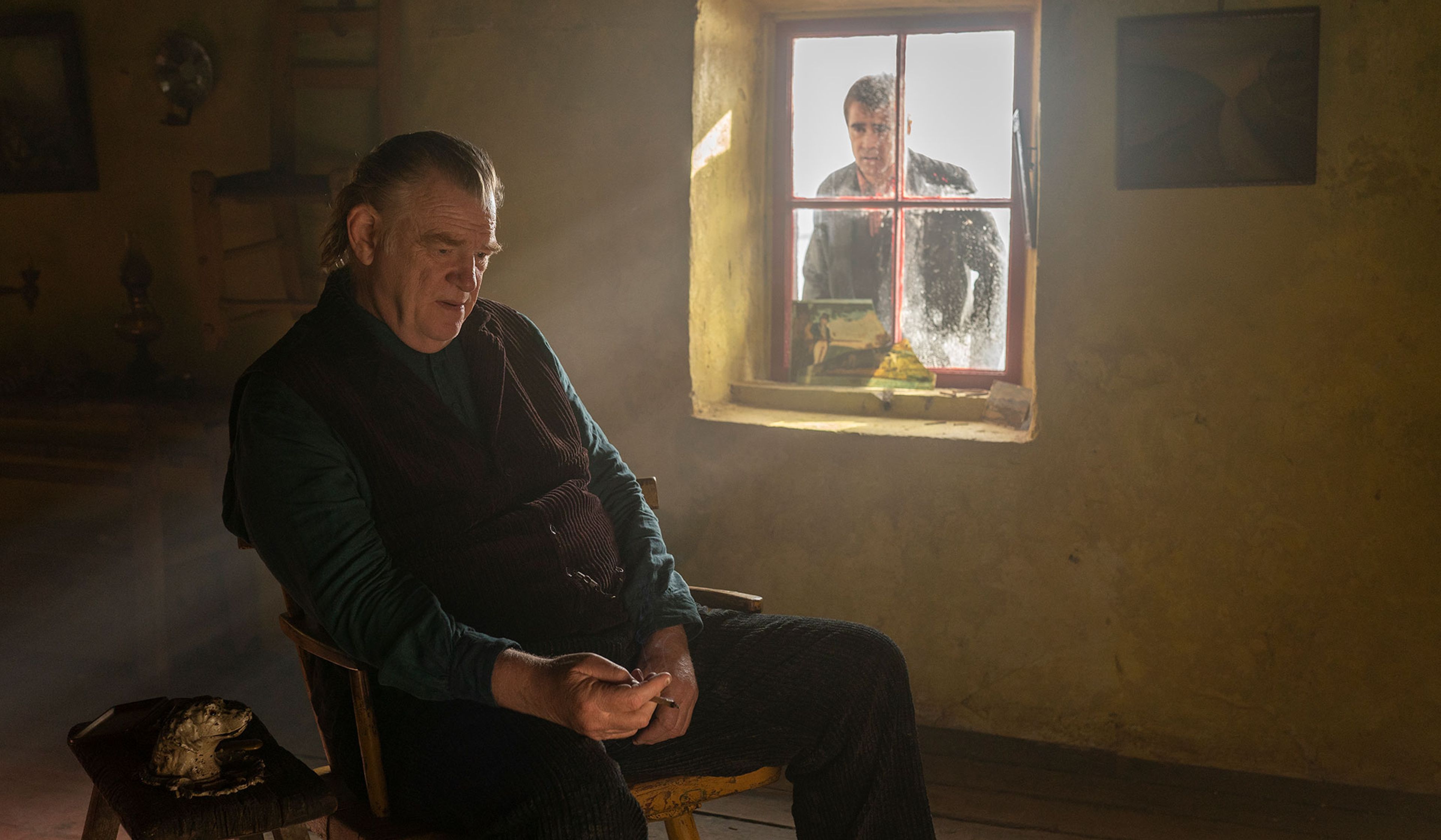
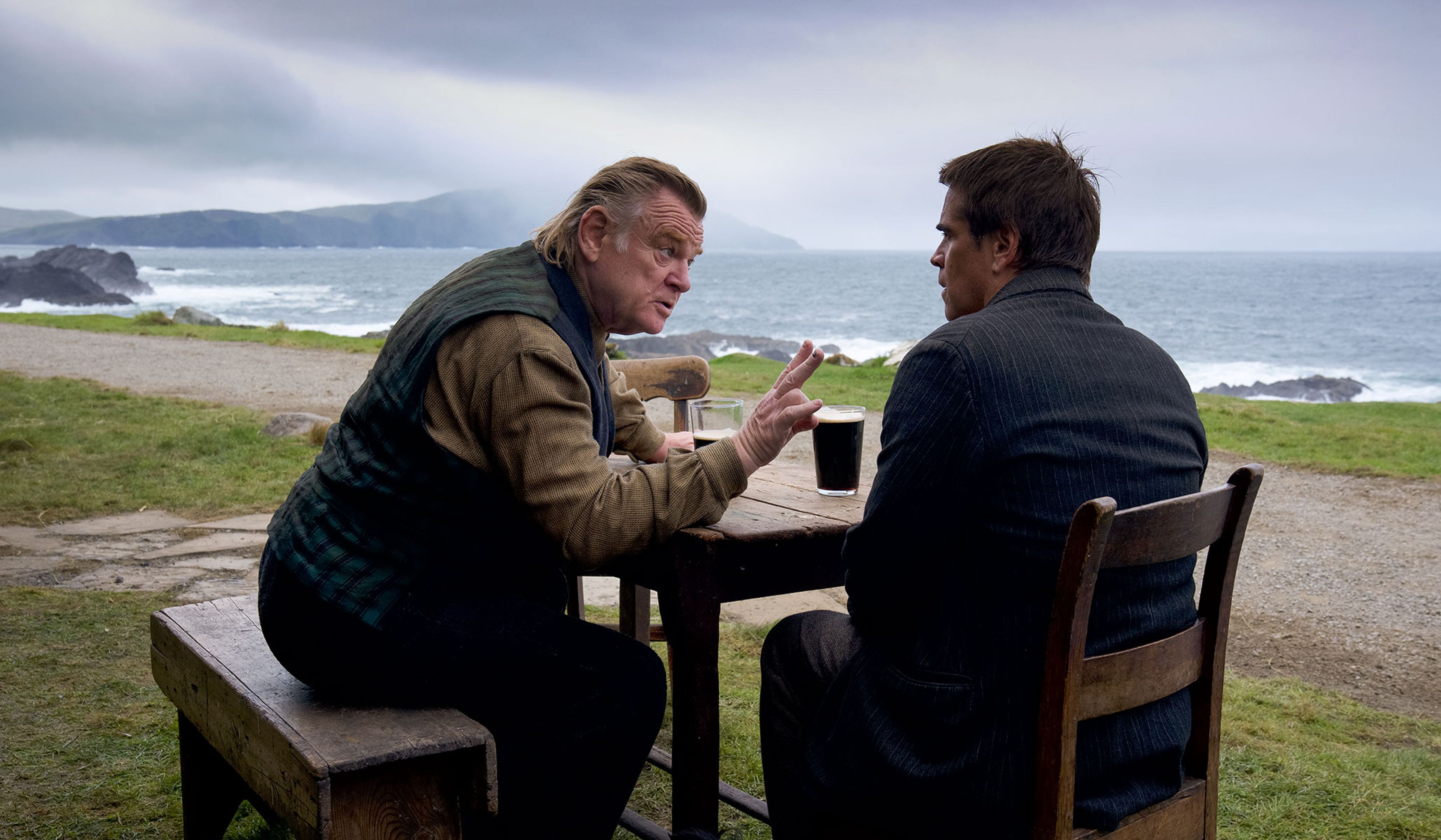
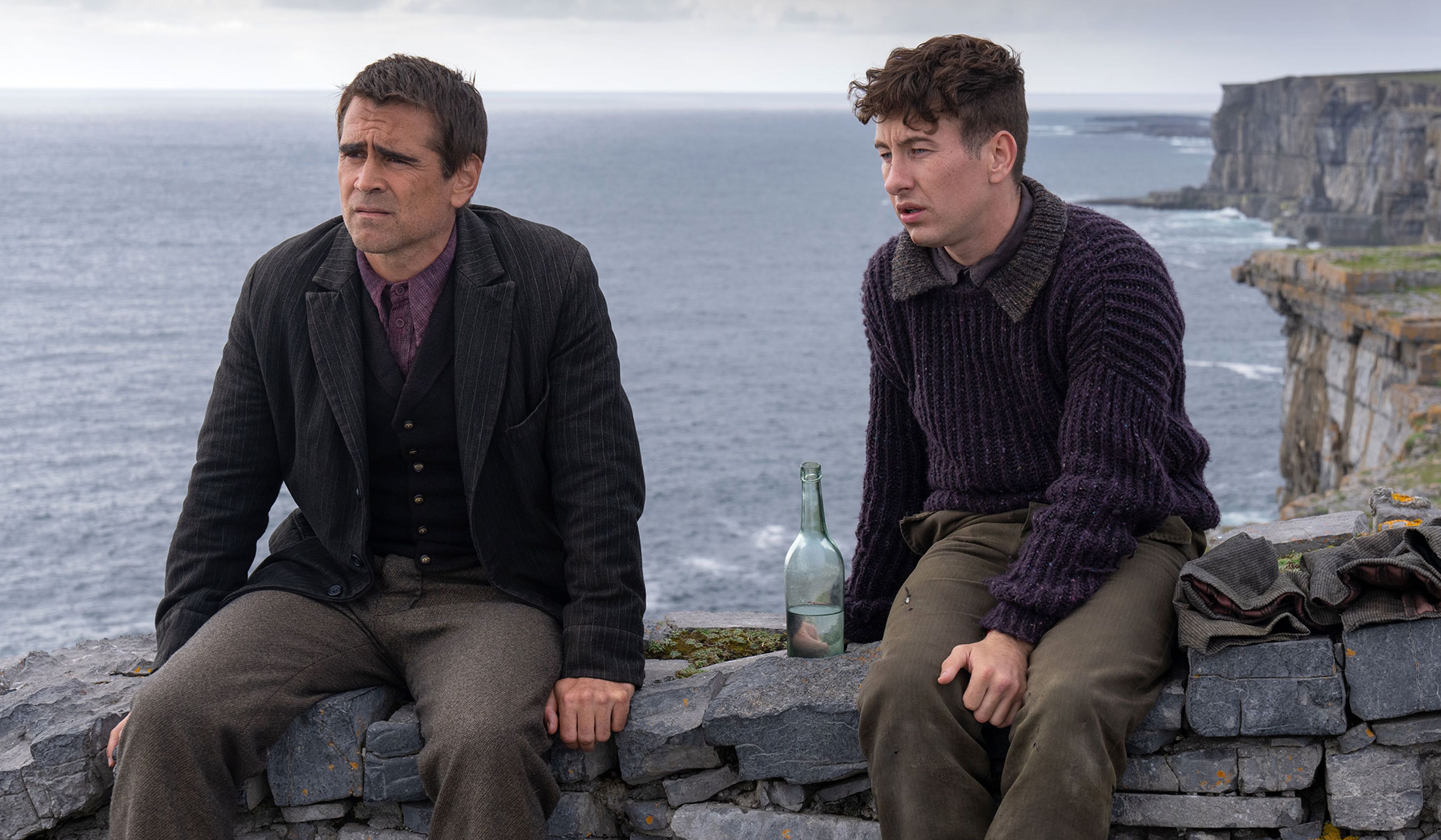
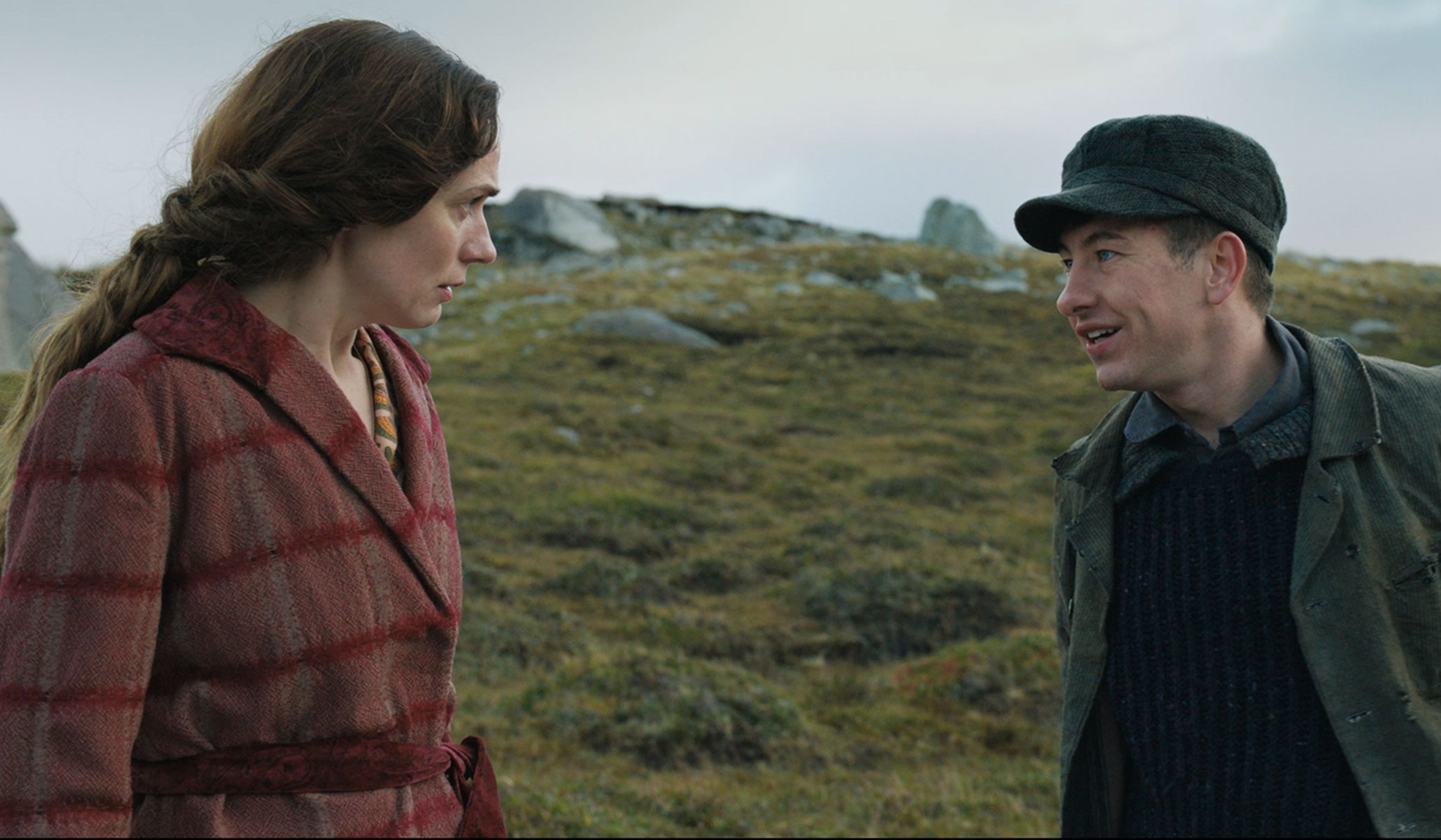
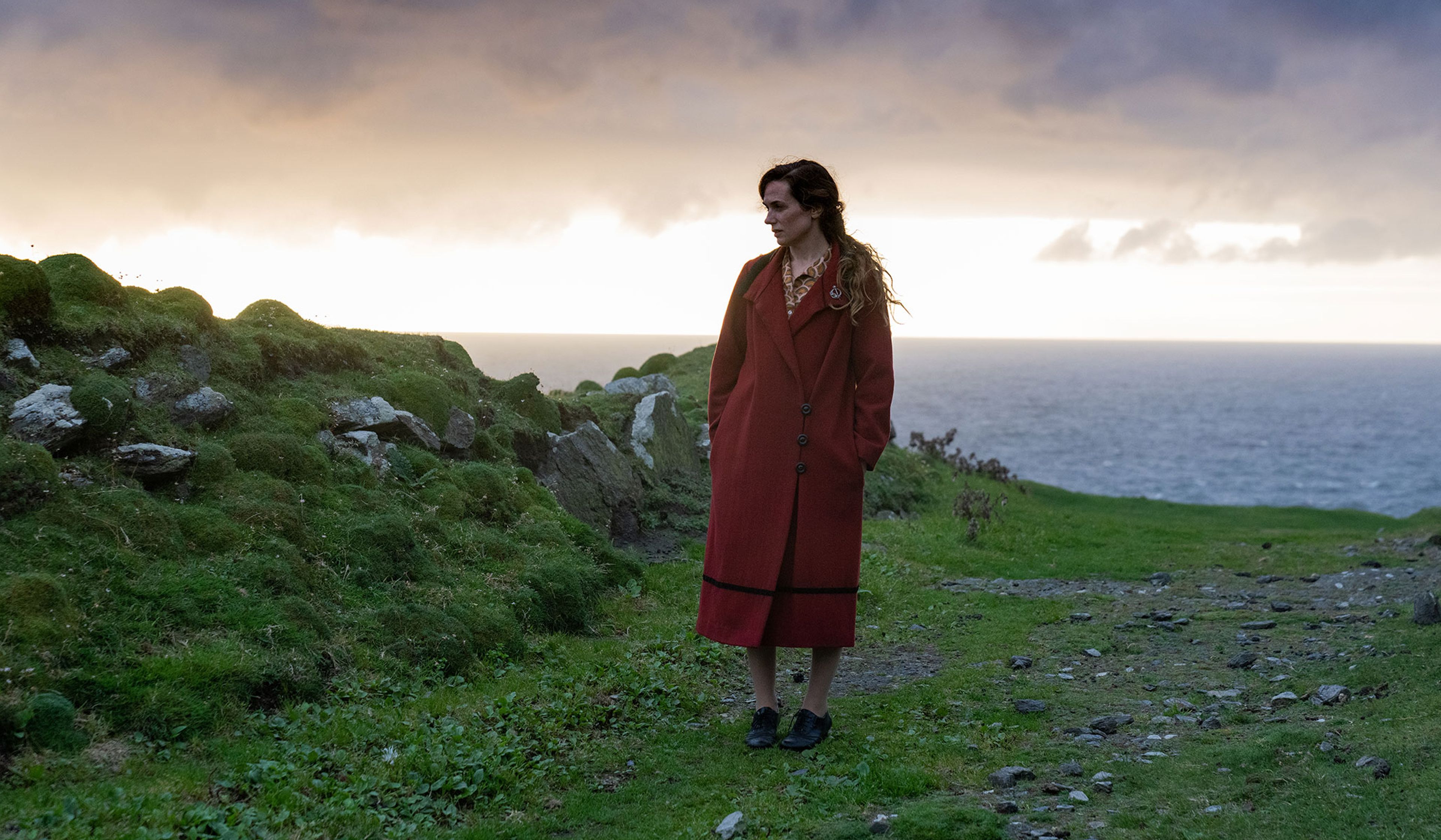
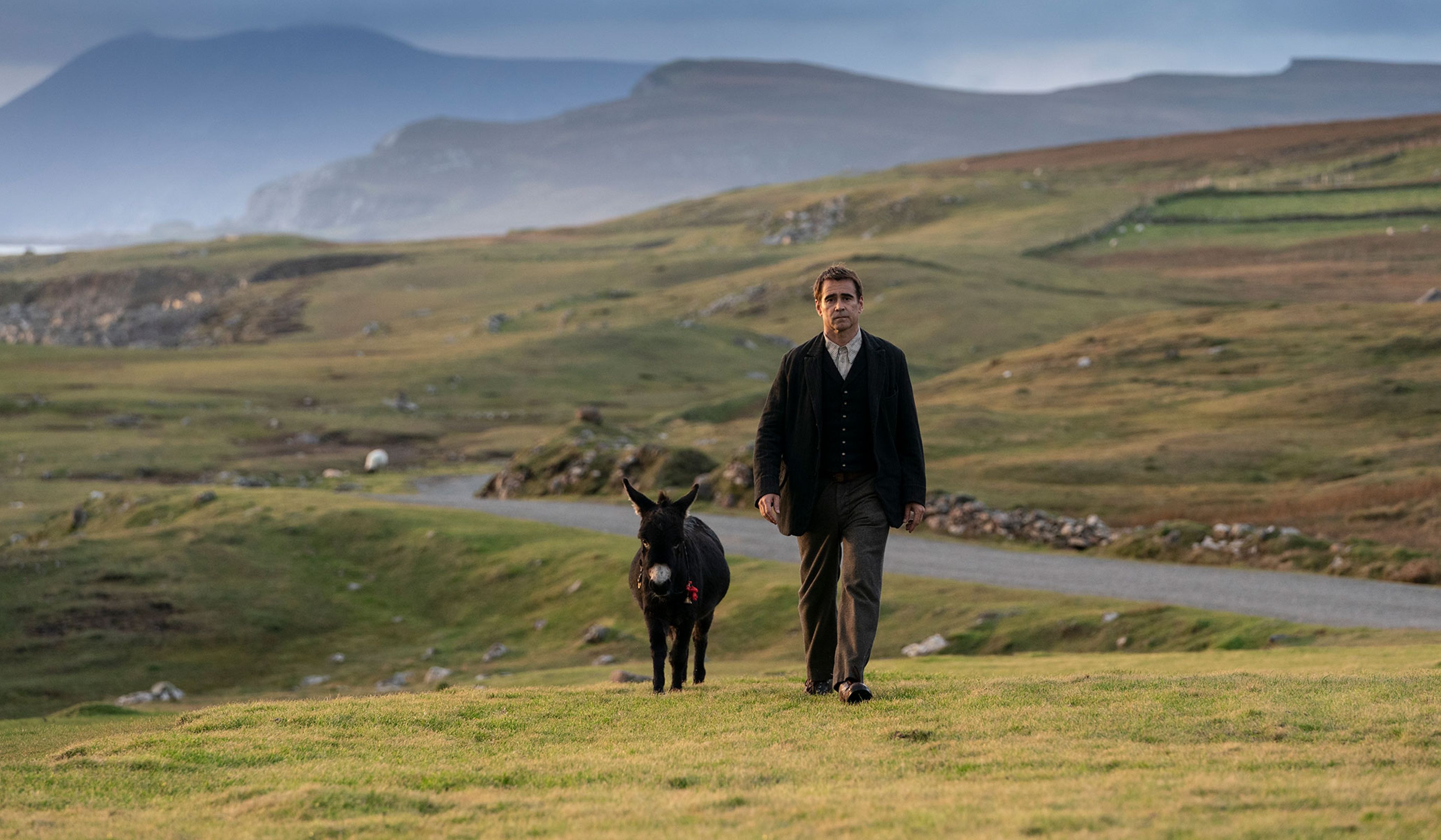
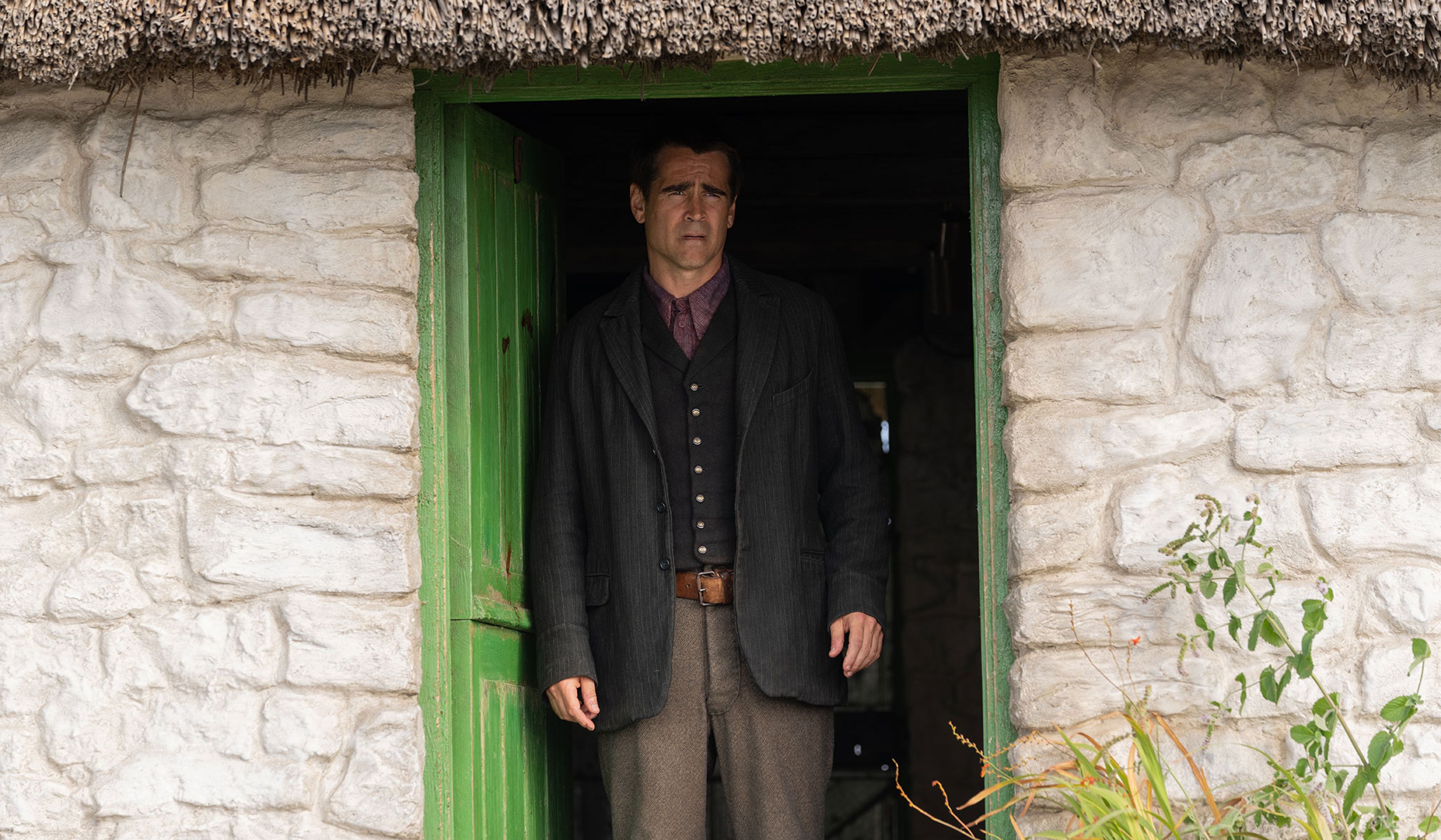
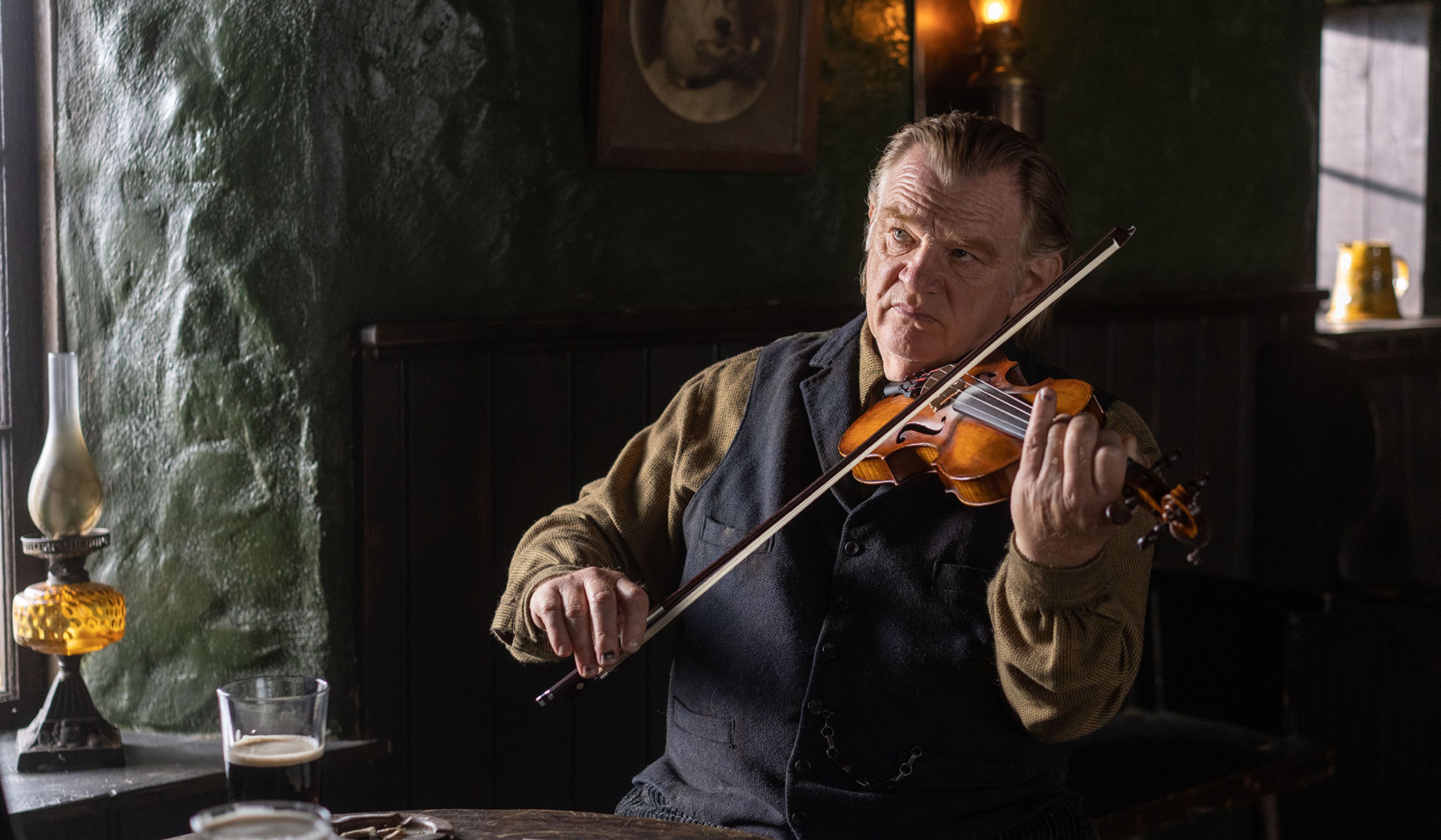
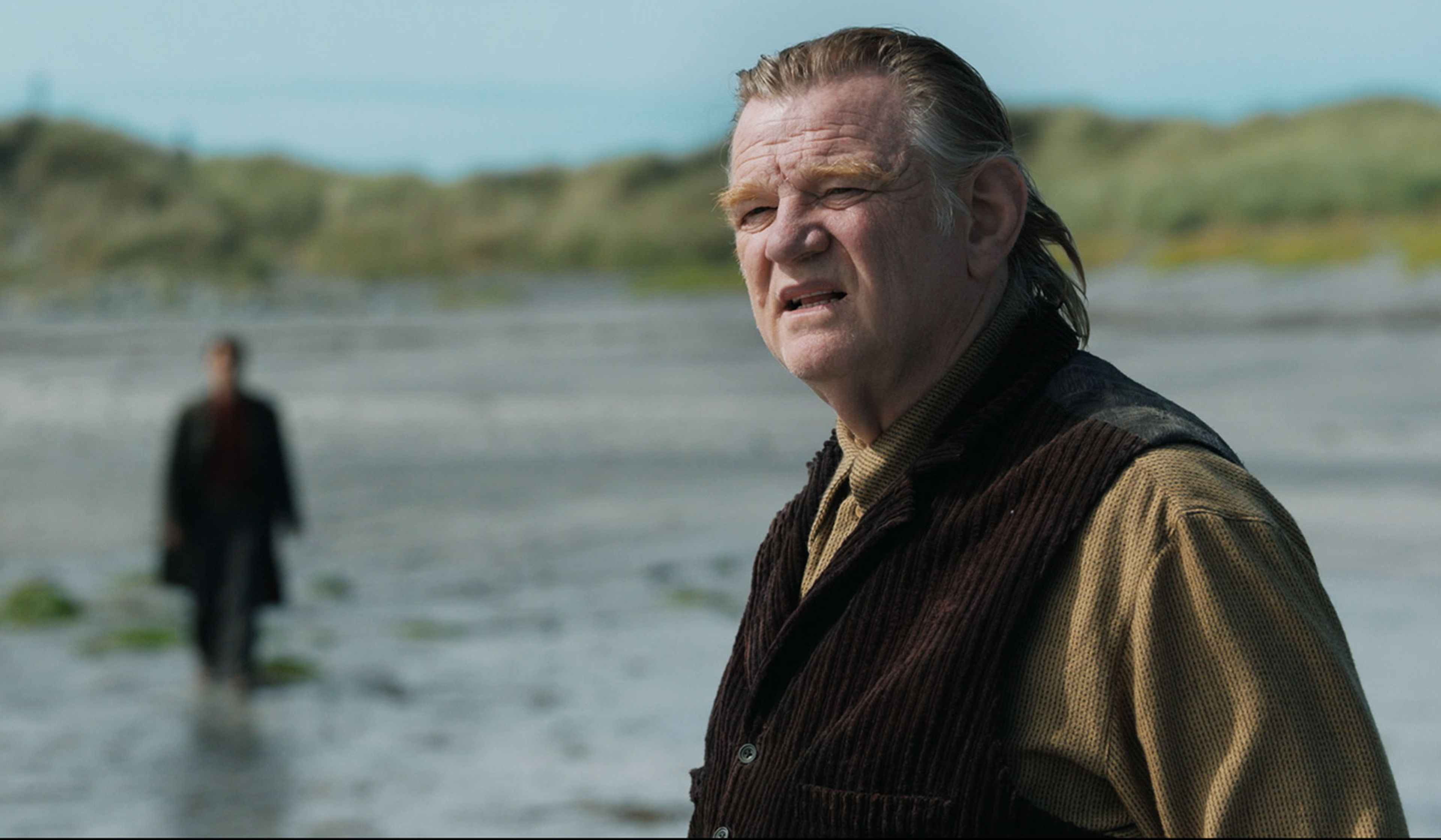
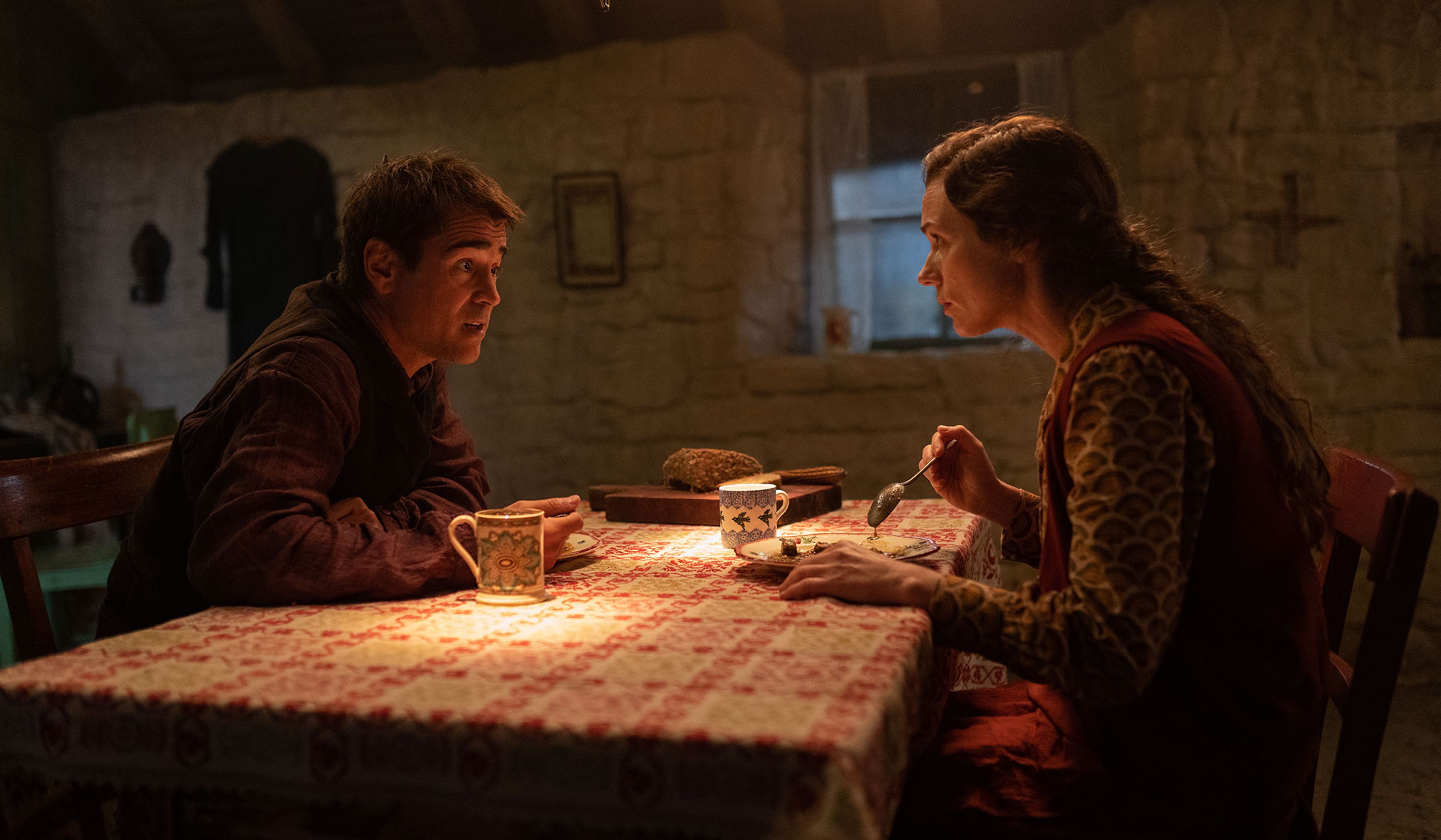
Brendan Gleeson and Colin Farrell in The Banshees of Inisherin.
Jonathan Hession/Searchlight Pictures
Our sympathies are with Farrell’s character at the start, since Colm’s attempted breakup is so cruel and extreme even before he starts threatening self-mutilation, and the audience shares the friendlier man’s confused woundedness at his harsher, smarter friend’s abandonment. The movement of the film, though, and the complex way that Farrell develops his simple-seeming character, make us see Pádraic as both the innocent he appears at first and something of a kindly, friendly jailer — pinning his depressed best friend and his unhappy sister into their places, maintaining his own happy rhythm at the expense of people who might be better off wrenching themselves off-island and away.
The problem with the movie as a whole is that it can’t just allow this dynamic to reveal itself slowly and organically, on the way to the kind of flaming finale that McDonagh, a storytelling extremist, predictably has in mind. Instead it pounds away on the theme of the island’s secret miseries, especially through its secondary plot about the village idiot Dominic (Barry Keoghan), the beaten-and-molested son of the cruel local constable (Gary Lydon). Dominic is not really an idiot but a sensitive on-the-spectrum kid who would probably do well working for Elon Musk at Twitter, and he’s so obviously written as the martyr of Inisherin that he might as well be wearing James Joyce’s line that “Ireland is the old sow that eats her farrow” on a signboard around his neck.
McDonagh’s last movie, Three Billboards outside Ebbing, Missouri, was a painfully unrealistic work of melodrama about rural white America, a Flannery O’Connor story written by a Martian with access to a few East Coast television channels. The melodrama in Inisherin is back on his home sod, so the American critic is forced to be a bit more deferential to its portrait. But the more the lens widens beyond Farrell’s subtle performance, and beyond Colm and Pádraic’s frenmity, the more the movie feels like a similar sort of tiring caricature.
You could call McDonagh’s Inisherin a corrective, I suppose, to the American fantasy of twinkling eyes and leprechauns and rainbows. But a movie that gives us a rural Ireland with no marriages, no kids, no courtship, no sex apart from masturbation and abuse, one church, one pub, a baleful old woman prophesying death, and some ostentatious Celtic crosses just feels like its own sort of plastic-Paddy pandering — Darby O’Gill and the Little People for cosmopolitan liberals with a little Irish in their family tree. In the end, the character choosing auto-dismemberment over therapy feels like the realistic part; it’s everything else in Inisherin that seems a bit too much like blarney.











Comments