
James Banner is a distinguished senior American historian whose most recent book displays many of the strengths, and some of the limitations, of liberal-humanist ideological assumptions regarding the study, writing, and teaching of university-level history in our time. His carefully and judiciously written book is a very good introduction to contemporary historiography — how and why history has been written across time, what are its presuppositions, premises, and procedures, what are its canons of validity, how do they change or remain constant, and what are its uses. It is a work of learning and integrity, deserving a wide readership beyond the precincts of university discourse.
Banner is particularly good at narrating the long history of history-writing in the West. He starts by distinguishing the factual and philosophical prose narratives of Herodotus and Thucydides from the worlds of Homer and Greek drama — showing the difference between rational-conceptual discourse, on the one hand, and “mythistory” and literature, on the other. His discussion of what he considers the truly revolutionary effects of the Christian historiography of Eusebius (ca. 260–339) is profound in illuminating the insistence of Eusebius and almost all his historian-successors in the West that both individual and collective history are purposive. For 1,500 years after Eusebius this was a “providential,” theological view, and then occurred an “Enlightenment” in which increasingly but ambiguously “progressive” and “humanistic” views gradually took its place. They were subsequently challenged and often replaced by a revolutionary, teleological, Hegelian-Marxist view of history as a “dialectical” process leading to utopia. But in Banner’s view the belief in purposiveness remained a constant, whether providential and theistic, Whig-liberal, or Hegelian-Marxist.
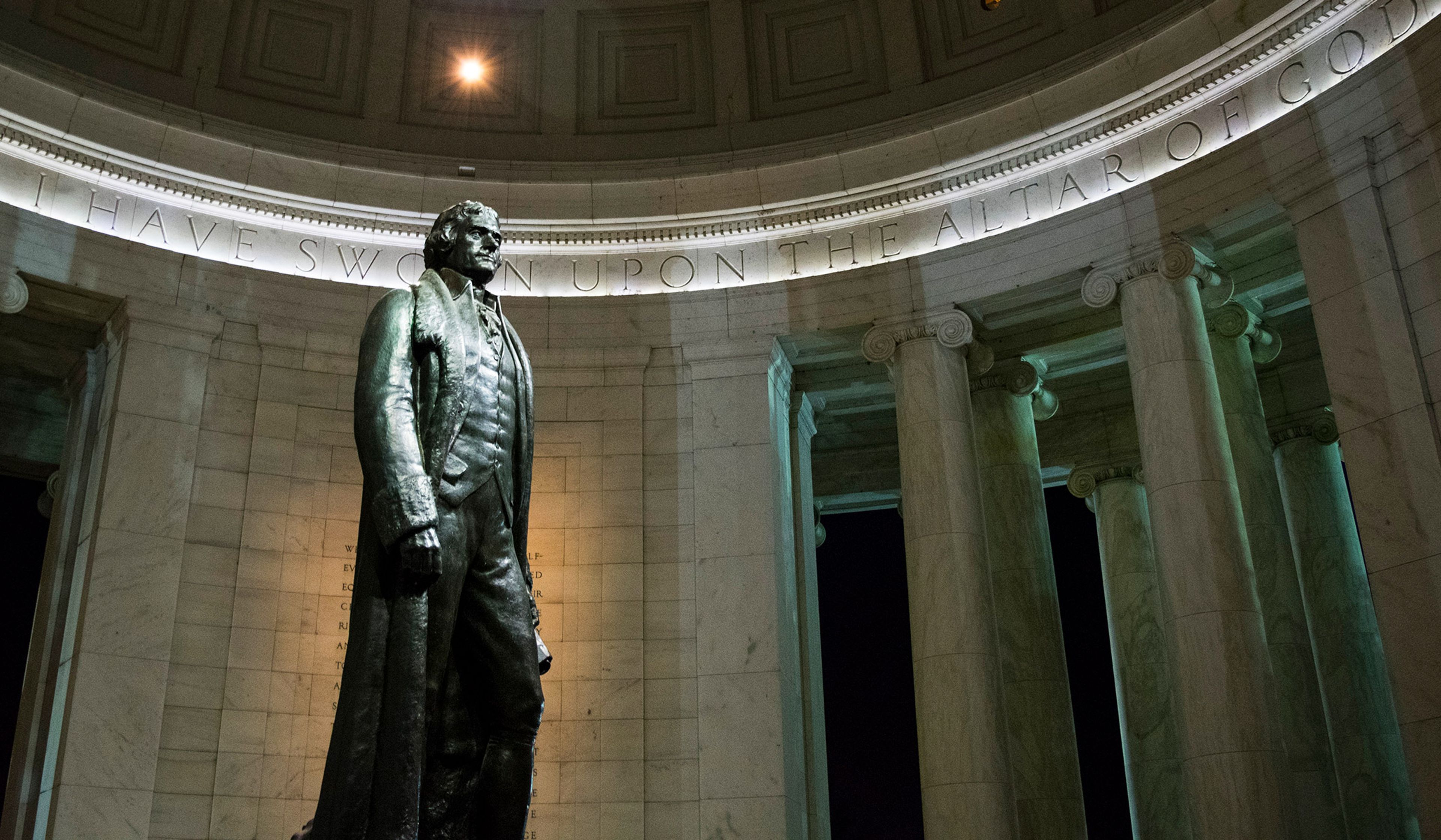
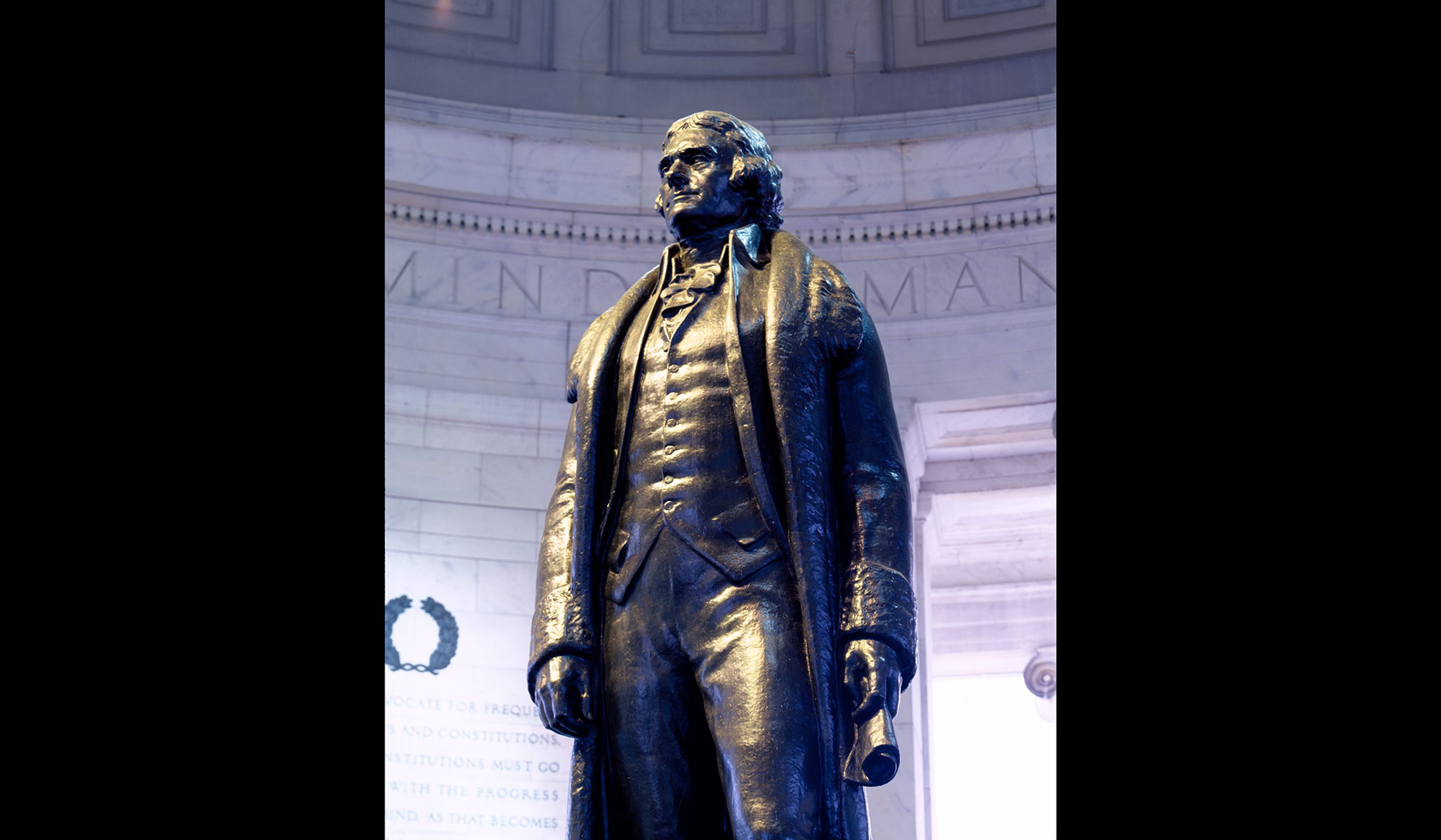
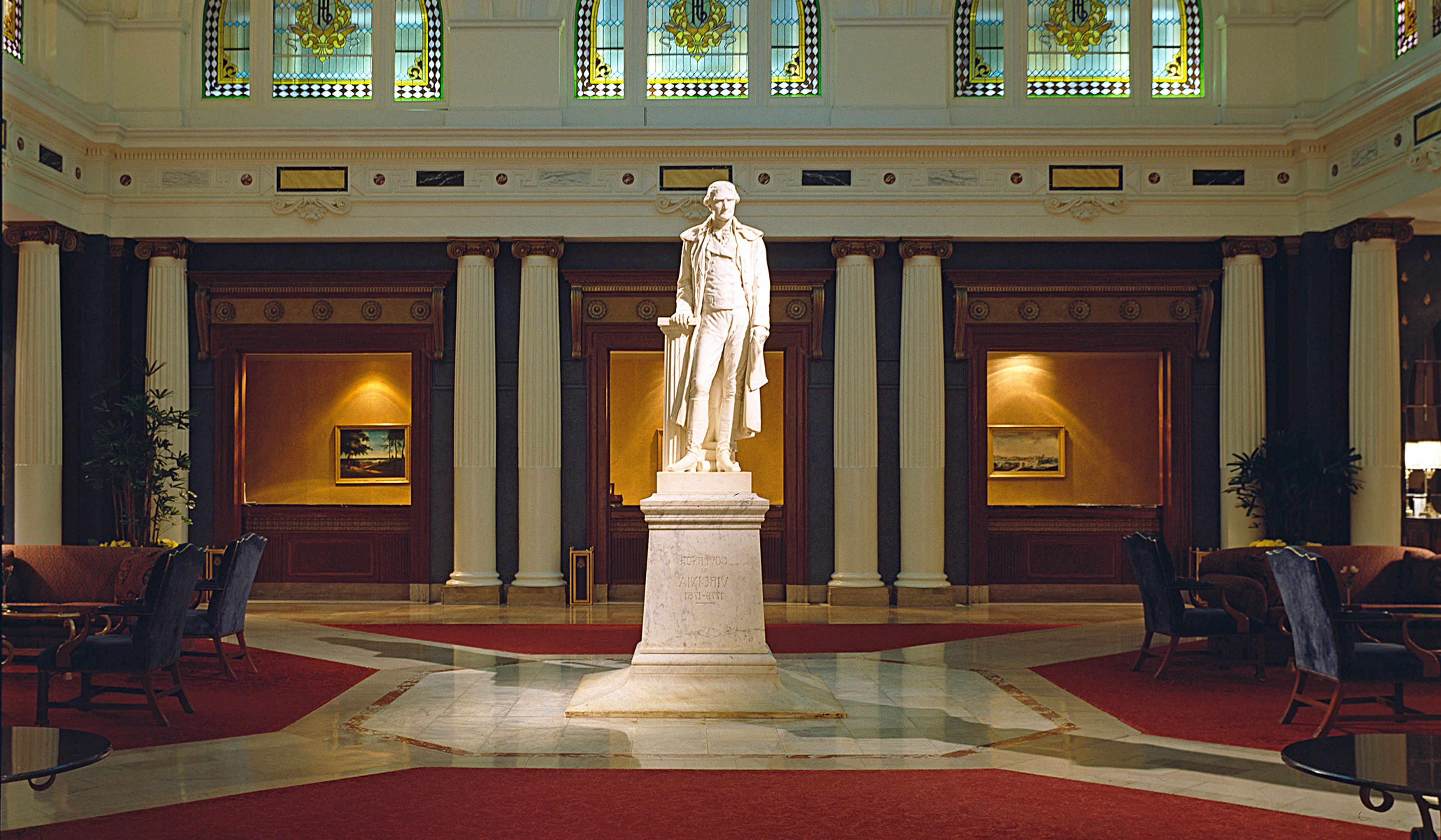
Banner also examines in detail case studies of historiography: the history of debate over the origins of the American Civil War; the history of depictions and analyses of the French Revolution since its occurrence; the case of Thomas Jefferson and race, with the revelations and controversies about his siring of children with his young black slave Sally Hemings; the dispute over the American nuclear bombing of Japan in 1945. In each of these cases he gives us a model of what now seems a somewhat old-fashioned but honorable liberal-humanist approach, respectful of the numerous components and complex dynamics of historical controversy.




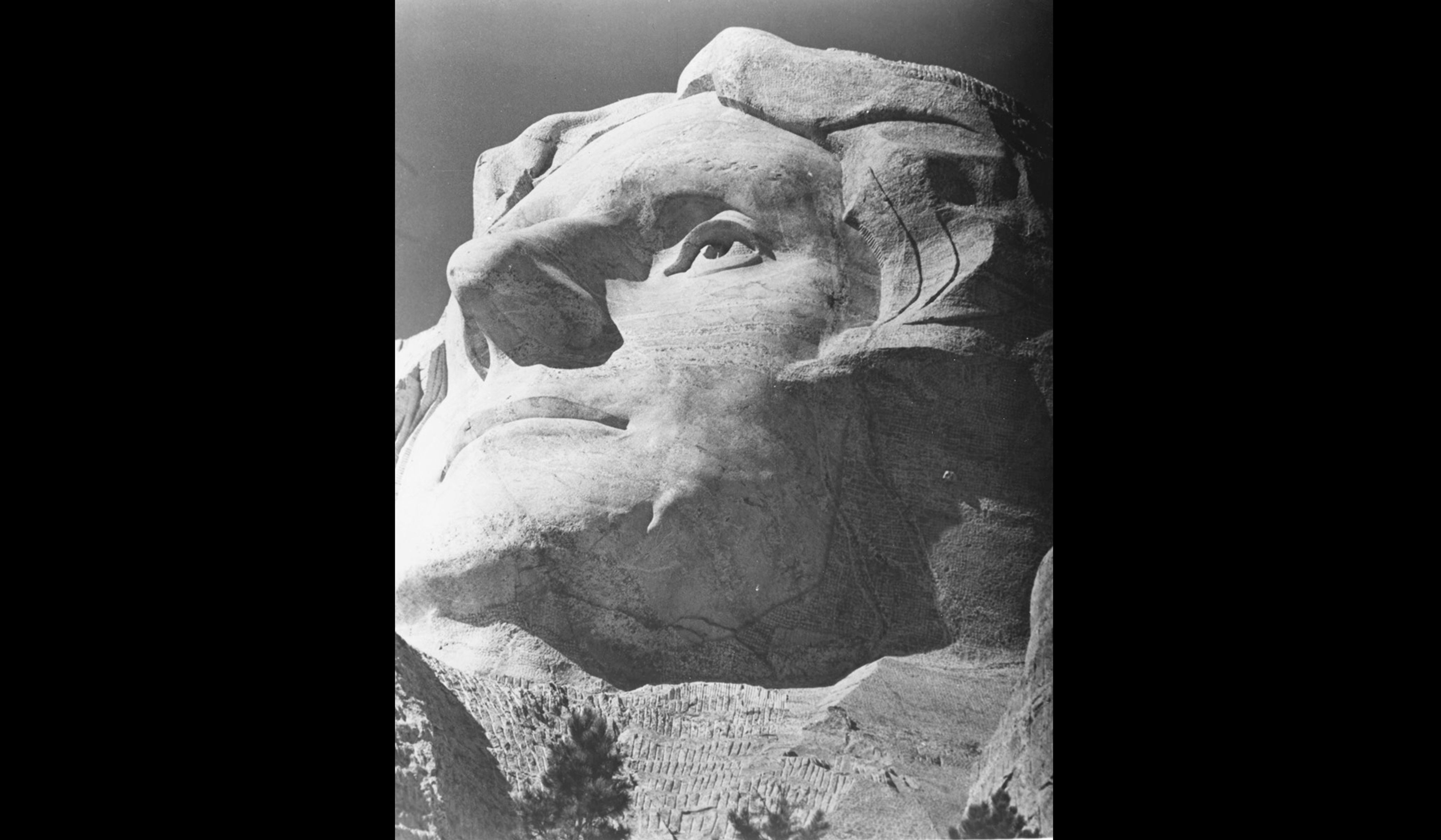
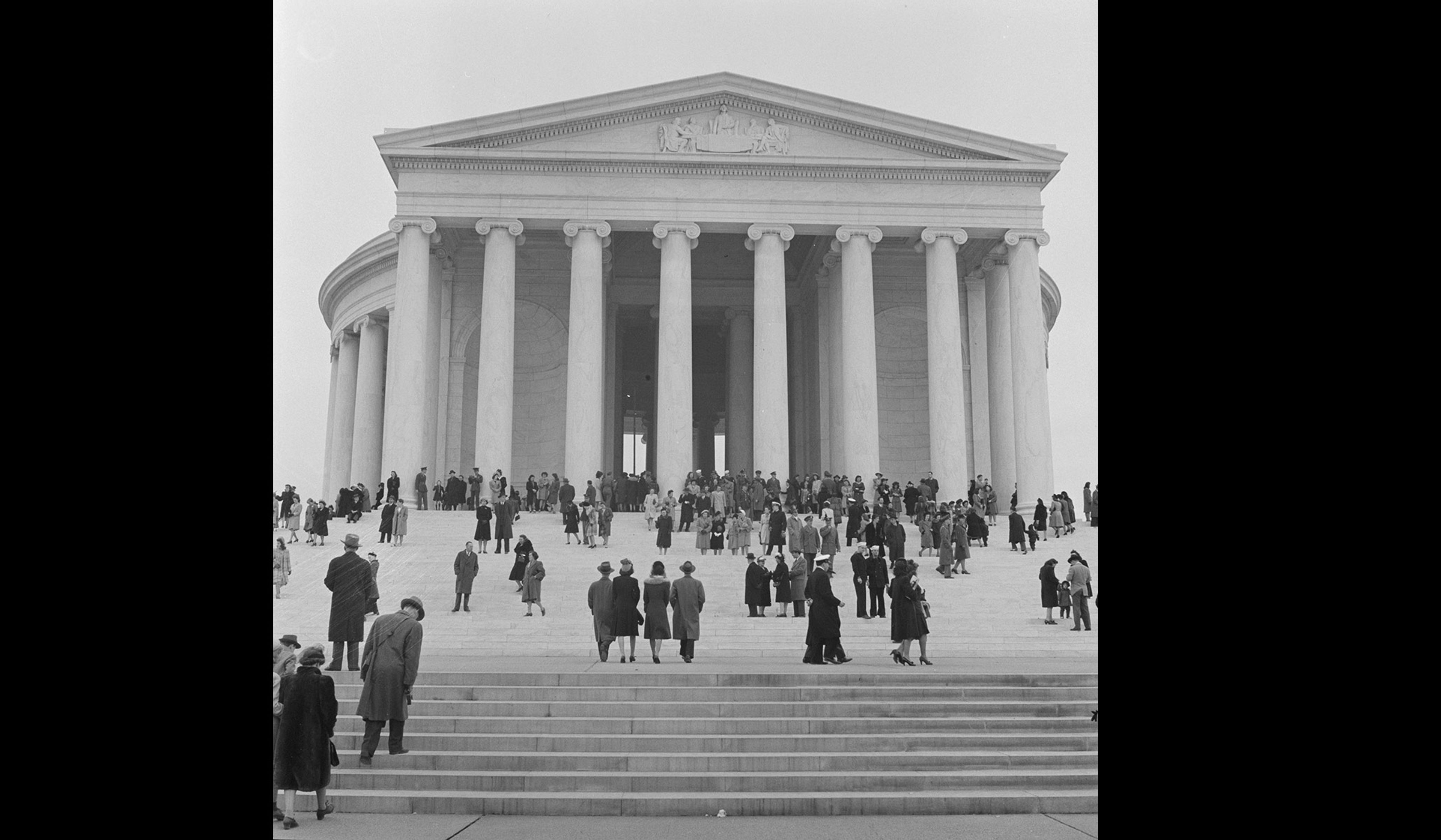
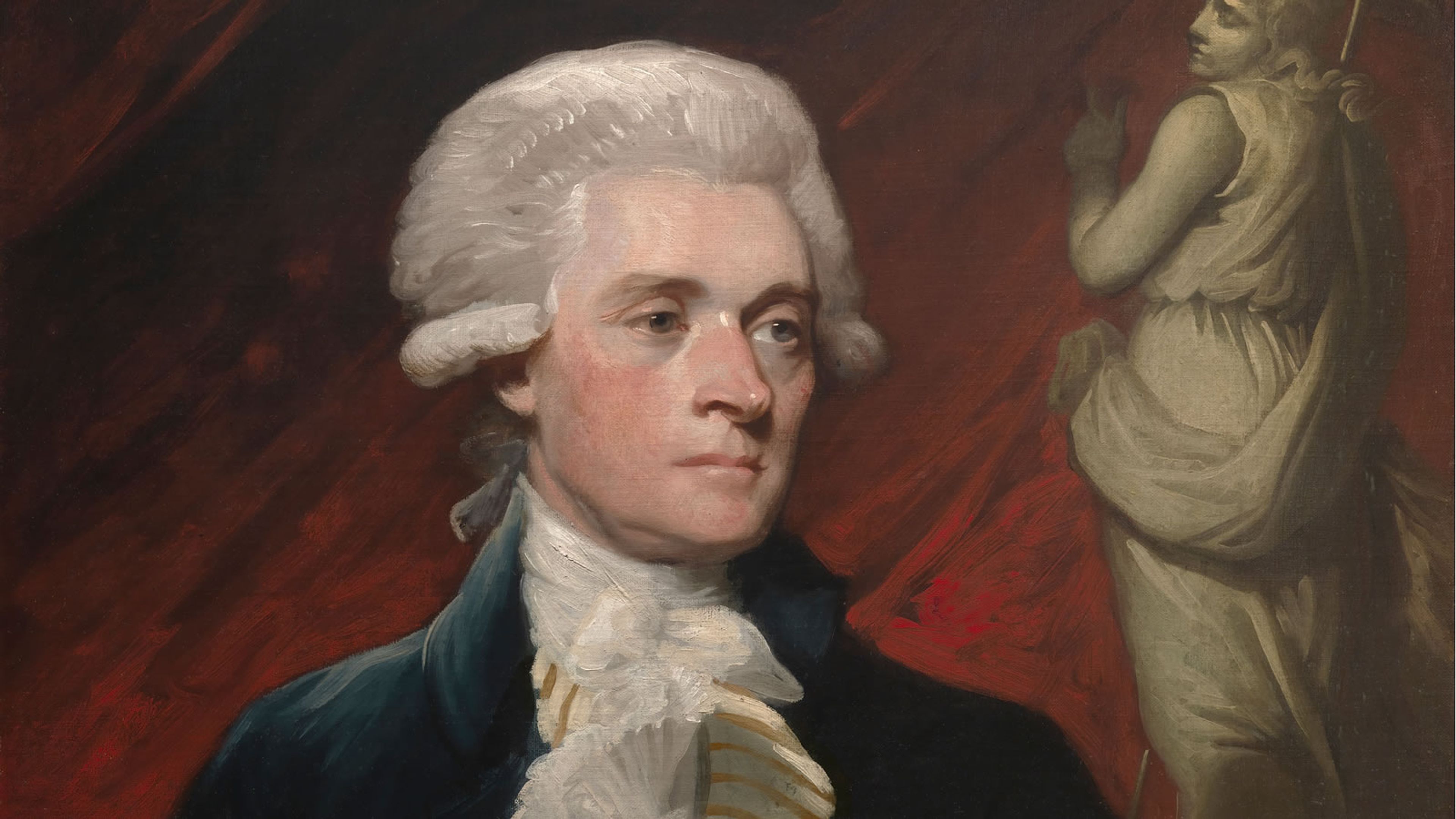
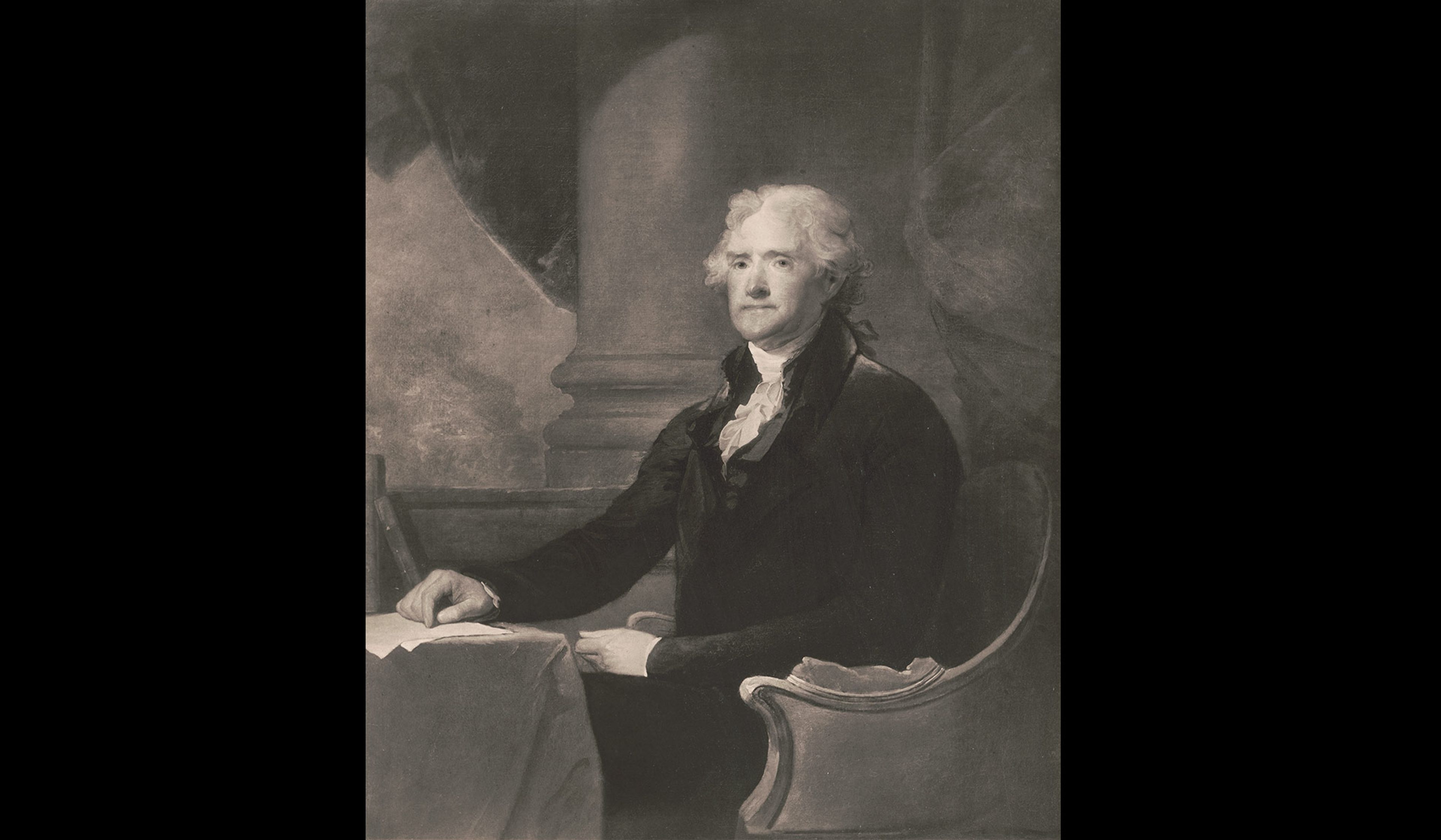
Detail of portrait of Thomas Jefferson by Rembrandt Peale, 1800
Wikimedia
The learning, intelligence, and fairness that Banner displays in his study are examples of a noble tradition that he knows is now on the defensive in the academy and in advanced intellectual circles. The ascendancy of an alternative historiography has taken its toll on him, driving him toward a relativist position in which, in the terms of a once-influential essay by the historian Carl Becker (d. 1945), “everyman is his own historian.” There is not and cannot be any privileged, transpersonal epistemological or ethical point of view — and therefore there is no secure basis for objectivity or ethics. Very late in life, Becker recoiled from that position, in light of the great dictators of 1917–45 — “egocentric somnambulists” ruthlessly projecting their personalities “to impose their unrestrained will upon the world,” as he described them, in truly Augustinian terms.
But the relativizing tendency in intellectual life since Nietzsche has proved enormously potent, with the distinction between a principled pluralism and thoroughgoing relativism extremely hard to maintain. The issue was vigorously debated in the United States in the 1930s. Irving Babbitt, Mortimer Adler, Catholic neo-Thomists, and other more traditional defenders of objectivity, rationality, and principled pluralism ranged themselves against the ascendant relativist-naturalist views — of John Dewey, pragmatists, and Marxists — that became the “established” view. As successors of the first school, the founders of National Review and many of its first writers saw the growing relativism and naturalism of the American academy as evil, foolish, and decadent and opposed their development.
Banner never gives an account of how fair-minded objectivity can any longer be assumed or defended, because missionary, post-Nietzschean epistemology and ideology have persuaded him that it cannot be. Endless, unlimited revisability, accepting and even affirming all perspectives and arguments that are not factually false, means that the “revisionism” of his title is an interminable dialectic, controlled only by the procedures of the guild of university historians whose consensus views are themselves always “evolving” (a mischievous term put to many promiscuous usages). So thoughtful and open-minded is Banner, so generous in his estimates of novelty and perspectivalism, that his book becomes a nominalist account: concepts, truths, virtues, values, ethics are ultimately only names, just words. About increasing disagreements among historians over the last hundred years, he writes that “no agreement they might reach as to the validity of evidence automatically extended to the evidence’s significance and meaning.” Towers of Babel are thus the bookends of world history, from first to last, from ancient Babylon to the Ivy League.
Banner surely knows that this is dangerous and potentially catastrophic terrain. The difference between justice and injustice, good and evil, cannot be reliably or firmly asserted if an unlimited pluralism of perspectives is permitted or necessitated. So much, then, for normative moral evaluations and condemnations of slavery, racialism, Nazism, the Holocaust, and Stalinist and Maoist communism. The good liberal humanist has been driven into the ditch by the onslaught of modern nominalism and its inevitable effect, moral nihilism.
So well-meaning is Banner that one wishes to put two related questions to him. First: He alleges that the Enlightenment idea of “objectivity” is no longer defensible, and he draws on Peter Novick’s important study That Noble Dream (1988). But a scientistic, anti-metaphysical, and anti-theological conception of “objectivity” as merely immanent and empirical was the emergent Enlightenment position, one not believed or endorsed by the long preceding “logocentric” tradition or the great German founder of modern historical studies, Leopold von Ranke (1795–1886), a Christian theist who believed in Providence. Why should the failure of the modernist, reductive, “undertheorized” (Banner’s word) conception of objectivity doom the longer, deeper, metaphysical, orthodox, rational tradition stretching from Plato and Aristotle to Von Ranke, Pope Leo XIII, Jacques Maritain, and the man or woman in the street?
The second question concerns what Banner takes to be the other foundational belief of the secularizing Enlightenment — the idea of collective progress. This is the conception of a horizontal, collective, and inevitable progress of humanity to a this-worldly utopia, largely through science and technology. It opposed and largely replaced the traditional conception of a vertical, individualistic, and possible progress to the Kingdom of God, with beneficial this-worldly effects of charity, virtue, and justice. Every new “enlightened” generation increases the “prosperity, happiness, and virtue of the human species,” according to the Whig historian Gibbon, who spoke for secular ideologists of collective progress. Moreover, reversion to barbarism is impossible, he concluded in 1776, complacently: “Europe is secure from any future eruption” of it, he wrote. Seventy years later, the Whig liberal-humanist Frank Newman (an atheist and antagonistic brother of the cardinal) concurred: “Ferocious power like that of the old Caesars can never again disgrace the leading civilizations of the world.”
Gibbon and Frank Newman were wrong. Human improvement is not “inevitable,” as much of the history of the world since 1914 irrefutably shows: two world wars, communism, fascism, Nazism, the Holocaust, environmental despoliation, cultural degradation and decline, and massive, miscellaneous murder and warfare. But why should the failure of their secular Enlightenment progressivism destroy the credibility of normal moral meanings, the significance of human endeavors, or the capacity to discern and write history in their light and on their behalf?
The present case against Whig and Enlightenment optimism was foreshadowed by many: Popes John Paul II and Benedict XVI, Reinhold Niebuhr, and Herbert Butterfield, whose biography by the historian Michael Bentley is excellent. Bentley’s Modern Historiography: An Introduction (1999) can augment Banner’s book. Closer to home, the American scholars Christopher Shannon and Christopher O. Blum have profitably meditated on these issues in The Past as Pilgrimage: Narrative, Tradition, and the Renewal of Catholic History (2014); remember that “catholic” also means “universal” — and “universally relevant.” Universals such as truth, validity, goodness, justice, and conscience exist and need explanation, application, defense, and transmission. Their trajectory and residual momentum animate our civilization inasmuch as it still is one.
Whig-liberal and Marxist ideologies and historiography have failed, and postmodern skepticism leads to anarchy, chaos, and madness, as it did for the tragic, pathetic misfit and extremist Nietzsche. But objectivity and ethics are not dead; and human history is not over as a consciously civilizing project until and unless we lose faith in the words, concepts, values, virtues, and deeds that constitute it. Banner’s book invites these conclusions, without suspecting or drawing them itself.












Comments