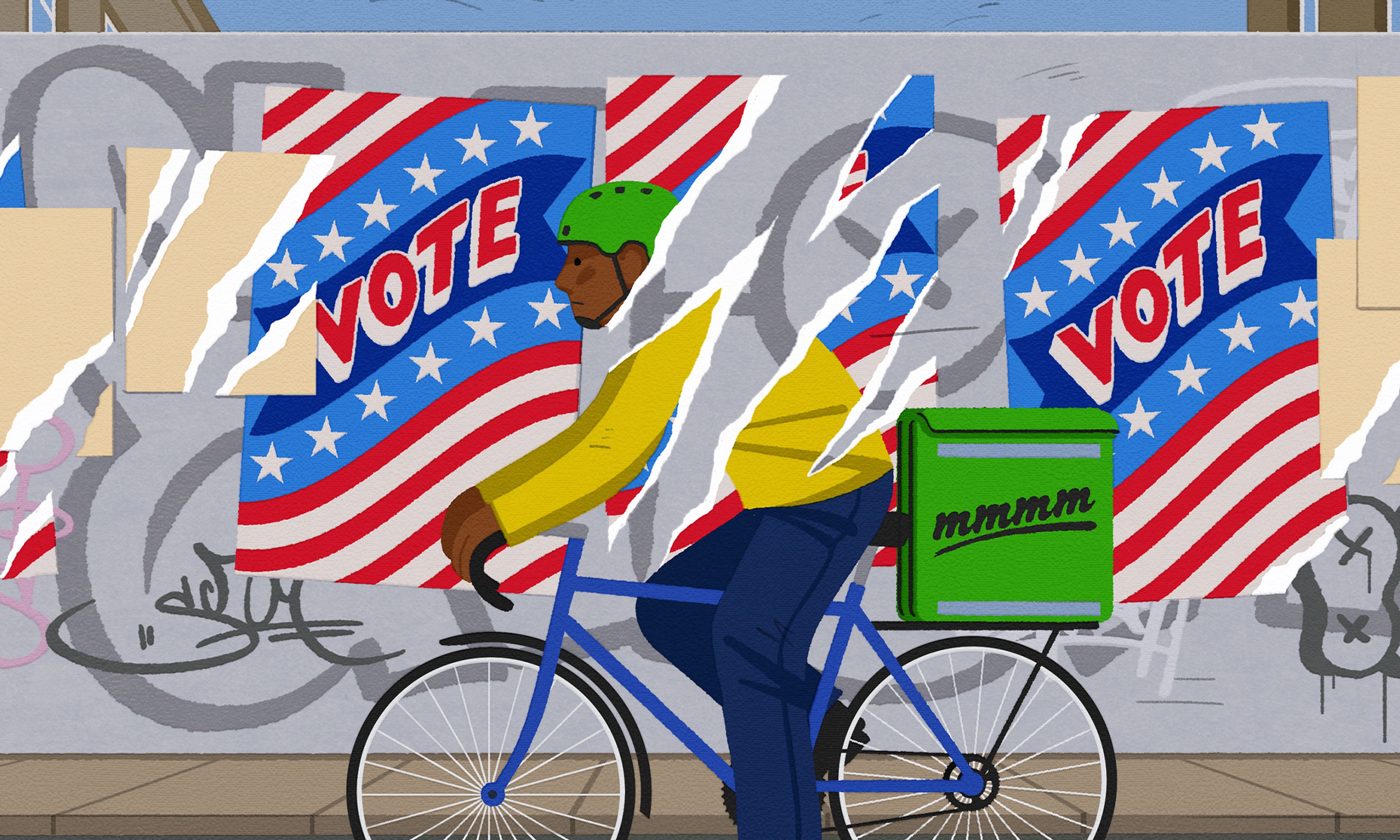
Who is today’s “forgotten man”? In 1932, Franklin Roosevelt spoke of “the forgotten man at the bottom of the economic pyramid.” Nearly a half century earlier, Yale professor William Sumner had offered a different conception. As Amity Shlaes once summarized it, Sumner’s forgotten man was “the man who pays, the man who prays, the man who is not thought of.”
The forgotten man still exists — and in a sense, always will — but his face inevitably changes over time. Today, when politicians on the left and right are falling all over themselves to align with blue-collar workers — and specifically with Big Labor — a new, urbanized version of a forgotten working class has emerged.
By nature, these forgotten men and women defy tidy classification, but they can be seen in profile: the Uber driver who logs in over the weekend to earn extra cash to pay for community college; the single mother who waits tables at the local diner to save for her child’s college fund; the recent immigrant who picks up freelance work as a language interpreter to make ends meet.
These forgotten workers comprise much of the lifeblood of the American working class. Coming from a wide variety of backgrounds, they constitute a metropolitan, multiethnic, and meritocratic working class — one that is not easily reducible to checkmarked boxes on a form. They are disproportionately clustered in cities, since urban hubs provide the most in the way of job opportunities, side hustles, and gig work.
But to borrow Sumner’s framing: Who thinks of them? More to the point, who speaks for them?
So far, rather than understanding these workers’ actual needs, the political left has offered mostly 20th-century solutions to the problems faced by the 21st-century urban forgotten man. It has sought to convert gig workers and other freelancers into full-scale, unionized, 9-to-5 employees earning wages above $20 an hour and with access to an extensive array of employer-provided benefits — even though such policies often cause as much harm as they help and erode the very flexibility these workers most desire.
A progressive push to eliminate what’s known as the tipped-wage credit — which is what allows restaurant servers to be paid below the minimum wage so long as their tips make up the difference — has also taken hold in large cities across the country. Eliminating the tip credit means that a traditional minimum wage is forced upon these workers, which evidence shows can lead to a reduction in tips and even overall take-home pay.
As tired and counterproductive as the left’s policy solutions may be, the political right lags even farther behind. Prominent GOP politicians — such as Vice President JD Vance and Senator Josh Hawley (R., Mo.) — have sought to bear-hug organized labor in an effort to peel off blue-collar votes from Democrats. But the Republican Party’s emergent pro-labor wing has overlooked the forgotten urban worker in favor of the archetypical Midwest steelworker or autoworker.
For its part, the GOP’s more traditional wing, often referred to as “chamber of commerce” types, has long since written off the urban worker — and cities generally — as the exclusive province of the left. In the words of the Manhattan Institute’s Reihan Salam and Charles Fain Lehman, “Republicans have spurned urban America as not worth their time.”
But as the GOP becomes more diversified with new entrants to the party, in the form of an emerging multiethnic — and surprisingly more urban — voting bloc, it would be wise not to forfeit the urban worker to the political left.
In 2024, then-candidate Donald Trump made inroads in urban locales by paying attention to what Salam and Lehman call “the forgotten middle”: those who want safer cities, better schools, and a saner culture. These voters also care about economic growth and the right to work, seeking policies that help them put food on the table and money in the bank. Trump’s victory demonstrated that by speaking directly to these issues, conservatives can reach the metropolitan worker.
Doing so does not necessitate an abandonment of core principles nor a cribbing of the left’s organized labor playbook. Instead, conservatives can offer innovative, forward-thinking labor policies that are pro-worker without being pro-union. To do so, conservatives need to understand these urban workers — both the challenges they face from progressive policy initiatives and the pain points they navigate on a day-to-day basis.
* * *
Surveys of modern workers show that the vast majority prioritize things like flexibility and autonomy in the workplace over concerns about salary and benefits. This is not merely a Millennial or Gen Z fad; nor is it entitled “privilege” emanating from the white-collar professional set. Polling of shift and hourly workers shows a similar prioritization of scheduling flexibility. Freelance contracting and gig-economy roles have therefore become particularly attractive paths, and the nontraditional workers who pursue them are more likely than 9-to-5 workers to reside in cities.
Although the political left has proposed policies intended to benefit these workers, its solutions have mostly misunderstood what these workers actually desire. The left has erroneously portrayed gig and contracting work as a no-other-choice income source for down-and-out workers, even though most gig workers list gig roles as their first choice for employment, with few showing interest in more traditional work arrangements. Other types of freelancers, such as language interpreters, barbers, and manicurists, similarly prefer independent contracting.
Despite this reality, progressive politicians have continued to push to reclassify these workers from independent contractors to full-scale employees. Particular attention has been paid to the gig economy, where left-leaning government officials have sought to implement a minimum wage.
In 2018, New York became the first city in the country to enact a minimum wage rate for rideshare drivers, and in 2023, the city extended its minimum wage policy to app-based restaurant-delivery drivers. Just last year, the New York progressives advanced their wage agenda even more, with the city council voting to include grocery deliverers under the minimum wage policy.
The left frames these policies as lifesavers for urban gig workers, allowing them to be treated fairly by the large corporate gig companies which, in the left’s telling, underpay and mistreat their workers. But minimum wage laws for gig work have arguably hurt workers as much as they’ve helped.
After passage of New York City’s 2023 minimum wage, delivery-driver pay went up on paper — but such wage increases didn’t account for the 8 percent drop in the city’s delivery workforce. This is because gig platforms like Uber reacted to the change by capping the number of drivers that could be active on the platform at any one time, leading to a waitlist of 27,000 “forgotten” New Yorkers who wanted to work as drivers but who were suddenly locked out of the labor market entirely. In Seattle, which enacted a similar minimum wage, delivery orders plummeted in the aftermath of the law’s passage and many drivers reported earning less than before.

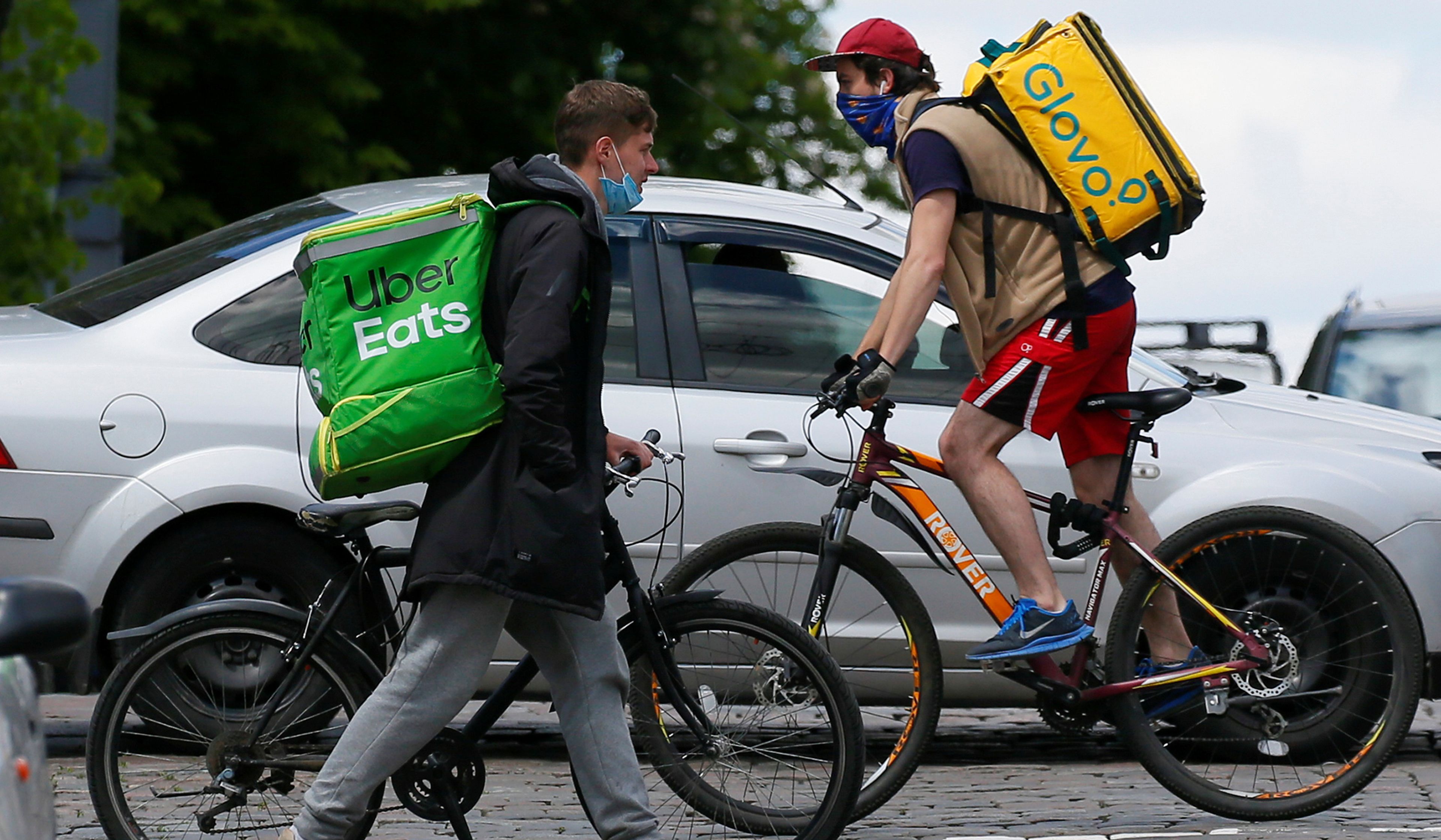
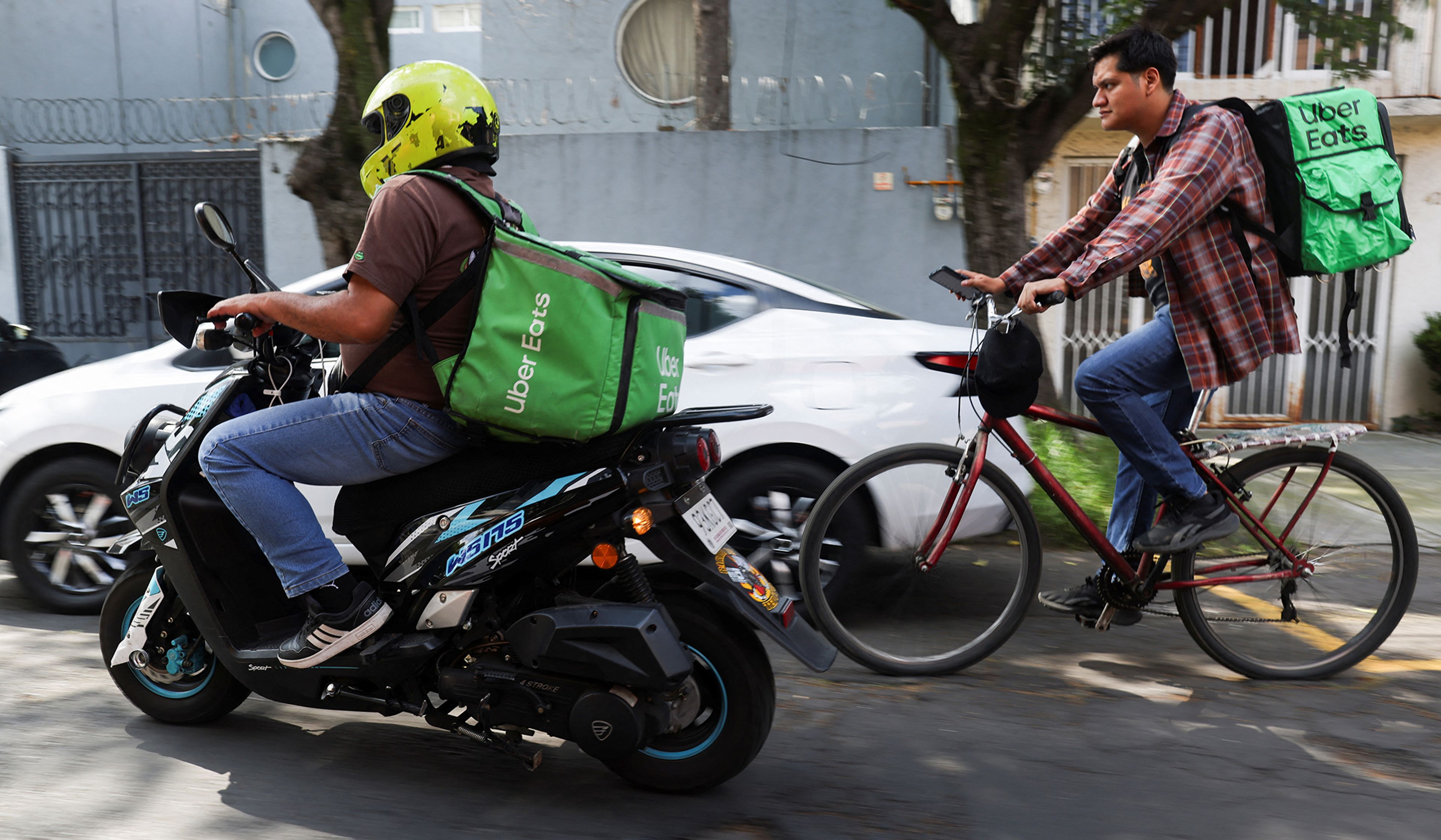
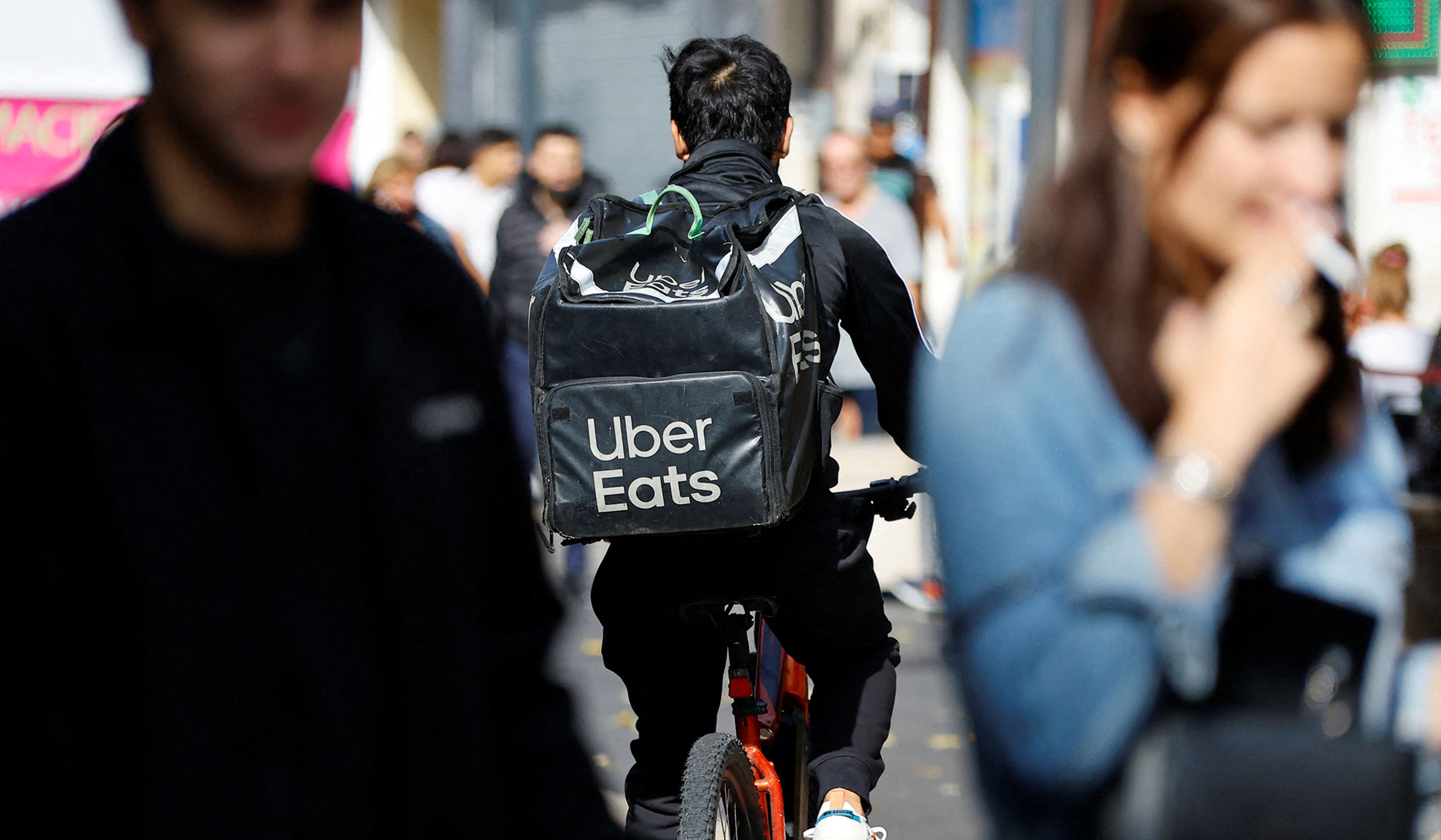
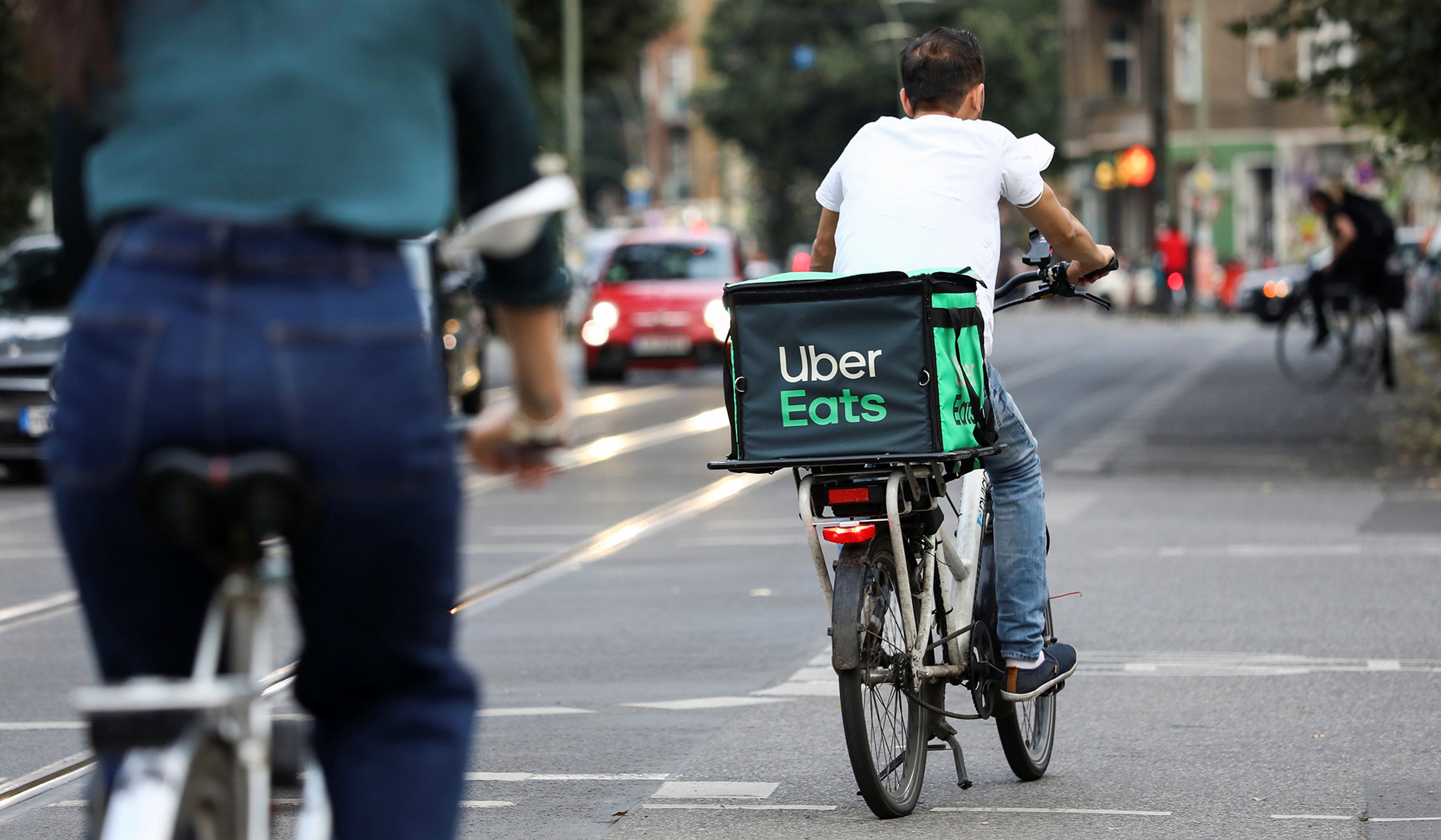
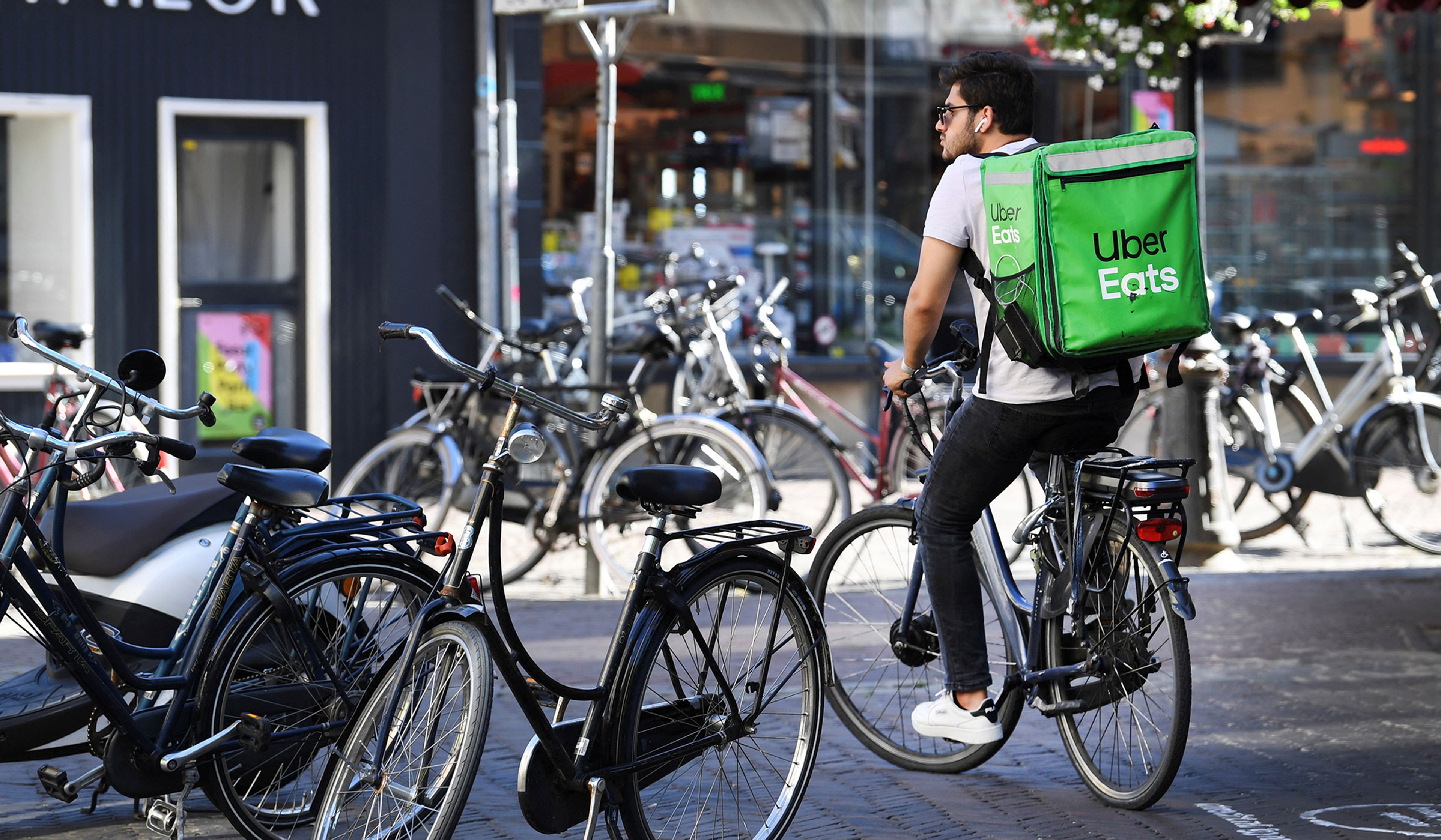
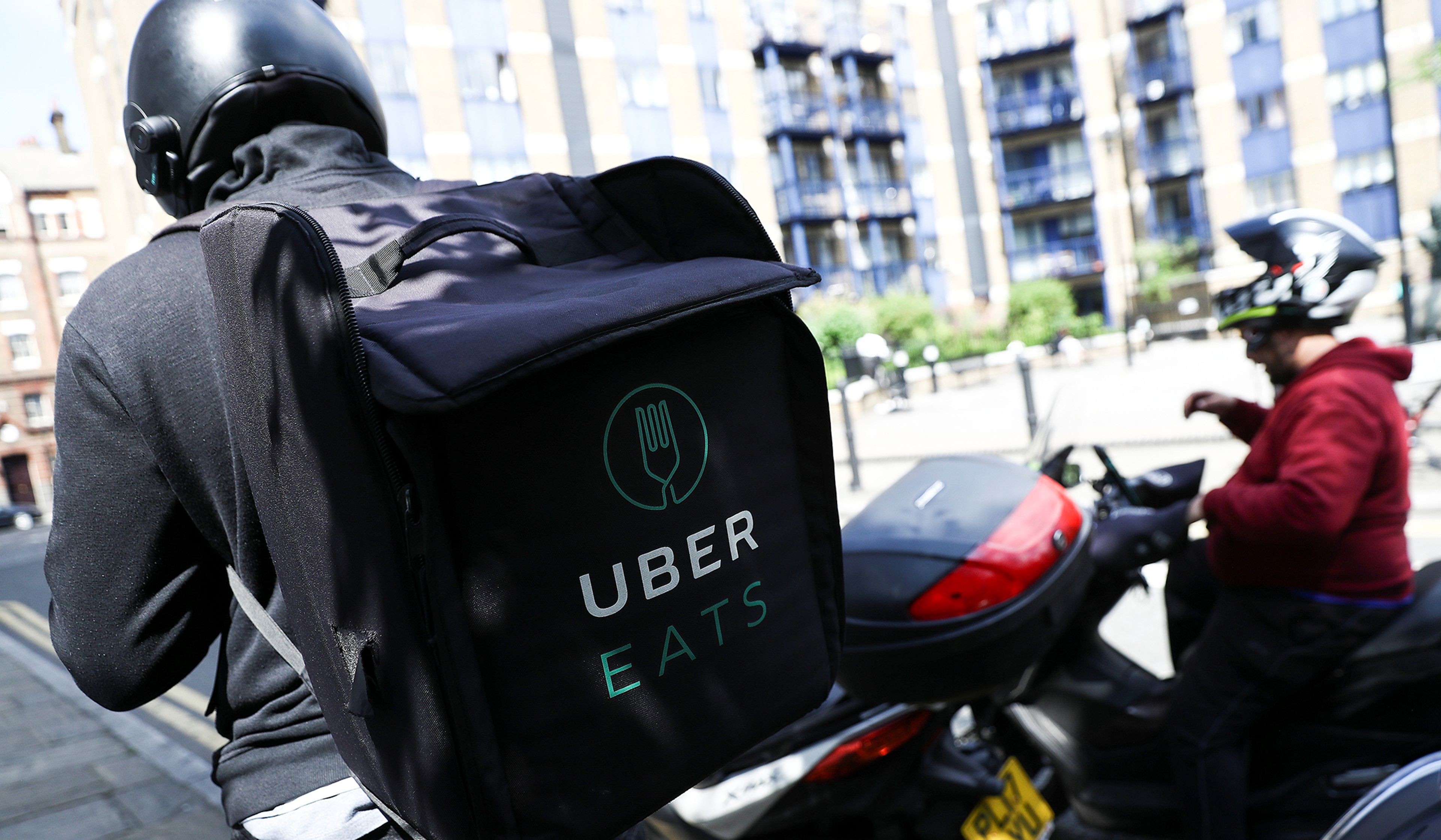
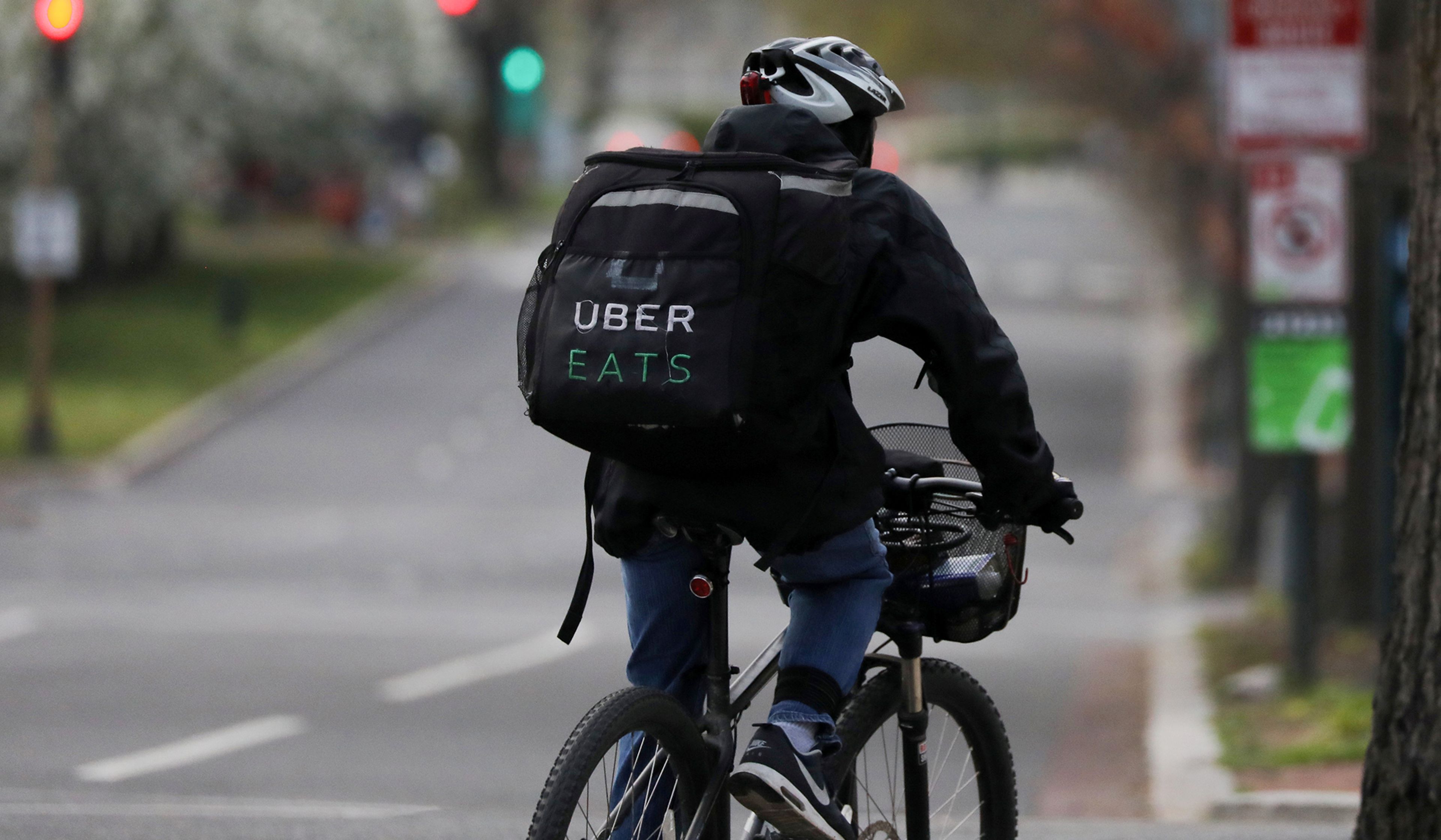
An Uber Eats food delivery courier rides an electric bike in Geneva, Switzerland, February 6, 2020.
Denis Balibouse/Reuters
Conservatives can step into this debate by offering more nimble solutions. While gig workers and freelancers appreciate the get-cash-quick nature of independent contracting, the biggest handicap such workers face is not necessarily low wages but the lack of employment benefits that come with these roles.
A promising approach has emerged in the form of portable-benefit models, which function similarly to Simplified Employee Pension Individual Retirement Arrangement (SEP-IRA) accounts in that companies, and workers themselves, contribute funds. Such contributions can, in turn, be used by the workers to purchase health insurance, fund a retirement account, or obtain other desired benefits.
This concept is not merely theoretical. States such as Pennsylvania, Maryland, Georgia, Tennessee, and Utah have implemented portable-benefit programs for gig workers in recent years. Early returns suggest that the programs are popular with these workers and have given them more financial security.
Although deep-blue states like Maryland were among the early adopters of the portable-benefit model, left-leaning politicians have largely panned the idea in favor of their preferred policy priorities: converting elastic contractors to full-scale employees, unionizing them, and subjecting them to the flawed and inelastic minimum wage policies mentioned above.
Importantly, the portable-benefit model retains the flexibility that urban workers most desire; in contrast, reclassification, minimum wage laws, and unionization often shoehorn contractors into “arranged scheduling” (set hours) or cost them their jobs entirely.
* * *
A similar dynamic exists in the restaurant industry, another cornerstone of the American urban working class. All told, more than 15 million Americans work in the broader food industry, accounting for around 10 percent of the nation’s entire workforce. Restaurant work constitutes the closest thing to a robust urban manufacturing sector as exists in America today.
Restaurant workers “manufacture” food in their kitchens and then sell that food in their dining rooms — all by engaging in work that, with some minor exceptions, cannot easily be displaced by AI or digitization. Not only are restaurant jobs naturally more concentrated in urban locales, but the industry’s workforce is highly diverse, with more women and minorities in management than in any other discrete sector of the economy.
In progressive-run locales, a concerted effort has arisen to eliminate the tipped-wage credit for restaurant and hospitality workers. Progressives assert that this setup leads to subpar pay, and some even level allegations of wage theft.
Yet again, though, eliminating the tipped-wage credit seems to hurt workers more than it helps. In 2022, Washington, D.C., voters decided to repeal the district’s tipped-wage credit, a move that was supposed to increase the minimum wage for restaurant servers from $5.35 an hour to just over $16 an hour.
In the wake of the repeal, full-service restaurant jobs in D.C. dropped by 5 percent, while total tipped worker earnings fell by $12 million. Waiters who before the repeal reported making $30 to $40 per hour (once tips were factored in) saw their tips decline and their hours cut. The fallout was so severe — and the policy so unpopular with district waiters — that the D.C. City Council voted last year to partially reverse the 2022 repeal.
Instead of forcing a traditional minimum wage on restaurant workers by eliminating the tipped-wage credit, conservatives can again draw on the portable-benefit concept and seek to extend it to the restaurant industry.
Another frequently cited issue for restaurant workers is the use of just-in-time scheduling, in which restaurant owners can call in employees to work with little to no notice. Unsurprisingly, the policy is favored by business owners, since it allows them to adjust to an unexpected dinner rush by spontaneously ramping up their workforce. For workers, however, it means never really having a free day and makes wages less predictable.
Here, conservatives could play a role in striking a potential grand bargain between different sides of this labor equation by experimenting with different tiers of wage structures. For instance, some restaurant workers might favor the tipped-wage credit and the possibility of making $40 an hour once tips are factored in, but only if they have the predictability of schedules set several days in advance. Other workers might prefer a higher base wage in exchange for just-in-time availability.
Innovative urban policymakers could find ways to allow restaurants and workers to experiment with a number of different arrangements, using an opt-in approach rather than forcing a one-size-fits-all solution. Depending on the arrangement, this could require potential amendments to state and federal wage and hour laws in order to provide restaurant owners and workers the flexibility needed for these alternative structures.
In the coming years, the media and political class will be focused on prominent disputes between Big Business and Big Labor. Politicians will preach, labor leaders will posture, and business representatives will threaten.
But beyond the political spotlight will be the DoorDash deliverer, the career waiter, and the immigrant interpreter. They will pay, pray, live, and largely be forgotten. Conservative political leaders should pay closer attention to these urban-dwelling Americans and learn how to speak for them.












Comments