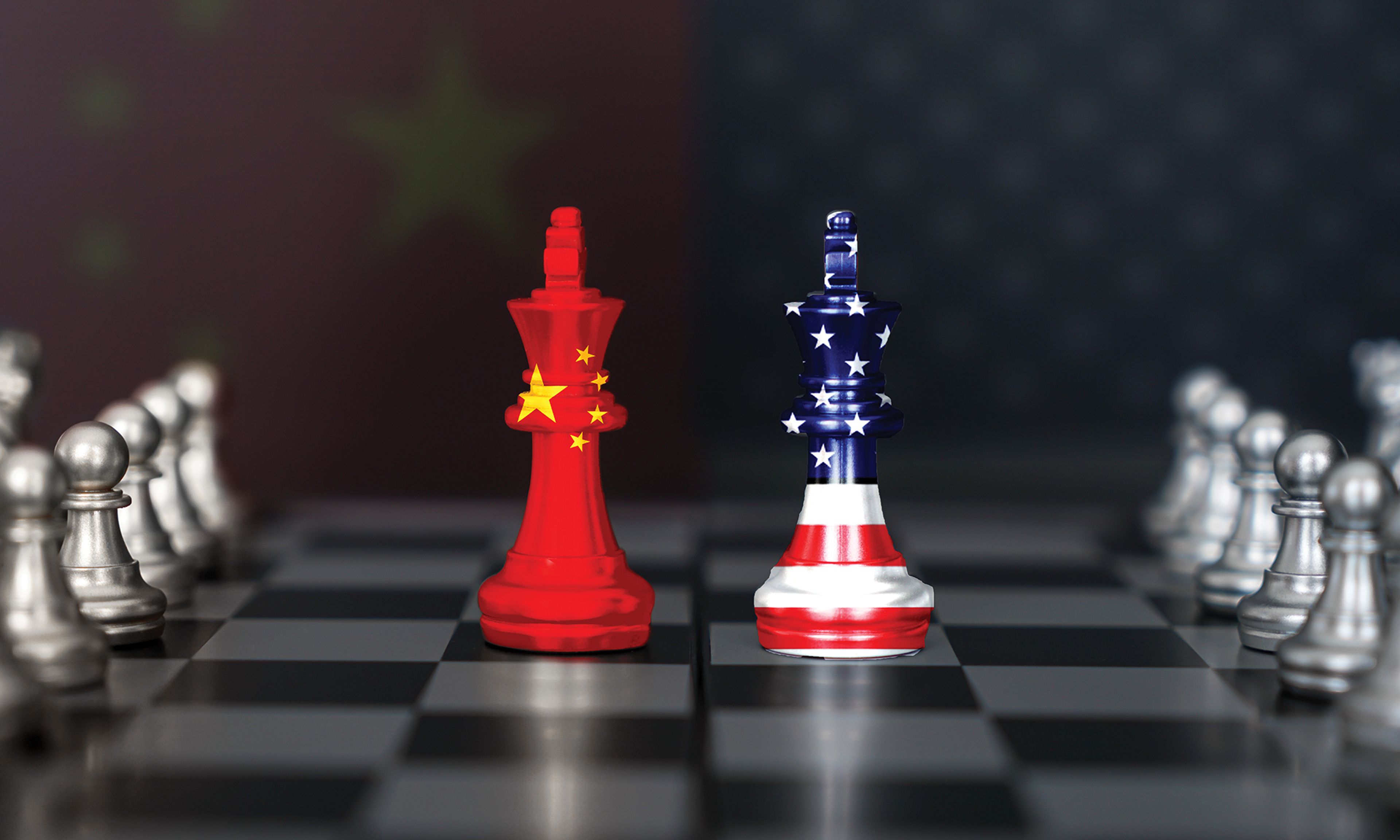
In August 1947, diplomat Charles Bohlen prepared a memorandum on America’s predicament in the emerging Cold War. The United States, he wrote, faced a situation “at direct variance with the assumptions” of its policy during World War II. “Instead of unity among the great powers, . . . there is complete disunity” between the Soviet Union and the democracies. “There are, in short, two worlds instead of one.” In light of this “disagreeable fact,” the non-Soviet nations must “draw closer together politically, economically, financially, and, in the last analysis, militarily”: America should cease striving for global cooperation and focus on fortifying the free world against a totalitarian challenge.
Bohlen’s note crystallized a historic shift in American strategy. Through World War II, U.S. officials had hoped to build a seamless global system — “a world-wide rule of reason,” Harry Truman said in June 1945, that would deliver “an enduring peace under the guidance of God.” With the onset of the Cold War, Washington embraced a more exclusive vision of international order, one based on strengthening the noncommunist nations while leaving Moscow on the outside, and one that ultimately allowed America to bury the communist competition.
Today, President Biden has argued that the U.S.–China contest is not a “new Cold War.” There is no severing the complex ties between America and China. Even so, Bohlen would have recognized the strategic challenge America confronts.
For 25 years after the Cold War, Washington sought to tame China by including it in a worldwide liberal order, only to see Beijing aggressively undermine that system from within. America once again confronts the “disagreeable fact” that its preferred vision of global order is unattainable. The world’s democracies can defend themselves only by pursuing two worlds instead of one.
In 1945, most American officials did not expect a cold war stretching to four and a half decades. They believed that avoiding another hot war required building an integrated global order — “one world” — that would deliver shared prosperity and security. Indeed, Franklin Roosevelt promoted wartime cooperation with Moscow not just on the basis of military necessity but also in hopes that Stalin could become a partner in the post-war world.
It didn’t work out that way. Stalin had no intention of thrusting the Soviet Union into a relatively open global economy; he pursued security not through cooperation but through the coercion and subversion of his enemies and the domination of Eastern Europe. Washington, it became clear by early 1947, could have good relations with Moscow only by forgoing efforts to keep the noncommunist nations safe from Soviet predation.
What resulted was a stark transition. The world, Truman told a joint session of Congress in March 1947, was divided between two fundamentally different ways of life. His administration then used Marshall Plan aid to strengthen Western Europe against communist subversion; U.S. officials created a global network of military pacts meant to bring the free world together and keep Moscow out.
Washington would henceforth seek the economic, diplomatic, and military integration of the West — and the containment, isolation, and weakening of the Soviet bloc in the East. The strategy, said Bohlen’s friend George Kennan, involved “holding our own world together” and “increasing the disruptive strains in the Soviet world.” The United States had to accept, even encourage, the destruction of “one world” to blunt a dangerous enemy’s power.
That strategy succeeded brilliantly: The end of the Cold War eliminated the Soviet bloc and allowed American officials to renew the pursuit of a unified global order. In particular, Washington pulled China into an expanding liberal system, with the aim of exposing it to that order’s benefits and making it a “responsible stakeholder” in a globalizing world.
Alas, engagement failed to moderate China’s behavior: As Beijing grew richer, it also grew more ambitious, aggressive, and authoritarian. But the deeper problem, one magnified by the degree of Sino–American interdependence, was that the effort to integrate a potential rival was making it harder to contain that rival’s influence.
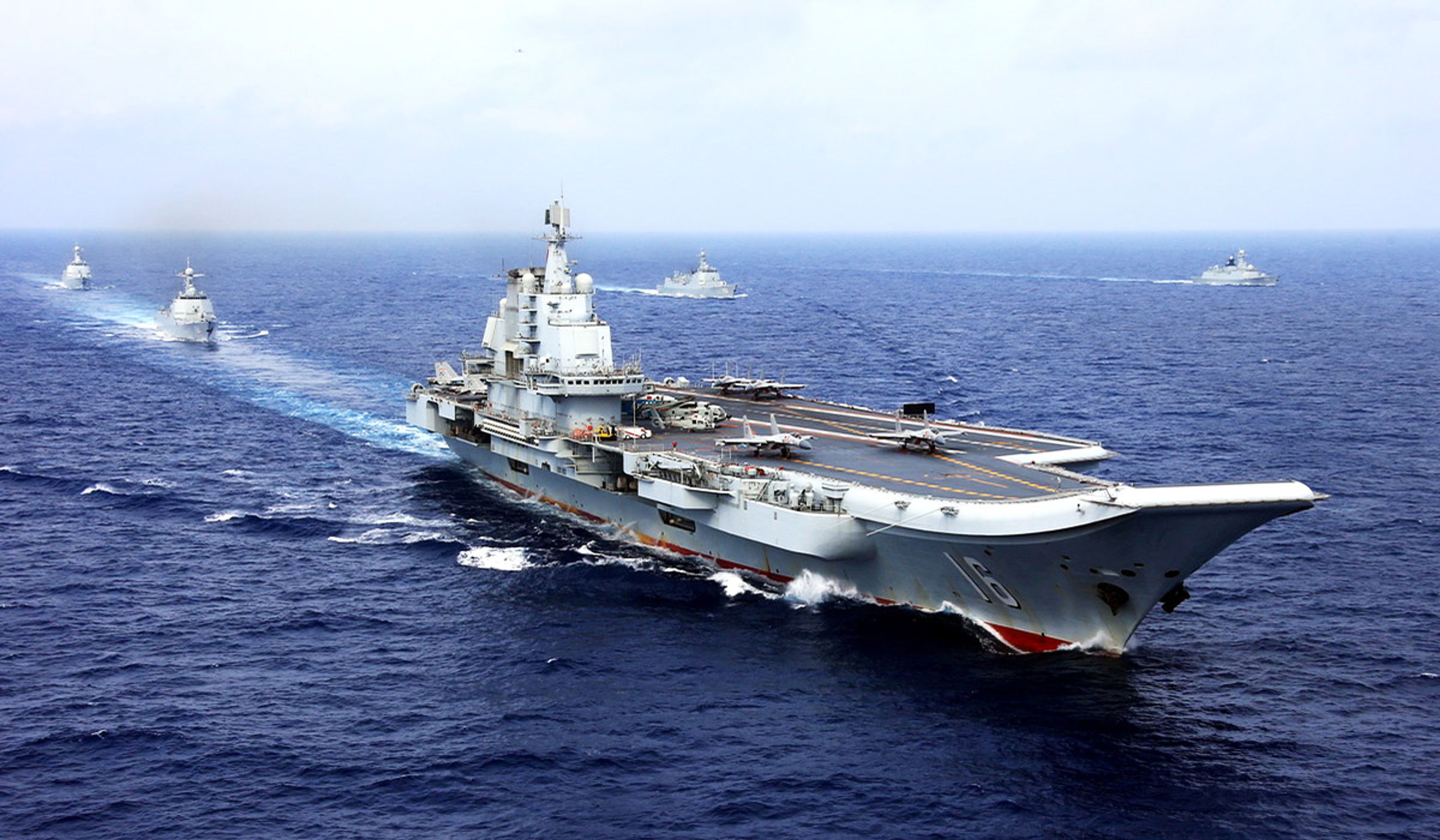
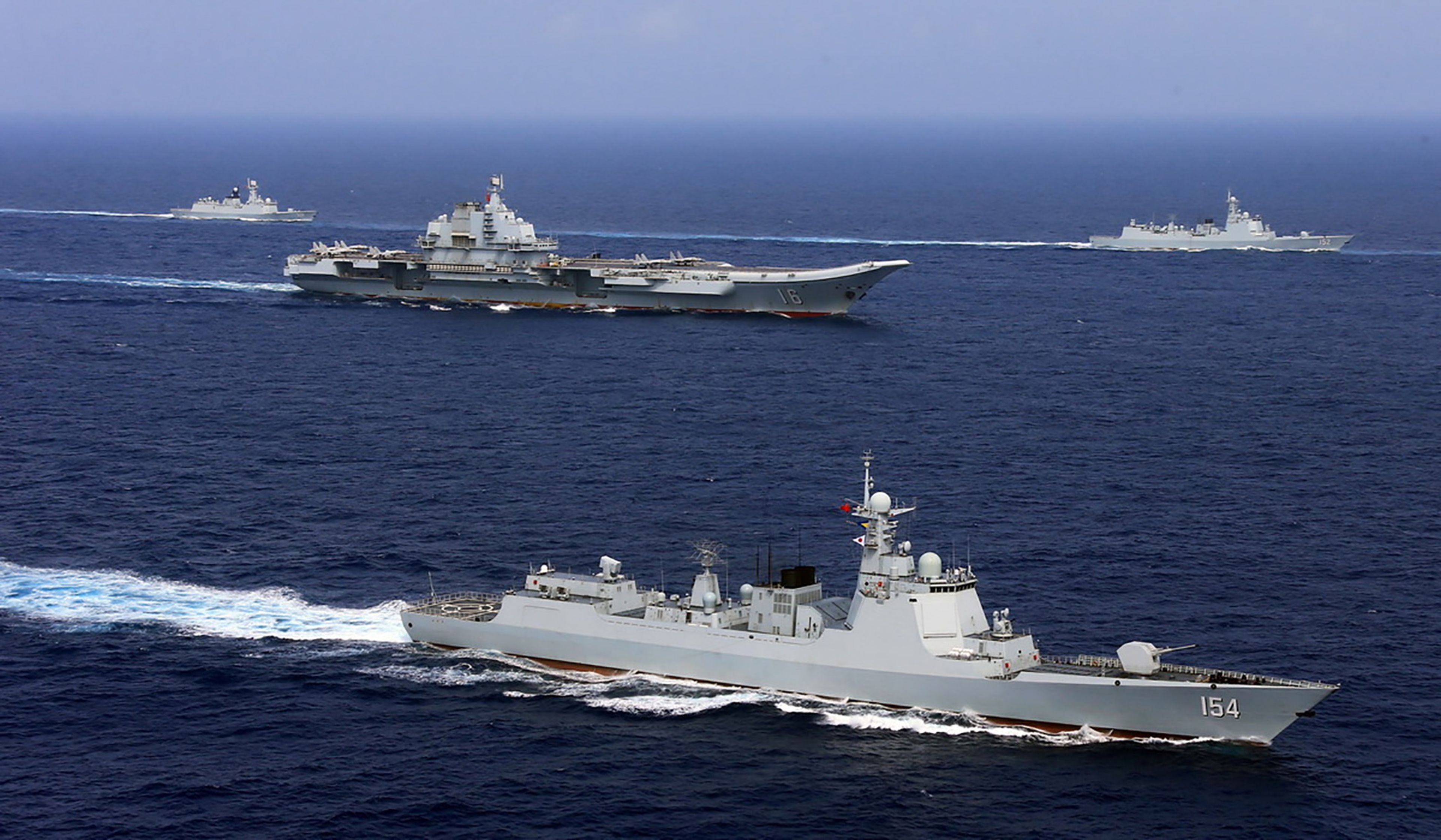
China’s trade-fueled economic boom underwrote one of the most dramatic peaceful military buildups in history. In some cases, American investment even aided firms with close ties to the People’s Liberation Army. Beijing exploited its access to Western markets and enterprises to undertake an unparalleled program of intellectual-property theft, technology transfer, and economic espionage. One reason the balance of power has shifted so dramatically is that China expertly exploited America’s positive-sum policy for its own zero-sum purposes.
China did the same thing with international institutions. Many Western observers hoped that membership in international bodies, such as the World Trade Organization, would socialize China into the existing order. Instead, Beijing used its growing influence to weaken or co-opt those institutions from within: Witness the paralysis of the World Health Organization at the outset of the Covid pandemic.
What about the idea that integration would strengthen the forces of liberalism in China? In reality, China has strengthened the forces of illiberalism around the globe. Chinese firms such as Huawei and ZTE became purveyors of surveillance equipment and other technologies of repression. Beijing is seeking to control the physical infrastructure of the Internet and dominate advanced communications networks. And as China shields its domestic Internet from the danger of democratic influences, it is simultaneously exporting authoritarian norms through social-media apps and demands that Western tech companies censor online discussions critical of the Chinese Communist Party.
Not least, China has used its centrality to the global economy to seduce or coerce those who might resist its ambitions. Beijing has weaponized its market power to punish disobedient countries, as Australia found after calling for an international inquiry into the origins of Covid and as Lithuania is presently discovering over its support for Taiwan. This is merely the sharpest edge of a more comprehensive strategy that involves building ties to prominent institutions and individuals in democratic countries to retard any shift toward stronger anti-Chinese policies. Integration was meant to help the world shape China; it has perhaps done more to let China shape the world.
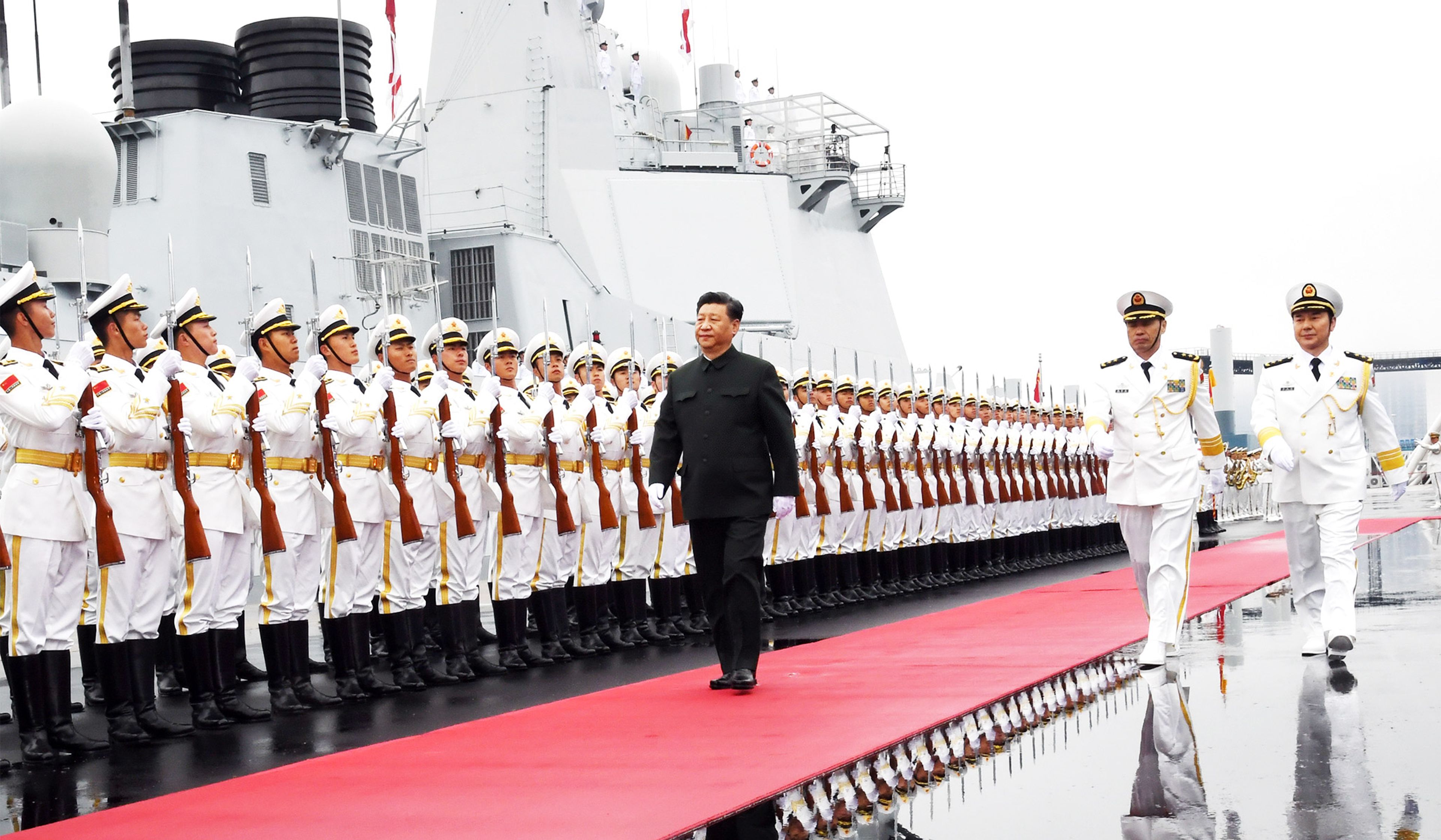
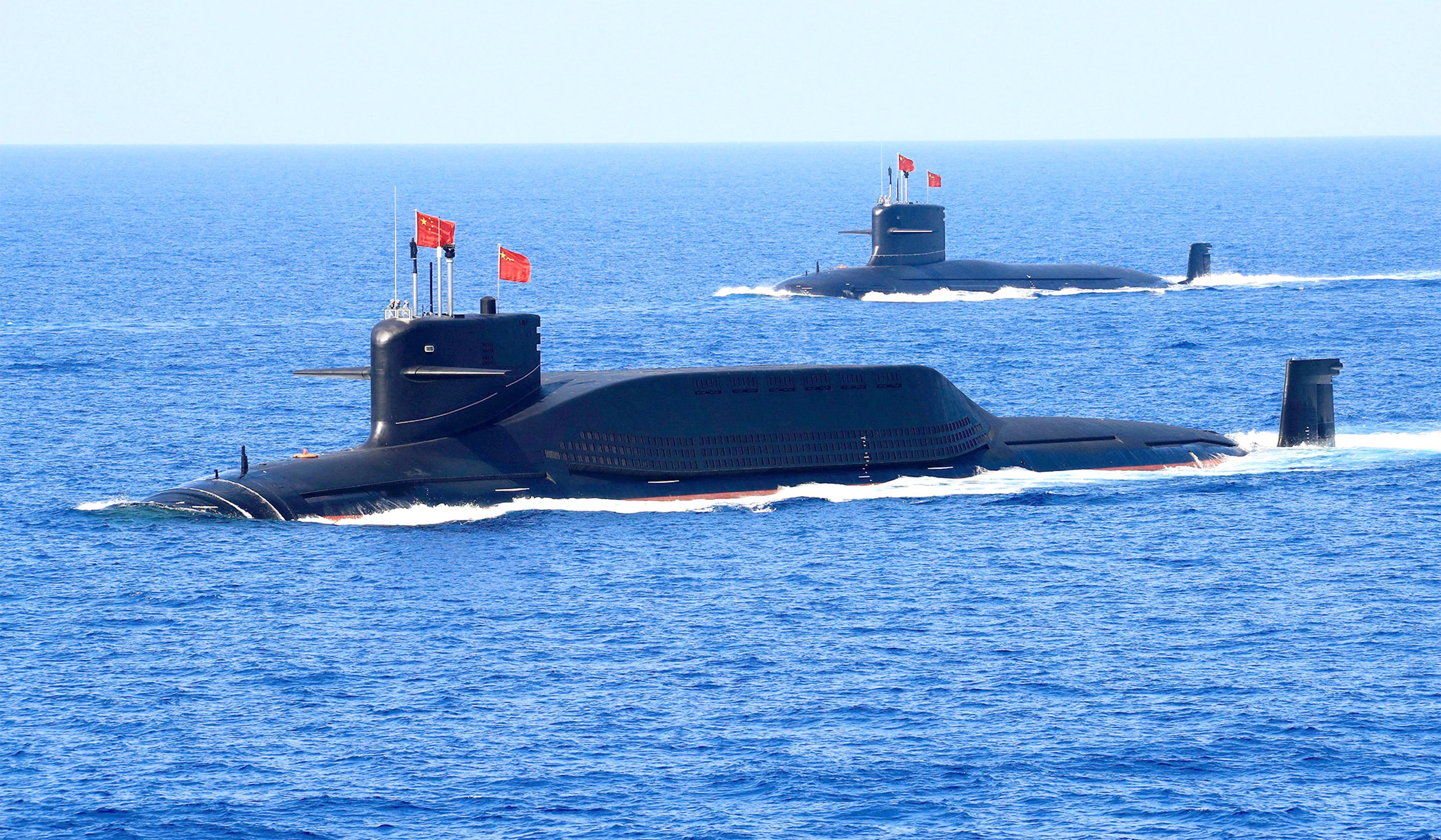
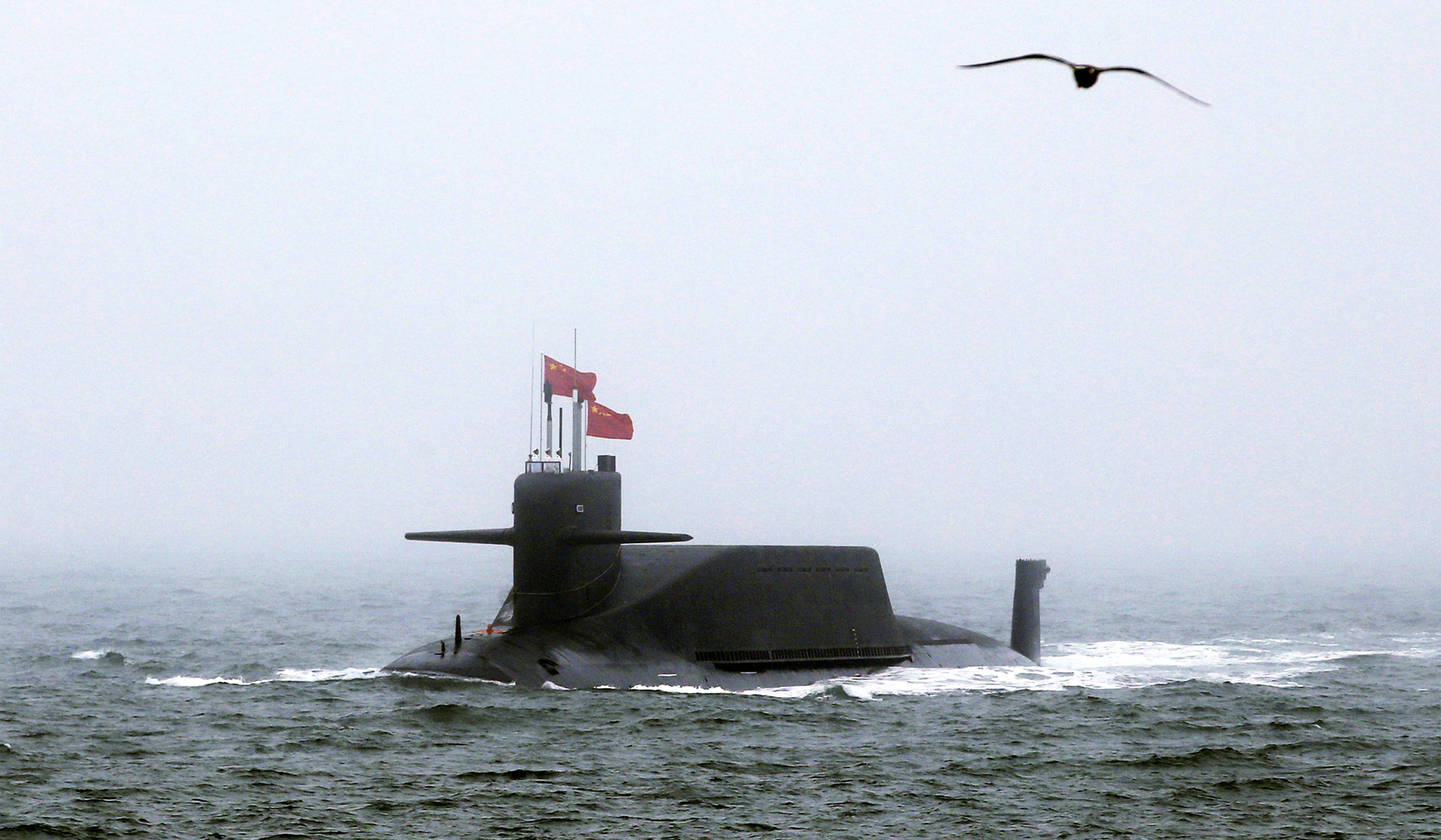
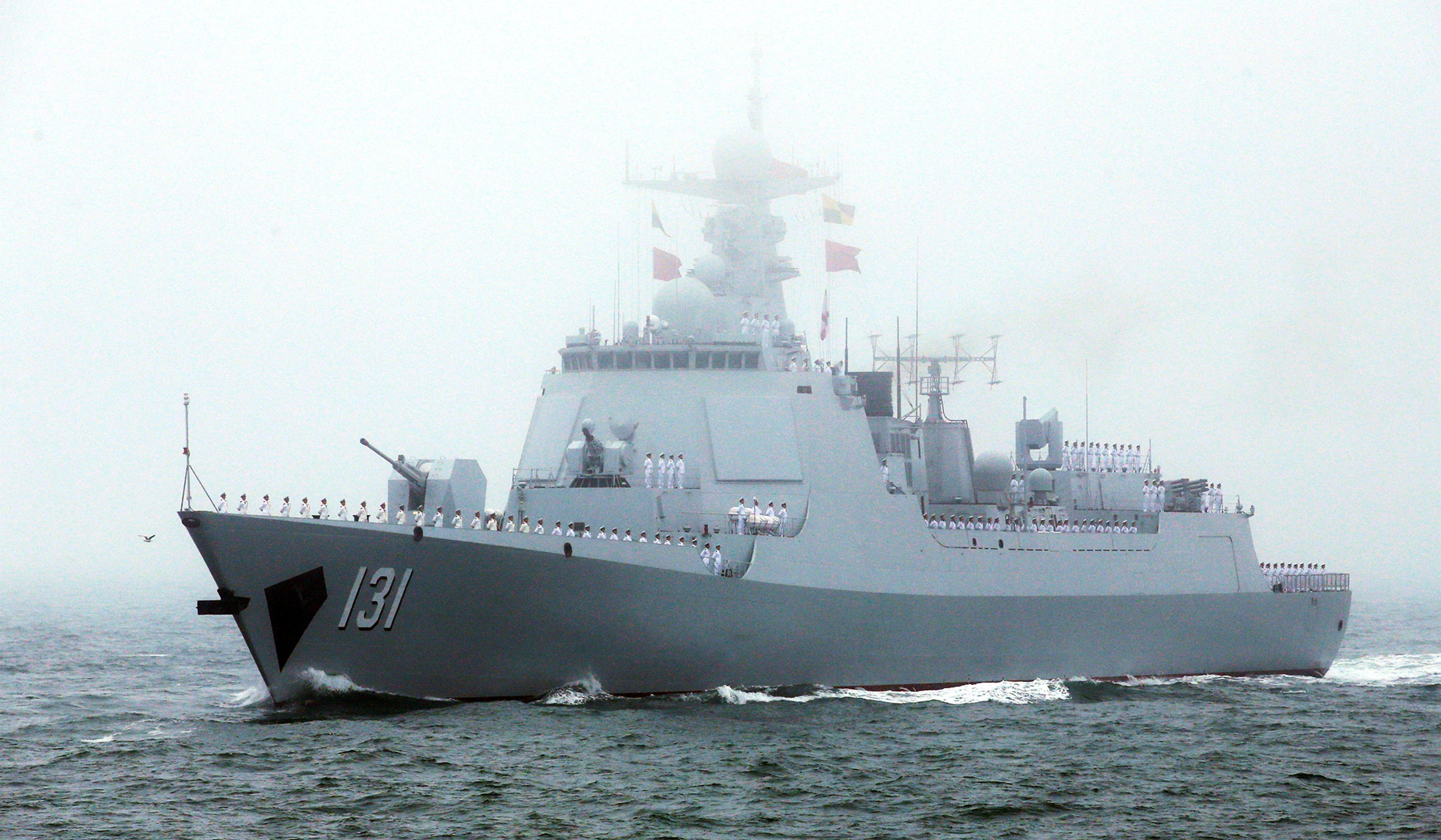
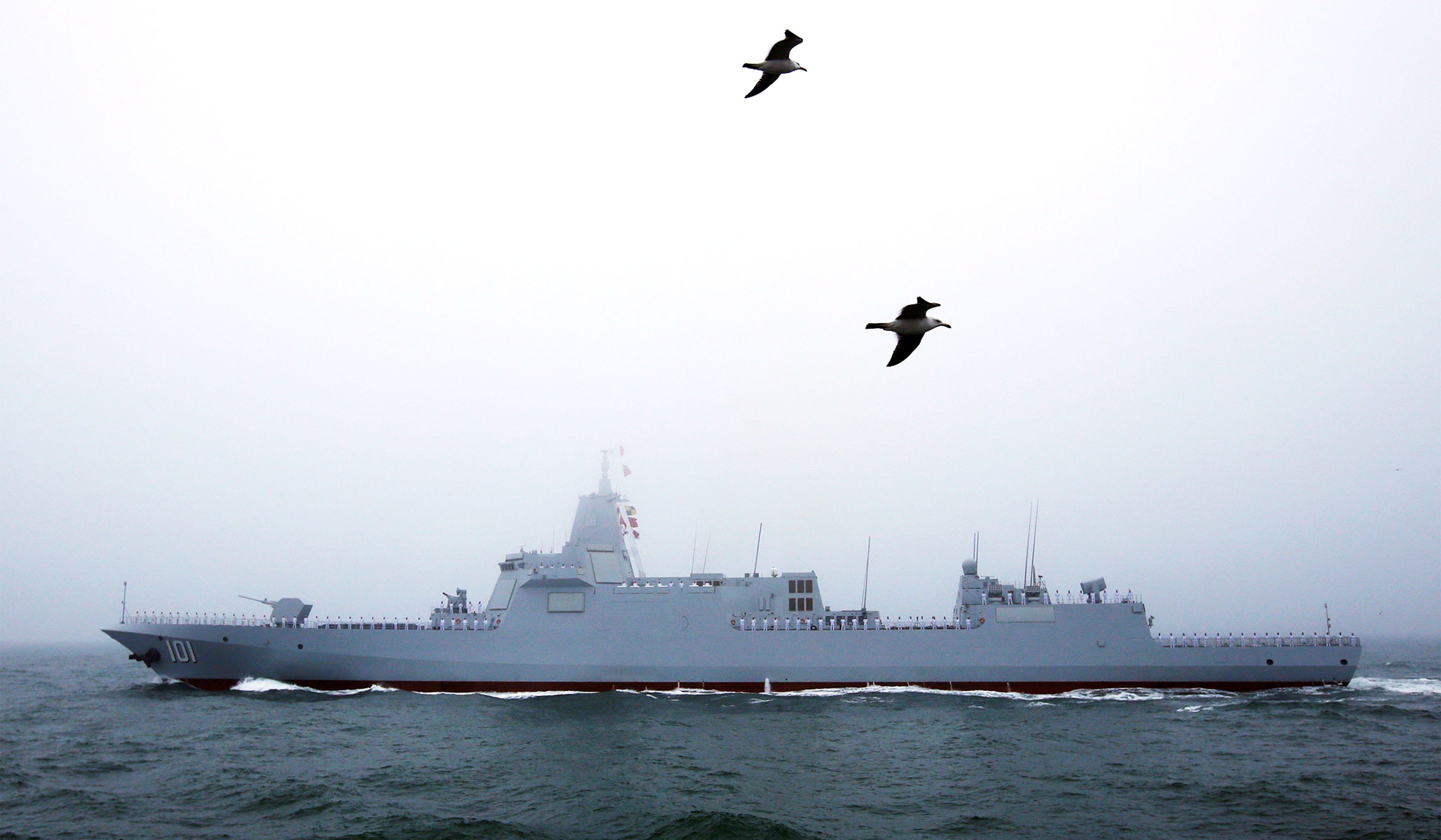
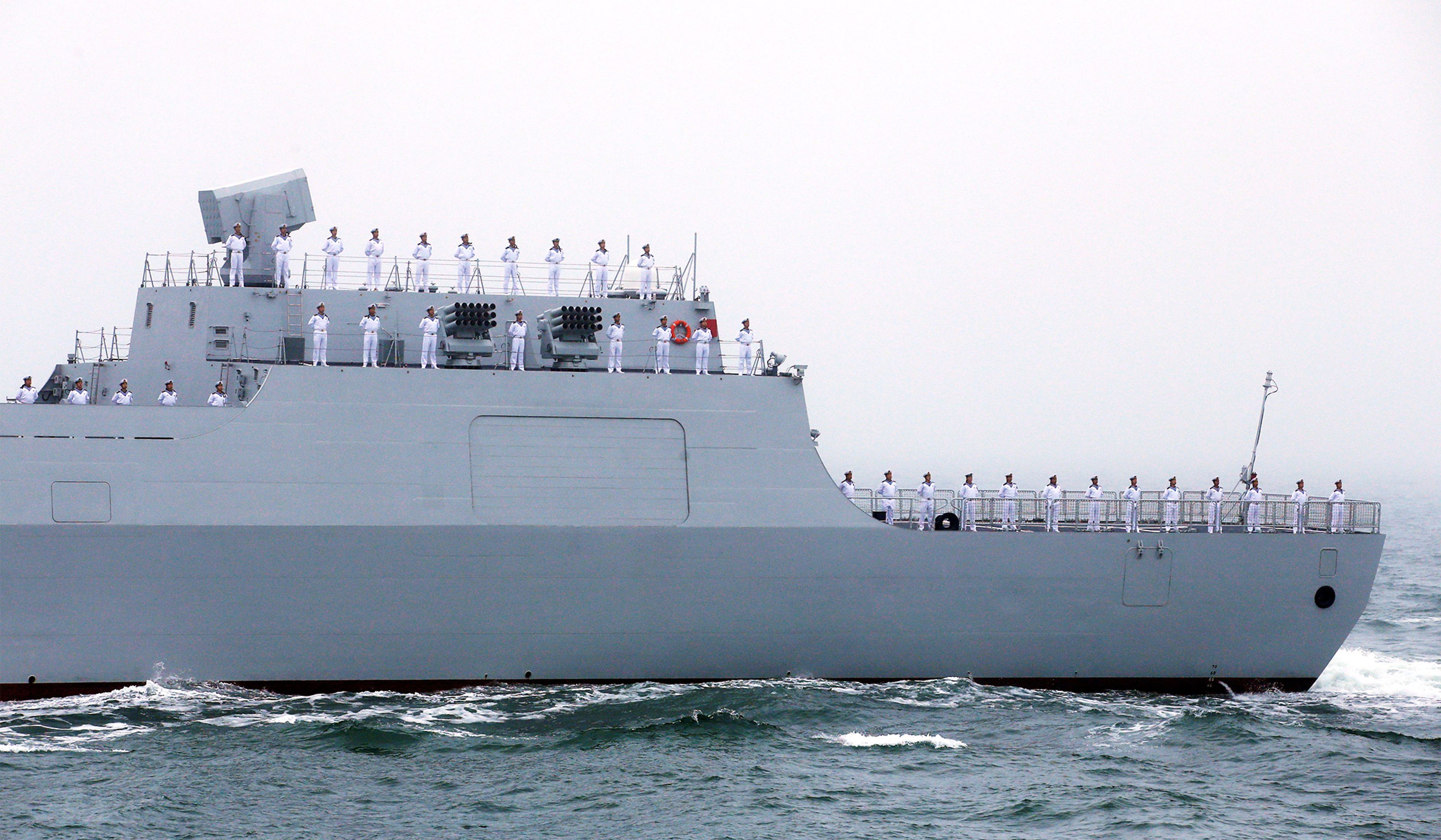
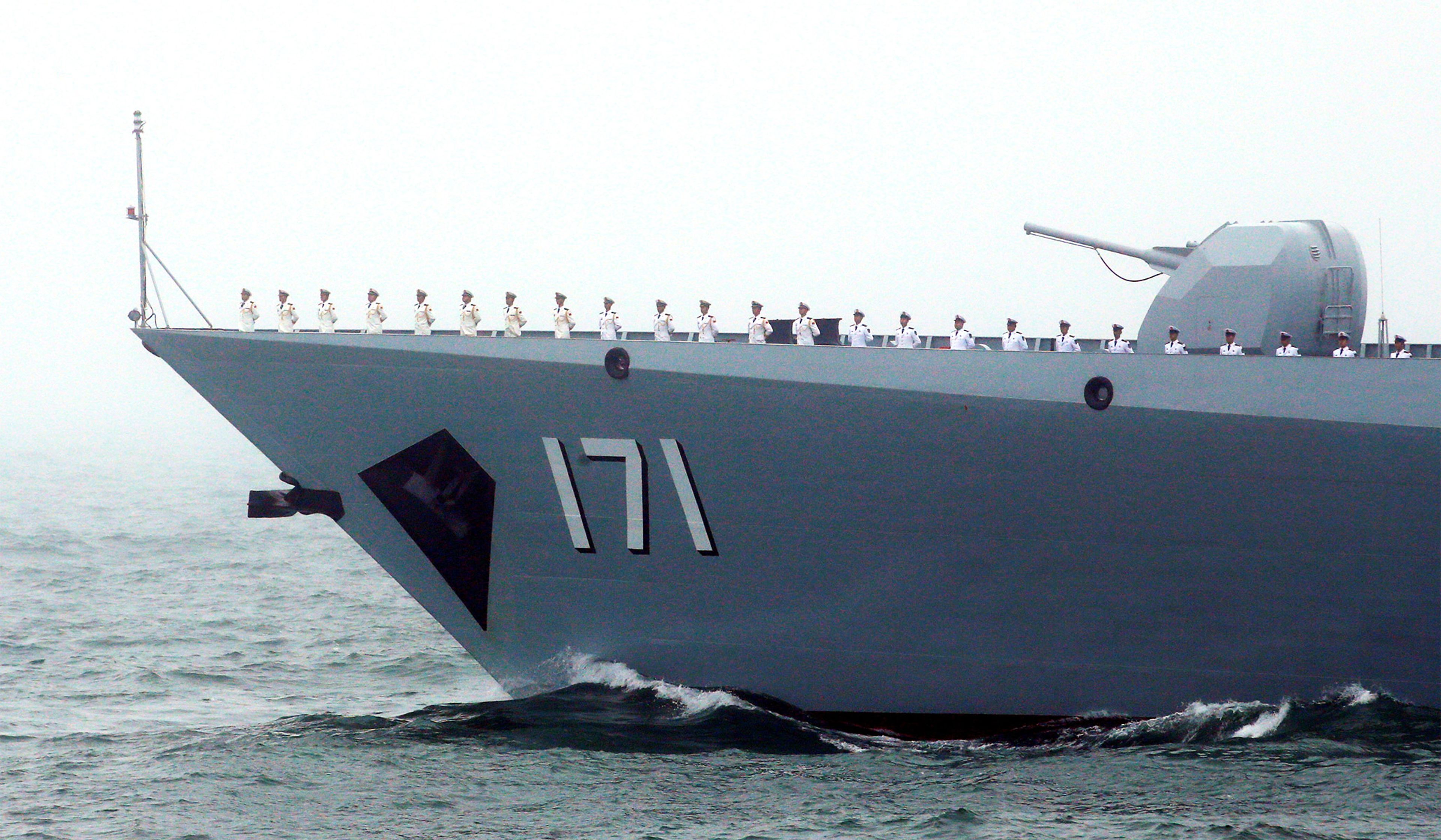
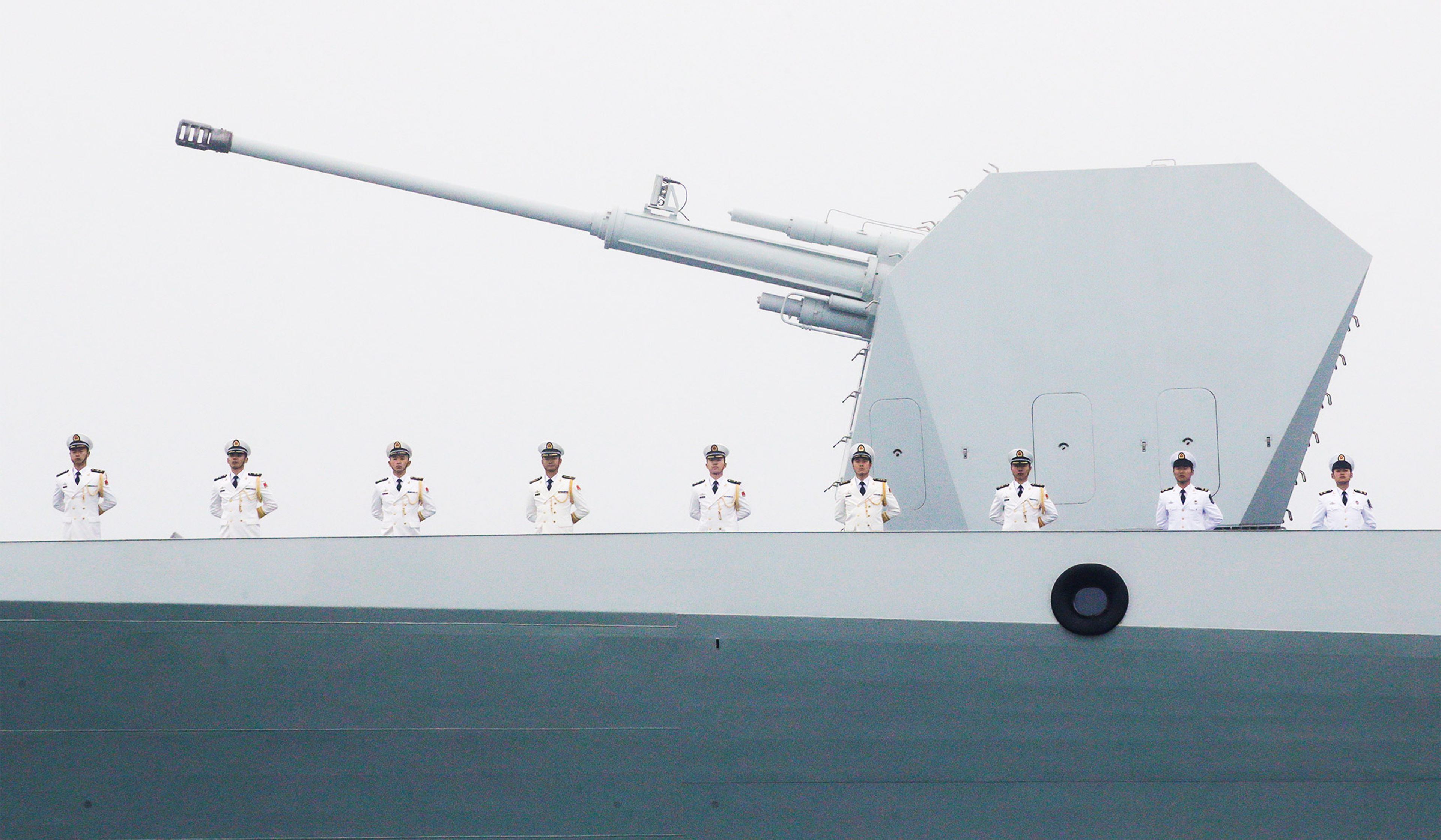
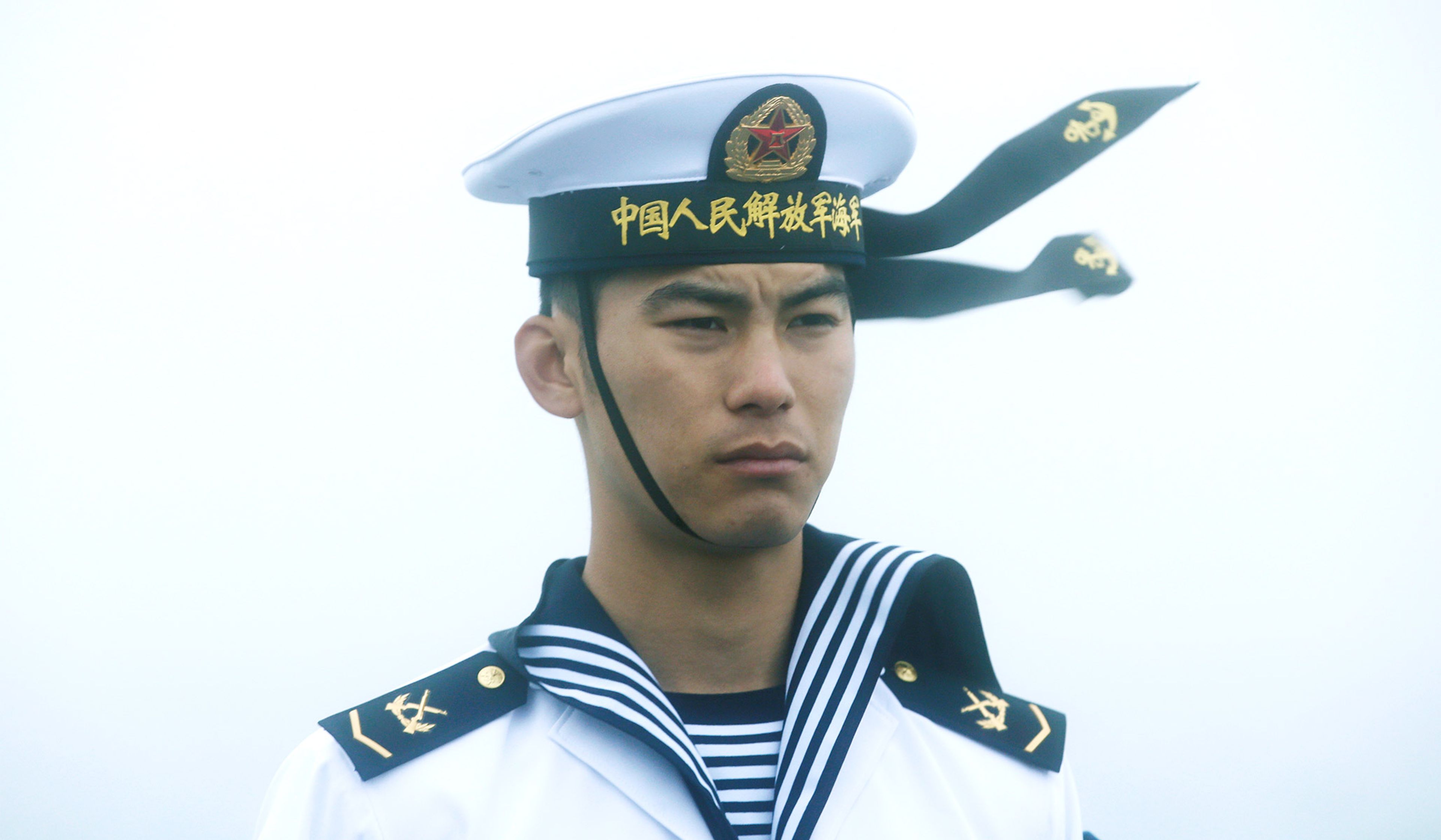
Chinese president Xi Jinping reviews the honor guards of the Chinese People’s Liberation Navy before boarding the destroyer Xining for the naval parade celebrating the 70th founding anniversary of the Chinese People’s Liberation Army Navy in Qingdao, China, April 23, 2019.
Xinhua via Reuters
Of course, it’s also true that interdependence gives Washington leverage over Beijing. China’s export-driven economy is dependent on access to global markets. China’s tech sector is critically reliant on cutting-edge semiconductors and other inputs from democratic countries. The presence of Chinese students in America gives the United States access to a generation of rising elites, even as it unavoidably gives some of those students skills and knowledge that they will use to advance Beijing’s aims. Yet China’s leaders grasp the problems and are racing to reduce these vulnerabilities.
The Chinese government is already compelling key firms to become less reliant on American financial markets. Beijing is pouring money into semiconductors, artificial intelligence, quantum computing, and other high-tech endeavors in hopes of becoming mostly self-sufficient and making the West dependent on China for a change. China is pursuing a “new strategy of offensive decoupling,” writes Matthew Pottinger, a former deputy national-security adviser, designed to provide the advantages of interdependence — access to global markets and technology — without the liabilities.
In fact, China is laying the groundwork for a Sino-centric order that it hopes will eventually replace the current system. Xi Jinping is pursuing “Asia for Asians,” a Chinese-led region from which Washington is to be expelled. Xi’s marquee projects, namely the Digital Silk Road and the larger Belt and Road Initiative, are meant to make China’s technological and economic influence pervasive across multiple regions. China has built bodies, such as the Asian Infrastructure Investment Bank, meant to put Beijing at the center of global governance; it aims to set the technological standards that will shape the world economy for decades to come.
The Chinese Communist Party may not intend to “rule the world,” Nadège Rolland writes in her report “China’s Vision for a New World Order,” but it does seek a situation in which “a large portion of the globe resembles a Chinese sphere of influence.” Which means that competing effectively with China might ultimately require something closer to America’s Cold War strategy than the Biden administration cares to admit.
To be clear, a two-worlds strategy can’t and won’t replicate Cold War–era containment: The interdependence between China on the one hand and America and its democratic allies on the other is so complex that no clean break is possible or desirable. But Washington does need to revive the basic logic of a two-worlds strategy — consolidating the democratic world while “increasing the disruptive strains” on an autocratic enemy — even if this means further fragmenting the international system America once hoped to unify.
In the realm of defense, this entails rallying greater multilateral resistance to Chinese power, even at the cost of a tenser, more militarized Asia. There won’t be an Asian NATO anytime soon: The vast distances of the Indo–Pacific militate against it. Drawing closer together, in this context, means forging a series of overlapping mini-coalitions that narrow Beijing’s opportunities for expansion.
The region needs deeper cooperation and interoperability among nations, especially America, Japan, and Australia, that could help Taiwan resist a Chinese attack; a proliferation of groupings, such as the Quad (Australia, India, Japan, and the U.S.) and AUKUS (Australia, the U.K., and the U.S.), that strengthen ties among democratic nations within and beyond the Indo-Pacific; and more frequent, multilateral patrols in the contested waters of East Asia. The United States and Taiwan must urgently invest in the capabilities — sea mines, anti-ship missiles, unmanned aerial and underwater vehicles — that could turn the Taiwan Strait into a death trap for Chinese forces. Such ties and actions cause Beijing to complain about “Cold War thinking” and “anti-China encirclement.” But only concerted resistance can constrain Chinese power.
A two-worlds strategy may also require selectively de-globalizing global governance. Covid demonstrates that China has insinuated itself into international bodies, especially the WHO, in ways that make it difficult for those bodies to function — and that may make reforming them impossible. The United States needs to compete more effectively for influence in those organizations, as the previous and current presidents have pledged to do, and should certainly seek Chinese cooperation on climate change, global public health, and other transnational issues. But Washington may also need to invest in new groupings of like-minded states to deal with problems that China is not willing to solve — for instance, a coalition of countries committed to enhanced multilateral surveillance of potential pandemics outside the WHO framework.
The future of global governance, in other words, may not be a single set of organizations with nearly universal membership: It may be a situation in which institutions of decreasing effectiveness are complemented by newer, more selective bodies that can better serve the democratic world’s purposes.
In the realm of trade and technology, plenty of linkages will remain: The fact that China purchases lots of American agricultural goods poses no real threat to U.S. security. But on other issues, America and its allies will need an approach focused not on global integration but on strengthening one geopolitical bloc against another.
This will mean forging tech coalitions through which groups of democracies cooperate — for example, by sharing data or pooling research-and-development money — to accelerate their innovation while limiting China’s access to the foreign money and inputs it needs to power its own. The way that America induced a few friends, such as Taiwan and South Korea, to help it cut off Huawei from high-end semiconductors can serve as a model for cooperation on other technologies, such as quantum computing and AI. Writing in Foreign Affairs, Rob Knake and Richard Clarke envision something similar with respect to the Internet, proposing an “Internet Freedom League” that would allow digital goods and data to flow freely between members while banning those that do not respect democratic norms. More broadly, U.S. trade policy should emphasize cutting deals that deepen integration among countries that oppose Chinese hegemony while excluding Beijing.
“Globalization was not global,” Stephen Brooks and William Wohlforth wrote in the journal International Security over 20 years ago; “it took sides in the Cold War.” Likewise, a two-worlds strategy today recognizes that globalization must occur primarily within geopolitical dividing lines rather than across them.
This strategy should also harden America and other democratic societies against Chinese coercion and manipulation while increasing the disruptive strains on China itself. Defensive measures are crucial: There is no reason why Chinese tech firms that serve as tools of CCP propaganda and espionage should be allowed to access the American market.
Yet offensive measures are also important. The United States should, for example, drive up the costs of Chinese repression by sanctioning — multilaterally, if possible — firms and officials involved in Beijing’s domestic abuses; it should also discreetly probe the vulnerabilities of China’s digital surveillance state. Over time, America may have opportunities to exploit the blowback that Beijing’s debt-trap diplomacy creates in the developing world. This isn’t a call for regime change, or even violent forms of destabilization. It is simply an acknowledgment that winning a defining geopolitical contest typically requires undermining the enemy’s world while strengthening one’s own.
Finally, the United States will need to lean into the ideological competition. Truman’s “two ways of life” rhetoric may have been Manichaean and divisive. But it had the virtue of reminding people, in America and other democracies, of what was at stake in the Cold War and highlighting the liberal values that bound Washington to its closest allies. Then as now, containing hostile regimes required working with some unsavory characters. But highlighting the clash between liberal values and China’s profoundly illiberal autocracy is critical to rallying the democratic world — not just those countries directly threatened by Beijing’s military power — against its expanding influence.
A two-worlds strategy will sharpen the divisions within a fragmenting world and in some areas will be difficult to execute. Neither of the last two U.S. presidents has offered a compelling vision for economic integration within the democratic world, to begin with, and while the logic of imposing multilateral technology and investment controls on China is compelling, the practical challenges are likely to be daunting. The strategy will thus be realized only over time and through painstaking engagement.
But the logic of Sino–American rivalry is already pushing the United States in this direction, on issues from Indo-Pacific security to 5G telecommunications. The Biden administration has described the rivalry as a “competition of models” — language blander than, but not dramatically dissimilar from, Truman’s framing of the early Cold War. Most important, the alternative to a two-worlds approach isn’t some seamless global order: It is a situation in which an ambitious authoritarian regime uses complex interdependence as a weapon against its enemies. The question is not whether international cleavages and tensions will rise in the coming years, but whether it is Beijing or Washington that will more effectively set the terms of their relationship in a divided world.












Comments