The all-day, all-night restaurant was a repository of lovely young waitresses. One of the last to work there before it closed saw us the other day in a neighborhood coffeehouse and came over to say hi. Perhaps because of our own advanced age — advanced certainly relative to hers — the conversation turned to her great-grandfather, whom, I remembered from earlier chats, she reveres. “He is 97 years old,” she said enthusiastically, “and he looks so good. I ask him, how do you do it, and he says, I never let anything bother me.”
Happy man. Impatience is the art of letting everything bother you, because it arises from dissatisfaction, not with any particular thing, but with things in general not happening when they should.
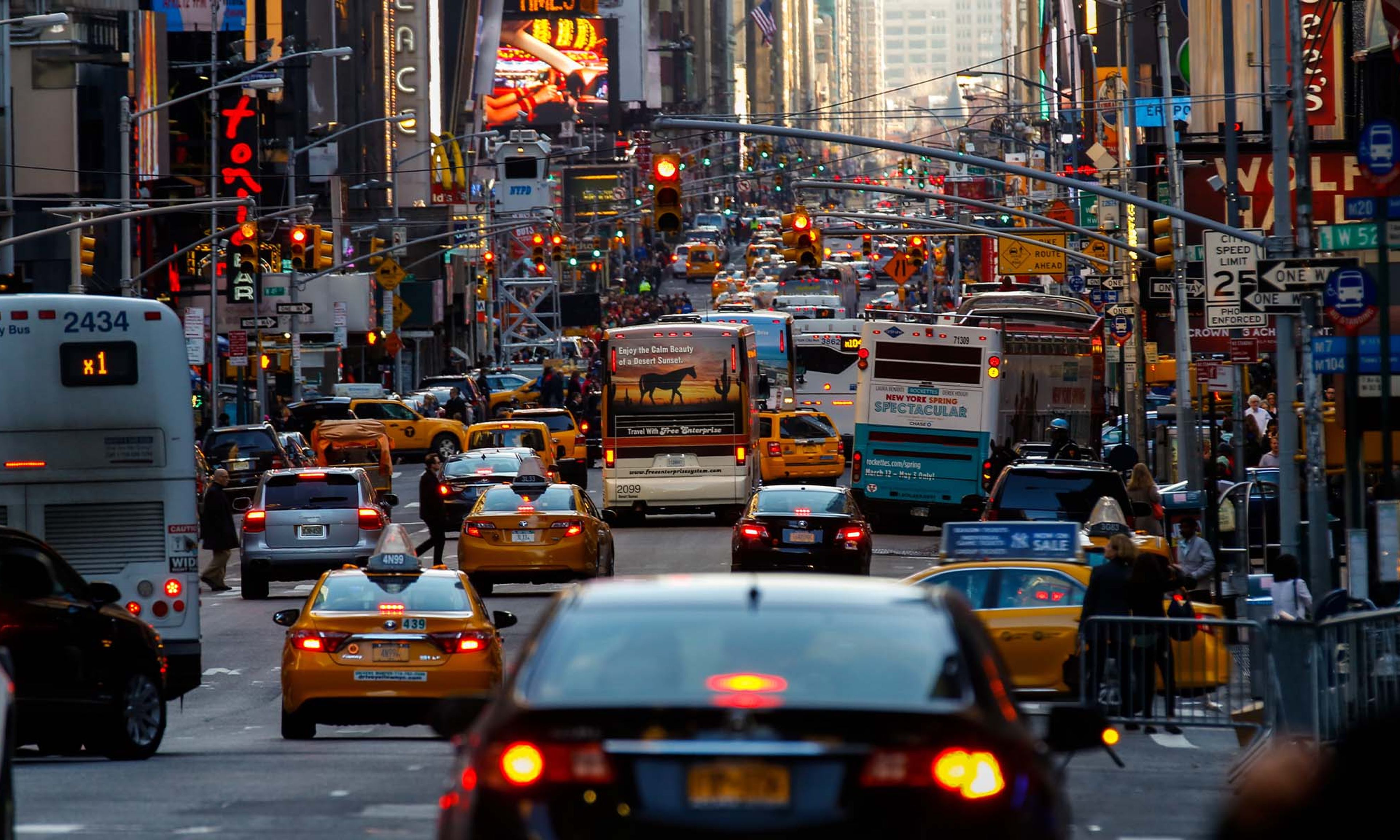
The more things, the more happenings, the greater the opportunities for impatience, which is why it can seem to be a by-product of city life. All the things you as urban man have to do — rise, wash, newspaper (I’m that old), work, errands, email (I’ve lived that long), eat here and there, affection, prayers for the sick, sleep — intersect with all the things everyone who lives above and beneath and on all sides of you has to do. Arranging these activities so that you and they can do them at the same time, or avoid getting in each other’s way at the same time, requires coordination, therefore more things — schedules and times — to be mindful of, therefore more occasions for impatience.
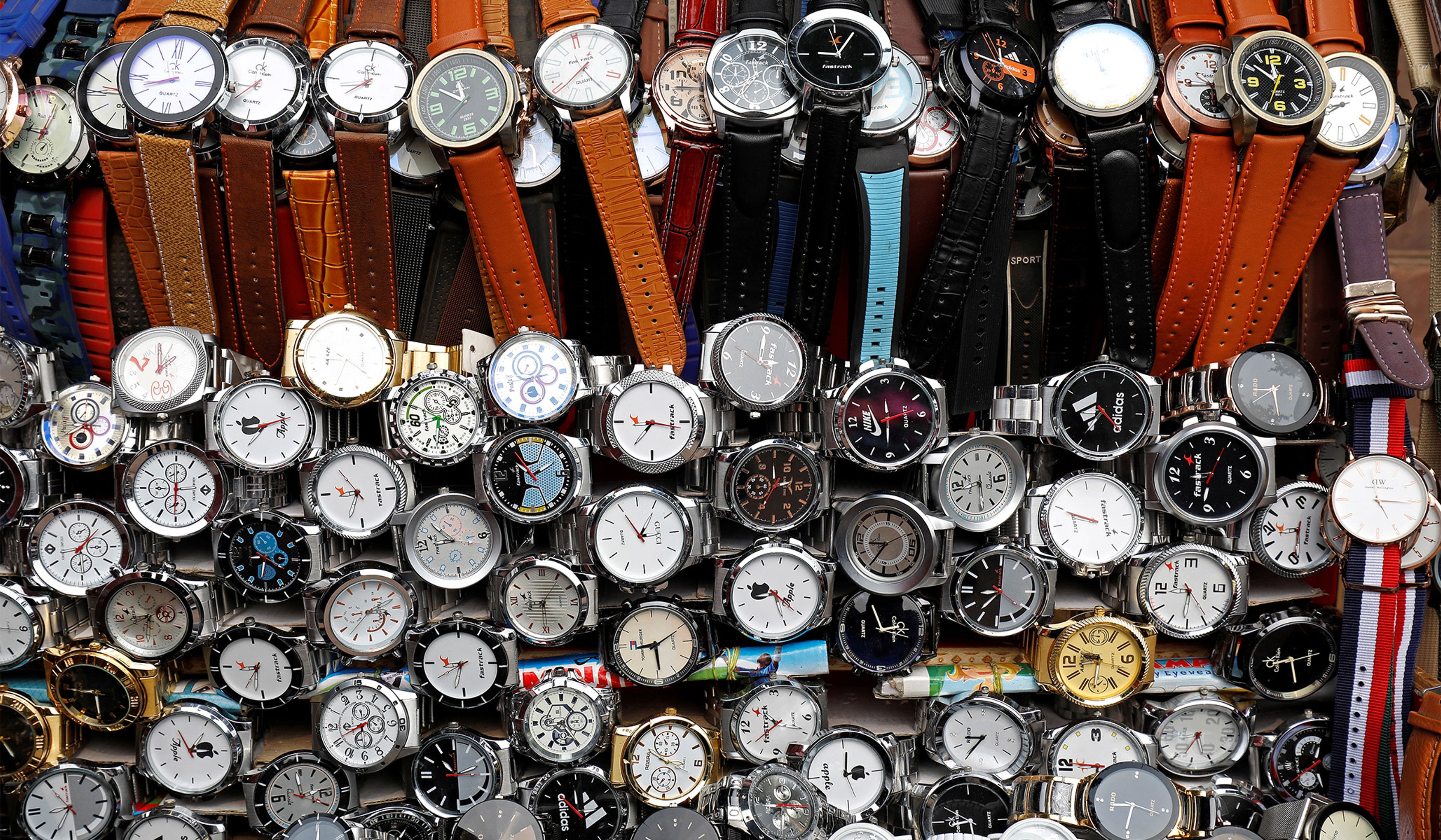
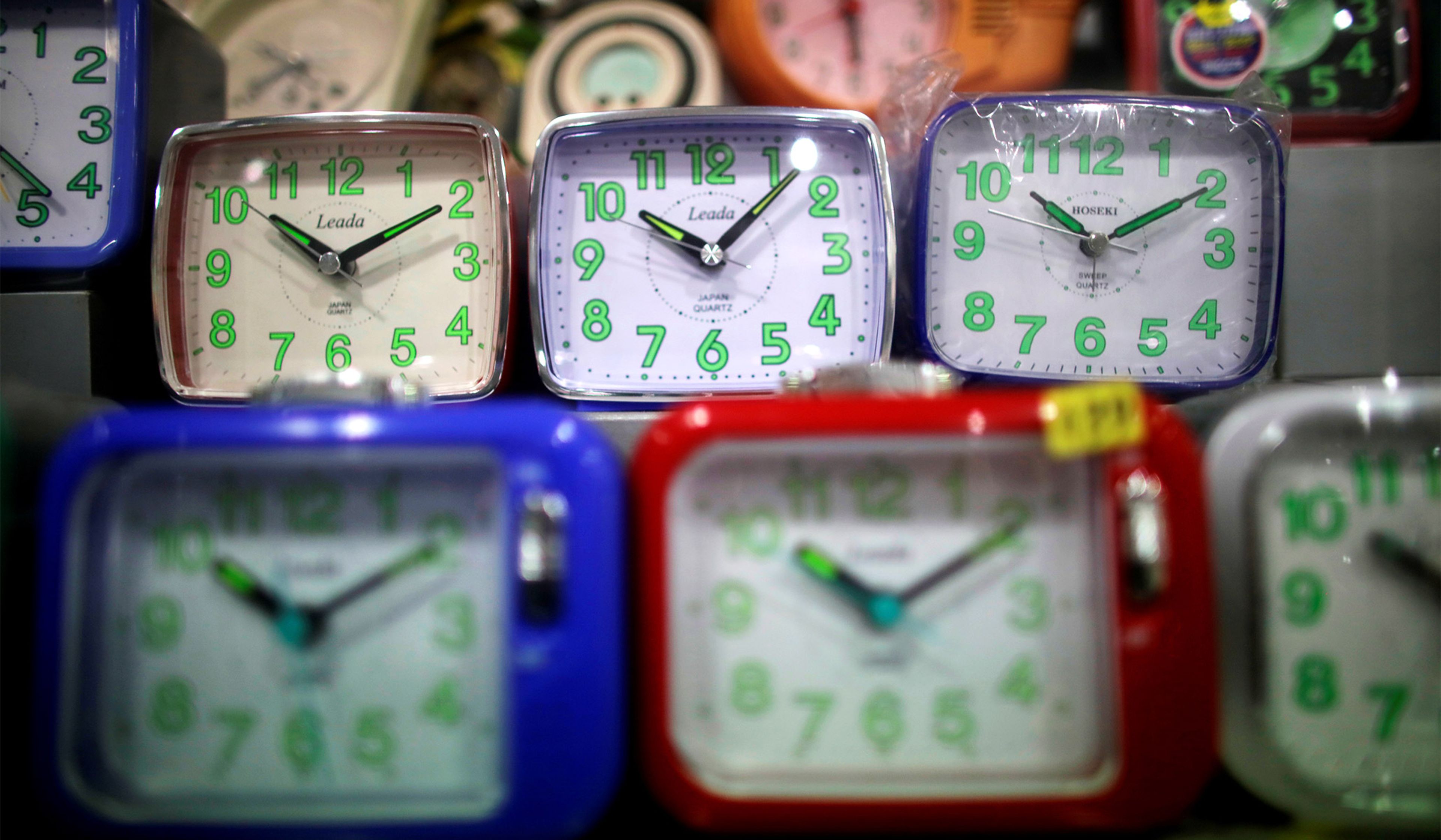
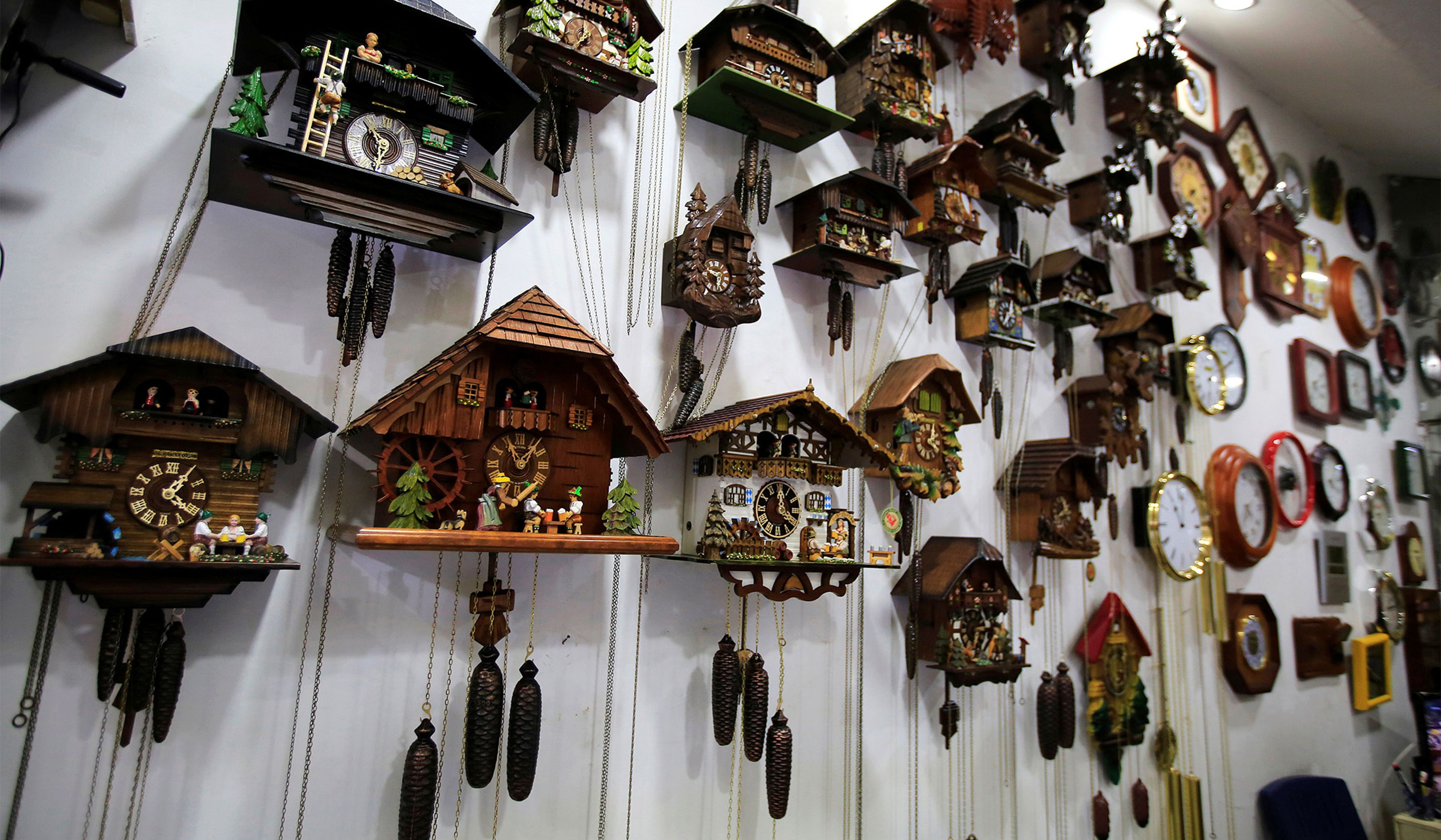
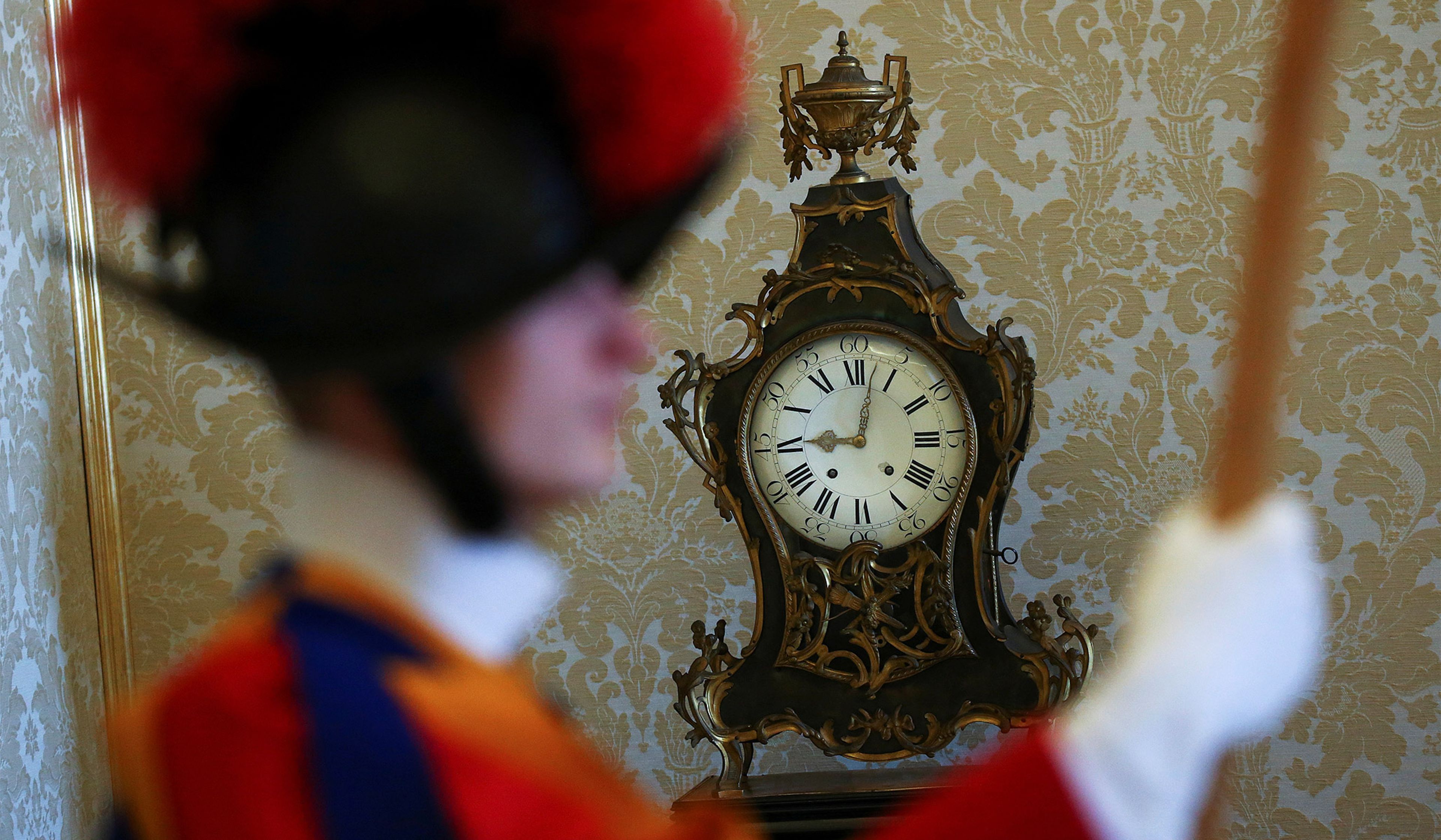
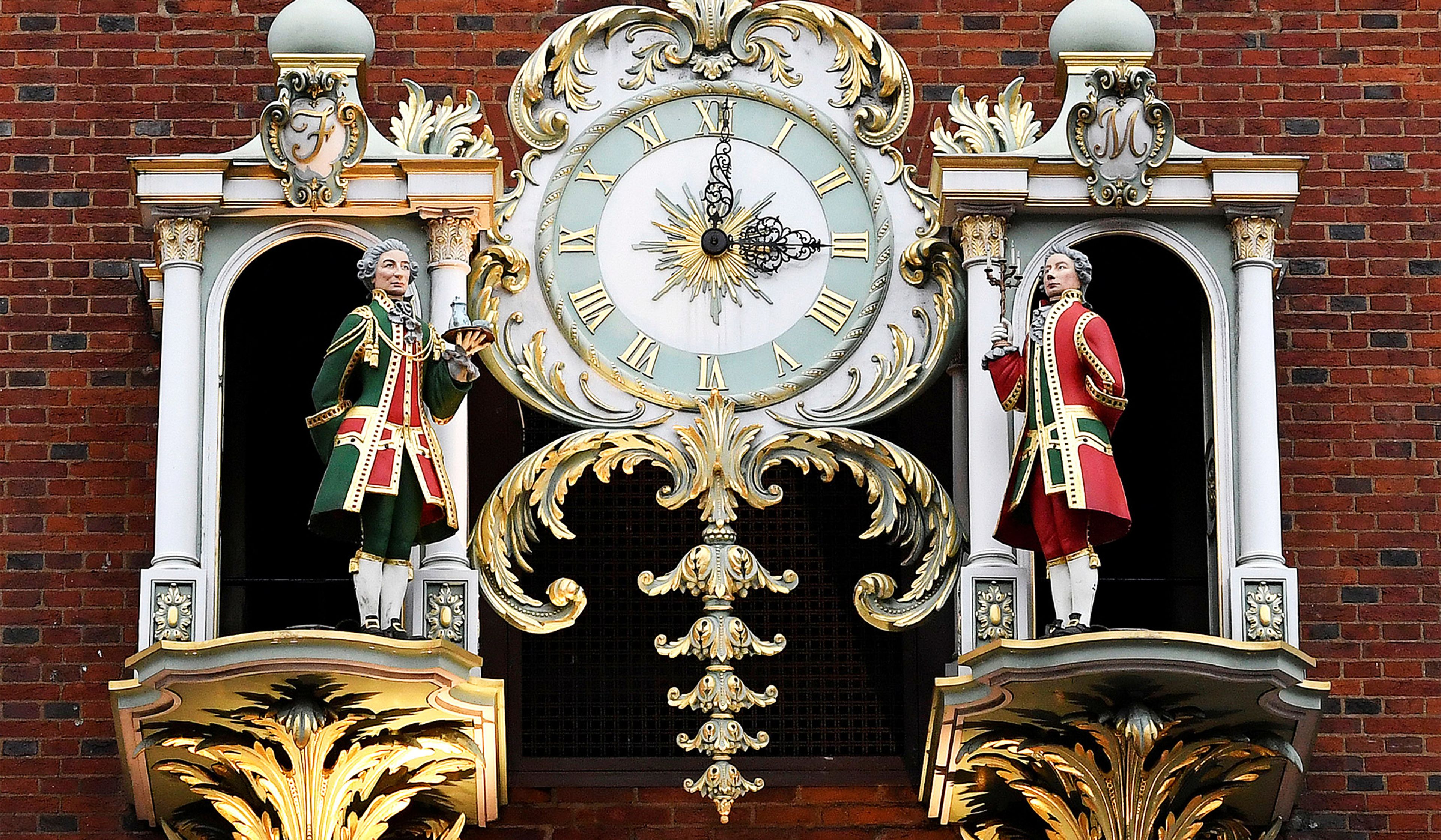
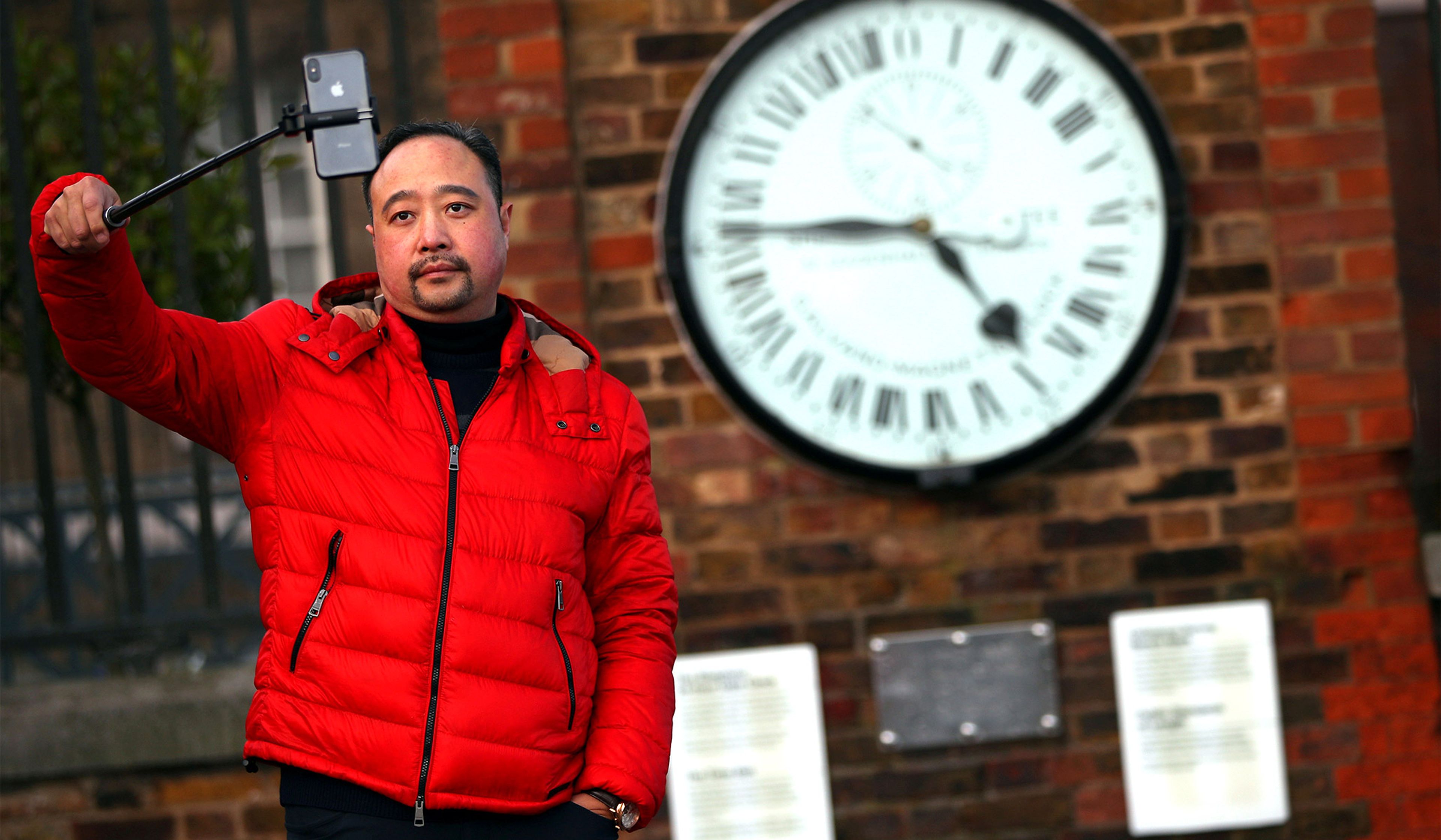
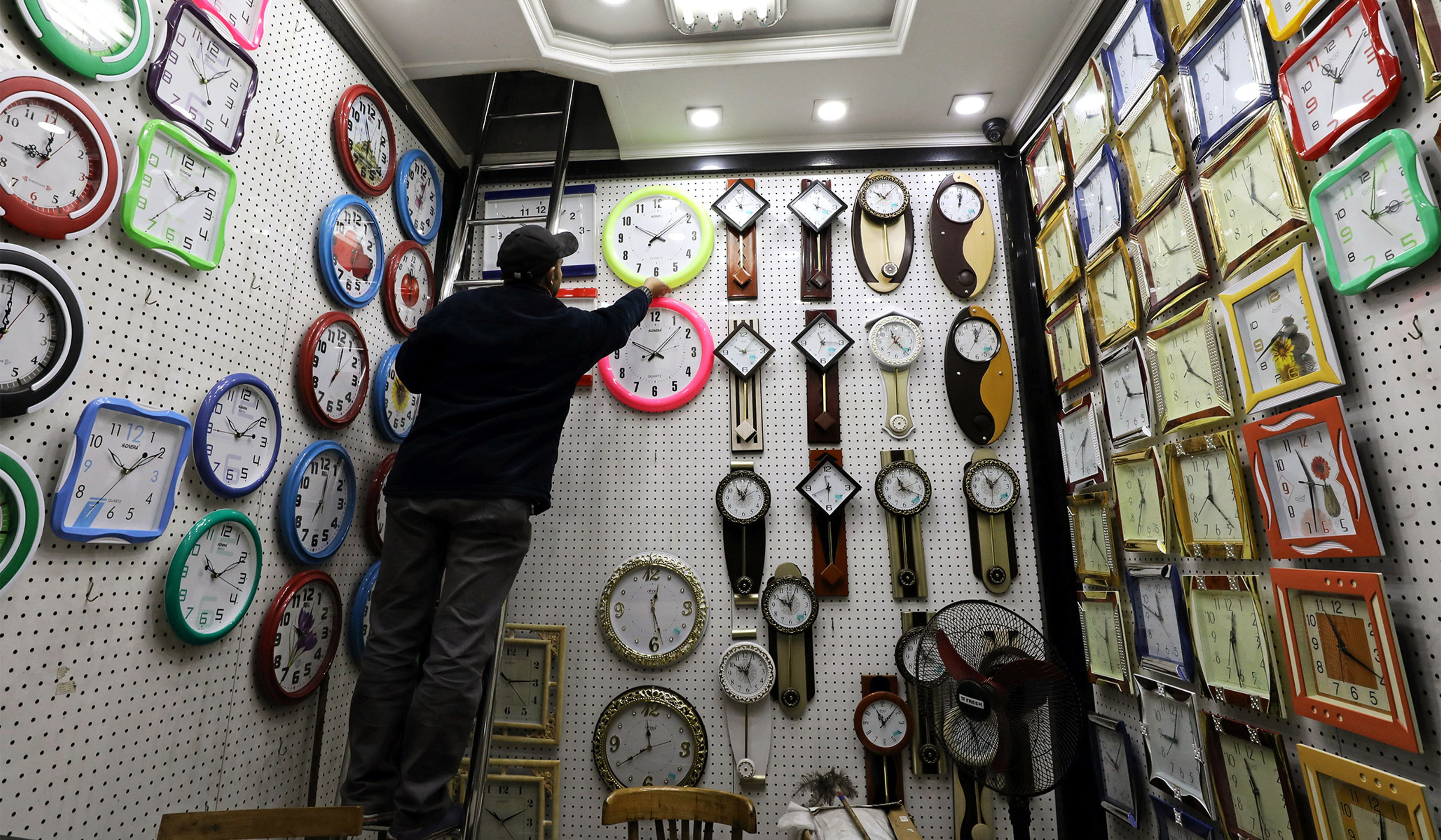
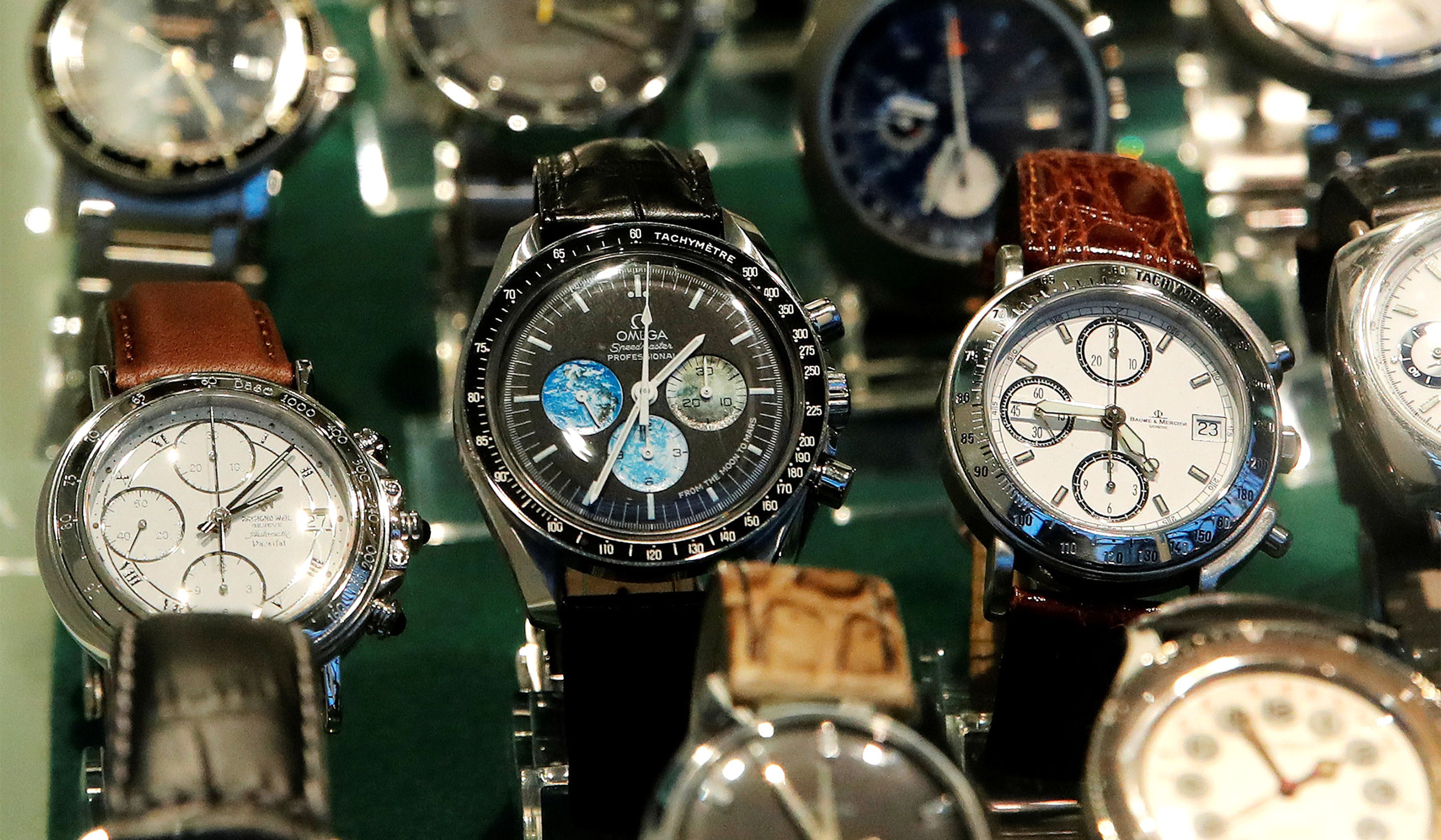
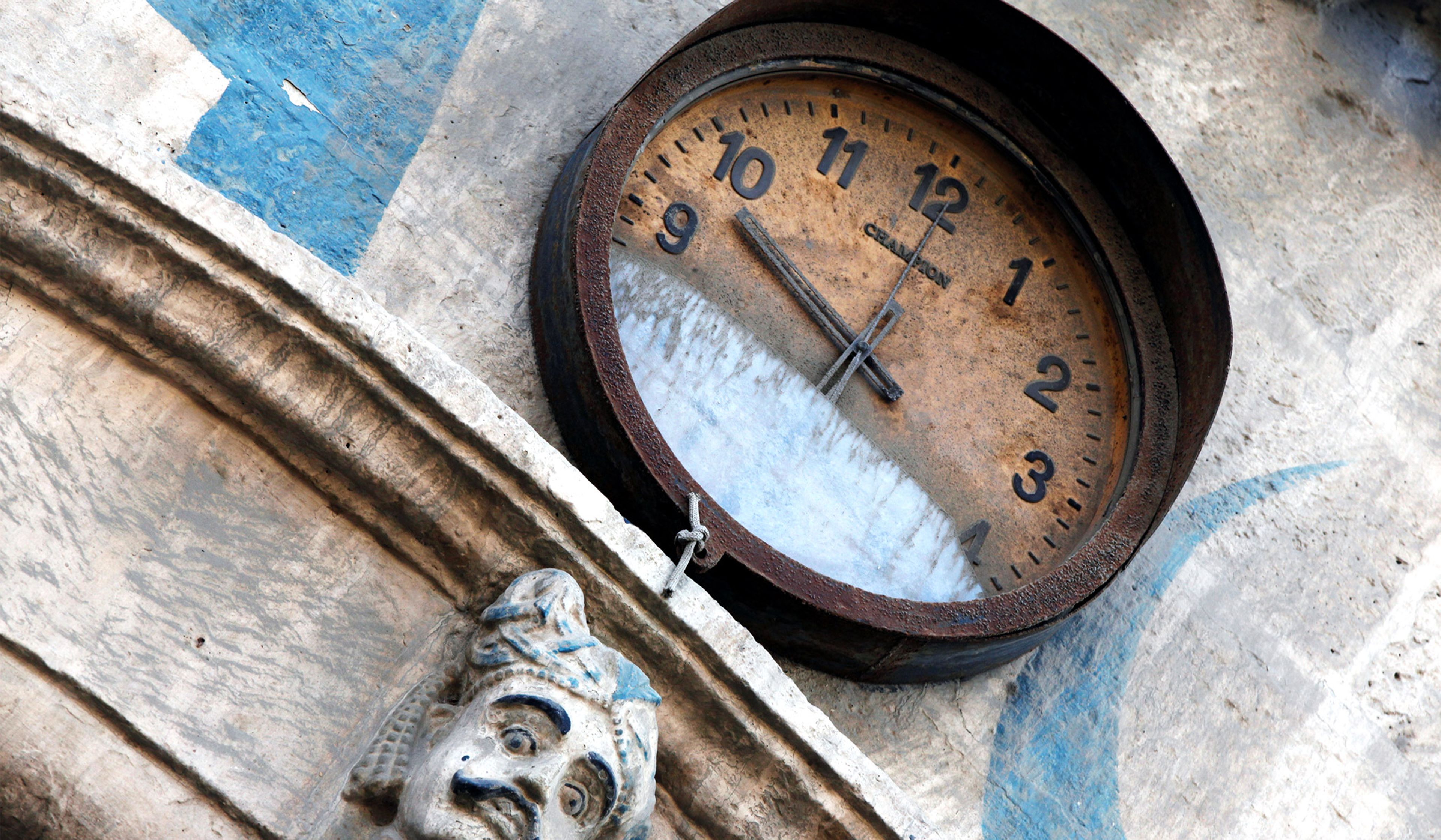
Watches and clocks were once the monitors of the day’s activities, guardians and goads of our impatience. I still harbor a number of watches. A few of these were always curiosities — the pocket watch with a jeweler’s mark, wound with a key (stem-wound watches were once a new fancy thing, hence stem-winder for an impressive oration). The wristwatch I use most now has curio features — a pop-open face that acts as a magnifying glass, a little green light that can find a keyhole on a dark night. The city once displayed, and still retains, public timepieces, to spare you the effort of raising your wrist: the brass button in the navel of the vast train hall, the faces at each compass point of the Babylonian office tower. These last four, I notice, no longer keep accurate time. Why should they? We all have the time on our phones, digitally. Does my waitress even know which way clockwise and counterclockwise go? I suppose there is an app that lets you know how briskly the trains are running in the subway. If you do not have it, the stations obligingly post notices on the platforms telling you there is a local x minutes, and an express y minutes, away from your station. And if the train does not come then? Or if, after it has come and you have boarded it, it slows to a halt between stations and rests for ten . . . 15 . . . 20 seconds? Or if, having gotten into a cab to go across town, your cab has to take a two-block detour the wrong way because one block of your cross street is closed off for . . . school letting out . . . road repair? Or if, in the middle of the block of a cross street, you find yourself behind a garbage truck . . . or a parked van . . . whose crew or driver is who knows where? Or if, standing off the curb in a street where cabs once came without fail pre-pandemic, you lift your arm aloft, looking around the outdoor dining structures and mindful of the onrushing motorized delivery bikes, and down down the street you see headlights, traffic lights, but no no cabs at all (maybe it is time you downloaded the ride-hail app)? Impatience.
The age of the internet should be better. If we do not have to actually get places and interact with actual people, then we can arrange our production as we like, masters of delete, captains of our scroll. But working online means endless opportunities for distraction, which means work still has to get done, only later, and, since it can be done anytime, all your time has potential to be commandeered for it. So, impatience.
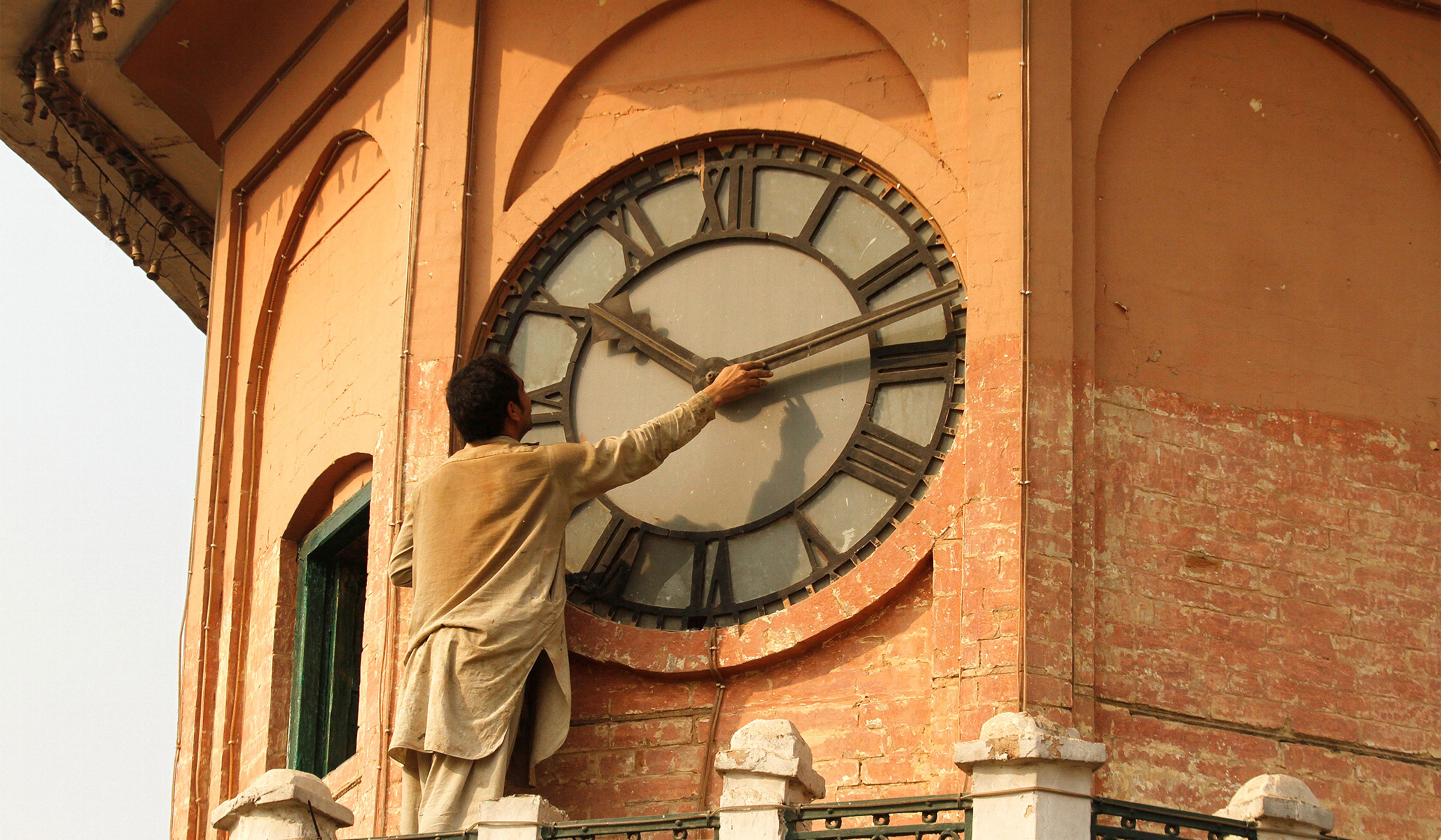
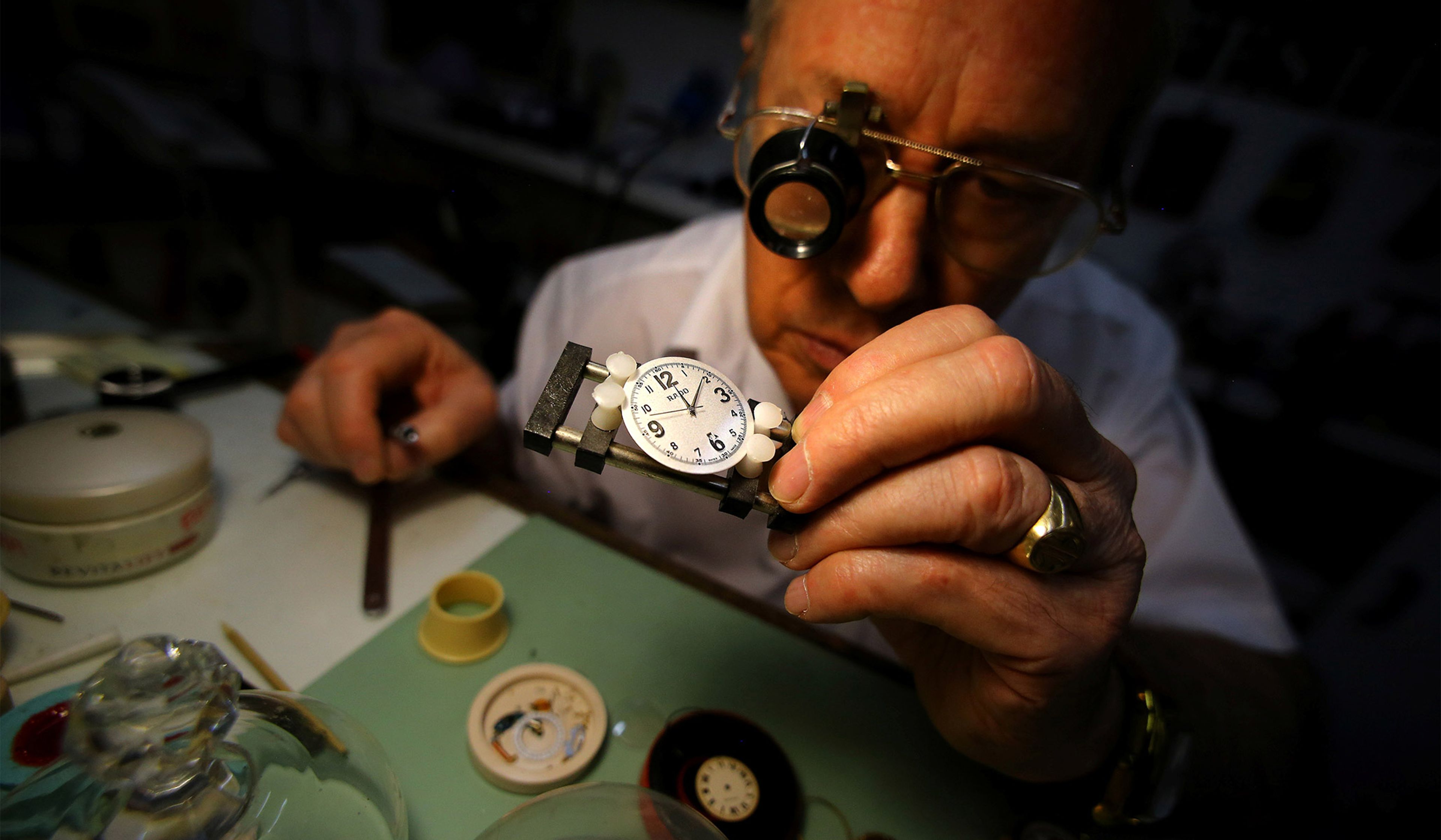
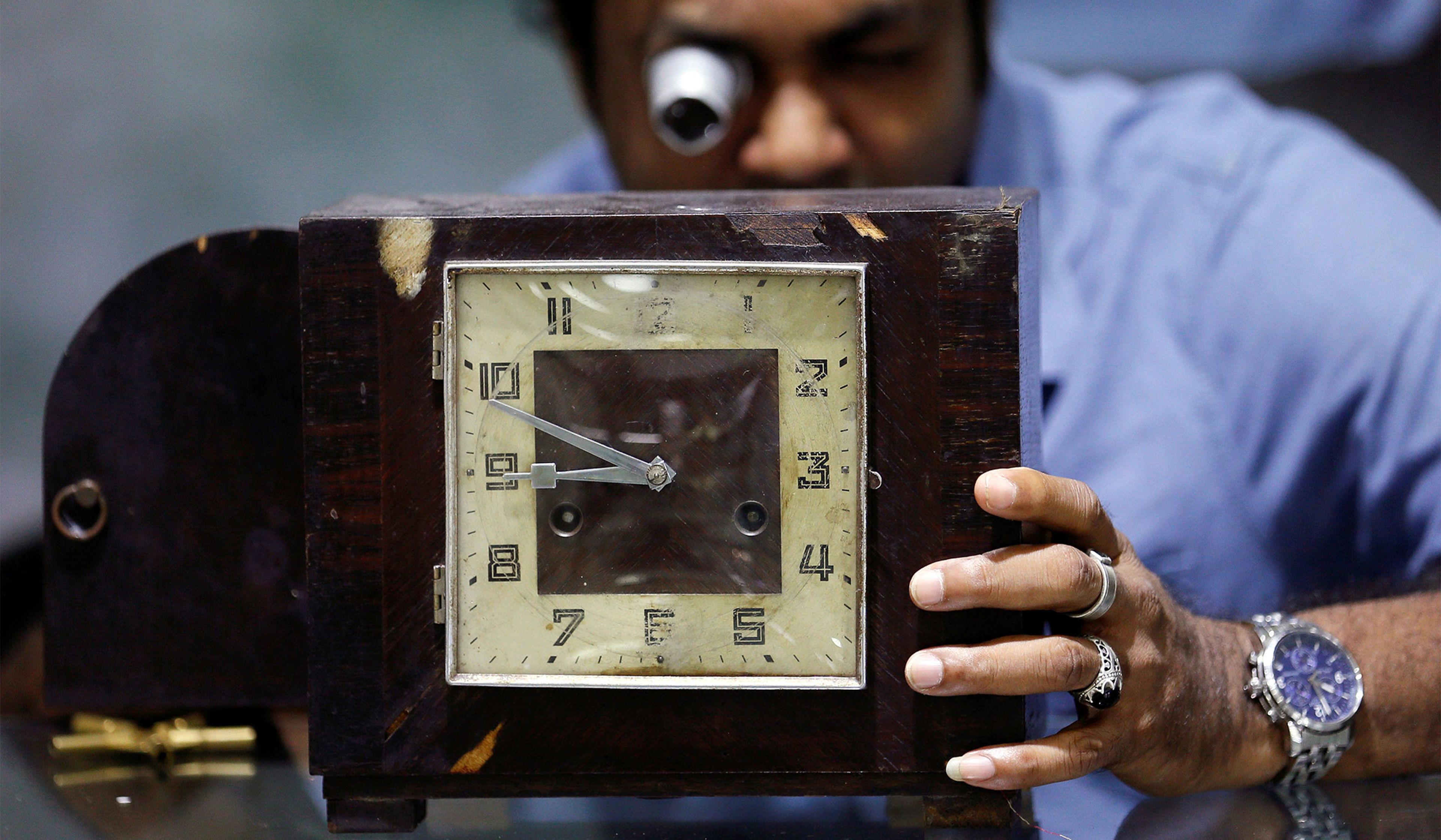
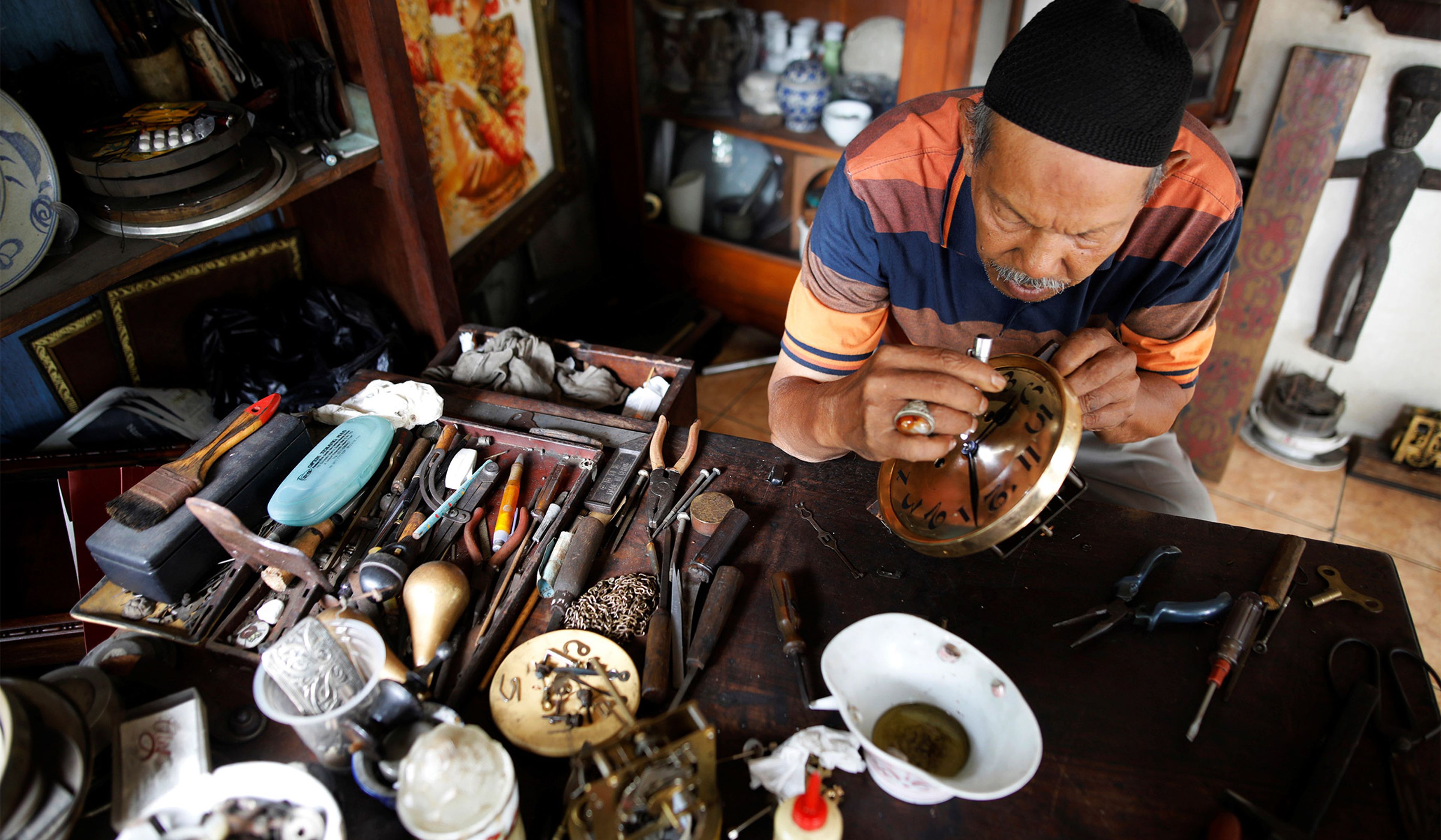
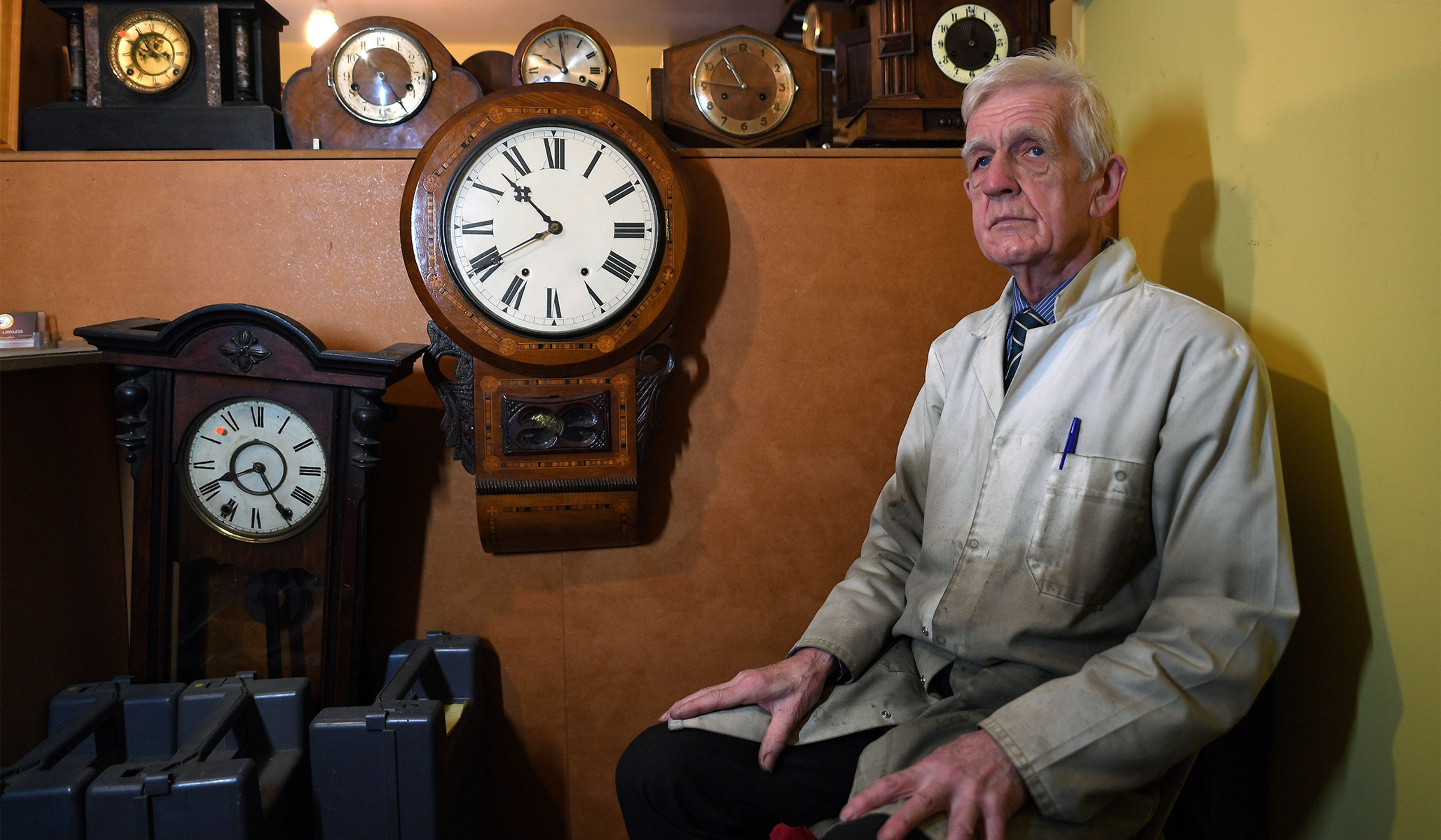
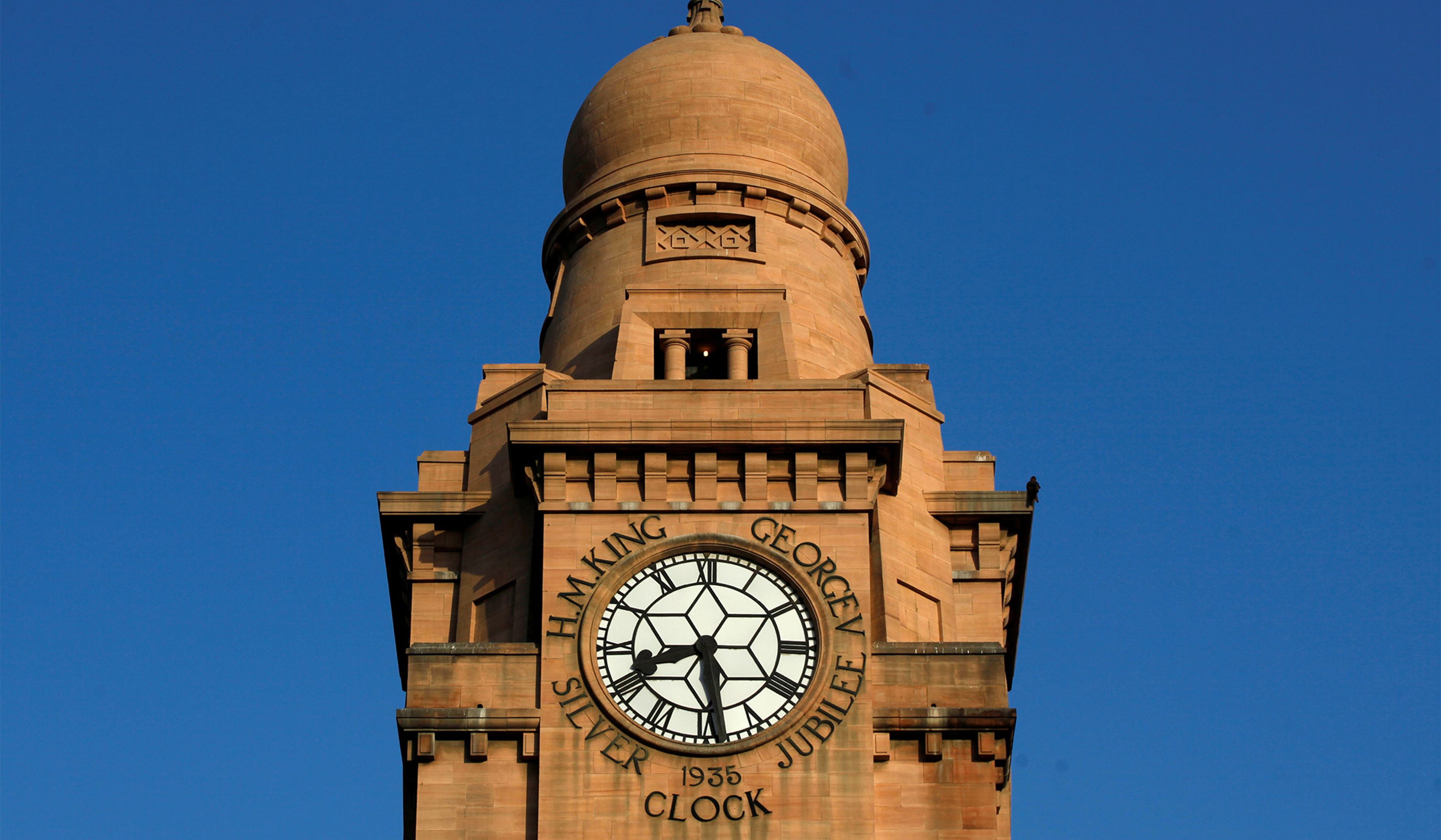
A man adjusts time on a clock tower in Peshawar, Pakistan, January 22, 2018.
Fayaz Aziz/Reuters
Life in the country should be better. Fewer people, fewer places. Four cars at a gas station is a mob; if you have not found what you want to wear at Walmart, Tractor Supply, or the free stuff at the dump you are not finding it because there is no place else to look. Yet the things that have to be done, although they are not scheduled to the minute — cleaning the gutters, putting ant poison around the outdoor generator, taking in the rollout garden pathways — have to be done, because if you do not do them, water and then icicles clog, ants build nests that short out the electronics in the control board, wooden slats rot. So you make a mental list, check it once and twice, and if you have gotten to thrice: impatience.
Curses can sometimes be entertaining, occasionally relieving, but most dependably all they do is breed each other. Ground teeth will show up on a dentist’s bill one day, impotent frustration may show up on a cardiologist’s. The problem is not the circumstances, which are legion and unavoidable, but the reaction to them.
Expectation of perfection? Who is grading? Of competence? If at first you don’t succeed, try again; or ask. How dire are the consequences of non-accomplishment anyway? Past the age of job interviews, is there any appointment so serious that it cannot be remade? Any performance so wonderful that you will not be able to see another almost as good, or better? Any delay that costs more than money? What is the money for? The art of living, said a wise man, consists in knowing how to be cheated — of time as well as cash.
The final secret pull of impatience is that it is attractive. It is attractive because rage is power.
Isn’t it?












Comments