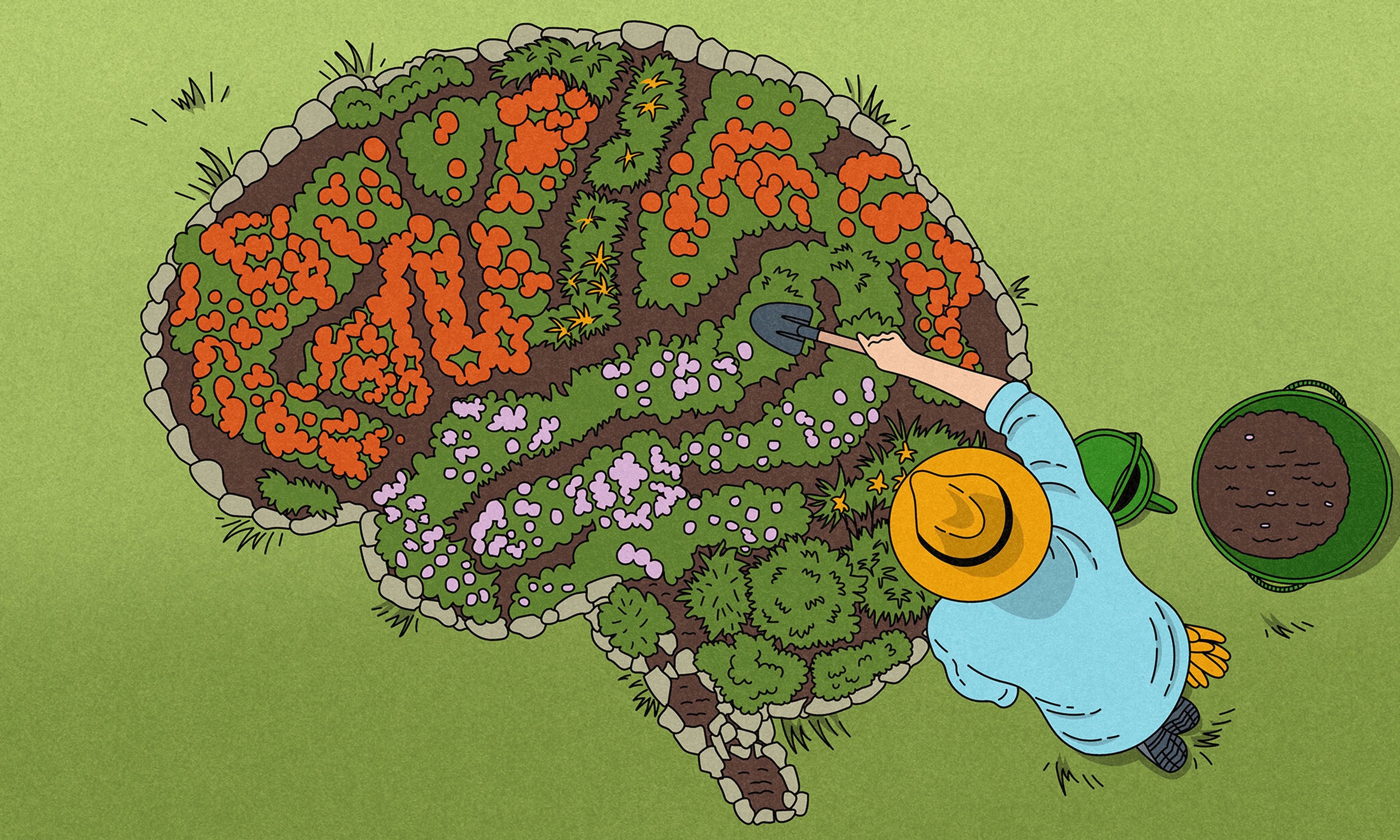
I’ve been thinking a good deal lately about imagination — specifically, the imaginative space in our minds, and its importance in the second half of our lives.
A good deal of the work of our brains — emphasis on work — consists of the here and now. We perceive, we interact, we analyze, we plan by reason and experience and proceed according to those plans. But the imaginative space deals in the places we haven’t gone yet, and in many cases never will. It is filled both with unreal things and things we wish, or fear, will be real. It is the place we explore or retreat to inside of us when we are alone, or at rest, or bored, or in other ways not immediately stimulated or occupied. It is where we think about the future in ways that may engage our puzzle-solving sides, but can also run well beyond the purely rational — constructing our best and worst-case scenarios, wishcasting, and at times, taking us down the future of our pasts — the rest of roads not traveled. Some people have more active imaginations than others, but the furnishings and population of our imaginative spaces is, for all of us, an underrated component of our happiness or lack thereof.



Comments