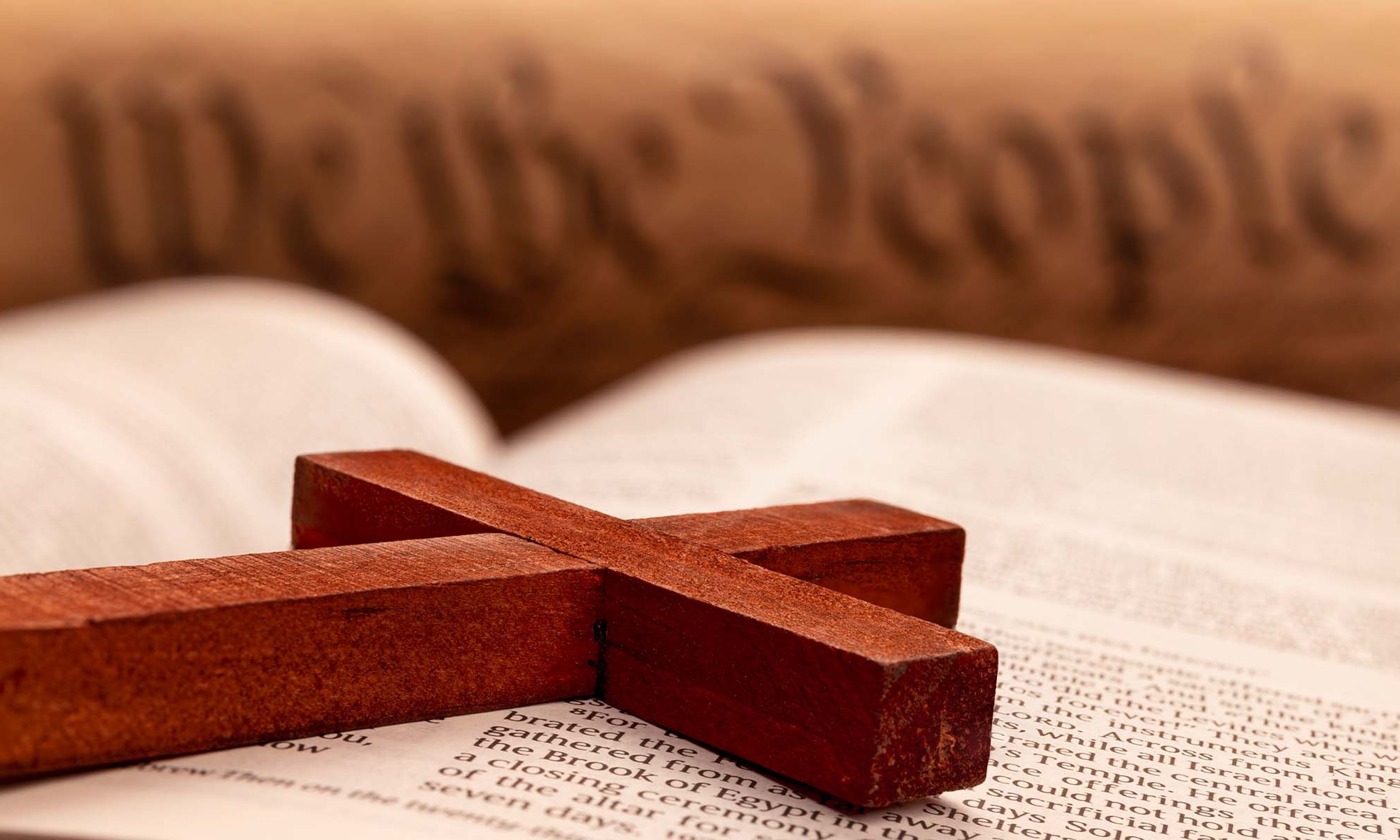
Supreme Court justice Elena Kagan memorably stated during her confirmation hearing in 2010, “We are all originalists.” She meant that, when interpreting constitutional rules and principles, it is now standard for justices to “apply what [the Framers] tried to do.” Justices generally agree that the free — exercise clause and the establishment clause of the First Amendment should be interpreted in light of the Founders’ understanding. But justices mostly disagree about what the Founders “tried to do” with these clauses.
If we are to understand the Founders’ perspective on the principle of religious liberty, we must follow their political philosophy. This is Vincent Phillip Muñoz’s argument in Religious Liberty and the American Founding. Since many in the founding generation thought of religion as a natural right, Muñoz contends, a natural-rights approach to the religion clauses is “most authoritative.”
In the book’s engaging final chapter, Muñoz applies his natural-rights construction of the religion clauses to actual Supreme Court cases. And this exercise yields surprising results.
Since the natural-rights approach “holds that government’s purposes do not include saving citizens’ souls,” Muñoz surmises that any state-sponsored prayer would be deemed unconstitutional. Thus, his natural-rights construction would affirm Justice Black’s majority opinion in Engel v. Vitale (1962) that school prayers are unconstitutional. And it would reject the majority opinions of Marsh v. Chambers (1983) and Town of Greece v. Galloway (2014) that legislative prayers are constitutional.
Several state constitutions during the founding era, however, as Muñoz explains in his scrupulous study, included provisions for taxpayer funding of religious clergy and instruction. Almost all state constitutions required religious tests for public office. Many of the Founders, moreover, supported legislative and military chaplains, whose responsibilities included prayer and religious instruction.
These practices, which seem like excessive church–state entanglement to us, would not have constituted an “establishment” for most of the Founders. In fact, in some state constitutions, including those of Connecticut (1784), Massachusetts (1780), and New Hampshire (1784), free exercise coexisted with taxpayer support of religion.
The Founders agreed that governmental interference with the free exercise of religion should be prohibited. But many of the Founders also thought religion should be promoted. And they thought this could be done, on the state level, at least, without establishing a religion. Richard Henry Lee of Virginia, for example, worried that religion, “the guardian of morals,” would deteriorate “for want of a legal obligation to contribute something to its support.” Patrick Henry proposed legislation in Virginia in 1784 that would assess taxes for the support of Christian ministers.
But natural-rights political philosophy would prohibit all state actions touching on religious exercise, as such. It would reject the Founders’ traditional practices as a suitable guide for constitutional interpretation.
Today, legal scholar Michael McConnell, as well as Justices Alito, Thomas, and Gorsuch, have argued that the free-exercise clause serves to protect religious worship and practice, in part, by mandating religious exemptions from burdensome laws. In one of Muñoz’s signature findings, which represents a culmination of years of scholarly debate, he argues that the free-exercise clause does not require such exemptions from valid, generally applicable laws.
Muñoz’s natural-rights construction would affirm Justice Scalia’s majority opinion in Employment Division v. Smith (1990) that the use of illegal drugs in a religious ceremony is not constitutionally protected. Scalia argued in this case that neutral laws that do not target religion, but that impair religious practice as a result, are consistent with the free-exercise clause. Similarly, the natural — rights construction would reject Justice Kennedy’s majority opinion in Masterpiece Cakeshop v. Colorado Civil Rights Commission (2018) that compelling a cakeshop owner to bake a cake for a same-sex wedding in violation of his sincerely held religious beliefs violates the free-exercise clause.
This natural-rights approach to religious liberty, then, would prohibit school and legislative prayer. It would leave it up to the states to decide whether groups or individuals should be exempted from generally applicable laws — nondiscrimination laws, for example — on account of their sincerely held religious beliefs.
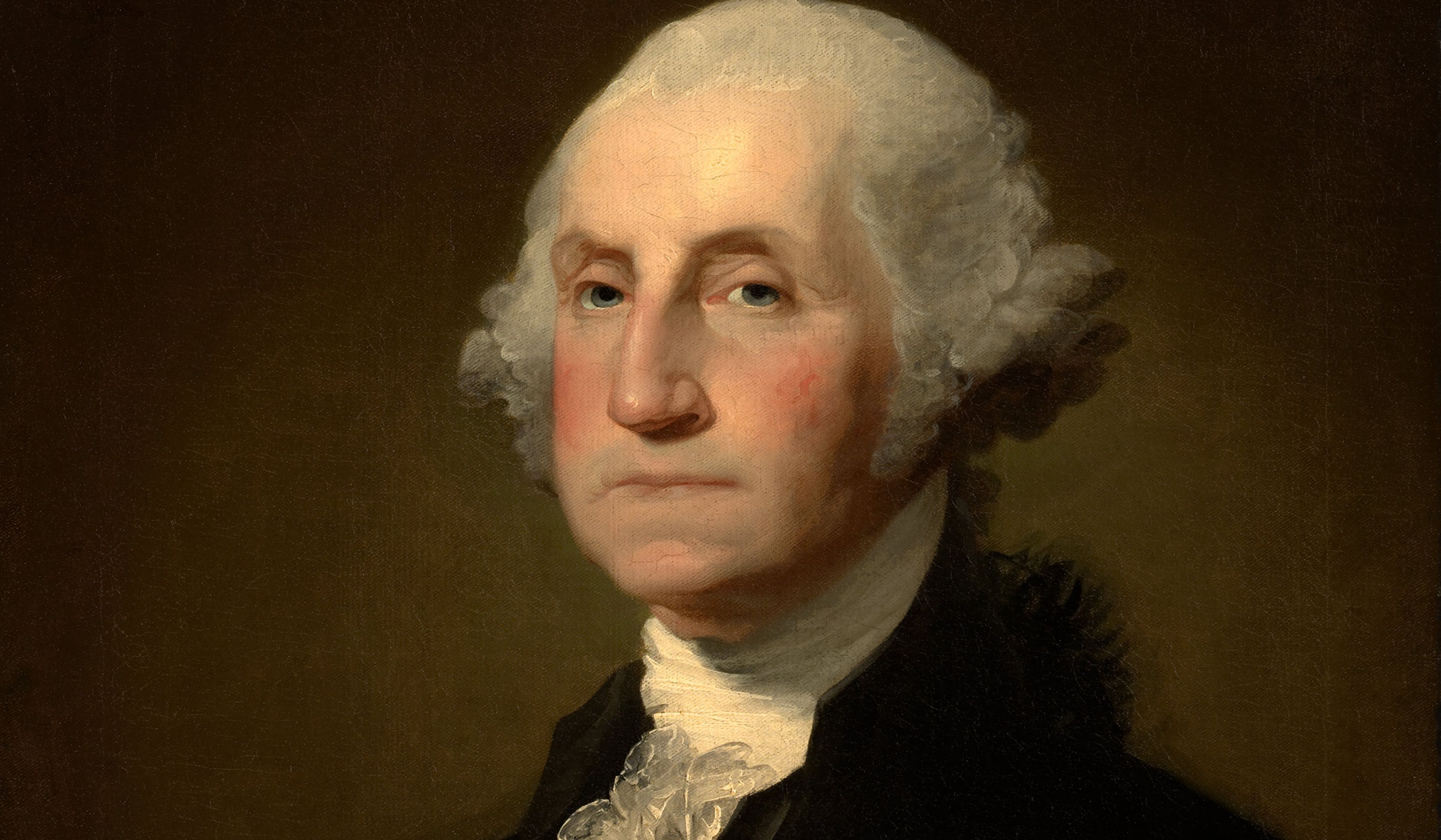
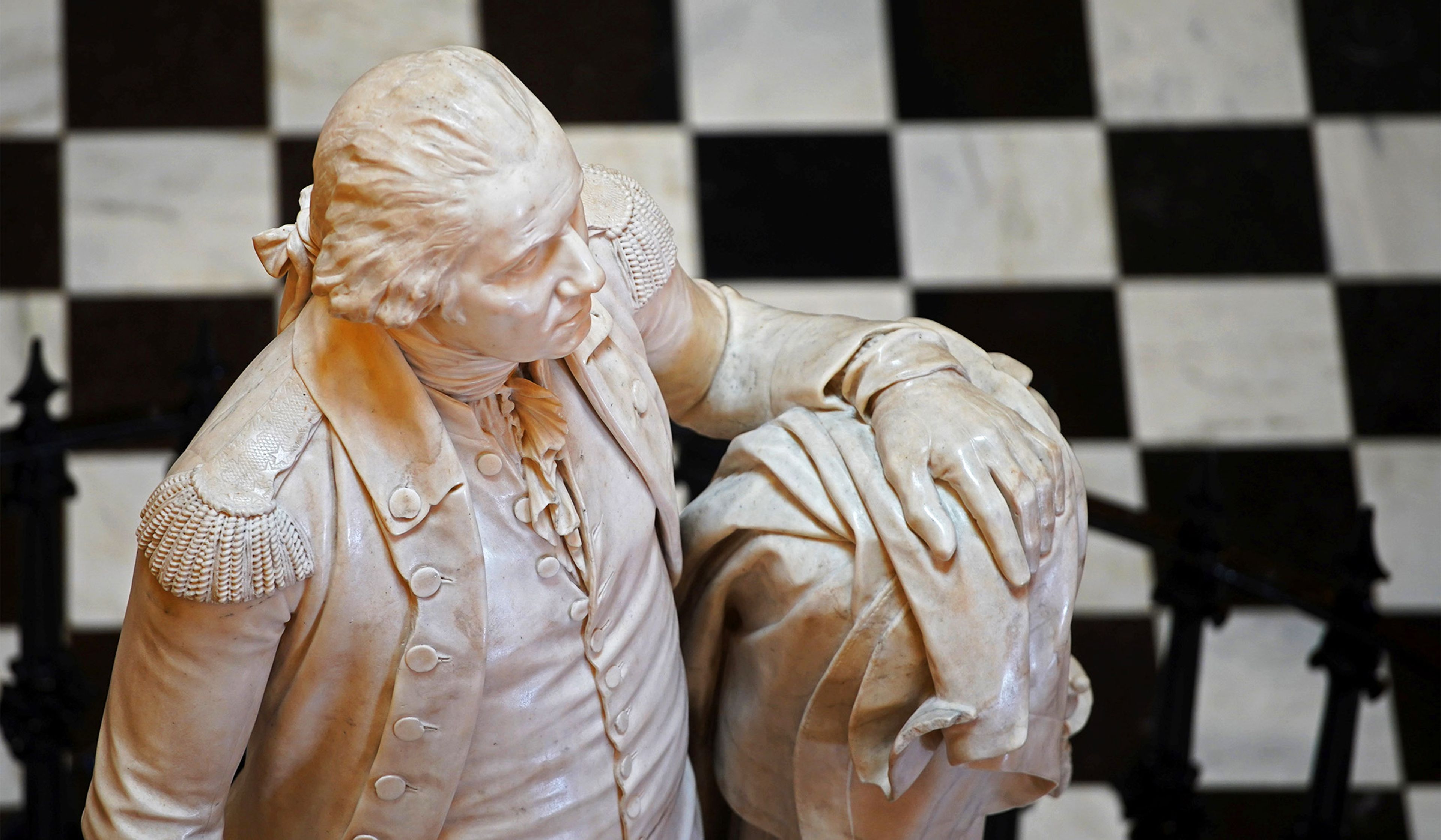
By failing to secure robust First Amendment protections for religious exercise, this approach tends to obscure recognition of religion’s necessary role in a self-governing republic. The preeminent Founder, George Washington, for example, called religion “a necessary spring of popular government” in his Farewell Address.
A discrepancy emerges here between the Founders’ constitutional theory and their historical practice. As Muñoz reminds his readers, the Founders were not traditionalists. They were revolutionaries. And their social-compact political philosophy, too, was revolutionary, especially in matters of church and state.
It was social-compact theory that informed the Founders’ claim that religious liberty is an unalienable natural right. Whereas a civil right is granted by government, a natural right is not. A natural right inheres in human nature. It is universal, grounded in the self-evident truth that all men are created equal.
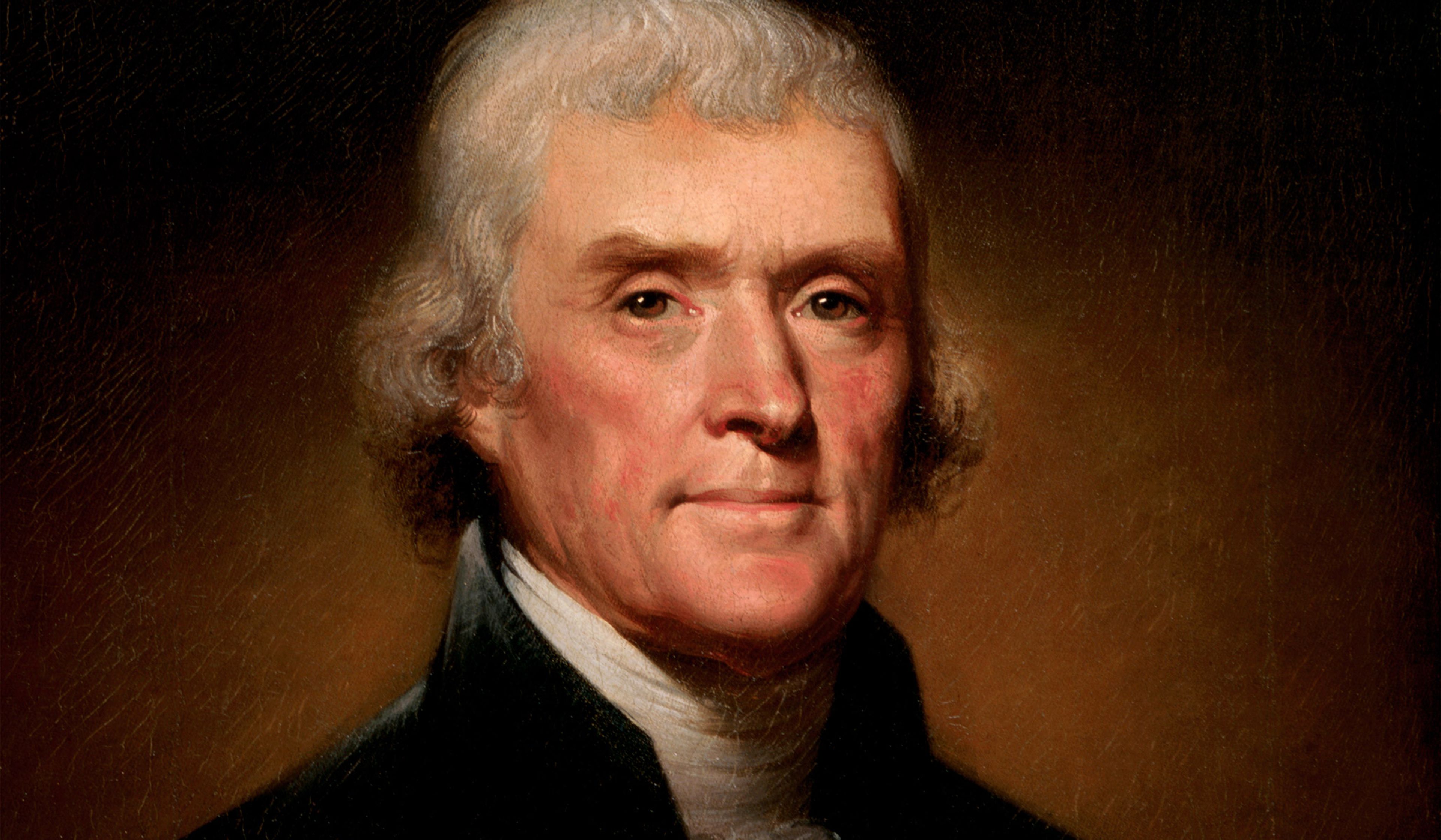
In Notes on the State of Virginia, Thomas Jefferson observed, “The rights of conscience we never submitted” to government. That means that the rights of conscience, which were never given to government, cannot be taken away by government. In this case, government is instituted to protect the natural rights not only to life, liberty, and property, but also to the free exercise of religion. Limiting the government’s authority over religion in this way, according to Muñoz, “is at the core of the Founders’ liberalism.”
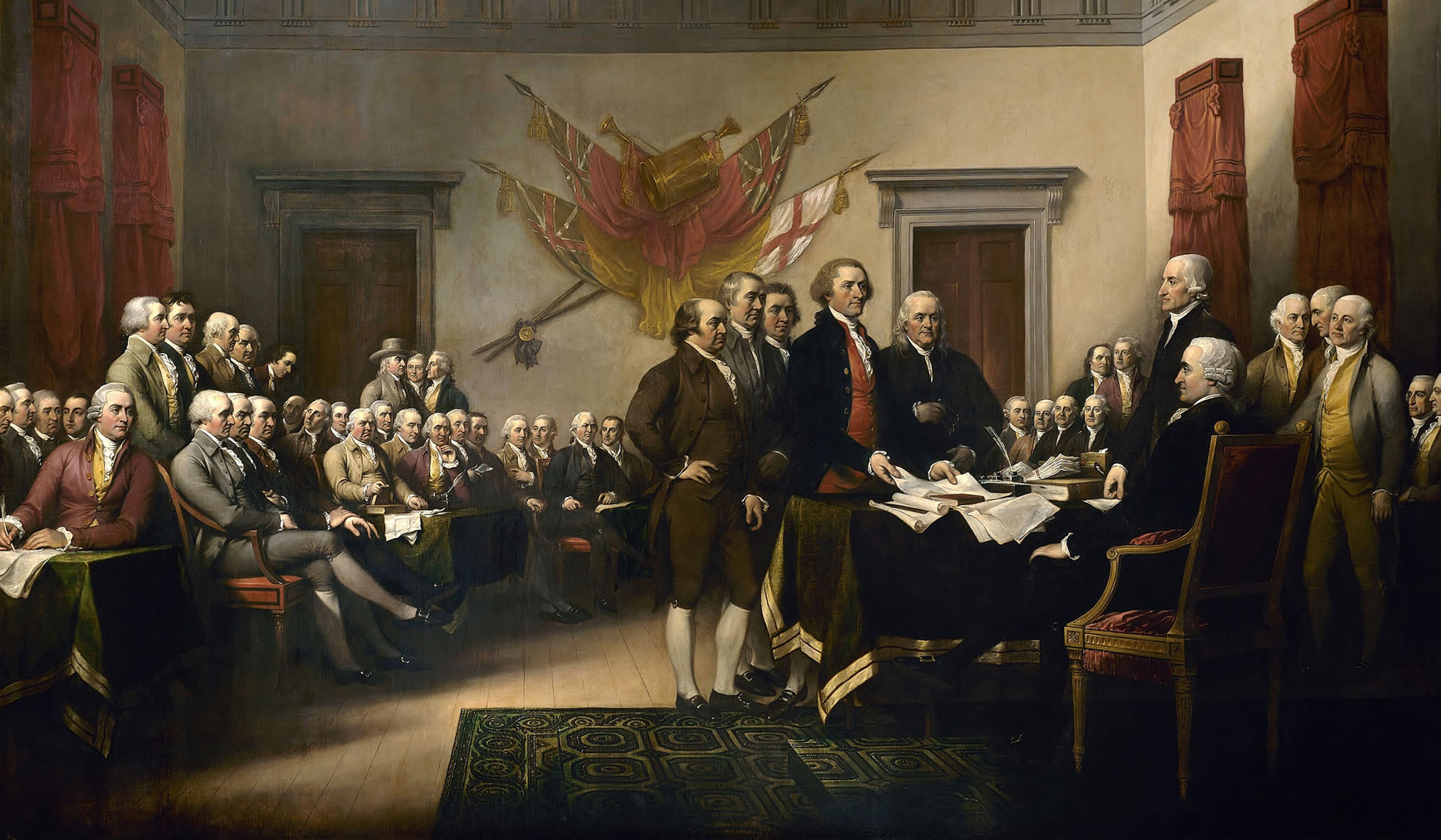
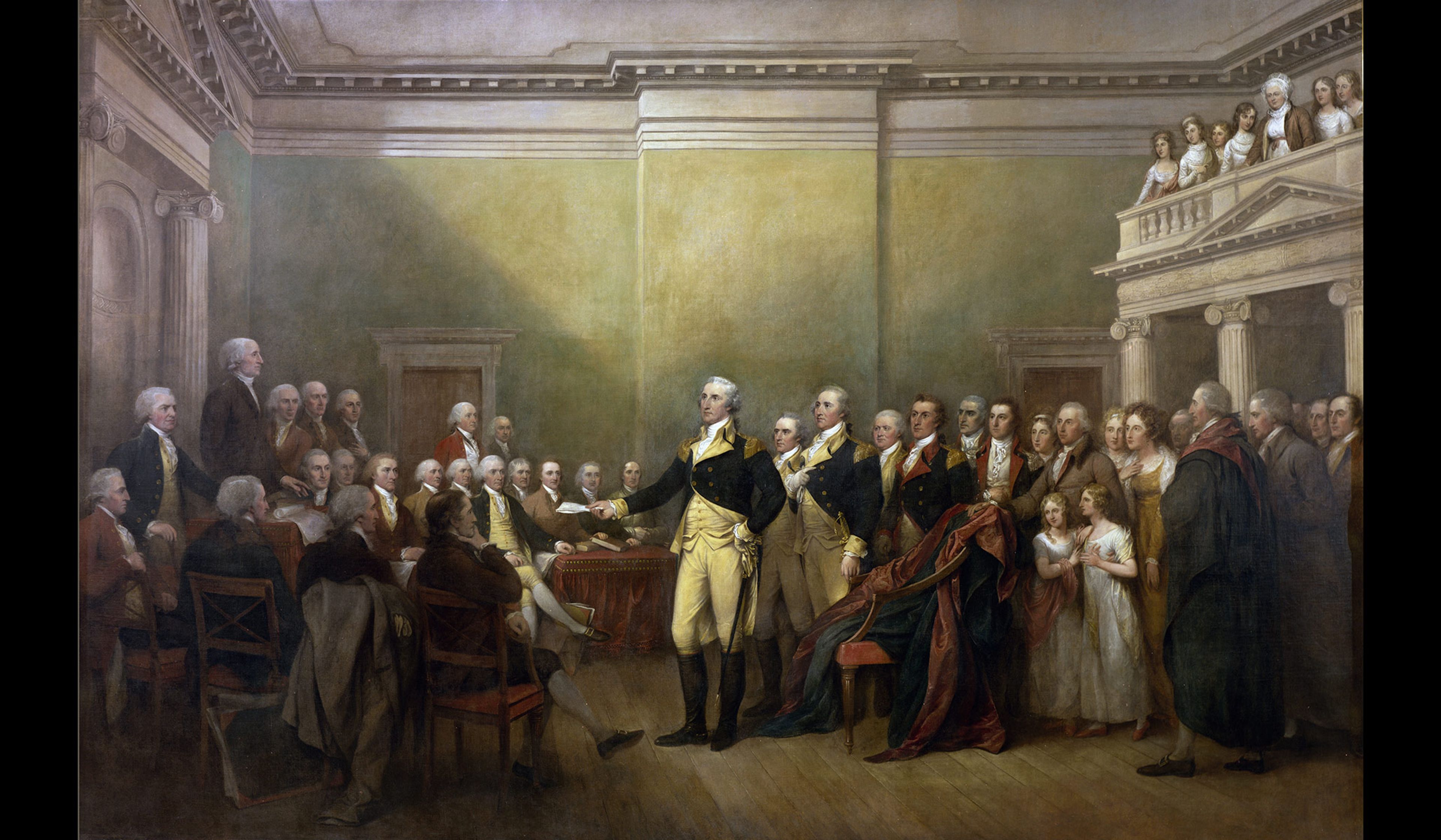

John Trumbull’s Declaration of Independence, 1818
Architect of the Capitol
To establish that this was the “dominant” perspective on religious liberty at the Founding, Muñoz provides an expert analysis of the state constitutions and declarations of rights written between 1776 and 1791. During this period, twelve states adopted constitutions. Eight of them contained a declaration of rights. These declarations educated citizens regarding the limits of government. When drafting the Bill of Rights, the first Congress used the state declarations as its source material.
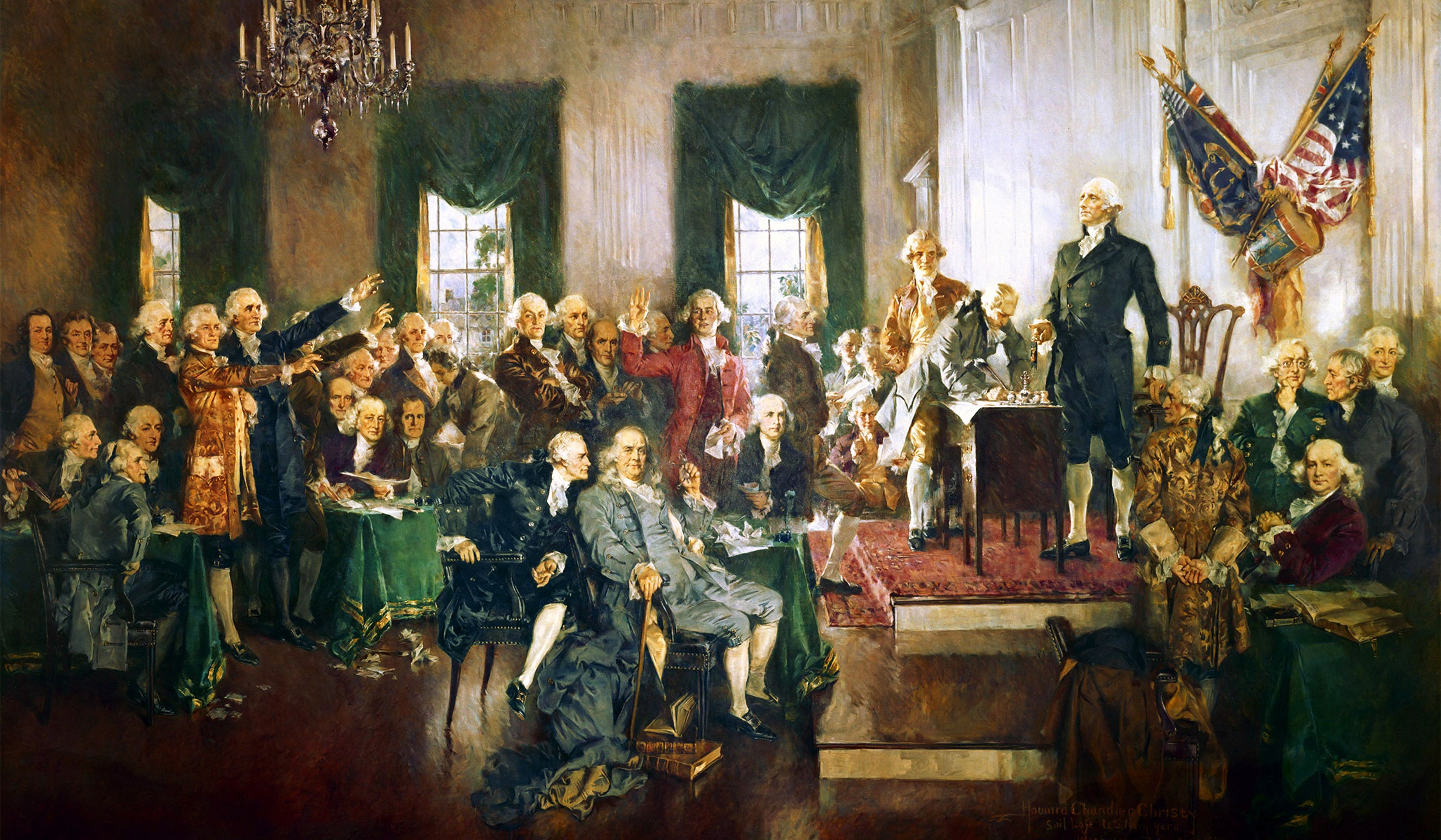
With commendable clarity, Muñoz guides the reader through the formation of the religion clauses of the First Amendment as they were debated and drafted by that Congress in 1789. The resulting analysis of the various drafts of these clauses as they passed through committees in the House and the Senate is worth the time of any serious inquirer into the original meaning of the free — exercise and establishment clauses.
Because the Founders left the precise meaning of “establishment” and “free exercise” underdetermined, however, their original public meaning lies within what Muñoz calls “the construction zone.” In this case, when interpretation of the text alone is not enough to elucidate its original public meaning, the text must be constructed. Using an approach that he terms “design originalism,” he investigates the ends, or purposes, the Founders intended to achieve by means of the religion clauses. In so doing, he reads the text of the law in light of the spirit of the law. And the spirit of the law, for Muñoz, is social-compact theory.
Not everyone would agree that judges should engage in this kind of construction. Some originalists would balk at this aspect of Muñoz’s project. They would prefer to grant the political branches leeway when dealing with indeterminate constitutional provisions.
Muñoz prudently notes, however, that “someone will have to construct the text.” And as an alternative to Ronald Dworkin’s “moral reading” of the Constitution, which interprets abstract principles, such as free exercise, in accord with our best contemporary understanding of those principles, Muñoz seeks to “exemplify how judges might perform good-faith originalist constitutional constructions.”
This kind of construction has limited applicability, though. The establishment clause, for example, cannot be applied according to its original design, because of incorporation, that is, the application of the Bill of Rights to the states. The establishment clause was originally designed to prevent national interference in state policy toward religion. Consistent with Anti-Federalist demands, the First Amendment prohibited Congress from making a law “respecting an establishment of religion.” This preserved religious pluralism in the states. But incorporation takes this kind of federalism off the table.
Since the natural-rights construction of the establishment clause is incapable of preserving the kind of federalism and religious localism that the Founders sought to nurture, it seems insufficiently originalist to me. Invocation of our nation’s history and tradition might more effectively align constitutional interpretation with what the Founders sought to achieve when drafting the establishment clause.
While the Founders agreed on the universal, unalienable right to religious liberty, they disagreed on church–state relations. This explains variation among the states, from South Carolina, whose 1778 constitution made “the Christian Protestant religion . . . the established religion of the state,” to Virginia, which implemented the most radical separation of church and state.
Throughout — and within — these states, proponents of a republican approach to government argued that religion instills in citizens the virtuous character that makes self-government possible. The Connecticut Constitution of 1784 reflected this belief. It stated, “As the happiness of the People, and the good Order of Civil Society, essentially depend upon Piety, Religion, and Morality, it is the Duty of the Civil Authority to provide for the Support and Encouragement thereof.”
James Madison and Thomas Jefferson adopted a contrary, classical-liberal line on church–state relations. Rebutting Henry’s republican proposal in the Virginia state legislature to support teachers of the Christian religion with taxpayer money, Madison contended that “religion flourishes in greater purity, without than with” government aid.
Although Muñoz states at the outset of the book that he will look beyond the theories of Jefferson and Madison to capture a broader swath of founding perspectives on religious liberty, he ultimately rests his natural-rights construction on their liberal, Lockean understanding. He does so even though Virginia was the most revolutionary of the state constitutions. The founding-era state constitutions, though, when taken together, seem to indicate that the republican approach was dominant.
Originalism requires that we subordinate our wills to the supermajority that ratified the Constitution nearly two and a half centuries ago. But does it require that we act contrary to reason? Muñoz suggests that, if we are to adopt the Founders’ approach to religious liberty, we should consider doing so not “primarily because they are our founders or the authors of our Constitution.” We should consider doing so because, if they were correct, then following their philosophy would be the just thing to do.
If the Founders’ social-compact political philosophy is true, then the state should have no sovereignty over religious exercise. At the same time, it is possible that the Founders’ republican belief that religion is necessary for self-government is also true. If that is the case, then liberal social-compact theory, by militating against the public promotion of religion, strips the state of the ability to support one of the necessary pillars of self-government. And that is a problem.
Government should not be in the business of saving souls. But we should not forget that the Founders, in their willingness to support religious worship and instruction, publicly acknowledged, at least, that there are souls to be saved.
Improvident fathers sometimes revert to the sorry slogan, “Do as I say, not as I do.” Regarding the Founding Fathers’ approach to religious liberty, perhaps it is fitting to do the reverse. If we want to remain true to the original purpose of the religion clauses, then we should do as they did, not as they said.












Comments