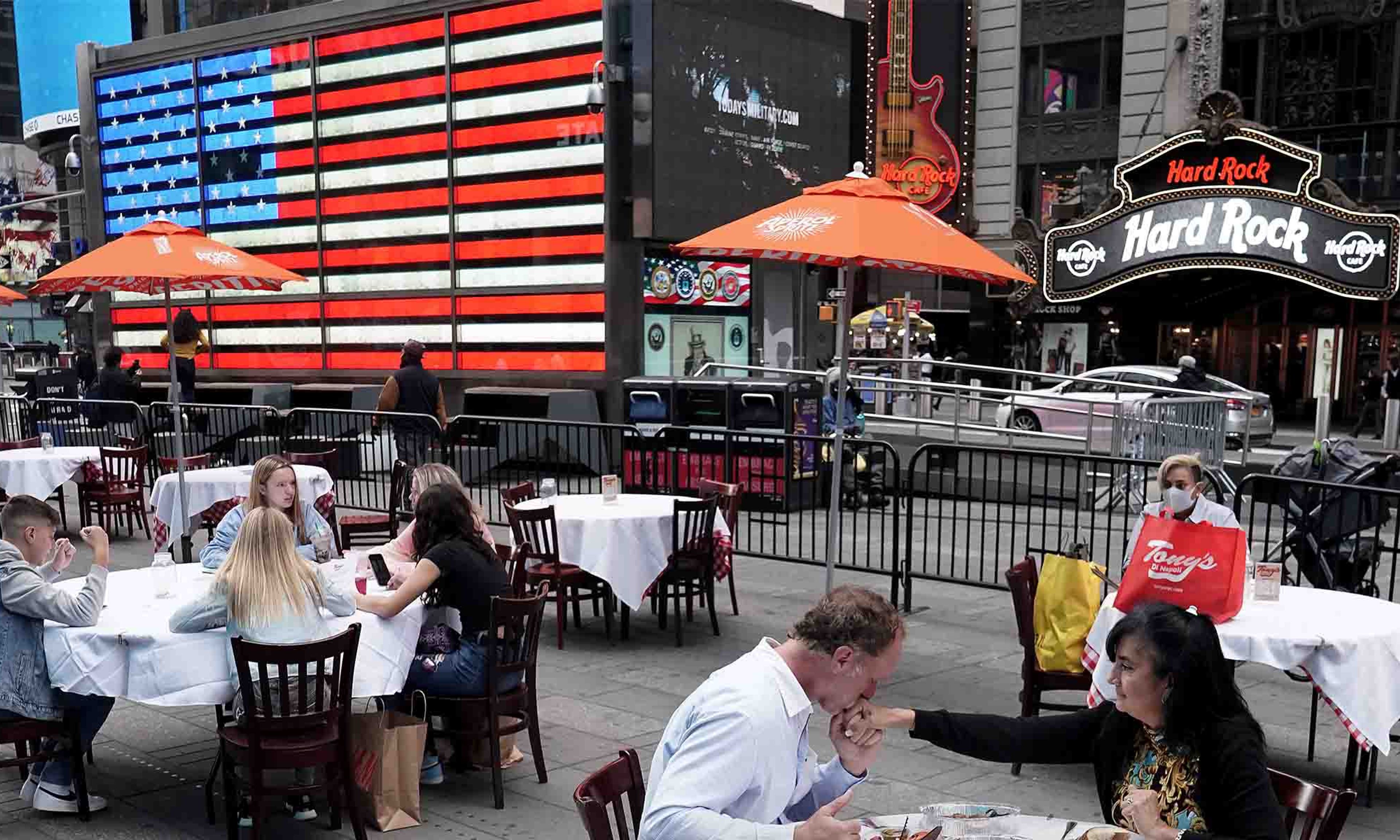
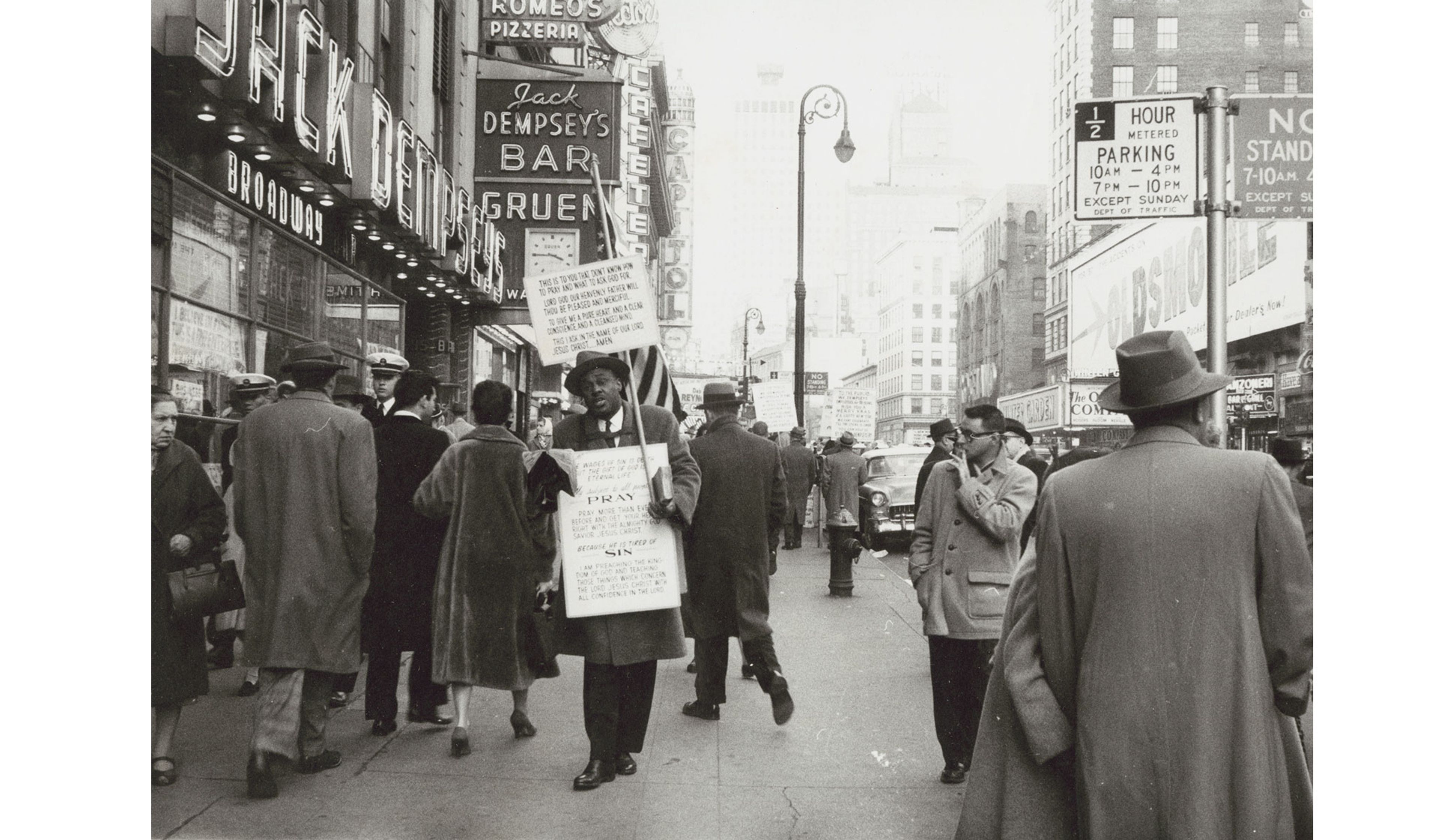
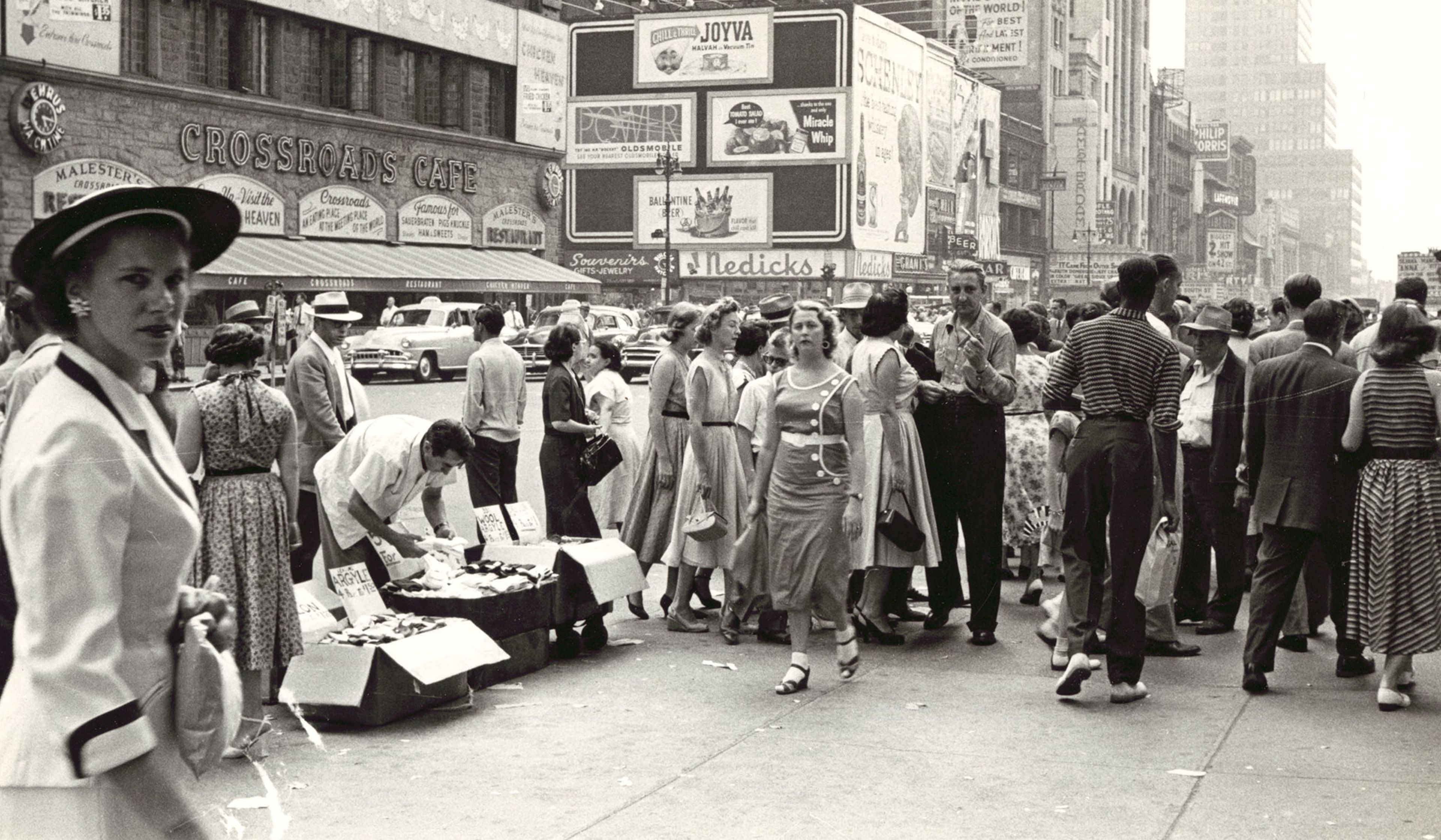
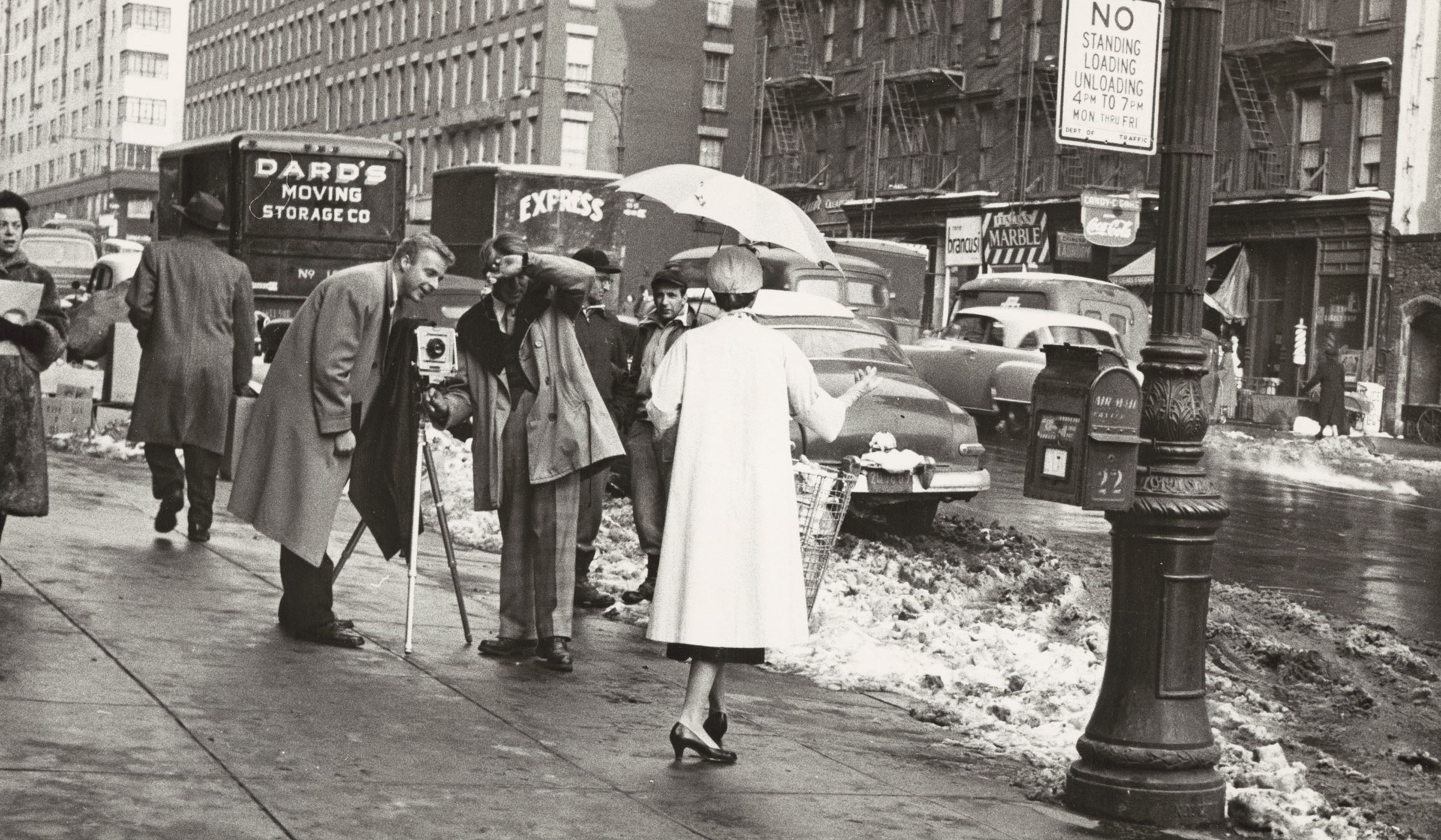
Before the pandemic the city’s sidewalks and streets were for two things: walking and driving.
City-dwellers walk, and why not? So many things lie within a two-block radius. Grocery store: check. Liquor store: check. Diner, tavern: check. Dry cleaner, barbershop, shoe repair: check. Greek Orthodox church: check. Goethe-Institut: check. The subways are dodgy, cabs are expensive. Let the suburbanites who have to turn an ignition key to mail a letter or buy a box of Kleenex get their exercise from home workout routines. We use our legs.
Our competitors for space on the street grid were the drivers of buses, trucks, the aforesaid cabs. Between us and them it was war. Flashing lights and painted lines supplied the urban equivalents of the Geneva Convention, but when there were ten seconds to be saved, and when were there not, you knew what to do. Even though sidewalks and streets could be taken for other purposes — parades, street fairs, repair work — walking and driving ruled.
With the pandemic came a change, greater than a riverside highway or acres of landfill. Those are local, this was a third thing, everywhere: outdoor dining.
The pandemic hammered the restaurant business. We feared our fellow men, you couldn’t eat through a mask. So the state with one hand gave back some of what it had taken with the other, and allowed outdoor dining to spill onto sidewalks, and lanes formerly reserved for parking. Anti-car fanatics welcomed the chance to restrict cars’ movements. With fewer commuters there were fewer cars anyway. Restaurants — those that survived — welcomed the chance to spread from their virus-infested interiors to the wide-open spaces outside their doors.
With new occasions came aesthetic choices. The red-sauce Italian place put out tables, decently draped in white cloth, with appropriate wine glasses, and a waiter in white shirt and black tie standing by. The unprepossessing Steaks Chops Seafood place wrapped a plastic sheath around its corner, encasing a few tables, lest the Formica counter and leatherette booths within be outclassed. The high-end ice-cream place put out tall tables and tall stools, to mimic the tall uncomfortable window -shelf seating, now vacant inside.
Most restaurants took advantage of the new dispensation to build an extra structure on the street. You’d think you were in the country, where every plot, however humble, supports a shed or two. The common pattern called for wooden walls, with windows, under a sloped roof of corrugated panels. Contractors, taking a break from putting up scaffolding, must have had a field day.
On the avenues these structures are serenaded by the roaring traffic’s boom. This is no joke. I noticed one day that the roof of an outdoor dining area across the street from my apartment had slid off, the corrugations facing outward, like the bones of a fish. They decided to demolish it, I thought. Wrong. Some vehicle — I never learned whether bus or truck — had slammed into it. Happily no one was within.
Some restaurateurs impart variety by decoration. The most popular add-ons are garlands of plastic flowers, as if you were dining at a drive-through wedding chapel. An option in the other direction is the plain plastic box, with panels of lime green and pink/orange. It looks like an interrogation room in South Beach.
The best decorations by far are the passersby, human and canine, walking or stopping in to have a coffee and a chat. The traveler pulling a roller bag, heading from her Uber to her Airbnb. The twelve-year-old being interviewed by the 14-year-old (so they seem) for the job that might justify living with three roommates in the converted one-bedroom in the other borough. Actual kids trying to be cool enough to be with each other, not yet realizing that every one of them is doing exactly the same. Yentas discussing the latest developments in their extended families, or on the floors of their apartment buildings. The severely old, shepherded by a patient, paid dark-skinned person. Toddlers, pushed in strollers by the same. And the dogs. Were you born with that tail, or did someone install it on a whim? Ah, genitals! Let’s smell who you are. I sit so still and so quietly, and look with such devotion, surely you will give me what you are eating.
Some problems. Bad weather. As I write, the gods of the air are planning to end the dry spell with a storm or two. The online radar map shows blotches of red, yellow, and green over nearby states; closer to home, the in-head barometer reports the same. When the rains come the outdoor structure of the coffee shop, which skimped on windows and doors, will become untenable. And how much snugger will it be in the enclosed spaces, with drafts and drumming sounds and the umbrellas of newcomers shedding water all over the place?
Street people. Progressive policy is to place the mad and the indigent on streets. Why streets are thought to be more commodious than shelters or institutions, better ask progressives. But a restaurateur I know told of one sitting down, ordering something, then not paying because, Middle Passage. “If she had said, ‘I’m hungry,’ I would have let her have it, no problem.”
Finally, the character of the city. There should be variation, nooks, eddies in the great current. The street one street over from mine is only six blocks long, with a cross street at one end and a park at the other; most city-dwellers can point to stretches of plane trees, or school playgrounds, that produce similar intervals of slowness. But should the whole beating heart become some Euro piazza? What is the city without tension, pressure, racket, hurry? John Cheever’s best story describes the antihero dodging a pursuer through a rush-hour crowd. The titular train he must catch leaves not at 5:40 or 5:50 but 5:48. Let me see if I can call it up while I finish my coffee.
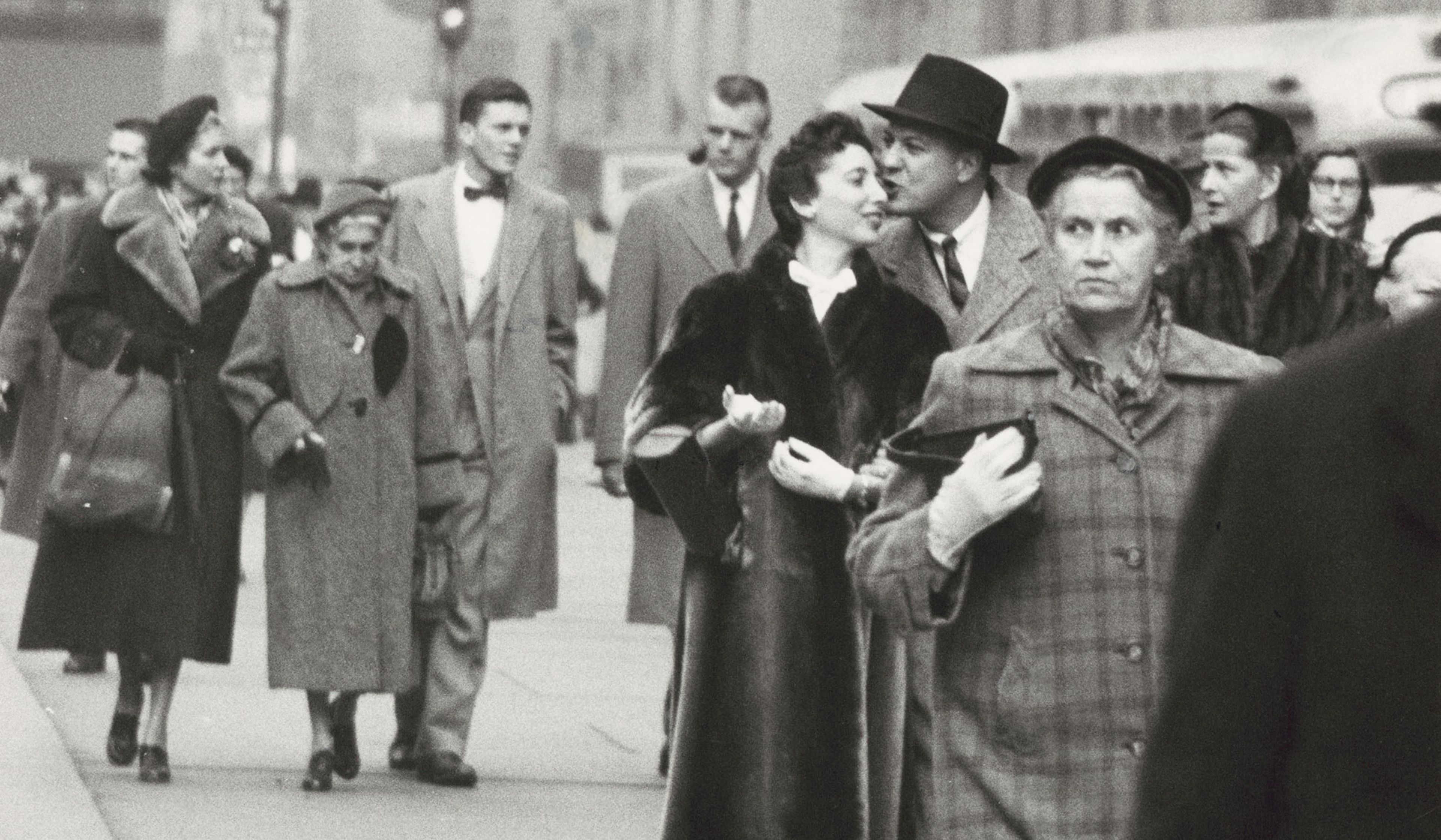
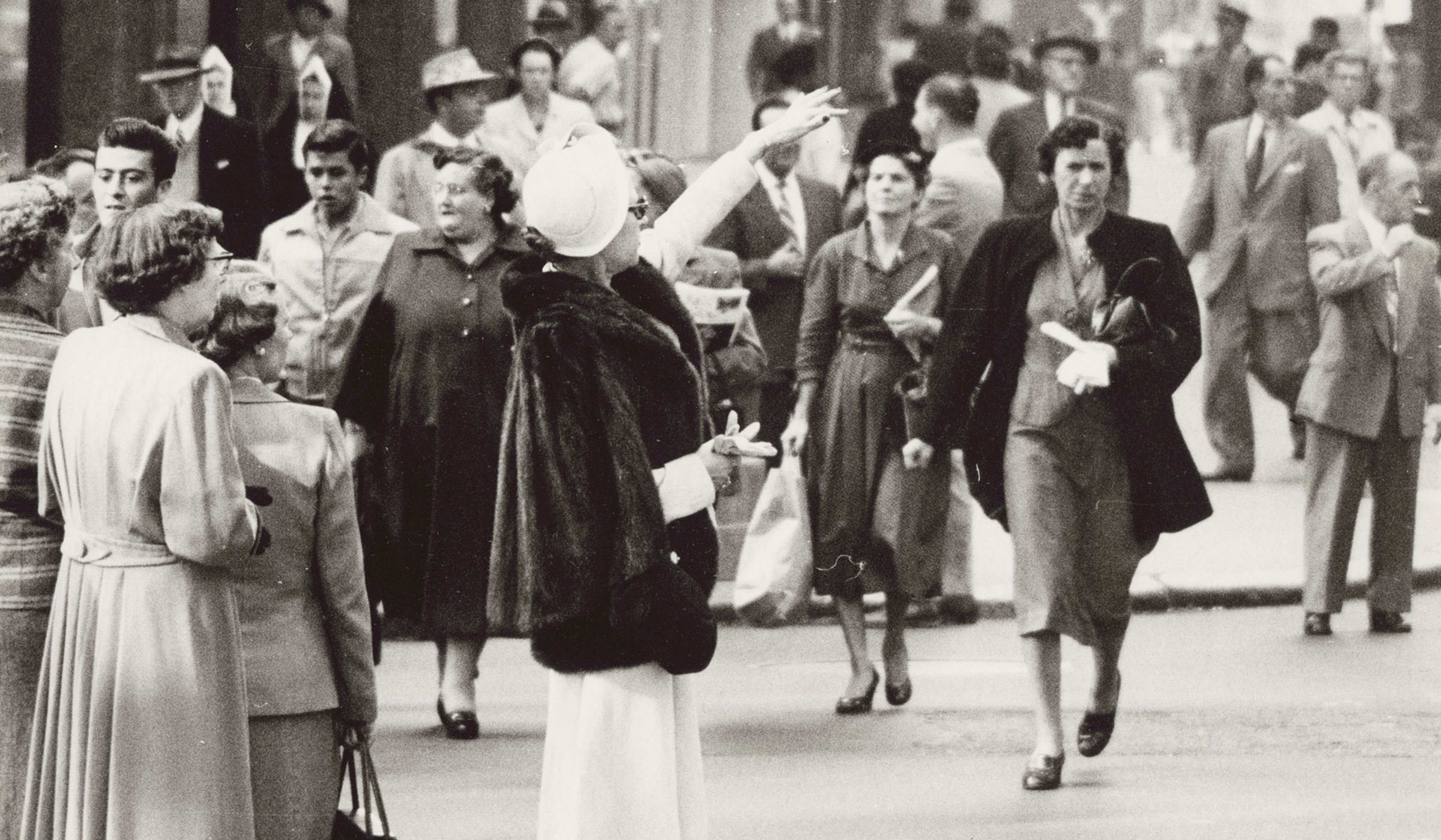
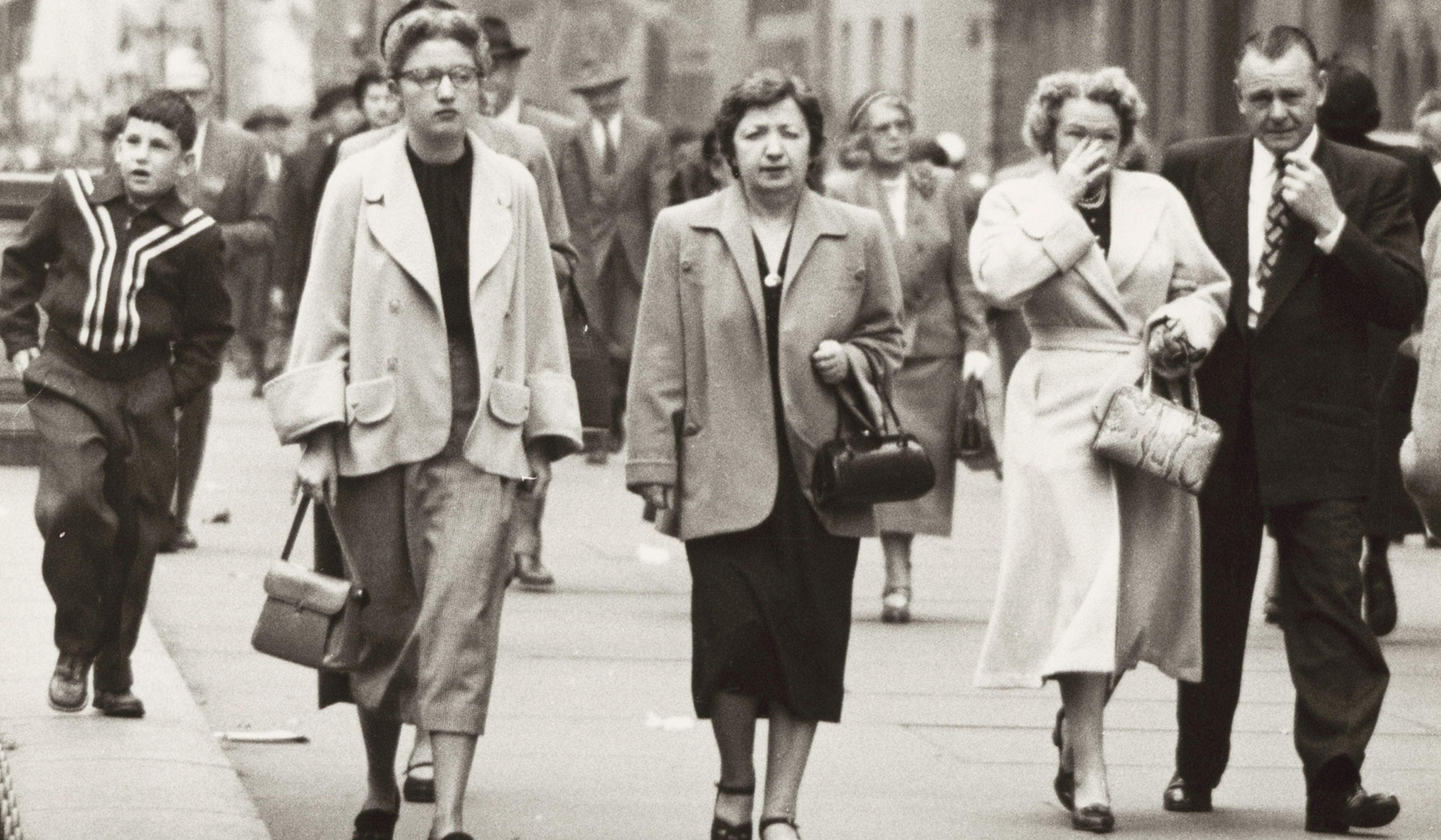
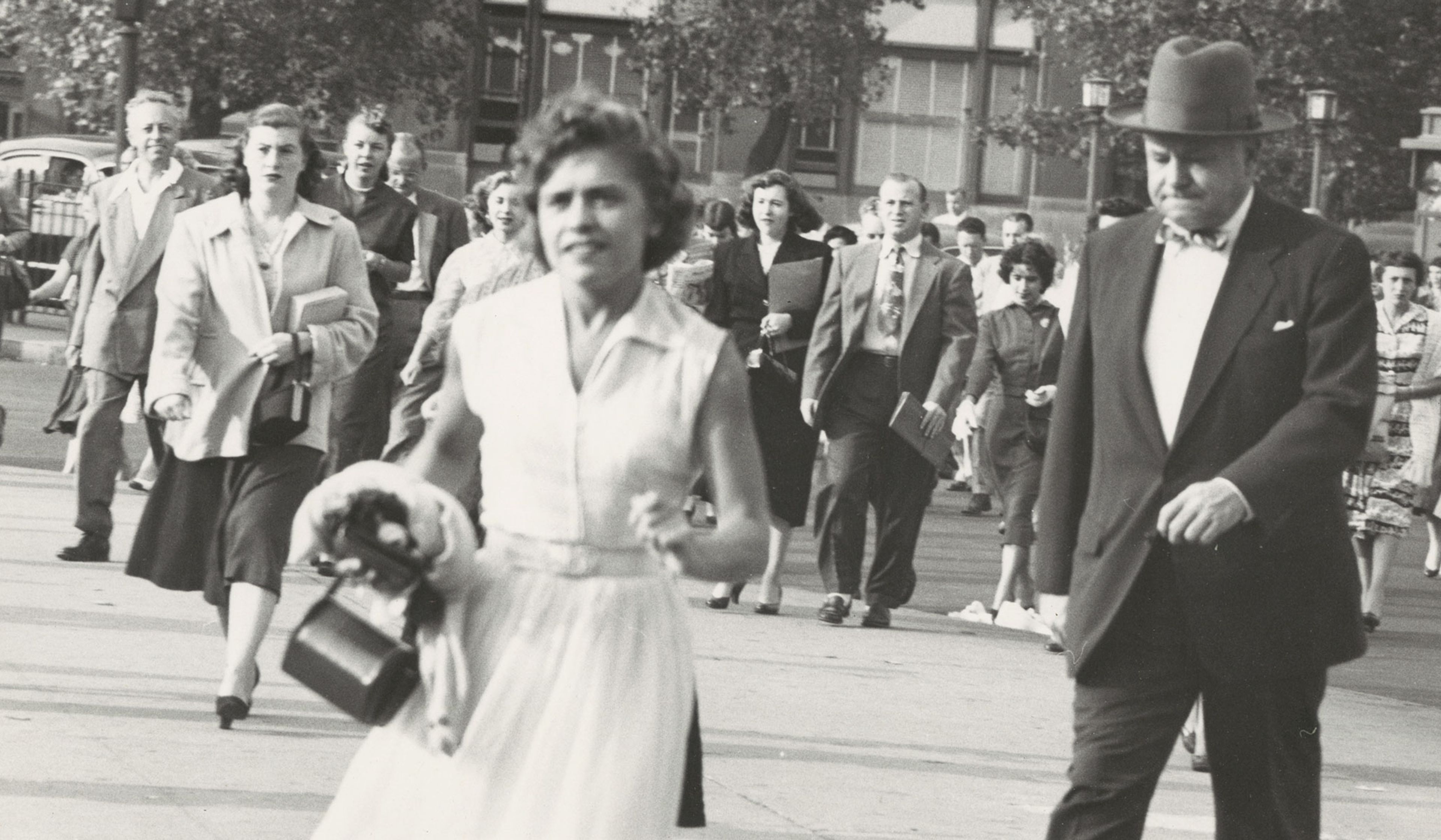
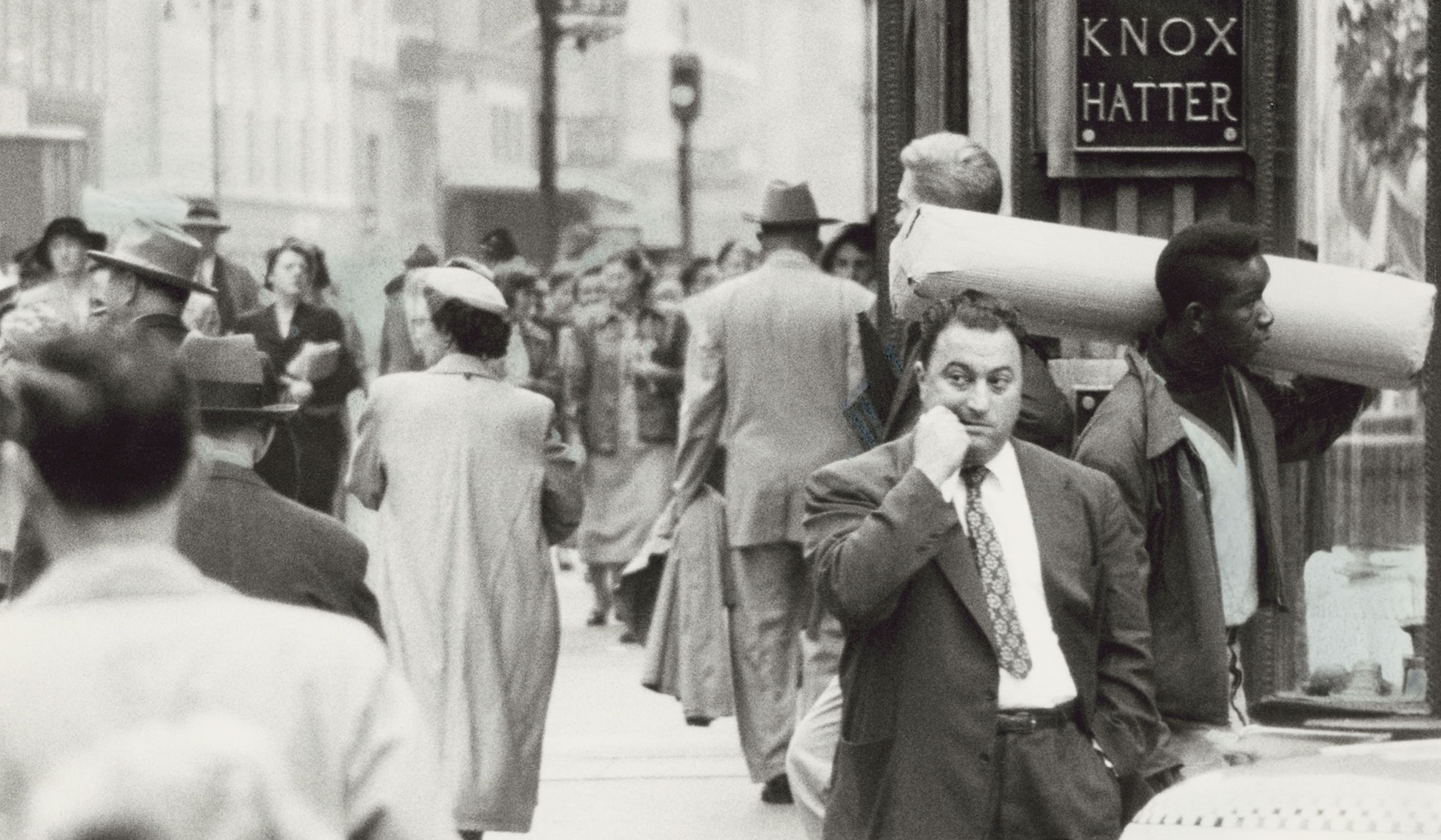
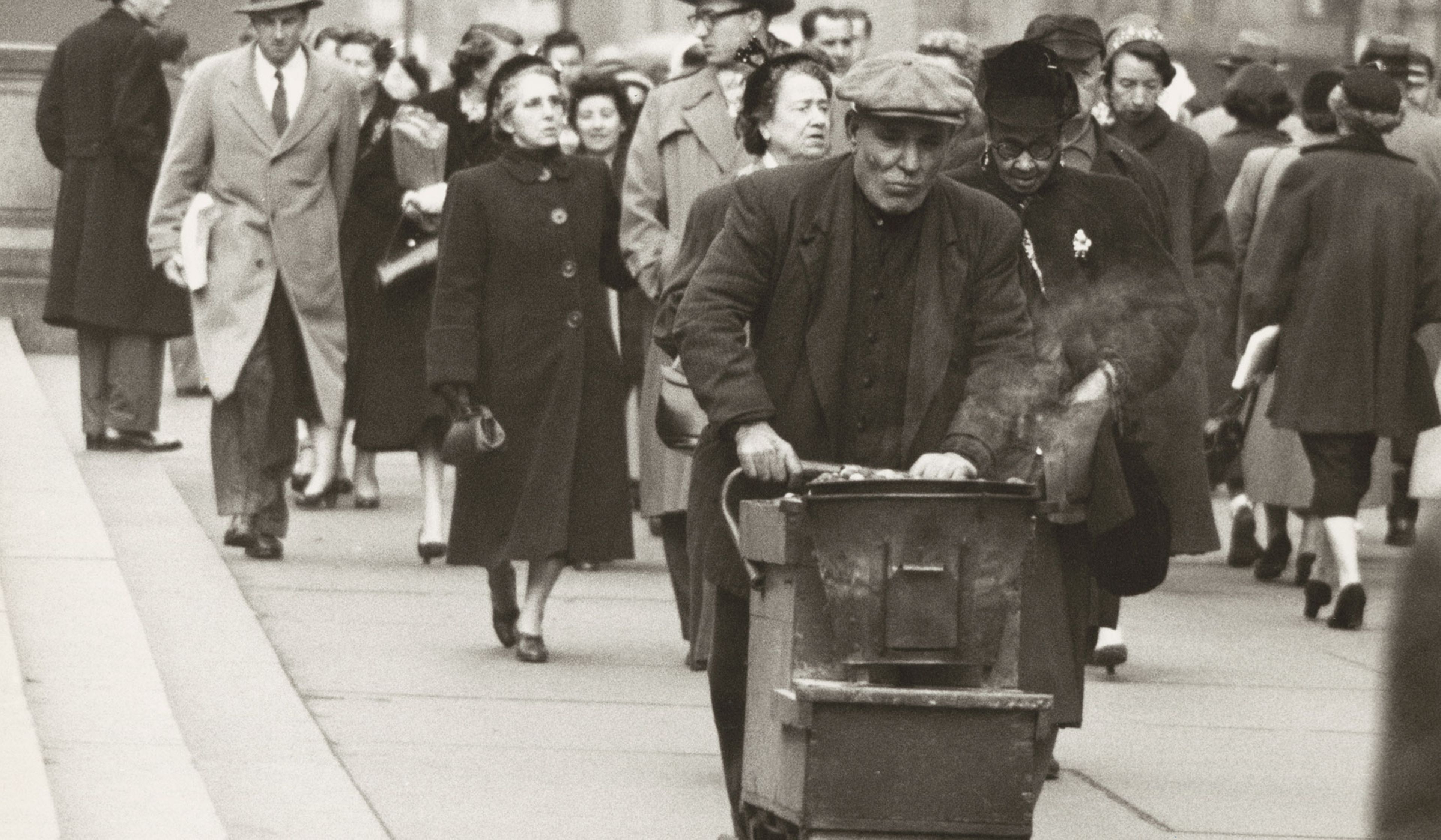
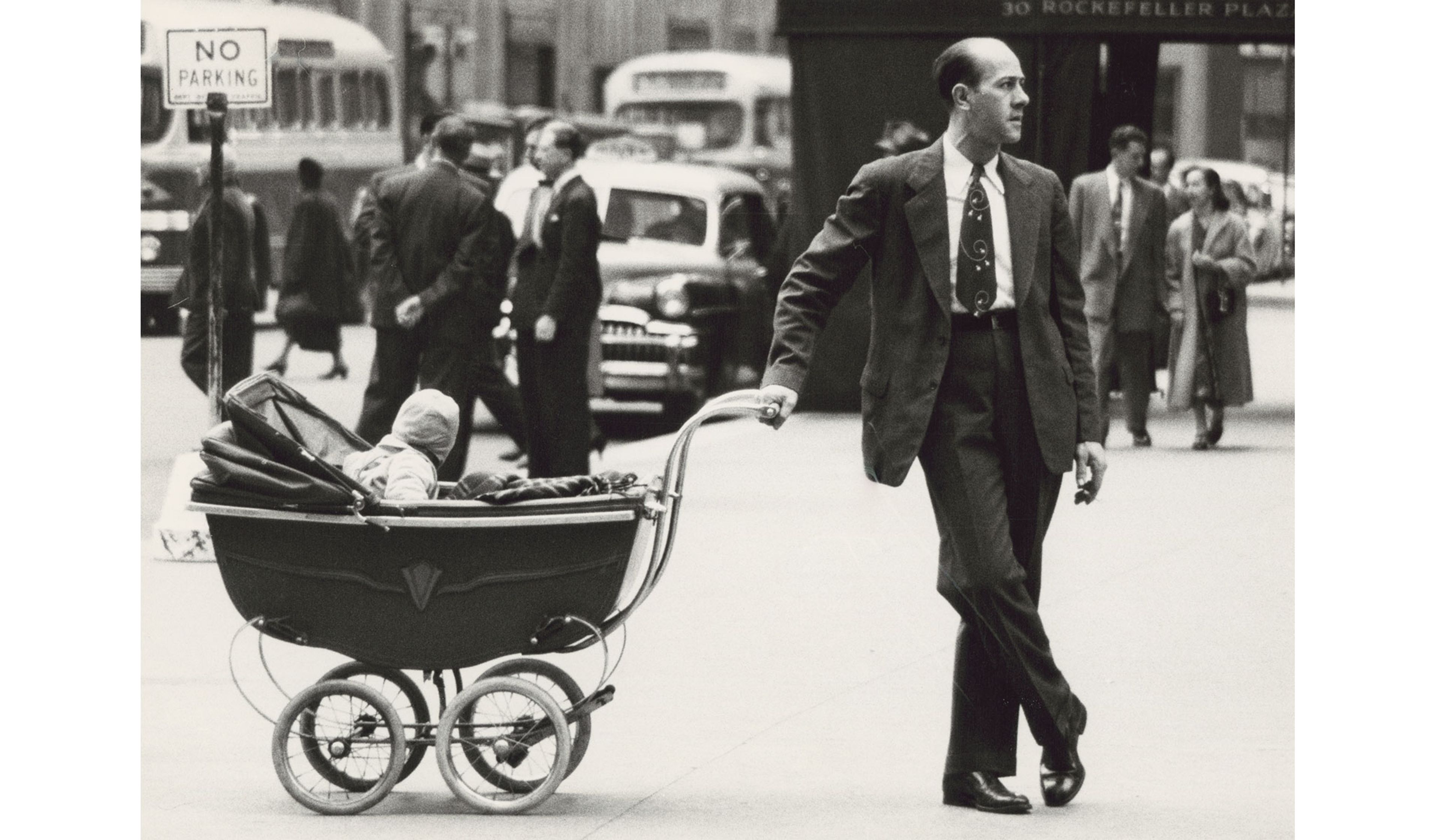
December 1953.
Angelo Rizzuto/Anthony Angel Collection/Library of Congress












Comments