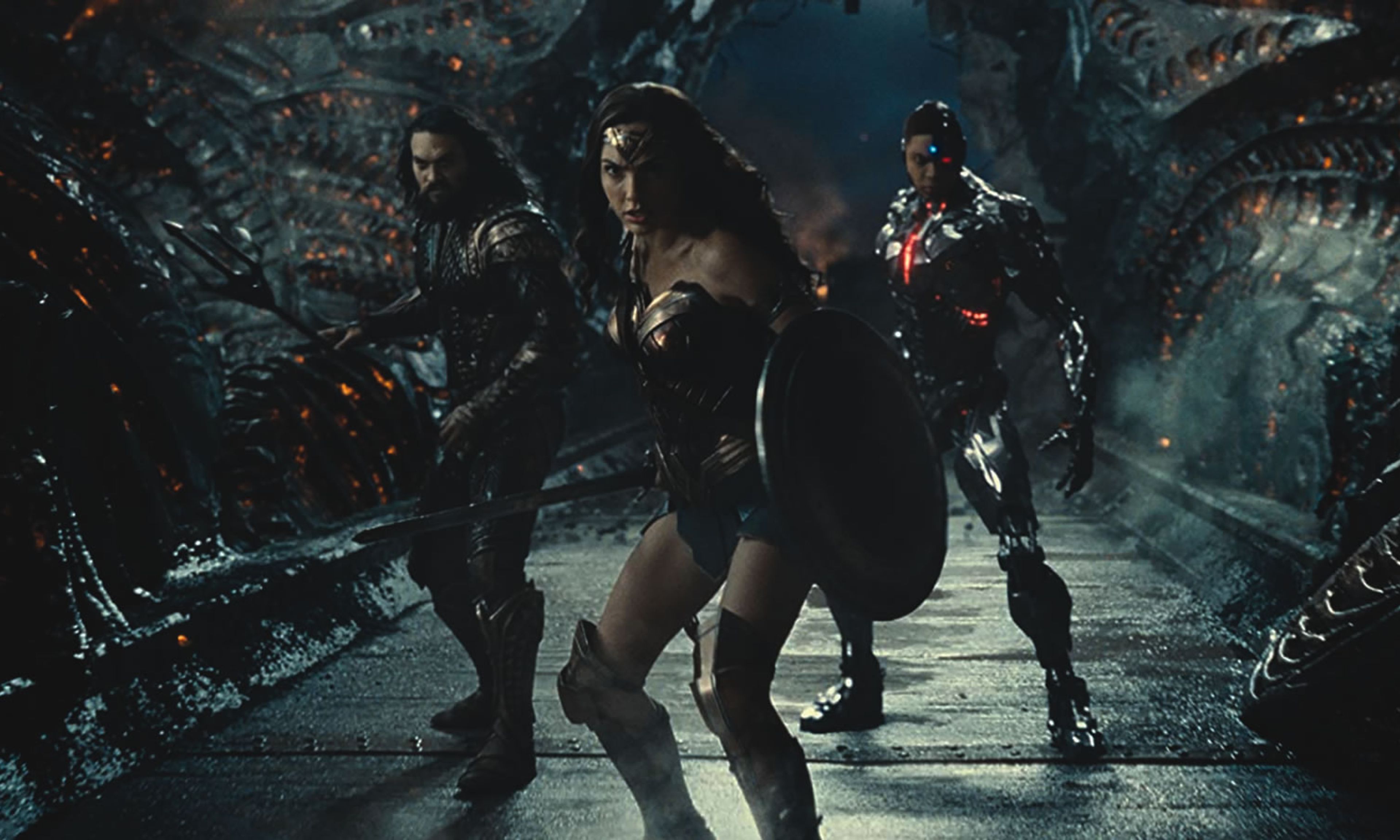
Of all the unexpected developments in the cultural battles of the coronavirus era, it’s hard to think of one quite as remarkable as the critics’ surrender to Zack Snyder. The auteur of slo-mo violence, the man whose Spartans-at-Thermopylae epic 300 launched a thousand takes about alt-right cinema years before the rise of Donald Trump, the guy whose very online fanboys are everything that cineastes disdain, the filmmaker seemingly least suited to an era of ascendant wokeness and progressive scrupulosity — that guy, that Zack Snyder, just dropped a four-hour cut of a superhero movie, and the critics basically threw up their hands and said, Okay, we give up, it’s pretty good, enjoy it.
The backstory of the Snyder Cut, so called, of Justice League has become a kind of superhero mythos unto itself. How Snyder was hired by Warner Brothers to build a DC superhero universe to compete with the all-conquering Marvel brand. How he delivered a grim, violent, mournful take on Superman, Man of Steel, and then a grimmer, darker sequel, Batman vs. Superman, that debuted to absolutely calamitous reviews. How his paymasters got nervous and brought in Joss Whedon, then the prince of Marvel movies, to punch up the script of the next installment, Justice League. How Snyder’s daughter Autumn committed suicide while he was battling over the movie, at which point he withdrew into grief and just let Whedon finish it. How Whedon’s two-hour version flopped. How the idea of a lost #SnyderCut became an online cause, with mounting encouragement from the movies’ stars and Snyder himself. How the strictures of the pandemic created an incentive for Warner Brothers and HBO to forge an Event out of preexisting material. How the Snyder Cut came, at last, to life — and despite existing only on television, became the first real cinematic happening since COVID-19 shut the movies down.
I am neither an inveterate Snyder hater nor, in the manner of my fellow right-wing film scribe Sonny Bunch, a longtime apologist for his distinctive visions; in the Snyder wars I think of myself as Switzerland. So, in that neutral spirit, I decided to experience the Snyderverse in full: First a rewatch of Man of Steel, then the director’s cut of Batman vs. Superman (alleged to redeem some of that movie’s flaws), and only then the four-hour Justice League. If you’re keeping score — and I promise, my wife and children were — that’s almost ten hours with His Zackness.
I survived, and I come to you bearing both respect and disappointment. The respect is for the sincerity and intensity of Snyder’s vision, his determination to use special effects as God intended and make something as grand as possible out of the pop-culture myths of our age, his refusal (with rare exceptions) to allow anything as compromising as a wink or a quip to disturb the consistency of his universe.
Zack Snyder’s Justice League is, as promised, miles better than the underdirected Whedon version. Its action sequences are soaring and coherent, its score is suitably epic, and its slo-mo is used to almost painterly effect, and the somewhat wooden acting of Jason Momoa (as Aquaman) and Gal Gadot (Wonder Woman) is overwhelmed by how Snyder exploits their physical charisma. For a filmmaker whose goal is clearly to rebuke the “friendly neighborhood Spiderman” style of comic-book moviemaking — to frame his heroes as a Renaissance artist would Jesus Christ or the Greco-Roman gods — Justice League is an apotheosis.
The disappointment is that Snyder originally set out to do something a little more than this. The polarizing, interesting thing about Man of Steel is its determination to emphasize the havoc and existential terror that the arrival of a superhuman alien — and then his equally superhuman enemies — could wreak on the ordinary humans of Planet Earth. That emphasis then set up Batman vs. Superman, which was about varying human attempts to love, manage, control, or defeat the Man from Krypton — embodied in Lois Lane’s ardor, Bruce Wayne’s suspicion, Lex Luthor’s fear and envy, plus the machinations of Capitol Hill and the Department of Defense.
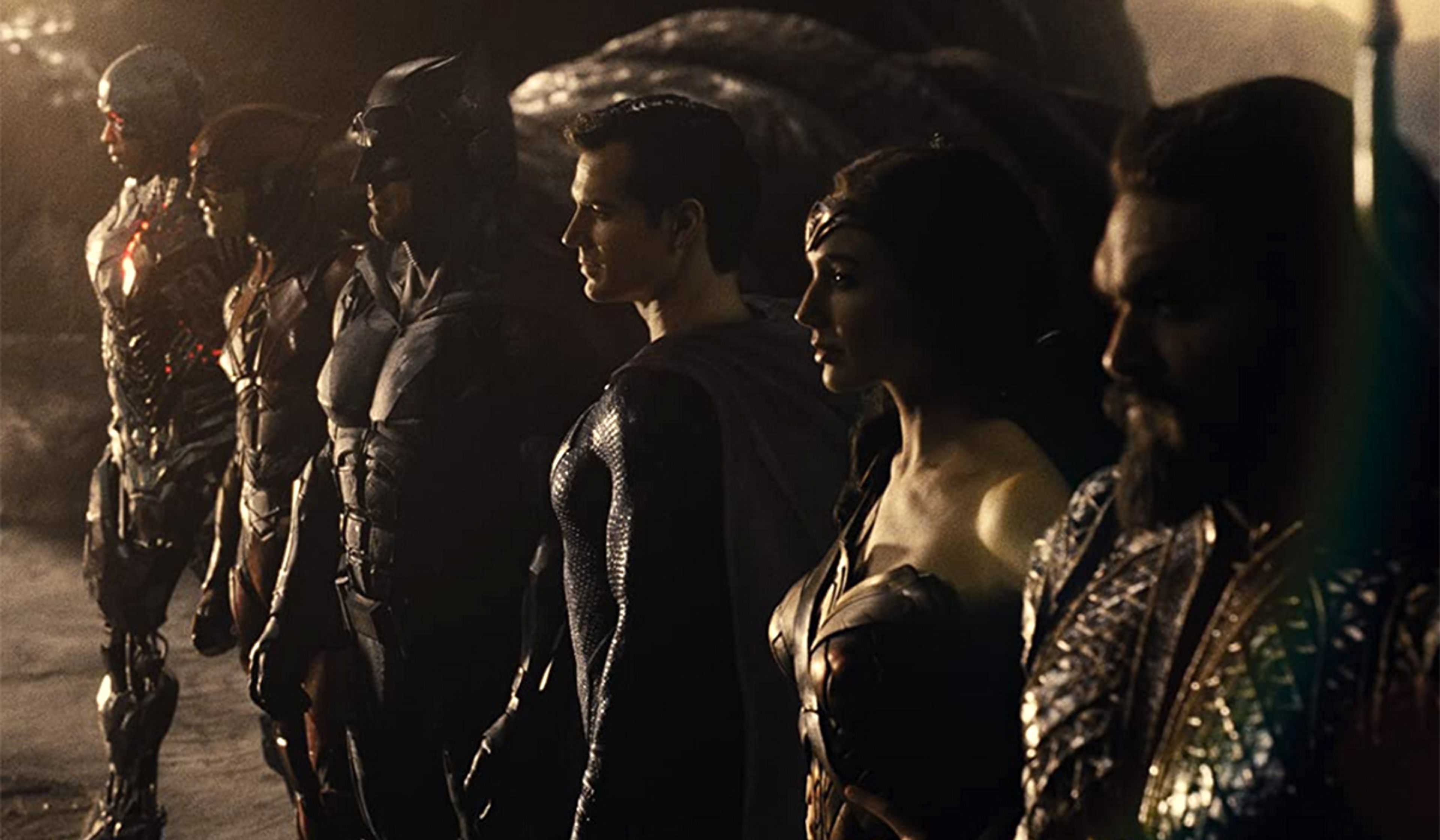
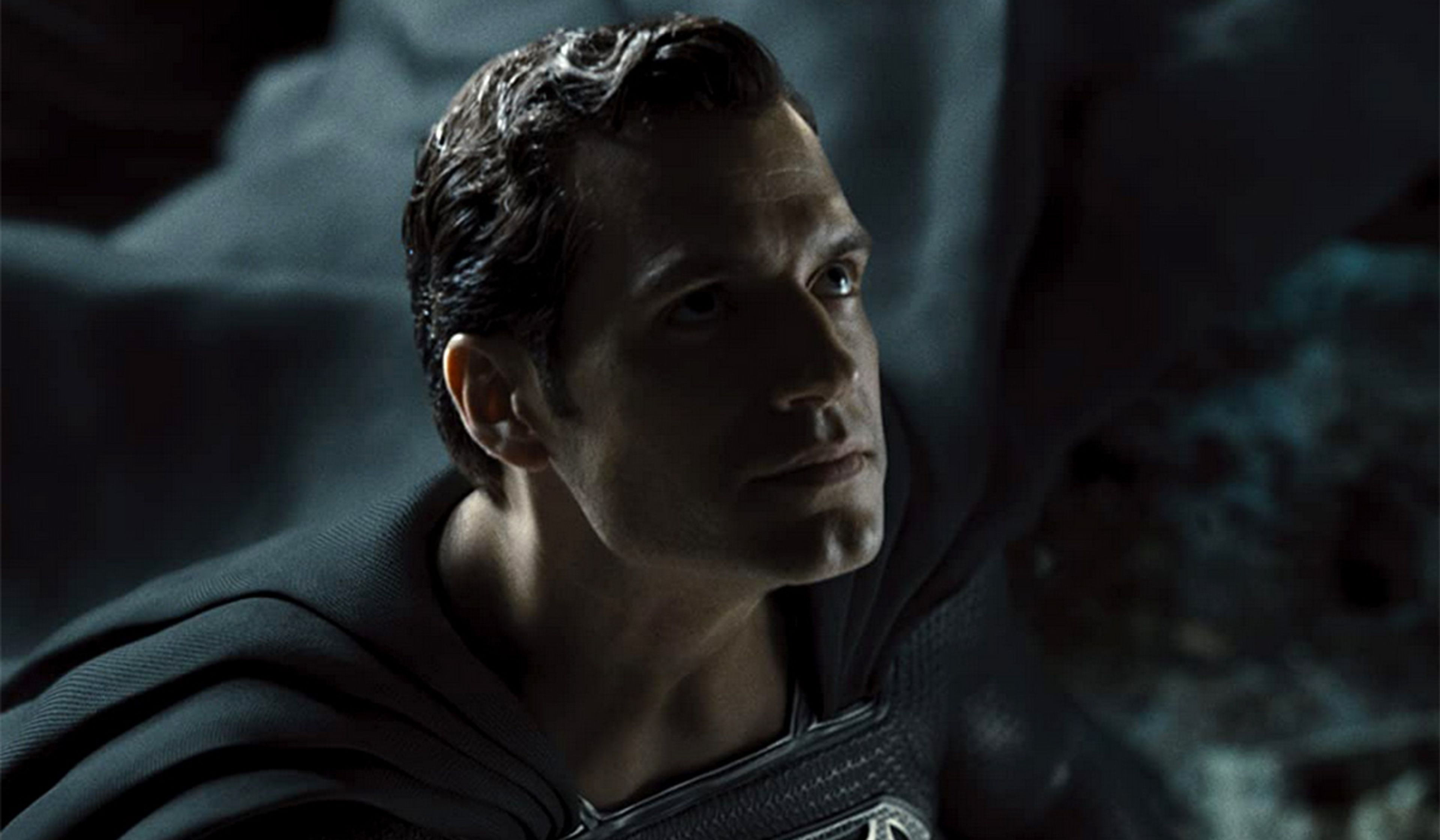
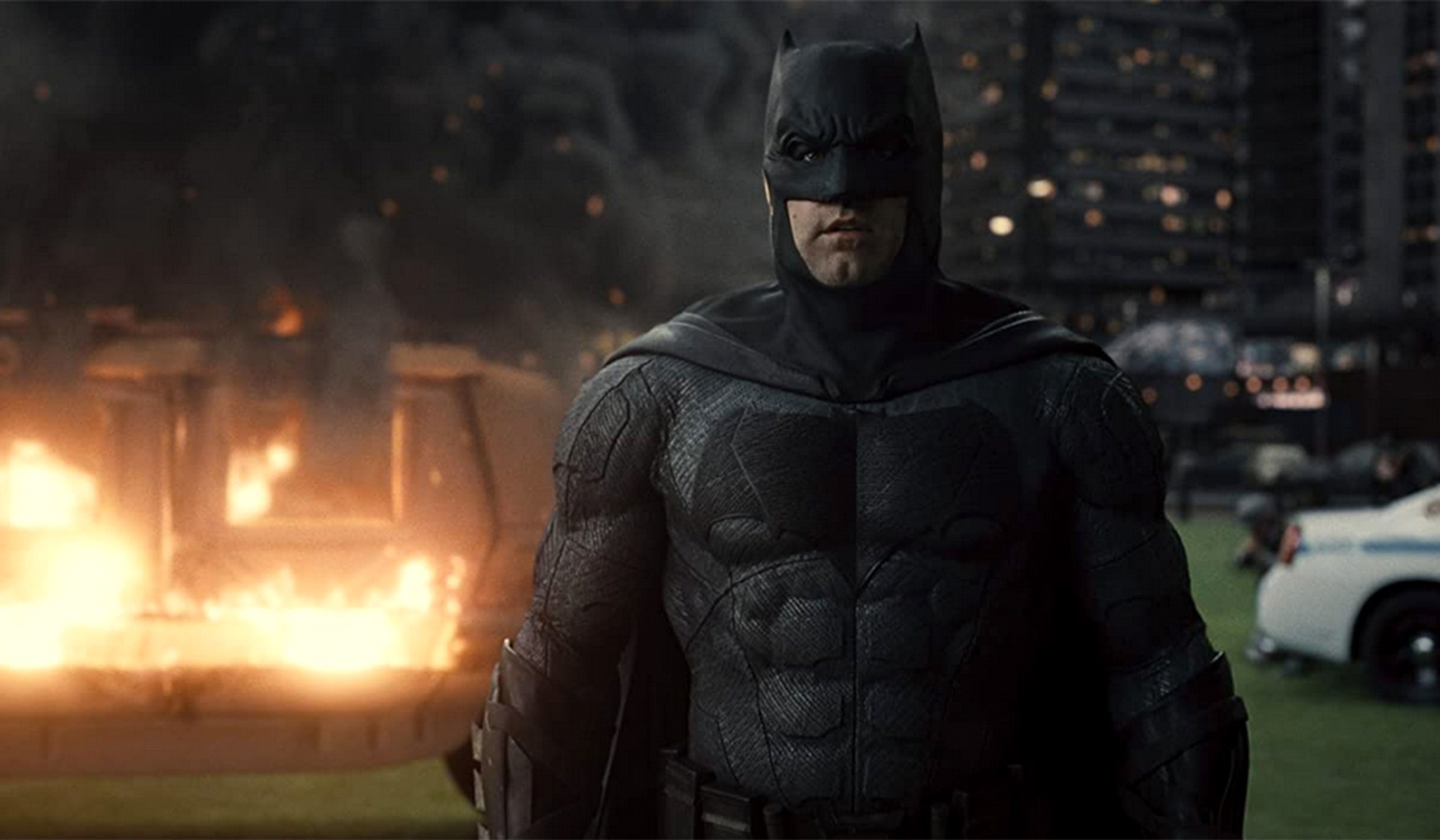
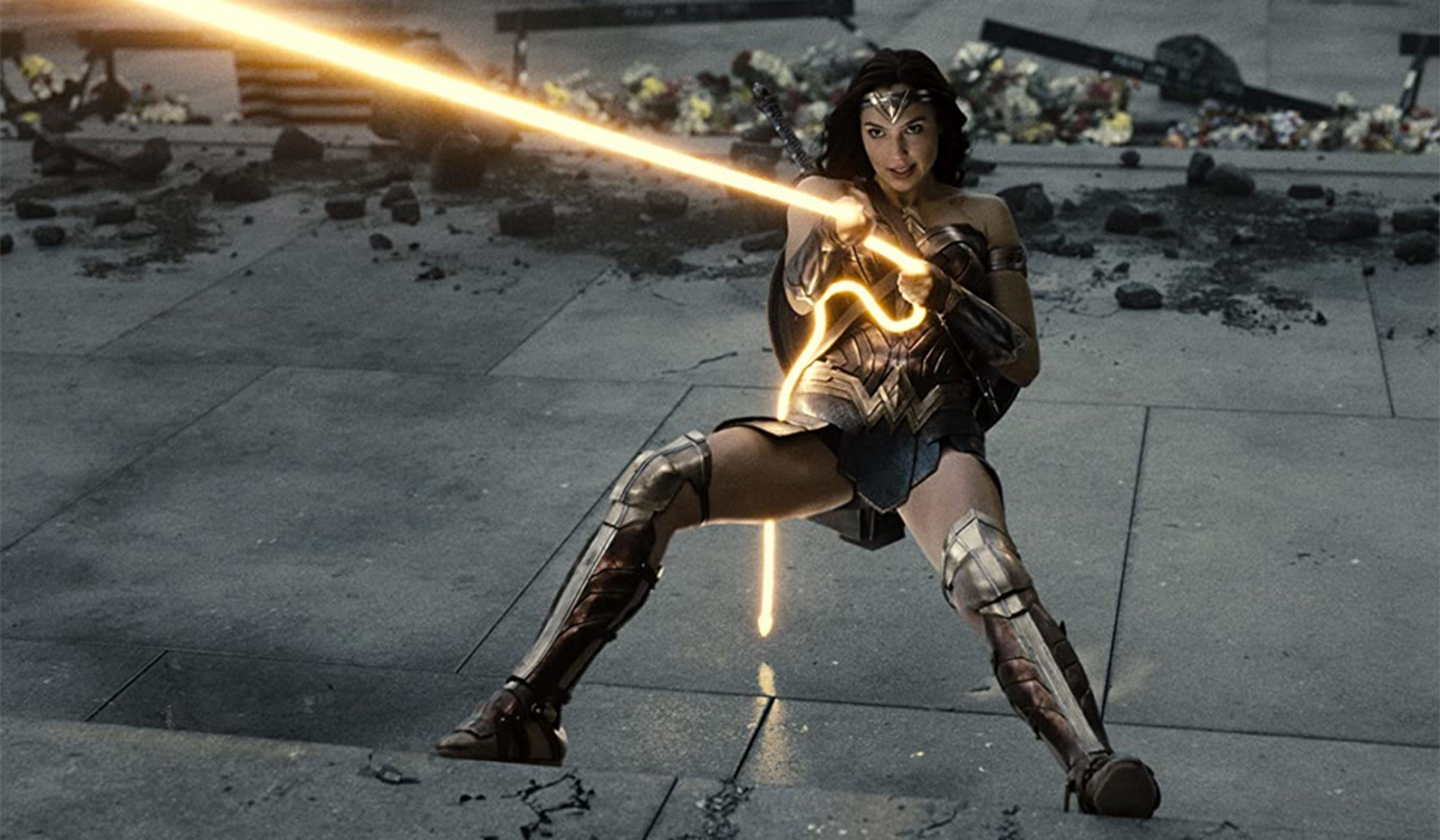
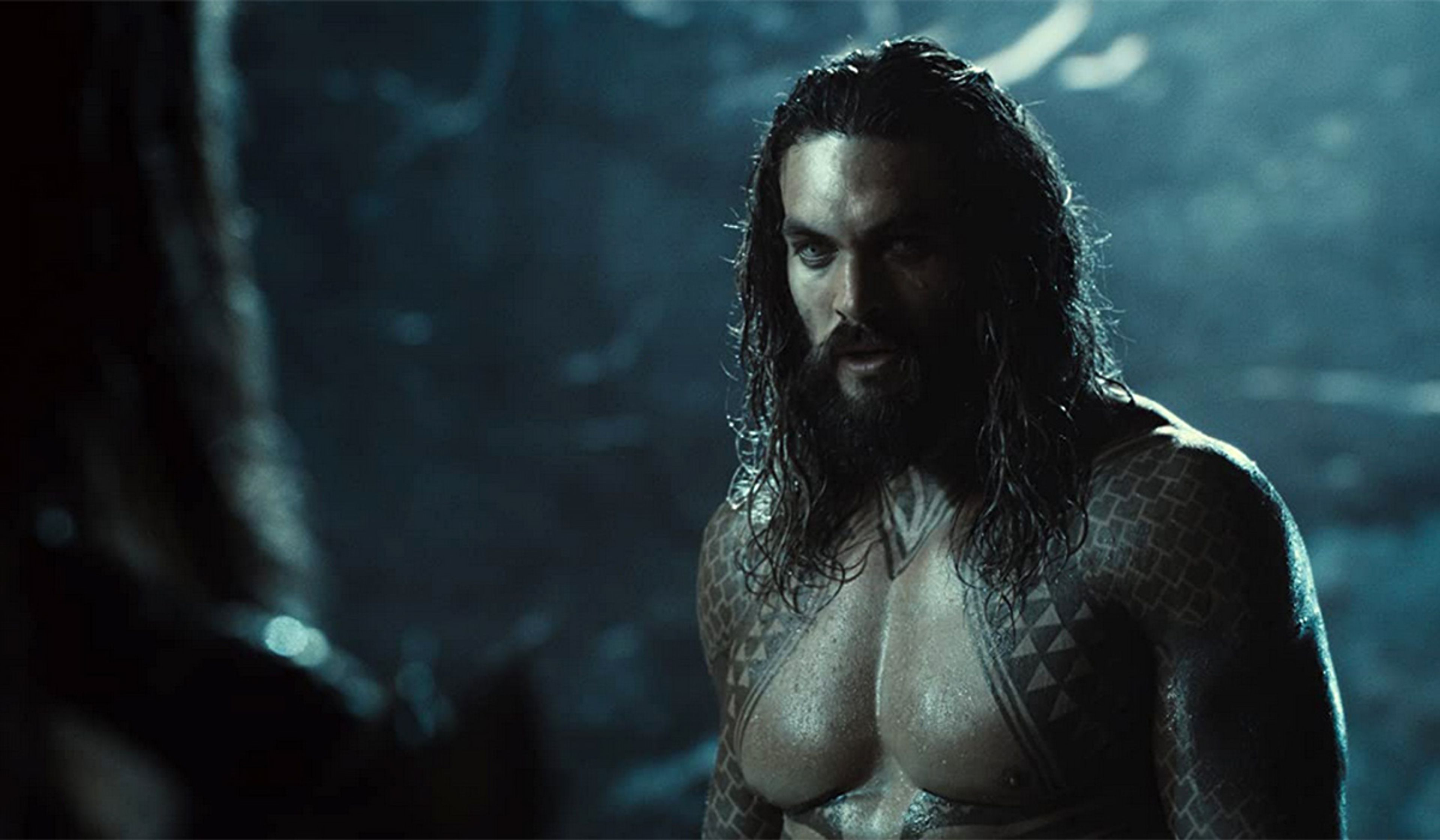
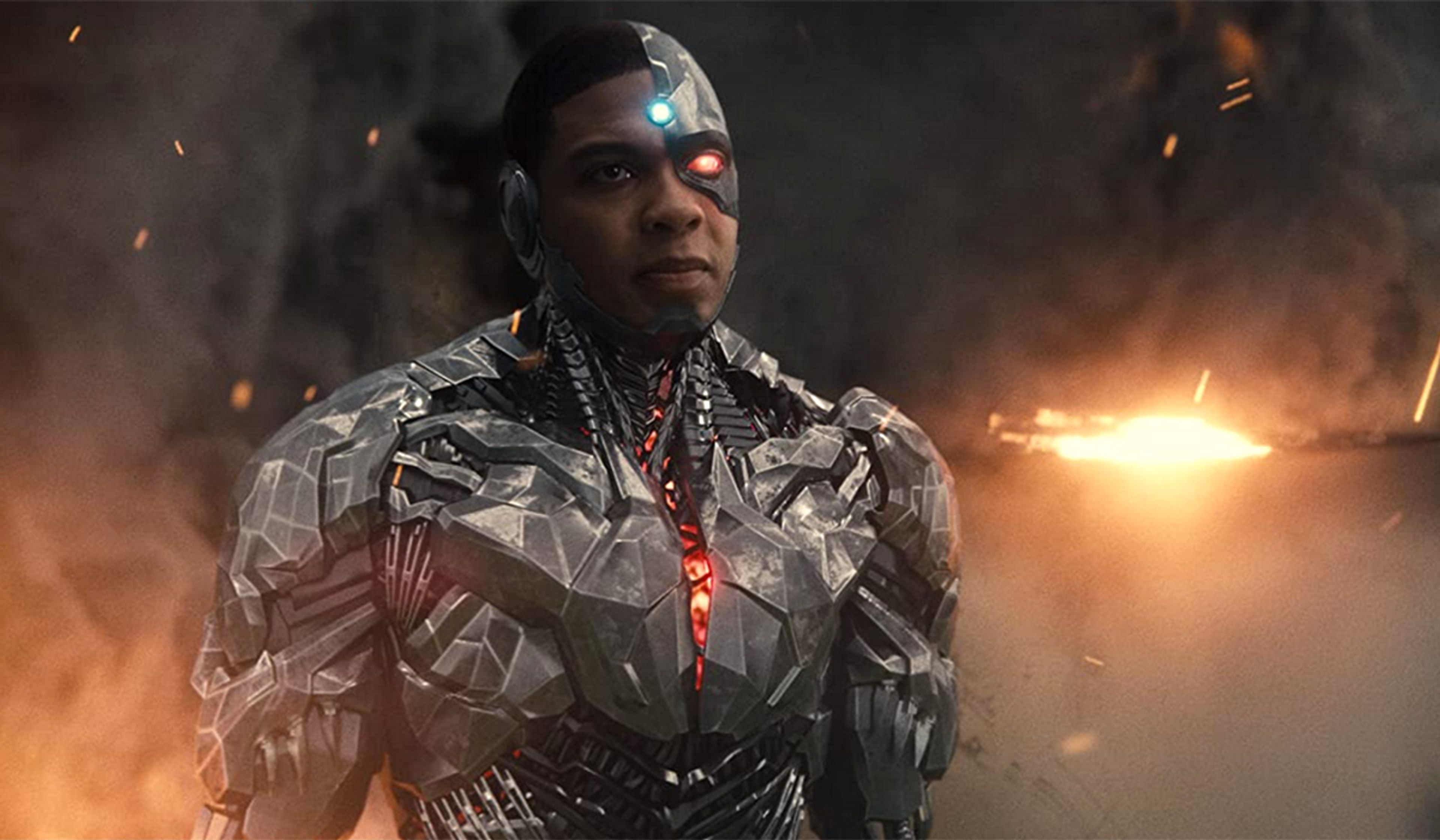
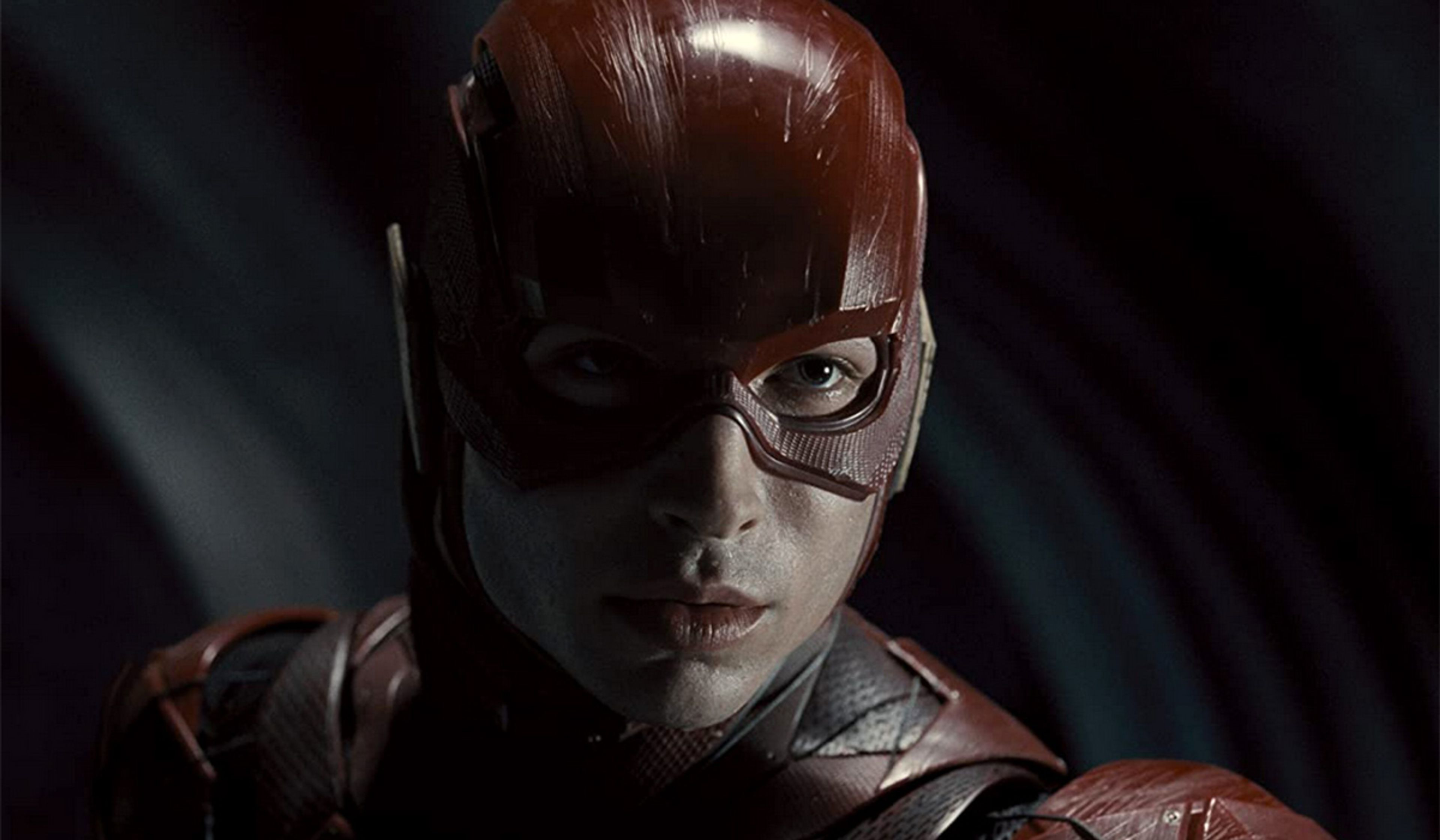
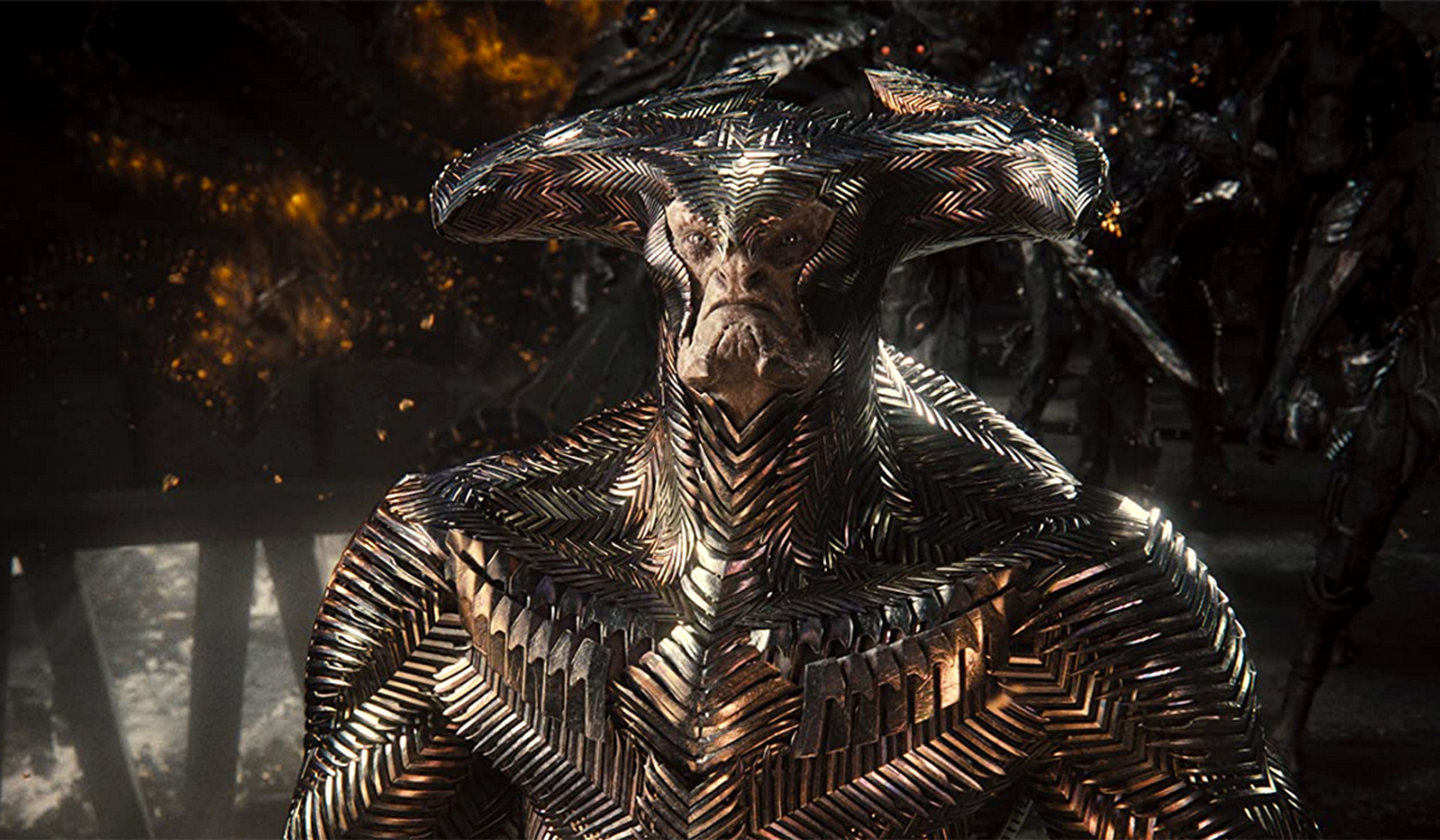
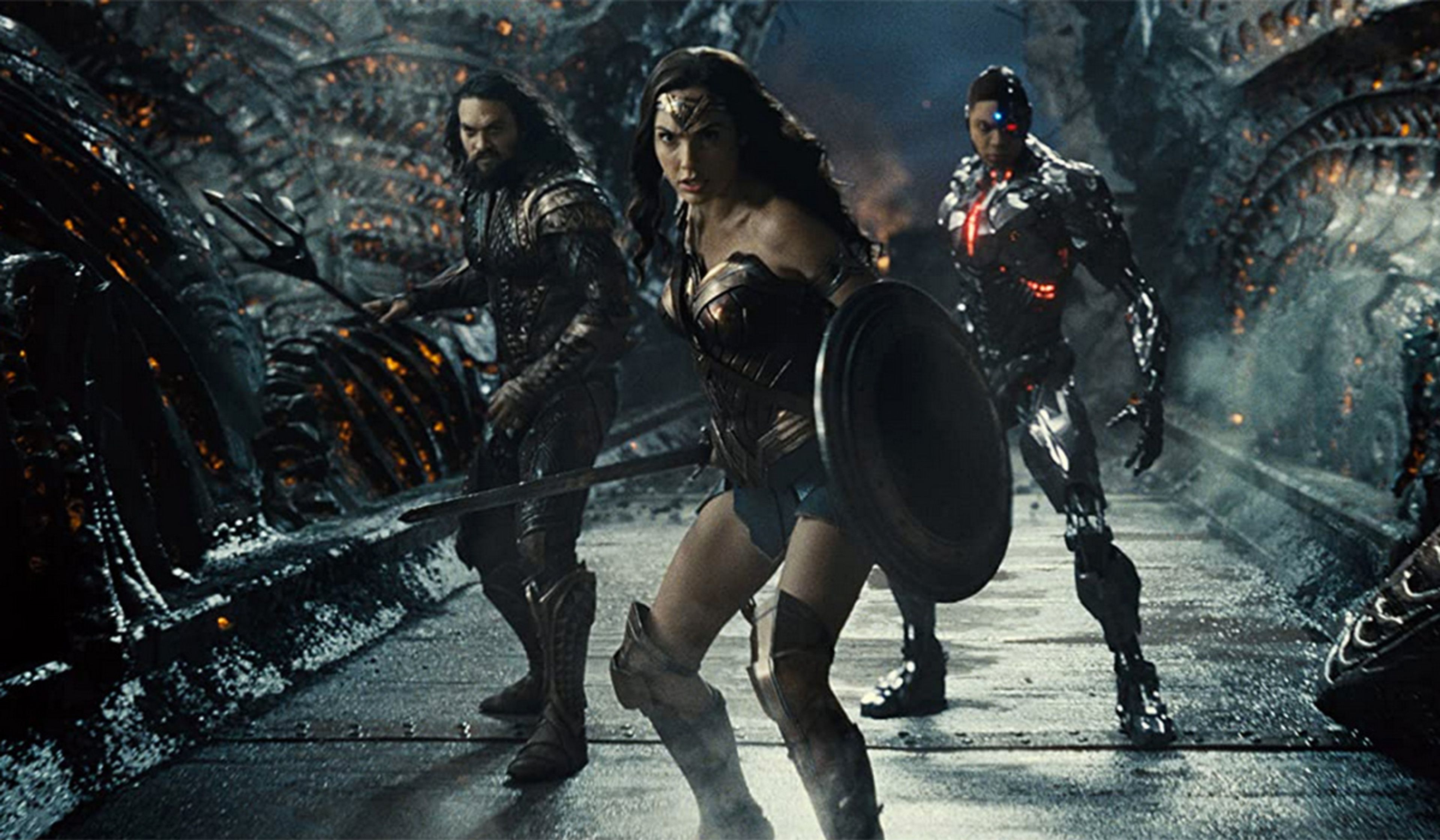
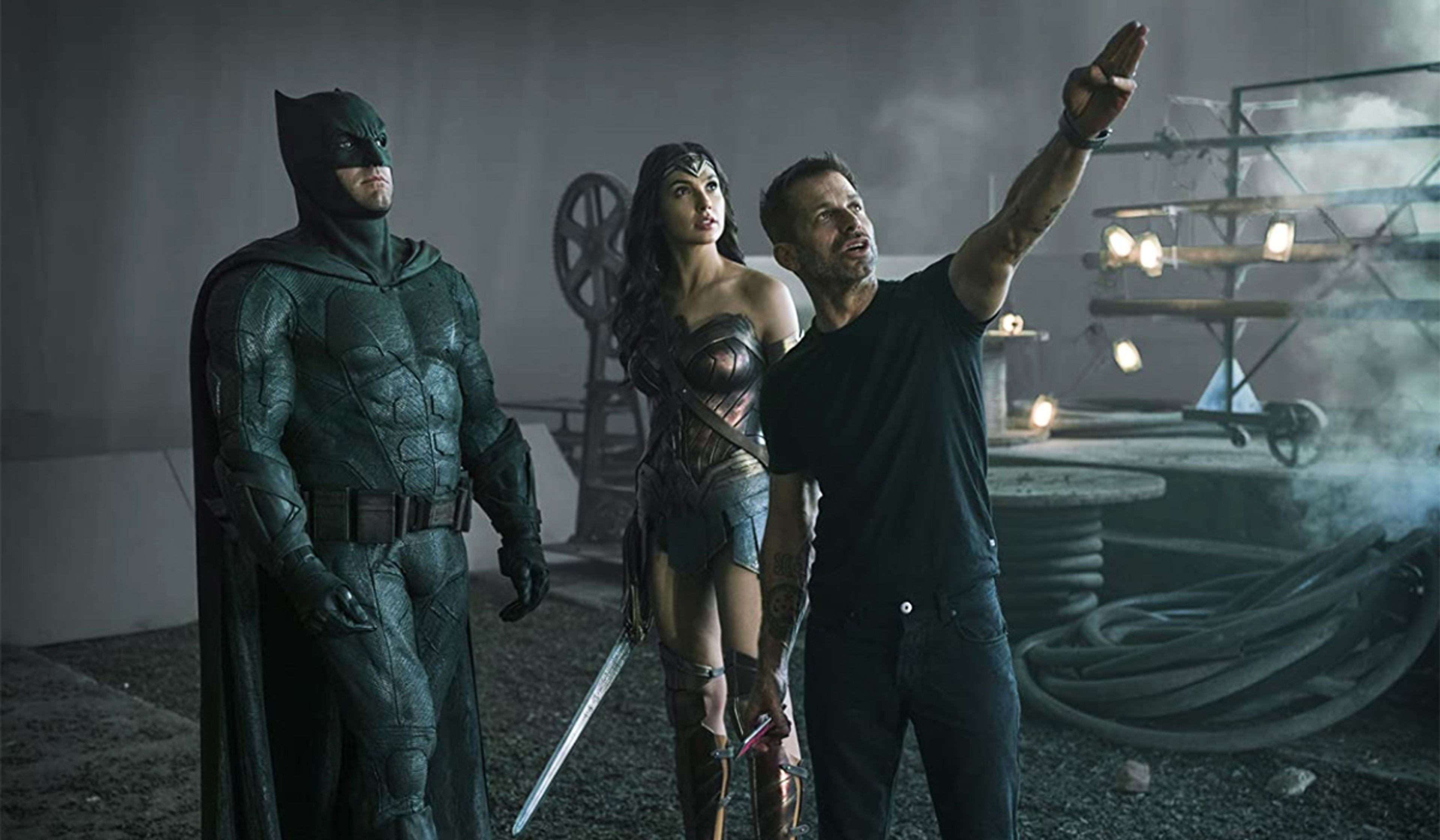
From left: Cyborg (Ray Fisher), The Flash (Ezra Miller), Batman (Ben Affleck), Superman (Henry Cavill), Wonder Woman (Gal Gadot), and Aquaman (Jason Mamoa) in Zack Snyder’s Justice League.
HBO Max
But even in its extended running time the second entry in the Snyderverse remains a debacle, thanks to absolutely terrible screenwriting that makes Luthor’s plot and Wayne/Batman’s anti-Superman turn inexplicable, baffling, and even silly. I would watch, rewind, watch again, and still think: None of this makes any sense.
After that failure, the plot of Justice League basically beats a retreat from the existential challenge of Superman’s arrival. It turns out that Kal-El isn’t as unique as he seemed, that Earth has basically been crawling with superbeings all along — Wonder Woman and her fellow Amazons, Aquaman and his Atlanteans. These superbeings may need a human, Batman, to organize them, and the help of a couple of mortals blessed with their own set of superpowers — the augmented Cyborg (Ray Fisher), the faster-than-light Flash (Ezra Miller). But otherwise the human race recedes from the story, and the apocalyptic battle to save our planet is just god-on-god action — our Olympians against the horned conqueror Steppenwolf (Ciaran Hinds), and behind him the mega-baddie Darkseid (Ray Porter). Indeed, we normies aren’t even spectators: The fight happens in the radiation-poisoned Russian hinterland, and the world, the media, even the Defense Department doesn’t seem to notice that it’s happening.
You will help them accomplish wonders, Superman’s human father tells him in Man of Steel, a line that returns near the climax of Justice League. Maybe that kind of cooperation was on deck in the further installments that Snyder planned. But for now it feels as if his most striking idea, that Superman himself is less interesting than his effect on the rest of us, was lost in the wreck of Batman vs. Superman, and four hours of Justice League still can’t bring it back to life.












Comments