
High on any congressional Republican agenda in 2023 should be a ban on abortions late in pregnancy. That’s not what most Republicans in Congress want to hear. They want to deflect any questions about the issue by saying it’s a matter for states to resolve. They’ve seen discouraging polling. They don’t want to be part of a hot and sometimes ugly debate.
But passivity should not be confused for wisdom. The abortion debate will go better for pro-lifers if congressional Republicans join it. It will go better for them, too.
At the moment, the policy debate is stuck on the aspects of the issue where there’s either a majority against restrictions (abortions in cases of rape, incest, and medical complications) or no solid majority opinion. (Polls give conflicting findings depending on whether they ask about abortions early in pregnancy generally or let respondents opt for allowing them only in the hardest cases.) The debate dwells on every dumb or impolitic remark any pro-life legislator or activist makes anywhere in the country. Meanwhile, abortions late in pregnancy remain legal in much of the U.S. Most polls show that majorities, including many voters who consider themselves pro-choice, think those abortions should be prohibited. Pro-lifers need to direct attention to this point. A push for federal legislation is the only way to do it.
Old slogans are part of the problem. During the years when Roe v. Wade was on the books — and how wonderful it is to be able to write about it in the past tense — it was common for pro-lifers, and especially pro-life politicians, to say that overturning it would merely send the issue of abortion “back to the states.”
That formula conveyed some important truths. Abortion regulation was a state matter until Roe imposed a liberal rule nationally. Now that it is gone, abortion policy will for the foreseeable future differ dramatically among states. Most legislative battles over abortion, and most actual policy changes, will happen in state capitols rather than Congress.
But the Supreme Court’s decision in Dobbs v. Jackson Women’s Health Organization did not say that state governments had exclusive authority over abortion policy. As Justice Brett Kavanaugh’s concurring opinion noted, the decision “leaves the issue for the people and their elected representatives to resolve through the democratic process in the States or Congress” — or, he could have added, in both. It returned the issue to legislatures.
Some conservative legal thinkers believe that the federal government lacks the constitutional authority to prohibit abortions. The objection is not persuasive. The 14th Amendment says states have to provide equal protection of the laws to all persons. Permissive abortion laws deny some persons the most fundamental legal protection of all, that against intentional homicide. The amendment further states that Congress shall have the power to enforce its guarantees. Congress can reasonably conclude that unborn children are “persons” — a judgment that the law, by prohibiting abortion, increasingly reflected when the amendment was ratified. When Congress can remedy a state failure to provide basic protections to a category of persons, it has a constitutional obligation to act.
But it’s not really a constitutional scruple that is inhibiting Republican politicians. There is already a federal ban on partial-birth abortion, which became law thanks to the support of nearly all Republicans (and quite a few Democrats). No one has ever tried to challenge that law in court on federalist grounds. In 2020, when the Senate last voted on a federal ban on abortion from 20 weeks after conception, 51 of the 53 Republicans in the chamber supported it. Two Democrats, Joe Manchin of West Virginia and Bob Casey of Pennsylvania, joined them. Republicans have already acknowledged the federal government’s legitimate constitutional role in regulating abortion. Their reluctance to take up federal legislation now is political, or perhaps psychological.
And there would be real political difficulties, some of them internal to the Republican coalition. There have always been pro-lifers who object on moral grounds to any incremental strategy. They believe that attempting to ban abortions after 20 weeks implicitly blesses the large majority of abortions that take place before that stage of pregnancy. Even pro-lifers who accept incrementalism disagree among themselves on how large an increment to seek now. Many polls show support for a ban starting at 15 weeks, along the lines of the Mississippi law that was at issue in Dobbs. Some pro-lifers want a federal “heartbeat law” that begins protecting unborn children after six weeks.
Pro-lifers divide, as well, on what exceptions a ban should have. Some of them object, again on moral grounds, to exceptions that enable abortions in cases of rape and incest. Others favor, or accept, such exceptions but worry that they will be abused.
But pro-lifers have overcome such divisions before, as when they enacted the ban on partial-birth abortion and sought a 20-week ban. They should do it again. Arguing for a 15-week ban over a 20-week one: It would save more lives, it would provide more justice, and public opinion might be roughly as supportive. Arguing for a 20-week ban: Premature babies born at this time sometimes survive; and it might be easier to generate the needed buy-in from Republican politicians given that they have already backed it.
What’s important is to start somewhere: to establish a federal floor for legal protection of unborn children. If reasonably drafted exceptions prove open to exploitation once a ban has become law, try to tighten them later. It will be easier than getting a ban passed in the first place. A national consensus for a 15-week ban will form more readily if a 20-week ban is already in place.
Supporters of abortion would respond to a renewed push for a time limit on abortion the same way they always do. They say it is a disingenuous tactic and that what the proposal’s advocates really want is to work up to a complete national ban. The response should be the same, too: We would like to go further; we do want legal protection for unborn children throughout pregnancy as soon as our democratic system is willing to provide it. In the meantime, we want a limit on abortion after (say) five months of pregnancy. Can we at least agree on that, and keep debating about the rest?
No ban is going to become law anytime soon: not one at 15 weeks, not one at 20 weeks. Congress is not going to enact a permissive abortion policy nationally either. The filibuster remains in place and neither side is within striking distance of supermajority support in the Senate. But it is at least conceivable, and it would be desirable, for an abortion time limit to become law some years from now; and it is more likely that it would than that a more sweeping ban would.
Republican politicians (and consultants) who are skittish about abortion like to imagine that they can defuse the issue by keeping quiet about it. But abortion is a key issue in this year’s elections, and will be in future years’ elections, whether or not they want it to be. The question they face is whether they should try to influence the terms of the argument to their advantage: whether we should be talking only about those aspects of abortion policy that separate Republicans from the median voter or also about the ones that unite them.
Republicans can change the abortion conversation by doing something as simple as taking up once again a proposal that almost all of them have already voted to put into federal law: the 20-week ban.
It is the least they can do, and the least they should be asked.
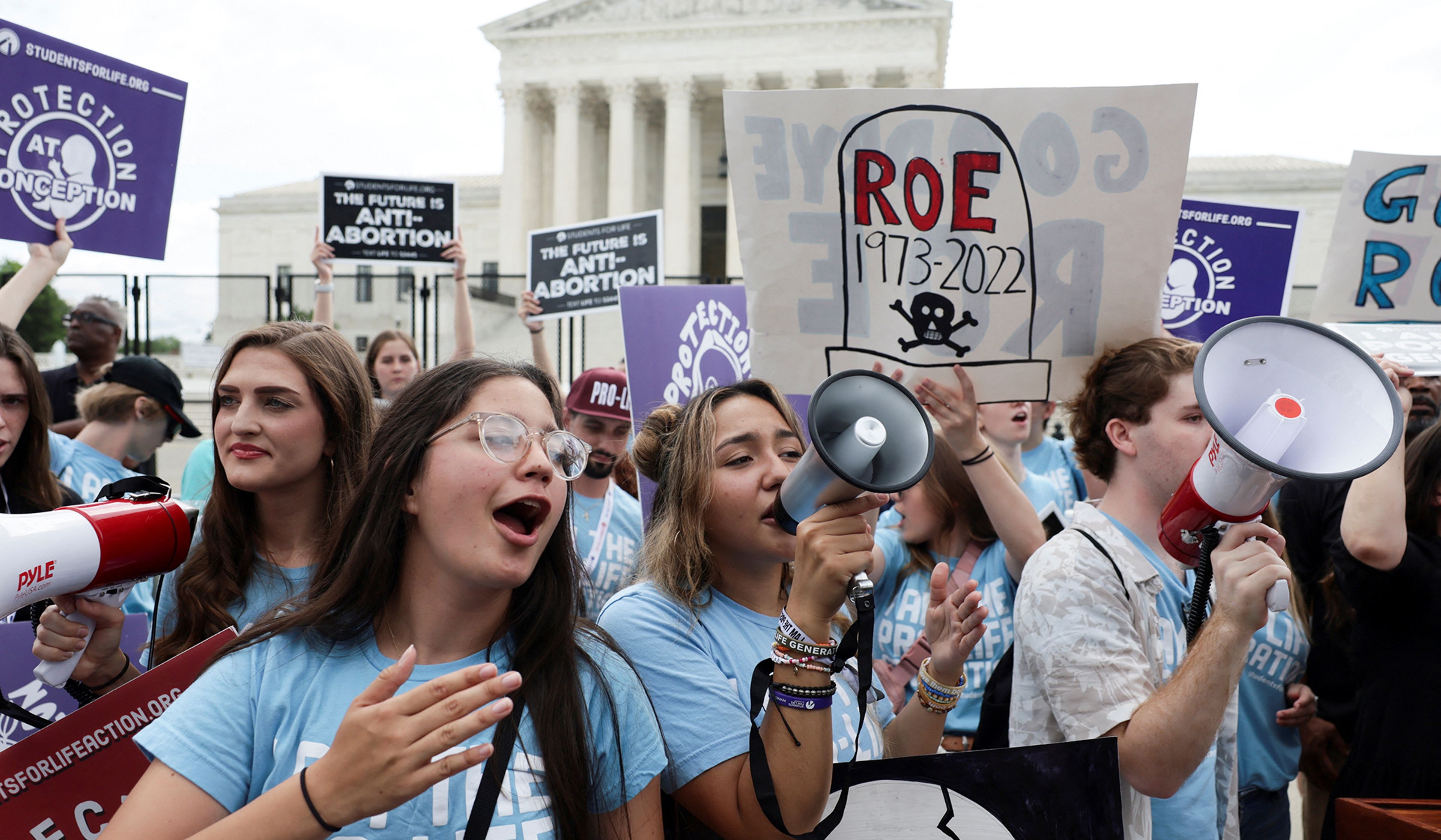
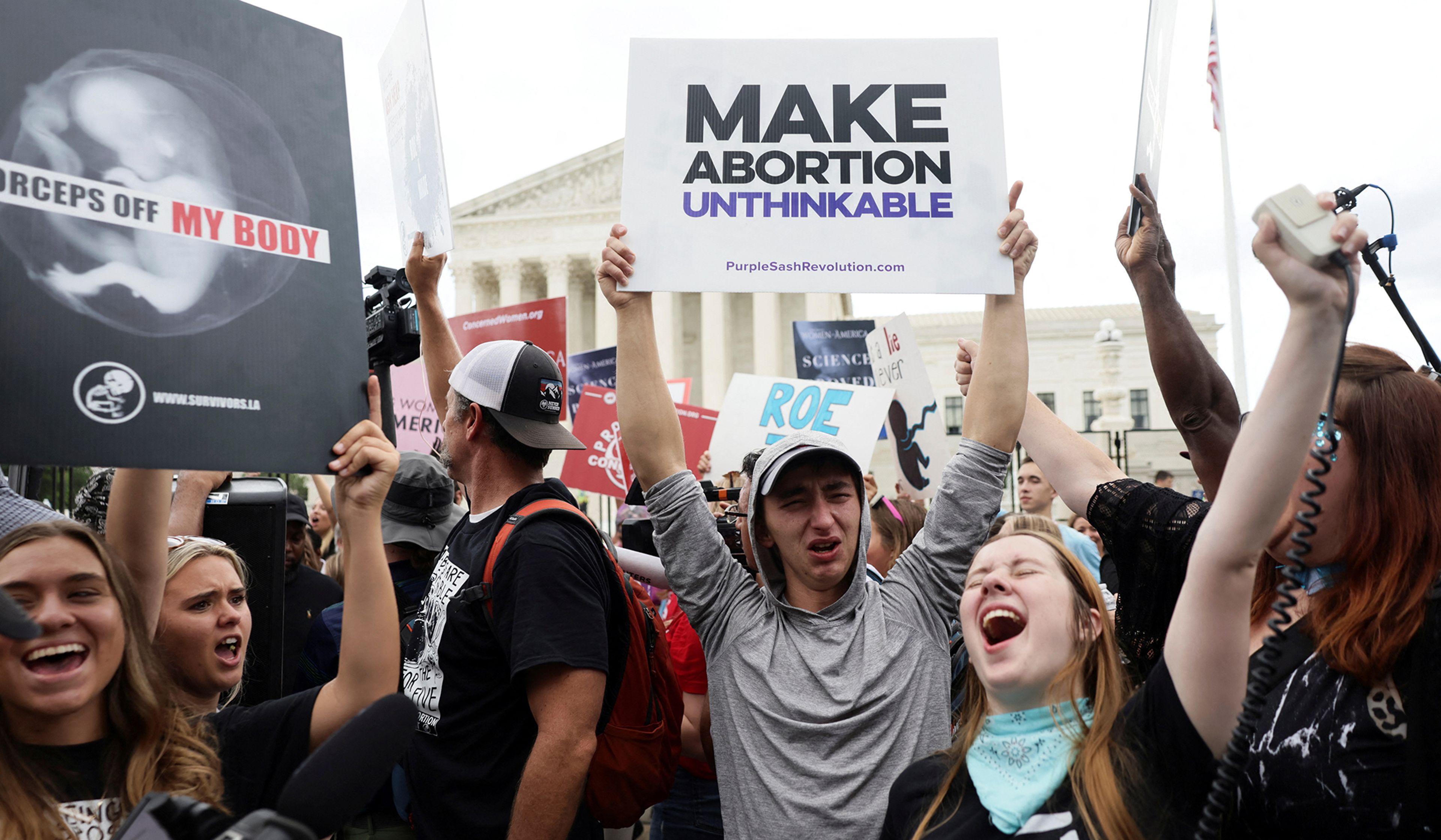

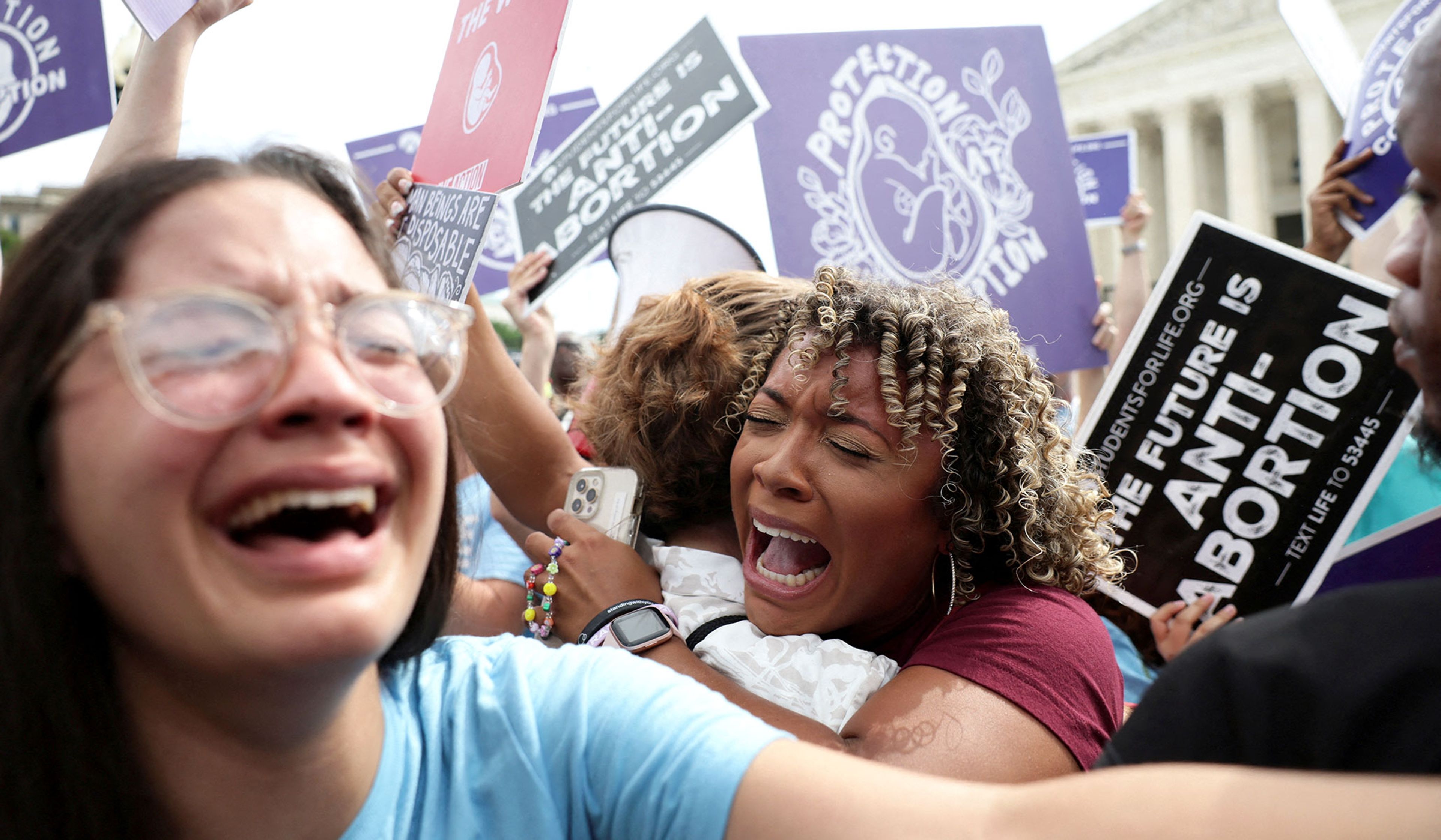



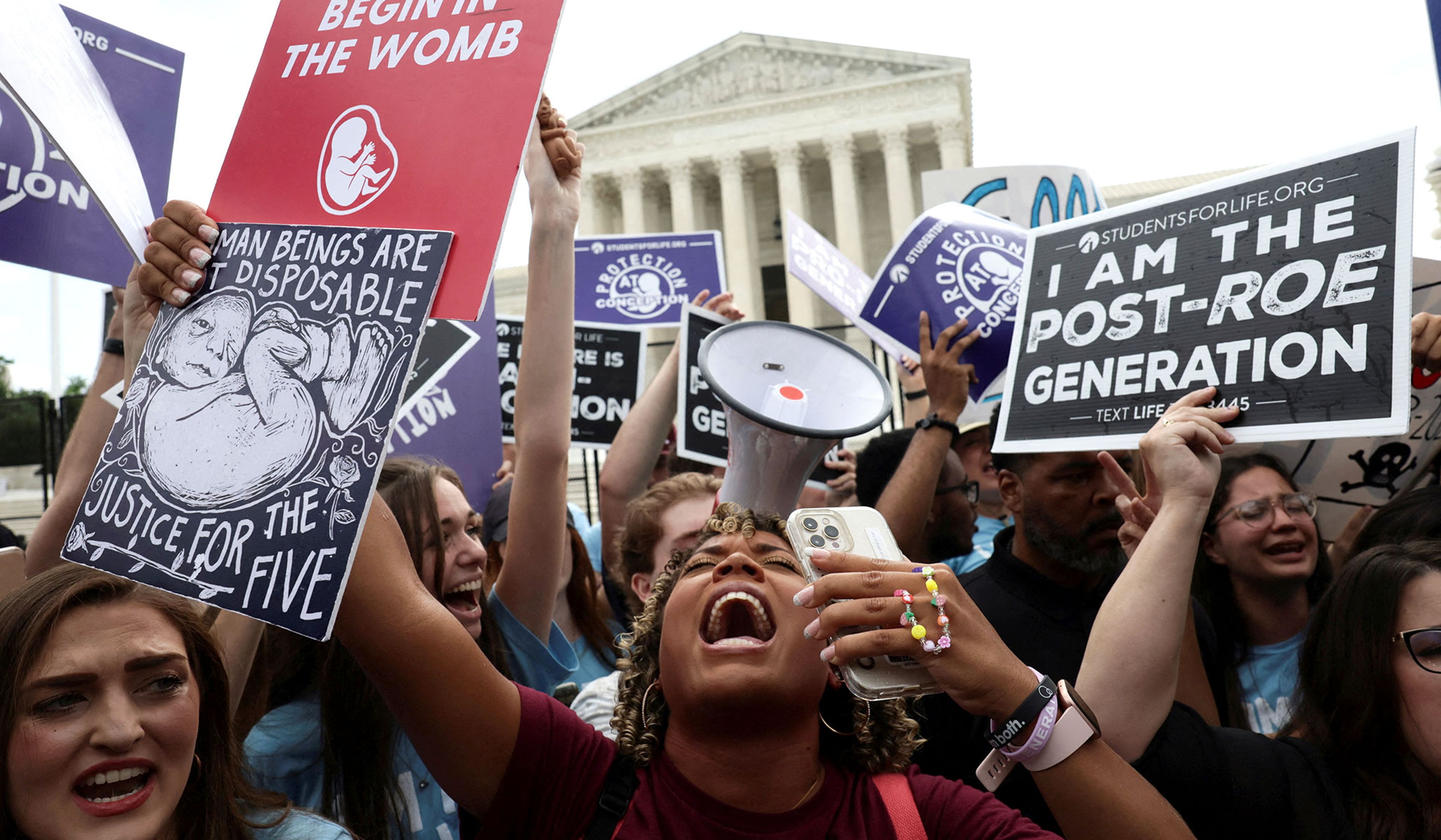
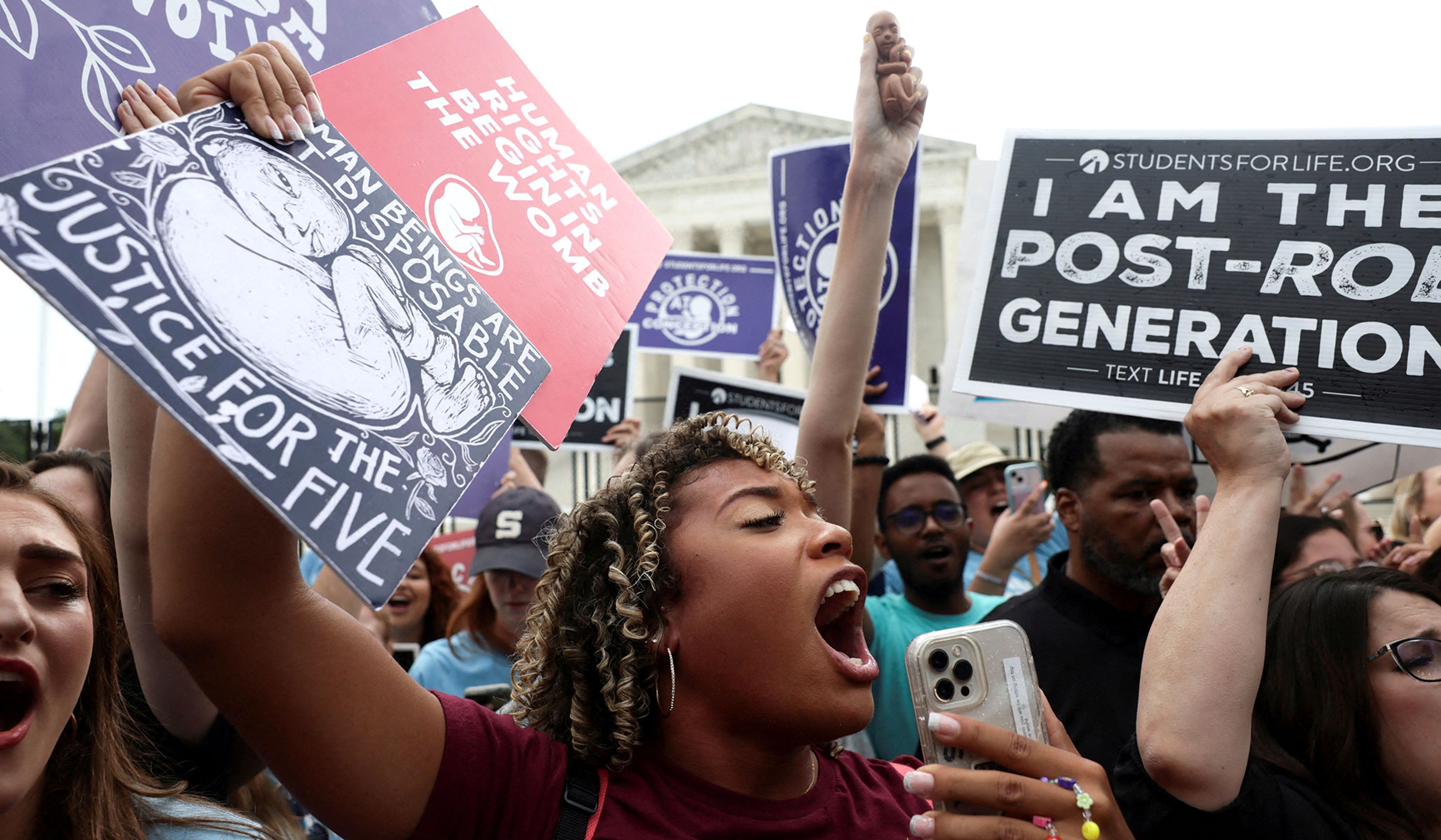
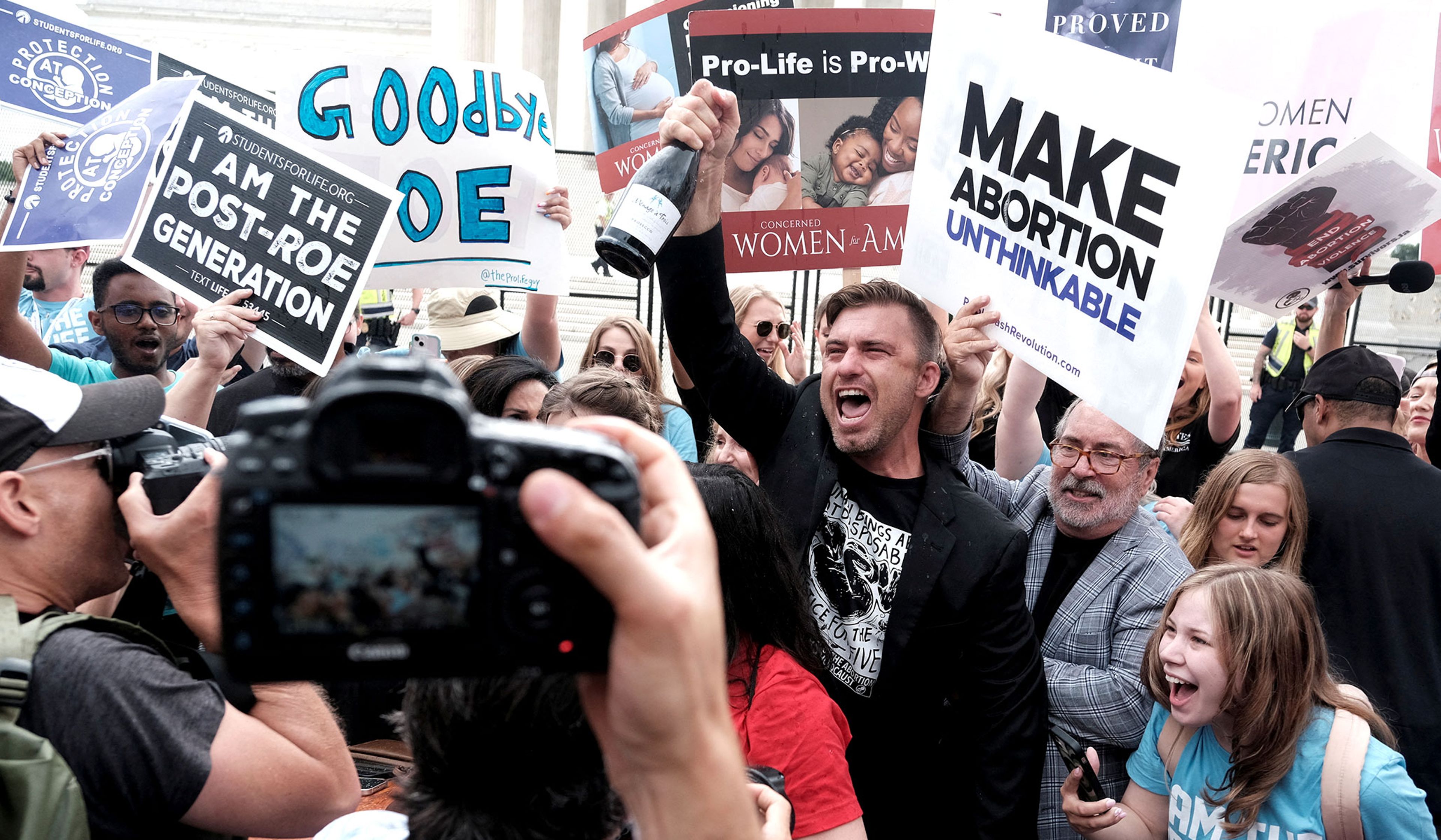
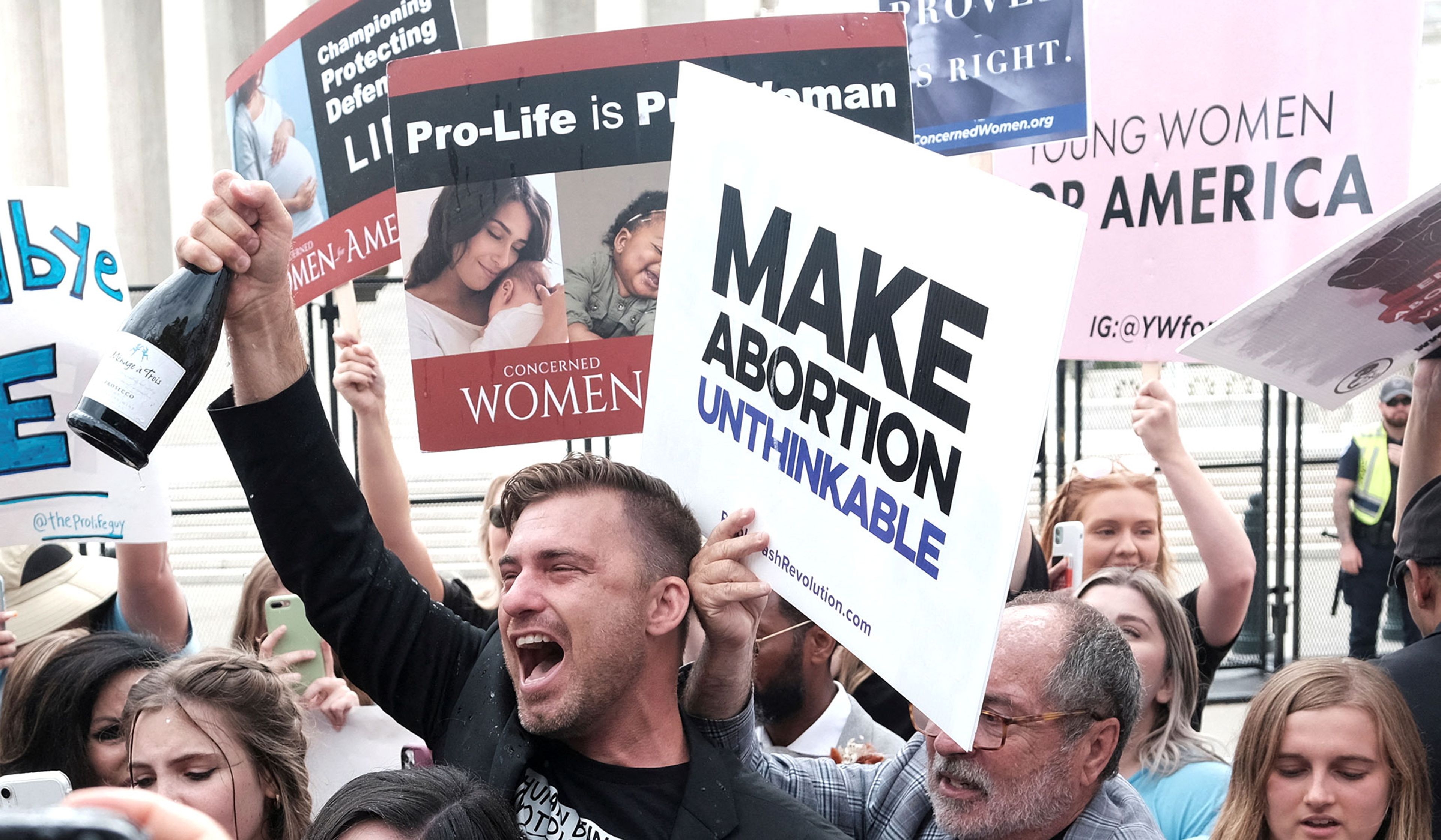

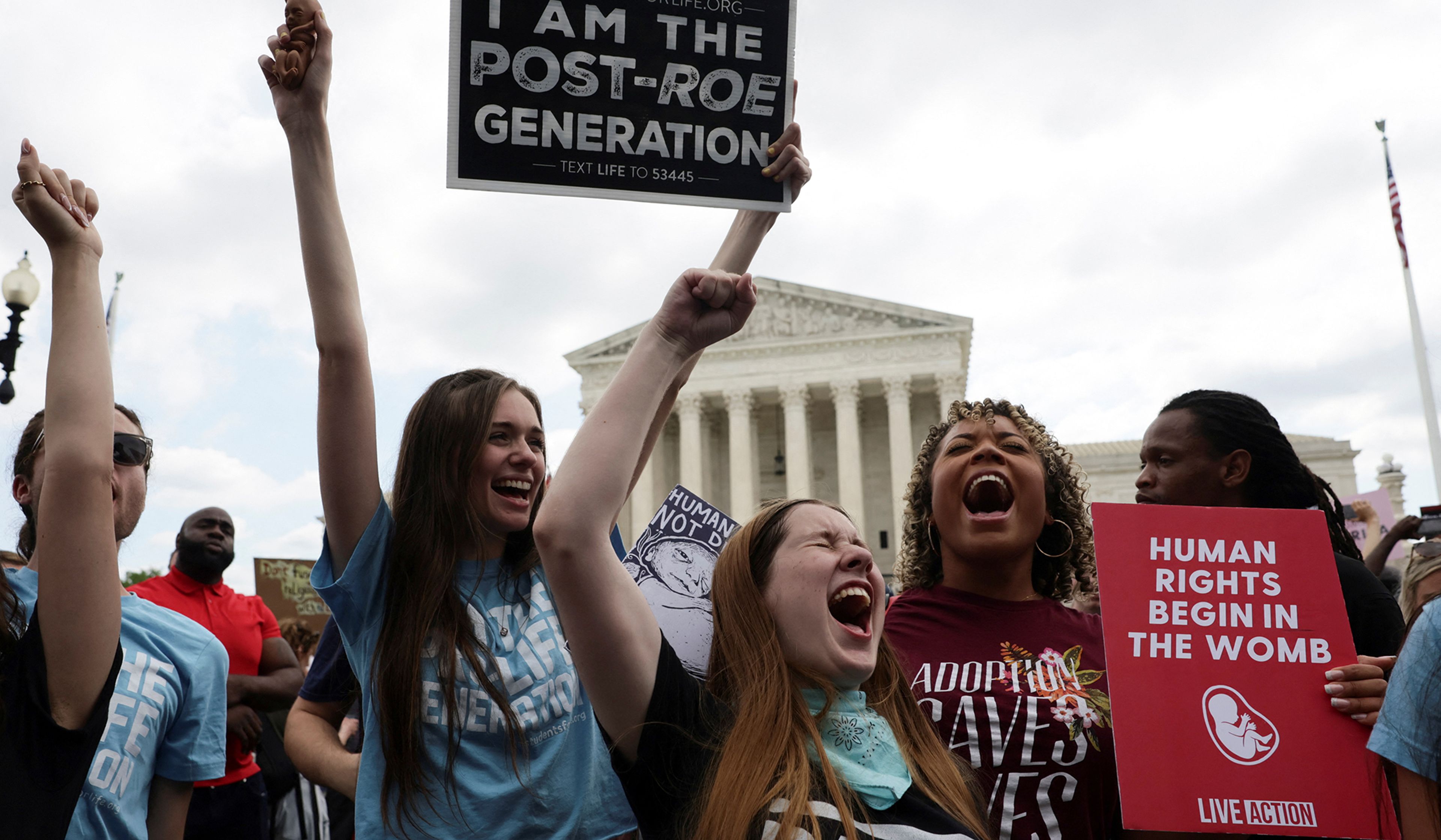

Pro-life activists celebrate outside the Supreme Court as the court rules in Dobbs v. Women’s Health Organization overturning Roe v. Wade in Washington, D.C., June 24, 2022.
Evelyn Hockstein/Reuters












Comments