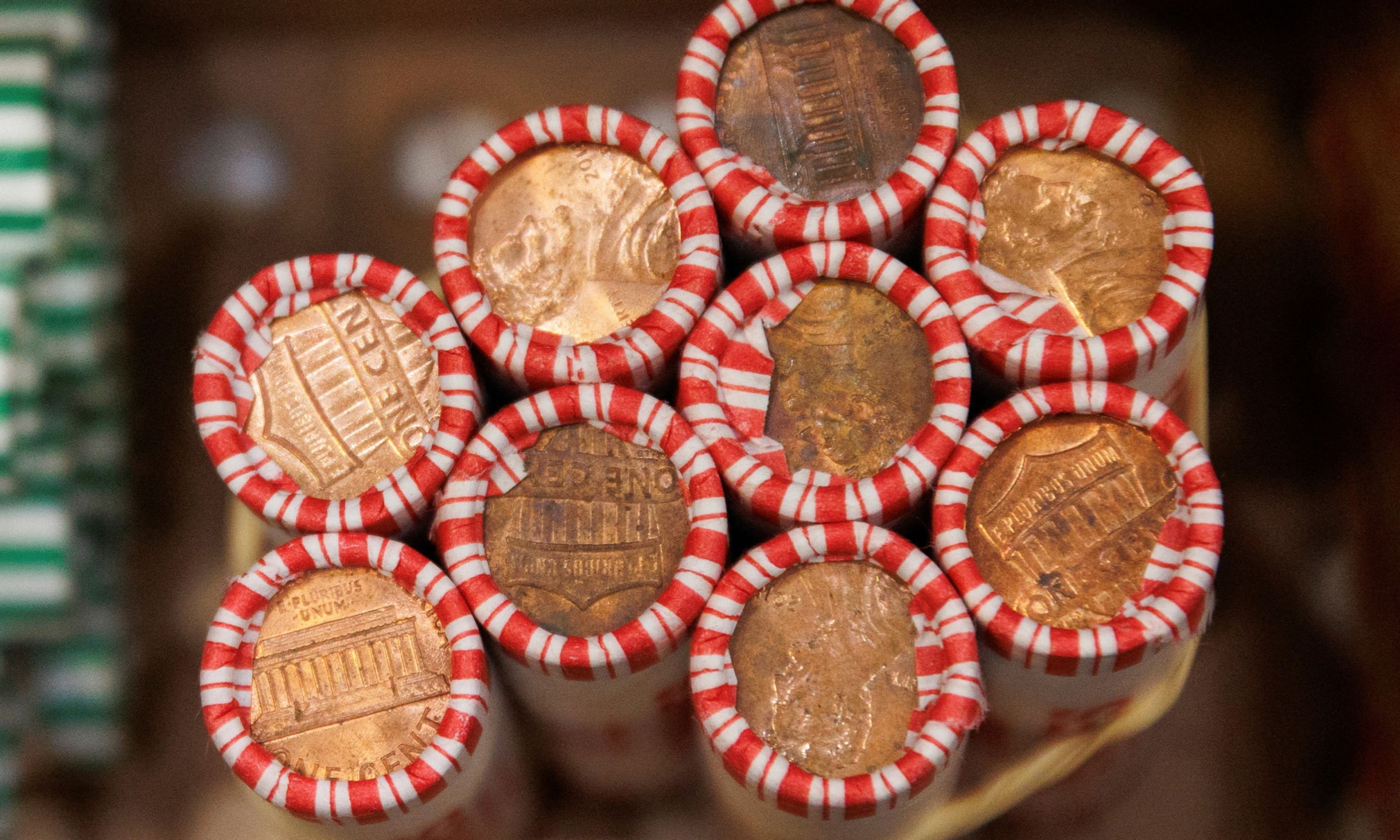
When I paid in cash at the supermarket, my change included a cent piece. Mr. Lincoln’s features looked duller than usual. The date — once my eyes could read it under a bright light at home — explained why. 1944. There was a mint mark, “S” for San Francisco. Worthless as a collector’s item, but still worth a thought.
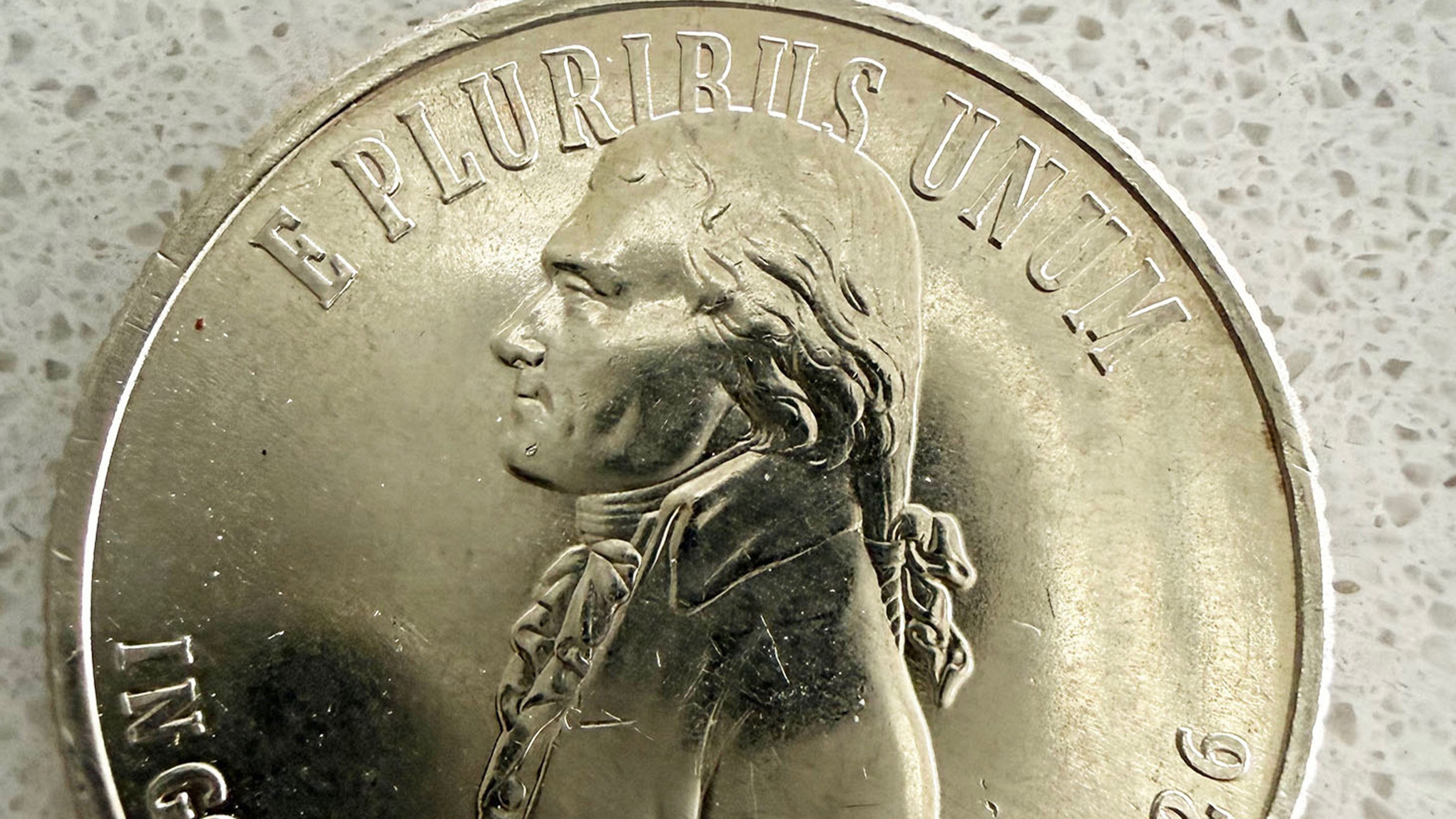
It was darker and felt heavier than its modern peers, thanks to its composition: copper, with a dash of zinc. Since 1982, cent pieces have been zinc with a coating of copper, which is why they look so crummy: spangles from a belly dancer’s bra when new, something retrieved from a highway rest stop urinal when old and discolored. This one, struck when FDR and Hitler still lived, had aged gracefully. On the reverse, the spikelets of the stylized wheat ears that frame the value and the country of issue were still distinct, though the bristles had worn together. The only letters fading from view were “I,” “T,” and “A” from “UNITED STATES,” smack in the center, home plate for thumbs. The tiny messages clinging to the rim — E PLURIBUS UNUM, and on the front IN GOD WE TRUST — had fared better.










Comments