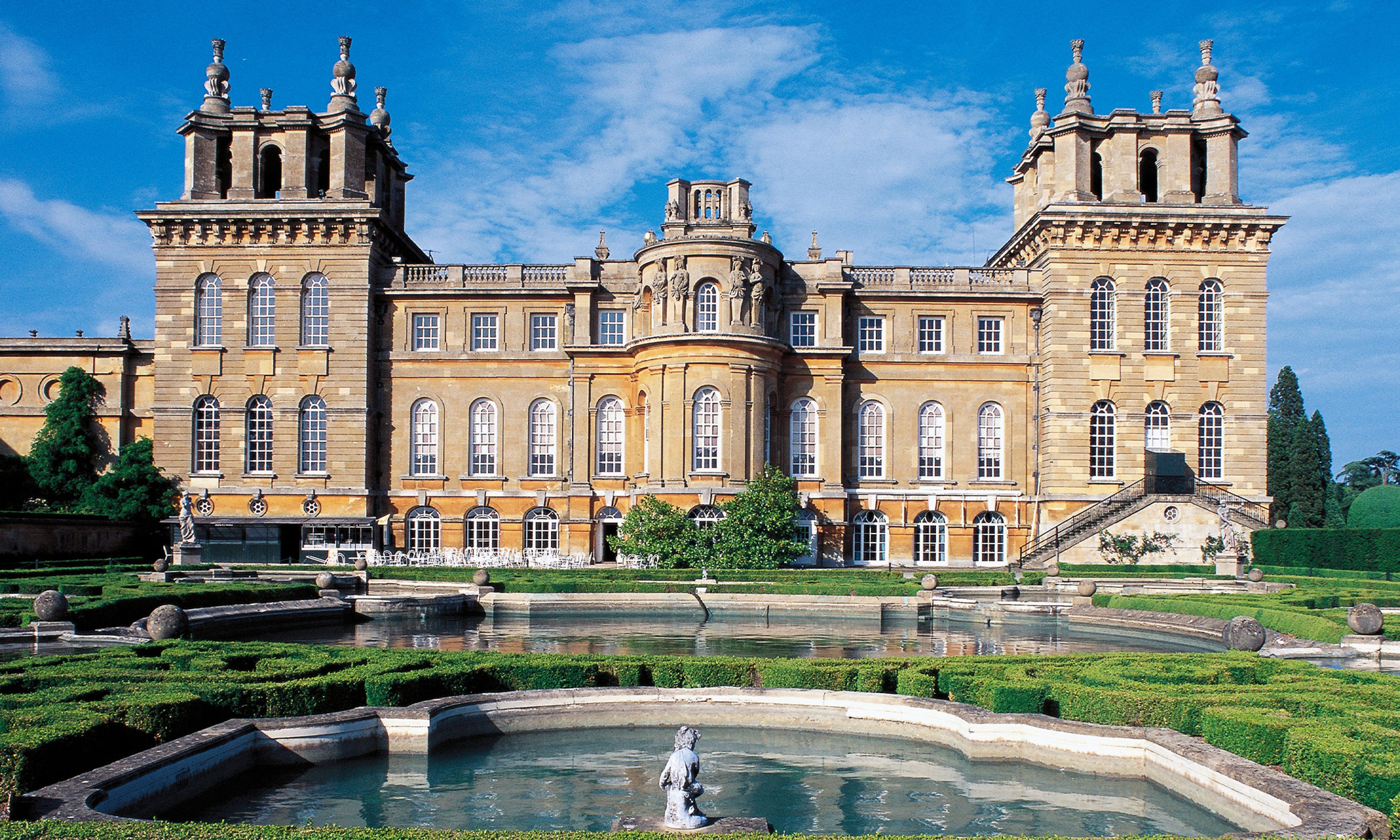
In The Book of the Courtier (1528), one of the most significant literary works of the Renaissance, a vade mecum for men of parts, Baldassare Castiglione coined the word sprezzatura, which translates as something like “effervescence”: a bubbling over of talent, energy, and confidence that makes achievement look easy. Most Englishmen seem too phlegmatic to effervesce, but a striking exception was Sir John Vanbrugh (1664–1726). Not only a leading comic playwright of his time but also a genius architect, he demonstrated mastery of both arts even as an untutored beginner. On the 300th anniversary of his death, Vanbrugh deserves a rousing celebration.
Being born to the right parents always helps an ambitious youth, and Vanbrugh was fortunate: his mother had extensive familial connections to aristocracy, while his father came from a long line of well-to-do merchants and was a successful sugar-baker, or refiner of raw sugar. Father raised son with a passionate attachment to the Whig party, spiritual home to shrewd financiers, staunch opponents of French overreach, advocates of exclusive Protestant possession of the English throne, and stalwarts for parliamentary nerve against royal presumption. Vanbrugh never attended university. At 20, he took advantage of genealogical influence to secure a junior officer’s commission in an infantry regiment. But serving the Roman Catholic King James II in an outfit led by a Catholic evidently did not sit well with him, and he soon departed.









Comments