Twenty years on from the 20th century, the state of the union resembles nothing so much as a less fully conceived, less ambitious version of The Walking Dead. A virus menaces the populace, exposing the fragility of our institutions and exacerbating societal divisions. The uncertainty and fear it has spawned have badly damaged the economy and disrupted social life. There are no machetes, nor compounds ruled by strongmen armed to the teeth. No foraging for food, nor desperate looting of long-abandoned grocery stores. No disemboweled zombies just outside the door.
But Americans find themselves disturbingly vulnerable, deeply divided, and unsure of whether things will ever be normal again. The novel-coronavirus pandemic has produced an unprecedented array of challenges — potentially disastrous problems of unemployment, poverty, and unequal opportunity, to name three.
From one perspective, addressing these challenges is as easy as solving a three-piece jigsaw puzzle. Increasing economic activity and opening schools requires that people feel safer shopping, traveling, and enjoying public entertainment again, dealing with customers and sending their children to school or to child care. Feeling safer requires that the spread of the coronavirus be reduced and controlled. And containing the virus will require more-aggressive measures and more-ambitious strategies than we have so far attempted.
From another perspective, however, avoiding an array of socioeconomic crises would be more like winning World War II. It would require that we summon the kind of solidarity and civic will that Americans have not been called upon to muster for a long time. It calls for nothing less than a national mobilization. Mobilizing on such a scale would require sacrifices of us all, but because of that, it might also be a first step toward repairing the social breaches that have opened up, especially over these past four years.
Between late 2019 and the eve of the Great Lockdown, unemployment was lower than at any point since the Beatles broke up. But after the declaration of a national emergency and the issuing of stay-at-home orders across the country, February’s 3.5 percent unemployment jumped to between 15 and 20 percent in April. (The extraordinary circumstances made it difficult to measure the rate accurately.) There are no workers even in their eighties today who previously had experienced joblessness that high. As infection rates dropped and the economy reopened, unemployment fell. But it remained around 8 percent in September, wiping out the past eight years of recovery.
If pre-pandemic employment was strong, so, too, was hardship historically low; Americans were less likely to be poor in early 2020 than ever before. Even after the lockdown, poverty initially dropped, thanks to the emergency federal legislation passed and signed into law in March, which expanded food assistance and unemployment benefits, and provided cash to most families and aid to many businesses. But poverty rates have gradually risen in the subsequent months and are higher than before the pandemic.
Meanwhile, the state of opportunity for poor children has taken a dramatic turn for the worse in the wake of March’s school closings. Recent studies indicate that for several decades leading up to 2020, educational gaps between richer and poorer children, while vast, had not widened (and might have narrowed). Even over January and February of this year, according to Harvard and Brown researchers, children from poorer and richer zip codes showed similar progress in online math learning.
But after schools closed around the country in mid March, student outcomes immediately diverged. By the end of the school year, kids from the richest quarter of zip codes were progressing through 37 percent more weekly lessons than they had completed at the start of 2020. Completed lessons were down 11 percent in the poorest quarter of zip codes. Among students nationally, completion rates recovered by the end of the school year, but only after a lag of four weeks — weeks in which kids fell behind where they should have been. According to Curriculum Associates, a company that provides online diagnostic tools widely used by schools, the number of second- and third-graders who are behind this fall is 20 to 50 percent higher than last year.
The root of these problems is, of course, the withering of economic and social life because of the risk of COVID-19 infection. The Harvard and Brown researchers indicate that in mid October, well after states and localities had significantly reopened their economies, Americans still spent 30 percent less time in transit than they did in January. They spent over 25 percent less time in the workplace than at the start of the year. Spending at restaurants and hotels was down by nearly 30 percent, and expenditures for entertainment and recreation were still down over 50 percent.
Research consistently finds that this mass retreat has not been primarily due to government intervention; it overwhelmingly reflects voluntary social distancing on the part of households and employers. Stay-at-home orders, restrictions on business activity, and school closures may or may not have been overreactions in some parts of the country, though the initial absence of consensus on mask-wearing and social distancing surely would have produced infection outbreaks in many places absent the lockdowns.
Regardless, the purgatory most Americans have endured since the spring is fundamentally a manifestation of widespread public anxieties related to the coronavirus. For instance, while a plurality of parents surveyed at the end of July favored a mix of in-person and virtual schooling for their children, they preferred completely virtual schooling over a strictly in-person option by a margin of 39 percent to 16 percent. These anxieties will continue to impede our ability to move beyond the epidemic so long as infection rates are elevated.
The risk of dying from COVID-19 is low for most people, but it is uncomfortably high for many Americans who either are older, have a chronic health condition, or fall into both categories. And many more Americans know and love such people. Further, there are serious risks to the young and healthy from coronavirus infection apart from death. The symptoms — even among those who avoid hospitalization — can be severe and even terrifying. And some who recover from initial symptoms experience ongoing, perhaps even permanent health problems, including damage to the lungs and brain. Even months after ostensibly recovering, many patients complain of “brain fog,” chronic fatigue, and other symptoms. Among athletes in the Big Ten collegiate conference who tested positive for COVID-19 prior to the fall sports season, 15 percent had myocarditis, a potentially fatal heart inflammation.
If joblessness, hardship, and opportunity look bad now, things could easily get worse this fall and winter. To start with, the trade-off between opening the economy further and risking public health remains a stubborn fact of the epidemic. In mid October, COVID-19 death rates remained at about their levels in mid June. Outside the New York City area, death rates are as high as in early April. Furthermore, with identified cases and hospitalizations having risen since mid September, deaths from COVID-19 have begun to increase again. When states and municipalities have tried to reopen their economies too quickly — by, for instance, opening up bars — the resulting spike in COVID-19 cases has repeatedly led to reversals in policy. The Joint Economic Committee’s Reopen Readiness Metric Tracker assesses states against four criteria for safely reopening their economies, involving cases and testing, that have been proposed by various organizations. As of this writing, half the states fail according to all four criteria, and no state in the country meets all four (though some previously have). Only eight states even meet two of the criteria. By these metrics, it will not be sufficiently safe to return to normalcy anytime soon.
Nor can we expect a vaccine to spare us in the near term. There remains a good chance that an effective vaccine will be developed, but none is likely to be broadly available before the spring of 2021 (and that may be optimistic). It will be a painful path from here to there. That will be especially true if the coronavirus proves to be seasonal. In a normal year, mortality from influenza and pneumonia would be expected to peak in January. This is not a normal year, and it may be that the widespread use of masks and social distancing, if sustained, will tamp down influenza and COVID-19 enough that we avoid a seasonal spike in combined infections. But we are off to a bad start.
Of course, if public-safety measures do not ease, then we may avoid a spike of infections and deaths. The economic recovery will nevertheless be limited. As it gets colder, there will be less outdoor dining and less foot traffic in commercial districts. Neighbors will socialize less outdoors, and there will be fewer opportunities for children to play safely. This scenario would be the second-worst, compared with a fall and winter in which infection and death rates soar, causing Americans to retreat even more deeply from economic and social life.
Even if coronavirus-infection rates are stable, joblessness, poverty, and opportunity may worsen if policymakers sit on their hands. Key features of the emergency federal legislation passed in March have expired. The prospect of spending another several trillion dollars to avoid a deep recession should inspire anxiety in all but the most fiscally cavalier policymakers. But a recovery impeded by safety concerns and taking shape over a tattered safety net could prove to be no recovery at all.
And the unfortunate reality is that there is no guarantee that a vaccine will allow a return to normalcy in the next year. Even if vaccines are successfully developed and distributed rapidly, they may prove effective only for a limited amount of time or for a limited number of people. (The FDA will approve vaccines if they prevent or reduce the severity of COVID-19 in at least 50 percent of people.) Combine that with what could prove to be low take-up by wary Americans, and the nation may very well not achieve herd immunity.
The flu vaccine last season was only about 45 percent effective at preventing infection, and not quite half of Americans were vaccinated. Multiply those two numbers together and that means the flu vaccine protected less than a quarter of the population last year. A COVID-19 vaccine with low protection may not reduce Americans’ anxieties enough for them to return to their normal activities, and if everyone does return to old patterns, the vaccine might not prevent infections from staying elevated.
So long as Americans remain wary of resuming life as we once knew it, the best we can hope for is perhaps another eight or nine months of 7 or 8 percent unemployment propped up by one or two more multi-trillion-dollar federal relief bills; virtual schooling for primary, secondary, and college students in much of the country; and continued elevated COVID-19 infection rates and deaths. Poverty will climb if expanded jobless benefits or food assistance expire. Unemployment and poverty will rise if policy does not prevent a coming wave of small-business failures. Inequality of opportunity will worsen if we cannot get poor kids back in school.
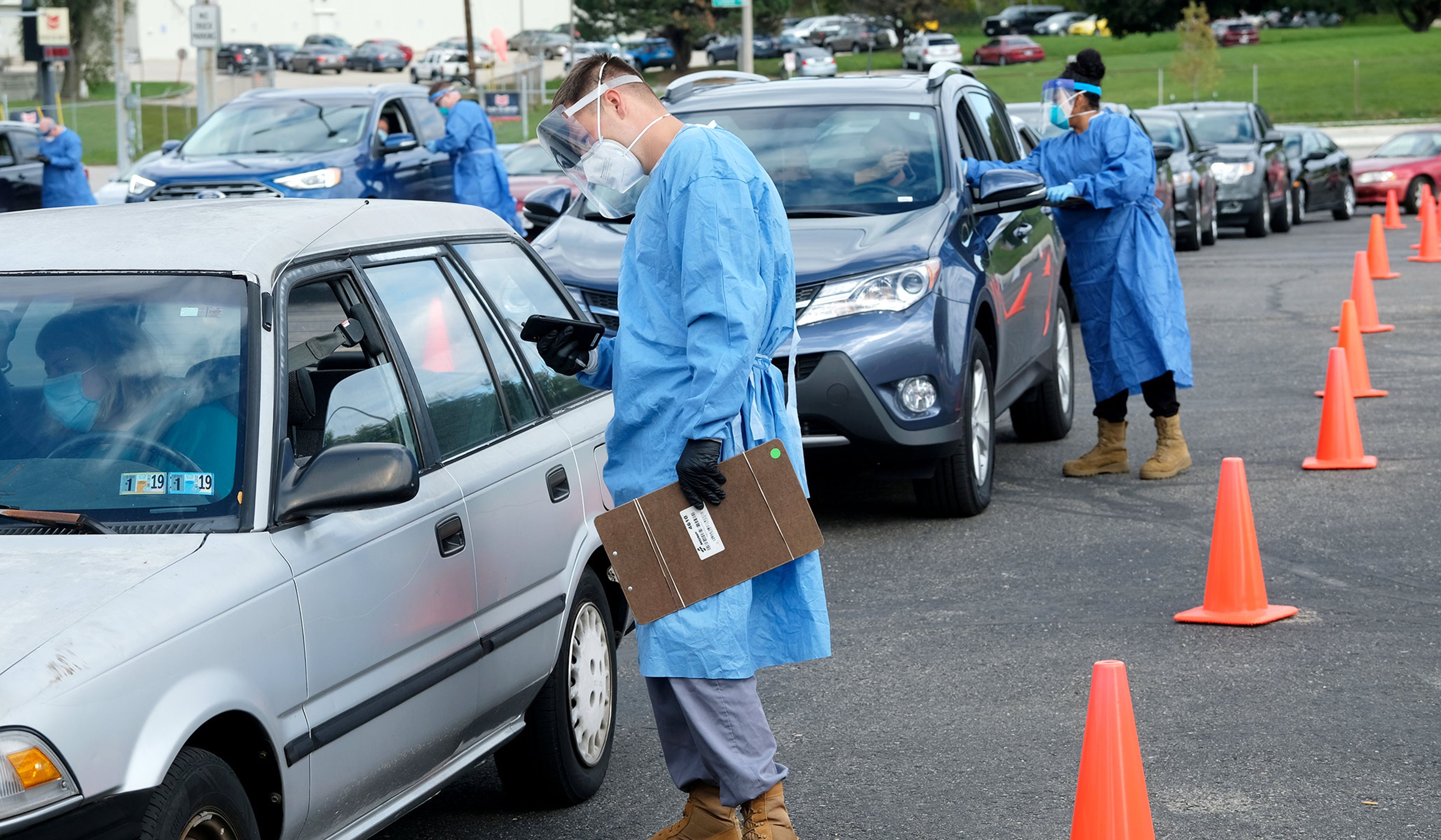
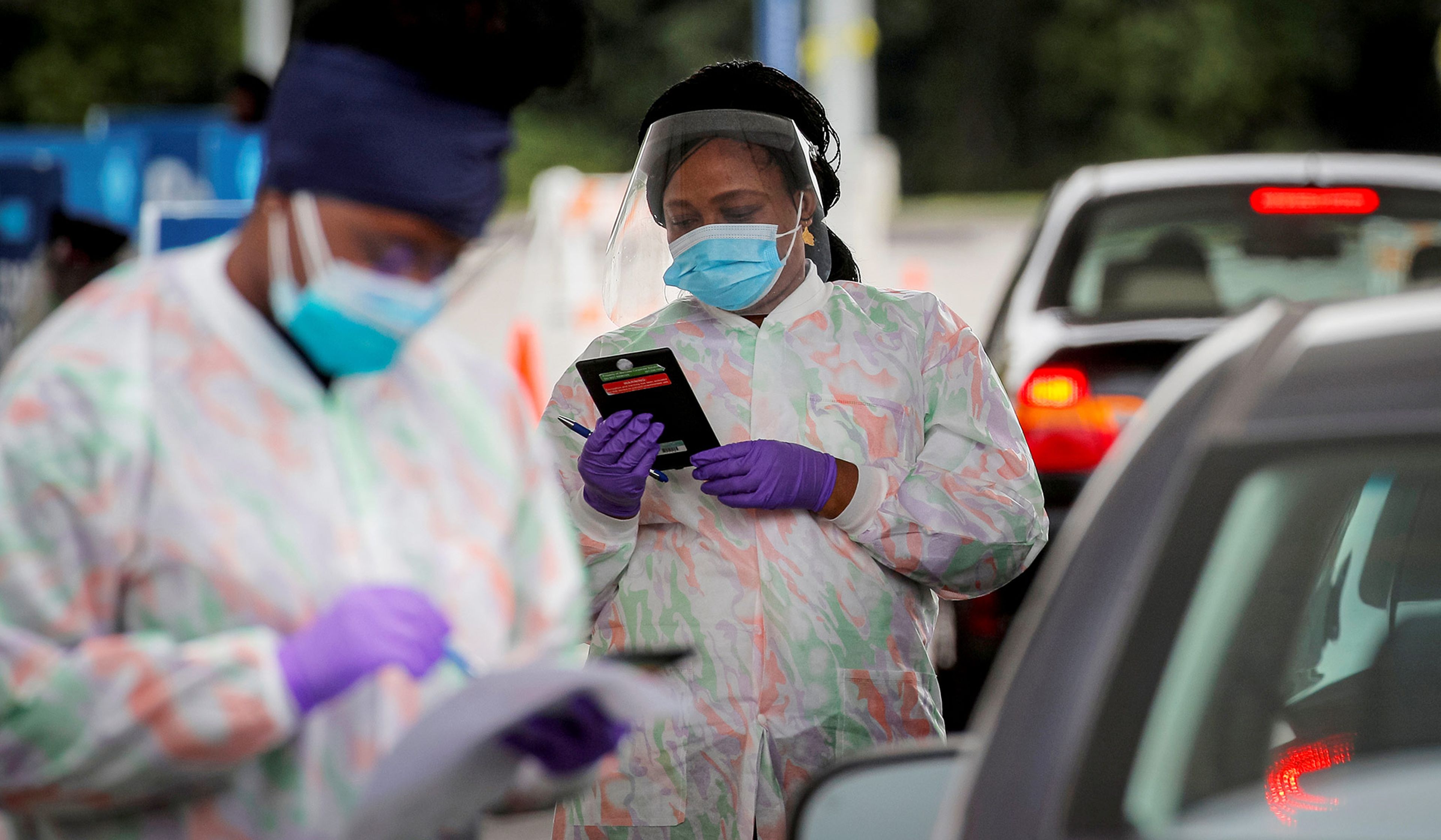
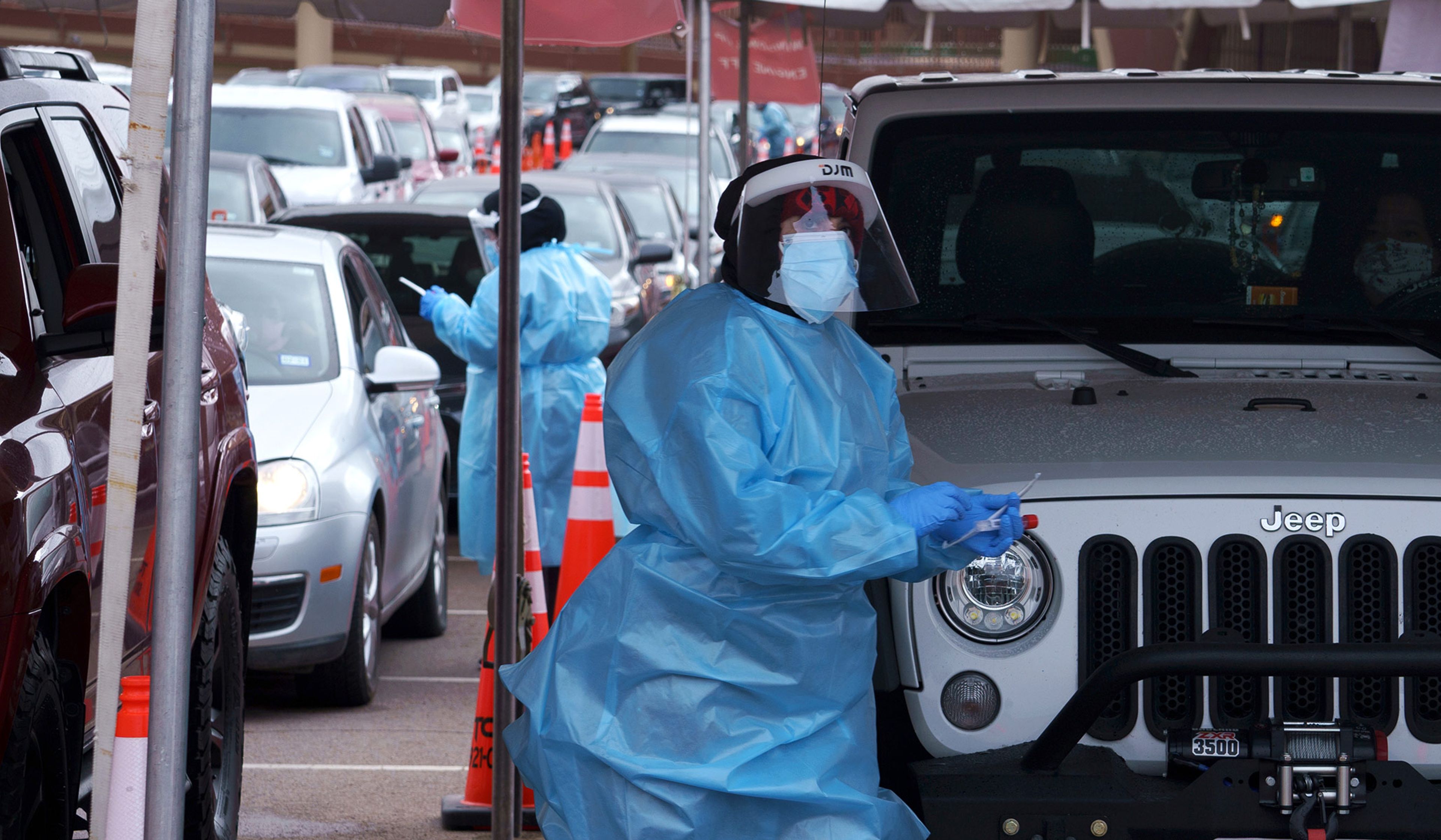
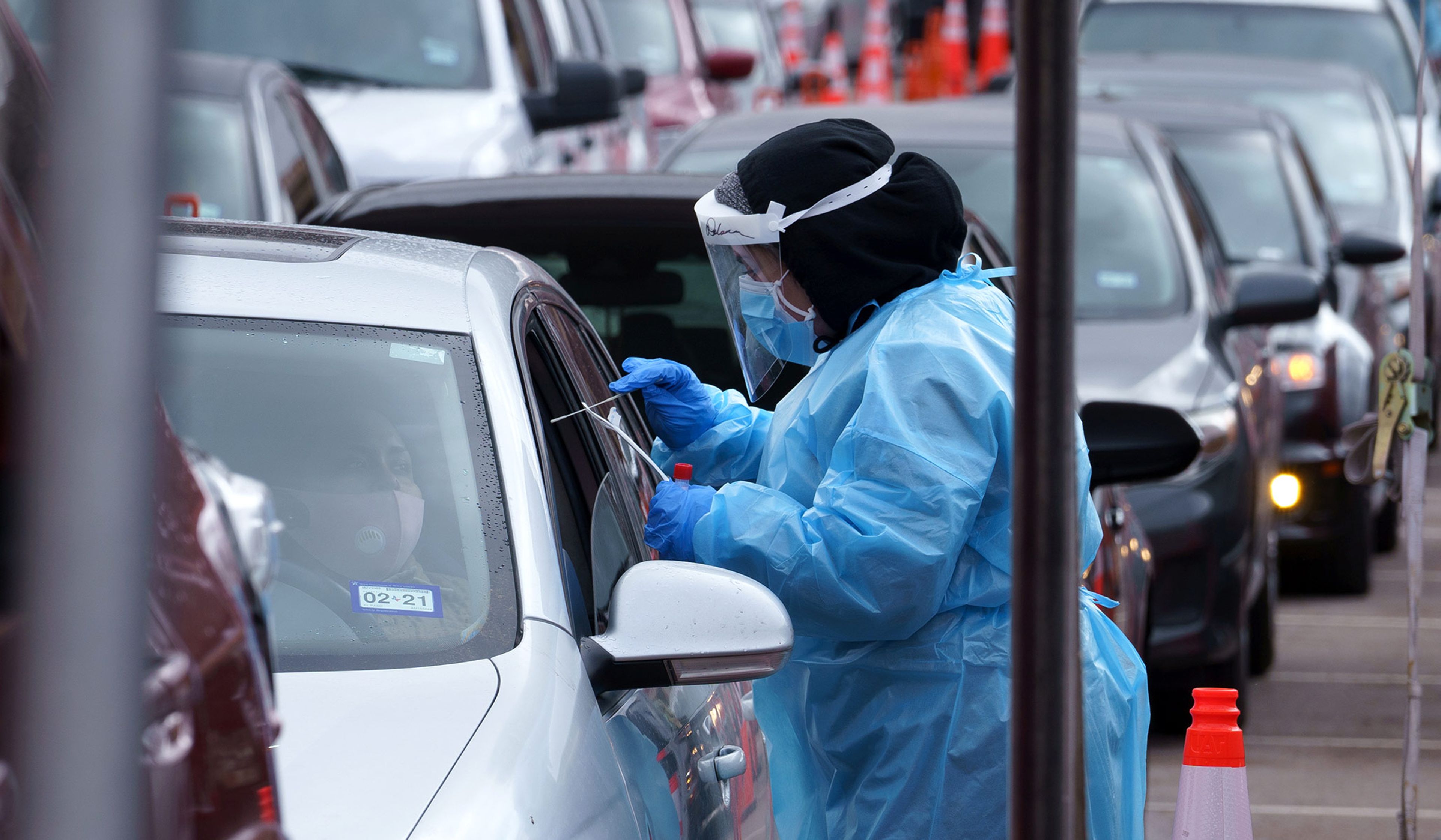
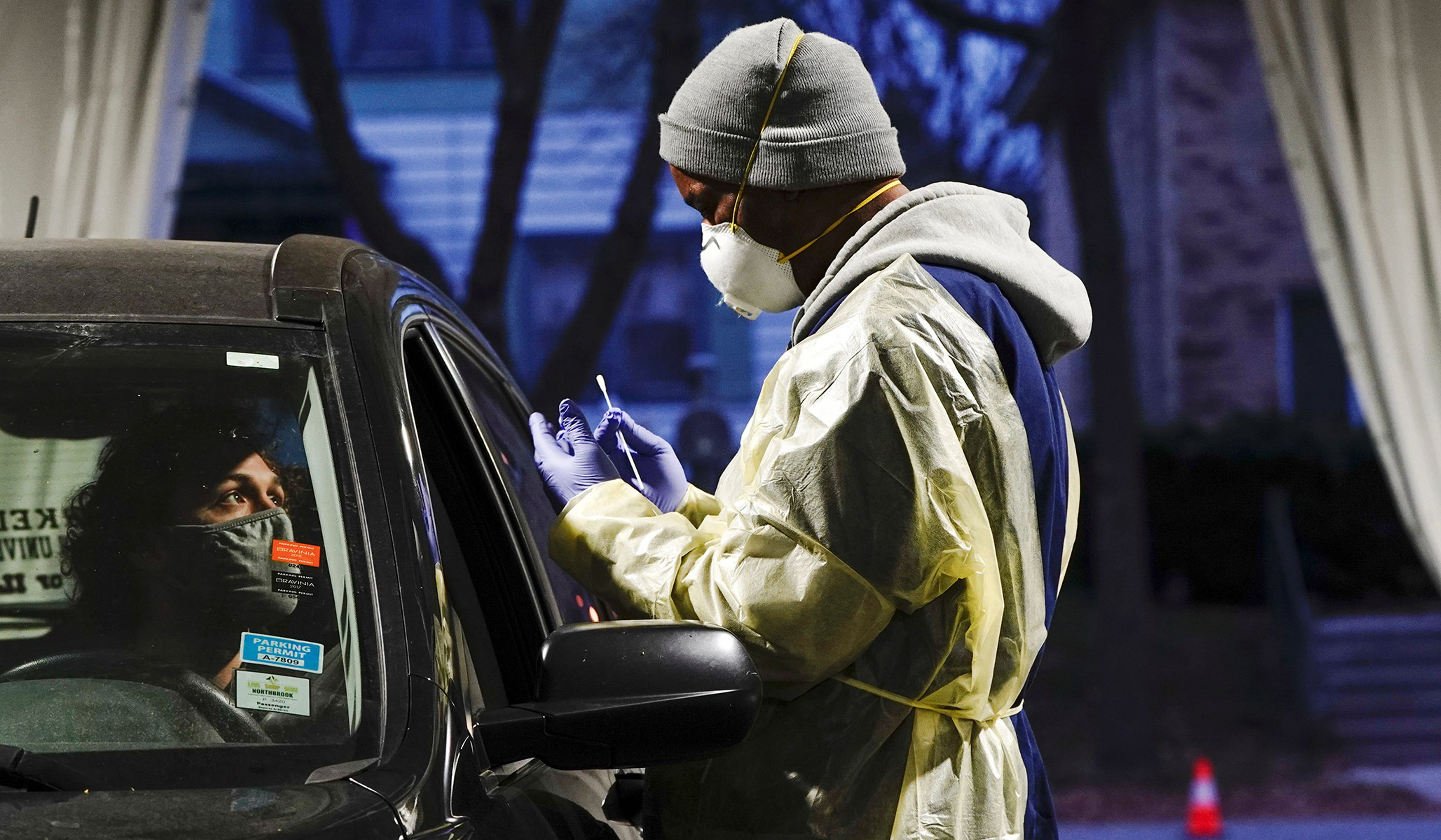
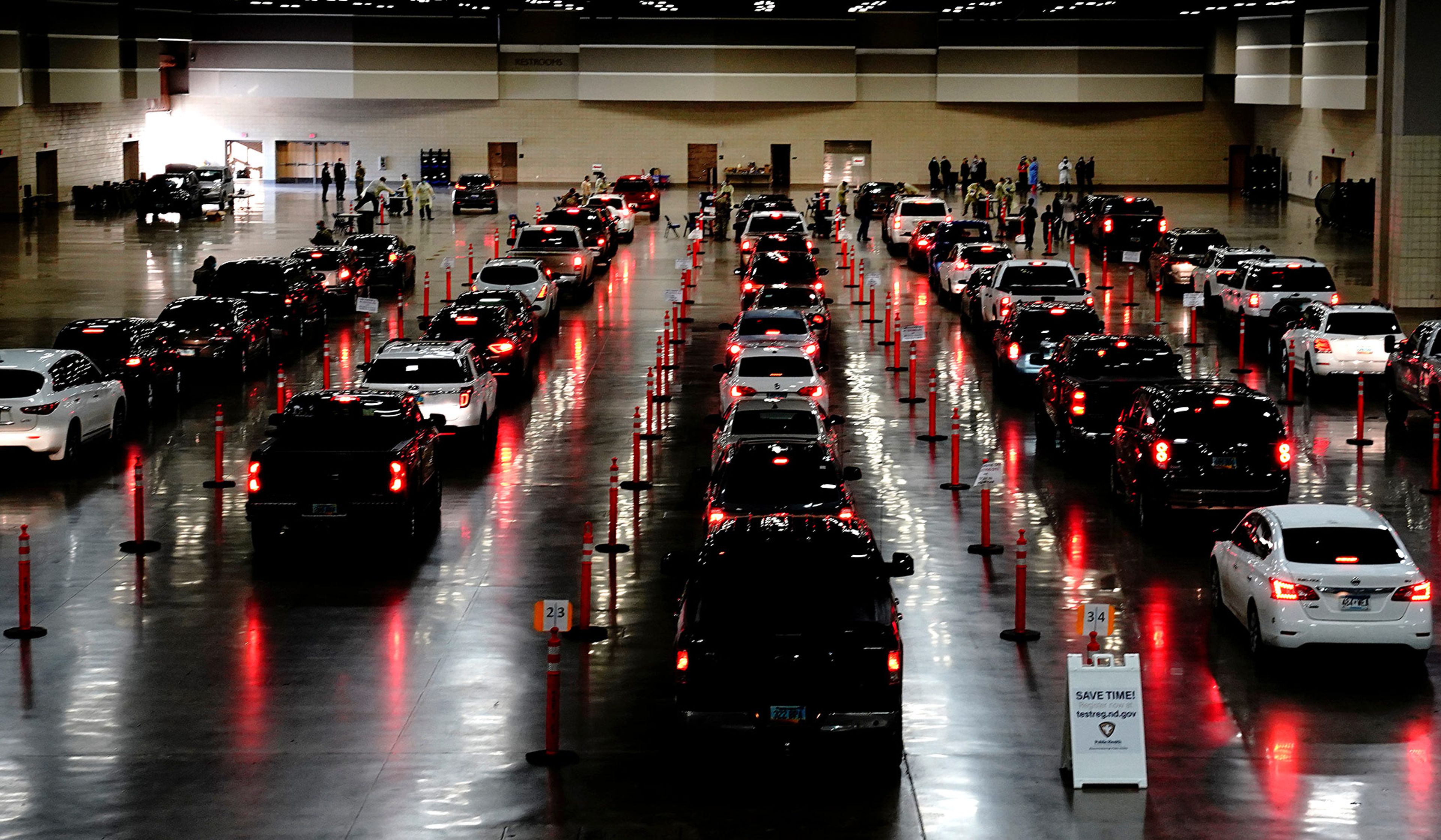
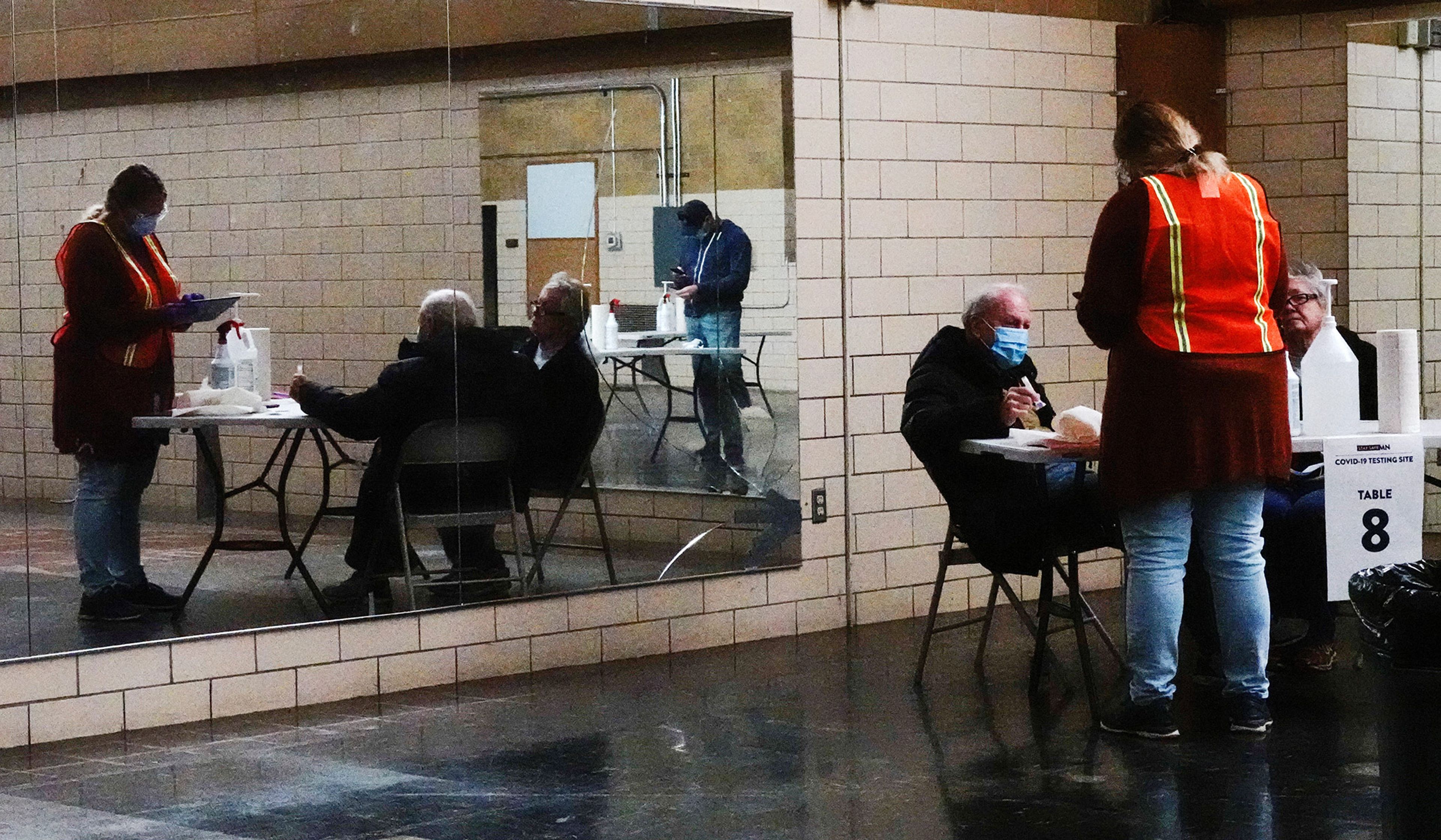
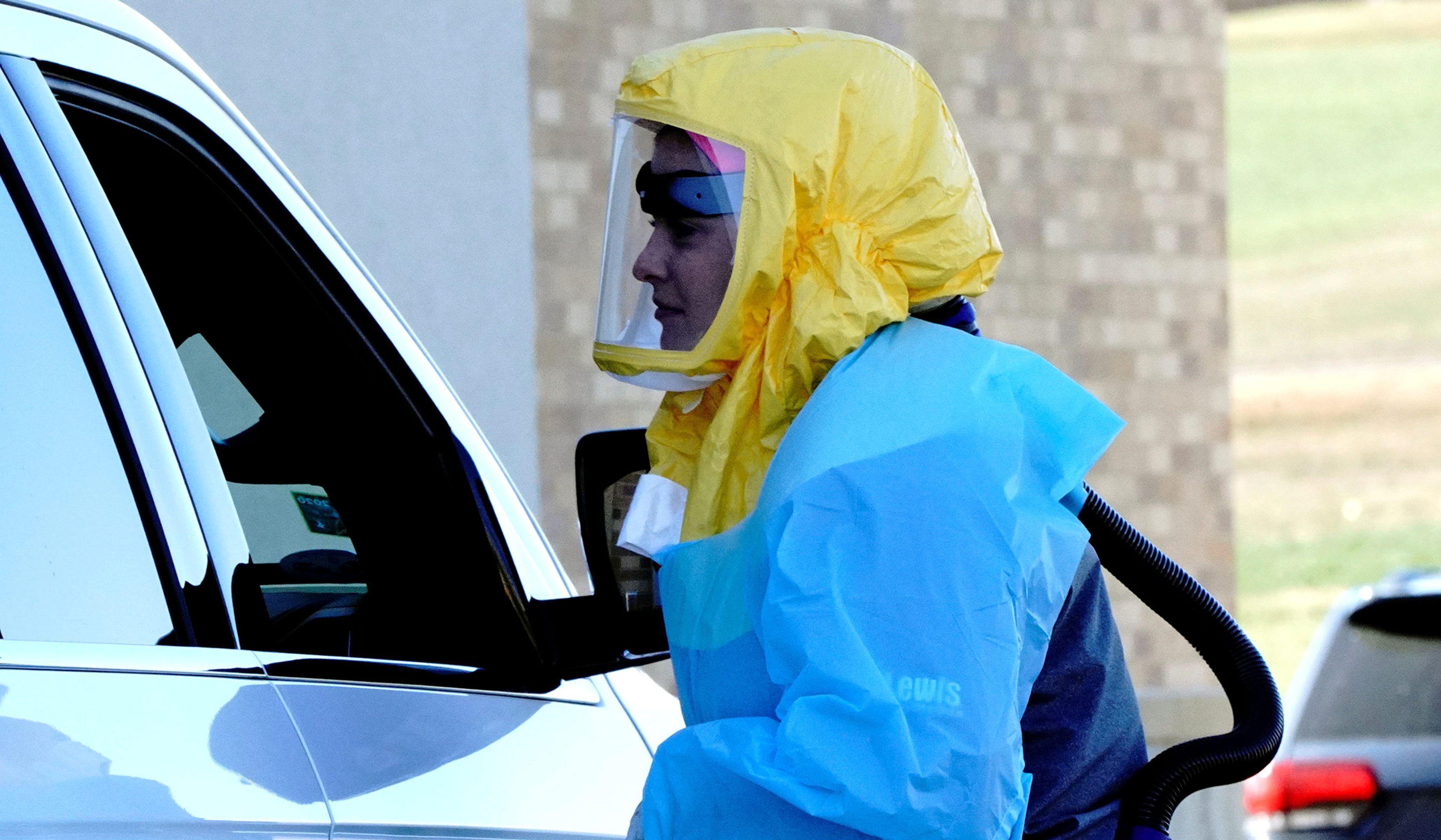
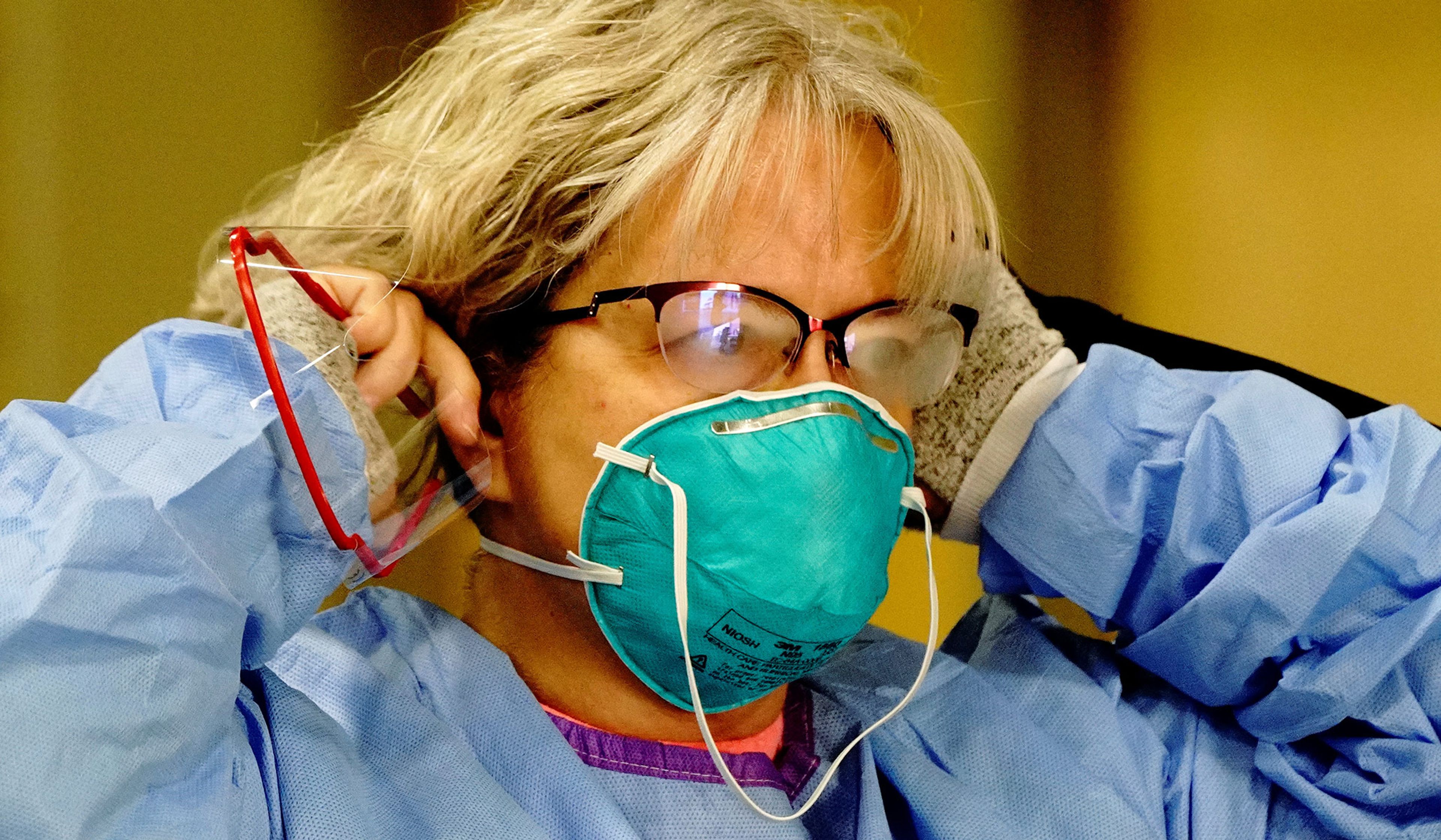
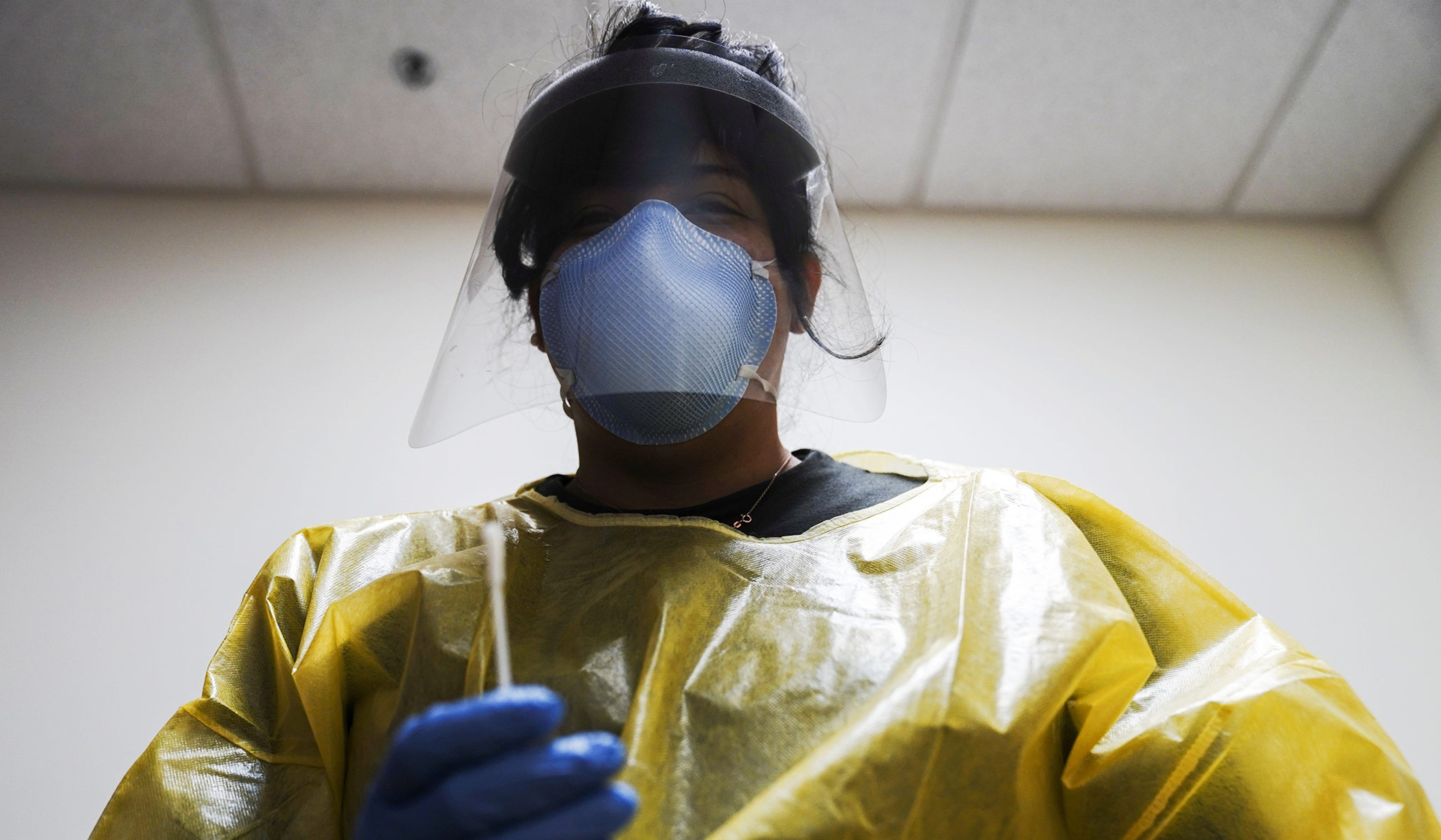
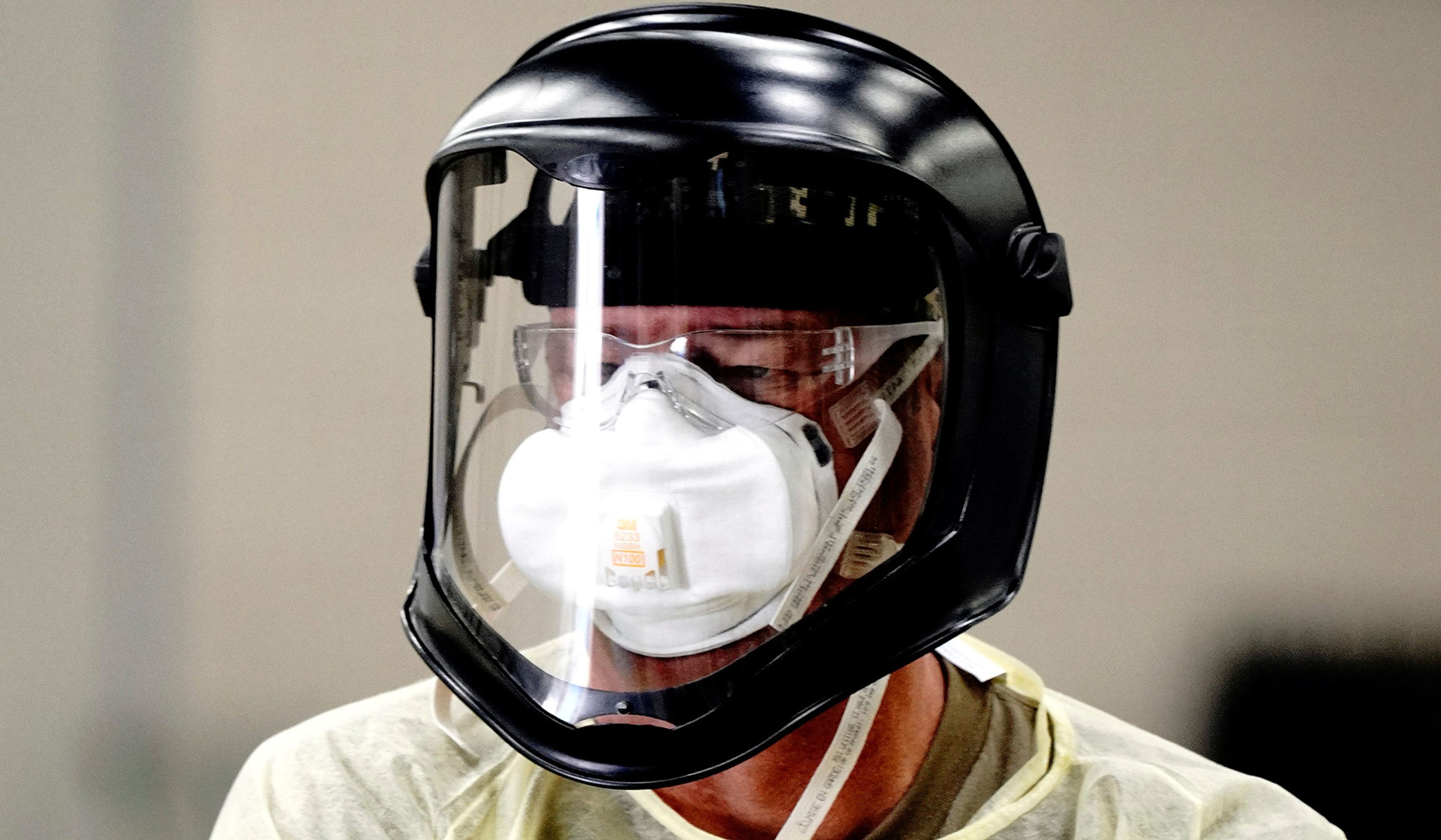
People line up in their vehicles to undergo coronavirus tests distributed by the Wisconsin National Guard in Milwaukee, Wis., October 2, 2020.
Alex Wroblewski/Reuters
But another future is possible.
In a recent column advocating a massive scale-up of COVID-19 testing, economist Tim Harford wondered, “What if everyone who was infectious glowed bright orange?” In such a world, we would insist that glowing people isolate themselves, and we would maintain our distance from them. But otherwise, we could go about our routines, our social and work lives, without fear of getting infected.
Absent a luminescent, self-advertising virus, we ideally would have perfectly accurate COVID-19 testing kits, widely available and easy enough for Americans to use daily at home. In this ideal scenario — still unrealistic — the entire population would comply every day with self-testing and people would voluntarily isolate themselves upon learning of infection. That would be as good as glow.
Fortunately, tamping down the coronavirus does not require such unattainable conditions. Economist and Nobel laureate Paul Romer has emphasized that with enough testing kits of sufficient accuracy, enough people testing themselves with sufficient regularity, and enough people with positive tests voluntarily isolating themselves for a sufficient duration, we can drive down infection rates enough to safely resume regular social and economic life.
Doing so would require national mobilization and sacrifice. Today, well under 10 million Americans are tested every week. Under Romer’s plan, that number would need to increase to 150 million. That would mean all Americans, on average, were tested every two weeks. A plan this ambitious would have serious logistical challenges — ramping up production of testing supplies, building up lab capacity, disseminating tests, and potentially providing isolation quarters and compensation to replace earnings for some who must isolate.
Such a mobilization would require federal leadership, given the expense and the fragility of state budgets. Romer has crunched the numbers and estimates the cost at around $100 billion. That is not chump change. But it pales in comparison with the multi-trillion-dollar spending packages proposed in Congress to help the jobless, provide aid to states, and shore up small businesses — spending that is a consequence of our inability to tamp down the coronavirus.
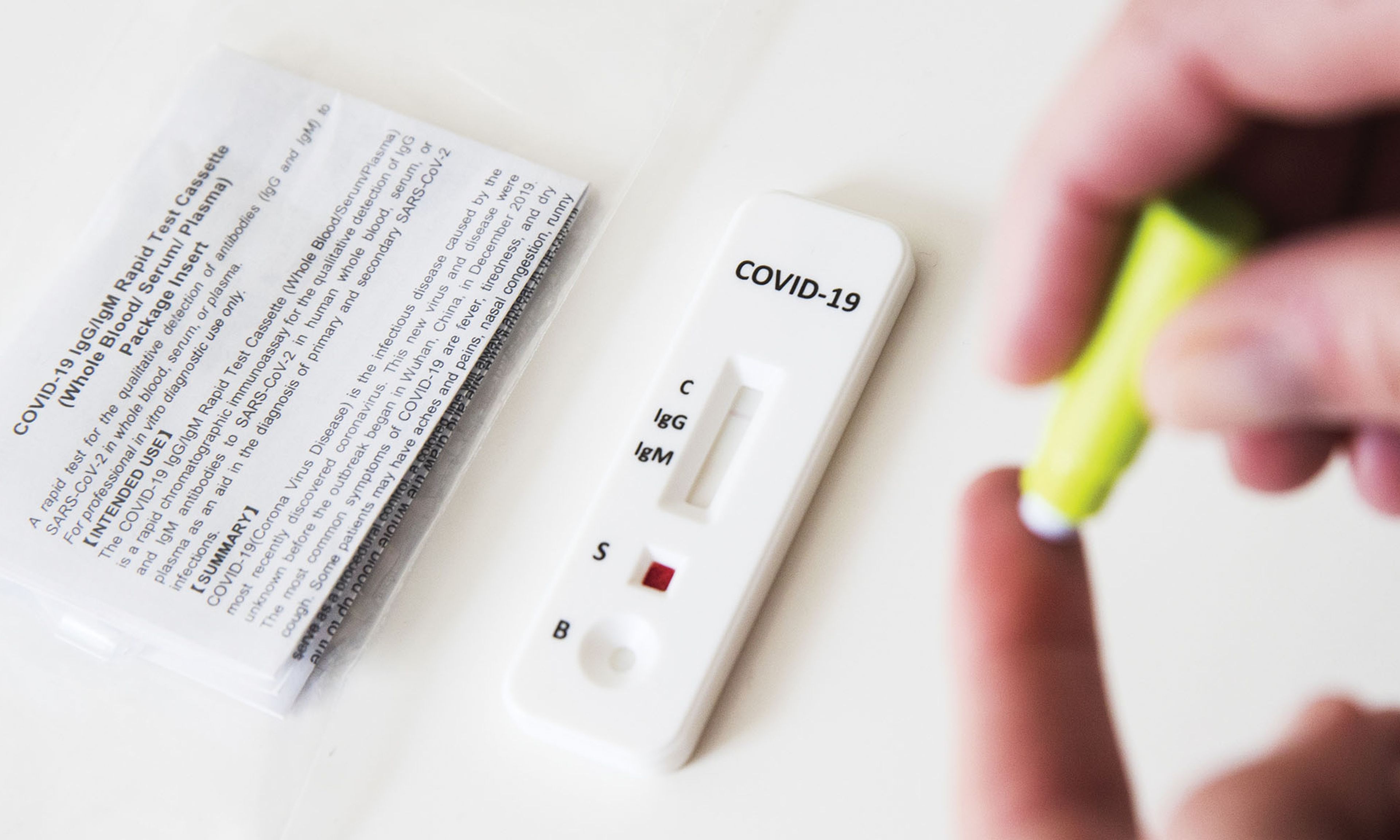
Regulatory changes would also be necessary. Multiple paper-strip COVID-19 tests — based on saliva specimens and displaying results akin to those of home pregnancy tests — have been developed. But the Food and Drug Administration has withheld approval of such tests because they have proved less accurate than the nasal-swab tests used by clinicians. This resistance is misguided; while not a substitute for the more sensitive clinical tests for people with COVID-19 symptoms, widespread paper-strip testing of people without symptoms would be invaluable for controlling the spread of the coronavirus. If the tests were approved, regular home testing would be feasible, especially if free kits were sent to every American home.
An ambitious testing-and-isolation plan would require Americans individually to commit to testing and to isolating themselves in the event of a positive test. It would not, however, require perfect compliance. Romer’s simulations indicate that even if 40 percent of infections were not discovered (which could occur owing to an imperfect test or imperfect compliance with testing), the spread of the coronavirus would be dramatically reduced.
There might be resistance to the kind of commitment that a program like this would entail, particularly among those for whom the risk of infection or serious health consequences is low. But a massive mobilization might be just the thing for our ailing nation. To squash the coronavirus and return to our normal lives will require that we come together as Americans and commit to widespread testing and voluntary isolation.
It will require that the healthy make sacrifices for the compromised. It will necessitate that lower-risk groups make sacrifices for groups that have been harder hit by COVID-19. A national program would ask that younger people comply for the sake of older Americans. In the midst of still-simmering racial tensions, it will ask white Americans to sacrifice for black Americans, whose death rates from COVID-19 have been twice as high. Regional polarization has divided red and blue America, but national mobilization requires that those in low-infection areas find solidarity with their fellow citizens in parts of the country with high infection rates.
Those of us who have savings and who can work at home, lean heavily on delivery services such as Uber Eats, and organize home-schooling pods for our children would need to sacrifice for other Americans who must go in to work at risk of their own health or who have lost their jobs, and for those whose children are falling behind without the structure provided by daily school attendance. It is our responsibility to them to keep the American dream of upward mobility alive.
Most policy debates today — most conversations involving two or more people, it sometimes seems — quickly become acrimonious and unproductive. Partisans on both sides see zero-sum games, winners and losers, unappealing trade-offs. But beating the coronavirus and returning to our normal lives will benefit all Americans. What is good for the jobless, the poor, and the disadvantaged in this case will also be best for everyone else.
Our forebears were willing to fight in faraway lands, even to die, so that others could live in freedom. World wars necessitated a complete reorienting of the national economy toward martial victory. Surely we can commit today to come together for a few months, to defeat an enemy that will fall much more easily than any fascist regime or zombie menace.












Comments