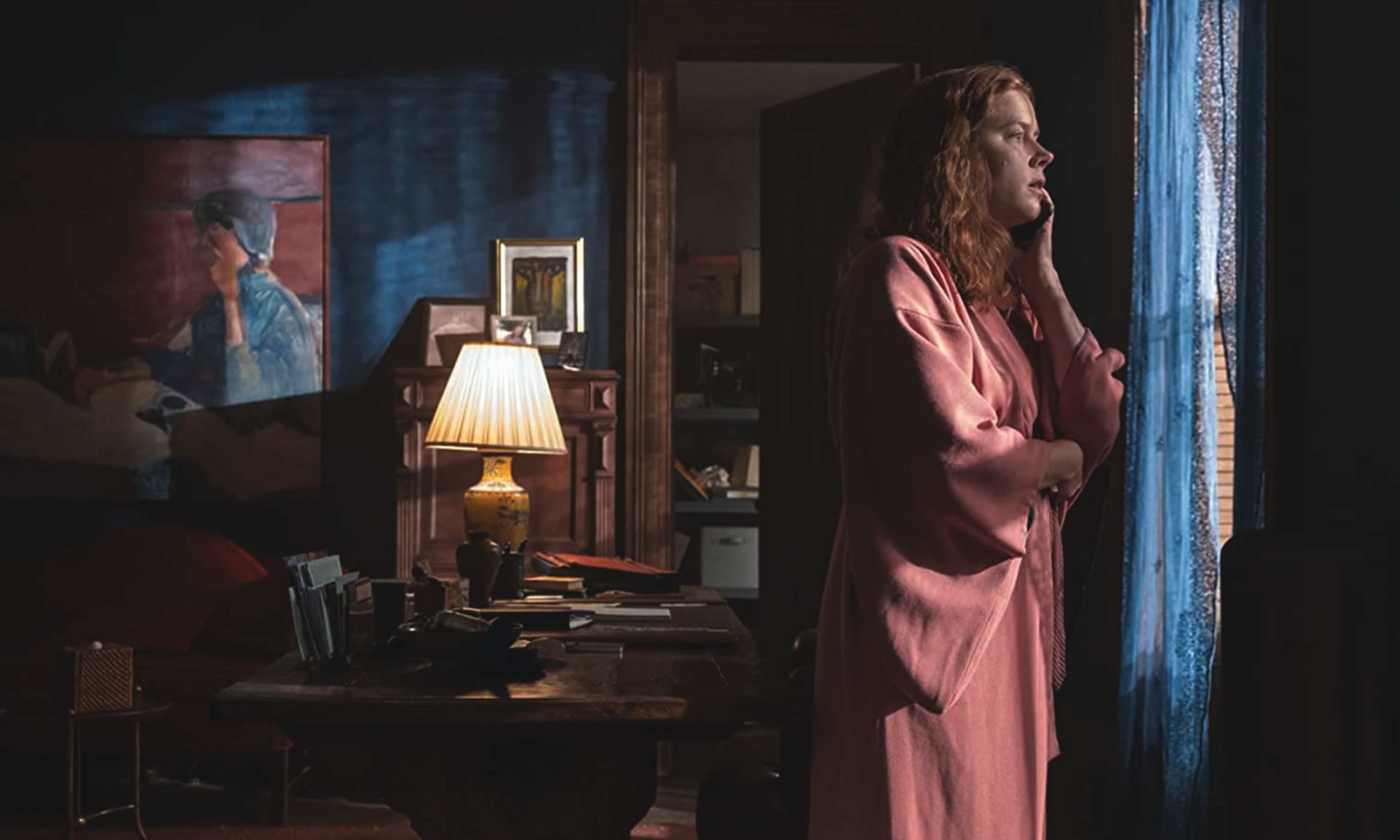
The Woman in the Window, currently streaming on Netflix, is about a highly educated white woman who is too traumatized to leave her New York brownstone and stays inside all day emptying wine glasses and watching classic thrillers. This may seem a little on-the-nose for a last-days-of-the-pandemic movie, as though the film were deliberately holding up an unflattering mirror to its intended audience. But actually it’s just serendipity: The Woman in the Window was supposed to come out in 2019, when its very socially distanced protagonist would have seemed a lot more unusual than she does in the New York of today.
The protagonist is Anna Fox, a child psychologist played by Amy Adams in a just-barely-holding-it-together style. She lives alone in her upper three floors and rents the basement out to a lanky younger man named David (Wyatt Russell), who constitutes one-third of her regular human contact; her other doses come via phone calls with her estranged husband (Anthony Mackie), who’s taking care of their daughter somewhere far away, and visits with Dr. Landy (Tracy Letts), her therapist, who shows up for sessions and thinks that Anna is making steady progress with her phobias.
Watching her swill her pills with merlot, we suspect that isn’t true, which gives us reason to doubt that Anna is a perfectly reliable filter through which to observe the new arrivals in her claustrophobic world. These are the Russells, a family that buys the brownstone just across the street, with windows close enough for her to watch them settle in, piquing a curiosity that gets heightened when her new neighbors start showing up at her front door: first the teenaged Ethan (Fred Hechinger), who seems troubled and unhappy and ripe for a child psychologist’s assistance, and then his giddier mother (Julianne Moore), who shares some booze and laughs with Anna, and then is next seen distantly, through the frames of the Russells’ brownstone windows, taking a knife in her guts.
Anna is watching this through a telephoto lens, but she doesn’t snap the picture. Instead she flails her way to her cellphone and summons the cops, at which point the Russell paterfamilias, Alistair (a white-maned Gary Oldman), appears with baffled hauteur and produces a different wife, Jane Russell (Jennifer Jason Leigh), who has never met Anna. Collectively the Russells deny that any other woman has been inside their house, let alone met her doom at the business end of a carving knife. And given what we’ve seen of Anna so far — to say nothing of certain things we learn about her past — it’s hard to blame the police for deciding that the whole murder was probably cooked up in some feverish corner of her trapped and troubled mind.
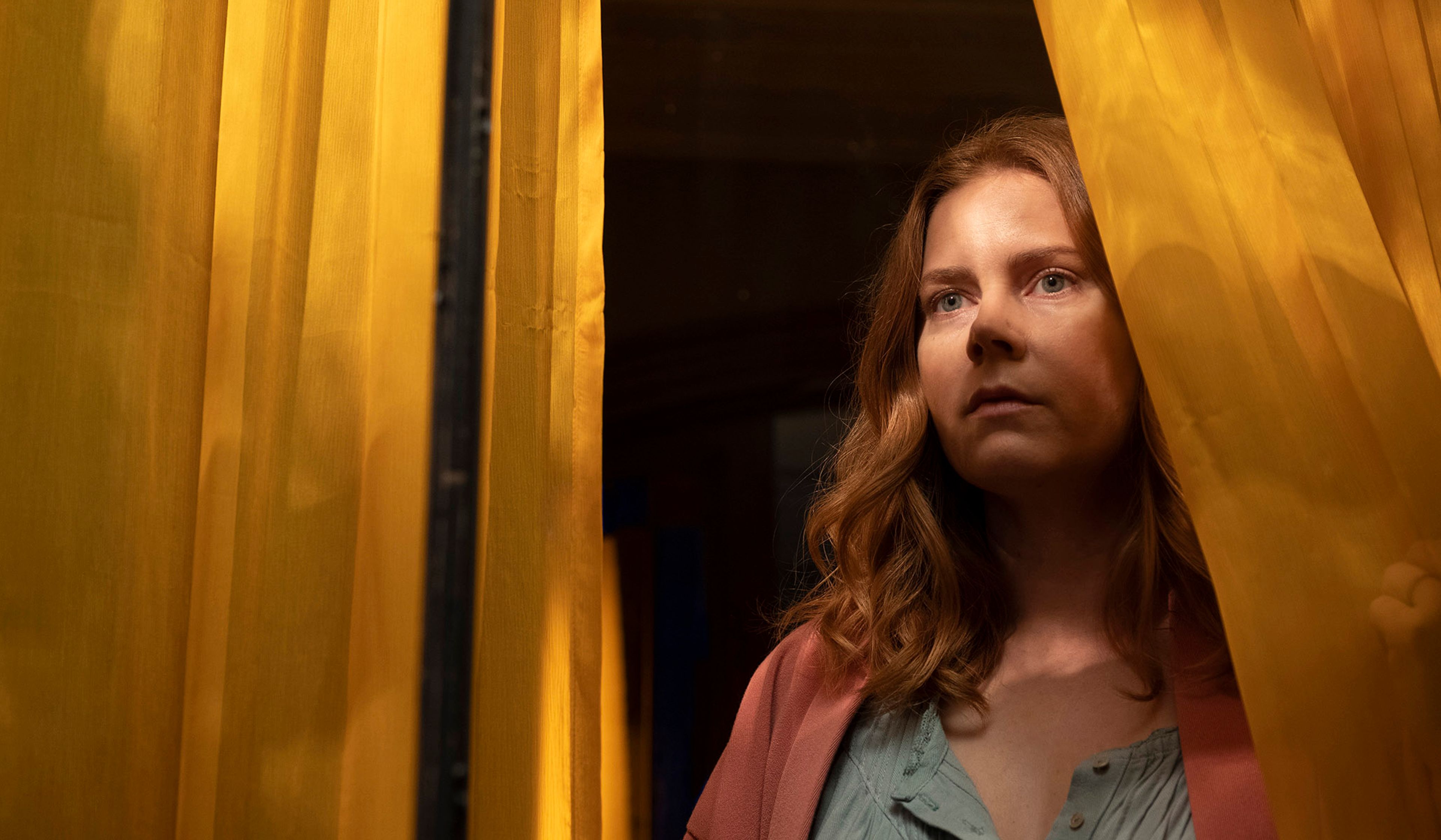
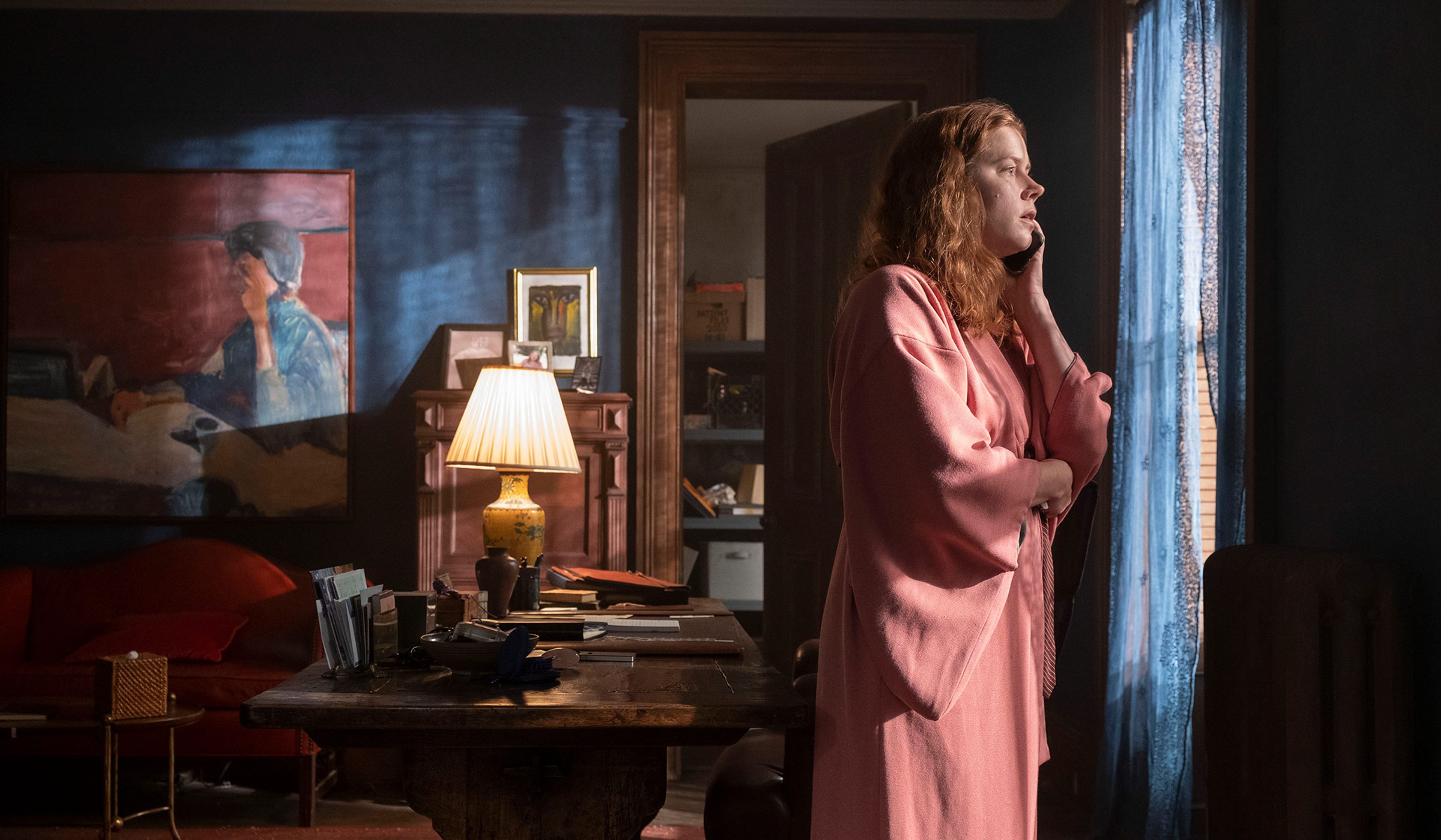
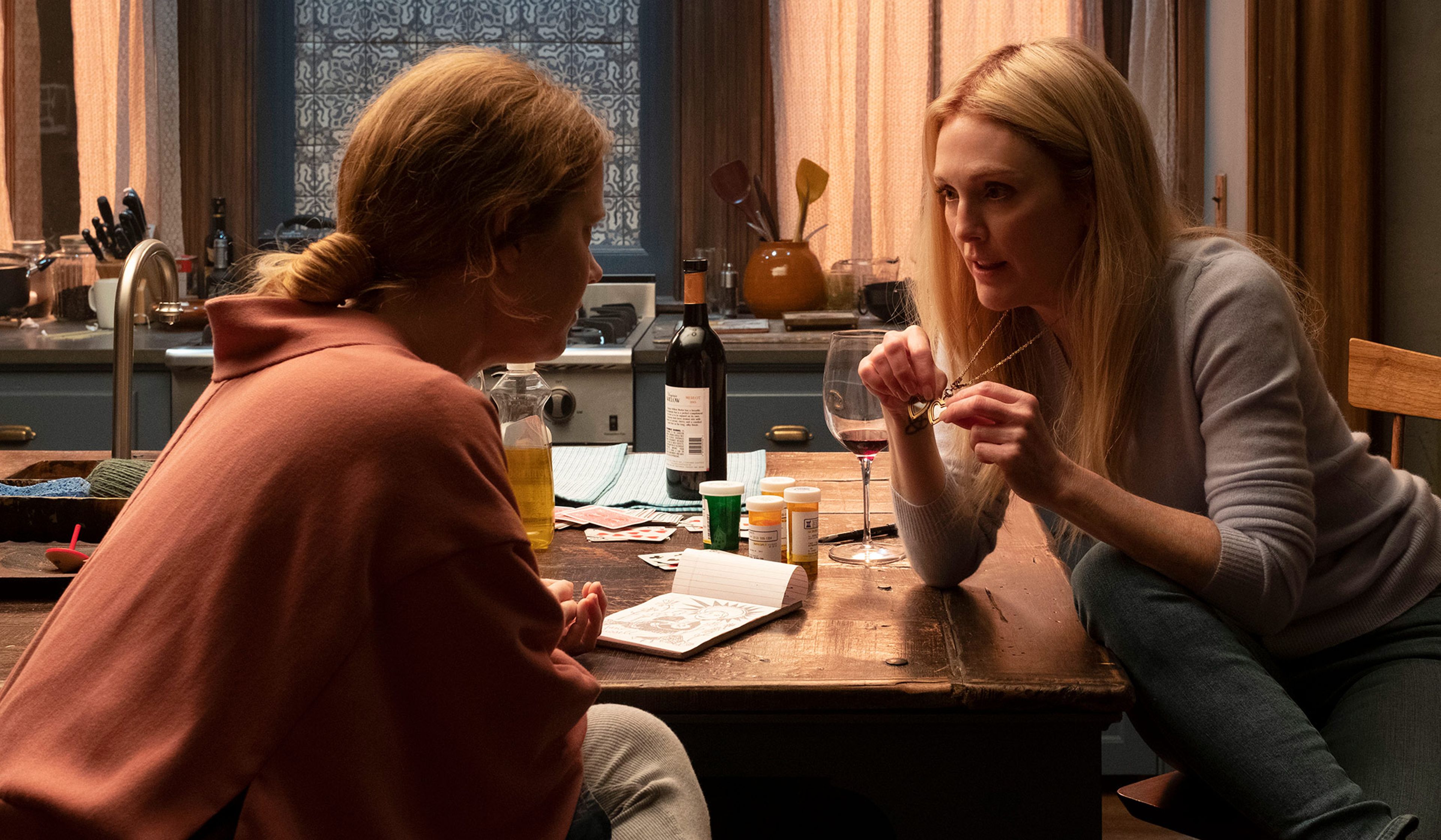

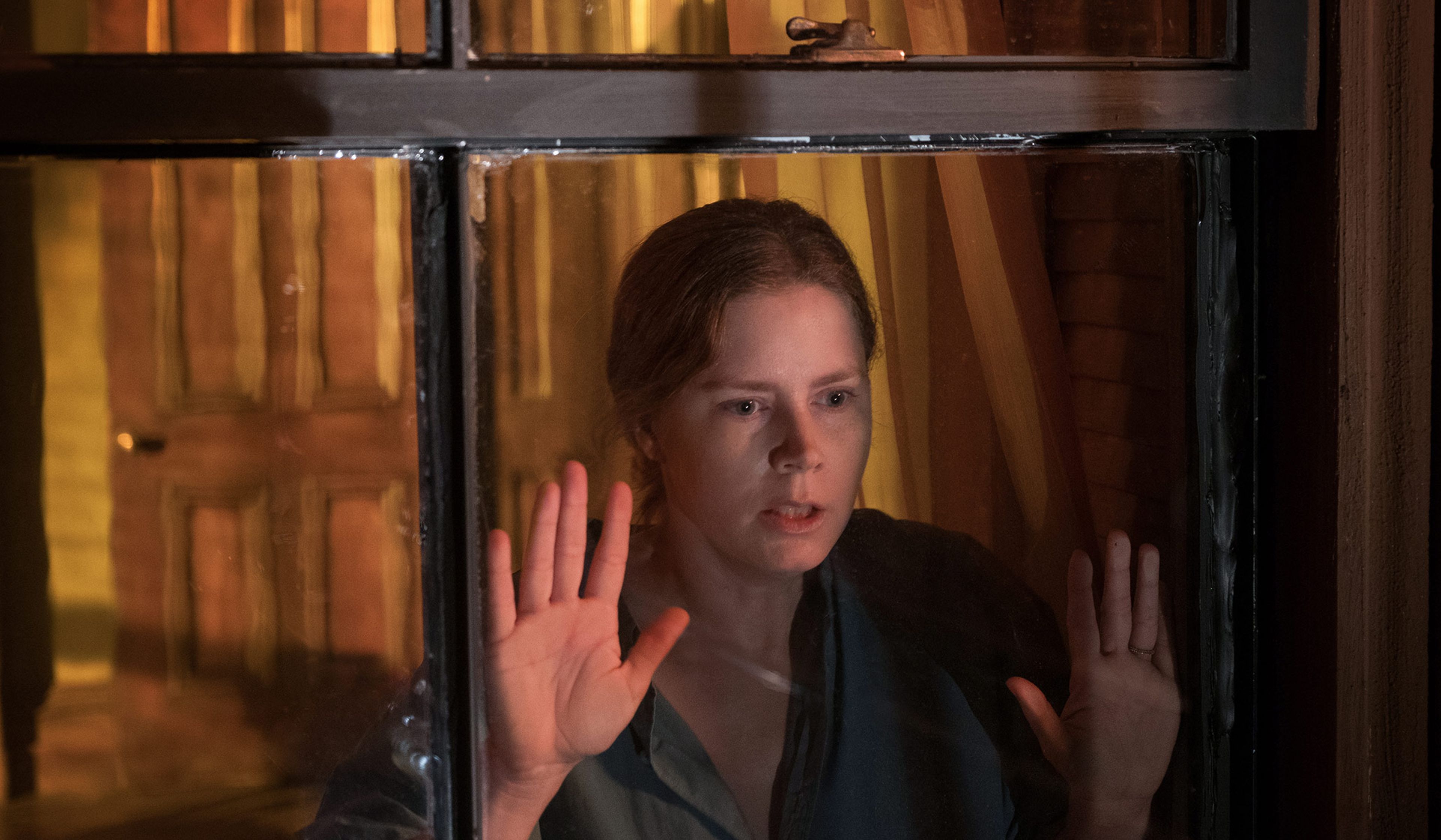
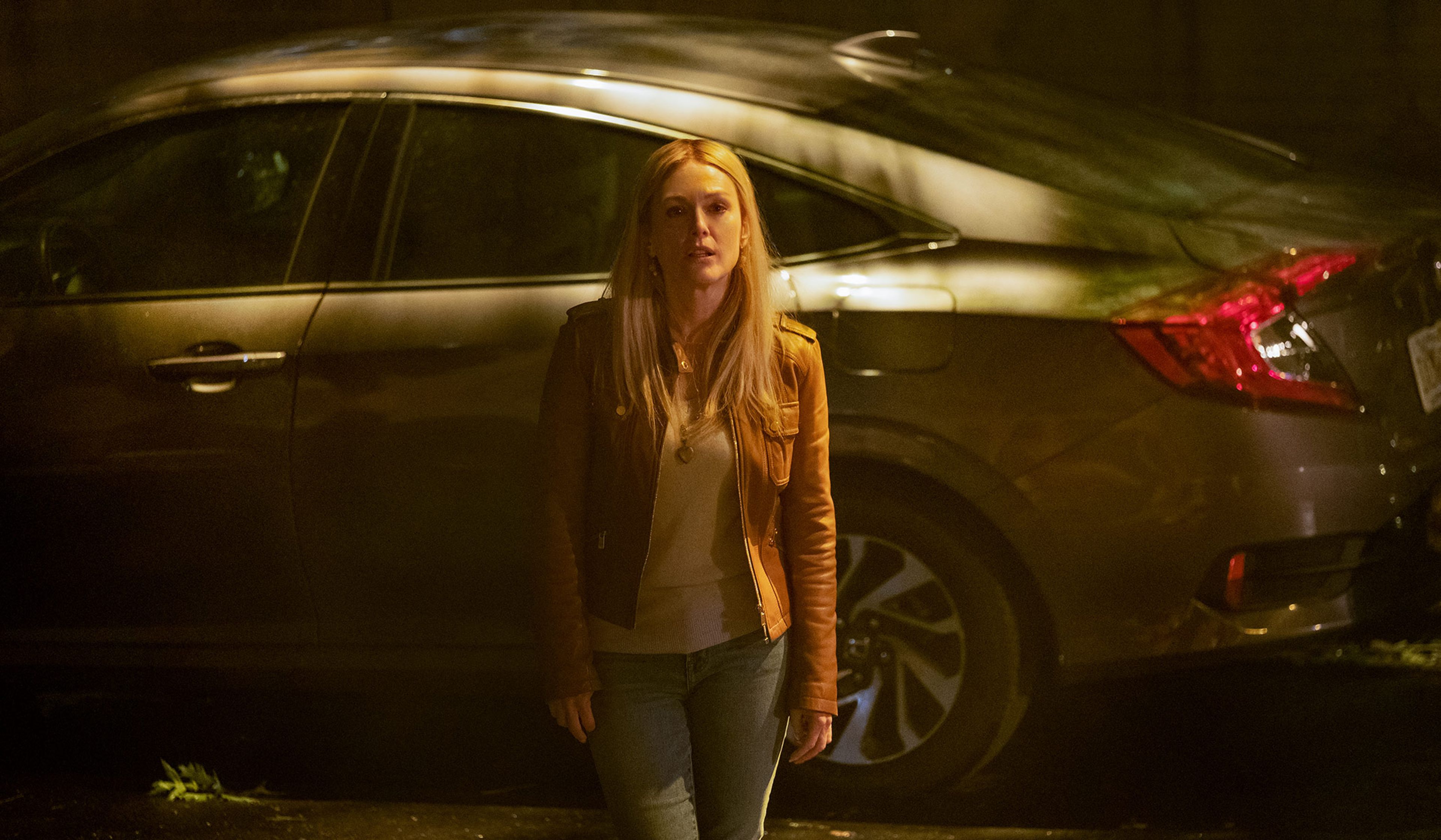
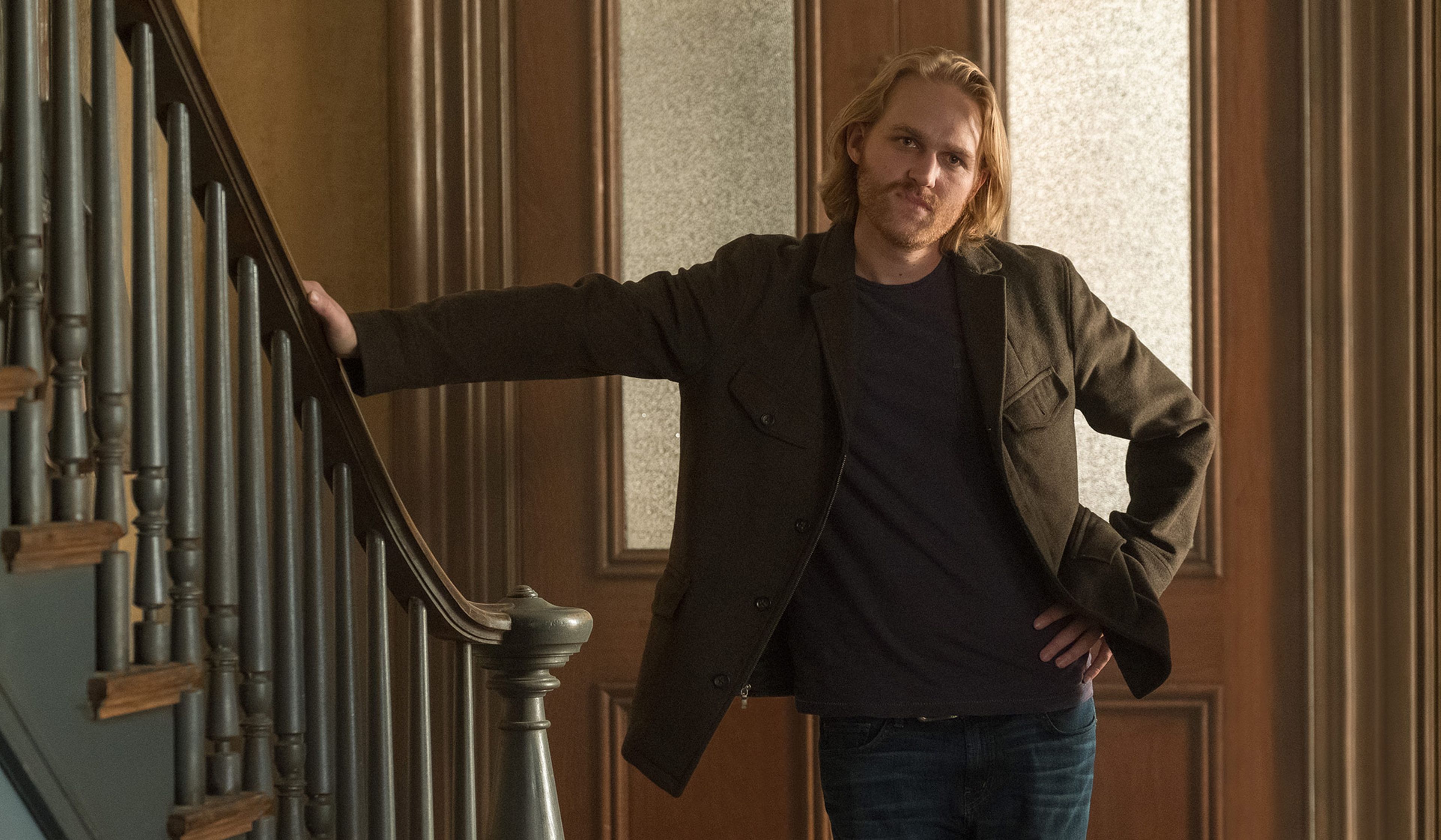
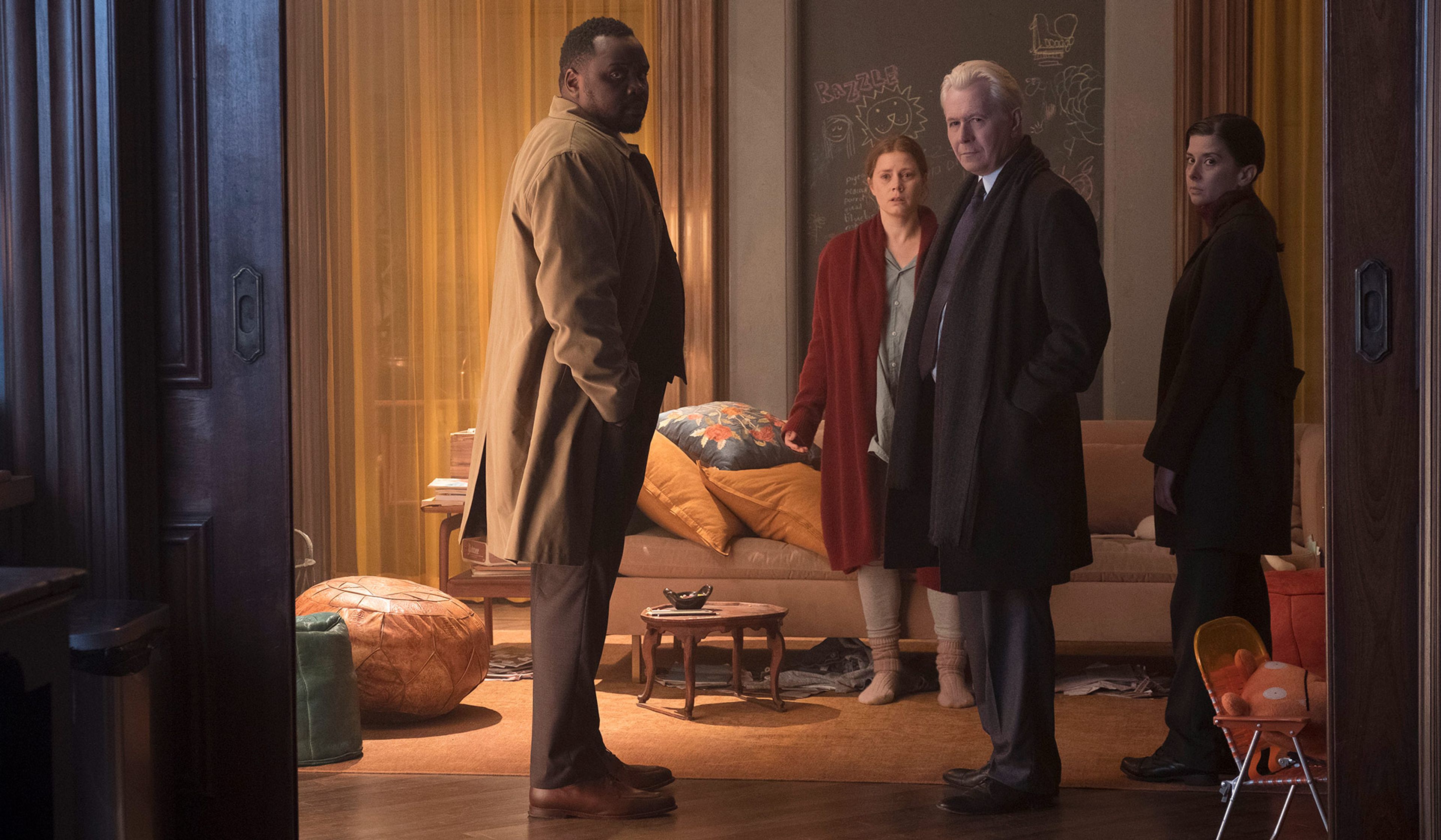
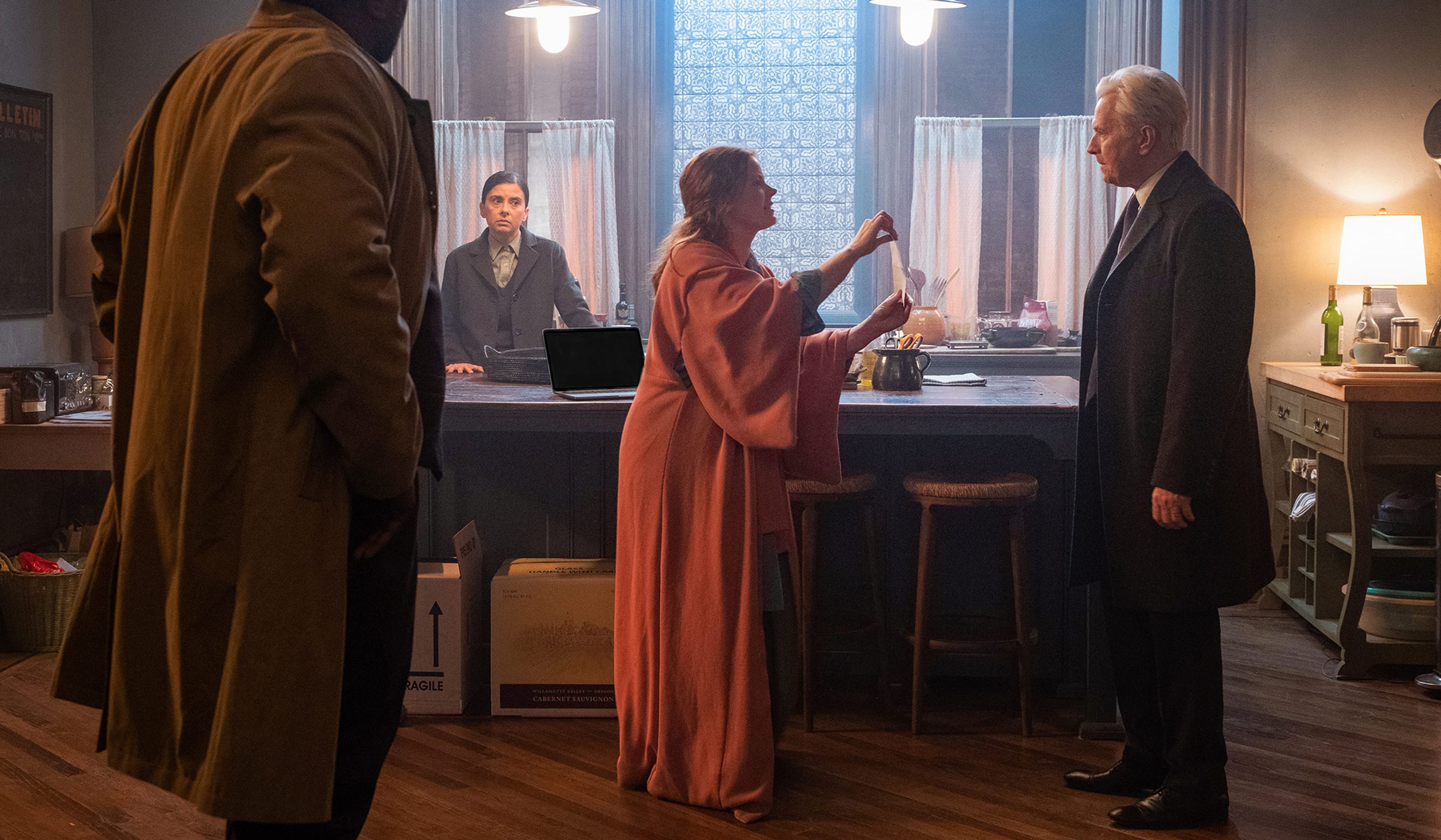
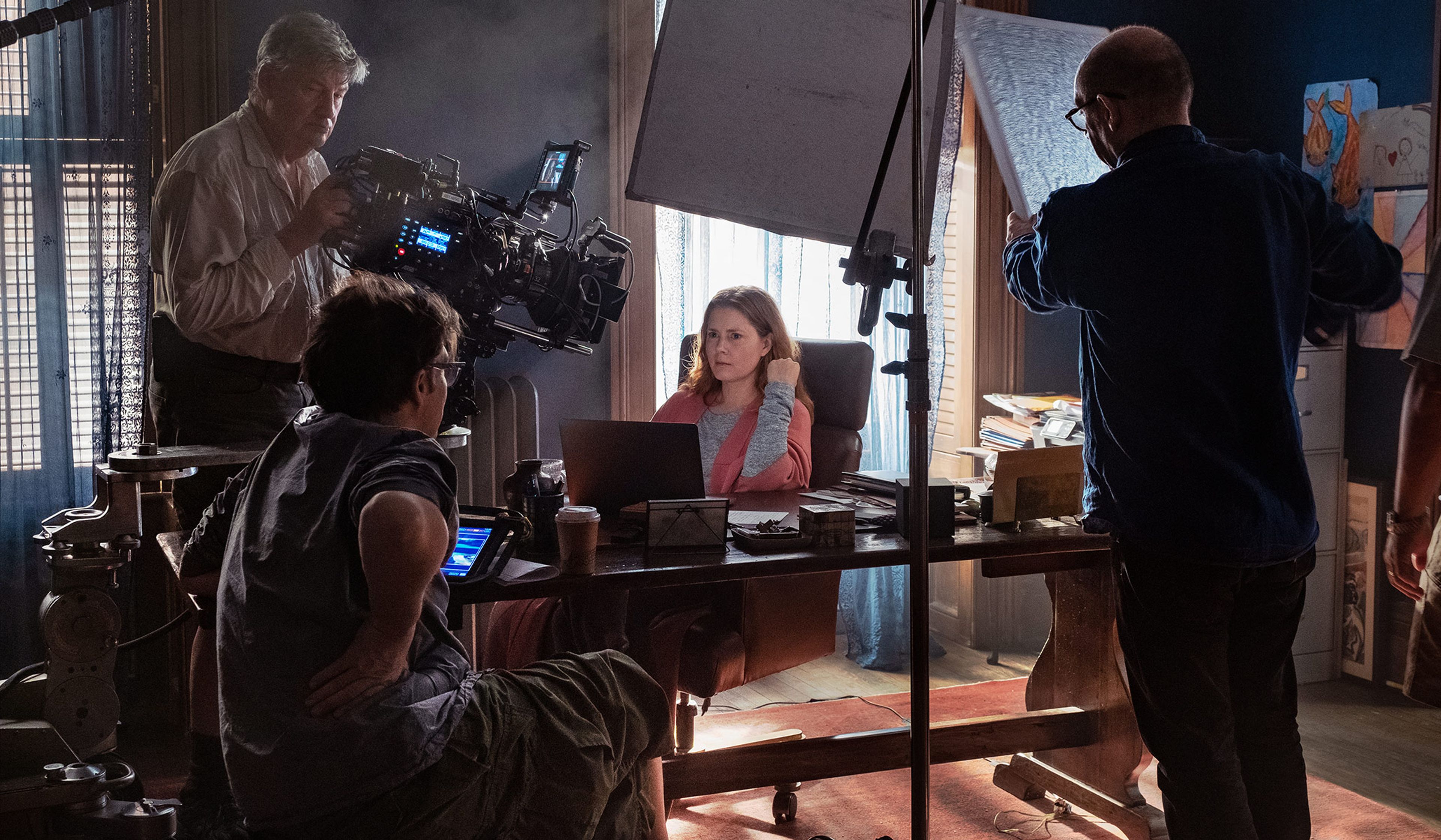
Amy Adams in The Woman in the Window.
Melinda Sue Gordon/Netflix
This description makes The Woman in the Window sound like a somewhat generic rehash of Rear Window, with a touch of 1990s twist-thrillers such as The Sixth Sense and Primal Fear. But it’s actually a bit weirder than that. The director, Joe Wright, is known for his handsome, somewhat pedestrian historical dramas — Atonement, Pride and Prejudice, Darkest Hour — but what he’s attempting here feels much more like a stage play, heavy on artifice and atmospherics.
The camera never really gets outside Anna’s apartment, and the colors inside are all unsettling oranges and pinks and yellows, with an occasional wash of darkroom red. The characters enter and exit like theatrical players, with unnatural speed and stagy mannerisms, and half the time the cast seems to be shouting to the cheap seats. And a key scene midway through, where we delve deeper into Anna’s memories, feels choreographed for Broadway instead of Netflix, with characters standing in rows like a chorus facing her, and a glimpse into her past framed like a stage trick, a meticulously crafted set.
In addition to playing the therapist, Letts wrote the movie’s script, and he’s a playwright as well as an actor, so presumably that’s where some of the staginess comes from. But then there’s also the odd wrinkle that the source material, a best-selling potboiler with the same title, was written by A. J. Finn, a pseudonym for a writer named Daniel Mallory, who was revealed to have fabricated much of his own biography — claiming an Oxford doctorate, a cancer diagnosis, and a dead mother and sibling, none of which were real. There’s unreality at every level of this production, in other words, from the stage-set vibe of the brownstone’s interior all the way back to the Tom Ripley figure who dreamed her story up.
I wish I could say that the climax of The Woman in the Window somehow turns all these weird vibes into something brilliant and memorable. Instead it gives us a predictable revelation, a boring fight scene, a pat finale. The strangeness bleeds out, the stage set is struck, the weird colors melt away into normal outdoor light.
But I can’t quite get Anna’s apartment out of my head.












Comments