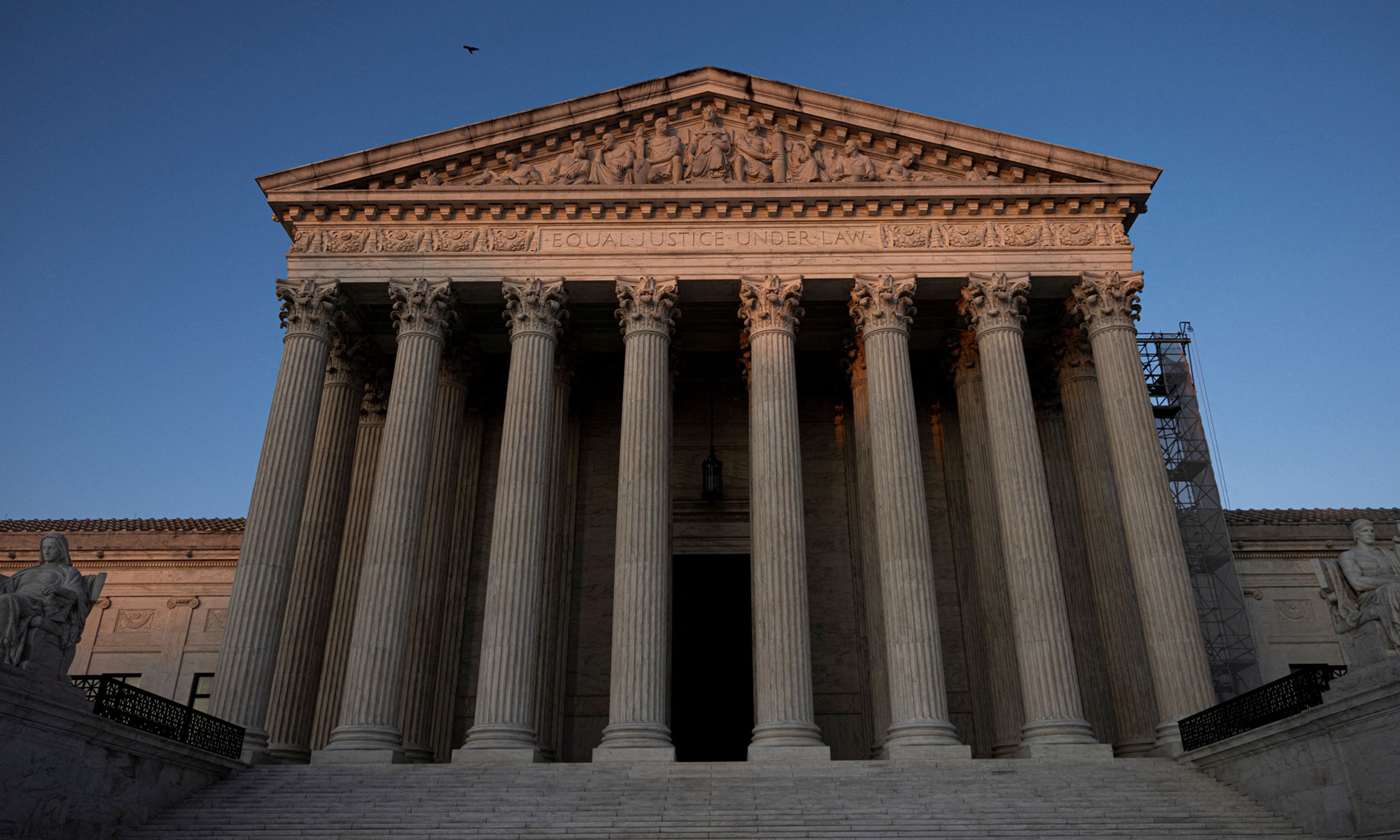
The first thing to understand about gerrymandering is that nobody is less on the level than the reformers. That reality is especially evidenced in the hysterical reaction to the Supreme Court’s recent decision in Louisiana v. Callais, in which it ruled that the Constitution does not tolerate the routine use of race in drawing legislative district lines for the goal of preserving “majority-minority” districts. Democrats claim that the Court “gutted” the Voting Rights Act of 1965 by ending racially segregated districts. It did no such thing.
Left-leaning critics of gerrymandering argue that Callais will wreak unprecedented mischief in mapmaking. What Callais in fact accomplished was to put both parties’ preferred partisan gerrymanders on the same legal footing regardless of race. While abuses will doubtless proliferate, they are apt to appear on both sides of the partisan divide. And by eliminating a method that Democrats use to exempt themselves from the consequences of a gerrymandering free-for-all, the ruling may create an opportunity for an otherwise impossible bipartisan deal. If a deal happens, it will be due not to a miracle of altruism but to the cold logic of mutually assured destruction.










Comments