When U.S. national-security adviser Jake Sullivan sat down for an interview at the Atlantic Festival in late September, he was a man beaming with cautious optimism about the future of the Middle East.
His confidence wasn’t entirely unreasonable. A region most Americans equate with death, destruction, and sunk costs was, if not stable, then at least relatively calm. Saudi Arabia and the de facto Houthi authorities had, for the most part, been holding fire for 18 months, with peace talks mediated by the U.N. and Oman making progress. The Islamic State, which had ripped Iraq and Syria apart years before, had been relegated to a rural insurgency. Iranian-backed militias in Iraq and Syria had largely stopped sending drones and rockets toward U.S. bases in both countries, supposedly because of an understanding with Washington that traded a relaxation of U.S. sanctions enforcement for Tehran’s restraining its proxies. “The Middle East region is quieter today than it has been in two decades,” Sullivan boasted at the festival. It was a theme he repeated in an essay for Foreign Affairs: “Although the Middle East remains beset with perennial challenges, the region is quieter than it has been for decades.”
Today, those words look naïve, inaccurate, even delusional. Five days after the Atlantic Festival, Hamas launched the worst terrorist assault against Israel in history, embarrassing the Israeli military and government, killing around 1,200 people, and taking over 240 hostages back to Gaza. The Israel Defense Forces have spent the last six months pummeling Gaza from the air and prosecuting the full-scale ground invasion that past Israeli prime ministers, including Benjamin Netanyahu himself, were keen to avoid. At the time of writing, tens of thousands of Palestinians (including combatants) have been killed, 85 percent of the population is displaced, and half are at risk of starvation, according to the U.N.
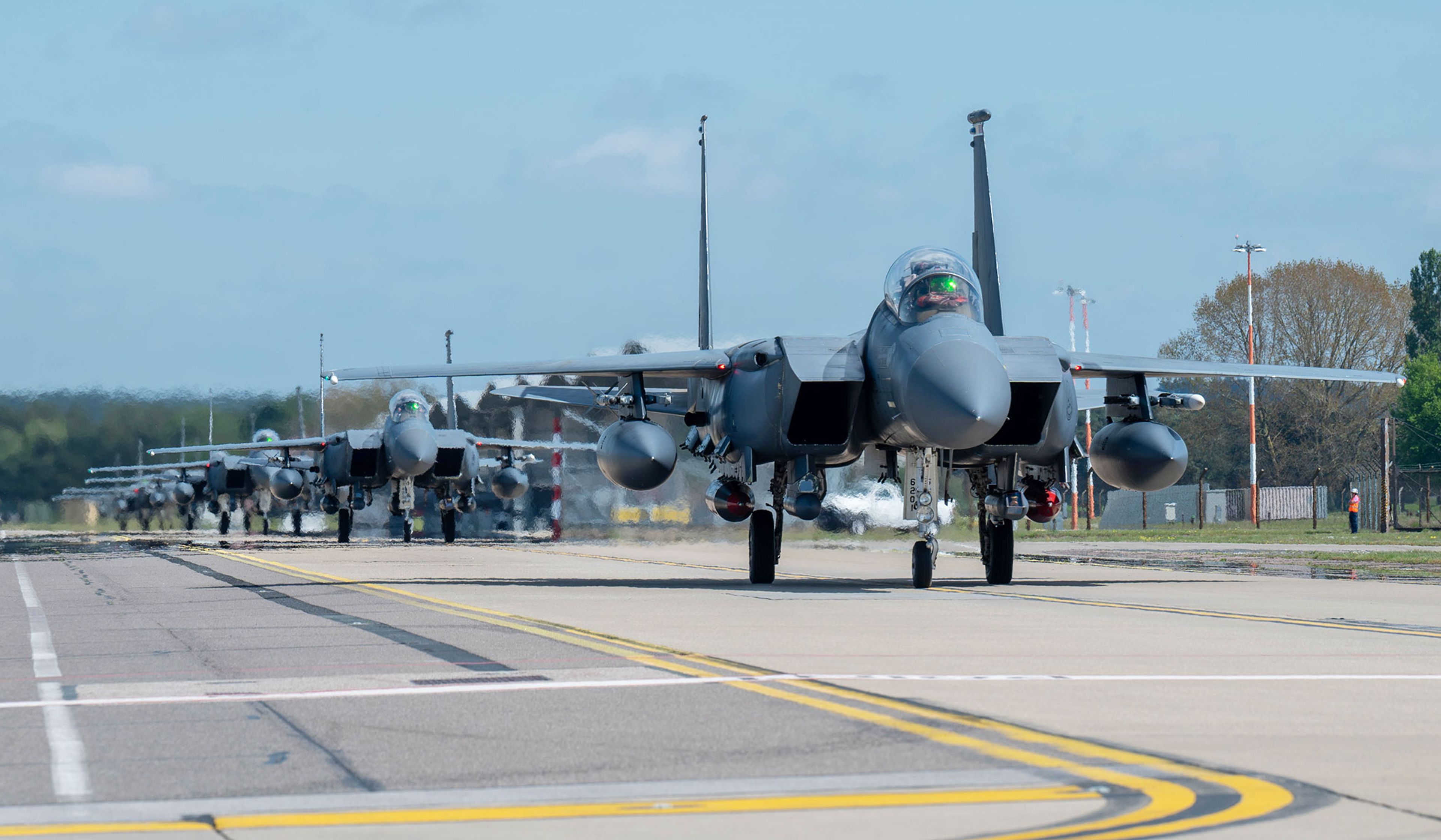
The Israel–Hamas war has also had dire impacts on the Middle East as well as the roughly 40,000 U.S. troops stationed in the region. Hezbollah, the Iran-backed terrorist organization that controls south Lebanon, has engaged in tit-for-tat strikes with Israel on the country’s northern border ever since the war started. In Yemen, the Houthis, the de facto government, are treating the Red Sea as their personal firing range, prompting the U.S. Navy and Air Force to conduct retaliatory airstrikes on the militia’s drone and anti-ship-missile capability several times a week. Notwithstanding the administration’s predictions of success, the Houthi attacks continue at a steady clip and have even gotten bolder since Washington began its air campaign.
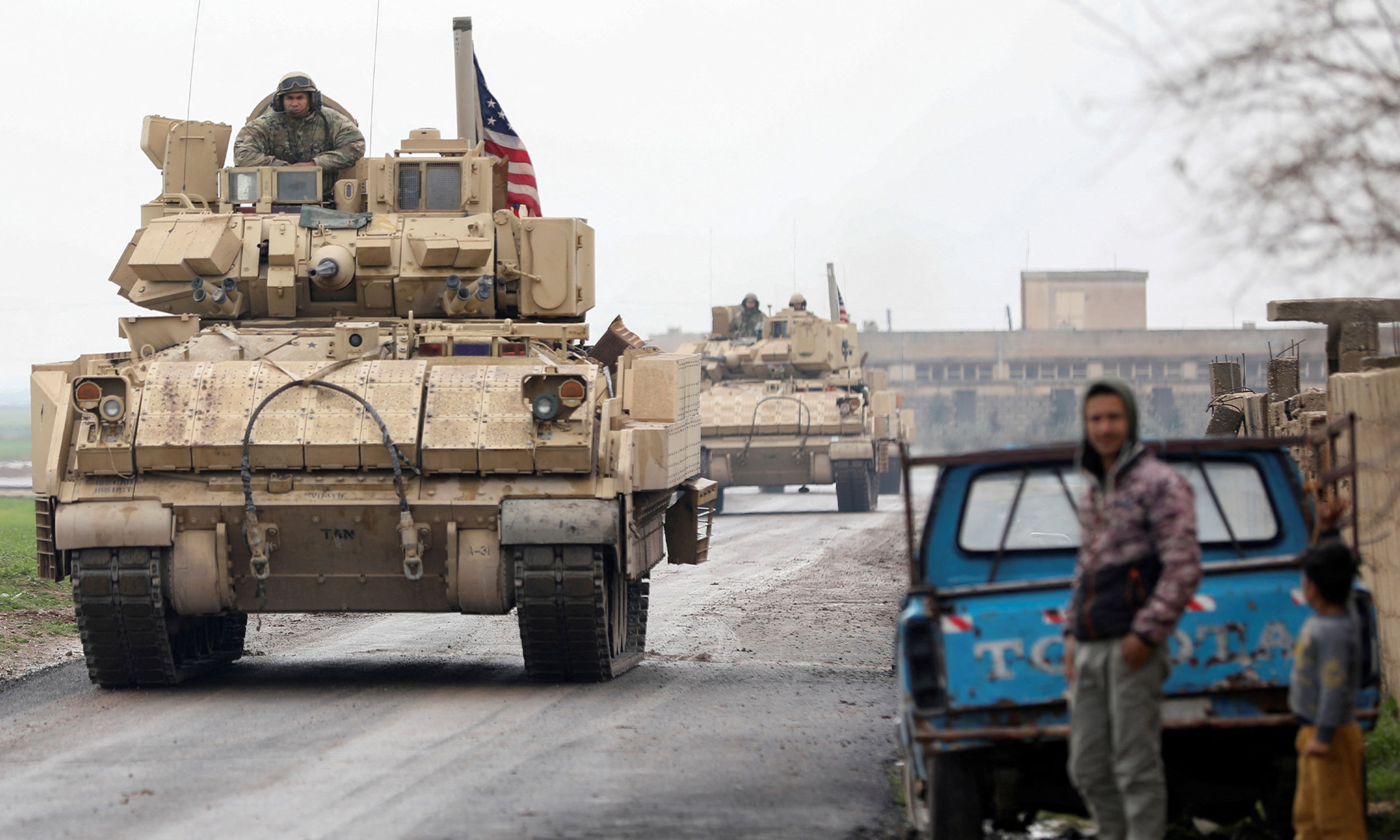
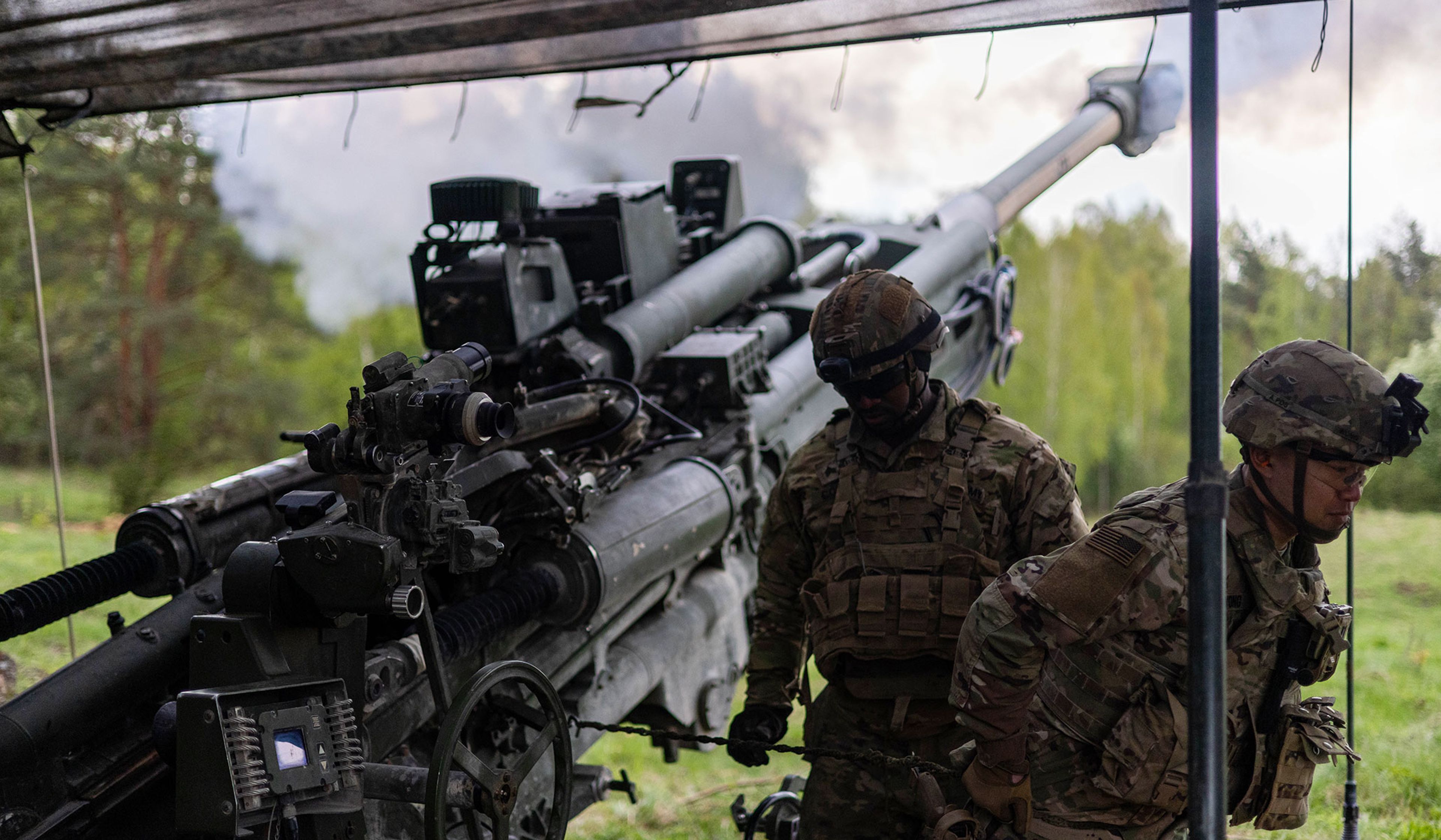
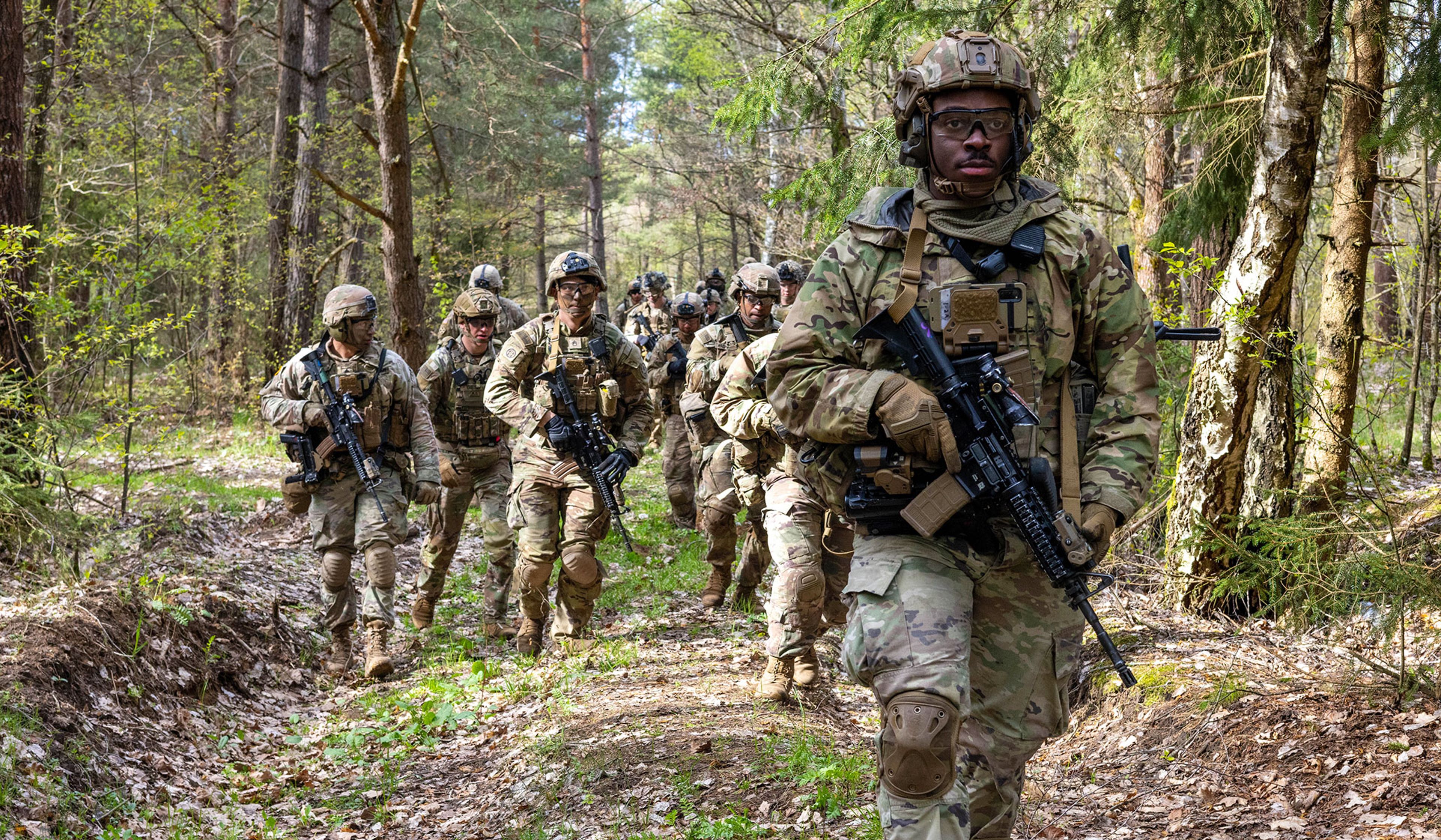
It’s in Iraq and Syria that the U.S. military is facing the most risk. The approximately 3,400 U.S. troops based in the two countries, tasked with preserving the defeat of ISIS, were targeted more than 170 times by Iranian-funded militia groups between October 2023 and January 2024. Some of these militias are technically part of the very same Iraqi security apparatus that Washington supports with taxpayer dollars, weapons, training, and intelligence. The Biden administration has retaliated against the militias on multiple occasions during this time, but the situation escalated markedly on January 28, when a drone strike at a small U.S. outpost in northeastern Jordan, miles from the Syrian border, killed three U.S. troops and injured more than 40 others. Biden responded to the strike days later by bombing 85 militia and Islamic Revolutionary Guard Corps targets in seven different locations in Iraq and Syria.
The Middle East has also seen, for the first time, direct violence between Iran and Israel, which have gone after each other’s interests covertly for decades. On April 1, Israel targeted what the Iranians claimed was a diplomatic facility in Damascus, killing a senior Iranian military officer as well as several Iranian military advisers. Nearly two weeks later, Iran retaliated with an unprecedented drone and missile strike against Israel, launched directly from its own territory. Israel and its partners (including the U.S., the United Kingdom, France, and Jordan) shot down 99 percent of more than 300 projectiles. On April 18, Israel retaliated with an air strike on an airport in central Iran.
Secretary of State Antony Blinken made the point that “we’ve not seen a situation as dangerous as the one we’re facing now across the region since at least 1973, and arguably even before that.” Remarkably, he made this comment before Iran and Israel took shots at each other. Today, the word “dangerous” sounds almost quaint.
Some observers think the Middle East would look a whole lot worse if the U.S. military pulled out or even downsized its presence. If anything, the argument goes, the U.S. posture in the region should be even more aggressive, to keep the peace. But ask them to explain why doubling down on the status quo would make the situation any better, and you usually get blank stares or looks of righteous indignation. Indeed, the big strategic questions — What is the U.S. trying to accomplish in the region? Are our present objectives fanciful? Do we need tens of thousands of American troops based there? — are frequently swept under the carpet.
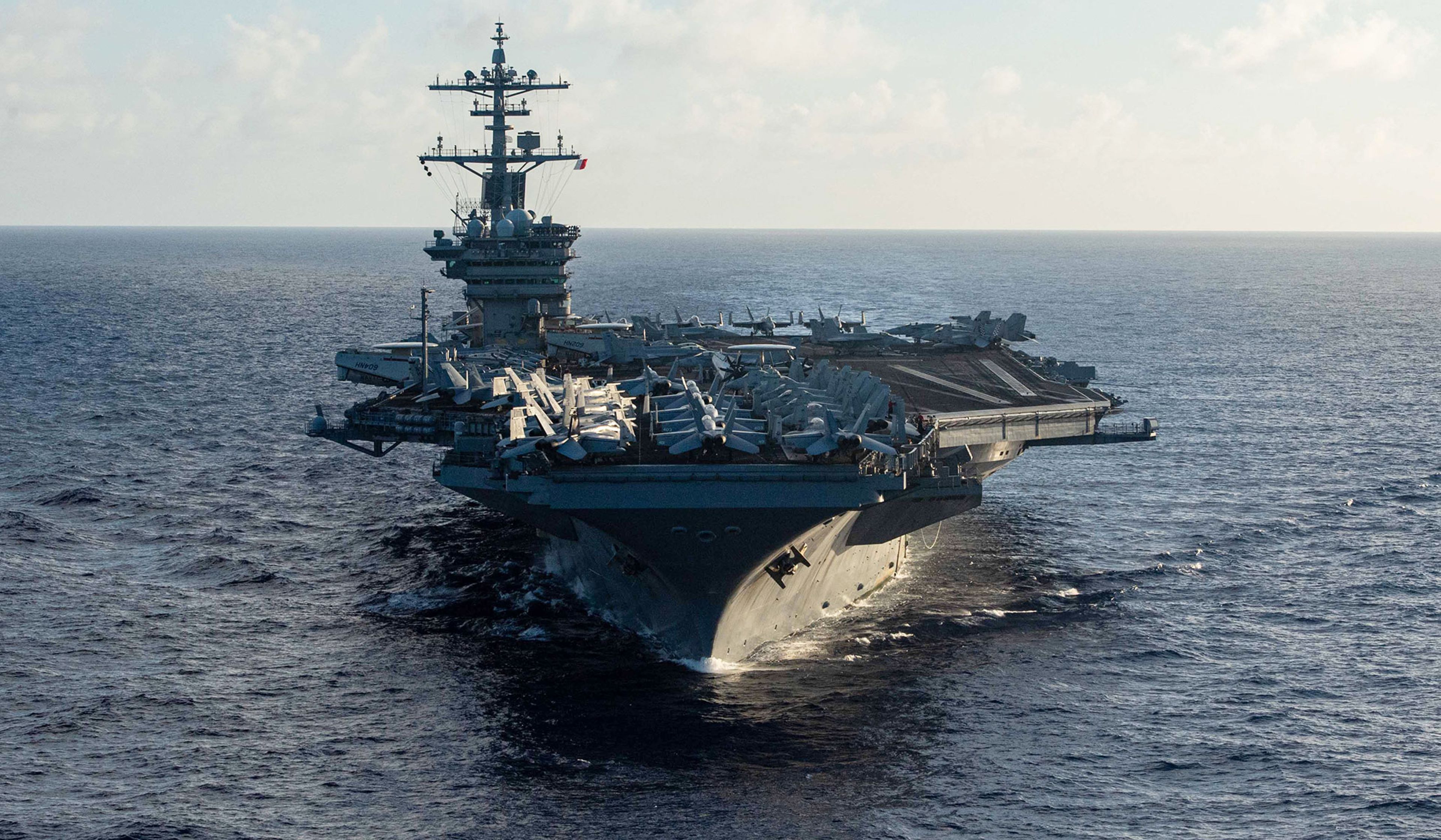

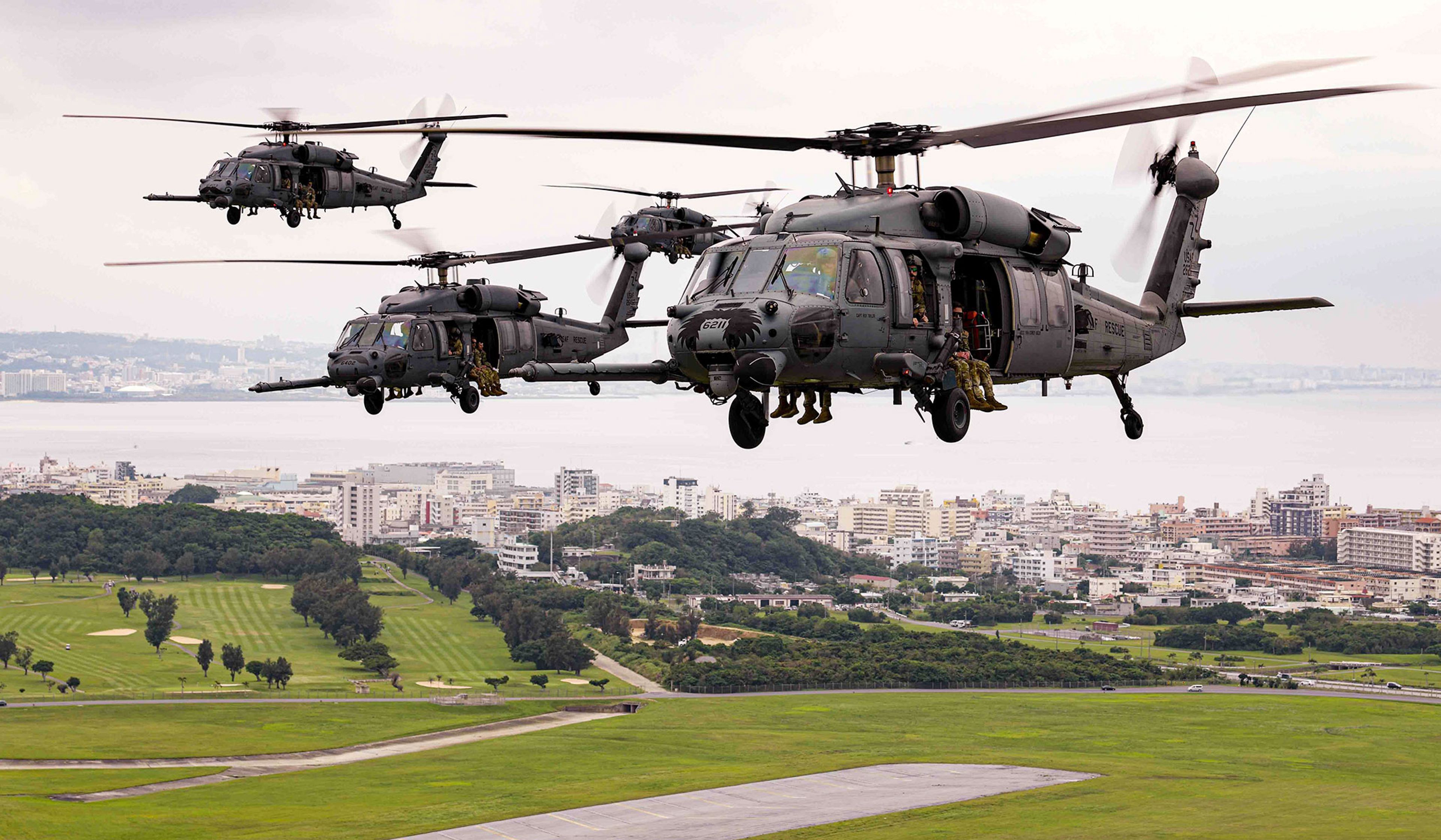
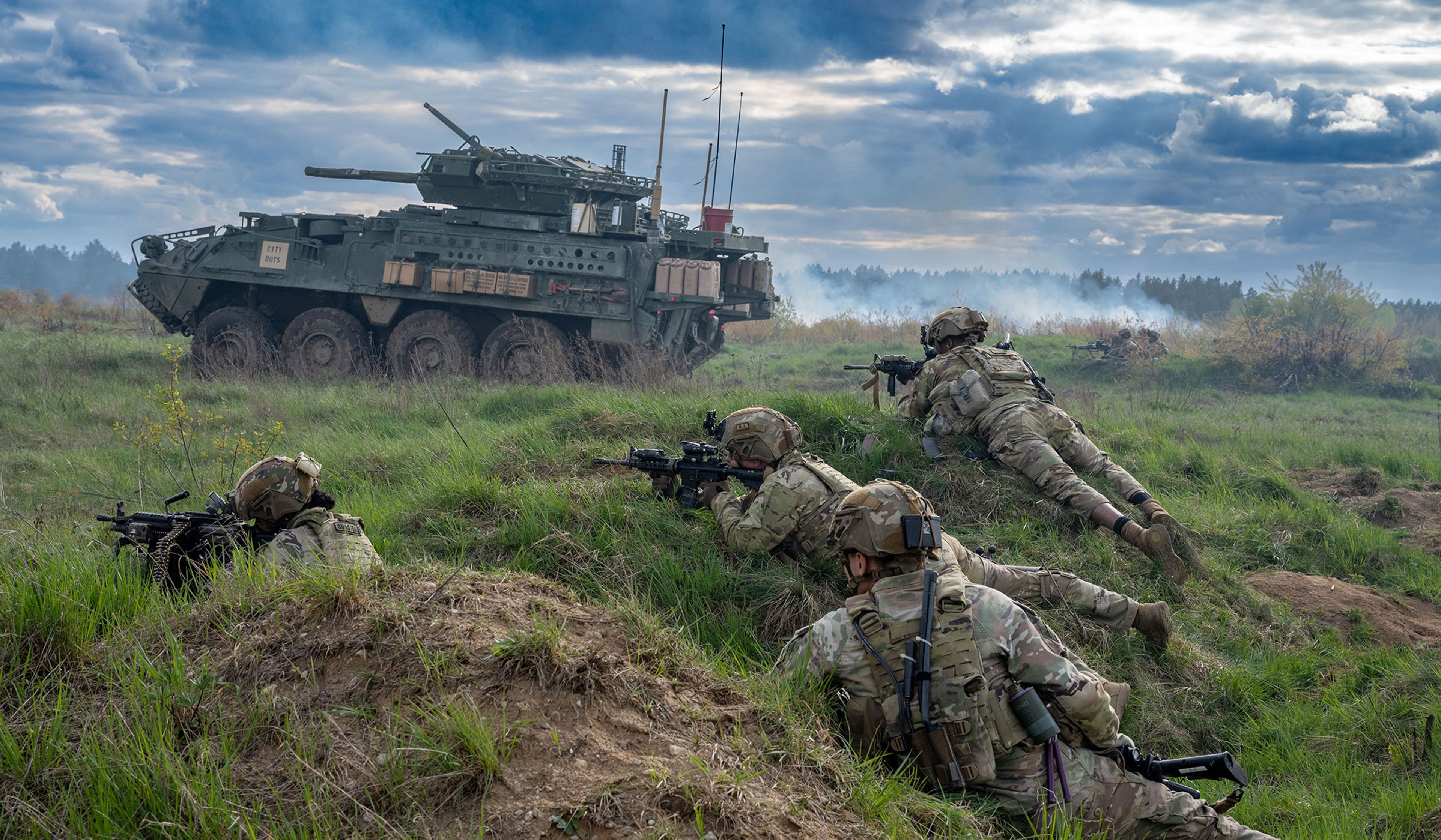
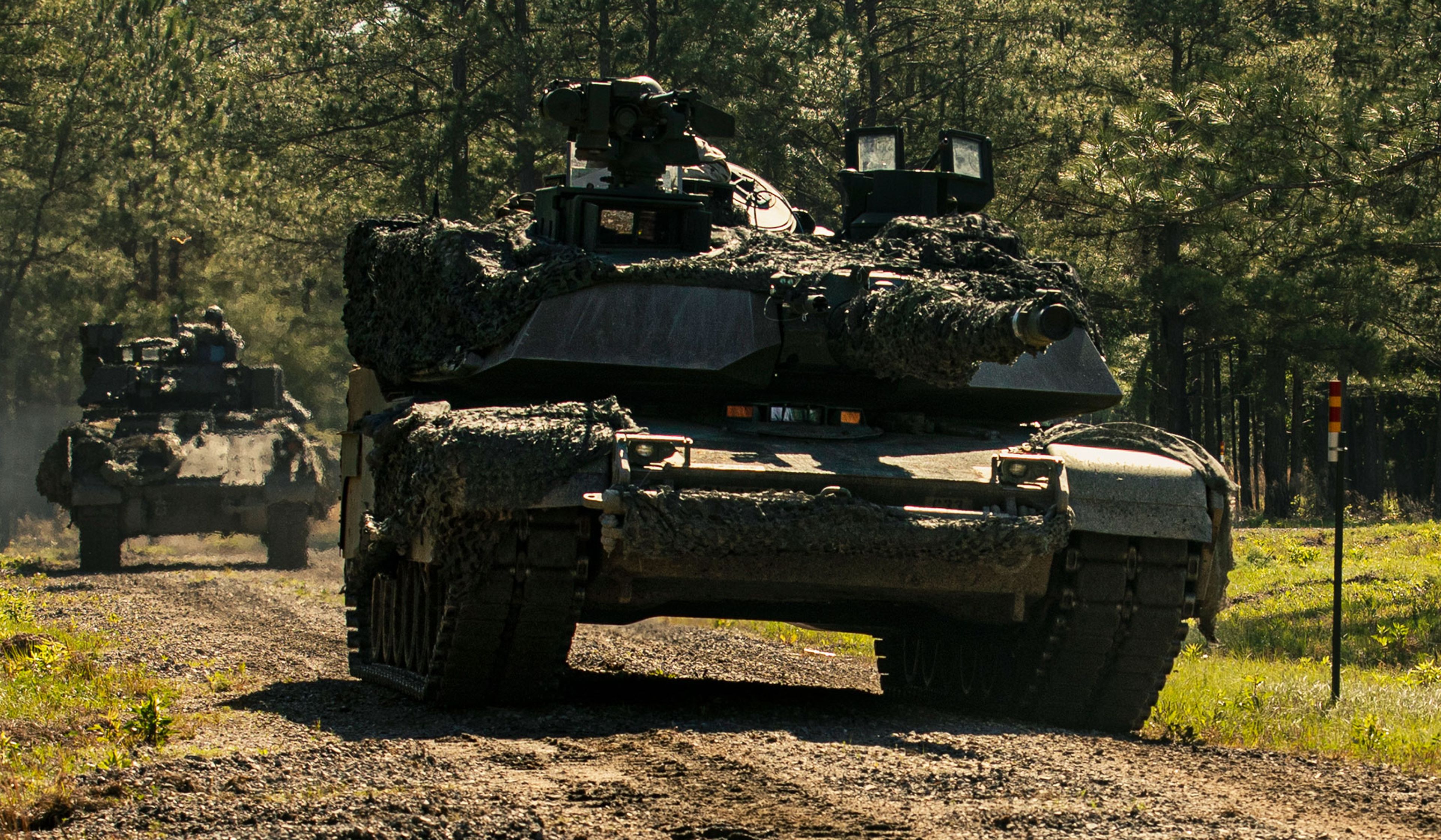
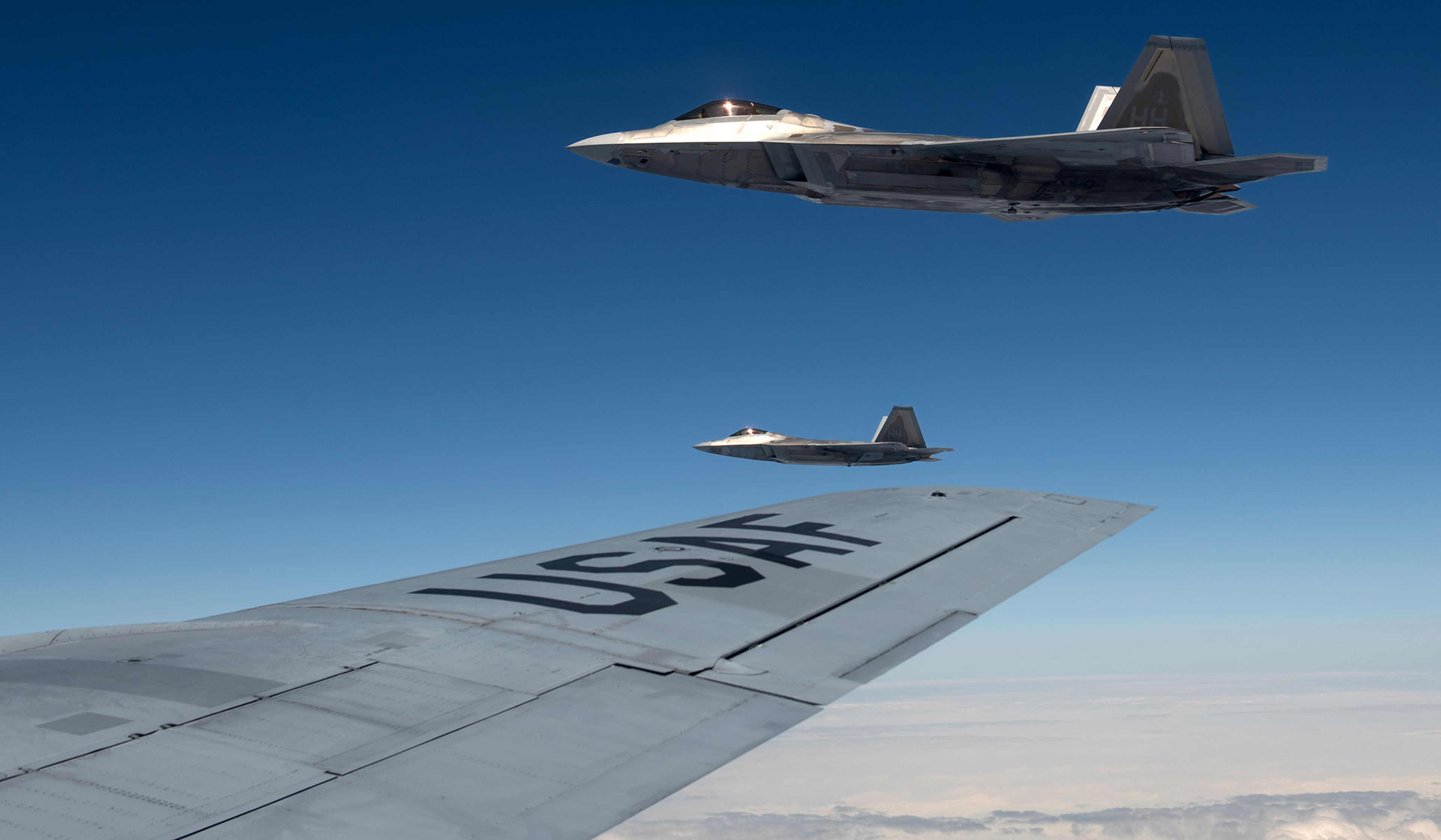
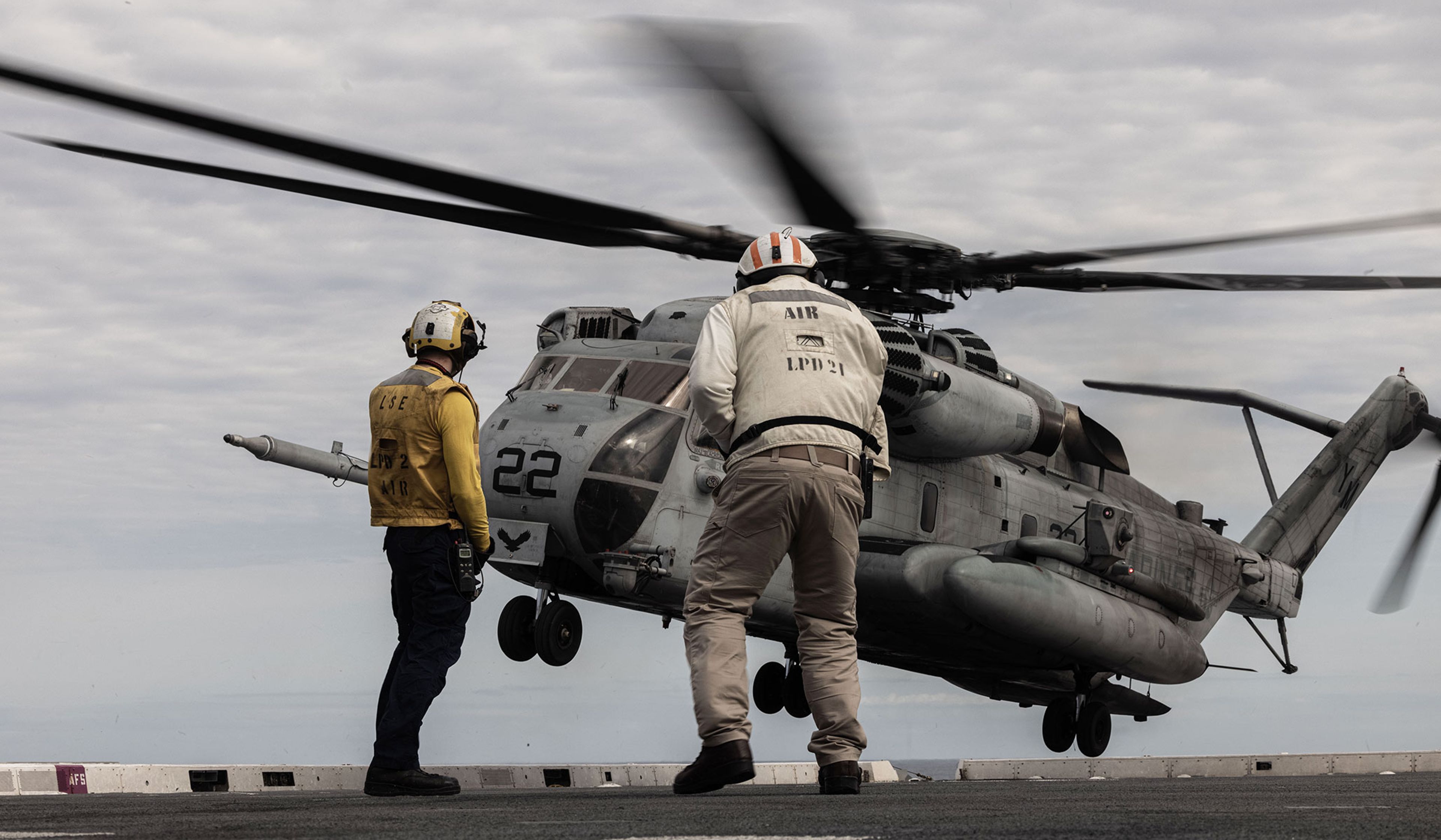
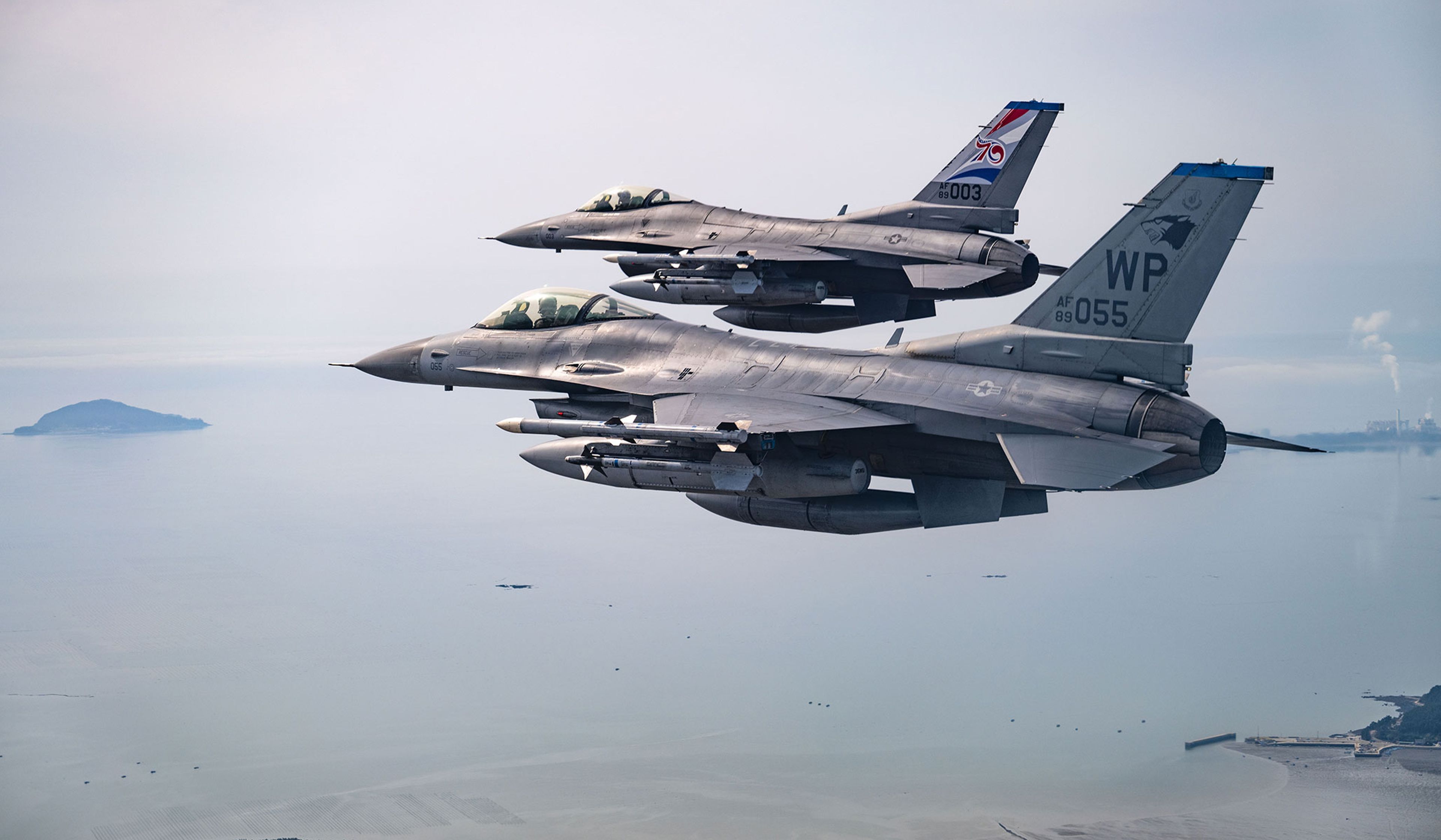
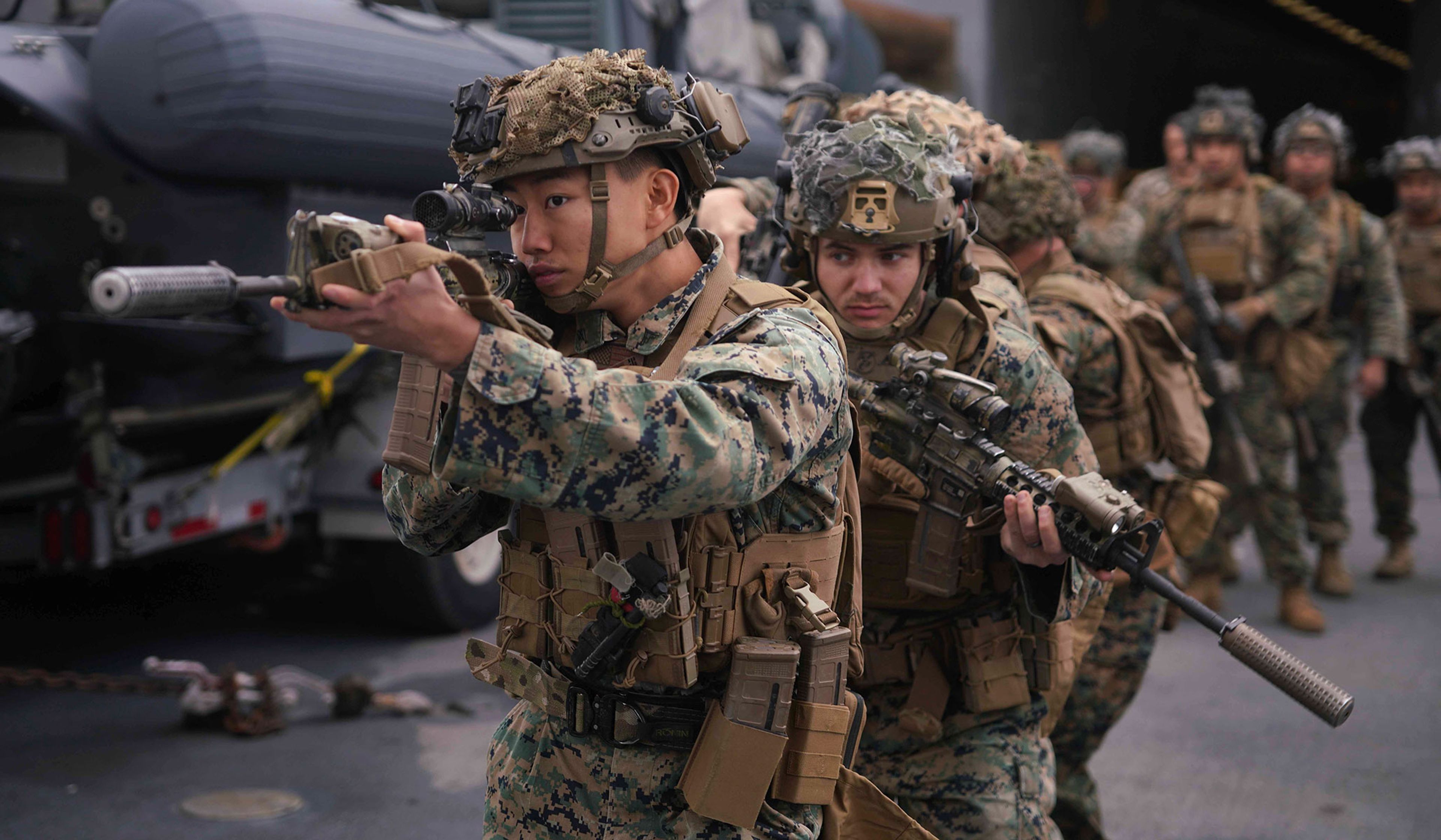
The U.S. Navy Nimitz-class aircraft carrier USS Theodore Roosevelt (CVN-71) transits the Philippine Sea, April 5, 2024.
Mass Communication Specialist Second Class Andrew Benvie/U.S. Navy
There is a general assumption within the U.S. foreign-policy establishment that the Middle East is a vital arena of U.S. grand strategy at a time when great-power rivalry with China and Russia is full steam ahead. The Middle East accounts for approximately 55 percent of the world’s proven oil reserves; anti-American terrorism is prevalent in the region and stopping it remains a central task for the U.S. intelligence community; and Iran’s network of proxies continues to present a threat to countries, such as Israel and Saudi Arabia, that Washington regards as close partners.
But successive U.S. administrations have overestimated the Middle East’s importance. With a combined GDP of $4.43 trillion, slightly more than 4 percent of the world’s total, the region’s economic outlook is marginal at best. Overwhelming economic dependence on sales of a particular natural resource isn’t a sign of an advanced and diversified economy, yet oil and natural-gas proceeds continue to power the budgets of most states. In Saudi Arabia, oil revenue accounts for three-quarters of the state budget. In the United Arab Emirates, hydrocarbons are responsible for about 60 percent of total fiscal revenue. Those that don’t have substantial oil reserves to fall back on, such as Egypt and Jordan, are welfare cases relying on donations or cheap loans from the Gulf states and the U.S., which gives more than $1.3 billion in military aid to Cairo every year. With the exception of Israel, the Middle East is an autocratic region where individual rights are squelched, torture by the security services is business as usual, and rulers aren’t accountable to the people they govern. The governments are largely inefficient machines controlling bloated public sectors and administered by bureaucrats who regularly fail to live up to the standards of the population. The truth lies in the numbers. Jordan, for example, has a 23 percent unemployment rate. In Iraq, a quarter of the population is living under the poverty level despite the country’s possessing the fifth-largest oil reserves in the world.
U.S. officials like to think they have loyal friends and partners in the region. It’s difficult to overstate how naïve that belief is. Yes, Washington boasts decades-long security partnerships with the likes of Saudi Arabia, the United Arab Emirates, and Qatar. Yet those same countries are highly opportunistic, self-interested, defensive about their prerogatives, and increasingly turning to partners beyond the U.S. Bluntly put, these states want to have their cake and eat it too; they can’t afford to alienate Washington by bandwagoning exclusively with China or Russia — two countries that haven’t shown much interest in following Washington’s mistakes over the last 30 years by becoming the Middle East’s external security guarantor. Some rightly point out that if it wasn’t for Russia, Syrian dictator Bashar al-Assad would have been deposed a long time ago. While this is true, Russia’s intervention was largely done through air power against disorganized rebel factions, many of which were tinged with jihadist ideology. Moscow is incapable of performing a similar feat at scale over a long period of time. Beijing is hesitant to get deeply involved in the region’s internal politics, as is evident in the inability or unwillingness of Chinese officials to convince the Houthis to de-escalate in the Red Sea, a critical transportation corridor for China. Russia, meanwhile, has its hands full in Ukraine, has next to no military infrastructure in the Middle East outside of a port in Tartus, Syria, and, as a major energy producer in its own right, has competed for market share with the Gulf states in the past.
While the U.S. does have direct interests at stake in the Middle East, they are fairly limited: defending against anti-American terrorists based in the region, averting major disruptions to the world’s oil supply, and preventing the emergence of a regional hegemon. Washington doesn’t require a large-scale, exposed troop presence to secure these interests.
The first, fighting terrorism, isn’t as difficult as it sounds. While al-Qaeda can’t be written off, the group’s activities have largely shifted away from the Middle East and toward sub-Saharan Africa, where governments are fragile, military coups have become commonplace, and the terrorist groups themselves are largely focused on overthrowing local governments, not launching 9/11-style attacks against the United States. The Islamic State, the brutal terrorist army that at its peak ruled over 8 million people across a stretch of Iraq and Syria equal in size to the United Kingdom, has long since been reduced to a typical insurgency with a lot of enemies — the Syrian government, the Iraqi government, the Kurdish-led Syrian Democratic Forces, Turkey, Russia, and the Iranian government and Iran-backed militias, as well as the very Sunni communities that were victimized by the now-defunct “caliphate.” If only because self-interest dictates it, none of these actors wants to see ISIS bring back its medieval utopia. According to the Defense Department’s special inspector general for the counter-ISIS mission, the group’s manpower, finances, capability, and recruitment ability have all atrophied, with many operational commanders and caliphs having been taken off the battlefield. The U.S. can withdraw from Iraq and Syria knowing that others, including the same militias that have targeted U.S. bases with rockets, will continue to fight ISIS jihadists regardless.
The second U.S. priority, preventing major disruptions to oil supplies, remains a concern for U.S. policy-makers. While U.S. imports of petroleum from the Persian Gulf declined by about 61 percent between 2006 and 2022, crude oil is a global commodity, which means a supply shortage in the Middle East could affect Americans at the gas pump.
Keeping tens of thousands of U.S. troops in the Middle East on a quasi-permanent basis, however, does little to keep the crude oil flowing. A bigger force presence doesn’t equate with lower prices at the pump. In July 2008, for example, the U.S. had 147,000 troops stationed in Iraq, in addition to tens of thousands more in the immediate region. Yet the price of oil during this period rose to a high of $147 a barrel, resulting in Americans’ paying $4.11 for a gallon of regular gas. While price hikes are always a concern for U.S. politicians and policy-makers — particularly in an election year — they are best managed by waiting for market players to respond and adjust accordingly. This is precisely what occurred during past oil-price shocks. Research by political scientists Eugene Gholz and Daryl Press demonstrates that in four of five cases of major disruption to global supply, prices rebounded to pre-disruption levels within months after other producers boosted their own production in order to capture a greater share of the market. Market dynamics, not how many troops or assets the U.S. deploys in the Persian Gulf, ultimately determine how much crude is available at any given time.
But what, you may ask, if the U.S. withdrew and Iran or another hostile regional power was able to dominate the Middle East’s oil supply and choke off exports to markets in the West? Fortunately, the U.S. doesn’t have to worry too much about this scenario. Although Iran is frequently believed to hold hegemonic intentions, what matters is capability, and the Iranians don’t possess the military power or wealth to achieve hegemony. Iran’s $413 billion GDP is only slightly larger than that of Wisconsin. Outside its missile and drone program, which performed less than brilliantly in the April 13 attack on Israel, Iran’s conventional military is antiquated, with an air force stacked with aircraft about a half-century old, a navy relying on small boats, an army that has gone more than three decades without fighting a land war. The notion that Iran would fill a so-called vacuum in the event of U.S. withdrawal is, therefore, far-fetched at best, particularly when one considers that Tehran’s regional rivals, such as Saudi Arabia and the UAE, wouldn’t be passive spectators if the Iranians attempted to fill a breach.
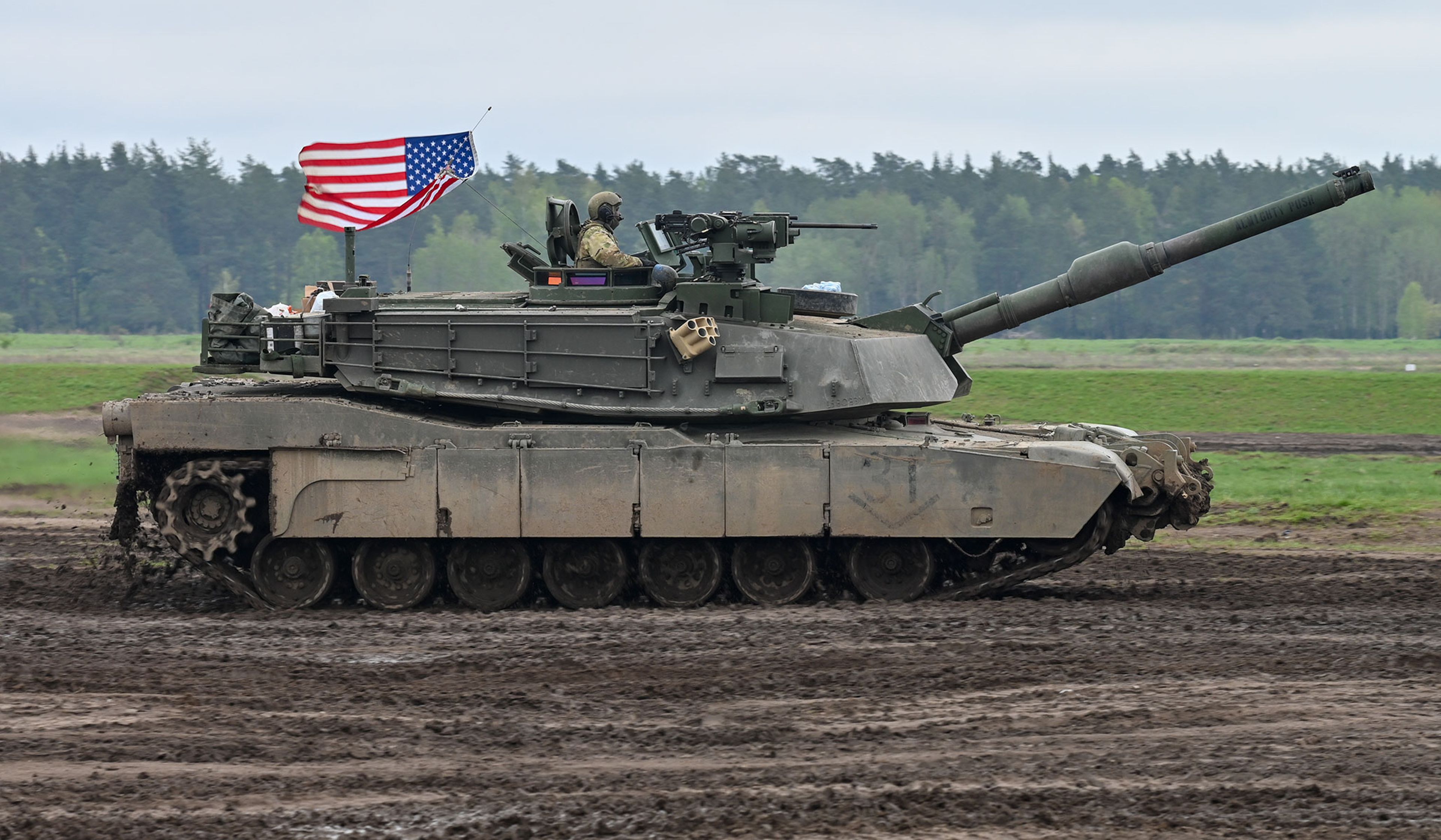
With this context in mind, it’s not unreasonable to think Washington should scale back its military presence, which at present consists of multiple large U.S. facilities in multiple countries and a constellation of smaller bases and outposts across Iraq and Syria. The Middle East has taken far too much of America’s time and attention, certainly more than the region is worth. While thinning our presence and deemphasizing the Middle East in our grand strategy would be a dramatic change and require significant political will to pull off, the case to do both is there. The alternative is the status quo or, worse, a greater U.S. force posture in an area prone to interstate conflicts, sectarian complications, selfish governments, and unwelcome surprises bordering on the systemic.












Comments