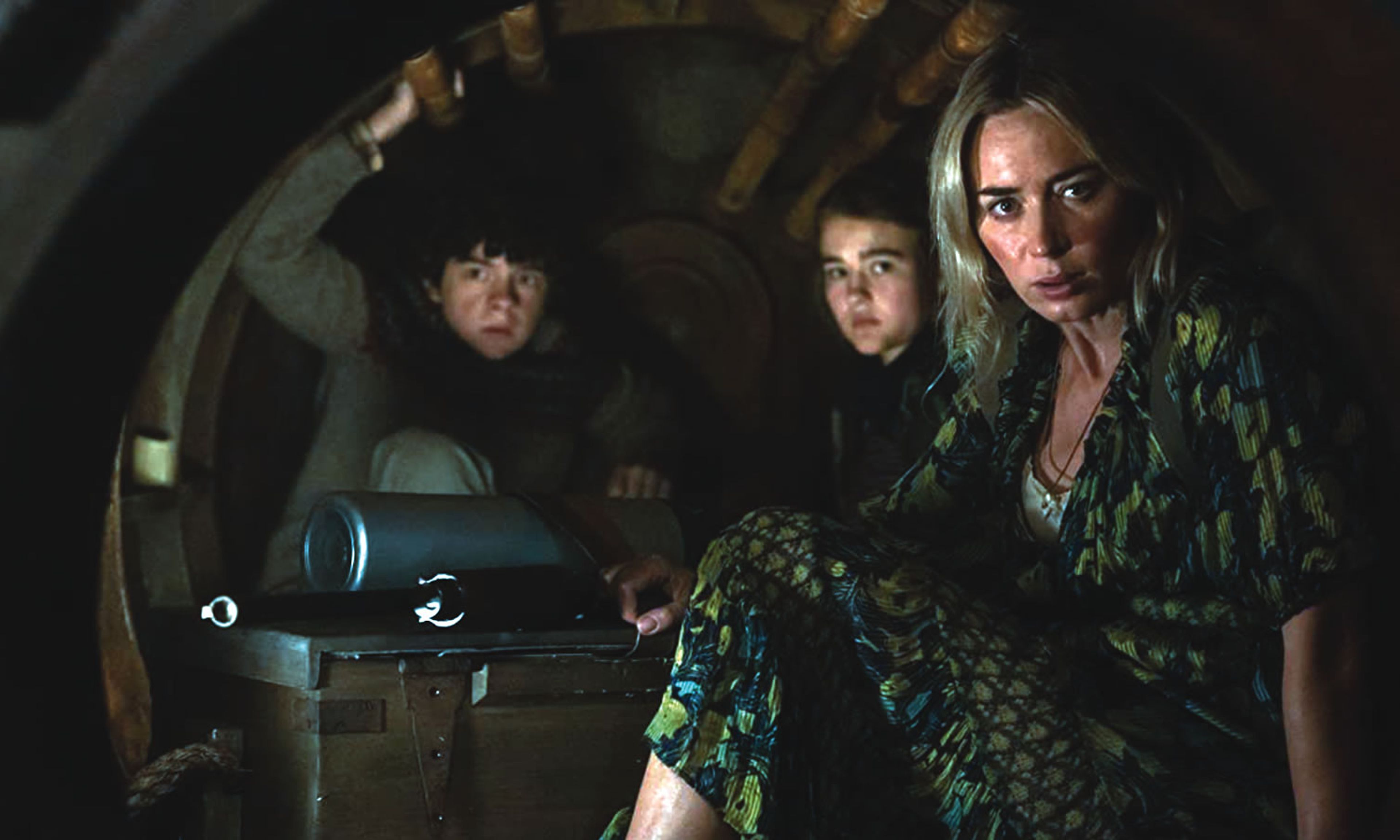
If you’ve been missing the experience of the movie theater but putting off going back, succumbing to the sloth that sets in (for critics, too, alas) when so many films are still going straight to streaming platforms, then A Quiet Place Part II might be the spur you need to get back out there in the dark. It’s the sequel to the huge alien-horror hit from 2018, which pre-evoked the pandemic in its portrait of a family battened down in rural isolation and stalked by an invasive enemy. And like its predecessor, the sequel is a film whose significant pleasures depend on the full-immersion theatrical experience, where sound echoes but silence does as well.
Silence has three roles in these movies. As practiced by our protagonists, the Abbott family, it’s a lifesaving discipline, their only protection against the armored aliens who have overthrown human civilization and who hunt survivors exclusively by sound.
But then as an ambient phenomenon, an atmosphere, silence is a source of terrible dread, for the Abbotts and the audience alike — because the deeper the quiet, the more jarring any sound that breaks it, and the more swiftly the alien enemy will hear it and arrive.
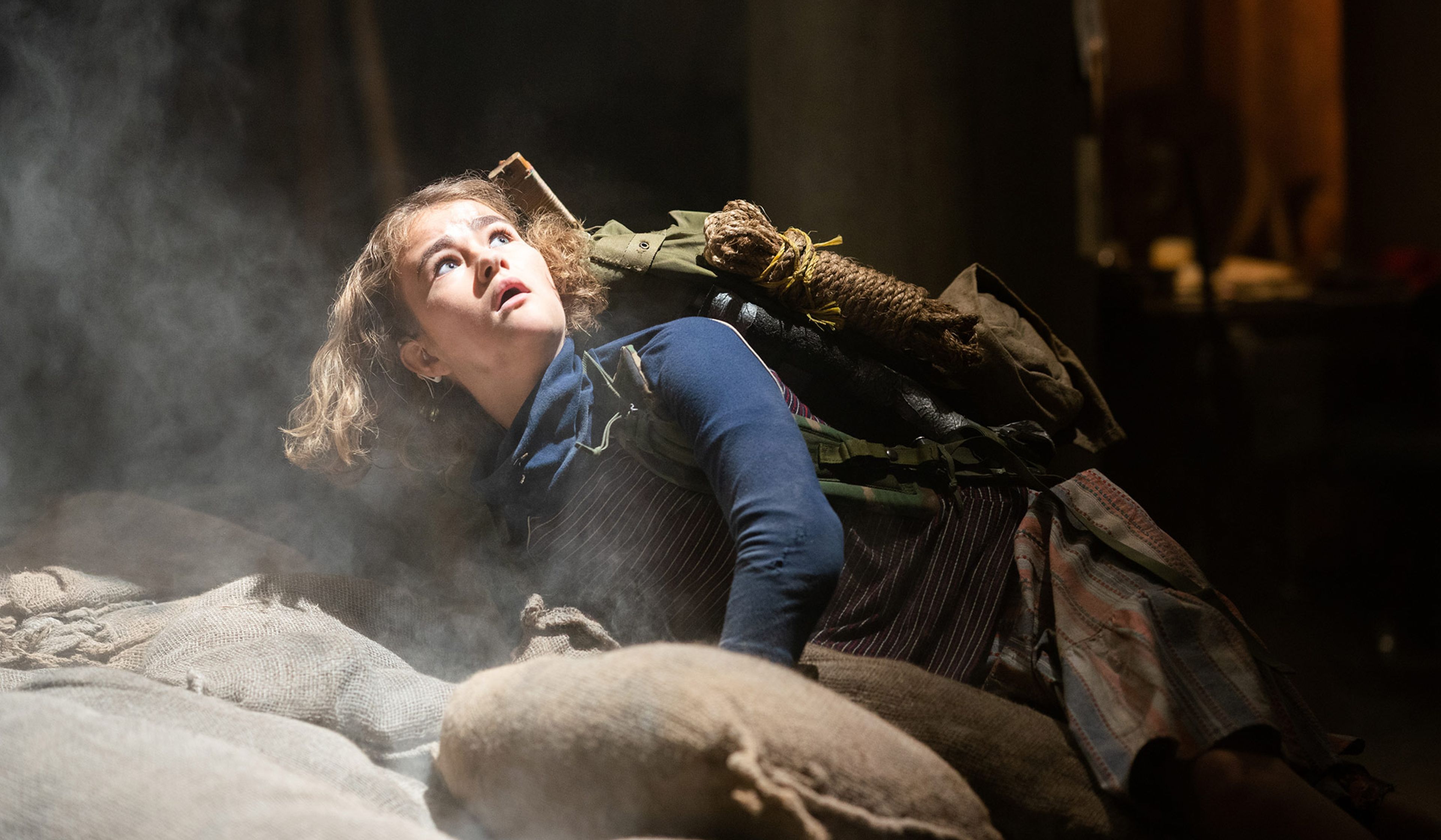
Then finally silence is the whole world for Regan (Millicent Simmonds), the Abbott daughter, whose deafness aided her family’s survival — giving them the sign-language tools they needed to adapt to the apocalypse — and whose hearing aid proved to be the key to fighting back against the monsters: Its whining feedback was their kryptonite, torturing their super-sensitive ears and freezing them in place, their head armor churning, long enough for a well-aimed bullet to take them out.
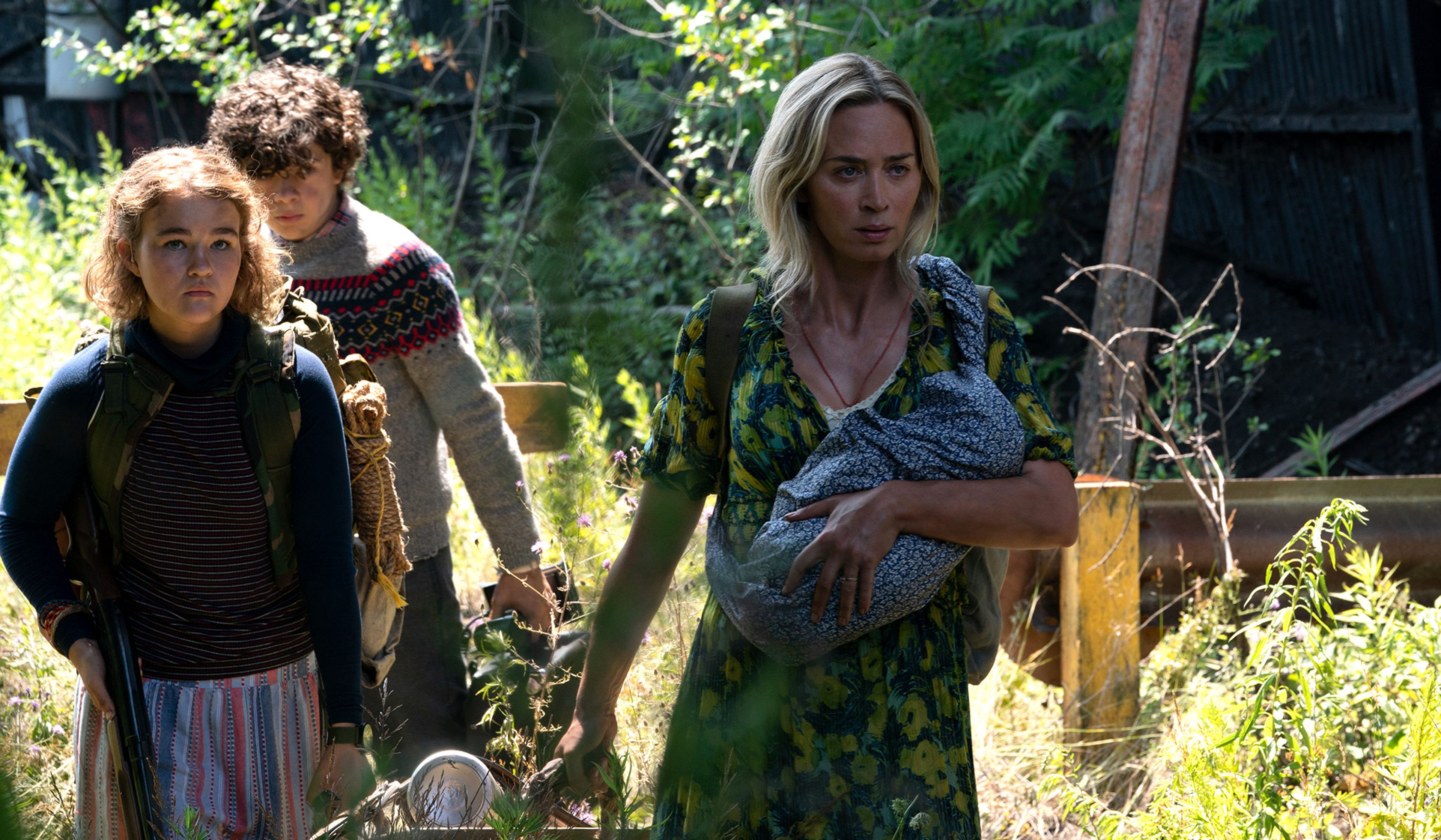
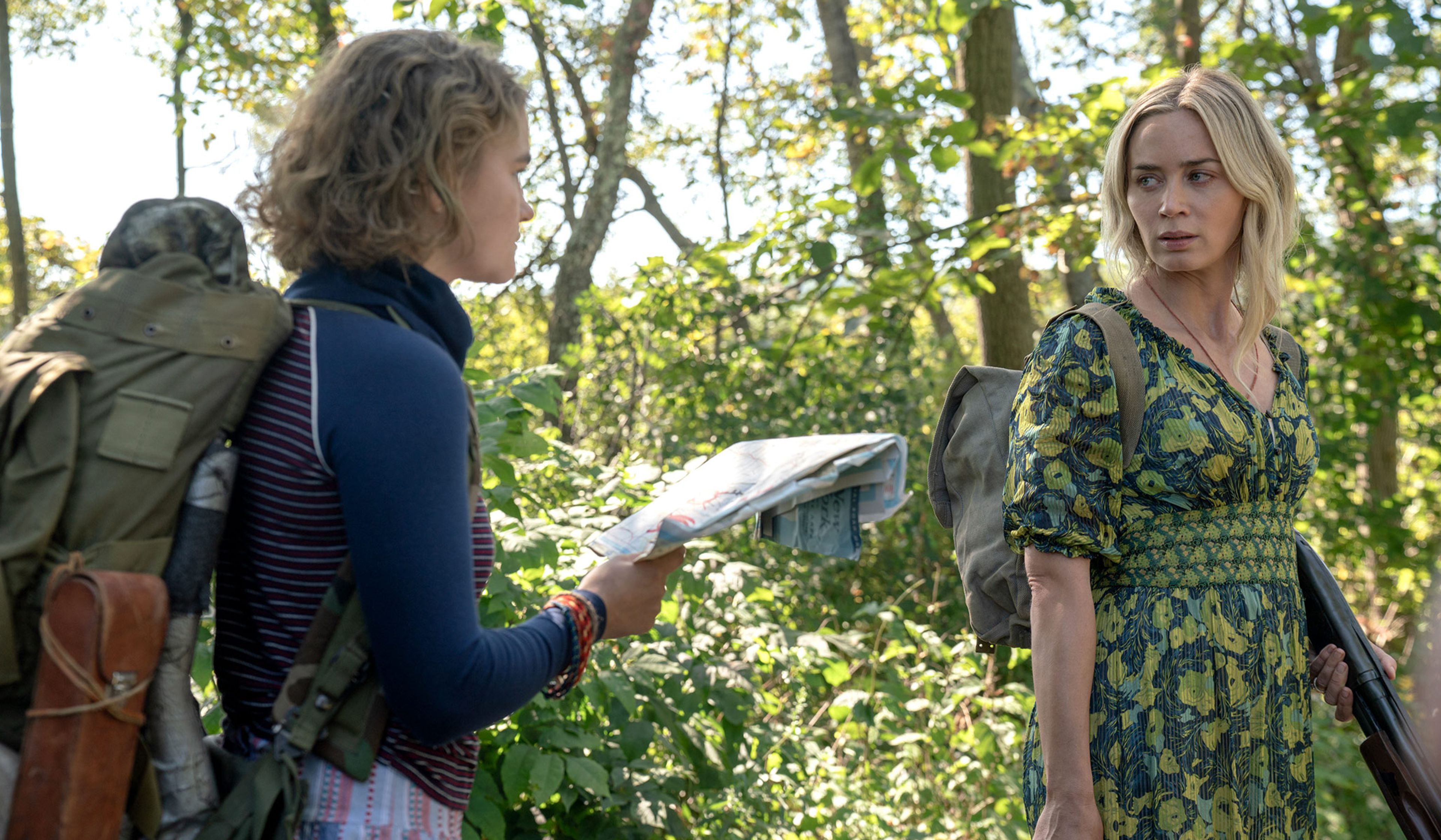
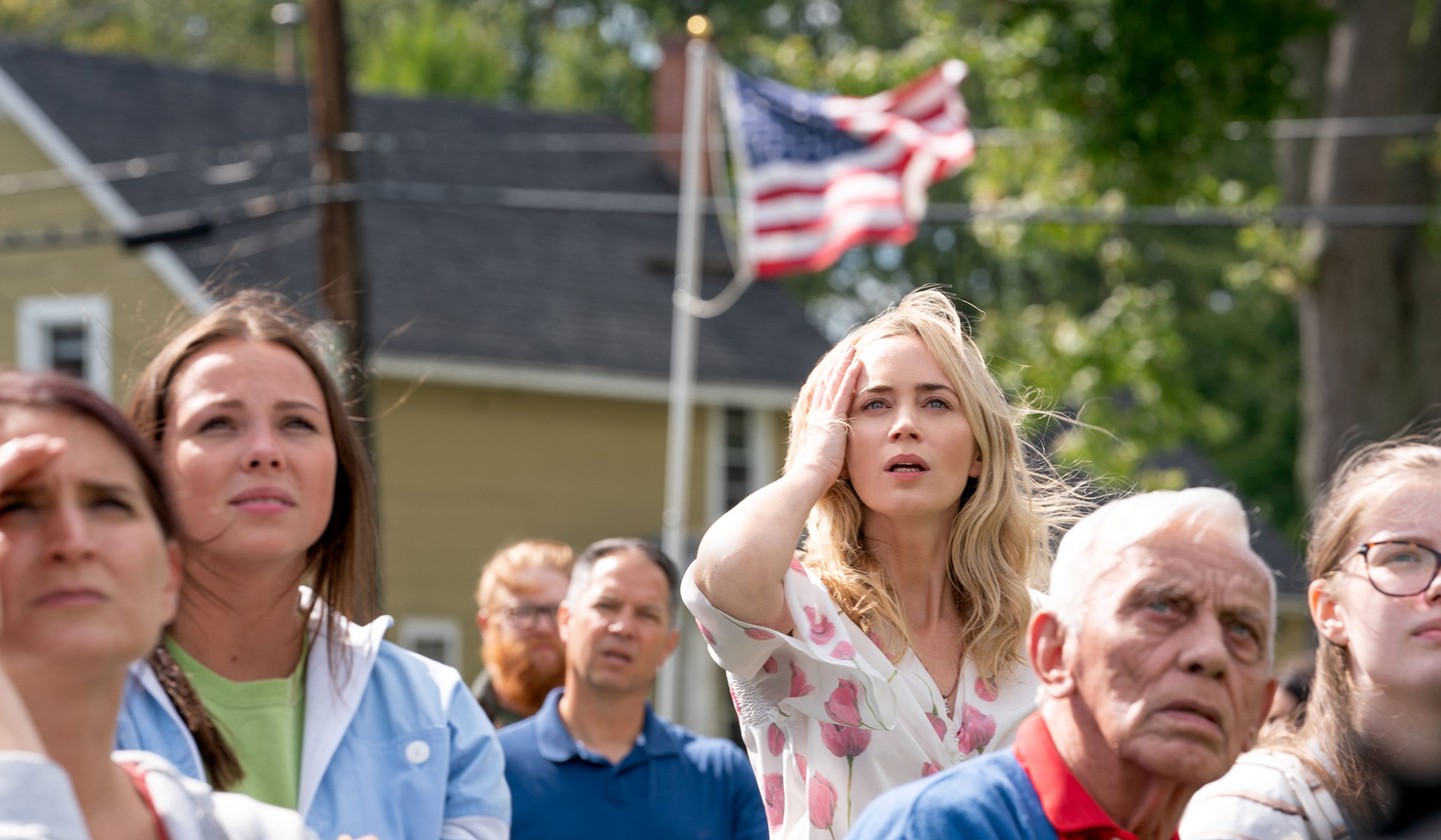
That revelation arrived at the climax of the first movie, after the death of the Abbott paterfamilias, played by John Krasinski, the director of both movies and the fortunate husband of Emily Blunt, who’s back as Mrs. Abbott for round two. Krasinski makes a brief appearance in the new one, in a flashback to the day the aliens arrived in the Abbotts’ idyllic upstate New York town; then the film jumps forward to find Regan, her brother Marcus (Noah Jupe), and Blunt’s Evelyn abandoning their ruined farmhouse for the open road — which they have to traverse carrying the baby whom Evelyn birthed in a bathtub, without screaming, in the first installment.
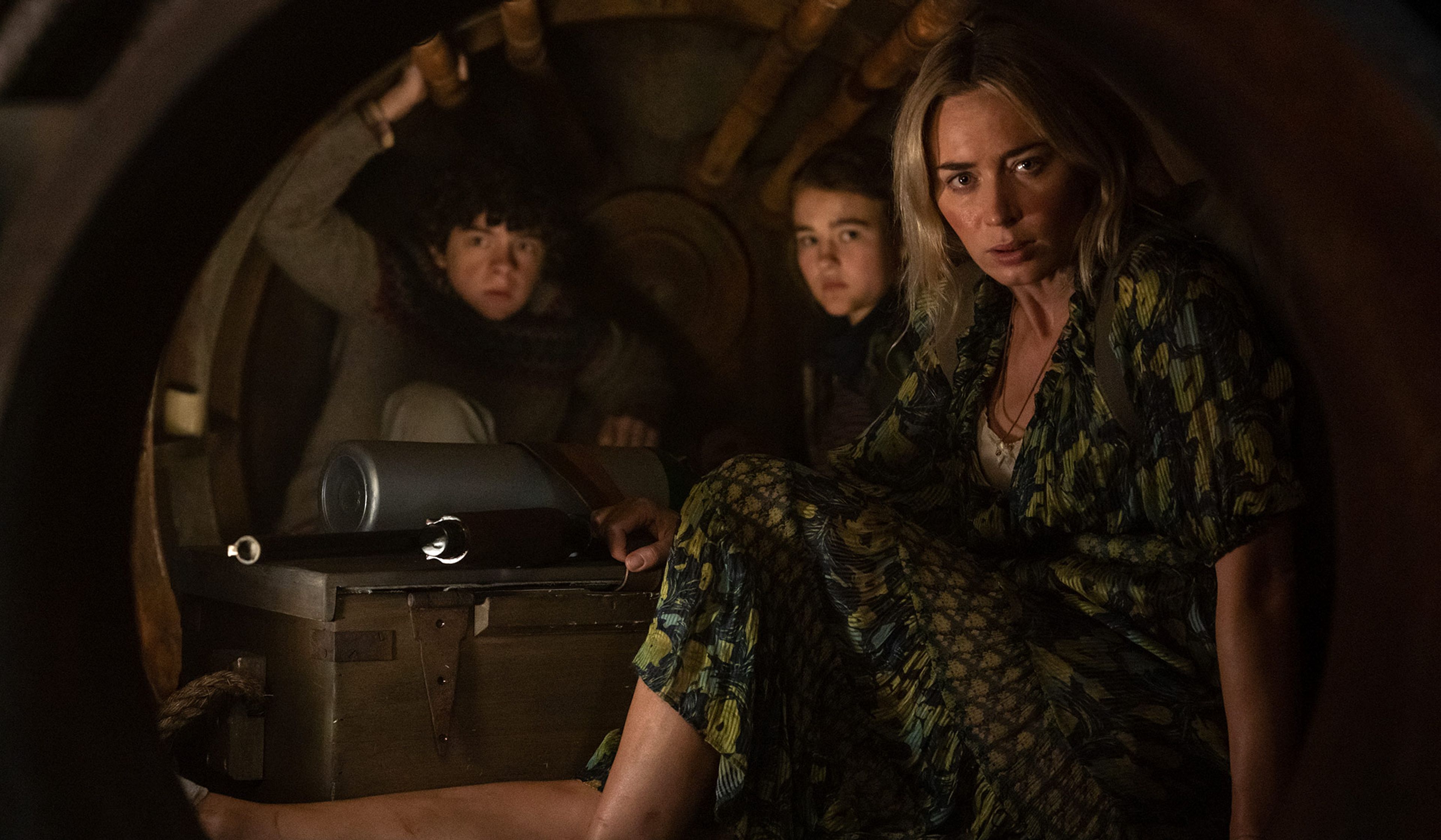
The infant is carried in a padded, soundproofed trunk with an oxygen mask and tank to keep him breathing safely when the lid needs to be closed. (What happens when the tank runs out of oxygen, you ask? Well, therein lies a plot twist.) The family also carries two weapons: a speaker to turn up the feedback if the aliens come hunting, and a rifle to deal with them thereafter. As pilgrims they have two potential destinations, one proximate and one ultimate: first a nearby factory where one of their neighbors from the before-times (Cillian Murphy) is hanging out, and then an island, somewhere in Long Island Sound if I’m reading the map right, that’s sending out a signal that Regan thinks could be summoning survivors to a sanctuary.
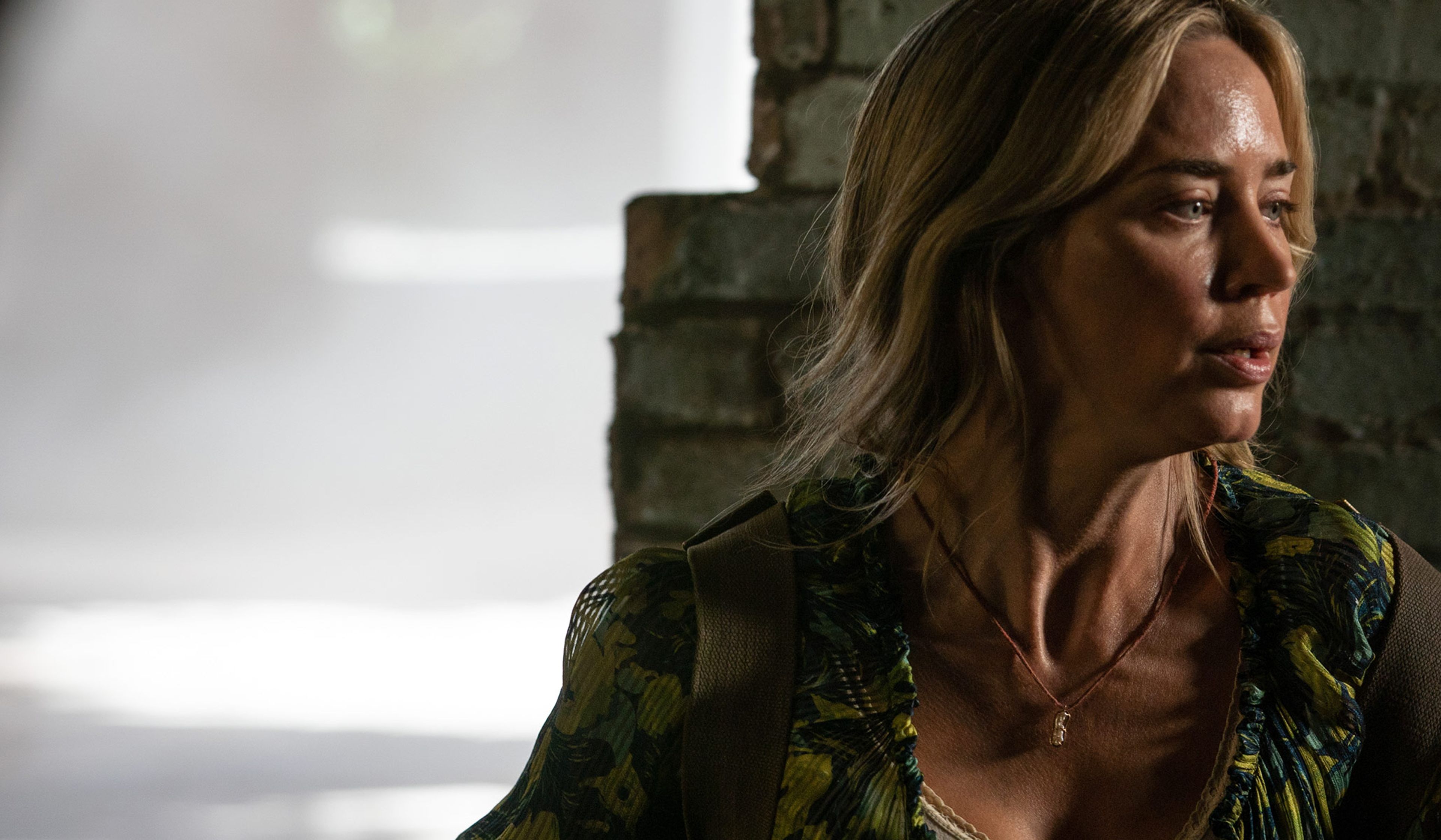

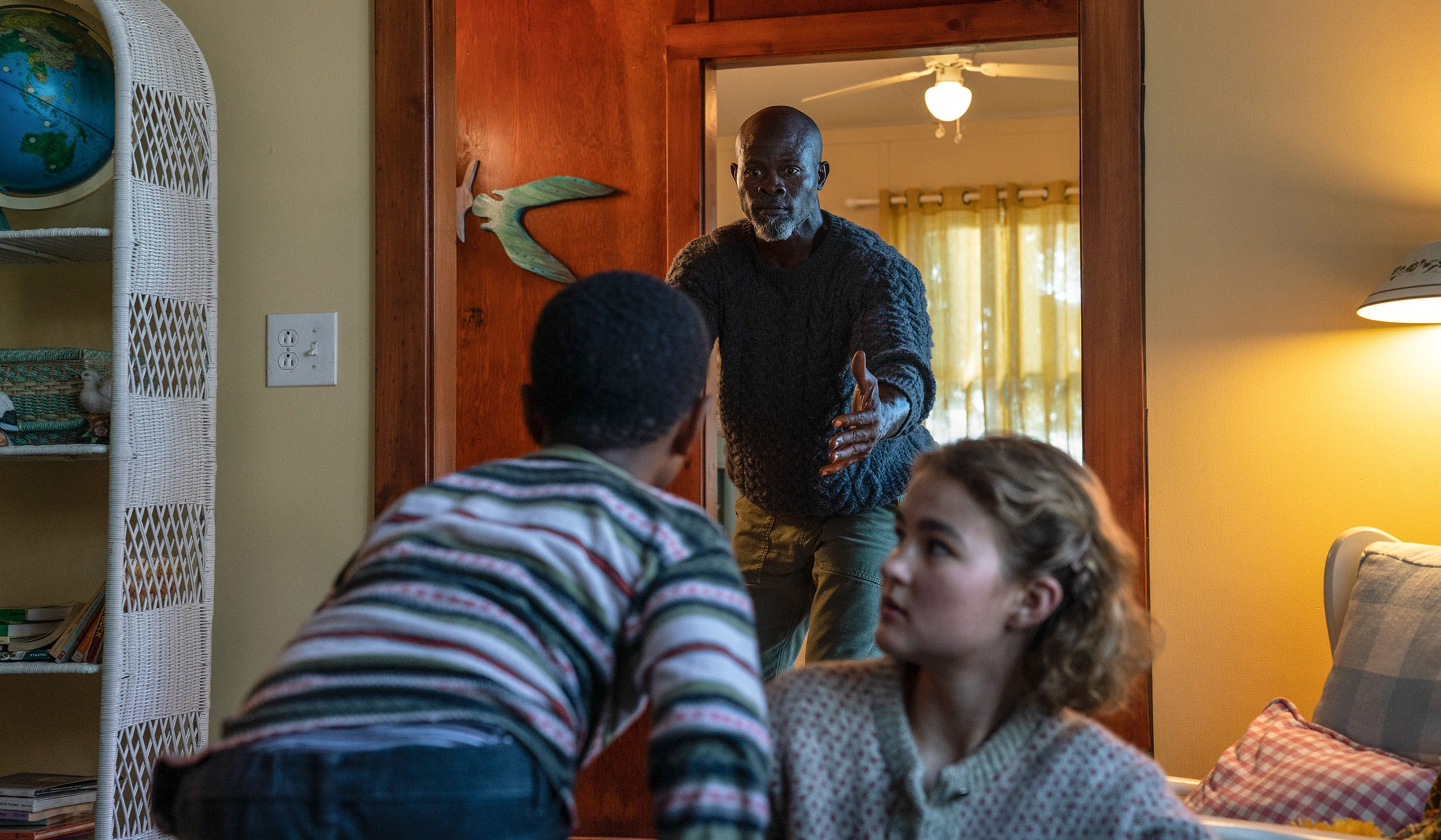
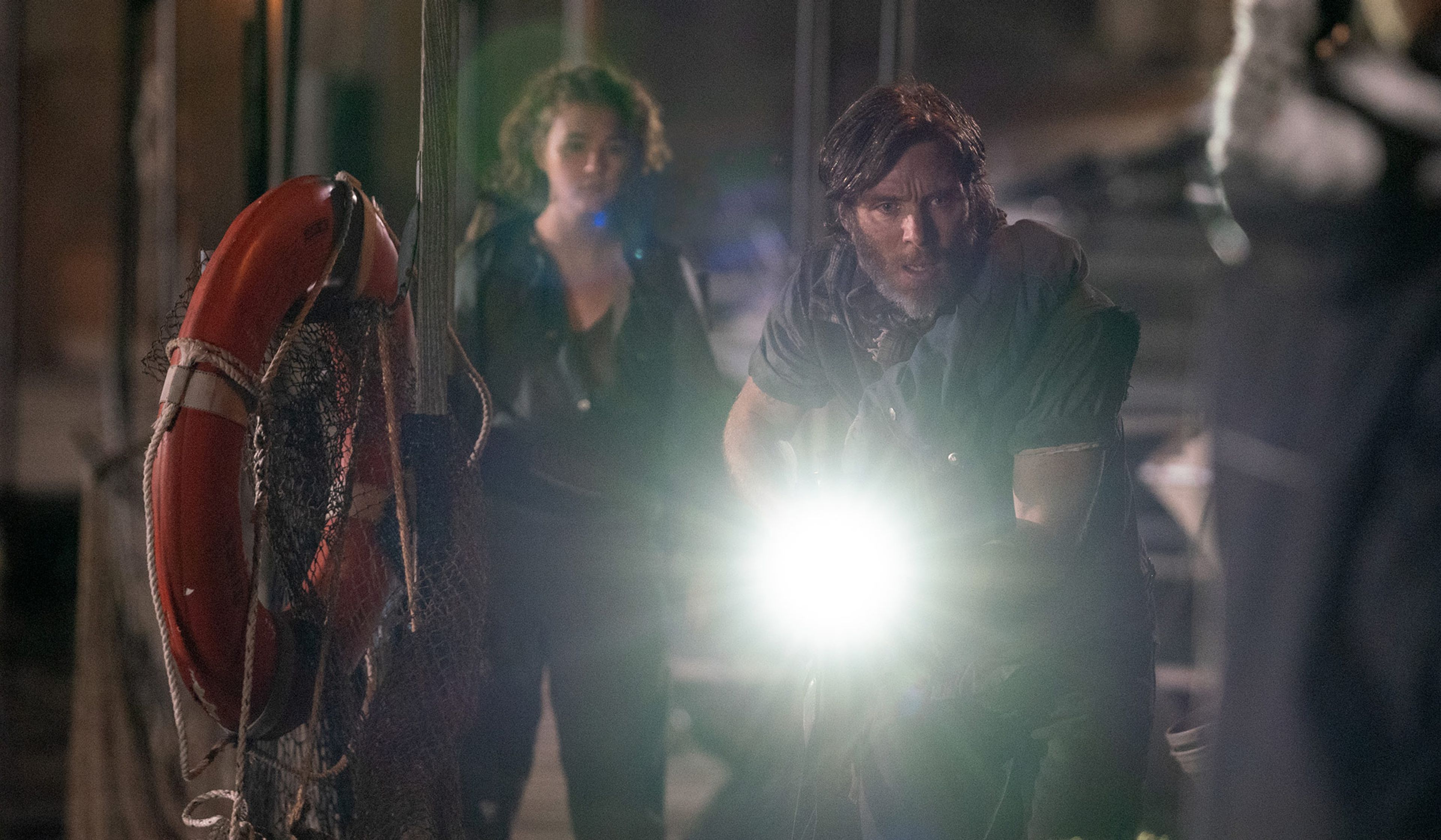
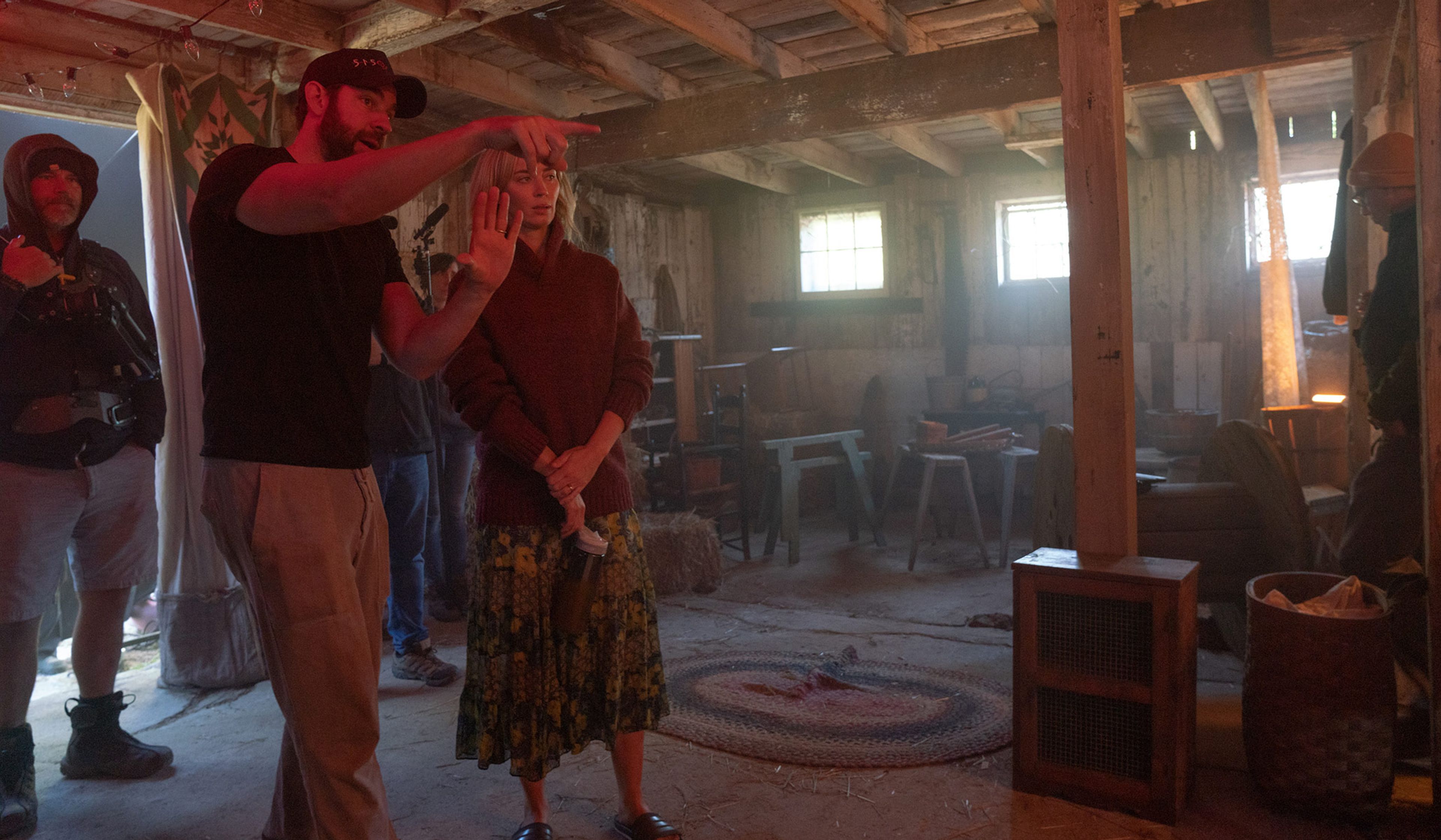
Emily Blunt in A Quiet Place Part II.
Jonny Cournoyer/Paramount Pictures
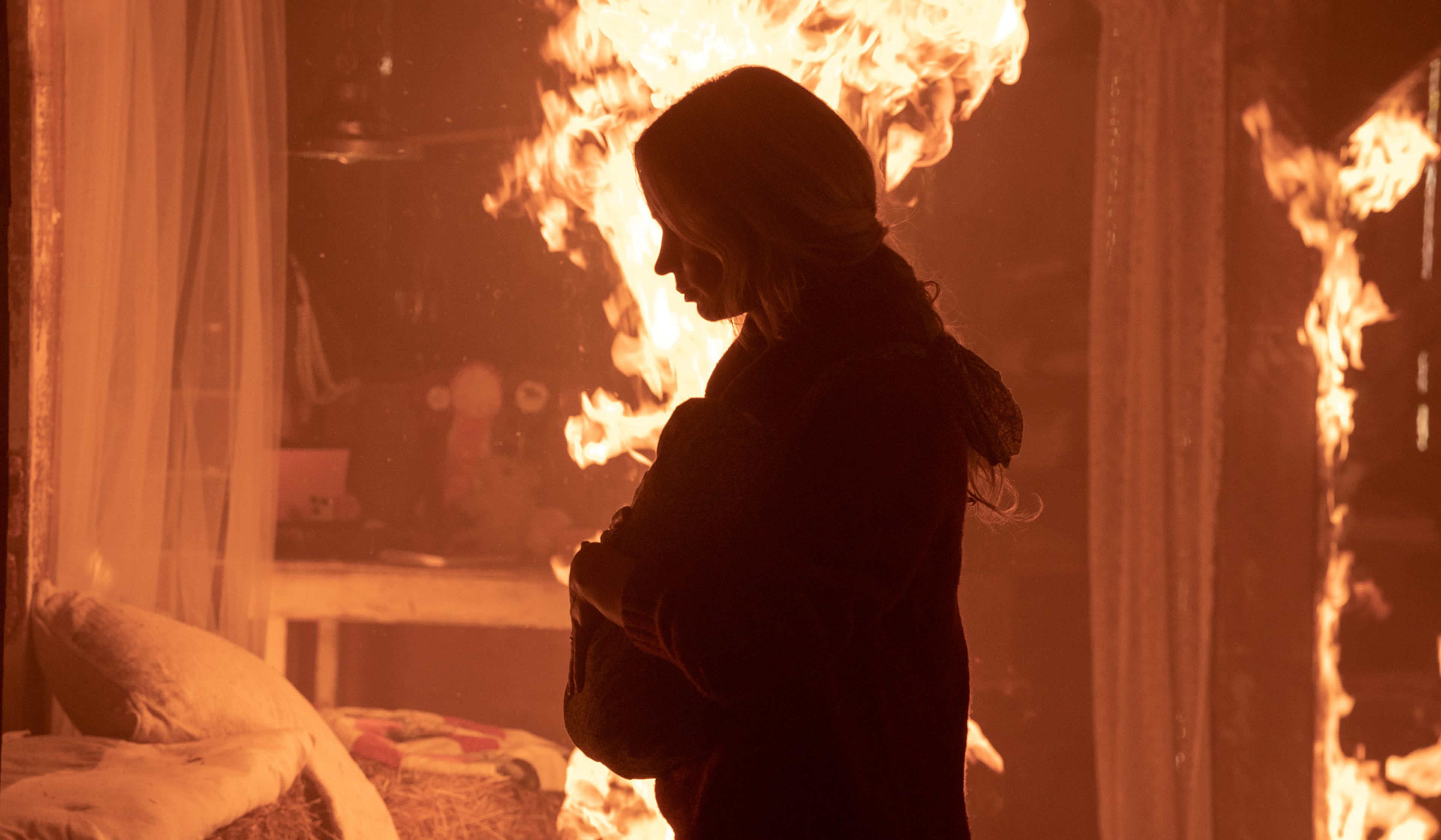
Long story short, she heads off to the island solo against her mother’s wishes, Murphy’s bearded loner goes off to get her back, and meanwhile at the factory Evelyn ends up separated from her son and baby, without the rifle or the speaker and with a nasty alien stalking all of them.
The way the movie ties these threads back together walks the fine line between extremely clever and a little too much, but a slight tilt toward the latter is to be expected in a sequel, and both the basic tension-inducing premise and Krasinski’s skills with thriller mise-en-scène are still effective in the second go-round.
What’s much less effective, as the story widens beyond its initial farmhouse setting, is the world-building. The flashback to the alien arrival is interesting only because it suggests that the Abbotts inhabited some kind of weird Arcadia where nobody used cellphones. Neither of the two groups of human survivors we meet in the movie’s third act behaves in particularly plausible ways; they’re like sketches from a script that wasn’t finished. And the revelation of a second weakness for the aliens is similarly undercooked, suggesting a host of obvious follow-up questions about the global situation that the story doesn’t even try to answer.
A third movie is promised, so maybe the screenwriters can figure out a way to retcon some logic back into their universe. But dramatically it feels like we’ve reached the limit of the original premise, which gave us two high-tension theatrical experiences before its plausibility structures started creaking: Better to stop there, and let the rest be silence.












Comments