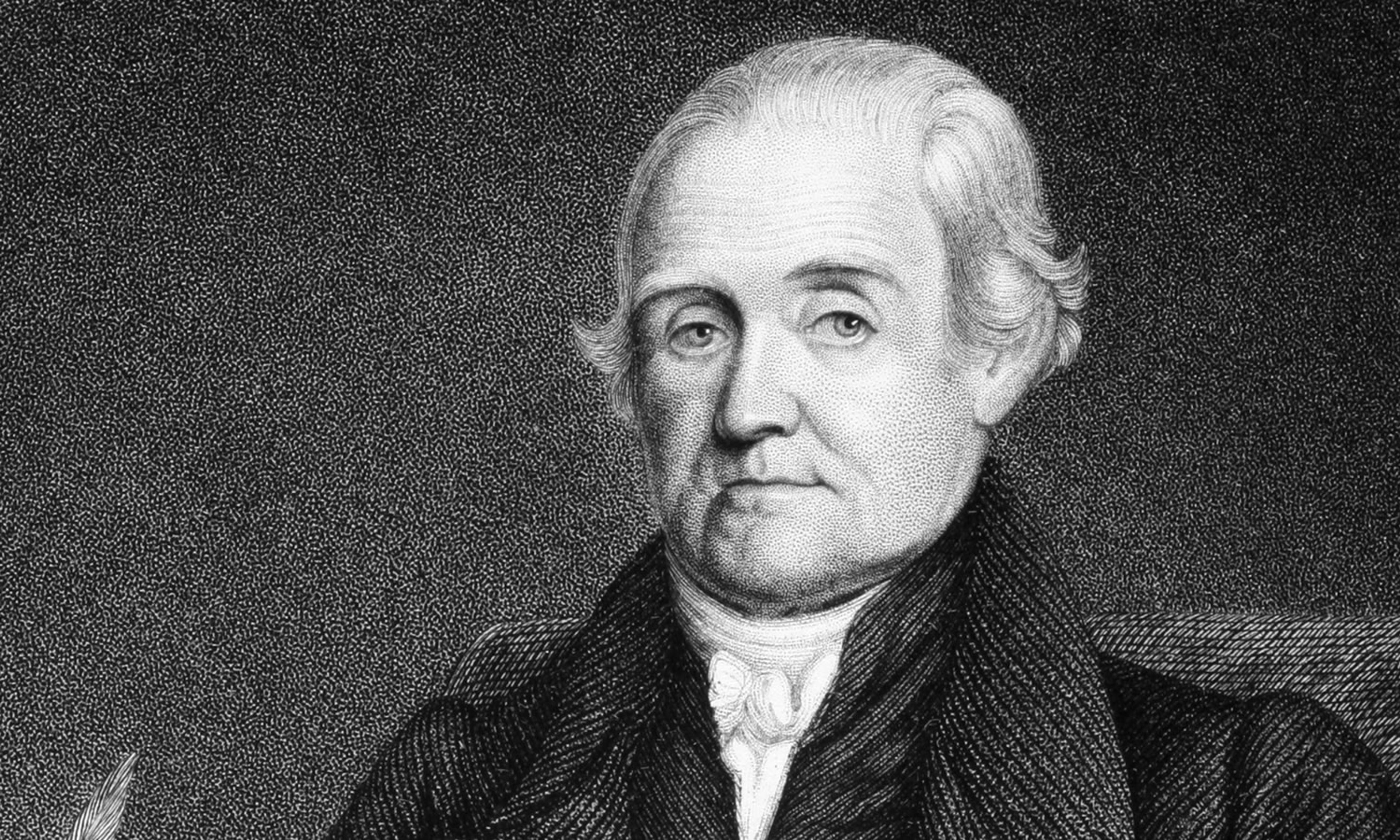
Fifteen years after Noah Webster wrote his 1784 Grammatical Institute of the English Language, and seven years before he issued his first dictionary — for which he would become known as the “Father of the American Dictionary” — he wrote the first American study of epidemiology. It was the two-volume, 700-page Brief History of Epidemic and Pestilential Diseases. As the grammatical columnist at NR, I’ve stayed away from COVID-19 issues. But because I collect old editions of Noah Webster’s works, as well as his original letters — all things Webster, really — I decided to brave the 18th-century dust in my set and to interview Webster posthumously on pandemic-related subjects. What was the thinking in 1799 about plagues? The questions are mine, and the answers are his, verbatim.
BAG: Why would a grammarian who has never studied medical science or chemistry decide to write about epidemics?
NW: The prevalence of catarrh, commonly called influenza, in the years 1789 and ’90, first awakened my curiosity on the subject of epidemic diseases. A journey which I made in October 1789, from Hartford to Boston; and another in March 1790 from Hartford to Albany; led me to observe the progressiveness of that disease, with its other phenomena.
BAG: Did anything else spark your interest in the subject?
NW: The appearance of the scarlatina anginosa in 1793 revived my curiosity, and a similar circumstance, a journey from Hartford to New York in April of that year, led me to observe a progression in that disease from West to East.
BAG: Did people have any clear idea about how the illness spread?
NW: No idea had been conceived, that it was connected with a pestilential state of the air, in the United States, which was afterwards to produce more serious and general calamities.
BAG: How did the realization that these diseases were airborne occur?
NW: In autumn 1793, . . . that pestilential state of air arrived to its crisis in Philadelphia, where the mortality occasioned by the yellow fever, spread destruction and dismay, from August to November.
BAG: Was there a panic?
NW: The fatality of the disease spread consternation through the United States and excited apprehensions in Europe. No American citizen could be indifferent to the prevalence of this disease in his own country.
BAG: Did people speculate about its origins?
NW: It was conceived that the distemper might have been produced from imported infection . . .
BAG: You’re kidding me.
NW: . . . and that a more rigid execution of the laws relating to quarantine might prevent a repetition of the calamity. Here rested apprehension and enquiry.
BAG: You knew this much in 1799?
NW: It appeared necessary to settle the controversy relative to the imported or domestic sources of the distemper; for without a decision of this question, legislative and police regulations for preventing a return of the evil, or mitigating its severity, would probably be fruitless. The question appeared to be extremely important, and the differences of opinion on the subject among medical gentlemen seemed to preclude the possibility of a decision among them.
BAG: Ah, I see. Well then, if doctors can’t agree, it seems most natural to me to turn to a grammarian for answers. How did you go about your research?
NW: In October 1795, I addressed a circular letter to . . . physicians . . . throughout the United States, requesting them to communicate to me whatever facts had come within their observation . . . on the question of the foreign or domestic origin of the yellow fever.
BAG: What did the responses show?
NW: These communications . . . convinced me of the fallacy of the vulgar opinion respecting the origin of the yellow fever in the United States from foreign sources. . . . The reports of persons taken ill in consequence of intercourse with vessels from the West Indies, or with diseased seamen, infected cotton or clothing, or the like causes, were mere idle tales, raised by the ignorant or interested, and wholly unsupported by the evidence.
BAG: Did it occur to you that infections could spread through droplets spread by sneezing or coughing — or even breathing?
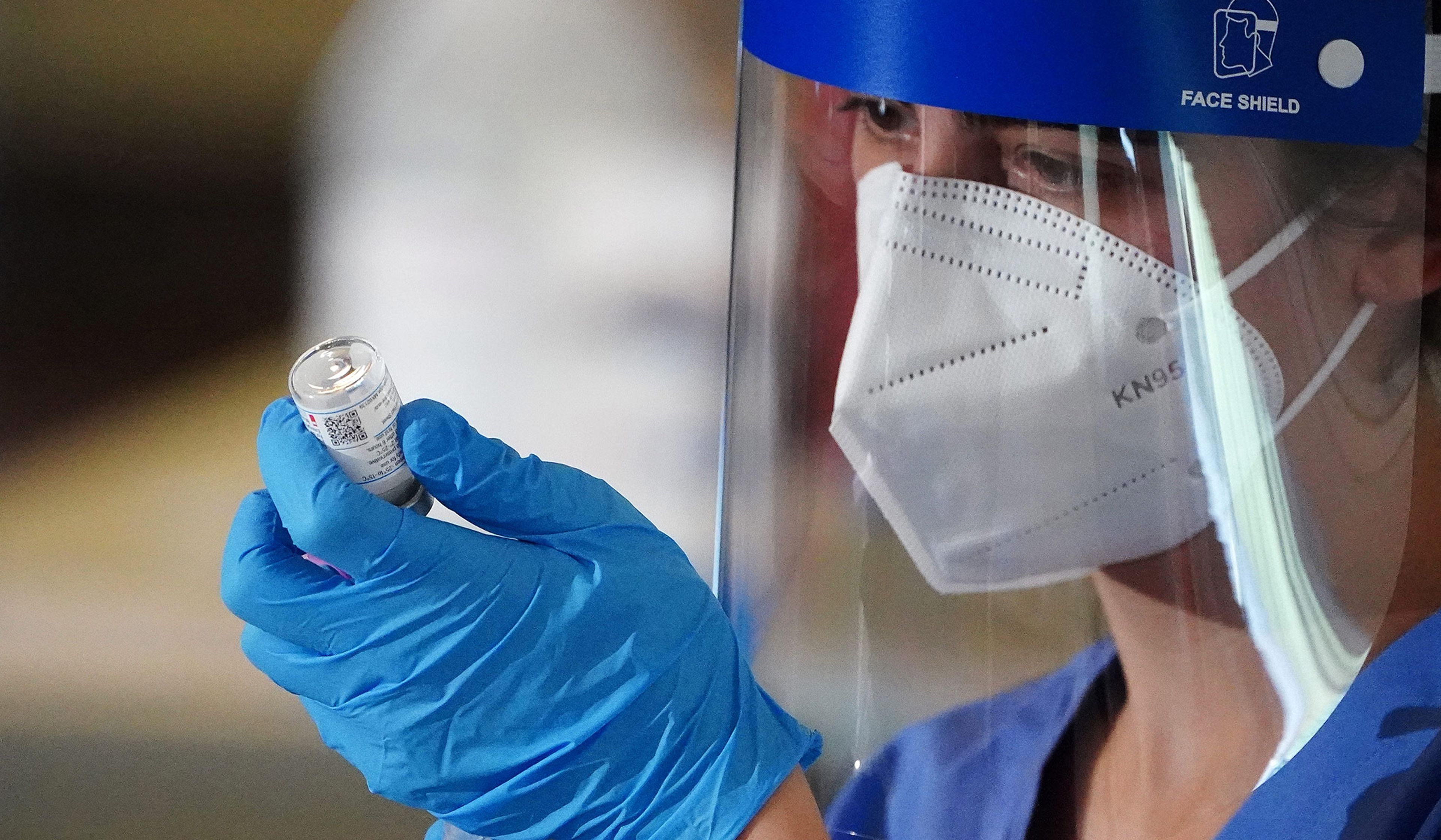
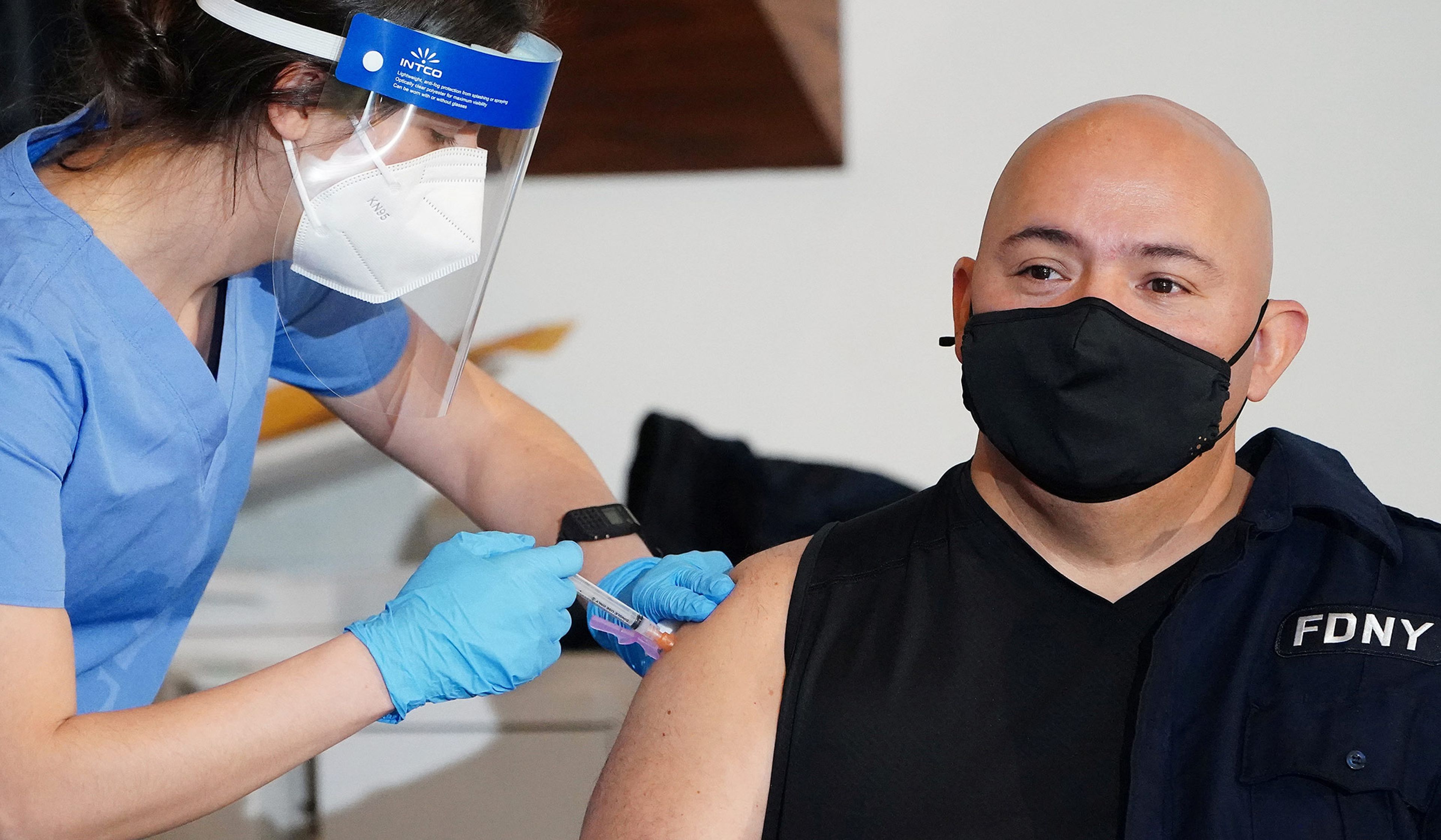
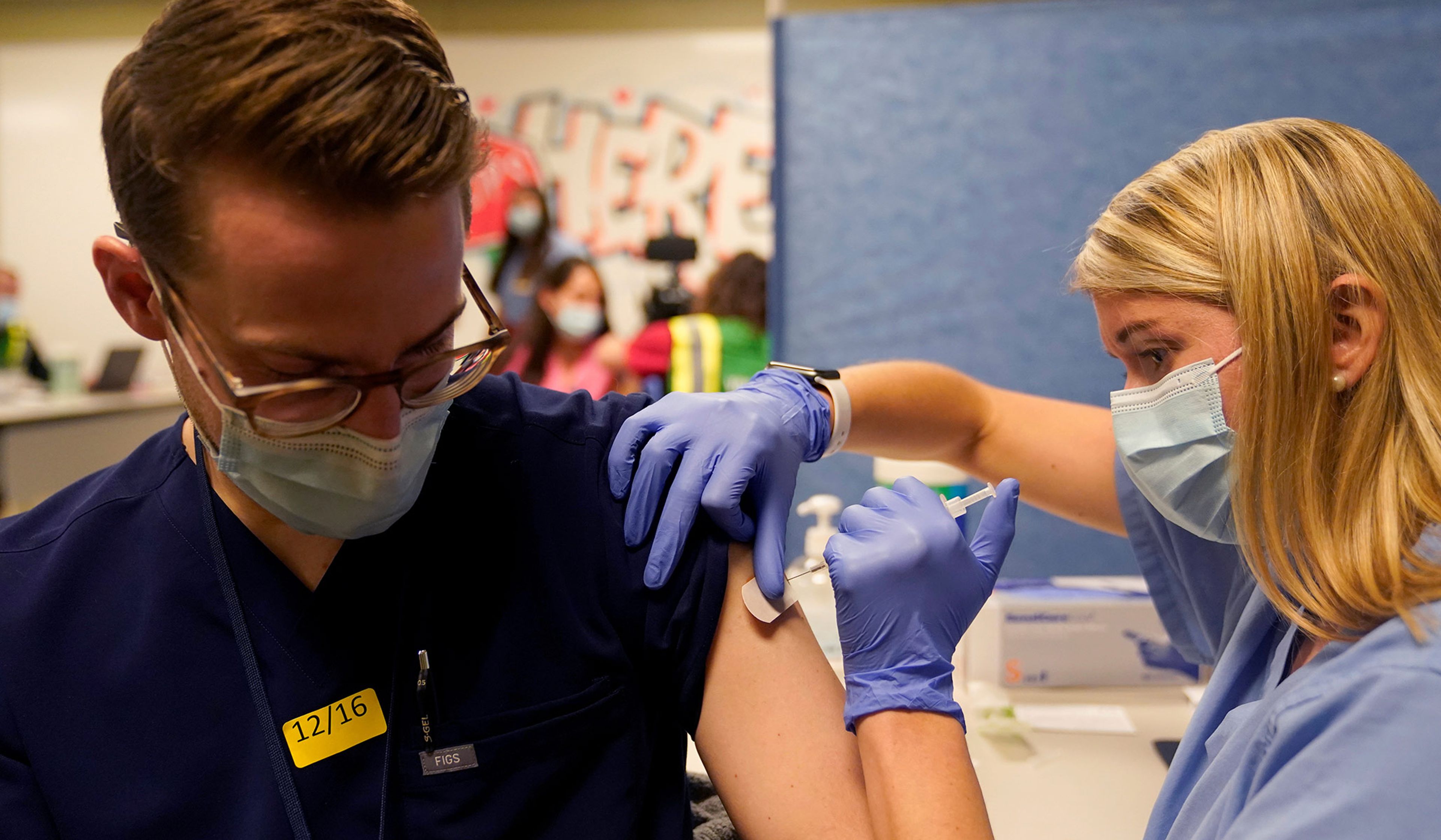
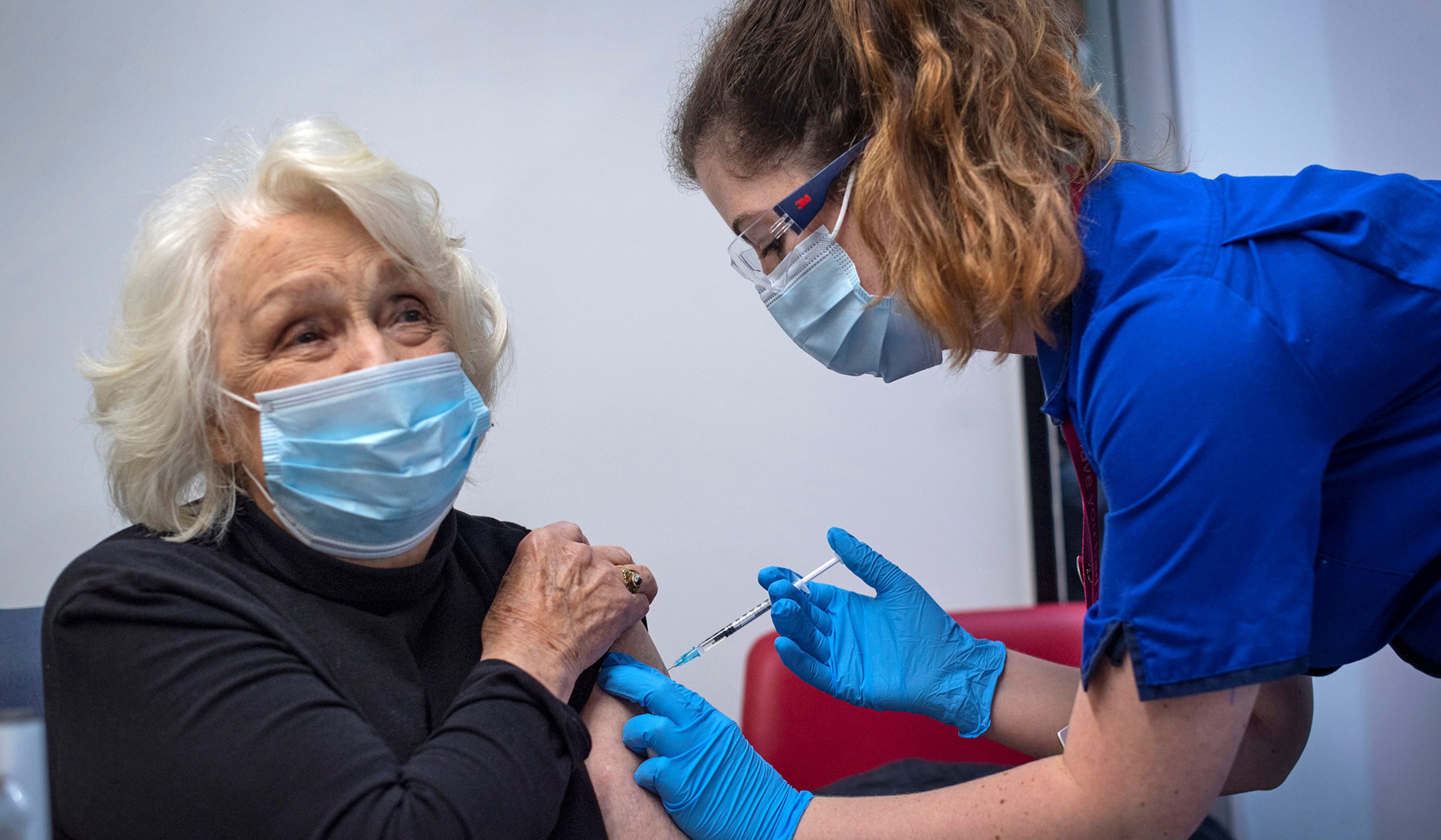
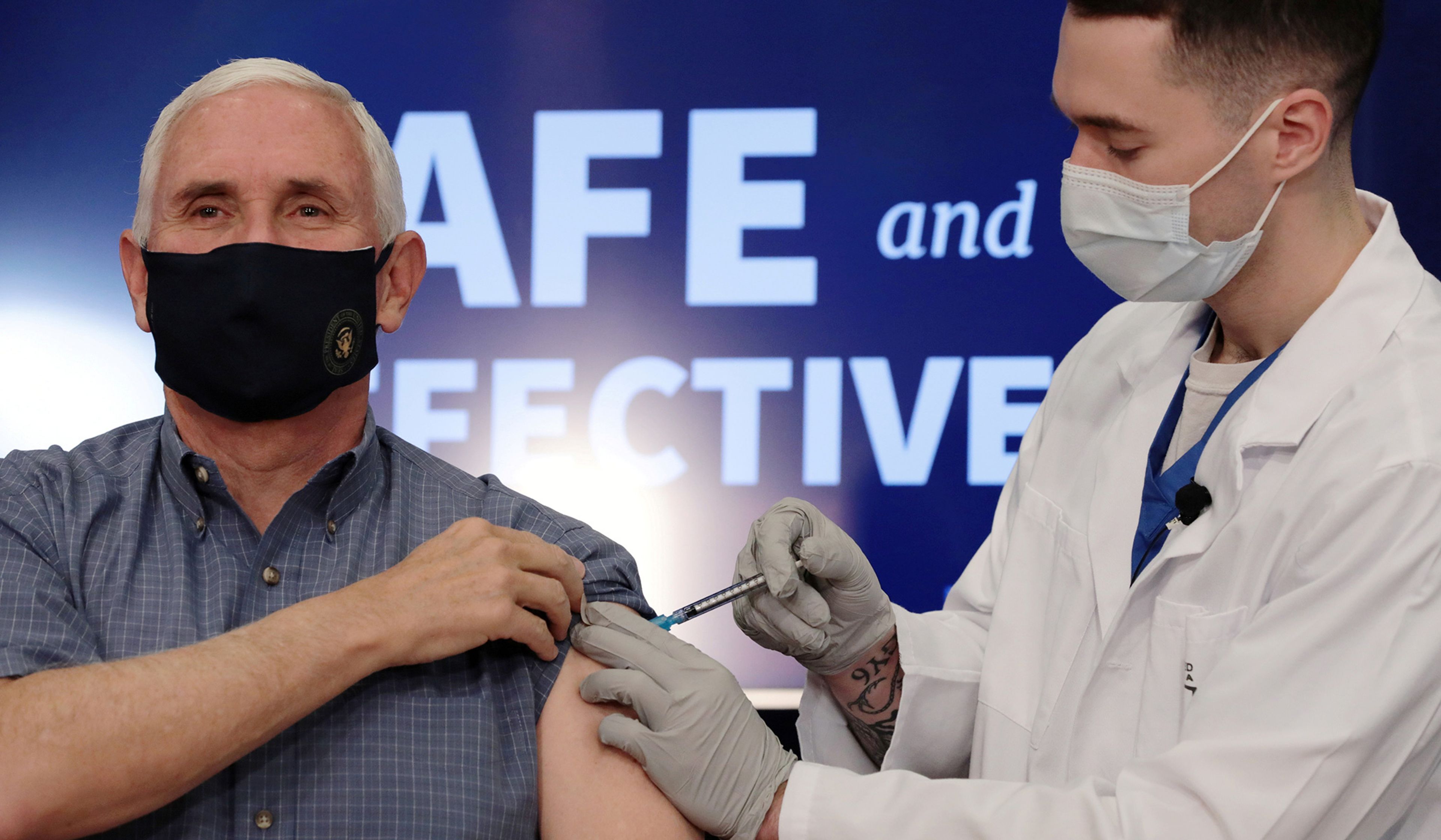
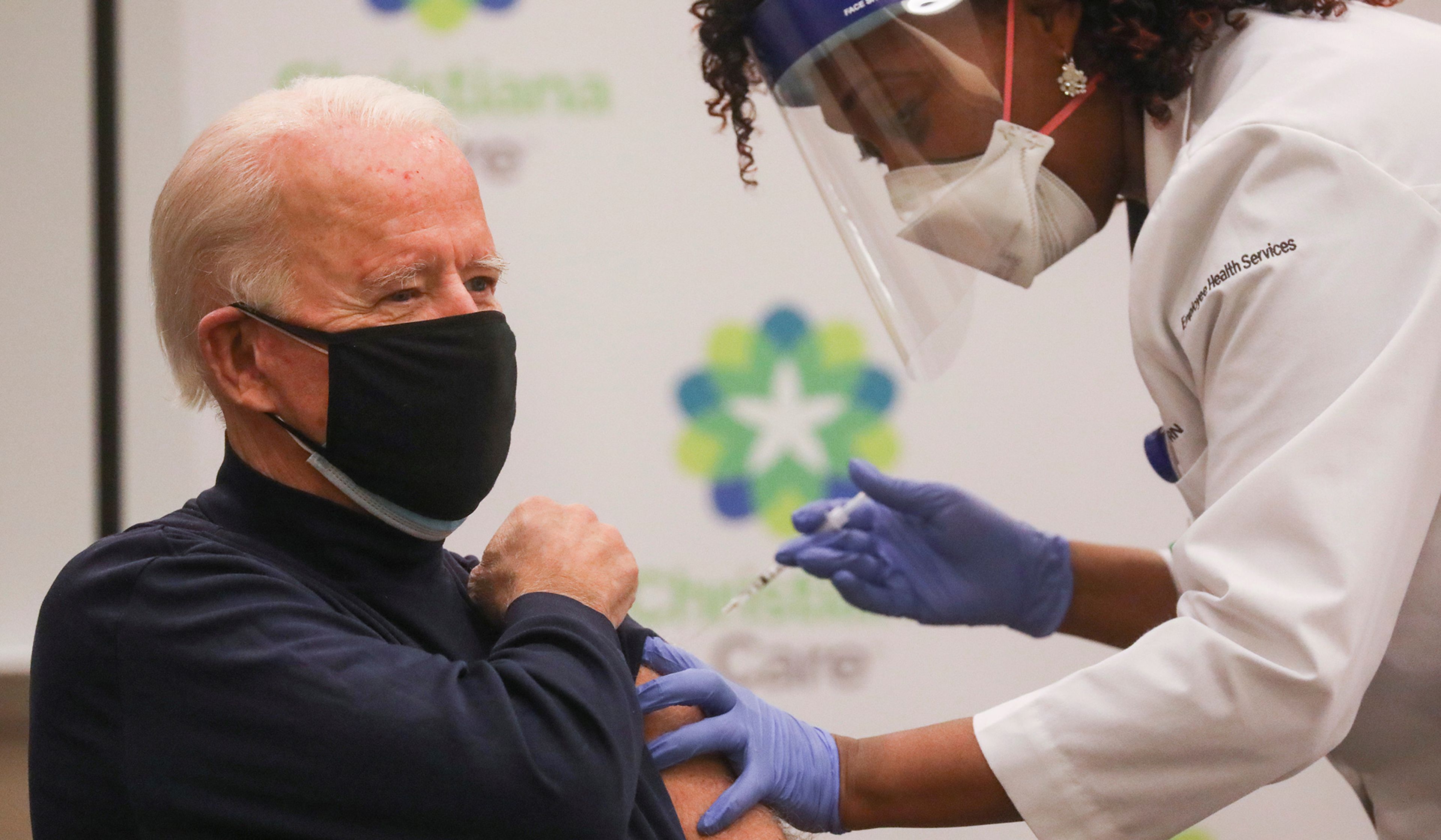
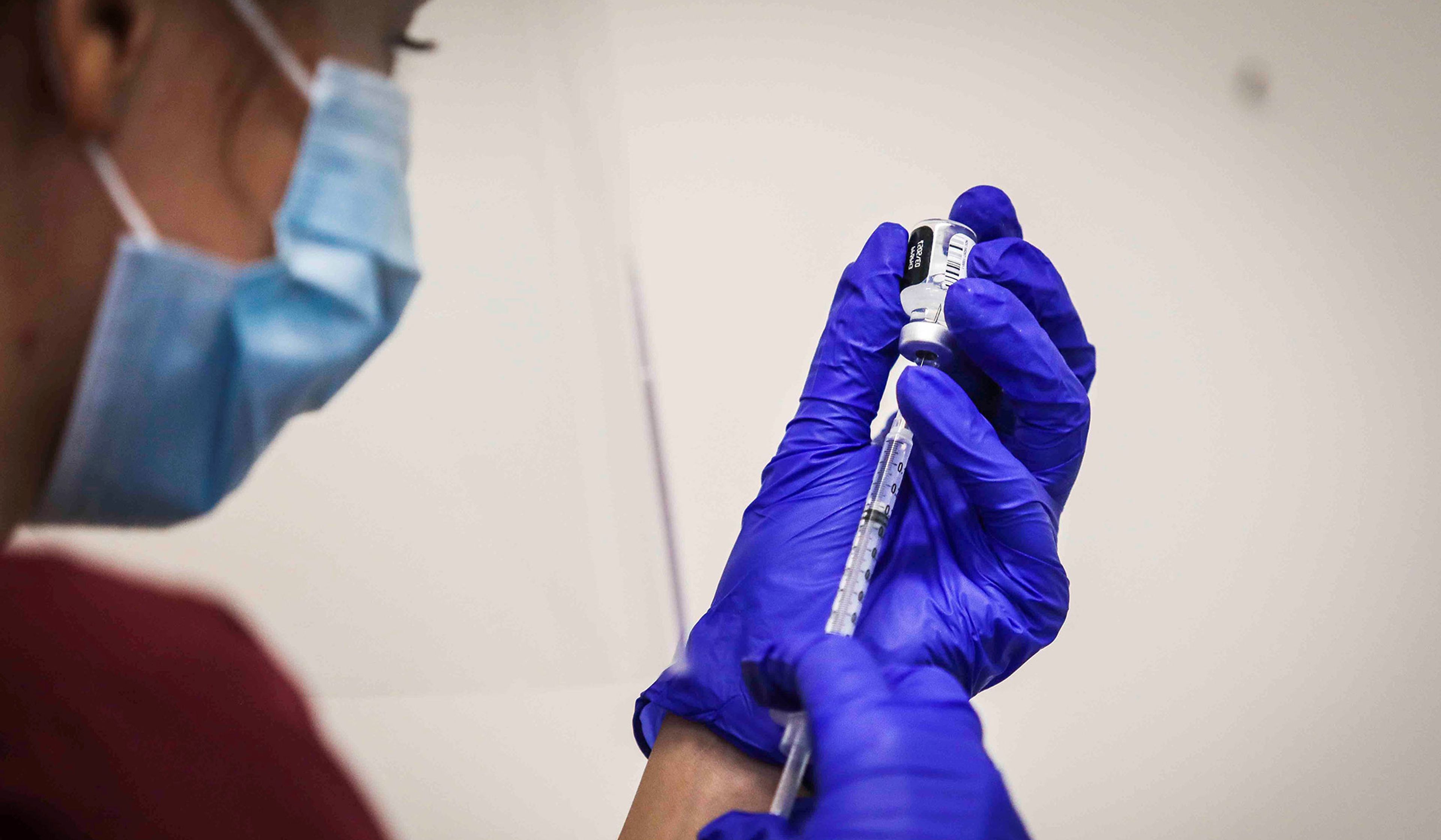

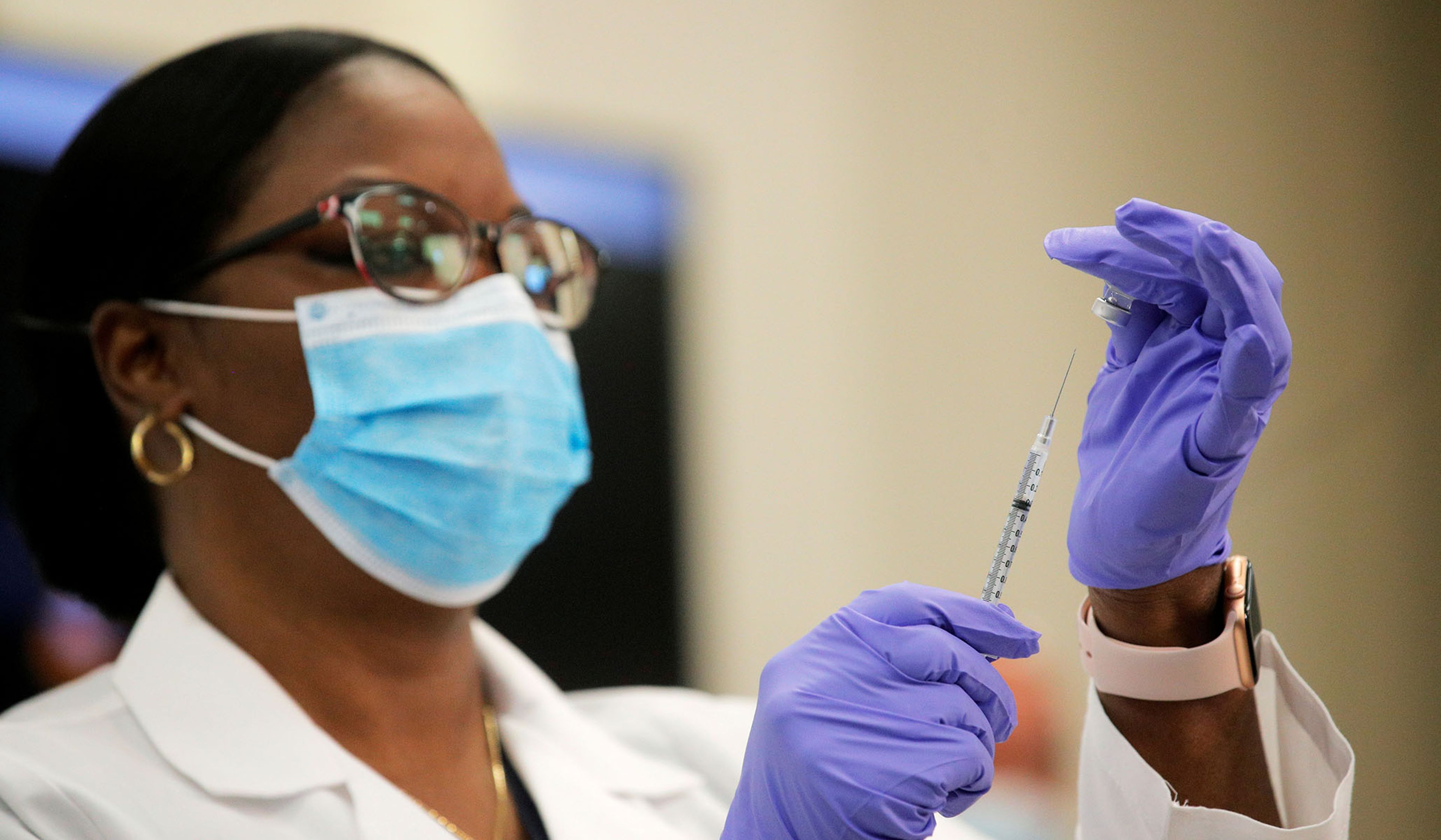

A nurse prepares a syringe with the Moderna COVID-19 vaccine for a worker of the New York City Fire Department Bureau of Emergency Medical Services in New York City, December 23, 2020.
Carlo Allegri/Reuters
NW: That quality of a disease which communicates it from a sick to a well person, on simply inhaling the breath or effluvia from the person of the diseased, at any time and in any place, may be called specific contagion. Such is the contagion of the small-pox and the measles, which are therefore called contagious diseases.
BAG: I know you haven’t heard of viruses and bacteria, but do you have an opinion about sanitary conditions?
NW: All filthy substances should be removed from streets, both for the sake of decency and of health. If the pavements of streets could be covered with pure earth, it would greatly lessen the heat; but this is not practicable. The only effectual remedy, is fresh running water — the only article that unites cleanliness with coolness. Nothing in a city can be an adequate substitute.
BAG: Do you favor hand-washing?
NW: The liberal use of water, in and about a house, cannot be too seriously recommended.
BAG: Let me just tell you: In 222 years, there will be vaccines — preventive medicines — that could eliminate various strains of worldwide pestilence. Yet some people obtusely refuse to take them. Is that just a constant in the human condition?
NW: Multitudes of men will not take the pains to use the means necessary to resist the effects of the numerous causes of disease which surround them.
BAG: Quite right. It’s a pleasure, Mr. Webster, to time-travel this way and learn your thoughts in the days before modern science took hold. I hope you’ll join us again.












Comments