This year’s Best Picture nominations are both a solid-enough set of choices and a decent snapshot of the condition of the industry. You have the Avatar sequel and Top Gun: Maverick representing the real business of Hollywood, the blockbuster-sequel factory, but with unusual creativity and verve. You have two examples, in Elvis and Everything Everywhere All at Once, of the kind of movies that used to define Hollywood — grown-up stories, solid box office, high-middlebrow aspirations, no sequels or spin-offs in the offing. And then you have the art-house fare, which no longer makes that much money even in the art house: six movies that between them earned less than $50 million in American theaters.
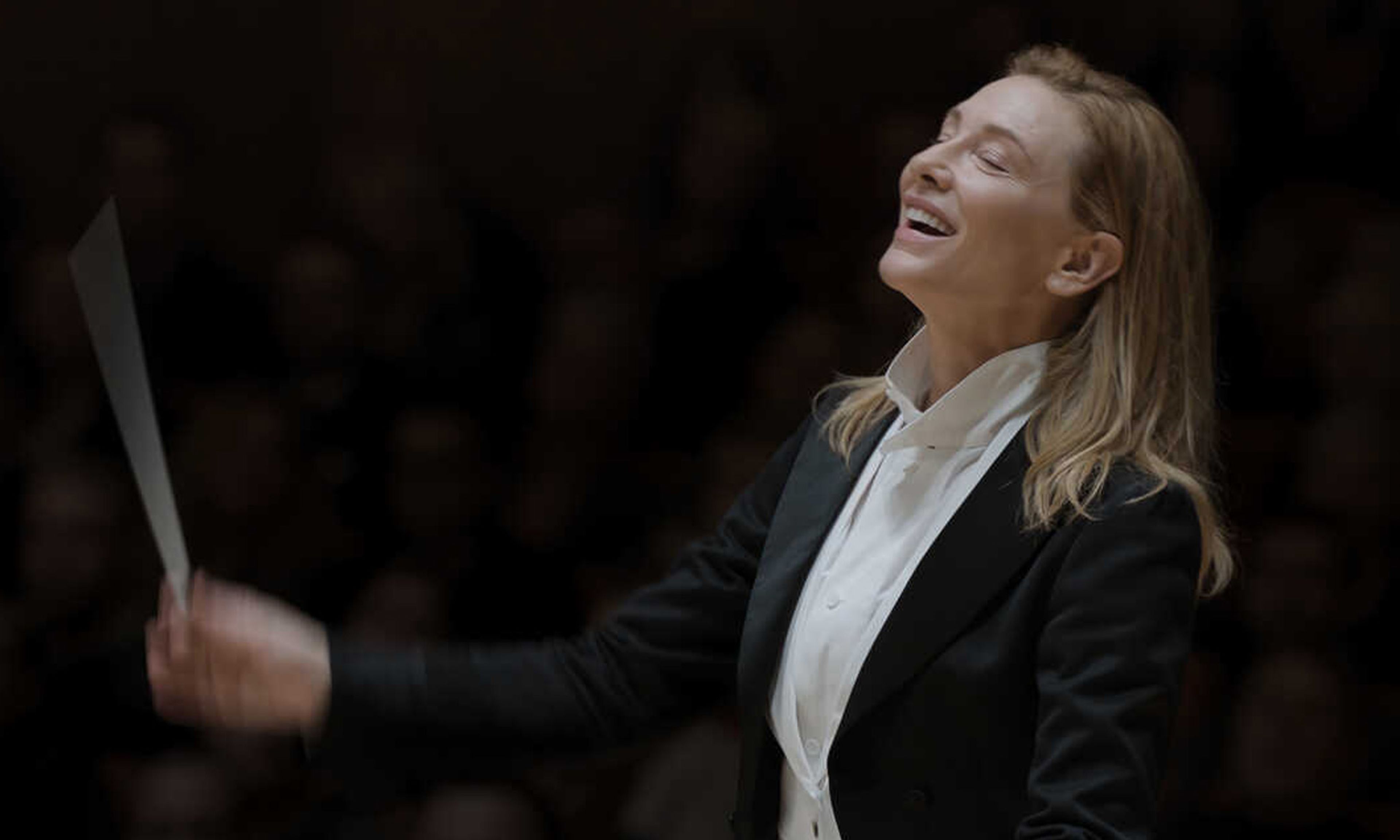
My policy as a critic is to root for the flourishing of the middle kind of movie, and right now Everything Everywhere seems like it might have the inside track to win the Oscar. But even though this would be a nice victory for originality and (modest) mass appeal, my heart isn’t with it. The part of me that wants to see the Academy Awards celebrate crowd-pleasing entertainments and actual movie stars is rooting for the Top Gun sequel, which took what seemed like the most cynical imaginable strip-mining of ’80s pop culture and turned it into a truly glorious popcorn-movie experience. And the part of me that just wants the Academy to give Best Picture to the literal best picture — well, that part is rooting for what Todd Field and Cate Blanchett did with Tár.
When we talk about art-house or highbrow movies nowadays, sometimes we’re talking about movies that would have been considered entertainments for the masses not so long ago. (It’s a telling indicator that Martin Scorsese’s mild criticisms of the Marvel behemoth have somehow recast his grab-you-by-the-throat oeuvre as the province of film snobs.) But Tár really is an art-house movie; in a different moviegoing landscape it might have made $30 million at the box office instead of $6 million, but there’s no world where it would have become a massive hit.
I won’t say it’s just for cinéastes and weirdos: It has a mostly linear hubris-meets-nemesis story, some ripped-from-the-headlines plot devices, a famous movie star in the title role, and you can even describe it as a “cancel culture” movie if you like. But as a filmgoing experience it’s intense and difficult and eccentric in a way that’s quite different from, say, Steven Spielberg’s The Fabelmans, to pick one of its fellow lower-grossing nominees. It’s a movie where you have to really pay attention — to its densely packed conversations, to its specialized and truly highbrow world, to mixed-in German dialogue that isn’t always subtitled, to things happening in the background and things you think you saw — and even then it slips and slides away.
It’s also quite different from its director’s prior films. Field broke out as a filmmaker with In the Bedroom in 2001 — an old-fashioned indie mini-hit, a lean adultery-and-murder melodrama dressed up in the beauties of the Maine midcoast. He then made the less commercially successful Little Children in 2006 and afterward disappeared into the world of development hell, cycling through various projects, including historical dramas and adaptations of Jonathan Franzen and Cormac McCarthy, that never reached the shooting stage.
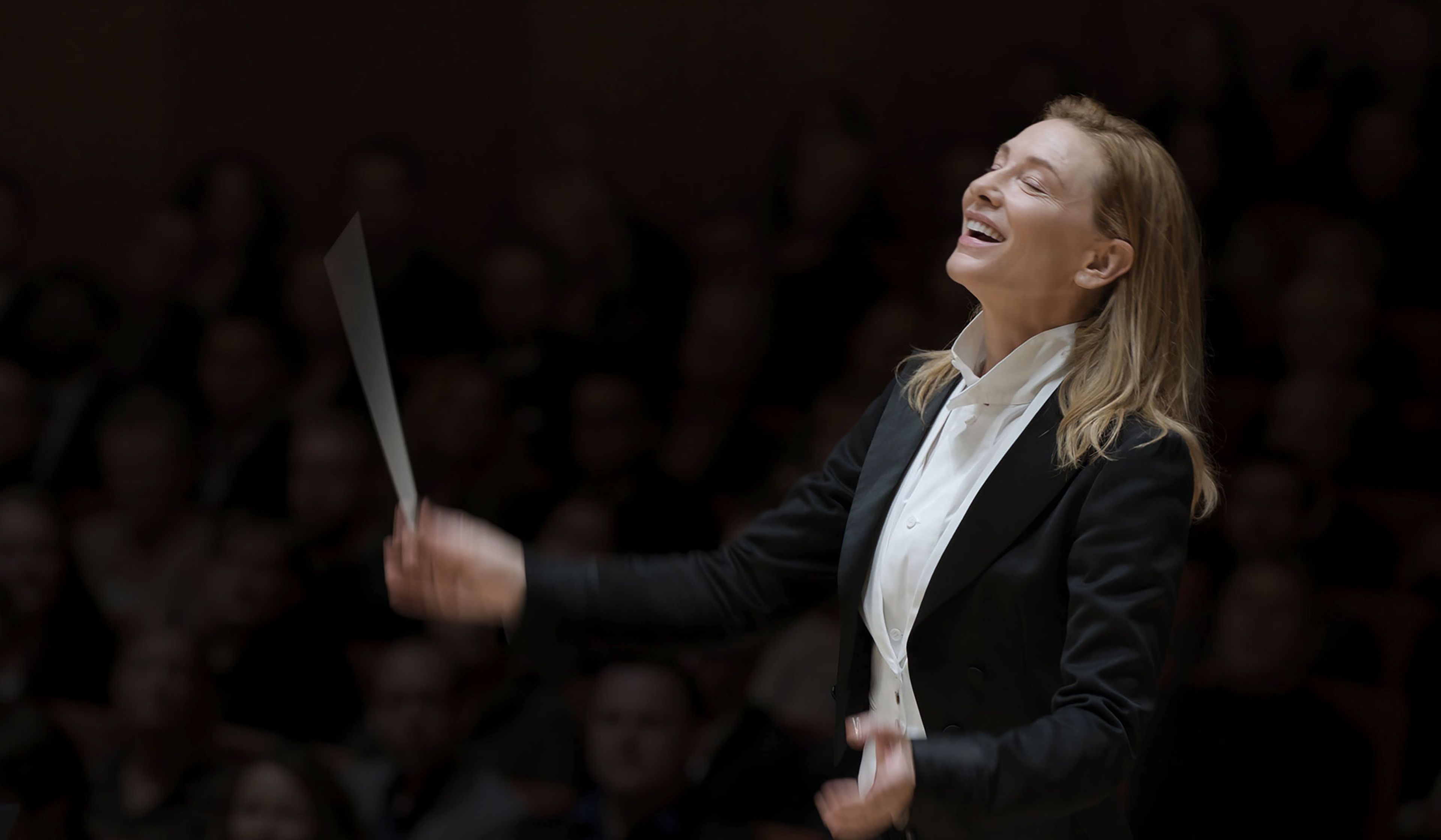
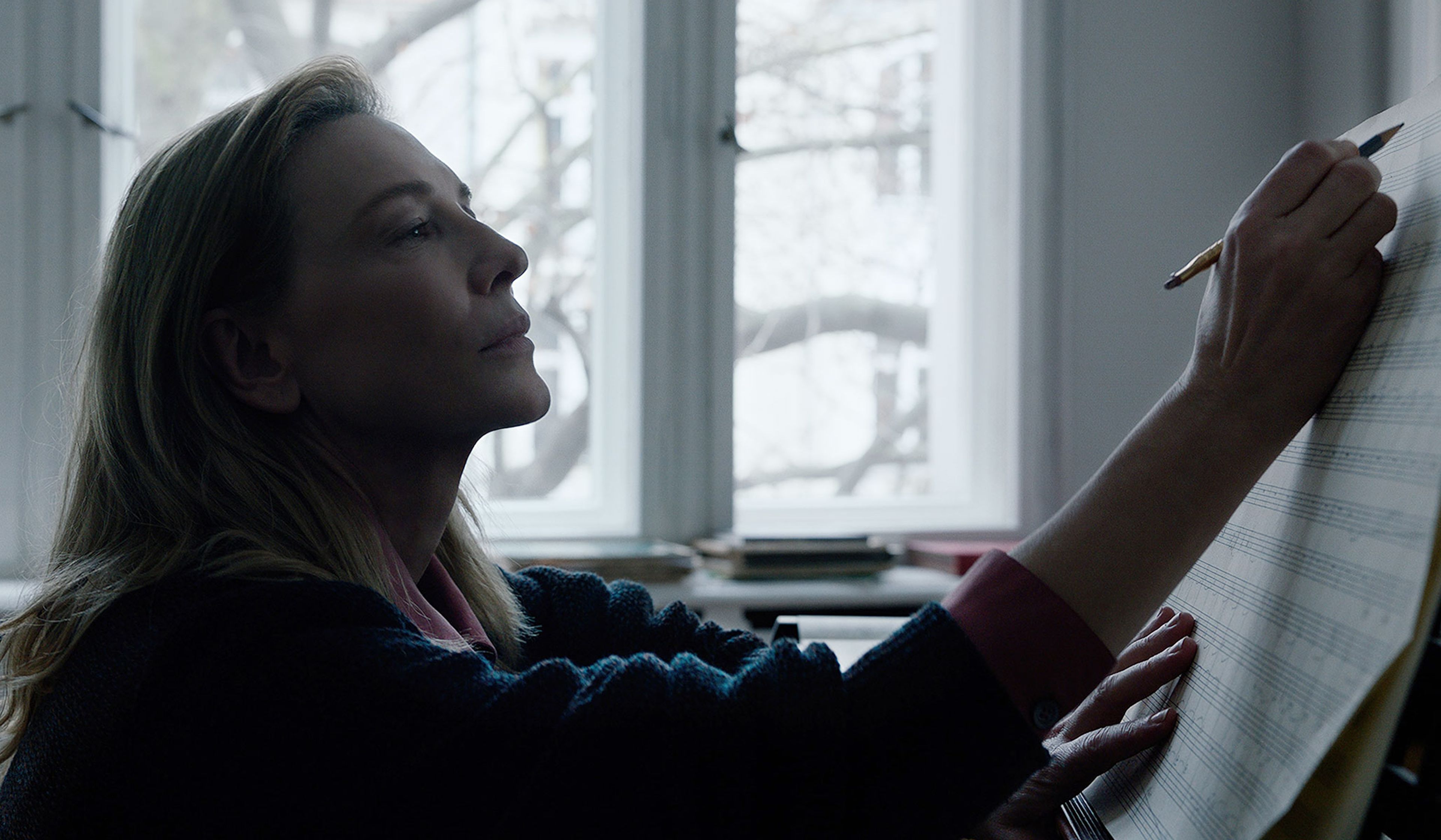
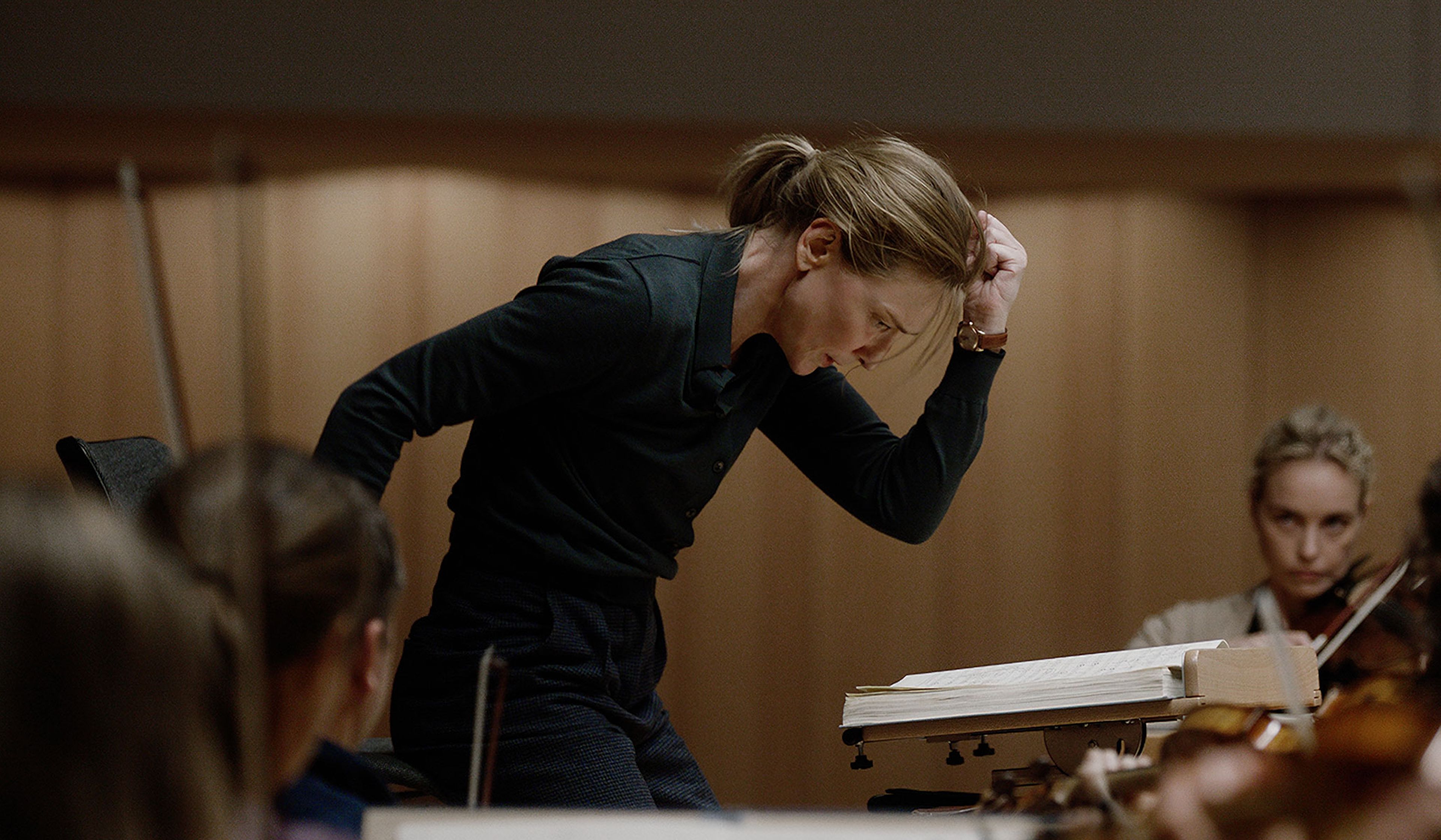
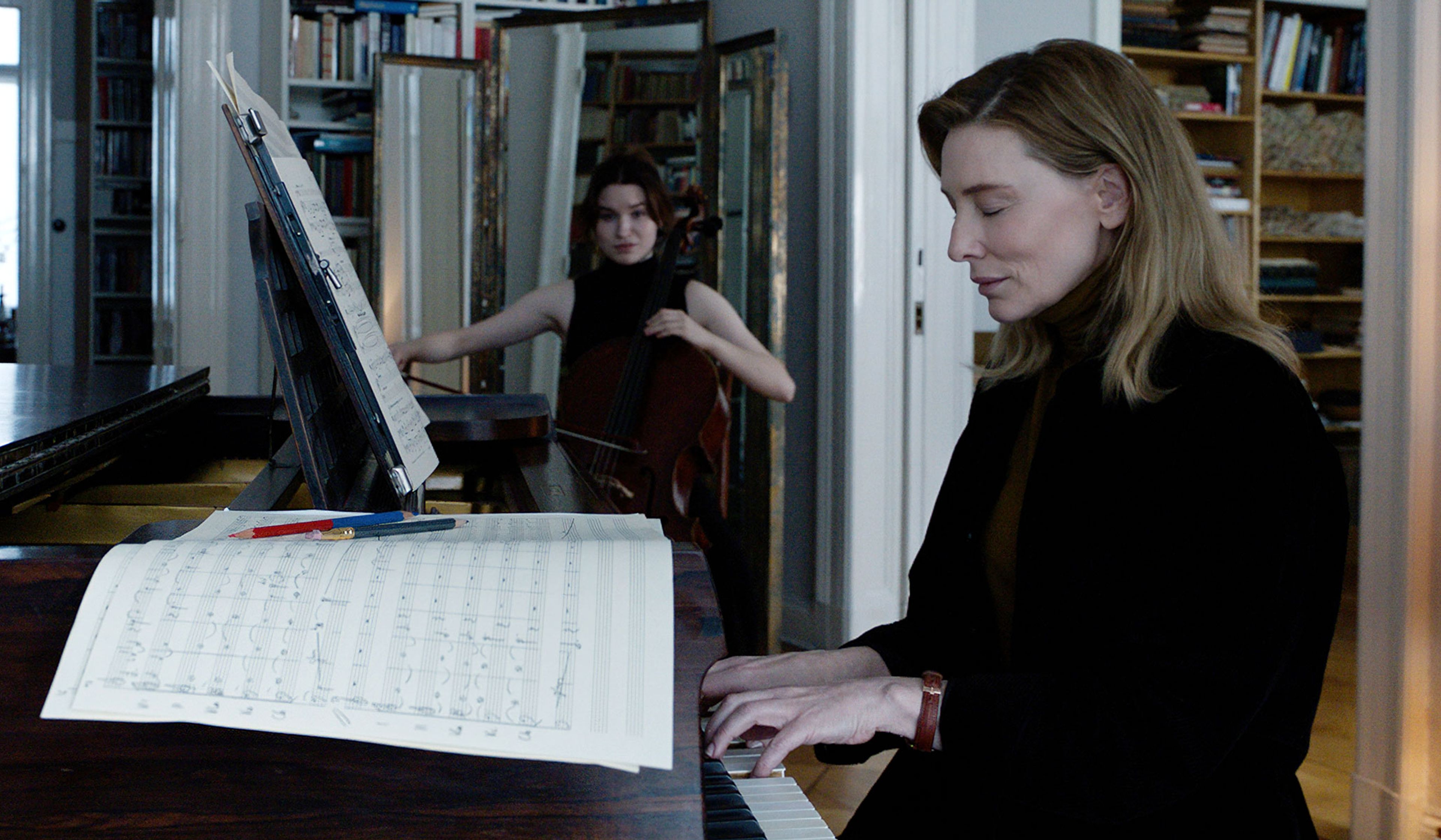
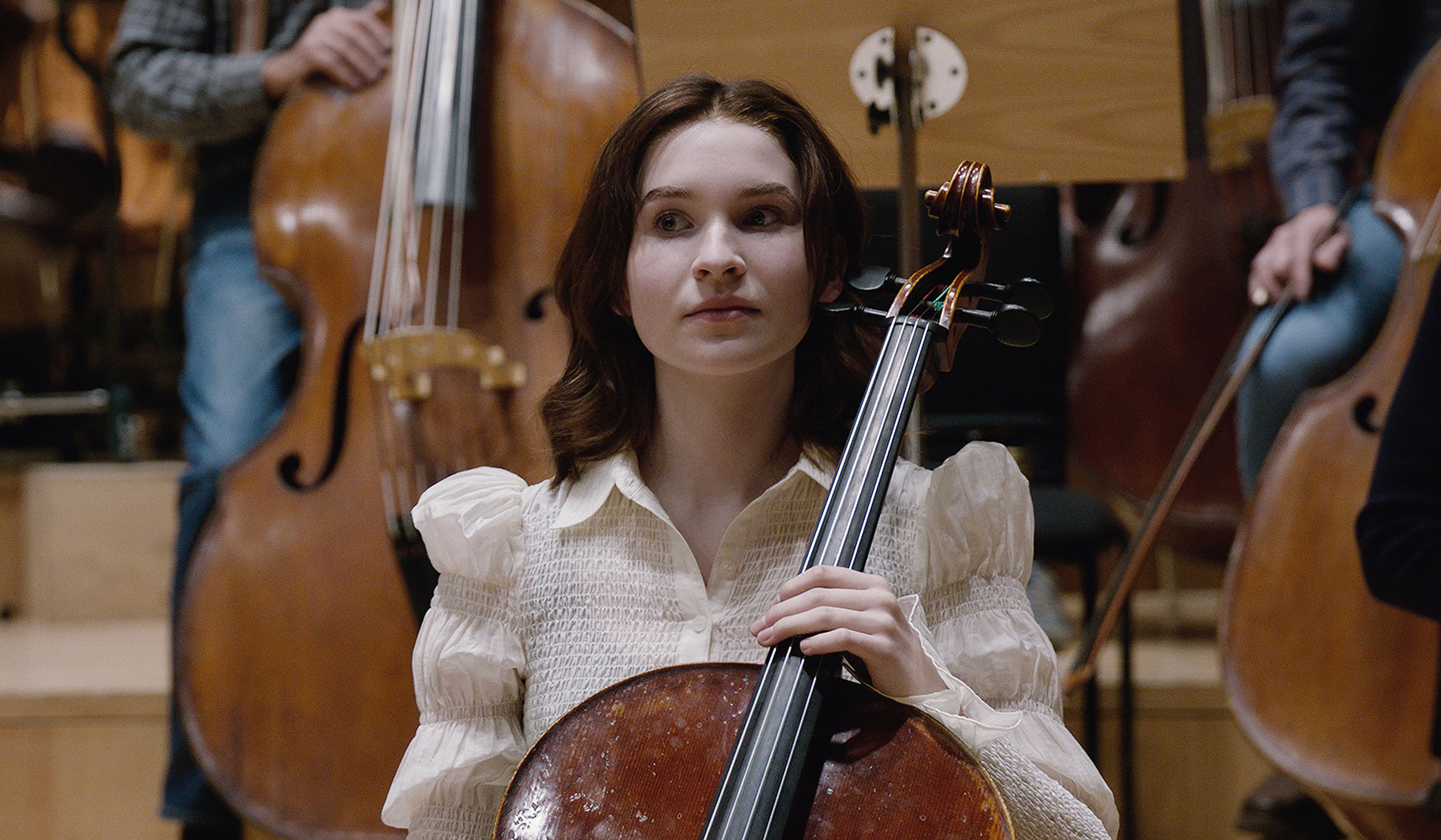
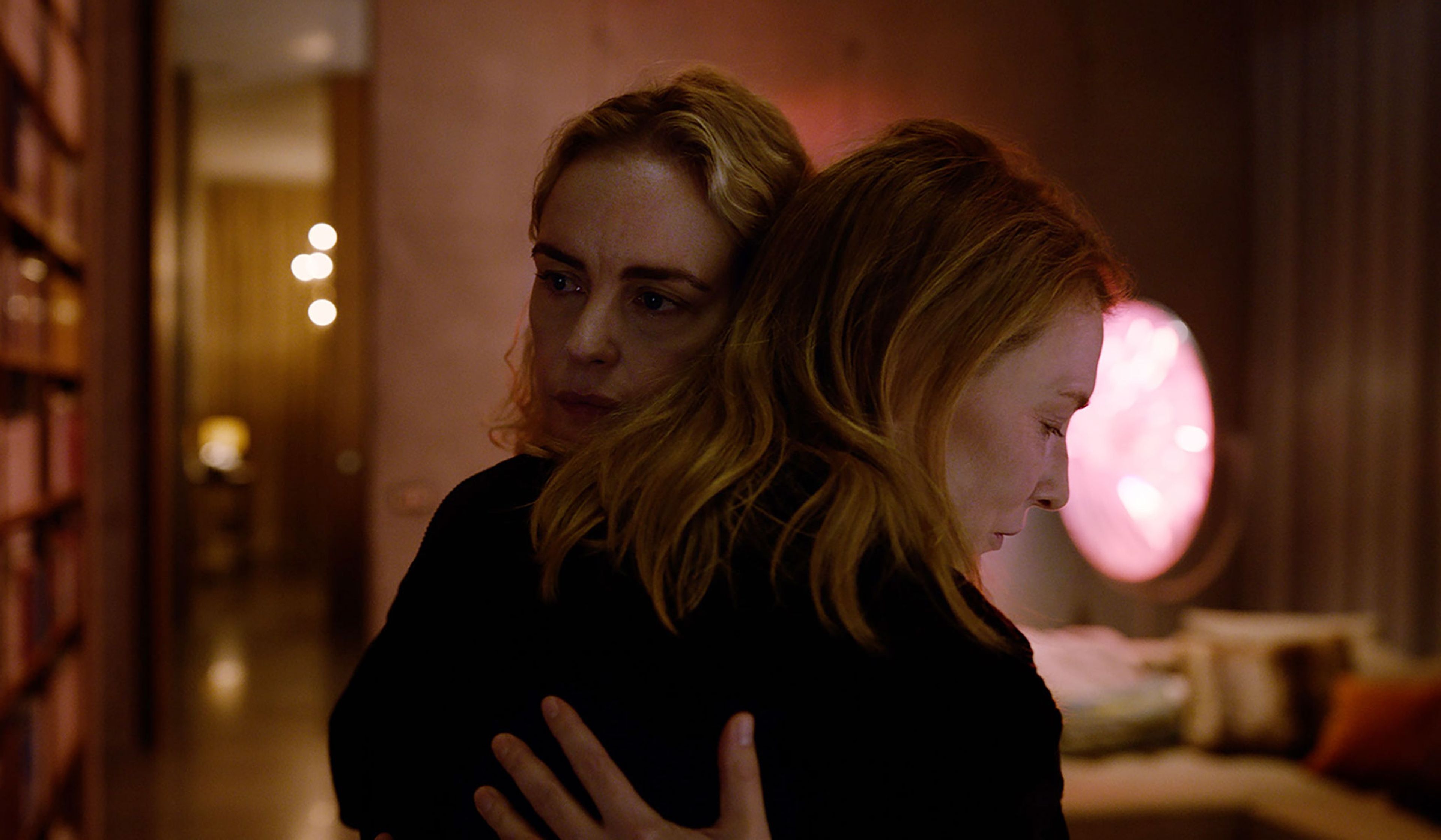
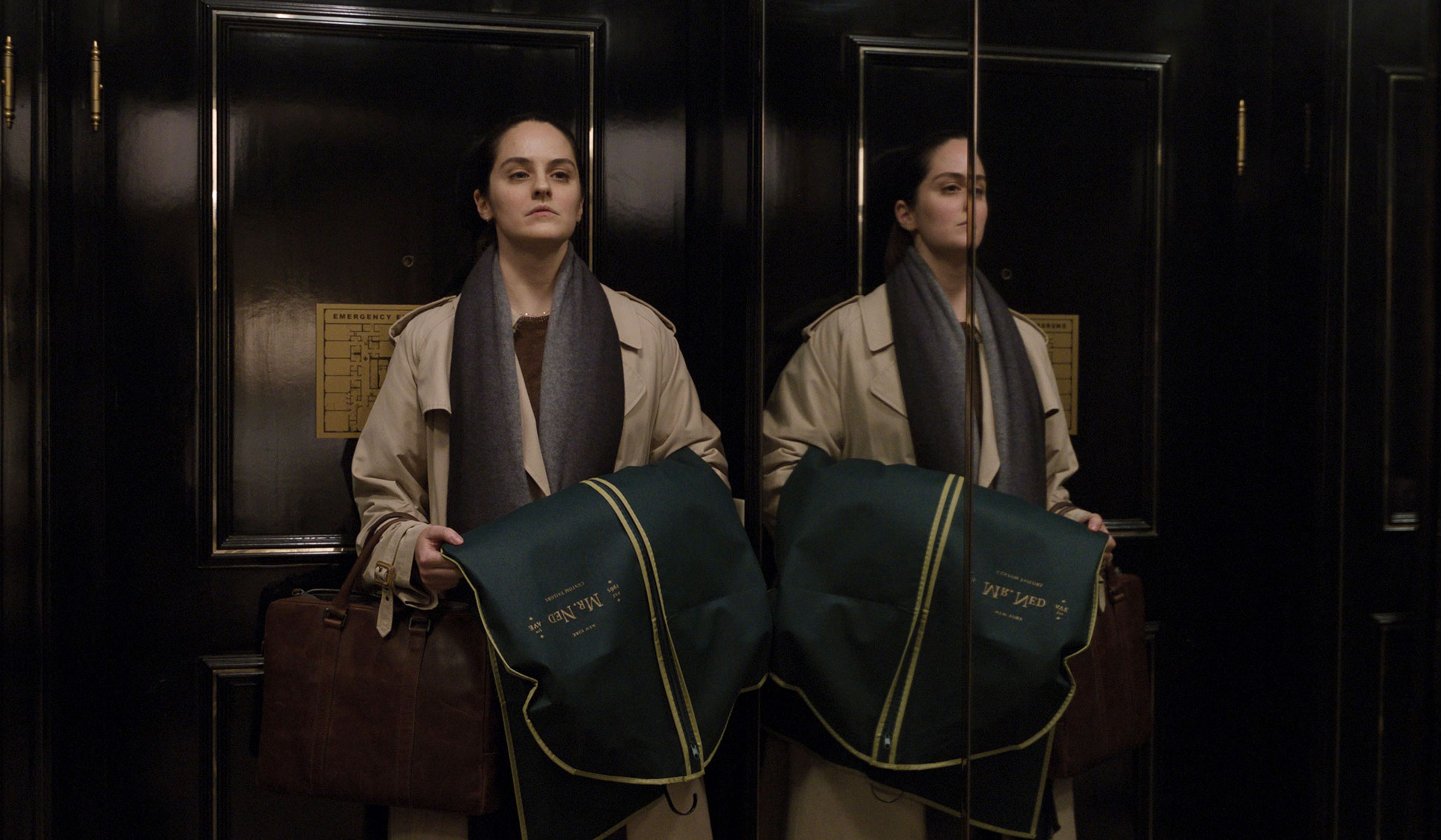
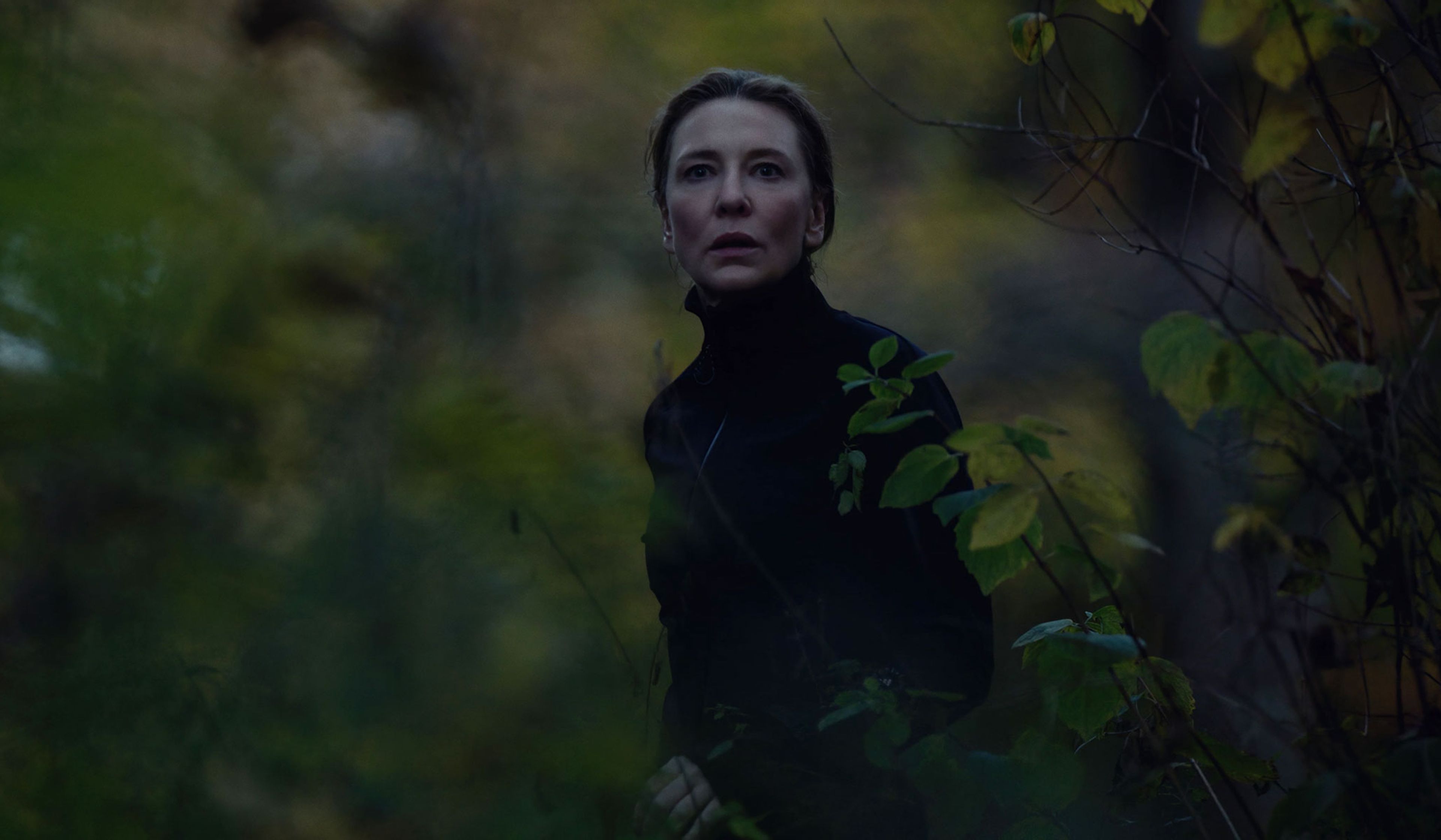
Cate Blanchett in Tár.
Focus Features
Now somehow we get this: A two-hour 40-minute depiction and deconstruction of a fictional but extremely real-seeming celebrity female conductor, Blanchett’s Lydia Tár, to whom we are introduced via a long public interview with Adam Gopnik (playing himself) at the New Yorker Festival, and whom we watch thereafter as she prepares to cap her career by conducting Mahler’s Fifth Symphony in Berlin.
A host of lesser mortals are caught up in her wake: an assistant (Noémie Merlant), watchful and jealous; a fellow conductor (Mark Strong), hapless and obsequious; her violinist spouse (Nina Hoss) and their adopted daughter; a young Russian cellist (Sophie Kauer) to whom she shows a special, sexually charged favoritism; a woke Juilliard student foolish enough to reject the work of dead-white-male composers in her presence.
This last incident, in which Tár rains rhetorical hell on identitarian art criticism, and her predatory-seeming (though we never see them consummated) impulses toward her female protégées, together yield the story’s Me Too and cancel-culture twists. But the real instigating force isn’t social media or wokeness; it’s a flame-haired ghost, Tár’s former student, blackballed and driven to suicide and now hovering, with some kind of discarnate reality, around the imperious conductor’s life and work.
As with the ghost herself, it’s ambiguous whether the unraveling that follows is entirely real or itself a partial invention of a genius’s troubled mind, a kind of artistic work unto itself. (This is something else, along with excellence, that the movie has in common with Top Gun: Maverick — a lively internet debate about how much of the story is happening inside the hero’s mind.)
Any political perspective is equally ambiguous; Tár overlaps with the online culture wars in the same way that its spiritual world overlaps with our own. It’s interested in the psyche of the artist; the interaction between art and sin, genius and guilt; what gets stripped away in a crisis and what finally remains. But what it really has to say is for you, upon whom its own artfulness is working, to decide.












Comments