Simi Valley, Calif.
It was hard not to notice the new urgency at this year’s Reagan Defense Forum, an annual confab of defense contractors, members of Congress, and government officials held at the presidential library.
It came partly in the form of a sweeping declaration. “We stand in a decisive decade,” boomed Lloyd Austin, the defense secretary, in a keynote address that echoed the White House’s recent national-security-strategy document.
During a panel on the state of the U.S. defense–industrial base, others spoke more bluntly of the stakes. Mike Gilday, the Navy’s No. 3, said U.S. vessels are “going nose to nose” with Communist China’s navy in the Taiwan Strait even while another contest, one against Russian ships and jets, plays out in the Eastern Mediterranean and the Sea of Japan. Gilday alluded to “a lot of stuff going on under the sea” that he can’t talk about publicly. Senator Roger Wicker (R., Miss.) pointed out that the U.S. doesn’t win in Pentagon and think-tank war games. Lockheed Martin’s CEO, Jim Taiclet, commended the Pentagon’s push to get weapons production moving after serious supply — chain delays. But, he added, “it’s a little bit at the battlefield — hospital level,” referring to the way in which the industry has had to triage its production efforts, which is jarring to hear from one of the nation’s foremost weapons manufacturers.
So it’s not difficult to discern why things sound so urgent. Washington is rushing arms to Ukraine as it simultaneously braces for a showdown in the Pacific. It’s not just that the U.S. has recently (in the past decade) returned to great-power competition; it’s also that anti-American authoritarian powers are unraveling the international order faster than America can manufacture the arsenals that it and its partners need.
While Austin put a pretty face on his department’s preparations — he spoke of the United States’ investing in capacities to confront China “as never before” — one can’t help but speculate that the optimism was dutiful more than heartfelt. The defense–-industrial base is playing catch-up, as most attendees of the forum attested, and getting it in order will be no small task.
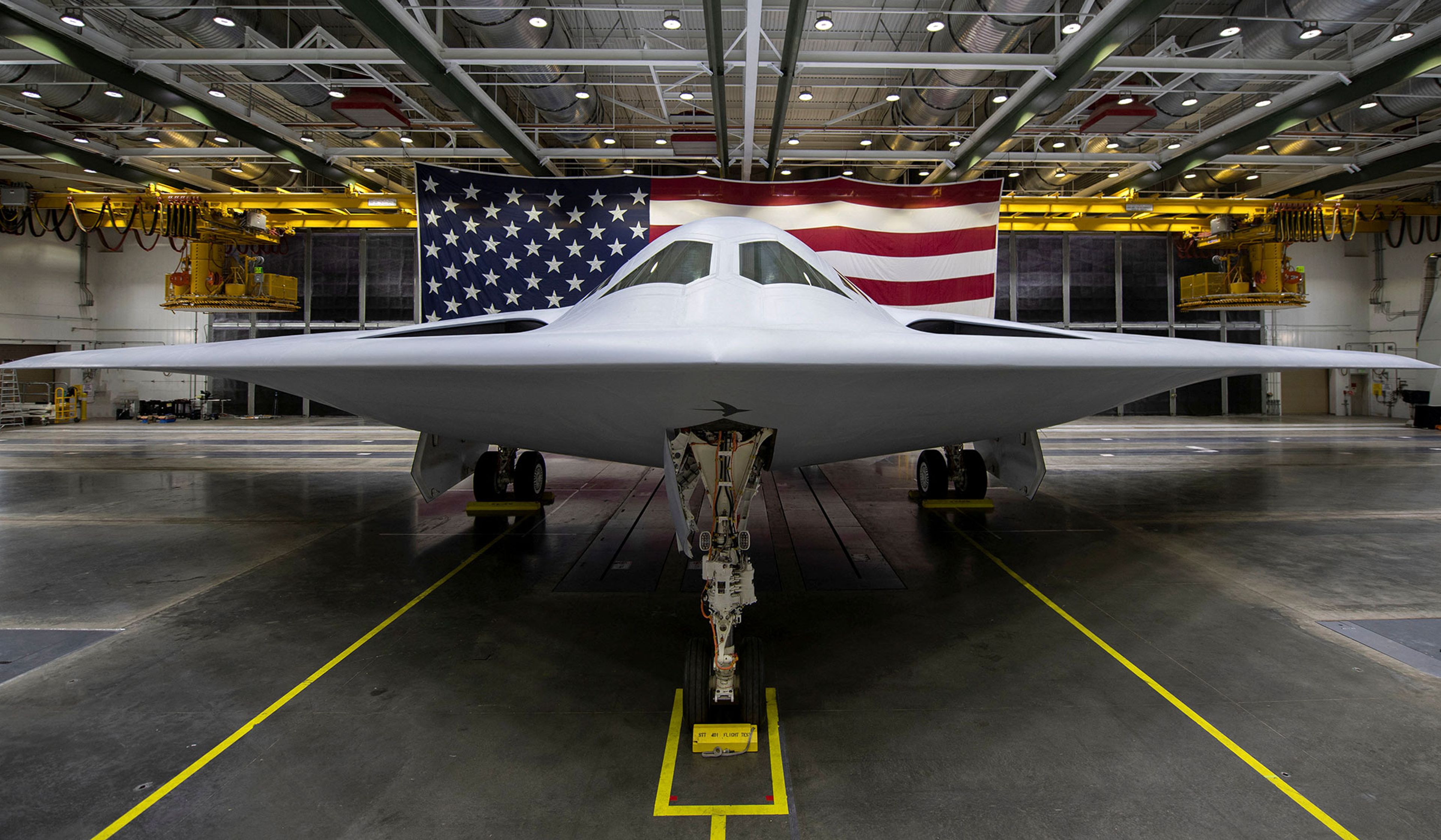
The main challenge is to scale up production enough to arm the Ukrainians, get the Taiwanese stocked up for a fight that looks increasingly likely, and put peacetime America on something like a wartime defense — production footing.
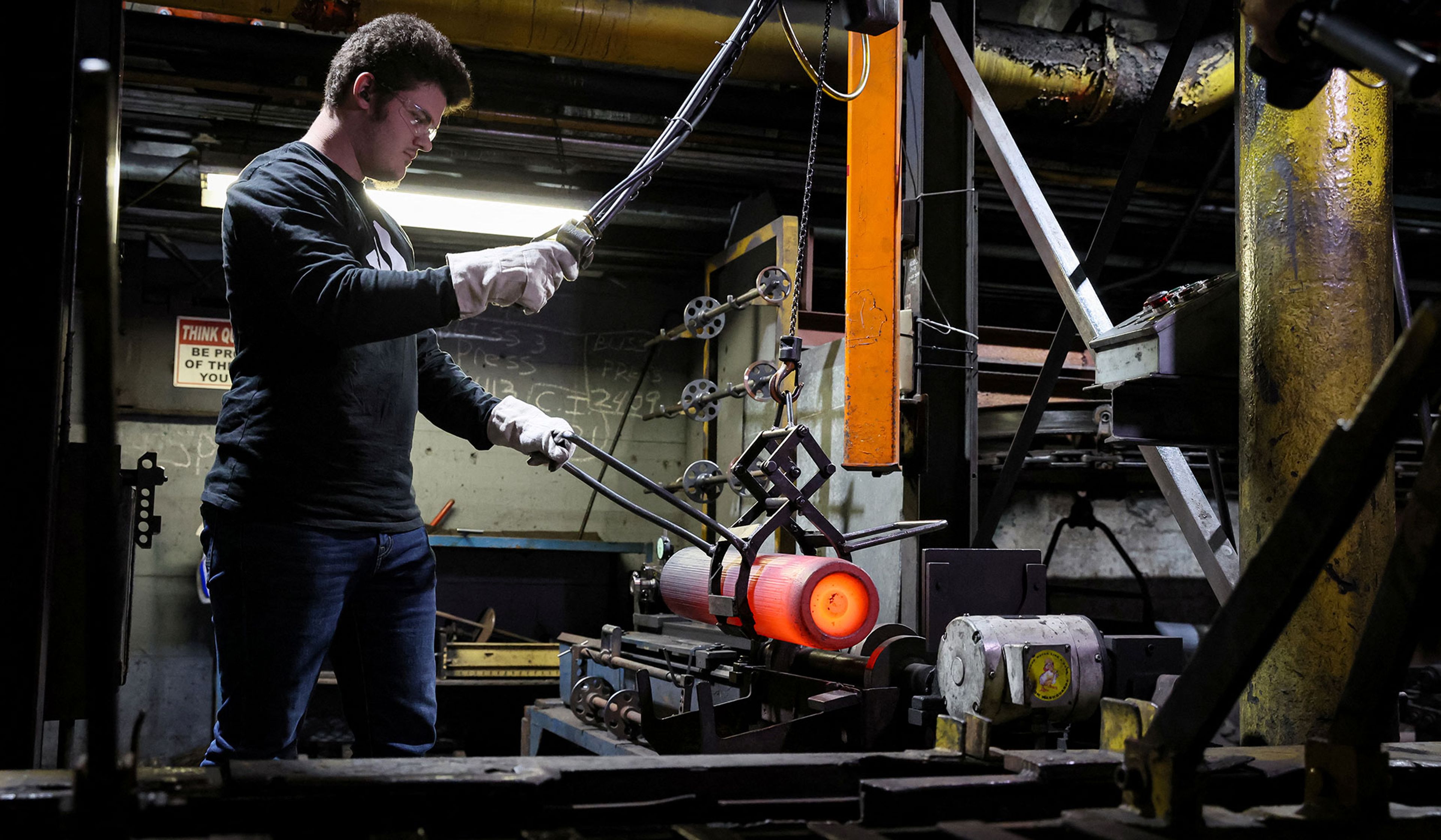
The focus on boosting production is relatively recent. For years, inventing new technologies has been the main focus of the policy and industry communities, but producing weapons at scale has fallen by the wayside. The Russian invasion of Ukraine, of course, and Covid-related production shocks have been wake-up calls — and a vindication of those in the defense establishment who are skeptical of the Silicon Valley–ification of America’s defense.
As William LaPlante, the Pentagon’s undersecretary for acquisition and sustainment, put it during a different conference in November, “the tech bros aren’t helping us too much in Ukraine,” where the battle is not being waged primarily with the sort of advanced technologies they are preoccupied with. At the Reagan Forum, though, LaPlante put the same idea more delicately, saying that “we have to get comfortable with the fact that production and getting to production is as important a part as any other part of the acquisition system,” and that the “innovators” have an important role to play in unsnarling gummed-up supply chains.
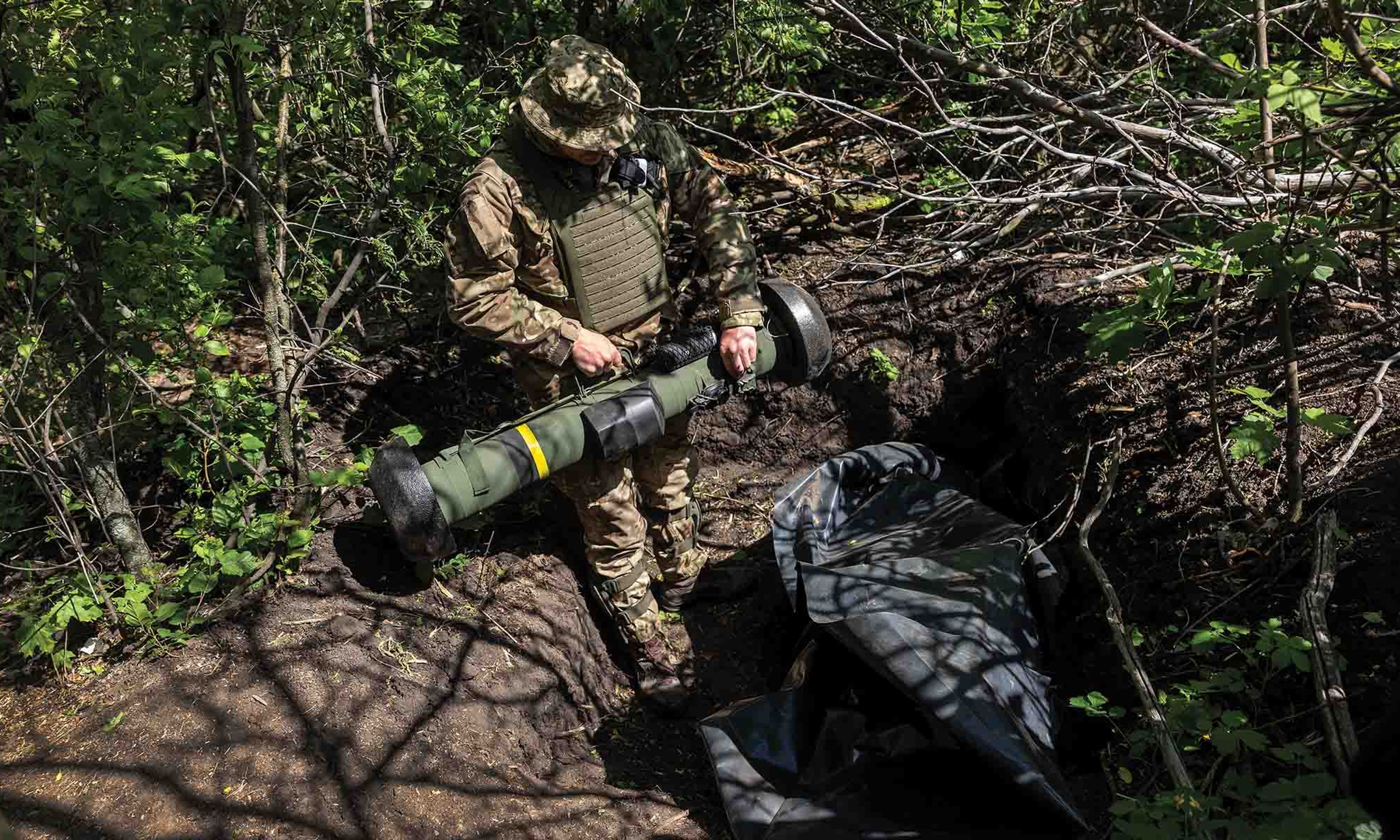
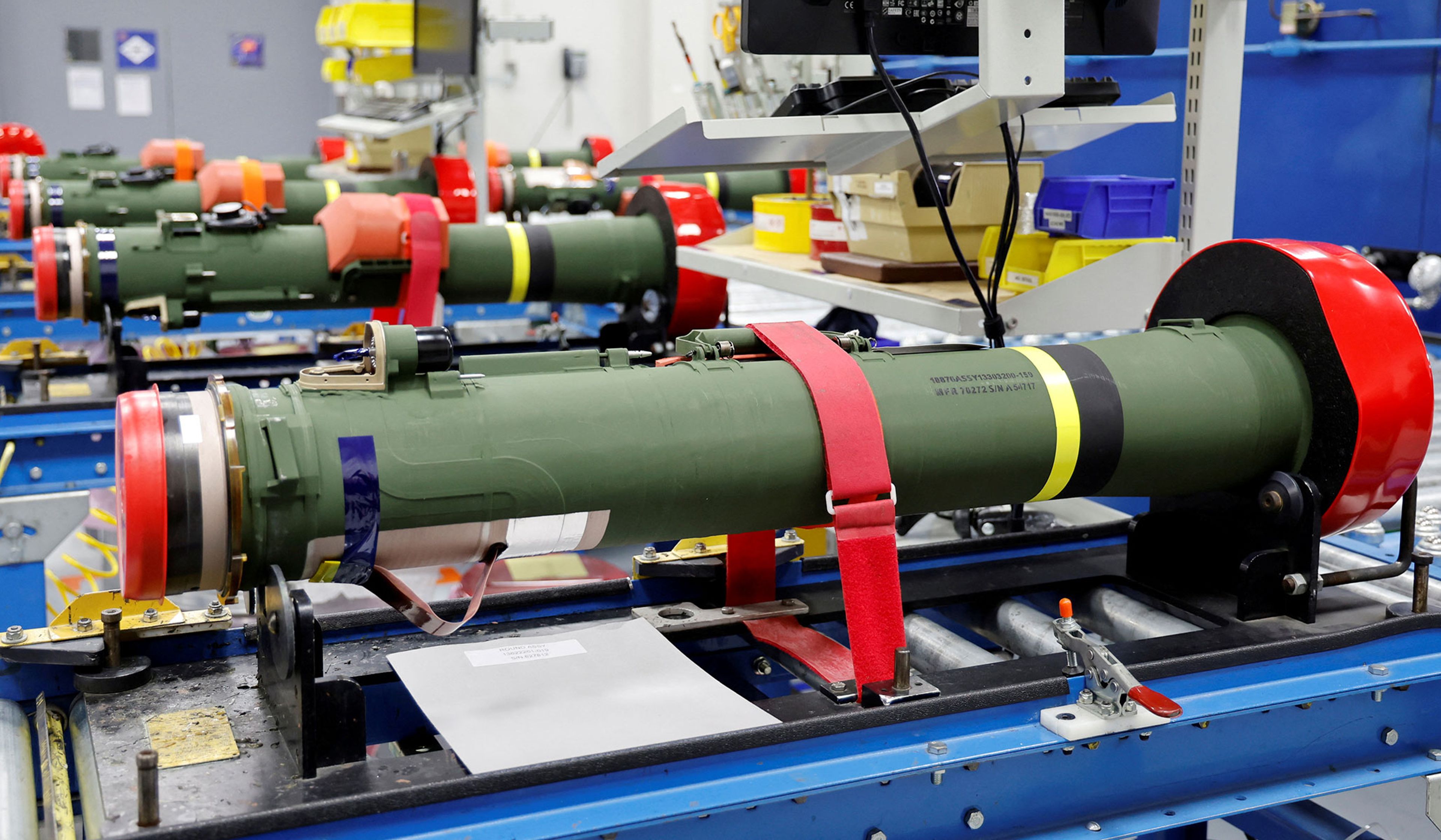
Between the surge in demand brought about by the war in Ukraine and the economic hangover from Covid, there are some serious backlogs affecting the production of certain critical weapons systems. Take the shoulder-mounted missiles: Javelin anti-tank and Stinger anti-aircraft systems. At Reagan, Raytheon CEO Greg Hayes outlined how much the United States’ ongoing support of Kyiv has burned through those stocks. In the first ten months of the war alone, Washington has gone through 13 years of Stinger production and five years’ worth of Javelins.
Raytheon stopped producing Stingers in 2004, but the Finns as well as the Ukrainians now want them. And Washington needs to replenish its own stocks. So they’re being brought back: This year the defense firm signed a new contract to begin replenishing Army stocks of the system, and more recently Foggy Bottom okayed a contract for a sale to Finland.
As for the Javelins, which Raytheon makes with Lockheed, they’ve remained in production, though it has been slowed as much as that of any system by supply-chain shocks. While simple enough for the Army to hand off to Ukrainian forces without providing a lot of training, the Javelin is a complex system with hundreds of microchips and a rocket motor.
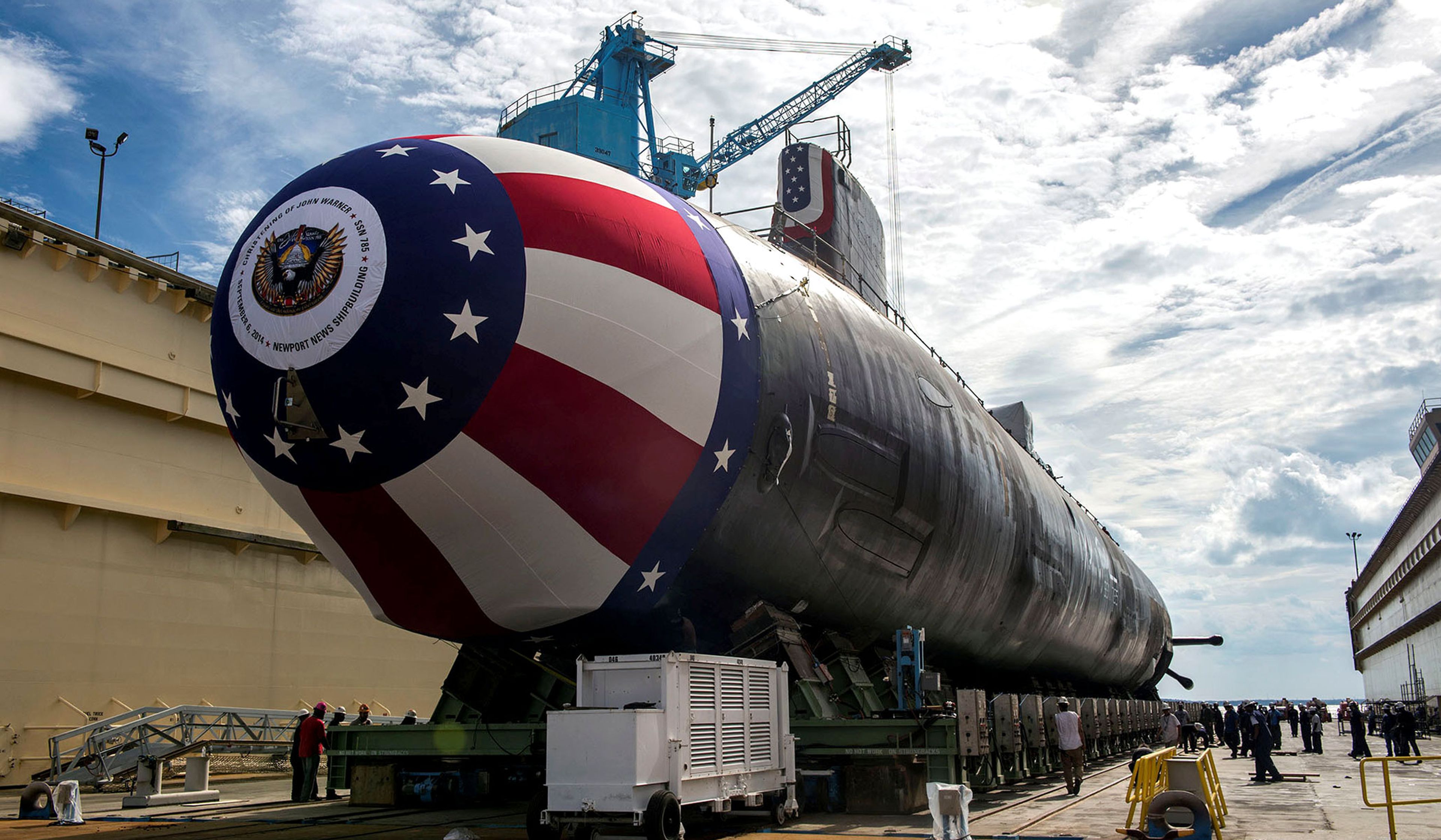

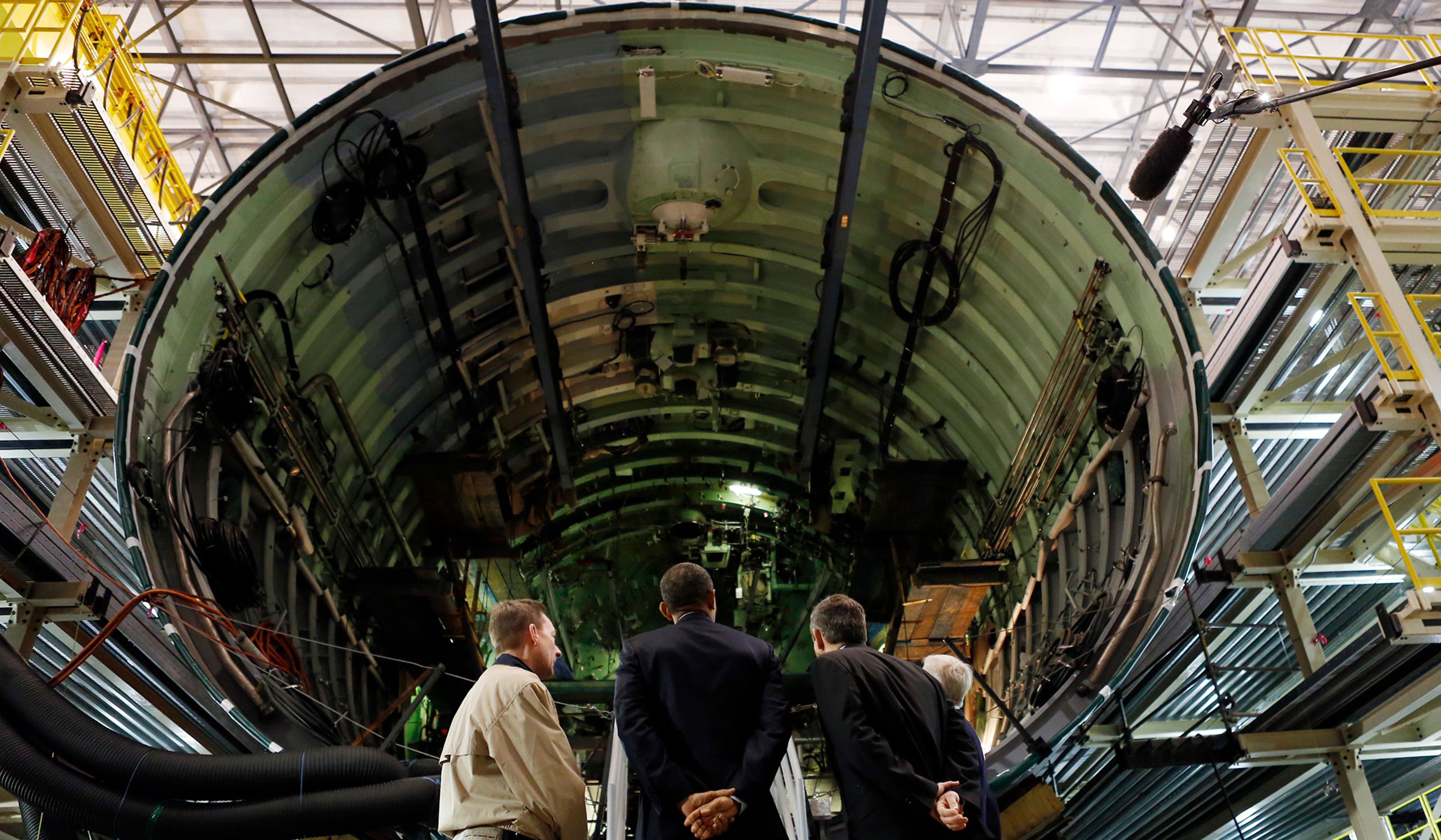
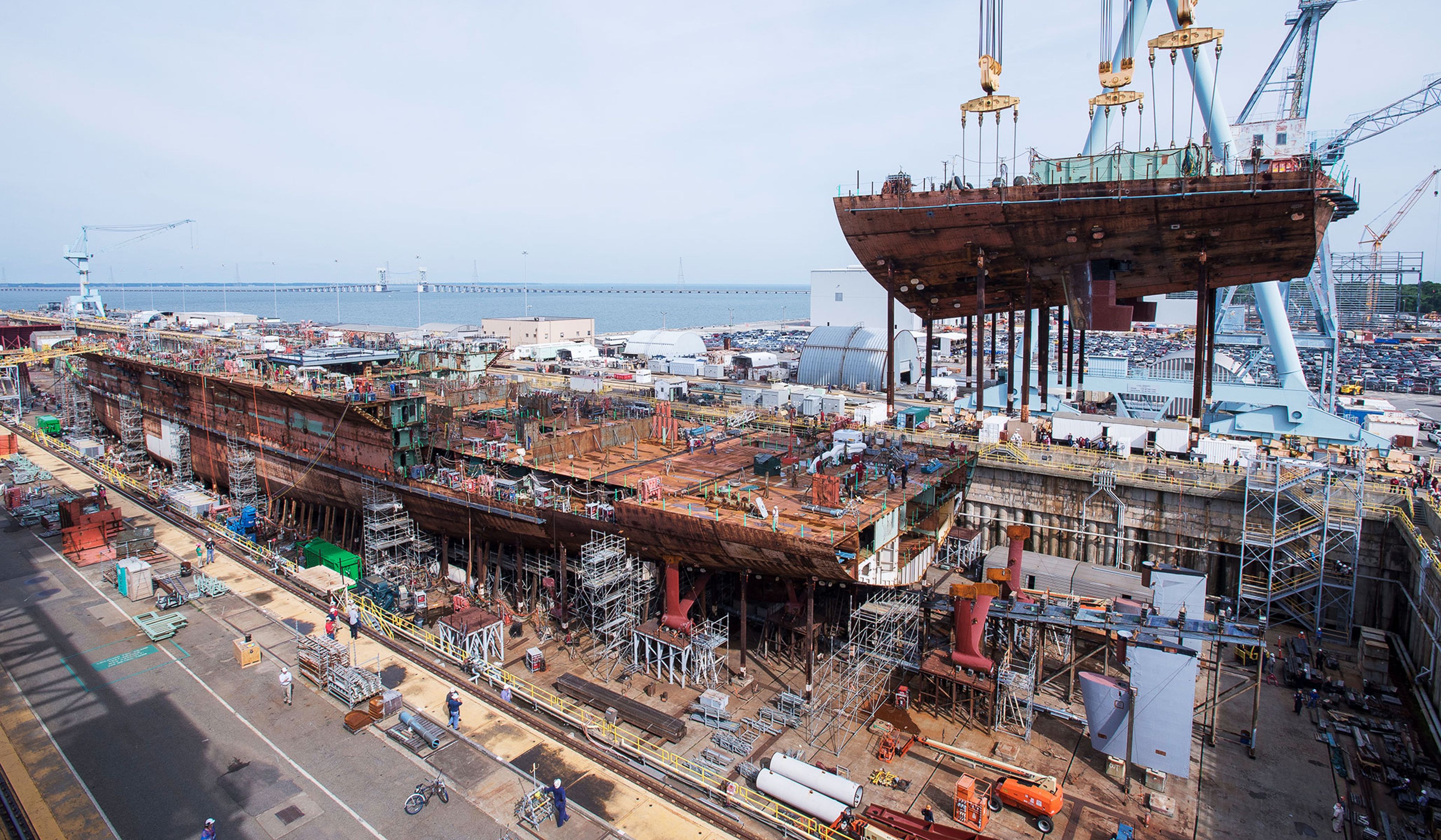
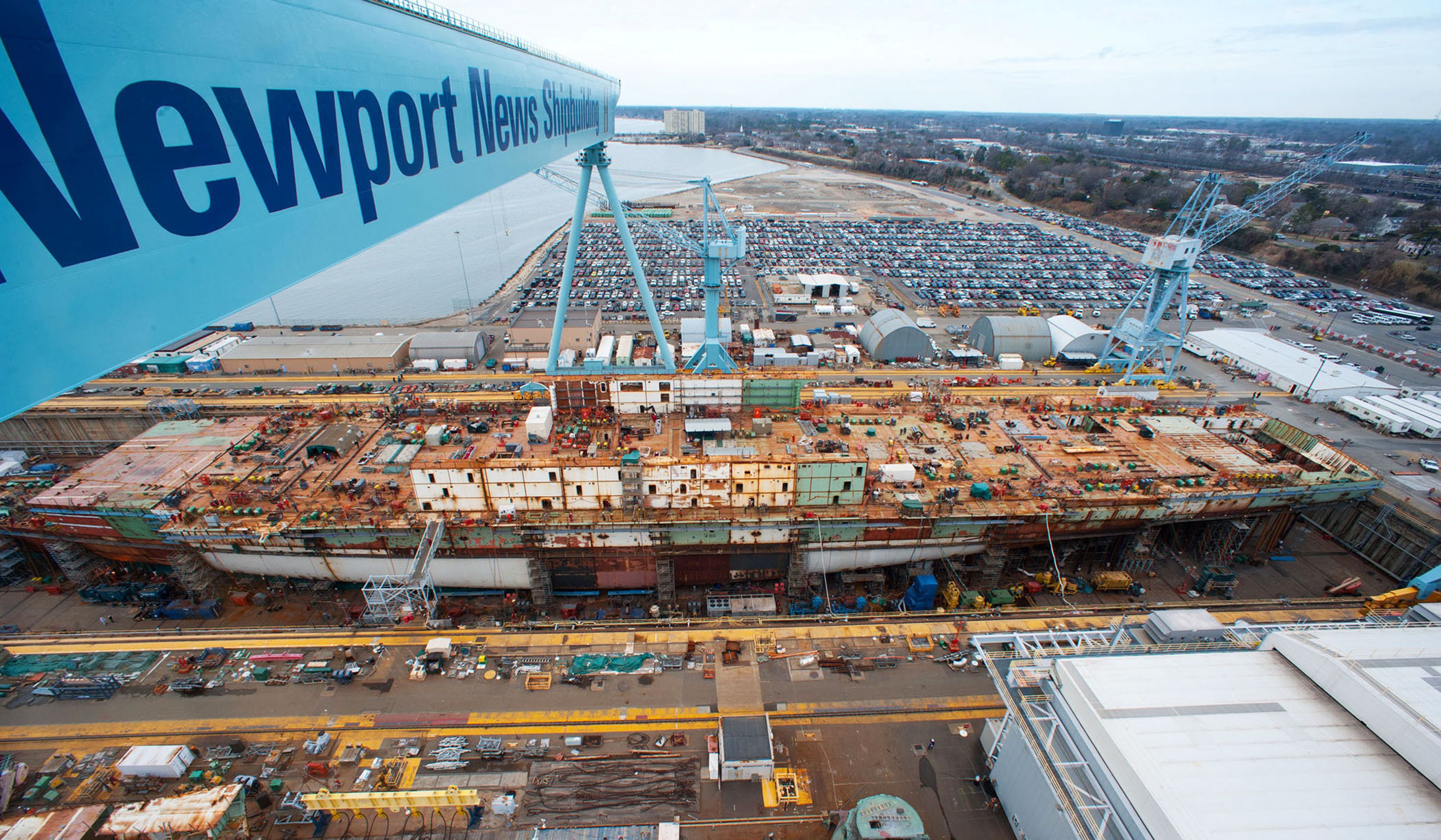
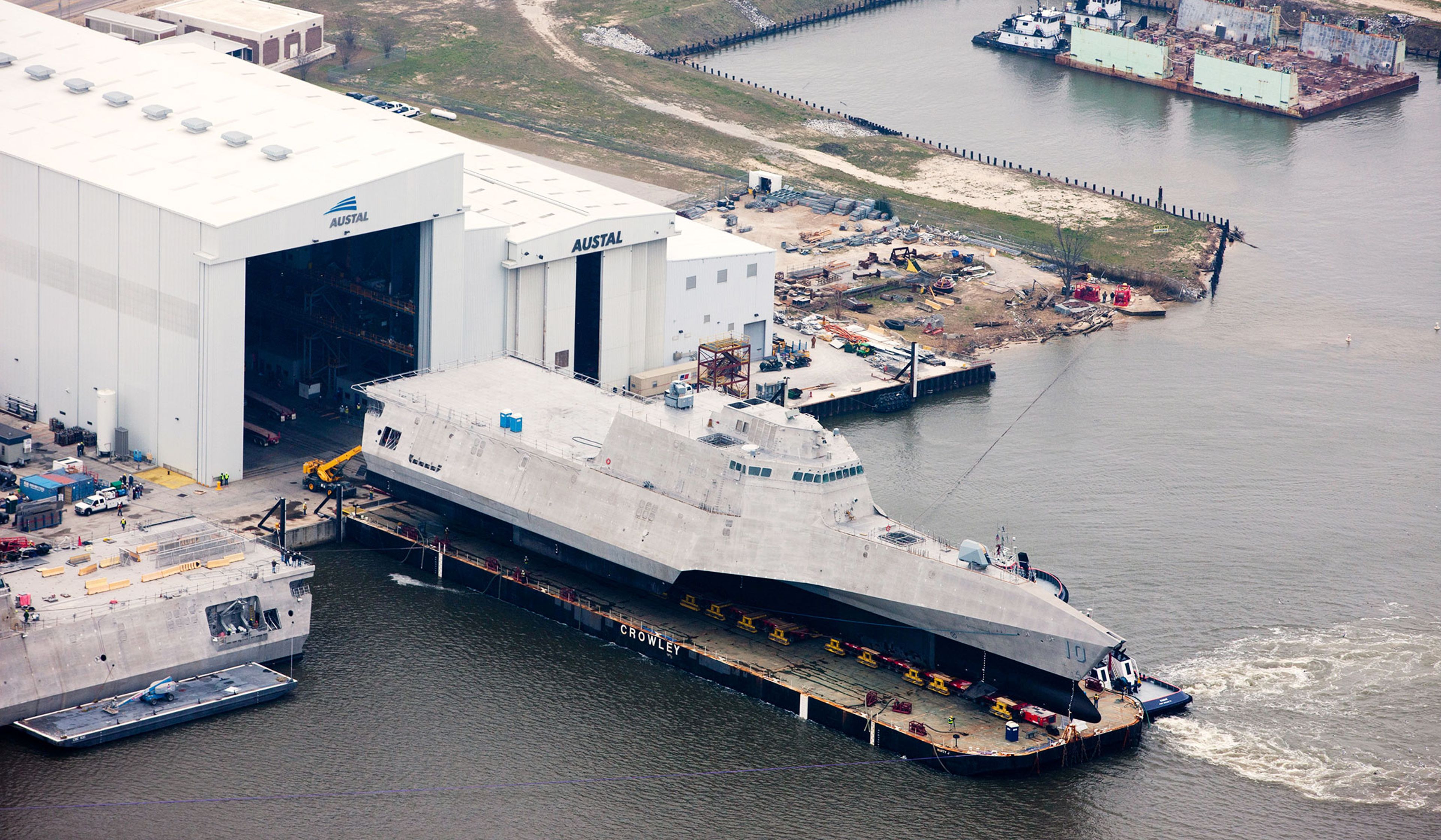
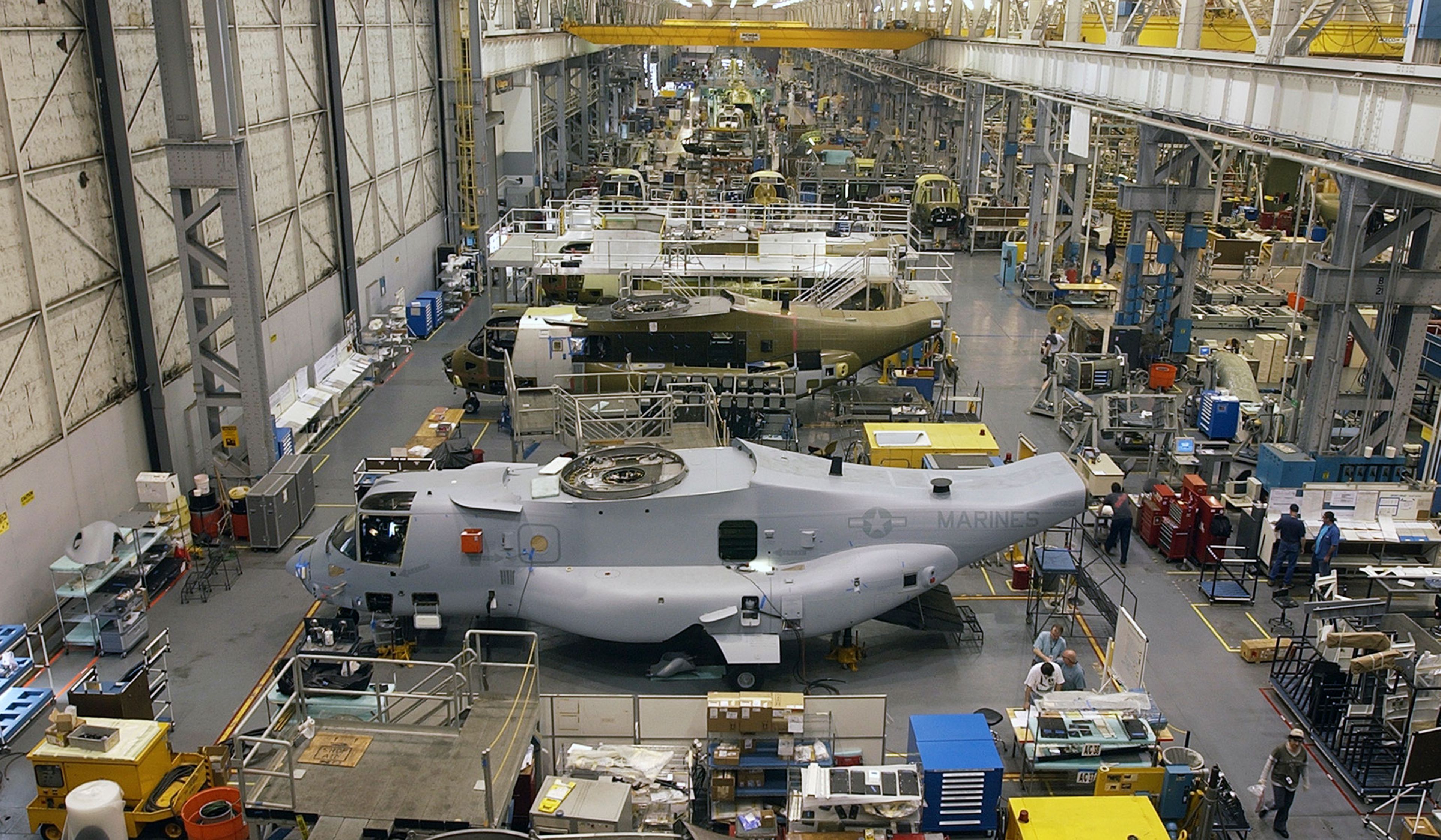
The pre-commissioning unit of the Virginia-class attack submarine John Warner (SSN-785) is moved to Newport News Shipbuilding’s floating dry dock in preparation for the September 6 christening in Newport News, Va., 2014.
U.S. Navy/John Whalen/Huntington Ingalls Industries/Handout via Reuters
It’s heartening that many such snags are slowly resolving, but Javelin production in particular has been held up by the underperformance of the subcontractor that makes the rocket motors. Following the Reagan Forum, in an interview with defense-focused media, Hayes bemoaned that supplier’s failure to shape up.
Given these problems and others, many U.S. allies that want to acquire Javelins may be left in the lurch, potentially facing a longer timeline than they would have before the Russian invasion. Most recently, Lithuania (before the invasion of Ukraine) and the U.K. won State Department approval for various Javelin purchases. And the Wall Street Journal recently reported that Taiwan, for one reason or another, has been waiting for delivery on a 2015 contract for slightly more than 200 such systems, which is one component of an overall delivery backlog for sales amounting to nearly $19 billion.
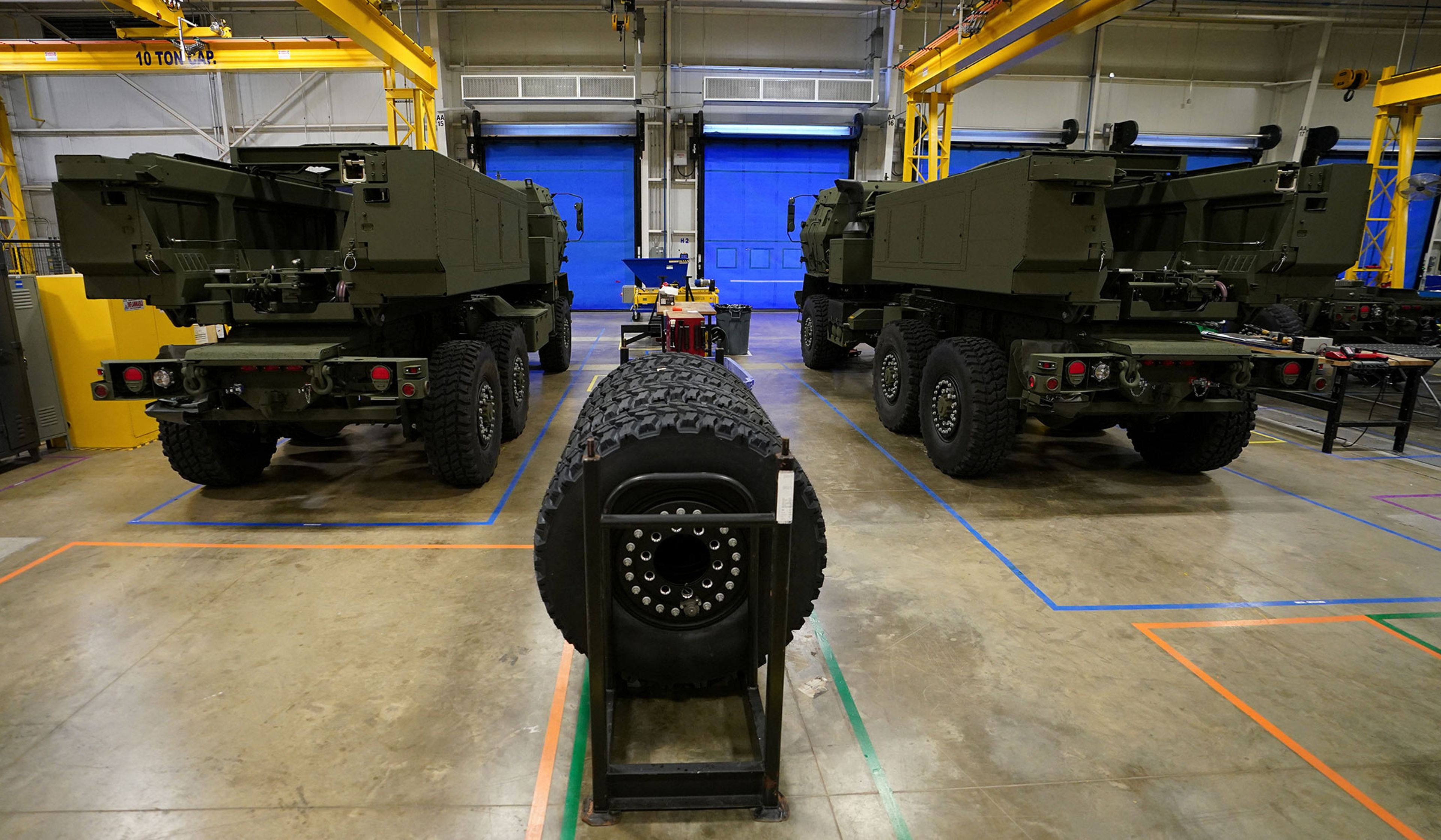
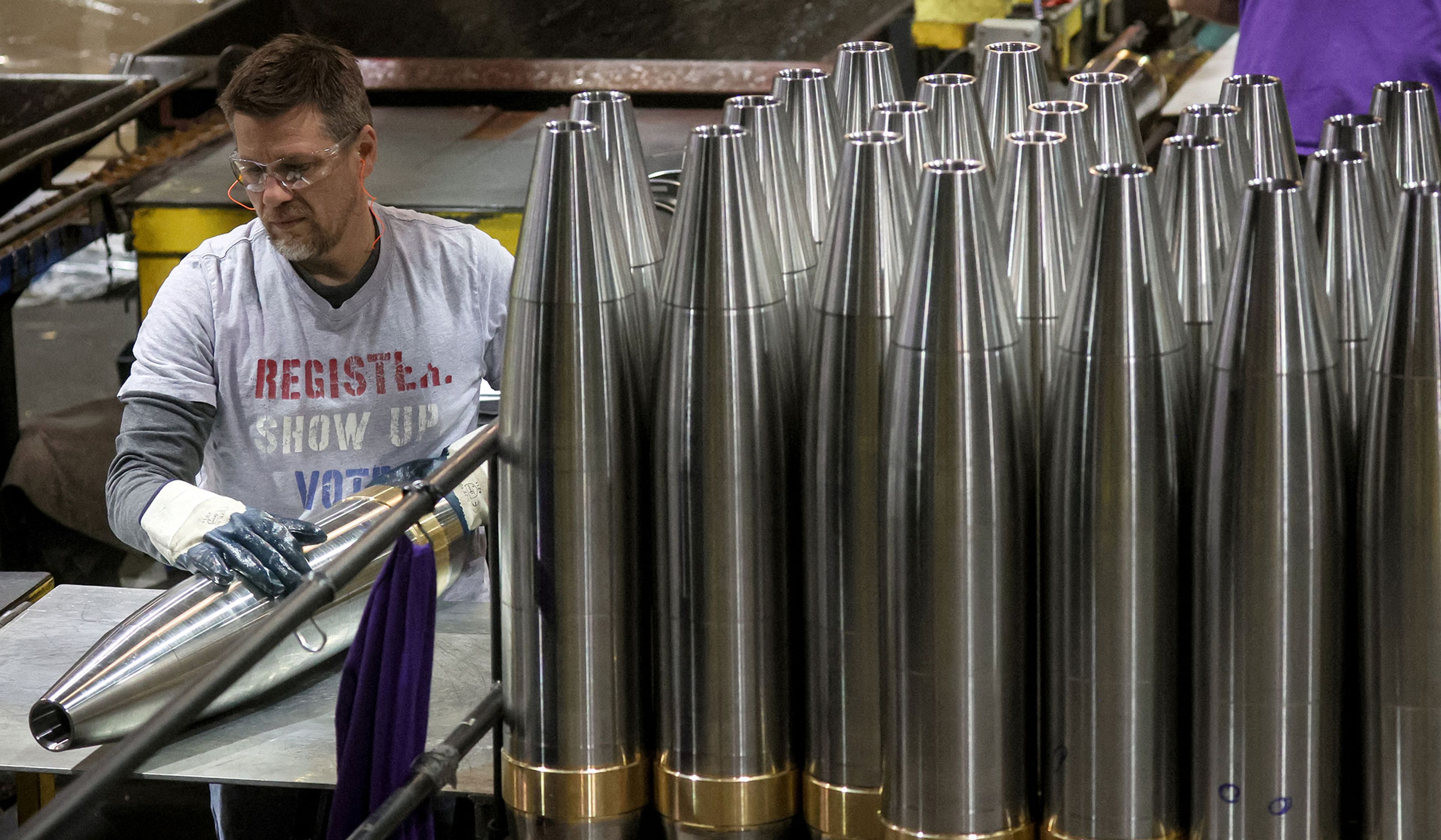
The delay of those, and other, deliveries to Taiwan — including Harpoon anti-ship missiles, HIMARS (high — mobility artillery-rocket systems), and howitzers — has been a second-tier congressional foreign-policy controversy over the past year or so that has not dramatically spilled into public view until recently. But a new push is now under way at the Pentagon and in the defense industry to work in concert and plug some of the most glaring gaps. Lockheed is in the process of doubling its Javelin production to about 4,000 annually and similarly boosting the number of HIMARS. Army Secretary Christine Wormuth, during a Reagan panel, pointed to a battery of new contracts that her organization has rolled out to replenish weapons stocks: NASAMS air-defense systems, Excalibur guided-artillery shells, and 155-millimeter ammunition are all part of the larger production push.
But the situation also calls for system-wide responses. More than a few Reagan Forum attendees talked up the possibility of entering into co-production agreements with select NATO allies for certain systems. That’s also “one interesting avenue we’re exploring” with Taiwan, Representative Seth Moulton (D., Mass.) told National Review in a brief interview on the sidelines of the conference. “If we can do it in a way that increases delivery and meets the timelines we set up, then that’s something we should continue to explore.”
Solving the production backlog might also require the use, as LaPlante and other forum attendees suggested, of the Defense Production Act to resolve various supply-chain choke points, presumably by providing assistance to certain suppliers deemed critical to the defense–industrial base. Those choke points, according to LaPlante, “could be a variety of things — it could be the workforce, it could be ball bearings, it could be obsolescent parts, it could be microelectronics.”
If the U.S. wants any chance at being ready for a conflict with China, getting the defense–industrial base in order might be a question, above all, of boosting and sustaining production capacity at levels above what has been normal in peacetime. That’s easier said than done: Dramatically increasing capacity would entail constructing new facilities and making other major capital investments. The industry is already doing everything short of that to boost capacity, from rearranging its workforce to using new and innovative tools.
Anything more significant would need to come in the form of a defense budget notably larger than what the White House and lawmakers have been willing to entertain — and allocated in a delicately calibrated way. “We need to give our folks the tools that they need, and we need to spend the money to do it,” Wicker, who has previously endorsed a defense top-line budget that could amount to over $1 trillion, told NR.
As Austin declared that the “DOD is finally making fundamental and unprecedented shifts in attention and resources toward Asia,” former Pentagon official Elbridge Colby, apparently tweeting from the same room in which the secretary spoke, wrote that he didn’t hear in Austin’s remarks the sort of relentless focus on China “necessary to ensure we *actually* can win a war.” Urgency is good, and government and industry are right to be ramping up production. But it’s hard not to wonder whether the results will be available only too late.












Comments