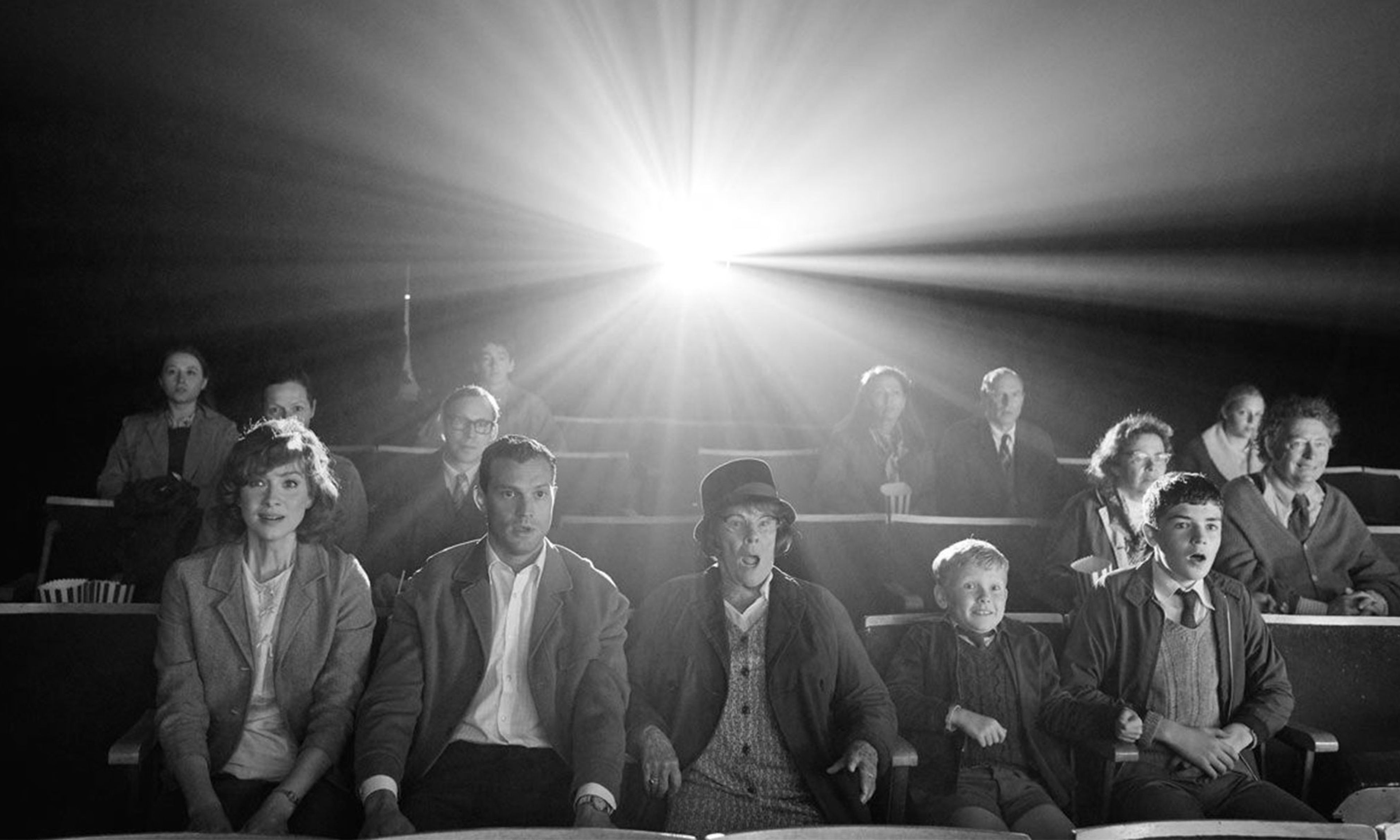
It’s been a curious career for Kenneth Branagh. “One for them, one for me” may be the dictum of the auteur trying to balance commerce and art, but in Branagh’s case it’s been more like “two decades for me, one decade for them,” with a career sharply bifurcated between a longer youthful phase as a fearless actor-director adapting Shakespeare for the screen and a shorter mature period as a hired gun handling forgettable high-gloss entertainments.
In his first two decades as a director, Branagh’s only major-budget project was the overwrought Mary Shelley’s Frankenstein, memorable primarily because it marked his romantic transition (a polite way of saying “he had an affair with his co-star”) from being Emma Thompson’s spouse to Helena Bonham Carter’s lover. In his third decade, by contrast, he has made a series of very expensive movies that I defy anyone without access to Wikipedia to identify as his work — the first Thor, Jack Ryan: Shadow Recruit, the live-action Cinderella, Artemis Fowl, and Murder on the Orient Express. (Okay, perhaps you can identify him with the last one, since he starred, mustachioed, as Hercule Poirot.) There are certainly worse paths for prominent directors, but it’s still a pretty striking contrast with Branagh in his golden youth, giving Olivier a run for his money putting Crispin Crispian on screen.
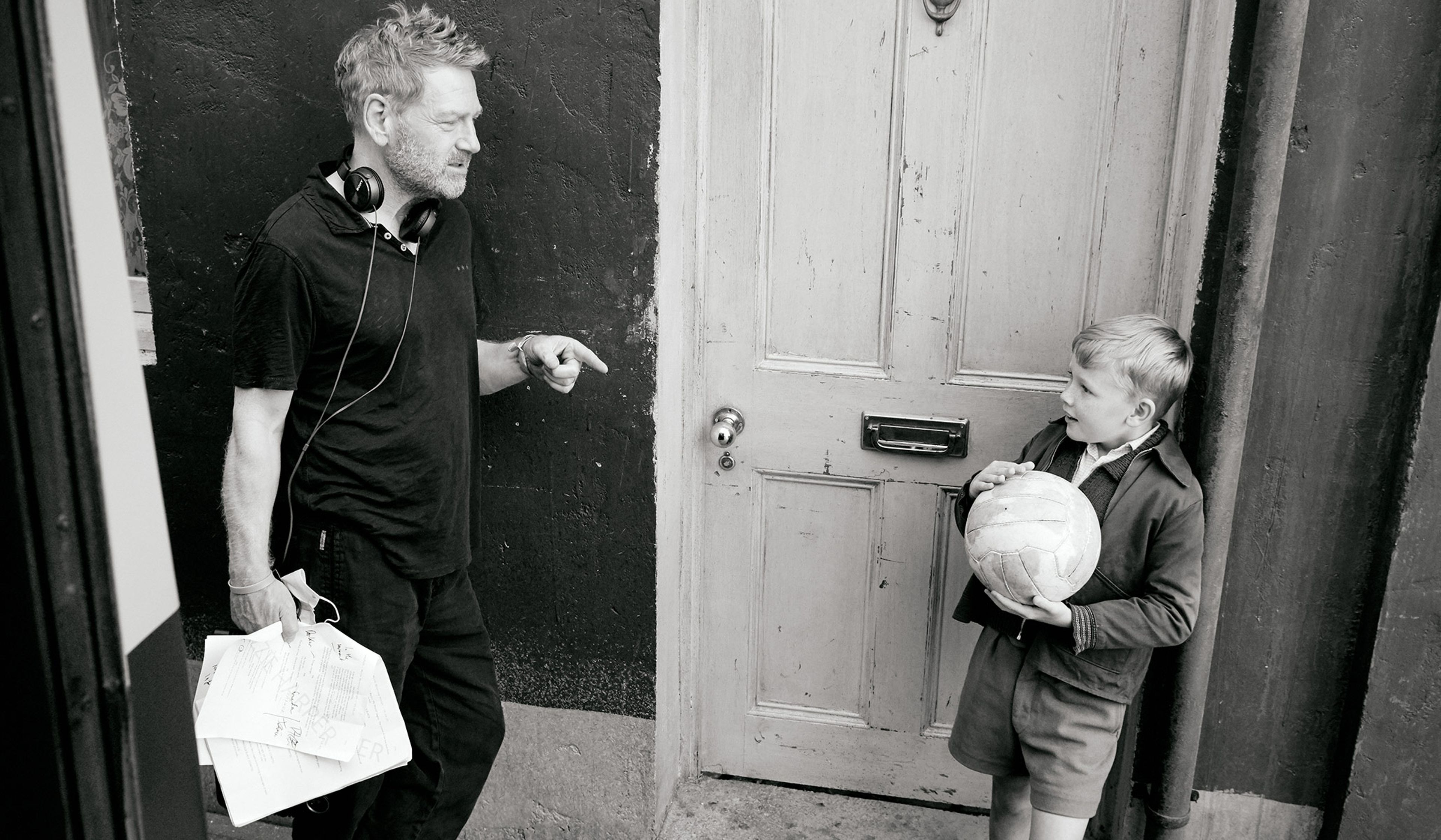
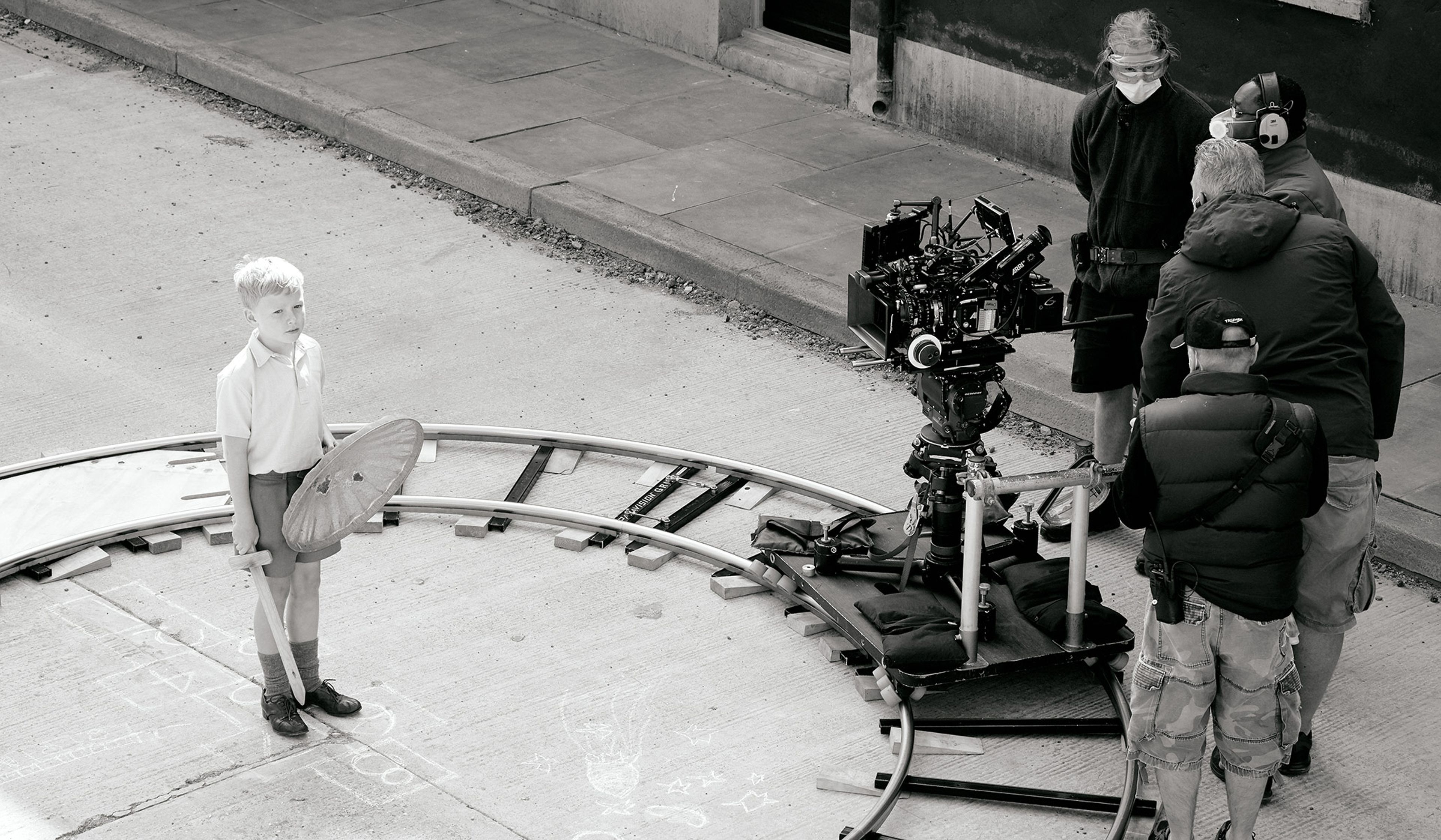
Now with this autumn’s Belfast we have a Branagh movie that is emphatically one for me again. The source material isn’t the Bard this time, but the director’s own Irish youth in the later 1960s, portrayed in black and white with Star Trek on the television and the Troubles looming up. His stand-in is the towheaded Buddy (Jude Hill), a grade-school kid with grade-school problems: He’s struggling with math homework in the hopes of getting closer to his crush; his older cousin enlists him to shoplift from a candy store; his pious grandmother (Judi Dench) makes him sit through a hellfire sermon from their Protestant pastor.
But these kid problems don’t amount to a hill of beans compared with the forces that are about to redirect his life and ultimately remove him from his home: His parents, also Protestants, live on a mixed street with Catholic neighbors, making them a target for Unionist goons; there’s no work in Northern Ireland, so his dad is gone to England every week; and his kindly grandfather (Ciarán Hinds) has lung cancer, a synecdoche for their family’s entire fated Belfast way of life.
If this description makes Belfast sound like the grimmer sort of Irish story, however, think again. The movie is honest about the deprivation of an Irish childhood — the outdoor toilets, the mother hiding from the rentman, the father gambling away too much of the cash he earns — but it’s primarily interested in the retrospective celebration of its neighborly and tight-knit virtues. Whether in James Joyce or Angela’s Ashes or a more recently set movie like Sing Street, there’s a characteristic Irish narrative in which the would-be artist needs to escape from the depressed and claustrophobic isle. Belfast presents the same escape as a tragedy, a plunge out of Eden — necessary given the circumstances, even a felix culpa, given Branagh’s professional successes, but a loss of great good things all the same.
The focal point for this sense of tragedy is Buddy’s mother, played radiantly by Caitriona Balfe, heretofore best known as the star of the time-travel bodice-ripper Outlander. She is too beautiful for her neighborhood, too good for her loving but unreliable husband (the very handsome Jamie Dornan), with every reason to feel oppressed by Irish culture generally and the sense of urban siege created by the Troubles in particular. But she is the one who really wants to stay, who can’t imagine moving to a place where her family is mistrusted, their accent misunderstood, and the ability to let your kids run free in the neighborhood — secure in the knowledge that everybody knows them — will be forever lost. The movie isn’t really Buddy’s tragedy; we know that he grows up to be Kenneth Branagh, one of the great winners of a cosmopolitan society. For his Ma, though, the local is what matters, and the loss is permanent, profound.
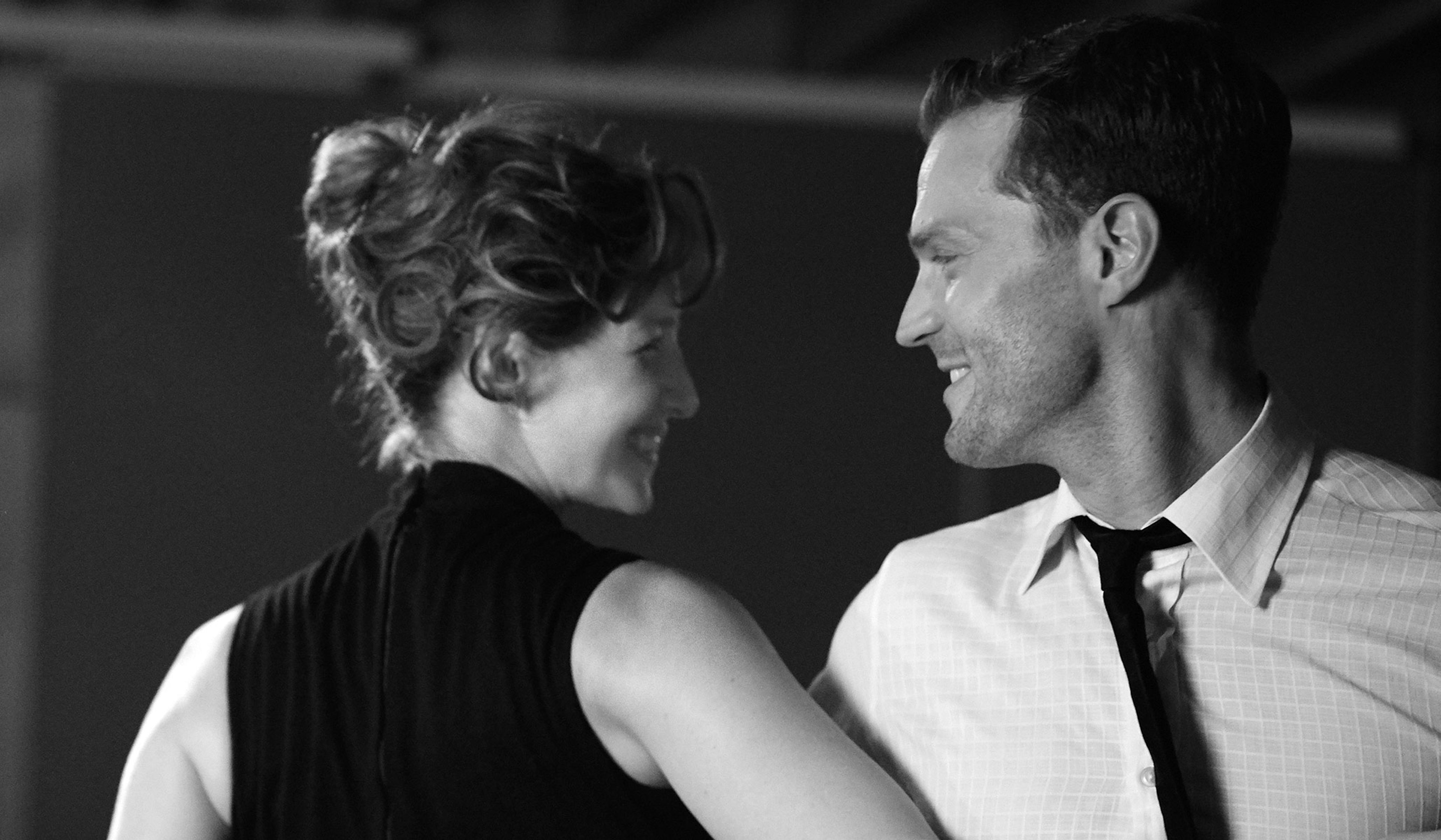
Near the end of Sing Street, the guitar-playing teenage hero has a vision of a different Ireland from the 1980s version he unhappily inhabits, where his miserable, divorcing parents show up together at an imagined version of his school concert, dancing to his music and in love. Near the end of Belfast, we get the same scene but for real, when Buddy’s Ma and Pa dance together at a funeral, to the strains of “Everlasting Love.” They are glamorous, gorgeous movie stars of old; few sons have ever made their parents look as good as Branagh does here.
Nothing in his movie disproves any of the grimmer portraits of old Ireland. But his testimony is offered as a counterpoint, an antidote to anti-nostalgic overkill. This Ireland, too, existed; this love, too, was real.
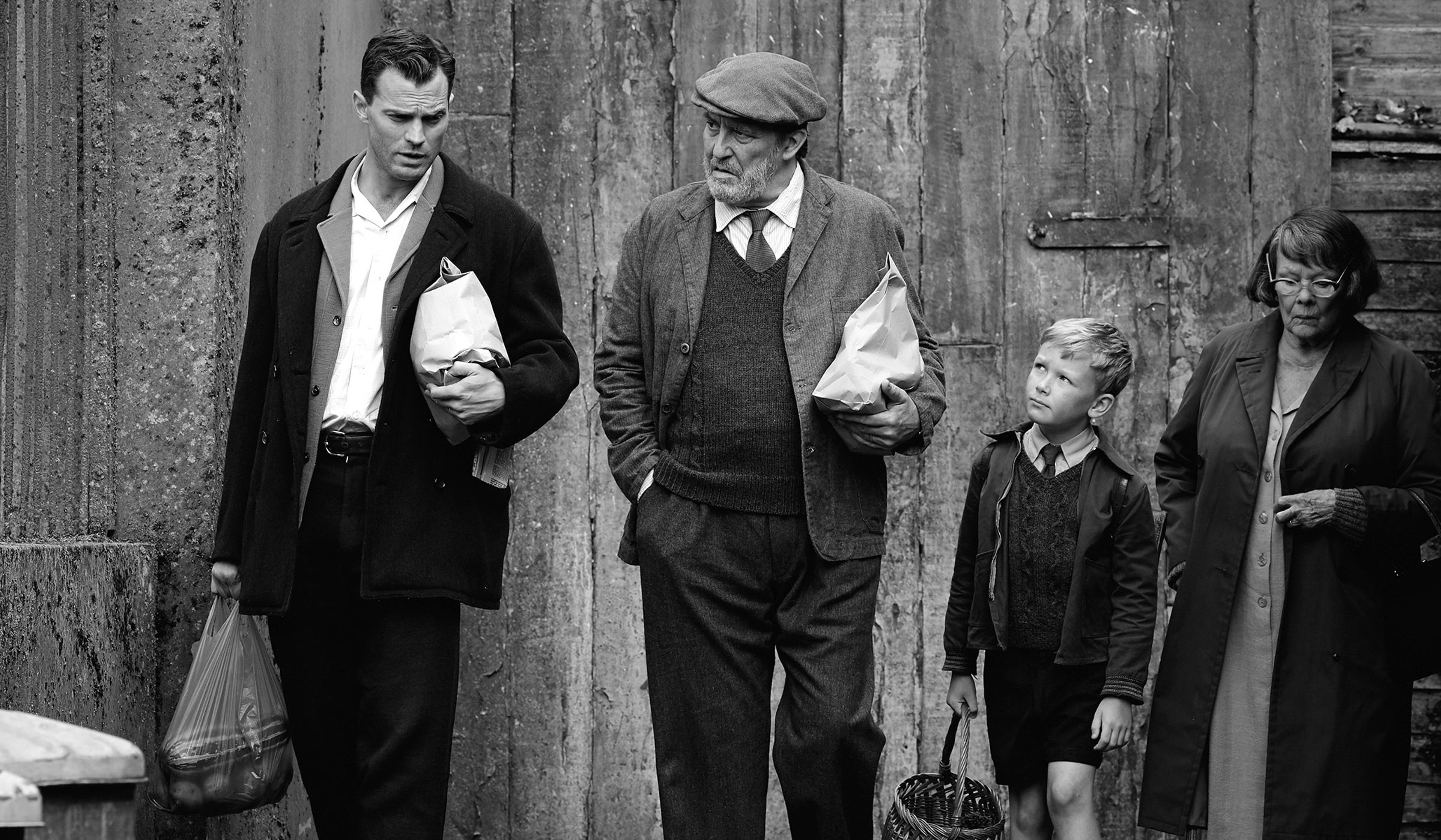
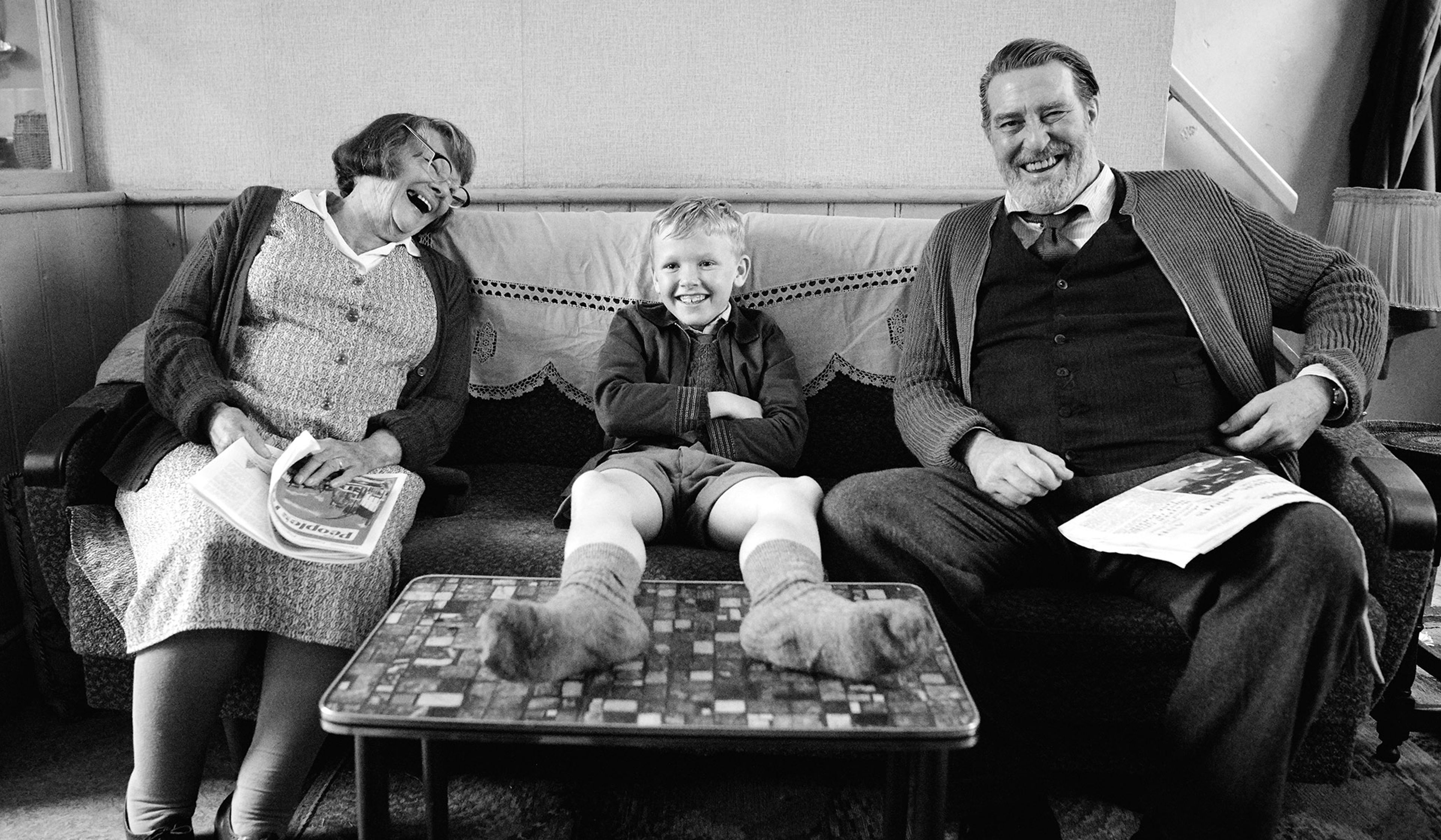
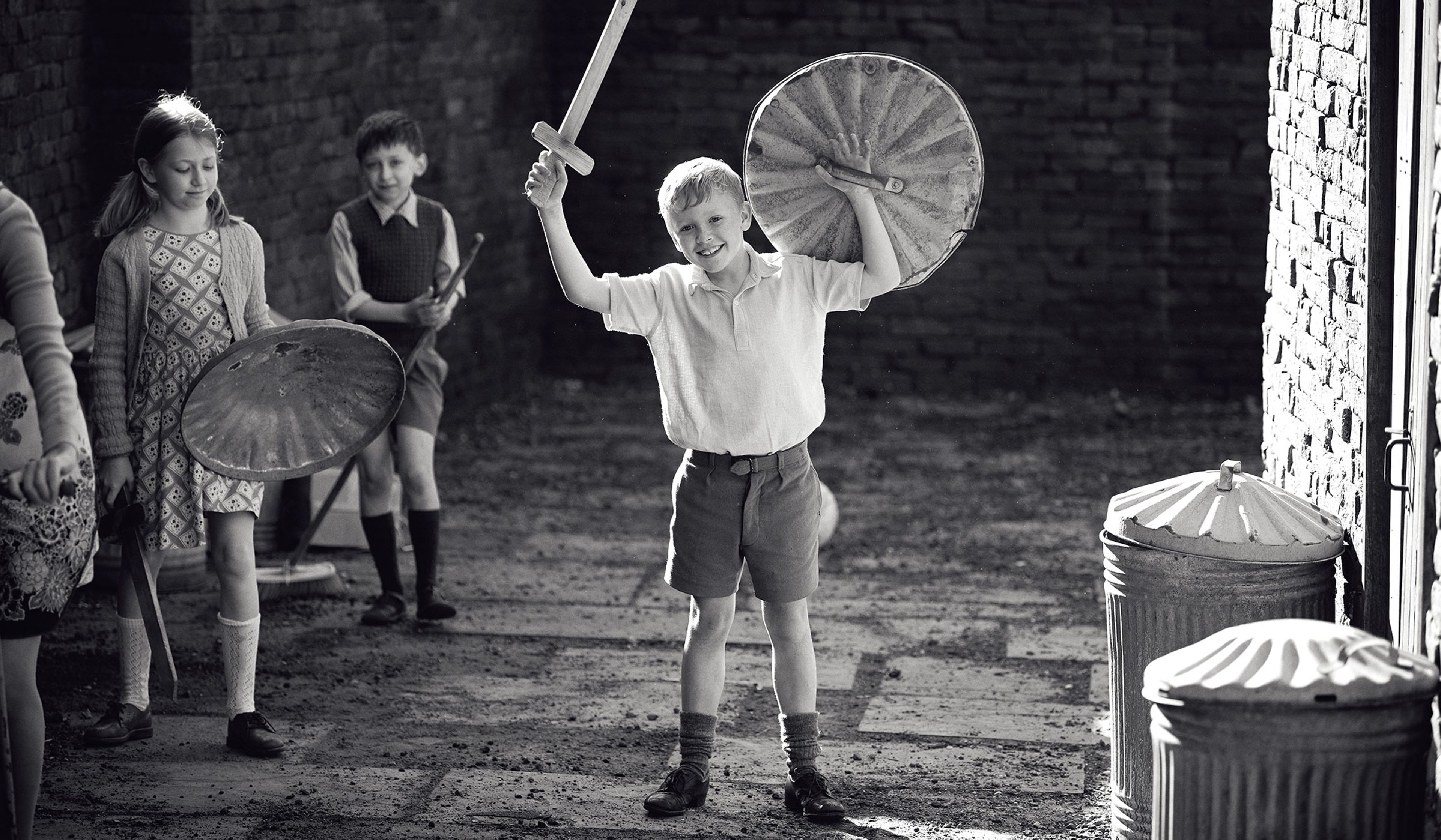
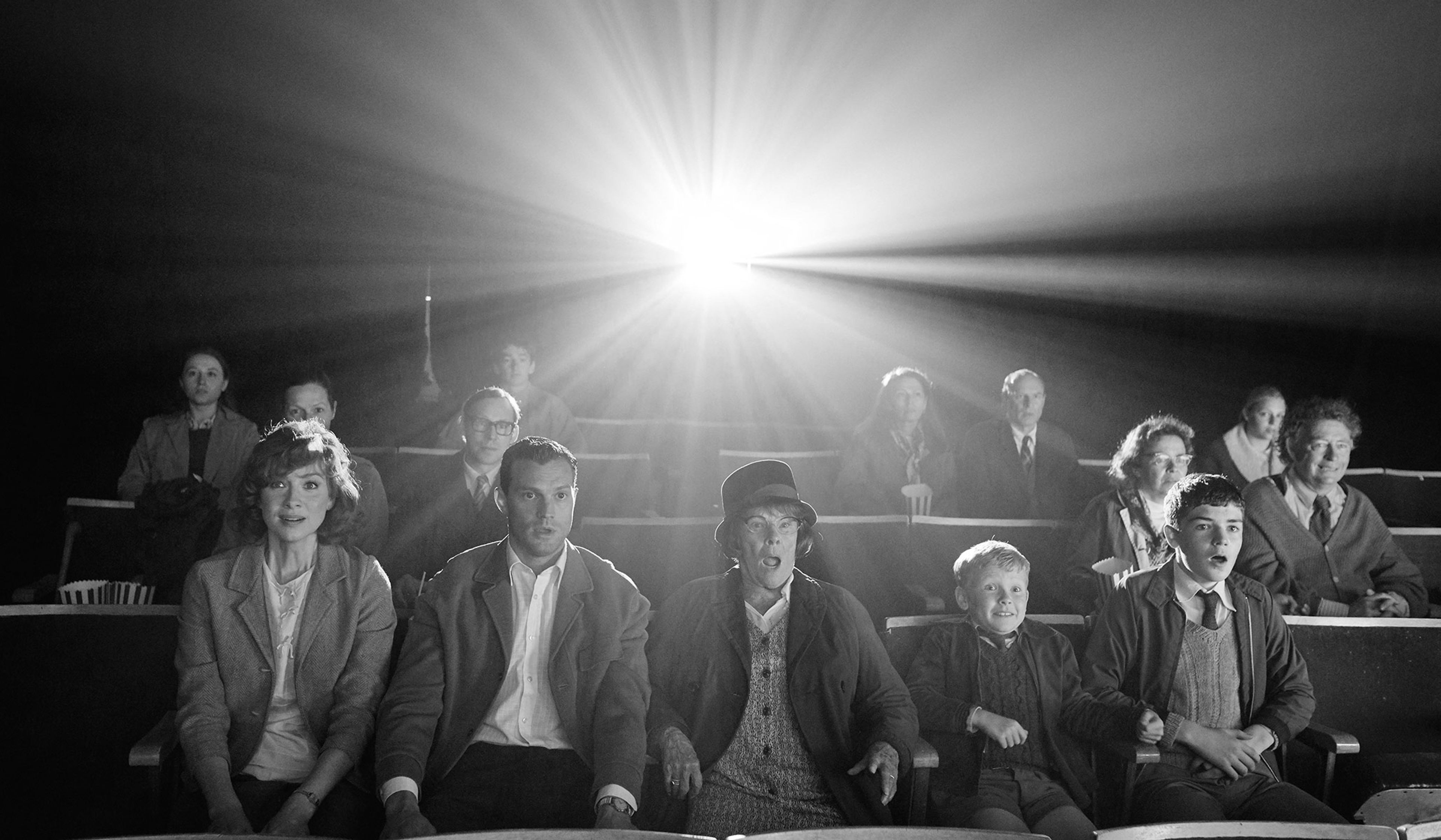
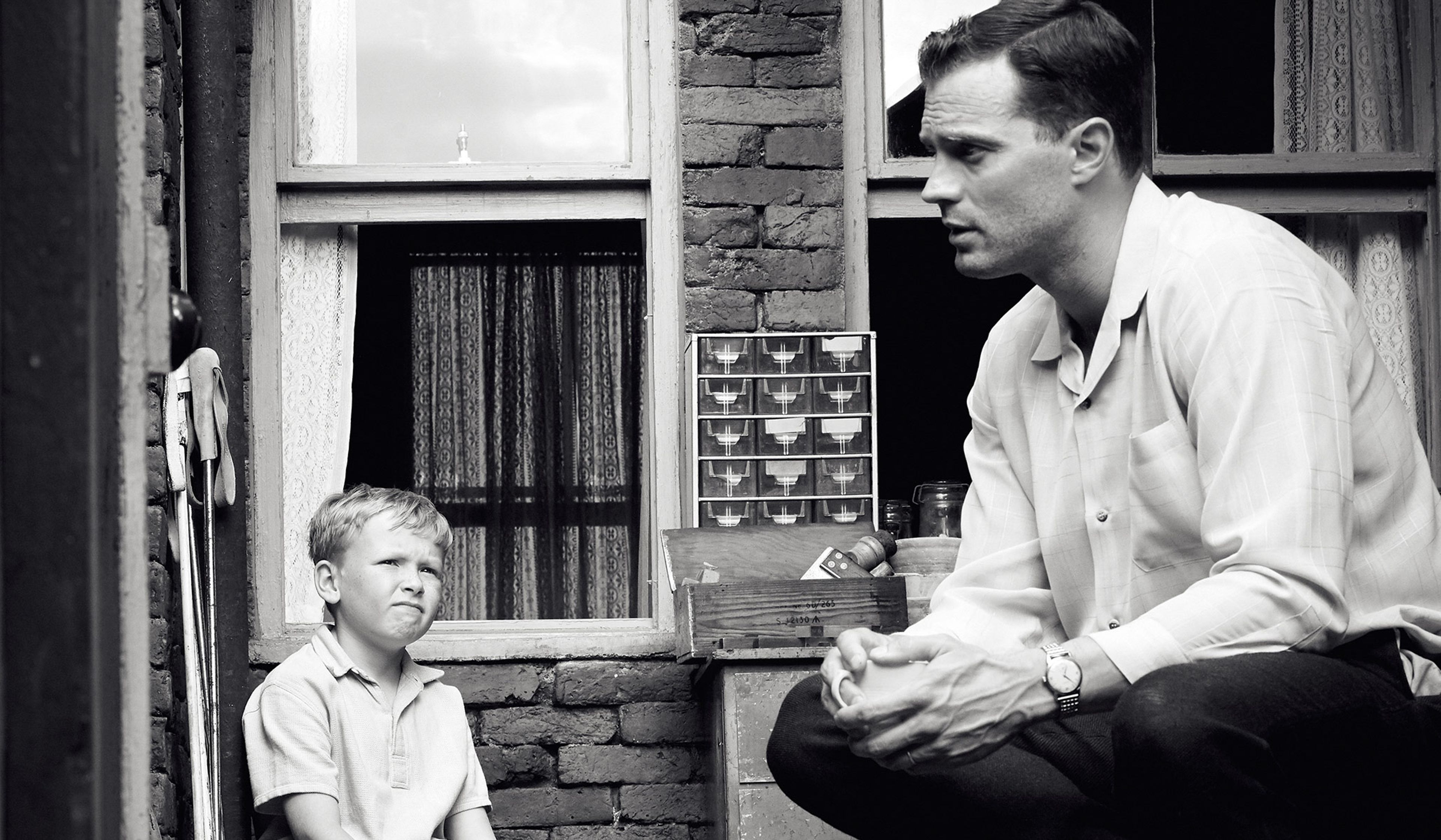
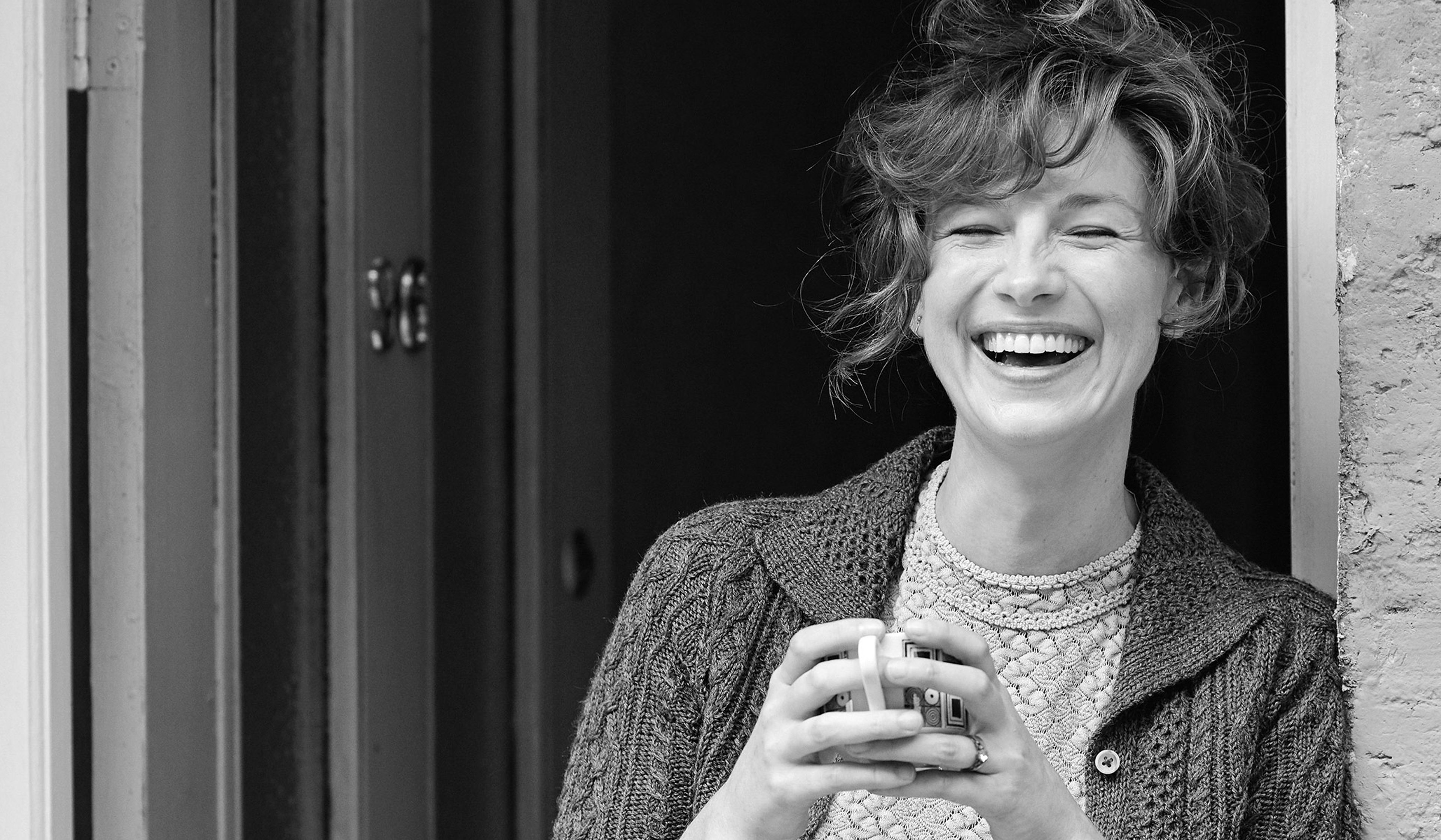

Jamie Dornan, Ciarán Hinds, Jude Hill, and Judi Dench in Belfast.
Rob Youngson/Focus Features












Comments