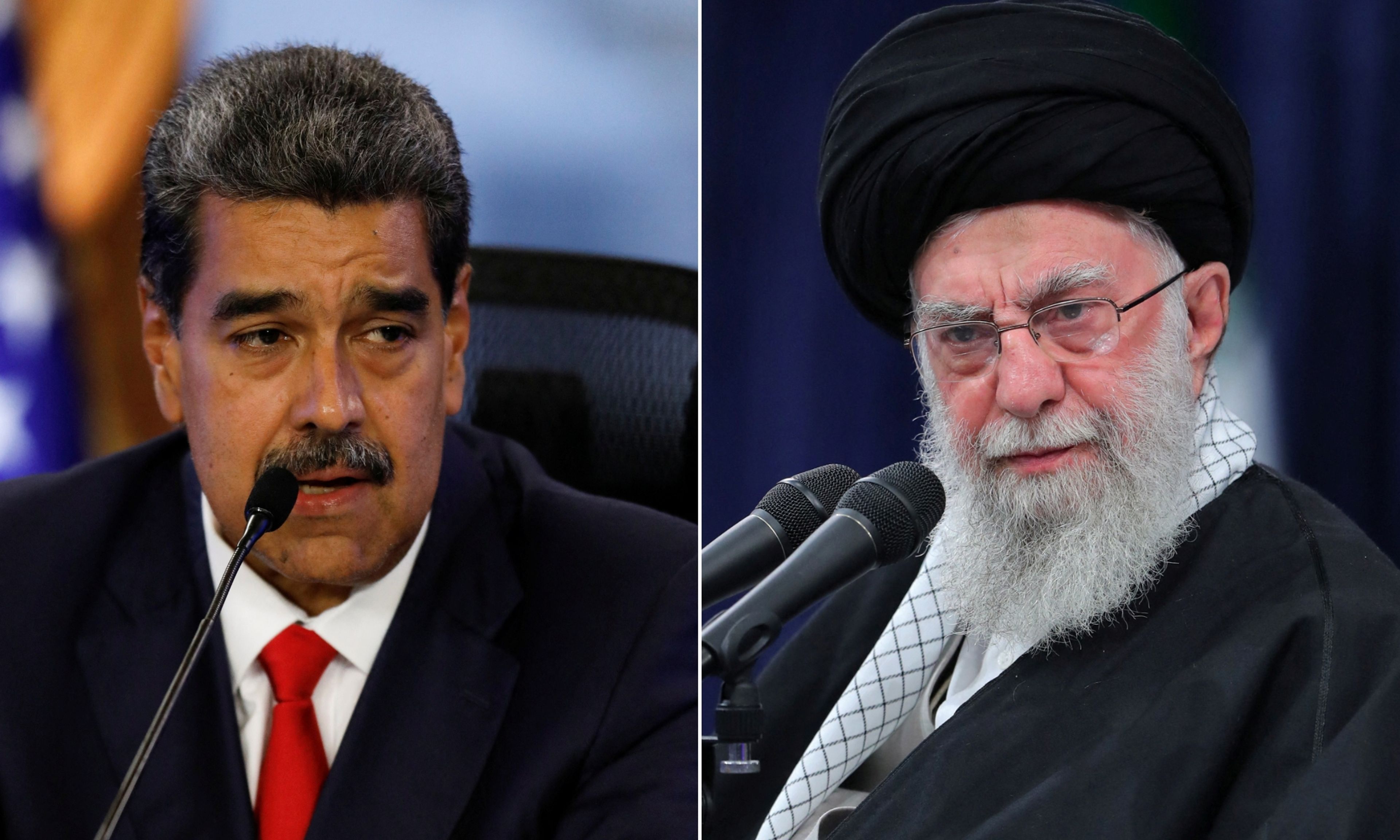
Regime change is somewhat back in favor in Washington, albeit in decidedly Trumpian ways. But what exactly should the phrase mean? When and under what circumstances is it advisable, and how is it best accomplished? Are free elections the only measure of success?
Let’s first clear the air of yesterday’s conventional wisdom, before Trump became America’s premier regime-change advocate. Opponents said it never works, citing failed efforts like the ones in Cuba (1961) and Venezuela (2019); or they came at some later (often quite distant) point to find the policy distasteful, as in Iran (1953), Guatemala (1954), Afghanistan (2001), and Iraq (2003). They didn’t mention successes in Germany (1945), Japan (1945), Grenada (1983), Panama (1989), or even, depending on your perspective, Afghanistan and Iraq. The Warsaw Pact’s collapse and the Soviet Union’s disintegration are also part of regime-change history, with mixed results.









Comments