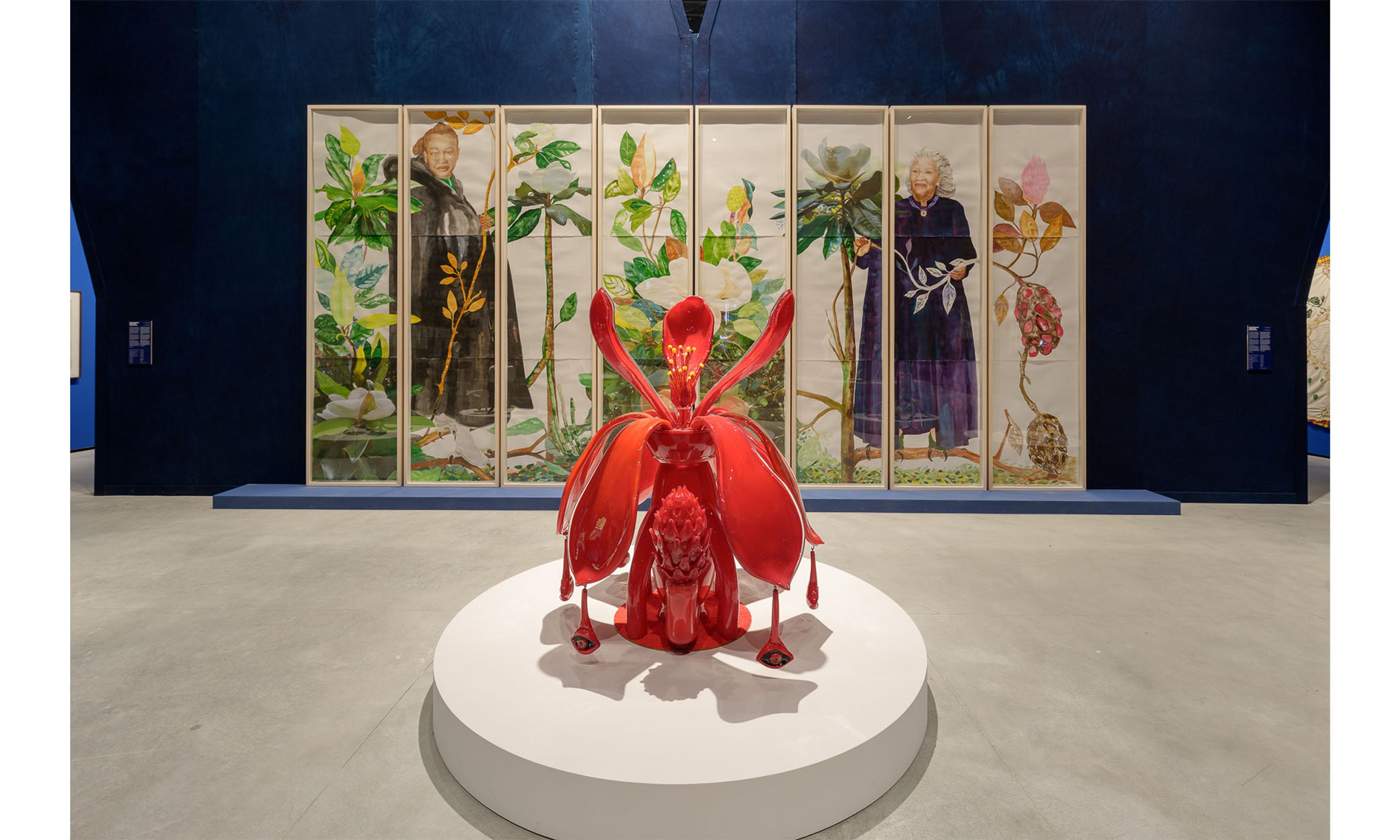
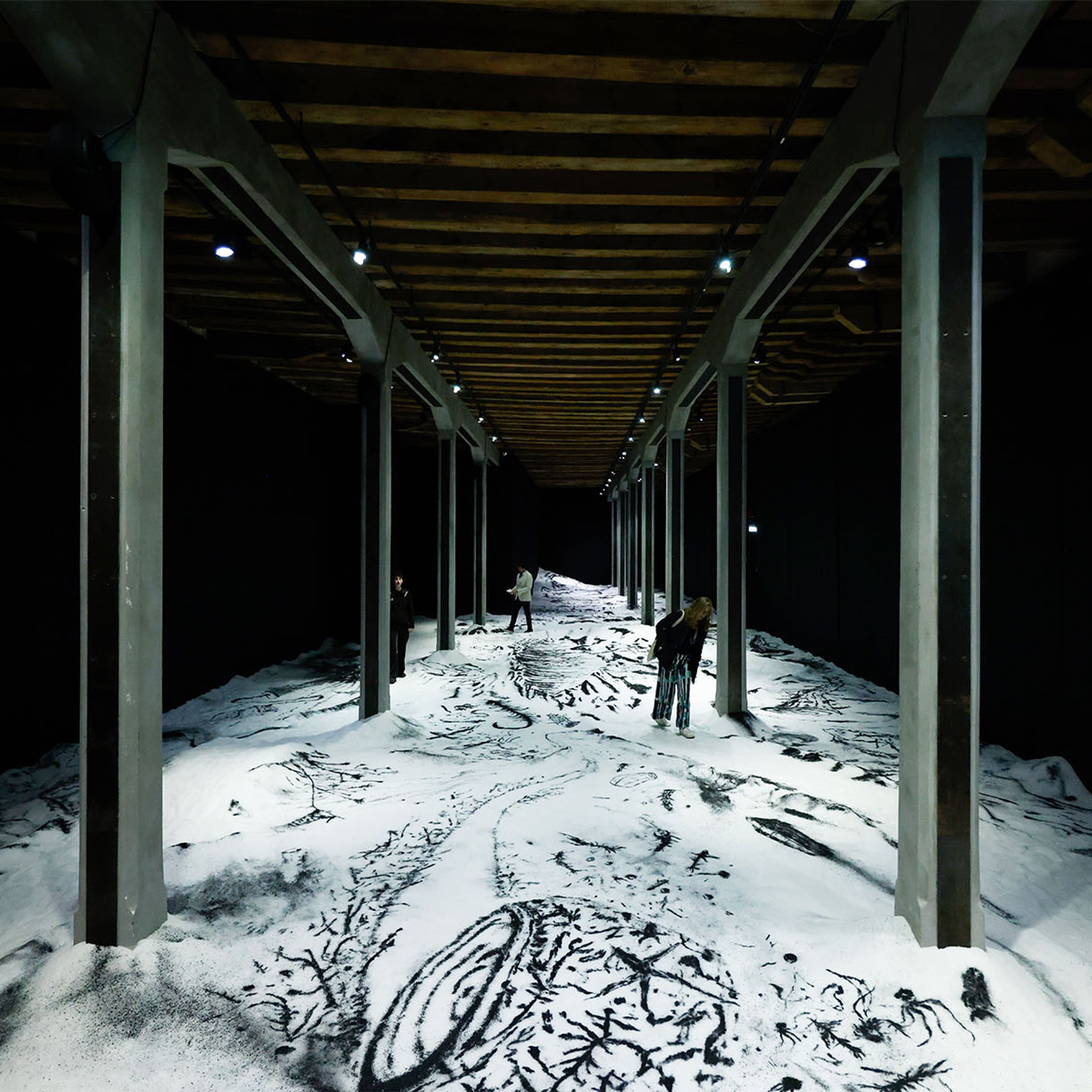
‘As the world cries out and voices are distorted in the din — to the point of all meaning being obscured” — this describes the human condition in 2026, at least as the head of the Venice Biennale, Pietrangelo Buttafuoco, sees it. That’s how he introduces In Minor Keys, the over-boweled, insistent, and predictable anchor exhibition at the world’s biggest contemporary-art exposition — the art world’s Olympics. Sounds like the perfect soil for mediocre art, and there’s lots of it among hundreds of works by 111 artists and collaborations. Amid cries, din, and distortion, who, after all, can possibly discern quality or coherence or craftsmanship or originality? Well, I can.
It all started with such promise. It would be a contemplative, slower Biennale, I heard, not shouty but focusing on the close-to-home-and-hearth, the prosaic, the mournful here and there, invoking the subtle, quiet things we overlook, the things that ground us. “Convivial collectivity,” processional, no goose-stepping allowed, and very creole, casting soft light on the affective and reparative. Tunes in a minor key have a touch, sometimes a dollop, of sadness. Simon and Garfunkel’s The Sound of Silence, California Dreamin’, and Beethoven’s Moonlight Sonata are examples.

Comments