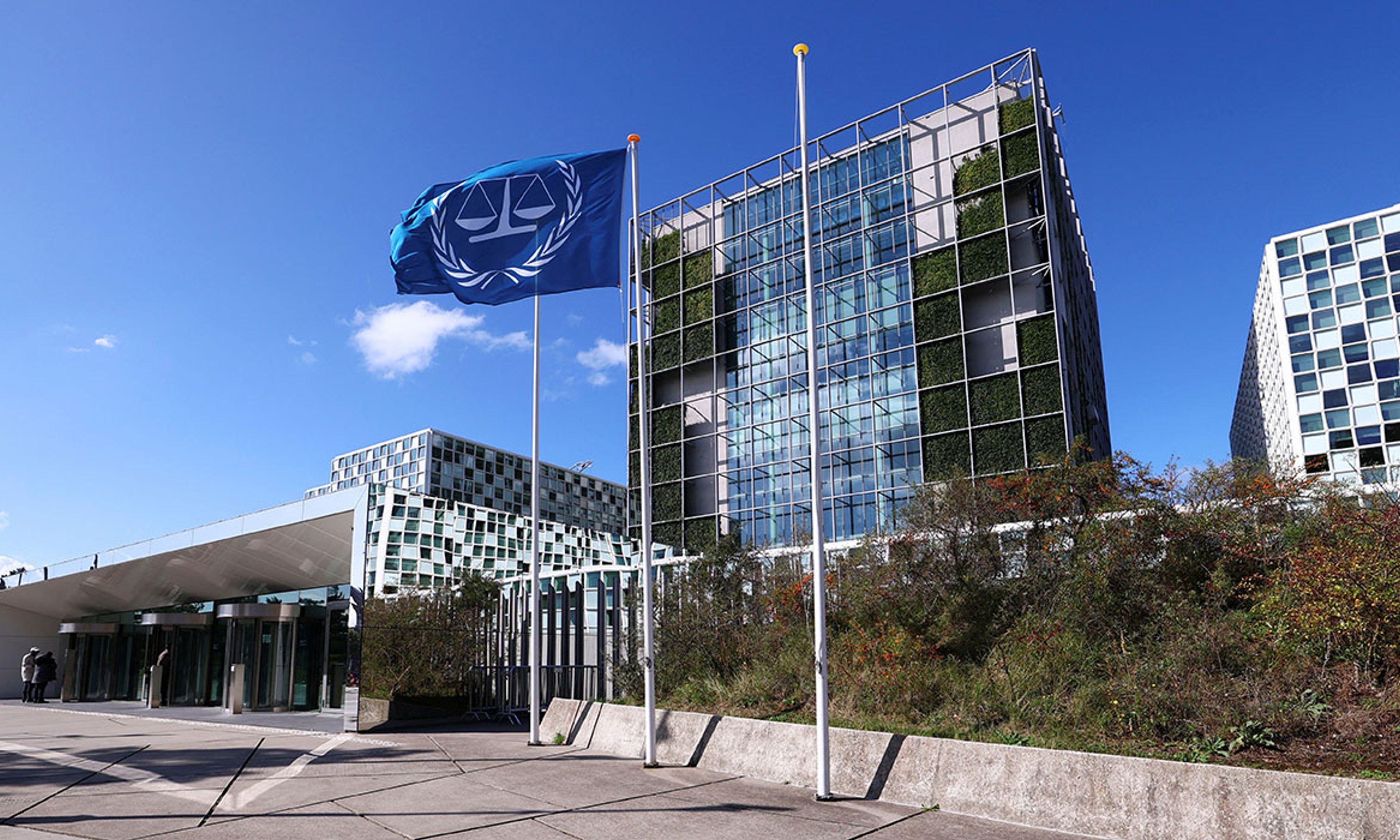
Three International Criminal Court (ICC) judges are asking a federal court in Manhattan to give them constitutional rights the Constitution does not extend to foreign nationals abroad, to read into a sanctions statute limits that Congress never wrote, and to subordinate an Act of Congress to a court the U.S. never joined. But the complaint’s main problem is not even what it says; its fatal flaw is what the lawyers knew they had to leave out.
The order being challenged, Executive Order 14203, is a sovereignty-protection measure. Put into place by President Trump in February 2025, the order freezes U.S.-linked property and bars U.S. persons from dealing with designated ICC officials who use a court with no jurisdiction to investigate, arrest, detain, or prosecute Americans or allied nationals without their government’s consent. The administration invoked it here against judges whose rulings advanced ICC proceedings against American personnel in Afghanistan and Israeli leaders after October 7.


Comments