
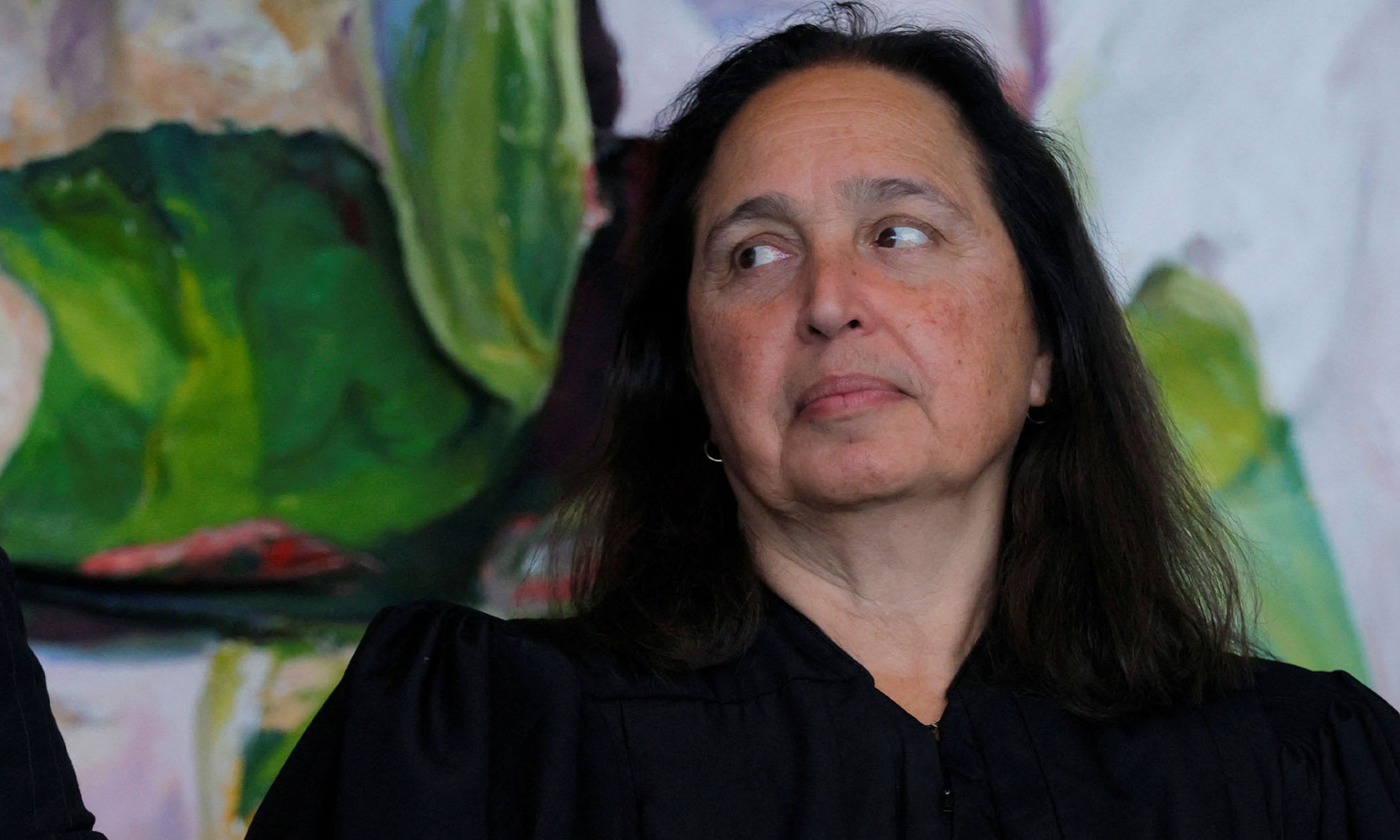
After the Supreme Court on Monday threw out the injunction against Donald Trump’s executive order on noncitizen mail-in ballots, you might have thought that the case was over. After all, the Court didn’t just rule that the injunction was mistaken; it ruled that no party before Judge Indira Talwani of the District of Massachusetts had standing and a ripe claim against the EO. In other words, Judge Talwani had no power under Article III to do anything about the EO. That’s not the end of the story, because aspects of the EO dictating what mail can be carried are unconstitutional: Only Congress, not the president, can decree that. But it’s the end of the federal judicial case or controversy unless and until there is actually a Postal Service regulation that imposes some burden on the states or another proper plaintiff.
If you thought that, dear reader, you underestimated the anti-Trump zealotry of Judge Talwani. On Tuesday, the day after the Supreme Court ruled that she had no judicial power to enjoin the EO, Judge Talwani issued an order in a companion case taking the Postal Service to task for daring to publish a draft set of proposed regulations in the Federal Register while she had enjoined the USPS from even “initiating . . . rulemaking” to implement the EO.

Comments