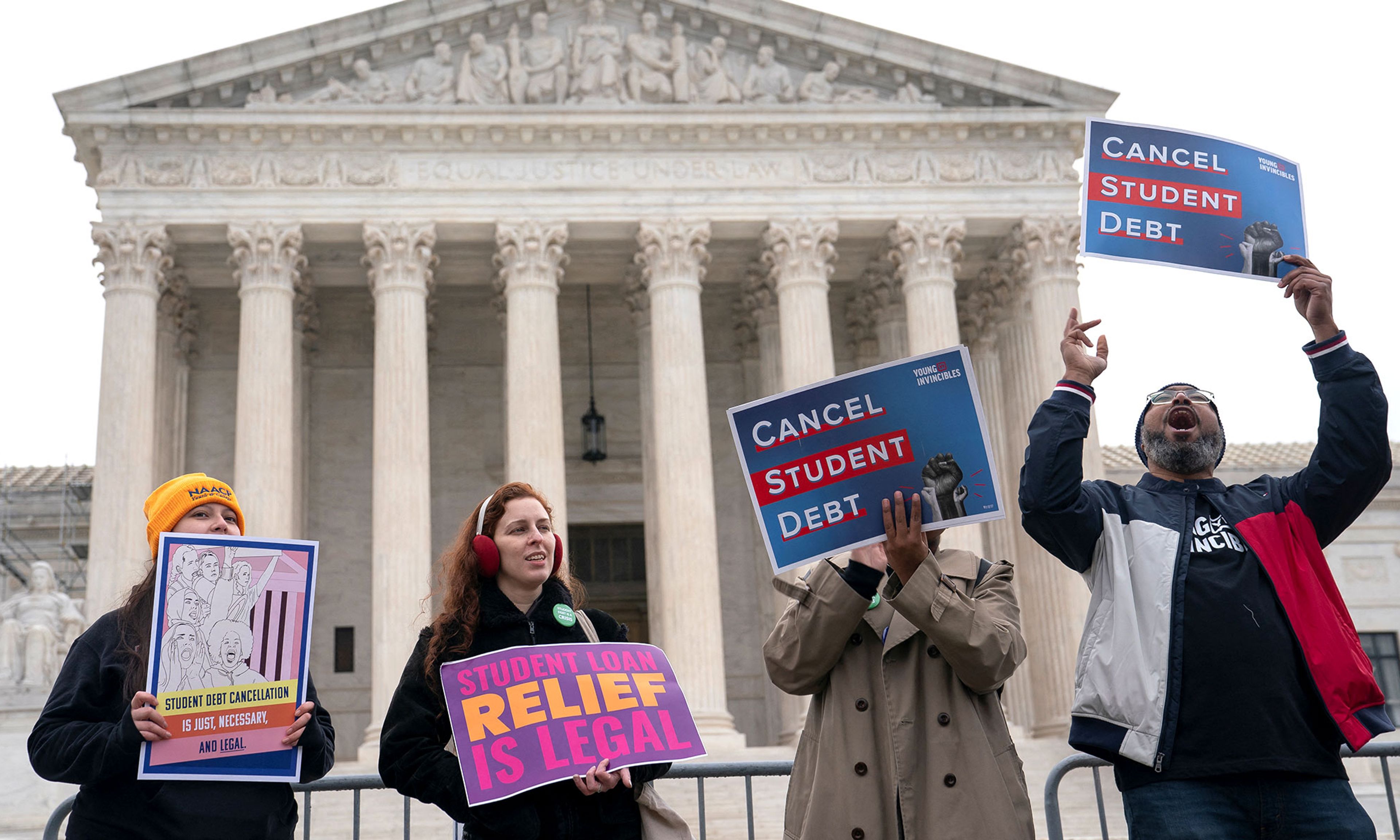
President Donald Trump’s One Big Beautiful Bill Act (OBBBA) lived up to its name when it came to reforming student loans, making several much-needed changes. But there is more to be done.
The bill’s biggest success with regard to student loans was the elimination of Grad PLUS. Graduate students (those pursuing master’s, doctoral, or professional degrees such as a J.D.) had previously been able to tap into both the normal student loan program and Grad PLUS. Normal student loans suffer from a host of problems but have sensible safeguards, such as a limit on how much students can borrow each year and over their lifetime. Grad PLUS had no such safeguards. Colleges could charge as much as they wanted, and students could just borrow more through Grad PLUS to pay it. This led to two predictable consequences: overborrowing by students (e.g., the dentist who accumulated over a million dollars in student loan debt) and colleges’ raising their prices to exploit the loan program. Grad PLUS also cost taxpayers a bundle, with losses estimated at around 24 cents for every dollar loaned. Eliminating Grad PLUS, therefore, reduces overborrowing by students, stops rewarding colleges for raising tuition, and saves taxpayers around $50 billion over the next decade.



Comments