Before 2021, federal student-loan policies typically underwent only infrequent and incremental tweaks. But upon entering office, the Biden administration aggressively and persistently pushed for the mass forgiveness of student loans, attempting to stretch long-dormant statutory language into a new regulatory power to cancel hundreds of billions of dollars in incurred debts. While the second Trump administration has mimicked this tactic on trade policy, when it comes to student loans, it changed policy the right way: by working with Congress to pass new legislation.
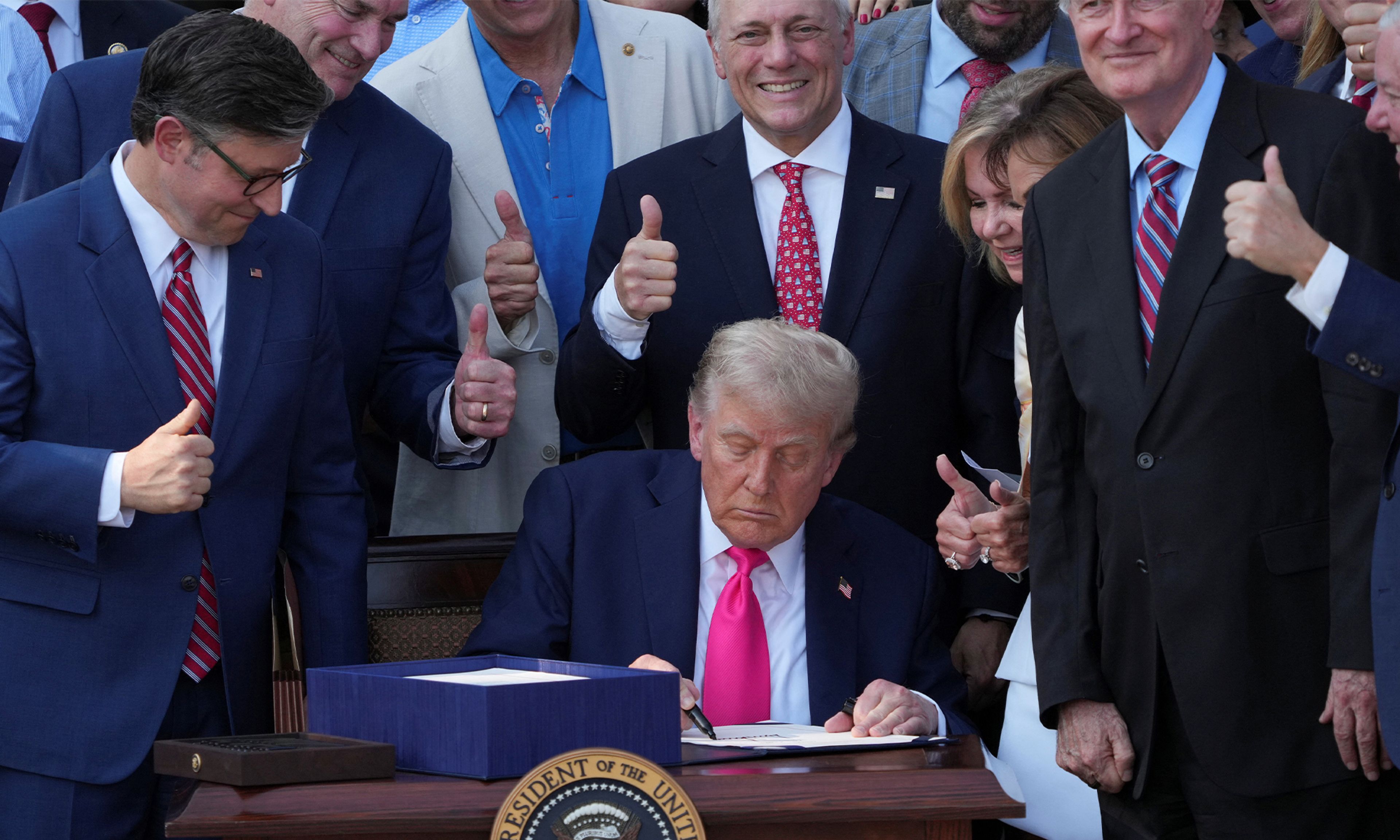
Last year’s reconciliation bill put a stop to most student-loan forgiveness, introduced the first meaningful accountability mechanism for colleges since the 1990s, and put a limit on lending for graduate students and parents. The law also overhauled loan-repayment structures, phasing out many legacy plans and replacing them with two options: a mortgage-like plan with fixed payments or an income-driven repayment plan under which monthly payments vary based on income. These plans replaced many of the old ones that President Obama, and Biden even more so, had made too generous.











Comments