A Road Map to the Next Middle East War

As more Lebanon crises occur, Iran will eventually provoke a response that raises the odds of a return to conflict.

Share this story

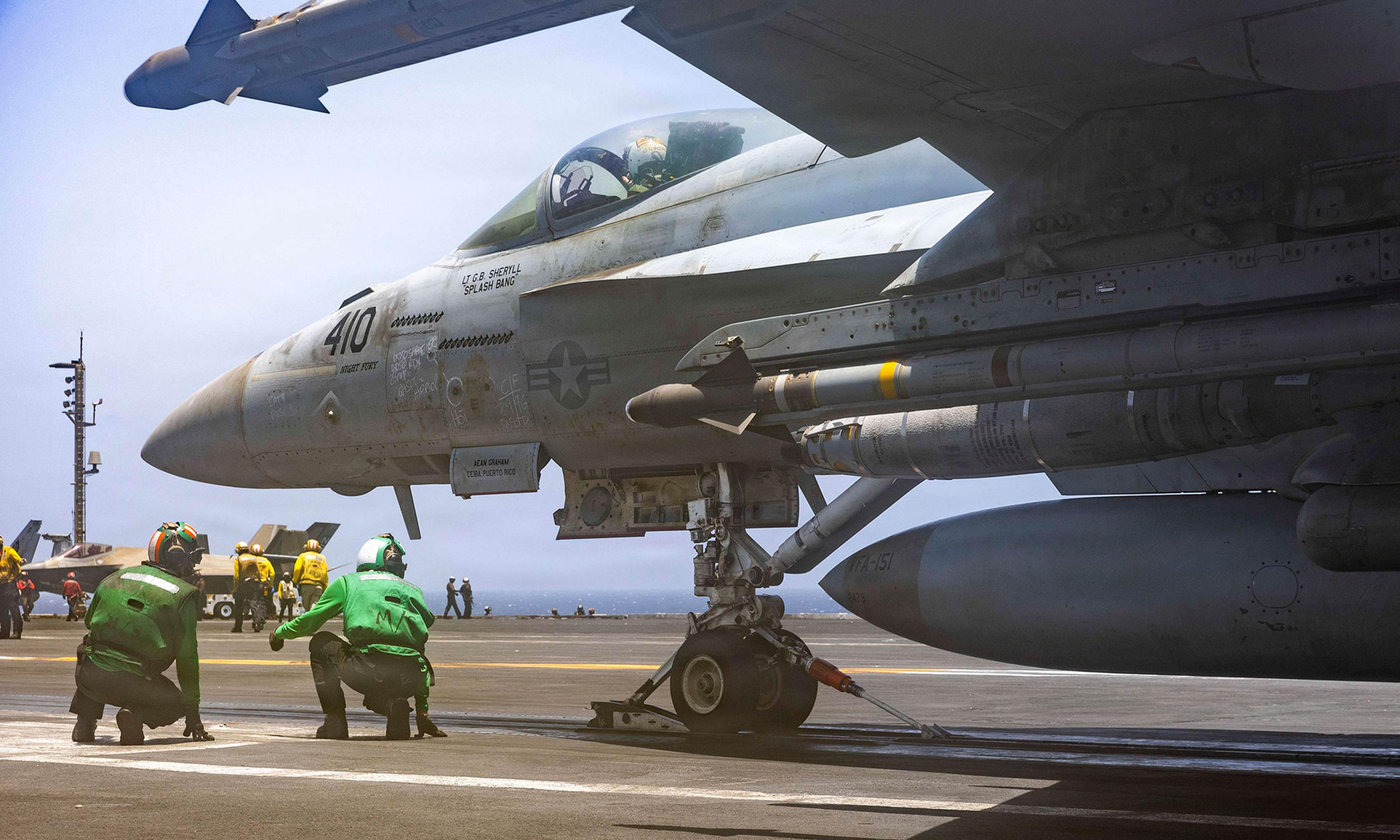
U.S. Navy sailors prepare an F/A-18E Super Hornet attached to the “Vigilantes” of Strike Fighter Squadron VFA-151 to launch from the flight deck of the Nimitz-class aircraft carrier USS Abraham Lincoln (CVN-72), under way in the U.S. Fifth Fleet area of operations, May 31, 2026.

U.S. Navy

Contrary to what many seem to think, the MOU between the United States and Iran is not a final status agreement that will permanently end hostilities and reshape the Middle East. It is, rather, an extension of the April cease-fire, and includes no changes to the underlying realities that catalyzed the U.S.-Israel-Iran war in the first place.

Americans and American allies who have supported Washington’s struggle against the Islamic Republic must be patient. The fact is that geopolitics will eventually drive the Middle East back to war; the U.S. must prepare for this eventuality and develop the strategic options that President Trump will need in the next round. Crucial to these efforts will be maintaining Lebanon as leverage.

Seth Cropsey

About the Author

Seth Cropsey

Seth Cropsey is president of Yorktown Institute. He served as a naval officer and as deputy undersecretary of the Navy. The U.S. Naval Institute Press published his most recent book, co-authored with Harry Halem, Breaking the New Axis: A U.S. Grand Strategy for Eurasia, in April.

Comments

Advertisement

Advertisement