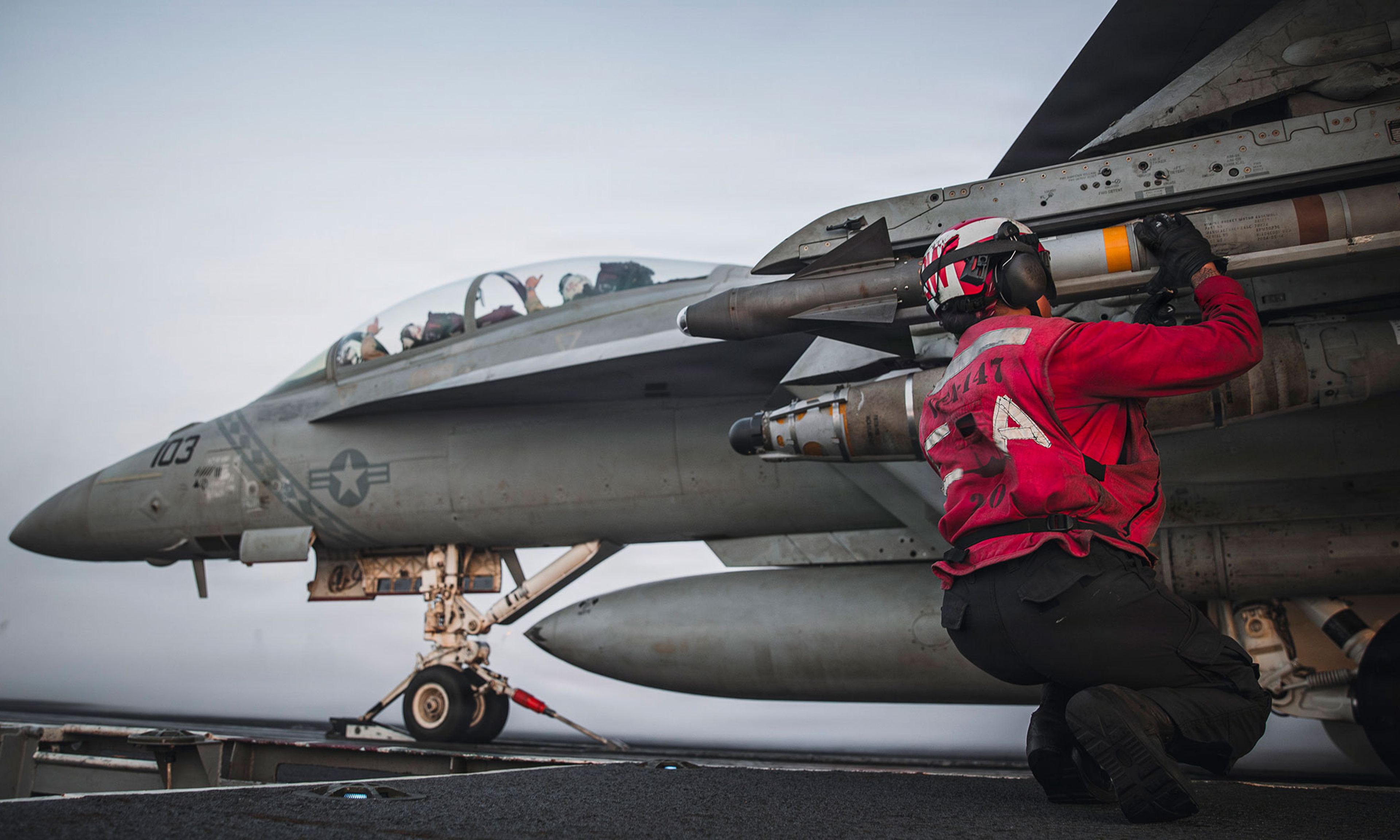
The return of fighting in the Strait of Hormuz is producing calls for a renewed deal with Iran. But the last deal, the Islamabad memorandum, did not fail for want of good terms. It failed because Iran does not keep its word, a lesson that every president since Jimmy Carter has learned the hard way. The United States should begin to plan for a state of the world after the war that depends not on trusting Tehran, but on imposing conditions on it.
Reaching international agreements involves the same factors as making contracts. The parties must receive benefits from complying with the agreement that outweigh the costs, and the gains from a deal must outweigh the status quo. But of equal importance is that the parties must be able to depend on the enforcement of the agreement. If one party may receive benefits first (such as receiving a car before paying the money), it has an incentive to break the deal unless the courts and police stand by in the background to enforce it. The fundamental problem with ending the Iranian war is that international law, unlike American domestic law, has no supranational institutions capable of forcing nations to keep their promises. Great-power politics has instead required that nations threaten economic, political, or even military violence to force compliance with treaties.

Comments