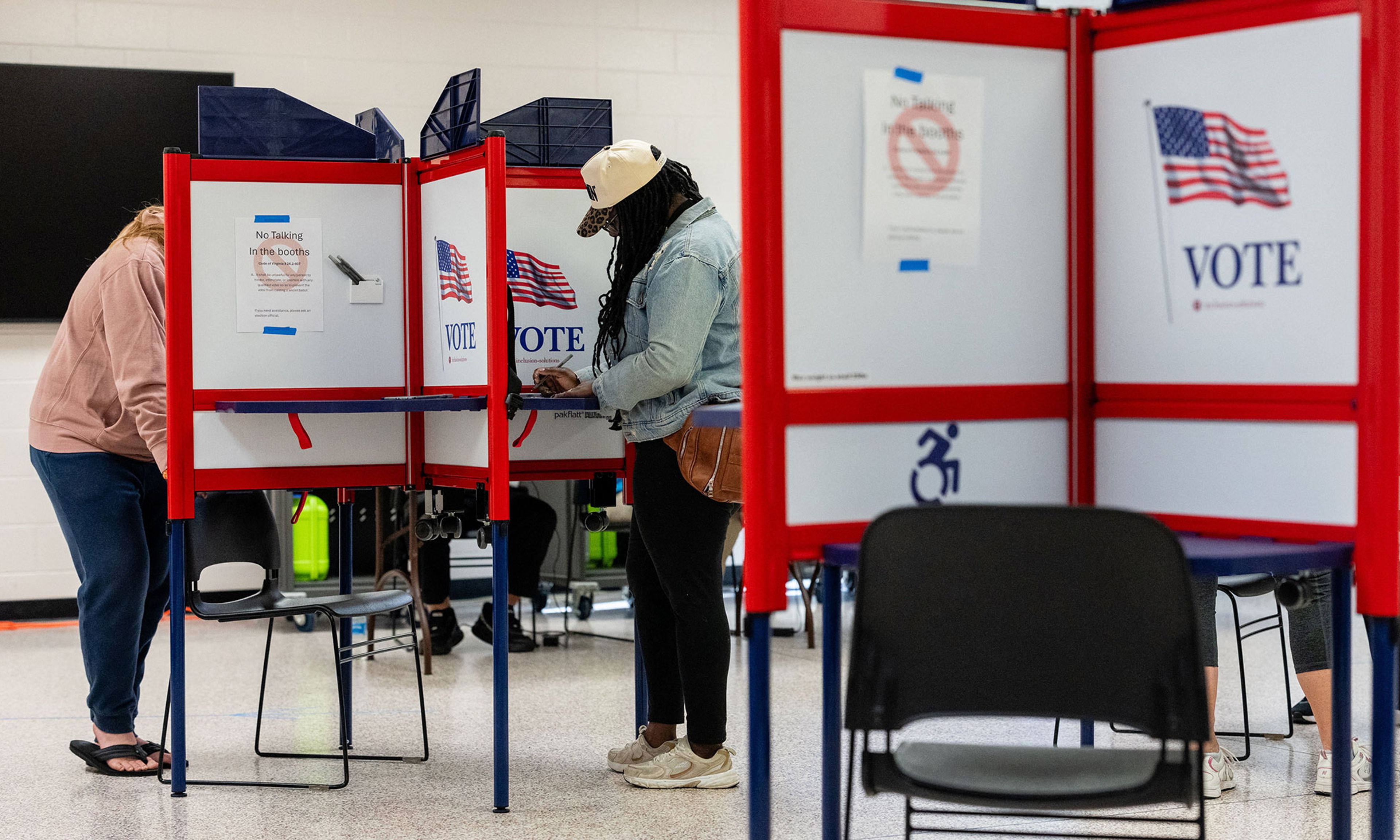
Pro-lifers joined the rest of the Republican coalition in defeat Tuesday night as voters moved to expand or preserve access to abortion.
Virginians voted overwhelmingly in favor of “Question 1,” enshrining a right to abortion in the state’s constitution and effectively legalizing abortion at any point in pregnancy. In Missouri, voters rejected a measure introduced by pro-life advocates to repeal the state’s expressed “constitutional right to reproductive freedom,” which was passed in 2024.
was shot down with 55 percent of the state’s electorate voting “no,” compared to 44 percent of Missouri voters supporting the abortion ban. The amendment included language providing exceptions to the ban, like rape, incest, or medical emergencies. The amendment also included a ban on so-called gender-affirming care for minors.
With 79 percent of the vote counted, passed with much larger margins, 60.9 to 39 percent, making Virginia the eleventh state to pass a constitutional amendment of this nature.
“Republican consultants got the campaign they wanted — and the defeat they earned. You cannot spend years telling your base to sit down and shut up, then act surprised when they don’t stand up for you on Election Day,” Marjorie Dannenfelser, Susan B. Anthony Pro-Life America president, said in a statement on the midterm elections. “Republicans must stop running from the pro-life fight and start giving voters a reason to fight for them.”
The Virginia amendment, which protects a “fundamental right to reproductive freedom,” allows for abortion at any point in the first two trimesters and imposes very few limits on abortion in the third trimester. Pro-life advocates, doctors, and religious leaders have warned that a provision in the vaguely worded amendment that allows abortion in the third trimester to protect the health of the mother will open the door to increased , since it will be interpreted to include exceptions for women who report mental health issues.
The amendment will also make it very difficult for the state to enforce safety and health regulations on the abortion industry, Dr. Christine Francis, a board-certified ob-gyn and president of the American Association of Pro-Life Obstetricians and Gynecologists (AAPLOG), previously told National Review.
“We don’t have to speculate,” Francis said. “There are multiple documented instances over the last 10 to 15 years of abortion facilities when someone finally did go in and do an inspection, where they were either shut down or cited for major safety violations.”
The amendment also chips away at parental rights by allowing minor girls to obtain abortions without parental consent or consultation.
“Tonight’s result does not change the medical realities that compelled us to speak out against this amendment,” Dr. Timothy Boley, a maternal-fetal medicine specialist and leader of Virginia Medical Professionals for Women’s Safety, said in a statement, reacting to the election results.
“Our concerns were never political – they were, and continue to be, rooted in our responsibility as physicians to protect our patients. The passage of Question 1 raises serious questions about the future of medical safeguards in Virginia, and we will continue working to ensure that women and their children are not left vulnerable in the wake of this outcome.”
Virginia already had some of the most permissive abortion laws in the U.S., previously allowing abortion through 27 weeks gestation. Missouri was the first state in 2024 to pass an amendment that undid existing restrictions on abortion in the state.






Comments