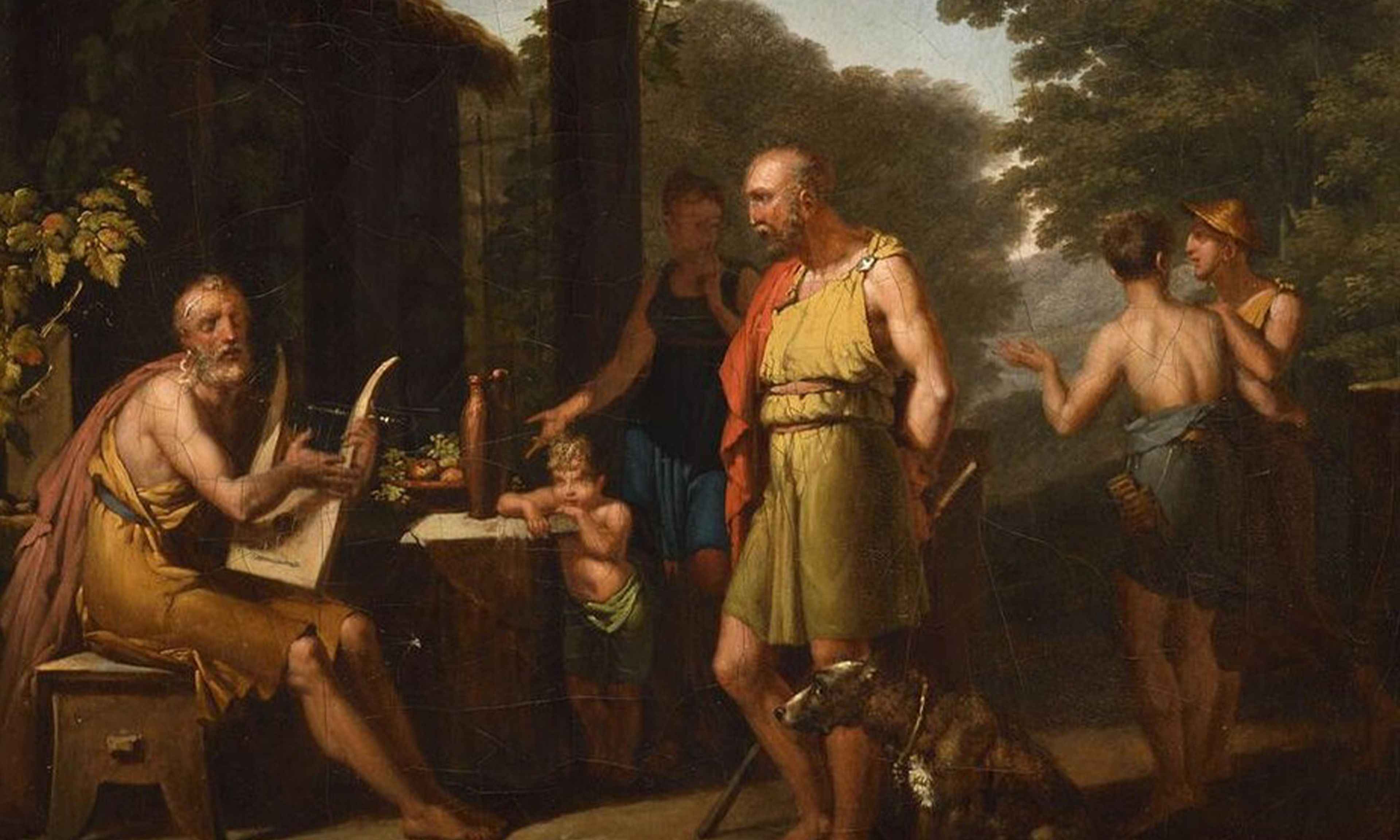
The big book of summer 2026 originated as a Bronze Age oral legend and became a 21st-century movie. The Odyssey was born in the long preliterate age. It is completing its conquest of the Western imagination at the dawn of the postliterate age. The word “literature” denotes reading, but that is only one means of transmitting information. Blind Homer needed only his ears, a good memory, and the ison drone note that underpinned his accompaniment on the lyre. We need only our eyes, an outsourced digital memory, and the false harmonies of skilled liars shouting in our phones. Claude, why can’t I hold a thought anymore?
Here’s a thought that is short enough to hold but still too hot to touch: “So what is happening to our children is, we’re watching them become third world.” Thus spake Marshall McLuhan in 1977. He meant that electronic media were replacing one model of making sense of the world, the linear sequences of print, with another: simultaneous oral and auditory impressions. This experience, McLuhan argued, returned media consumers from individualized, high-conscience rationality to a rapture of fragmentary sounds and images, a “holistic” experience of “tribal” and “collective” identities without any “individual conscience.”


Comments