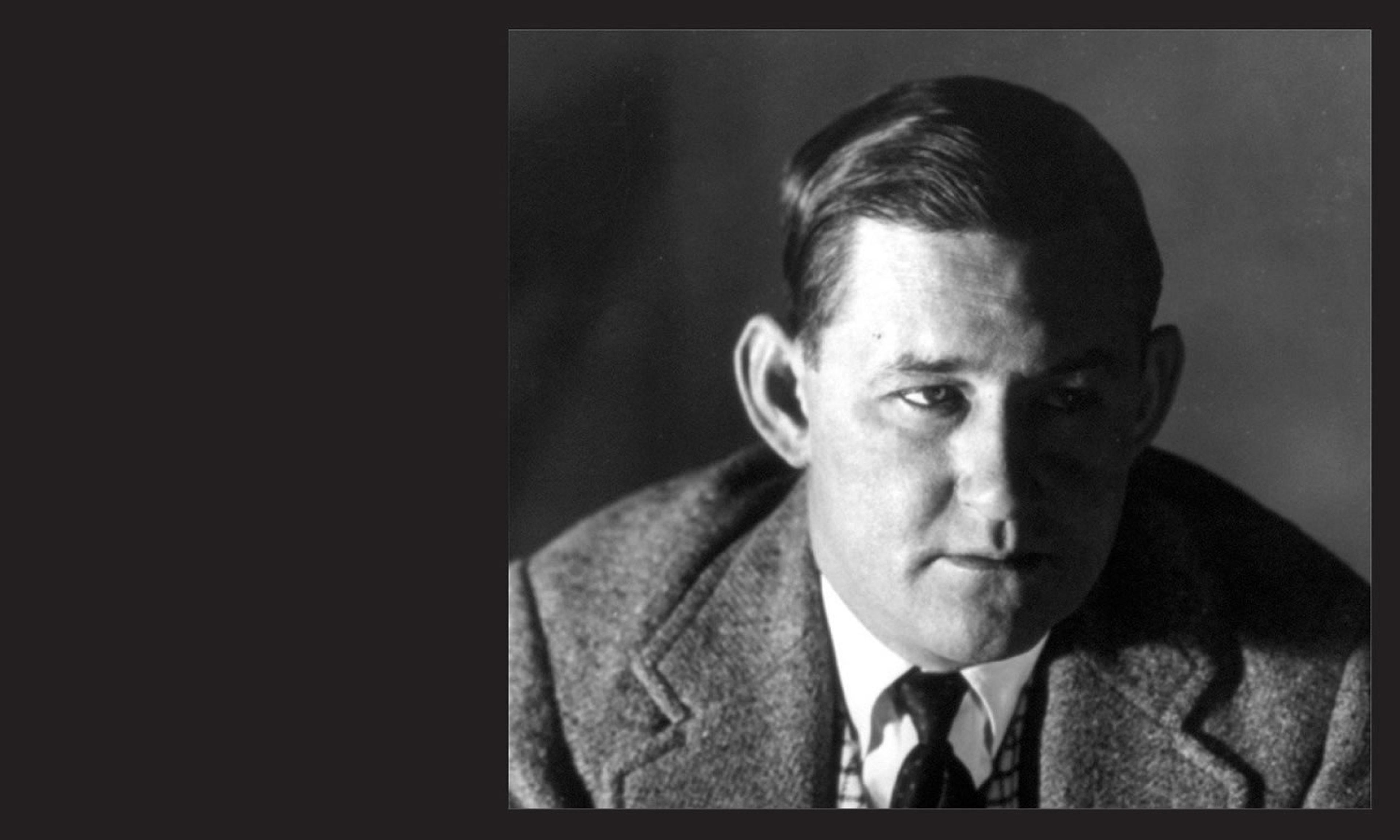
First famous, then forgotten: Such is the melancholy fate of most best-selling writers. Saddest of all, though, is the permanent eclipse of the popular novelist with pretensions to literary distinction. No one ever thought that Harold Robbins or Sidney Sheldon would do anything other than go up the spout as soon as he died, save (perhaps) for Messrs. Robbins and Sheldon themselves. Not so John O’Hara, who was so sure of himself that he actually thought he had a shot at the Nobel Prize. When he died in 1970, he left instructions that the following epitaph be carved on his Princeton tombstone: “Better than anyone else, he told the truth about his time. He was a professional. He wrote honestly and well.”
That, of course, was O’Hara’s malignant vanity talking, but there had once been a time when serious critics took him very seriously indeed. Edmund Wilson called him “original and interesting” in 1941, and Lionel Trilling was sufficiently admiring of his work to write the introduction to the Modern Library’s 1956 collection of his short stories. But O’Hara had long since stopped writing the cool, crisp New Yorker sketches that Trilling and Wilson admired, setting up shop as a full-time purveyor of blockbuster novels. Though he resumed writing stories in 1960, his reputation never recovered from his success. Today he is no better remembered, or regarded, than Edna Ferber or John P. Marquand.










Comments